“Only that which is attained through effortlessness will never be a burden to you.” That is the message of the renowned Indian philosopher Osho, one of the 10 people (others include Gandhi, Nehru, and Buddha) said to have changed the very destiny of his nation. This previously little-known study—a true classic of interpretation—presents his distinctive and highly illuminating exploration of Taoism. Osho offers penetrating commentary on the stories of Chinese philosopher Chuang Tzu, the tradition's founder, as well as inspirational anecdotes on the quest for love, spiritual understanding, and true happiness. The powerful combination of Taoist wisdom and Osho's insightful interpretation make this a true gem, appropriate for the growing audience interested in Eastern thought.
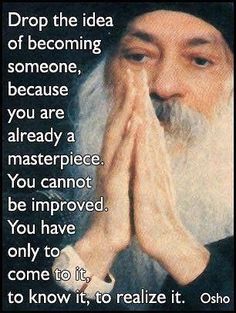
Rajneesh (born Chandra Mohan Jain, 11 December 1931 – 19 January 1990) and latter rebranded as Osho was leader of the Rajneesh movement. During his lifetime he was viewed as a controversial new religious movement leader and mystic.
In the 1960s he traveled throughout India as a public speaker and was a vocal critic of socialism, Mahatma Gandhi, and Hindu religious orthodoxy.
Rajneesh emphasized the importance of meditation, mindfulness, love, celebration, courage, creativity and humor—qualities that he viewed as being suppressed by adherence to static belief systems, religious tradition and socialization.
In advocating a more open attitude to human sexuality he caused controversy in India during the late 1960s and became known as "the sex guru".
In 1970, Rajneesh spent time in Mumbai initiating followers known as "neo-sannyasins". During this period he expanded his spiritual teachings and commented extensively in discourses on the writings of religious traditions, mystics, and philosophers from around the world. In 1974 Rajneesh relocated to Pune, where an ashram was established and a variety of therapies, incorporating methods first developed by the Human Potential Movement, were offered to a growing Western following. By the late 1970s, the tension between the ruling Janata Party government of Morarji Desai and the movement led to a curbing of the ashram's development and a back taxes claim estimated at $5 million.
In 1981, the Rajneesh movement's efforts refocused on activities in the United States and Rajneesh relocated to a facility known as Rajneeshpuram in Wasco County, Oregon. Almost immediately the movement ran into conflict with county residents and the state government, and a succession of legal battles concerning the ashram's construction and continued development curtailed its success.
In 1985, in the wake of a series of serious crimes by his followers, including a mass food poisoning attack with Salmonella bacteria and an aborted assassination plot to murder U.S. Attorney Charles H. Turner, Rajneesh alleged that his personal secretary Ma Anand Sheela and her close supporters had been responsible. He was later deported from the United States in accordance with an Alford plea bargain.[
After his deportation, 21 countries denied him entry. He ultimately returned to India and a revived Pune ashram, where he died in 1990. Rajneesh's ashram, now known as OSHO International Meditation Resort and all associated intellectual property, is managed by the Zurich registered Osho International Foundation (formerly Rajneesh International Foundation). Rajneesh's teachings have had a notable impact on Western New Age thought, and their popularity has increased markedly since his death.
I found it a little difficult to read, and didn't always agree with Osho's interpretations, but there is much to gain from sorting through it for those jewels of wisdom you can apply to life. I would recommend it to others. Just don't try to rush through it.
Before reading anything by Osho, check him out on Wikipedia.
Accused of involvement in poisoning hundreds of people in America to manipulate election results he was eventually banned from the US and agreed to leave to avoid prison.
A man of wisdom always looks at a problem from the others point of view.
We are always wise when we have to advise others, but when we are in the same trap, with the same problem, the same crisis, we are not so wise.
Do not rely on distinction and talent when you deal with men - remember the brave monkey killed by the prince.
You can change the words but deep down you remain the same. You can change the behavior but deep down you remain the same. The real thing is how to change your being - not your behaviour, not your words, not your clothes - how to change your being. A man of rules changes himself on the periphery. A man of understanding changes himself, then the periphery changes automatically.
To a frog who has never seen the sea, no words can describe it to him, he will not be able to imagine or believe it.
There are people who simply go on moving fast, thinking that just by moving fast they will reach somewhere.
"The difficult attracts. The more difficult it is, more it attracts you. It becomes more valuable because through it, if you conquer it, you will achieve a greater ego. ...
So how can you make history if you are easy? If you win a war and kill millions of people you make history. If you just brush your teeth in the morning how can you make history? And easy is right... and you sing a little song... how can you make history?
The right way to go easy if is to forget the right way. And forget that going is easy."
Didn’t manage to actually read the book as the philosophy is so foreign that it was impossible to relate to anything at all. Hence the absence of rating. Can’t really understand why this book even exists.
Osho - based on Taoism. Except for the odd google quote i have read little about Taoism and although Osho had been on my radar for some time, I have also been putting off getting stuck in. However, when this book came up on Netgalley i decided to give it a go and i certainly wasn't disappointed.
Each chapter is based around a story or parable, which is then explained by relating the contents of the story as Jesus would have done. I found the parables thought provoking - do I really have a 'monkey mind' for instance? Even if Taoism is not your thing, this book is well written and will give you something to think about.
Commentaries on 10 parables of The Chuang Tzu; one of the important books in Taoism. Refreshing and enlightening. I don't necessarily subscribe to all the author said, however, he does very good job in expounding the philosophy. Recommended as companion reading to Taoism.
I loved reading this. You there are some books of Osho which have such an incredible impact that one feels as if you are present when he was giving the discourse and this was one was exactly that. I could resonate to so many teachings. The most important take away: being ordinary is extraordinary. Don't try and be special.
Trong diễn giải về Trang Tử, có nhiều góc nhìn mình cảm thấy khó tiếp thu, nhưng nhìn chung tư tưởng của Trang Tử là một góc nhìn rất giải thoát giữa sự thịnh hành của văn hóa cày cuốc, tình hình xã hội đầy bất an và bi quan. Theo như cách mình hiểu, thứ Trang Tử luôn đề cao là sự “tự nhiên”, sự “bình thường”. Sự tự nhiên ở đây là để mọi thứ trong cuộc sống diễn ra một cách dễ dàng, không kiềm chế, không cưỡng cầu. Kiềm chế cảm xúc là điều không tự nhiên; cơn giận càng bị đè nén càng lớn hơn, nhục dục càng bị kìm hãm càng mãnh liệt hơn. Theo Trang Tử, không ai khát dục hơn một người đặt thanh tu quả dục làm đích đến. Các hệ thống đạo đức, luân lý cứng nhắc, những kỳ vọng của gia đình, sự tự ý thức, tự điều chỉnh khiến con người không thể tự nhiên được. Con người luôn phải tự phản ánh lại chính mình và vì thế luôn mắc kẹt trong trạng thái giằng co, đấu tranh tâm lý để chọn ra một cách hành xử đúng. Trên thực tế, cái nào đúng hay sai rất khó xác định vì không tồn tại một sự nhị nguyên tuyệt đối nào, mà đa số đều là những dải màu đa sắc độ. Chính vì thế, sự giằng co nội tâm thường không hồi kết. Sự đấu tranh này khiến con người không thể thoải mái và tự tại được. Đối với quan điểm này của Trang Tử, mình tin rằng không phải cứ tự nhiên là tốt. Dĩ nhiên chúng ta sẽ đi đến một cuộc tranh cãi khác về việc như thế nào là tốt và tại sao chúng ta lại cần phải tốt, nhưng hãy tạm lấy một khái niệm hơi lỏng lẻo là không tấn công và tước đoạt từ những cá thể khác trong xã hội. Nếu lấy khái niệm này, có lẽ tự nhiên không phải lúc nào cũng tốt, vì trong tự nhiên luôn tồn tại bệnh tật, bạo lực. Nên mình không hoàn toàn đồng ý với cách Trang Tử bảo rằng phải sống thuận theo bản tính, nhu cầu tự nhiên của mình, cái gì khó thì không dành cho mình và cứ nên xuôi dòng. Nhưng nếu chắt lọc ý tưởng này để ứng dụng ở cấp độ con người bình thường trong cuộc sống sinh hoạt bình thường vào một ngày bình thường của tháng 4 năm 2025, không kiềm nén hay gạt bỏ cảm xúc – một thứ vốn rất bản năng – là một lời khuyên dễ tiếp nhận. Theo Trang Tử, con người có quá nhiều mong muốn và nỗi ám ảnh, và điều đó khiến họ luôn ở trạng thái cảm thấy thiếu thốn, mà cảm giác thiếu thốn thì không tạo ra cảm giác an lạc, hạnh phúc. Những nỗi ám ảnh về giải thưởng, thành tích khiến con người bệnh tật, vì đó thường là kỳ vọng của xã hội xung quanh, chứ không phải điều bản thân thấy hạnh phúc. Nếu một người chấp nhận theo đuổi một sự nghiệp gì đó, họ nên theo đuổi và đắm chìm vào việc đó vì sự yêu thích của mình, thay vì từ kỳ vọng của người khác và với sự chịu đựng khó khăn. Một tư tưởng táo bạo khác của Trang Tử đó là chúng ta không nên khao khát trở thành một người vĩ đại, mà một người càng bình thường càng tốt. Khi chúng ta càng bình thường, không ai chĩa mũi giáo hay bất kì kì vọng nào vào chúng ta và chúng ta sẽ được để yên. Người càng giản dị và không nổi bật, càng phúc lạc. Một người càng ít phấn đấu để thay đổi bản thân hay thế giới xung quanh thì càng gần với bản chất của tự nhiên, vũ trụ, càng sống hài hòa. Ở đây mình cũng không quá đồng ý, vì định nghĩa tự nhiên cũng rất khác nhau ở những quy mô khác nhau, việc con người cứ cải tạo giống cây này, thay đổi con vật nọ là thiếu tự nhiên từ góc nhìn của con người. Nhưng từ góc nhìn tiến hóa, hay cả không-thời gian lớn lao của vũ trụ, thì việc một sinh vật được chọn lọc tự nhiên và tiến hóa đến mức có thể thay đổi rất nhiều tính chất của rất nhiều sự vật xung quanh nó, phá vỡ nhiều sự hài hòa nhưng cũng tạo ra những sự hài hòa mới phục vụ cho mục đích của chính nó cũng là một sự tự nhiên tất yếu. Nên định nghĩa tự nhiên của Trang Tử với mình, tập trung nhiều hơn vào sự chậm rãi, thư giãn, giản dị và vừa đủ. Trang Tử cũng nói về gạt bỏ cái tôi, cũng nói về việc mọi thứ luôn không ngừng thay đổi nên không nên bấu víu vào ảo mộng về tính bất biến và ổn định, nhưng những cái này thì được nói ở nhiều nơi khác nhau và ý nghĩa của nó cũng rất phổ biến rồi. Một ý cũng rất hay nữa của Trang Tử là chỉ ra sự ám ảnh và thần thánh hóa không cần thiết của chúng ta đối với những gì đã chết, vì những người đã chết, càng lùi sâu vào thời gian thì càng dễ để chúng ta tô vẽ về họ hơn, còn những gì đang sống thì chúng ta khó mà nghĩ rằng điều đó thần thánh hơn mình, vì họ cũng ăn cùng bát phở khi đói, cũng đi ngủ khi buồn ngủ. Nhưng không phải mọi thứ cổ xưa hơn, xa xôi ngoài tầm với hơn mới là thần tiên hơn, mà là những thứ còn sống trong hiện tại và đôi khi gần gũi ngay bên cạnh mới là chân lý sinh động, và ta có thể học được, cảm thụ được. Tóm lại, trong những thứ Trang Tử nói, thứ khác biệt nhất là đừng cố gắng quá nhiều, nếu sự cố gắng đó không xuất phát từ sự say sưa tận bên trong tâm hồn. Bro is a comfort zone supporter. Trang Tử là một người ủng hộ vùng an toàn một cách tuyệt đối. Hơi lười diễn tả thành lời nhưng đọc xong mình thấy bình tĩnh hơn : ) I found this book while my feelings were deeply stirred up and I was so unsure of everything. I felt like I had to keep speeding up, challenging myself, and worrying endlessly to pursue any worthy achievements in life. I was stuck in a vicious cycle of doubting myself and becoming even more scared of any new piece of information I received, because it might mean new proof that I was worthless. At that moment, I couldn’t find the happiness I once had back when I hadn’t known enough to feel so overwhelmed. I would rather be ignorant and happy than conscious and depressed.
Osho or Acharya Rajneesh as many in India called him was known for his sharp wit and quirky humor. This book is another eye opener on simple living leading to happiness. If you liked Mark Manson’s The Subtle Art of Not Giving a F*ck then this book is for you.
"Un om cu adevărat relaxat te va face și pe tine să te relaxezi, în timp ce un om încordat te va face să te simți încordat. Alături de un om care trăiește natural vei simți că ești bine în piele ta; un astfel de om nu te va forța în niciun fel, nu va încerca să te schimbe în niciun fel. Te va accepta; și simțindu-te acceptat de el vei învăța la rândul tău atitudinea acceptării. Iar dacă te poți accepta pe tine însuți, atunci natura preia controlul. Din acel moment, oceanul nu mai e prea departe; râul curge fără oprire spre el. Trăiți, dar nu faceți din viața voastră o demonstrație. Toate demonstrațiile de felul acesta sunt minciuni. Trăiți, dar nu faceți paradă. Nu vă transformați viața în spectacol, nu e nicio nevoie de așa ceva. N-are nicio importanță ce spun alții, singurul lucru care contează e ceea ce ești. Trăiește conform naturii tale. Orice ar gândi ceilalți despre tine e problema lor, tu n-ai de ce să-ți faci griji în privința asta. Nu face din viața ta un spectacol, căci odată pornit pe drumul ăsta vei vedea că nu mai e chip să te oprești. Vei etala mereu atitudini false, iar dacă oamenii respectă falsitatea, tu vei deveni fals. Dacă ei cred că un lucru e bun și demn de respect, tu îl vei face chiar și atunci când nu ai nici un motiv firesc. Odată ce ai dat din cap în semn că da atunci cineva îți cere să faci ceva, ai intrat deja în închisoare, ai intrat deja în tunel și acum, cu fiecare pas, cu fiecare faptă nouă, îți vei amplifica nenorocirea, îți vei adânci neîmplinirea, vei multiplica minciunile și eșecurile. Renunță să mai împlinești așteptările celorlalți și renunță la a mai cere celorlalți să ți le împlinească pe ale tale. Ține minte: dacă suferi, suferi din cauza ta. Dacă ceilalți suferă, suferă din cauza lor. Nimeni nu suferă din cauza celorlalți - ține minte bine lucrul acesta. Doar atunci vei putea să fii realmente sincer față de sinele tău lăuntric; iar o astfel de sinceritate e religiozitate. Dacă cineva te respectă, asta e decizia lui și-l privește, nu e ceva care să te preocupe pe tine. Dacă te preocupă, atunci ai să devii nevrotic; așa a devenit lumea întreagă nevrotică. Și sunt atâția în jurul tău care așteaptă de la tine să faci una sau alta. Atâția oameni, atâtea așteptări, iar tu te străduiești să-i mulțumești pe toți! Nu ai cum să-i satisfaci pe toți. Cu tot efortul tău, vei sfârși într-o adâncă insatisfacție și nici ceilalți nu vor fi satisfăcuți. Nu poți să mulțumești pe nimeni; singura mulțumire posibilă e a ta. Și dacă ești mulțumit, alți câțiva vor fi și ei mulțumiți împreună cu tine - dar asta nu trebuie să te preocupe pe tine. Din momentul în care ai început să-ți percepi vocea ta proprie, nu mai ai nevoie de reguli, ai devenit propria ta regulă. Și cu cât e vocea mai limpede, cu atât se vor îndrepta pașii tăi în direcția potrivită. E ca o forță care devine tot mai puternică; fiecare pas te duce tot mai aproape de destinul tău, iar tu te simți tot mai în largul tău. Ajungi să simți o adâncă mulțumire, simți că nimic nu e nelalocul lui și că poți binecuvânta și primi binecuvântarea a tot. Ești într-o stare atât de proastă din cauză că atâția oameni au vrut atâtea lucruri de la tine. Dacă le împlinești lor vrerile, și să rămâi tu neîmplinit, pentru că nimeni nu poate aștepta de la tine lucrul pentru care te afli tu aici - lucrul acela trebuie să-i cauți tu însuți, e o cercetare interioară. Acela e sufletul. Toată lumea e grăbită. Unde vă duceți așa, în graba mare? Ați văzut vreodată pe cineva ajungând undeva? Ați auzit ca cineva să gi ajuns undeva pentru că s-a grăbit, pentru că a fost nerăbdător, pentru că a alergat în mare viteză? Am auzit de câțiva oameni care au ajuns pentru că s-au oprit, dar n-am auzit ca cineva să fi ajuns alergând. Al doilea lucru de înțeles: toată lumea caută siguranța. Dar asta înseamnă să cauți un lucru imposibil. Și ori de câte ori ești în căutarea unui lucru imposbil, rezultatul este frustrarea. Nu e cu putință, nu e în firea lucrurilor să ai siguranță. Nesiguranța e însuși sufletul vieții. Nesiguranța e gustul vieții: așa cum marea are gust sărat, tot astfel viața are pretutindeni gustul nesiguranței. Numai moartea e sigură. Viața trebuie să fie nesigură din cauza naturii ei intrinsece. Întreaga existență te reflectă pe tine ca un ecou. Tot ceea ce faci se va întoarce la tine; aceasta este legea karmei. Nu e o chestiune de detalii: ai insultat pe cineva, așa că același om te va insulta pe tine, într-o viață. Nu fiți proști! Nu fiți caraghiosi! Dar legea e cât se poate de corectă. Ea spune: vei primi ceea ce dai; vei culege ceea ce ai semănat. Dumnezeu vine la tine în același fel în care ajungi tu la el."
I first knew about Osho from the Netflix documentary, in which he has >100 fancy cars and his followers started crazy campaigns involving poisoning innocent people in US. It is hard to remain objective in his book after that, after knowing what kind of person he really is. Just on this book, it is only OK since it feels like he took a page from Chuang Tzu's book and added some more stuff. I am with him on issues with religion etc (it is not hard to image why many people will love his theory), but he took it too far and effectively promoting live a life like animals, with no constraints.
"...Whatsoever you do will be returned to you; this is the law of karma. It is not a question of details: you have insulted somebody so the same man is going to insult you in some life. Don’t be foolish! Don’t be silly!"
And the audio file of this book ends with the following, in addition to the above: "But the law is exactly right. It says whatsoever you give, you will receive. Whatsoever you sow, you will reap. God comes to you the way you reach him."
One must approach Osho cosiously. It's very easy to surrender to his ideas. Unlike Steiner, Osho doesn't live you much space. Too dogmatic and egocentric as he is, a carefull reader will benefit from his insights. Given one constantly reminds himself that these are Osho's insights.
I don't think of Osho as an Daoist but there is a doaist hidden in all of us. This book has told me not to believe anything that you read. Read it all, it's not a bad read but you'll see that there are some things that you can not accept. So, do not accept them. This is the way, Dao. Peace out.
Not raw as the other Osho books , but Carries a lot of messages and meanings for sure 😄 Just go with the flow is what he explains with the help of cha Tzu's works !!!
Prepare yourself to be open-minded, the tenets of Tao are bold and unorthodox. I was only comforted towards the end of the book where it explicitly stated that Tao relatively means God.
When the Shoe Fits is another great book by Osho, all about Taoism and Chuang Tzu. If you enjoy Osho, or are interested in the Tao, don't miss this one!
A very simple and well written book by an Indian in English on an ancient Chinese philosophical concept - Tao, if concept is the right word. Some might say that it is a religion by I am sure Osho will not agree.
The book has explained the concepts of Tao very well and in very simple terms making the concepts easily understood and can arouse the interests of layperson like myself. Chuang Tze, one of the ancient Tao advocate were referenced many times throughout the book. I would say this book has described the Tao concept better than some of the similar introductory books in Chinese I have read.
Osho has used many examples and small tales to help him illustrate the concepts.
Many of the ideas presented worth deeper thoughts. For examples.. - Much can be achieved through “effortlessness”. - One should never have Desire - one should only mind his/her Immediate Needs. - Whenever you feel happy, there is a hint of sadness inside, and vice versa – the concept of yin yang that exists in each other. - Are many of the so-called Leaders really Leaders or are they really Following their Followers? - Trust is a lot more important than doubt, and is also a lot more difficult to achieve.
Some of the ideas can be quite controversial. For example Change is the only constant (we all know that) and hence nothing can be secured (ok..) and hence marriage is foolish because it is trying to secure something that cannot be secured (something new).
In general a very interesting book well worth spending some time on.