

What do you think?

The Alberta Trilogy #1
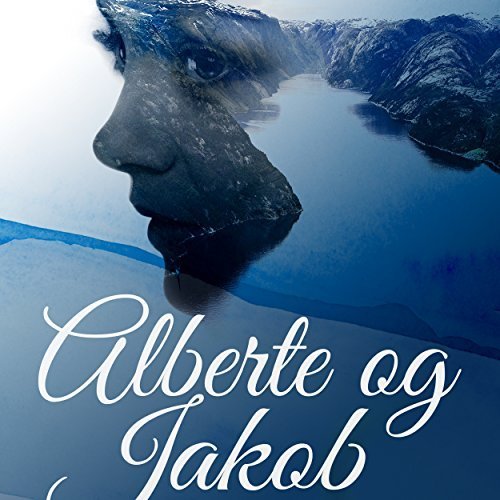
Alberte och Jakob
Alberte och hennes familj tvingas av ekonomiska skäl att flytta från Oslo till Nordnorge. Stan är liten och sprängfylld av konventioner. Alberte känner sig misslyckad och instängd. Hon är inte precis den som de unga männen vänder sig om efter och innerst inne kan Alberte inte heller tänka sig att gifta sig med första bästa unga man bara för att föräldrarna finner honom lämplig. Hon vill ut i världen. Men det blir i stället Jakob, hennes bror, som ger sig iväg medan Alberte stannar för att inte de olyckliga föräldrarna ska känna sig än mer olyckliga när de blir hänvisade till varandra.
En avslöjande familjeskildring och utvecklingsroman som kom ut första gången 1926 och Cora Sandel hade hunnit fylla 46 år när hon debuterade.
En avslöjande familjeskildring och utvecklingsroman som kom ut första gången 1926 och Cora Sandel hade hunnit fylla 46 år när hon debuterade.
312 pages, Hardcover
First published January 1, 1926
About the author
Cora Sandel
34 books41 followersCora Sandel was the pen name of Sara Cecilia Görvell Fabricius, a Norwegian writer and painter who lived most of her life abroad. Her most famous works are the novels now known as the Alberta Trilogy.
Sara Cecilia Görvell Fabricius was born in Kristiania (now Oslo). Her parents were Jens Schow Fabricius (1839–1910) and Anna Margareta Greger (1858–1903). When she was 12 years old, financial difficulties forced her family to move to Tromsø where her father was appointed a naval commander. She started painting under the tutelage of Harriet Backer, and while still a teenager moved to Paris, where she married the Swedish sculptor Anders Jönsson (1883–1965). In 1921 they returned to Sweden, where she won custody of her son Erik after divorcing Jönsson.
In her youth she tried, without much success, to establish herself as a painter. And it wasn't until she was 46 years old that her debut novel, Alberte and Jakob was published, the first in what became the semi-autobiographical Alberta trilogy. Sandel used many elements from her own life and experiences in her stories, which often centre on the spiritual struggles of inarticulate and isolated women. The Alberta trilogy traced the emotional development of a lethargic and unhappy girl into a self-sufficient woman. These novels earned her an immediate place in the Scandinavian canon, but it was not until the 1960s that Sandel, now living as a recluse in Sweden, was discovered by the English-speaking world.
Despite her great literary success, she remained hidden behind her pseudonym and lived a rather secluded life. She was decorated with the Royal Norwegian Order of St. Olav in 1957. Her home in Tromsø, built in 1838, now houses the Perspektivet Museum.
Sara Cecilia Görvell Fabricius was born in Kristiania (now Oslo). Her parents were Jens Schow Fabricius (1839–1910) and Anna Margareta Greger (1858–1903). When she was 12 years old, financial difficulties forced her family to move to Tromsø where her father was appointed a naval commander. She started painting under the tutelage of Harriet Backer, and while still a teenager moved to Paris, where she married the Swedish sculptor Anders Jönsson (1883–1965). In 1921 they returned to Sweden, where she won custody of her son Erik after divorcing Jönsson.
In her youth she tried, without much success, to establish herself as a painter. And it wasn't until she was 46 years old that her debut novel, Alberte and Jakob was published, the first in what became the semi-autobiographical Alberta trilogy. Sandel used many elements from her own life and experiences in her stories, which often centre on the spiritual struggles of inarticulate and isolated women. The Alberta trilogy traced the emotional development of a lethargic and unhappy girl into a self-sufficient woman. These novels earned her an immediate place in the Scandinavian canon, but it was not until the 1960s that Sandel, now living as a recluse in Sweden, was discovered by the English-speaking world.
Despite her great literary success, she remained hidden behind her pseudonym and lived a rather secluded life. She was decorated with the Royal Norwegian Order of St. Olav in 1957. Her home in Tromsø, built in 1838, now houses the Perspektivet Museum.
Ratings & Reviews
Friends & Following
Create a free account to discover what your friends think of this book!
Community Reviews
Displaying 1 - 30 of 100 reviews

March 10, 2022
4.5
Intensity is a word for this book and I’m about to use it too much. It’s of an inner intensity, though the landscape is also intense, all brilliantly written.
The back of my copy compares this work to the Brontes. I don’t know if I would’ve thought of the comparison on my own, but it’s apt, especially to the young Jane Eyre or the Brontes themselves: an intense and intelligent inner life; the intense desire to express oneself but failing in practice; the solace of nature, and of mysterious words that surface to consciousness, to later be written down and hidden.
The novel ends in the season it starts, the beginning of the long intense cold of northern Norway. From the moment she wakes up to face an unchanging routine, Alberta hates the cold inside the family house, a home that scrimps to keep up appearances. But when she can slip away, she revels in long walks and the beauty of the fjords; the cold doesn’t seem to bother her then.
Alberta is inclined to sit by herself at community get-togethers, as anything she says comes out wrong. Instead, she watches; soaks up the few examples of nonconforming women who are mocked behind their backs, ignored, or eventually forced into approved adaptations. She silently despairs as she knows she can’t and won’t be anyone but herself.
Jacob is Alberta’s brother and there’s a reason the title holds his name, though I think it would’ve been more accurate to call the novel simply Alberta. Speaking of sister-brother relationships, I’m reminded of The Mill on the Floss in that Sandel’s work also would’ve spoken to me intensely if I’d read it as an adolescent/teenager. Long past that age, I felt its intensity reflectively.
Intensity is a word for this book and I’m about to use it too much. It’s of an inner intensity, though the landscape is also intense, all brilliantly written.
The back of my copy compares this work to the Brontes. I don’t know if I would’ve thought of the comparison on my own, but it’s apt, especially to the young Jane Eyre or the Brontes themselves: an intense and intelligent inner life; the intense desire to express oneself but failing in practice; the solace of nature, and of mysterious words that surface to consciousness, to later be written down and hidden.
The novel ends in the season it starts, the beginning of the long intense cold of northern Norway. From the moment she wakes up to face an unchanging routine, Alberta hates the cold inside the family house, a home that scrimps to keep up appearances. But when she can slip away, she revels in long walks and the beauty of the fjords; the cold doesn’t seem to bother her then.
Alberta is inclined to sit by herself at community get-togethers, as anything she says comes out wrong. Instead, she watches; soaks up the few examples of nonconforming women who are mocked behind their backs, ignored, or eventually forced into approved adaptations. She silently despairs as she knows she can’t and won’t be anyone but herself.
Jacob is Alberta’s brother and there’s a reason the title holds his name, though I think it would’ve been more accurate to call the novel simply Alberta. Speaking of sister-brother relationships, I’m reminded of The Mill on the Floss in that Sandel’s work also would’ve spoken to me intensely if I’d read it as an adolescent/teenager. Long past that age, I felt its intensity reflectively.

July 16, 2026
Not and I have this ongoing disagreement about translated works of literature. I like to read books in a variety of languages, Not only reads in English. Her argument is simple. English is her native language. If she tries to read a book in another language, she knows she's going to miss things: there will be words and grammar she isn't familiar with, so why not hand over responsibility to a professional translator who most likely is not only bilingual, but has also spent substantial time thinking about the problems involved in making each sentence comprehensible to an English reader?
Not's argument is seductively logical. (I should add that Not is herself seductively logical), but I refuse to accept it, and Alberte og Jakob is a fine example of why. The book was not an easy read in the original Norwegian, perhaps my fourth language, and I understand there is at least one good English translation. All the same, I still think I made the right decision in sticking with my principles and accepting the pain that brought me. I'll try to explain why.
It seems to me that the reasons why the book is difficult and painful to read are intimately bound up with the reasons why it's worthwhile. You quickly identify it as an semi-autobiographical feminist work; indeed my first comparison point was the much more famous Memoires d'une jeune fille rangée. But after a while, you realise that it's also an anticolonialist novel, so Doris Lessing as well as Simone de Beauvoir. You're fooled, because you're used to colonialism moving from North to South.
In Norway, however, it moves from South to North. Alberte, who must be around eighteen, is growing up in a far North city closely based on Tromsø. Her family comes from the relatively warm, prosperous South, but now, after her father has made some unwise investments, they're stuck inside the Arctic Circle for the foreseeable future. The book starts about the beginning of the fifty day period when the Sun never rises above the horizon and it's bitterly, horribly cold, even indoors.
Even worse than the cold, though, is the social and linguistic isolation. Alberte's family, along with the small number of other upper class and upper middle-class families, speaks the standard Norwegian of Oslo, then Christiania. But the vast majority of the town's inhabitants speak the local dialect, which it took me a good hundred pages to adapt to. Alberte's mother doesn't want her to be friends with any of these people. The idea that she might marry one of them is unthinkable, even though there's a good-looking boy she's terribly attracted to, who seems kind of sweet on her too. She can only marry one of the small number of dull administrators, usually much older than her, who speak the right kind of Norwegian.
Her life is a living hell, and it's only through hearing the directly reported speech of the people around her that you acquire the visceral understanding of just how horrible it is. I didn't always understand their words, but it's what made the book for me.
Sometimes literal understanding isn't the important thing. That's my basic argument.
Not's argument is seductively logical. (I should add that Not is herself seductively logical), but I refuse to accept it, and Alberte og Jakob is a fine example of why. The book was not an easy read in the original Norwegian, perhaps my fourth language, and I understand there is at least one good English translation. All the same, I still think I made the right decision in sticking with my principles and accepting the pain that brought me. I'll try to explain why.
It seems to me that the reasons why the book is difficult and painful to read are intimately bound up with the reasons why it's worthwhile. You quickly identify it as an semi-autobiographical feminist work; indeed my first comparison point was the much more famous Memoires d'une jeune fille rangée. But after a while, you realise that it's also an anticolonialist novel, so Doris Lessing as well as Simone de Beauvoir. You're fooled, because you're used to colonialism moving from North to South.
In Norway, however, it moves from South to North. Alberte, who must be around eighteen, is growing up in a far North city closely based on Tromsø. Her family comes from the relatively warm, prosperous South, but now, after her father has made some unwise investments, they're stuck inside the Arctic Circle for the foreseeable future. The book starts about the beginning of the fifty day period when the Sun never rises above the horizon and it's bitterly, horribly cold, even indoors.
Even worse than the cold, though, is the social and linguistic isolation. Alberte's family, along with the small number of other upper class and upper middle-class families, speaks the standard Norwegian of Oslo, then Christiania. But the vast majority of the town's inhabitants speak the local dialect, which it took me a good hundred pages to adapt to. Alberte's mother doesn't want her to be friends with any of these people. The idea that she might marry one of them is unthinkable, even though there's a good-looking boy she's terribly attracted to, who seems kind of sweet on her too. She can only marry one of the small number of dull administrators, usually much older than her, who speak the right kind of Norwegian.
Her life is a living hell, and it's only through hearing the directly reported speech of the people around her that you acquire the visceral understanding of just how horrible it is. I didn't always understand their words, but it's what made the book for me.
Sometimes literal understanding isn't the important thing. That's my basic argument.

January 2, 2015
But a wound opened inside. Delight and melancholy welled up simultaneously from the depths of her mind. She could not understand why nor protect herself from them. They streamed over her together with the light, making her shrink with painful impatience. Tears came, God knows how. One moment she was crushed to the ground by life's misery, the next, new strength coursed exulting through her - it was like madness.
It was easier to love the younger Jacob. Escape the suffocating Selmer home. Mrs. Selmer's teary gaze, her little boy. The doom landing of the Magistrate's face. Jacob could never do anything right. He tells the elder Alberta that he isn't who she thinks he is at all. The kind of letting himself off the hook of the family to be a fish on other lands. All of those nights of pushing him into good grades. I don't know if it was as impossible as he said to make it in that school. He was already out the door. Jacob and Alberta betray each other. Alberta wanted him to die there with her just above rock bottom. Jacob tells Alberta that she should at least try the impossible of pleasing their mother, reminds her that their parents are pitiful. Maybe he'll send them money from abroad, for a while. He reminds me of the father that takes his kid out for baseball games until the fade out is complete, no more visits. The great wide world is another family. What, she was going to magically possess flattering clothes the meanly poor family couldn't afford? I hated Jacob a bit when he tells their mother (as he's leaving!) that Alberta sold her heavy chain to make up the (to them) enormous sum Jacob owed to a shop owner. He's fleeing to be himself, save himself. Was he that oblivious to what it was like for Alberta? Alberta remembers the father of her youth who talked to her about unsettled things. Probably because she was too young to be considered an intruder on really talking to himself. Jacob couldn't have ever have had that with him as their SON, the hope. I don't buy that brother and sister were all that close. Make them happy Jacob, so I don't have to be me. Make them happy Alberta, so I don't have to think about making the choice to be me. I wish I had seen Jacob without Alberta. I wouldn't want to see Alberta without him. She sees him ashamed of his skin, a pretty boy. They are backed into corners. The selves that are squirreling away pieces of themselves. If you looked into schools, work places and the like, there are all kinds of windows like these. Steps in the real world and hopeful mental flights. Alberta remembers the little boy who did the wrong thing and gave away his coat to a poor boy. To her he is open to everything. I just don't know that, if you are yourself only without interference, but it is a bright image far away from the please don't leave me wrong thing.
It was easier to love Alberta. Her secret Alberta, a dream story. She's never alone because there is another Alberta, the right Alberta. She walks with her in the cold streets. I wonder if the right Alberta would be so great if she were real. Maybe if she passed muster of the town she would be as mean as a sea of faces. I have a bad feeling she would be. Alberta is not generous about their maid. She works for this destitute family so it can't be a good life. Yet she steals coal and coffee regularly and leaves the poor servant open to suspicion and shame. Albera stores up judgement and revulsion, hoping for gossip, sometimes for glimpses of the outskirters of village. The loose women and the mentally ill and the penitentiary prostitutes. Mrs. Selmer plays her music again when her husband is not home. Sits over letters from the past and look at where they are now. Alberta loves her father but come on, does he have to spend their money on booze when they are unwarmed in the arctic circle in dead winter? I felt for Mrs. Selmer if Alberta was afraid to (if she gives in to tenderness it will be that much harder when everything about Alberta is wrong again). There isn't a crime Mrs. Selmer is guilty of that Alberta, Jacob and the Magistrate don't inflict themselves. Alberta isn't religious herself, will do anything to avoid church, but wishes her father was sitting in the front row with the correct people of town. There is a provincial beating in her drum too, make no mistake. At least there was Beda. I never loved Alberta more than when she stores up her unselfish love for the reckless Beda. Beda who doesn't walk in step. She doesn't need Beda to do anything for Alberta so it meant more to me that she wants her to be Beda.
Alberta reminded me too much of my worst days. My mother tortured me over the same ugly clothes (yeah, if you make your daughter wear hand-me-downs they are probably going to be ill fitting and unattractive in the bargain). I know looking for the signals of moods, which better days could sour when you didn't escape from view quickly enough. No food in the house so us girls wouldn't get fat. I was waiting for the promised rebellion of the book jacket description to take place. It isn't like that, though. The omen winds of others offer the kind of rewards that don't often enough feel like rewards. Watching people that closely is learning a language of nothing to do with you beyond her home life preservation. It's sickening to be that afraid, and Alberta misses a lot by her self imposed silence. But she also picks up new signals in her flight. The other people in town exist like in and out real selves. The town appointed comedian, making or breaking events if his stories are on. The lucky and wealthy young women, disappointed sisters lasting as long as they can before deciding on marriage. Not seeing another kind of life either, in darkness together. Alberta herself is torn between sides of the home where there is nothing to do but drink and mourn the setting of the midnight sun. Cemetery streets of people you know too well to hope. I would hate to be them so much. Marriage or have sex (and no way were any of these men going to bother in giving pleasure so what was the point?) and then what? Who needs their judgement? The secondhand view from above tantalizes and torments Alberta. The gleeful art school students who refrain that this summer home with the folks lasts too long (the summer Alberta lives and longs for). I don't have the second or third Alberta books yet but I know she does make it out of there to Paris. There are kindred lost spirits in Paris. In everywhere, under beautiful trees with suggestions between, in other worlds in shells littering horizons. (I've seen some butt fucking ugly towns, though. Maybe they would wait until night and go by star.) You could be dreading the return of the human burden you don't have the courage for it to get bad enough to leave anywhere. Maybe if it were possible to be Alberta's Jacob, and you had yourself. I loved Alberta. She has herself and then loses her. It's scabs on picking scabs. So true. The words that come to her, a poem to make it all right. Abandoned in outside inspiration. It's so so hard to make it live. Making it seem enough when she does have herself is the trick. Sandel is great. She managed to breathe that won't get under lid. How awful it felt when my older sister (frequently) announced she was going to one day start her own family and never see any of us again. Like not having a family at all. Sandel nailed the orphan feeling of having a family. There's a time Alberta is warm in Beda's house and there's a bona fide smorgasbord. She makes herself feel guilty for her family in the starving cold and rushes back. They were there the whole time without her like there was never an Alberta at all. Damn right.
Nothing could be bluer than the sky to the east of the river bend, thought Alberta. Nothing could be bluer, southern skies, the Mediterranean, nothing. And yet it seemed to grow bluer every day. Blue and bottomless. To look into it for long was like sailing out and sinking into infinity. You lost the feeling of solid ground under your feet, turned giddy, had to sit down in the snow so as not to fall.
It was easier to love the younger Jacob. Escape the suffocating Selmer home. Mrs. Selmer's teary gaze, her little boy. The doom landing of the Magistrate's face. Jacob could never do anything right. He tells the elder Alberta that he isn't who she thinks he is at all. The kind of letting himself off the hook of the family to be a fish on other lands. All of those nights of pushing him into good grades. I don't know if it was as impossible as he said to make it in that school. He was already out the door. Jacob and Alberta betray each other. Alberta wanted him to die there with her just above rock bottom. Jacob tells Alberta that she should at least try the impossible of pleasing their mother, reminds her that their parents are pitiful. Maybe he'll send them money from abroad, for a while. He reminds me of the father that takes his kid out for baseball games until the fade out is complete, no more visits. The great wide world is another family. What, she was going to magically possess flattering clothes the meanly poor family couldn't afford? I hated Jacob a bit when he tells their mother (as he's leaving!) that Alberta sold her heavy chain to make up the (to them) enormous sum Jacob owed to a shop owner. He's fleeing to be himself, save himself. Was he that oblivious to what it was like for Alberta? Alberta remembers the father of her youth who talked to her about unsettled things. Probably because she was too young to be considered an intruder on really talking to himself. Jacob couldn't have ever have had that with him as their SON, the hope. I don't buy that brother and sister were all that close. Make them happy Jacob, so I don't have to be me. Make them happy Alberta, so I don't have to think about making the choice to be me. I wish I had seen Jacob without Alberta. I wouldn't want to see Alberta without him. She sees him ashamed of his skin, a pretty boy. They are backed into corners. The selves that are squirreling away pieces of themselves. If you looked into schools, work places and the like, there are all kinds of windows like these. Steps in the real world and hopeful mental flights. Alberta remembers the little boy who did the wrong thing and gave away his coat to a poor boy. To her he is open to everything. I just don't know that, if you are yourself only without interference, but it is a bright image far away from the please don't leave me wrong thing.
It was easier to love Alberta. Her secret Alberta, a dream story. She's never alone because there is another Alberta, the right Alberta. She walks with her in the cold streets. I wonder if the right Alberta would be so great if she were real. Maybe if she passed muster of the town she would be as mean as a sea of faces. I have a bad feeling she would be. Alberta is not generous about their maid. She works for this destitute family so it can't be a good life. Yet she steals coal and coffee regularly and leaves the poor servant open to suspicion and shame. Albera stores up judgement and revulsion, hoping for gossip, sometimes for glimpses of the outskirters of village. The loose women and the mentally ill and the penitentiary prostitutes. Mrs. Selmer plays her music again when her husband is not home. Sits over letters from the past and look at where they are now. Alberta loves her father but come on, does he have to spend their money on booze when they are unwarmed in the arctic circle in dead winter? I felt for Mrs. Selmer if Alberta was afraid to (if she gives in to tenderness it will be that much harder when everything about Alberta is wrong again). There isn't a crime Mrs. Selmer is guilty of that Alberta, Jacob and the Magistrate don't inflict themselves. Alberta isn't religious herself, will do anything to avoid church, but wishes her father was sitting in the front row with the correct people of town. There is a provincial beating in her drum too, make no mistake. At least there was Beda. I never loved Alberta more than when she stores up her unselfish love for the reckless Beda. Beda who doesn't walk in step. She doesn't need Beda to do anything for Alberta so it meant more to me that she wants her to be Beda.
Alberta reminded me too much of my worst days. My mother tortured me over the same ugly clothes (yeah, if you make your daughter wear hand-me-downs they are probably going to be ill fitting and unattractive in the bargain). I know looking for the signals of moods, which better days could sour when you didn't escape from view quickly enough. No food in the house so us girls wouldn't get fat. I was waiting for the promised rebellion of the book jacket description to take place. It isn't like that, though. The omen winds of others offer the kind of rewards that don't often enough feel like rewards. Watching people that closely is learning a language of nothing to do with you beyond her home life preservation. It's sickening to be that afraid, and Alberta misses a lot by her self imposed silence. But she also picks up new signals in her flight. The other people in town exist like in and out real selves. The town appointed comedian, making or breaking events if his stories are on. The lucky and wealthy young women, disappointed sisters lasting as long as they can before deciding on marriage. Not seeing another kind of life either, in darkness together. Alberta herself is torn between sides of the home where there is nothing to do but drink and mourn the setting of the midnight sun. Cemetery streets of people you know too well to hope. I would hate to be them so much. Marriage or have sex (and no way were any of these men going to bother in giving pleasure so what was the point?) and then what? Who needs their judgement? The secondhand view from above tantalizes and torments Alberta. The gleeful art school students who refrain that this summer home with the folks lasts too long (the summer Alberta lives and longs for). I don't have the second or third Alberta books yet but I know she does make it out of there to Paris. There are kindred lost spirits in Paris. In everywhere, under beautiful trees with suggestions between, in other worlds in shells littering horizons. (I've seen some butt fucking ugly towns, though. Maybe they would wait until night and go by star.) You could be dreading the return of the human burden you don't have the courage for it to get bad enough to leave anywhere. Maybe if it were possible to be Alberta's Jacob, and you had yourself. I loved Alberta. She has herself and then loses her. It's scabs on picking scabs. So true. The words that come to her, a poem to make it all right. Abandoned in outside inspiration. It's so so hard to make it live. Making it seem enough when she does have herself is the trick. Sandel is great. She managed to breathe that won't get under lid. How awful it felt when my older sister (frequently) announced she was going to one day start her own family and never see any of us again. Like not having a family at all. Sandel nailed the orphan feeling of having a family. There's a time Alberta is warm in Beda's house and there's a bona fide smorgasbord. She makes herself feel guilty for her family in the starving cold and rushes back. They were there the whole time without her like there was never an Alberta at all. Damn right.
Nothing could be bluer than the sky to the east of the river bend, thought Alberta. Nothing could be bluer, southern skies, the Mediterranean, nothing. And yet it seemed to grow bluer every day. Blue and bottomless. To look into it for long was like sailing out and sinking into infinity. You lost the feeling of solid ground under your feet, turned giddy, had to sit down in the snow so as not to fall.

January 28, 2024
Cora Sandel’s intimate portrait of a woman growing up in late nineteenth/early twentieth century Norway is the first in her semi-autobiographical Alberta Trilogy - although it works equally well as a standalone piece. Sandel’s work has been compared to writers from the Brontës to Jean Rhys, Dorothy Richardson and Virginia Woolf, partly because of its intense focus on women, their inner lives, the ties that bind them. Here the spotlight’s on Alberta Selmer who lives with her parents and brother Jacob in a small, port town in Norway’s far north. The town and its inhabitants are ruled by the seasons, isolated during the long, dark extremes of winter, and overrun by visitors and tourists in the bright, fleeting summer. Social hierarchies are central to town society and Alberta and Jacob’s family are embedded in its rigidly upright, middle-class circles. Alberta’s father is the town’s magistrate, while her outwardly sophisticated mother puts on a good show when it comes to social gatherings. But their household is actually blighted by lack of money, most of which goes towards paying off a loan, the legacy of an earlier series of financial problems.
Despite the title Jacob is very much a background figure, more symbolic of gender differences and the myriad possibilities open to boys and men as opposed to the stifling limitations placed on girls and women. Alberta spends much of her time in their gloomy family home watched over by her hyper-critical mother. But Jacob roams the streets at night with his friends, frequenting bars, getting into scrapes and eventually liberating himself from his family and their expectations. Alberta’s only hope of breaking away is rooted in her eligibility as a wife, something that fascinates and repels her. Quiet and intense, terrified that she’s as plain and awkward as her mother says she is, Alberta is a keen observer of the people and places around her. She’s all too aware that the older, middle-class women in the town are divided between spinsters and/or eccentric outcasts, and dissatisfied, domesticated wives. Alberta wants something else, something she can’t yet put into words, although her friends the reckless Beda and budding artist Rikke might point towards another kind of future.
Sandel’s novel is filled with incredibly evocative descriptions of Alberta’s surroundings from interiors to the landscapes, sounds and smells of the town. It opens in winter when Alberta’s energy is taken up by trying to stay warm in her freezing home, the highlight of her day escaping her mother to snatch a few moments alone to warm her hands on the breakfast coffee pot. She sometimes escapes the house to walk out into the countryside where she feels in touch with a different, rebellious Alberta lurking inside her, waiting to be set free. Alberta’s a sympathetic, well-realised creation, and the depiction of her growing disillusionment is beautifully rendered. But there’s no real plot here, and that could be challenging at times, there are some incredibly slow-moving sections towards the middle, and others where I felt Sandel was going over ground she’d already established. Still, it’s an intriguing, accomplished book.
Despite the title Jacob is very much a background figure, more symbolic of gender differences and the myriad possibilities open to boys and men as opposed to the stifling limitations placed on girls and women. Alberta spends much of her time in their gloomy family home watched over by her hyper-critical mother. But Jacob roams the streets at night with his friends, frequenting bars, getting into scrapes and eventually liberating himself from his family and their expectations. Alberta’s only hope of breaking away is rooted in her eligibility as a wife, something that fascinates and repels her. Quiet and intense, terrified that she’s as plain and awkward as her mother says she is, Alberta is a keen observer of the people and places around her. She’s all too aware that the older, middle-class women in the town are divided between spinsters and/or eccentric outcasts, and dissatisfied, domesticated wives. Alberta wants something else, something she can’t yet put into words, although her friends the reckless Beda and budding artist Rikke might point towards another kind of future.
Sandel’s novel is filled with incredibly evocative descriptions of Alberta’s surroundings from interiors to the landscapes, sounds and smells of the town. It opens in winter when Alberta’s energy is taken up by trying to stay warm in her freezing home, the highlight of her day escaping her mother to snatch a few moments alone to warm her hands on the breakfast coffee pot. She sometimes escapes the house to walk out into the countryside where she feels in touch with a different, rebellious Alberta lurking inside her, waiting to be set free. Alberta’s a sympathetic, well-realised creation, and the depiction of her growing disillusionment is beautifully rendered. But there’s no real plot here, and that could be challenging at times, there are some incredibly slow-moving sections towards the middle, and others where I felt Sandel was going over ground she’d already established. Still, it’s an intriguing, accomplished book.

December 15, 2017
An Inner World
Alberte is a young woman living in a small town in northern Norway at the very beginning of the 20th century. The winter world is dark and cold, while the summers are bright and magnificent. One encounters Alberte struggling with the immense cold stealing coal and kindling and occasionally sneaking into the kitchen to drink enormous quantities of scolding coffee to stay warm. I cracked up when she was sneaking around getting kindling and coal for the stove in her room to make a little sanctuary of heat (all in secret of course)! She truly worships fire and boiling water. I loved how Sandel described Alberte waking up in the cold winter morning. It is so subtle, dream-like and immersive - I sensed my own mind and the numerous times waking up in my own life. Listening for sounds, wondering what time it is, familiar cues of people and movement. I sense the winter darkness and the cold room surrounding a warm bed - a cocoon of rest - and the need to emerge into the routines of the day.
Cora Sandel is a wonderful writer and certainly very focused on Alberte's inner world. She is shy, soft spoken and has no opinions that matter. Her parents are caring, but distanced from each other and seemingly living a life of broken dreams. The novel is semi-biographical describing the inner and outer world of a woman coming to terms with life. Everything in the novel has the "gradual" aspect of patterns slowly emerging. Events, conversations, perception, daily routines - it all happens slowly and builds upon each other - like slicing a block of cheese. It slowly builds one's own impressions allowing one to process and to know Alberte in a very different way compared to most other novels. Sandel wrote these books relatively late in life so she probably had plenty of time to process her path in life. This novel is the first part of a semi-biographical trilogy that is very well-known in Norway. However, it has never really reached an audience beyond Scandinavia. We are very fortunate to have the translation. Besides, Elizabeth Rokkan did an outstanding job translating this novel. It is difficult to tell that it is a translation as one is reading it.
Alberte really grew on me as a character. It sounds bizarre, but I wish I could befriend her. I really felt for her and her struggles and wish I could bring some joy and understanding to her. She was so perceptive and intelligent, but wrapped in a cocoon of social webs. This is such a common theme in late 19th century novels - the bright woman embedded in the social/cultural pit of circumstances - but Sandel provides a psychological framework of the highest caliber. We as readers live through Alberte's struggles and transformation as she in a step-by-step process awakens. It is beautifully done! Sandel's novel deserves much more attention in the literary realm as far as I am concerned! I adore it! It is a subtle but brilliant novel! I cannot wait to find out how her life unfolds in the second part of Sandel’s trilogy. Highly recommended!
5/5
Alberte is a young woman living in a small town in northern Norway at the very beginning of the 20th century. The winter world is dark and cold, while the summers are bright and magnificent. One encounters Alberte struggling with the immense cold stealing coal and kindling and occasionally sneaking into the kitchen to drink enormous quantities of scolding coffee to stay warm. I cracked up when she was sneaking around getting kindling and coal for the stove in her room to make a little sanctuary of heat (all in secret of course)! She truly worships fire and boiling water. I loved how Sandel described Alberte waking up in the cold winter morning. It is so subtle, dream-like and immersive - I sensed my own mind and the numerous times waking up in my own life. Listening for sounds, wondering what time it is, familiar cues of people and movement. I sense the winter darkness and the cold room surrounding a warm bed - a cocoon of rest - and the need to emerge into the routines of the day.
Cora Sandel is a wonderful writer and certainly very focused on Alberte's inner world. She is shy, soft spoken and has no opinions that matter. Her parents are caring, but distanced from each other and seemingly living a life of broken dreams. The novel is semi-biographical describing the inner and outer world of a woman coming to terms with life. Everything in the novel has the "gradual" aspect of patterns slowly emerging. Events, conversations, perception, daily routines - it all happens slowly and builds upon each other - like slicing a block of cheese. It slowly builds one's own impressions allowing one to process and to know Alberte in a very different way compared to most other novels. Sandel wrote these books relatively late in life so she probably had plenty of time to process her path in life. This novel is the first part of a semi-biographical trilogy that is very well-known in Norway. However, it has never really reached an audience beyond Scandinavia. We are very fortunate to have the translation. Besides, Elizabeth Rokkan did an outstanding job translating this novel. It is difficult to tell that it is a translation as one is reading it.
Alberte really grew on me as a character. It sounds bizarre, but I wish I could befriend her. I really felt for her and her struggles and wish I could bring some joy and understanding to her. She was so perceptive and intelligent, but wrapped in a cocoon of social webs. This is such a common theme in late 19th century novels - the bright woman embedded in the social/cultural pit of circumstances - but Sandel provides a psychological framework of the highest caliber. We as readers live through Alberte's struggles and transformation as she in a step-by-step process awakens. It is beautifully done! Sandel's novel deserves much more attention in the literary realm as far as I am concerned! I adore it! It is a subtle but brilliant novel! I cannot wait to find out how her life unfolds in the second part of Sandel’s trilogy. Highly recommended!
5/5

April 5, 2013
There is much that is familiar here - the sensitive and artistic young girl at odds with her provincial, bourgeois surroundings - but three things in particular make it stand out. Firstly the subtlety and richness of Alberta's inner life is powerfully done, and far in advance of much being written at the time. Secondly its critique of the patriarchy is similarly well done - no hectoring or long lectures, but done with clarity and suggestions of repressed rage. Finally the prose itself is just lovely - filled with some magnificent lyrical descriptions of landscape and with a great ear for dialogue.

January 8, 2025
Life, that at any time, even at its most wretched, bears every opportunity within it as does the dry, inconspicuous seed.
This is by no means a unique novel by its premise: a young woman confined by her station and the societal expectations placed on her, and the tension formed as she tries to find the means of escape. The comparisons drawn in the blurbs include the Brontes, Anna Karenina, and Emma Bovary, and which make sense. Alberta too, like Anna and Emma or the protagonists of the Bronte sisters, lives in a society where the best thing that could happen to a woman is a marriage that secures class mobility or maintains social position. Instead of St. Petersburg, or the English moors, or provincial France, this book is instead set in provincial northern Norway. But Alberta is neither charming nor an arresting beauty as most of the novels with these premises fashion their heroines. She’s an ordinary girl, the daughter of the town’s magistrate, and socially awkward which puts her at odds with her more charming and elegant mother who wishes her daughter would put more effort in her looks and manner (obviously to attract suitors). Under the pretense of manners and rules and etiquette is the clear expectation that Alberta is meant to remain chaste, abiding to societal norms while what she loves most is solitude, literature, art and companionship with like-minded people.
An important bit where Alberta realizes, looking at a picture of her mother and grandmother and noticing the same severe unsmiling features she’s berated for reflected in her mother when she was younger, that societal norms are enforced by one generation after the other even if it harms:
This is a well written novel the reader comfortably sinks into; it’s about to be a century since it was first published (published in 1926) but it still reads fresh and true. Sandel takes the mountains and fjords of northern Norway and paints them vividly to the reader, she takes a good amount of care and effort with the characters in this novel as well. Reading about the landscape here brought to mind another writer, Willa Cather, and the brilliant way she paints Colorado in Death Comes for the Archbishop. All these years and I can still see the red and boulders in that book, even if I’ve forgotten most of its plot, and in the same way I expected I’ll remember the snow covered mountains Cora Sandel paints here. A marvelous book that deserves more readership, and grateful for the reviews written by Teresa and Dhanaraj that led me to this wonderful book.
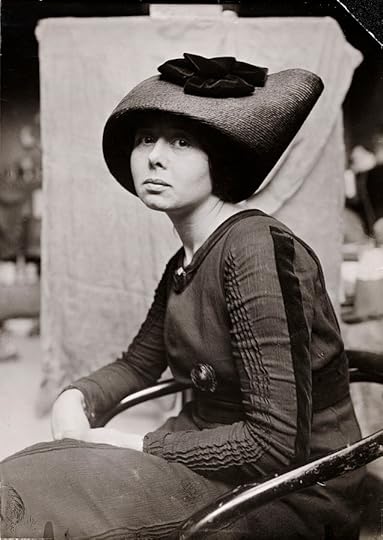
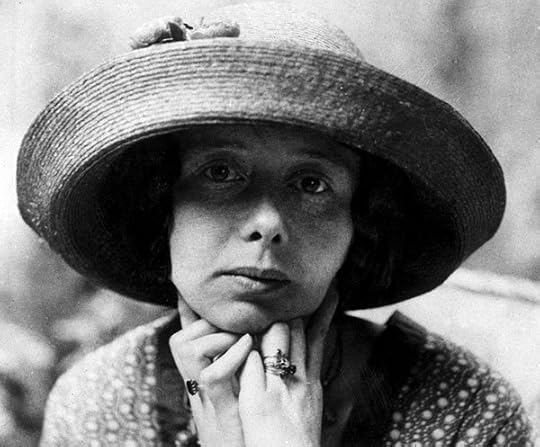
Also, a digression, I found these pictures of Cora Sandel in probably the coolest hats I’ve ever seen:
This is by no means a unique novel by its premise: a young woman confined by her station and the societal expectations placed on her, and the tension formed as she tries to find the means of escape. The comparisons drawn in the blurbs include the Brontes, Anna Karenina, and Emma Bovary, and which make sense. Alberta too, like Anna and Emma or the protagonists of the Bronte sisters, lives in a society where the best thing that could happen to a woman is a marriage that secures class mobility or maintains social position. Instead of St. Petersburg, or the English moors, or provincial France, this book is instead set in provincial northern Norway. But Alberta is neither charming nor an arresting beauty as most of the novels with these premises fashion their heroines. She’s an ordinary girl, the daughter of the town’s magistrate, and socially awkward which puts her at odds with her more charming and elegant mother who wishes her daughter would put more effort in her looks and manner (obviously to attract suitors). Under the pretense of manners and rules and etiquette is the clear expectation that Alberta is meant to remain chaste, abiding to societal norms while what she loves most is solitude, literature, art and companionship with like-minded people.
Did everyone live like this behind closed doors - was it only Alberta who was unreasonable and dissatisfied and who strained after impossibilities? Would there never come a time when anxiety and vague longing were quietened, when lies and evasions and all kinds of small, hidden irons in the fire would no longer be necessary - when life was enjoyable and straightforward?
An important bit where Alberta realizes, looking at a picture of her mother and grandmother and noticing the same severe unsmiling features she’s berated for reflected in her mother when she was younger, that societal norms are enforced by one generation after the other even if it harms:
Was it so, that generation after generation coerced the next, desiring only to fashion and form their lives in accordance with their own.
This is a well written novel the reader comfortably sinks into; it’s about to be a century since it was first published (published in 1926) but it still reads fresh and true. Sandel takes the mountains and fjords of northern Norway and paints them vividly to the reader, she takes a good amount of care and effort with the characters in this novel as well. Reading about the landscape here brought to mind another writer, Willa Cather, and the brilliant way she paints Colorado in Death Comes for the Archbishop. All these years and I can still see the red and boulders in that book, even if I’ve forgotten most of its plot, and in the same way I expected I’ll remember the snow covered mountains Cora Sandel paints here. A marvelous book that deserves more readership, and grateful for the reviews written by Teresa and Dhanaraj that led me to this wonderful book.
Also, a digression, I found these pictures of Cora Sandel in probably the coolest hats I’ve ever seen:

August 7, 2019
WARNING: THIS REVIEW MAY CONTAIN SPOILERS.
When I began the novel and even when I had completed reading the first 25 pages, I never imagined that I would end up giving it 5 stars. The reason was initially I could not get into the novel. It is not a plot driven novel. It is just a longish character sketch of the eponymous character Alberta. Moreover, the whole story takes place in a northern part of Norway (Tromso). I have never been to Norway. And so, the descriptions (of climate, weather, landscape) eluded me at first.
But slowly I was sucked in it. It had that power. I became the member of that small Northern Norway town and a an invisible member of the family of Alberta. Cora Sandel's success lies here. The life in the sea shore town with its unique weather and peopled with simple folks (?) became my own. I felt the winter coming in as Sandel described it in the novel. I felt seeing the wonder of the sun when it granted the audience. I felt walking with the people of the town in the evenings in the Fiord street. I sensed going with them to the small picnics in the short summer.
And about the characters: The main character is Alberta. Initially I had no feelings for her. But as the novel progressed, I was crying for her. I loved her a lot. But interestingly she is a simple teen age girl who is caught up in a town governed by provincial mentalities. She is of a grand family that is now struggling to keep up its standard. Alberta is not that beautiful and very timid. She is not very interested in learning domestic chores. That is her nemesis. She is for ever compared to the other girls of the town who are talented (experts in domestic chores) and who are presentable and attract able suitors at the correct time. Alberta longs to move away from the provincial mentality and to move away from the town itself. She wants freedom and she longs for knowledge.
But Alberta is not courageous. Her family is almost dysfunctional. Her mother is worried for the daughter who is not a great beauty and who loves knowledge that is not required for a girl of a marriageable age. Her father wants to groom his son. He sacrifices the studies of his own daughter for this purpose. He fails to understand the desires of children. He is also a disappointed and a broken man. Alberta's brother Jacob is another interesting character in the novel. It is only with him she feels some kind of comfort. But he also leaves her to become a sailor. Alberta is all alone. Almost taunted by everyone of her circle. They do not do it openly.
A disappointed girl, a complete failure on all accounts. She is the protagonist. And I found myself rooting for her. There were many times, as I read the sufferings I wanted to reach out and to pat her on the back. There were moments I wanted to speak for her when she was tongue tied. There were moments, I cried along with her.
Now, this is the first of the ALBERTA TRILOGY. I am both encouraged and discouraged to read the other too. Encouraged because, I just want to know what happens to Alberta. Discouraged because I know I will have to read more of Alberta's struggles and sufferings. Alberta, for the time being, is my favourite character.
When I began the novel and even when I had completed reading the first 25 pages, I never imagined that I would end up giving it 5 stars. The reason was initially I could not get into the novel. It is not a plot driven novel. It is just a longish character sketch of the eponymous character Alberta. Moreover, the whole story takes place in a northern part of Norway (Tromso). I have never been to Norway. And so, the descriptions (of climate, weather, landscape) eluded me at first.
But slowly I was sucked in it. It had that power. I became the member of that small Northern Norway town and a an invisible member of the family of Alberta. Cora Sandel's success lies here. The life in the sea shore town with its unique weather and peopled with simple folks (?) became my own. I felt the winter coming in as Sandel described it in the novel. I felt seeing the wonder of the sun when it granted the audience. I felt walking with the people of the town in the evenings in the Fiord street. I sensed going with them to the small picnics in the short summer.
And about the characters: The main character is Alberta. Initially I had no feelings for her. But as the novel progressed, I was crying for her. I loved her a lot. But interestingly she is a simple teen age girl who is caught up in a town governed by provincial mentalities. She is of a grand family that is now struggling to keep up its standard. Alberta is not that beautiful and very timid. She is not very interested in learning domestic chores. That is her nemesis. She is for ever compared to the other girls of the town who are talented (experts in domestic chores) and who are presentable and attract able suitors at the correct time. Alberta longs to move away from the provincial mentality and to move away from the town itself. She wants freedom and she longs for knowledge.
But Alberta is not courageous. Her family is almost dysfunctional. Her mother is worried for the daughter who is not a great beauty and who loves knowledge that is not required for a girl of a marriageable age. Her father wants to groom his son. He sacrifices the studies of his own daughter for this purpose. He fails to understand the desires of children. He is also a disappointed and a broken man. Alberta's brother Jacob is another interesting character in the novel. It is only with him she feels some kind of comfort. But he also leaves her to become a sailor. Alberta is all alone. Almost taunted by everyone of her circle. They do not do it openly.
A disappointed girl, a complete failure on all accounts. She is the protagonist. And I found myself rooting for her. There were many times, as I read the sufferings I wanted to reach out and to pat her on the back. There were moments I wanted to speak for her when she was tongue tied. There were moments, I cried along with her.
Now, this is the first of the ALBERTA TRILOGY. I am both encouraged and discouraged to read the other too. Encouraged because, I just want to know what happens to Alberta. Discouraged because I know I will have to read more of Alberta's struggles and sufferings. Alberta, for the time being, is my favourite character.
November 9, 2017
“The truth was Alberta only knew what she did not want. She had no idea what she did want. And not knowing brought unrest and a giddy sensation under her heart. She existed like a negative of herself, and this flaw was added to all the others.
To get away, out into the world! Beyond this all details were blurred. She imagined somewhere open, free, bathed in sunshine. And a throng of people, none of them her relatives, none of whom could criticize her appearance and character, and to whom she was not responsible for being other than herself.”
A beautiful immersive portrait of teenage angst in a small town in northern Norway at the turn of the twentieth century. Read this if you like Colette's fantastic The Complete Claudine quartet.
To get away, out into the world! Beyond this all details were blurred. She imagined somewhere open, free, bathed in sunshine. And a throng of people, none of them her relatives, none of whom could criticize her appearance and character, and to whom she was not responsible for being other than herself.”
A beautiful immersive portrait of teenage angst in a small town in northern Norway at the turn of the twentieth century. Read this if you like Colette's fantastic The Complete Claudine quartet.

April 22, 2014
This is a brilliant, bleak, beautiful piece of writing. The prose is raw yet refined. Cora Sandel certainly knows how to capture the essence of loneliness. This book resonated deeply with me; it placed its finger roughly on sore places.

August 18, 2022
It's like Catcher in the Rye meets Ingmar Bergman in 1924 at the Norwegian Arctic Circle. And that's a good thing. It was added to "1001 Books You Must Read..." in 2012.

October 8, 2018
4+ eller 5-. Jag vet inte. Men detta är ett djupt, sorgligt, starkt och vackert familjedrama.

December 19, 2021
A book featuring a protagonist with self-esteem issues! I could really feel the cold in Alberta's stifling life and I was rooting for her. I enjoyed reading about her mental journey and personal development throughout the book.

December 8, 2025
A classic Norwegian novel about a young woman stifled by the atmosphere of a snow-bound Arctic town. Though the town is unnamed, Cora Sandel was writing about her youth in Tromsø. The Arctic port, at a huge distance from other cities, and often unreachable due to snow and ice, is full of citizens who cling to the norms of late 19th century society, but struggle without the distractions of theatres, regular news, and other forms of social life. Alberta, the central character of the novel, is at a particular disadvantage, because she is shy and awkward, and can't find a footing with young men of her age. Studious and good at sports, she would have many advantages in a different time and place, but in 19th century Tromsø, she is something of an outcast. The novel is a moving and very sad portrait of a young woman who has many excellent qualities, all of which are overlooked by the society around her. I found this novel very compelling, but also quite hard to read, because it's so sad, and doesn't have a happy resolution.

January 9, 2020
An intense, beautiful novel that will stay with me forever.

December 27, 2022
⭐ ⭐ ⭐ ⭐
Alberta and Jacob
by Cora Sandel
🇳🇴 🇳🇴 🇳🇴 🇳🇴 🇳🇴 🇳🇴 🇳🇴 🇳🇴
On the tippy top of Europe, on a Norwegian island, lies the town of Tromsø. As remote and isolated as it is today, imagine what it must have been like shortly after the Great War. There's no mistaking the seasons in this extreme northern outpost, the land of the midnight sun in summer is the land of all day night in winter. This is a time where modernity has not quite reached the furthest far flung places, but hints are creeping in, but the patriarchy is still a crushing oppression on women who have limited choices other than marriage or social suspicion.
This is the story of Alberta, 17, acutely aware of the trap that is marriage and maybe even life itself. It is impossible not to empathise with her deep dissatisfaction with her prospects and the mounting dread as she realises that she is surrounded by women who all eventually become complicit with the system.
The writing in this short but dense novel is impeccable. I thought I would fly through it but it's so full of astute observations that describe Alberta's coming of age, the falling away of her childhood expectations, the realisation of what womanhood is in her place and time, that I needed to digest it in small portions. I'm glad I didn't rush it because this has made such a deep impression on me I'm sure it will live with me for a long time.
I am very lucky to have a bookish friend who grew up in this very town. She sent me some pictures showing what it looks like today. The funny thing is that I recognised it straight away, so accurate were the details throughout the book. You can see the steel grey sea, the low wooden buildings, you can hear the clanging of the shipyard, the splash of oars all around, you can smell the fishy funk of the cod liver oil factory up the coast, taste the salt and brine.
I have so many wishes for Alberta. Happily this is the first of a trilogy.
This book came on my radar thanks to a rec from @shawnthebookmaniac who reached out because of my interest in works in translation, particularly women in translation.
Alberta and Jacob
by Cora Sandel
🇳🇴 🇳🇴 🇳🇴 🇳🇴 🇳🇴 🇳🇴 🇳🇴 🇳🇴
On the tippy top of Europe, on a Norwegian island, lies the town of Tromsø. As remote and isolated as it is today, imagine what it must have been like shortly after the Great War. There's no mistaking the seasons in this extreme northern outpost, the land of the midnight sun in summer is the land of all day night in winter. This is a time where modernity has not quite reached the furthest far flung places, but hints are creeping in, but the patriarchy is still a crushing oppression on women who have limited choices other than marriage or social suspicion.
This is the story of Alberta, 17, acutely aware of the trap that is marriage and maybe even life itself. It is impossible not to empathise with her deep dissatisfaction with her prospects and the mounting dread as she realises that she is surrounded by women who all eventually become complicit with the system.
The writing in this short but dense novel is impeccable. I thought I would fly through it but it's so full of astute observations that describe Alberta's coming of age, the falling away of her childhood expectations, the realisation of what womanhood is in her place and time, that I needed to digest it in small portions. I'm glad I didn't rush it because this has made such a deep impression on me I'm sure it will live with me for a long time.
I am very lucky to have a bookish friend who grew up in this very town. She sent me some pictures showing what it looks like today. The funny thing is that I recognised it straight away, so accurate were the details throughout the book. You can see the steel grey sea, the low wooden buildings, you can hear the clanging of the shipyard, the splash of oars all around, you can smell the fishy funk of the cod liver oil factory up the coast, taste the salt and brine.
I have so many wishes for Alberta. Happily this is the first of a trilogy.
This book came on my radar thanks to a rec from @shawnthebookmaniac who reached out because of my interest in works in translation, particularly women in translation.

April 20, 2012
A literary friend here in Oslo loaned me this book, one of a trilogy by Cora Sandel based on her own experiences as a young woman in Norway at the turn of the twentieth century. This first volume is set is a grim little town in the far north, and the story is about as bleak as they get. Sandel's alter-ego, the young woman Alberta, is plain, shy, tremulous, and almost mute with anxiety both at home and abroad in the community. It's almost impossible to like her, her parents, or most of the narrow-minded, provincial characters she sketches so vividly in her keen prose. Her brother Jacob, the one person she loves openly and without reservation, escapes from the miserable pincers of their tense but dull middle-class family by becoming a sailor; and as the novel goes on, it's clear that Alberta will escape too--somehow. So, despite the fact that this was a difficult read for me, I'm interested in going on. I'm thinking that this volume reveals Alberta in the chrysalis stage, and I wonder how she'll develop.

May 29, 2023
Starkt inifrånperspektiv, som känns ovanligt modernt för att ha hundra år på nacken. Fingertoppskänsla för skavigheten i familjerelationerna, en mamma som man aldrig kan tillfredsställa, en far som är oberäknelig och ilsk, och en bror som försätter sig i olyckliga situationer, som syster Alberte i sin lojalitet och kärlek hjälper honom ur. Den "fattigförnäma" rävsaxen hon sitter i, med en stark önskan om att ta sig ut i världen och bli till, som hon eftersom hon är kvinna, inte kan förverkliga. Alberte lider av ledan, men är samtidigt för blyg och nervös för att göra något åt sin situation, och känner en enorm pliktkänsla för familjesituationen. Jakob dock, han kan ta sig loss fastän han blir en besvikelse för föräldrarna.
Och miljön! En nordnorsk liten stad i arktisk fjordmiljö, starkt skildrat i naturbilder som också hör samman med Albertes känslor. Hon fryser så förbannat, den stackars Alberte.
Och miljön! En nordnorsk liten stad i arktisk fjordmiljö, starkt skildrat i naturbilder som också hör samman med Albertes känslor. Hon fryser så förbannat, den stackars Alberte.

May 28, 2016
When you're young and you're frustrated by your emotions, your inability to make the world work the way you think it should, life can seem unbearably unjust. You may even think of taking your life to end all this hurting, and even succeed at it, as did my own poor sister. But you may get a glimpse of the drabber, infinitely more hopeless lives of older, saddened and resigned people who despite all that, go "back to it" day after day, step by step, until it's ended, and realize that there it is, life, to be met full on and made the best of. That's what Alberta's life is, in the stiflingly patriarchal small-town society in which she exists in northern Norway. Insightful and moving.

May 6, 2022
¿Cómo no me va a gustar a mi una novela de una chica triste noruega del Siglo XIX a la que no le pasan cosas?

July 4, 2019
About as good a young woman's coming-of-age as I've ever read. Beautifully crafted/executed on all levels: the characters of Alberta's family/friends/townsfolk, the descriptions of landscape, the evocation of time/place and most of all Alberta herself - achingly shy/awkward struggling (and I mean struggling) to see/make a path through her circumstances/feelings. Very close to 5 Stars, but means 4.5 rounding down to 4.
October 14, 2024
jeg klarer ikke helt å forstå min idioti som fant sted for noen år siden da jeg startet på denne fine lille boka, men la den til side ganske fort fordi jeg syntes den var kjedelig (HÆÆ?!). Men, nå, syntes jeg denne boka var alt annet kjedelig! (kanskje har jeg blitt litt klokere med alderen) En helt nydelig bok var dette, rett og slett!

March 4, 2024
średnio zrozumiałam
August 18, 2024
Må lesast med ein kopp kaffi eller fleire. Fin!

February 16, 2025
En fantastisk bok!
Gjennom iterativ fortellerteknikk, en stor mengde tematikk og plutselige filosofiske betraktninger som flettes inn i en hverdagslig kontekst, er det som om jeg kan se, høre og sanse det samme som Alberte. Boken er kreativt, konkret og abstrakt på samme tid, intellektuelt utformet som om hvert eneste ord i er tiltenkt med en dypere mening. Dette er romankunst på sitt beste!
Gjennom iterativ fortellerteknikk, en stor mengde tematikk og plutselige filosofiske betraktninger som flettes inn i en hverdagslig kontekst, er det som om jeg kan se, høre og sanse det samme som Alberte. Boken er kreativt, konkret og abstrakt på samme tid, intellektuelt utformet som om hvert eneste ord i er tiltenkt med en dypere mening. Dette er romankunst på sitt beste!
Read
January 16, 2026Alberte da😭❤️

Read
March 3, 2024Przeczytałam całość i dalej nie wiem o czym była ta książka, ale wiem że straciłam kilkanaście godzin życia
Read
August 17, 2026Stakkars liten Alberte, fugleungen
June 9, 2025
Rawdogget denne boken rett før eksamen just because. Stress. Leseopplevelse 4/10, boken var 6/10.

Read
April 5, 2020«Er det virkelig så at livet er vondt, at hun, Jakob, mamma og pappa er ulykkelige, eller er det bare noe hun bilder sig inn, og har de det i grunnen som andre mennesker? Har alle det slik bak de lukte dørene sine- er det bare Alberte som er ufornuftig og ufornøiet og trakter efter det urimelige? (s 89)
Jeg har lenge tenkt at Alberte-triologien må leses. En gang. Jeg har en gammel utgave fra 1941 som jeg arvet fra min svigermor. Ærverdig har den stått i bokhylla og ventet på meg. Nå var tiden moden, nå er det jo så mye rom til egen tid. Det tok litt tid å komme inn i det gammeldagse språket og handlingen. Alberte og Jakob er søsken og bor i en nordnorsk by i et borgerlig hjem. En enorm mengde med biroller er også med, det gikk litt rundt for meg og jeg ble litt oppgitt underveis. Må jeg lese dette? Vi er jo ferdig med denne tiden, da jentene fra borgerskapet måtte giftes bort for å bli sett på som fullverdige mennesker. Her var det mye fasade, mange lorgnetter og besteborgerlige fruer, teselskap, ball, grosserer og amtmenn og gud vet hva…men likevel.. Det var samtidig noe brennende aktuelt i skildringen av Alberte. Tror mange unge jenter kan kjenne seg igjen i deler av tankene hennes, om enn i en annen kontekst. Alberte sliter enormt med selvbildet og alle krav som forventes fra alle rundt henne. Ikke minst fra foreldrene som selv sliter økonomisk og prøver å holde den besteborgerlige fasaden plettfri. Alberte er forpint og uforløst, men kommer nærmere og nærmere en erkjennelse om at hun må komme seg bort, bli seg selv. Hun kan ikke være en del av dette. En av de som vekker henne er Fredrik: «Alvorlig talt, De må overvinne dette. De må lære Dem å snakke, si Deres mening. -Jeg har ingen, jeg er dum. -Så si dumme ting, roper Fredrik: si dem for pokker, ellers får visdomsordene aldri anledning til å komme ut. Om det da ligger noen og blir til på bunnen av Dem. Det er farlig å tie slik. Han bøjer seg frem og ser henne inn i øinene.» (s 230) Albertes triste, men også trassige følelser og skjebne grep meg. Og boken slutter med en cliffhanger, så her må jeg faktisk lese neste bok- om ikke så altfor lenge. Så takk for bøkene, kjære svigermor Gerd.
Jeg har lenge tenkt at Alberte-triologien må leses. En gang. Jeg har en gammel utgave fra 1941 som jeg arvet fra min svigermor. Ærverdig har den stått i bokhylla og ventet på meg. Nå var tiden moden, nå er det jo så mye rom til egen tid. Det tok litt tid å komme inn i det gammeldagse språket og handlingen. Alberte og Jakob er søsken og bor i en nordnorsk by i et borgerlig hjem. En enorm mengde med biroller er også med, det gikk litt rundt for meg og jeg ble litt oppgitt underveis. Må jeg lese dette? Vi er jo ferdig med denne tiden, da jentene fra borgerskapet måtte giftes bort for å bli sett på som fullverdige mennesker. Her var det mye fasade, mange lorgnetter og besteborgerlige fruer, teselskap, ball, grosserer og amtmenn og gud vet hva…men likevel.. Det var samtidig noe brennende aktuelt i skildringen av Alberte. Tror mange unge jenter kan kjenne seg igjen i deler av tankene hennes, om enn i en annen kontekst. Alberte sliter enormt med selvbildet og alle krav som forventes fra alle rundt henne. Ikke minst fra foreldrene som selv sliter økonomisk og prøver å holde den besteborgerlige fasaden plettfri. Alberte er forpint og uforløst, men kommer nærmere og nærmere en erkjennelse om at hun må komme seg bort, bli seg selv. Hun kan ikke være en del av dette. En av de som vekker henne er Fredrik: «Alvorlig talt, De må overvinne dette. De må lære Dem å snakke, si Deres mening. -Jeg har ingen, jeg er dum. -Så si dumme ting, roper Fredrik: si dem for pokker, ellers får visdomsordene aldri anledning til å komme ut. Om det da ligger noen og blir til på bunnen av Dem. Det er farlig å tie slik. Han bøjer seg frem og ser henne inn i øinene.» (s 230) Albertes triste, men også trassige følelser og skjebne grep meg. Og boken slutter med en cliffhanger, så her må jeg faktisk lese neste bok- om ikke så altfor lenge. Så takk for bøkene, kjære svigermor Gerd.
Displaying 1 - 30 of 100 reviews