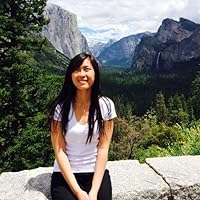
Ren Haiyan, known by her pen name Tong Hua or Zhang Xiao San, was born in 1982. She is one of the most famous contemporary romance novelists in China.
She graduated from Peking University and came to America in 2005. She currently lives in New York. In 2013, Hua co-wrote the television series Perfect Couple, which is currently in production.
What a horrible beautiful story! I like the story so much I loath the ending. I need to make up my mind whether to bury the book (my tablet, most likely) in my front yard out of frustration or try to accept the ending as it is.
I wonder why the everlasting love story is never the happy one and for me, the romance in this story fit perfectly to the 'Romeo and Juliet' category. Not the plot, but the tragic note.
There was one thing, only one single thing, that had driven the whole tragedy to roll... and it made me sighed like dozen times "If only... if only..."
I'm not going to review the story because it will be long like... believe me, long. I like the political theme, the olden day culture in the Manchu-led Qing Dynasty, the tumultuous lives in the palace, the beautiful romances that took one step at a time, the not-so-accurate-but-acceptable history mixes, and... well, practically the whole story.
So I'll start with the characters review, and here I present the characters I dislike the most. It may be surprising to some, but they are the Emperor Kangxi and De Fei.
What horrible parents they were!
It wasn't the children who shaped their parents' personality, but the parents who shaped their children personality.
Imho, these horrible parents were the one who'd put a strong foundation in their sons tragic stories (in the books, by the way, not in the real story. Well, Kangxi's favoritism is pretty much the same with the actual history, but I don't know about De Fei).
-- Emperor Kangxi --
-- De Fei --
Oh, well, that's pretty much my rants about bad parenting :D and now for the children's personality....
-- Ruoxi --
-- 4th Prince --
-- 8th Prince --
-- 13th Prince --
-- 14th Prince --
-- Others --
I feel better now.
Anyway, this Qing Dynasty parents should really call Nanny 911 and Tong Hua was a brilliant author.
I had finished watching the series "Palace" and was totally in love. I just couldn't put it down and started to read reviews and was surprised by the amount of anti fans it had garnered. Many of them mentioned plagiarism of Tong Hua's novel 步步驚心, and that Yu Zheng was not giving credit where it belonged. The series Bu Bu Jing Xin was also about to be broadcasted as well, but it was too long a wait. I was intrigued, and so I searched for the book and read it. What I found was one of the best love stories I have ever had the fortune to read.
步步驚心 is the story of a 25-year-old office lady Zhang Xiao from ShenZhen who travels back in time to KangXi's reign during the Qing dynasty. She wakes up as 13-year-old Ma'ertai Ruoxi, the young beautiful daughter of a general and the sister-in-law of the 8th prince. Having studied her history, she knew that she would have to watch her actions and manners living in this time period, and soon adjusts to her new life in this foreign era. She attracts the attention of the 8th prince, and unknowingly the 4th prince as well. Her knowledge of the fate of each of the princes eats away at her, and she is torn on who she should love. Would it be the doomed, caring, and gentle 8th prince, or the safe, serious, and stubborn 4th prince? Soon, she becomes embroiled in their fight for the throne, and with friends on both sides(the dimwitted 10th prince, the strong-willed 14th prince, and her best friend, the loyal 13th prince), she no longer knows who is right or wrong, but that in their eyes, there is only winning and losing. For someone from the 21st century, will their tactics and plans prove too much for her to take?
While this novel is mostly a love novel, if you read between the lines, you will be able to make out the tactics and strategies the princes used in order to gain the favor of their father, Emperor KangXi, and with that, the throne to China, although, they are probably mostly fiction. It will give you a sense of the patience those princes had with the time they used to carry out their plans.
I was mostly caught in the love story. I loved that I was able to gain some knowledge of history if I generalized the things that happened in the novel and threw out the details. The love that Tong Hua painted for Ma'ertai Ruoxi was also beautifully written and truly plausible. It was gradual and built upon, not something superficial or love-at-first-sight. If you have the time to read it, and you know Chinese, I would totally recommend this book for people who love time travel novels with a good love story. I cried my eyes out for this novel, and can't help re-reading it once in a while, especially the ending.
Bộ Bộ Kinh Tâm Bộ bộ là dần dần, từng bước. Kinh, là lay động, chạm đến. Tâm, là lòng, là trái tim. Bộ bộ kinh tâm là từng bước lay động trái tim. Bản thân m rất thích đọc những câu chuyện buồn, bởi chúng luôn luôn đẹp, luôn khiến người ta nhớ, lâu. Hơn nữa, những lúc buồn chán hay khó chịu, chỉ có 1 cách giúp bản thân giải toả, chính là đọc rồi khóc. Lần này cũng thế, đúng là không sai khi chọn Đồng Hoa.
Suốt cả câu chuyện, Đồng Hoa khiến độc giả dõi theo Nhược Hy, trái tim phập phồng lên xuống theo nàng. Tâm tư của nàng quá nhiều, quá nặng, khiến lòng ng đọc như bị nén chặt, bức bối để rồi được oà lên, vỡ tung ra mà khóc ở những chương cuối của truyện. Câu chuyện đau đớn về tình yêu, tình bạn, tình huynh đệ, tình tri kỷ, tình mẫu tử,..
“Tốt nhất là không gặp, không gặp sẽ không yêu." ( Tương Tư Thập Giới ) Nhưng "Chỉ sợ rằng nếu được chọn lần nữa, vẫn chọn tương phùng." (BBKT)
Niên niên tuế tuế hoa tương tự Tuế tuế niên niên nhân bất đồng. ( Lưu Hy Di)
Đời người như mộng, biến đổi khôn lường. Đúng đúng sai sai, ân ân oán oán, đến cuối cũng chỉ còn lại tháng năm im lìm, nước trôi mải miết mà thôi. Có chăng tận cùng vấn vương sót lại, là chút tình si chấp niệm!
Bộ Bộ Kinh Tâm có thể không phải là một bộ truyện hoàn hảo, nhưng từng câu, từng chữ đã từng bước lay động trái tim m rồi! Rate: 4.5/5 * 18-5-2017, đọc lại. Đã lâu lắm rồi từ sau lần đọc lại cuốn Giai kỳ như mộng, tôi chùn bước hơn khi nghĩ đến việc đọc lại những cuốn sách tôi vô cùng thích trước đó. Bởi cảm giác tinh khôi mất đi, hứng thú cũng nhạt bớt. Nhưng giữa những ngày tháng ôn thi cuối cùng này, tôi không biết vì sao lại đọc lại câu chuyện buồn khắc khoải này nữa. Nhưng thật tốt, đọc thêm một lần lại thấm hơn một lần, thấu hơn một lần, buồn hơn một lần.. chứ không bị hụt hẫng như lúc đọc lại GKNM. Tôi chú ý hơn thời gian vui vẻ lúc Nhược Hy ở phủ Bối Lặc, lúc ở trong cung dâng trà cho Khang Hy, lúc chơi đùa cùng Mẫn Mẫn, mà đặc biệt là những dòng chữ viết cho tình tri kỷ của Nhược Hy và Thập Tam. Tình yêu của Dận Chân mờ đi một ít, nhưng cái tiêu sái, hào sảng, phong nhã lúc còn trẻ, suy tư sâu sắc, mái tóc hoa râm cùng tấm lòng tri âm, thấu hiểu Nhược Hy vô cùng của Thập Tam lại nổi bật. Có lẽ bởi giữa họ là tình bằng hữu thật sự trong trẻo, có màu sắc rất đặc biệt mà tôi không quên được, chứ không phải là tình yêu với đầy chấp niệm, day dứt dằn vặt, cả sợ hãi, nên mới ấn tượng như vậy. Thế mới bảo, tình bạn đôi khi còn đẹp hơn cả tình yêu. Tôi thì nghĩ, bất cứ tình cảm nào nếu đã đạt đến cảnh giới chân thành nhất, trong trẻo nhất, thì đều đẹp, đáng quý như nhau. Một điểm nữa khi đọc lại tôi đã nhận ra, không hiểu vì sao lúc đọc xong lần này tôi lại thích Bát gia nhiều hơn lần trước. Có lẽ bởi tôi để ý hơn dáng vẻ vân đạm phong khinh, nụ cười nhếch ấm áp, ánh mắt ôn nhu, và tấm lòng đối với Nhược Hy lúc tiễn nàng khỏi Tử Cấm Thành, dù kinh qua bãi bể nương dâu thì tấm lòng ấy vẫn khiến tôi nhất mực cảm động chăng.. Nói gì thì nói, đọc lại lần này chỉ thấy hay hơn không thấy kém. Ngòi bút tâm lý của Đồng Hoa phải công nhận là quá xuất sắc, chân thực với những mâu thuẫn những giằng xé hoài nghi, mà vẫn tinh tế với những xúc cảm nhân bản của con người dù hiện đại hay cổ đại. Lời cuối, tôi muốn sửa rating một chút, 4.75/5 cho chất lượng và 100000000000000/5 cho sự yêu thích. Chúc mọi người đọc truyện vui vẻ. " Cùng nhớ cùng trông cùng chẳng thấy Nặng lòng chi quạnh quẽ tơ chùng Giấy hồng chữ nhỏ thương mờ lệ Khúc Lan đêm sâu có trùng phùng Ngày ngày mong chàng tới... "
Bộ tiểu thuyết làm thay đổi hoàn toàn cách nghĩ cũng như những định kiến của mình về ngôn tình Trung Quốc. Bộ bộ kinh tâm lôi cuốn mình không kém những tác phẩm văn học Tây Âu ♥
Ấn tượng đầu tiên là về bìa sách. Mình phải mất một lúc mới "ngấm" được rằng tập một và tập hai được phân biệt bằng dấu [*] và [**]. Rồi tình cờ bắt gặp giọt nước mắt cam chịu của người nữ nhi ấy, như báo hiệu một SE đang chờ phía trước :)
Nội dung Bộ bộ kinh tâm khá thú vị. Trương Hiểu, một nhân viên văn phòng 25 tuổi sống tại Bắc Kinh thời hiện đại, sau một tai nạn bất ngờ vượt thời gian trở về 300 năm trước. Cô tỉnh giấc vào năm Khang Hy thứ 43 và bắt đầu cuộc sống của Mã Nhĩ Thái Nhượng Hy trong Tử Cấm Thành. Cô mang theo vốn kiến thức khá mơ hồ về lịch sử Thanh triều, và điều quan trọng nhất, là những quan niệm sống của thế giới hiện đại, liệu điều đó có khiến cô gặp bất hạnh trong xã hội phong kiến đầy bất công hay không? Câu hỏi đó đã luôn hiển hiện trong tâm trí mình ngay từ những trang đầu. Rồi theo từng trang, từng trang, từng trang sách, Trương Hiểu cũng dần dần trở thành Nhược Hi, dù trong cô vẫn khao khát được tự do.
Thiết nghĩ, vì lịch sử như thế nên mới có sự xuất hiện của nàng, hay vì sự xuất hiện của nàng nên lịch sử mới thay đổi như thế. Nàng biết rằng không nên để mình lọt vào cuộc tranh đoạt vương vị tàn khốc ấy, nhưng lại không sao cưỡng lại nổi. Bởi lẽ, trong vòng xoáy cuồng loạn ấy, có người nàng yêu, cũng có người yêu nàng. Nàng càng cố gắng bảo vệ những người thương yêu, càng vô tình đẩy họ vào một vòng xoáy khác: vòng xoáy bi kịch. Là bi kịch tình yêu, bi kịch của tình bằng hữu, bi kịch của tình phụ tử, bi kịch của tình huynh đệ. Tất cả, dù ra sức tranh đoạt hoàng vị hay ung ung tự tại, dù thắng hay thua, dù được hay mất, đều phải mang theo mình những nỗi khổ, những vết thương lòng sâu hoắm.
Bộ bộ kinh tâm mở ra tươi vui trong sáng, nhưng kết thúc chắc chắn để lại trong lòng người đọc nỗi ám ảnh, day dứt. Dù vậy, vẫn phải chấp nhận rằng đó là cái kết duy nhất, không thể bị thay đổi dù chỉ là một tiểu tiết, vì dẫu có bi thảm, có khổ đau, thì cái kết thúc ấy quả thực vô cùng hoàn hảo.
Nữ nhân của Bộ bộ kinh tâm, tất cả, đều phải chịu nhiều đau khổ, bất công. Nhưng họ, đến cuối cùng đều có thểm thanh thản mỉm cười...
Đó là Nhược Hi, nữ chính có số phận bi thảm nhất, dù có ra đi vì chờ đợi mòn mỏi, vì phải gánh chịu quá nhiều khổ tâm, cuối cùng vẫn là nàng đã và sẽ mãi nắm giữ trái tim Dận Chân, không bao giờ đổi thay vì dòng chảy thời gian.
Đó là Nhược Lan cả đời không thể nào thanh thản vì mối tình với người tướng quân xấu số, đến cuối cùng vẫn được tự do tìm về với người yêu.
Đó là Lục Vu, hồng nhan tri kỉ của Thập tam a ca, dù có dứt áo ra đi tìm cái chết, suy cho cùng cũng là vì người nàng yêu.
Đó là Bát phúc tấn Minh Tuệ hết lòng yêu, hết lòng hy sinh, phải chịu sự ghẻ lạnh của Bát a ca không biết bao nhiêu năm. Đến cuối cùng, dù có phải tự tận không danh không phận với Bát gia, nàng vẫn khiến chàng phải gào khóc thảm thương, bất lực đứng nhìn nàng chìm trong ngọn lửa đỏ.
Đó là Thập phúc tấn Minh Ngọc, ban đầu khiến ta chán ghét vì thói chua ngoa đanh đá, nhưng cuối cùng vẫn khiến ta phải đem lòng yêu mến. Nàng, dù ngục tù khổ ải đang chờ phía trước, vẫn mãn nguyện nói với Thập gia: "Có thể gả cho chàng, kiếp này của thiếp quả thực rất may mắn...".
Đó là Ngọc Đàn, dù có đến với Nhược Hi vì có mục đích, vẫn khiến ta đau xót vì tình cảm nàng đối với Nhược Hi ngày càng sâu sắc hơn cả tình tỷ muội, vì tuổi thanh xuân và cả tính mạng của nàng đều phải dùng để trả cho mục đích ấy.
Bộ bộ kinh tâm, nơi mà ngay cả nam nhân cũng phải chịu đau khổ, dằn vặt...
"Một là đừng gặp gỡ, để khỏi quyến luyến nhau
Hai là đừng quen biết, để khỏi tương tư nhiều..."
Tứ a ca Dận Chân, người đứng đầu triều đình Đại Thanh, nhưng luôn cô độc, luôn mang trong mình nỗi đau dằn xé mang tên Nhược Hi. Yêu và được yêu, nhưng chàng và nàng chẳng thể ở cạnh nhau.
Bát a ca Dận Tự, đến phút cuối mới muộn màng nhận ra rằng đã đem lòng yêu Bát phúc tấn, nhưng chỉ còn biết nhìn nàng mập mờ trong biển lửa.
Cửu a ca Dận Đường, đến chết vẫn không dứt ân hận vì những dòng chữ đỏ trên mảnh vải cũ... "...Ngọc Đàn không hối hận! Không oán trách! Chị chớ đau lòng!".
Thập tam a ca Dận Tường, chàng luôn hận mình đã không bảo vệ được Lục Vu. Nỗi dằn vặt hóa thành bệnh tật, đem chàng sớm lìa khỏi thế gian.
Thập tứ a ca Dận Trinh, tình cảm bền bỉ mà cao thượng chàng dành cho Nhược Hi thật đáng trân trọng. Vì Nhược Hi mà tình nguyện quỳ một ngày đêm trong mưa, vì Nhược Hi mà kiên trì tìm cách cứu nàng thoát khỏi Cán Y Cục. Dẫu chính chàng là người năm lần bảy lượt mắng Nhược Hi, nhưng cũng chính chàng đã đưa nàng thoát khỏi Tử Cấm Thành.
Xuyên suốt Bộ bộ kinh tâm là bi kịch. Vậy mà, tình bạn giữa Nhược Hi và thập tam a ca đã nở hoa giữa những bi kịch đó. Họ bên cạnh nhau, hi sinh cho nhau bất chấp điều gì sẽ xảy đến, bởi, "Giữa nam và nữ đâu phải chỉ tồn tại tư tình, tôi đối với anh là một sự chân thành!". Thập tam, trong thời khắc chia ly đã bộc lộ rằng "Ta không hối hận ngày đó đã đem cô khỏi phủ Thập đệ và chuốc cho cô một trận say mèm như thế!".
Ta vẫn có thể tìm thấy hi vọng ở Bộ bộ kinh tâm. Bởi ở đó có Mẫn Mẫn cách cách, một cô gái ngây thơ trong sáng, cuối cùng cũng đã thoát khỏi số phận bi kịch của những nữ nhi phong kiến. Ở đó còn có Thập tứ a ca, chàng dù tham gia tranh đoạt ngôi báu, nhưng không vì ngôi vị cô độc đó mà thủ đoạn, tàn độc.
BỘ BỘ KINH TÂM - từng bước, từng bước đi vào lòng, xuyên vào tim, rồi xoáy sâu vào tâm khảm đọc giả những day dứt khôn nguôi.
"Vì thương mà sầu mà bệnh
Vì thương mà sợ mà lo
Dứt thương không còn sầu bệnh
Lo sợ làm sao tìm về?
Vì yêu mà đau mà ốm
Vì yêu mà hãi mà kinh
Thôi yêu không còn đau ốm
Kinh hãi làm chi được mình?
Bởi thế đừng thương yêu
Lỡ biệt ly là khổ!
Không yêu thương ruồng bỏ
Bịn rịn chẳng vương tơ..."
This entire review has been hidden because of spoilers.
This is probably my favorite love story, I cried so much at the end. But far from being a sentimental book, it does not try to extract tears from viewers like those implausible Korean dramas where lovers turn out to be brother and sister or the main character suddenly gets hit by a car. The story line in Bu Bu Jing Xin is very well developed with each negligible detail leading to a surprising turn of events later. Tong Hua meticulously gave each of her character a life, a background that led them to their actions and these actions, in turn, create history as we know it. I think this is what made the story so believable. I found myself wishing that these characters are real, that these things actually happened, and that the love and struggles they face existed because they were that compelling. I also like the main character, Ruoxi a lot. For some reason she reminds me of Katniss Everdeen. Both were very rational, and strong, in their own way. Such a character in Chinese fiction is very rare I think. I particularly like how there is no real antagonists in the story, everybody does everything for a reason and that reason is so logical and real that if you’re in their position, you would do the same thing. In the end, there is no wrong, no right, only fate.
“行到水穷外,坐看云起时” was one of the Fourth Prince's favourite lines to write in the novel, and 它说得好!If there is anything this book taught me, it is that sometimes circumstances are bigger than ourselves; this line means to achieve a state of mind of patience: even if you climbed the mountain to see the water and have the water disappeared, the water has turned to clouds, so you shouldn't lose hope but watch the clouds instead (after all, you've travelled far!).
AHHHH I felt so much. :'( There are certain heartaches and inexpressible emotions that can only be found in such an unforgiving palace where each word and action carries multiple implications. We may never experience this again in this day and age, so we can only hope to understand what our ancestors felt through historical fiction. (Fun fact: China banned time travel shows/movies after this series because it was simply too popular and also because people were starting to use the medium to convey certain messages)
My favourite characters were Ruoxi and Thirteenth Prince. Kind of like...kindred spirits, soul mates I guess? Each was willing to do what it took to help the other. I loved the scene when Ruoxi demanded to find Eighth Prince — when the Emperor (aka Fourth Prince) decreed for Eighth to "divorce" (I really don't know what's the proper term then) his First Wife — and Thirteenth Prince said “就陪你在疯一次” (translation: I'll just accompany you in being crazy again; in that easygoing way of expression of his that idk how to accurately convey). It brought back memories of when they were younger doing crazy things (by the standards of that era; for that scene it was considered pretty crazy because it would incur the wrath of the Emperor; Ruoxi and him were suffering from pretty bad rheumatism-related ailments) and of camaraderie!!
I loved the epilogues too, something that the TV drama series didn't show. The main focus was on Thirteenth Prince's daughter ChengHuan, but the last of the five epilogues was dedicated to Fourteenth Prince. Can I just say...MY HEART. I loved his TV portrayal by Kenny Lin (林更新) who I felt portrayed just the right amount of naivete. I also read that the TV drama deviated from the novel towards the end, but I felt that it was mostly loyal to the book! The only thing the TV drama added was scenes that didn't involve Ruoxi and gave us omnipresence, as well as the whole reincarnation story after she died. (Which was a beautiful addition, might I say. Just the right amount of bittersweet and open-ended interpretation. The sequel was...uh...disappointing. )
The last epilogue focuses on the last few years of Fourteenth Prince's ten years' worth of house arrest — SUCH a pity, for a man of many talents, as Ruoxi noted — and the aftermath of him leaving when the Fourth Prince dies. It was so heartbreaking,: the last sentence is of him saying he was glad that Fourth Prince didn't really change the infrastructure of the city, this way, he could slowly relive the memories of them (8th, 9th, 13th and Ruoxi) and him corner by corner. “在座城里,每个角落都有他们和我的记忆,我可以一个一个角落,慢慢地回忆。” The first person POV this time is also a marked change in tone (the rest of the novel were in third POV) and really hit me in the nostalgia.
I really take my hat off to Tong Hua. She professes that she is not a writer first and foremost (she started this as an online thing out of her own interests in Chinese history) BUT YOUR WORDS ARE SO POETIC. And the dialogue feels like the words spoken of the olden era. There are so many legitimate literary allusions, from proverbs to idioms to poetry, I am utterly mind-blown and wholly impressed. In her author's note, she says this book met with many difficulties while being published (which she prefers not to go into detail of, because it brings her many bad memories), which I guess is ironic, seeing the difficulties of her every character.
Which again brings me back to the line: “行到水穷外,坐看云起时” (Do you see why I am obsessed now? This brings to mind "I am the circle and the circle is me" from Monsters of Men, that things come full circle one way or the other. That's just how strange the universe works.).
P.S. I am sooooo glad I bought this book. Some stories are for keeps and you just know that you will be re-reading them in the far future.
This was so sad. Only read it if you like really sad books that will crush your soul and will make you cry your heart out. Overall, it was very interesting. I don't think that I will ever be able to read it again because it's so sad. It's better to read it in Chinese because the English version skips some parts and does not have perfect or important details. I have read both versions and the Chinese one is more detailed and dramatic. I only wrote this review as a warning. Don't read it if you don't like sad books.
I watched the serie and I LOVE IT!!! I want to read the book, but I can't read Mandarin... =( please, please, please! Can one of the publishers translate this book???
This is for people who love time travel stories; one of the first books I love: the defiant and innocent Ruoxi, the taciturn 4th prince, gentle and handsome 8th prince, the loyal and heroic 13th prince, ...so many wonderful characters that transform you back to the Kangxi’s empire. I would want a different and happy ending, Ruoxi ran off to back to her home Gobi and be free, or build a happy ending with 14th prince, who knows. That’s the beauty of time traveling, anything possible.
Vẫn đỉnh như ngày nào. Từ cách đưa lịch sử vào truyện cho đến cách miêu tả nội dung nhân vật, sự dằng xé trong tâm trạng từng người. Về cơ bản là đỉnh! Mình còn nhớ lần đầu tiên đọc mình đã kiểu (sao mình đọc xong lại còn biết về lịch sử rõ hơn lịch sử Việt Nam thế này) Giờ vẫn thấy đỉnh vc oidzoioi
The original fiction that both Scarlet Heart(China) and Scarlet Heart Ryeo(Korea) based on, I happened to found the complete volume of three books on Amazon Kindle for $6. The story was loosely based on actual history in an era of Ching Dynasty. The Kindle book is in traditional Chinese characters. I also filed it in science fiction due to the time traveling. The TV series was very well received before China banned all time-traveling drama.
The period drama of the same title assembled the perfect cast there's nothing not to love (四爷!!) In fact, I had withdrawal symptoms for a whole day after watching the last episode some time last year. Decided to give the book a try as well, realising the script follows the book closely except for the last part where the author detailed ChengHuan, HongLi's stories as well, which only served to highlight the inevitable passing of time and brought out nostalgic feelings, especially for the female lead's experiences (as the story was written mostly frm her pov). A story spanning over three Qing emperors' reign, I could really sense how far RuoXi had come, from a mischevious girl who fought all the way into the pond(拼命十三妹) to the lady who only sought after peace outside of the Palace, her transformation and the happenings in the Palace were all too heartwrenching. There's the brotherly strife over the most coveted seat, alongside romances blossoming between (almost) all the 爷s and RuoXi. Cos Ive alr watched the drama I knew what's gonna happen next, but still some crucial junctures were equally good in words. Since the last part differed frm the drama, I was crying buckets when I read abt YinZhen's childhood with his 14th brother, it was only like maybe a couple of paragraphs recounting TWO past events when they were little, but it was enough to explain YinZhen's character when he grew up, why he's always so expressionless etc. So that was really good. But never really thought much of the plot twist, whether back when I was watching the drama or now after reading the book, not that wowww. The rest of the novel more than makes up for the lack of a good plot twist though. Enjoyed the book (even though there were so many cheem Chinese words which made reading so painfully slow), but the drama comes up top. Can't wait for 步步惊情!
I watched the drama in Mandarin Chinese, it's original language and my native tongue, but I didn't read the books. Romance was of course, cheesy and the heroine sacrificed for the princes' freedoms, lives and happinesses. RuoXi was very brave and I think she loved all the princes equally, but she fell hard for the 4th prince in the middle, after her romance with the 8th Prince. At the beginning, I wanted the 8th Prince and her to be together, now I think the ending is perfect for the main couple : 4th Prince and RuoXi, forever separated by another era. I loved when the 4th Prince got jealous because of RuoXi's past romance with his brother, the 8th Prince, and then when RuoXi married the 14th Prince, he got savagely jealous again. But yes, I hated the main male lead : Nicky Wu, because he didn't know how to act, only one expression on his face, and only knew how to cry. Other than that, I think the rest of the cast was perfect for this series. I'd recommend it to all who love historical romance stuff. I learned a lot about women's roles in Qing China. And for example, the 8th Prince first wife was there to make us hate her, but I thought she was courageous enough to love her husband her whole life, even though he wasn't faithful to her. And when Yu Tan died, I cried as Ruo Xi shed tears for her " sworn sister".
This entire review has been hidden because of spoilers.
Cuốn sách khiến bản thân khóc rất nhiều với từng tình tiết trong truyện và đã phải đọc đến lần thứ hai rồi và dự định sẽ có lần thứ ba nữa. Đọc cuốn sách để hiểu hơn về giai đoạn lịch sử siêu nổi tiếng của Trung Quốc Khang Hy đến Ung Chính. Trong Tử Cấm Thành bao quanh bởi những bức tường đỏ cao vời vợi, nơi diễn ra sự tranh đoạt hoàng vị của các vị a ca, vẫn có chân tâm hiển hiện tại nơi đây. Có yêu thương và hy sinh nhưng cũng có đầy những mưu mô và quỷ kế, nữ chính một lòng muốn được ở bên người mình yêu hưởng cuộc sống điền viên hạnh phúc, đồng thời giữ tâm như mặt nước hồ lặng kia. Nhưng dù vô tình hay cố ý, vòng xoáy của quyền lực vẫn cuốn lấy cô, để rồi không biết tự bao giờ mà cuộc chiến tranh đoạt ngôi vương này đã đến bao quanh cô rồi. Truyện được viết dựa trên lịch sử khá nhiều, nên lẽ tất yếu là kết cục sẽ không có hậu rồi. Tuy vậy thì hình tượng của Nhược Hy cũng rất đẹp trong mắt mình, một cô gái hết lòng vì người mình yêu nhưng vẫn có lí trí, chỉ buồn một nỗi rằng cô quá thương cảm và quá tin người rồi. Nhiều lúc cũng nghĩ nếu Nhược Hy biết buông tay môt chút, có lẽ kết cục sẽ bớt phần thê lương hơn. Ngoài ra thì còn khắc ghi thêm một điều là người càng kiệm lời thì nội tâm bên trong càng dữ dội, vẻ ngoài lặng im kia chỉ để che dấu cho những sự tranh đấu mạnh mẽ ở chính bên trong con người mà thôi.
Dù cho xem phim bao nhiêu lần thì những câu từ vẫn làm mình mê đắm. Phim khiến cho ta có thể nhanh mạch truyện, thưởng ngoạn được vẻ đẹp tráng lệ của Tử Cấm Thành, ngắm được trai đẹp gái đẹp. Nhưng còn sách, nó khiến ta nhấm nháp từng chút một hương vị của tình cảm, của tình yêu tuổi trẻ, của sự hào khí nhưng cũng cảm nhận được sự day dứt, của sự bất lực. Phần cuối cho dù đã xem phim nhưng khi đọc lại cũng phải khiến mình rưng rưng nước mắt. Không có ai đúng ai sai, ai là ngừoi xấu hay kẻ tốt. Thâm mưu thế hiểm thắng là vua mà thua là giặc. Cuối cùng yêu và hận cũng là chuyện quá khứ. Cô độc chỉ còn lại ta. Phải nói các từ các ngữ của Đồng Hoa khá hay, bản dịch của Nhã Nam cũng khá tốt khi gần như thể hiện được hết các câu chữ sâu xa của Đồng Hoa. Các bài văn thơ cổ cũng dịch rất mượt. 5/5 tròn.
A heart-wrenching story setting in the Chinese palace.
The female protagonist is a girl from the 21st century who travelled back in time and became a relative of a prince's wife. She then became involved in the famous political event at that time.
I could not put this book down. The fights we could only see in Chinese palace, the love that grew despite the harsh background, and the battle for power... everything was potraited sharply by Tong Hua. I could not help but sympathize for the protagonists in this novel. They do love each other, but somehow it was right person, wrong time. The death of the female protagonist and the sad ending for the supporting male lead still haunt me until now.
A must-read for a fan of Tong Hua. Also, its adaptation is very impressive - you should try that as well.
This entire review has been hidden because of spoilers.
Đọc truyện này xong lâu rồi. Mấy hôm nay vô tình xem phim, sau đó lại đọc lại truyện lần nữa. Vẫn có thể bâng khuâng thổn thức hệt như ngày xưa.
Mô típ truyện không có gì mới: nữ chính xuyên không về thời Khang Hy,có một số quan hệ rối rắm phức tạp với các a ca, muốn thay đổi lịch sử nhưng không được nên bứt rứt không yên và chết trẻ. Tuy nhiên, tác giả đã rất xuất sắc đan xen tình yêu đôi lứa với tình bằng hữu, huynh đệ, tỷ muội, phụ tử. Các tuyến nhân vật cũng được xây dựng vững chắc, khiến cho khi tách riêng ra thì người nào cũng kể được 1 câu chuyện riêng của mình.
Một cuốn sách hiếm hoi mà khi đọc có thể cùng khóc cùng cười với nhân vật, mà cái kết cũng quá day dứt, khiến người đọc sau khi gấp sách lại vẫn còn bàng hoàng không thôi.
This was a great book! I watched the show first, and loved the story and the language. Really amazed to find that most of the lovely dialogues in the show were taken direct from the book, and reading the book after watching the show meant that many of the scenes were playing out in my head as I read the book. Seldom do you find both the show and the book to be just as good, but this was spectacular.
The book also goes a long way to laying out the background behind Ruoxi's relationship with Fourth Prince, which I found to be rather abrupt in the show.
Definite must read if you like a good romance story that has loads of depth.
This entire review has been hidden because of spoilers.
I was interested in the political (military?) turmoil circa early 1700's - late 1730's: the famous power play involving 9 adult royal princes vying for succession of the throne under the watchful eye of the king. Sadly i was told that this story is mostly a romance/fantasy, I will not see any military maneuvers.
----- There r some interesting scenes #17 - #19. But by ~#25 i will officially un-fan this story. How can a modern-day educated heroine look her lover's murderous crimes the other way? Ugh
Đức phi hạ sinh khi tuổi còn quá trẻ, không có kinh nghiệm chăm sóc, Dận Chân đã bị gửi đi cho người khác nuôi dưỡng ngay lúc mới lọt lòng.
Năm mười lăm tuổi, Dận Chân viết chữ rất đẹp, thường được thầy giáo khen ngợi. Dận Chân mang đến cho Đức phi xem, trong lòng chỉ mong được nghe một lời khen của mẹ. Dận Trinh, em cùng cha cùng mẹ với chàng, năm ấy mới lên năm, đang uống sữa dê bỗng đánh đổ, mẹ chàng không ngần ngại lấy ngay tờ giấy chàng vừa đưa để thấm sữa trên bàn, thậm chí còn chưa buồn liếc mắt tới.
Dận Chân cứ vậy mà trưởng thành trong hoàng cung rộng lớn, với người cha là vua một nước, lòng đầy nghi kỵ, với người mẹ bên trọng bên khinh và một đám anh em vốn phải “như thể chân tay”, thì lại vì ngấm ngầm cạnh tranh ngôi Thái tử mà hờ hững, mà lạnh nhạt. Dận Chân dần học cách cẩn trọng từng lời ăn tiếng nói, trở thành Tứ a ca lạnh lùng, vui buồn đều không tỏ rõ. Cũng may, chàng còn có người anh em cùng cha khác mẹ là Thập tam, người hiểu rõ bản tính ngoài lạnh trong nóng của chàng nên luôn sát cánh kề bên.
Tứ gia để ý đến cô gái nhỏ nhà Bát gia từ vẻ hoạt bát hiếu động khi vui đùa cùng Thập a ca và Thập tứ a ca, nhưng đối với mình thì lại kiêng dè e sợ mỗi lần giáp mặt. Tứ gia để ý đến việc cô tìm hiểu sở thích cá nhân của mình, biết rõ chàng thích hoa mộc lan mà đặt đúc chén hình hoa mộc lan để dâng trà. Vòng cổ, trâm cài, hoa tai chàng tặng, đều có hình hoa mộc lan.
Tứ gia, từ giây phút nhìn thấy Mẫn Mẫn múa điệu hoa mai đỏ dưới tuyết rơi mà những tưởng đó chính là nàng đang múa, cho một mình chàng xem, trong lòng đã khắc sâu hình ảnh người con gái ấy mất rồi. Xung quanh tiếng đàn hát như vọng lại từ xa xăm, trên thảo nguyên rộng lớn, lán trại náo nhiệt, trong mắt chàng chỉ còn có nàng.
Tứ gia, từ lúc Thập tam, người em thân thiết nhất vì chịu tội thay chàng mà phải chịu cảnh biệt giam mười năm trời đằng đẵng, người con gái mình yêu thương nhất chịu phạt quỳ dưới trời mưa tầm tã để cầu xin cho Thập tam, rồi sau lại phải chịu khổ cực đến sáu năm trời dầm tay trong nước lạnh ở Hoán y cục, lòng chàng đã thề phải đoạt bằng được ngôi vua kia, không chỉ để thoả chí lớn, mà còn có thể giải cứu và bù đắp cho những người chàng yêu thương.
Tứ gia lên ngôi, trở thành Hoàng thượng trước bao ánh mắt nghi kỵ của anh em, của người mẹ đến lúc lâm chung vẫn còn nói rằng, điều bà hối hận nhất trên đời này là đã sinh hạ một đứa con như chàng.
Hoàng thượng ngày đêm vất vả ổn định triều thần, đổi lại với chiếc áo bào kia là sự kiêng dè trọn đạo quân thần của Thập tam, người đã đồng cam cộng khổ, và những dằn vặt, giày vò của người phụ nữ chàng yêu.
Hoàng thượng tận tâm giữ cho nàng tránh khỏi những tranh đoạt, thị phi, tận lực trừng phạt những kẻ rắp tâm làm hại đến nàng, phá hoại mối quan hệ của hai người.
Hoàng thượng là Hoàng đế Đại Thanh, nắm trong tay cả giang sơn, chủ nhân của Tử Cấm Thành uy nghiêm sừng sững, nhưng cũng không thể tránh nổi cảm giác bất lực đến tuyệt vọng.
Khi nhìn đứa con – kết tinh tình yêu của hai người – ra đi theo vết máu dần loang rộng trên váy nàng.
Khi tiếp nhận Thánh chỉ của người cha đã khuất, ban nàng cho Dận Trinh – đứa em khi xưa được mẹ hết lòng ưu ái, đến cha cũng định truyền ngôi cho.
Khi nghe Bát gia – kẻ tử thù tranh đoạt ngôi báu năm xưa kể lại từng kỷ niệm ngọt ngào của hắn với nàng.
Khi nắm chặt bàn tay đến nổi gân mà nhìn theo xe ngựa đưa nàng dần xa khỏi lồng son Tử Cấm Thành.
Khi nhìn thấy bức thư mà từng chữ, từng chữ đều gần giống hệt như chữ của chính mình, hay những di vật của nàng, từng vật đều gắn liền với những kỷ niệm năm xưa, khi đứng trên mỏm núi cao, tận tay rải tro cốt của nàng bay đi, hoàn thành tâm nguyện được tự do, khoáng đạt như gió trời, Hoàng thượng, rốt cuộc trong lòng Người có hối hận không?
Nếu như nàng thấu hiểu cho nỗi khó xử của Người một chút thôi.
Nếu như Người bao dung hơn một chút, vơi bớt nỗi hận mà nương nhẹ tay với kẻ thù một chút thôi.
Liệu nàng có hiểu cho Người, có chấp nhận ở lại bên Người?
Mà thôi, cuộc đời vốn làm gì có nhiều “nếu như” đến thế.
Nàng đi rồi, Thập tam cũng đi, Người vẫn phải tiếp tục ngồi trên ngai vàng mà trị quốc. Người vẫn là Ung Chính uy nghiêm lẫy lừng, được người đời ca tụng là một vị vua cần kiệm, anh minh. “Bọn họ đi cả rồi, chỉ còn lại mình ta.” Xót xa ấy, chỉ giữ lại riêng mình mà thôi.
Cũng như ký ức về nàng. Người không cho phép bất kỳ ai trong cung được nhắc tới nàng. Để rồi đêm khuya, một mình Người quay về nơi nàng ở lúc trước, ngồi lặng trước ngọn đèn, hắt bóng cô độc lên bức tường lạnh lẽo.
Để rồi khi thấy Hoằng Lịch, Hoằng Trú cùng Thừa Hoan vui đùa đến say khướt mới quay về, Người như thấy lại bóng hình khi xưa Thập tam tinh nghịch ngồi trên bệ cửa sổ, kể lại chuyện đã chuốc rượu cho con bé con ở phủ Bát gia tuý luý thế nào.
Để rồi trước khi nhắm mắt xuôi tay, hình ảnh cuối cùng Người thấy được, không phải giang sơn rộng lớn phồn vinh, cũng chẳng phải ngai vàng bệ vệ, mà là nàng, trong điệu múa say lòng của hoa mai đỏ dưới tuyết trắng năm ấy. Điểm tựa dịu dàng của Người suốt những năm tháng sau khi nàng ra đi.
"Nhược Hi trong lòng không có Hoàng thượng, chẳng có Tứ a ca, nhất nhất chỉ có một người, Dận Chân mà thôi."
Nếu có thể, Người chắc hẳn rất muốn mãi mãi là Dận Chân của nàng. Nhưng tiếc thay, vận mệnh đế vương vốn đã phải gánh số kiếp cô độc, như cái danh xưng “Trẫm” vậy.
"Một mình bầu bạn cùng trăng gió, Điện rộng, ngôi cao, bóng lẻ loi."
(*) Review có trộn lẫn cảm xúc sau khi đọc truyện và xem phim chuyển thể.
This entire review has been hidden because of spoilers.
Định cho 2* thôi vì bản dịch tiếng việt hơi bị mất hứng, xưng hô việt hoá thành anh em, em tôi rồi ta ngươi gì gì đọc phát bực :3 nhưng phim hẳn phải 5* vì hay quạ hay. Lần đầu coi hết bộ khẳng định là kết nhất anh 14 rùi, coi lại lần hai đến hơn nửa phim thì lôi ảnh cưới ông bà Ngô ra coi lại thấy, ơ phải cưới người như anh 4 thôi, nhưng coi hết phim lần nữa thì lại khẳng định là team anh 14 nhất định vậy :D