

What do you think?

Грязными руками
Содержание
Мухи
переводчик: Ленина Зонина
За закрытыми дверями
переводчик: Л. Каменская
Мертвые без погребения
переводчик: Елена Якушкина
Почтительная потаскушка
переводчик: Л. Большинцова
Грязными руками
переводчик: Л. Каменская
Дьявол и господь Бог
переводчик: Г. Брейтбурд
В книгу выдающегося французского философа и писателя Ж.-П.Сартра (1905-1980) вошли наиболее известные его пьесы. Противоречия бытия, проблемы борьбы добра и зла - таковы основные темы драматургии писателя.
Мухи
переводчик: Ленина Зонина
За закрытыми дверями
переводчик: Л. Каменская
Мертвые без погребения
переводчик: Елена Якушкина
Почтительная потаскушка
переводчик: Л. Большинцова
Грязными руками
переводчик: Л. Каменская
Дьявол и господь Бог
переводчик: Г. Брейтбурд
В книгу выдающегося французского философа и писателя Ж.-П.Сартра (1905-1980) вошли наиболее известные его пьесы. Противоречия бытия, проблемы борьбы добра и зла - таковы основные темы драматургии писателя.
First published January 1, 1946
About the author
Jean-Paul Sartre
1,138 books13.6k followersJean-Paul Charles Aymard Sartre was a French philosopher, playwright, novelist, screenwriter, political activist, biographer, and literary critic, considered a leading figure in 20th-century French philosophy and Marxism. Sartre was one of the key figures in the philosophy of existentialism (and phenomenology). His work has influenced sociology, critical theory, post-colonial theory, and literary studies. He was awarded the 1964 Nobel Prize in Literature despite attempting to refuse it, saying that he always declined official honors and that "a writer should not allow himself to be turned into an institution."
Sartre held an open relationship with prominent feminist and fellow existentialist philosopher Simone de Beauvoir. Together, Sartre and de Beauvoir challenged the cultural and social assumptions and expectations of their upbringings, which they considered bourgeois, in both lifestyles and thought. The conflict between oppressive, spiritually destructive conformity (mauvaise foi, literally, 'bad faith') and an "authentic" way of "being" became the dominant theme of Sartre's early work, a theme embodied in his principal philosophical work Being and Nothingness (L'Être et le Néant, 1943). Sartre's introduction to his philosophy is his work Existentialism Is a Humanism (L'existentialisme est un humanisme, 1946), originally presented as a lecture.
Sartre held an open relationship with prominent feminist and fellow existentialist philosopher Simone de Beauvoir. Together, Sartre and de Beauvoir challenged the cultural and social assumptions and expectations of their upbringings, which they considered bourgeois, in both lifestyles and thought. The conflict between oppressive, spiritually destructive conformity (mauvaise foi, literally, 'bad faith') and an "authentic" way of "being" became the dominant theme of Sartre's early work, a theme embodied in his principal philosophical work Being and Nothingness (L'Être et le Néant, 1943). Sartre's introduction to his philosophy is his work Existentialism Is a Humanism (L'existentialisme est un humanisme, 1946), originally presented as a lecture.
Ratings & Reviews
Friends & Following
Create a free account to discover what your friends think of this book!
Community Reviews
Displaying 1 - 30 of 511 reviews

February 11, 2023
quoting dostoyevsky couldn't be more appropriate to review this book : “your worst sin is that you have destroyed and betrayed yourself for nothing.”

July 2, 2017
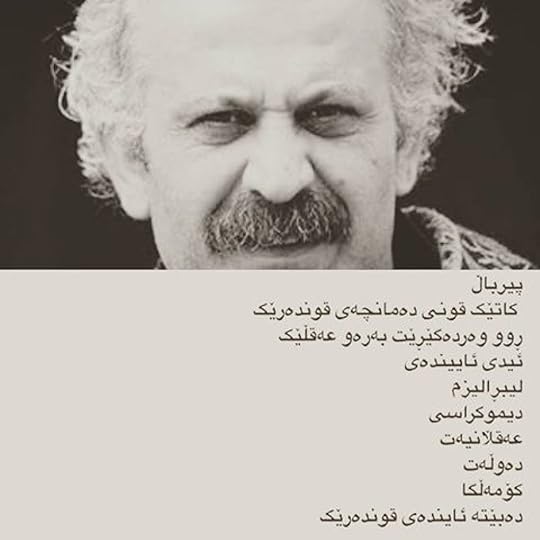
زمانی که کونِ تفنگِ یک جاکش
رو بر میگرداند به طرفِ یک عقل
دیگر آیندهی
لیبرالیزم
دموکراسی
عقلانیت
دولت
جامعه
آیندهی یک جاکش میشود
"فرهاد پیربال"
جنگ و باز جنگ و جنگ!!!...راه فراری از آن نیست...وقتی قنداق تفنگی در خانهات را میکوبد...ناچاری در انتخاب فقط یک راه...یا بکشی یا کشته شوی... بدترین راه ممکن...اما تا زمانی که میتوان حرف زد...قلم به دست بگیر...برای نرسیدن به آن دهشتناکترین انتخاب...که جز بدبختی و آوار و خون چیزی به همراه ندارد
حتی جنگ برای عدالت هم بیعدالتی به بار میآورد
بختیار علی
شاید هنوز آنقدر جوانی...که خود را مرکز کائنات میدانی...و هنوز فک میکنی با تفنگ میتوانی جهان را تغییر بدهی...اما از خیالهای خام دست بردار...که اگر دستانت آلوده شوند...تا ابد مانند مُردگان خواهی زیست...آن نعشها را همیشه با خود خواهی داشت...آن هم بخاطر چی؟...بخاطر یک ایدئولوژی...که چند سال بعد درست بودنش به زیر سوال خواهد رفت...و تو دیگر هیچ راه فراری نخواهی داشت که با آن وجدانت را آرام کنی...یکبار نمیمیری...هرروز خواهی مُرد...حالا کدام حزب تو را از کابوسها نجات خواهد بخشید...و کدامین رئیس حزبی دستانت را از خون نعشها خواهد شست!؟...همهشان دروغ میگویند...فقط آنهایی را باور کن که جانشان را در راه صلح دادهاند نه در راه قدرت

December 13, 2023
In a Political piece, Sartre dissects the notion of commitment, not just politics. He shows that there is a step, sometimes a giant one, between the idea and the act. Existentialism and commitment go hand in hand for the author, and he promotes the idea in this piece following his convictions or their absence. Good Sartre.

June 7, 2016
Having struggled through a piece of pornographic trash, Manfred tells me he's now able to read books for grown-ups. I give him a copy of Die schmutzigen Hände, and a day later he comes back and says he's finished.
"So did you enjoy it?" I ask.
"It was fantastic!" Manfred answers in his predictable teen way.
"Well, what was so fantastic about it?" I want to know. "What was it like?"
Manfred pretends to think carefully. He hasn't actually read many books, though he hates admitting it.
"It was sort of like Sofies Welt," he says after a while.
"Really?" I say. "You know, it's somewhat unusual to compare Jean-Paul Sartre to Jostein Gaarder."
"But look!" says Manfred. "It makes sense! See, they both want to explain philosophy to you, but they're trying to make it more fun by turning it into a story."
"I suppose you might have a point," I reluctantly concede. "So what philosophical ideas is Sartre trying to explain?"
"Well," says Manfred, "let me tell you what happens first. Hugo's this young Eastern European guy in WW II. His country's been invaded by the Nazis, but now the Germans are losing. He's working for the Communist underground. The Russian army is coming so they've got a great chance to take over. But they don't agree on the right strategy to use. The leader of the Communists is a guy called Hoederer. He says there aren't enough of them, they've got to be practical and do a deal with the other parties to share power. The other Communists say that's treason to the Party. They give Hugo the job of killing Hoederer. He's going to become his secretary, and when he gets a chance he's going to shoot him."
"And does he do that?" I ask.
"Oh yes," says Manfred. "You know he's going to do it right from the start, the whole play's a flashback really. But you don't know why he shoots him. That's where the philosophy comes in. It's kind of deep."
"And what is this deep philosophy?" I say. Manfred ignores my sarcasm.
"Well," he says, "Hugo thinks he knows why he's doing it. He's read all these books and he has all these ideas about what's right and wrong. He thinks he's going to kill Hoederer because Hoederer has the wrong ideas and he's dangerous to the Party. But really, you see it's not the ideas at all. He talks with Hoederer and he sees Hoederer's ideas are just as good as his. Better, even. He only thought he had to shoot him because he talked to the other guys first."
"But he does shoot him, right?" I say. "So why does he do it?"
"Oh," says Manfred. "He catches Hoederer kissing his wife. And he gets so mad that he shoots him."
"So what's the moral, then?" I ask.
"People don't really do things because of their ideas," says Manfred. "They think they do. But really it's just their feelings."
He stops and considers for a moment.
"Sartre's really good at explaining things," he adds as an afterthought. "Even better than Jostein Gaarder. Can we get another one?"
"I'll look around," I say.
"So did you enjoy it?" I ask.
"It was fantastic!" Manfred answers in his predictable teen way.
"Well, what was so fantastic about it?" I want to know. "What was it like?"
Manfred pretends to think carefully. He hasn't actually read many books, though he hates admitting it.
"It was sort of like Sofies Welt," he says after a while.
"Really?" I say. "You know, it's somewhat unusual to compare Jean-Paul Sartre to Jostein Gaarder."
"But look!" says Manfred. "It makes sense! See, they both want to explain philosophy to you, but they're trying to make it more fun by turning it into a story."
"I suppose you might have a point," I reluctantly concede. "So what philosophical ideas is Sartre trying to explain?"
"Well," says Manfred, "let me tell you what happens first. Hugo's this young Eastern European guy in WW II. His country's been invaded by the Nazis, but now the Germans are losing. He's working for the Communist underground. The Russian army is coming so they've got a great chance to take over. But they don't agree on the right strategy to use. The leader of the Communists is a guy called Hoederer. He says there aren't enough of them, they've got to be practical and do a deal with the other parties to share power. The other Communists say that's treason to the Party. They give Hugo the job of killing Hoederer. He's going to become his secretary, and when he gets a chance he's going to shoot him."
"And does he do that?" I ask.
"Oh yes," says Manfred. "You know he's going to do it right from the start, the whole play's a flashback really. But you don't know why he shoots him. That's where the philosophy comes in. It's kind of deep."
"And what is this deep philosophy?" I say. Manfred ignores my sarcasm.
"Well," he says, "Hugo thinks he knows why he's doing it. He's read all these books and he has all these ideas about what's right and wrong. He thinks he's going to kill Hoederer because Hoederer has the wrong ideas and he's dangerous to the Party. But really, you see it's not the ideas at all. He talks with Hoederer and he sees Hoederer's ideas are just as good as his. Better, even. He only thought he had to shoot him because he talked to the other guys first."
"But he does shoot him, right?" I say. "So why does he do it?"
"Oh," says Manfred. "He catches Hoederer kissing his wife. And he gets so mad that he shoots him."
"So what's the moral, then?" I ask.
"People don't really do things because of their ideas," says Manfred. "They think they do. But really it's just their feelings."
He stops and considers for a moment.
"Sartre's really good at explaining things," he adds as an afterthought. "Even better than Jostein Gaarder. Can we get another one?"
"I'll look around," I say.

February 5, 2024
آهان، داستان بگو، فلسفه را بذار در کوزه آبش را بخور!
0- حاشا و کلا، بندۀ درگاه فلسفه ام. ولی دارم نمایشنامه میخونم!
1- در این نمایشنامه ماجرای درگیریهای حزبی را میبینیم. مسئلهای سیاسی و مربوط به سیاست روز. اما انسانها این وسط گذر میکنند، پس بحث مسائل شخصی هم وارد میشود و درگیریهای هوگو (شخصیت اصلیِ اثر و انسان!) و حزب و اعضایش (یکسری انسان دیگر!) را شاهد هستیم.
چرا دستهای آلوده؟ اسپویل نمیکنم، اما خب، دستهای آلوده را شاید به توان به موقعیتهایی اطلاق کرد که یک کنش سیاسی (یا غیر آن) با اخلاق سرِ ناسازگاری داشته باشد. فرض کن وکیلی را که باید از یک موکل که میداند گناهکار است دفاع کند. یا فرض کن روانشناسی را که مراجع، او را حصنِ حصین رازهایش دانسته و به او نقشۀ قتل خانوادهاش را گفته و این مشاورِ روانشناسی باید پا بر روی اصل «رازداریِ» حرفهای بگذارد و پته این مراجع را بر آب دهد. اصلا رهبری سیاسی یا فرماندهی نظامی، حکم بمباران شهری را میدهد که مردم غیرنظامی (چرا سربازها باید بمیرند اصلا؟) در آن اند و این یک «ضرورتِ» سیاسی-نظامی است که فرمانده را «مجبور» به اتخاذ این تصمیم میکند. تمام این مثالها و دیگر شرایط بغرنج، جایی است که بین کنشِ درست! و اخلاق (این بغرنج مسئلۀ ابدی!) تعارضی هست و انسان است که این وسط متلاشی میشود. زیرا انسان در تعارض باید تصمیم بگیرد. در سطح باور شاید بتوان باوری را تعلیق کرد (یعنی در پرانتز گذاشت و بهش توجه نکرد) ولی در مقام عمل باید تصمیم گرفت. پس باید تصمیم گرفت؛ ای مفلوک انسان!
2) خب، اون بالا را خواندی؟ دیدی عجب مسئلۀ مهم و بغرنجی است؟ بیا به این مدل مسئلههای سخت بگیم: «مسائل فلسفی». خیلی سختنگیر و گیر نده به این تعریف.
با اینکه تو این نمایشنامه میتوان همچین مسئلهای را رد گیری کرد، اما روایت و گرههای روایی، زیرسایۀ این کلان مسئله نیست. یعنی روایت، جهان خود را دارد و کار میکند. البته اینکه در پردههای نخستین، هوگو در جواب به این پرسش که: «اسمت چیست؟» جواب داد: «راسکولنیکف» خیلی بولد و تو چشم بود (چون گلدرشتتر از این شخصیتِ داستایفسکی برای ارجاع به موقعیتهای «جنایات و مکافاتی» سراغ دارید؟) ولی کلیت اثر در پناه از چنبره ایدهها بر روایت بود به نظر من.
شخصیتسازی، روابطشون و ویژگیهاشون در این اثر خیلی بهتر از دو اثر قبلی (دوزخ/مردگان بیکفن و دفن) بود و چند پردۀ آخر کاری کرد که بالا و پایین شخصیتها را بهتر درک کنم. به بیانی شخصیتها برایم مهم بودند و تغییراتشان را میفهمیدم (منطق تغییر شخصیت).
در ضمن دیالوگ نویسیها، شرح میزانسنها، محل اتمام پردهها و بعضا توجه به «ناآگاهی شخصیتها» کاری کرد که به نظرم این اثر بار نمایشی بیشتری نسبت به دو اثر قبلی داشته باشد.
3) این مورد اندکی بیربط است به کلیت این اثر ولی دوستدارم اینجا از ذهنم در این مورد ردی برجای بگذارم.
بازم سخت نگیرید، بیاید یک وجه مهم از فلسفه چپ را انتقادی بودن بدانیم (هم چپ یک مفهوم گنگ و غیرمفید است، هم انتقادی بودن. ولی ماهیت کاربردی داره این تقسیمبندی در ذهن من). سنت چپ از ابتدا رگههای از توجه داشتن (معطوف) به عمل بودن را در ذات خود داشته است. به بیانی منطقِ «پراکسیس» برایشان مهم بوده است. یعنی اندیشهورزی صرف برایشان مهم نبوده است و هم اندیشه باید تغییر در جامعه ایجاد میکرده است و هم خود دست به عمل میزدند.
البته بعضا روشنفکرهای چپگرا، همان برعاجِ اندیشه! نِشَستههای ابدی، دیگر حواسشون به شرایط عینیِ جامعه نیست (یعنی رابطهٔ اندیشه با جامعه قطع شده است. مخدری شده است برای بازیهای روشنفکرانه). اینجاست که امثال گرامشی در ادبیات چپ اهمیت پیدا میکنند. چون گرامشی تجربۀ مستقیم کنش سیاسی داشته است و دستی بر سازماندهی حزبی داشته است، در متونِ اون میتوان ردی جدی از عملگرایی را دید. البته اگر «منطق پراکسیس» را در چپ جدی بگیریم، یک نقد جدی میتوان به آن ناظر به واقعیت تجربه سوسیالیسم و کمونیسم وارد کرد. یعنی چون شما پراکسیس را اصل گرفته اید، نمیتوانید از واقعیت آنچه رخ داده است شانه خالی کنید. ایدۀ این نقد را اگر درست یادم باشد از مدخل گرامشی تاریخ فلسفه راتلج گرفته بودم. قاعدتا این نکات و ایدههایم خیلی خام است ولی بد ندیدم اینجا بنویسم چون:
به نظرم یکی از موضوعات مهم که سارتر در این نمایشنامه بهش ارجاع داشت، اهمیت کنش سیاسی و کار حزبی است. با اینکه در اثر رگههایی از انتقاد به شرایط حزبی چپها را میتوان مشاهده کرد، ولی مشخص است که الکی چنین نمایشنامۀ مطولی، در بستر یک سامان حزبی قرار نگرفته است. یعنی کار حزبی و کنش سیاسی (احتمالا) برای سارتر مهم است.
برای این دوگانِ مهم نظریه-پراکسیس در چپ، به سابقه چپ در ایران توجه کنید. از حزب توده و انشعابات آنها و عملیاتهای مسلحانه و... . متاسفانه انگار این مورد هم از آن هزاران موضوع جذابِ مورد توجه است!
4) چه حیف که دیگه تلهتئاترها اونجوری که باید بهشون توجه نمیشه. البته اینکه بگیم: «حیف که تلهتئاترها در همونجایی که در حوالیِ ولیعصر یک ساختمان شیشهای دارد دیگه تامین مالی نمیشود و افسوس، ایکاش درست شود» مصداق تامِ «خانه از پای بست ویران است/خواجه در بند نقش ایوان است» میشود به نظرم.
البته اجرای تلهتئاتر این نمایشنامه اصلا خوب نبود. اصلا این رضا خرم که نقش اصلی نمایش، هوگو، را بازی میکرد به قدری بد و تصنعی بود که اصلا غیرقابل بیان. حالا باز بازی آتیلا پسیانی واقعا بهتر بود و به اثر بیشتر مینشست.
بعد این سانسور اینکه هوگو مشروب خورد و سرش سنگین شد و... عالی بود. یهو تو تلهتئاتر دیدیم که بعد از انفجار، با اینکه هوگو هیچ صدمهای ندید، در اتاقشان با سردرد خوابیده است و یکی از کاراکترها میگوید که هوگو زیادهروی کردهای! در چی زیادهوری کرده است؟ در آسیب ندیدن از انفجار؟ 😂 نه، جواب درست در مصرف کردن الکلیجات است. آهان ولی نباید که اینو بگیم. پس سانسورش میکنیم.
5) کلیاتی در مورد ترجمه بگم.
جاهایی ترجمه جلال واژهگزینیهای بدی داشت. هوگو در آخر نمایش که داشت با اولگا حرف میزد میگه: من باور نمیکنم که هودرر را کشته ام و گمان میکنم این تیر که زدهام یک «دلقکبازی!» بوده. دلقکبازی چیه؟ مثلا شعبدهبازی یا نمایش، خیلی مناسبتره اینجا. جای دیگه هم به نظرم گاف واژهگزینی و انتقال موقعیت داشت ترجمه جلال. ولی بهتر از چیزی بود که انتظار داشتم. (خودم اثر رو با ترجمه قاسم صنعوی خونده بودم ولی اجرای تلهتئاتری که دیدم با ترجمه جلال بود. برای همین یارای مقایسه داشت.)
در مجموع ترجمه قاسم صنعوی کاملا بهتر بود به نظرم. برخلاف تصورم ترجمه جلال آنچنان هم که باید بد نبود😂
از این به بعد اسپویلخیز است:
وای، یه جایی تو تلهتئاتر عالی بود. در اواخر روایت نمایش، هوگو در "چشمهای" هودرر "نگاه" میکند که شلیک کند. این موقعیت در چند دیالوگ و صحنه مورد استرسگذاری سارتر بود (اصلا از اول که ژسیکا داشت از شرایطِ جسمانی سوژه از هوگو میپرسید، تاکید بر چشم مهم بود). پس از این استرسگذاری بر چشم، هوگو به هودرر گفت که من در لحظه تیرچکاندن، به چشمان تو نگاه میکنم. خب، اما در تلهتئاتر در لحظۀ آخر که هوگو داشت ماشه را میچکاند، چشمانش را بست😂. واقعا تحسینبرانگیز بود این حرکت در تلهتئاتر مخصوصا اینکه در نمایشنامه همچین شرحِ بازیای برای بازیگر نیامده بود. البته امیدوارم بازیگر بخاطر ترس تفنگ ترقهای چشمهایش را نبسته باشد و برنامهٔ هوشمندانهٔ کارگردان نباشد که یکی از موقعیتهای جالب نمایشی اثر را نابود کند!
0- حاشا و کلا، بندۀ درگاه فلسفه ام. ولی دارم نمایشنامه میخونم!
1- در این نمایشنامه ماجرای درگیریهای حزبی را میبینیم. مسئلهای سیاسی و مربوط به سیاست روز. اما انسانها این وسط گذر میکنند، پس بحث مسائل شخصی هم وارد میشود و درگیریهای هوگو (شخصیت اصلیِ اثر و انسان!) و حزب و اعضایش (یکسری انسان دیگر!) را شاهد هستیم.
چرا دستهای آلوده؟ اسپویل نمیکنم، اما خب، دستهای آلوده را شاید به توان به موقعیتهایی اطلاق کرد که یک کنش سیاسی (یا غیر آن) با اخلاق سرِ ناسازگاری داشته باشد. فرض کن وکیلی را که باید از یک موکل که میداند گناهکار است دفاع کند. یا فرض کن روانشناسی را که مراجع، او را حصنِ حصین رازهایش دانسته و به او نقشۀ قتل خانوادهاش را گفته و این مشاورِ روانشناسی باید پا بر روی اصل «رازداریِ» حرفهای بگذارد و پته این مراجع را بر آب دهد. اصلا رهبری سیاسی یا فرماندهی نظامی، حکم بمباران شهری را میدهد که مردم غیرنظامی (چرا سربازها باید بمیرند اصلا؟) در آن اند و این یک «ضرورتِ» سیاسی-نظامی است که فرمانده را «مجبور» به اتخاذ این تصمیم میکند. تمام این مثالها و دیگر شرایط بغرنج، جایی است که بین کنشِ درست! و اخلاق (این بغرنج مسئلۀ ابدی!) تعارضی هست و انسان است که این وسط متلاشی میشود. زیرا انسان در تعارض باید تصمیم بگیرد. در سطح باور شاید بتوان باوری را تعلیق کرد (یعنی در پرانتز گذاشت و بهش توجه نکرد) ولی در مقام عمل باید تصمیم گرفت. پس باید تصمیم گرفت؛ ای مفلوک انسان!
2) خب، اون بالا را خواندی؟ دیدی عجب مسئلۀ مهم و بغرنجی است؟ بیا به این مدل مسئلههای سخت بگیم: «مسائل فلسفی». خیلی سختنگیر و گیر نده به این تعریف.
با اینکه تو این نمایشنامه میتوان همچین مسئلهای را رد گیری کرد، اما روایت و گرههای روایی، زیرسایۀ این کلان مسئله نیست. یعنی روایت، جهان خود را دارد و کار میکند. البته اینکه در پردههای نخستین، هوگو در جواب به این پرسش که: «اسمت چیست؟» جواب داد: «راسکولنیکف» خیلی بولد و تو چشم بود (چون گلدرشتتر از این شخصیتِ داستایفسکی برای ارجاع به موقعیتهای «جنایات و مکافاتی» سراغ دارید؟) ولی کلیت اثر در پناه از چنبره ایدهها بر روایت بود به نظر من.
شخصیتسازی، روابطشون و ویژگیهاشون در این اثر خیلی بهتر از دو اثر قبلی (دوزخ/مردگان بیکفن و دفن) بود و چند پردۀ آخر کاری کرد که بالا و پایین شخصیتها را بهتر درک کنم. به بیانی شخصیتها برایم مهم بودند و تغییراتشان را میفهمیدم (منطق تغییر شخصیت).
در ضمن دیالوگ نویسیها، شرح میزانسنها، محل اتمام پردهها و بعضا توجه به «ناآگاهی شخصیتها» کاری کرد که به نظرم این اثر بار نمایشی بیشتری نسبت به دو اثر قبلی داشته باشد.
3) این مورد اندکی بیربط است به کلیت این اثر ولی دوستدارم اینجا از ذهنم در این مورد ردی برجای بگذارم.
بازم سخت نگیرید، بیاید یک وجه مهم از فلسفه چپ را انتقادی بودن بدانیم (هم چپ یک مفهوم گنگ و غیرمفید است، هم انتقادی بودن. ولی ماهیت کاربردی داره این تقسیمبندی در ذهن من). سنت چپ از ابتدا رگههای از توجه داشتن (معطوف) به عمل بودن را در ذات خود داشته است. به بیانی منطقِ «پراکسیس» برایشان مهم بوده است. یعنی اندیشهورزی صرف برایشان مهم نبوده است و هم اندیشه باید تغییر در جامعه ایجاد میکرده است و هم خود دست به عمل میزدند.
البته بعضا روشنفکرهای چپگرا، همان برعاجِ اندیشه! نِشَستههای ابدی، دیگر حواسشون به شرایط عینیِ جامعه نیست (یعنی رابطهٔ اندیشه با جامعه قطع شده است. مخدری شده است برای بازیهای روشنفکرانه). اینجاست که امثال گرامشی در ادبیات چپ اهمیت پیدا میکنند. چون گرامشی تجربۀ مستقیم کنش سیاسی داشته است و دستی بر سازماندهی حزبی داشته است، در متونِ اون میتوان ردی جدی از عملگرایی را دید. البته اگر «منطق پراکسیس» را در چپ جدی بگیریم، یک نقد جدی میتوان به آن ناظر به واقعیت تجربه سوسیالیسم و کمونیسم وارد کرد. یعنی چون شما پراکسیس را اصل گرفته اید، نمیتوانید از واقعیت آنچه رخ داده است شانه خالی کنید. ایدۀ این نقد را اگر درست یادم باشد از مدخل گرامشی تاریخ فلسفه راتلج گرفته بودم. قاعدتا این نکات و ایدههایم خیلی خام است ولی بد ندیدم اینجا بنویسم چون:
به نظرم یکی از موضوعات مهم که سارتر در این نمایشنامه بهش ارجاع داشت، اهمیت کنش سیاسی و کار حزبی است. با اینکه در اثر رگههایی از انتقاد به شرایط حزبی چپها را میتوان مشاهده کرد، ولی مشخص است که الکی چنین نمایشنامۀ مطولی، در بستر یک سامان حزبی قرار نگرفته است. یعنی کار حزبی و کنش سیاسی (احتمالا) برای سارتر مهم است.
برای این دوگانِ مهم نظریه-پراکسیس در چپ، به سابقه چپ در ایران توجه کنید. از حزب توده و انشعابات آنها و عملیاتهای مسلحانه و... . متاسفانه انگار این مورد هم از آن هزاران موضوع جذابِ مورد توجه است!
4) چه حیف که دیگه تلهتئاترها اونجوری که باید بهشون توجه نمیشه. البته اینکه بگیم: «حیف که تلهتئاترها در همونجایی که در حوالیِ ولیعصر یک ساختمان شیشهای دارد دیگه تامین مالی نمیشود و افسوس، ایکاش درست شود» مصداق تامِ «خانه از پای بست ویران است/خواجه در بند نقش ایوان است» میشود به نظرم.
البته اجرای تلهتئاتر این نمایشنامه اصلا خوب نبود. اصلا این رضا خرم که نقش اصلی نمایش، هوگو، را بازی میکرد به قدری بد و تصنعی بود که اصلا غیرقابل بیان. حالا باز بازی آتیلا پسیانی واقعا بهتر بود و به اثر بیشتر مینشست.
بعد این سانسور اینکه هوگو مشروب خورد و سرش سنگین شد و... عالی بود. یهو تو تلهتئاتر دیدیم که بعد از انفجار، با اینکه هوگو هیچ صدمهای ندید، در اتاقشان با سردرد خوابیده است و یکی از کاراکترها میگوید که هوگو زیادهروی کردهای! در چی زیادهوری کرده است؟ در آسیب ندیدن از انفجار؟ 😂 نه، جواب درست در مصرف کردن الکلیجات است. آهان ولی نباید که اینو بگیم. پس سانسورش میکنیم.
5) کلیاتی در مورد ترجمه بگم.
جاهایی ترجمه جلال واژهگزینیهای بدی داشت. هوگو در آخر نمایش که داشت با اولگا حرف میزد میگه: من باور نمیکنم که هودرر را کشته ام و گمان میکنم این تیر که زدهام یک «دلقکبازی!» بوده. دلقکبازی چیه؟ مثلا شعبدهبازی یا نمایش، خیلی مناسبتره اینجا. جای دیگه هم به نظرم گاف واژهگزینی و انتقال موقعیت داشت ترجمه جلال. ولی بهتر از چیزی بود که انتظار داشتم. (خودم اثر رو با ترجمه قاسم صنعوی خونده بودم ولی اجرای تلهتئاتری که دیدم با ترجمه جلال بود. برای همین یارای مقایسه داشت.)
در مجموع ترجمه قاسم صنعوی کاملا بهتر بود به نظرم. برخلاف تصورم ترجمه جلال آنچنان هم که باید بد نبود😂
از این به بعد اسپویلخیز است:
وای، یه جایی تو تلهتئاتر عالی بود. در اواخر روایت نمایش، هوگو در "چشمهای" هودرر "نگاه" میکند که شلیک کند. این موقعیت در چند دیالوگ و صحنه مورد استرسگذاری سارتر بود (اصلا از اول که ژسیکا داشت از شرایطِ جسمانی سوژه از هوگو میپرسید، تاکید بر چشم مهم بود). پس از این استرسگذاری بر چشم، هوگو به هودرر گفت که من در لحظه تیرچکاندن، به چشمان تو نگاه میکنم. خب، اما در تلهتئاتر در لحظۀ آخر که هوگو داشت ماشه را میچکاند، چشمانش را بست😂. واقعا تحسینبرانگیز بود این حرکت در تلهتئاتر مخصوصا اینکه در نمایشنامه همچین شرحِ بازیای برای بازیگر نیامده بود. البته امیدوارم بازیگر بخاطر ترس تفنگ ترقهای چشمهایش را نبسته باشد و برنامهٔ هوشمندانهٔ کارگردان نباشد که یکی از موقعیتهای جالب نمایشی اثر را نابود کند!
November 21, 2008
A lot of reviewers here on Goodreads (well, David, anyway) don't appear to like Sartre. But, if you think he was a complete asshole as a person, and you're not too thrilled about the way he supported the Communist Party, you might want to read Les Mains Sales; it's a short, engaging play, that won't take you more than a couple of hours to get through, and Sartre does a better job of taking himself apart than you're ever likely to manage. Hugo, the central character, is a nightmare self-caricature: pathetic, whiny, neurotic, and completely out of touch with reality.
The rest of this review is available elsewhere (the location cannot be given for Goodreads policy reasons)
The rest of this review is available elsewhere (the location cannot be given for Goodreads policy reasons)

February 28, 2018
طرز فکر و دغدغه این نمایش، سلیقه من بود.
این نمایش درباره عقیده هاست. درباره اینکه یک عقیده چقدر میتونه صحیح باشه، تعصب چقدر روی عقاید تاثیر دارن، چطور ممکنه همه چیز بچرخه و چیزی که برای یکی درست به نظر میاد ممکنه نادرست باشه و برعکس. نشون دادن این تزلزل و عدم قطعیت، چیزی بود که این نمایش رو جذاب میکرد. آخرای نمایش، سارتر گریز کوتاهی به مسئولیت پذیری و مساله اصلی فلسفه اگزیستنسیال هم میزنه. و در نهایت، آخر نمایش هست که ضربه نهایی رو وارد میکنه و این سوال رو به وجود میاره که نیت و دلیل انجام کارها چقدر میتونن روی قضاوت کردن درباره یک مساله تاثیرگذار باشن. چطور یک نیت شخصی، میتونه برای ارزشگذاری روی اعمال تاثیر بذاره.
مساله دیگهای که این نمایشنامه برای من به وجود اورد، ارزش مرگ بود. اینکه آیا مرگ میتونه ارزشمند باشه!؟ یک مرگ، میتونه بر حسب دلیلی که باعث رخ دادنش شده باشه، با ارزش یا بی ارزش بشه. اما ایا تمام اینها مهمه؟!
درنهایت، این نمایشنامه سوال ایجاد میکنه، آدمو به فکر وا میداره، و میگذاره که خودت درباره این مسائل فکر کنی و نسبت خودت رو با این قضایا بسنجی.
اگر این نمایش رو دوست داشتید، <<عادلها>> آلبر کامو رو هم بخونید.
این نمایش درباره عقیده هاست. درباره اینکه یک عقیده چقدر میتونه صحیح باشه، تعصب چقدر روی عقاید تاثیر دارن، چطور ممکنه همه چیز بچرخه و چیزی که برای یکی درست به نظر میاد ممکنه نادرست باشه و برعکس. نشون دادن این تزلزل و عدم قطعیت، چیزی بود که این نمایش رو جذاب میکرد. آخرای نمایش، سارتر گریز کوتاهی به مسئولیت پذیری و مساله اصلی فلسفه اگزیستنسیال هم میزنه. و در نهایت، آخر نمایش هست که ضربه نهایی رو وارد میکنه و این سوال رو به وجود میاره که نیت و دلیل انجام کارها چقدر میتونن روی قضاوت کردن درباره یک مساله تاثیرگذار باشن. چطور یک نیت شخصی، میتونه برای ارزشگذاری روی اعمال تاثیر بذاره.
مساله دیگهای که این نمایشنامه برای من به وجود اورد، ارزش مرگ بود. اینکه آیا مرگ میتونه ارزشمند باشه!؟ یک مرگ، میتونه بر حسب دلیلی که باعث رخ دادنش شده باشه، با ارزش یا بی ارزش بشه. اما ایا تمام اینها مهمه؟!
درنهایت، این نمایشنامه سوال ایجاد میکنه، آدمو به فکر وا میداره، و میگذاره که خودت درباره این مسائل فکر کنی و نسبت خودت رو با این قضایا بسنجی.
اگر این نمایش رو دوست داشتید، <<عادلها>> آلبر کامو رو هم بخونید.

October 8, 2014
اولین چیزی که از سارتر خوندم، و خیلی عالی بود. تصویری که از روشنفکر سال های میانه ی قرن بیستم ارائه می ده، تصویر خیلی جالبیه.
June 7, 2023
«تو از انسانها متنفری، چون از خودت نفرت داری؛ پاکی تو به مرگ شباهت دارد و انقلابی که تو در رؤیایش به سر میبری، انقلاب ما نیست. تو نمیخواهی دنیا را عوض کنی، میخواهی نجاتش بدهی.»
• ۲ ستاره با نهایت دستودلبازی.
• ۲ ستاره با نهایت دستودلبازی.

December 16, 2016
جسیکا، هوگو و هودرر
جسیکایی که گاهی با تمام ساده دلیش حرفای منطقی میزد با اینکه هیچ کس جدیش نمی گیره
یه جا میگه چطور وقتی نمی تونی عقایدت رو برای کسی ائبات کنی و اونو متقاعد کنی میتونی بگی عقیدت درسته؟
چرا مخالف ها را باید کشت؟
سیر منطقی و روایی داستان واقعا عالی بود و ترجمه روانی داشت بسیار بسیار عالی نوشته شده بود.
سیاست کثیفه ولی به هرحال عده ای باید به این کثافات دست بزنندتا باقی ادم ها پاک بمونن.
اگه بگم هودرر برام قابل احترام و قابل ستایشه خیلی بده؟
"مخصوصا اونجایی که به جسییکا میگه نباید تحقیرش کنم، متقاعدش می کنم تا هیچوقت دیگه آدم نکشه" آدم سازی می کنه
رهبران سیاسی همیشه آدم های عجیب و جذابی بودن برام جالبه من سیاست زده و متنفراز سیاست چرا انقدر این کتاب برام جذاب بود
که البته بخش زیادیش بخاطر قلم سارتر هست علاوه بر شروع و پایان بسیار عالی داستان
و این باعث میشه سارتر رو تحسین کنم از اعماق قلبم :)
جسیکایی که گاهی با تمام ساده دلیش حرفای منطقی میزد با اینکه هیچ کس جدیش نمی گیره
یه جا میگه چطور وقتی نمی تونی عقایدت رو برای کسی ائبات کنی و اونو متقاعد کنی میتونی بگی عقیدت درسته؟
چرا مخالف ها را باید کشت؟
سیر منطقی و روایی داستان واقعا عالی بود و ترجمه روانی داشت بسیار بسیار عالی نوشته شده بود.
سیاست کثیفه ولی به هرحال عده ای باید به این کثافات دست بزنندتا باقی ادم ها پاک بمونن.
اگه بگم هودرر برام قابل احترام و قابل ستایشه خیلی بده؟
"مخصوصا اونجایی که به جسییکا میگه نباید تحقیرش کنم، متقاعدش می کنم تا هیچوقت دیگه آدم نکشه" آدم سازی می کنه
رهبران سیاسی همیشه آدم های عجیب و جذابی بودن برام جالبه من سیاست زده و متنفراز سیاست چرا انقدر این کتاب برام جذاب بود
که البته بخش زیادیش بخاطر قلم سارتر هست علاوه بر شروع و پایان بسیار عالی داستان
و این باعث میشه سارتر رو تحسین کنم از اعماق قلبم :)

January 30, 2017
جدا از سليس بودن نمايش نامه ش و ساده و روون بودنش و همينطور تمام پيام هايى كه بهش اشاره ميكرد ، چندتا نكته در مورد سياسيون گوشزد كرده بود !
١) ادم هاى يك حزب سياسى فقط خودشون رو قبول دارن و نه كس و عقيده ى ديگه اى رو . حتى كسى كه تو وادى سياست نباشه
٢) اون فكرى كه افراد انقلابى و سياسى رو ارضا ميكنه ، فكر كردن راجع به آرمان هاشون هست و نه به نتيجه رسوندن آن به هر قيمتى !
٣) اون چيزى كه در نهايت اكثر افراد سياسى رو به كار سياست وا ميداره ، منافع خودشون هستش و نه منافع جامعه . حتى اگر اين منافع ، مالى نباشه و به نوعى براى ثابت كردن خودشون باشه
٤) تمام افرادى كه خارج از آرمان هاى سياسيشون فكر ميكنن و سعى در اصلاح عقايدشون دارن ، به نوعى بايد از صحنه حذف بشند . چون قراره كه در آينده از اون ها به عنوان قهرمان ياد بشه . قهرمانى كه فقط با كشته شدن ، لياقت قهرمان شدند دارند و نه با عقايدشون
١) ادم هاى يك حزب سياسى فقط خودشون رو قبول دارن و نه كس و عقيده ى ديگه اى رو . حتى كسى كه تو وادى سياست نباشه
٢) اون فكرى كه افراد انقلابى و سياسى رو ارضا ميكنه ، فكر كردن راجع به آرمان هاشون هست و نه به نتيجه رسوندن آن به هر قيمتى !
٣) اون چيزى كه در نهايت اكثر افراد سياسى رو به كار سياست وا ميداره ، منافع خودشون هستش و نه منافع جامعه . حتى اگر اين منافع ، مالى نباشه و به نوعى براى ثابت كردن خودشون باشه
٤) تمام افرادى كه خارج از آرمان هاى سياسيشون فكر ميكنن و سعى در اصلاح عقايدشون دارن ، به نوعى بايد از صحنه حذف بشند . چون قراره كه در آينده از اون ها به عنوان قهرمان ياد بشه . قهرمانى كه فقط با كشته شدن ، لياقت قهرمان شدند دارند و نه با عقايدشون

November 8, 2020
99.08.18
هوگووار میان 4 و 5 ستاره در اندیشهام!
پرسشی که سارتر برای خواننده ساختهبود، به گمانم از پرسش کامو در دادگسترها/راستان/صالحان پیچیدهتر بود و پاسخ به آن هنوز هم چندان آسان نیست ولی به هر روی(!) در انجام کار به پای نمایشنامهی کامو نرسیدهبود (سلیقهی شخصی!)
امیدوارم خوانشِ کتاب «مسالهی دستهای آلوده» پس از این کتاب چسبناک باشد!
شاید سر فرصت دربارهی این نمایشنامه بیشتر بنویسم.
پسنوشت:
دربارهی ترجمه هم چیز مهمی برای گفتم ندارم، مگر این سبک جلال که به جای «مگر نه» یا «این طور نیست؟»، «نیست» به کار میبرد که گاهی آزاردهنده است.
هوگووار میان 4 و 5 ستاره در اندیشهام!
پرسشی که سارتر برای خواننده ساختهبود، به گمانم از پرسش کامو در دادگسترها/راستان/صالحان پیچیدهتر بود و پاسخ به آن هنوز هم چندان آسان نیست ولی به هر روی(!) در انجام کار به پای نمایشنامهی کامو نرسیدهبود (سلیقهی شخصی!)
امیدوارم خوانشِ کتاب «مسالهی دستهای آلوده» پس از این کتاب چسبناک باشد!
شاید سر فرصت دربارهی این نمایشنامه بیشتر بنویسم.
پسنوشت:
دربارهی ترجمه هم چیز مهمی برای گفتم ندارم، مگر این سبک جلال که به جای «مگر نه» یا «این طور نیست؟»، «نیست» به کار میبرد که گاهی آزاردهنده است.

August 13, 2021
اگزیستانسیال محض!

May 7, 2025
«گفتهاند: نگه داشتن تو سودی ندارد و نابودی تو ضرری نمیرساند. این فقط یک شعار نیست بلکه ضربان قلب یک رفیق قبل از کشیدن ماشه است. زندگیَش قربانی ایدئولوژی میشود، هدفش همه چیز را میبلعد و هر انتخابش بدتر از انتخاب قبلی میشود. در آخر برای او تنها دست های خالی باقی میمانند؛ تهی از همان چیزی که ادعا می کرد برایش میجنگد»
دست های آلوده یک نمایشنامه گیرا از ژان پل سارتره که خوانندگان رو به دل یک معضل عمیق فلسفی میکشونه:
"آیا زمانی که ایدئولوژی ما در خطر است هدف هر وسیلهای را توجیه میکند؟"
داستان نمایشنامه در دوران آشفتگی حزب کمونیست یک کشور خیالی اتفاق میوفته و حول محور هوگو، یک عضو جوان حزب می چرخه که ماموریتی مهم رو بر عهده داره: ترور یک رهبر منحرف شدهی حزب.
سارتر به طرز ماهرانه ای مرز مبهم بین اخلاق و وظیفه رو به تصویر میکشه و ما رو مجبور می کنه با سؤالاتی در مورد ماهیت وفاداری و بهای دفاع از عقاید دست و پنجه نرم کنیم و به طور مستمر درک ما از تعارض ایدئولوژیک، مسئولیت شخصی و تفاوت بین حق و باطل رو به چالش میکشه.
این نمایشنامه خطرات مقدم دونستن ایدئولوژی بر انسانیت رو به ما یادآوری میکنه و هزینه واقعی تعهد تزلزل ناپذیر به یک هدف رو به ما نشون میده.
و در آخر هم داستان ما رو با یک پرسش مواجه میکنه:
آیا میتونیم برای عدالت مبارزه کنیم بدون اینکه دست هامون رو آلوده کنیم؟
دست های آلوده یک نمایشنامه گیرا از ژان پل سارتره که خوانندگان رو به دل یک معضل عمیق فلسفی میکشونه:
"آیا زمانی که ایدئولوژی ما در خطر است هدف هر وسیلهای را توجیه میکند؟"
داستان نمایشنامه در دوران آشفتگی حزب کمونیست یک کشور خیالی اتفاق میوفته و حول محور هوگو، یک عضو جوان حزب می چرخه که ماموریتی مهم رو بر عهده داره: ترور یک رهبر منحرف شدهی حزب.
سارتر به طرز ماهرانه ای مرز مبهم بین اخلاق و وظیفه رو به تصویر میکشه و ما رو مجبور می کنه با سؤالاتی در مورد ماهیت وفاداری و بهای دفاع از عقاید دست و پنجه نرم کنیم و به طور مستمر درک ما از تعارض ایدئولوژیک، مسئولیت شخصی و تفاوت بین حق و باطل رو به چالش میکشه.
این نمایشنامه خطرات مقدم دونستن ایدئولوژی بر انسانیت رو به ما یادآوری میکنه و هزینه واقعی تعهد تزلزل ناپذیر به یک هدف رو به ما نشون میده.
و در آخر هم داستان ما رو با یک پرسش مواجه میکنه:
آیا میتونیم برای عدالت مبارزه کنیم بدون اینکه دست هامون رو آلوده کنیم؟

January 21, 2015
هوگو: کشتن، مردن، هر دو یک چیزند: انسان در یک حد تنهاست.

November 18, 2017
یک نمایشنامه جذاب و خواندنی!

December 28, 2020
...دروغ را من اختراع نکرده ام .دروغ در یک جامعه طبقاتی متولد شده و هرکدام از ما از وقتی به دنیا آمده ایم ،آن را به ارث برده ایم ...

April 27, 2019
Dirty hands is the first play I read. In fact, it is through it that I got to know the very mentioned Sartre.
I didn’t know what to expect and I was finally left rather pleased.
The best part of that play is the fast and concise dialogues between the characters that make your reading flow like a river in an agreeable way that transform the story into an enjoyable light reading.
This play is awesome it tackles so many themes.
Hugo wants to be more than just a writer that doesn’t do “real work” he wants to do the footwork to actually make his hands dirty by taking matters into his own hands and resort to action.
Hugo is trying to put meaning into his world that doesn’t seem to have one of its own. He seems to build his world around a certain political idealism that will haunt him for so long.
Various questions are worth stopping at like:
Are you really convinced by something or is it just a matter of what you were taught first?
Is the pursuit of the meaning you create worth making a fool of yourself and become responsible for what is in regard of the other and the world total nonsense?
Is conceding to reason and abandoning fanaticism such a bad choice?
Are your choice actually your own or is it just the plaything of feelings?
Is history sincere or is it just parties agreeing what should be fabricated for the mass to swallow?
Are political leaders even convinced of their ideologies or is it just a veil to blind people and help them to propagate their lies?
Do politicians have one common and unique doctrine that is the selfish interest of the party whatever the cost?
Does survival of the fittest legitimate the saying”the ends justify the means”?
So many questions and many many more are at the heart of all other reasons you could possibly get your hand on as to why should you read it.
Well it’s realistic, it’s deep and it’s really fun.
I didn’t know what to expect and I was finally left rather pleased.
The best part of that play is the fast and concise dialogues between the characters that make your reading flow like a river in an agreeable way that transform the story into an enjoyable light reading.
This play is awesome it tackles so many themes.
Hugo wants to be more than just a writer that doesn’t do “real work” he wants to do the footwork to actually make his hands dirty by taking matters into his own hands and resort to action.
Hugo is trying to put meaning into his world that doesn’t seem to have one of its own. He seems to build his world around a certain political idealism that will haunt him for so long.
Various questions are worth stopping at like:
Are you really convinced by something or is it just a matter of what you were taught first?
Is the pursuit of the meaning you create worth making a fool of yourself and become responsible for what is in regard of the other and the world total nonsense?
Is conceding to reason and abandoning fanaticism such a bad choice?
Are your choice actually your own or is it just the plaything of feelings?
Is history sincere or is it just parties agreeing what should be fabricated for the mass to swallow?
Are political leaders even convinced of their ideologies or is it just a veil to blind people and help them to propagate their lies?
Do politicians have one common and unique doctrine that is the selfish interest of the party whatever the cost?
Does survival of the fittest legitimate the saying”the ends justify the means”?
So many questions and many many more are at the heart of all other reasons you could possibly get your hand on as to why should you read it.
Well it’s realistic, it’s deep and it’s really fun.

March 28, 2018
میدانی؟ انقلاب، مسالهی لیاقت نیست. مسالهی با نتیجه بودن است و بهشتی هم در کار نیست و باید آدم کاری را بکند که برای آن آفریده شده و چه بهتر که آسان هم باشد.
بهترین کار آن نیست که بیش از هر کاری آدم را به زحمت بیندازد؛ آن است که بیش از هر کاری آدم در آن موفق بشود
بهترین کار آن نیست که بیش از هر کاری آدم را به زحمت بیندازد؛ آن است که بیش از هر کاری آدم در آن موفق بشود

August 3, 2022
منزه بودن عقيدهای است که به کار درويشها و کشيشها میخورد و شما روشنفکرها و بورژواهای آنارشيست برای اينکه کاری انجام ندهيد، دست به دامان منزهطلبی شدهايد. هيچ کاری نکردن، ساکن و ساکت ماندن، دست زير چانه زدن و دستکش به دست کردن! اما من دستهايم آلوده است. تا آرنج

May 8, 2017
تاييد كننده ي جمله ي " سياست پدر مادر نداره".....


September 1, 2023
Isha tepër i ri dhe desha të mbaja një krim mbi shpinë, të madh sa një shkëmb. E kisha me frikë se mos nuk ishte tepër i rëndë. Po çfarë gabimi- ai qenka i lehtë, tmerrësisht i lehtë. Nuk peshon fare. Pa më vështro: jam plakur, ka kaluar dy vjet në qeli, jam ndarë me Xhesikën dhe po shtyj këtë lloj jete të çuditëshme e të turbullt derisa shokët të marrin përsipër e të më çlirojnë. E gjithë kjo për shkak të atij krimit, apo jo? Kurse ai nuk peshon, nuk e ndiej. As mbi qafë, as mbi supe, as më rëndon në zemër. Eshtë shndërruar në fatin tim, a më kupton, ai drejton jetën time, po unë nuk mund ta shoh e ta prek. Sikur s'më përket mua, si një sëmundje vdekjeprurëse që të vret pa vuajtur. Ku është? A ekziston? Po unë qëllova. Dera u hap... E doja Hedererin, Olga. E doja ta shihja e ta dëgjoja, i doja duart dhe fytyrën e tij dhe kur rrija me të, më fashiteshin gjithë inatet.... Nuk është krimi im që më vret, por vdekja e tij. (Heshtje). Dhe ja. Asgjë s'ndodhi. Asgjë. Ndenja dhjetë ditë në fshat dhe dy vjet në burg; dhe jam po ai, po aq llafazn. Vrasësit duhet të mbajnë shenja dalluese. Një lulëkuqe në thilenë e xhaketës.
September 5, 2018
چقدر خوب بود. انتظارشو نداشتم انقدر خوب باشه. موضوعش جذاب بود، پرداخت و نگارشش هم جذاب بود.. پایانش هم فوق العاده بود..
May 19, 2017
فقط ميشه گفت كه عالي بود.....

March 17, 2020
در نمایشنامهها و تئاترها، حساسیتم بیشتر بر دیالوگه تا سایر عناصر. به نظرم صمیمیت و واقعیتِ دیالوگها نمایش رو دلچسبتر میکنه، نسبت به زمانی که شاهدیم شخصیتها در حال انجام مسابقهای با استعمال بیشترین جملات نغز - که تصنعی بودنش بیننده رو دلزده میکنه - و سرعت بالای بیان اونها، بعد از دیالوگ حریف، هستن.
ابتدای نمایشنامه کمی این دلزدگی رو احساس کردم و اگه همین مواردِ کم نبود، با افتخار پنج ستاره تقدیم میکردم!
ابتدای نمایشنامه کمی این دلزدگی رو احساس کردم و اگه همین مواردِ کم نبود، با افتخار پنج ستاره تقدیم میکردم!
June 21, 2026
Hugo, an idealistic young man from a bourgeois background and a member of the Illyrian Proletarian Party, accepts a position with Hoederer, a communist leader he intends to kill due to his belief that Hoederer has "dirty hands."
In many ways, this play stands alongside Camus's "Les Justes," as both works address political commitment and its excesses, while also exploring the value one can place on life and one's own life.
In many ways, this play stands alongside Camus's "Les Justes," as both works address political commitment and its excesses, while also exploring the value one can place on life and one's own life.

March 20, 2019
فک کنم این اولین نمايشنامه ای بود که با موفقیت به پایان رسوندمش. تا قبل از این، تقریبا از نمايشنامه فراری بودم و حس میکردم قرار نیست چیز خاصی بهم اضافه کنه؛ یه مدت هم علاقه زیادی به کتابای non-Fiction ای پیدا کرده بودم که قرار بود مباحث پیچیده ای رو (عمدتا توی فلسفه و به طور به خصوص فلسفه سیاسی) توضیح بده، که -با توجه به اینکه من اصولا راحت کتابا رو نصفه رها میکنم- پیشرویم توشون کند بود و راحت متوقف میشد. نمیگم با خوندن این کتاب، دریچه ای به نمايشنامه برام باز شد؛ اما عمیقا به این دیدگاه سارتر ایمان اوردم که معتقد بوده "بهترین روش آموزش فلسفه به مردم، از طریق ادبیات و به خصوص نمایش و تئاتره"
ظریف ترین پستی و بلندی های دیدگاه های متقابل هوده رر و هوگو به عمیق ترین حالت ممکنش، توسط مخاطب درک میشه؛ بدون اینکه هیچ اصطلاح تخصصی ای، آزارش بده.
و این، به نظر من، یکی از توانایی های فوق العاده ادبیاته.
ظریف ترین پستی و بلندی های دیدگاه های متقابل هوده رر و هوگو به عمیق ترین حالت ممکنش، توسط مخاطب درک میشه؛ بدون اینکه هیچ اصطلاح تخصصی ای، آزارش بده.
و این، به نظر من، یکی از توانایی های فوق العاده ادبیاته.

April 12, 2022
خیلی چیز خاصی نبود
تقریبا بیشتر مکالمات تکراری و کلیشه ایی بودن ،اوایل جذاب بود اما بعد به صورت خیلی ناگهانی ،حوصله سر بر میشد .
مشکل اینه که اینجور کتاب های سیاسی هرچقدر هم خوب باشند بعد از این که چندتا کتاب این مدلی میخونی بقیشونم دیگه برات تکرار مکررات میشه و اصلا هم فرقی نداره تو کدوم کشور یا چه تاریخی باشه همشون یه مدل و یکسان اند.
شخصیت های این کتاب هم خصوصیات خاصی نداشتند و تا حدودی هوگو و ژسیکا رو مخ هم بودن شاید نیمچه شخصیت جذاب داستان هودرر بود که اونم یه حس مصنوعی بودن به آدم القا میکرد .
پایان کتاب هم با اینکه سعی داشت غافلگیر کننده باشه،قابل پیشبینی بود .
تقریبا بیشتر مکالمات تکراری و کلیشه ایی بودن ،اوایل جذاب بود اما بعد به صورت خیلی ناگهانی ،حوصله سر بر میشد .
مشکل اینه که اینجور کتاب های سیاسی هرچقدر هم خوب باشند بعد از این که چندتا کتاب این مدلی میخونی بقیشونم دیگه برات تکرار مکررات میشه و اصلا هم فرقی نداره تو کدوم کشور یا چه تاریخی باشه همشون یه مدل و یکسان اند.
شخصیت های این کتاب هم خصوصیات خاصی نداشتند و تا حدودی هوگو و ژسیکا رو مخ هم بودن شاید نیمچه شخصیت جذاب داستان هودرر بود که اونم یه حس مصنوعی بودن به آدم القا میکرد .
پایان کتاب هم با اینکه سعی داشت غافلگیر کننده باشه،قابل پیشبینی بود .

May 11, 2020
"Un acte ça va trop vite. Il sort de toi brusquement et tu ne sais pas si c'est parce que tu l'as voulu ou parce que tu n'as pas pu le retenir."
"De l'autre côté de ces murs, il y a des types qui pensent nuit et jour à me descendre ; et comme, moi, je ne pense pas tout le temps à me garder, ils finiront sûrement par m'avoir"
"De l'autre côté de ces murs, il y a des types qui pensent nuit et jour à me descendre ; et comme, moi, je ne pense pas tout le temps à me garder, ils finiront sûrement par m'avoir"
Displaying 1 - 30 of 511 reviews