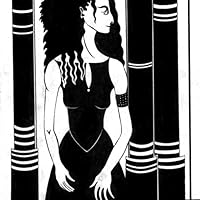
من خلال هذه المختارات القصصية شعرتُ بأنه قد تمَّ ايضاحي كامرأة أميركية لاتينية. ولقد عبّرت هؤلاء الكاتبات من بلدان مختلفة عن مخاوفنا وآمالنا ، عن احتفالاتنا الرقيقة ، عن أسرارنا وتمرداتنا ، عن حبنا وضغائننا . إنها أصوات أنثوية تحاول أن تفسّرالمعنى الخبيء للجنسانية ، والقوة ، والطموح ، وانتفاء العدالة في عالم قاس حيث بجب عليهن العيش . كما تبيّن هذه المختارات أنَّ نساء أميركا اللاتينية يملكنّ رؤيتهنّ الخاصة للعالم ، ويعرفن كيف يعبّرن عنها بلغتهن الشخصية ، المنافية للوقار ، الغاضبة ، الخيالية ، الساخرة ، والشاعرية . إنهنّ يحكين عن الصِيَغ المركبة للعنف الذي يعانين منه ، وبذلك ينتهكنّ القانون الأول المفروض عليهنّ منذ الولادة : قانون الصمت . إنهنّ لا يطأطئن رؤوسهنّ ؛ إنهنّ لا يلغين ذواتهنّ ؛ إنهنّ لا يصمتن . كُتبت هذه القصص بالدموع ، والدم ، والقُبلات . إيزابيل اللندي
Alberto Manguel (born 1948 in Buenos Aires) is an Argentine-born writer, translator, and editor. He is the author of numerous non-fiction books such as The Dictionary of Imaginary Places (co-written with Gianni Guadalupi in 1980) and A History of Reading (1996) The Library at Night (2007) and Homer's Iliad and Odyssey: A Biography (2008), and novels such as News From a Foreign Country Came (1991).
Manguel believes in the central importance of the book in societies of the written word where, in recent times, the intellectual act has lost most of its prestige. Libraries (the reservoirs of collective memory) should be our essential symbol, not banks. Humans can be defined as reading animals, come into the world to decipher it and themselves.
Magical Surrealism, anyone? Here's your author: novelist and short story writer Lygia Fagundes Telles, Born 1923 in Brazil. One of nineteen fabuloso writers included in this outstanding collection edited by Alberto Manguel.
Quote from Isabel Allende in her Forward: “These writers of diverse Latin American countries have expressed our fears and hopes, our delicate ceremonies, our secrets and rebellions, our love and rancor. They are feminine voices trying to interpret the hidden meaning of the sexuality, the power, the ambition, and the injustice of the macho world where they must live.” .
Other Fires contains stories by authors such as Clarice Lispector (Brazil), Rosario Castellanos (Mexico), Armonia Somers (Columbia) and Liliana Heker (Argentina). I’d love to do a write-up of all the stories but I’ll focus on three, beginning with a Lygia Fagundes Telles story, one with sheer espectacular energy:
TIGRELA Exotic Roommate: By chance in a café, our unnamed narrator bumps into her half drunk friend Romana. “She had been beautiful and still was, but her now-corrupted beauty was sad even when she was happy.” Romana tells how she separated from her fifth husband (fifth!) and is now living with a small tiger in a penthouse. Oh, yes, a tiger since her boyfriend returned from his travels though Asia with Tigrela, a teeny-tiny tiger raised on a bottle. Oh, my goodness. In fact, there are wealthy city-dwellers who do keep exotic big cats like lynx, cougar, puma or panther in their apartments, which adds a provocative realistic quality to the tale.
Exotic Persona, One: Romona speaks of how Tigrela likes whiskey but she knows how to drink; two thirds tiger and one third woman, Tigrela has become more and more human; how she and Tigrela started imitating one another so much she can’t remember if it was Tigrela who taught her to look slit-eyed in the mirror. Hey! Wait a minute. Are we talking about a real tiger or a tiger-like component of Romana’s psyche? I’m beginning to hear echoes of Harry Haller the Steppenwolf, half man, half wolf.
Exotic Persona, Two: Turns out there is hardly room for them both in the apartment. “One of us will really have to . . . She interrupted herself to light a small cigarillo, the flame flickering in her trembling hand.” To my way of reading, another possible interpretation is the narrator and Romana are one and the same person. Speaking of Romana as if a friend is a sly method for the narrator to sort out her own human/tiger identity. Along with this, of course, is how fiction writing itself can be a way for an author to clarify their own multifaceted self-identity, in this case specifically, Lygia Fagundes Telles clarifying her Tigrela-like personality.
The Plot Thickens: The story develops with references to men, sex and suicide. You will have to read for yourself how exactly all the pieces fit together. I will leave you with a quote on how Romana’s personality is much more sophisticated than simply a Steppenwolf-like higher human/lower animal dichotomy: “You should see how well Tigrela matches the apartment. I traveled through Persia and brought back fabrics, rugs, she adores this velvet comfort, she’s so sensitive to the touch of things, to smells. When she wakes up restless, I light the incense; the perfume calms her.”
-----
HOW THE MONKEY LOST THE FRUIT OF HIS LABOR Lydia Cabrera retells many Afro-Cuban fables and legends in a way that retains the liveliness of the original oral tradition. In this story, Juan Ganga tells his wife he will clear an acre of land and plant some rice. He does some clearing and the field, as if by magic, is completely cleared; he does some planting and the field, as if by magic, is completely planted.
When the rice is all grown and ripe, he is greeted by a monkey who asks Juan when he plans to begin the harvest. Juan says he will bring his helpers tomorrow morning and the monkey, in turn, tells Juan he will bring 100 monkeys and, since he also cleared and planted on this acre, isn’t it fair that you and your helpers start on one end and me and my 100 monkeys start on the other end? And whoever gathers more, well, isn’t that’s fair? Juan has to admit to the monkey that that’s fair.
Poor Juan! He now has to convey the truth of the matter to Viviana Angola, his wife. No problem, says Viviana as she has a plan to deal with those monkeys. Lydia Cabrera does indeed retain the rhythm and color of oral tradition in the way she writes about how Viviana Angola (what a woman!) hypnotizes all those sex-crazed monkeys with bells on her legs and lifting the hem of her skirt. We read: “Goringoro-goro-goro-goro. “Oh!” The monkeys stupidly stand there rooted in place, waiting for Viviana Angola to raise her skirt just once more to satisfy their curiosity. The men keep right on working steadily.”
Lydia Cabrera (Cuba, 1899-1991)
-----
THE BLOODY COUNTESS The poet Alejandra Pizarnik wrote just one prose piece, this tale in the form of an article about the Countess Barthory, Hungarian noblewoman accused of torturing and killing many hundreds of young women between 1585 and 1610. The Countess’ unspeakable cruelty and crimes against humanity are detailed in eleven brief chapters with such headings as The Iron Maiden, Death by Water, The Lethal Cage, and Classical Torture. It takes a strong stomach to read this story; I can just imagine what it must have taken for a sensitive poet to write it. I’ll skip over the gory details and quote a portion of the last chapter recounting how, after the authorities finally took action, Countess Barthory spend her last years locked away in isolation:
“Around her the prison grew. The doors and windows of her room were walled up; only a small opening was left in one of the walls to allow her to receive her food. And when everything was ready, four gallows were erected on the four corners of the castle to indicate that within those walls lived a creature condemned to death.
In this way she lived for three years, almost wasting away with cold and hunger. She never showed the slightest sign of repentance. She never understood why she had been condemned. On August 21, 1614, a contemporary historian wrote: “She died at dawn, abandoned by everyone.”
She was never afraid, she never trembled. And no compassion, no sympathy or admiration may be felt for her. Only a certain astonishment at the enormity of the horror, a fascination with a white dress that turns red, with the idea of total laceration, with the imagination of a silence starred with cries in which everything reflects an unacceptable beauty.”
Rather than venturing any speculation on what might have gone through the mind of the poet during her research and writing of this piece, below is a verse from one of her poems. Also, it is well for us to keep in mind Alejandra had a difficult, painful childhood, suffered from a terrible case of acne and, when speaking Spanish in Argentina, struggled with a stutter and heavy foreign accent (her parents immigrated from Eastern Europe). She took her own life at age thirty-six.
An except from Alejandra Pizarnik's poem, On Silence:
No one paints in green. Everything is orange. If I am anything, I’m cruelty. Colors streak the silent sky like rotting beasts. Then someone tries to write a poem out of forms, colors, bitterness, lucidity (Hush, alejandra, you’ll frighten the children…)
Bu çığlıkla başlamak istiyorum satırlarıma. Çünkü of, muazzam, muazzam! Çok uzun yıllar önce ilk kez Latin Amerika edebiyatıyla tanışıp ürperdiğim ve hayranlıktan sarsıldığım günleri hatırladım okurken, o kadar iyi ki!
Alberto Manguel'in derlediği Başka Ateşler - Latin Amerikalı Kadın Hikayeciler Antolojisi ilk olarak 1988'de Afa Yayıncılık tarafından yayımlanmış, sonra 1999'da Can Yayınları bir baskı yapmış ve anlaşılan o günden beri baskısı yok. Çok yazık bence zira olağanüstü iyi bir derleme bu.
Öncelikle, kitabın adını Alejandra Pizarnik'in dizelerinden aldığını belirteyim. Ben Pizarnik'le çok yakın zamanda, Delilik Taşı kitabıyla tanıştım ama meğerse Türk okurun karşısına çok uzun zaman önce -muhtemelen ilk kez- bu kitapta çıkmış. Pizarnik'in "Karanlık yansıları onlar / Başka tüketen ateşlerin" dizelerinden yola çıkarak kitabını adlandırmış; "bu seçki işte o 'başka ateşler'in birkaçından örnek vermek amacıyla yapıldı" diyor Manguel önsözde. O önsöz de ayrıca leziz, Latin Amerika edebiyatına derinlemesine dalmış herkesin mutlaka bir şekilde karşısına çıkan iki unutulmaz kadına, Juana Ines de la Cruz ve Victoria Ocampo'ya selam vererek başlıyor Manguel anlatmaya.
Kitapta sonrasında daha yakından tanıma fırsatı bulacağımız pek çok kadın yazar var; Clarice Lispector, Elena Poniatovska, Elena Garro örneğin. Ancak dilimize hiçbir kitabı çevrilmemiş çok sayıda isim de var antolojide, keşke yayıncılarımız şu kitaba o gözle bir baksa, bence şahane keşifler yapmak mümkün olabilir.
Öyküleri nasıl anlatmalı bilmem, sadece Latin Amerikalı kadınların yazabileceği öyküler bunlar demek yanlış olmaz sanırım. Öyle cesur, öyle sihirli, öyle kudretli ve öyle tekinsizler ki... İçlerinde sevmediğim tek bir öykü bile olmadı ama özellikle Lygia Fagundes Telles'in Tigrela'sı, Beatriz Guido'nun Adalan'ı, Elena Poniatovska'nın Gece Ziyaretçisi'si, Ines Arredondo'nun Şunem'i ve Clarice Lispector'un Güle Öykünme'si kusursuzdu. Her birinin tüyler ürpertici olduğunu da ekleyeyim, hiçbir şekilde açıktan bağırıp slogan atmadan ataerkiyi ve erkek şiddetini çok sert eleştiren metinler bunlar.
نيران أخرى: قصص مختارة لكاتبات من أميركا اللاتينية ~
يبدو أنه حقًا "عالم الرجال"، نعرف جميعًا أسماء مثل بورخيس وماركيز وبنديتي وساباتو ويوسا . وقرأنا لهم ايضًا. لكن لم نسمع من قبل بـ ماريا لينش من الأرجنتين أو مواطنتيها بياتريس غويدو وفلادي كوكيانسيتش أو عن البرازيليات دينا سيلفيرا دي كويروز و كلاريس ليسبكتور وراشيل دي كويرزو وغيرهن من أيبات وكاتبات من دول اميركا اللاتينية.
... في سؤال لماذا لم تترجم أعمال الكاتبات اللاتينيات إلى اللغات الأخرى يجيب البرتو مانغويل قائلاً : "هذه المجموعة لا تقدم إجابة على هذا السؤال لكنها تعتزم إظهار شيء مما هو مفقود، فالقصص كلها لنساء، لأن ما نفذ إلى فضول المحرر، هو أن أفضل الكتب التي لم تترجم من بلدان أمريكا اللاتينية، هي تلك المكتوبة من قبل نساء".
~ القصص المختارة هنا كانت من مجموعة واسعة ولأديبات رائدات لكلٍ منهن لونها الأدبي الخاص والمميز من قصص تاريخية، وخيال علمي وقصص اجتماعية . ولكنهن اشتركن بكون جميع قصصهن ممتازة ومتينة ومتماسكة. هنا أصوات نسائية من مختلف بلدان أميركا اللاتينية. إنهنّ يحاربن بطريقتهن ويعبرنّ عن طموحاتهن وآمالهن ومع محاولة جادة لـ ايصال صوت المرأة في هذا العالم القاسي - كما في كل مكان .
شكرًا لدار أزمنة وللسَادة الذين أدارو جناحها في معرض الرياض للكتاب والذين بفضلهم وخلال نقاش حول الكتب اكتشتف هذا الكتاب الرائع .
Back in the mid to late 1980s in Britain there was a sudden interest in the translated works of Latin American writers. I remember seeing people reading Gabriel Garcia Marquez novels on London underground trains. Many Latin American writers were published in English translation for the first time before vanishing rapidly back into obscurity. The fad didn't last long, and only a few of those writers remained in the consciousness of the general British reader.
One of the books published during this minor boom was Different Fires, an anthology of stories by Latin American women writers. I picked it off the shelf of a bookshop when it came out and I read the Rachel de Queiroz story at random. I was impressed. Here was a brief tale with a superb twist as good as anything devised by O Henry. But for some reason I didn't buy the book to read any of the other stories... I really can't explain why I didn't.
Fast forward 33 years and I manage to obtain the book again and this time I read it. A mixed bag (of course) but what delights are to be found within! The Rachel de Queiroz story remains one of the best, but there are others, equally good or better and quite different in style, tone and substance. The Armonia Somers story that opens the anthology is brutal and excellent; the Vlady Kociancich tale is a dark and strange fable; Albalucia Angel provides a brief but powerful monologue about a guerilla fighter; Amparo Davila, Elena Poniatowska and Beatriz Guido also are represented here with three very good stories, the Guido tale being especially memorable.
But my favourites are the contributions of Silvina Ocampo (similar but superior to the Angelica Gorodischer story also in this volume) and Lygia Fagundes Telles. I now want to seek out more work by both these authors, Ocampo in particular.
Perhaps I shouldn't say this but the most famous writer represented in this collection, Clarice Lispector, is here represented by a story that I found rather boring. I know that Lispector is a great writer but there is a certain repetition in her themes that is beginning to irk me, namely the theme of the madwoman who has been driven mad by men in modern society because modern society favours men and denigrates women. I know it's a worthy, even essential, theme to tackle. It's just that I feel I have had my fill of such stories. I don't find mad people very interesting. Ah well :-(
One of the finest collections of work by Latin American women writers in translation. I recommend "The Bloody Countess" by Alejandra Pizarnik in particular.
“latin amerika’da (ya da herhangi bir ucuncu dunya ulkesinde) kadin dogmak, omur boyu kolelige mahkum olmak, en iyi olasilikla, ikinci-sinif yurttas olmak demektir. toplumun bize bictigi bu yazginin ustesinden gelebilmek icin yilmak bilmeyen bir direnc, sasmaz bir sagduyu, biraz da sansin yardimi gerekir.” “kadinlar dunyayi bir erkegin bir kadini somurebilecegi bir koloni olarak degil, ‘icinde yasadigi anayurt’ olarak gormesini istiyorlar, hepsi bu."
I read this because it contains an English translation of Argentine poet Alejandra Pizarnik's only prose work published during her lifetime. I didn't know what to expect from the piece but I was somewhat disappointed. Not that it is a terrible piece of writing. It's just that I'd hoped for it to share some commonalities with her poetry, and I didn't find that to be the case. 'The Bloody Countess' is a dispassionate fictional account of the exploits of the Countess Bathory, notorious murderer of over 600 young girls during the period 1585 to 1610 in a region of what is now Slovakia. The (translated) language here is cold and emotionless, exacting in its detailed description of the many diverse and horrific acts the Countess and her servants inflicted upon these innocent girls. I'm still mulling over Pizarnik's possible motivation for writing the piece.
The rest of the book contains a mix of realist, surrealist, and folkloric stories. Only a few now stand out, but I read this over a long period, and short stories haven't held much appeal for me lately. Clarice Lispector is represented well by her story 'The Imitation of the Rose' (also available in the collection Family Ties). Other favorites included: Elena Garro's 'It's the Fault of the Tlaxcaltecas', Beatriz Guido's 'The Usurper', Rosario Castellanos's 'Death of the Tiger', and Elena Poniatowska's 'The Night Visitor'.
"latin amerika diye bir yer yoktur, latin amerika yazını diye bir yazın da. arjantin yazını vardır, venezuela yazını, brezilya yazını; şili'nin de bir yazını vardır, peru'nun da, kolombiya'nın da, uruguay'ıın da. bu yazınlardan her biri kendi başına yeşermiştir, yazgıları da birbirinden çok farklıdır. şilili isabel allende ile meksikalı juan rulfo arasında, alman yazar günter grass ile italyan yazar elsa morante arasında bulunabilecek ortak noktalardan çok daha azını bulabilirsiniz. 'latin amerika' çoğu okurun (beni de katın) tembellikten ötürü kullandığı bir yaftadır."
afa'nın güzelim sade kapaklı baskısından okudum, kadın antolojisi mi hmm öyleyse kapağa alakasız cıbıldak kadın resmi koyalım diyen can'ınkini değil (sıradan vatandaşın kitap baskısı eklemesini engelledin ya, alacağın olsun goodreads).
öyküseverliğime kan can geldi. seçkinin hemen hepsini ilgiyle okudum ama albalucia angel'den "guerrilero", rachel de quieroz'dan "metonimi ya da koca'nın intikamı", clarice lispector'dan "güle öykünme", dinah silveira de queiroz'dan "kılavuzluk", liliana heker'den "çalıntı parti" öykülerinin yeri ayrı. kitaptaki yazarlardan sanırım 4-5 tanesi türkçeye çevrilmiş kitaplarıyla ama bunlar arasında clarice lispector'la elena poniatovska haricinde baskısı olan yok ne yazık ki. buradan başlayıp pek bir yere varamamak üzücü.
öte yandan tomris uyar'ın türkçesi mest ediyor her zamanki gibi, âdeta türkçe yazılmış her öykü. bir de büyülü gerçekçiliğe tılsımlı gerçekçilik demiş, nedense çok hoşuma gitti.
Women in Translation Month - Latin American ( translated from various languages )
I am not too sure how I feel about this. The concept of an anthology of Latin America seems great on paper but to attempt to read through these consecutively one after another feels both a chore and disjointed; the styles and cultures are very different. As soon as the reader is used to what they have just read they then have to reengage with the text in a new author’s story. I also felt like some of these were niche back catalogue stories and that the editor had specifically chosen less popular works from the authors, rather than those of highest quality.
Overall probably better to keep on a bedside table and read every so often rather than as a main read.
Latin American women authors are a literary force. Their fiction is not for the weak of heart. It is gritty, intense, and dark. The themes of magical realism and surrealism are woven throughout these tales. As a Latina, I found myself being transported back to my home in New Mexico, even though the stories were more about Latin America. The cultural aspects of the stories resonated with Latin culture in the world. I really enjoyed reading these stories!
I absolutely loved this - such a vibrant and at times, bizarre short story collection. It was a joy to read stuff from women I’ve never heard of before and I must make it more of a habit to read translations as they’re so good! Would recommend 💘
This book has short stories from various Latin authors. This is the book who introduced me to 'the most prolific female serial killer in history and is remembered as the "Blood Countess"' (from Wiki), Elizabeth Bathory or Báthory, Erzsébet. Ever since then I've wanted to write a screenplay on Elizabeth. it's possible Bram Stoker was inspired by Bathory to write Dracula. After all, she bathed in young virgin's blood. She inspired me to write this dramatic monologue:
The Countess
What sin have I performed that you accuse? Count Thurzo, you claim to have seen a female corpse hugging a mechanical woman. You have heard local villagers’ whispering of black torches encircling frozen girls and bloody porcelain baths. Peasant talk - their tongues wag like dogs. They envy what crystal mirrors see. What acts, which I possess through rights of ancient lineage, are impious? Count, you search for guilt, you will find no repentance.
Some of the stories were really great, with imagery that will definitely stick with me. But most I found just so-so.
The mini-introductions that the editor prefaced each story with, though, definitely inspired me to read some of the other short stories and novels of some of these women. Seems like he picked stories that hadn't been published or translated into English before, so maybe they weren't their strongest work.