

What do you think?
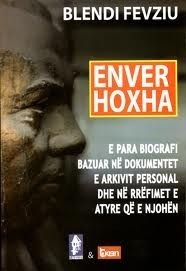
Enver Hoxha
Pas viteve '90 dëshira për ta treguar historinë e Enver Hoxhës dhe të karrierës së tij ashtu siç ishte, reale, shpesh i zhyti rrëfimtarët në kurthin e kalimit të cakut, të denigrimit pa shkak dhe të memuaristikës së diktuar nga zhvillimet e ditës. Enver Hoxhën u orvatën ta zhdukin nga çdo piedestal, duke nisur nga pyetjet bazike: A kishte qenë ai realisht komunist? A kishte qenë ai i pari i Partisë apo e kishte uzurpuar Partinë që mori pushtetin në dorë? Pothuajse askush nuk pati kthjelltësinë të kuptonte se e gjitha kjo kishte pak rëndësi. Enver Hoxha iu imponua lëvizjes komuniste, shfrytëzoi problemet dhe grindjet në gjirin e saj, lëvizi me talent spikatës mes liderëve të zhurmshëm të kohës, u ngjalli atyre besim, iu imponua, doli në krye dhe, më pas, i eliminoi një nga një.
397 pages, Paperback
First published January 1, 2011
About the author
Blendi Fevziu
16 books48 followersBlendi Fevziu ka lindur me 18 Maj 1969. Ai është drejtues i emisionit Opinion që në 31 Gusht 1997. Është diplomuar për letërsi dhe gjuhe shqipe në Universitetin e Tiranes me 1991. Në vitin 1989 ka qene pjesë e stafit te gazetës Studenti në Universitet. Me dhjetor 1990 dhe shkurt 1991 ka qene pjesëmarrës aktiv i Lëvizjes Studentore që solli ndryshimin e regjimit në Shqipëri. Në 5 Janar 1991 ka qene bashkëthemelues i gazetës Rilindja Demokratike, organi i pare i shtypit te lire pas thuajse 70 vitesh në Shqipëri.
Ratings & Reviews
Friends & Following
Create a free account to discover what your friends think of this book!
Community Reviews
Displaying 1 - 30 of 92 reviews

August 25, 2019
بیچاره آلبانی
آلبانی کشور کوچک و فقیری است در جنوب اروپا ، معمولا اطلاعات زیادی از آلبانی نداریم ، جز این که پایتخت آن تیرانا است و رژیم کمونیستی آن جز آخرین رژیم های کمونیستی بود که سرنگون شد . این کتاب در مورد دیکتاتور این کشور کوچک است ، انورخوجه کسی که چهل سال پادشاهی کرد وبرای آلبانی فقر ونکبت به همراه آورد . انور خوجه یک کاریکاتور از استالین بود ، در کل دوران حکومت خود ، به تقلید کارهای استالین پرداخت . مهمترین نکته ای که از استالین یاد گرفت حاکمیت ترس بود . در همین راستا پلیس مخفی ، مخوفی به نام سیگوریمی تاسیس کرد که الگوی آن پلیس مخفی استالین بود ، باز هم مانند استالین هر کس که به او در گرفتن قدرت کمک کرده بود را اعدام کرد ، اردوگاه های کار اجباری ساخت ، زندان ها را پر زندانی کرد و فرصت اندیشیدن را از ملت گرفت ، با یک ابزار کار ساده : گرسنگی !
غذا سهمیه و کوپنی شد و همانند مابقی کشورهای کمونیستی ، نیمی از وقت ملت به انتظار در صف گذشت . رابطه دوگانه ای با مهمترین نویسنده آلبانی ، اسماعیل کاداره بر قزار کرد و آقای کاداره در کتاب زمستان سخت که قبلا شرحی بر آن نوشته بودم ، رفیق انور را به مانند یک انسان با هوش و به فکر ملت خود ، مجسم کرد ، نه به مانند یک هیولای دیوانه
در زمان زمامداری انور خوجه ، میانگین درآمد هر شهروند آلبانی به سالی 180 دلار آمریکا سقوط کرده بود و آلبانی سومین کشور فقیر جهان بود . اما از آن جایی که پیشرفت بسیار آسان است ، تنها پس از 28 سال از سقوط رژیم کمونیستی آلبانی ، میزان در آمد متوسط 28 برابر شده و به سالی 5000 دلار رسیده است .
این مرد کوته فکر ، سبک فکری احمقانه ای به نام خوجه ایسم را هم بنیان گذاشت که به معنی دفاع مطلق از استالین و نفی تمامی اندیشه ها به جز اندیشه او می باشد و عجیب آن که این مکتب فکری ، طرفدارانی سفت و سخت در ایران پیدا کرده بود !
آلبانی کشور کوچک و فقیری است در جنوب اروپا ، معمولا اطلاعات زیادی از آلبانی نداریم ، جز این که پایتخت آن تیرانا است و رژیم کمونیستی آن جز آخرین رژیم های کمونیستی بود که سرنگون شد . این کتاب در مورد دیکتاتور این کشور کوچک است ، انورخوجه کسی که چهل سال پادشاهی کرد وبرای آلبانی فقر ونکبت به همراه آورد . انور خوجه یک کاریکاتور از استالین بود ، در کل دوران حکومت خود ، به تقلید کارهای استالین پرداخت . مهمترین نکته ای که از استالین یاد گرفت حاکمیت ترس بود . در همین راستا پلیس مخفی ، مخوفی به نام سیگوریمی تاسیس کرد که الگوی آن پلیس مخفی استالین بود ، باز هم مانند استالین هر کس که به او در گرفتن قدرت کمک کرده بود را اعدام کرد ، اردوگاه های کار اجباری ساخت ، زندان ها را پر زندانی کرد و فرصت اندیشیدن را از ملت گرفت ، با یک ابزار کار ساده : گرسنگی !
غذا سهمیه و کوپنی شد و همانند مابقی کشورهای کمونیستی ، نیمی از وقت ملت به انتظار در صف گذشت . رابطه دوگانه ای با مهمترین نویسنده آلبانی ، اسماعیل کاداره بر قزار کرد و آقای کاداره در کتاب زمستان سخت که قبلا شرحی بر آن نوشته بودم ، رفیق انور را به مانند یک انسان با هوش و به فکر ملت خود ، مجسم کرد ، نه به مانند یک هیولای دیوانه
در زمان زمامداری انور خوجه ، میانگین درآمد هر شهروند آلبانی به سالی 180 دلار آمریکا سقوط کرده بود و آلبانی سومین کشور فقیر جهان بود . اما از آن جایی که پیشرفت بسیار آسان است ، تنها پس از 28 سال از سقوط رژیم کمونیستی آلبانی ، میزان در آمد متوسط 28 برابر شده و به سالی 5000 دلار رسیده است .
این مرد کوته فکر ، سبک فکری احمقانه ای به نام خوجه ایسم را هم بنیان گذاشت که به معنی دفاع مطلق از استالین و نفی تمامی اندیشه ها به جز اندیشه او می باشد و عجیب آن که این مکتب فکری ، طرفدارانی سفت و سخت در ایران پیدا کرده بود !

August 28, 2022
این کتاب درباره یکی از ناشناخته ترین دیکتاتورها و رژیم های تاریخ کمونیسته و یکی از معدود کتاب هاییه که درباره انور خوجه نوشته شده ولی متاسفانه به همین دلایل، اطلاعات زیاد و عمیقی به خواننده نمیده.
آلبانی که زمانی کره شمالی اروپا بوده، دوران تاریک و پر از وحشتی رو تحت حکومت انور خوجه گذرونده. یک دیکتاتور شکاک و خونریز که استالین رو الگوی خودش قرار داده بود و در دوران حکومتش از جوون پونزده ساله گرفته تا شخص دوم مملکت از دست انتقام و پاکسازی هاش در امان نبودن و کشور رو رسماً تبدیل به یک سنگر نظامی منزوی در دنیا کرد. کتاب یه اطلاعات کلی درباره شخص انور خوجه و بقیه سران و شخصیت های مهم رژیم کمونیستی آلبانی میده و اکثر این اطلاعات محدود به نحوه مرگ این افراد میشن. حتی وقتی اسم خیلی از این افراد رو داخل اینترنت سرچ میکنیم باز هم اطلاعات چندانی گیر آدم نمیاد تازه اگه اصلا اطلاعاتی باشه. افرادی که تو خود آلبانی هم احتمالا حتی مکان دفن جسدشون مشخص نیست و تا ابد در حد یک اسم و تاریخ مرگ باقی میمونن.
آلبانی که زمانی کره شمالی اروپا بوده، دوران تاریک و پر از وحشتی رو تحت حکومت انور خوجه گذرونده. یک دیکتاتور شکاک و خونریز که استالین رو الگوی خودش قرار داده بود و در دوران حکومتش از جوون پونزده ساله گرفته تا شخص دوم مملکت از دست انتقام و پاکسازی هاش در امان نبودن و کشور رو رسماً تبدیل به یک سنگر نظامی منزوی در دنیا کرد. کتاب یه اطلاعات کلی درباره شخص انور خوجه و بقیه سران و شخصیت های مهم رژیم کمونیستی آلبانی میده و اکثر این اطلاعات محدود به نحوه مرگ این افراد میشن. حتی وقتی اسم خیلی از این افراد رو داخل اینترنت سرچ میکنیم باز هم اطلاعات چندانی گیر آدم نمیاد تازه اگه اصلا اطلاعاتی باشه. افرادی که تو خود آلبانی هم احتمالا حتی مکان دفن جسدشون مشخص نیست و تا ابد در حد یک اسم و تاریخ مرگ باقی میمونن.

April 26, 2016
Fascinating life of Europe’s last Stalinist Leader.
Enver Hoxha was leader of 0ne of the most secretive Communist states and little is known outside Albania about his life. Fevziu’s new account benefits from the opening of the previously sealed Communist archives and details the cruelty of the man and his regime for all to see.
The book covers his early life and evolution into the all powerful leader of Albania. Whilst some of the names are unfamiliar to many readers the corruption and abuse of power will be familiar to any students of communist history.
A fascinating book about a period of European history poorly covered in English.
Enver Hoxha was leader of 0ne of the most secretive Communist states and little is known outside Albania about his life. Fevziu’s new account benefits from the opening of the previously sealed Communist archives and details the cruelty of the man and his regime for all to see.
The book covers his early life and evolution into the all powerful leader of Albania. Whilst some of the names are unfamiliar to many readers the corruption and abuse of power will be familiar to any students of communist history.
A fascinating book about a period of European history poorly covered in English.

September 26, 2025
یه هفته کامل طول کشید بخونمش ولی ارزشش رو داشت. داستان دیکتاتور هارو خوندن باعث میشه همیشه امید داشته باشی به اینده…
آینده ای که تبدیل شده به آرزوی اکثر ماها برای کشور خودمون.
آینده ای که تبدیل شده به آرزوی اکثر ماها برای کشور خودمون.

February 6, 2018
آلبانی در ۱۹۸۴ در جدول فقیرترین کشورهای دنیا در رده سوم قرار داشت، درآمد سرانه مردمش فقط پانزده دلار در ماه بود، و مردم برای ادامه حیات صرفا به کوپن های مواد غذایی متکی بودند. غذایی که به هر فرد تعلق میگرفت بسیار اندک بود. در برخی شهرها، یک خانواده چهار نفره فقط یک کیلوگرم گوشت در هر ماه دریافت میکرد. مالکیت خصوصی و هر گونه ابتکار عمل فردی برای کسب درآمد عملی غیرقانونی به شمار می رفت. دهقانان مجاز نبودند گاو یا گوسفندی را که مال خودشان باشد نگهداری کنند. از ۱۹۸۲ دهقانان حتا از داشتن هر گونه مرغ و خروس «شخصی» نیز محروم شدند. اوضاع در روستاها چنان افتضاح شد که رژیم در ۱۹۸۹ اذعان کرد اشتراکی سازی به بیراهه رفته و صدمات زیادی به بار آورده است. رهبران حزب در راستای رسیدگی به این موضوع سه پلنوم مهم برگزار کردند. بحث اصلی در این جلسات این بود که آیا می توان به هر خانواده دهقانی اجازه داد که یک عدد بزغاله یا بره برای خودش داشته باشد یا نه. بخش بزرگی از جمعیت روستایی در آستانه گرسنگی بود و بچه ها و بزرگسالان، هر دو، به بیماریهای مرتبط با سوء تغذیه مبتلا شده بودند. مردم در فقیرترین روستاهای کشور فقط با خوردن نان ذرت آغشته به چند قطره روغن زیتون و اندکی نمک، یا نان ذرتی که روی آن آب قند پاشیده اند، رفع گرسنگی میکردند.

October 26, 2023
Honestly didn’t think I’d finish this whammy. This was my first book on Albanian history and it surely not an easy entry. The whole book is a large consortium of names I have never heard before making it a confusing read until the last page. On a substantive this biography gives a great overview of one of the strictest communist dictators in history. I appreciated that beyond Envers persona also the developments and characteristics of the party and politbureau were covered. I particularly enjoyed learning about the intrigues and gossip between the elites. Conversely, I missed the implications of the regime’s policies fir the ordinary citizens.
Time and again it was surprising and shocking with what brutality and coldness the iron fist of albania reigned for almost half a century.
Time and again it was surprising and shocking with what brutality and coldness the iron fist of albania reigned for almost half a century.
This entire review has been hidden because of spoilers.

May 2, 2024
Chlapec vystúpil z Varšavskej zmluvy v reakcii na inváziu do Československa - E in E. Hoxha stands for empath. 🥹🥹🥹
Inak fajn kniha, hlavne o čistkách v strane aj mimo nej ešte pred ovládnutím Albánska som nevedel a je to zaujímavé. Zároveň využiť stalinistické metódy ešte pred revolúciou mi príde aj dosť jedinečné.
Inak fajn kniha, hlavne o čistkách v strane aj mimo nej ešte pred ovládnutím Albánska som nevedel a je to zaujímavé. Zároveň využiť stalinistické metódy ešte pred revolúciou mi príde aj dosť jedinečné.

October 8, 2018
Enver Hoxha has remained something of an enigma among the leaders of the none West aligned leaders of the European powers. Little serious scholarly study exists in English either of post-war Albania or its leadership. That which did exist tended to suffer from a lack of reliable primary resource material and either sang the praises of heroic Comrade Hoxha or presented him as an arch demon. Blendi Fevziu, while no apologist for Hoxha, presents here probably the best English language biography of Enver Hoxha based on a range of state archive documentation, interviews and diaries and letters of key actors. In this study Hoxha emerges as something of a "nonentity" in the early years of the formation of the Albanian Communist movement, a person who 'made and impression by not making an impression'. Neither a street activist or intellectual; rather someone whose lack of firm position or activism made him seem like a prime neutral candidate for filling a key Party post at a time of internal division and strife. He is described as 'manouver[ing] skillfully among the various communist leaders, gain[ing] their trust' before eventually dispatching them often with a bullet in the style of his mentor Stalin. Despite being a 'nonentity' Hoxha seems to have been recognised as a charismatic public speaker and as possessing good looks making him photogenic and attractive to the people. It is interesting to see how Hoxha was a beneficiary of the support of leading Albanian nationalists in his early years who helped him through an education he seemed to have no interest in then in finding employment he had little more time for. Despite the bits and pieces which have been scraped together here there remain tantalising gaps in the narrative many of which are probably thanks to Hoxhas efforts towards being economical with the truth at best and rewriting or erasing it where considered necessary. The book certainly does not satisfy my curiosity about how a babe of a nation with no working class to speak of, a tribal society still in many respects, and a tiny intellectual community managed to give birth to a deadly and highly effective Communist Party led resistance movement which liberated the country from Nazi occupation. Zog spent years trying to cajole waring factions into a functioning modern state with limited success. In contrast Hoxha seems to have mobilised and united an entire country and applied Lenninist lessons in breaking eggs to the extent that opposition became unthinkable, that and managing to impose upon his forces an effective command structure which the allies recognised as highly effective. Nor is it really clear from the book where or when Hoixha really developed his knowledge of Marxism-Lenninism - a yard stick with which he measured all other regimes and found them to be wanting. Interestingly at the 2nd plenary of the Communist Party of Albania a concerted effort was made to depose Hoxha with charges of 'serious crimes committed within the Party, of embarking upon a sectarian and criminal course against his opponents, of constructing a cult of personality around himself, of keeping credit for achievements of the Party and more'. With a combination of self-criticism and clever delay tactics Hoxha was able to take the wind out of the oppositions sails before dividing and disposing of them in what was by then time honoured fashion and remained so for his reign. Paranoia about enemies real and imagined seems to have dogged Envers rule with loyal friends and enemies dispatched in much the same way for deviations suspected or real, the trail of corpses is impressive (as is their occasional rehabilitation, falling out of favour and rehabilitation along with exhumations and reburials according to their current status). Perhaps not surprisingly some of the best detail concerns Albania / Enver's relations with the rest of the world where versions of events exist in more form than an official Albanian one. Interesting in particular is the account of the Stalin-Hoxha relationship where the idea that Stalin had any interest in Albania (especially prior to the split with Tito) is challenged and interestingly the criticisms of Stalin by Hoxha around the time of the 20th Congress of the CPSU including an article in the Party daily by Hoxha which stated 'Stalin made some mistakes which cost the Soviet peoples and the cause of socialism dearly'. [Indeed Hoxha seems to have been pretty good and throwing stones accurately at his supposed brethren from the security of his own glass house as his writing presented in Hallidays 'The Artful Albanian' demonstrate]. One of the major inconsistencies of Enver's reign seems to have been his tolerance of traitors and spies in his midst, as political tides changed so loyal comrades who had followed Hoxhas Party line found themselves sacrificed as spies and agents of imperialism, the British, the USA, Tito, the Soviet Union and eventually China too, while somehow Enver remained pure (despite apparently by his own admission often being aware of traitors in his midst for many years). The final chapters of the book examine the increasingly friendless Hoxha as he withdraws further from the world and the country he leads. There are interesting sections about life in the government complex and the stresses and strains on those living there and the false pleasantries and jockeying for survival within. Another chapter looks at Hoxhas increasing health problems and the fears this triggered concerning treatment.The role of Nexhmije, his wife, in the power structure is also considered, her influence seems to have been greater than her testimony would have people believe especially as Hoxhas health declined. This book is certainly an important contribution to the literature on Enver Hoxha and Albania under his rule. It leaves a lot uncertain and unanswered but probably gets as close as we are likely to to an examination of the man and his mind, it unravels some of the questions but still leaves a host of others the answers to which he took to the grave. As a study in power alone the book is worth reading. For anyone wanting to understand post-war Albania it is essential.

May 11, 2020
#انور_خوجه ، پسر امام جمعهی محله ای از شهر جیروکاسترا در خانواده ای معمولی در ۱۶ اکتبر ۱۹۰۸ زاده شد و در پی آموختن اصول ابتدایی در مکتبخانه، سال ۱۹۲۰ در مدرسه فرانسوی شهر کورچا ثبت نام نمود، پس از اتمام تحصیلات در ۱۹۳۰ به تیرانا پایتخت آلبانی رفته و از طریق ارتباطاتش، توانست بورسیه تحصیلی در مونپلیه را دریافت کند، بعد از گذشت سه سال و عدم موفقیت در قبولی دروس دانشگاهی، بورسیه اش توسط اداره آموزش و پرورش آلبانی قطع شد، از آنجا به پاریس رفت و در محفل #لوسین_ووگل برای خود جایی یافت و با مفاهیم ابتدایی کمونیستی آشنا گردید، سپس با منصب دبیرکنسولی به بروکسل نقل مکان کرد، اما بخاطر سرقت گاوصندوق از آنجا اخراج و به عنوان معلم اخلاق به مدرسه کورچا بازگشت، در ۱۹۳۶ به دلیل بیماریِ سخنران اصلی در مراسم گرامیداشت دو شهید وطن، وظیفهی اجرای متن نوشته شده ی سخنرانی به او واگذار شد که با انجام آن توانست به صورت کاملا غیرمترقبه نام و شهرتی برای خود دست و پا کند. حضور در همین مدرسه تا قبل از تعطیلی آن در ۱۹۳۹ که ایتالیایی ها، آلبانی را اشغال نمودند، حلقه اصلی تماس های پنهان #خوجه جوان با جنبش کمونیستی بود. مقصد بعدی اش تیرانا و اشتغال در مغازه ای سیگارفروشی بود.
در پاییز ۱۹۴۱ در تاسیس حزب کمونیست آلبانی با حضور ناظران یوگسلاو، او را به عنوان رهبر معرفی کردند. عدم وابستگی اش به گروه های کمونیستی آلبانی و درگیر نبودن در نزاع های درونی آنها، سن تاحدودی جداافتاده ترش نسبت به دیگر کاندیداها و قدرت بالای سخنوری اش باعث این انتخاب شد، هر چند که همه تصور می کردند خوجه نامزدی است که کمتر از دیگران تهدیدآمیز خواهد بود، زیرا تا آن زمان جاه طلبی و بلندپروازی خاصی از او مشاهده نکرده بودند. در بهار ۱۹۴۳ نیز به واسطه حامیان یوگسلاوش به دبیرکلی حزب انتخاب گردید و از این زمان تا هنگام مرگش یک تنه بر حزب کمونیست و عرصه سیاسی این کشور حکم راند.
مشخصه اصلی دوره کاری و حرفه ای انور خوجه، حذف نظام مند همه رفقای کمونیستی بود که ظرفیت رقابت با وی را داشتند. او اعتقاد داشت «پاکسازی ها راهی برای تقویت هر چه بیش تر حزب بوده است، حتی اگر هیچ دشمنی هم نباشد، شما در هر حال باید کسی را به منزله دشمن پیدا کنید.»
در شانزدهم سپتامبر ۱۹۴۳ در نزدیکی تیرانا، کنفرانس پزا با هدف تشکیل جبهه ای ضد فاشیست تشکیل گردید، پس از آن قرار شد با همکاری کمونیست ها و ملی گرایان ائتلافی شکل بگیرد که یکی از توافقات در آن، بند الحاق کوزوو به آلبانی بود که مورد قبول خوجه و حامیان یوگسلاوش واقع نگردید و «توافقنامه موکیا» را ابطال نمودند تا همزمان با نبرد با اشغالگران، جنگی داخلی بین کمونیست ها با ملی گرایان و سلطنت طلبان شکل بگیرد. پس از تسلیم شدن ایتالیایی ها؛ کنگره پرمت در ۲۴ مه ۱۹۴۴ برگزار شد که خوجه به عنوان رئیس دولت موقت آلبانی منصوب شد.
در جلسه حزبی در برات پیش از انتقال دولت موقت به تیرانا، انتقاداتی به او مطرح شد ولی با زیرکی به بهانه حضور دولت موقت در روز استقلال آلبانی در تیرانا، تصمیم گیری را به بعد از حضور در پایتخت منتقل کرد و در آن جا دیگر کسی یارای مقابله با او را نیافت.
در عرصه سیاست خارجی پس از قطع رابطه با کشورهای غربی و خروج آمریکایی ها و انگلیسی ها، رابطه دو طرفه ای با یوگوسلاوی برقرار کرده بود که پس از درخواست #یوسیپ_تیتو در ۱۹۴۸ مبنی بر الحاق آلبانی به عنوان جمهوری هفتم یوگسلاوی و عدم تائید #استالین به پایان خود رسید، از این پس با بُت محبوب خود #جوزف_استالین رابطه ای دوستانه برقرار کرد که این رابطه تا پس از مرگ او و روی کار آمدن #نیکیتا_خروشچف ادامه یافت، هنگامی که خروشچف در ۱۹۵۵ در صدد آشتی با یوگسلاوی تیتو برآمد، خوجه؛ این رویداد را بر نتابید و در کنگره بیستم حزب کمونیست شوروی، علیه خروشچف موضع گیری سختی انجام داد و در نهایت در ۱۹۶۸ از #پیمان_ورشو (اتحاد نظامی زیر امر شوروی) نیز خارج شد؛ از این پس داستان عشق تازه ای را با چین #مائو_تسه_تونگ آغاز نمود.
در حین ۴۶ سال حاکمیت کمونیست ها برکشور کم جمعیت آلبانی، ۵٫۰۳۷ مرد و ۴۵۰ زن اعدام شدند، ۱۶٫۷۸۸ مرد و ۷٫۳۶۷ زن محاکمه و به زندان های طولانی مدت محکوم شدند، ۷۰٫۰۰۰ نفر تبعید یا به اردوگاههای کار اجباری فرستاده شدند؛ و ۳۵۴ نفر از ملیت های خارجی که ۹۵ درصدشان از آلبانی های کوزوو بودند، تیرباران شدند.
مطالب فوق از کتاب انور خوجه مشت سرخ آهنین با ترجمه درخشان #بیژن_اشتری #نشر_ثالث گرته برداری شده و چنانچه به خواندن خلاصه مطالب بیشتری از این کتاب علاقه داشتید، می توانید به آدرس کانال تلگرامی @EnverHoxha_Ashtari مراجعه نمایید.
در پاییز ۱۹۴۱ در تاسیس حزب کمونیست آلبانی با حضور ناظران یوگسلاو، او را به عنوان رهبر معرفی کردند. عدم وابستگی اش به گروه های کمونیستی آلبانی و درگیر نبودن در نزاع های درونی آنها، سن تاحدودی جداافتاده ترش نسبت به دیگر کاندیداها و قدرت بالای سخنوری اش باعث این انتخاب شد، هر چند که همه تصور می کردند خوجه نامزدی است که کمتر از دیگران تهدیدآمیز خواهد بود، زیرا تا آن زمان جاه طلبی و بلندپروازی خاصی از او مشاهده نکرده بودند. در بهار ۱۹۴۳ نیز به واسطه حامیان یوگسلاوش به دبیرکلی حزب انتخاب گردید و از این زمان تا هنگام مرگش یک تنه بر حزب کمونیست و عرصه سیاسی این کشور حکم راند.
مشخصه اصلی دوره کاری و حرفه ای انور خوجه، حذف نظام مند همه رفقای کمونیستی بود که ظرفیت رقابت با وی را داشتند. او اعتقاد داشت «پاکسازی ها راهی برای تقویت هر چه بیش تر حزب بوده است، حتی اگر هیچ دشمنی هم نباشد، شما در هر حال باید کسی را به منزله دشمن پیدا کنید.»
در شانزدهم سپتامبر ۱۹۴۳ در نزدیکی تیرانا، کنفرانس پزا با هدف تشکیل جبهه ای ضد فاشیست تشکیل گردید، پس از آن قرار شد با همکاری کمونیست ها و ملی گرایان ائتلافی شکل بگیرد که یکی از توافقات در آن، بند الحاق کوزوو به آلبانی بود که مورد قبول خوجه و حامیان یوگسلاوش واقع نگردید و «توافقنامه موکیا» را ابطال نمودند تا همزمان با نبرد با اشغالگران، جنگی داخلی بین کمونیست ها با ملی گرایان و سلطنت طلبان شکل بگیرد. پس از تسلیم شدن ایتالیایی ها؛ کنگره پرمت در ۲۴ مه ۱۹۴۴ برگزار شد که خوجه به عنوان رئیس دولت موقت آلبانی منصوب شد.
در جلسه حزبی در برات پیش از انتقال دولت موقت به تیرانا، انتقاداتی به او مطرح شد ولی با زیرکی به بهانه حضور دولت موقت در روز استقلال آلبانی در تیرانا، تصمیم گیری را به بعد از حضور در پایتخت منتقل کرد و در آن جا دیگر کسی یارای مقابله با او را نیافت.
در عرصه سیاست خارجی پس از قطع رابطه با کشورهای غربی و خروج آمریکایی ها و انگلیسی ها، رابطه دو طرفه ای با یوگوسلاوی برقرار کرده بود که پس از درخواست #یوسیپ_تیتو در ۱۹۴۸ مبنی بر الحاق آلبانی به عنوان جمهوری هفتم یوگسلاوی و عدم تائید #استالین به پایان خود رسید، از این پس با بُت محبوب خود #جوزف_استالین رابطه ای دوستانه برقرار کرد که این رابطه تا پس از مرگ او و روی کار آمدن #نیکیتا_خروشچف ادامه یافت، هنگامی که خروشچف در ۱۹۵۵ در صدد آشتی با یوگسلاوی تیتو برآمد، خوجه؛ این رویداد را بر نتابید و در کنگره بیستم حزب کمونیست شوروی، علیه خروشچف موضع گیری سختی انجام داد و در نهایت در ۱۹۶۸ از #پیمان_ورشو (اتحاد نظامی زیر امر شوروی) نیز خارج شد؛ از این پس داستان عشق تازه ای را با چین #مائو_تسه_تونگ آغاز نمود.
در حین ۴۶ سال حاکمیت کمونیست ها برکشور کم جمعیت آلبانی، ۵٫۰۳۷ مرد و ۴۵۰ زن اعدام شدند، ۱۶٫۷۸۸ مرد و ۷٫۳۶۷ زن محاکمه و به زندان های طولانی مدت محکوم شدند، ۷۰٫۰۰۰ نفر تبعید یا به اردوگاههای کار اجباری فرستاده شدند؛ و ۳۵۴ نفر از ملیت های خارجی که ۹۵ درصدشان از آلبانی های کوزوو بودند، تیرباران شدند.
مطالب فوق از کتاب انور خوجه مشت سرخ آهنین با ترجمه درخشان #بیژن_اشتری #نشر_ثالث گرته برداری شده و چنانچه به خواندن خلاصه مطالب بیشتری از این کتاب علاقه داشتید، می توانید به آدرس کانال تلگرامی @EnverHoxha_Ashtari مراجعه نمایید.
July 31, 2016
Këto ditë, revista e ilustruar britanike History Today e cila që nga viti 1951 botohet çdo muaj, gjithnjë me synimin që një audience sa më të gjerë t’i prezantojë një interpretim serioz dhe autoritativ të historisë, në edicionin e vet online, ka paralajmëruar botimin e një shënimi për librin e Blendi Fevziut, të botuar së fundmi në anglisht me titullin “Enver Hoxha: The Iron Fist of Albania”.
Pos që është një revistë shumë serioze brenda fushës akademike të historisë, History Today paraqet edhe një nga shtyllat e traditës më të mirë intelektuale britanike. Themeluar nga Brendan Bracken, ministër i parë britanik i informacionit i pasluftës së dytë botërore, që, ndër të tjera, gjatë karrierës së vet ka shërbyer edhe nën Uinston Churchill-in, History Today ka nxjerrë edhe volumet prestigjioze History Review të dedikuara ekskluzivisht për audiencë akademike. Me një fjalë, History Today paraqet majat e asaj që mund ta cilësojmë si mendim serioz e shkencor në fushën bashkëkohore të historisë.
Në shënimin e vet, Richard Hodges asnjëherë nuk i referohet Fevziut si një historian, përkundrazi e cilëson ashtu siç është ai vërtet, një gazetar i politikës, por, gjithsesi, punën e tij te libri për Enver Hoxhën, Richard Hodges e vlerëson si “një përpjekje guximtare për ta analizuar këtë përbindësh (Enver Hoxhën)”. Richard Hodges po ashtu e pranon si të drejtë dhe korrekte metodologjinë krijuese të Fevziut; Hodges thekson se Fevziu është bazuar në memoare bashkëkohësish të Hoxhës, dokumente nga arkivi i shtetit shqiptar dhe në intervista me të mbijetuar nga kampet e internimit. Richard Hodges nuk e lartëson Fevziun në piedestalin e historianit, siç u pat bërë temë një trajtimi të kotë te ne, por e vlerëson atë brenda proveniencës së tij si gazetar guximtar hulumtues, ndërkaq librin e Fevziut e vlerëson dhe e dallon si një pikë të domosdoshme reference për çdo studiues (akademik) serioz që në të ardhmen mund t’i qaset studimit të Enver Hoxhës dhe Shqipërisë së tij.
Pos që është një revistë shumë serioze brenda fushës akademike të historisë, History Today paraqet edhe një nga shtyllat e traditës më të mirë intelektuale britanike. Themeluar nga Brendan Bracken, ministër i parë britanik i informacionit i pasluftës së dytë botërore, që, ndër të tjera, gjatë karrierës së vet ka shërbyer edhe nën Uinston Churchill-in, History Today ka nxjerrë edhe volumet prestigjioze History Review të dedikuara ekskluzivisht për audiencë akademike. Me një fjalë, History Today paraqet majat e asaj që mund ta cilësojmë si mendim serioz e shkencor në fushën bashkëkohore të historisë.
Në shënimin e vet, Richard Hodges asnjëherë nuk i referohet Fevziut si një historian, përkundrazi e cilëson ashtu siç është ai vërtet, një gazetar i politikës, por, gjithsesi, punën e tij te libri për Enver Hoxhën, Richard Hodges e vlerëson si “një përpjekje guximtare për ta analizuar këtë përbindësh (Enver Hoxhën)”. Richard Hodges po ashtu e pranon si të drejtë dhe korrekte metodologjinë krijuese të Fevziut; Hodges thekson se Fevziu është bazuar në memoare bashkëkohësish të Hoxhës, dokumente nga arkivi i shtetit shqiptar dhe në intervista me të mbijetuar nga kampet e internimit. Richard Hodges nuk e lartëson Fevziun në piedestalin e historianit, siç u pat bërë temë një trajtimi të kotë te ne, por e vlerëson atë brenda proveniencës së tij si gazetar guximtar hulumtues, ndërkaq librin e Fevziut e vlerëson dhe e dallon si një pikë të domosdoshme reference për çdo studiues (akademik) serioz që në të ardhmen mund t’i qaset studimit të Enver Hoxhës dhe Shqipërisë së tij.

April 17, 2016
Enver Hoxha, the dictator of Albania from 1944 until 1985, ruled this small Balkan country at least as sternly as did his idol and mentor Josef Stalin in the USSR. This excellent biography demonstrates that like Stalin and Hitler, Hoxha rose from a socially insignificant background. Like the other two dictators, Hoxha did all that he could to destroy (torture, imprison, and often murder) those who knew anything about his past, or even his rise to power. Unlike Hitler and Stalin, Hoxha was a prolific writer. His numerous volumes of autobiographical material were just about all that anyone could read about Hoxha until long after his death in 1985. Blendi Fevziu reveals much new information about the lfe of Enver Hoxha from interviews conducted after the fall of Communism in Albania (in about 1991) and from documents and memoirs that have come to light since then.
I visited Albania in 1984. Until I read Fevziu's book, I had no idea what a dire state the country was in when I visited it. Not only were the people suffering from political oppression, but also from starvation. However, never once during my 14 day trip did I get the impression that Albania was any more than a simple Balkan country where people were poor but contented. Everything that we tourists saw must have been engineered to look satisfactory, just like the so-called Potemkin Villages and Theresienstadt (concentration camp) when it was visited by the Red Cross.
This book, although very factual, is beautifully written, and reads like a gripping novel.
I visited Albania in 1984. Until I read Fevziu's book, I had no idea what a dire state the country was in when I visited it. Not only were the people suffering from political oppression, but also from starvation. However, never once during my 14 day trip did I get the impression that Albania was any more than a simple Balkan country where people were poor but contented. Everything that we tourists saw must have been engineered to look satisfactory, just like the so-called Potemkin Villages and Theresienstadt (concentration camp) when it was visited by the Red Cross.
This book, although very factual, is beautifully written, and reads like a gripping novel.

July 16, 2023
Qua informatie en interessantheid 5 sterren, maar leesbaarheid een 2,5, dus laten we zeggen 3,5 ster. Eerste 100 pagina’s waren helemaal niet doorheen te komen, want was een aaneenschakeling van Albanese namen en partijen. Daarbij wordt er van de lezer erg veel voorkennis verwacht over de geschiedenis van de communistische wereld en over het Joegoslavië conflict (maar is ook eigenlijk geschreven voor de Albanezen volgens mij). Maar los van dat is het een bizar, leip en verschrikkelijk verhaal/geschiedenis.
Paar ‘fun facts’;
- Albanië was net zo afgezonderd als Noord-Korea nu is
- Op het moment van Hoxha’s dood was het het derde armste land van de wereld
- hij heeft ongeveer de helft van de bevolking of vermoord of in concentratie achtige kampen gegooid
- hij heeft 79 boeken over zichzelf geschreven ?!
- hij heet 170.000 bunkers gebouwd om te kunnen schuilen voor een dreiging die niet bestond (Albanië is kleiner dan België..)
Paar ‘fun facts’;
- Albanië was net zo afgezonderd als Noord-Korea nu is
- Op het moment van Hoxha’s dood was het het derde armste land van de wereld
- hij heeft ongeveer de helft van de bevolking of vermoord of in concentratie achtige kampen gegooid
- hij heeft 79 boeken over zichzelf geschreven ?!
- hij heet 170.000 bunkers gebouwd om te kunnen schuilen voor een dreiging die niet bestond (Albanië is kleiner dan België..)
Read
December 1, 2025FINALLY finished my first book in Albanian (only took me a few months…)

May 10, 2020
Excellent look at a very evil man. Reads very well and is very thorough and meticulously researched. Hoxha doesn’t get any ‘credit’ for the sheer evil of his regime and I recommend anybody interested in totalitarianism to read this book.

August 17, 2024
نوشتن درمورد این مرد هیچ وقت راحت نخواهد بود، البته بهتره بگم نوشتن درمورد دیکتاتور ها. یادمه وقتی چائوشسکو به پایان رسید میدونستم اون شاید ترسناک اما درعین حال دیکتاتوری بود که هیچ وقت شبیه خیلی ها وحشتناک نبود.
اما درمورد خوجه داستان متفاوت بود. روایت این کتاب از مردی بود که در کوچک ترین کشور اروپا حکومتی رو برپا کرد که منجر به نابودی یک ملت شد. مردی که تمام دوستان خودش از روز های اول انقلاب رو به آرومی حذف کرد تا اونجایی که نویسنده به گفته طلایی شاعر روس در کتاب خودش اشاره کنه:
«در کشورم چیزی به اسم خودکشی وجود ندارد، آنچه همه هست قاتلان هستند»
و به راستی که این جمله برای توصیف خوجه به درستی انتخاب شده بود. تمام دوستان نزدیک رهبر یا به دستور خودش اعدام شدن یا دست به خودکشی زدن. ولی در کنار همین تصویر وحشتناک گاهی مردی ظاهر میشد که بخشنده بود و بقول نویسنده کتاب انگار خوجه تلاش میکرد برای کم شدن احساس گناه خودش این افراد رو مورد لطف قرار بده، لطفی که تا چندین سال قبل شامل حال خیلی از اونها نشده بود.
در آخر هم مردی که روزی با قدرت وارد پایتخت شده بود و حکمرانی رو بدست گرفت در گوشه اتاق خودش از دنیا رفت...
اما درمورد خوجه داستان متفاوت بود. روایت این کتاب از مردی بود که در کوچک ترین کشور اروپا حکومتی رو برپا کرد که منجر به نابودی یک ملت شد. مردی که تمام دوستان خودش از روز های اول انقلاب رو به آرومی حذف کرد تا اونجایی که نویسنده به گفته طلایی شاعر روس در کتاب خودش اشاره کنه:
«در کشورم چیزی به اسم خودکشی وجود ندارد، آنچه همه هست قاتلان هستند»
و به راستی که این جمله برای توصیف خوجه به درستی انتخاب شده بود. تمام دوستان نزدیک رهبر یا به دستور خودش اعدام شدن یا دست به خودکشی زدن. ولی در کنار همین تصویر وحشتناک گاهی مردی ظاهر میشد که بخشنده بود و بقول نویسنده کتاب انگار خوجه تلاش میکرد برای کم شدن احساس گناه خودش این افراد رو مورد لطف قرار بده، لطفی که تا چندین سال قبل شامل حال خیلی از اونها نشده بود.
در آخر هم مردی که روزی با قدرت وارد پایتخت شده بود و حکمرانی رو بدست گرفت در گوشه اتاق خودش از دنیا رفت...

March 16, 2023
" انور خوجه مردی کتابخوان، خوش برخورد و خوش سیما بود اما زیر این لایه بیرونی، شخصیتی به غایت متعصب، بیگانه ستیز، بدگمان و خونریز آرمیده بود. از بخت بد مردم آلبانی، انور خوجه که خود را مارکسیست لنینیست می نامید زمام امور این کشور را در پایان جنگ جهانی دوم به دست گرفت. انور خوجه چهل و یک سال با قدرت کامل با مشت آهنین بر آلبانی حکم راند. الگوی انور خوجه در کشور داری استالین بود. افتخار می کرد که «ما کمونیست های آلبانی با موفقیت بسیار آموزه های استالین را به کار برده ایم.» انور خوجه حتا بعد از مرگ استالین در 1953 همچنان به طرفداری از او و الگوبرداری از روش های سرکوب گرایانه او ادامه داد"

May 6, 2016
‘Enver Hoxha’s story began in the early years of the twentieth century.’
Enver Halil Hoxha (16 October 1908 – 11 April 1985) was the leader of Albania from 1944 until his death in 1985. During this period, Albania became the last bastion of Stalinism in Europe. The death of Stalin, in 1953, had seen the end of Stalinism as a form of government elsewhere in Europe. Hoxha’s forty year rule was characterised by the elimination of opposition. He achieved this through executing his political opponents, or imprisoning them for long periods, and by evicting their families from their homes to remote villages which were strictly controlled.
‘Few Albanians today will have a good word to say about the man who was once their god, but what do they actually know about him?’
I opened this book knowing very little about either Albania, or Enver Hoxha. I thought that this book might fill some of the gaps in my knowledge, and it did. But it also raised a number of questions. The first thing to note is that the book was originally written for an Albanian readership, a readership grounded in Albania’s history and politics. Those of us less well-grounded will need to look to other sources of information for completeness. The write, Blendi Fevziu, is an Albanian journalist and writer. He has pieced together a biography of Enver Hoxha drawing on both archival material and interviews that he conducted.
At times I found the narrative confusing. At times the focus seemed to be almost exclusively on those who were persecuted, imprisoned or killed by Hoxha. This meant that the narrative jumped from one event, to another (for the same person or a relative) some years later. While I appreciate this focus, this demonstration of Enver Hoxha’s power and ruthless determination to eliminate opposition, I think I’d have found a chronological narrative easier to follow. Still, if the purpose of the book was to individualise the suffering, to remind the world of these individuals, then it did so well.
Reading this book made it clearer to me why Albania has struggled economically, and to achieve a democratic form of government. The effects of forty one years of dictatorship, of isolation, cannot be easily remediated.
In many ways, Enver Hoxha was an unlikely leader. But once he found himself in power, he did his best to retain it. And the system he created survived him by some five years. How to get to the facts of Enver Hoxha’s life? His eighty publications included thirteen volumes of memoirs. He wrote his own history, and made it difficult for any conflicting accounts to either be written, or to survive. But Blendi Fevziu has had access to memoirs written by Hoxha’s contemporaries, as well as to the Albanian state archives which are now accessible. Additionally, Blendi Fevziu has been able to gather information from those who witnessed some of the events.
At times there are human glimpses of Hoxha: defending Ismail Kadare, reading books, a fan of Agatha Christie.
I finished this book thinking that while I now know a little more about Enver Hoxha and Albania, I need to find out more. I’m particularly interested in learning more about Albania before Hoxha’s leadership (including the circumstances that enabled him to rise to power) as well as since Hoxha’s death.
Note: My thanks to I.B. Tauris and NetGalley for providing me with a free electronic copy of this book for review purposes.
Jennifer Cameron-Smith
Enver Halil Hoxha (16 October 1908 – 11 April 1985) was the leader of Albania from 1944 until his death in 1985. During this period, Albania became the last bastion of Stalinism in Europe. The death of Stalin, in 1953, had seen the end of Stalinism as a form of government elsewhere in Europe. Hoxha’s forty year rule was characterised by the elimination of opposition. He achieved this through executing his political opponents, or imprisoning them for long periods, and by evicting their families from their homes to remote villages which were strictly controlled.
‘Few Albanians today will have a good word to say about the man who was once their god, but what do they actually know about him?’
I opened this book knowing very little about either Albania, or Enver Hoxha. I thought that this book might fill some of the gaps in my knowledge, and it did. But it also raised a number of questions. The first thing to note is that the book was originally written for an Albanian readership, a readership grounded in Albania’s history and politics. Those of us less well-grounded will need to look to other sources of information for completeness. The write, Blendi Fevziu, is an Albanian journalist and writer. He has pieced together a biography of Enver Hoxha drawing on both archival material and interviews that he conducted.
At times I found the narrative confusing. At times the focus seemed to be almost exclusively on those who were persecuted, imprisoned or killed by Hoxha. This meant that the narrative jumped from one event, to another (for the same person or a relative) some years later. While I appreciate this focus, this demonstration of Enver Hoxha’s power and ruthless determination to eliminate opposition, I think I’d have found a chronological narrative easier to follow. Still, if the purpose of the book was to individualise the suffering, to remind the world of these individuals, then it did so well.
Reading this book made it clearer to me why Albania has struggled economically, and to achieve a democratic form of government. The effects of forty one years of dictatorship, of isolation, cannot be easily remediated.
In many ways, Enver Hoxha was an unlikely leader. But once he found himself in power, he did his best to retain it. And the system he created survived him by some five years. How to get to the facts of Enver Hoxha’s life? His eighty publications included thirteen volumes of memoirs. He wrote his own history, and made it difficult for any conflicting accounts to either be written, or to survive. But Blendi Fevziu has had access to memoirs written by Hoxha’s contemporaries, as well as to the Albanian state archives which are now accessible. Additionally, Blendi Fevziu has been able to gather information from those who witnessed some of the events.
At times there are human glimpses of Hoxha: defending Ismail Kadare, reading books, a fan of Agatha Christie.
I finished this book thinking that while I now know a little more about Enver Hoxha and Albania, I need to find out more. I’m particularly interested in learning more about Albania before Hoxha’s leadership (including the circumstances that enabled him to rise to power) as well as since Hoxha’s death.
Note: My thanks to I.B. Tauris and NetGalley for providing me with a free electronic copy of this book for review purposes.
Jennifer Cameron-Smith

February 8, 2024
The initial sections delve into the intricate political dynamics, party organization, and Hoxha's ascent to power in communist Albania. Notably, the book scrutinizes the nation's interactions with fellow communist countries, particularly Yugoslavia, showcasing a pattern of ministers and dissidents meeting grim fates, leaving Hoxha in solitary prominence.
However, the focus shifts more towards Hoxha's personal life and mundane details, overshadowing a deeper exploration of the political and economic landscape, such as the closure of borders and the extensive bunker construction. Chapter 23 stands out for its poignant portrayal of the aftermath of communist rule in Albania, shedding light on the repercussions and fatalities resulting from stringent border control. Expanding on such crucial aspects could have significantly enriched the book's narrative.
It's easy to read and interesting however it needs much more information on communism in Albania.
However, the focus shifts more towards Hoxha's personal life and mundane details, overshadowing a deeper exploration of the political and economic landscape, such as the closure of borders and the extensive bunker construction. Chapter 23 stands out for its poignant portrayal of the aftermath of communist rule in Albania, shedding light on the repercussions and fatalities resulting from stringent border control. Expanding on such crucial aspects could have significantly enriched the book's narrative.
It's easy to read and interesting however it needs much more information on communism in Albania.

December 14, 2012
Besoj se libri eshte shkruar ne nje stil te qarte dhe te llogjikshem. Une e kisha te veshtire ta hiqja nga dora. E vleresova autorin per bibliografine e shkruar dhe per faktin qe ai nuk lejonte qe te thoshte me shume se provat vertetonin (sic ishte rasti i homoseksualitetit te pretenduar te Hoxhes).
April 2, 2026
„Hoxha. Żelazna pięść Albanii” Blendiego Fevziu to książka wyjątkowa, bo podejmuje temat przez lata niemal całkowicie pomijany — jedną z najbardziej zamkniętych i brutalnych dyktatur XX wieku. To nie tylko biografia albańskiego przywódcy, ale przede wszystkim próba zrozumienia mechanizmu władzy absolutnej, która potrafiła przetrwać w niemal nienaruszonej formie aż do końca zimnej wojny.
Autor kreśli portret Envera Hoxhy jako człowieka skrajnie niejednoznacznego. Z jednej strony to inteligentny, oczytany polityk, który potrafił sprawnie poruszać się w realiach powojennej Europy, z drugiej — bezwzględny dyktator, paranoicznie podejrzliwy i gotowy do eliminowania każdego, kto mógł zagrozić jego pozycji. Fevziu bardzo dobrze pokazuje, jak stopniowo budował swoją władzę, eliminując przeciwników i tworząc system oparty na strachu, izolacji i totalnej kontroli społeczeństwa.
Jednym z najmocniejszych elementów książki jest opis samej Albanii rządzonej przez Hoxhę. To państwo funkcjonowało jak zamknięty świat — odcięte od Zachodu, ale też stopniowo izolujące się od własnych sojuszników, najpierw Jugosławii, potem Związku Radzieckiego, a w końcu nawet Chin. Fevziu pokazuje, jak ta izolacja była świadomą strategią władzy, która pozwalała utrzymać społeczeństwo w całkowitej zależności i niewiedzy. Albania jawi się tu jako europejski odpowiednik Korei Północnej — kraj, w którym propaganda zastępowała rzeczywistość, a sprzeciw praktycznie nie istniał, bo był natychmiast i brutalnie tłumiony.
Książka robi duże wrażenie dzięki oparciu na materiałach archiwalnych i relacjach świadków. Autor dociera do ludzi, którzy znali Hoxhę osobiście lub funkcjonowali w jego otoczeniu, co nadaje narracji autentyczności. Dzięki temu nie mamy do czynienia z suchą biografią, lecz z żywą opowieścią o systemie, który niszczył jednostki i całe społeczeństwo. Szczególnie poruszające są fragmenty dotyczące represji, czystek i atmosfery wszechobecnego strachu.
Fevziu nie tworzy jednak jednowymiarowego oskarżenia. Stara się zrozumieć, skąd brała się siła Hoxhy i dlaczego jego rządy trwały tak długo. Pokazuje mechanizmy propagandy, kult jednostki oraz sposób, w jaki dyktator budował swój wizerunek „ojca narodu”. Jednocześnie nie pozostawia wątpliwości co do skali zbrodni i odpowiedzialności Hoxhy za los setek tysięcy ludzi.
To książka bardzo wciągająca, momentami wręcz szokująca, bo uświadamia, jak niewiele wiemy o niektórych fragmentach historii Europy. „Hoxha. Żelazna pięść Albanii” to nie tylko biografia dyktatora, ale także przestroga — pokazuje, do czego prowadzi władza pozbawiona kontroli i jak łatwo całe społeczeństwo może zostać zamknięte w systemie opartym na strachu i kłamstwie.
Autor kreśli portret Envera Hoxhy jako człowieka skrajnie niejednoznacznego. Z jednej strony to inteligentny, oczytany polityk, który potrafił sprawnie poruszać się w realiach powojennej Europy, z drugiej — bezwzględny dyktator, paranoicznie podejrzliwy i gotowy do eliminowania każdego, kto mógł zagrozić jego pozycji. Fevziu bardzo dobrze pokazuje, jak stopniowo budował swoją władzę, eliminując przeciwników i tworząc system oparty na strachu, izolacji i totalnej kontroli społeczeństwa.
Jednym z najmocniejszych elementów książki jest opis samej Albanii rządzonej przez Hoxhę. To państwo funkcjonowało jak zamknięty świat — odcięte od Zachodu, ale też stopniowo izolujące się od własnych sojuszników, najpierw Jugosławii, potem Związku Radzieckiego, a w końcu nawet Chin. Fevziu pokazuje, jak ta izolacja była świadomą strategią władzy, która pozwalała utrzymać społeczeństwo w całkowitej zależności i niewiedzy. Albania jawi się tu jako europejski odpowiednik Korei Północnej — kraj, w którym propaganda zastępowała rzeczywistość, a sprzeciw praktycznie nie istniał, bo był natychmiast i brutalnie tłumiony.
Książka robi duże wrażenie dzięki oparciu na materiałach archiwalnych i relacjach świadków. Autor dociera do ludzi, którzy znali Hoxhę osobiście lub funkcjonowali w jego otoczeniu, co nadaje narracji autentyczności. Dzięki temu nie mamy do czynienia z suchą biografią, lecz z żywą opowieścią o systemie, który niszczył jednostki i całe społeczeństwo. Szczególnie poruszające są fragmenty dotyczące represji, czystek i atmosfery wszechobecnego strachu.
Fevziu nie tworzy jednak jednowymiarowego oskarżenia. Stara się zrozumieć, skąd brała się siła Hoxhy i dlaczego jego rządy trwały tak długo. Pokazuje mechanizmy propagandy, kult jednostki oraz sposób, w jaki dyktator budował swój wizerunek „ojca narodu”. Jednocześnie nie pozostawia wątpliwości co do skali zbrodni i odpowiedzialności Hoxhy za los setek tysięcy ludzi.
To książka bardzo wciągająca, momentami wręcz szokująca, bo uświadamia, jak niewiele wiemy o niektórych fragmentach historii Europy. „Hoxha. Żelazna pięść Albanii” to nie tylko biografia dyktatora, ale także przestroga — pokazuje, do czego prowadzi władza pozbawiona kontroli i jak łatwo całe społeczeństwo może zostać zamknięte w systemie opartym na strachu i kłamstwie.
September 10, 2019
Pages skipped: 0
This entire review has been hidden because of spoilers.
September 18, 2025
a mixed of emotions while reading this

September 1, 2026
horrifying account of hoxha’s life and dictatorship…a must read (and easy, compelling non fiction read) for anyone learning about Albanian history
December 22, 2024
Very good collection of information on the life of the cruel and peculiar dictator that Enver Hoxha was, as well as on the lives of his victims, some being his closest friends.
I highly recommend this book if you're interested in Albanian history.
I highly recommend this book if you're interested in Albanian history.

January 19, 2026
Well-written and even better documented biography. I liked how the author connects the false information placed in Hoxha's books with the later understood facts.

May 28, 2016
This is, apparently, the first full biography of Enver Hoxha, Albania’s own version of Stalin, to become available in English and as such is a fascinating account of his rise to power and the iron grip he maintained over his country for so long. Written by Albanian journalist Blendi Fevziu it feels very reliable and authoritative – and certainly makes for some horrific reading. Writing primarily for an Albanian readership I felt at times that the author was assuming too much knowledge on the part of his audience and at times I found the narrative a little confusing and jumbled – not helped by the fact that the names are so unfamiliar to, I suspect, most of us in the west. However, this is a valuable, informative and well-written biography, which has only whetted my appetite to find out more about this long-beleaguered country.
October 23, 2023
For everyone who is interested in recent Albanian history, Communist studies or just wants to gain insights into the mind of a dictator, I recommend Fevziu’s biography of Hoxha. Unlike other despots Hoxha used to be a prolific writer (as well as a tireless reader): already during his reign he published a great many books, undergirding his self-proclaimed image of an impeccable leader; nevertheless, there has never been a really critical/insightful book about his persona, let alone in English. In this study, though, Fevziu puts new information together about the life of Enver Hoxha from interviews conducted after the fall of Communism in Albania (1991) as well as from files and documents which were not accessible until recently.
From 1944 until 1985 Hoxha ruled Albania with an iron fist; in my opinion, a comparison to today’s North Korea is fitting to what Albanians went through. For almost half a century nothing got in and nothing got out of this small country, seemingly so full of contradictions: from a colony of Fascist Italy to a Stalinist state, to an overnight democracy, and finally becoming a narco-state, eager to enter the European Union, Albania was and still is in many regards a mystery to me.
To come back to the book, Fevziu describes how Communism sprouted in Albania after Nazi-Germany pulled out of it in 1944. In fact, already during the occupation, various resistance movements, including Communist and nationalist groups, formed and fought against the Axis powers. Quite remarkably, Hoxha joined the Communists early on but was never more than just an inconspicuous follower, who at times even denied being part of the movement. Later on, when Hoxha was in power, he substantially altered the story, portraying himself as a fervent revolutionary of the very first hour. In actual fact, Hoxha was at best an opportunist who happened to be at the right place at the right time – just like in 1943, when the two main figures of the CPA were in a stalemate over the party leadership. On this occasion, Miladin Popovic, Tito’s emissary to the CPA put his eyes on Hoxha as a compromise solution, since he seemed to the Yugoslavians a “handsome” man who was “easy to control” and who could be pushed aside if need be. In hindsight, this assessment turned out to be terribly wrong.
Under Hoxha, the CPA - which was renamed to PLA (Party of Labour of Albania) due to the lack of an actual proletariat - became the most rigidly anti-revisionist party in the Eastern Bloc. Known for his staunch adherence to Marxist-Leninist principles, Hoxha tolerated no deviation from pure Socialism or simply any form of criticism. In big parts the book just recounts the trail of blood Hoxha left behind himself on his way to unquestioned power: to put it simply, he just viciously murdered anyone who could pose a threat, real or imagined. Even his closest friends were not safe from falling out of favour. The most dramatic case in this regard must be the “suicide” of Mehmet Shehu, PM of Albania from 1954 until his death in 1981 if not Hoxha’s closest comrade for more than 40 years. What costed Shehu his life was allowing his son, without Hoxha’s consent, to marry a woman whose parents turned out to have had anti-Communist sentiments in the past according to Segurimi files (Hoxha’s infamous secret police). Such circumstances were enough to convince Hoxha that he must have been betrayed all along; Shehu was found dead with a bullet wound to his head. The rest of the Shehu family, previously the neighbours of the Hoxha’s for decades, were either imprisoned or relegated to forced-labour.
Diplomatically Hoxha was as also as uncompromising as he was with his foes: Hoxha's relationship with Josip Broz Tito, the leader of Yugoslavia, was particularly strained. The rift between the two leaders deepened over ideological and geopolitical differences. Hoxha accused Tito of pursuing a revisionist form of Communism, and Albania distanced itself from Yugoslavia. Hoxha's relationship with the Soviet Union, especially during the era of Nikita Khrushchev, was also complicated. Hoxha criticized Khrushchev's policies and condemned what he perceived as Soviet deviations from true Marxist-Leninist principles. This consequently led to a cooling of relations between Albania and the USSR. The only major non-West aligned power which remained an option at this point was China: good relations were beneficial to Hoxha but only until 1971, when Nixon visited Mao. Hoxha considered the rapprochement an unforgivable betrayal. At this stage Albania was internationally isolated, incredibly poor and badly governed – according to Fevziu, Hoxha’s persecution of the intelligentsia (prison sentences of 20 years were handed out left and right) led to governments where ministers had no further education than elementary school.
In 1985 Hoxha died in his house in the Blloku neighbourhood of Tirana, today’s fancy nightlife district of the Albanian capital. Tens of thousands of people were either imprisoned or killed in the political purges, forced labor camps, and executions, carried out under the guise of combating perceived “enemies of the state” or “counter-revolutionaries”. Additionally, Hoxha's policies, including the isolationist and autarkic economic model, resulted in widespread poverty and hardship for the Albanian population, further exacerbating the suffering of the people during his rule.
On one of the final pages Fevziu rightfully concludes that “[the] Albania Hoxha has promised 40 years earlier did not exist. It was never achieved. What Albanian people were left with is best described as a nightmarish caricature of Stalin’s Soviet Union, a carbon copy of Stalinist oppression crammed within the borders of a small country of 3 million people”.
From 1944 until 1985 Hoxha ruled Albania with an iron fist; in my opinion, a comparison to today’s North Korea is fitting to what Albanians went through. For almost half a century nothing got in and nothing got out of this small country, seemingly so full of contradictions: from a colony of Fascist Italy to a Stalinist state, to an overnight democracy, and finally becoming a narco-state, eager to enter the European Union, Albania was and still is in many regards a mystery to me.
To come back to the book, Fevziu describes how Communism sprouted in Albania after Nazi-Germany pulled out of it in 1944. In fact, already during the occupation, various resistance movements, including Communist and nationalist groups, formed and fought against the Axis powers. Quite remarkably, Hoxha joined the Communists early on but was never more than just an inconspicuous follower, who at times even denied being part of the movement. Later on, when Hoxha was in power, he substantially altered the story, portraying himself as a fervent revolutionary of the very first hour. In actual fact, Hoxha was at best an opportunist who happened to be at the right place at the right time – just like in 1943, when the two main figures of the CPA were in a stalemate over the party leadership. On this occasion, Miladin Popovic, Tito’s emissary to the CPA put his eyes on Hoxha as a compromise solution, since he seemed to the Yugoslavians a “handsome” man who was “easy to control” and who could be pushed aside if need be. In hindsight, this assessment turned out to be terribly wrong.
Under Hoxha, the CPA - which was renamed to PLA (Party of Labour of Albania) due to the lack of an actual proletariat - became the most rigidly anti-revisionist party in the Eastern Bloc. Known for his staunch adherence to Marxist-Leninist principles, Hoxha tolerated no deviation from pure Socialism or simply any form of criticism. In big parts the book just recounts the trail of blood Hoxha left behind himself on his way to unquestioned power: to put it simply, he just viciously murdered anyone who could pose a threat, real or imagined. Even his closest friends were not safe from falling out of favour. The most dramatic case in this regard must be the “suicide” of Mehmet Shehu, PM of Albania from 1954 until his death in 1981 if not Hoxha’s closest comrade for more than 40 years. What costed Shehu his life was allowing his son, without Hoxha’s consent, to marry a woman whose parents turned out to have had anti-Communist sentiments in the past according to Segurimi files (Hoxha’s infamous secret police). Such circumstances were enough to convince Hoxha that he must have been betrayed all along; Shehu was found dead with a bullet wound to his head. The rest of the Shehu family, previously the neighbours of the Hoxha’s for decades, were either imprisoned or relegated to forced-labour.
Diplomatically Hoxha was as also as uncompromising as he was with his foes: Hoxha's relationship with Josip Broz Tito, the leader of Yugoslavia, was particularly strained. The rift between the two leaders deepened over ideological and geopolitical differences. Hoxha accused Tito of pursuing a revisionist form of Communism, and Albania distanced itself from Yugoslavia. Hoxha's relationship with the Soviet Union, especially during the era of Nikita Khrushchev, was also complicated. Hoxha criticized Khrushchev's policies and condemned what he perceived as Soviet deviations from true Marxist-Leninist principles. This consequently led to a cooling of relations between Albania and the USSR. The only major non-West aligned power which remained an option at this point was China: good relations were beneficial to Hoxha but only until 1971, when Nixon visited Mao. Hoxha considered the rapprochement an unforgivable betrayal. At this stage Albania was internationally isolated, incredibly poor and badly governed – according to Fevziu, Hoxha’s persecution of the intelligentsia (prison sentences of 20 years were handed out left and right) led to governments where ministers had no further education than elementary school.
In 1985 Hoxha died in his house in the Blloku neighbourhood of Tirana, today’s fancy nightlife district of the Albanian capital. Tens of thousands of people were either imprisoned or killed in the political purges, forced labor camps, and executions, carried out under the guise of combating perceived “enemies of the state” or “counter-revolutionaries”. Additionally, Hoxha's policies, including the isolationist and autarkic economic model, resulted in widespread poverty and hardship for the Albanian population, further exacerbating the suffering of the people during his rule.
On one of the final pages Fevziu rightfully concludes that “[the] Albania Hoxha has promised 40 years earlier did not exist. It was never achieved. What Albanian people were left with is best described as a nightmarish caricature of Stalin’s Soviet Union, a carbon copy of Stalinist oppression crammed within the borders of a small country of 3 million people”.

October 2, 2017
The book of Mr. Fevziu is a brief history of horrifying history of Albania and Albanians under one of the most ruthless communist rules in Europe, that of Enver Hoxha. Group of people led from Hoxha used tactically the wave of rising ideology in Eastern Europe to establish and later to isolate 2 millions Albanians, and to punch down perspective of many more to come in later decades and further. The book is chronologically organized, based on written documents and gives cold realism of sufferings throughout the second part of XX century.

July 23, 2022
Informative but lacks stories of the hardship of ordinary people who suffered under Hoxha. It is also not very well written. It tries to be poetic but it always feels hollow and forced. Still a lot of good information here.

March 13, 2023
کتاب جذابی بود اینکه آدمی که حتی تحصیلات دانشگاهی نداشته چطور دیکتاتور به این وحشتناکی شده جالب بود
Displaying 1 - 30 of 92 reviews