

What do you think?

The Complete Poems
The renowned Hatfield edition of Brontë's poetry is a body of work that continues to resonate today. It includes Emily's verse from Poems by Currer, Ellis and Acton Bell, as well as 200 works collected from various manuscript sources after her death in 1848.
262 pages, Paperback
First published January 1, 1846
About the author
Emily Brontë
1,828 books14.7k followersEmily Brontë was an English novelist and poet whose singular contribution to literature, Wuthering Heights, is now celebrated as one of the most powerful and original novels in the English language. Born into the remarkable Brontë family on 30 July 1818 in Thornton, Yorkshire, she was the fifth of six children of Maria Branwell and Patrick Brontë, an Irish clergyman. Her early life was marked by both intellectual curiosity and profound loss. After the death of her mother in 1821 and the subsequent deaths of her two eldest sisters in 1825, Emily and her surviving siblings— Charlotte, Anne, and Branwell—were raised in relative seclusion in the moorland village of Haworth, where their imaginations flourished in a household shaped by books, storytelling, and emotional intensity.
The Brontë children created elaborate fictional worlds, notably Angria and later Gondal, which served as an outlet for their creative energies. Emily, in particular, gravitated toward Gondal, a mysterious, windswept imaginary land she developed with her sister Anne. Her early poetry, much of it steeped in the mythology and characters of Gondal, demonstrated a remarkable lyrical force and emotional depth. These poems remained private until discovered by Charlotte in 1845, after which Emily reluctantly agreed to publish them in the 1846 collection Poems by Currer, Ellis, and Acton Bell, using the pseudonym Ellis Bell to conceal her gender. Though the volume sold few copies, critics identified Emily’s poems as the strongest in the collection, lauding her for their music, power, and visionary quality.
Emily was intensely private and reclusive by nature. She briefly attended schools in Cowan Bridge and Roe Head but was plagued by homesickness and preferred the solitude of the Yorkshire moors, which inspired much of her work. She worked briefly as a teacher but found the demands of the profession exhausting. She also studied in Brussels with Charlotte in 1842, but again found herself alienated and yearning for home. Throughout her life, Emily remained closely bonded with her siblings, particularly Anne, and with the landscape of Haworth, where she drew on the raw, untamed beauty of the moors for both her poetry and her fiction.
Her only novel, Wuthering Heights, was published in 1847, a year after the poetry collection, under her pseudonym Ellis Bell. Initially met with a mixture of admiration and shock, the novel’s structure, emotional intensity, and portrayal of violent passion and moral ambiguity stood in stark contrast to the conventions of Victorian fiction. Many readers, unable to reconcile its power with the expected gentility of a woman writer, assumed it had been written by a man. The novel tells the story of Heathcliff and Catherine Earnshaw—two characters driven by obsessive love, cruelty, and vengeance—and explores themes of nature, the supernatural, and the destructive power of unresolved emotion. Though controversial at the time, Wuthering Heights is now considered a landmark in English literature, acclaimed for its originality, psychological insight, and poetic vision.
Emily's personality has been the subject of much speculation, shaped in part by her sister Charlotte’s later writings and by Victorian biographies that often sought to romanticize or domesticate her character. While some accounts depict her as intensely shy and austere, others highlight her fierce independence, deep empathy with animals, and profound inner life. She is remembered as a solitary figure, closely attuned to the rhythms of the natural world, with a quiet but formidable intellect and a passion for truth and freedom. Her dog, Keeper, was a constant companion and, according to many, a window into her capacity for fierce, loyal love.
Emily Brontë died of tuberculosis on 19 December 1848 at the age of thirty, just a year after the publication of her novel. Her early death, following those of her brother Branwell and soon to
The Brontë children created elaborate fictional worlds, notably Angria and later Gondal, which served as an outlet for their creative energies. Emily, in particular, gravitated toward Gondal, a mysterious, windswept imaginary land she developed with her sister Anne. Her early poetry, much of it steeped in the mythology and characters of Gondal, demonstrated a remarkable lyrical force and emotional depth. These poems remained private until discovered by Charlotte in 1845, after which Emily reluctantly agreed to publish them in the 1846 collection Poems by Currer, Ellis, and Acton Bell, using the pseudonym Ellis Bell to conceal her gender. Though the volume sold few copies, critics identified Emily’s poems as the strongest in the collection, lauding her for their music, power, and visionary quality.
Emily was intensely private and reclusive by nature. She briefly attended schools in Cowan Bridge and Roe Head but was plagued by homesickness and preferred the solitude of the Yorkshire moors, which inspired much of her work. She worked briefly as a teacher but found the demands of the profession exhausting. She also studied in Brussels with Charlotte in 1842, but again found herself alienated and yearning for home. Throughout her life, Emily remained closely bonded with her siblings, particularly Anne, and with the landscape of Haworth, where she drew on the raw, untamed beauty of the moors for both her poetry and her fiction.
Her only novel, Wuthering Heights, was published in 1847, a year after the poetry collection, under her pseudonym Ellis Bell. Initially met with a mixture of admiration and shock, the novel’s structure, emotional intensity, and portrayal of violent passion and moral ambiguity stood in stark contrast to the conventions of Victorian fiction. Many readers, unable to reconcile its power with the expected gentility of a woman writer, assumed it had been written by a man. The novel tells the story of Heathcliff and Catherine Earnshaw—two characters driven by obsessive love, cruelty, and vengeance—and explores themes of nature, the supernatural, and the destructive power of unresolved emotion. Though controversial at the time, Wuthering Heights is now considered a landmark in English literature, acclaimed for its originality, psychological insight, and poetic vision.
Emily's personality has been the subject of much speculation, shaped in part by her sister Charlotte’s later writings and by Victorian biographies that often sought to romanticize or domesticate her character. While some accounts depict her as intensely shy and austere, others highlight her fierce independence, deep empathy with animals, and profound inner life. She is remembered as a solitary figure, closely attuned to the rhythms of the natural world, with a quiet but formidable intellect and a passion for truth and freedom. Her dog, Keeper, was a constant companion and, according to many, a window into her capacity for fierce, loyal love.
Emily Brontë died of tuberculosis on 19 December 1848 at the age of thirty, just a year after the publication of her novel. Her early death, following those of her brother Branwell and soon to
Ratings & Reviews
Friends & Following
Create a free account to discover what your friends think of this book!
Community Reviews
Displaying 1 - 30 of 236 reviews

March 21, 2017
If I could rate this one billion stars, I would. These poems are incredibly precious to me – they've been with me throughout the bad times and the good, ever-present in my life.
There's not a lot I wouldn't do to somehow turn back time and rescue the rest of the Gondal work.
There's not a lot I wouldn't do to somehow turn back time and rescue the rest of the Gondal work.

December 18, 2022
This is my most treasured book and I hold these poems so close to my heart.
Emily Brontë’s poems are beyond beautiful and truly the most stunning poems I have ever read.
They’re full of longing, sadness, loneliness, life and death, nature, love and loss, despair and desire, fear and peacefulness. It’s a constant dance between pain, hope and passion.
“Passionate and powerful works that convey the vitality of the human spirit and the natural world” - Janet Gezari
Emily Brontë’s poems are beyond beautiful and truly the most stunning poems I have ever read.
They’re full of longing, sadness, loneliness, life and death, nature, love and loss, despair and desire, fear and peacefulness. It’s a constant dance between pain, hope and passion.
“Passionate and powerful works that convey the vitality of the human spirit and the natural world” - Janet Gezari

May 24, 2023
Vain are the thousand creeds
That move men’s hearts, unutterably vain,
Worthless as withered weeds
Or idlest froth amid the boundless main
Virginia Woolf wrote of Emily Bronte (referring, of course, to Wuthering Heights): “She looked out upon a world cleft into gigantic disorder and felt within her the power to unite it in a book. That gigantic ambition is to be felt throughout the novel—a struggle, half thwarted but of superb conviction, to say something through the mouths of her characters which is not merely ‘I love’ or ‘I hate’, but ‘we, the whole human race’ and ‘you, the eternal powers . . .’ the sentence remains unfinished. It is not strange that it should be so; rather it is astonishing that she can make us feel what she had it in her to say at all.”
Or as G.K. Chesterton put it: “Wuthering Heights might have been written by an eagle.”
And Peace, the lethargy of grief;
And Hope, a phantom of the soul;
And Life, a labour void and brief;
And Death, the despot of the whole!
Emily’s poems are sublime, eternal, bleak—but also warm, lovely, lived-in. Alien and familiar. Human and inhuman. They are reading an epic adventure in a warm bed, the wind howling outside, and on the page, and in your breast. They are inventing an entire fantasy world with your sister and living wild, passionate second lives as Queens of Gondal without ever leaving your childhood home—the circumstance, of course, which gave rise to them. And it is that—the interplay of fantasy and reality, of the human and inhuman, of windswept Yorkshire heath and Augusta Geraldin Almeda, Queen of Gondal, lamenting her fallen lovers, lamenting her fallen world—that birthed the wild passion of Wuthering Heights.
And even yet, I dare not let it languish,
Dare not indulge in Memory’s rapturous pain;
Once drinking deep of that divinest anguish,
How could I seek the empty world again?
Oh, to have the prose epics that once accompanied these poems! Emily—why did you deny us them? (And it must have been Emily—I simply cannot believe it of Charlotte, to save so carefully her own Angria prose and destroy Emily’s Gondal!) However it happened, whatever the reason, Gondal, Emily and Anne’s world not for our eyes, survives only in these poems. And yet, fragmentary though this world is, still it lives! One feels, keenly, that the human heart holds endless depths, that every story of another world is also the story of a single soul.
I sat in silent musing,
The soft wind waved my hair:
It told me Heaven was glorious,
And sleeping Earth was fair.
I needed not its breathing
To bring such thoughts to me,
But still it whispered lowly,
“How dark the woods will be!”
That move men’s hearts, unutterably vain,
Worthless as withered weeds
Or idlest froth amid the boundless main
Virginia Woolf wrote of Emily Bronte (referring, of course, to Wuthering Heights): “She looked out upon a world cleft into gigantic disorder and felt within her the power to unite it in a book. That gigantic ambition is to be felt throughout the novel—a struggle, half thwarted but of superb conviction, to say something through the mouths of her characters which is not merely ‘I love’ or ‘I hate’, but ‘we, the whole human race’ and ‘you, the eternal powers . . .’ the sentence remains unfinished. It is not strange that it should be so; rather it is astonishing that she can make us feel what she had it in her to say at all.”
Or as G.K. Chesterton put it: “Wuthering Heights might have been written by an eagle.”
And Peace, the lethargy of grief;
And Hope, a phantom of the soul;
And Life, a labour void and brief;
And Death, the despot of the whole!
Emily’s poems are sublime, eternal, bleak—but also warm, lovely, lived-in. Alien and familiar. Human and inhuman. They are reading an epic adventure in a warm bed, the wind howling outside, and on the page, and in your breast. They are inventing an entire fantasy world with your sister and living wild, passionate second lives as Queens of Gondal without ever leaving your childhood home—the circumstance, of course, which gave rise to them. And it is that—the interplay of fantasy and reality, of the human and inhuman, of windswept Yorkshire heath and Augusta Geraldin Almeda, Queen of Gondal, lamenting her fallen lovers, lamenting her fallen world—that birthed the wild passion of Wuthering Heights.
And even yet, I dare not let it languish,
Dare not indulge in Memory’s rapturous pain;
Once drinking deep of that divinest anguish,
How could I seek the empty world again?
Oh, to have the prose epics that once accompanied these poems! Emily—why did you deny us them? (And it must have been Emily—I simply cannot believe it of Charlotte, to save so carefully her own Angria prose and destroy Emily’s Gondal!) However it happened, whatever the reason, Gondal, Emily and Anne’s world not for our eyes, survives only in these poems. And yet, fragmentary though this world is, still it lives! One feels, keenly, that the human heart holds endless depths, that every story of another world is also the story of a single soul.
I sat in silent musing,
The soft wind waved my hair:
It told me Heaven was glorious,
And sleeping Earth was fair.
I needed not its breathing
To bring such thoughts to me,
But still it whispered lowly,
“How dark the woods will be!”

January 7, 2014
Come, Walk With Me
Come, walk with me,
There's only thee
To bless my spirit now -
We used to love on winter nights
To wander through the snow;
Can we not woo back old delights?
The clouds rush dark and wild
They fleck with shade our mountain heights
The same as long ago
And on the horizon rest at last
In looming masses piled;
While moonbeams flash and fly so fast
We scarce can say they smiled -
Come walk with me, come walk with me;
We were not once so few
But Death has stolen our company
As sunshine steals the dew -
He took them one by one and we
Are left the only two;
So closer would my feelings twine
Because they have no stay but thine -
'Nay call me not - it may not be
Is human love so true?
Can Friendship's flower droop on for years
And then revive anew?
No, though the soil be wet with tears,
How fair soe'er it grew
The vital sap once perished
Will never flow again
And surer than that dwelling dread,
The narrow dungeon of the dead
Time parts the hearts of men -'
Come, walk with me,
There's only thee
To bless my spirit now -
We used to love on winter nights
To wander through the snow;
Can we not woo back old delights?
The clouds rush dark and wild
They fleck with shade our mountain heights
The same as long ago
And on the horizon rest at last
In looming masses piled;
While moonbeams flash and fly so fast
We scarce can say they smiled -
Come walk with me, come walk with me;
We were not once so few
But Death has stolen our company
As sunshine steals the dew -
He took them one by one and we
Are left the only two;
So closer would my feelings twine
Because they have no stay but thine -
'Nay call me not - it may not be
Is human love so true?
Can Friendship's flower droop on for years
And then revive anew?
No, though the soil be wet with tears,
How fair soe'er it grew
The vital sap once perished
Will never flow again
And surer than that dwelling dread,
The narrow dungeon of the dead
Time parts the hearts of men -'
August 23, 2021
Here I am at the end of the complete poetical works of the third of the three Brontë sisters (the third in the order I read them, that is; Emily was the middle sister, age-wise) and it’s been a maudlin trip. Emily was perhaps a little cheerier than her siblings but she too was prone to dark moods.
The most interesting part of this collection to me was the concept of Gondal, which was a fantasy world illustrated by a long series of poems. I’d be interested to see the Gondal poems presented in a cohesive collection, with the individual poems set in the chronology of events in Gondal, to see how much of this world we could really see.
The only thing I didn’t like was her incessant use of visual rhymes. They’re like a painful stone in my shoe every damned time I come across one. The editor talks about them in the notes (of which there are many) and apparently they weren’t visual rhymes at the time they were written; they’ve just become them due to the changes in the pronunciation in the intervening years. Even with this in mind, though, they still mar my enjoyment.
For him who struck thy foreign string
I ween this heart hath ceased to care
Then why dost thou such feelings bring
To my sad spirit, old guitar?
It is as if the warm sunlight
In some deep glen should lingering stay
When clouds of tempest and of night
Had wrapped the parent orb away –
It is as if the glassy brook
Should image still its willows fair
Though years ago the woodman’s stroke
Laid low in dust their gleaming hair:
Even so, guitar, thy magic tone
Hath moved the tear and waked the sigh
Hath bid the ancient torrent flow
Although its very source is dry!
My next book: Mr. Strong
The most interesting part of this collection to me was the concept of Gondal, which was a fantasy world illustrated by a long series of poems. I’d be interested to see the Gondal poems presented in a cohesive collection, with the individual poems set in the chronology of events in Gondal, to see how much of this world we could really see.
The only thing I didn’t like was her incessant use of visual rhymes. They’re like a painful stone in my shoe every damned time I come across one. The editor talks about them in the notes (of which there are many) and apparently they weren’t visual rhymes at the time they were written; they’ve just become them due to the changes in the pronunciation in the intervening years. Even with this in mind, though, they still mar my enjoyment.
For him who struck thy foreign string
I ween this heart hath ceased to care
Then why dost thou such feelings bring
To my sad spirit, old guitar?
It is as if the warm sunlight
In some deep glen should lingering stay
When clouds of tempest and of night
Had wrapped the parent orb away –
It is as if the glassy brook
Should image still its willows fair
Though years ago the woodman’s stroke
Laid low in dust their gleaming hair:
Even so, guitar, thy magic tone
Hath moved the tear and waked the sigh
Hath bid the ancient torrent flow
Although its very source is dry!
My next book: Mr. Strong

October 27, 2022
Every time I reread Wuthering Heights, I marvel at Emily's writing style and nature description but feel like something is missing for me. I appreciate Wuthering Heights but never find it easy to say that I enjoy it wholeheartedly. I have wanted to read her poetry for years and decided to finally bite bullet and read the complete collection despite not being very well versed with poetry in general. And oh how I loved every single of the poems! There's something so haunting and heartbreakingly beautiful in them. I could almost hear the wind on the lonely moors and the coldness after a long wanderings in the mornings. The loneliness, grief, sadness is there... The problem with complete poems is that the poems can get a bit daunting and repetitive but I actually enjoyed seeing the recurring themes and images Brontë used in her poems all together. She writes about grief, nature and love in such a distinct way that it feels almost impossible to know that Emily died in the very early years of her adulthood. Reading Emily Brontë's poetry has definitely been some of the highlights of this year.

September 7, 2018
4'5
In dungeons dark I cannot sing
In sorrow's thrall 'tis hard to smile
What bird can soar with broken wing
What heart can bleed and joy the while
In dungeons dark I cannot sing
In sorrow's thrall 'tis hard to smile
What bird can soar with broken wing
What heart can bleed and joy the while
Want to Read
November 19, 2023Why did no one tell me Emily Brontë wrote poetry?????

May 18, 2009
A few months ago, I got a meme in Facebook, asking me to talk about my favorite books. The experience was a very dark, painful afternoon of thinking about books. Books are too much like friends for my relationships to be terribly healthy with - God knows I mistreat my friends. But in that meme, I wrote about Emily Dickinson, about how it was difficult to seperate the woman from the poetry. I have this sort of purist mind that tells me that's asign of weakness, that I'm conflating good writing with a good backstory. But, reading isn't a numbers game, and as Dead Poet Society puts it, poetry isn't American Bandstand. Honestly (Mr. Barca) I think that's why I don't like put ratings on books (the recent foray into it on Goodreads has already felt traumatic). I mean, I could rate how good my friends are too, with a star system, but in essence, I'm not rating my friends, I'm rating their friendship to me, aren't I? And if books or friends are to be judged by how well they can keep up good realtions with me, than... well, I wouldn't wish that standard on anyone. I feel cruel rating a book, because I'm passing a judgement on the book that has more to do with me than the book (The Lair of the White Worm being excluded from that sentence...). Imagine for a moment, after all, that everyone on earth was given the value their mother's attached to them... how unfair would that be? How meaningless? Why put on a star, if it means nothing? The only reason to put a star on is because it means something, and if it means something, it means somethign I don't feel good expressing.
Emily Bronte suffers from this disease in my mind - I do not love Wuthering Heights, I love Emily Bronte, and thereby love her children (which isn't to say I wouldn't love Wuthering Heights if it were by someone else...). When I read Wuthering HEights, I'm not on the moors with Heathcliff, I'm very small, and in a little parsonage, looking out on a storm with my dear one, Emily, who's murmuring out this story to me (Emily Dickinson, on the other hand is sitting very quietly in her garden and letting me read a little slip of paper she's taken from the pocket of her apron. I'm embarrased and awed, she is calm). There is something intensely personal in the writing of my favorite authors, a feeling that makes me feel that I have a friend who is much wiser and greater than I am.
If reading Wuthering Heights then, makes one feel as if they are a Bronte, reading this book is like constructing your childhood in reverse, starting with the evening listening to your sister read to you just before she died, and falling backwards through all the years of having her for a sister, 'remembering' who she was, how she grew, remembering the little corners of the mind that you only know in your siblings, remembering the experience of realizing that someone you love has a spark of the divine in them. When the title of this book says 'complete', it means it - this is not the collection of all the poems that have been published. This is more like reading through your sister's old notebooks - everyhting is here, the half finished scraps, the hammered out perfected poems, the things she never meant for you to read. Everything.
My favorite aspect (short of the sheer enormity of gorgeousness in Emily's writing) was the presence of the Gondal poems, along with an excellent introduction explaining them. The Bronte sisters spent the greater part of their lives writing prose, maps, plays, and poetry that related to a shared paracosm - at first one that all the siblings shared, called the Great Glass City, and after Charlotte went to school, a seperate world that better suited the inclinations of Emily and Anne, called Gondal. In Gondal, the two sisters constructed a vast, sprawling, and utterly incomplete epic, surrounding the life of a beautiful, tragic, strong-willed woman and her love affairs through a period of war, strife and decay in Gondal. The poems have little in the way of plot - most are meant to be more more lyric than narrative - but there was a soul in these characters (each recurring frequently) that spoke of deep, long work and love, and of a soul that sought an escape into the imaginative landscape of her own creation, much like I'm seeking an escape into the imaginative landscape of her relics. This feeling of double immersion - into the imagination of my imagined imagination, as it were - was dizzing, thrilling. Liberating I guess, in a weird way. To imagine as someone else, for just a few minutes, is both revealing and ecstatically anonymous. Suddenly all the strange thoughts and terrible secret selves are on someone else's stage, all the churn and bustle of internal life can manifest without the interference of the mind, because it's not your mind anyway - it's someone else's.
Emily Bronte truly had 'no coward soul' - her poems are the poems of a secret self forever diving deeper and deeper into itself, forever plucking from the deep lightless pools of selfness the pearls that are such a risk to draw up. Reading her pearls, I can almost feel a sort of mirror passion, almost. Many books make you cry at the end. This book made me cry that it had an end, the sort of crying you'd do over a lost sister, forever wishing you'd only taken more photographs, forever knowing no volume of keepsake could be sufficient for the lack.
ORiginal Review
Emily Bronte suffers from this disease in my mind - I do not love Wuthering Heights, I love Emily Bronte, and thereby love her children (which isn't to say I wouldn't love Wuthering Heights if it were by someone else...). When I read Wuthering HEights, I'm not on the moors with Heathcliff, I'm very small, and in a little parsonage, looking out on a storm with my dear one, Emily, who's murmuring out this story to me (Emily Dickinson, on the other hand is sitting very quietly in her garden and letting me read a little slip of paper she's taken from the pocket of her apron. I'm embarrased and awed, she is calm). There is something intensely personal in the writing of my favorite authors, a feeling that makes me feel that I have a friend who is much wiser and greater than I am.
If reading Wuthering Heights then, makes one feel as if they are a Bronte, reading this book is like constructing your childhood in reverse, starting with the evening listening to your sister read to you just before she died, and falling backwards through all the years of having her for a sister, 'remembering' who she was, how she grew, remembering the little corners of the mind that you only know in your siblings, remembering the experience of realizing that someone you love has a spark of the divine in them. When the title of this book says 'complete', it means it - this is not the collection of all the poems that have been published. This is more like reading through your sister's old notebooks - everyhting is here, the half finished scraps, the hammered out perfected poems, the things she never meant for you to read. Everything.
My favorite aspect (short of the sheer enormity of gorgeousness in Emily's writing) was the presence of the Gondal poems, along with an excellent introduction explaining them. The Bronte sisters spent the greater part of their lives writing prose, maps, plays, and poetry that related to a shared paracosm - at first one that all the siblings shared, called the Great Glass City, and after Charlotte went to school, a seperate world that better suited the inclinations of Emily and Anne, called Gondal. In Gondal, the two sisters constructed a vast, sprawling, and utterly incomplete epic, surrounding the life of a beautiful, tragic, strong-willed woman and her love affairs through a period of war, strife and decay in Gondal. The poems have little in the way of plot - most are meant to be more more lyric than narrative - but there was a soul in these characters (each recurring frequently) that spoke of deep, long work and love, and of a soul that sought an escape into the imaginative landscape of her own creation, much like I'm seeking an escape into the imaginative landscape of her relics. This feeling of double immersion - into the imagination of my imagined imagination, as it were - was dizzing, thrilling. Liberating I guess, in a weird way. To imagine as someone else, for just a few minutes, is both revealing and ecstatically anonymous. Suddenly all the strange thoughts and terrible secret selves are on someone else's stage, all the churn and bustle of internal life can manifest without the interference of the mind, because it's not your mind anyway - it's someone else's.
Emily Bronte truly had 'no coward soul' - her poems are the poems of a secret self forever diving deeper and deeper into itself, forever plucking from the deep lightless pools of selfness the pearls that are such a risk to draw up. Reading her pearls, I can almost feel a sort of mirror passion, almost. Many books make you cry at the end. This book made me cry that it had an end, the sort of crying you'd do over a lost sister, forever wishing you'd only taken more photographs, forever knowing no volume of keepsake could be sufficient for the lack.
ORiginal Review

January 3, 2019
Me ha durado tiempo, lo he disfrutado, pero no el que más

December 30, 2018
تطلب إنتهائي من قراءة مجموعة أشعار إميلي برونتي وقتا طويلا وهذا لصعوبة الكثير من الكلمات ، لكن لم أندم على أي ثانية أمضيتها مع هذا الكتاب... أن تعرف أن معظم هذه القصائد لم يكتب على نية النشر يعطيك شعورا بالألفة ، بالحميمية و كأنك تقرأ أشعار صديق مقرب ، إميلي كتبت ربما لتقلل من وحدتها في ذلك البيت الريفي ، الطقس البارد و الطبيعة المحيطة كانا مصدر إلهام لها سواء في قصائدها أو في روايتها مرتفعات وذرينغ ... إميلي تكتب لنا عن علاقة الإنسان بالطبيعة ، عن روح الإنسان ، ظلمة هذه الروح و نورها ,عن العزلة بسوداويتها و كآبتها ....
The day is done, the winter sun
Is setting in its sullen sky;
And drear the course that has been run,
And dim the hearts that slowly die.
No star will light my coming night;
No morn of hope for me will shine;
The day is done, the winter sun
Is setting in its sullen sky;
And drear the course that has been run,
And dim the hearts that slowly die.
No star will light my coming night;
No morn of hope for me will shine;

January 13, 2021
EMILY VC FEZ TUDOOOOOOOOO O QUE FOI ISSO MEU DEUS, SUBLIME!!!!!!!!!!!!!!!!!!!!!!!!!!!!!!!!!!!!!!!!!!!!
May 12, 2022
Emily Bronte casts a spell on her readers, as she writes to haunt, to torment, to agonise and inspire. She has a most designated place in the palace dedicated to Gothic literature. She pulls her readers into dark, enchanted forests in which one may easily imagine falling in love… with the wrong person. Her poetry echoes and creaks with a tender, macabre influence and mystical provocation.
What I didn’t like about this particular collection is how redundant her themes and even language tend to be. About halfway through, I became quite tired of the poetry as it almost started to feel as though I was reading the same exact poem over and over and over again, with only slight differences.
Yet could I with past pleasures
Past woe's oblivion buy,
That by the death of my dearest treasures
My deadliest pains might die,
O then another daybreak
Might haply dawn above,
Another summer gild my cheek
My soul, another love.
What I didn’t like about this particular collection is how redundant her themes and even language tend to be. About halfway through, I became quite tired of the poetry as it almost started to feel as though I was reading the same exact poem over and over and over again, with only slight differences.
Yet could I with past pleasures
Past woe's oblivion buy,
That by the death of my dearest treasures
My deadliest pains might die,
O then another daybreak
Might haply dawn above,
Another summer gild my cheek
My soul, another love.

May 19, 2012
Emily Bronte is such a mystery. How could she write such fierce fiction. There is power and deep longing in her poetry especially her Gondal poems which she used for Wuthering Heights. I want to write a story about that! Love her.

November 24, 2020
4 stars
Brontë’s poems explore so many mournful, despondent themes- yet somehow to read them was comforting. To read her words was to recognise that someone else felt the pain that you feel. We are not alone, simply human.
Memory is both benign and harrowing. What does it mean to remember past joys? Does it console us by subduing “both grief and passion wild” with remembrance of a happier time? Or does it only accentuate our present sorrow- “if I awake a note / That gave me joy before / Sounds of sorrow from thee float / Changing evermore”. The conflict that arises from our ability to remember is perfectly captured in her writing.
The notes of grief that play throughout her poetry don’t encourage despair, but make your loneliness feel less lonely. Her poems relate how one can turn to oneself, how we can sink into our own internal world and find solace there. We can be our own comforter- “Sure solacer of human cares, / And sweeter hope, when hope despairs.”
And she gives hope to those throughout her poems. Fear of death and of loss haunts us all, but to read her words can allay that for a little while.
“Weep not, but think that I have past / Before thee o’er a sea of gloom / Have anchored safe and rest at last / Where tears and mourning cannot come”
Brontë’s poems explore so many mournful, despondent themes- yet somehow to read them was comforting. To read her words was to recognise that someone else felt the pain that you feel. We are not alone, simply human.
Memory is both benign and harrowing. What does it mean to remember past joys? Does it console us by subduing “both grief and passion wild” with remembrance of a happier time? Or does it only accentuate our present sorrow- “if I awake a note / That gave me joy before / Sounds of sorrow from thee float / Changing evermore”. The conflict that arises from our ability to remember is perfectly captured in her writing.
The notes of grief that play throughout her poetry don’t encourage despair, but make your loneliness feel less lonely. Her poems relate how one can turn to oneself, how we can sink into our own internal world and find solace there. We can be our own comforter- “Sure solacer of human cares, / And sweeter hope, when hope despairs.”
And she gives hope to those throughout her poems. Fear of death and of loss haunts us all, but to read her words can allay that for a little while.
“Weep not, but think that I have past / Before thee o’er a sea of gloom / Have anchored safe and rest at last / Where tears and mourning cannot come”

August 25, 2021
Nothing too special, nothing particularly striking. Brontë has a distinct voice and ethereal style, but it is unfortunately hampered by overdone themes.
July 19, 2020
phenomenal.
October 22, 2020
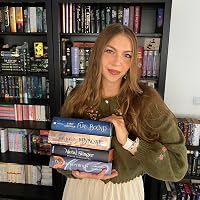
Seitdem ich die Gedichte von Emily Brontë in dieser wunderschönen alten Penguin Classics Ausgabe gelesen habe, habe ich eine ganz ganz große Liebe zu Gedichten entwickelt. Bereits die deutschen Dichter Goethe und Schiller konnten mich von ihren zahlreichen Gedichten überzeugen. Nun habe ich auch die englischen bzw. viktorianischen Dichter und Lyriker für mich entdecken können.
Emily Jane Brontë, die Autorin von „Wuthering Heights“, ist einer der talentiertesten weiblichen Autorinnen des viktorianischen Zeitalters und für mich unvergleichlich. Das haben mir ihre Gedichte nun gezeigt. Sie sind perfekt für den Herbst und die kalten Jahreszeiten - düster, schaurig, wehmütig, melancholisch und beruhigend zugleich. Ich habe es so genossen, in die Gefühlswelt Brontë‘s einzudringen, habe mitgefühlt und bin völlig abgetaucht. Fast schon melodisch lassen sich ihre Gedichte lesen und haben mich ganz verschiedene Emotionen fühlen lassen. Beim Lesen hatte ich eine Gänsehaut. Was ihre Worte und Verse mit mir und wahrscheinlich auch mit anderen Leser*innen bewirken ist einfach nur ... wow! Sie haben mich in meinem Kopf ständig begleitet, waren ständig present und haben mich oftmals schlaflos zurück gelassen. Selten habe ich so etwas beim Lesen von Worten gespürt. Dieses Gedichtband hat meine Liebe zum Lesen, aber nicht nur zum Lesen von Prosa, sondern zum Lesen von allem, was Worte ausdrücken können, erneut entfacht. Lest es! Lest es, wenn ihr ebenso verliebt in Worte und Verse seid - wenn ihr abtauchen und eure innere Stimme etwas lauter hören wollt. Auch wenn die englische Sprache an dieser Stelle eine kleine Herausforderung war, lohnt es sich in jedem Fall, sich damit trotzdem auseinanderzusetzen!
Emily Jane Brontë, die Autorin von „Wuthering Heights“, ist einer der talentiertesten weiblichen Autorinnen des viktorianischen Zeitalters und für mich unvergleichlich. Das haben mir ihre Gedichte nun gezeigt. Sie sind perfekt für den Herbst und die kalten Jahreszeiten - düster, schaurig, wehmütig, melancholisch und beruhigend zugleich. Ich habe es so genossen, in die Gefühlswelt Brontë‘s einzudringen, habe mitgefühlt und bin völlig abgetaucht. Fast schon melodisch lassen sich ihre Gedichte lesen und haben mich ganz verschiedene Emotionen fühlen lassen. Beim Lesen hatte ich eine Gänsehaut. Was ihre Worte und Verse mit mir und wahrscheinlich auch mit anderen Leser*innen bewirken ist einfach nur ... wow! Sie haben mich in meinem Kopf ständig begleitet, waren ständig present und haben mich oftmals schlaflos zurück gelassen. Selten habe ich so etwas beim Lesen von Worten gespürt. Dieses Gedichtband hat meine Liebe zum Lesen, aber nicht nur zum Lesen von Prosa, sondern zum Lesen von allem, was Worte ausdrücken können, erneut entfacht. Lest es! Lest es, wenn ihr ebenso verliebt in Worte und Verse seid - wenn ihr abtauchen und eure innere Stimme etwas lauter hören wollt. Auch wenn die englische Sprache an dieser Stelle eine kleine Herausforderung war, lohnt es sich in jedem Fall, sich damit trotzdem auseinanderzusetzen!

March 17, 2026
[3,5]
Hubieron poemas que me hicieron tenerle muchísima empatía. Su forma de hablar de la soledad, la muerte, dejar la infancia atrás, no contar con la gente que pensabas. Demasiado crudo y real, lo que me gusta de estas autoras que de alguna manera logran meter toda la emoción y naturaleza en unas palabras.
Si bien hubieron varios poemas que no fueron mis preferidos, me encontré con otros que estuvieron a punto de sacarme la lágrima simplemente me hacían detenerme a replantearme cosas.
Hubieron poemas que me hicieron tenerle muchísima empatía. Su forma de hablar de la soledad, la muerte, dejar la infancia atrás, no contar con la gente que pensabas. Demasiado crudo y real, lo que me gusta de estas autoras que de alguna manera logran meter toda la emoción y naturaleza en unas palabras.
Si bien hubieron varios poemas que no fueron mis preferidos, me encontré con otros que estuvieron a punto de sacarme la lágrima simplemente me hacían detenerme a replantearme cosas.
August 31, 2022
La intensidad poética de Emily es muy interesante y maravillosa de leer. Sobretodo comparado con Cumbres Borrascosas. Al igual que su novela, el clima acompaña mucho. Es mejor leerlo en tormenta que en el sol.
Pero lo que más me impresiona, es la forma de que pocas palabras te cuenten una historia fascinante. Me hubiera encantado leer los poemas relacionados a la historia que creo junto a su Hermana Anne, en orden cronológico. Para haber apreciado más ese mundo.
Para mi, lo que más me costó fue el inglés. Pero a mi se me ocurre leer un inglés tan antiguo, con mi inglés básico, fue tormentoso el intentar leer a la primera el poema.
Porque por dios que es difícil este inglés jajajaja.
Pero lo que más me impresiona, es la forma de que pocas palabras te cuenten una historia fascinante. Me hubiera encantado leer los poemas relacionados a la historia que creo junto a su Hermana Anne, en orden cronológico. Para haber apreciado más ese mundo.
Para mi, lo que más me costó fue el inglés. Pero a mi se me ocurre leer un inglés tan antiguo, con mi inglés básico, fue tormentoso el intentar leer a la primera el poema.
Porque por dios que es difícil este inglés jajajaja.

January 13, 2022
4.5
One of my favourite books for sure. I love so many poems in this collection, especially because I can relate to how the speaker feels a lot. It's not 5 stars for me because it gets repetitive after a while...
The poems with descriptions of nature were my favourites, especially the ones that can also be understood as the feelings of the speaker.
I can see myself rereading this book over and over again and finding more ways to understand the poems.
One of my favourite books for sure. I love so many poems in this collection, especially because I can relate to how the speaker feels a lot. It's not 5 stars for me because it gets repetitive after a while...
The poems with descriptions of nature were my favourites, especially the ones that can also be understood as the feelings of the speaker.
I can see myself rereading this book over and over again and finding more ways to understand the poems.

August 30, 2020
Los poemas de Emily son sinceros, apasionados, elocuentes y narrativos. Para mi infinitamente preferibles que poemas con mucha pompa y plagados de estereotipos (como es bien frecuente en escritores hombres de la época - tipo Byron, Wordsworth). Los temas frecuentes son el luto, la ansiedad y la naturaleza. Me encantaron, muy recomendados!

December 8, 2019
Con este poemario termino de leer a Emily Bronte, una autora que me da rabia que no hubiera podido seguir escribiendo, por morir tan joven. Tenia muchísimo talento, ya me conquistó con cumbres borrascosas y su poesía es preciosa, trata muchísimos temas, inventa historias, las ambienta en una isla ficticia situada al norte del Pacífico llamada Gondal, también nos muestra sus preocupaciones, lo sola que se sentía en muchas ocasiones. Además está edición es bilingüe y tenemos la oportunidad de comparar la traducción con la versión original, una gozada. Muy recomendable.

on-hold
May 6, 2023Pre-review at 19% - Isn't it wonderful when you've been meaning to write something new for a while and then two lines of Emily Brontë's poetry come along and motivate you more than you could have motivated yourself?

August 13, 2021
Una absoluta maravilla, una joya. He disfrutado de principio a fin de los poemas de Emily (cargados de intensidad, romanticismo y melancolía), cuya lectura he ido dosificando a lo largo de lo meses. Qué pena que muriera tan joven y no tuviera tiempo de escribir mucho más.
Ligera la niebla sobre la colina.
Mañana no habrá tormenta.
No, el día ha llorado hasta la saciedad,
ha gastado sus reservas de dolor silencioso.
Oh, estoy de vuelta en los días de mi infancia,
soy una niña otra vez,
y a cubierto, bajo el techo de mi padre,
junto a la vieja puerta del vestíbulo,
miro caer esta tarde nubosa
después de un día de lluvia.
Nieblas azules, dulces nieblas de verano recubren
la cadena montañosa del horizonte.
La humedad se extiende por la alta hierba verde,
espesa como las lágrimas de la mañana,
y pasan soñadoras bocanadas de fragancias
que exhalaron otros años.
Ligera la niebla sobre la colina.
Mañana no habrá tormenta.
No, el día ha llorado hasta la saciedad,
ha gastado sus reservas de dolor silencioso.
Oh, estoy de vuelta en los días de mi infancia,
soy una niña otra vez,
y a cubierto, bajo el techo de mi padre,
junto a la vieja puerta del vestíbulo,
miro caer esta tarde nubosa
después de un día de lluvia.
Nieblas azules, dulces nieblas de verano recubren
la cadena montañosa del horizonte.
La humedad se extiende por la alta hierba verde,
espesa como las lágrimas de la mañana,
y pasan soñadoras bocanadas de fragancias
que exhalaron otros años.

July 4, 2017
Poetry is hard for me and I think it always will be. Some of these were pure brilliance, but there were a lot and so their quality differed throughout. Although I suppose that's to be expected with any complete works. A must read for Bronte fans, especially if you loved the darkness of Wuthering Heights. .
October 6, 2019
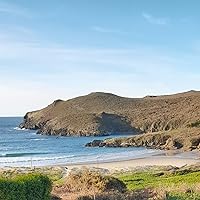
Los poemas de Emily son tan buenos como "Cumbres borrascosas", sin embargo es en estos donde encontramos la verdadera voz de la escritora inglesa. Muy recomendables.
May 15, 2026
Escrita con una pluma maravillosa, la poesía de la segunda de las hermanas Brontë abarca temas como el amor, la melancolía, la traición, la muerte, la juventud y la soledad, junto a una constante reflexión sobre la naturaleza y el entorno que rodeó a la autora en gran parte de su vida. Posee una gran cantidad de poemas sobre “el reino de Gondal” un lugar fantástico y ficticio creado en conjunto con su hermana Anne. Quizás por desconocimiento de esto, fueron los poemas con los que menos conecté.

September 9, 2021
No heart can quite repress the anguish
Of leaving things that once were dear
December 27, 2024
⭐️⭐️⭐️⭐️✨
4.5
Treasures 🫶🏼✨
4.5
Treasures 🫶🏼✨
Displaying 1 - 30 of 236 reviews