

What do you think?
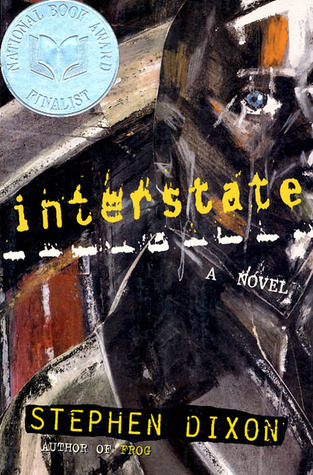
Interstate
What would you do if you were driving on the highway with your two daughters, and those in the vehicle next to you started shooting at your car? And you noticed one of your daughters had been hit? Interstate is a multifaceted vision of American violence, and an ode to the truth that the greatest love one has is for his or her child.
384 pages, Paperback
First published January 1, 1995
About the author
Stephen Dixon
70 books82 followersStephen Dixon was a novelist and short story author who published hundreds of stories in an incredible list of literary journals. Dixon was nominated for the National Book Award twice--in 1991 for Frog and in 1995 for Interstate--and his writing also earned him a Guggenheim Fellowship, the American Academy Institute of Arts and Letters Prize for Fiction, the O. Henry Award, and the Pushcart Prize.
Ratings & Reviews
Friends & Following
Create a free account to discover what your friends think of this book!
Community Reviews
Displaying 1 - 30 of 56 reviews

October 2, 2018
Piense en ello por un instante, piénselo a conciencia, concéntrese en ello: matan a su hijo de un disparo realizado por un completo extraño desde un coche cuando circulan por la autopista, o, algo menos insólito, muere en un accidente de tráfico del que usted tiene gran parte de la culpa. ¿No sabe qué haría, cómo se sentiría, cómo ello modificaría su vida, la de toda su familia? ¿No quiere ni pensar en ello? Dixon lo hizo.
Antes que nada, quiero empezar por dar las gracias a Rodrigo Fresán por el soplo de esta novela, qué digo soplo, por este huracán de literatura obsesiva, furiosa, introspectiva, angustiosa, autoflagelante y conmovedora que les emocionará, les irritará, les saturará e incluso les aburrirá en algunos momentos, pero que no podrán parar de leer.
Yo no pude. Había sacado por fin el libro de mi lista de pendientes en la que había permanecido demasiado tiempo desde que leí la reseña que le hizo Fresán allá por 2016. En ella se relacionaba a Dixon con Thomas Bernhard, entre un puñado de grandes autores, y a “Interestatal” con la estupenda novela de Joseph Heller, “Algo ha pasado”. Demasiado bueno para ser cierto y muchas las posibilidades de que tal matrimonio terminara en fiasco por mucho que Fresán me asegurara lo contrario. No hubo fiasco, Dixon no es Thomas Bernhard pero se le parece; tampoco su personaje, Nathan Frey, es Bob Scolum, el personaje de la novela de Heller, pero sus personalidades y discursos obsesivos los convierten en parientes muy cercanos.
El primer capítulo, de poco más de 80 páginas, contiene toda la historia, todo aquello que dicen que ha pasado, y funciona como un potente relato independiente que les dejará tocados. Repónganse lo más rápido posible, pues el autor, lejos de quedar satisfecho, les rematará con un segundo capítulo en el que se disecciona todo el horror del hecho con una fuerza y un alcance que yo me he encontrado en muy pocas ocasiones.
A partir de aquí y en torno a los mismos hechos que vuelven una y otra vez, Dixon reflexiona sobre el estado general de violencia en el que vivimos, la irracionalidad, el azar, la relación con los hijos, los miedos que conlleva la paternidad, el trauma, la culpa, todo ello en torno a los trágicos hechos ocurridos o solo posibles o solo fantaseados, con una prosa en la que la voz del narrador se mezcla con los diálogos y pensamientos de los personajes en una verborrea incontenible que les dejará tan agotados como satisfechos.
“¿Pero tú realmente sabes lo que quiere decir todo esto? Quiere decir que la peor cosa que jamás podría pasar, pasó. No, habría sido peor si tú también te hubiese muerto. Y peor todavía si mami hubiese estado en el auto con nosotros y se hubiese muerto con ustedes dos. No habría sido peor si yo me hubiese muerto con todas ustedes. Eso habría sido mejor. Entonces no sabría nada de lo que pasó, como ahora lo sé. Habría sido mejor, de hecho, si Julie moría, que nadie más hubiese muerto con ella excepto yo. Por supuesto. Pero mejor aún, absolutamente lo mejor de todo, si alguien tenía que morirse en el auto, aunque no sé por qué tendría que morirse alguien, sería que muriera solo yo, eso también es verdad. Si tan solo hubiera pasado eso. Si tan solo se pudiese hacer que hubiese pasado eso. ¿Cómo hacemos para que sea así?”En efecto, el discurso es caótico, embarrullado, repetitivo, como no podía ser de otra manera en una novela donde la forma es parte del fondo, donde todas esas vueltas y revueltas, muchas veces incoherentes, otras tantas contradictorias, consiguen transmitirnos de una forma magnífica toda la angustia, la impotencia, la desolación, la confusión en la que vive el protagonista. Una confusión en la que Nathan rumiará compulsivamente todos aquellos detalles previos que hubieran podido evitar estar allí en aquel momento, todo lo que en ese momento hubiera podido hacer por evitarlo, todo lo que hizo y que quizás pudo haberlo provocado, las ocasiones en las que no disfrutó con su hija o aquellas en las que no se portó con ella de forma adecuada, sus gestos, sus palabras, las veces en las que le hizo sonreír, los momentos en los que le enojó. Así hasta los dos últimos capítulos en los que se darán varias vueltas de tuerca que duplicarán nuestro horror en un primer momento y nos apaciguará después… o todo lo contrario según la interpretación que terminemos dándole.
Lean y disfruten sufriendo.

January 16, 2020
"Debería despertarme. Esa es la salida más facil, ¿verdad?, y la menos realista, aunque ¿no sería bonito? Pero debería. Debería despertarme. Esto es un sueño demasiado terrible. Alguien lo llamaría pesadilla... es una pesadilla, ¿pero por qué andar discutiendo por definiciones?... y si puedo despertarme de ella debería, porque entonces cambiaría todo, pero ahí voy otra vez, el pretexto más fácil y más deseable del mundo, el sueño."
Cuando uno cree que agotó todas las variantes posibles de la novela, se choca con "Interestatal" de Stephen Dixon, este extraordinario cuentista y novelista norteamericano, fallecido en noviembre del año pasado.
Esta novela es de un impacto altísimo, ya que a uno como lector le estalla en los ojos y la mente y lo pone incómodo, lo hostiga, lo hace sufrir, desesperarse y preguntarse muchas cosas.
"Interestatal" es de esas pocas que realmente incomodan.
Tan sólo le basta una hoja de narración a Dixon para estamparnos en la cara el problema que le surge de golpe a Nathan Frey, el personaje principal del libro, así, intempestivamente y sin rodeos, manejando su auto por la autopista interestatal cuando dos tipos se le ponen al lado a alta velocidad y comienzan a molestarlo y pedirle que baje la ventanilla, le hacen señas, lo increpan, se ríen, se burlan, Frey accede casi ingenuamente y comienza la tragedia, ya que el acompañante saca un arma y le apunta directamente a la cara; Frey se aterra, trata de evadirlos, pero no puede, se desespera, le pide a sus dos hijas Margo de 9 y Julie de 6 que se mantengan agachadas, pero algo sale mal, y el delincuente dispara, el tiro rompe el parabrisas, le lastima la mano y sigue otros dos balazos más, se escuchan gritos de las niñas y de Frey desaforado, desesperado, pero sucede lo impensado, una de las balas impacta contra Julie y la mata (vaya, pero si parece que estoy escribiendo al estilo de Dixon sin darme cuenta), entonces Frey enloquece y lo impensado sucede, Julie está desangrándose, todo es un caos en medio de la autopista, ya que Frey no logra revivirla, Margo grita como loca, llora desconsoladamente, tiene que actuar con la mayor premura posible, logran salir de la interestatal acompañados por la única persona que paró para ayudarlos para llegar al hospital pero ya es tarde, Julie ha muerto y no hay vuelta atrás; todo se pone negro, Frey se desmorona, ¿qué hacer?, ¿cómo seguir?, ¿cómo decirle a Lee, su esposa que su hija está muerta? Los interrogantes se agolpan en la descontrolada mente de Frey y todo el primer capítulo de "Interestatal", que es el mejor del libro narra esta trágica historia agolpando sucesos, interrogantes, miedos, caos y desesperación hasta el final de lo que sucede después de ese homicidio, del funeral, de cómo Frey persigue a los asesinos de su hija, de los años posteriores, tratando de rehacer su vida ya rota, de Margo ya grande y casada, de esa pesadilla que se instala en su cabeza y no puede borrar nunca más. Pero esto no es todo, ya que Dixon, como en un loop infernal vuelve a la carga desde la óptica de Frey y todos los hechos vuelven a vivirse en forma cruel, descarnada, horrenda, capítulo tras capítulo, en siete oportunidades más sin freno ni paz, todo es un verdadero pandemonio, como un castigo del infierno dantesco, y todas las emociones, las sensaciones, los dolores y los sufrimientos de Frey vuelven a hacerse carne propia, una y otra vez, sin stop, sin piedad, porque es una horrenda pesadilla de la que no puede escapar, como un enorme callejón sin salida. Los siguientes capítulos ahondarán en la historia, en lo que pasó después, en las situaciones previas de Frey con sus hijas antes de emprender el viaje desde Nueva York por la interestatal, de su derrumbe psicológico, siendo "Interestatal 6" e "Interestatal 7" los que Dixon decide incluir cambiándoles el final en lo que parece ser distintas versiones del mismo hecho, pero también Dixon plantea toda una diversidad de temas posibles que incluyen, la relación de padres con hijos, el existencialismo, el dolor, la carga, el remordimiento, la culpa, lo que no debería haber pasado, el amor de nuestros hijos, la reacción ante situaciones extremas, la injusticia, Dios, la religión, la medicina, la muerte. A mi entender el mejor capítulo de esta excepcional novela es "Interestatal 6" cuando Dixon nos pone a nosotros los lectores en los zapatos de Frey preguntándonos, ¿qué harías? ¿hubieras hecho lo mismo que Frey? ¿hubieras frenado? ¿te hubieras planteado los mismo remordimientos que él? ¿cómo enfrentarías la aterradora y dolorosísima posibilidad de ver a tu hijo o hija muerta? ¿resistirías? ¿te desmoronarías? ¿te volverías loco? ¿te suicidarías? ¿qué hacer? ¿cómo seguir? Quién sabe... yo puedo afirmar que fue angustioso leer ese capítulo con la imagen de mi hija de cinco años persiguiéndome en la cabeza y trataba de no imaginarme esa situación, pero era inevitable pues volvía una y otra vez y seguramente no volveré a leer esta novela aunque sea tan buena pero a la vez tan dura, cruda, angustiosa, no sé, no me veo atravesando estas páginas de nuevo y no lo voy a hacer aunque sea ficción porque lo que Dixon logra en esta supera en todo lo que leí a otras novelas como "La carretera" de Cormac McCarthy o el final de "Humillados y ofendidos" de Fiódor Dostoievski que son lo únicos dos casos en lo que tambaleé debido a lo triste y desolador que estaba leyendo.
Stephen Dixon, que por lo que se ve era un experto en esto de escribir distintas versiones de un solo hecho como sucede en esta novela y que es algo que hizo en cuentos como "Adiós al adiós" en los que pone en práctica distintas variantes posibles para su final.
Otra de sus características es también la de utilizar en "Interestatal" la narración en primera persona (en los casos que Frey piensa, cuenta o trata de razonar lo que le sucede), segunda (la más intempestiva, la que pone al lector en el lugar de Frey y lo presiona para asumir esa realidad ficcionaria del personaje) y tercera persona (cuando expone los hechos con la mayor cantidad de detalles posibles que percibimos en el día a día pero a los que no les prestamos atención).
Dije alguna vez que Dixon es un escritor original y que los talentos como él son atemporales y lo sigo sosteniendo.
Esta novela pone a prueba los nervios del lector y es imposible abstraerse porque como autor genial que es, troca la figura del personaje por la nuestra y al plantearnos estos dilemas como yo hice con la pequeña Julie a la que visualizaba con la cara de Martina, mi hija.
Escribir novelas tan vanguardistas como estas no le salen a cualquiera, pero sí a Stephen Dixon.
Cuando uno cree que agotó todas las variantes posibles de la novela, se choca con "Interestatal" de Stephen Dixon, este extraordinario cuentista y novelista norteamericano, fallecido en noviembre del año pasado.
Esta novela es de un impacto altísimo, ya que a uno como lector le estalla en los ojos y la mente y lo pone incómodo, lo hostiga, lo hace sufrir, desesperarse y preguntarse muchas cosas.
"Interestatal" es de esas pocas que realmente incomodan.
Tan sólo le basta una hoja de narración a Dixon para estamparnos en la cara el problema que le surge de golpe a Nathan Frey, el personaje principal del libro, así, intempestivamente y sin rodeos, manejando su auto por la autopista interestatal cuando dos tipos se le ponen al lado a alta velocidad y comienzan a molestarlo y pedirle que baje la ventanilla, le hacen señas, lo increpan, se ríen, se burlan, Frey accede casi ingenuamente y comienza la tragedia, ya que el acompañante saca un arma y le apunta directamente a la cara; Frey se aterra, trata de evadirlos, pero no puede, se desespera, le pide a sus dos hijas Margo de 9 y Julie de 6 que se mantengan agachadas, pero algo sale mal, y el delincuente dispara, el tiro rompe el parabrisas, le lastima la mano y sigue otros dos balazos más, se escuchan gritos de las niñas y de Frey desaforado, desesperado, pero sucede lo impensado, una de las balas impacta contra Julie y la mata (vaya, pero si parece que estoy escribiendo al estilo de Dixon sin darme cuenta), entonces Frey enloquece y lo impensado sucede, Julie está desangrándose, todo es un caos en medio de la autopista, ya que Frey no logra revivirla, Margo grita como loca, llora desconsoladamente, tiene que actuar con la mayor premura posible, logran salir de la interestatal acompañados por la única persona que paró para ayudarlos para llegar al hospital pero ya es tarde, Julie ha muerto y no hay vuelta atrás; todo se pone negro, Frey se desmorona, ¿qué hacer?, ¿cómo seguir?, ¿cómo decirle a Lee, su esposa que su hija está muerta? Los interrogantes se agolpan en la descontrolada mente de Frey y todo el primer capítulo de "Interestatal", que es el mejor del libro narra esta trágica historia agolpando sucesos, interrogantes, miedos, caos y desesperación hasta el final de lo que sucede después de ese homicidio, del funeral, de cómo Frey persigue a los asesinos de su hija, de los años posteriores, tratando de rehacer su vida ya rota, de Margo ya grande y casada, de esa pesadilla que se instala en su cabeza y no puede borrar nunca más. Pero esto no es todo, ya que Dixon, como en un loop infernal vuelve a la carga desde la óptica de Frey y todos los hechos vuelven a vivirse en forma cruel, descarnada, horrenda, capítulo tras capítulo, en siete oportunidades más sin freno ni paz, todo es un verdadero pandemonio, como un castigo del infierno dantesco, y todas las emociones, las sensaciones, los dolores y los sufrimientos de Frey vuelven a hacerse carne propia, una y otra vez, sin stop, sin piedad, porque es una horrenda pesadilla de la que no puede escapar, como un enorme callejón sin salida. Los siguientes capítulos ahondarán en la historia, en lo que pasó después, en las situaciones previas de Frey con sus hijas antes de emprender el viaje desde Nueva York por la interestatal, de su derrumbe psicológico, siendo "Interestatal 6" e "Interestatal 7" los que Dixon decide incluir cambiándoles el final en lo que parece ser distintas versiones del mismo hecho, pero también Dixon plantea toda una diversidad de temas posibles que incluyen, la relación de padres con hijos, el existencialismo, el dolor, la carga, el remordimiento, la culpa, lo que no debería haber pasado, el amor de nuestros hijos, la reacción ante situaciones extremas, la injusticia, Dios, la religión, la medicina, la muerte. A mi entender el mejor capítulo de esta excepcional novela es "Interestatal 6" cuando Dixon nos pone a nosotros los lectores en los zapatos de Frey preguntándonos, ¿qué harías? ¿hubieras hecho lo mismo que Frey? ¿hubieras frenado? ¿te hubieras planteado los mismo remordimientos que él? ¿cómo enfrentarías la aterradora y dolorosísima posibilidad de ver a tu hijo o hija muerta? ¿resistirías? ¿te desmoronarías? ¿te volverías loco? ¿te suicidarías? ¿qué hacer? ¿cómo seguir? Quién sabe... yo puedo afirmar que fue angustioso leer ese capítulo con la imagen de mi hija de cinco años persiguiéndome en la cabeza y trataba de no imaginarme esa situación, pero era inevitable pues volvía una y otra vez y seguramente no volveré a leer esta novela aunque sea tan buena pero a la vez tan dura, cruda, angustiosa, no sé, no me veo atravesando estas páginas de nuevo y no lo voy a hacer aunque sea ficción porque lo que Dixon logra en esta supera en todo lo que leí a otras novelas como "La carretera" de Cormac McCarthy o el final de "Humillados y ofendidos" de Fiódor Dostoievski que son lo únicos dos casos en lo que tambaleé debido a lo triste y desolador que estaba leyendo.
Stephen Dixon, que por lo que se ve era un experto en esto de escribir distintas versiones de un solo hecho como sucede en esta novela y que es algo que hizo en cuentos como "Adiós al adiós" en los que pone en práctica distintas variantes posibles para su final.
Otra de sus características es también la de utilizar en "Interestatal" la narración en primera persona (en los casos que Frey piensa, cuenta o trata de razonar lo que le sucede), segunda (la más intempestiva, la que pone al lector en el lugar de Frey y lo presiona para asumir esa realidad ficcionaria del personaje) y tercera persona (cuando expone los hechos con la mayor cantidad de detalles posibles que percibimos en el día a día pero a los que no les prestamos atención).
Dije alguna vez que Dixon es un escritor original y que los talentos como él son atemporales y lo sigo sosteniendo.
Esta novela pone a prueba los nervios del lector y es imposible abstraerse porque como autor genial que es, troca la figura del personaje por la nuestra y al plantearnos estos dilemas como yo hice con la pequeña Julie a la que visualizaba con la cara de Martina, mi hija.
Escribir novelas tan vanguardistas como estas no le salen a cualquiera, pero sí a Stephen Dixon.

July 14, 2013
It would be easy to assume that Interstate comes across as a kind of MFA writing exercise: in eight different sections, tell and retell the horrific story of a shooting on an interstate, in which a father and his older daughter watch his younger daughter die. But this is not some postmodern version of the film Groundhog Day, nor does it come across as a novel built more on style and flash than substance and heart. Dixon has serious themes he is exploring, and the novel's structure is in service to those themes.
At the heart of the novel is Dixon's blistering exploration of violence in American society. The most obvious example is the anguish that Nathan Frey feels over the inexplicable death of his young daughter Julie, and the repercussions of this death for Nathan, his wife, and his daughter Margo. I can see why some readers couldn't finish this novel. I found the opening two sections to be so wrenching, so visceral, that I had to pace myself, and read short sections in brief sittings. I have read books with disturbing subject matter before, but Dixon's novel affected me even more than usual. Dixon's writing style, with many long, run-on sentences, brings the reader directly into Nathan's memories, into his tortured recollections of this terrible event. The result is an almost claustrophobic connection with Nathan, but also an inspired reconstruction of how we talk to ourselves and, most important, how we relive and recreate memories of traumas. Dixon's exploration of the instability of memory is fascinating. Which of the retellings of these events on the interstate is true? Can we ever fix one version of reality firmly? What roles do fantasy and magical thinking have in how we experience past traumas?
In addition to the the shooting on the interstate, Dixon expands his study of violence in American culture to consider other kinds of violence, including road rage, revenge killings, generational shifts in violence and the socio-economic causes of those changes, the violence of American culture as seen in video games, and even an exasperated parent's feelings of impatience and the small but indelible acts of violence with children that those feelings generate. He explores these different manifestations throughout the different versions of the shooting, sometimes in graphic descriptions of Nathan's actions, sometimes through conversations he has with Margo and Julie (conversations that he often pitches way above their ability to understand), and sometimes through Nathan's pained recollections of his impatience with his daughters.
I struggled with this book, but I am very grateful that I read it. There are many novels that explore violence in America, but few that stayed with me for weeks, that made me think about the effects of violence in such a visceral way, that take on all the different acts of violence, big and small, that come together to create a culture of violence in the US. This is not an easy book to read, but it's a crucial book, especially to read on the heels of tragedies like the Sandy Hook shootings, and the killing of Trayvon Martin. It reminds us of the devastating personal toll of violence, and of the myriad acts of violence, large and small, that surround us -- and that we sometimes enact ourselves -- every day.
At the heart of the novel is Dixon's blistering exploration of violence in American society. The most obvious example is the anguish that Nathan Frey feels over the inexplicable death of his young daughter Julie, and the repercussions of this death for Nathan, his wife, and his daughter Margo. I can see why some readers couldn't finish this novel. I found the opening two sections to be so wrenching, so visceral, that I had to pace myself, and read short sections in brief sittings. I have read books with disturbing subject matter before, but Dixon's novel affected me even more than usual. Dixon's writing style, with many long, run-on sentences, brings the reader directly into Nathan's memories, into his tortured recollections of this terrible event. The result is an almost claustrophobic connection with Nathan, but also an inspired reconstruction of how we talk to ourselves and, most important, how we relive and recreate memories of traumas. Dixon's exploration of the instability of memory is fascinating. Which of the retellings of these events on the interstate is true? Can we ever fix one version of reality firmly? What roles do fantasy and magical thinking have in how we experience past traumas?
In addition to the the shooting on the interstate, Dixon expands his study of violence in American culture to consider other kinds of violence, including road rage, revenge killings, generational shifts in violence and the socio-economic causes of those changes, the violence of American culture as seen in video games, and even an exasperated parent's feelings of impatience and the small but indelible acts of violence with children that those feelings generate. He explores these different manifestations throughout the different versions of the shooting, sometimes in graphic descriptions of Nathan's actions, sometimes through conversations he has with Margo and Julie (conversations that he often pitches way above their ability to understand), and sometimes through Nathan's pained recollections of his impatience with his daughters.
I struggled with this book, but I am very grateful that I read it. There are many novels that explore violence in America, but few that stayed with me for weeks, that made me think about the effects of violence in such a visceral way, that take on all the different acts of violence, big and small, that come together to create a culture of violence in the US. This is not an easy book to read, but it's a crucial book, especially to read on the heels of tragedies like the Sandy Hook shootings, and the killing of Trayvon Martin. It reminds us of the devastating personal toll of violence, and of the myriad acts of violence, large and small, that surround us -- and that we sometimes enact ourselves -- every day.

October 7, 2016
I am in awe of anyone who can finish this novel. The idea is fairly simple, it’s an examination of a random act of violence in which this guy is driving along with his two daughters in the back and gets into a beef with a van, they overtake each other, the van slows down when he slows down, it’s the kind of situation in Spielberg’s Duel movie, and the passenger in the van produces a gun and shoots bullets into the car, and the youngest daughter dies.
There are eight chapters in this novel which examine eight versions of this event. I am all for books about random violence but I could only manage to read version number one. So if the main idea is pretty good, so what was the problem? Stephen Dixon was the problem.
It’s the way he writes. It drove me up the wall. I ran out of walls in my own house to be driven up and I had to ask the neighbour for the loan of one of his walls so Stephen Dixon could drive me up that one too.
What is so bad about Stephen Dixon’s style? I will give you a couple of quotes. In this one, the father has finally met his surviving daughter after many years and now they’re walking around the city she used to live in, which he still lives in, and he says
I guess the new modern tall hotels and such and their elevators on the outside walls like crawling bugs and the people who are drawn to it all make it more safe, and let’s face it, Glen’s company wouldn’t have held its sales meeting here if it hadn’t been for the changes in this part of town, so suddenly I’m going to have one of those spur-of-the-moment even lifetime changes of opinion about this place, though I don’t know if it’s an inner one, whatever I mean by that, and say the whole change of it is great, for you wouldn’t be here with me now if it wasn’t for what they did to the waterfront and the new convention centre and hotels and restaurants and all sorts of tourist draws, individual paddleboats in the harbor, for christsake, the aquarium with performing fish
So this guy talks in pure mindless blather which is one thing but then, so does the author and the only other main character which is the surviving daughter Margot. Here’s the author describing a phone conversation - our guy is thinking how it would be if he visited his daughter in her home in Oregon :
he’s the last person to get in the way or upset things or busy- or nosybody around and no problem as to who’ll cook him breakfast or cook him anything if she wants and in fact she might even have to fight him as to who’ll cook for all of them during his stay, only kidding, and also only kidding about assuming there’ll even be a stay and she says what does he mean? She’ll love having him but they don’t have that much room in the house, comfortable as the place is – each boy has his own bedroom and there’s no family room and now no playroom to convert, that room has become Glen’s home office and the basement his woodshop and the only other places are an unventilated attic and an airless crawl space, but maybe the two youngest boys can double up and he can stay in one of their bedrooms for a few days.
The lurid melodrama of the original incident is breathlessly and brilliantly told in this nonstop helterskelterese, but Lord preserve us, when it comes to discussing the finer points of a possible family visit, this novel sounds just like a guy who I used to work with who simply did not know when to shut up, to the extent that you had to say goodbye and walk away from him, and he’d still be finishing up an everlasting sentence or paragraph or several strung-together paragraphs, so to speak, when you had boarded your bus for the journey home.
Third example, in case you’re not convinced
if you’re going to hire a cashier or a guy who hangs up coats or things like that, even someone who takes care of the men in the restrooms of the higher-class restaurants, better to have one who can chase not-too-threatening unwanteds out of the place or at least look like he can, finds it more economical than working just to retire, maybe for the time being, and take the small union pension he’ll get and accident insurance from getting shot at work, which isn’t half bad, and in a year full Social Security with medical coverage the government gives, -care or -caid, calls her a lot but after five and at weekends because it can cost a great deal and blah blah blah blah blah blah blah blah blah blah blah blah blah blah blah
Oh , also, there was clearly a nationwide paragraph shortage in 1995 when Mr Dixon was writing this as he only allows himself a new paragraph every two pages or so.
I was really interested in how the eight variations of the shooting were explored but wow, I could not stand that voice for one tiny second more.
There are eight chapters in this novel which examine eight versions of this event. I am all for books about random violence but I could only manage to read version number one. So if the main idea is pretty good, so what was the problem? Stephen Dixon was the problem.
It’s the way he writes. It drove me up the wall. I ran out of walls in my own house to be driven up and I had to ask the neighbour for the loan of one of his walls so Stephen Dixon could drive me up that one too.
What is so bad about Stephen Dixon’s style? I will give you a couple of quotes. In this one, the father has finally met his surviving daughter after many years and now they’re walking around the city she used to live in, which he still lives in, and he says
I guess the new modern tall hotels and such and their elevators on the outside walls like crawling bugs and the people who are drawn to it all make it more safe, and let’s face it, Glen’s company wouldn’t have held its sales meeting here if it hadn’t been for the changes in this part of town, so suddenly I’m going to have one of those spur-of-the-moment even lifetime changes of opinion about this place, though I don’t know if it’s an inner one, whatever I mean by that, and say the whole change of it is great, for you wouldn’t be here with me now if it wasn’t for what they did to the waterfront and the new convention centre and hotels and restaurants and all sorts of tourist draws, individual paddleboats in the harbor, for christsake, the aquarium with performing fish
So this guy talks in pure mindless blather which is one thing but then, so does the author and the only other main character which is the surviving daughter Margot. Here’s the author describing a phone conversation - our guy is thinking how it would be if he visited his daughter in her home in Oregon :
he’s the last person to get in the way or upset things or busy- or nosybody around and no problem as to who’ll cook him breakfast or cook him anything if she wants and in fact she might even have to fight him as to who’ll cook for all of them during his stay, only kidding, and also only kidding about assuming there’ll even be a stay and she says what does he mean? She’ll love having him but they don’t have that much room in the house, comfortable as the place is – each boy has his own bedroom and there’s no family room and now no playroom to convert, that room has become Glen’s home office and the basement his woodshop and the only other places are an unventilated attic and an airless crawl space, but maybe the two youngest boys can double up and he can stay in one of their bedrooms for a few days.
The lurid melodrama of the original incident is breathlessly and brilliantly told in this nonstop helterskelterese, but Lord preserve us, when it comes to discussing the finer points of a possible family visit, this novel sounds just like a guy who I used to work with who simply did not know when to shut up, to the extent that you had to say goodbye and walk away from him, and he’d still be finishing up an everlasting sentence or paragraph or several strung-together paragraphs, so to speak, when you had boarded your bus for the journey home.
Third example, in case you’re not convinced
if you’re going to hire a cashier or a guy who hangs up coats or things like that, even someone who takes care of the men in the restrooms of the higher-class restaurants, better to have one who can chase not-too-threatening unwanteds out of the place or at least look like he can, finds it more economical than working just to retire, maybe for the time being, and take the small union pension he’ll get and accident insurance from getting shot at work, which isn’t half bad, and in a year full Social Security with medical coverage the government gives, -care or -caid, calls her a lot but after five and at weekends because it can cost a great deal and blah blah blah blah blah blah blah blah blah blah blah blah blah blah blah
Oh , also, there was clearly a nationwide paragraph shortage in 1995 when Mr Dixon was writing this as he only allows himself a new paragraph every two pages or so.
I was really interested in how the eight variations of the shooting were explored but wow, I could not stand that voice for one tiny second more.

March 3, 2019
(1) This is a story about a man, his two daughters, his drive on an interstate freeway, and a random drive-by shooting that leaves his youngest daughter dead. Maybe.
(2) This story is told in eight versions. In most of the versions, the youngest daughter is slain. In one version, it is the older daughter. In another, both live.
(3) Stephen Dixon channels the modernist tradition in this work. Each chapter is a plunge into the deep streams of consciousness of the narrator, the father. The prose can be extremely challenging. This is not a book that relaxes; the reader must be fully engaged and must be able to absorb a lot of information and must be very patient. Or at least be able to adjust to the flow, to swim in its fast currents. This intense writing can be very exciting. It can also be incredibly tedious.
(4) The first story is phenomenal. Incredibly moving and incredibly sorrowful. The prose entranced me, so much that I dismissed any issues I may have had as minor and trifling. I was in awe at what Dixon accomplished. The realism of the emotional palette on display. The terror then alienation then rage of the father. The horror at such a meaningless death. The sadness of a life - the father's - that itself becomes meaningless due to the rash decisions he makes and the lack of caring eventually shown to him by his adult daughter; the sad reality illustrated of how people cut other people out of their lives. I cried at the end over the awful loneliness of the man, at his neediness that goes ignored.
(5) The so-called reality of this review is that I am writing it in-between working on work emails, emails where I have to use a more formal style depending on who I'm writing to, or emails with at times excruciatingly finite details that feel meaningless but are important to the person I'm emailing, ugh, and I just finished an email to a person who is now at a very high level of government and I have to sort of kiss his ass because I want him to speak to a council that I represent and I can't help but remember that the last time we met, when he was in another position, years ago, he literally lied to my face, but I will try to forget about that, but what I can't forget is that one of my favorite staff led sort of an insurrection of community providers against this guy's decision, Karl was the name of my staff, I really enjoyed that guy, I personally hired him, and then I changed positions and then the bitch who replaced me demoted him, actually put someone that Karl hired in a position to be Karl's supervisor, and then Karl of course left my agency because no one should be treated like that, he left and we tried to stay in touch, we tried we really tried, I would think of books and tv shows and actors he liked and I'd remember Oh Karl! I'm going to call him now! but I rarely did, and then he went and died, all alone in his apartment, the police had to break in his door after this agency reported that he hadn't appeared for a couple days, and there he was dead, alone, and why was he alone and why did it take two days and why didn't I stay in better contact with him, he was my friend and I loved him, why did the end have to happen that way and why did he have to be alone that way and why does anyone have to die alone and why and why and why and I'm crying and I don't know why.
(6) Unfortunately those issues that I had dismissed in the first story came to dominate my experience of all the subsequent stories. Namely: the stream of consciousness began to feel too stylized. Perhaps even stilted. I began to think to myself: but people don't actually think this way, do they? Of course that is a very subjective, perhaps myopic perspective. But I began to be annoyed. That annoyance became distancing. I began to dread reading the book. Inevitably, not only did the thought process of the narrator begin to sound irritatingly artificial, but the way the children talked as well. Kids don't talk like that was a constant thought. And then: police don't talk like that, doctors don't talk like that... people don't talk like that. Etc. I don't yearn for realism in my fiction, but the artificiality began to get in the way of my empathizing with the narrator and was a block in my connecting to the book's themes. Interstate began to lose resonance for me; by the end of the novel, I was relieved that the experience was finally over.
(7) That said, there was still parts that I found fascinating to contemplate in stories 2 through 8. Particularly within the last two stories. A treatise on the evolution of violence, on a personal level, from the shove or smack of a father to a daughter, to road rage, to the simple randomness of violence occurring anywhere, everywhere. A portrait of the depth of love a father can have for his children. The basic stream of consciousness inherent in living your life, filled with small moments and memories, love and sex and chores and food and fantasies and idle thoughts and thinking of what happened then while ignoring what is happening now.
(8)
Story 1: a qualified 5 stars
Stories 2-6: 1-2 stars
Stories 7 & 8: 3 stars
(2) This story is told in eight versions. In most of the versions, the youngest daughter is slain. In one version, it is the older daughter. In another, both live.
(3) Stephen Dixon channels the modernist tradition in this work. Each chapter is a plunge into the deep streams of consciousness of the narrator, the father. The prose can be extremely challenging. This is not a book that relaxes; the reader must be fully engaged and must be able to absorb a lot of information and must be very patient. Or at least be able to adjust to the flow, to swim in its fast currents. This intense writing can be very exciting. It can also be incredibly tedious.
(4) The first story is phenomenal. Incredibly moving and incredibly sorrowful. The prose entranced me, so much that I dismissed any issues I may have had as minor and trifling. I was in awe at what Dixon accomplished. The realism of the emotional palette on display. The terror then alienation then rage of the father. The horror at such a meaningless death. The sadness of a life - the father's - that itself becomes meaningless due to the rash decisions he makes and the lack of caring eventually shown to him by his adult daughter; the sad reality illustrated of how people cut other people out of their lives. I cried at the end over the awful loneliness of the man, at his neediness that goes ignored.
(5) The so-called reality of this review is that I am writing it in-between working on work emails, emails where I have to use a more formal style depending on who I'm writing to, or emails with at times excruciatingly finite details that feel meaningless but are important to the person I'm emailing, ugh, and I just finished an email to a person who is now at a very high level of government and I have to sort of kiss his ass because I want him to speak to a council that I represent and I can't help but remember that the last time we met, when he was in another position, years ago, he literally lied to my face, but I will try to forget about that, but what I can't forget is that one of my favorite staff led sort of an insurrection of community providers against this guy's decision, Karl was the name of my staff, I really enjoyed that guy, I personally hired him, and then I changed positions and then the bitch who replaced me demoted him, actually put someone that Karl hired in a position to be Karl's supervisor, and then Karl of course left my agency because no one should be treated like that, he left and we tried to stay in touch, we tried we really tried, I would think of books and tv shows and actors he liked and I'd remember Oh Karl! I'm going to call him now! but I rarely did, and then he went and died, all alone in his apartment, the police had to break in his door after this agency reported that he hadn't appeared for a couple days, and there he was dead, alone, and why was he alone and why did it take two days and why didn't I stay in better contact with him, he was my friend and I loved him, why did the end have to happen that way and why did he have to be alone that way and why does anyone have to die alone and why and why and why and I'm crying and I don't know why.
(6) Unfortunately those issues that I had dismissed in the first story came to dominate my experience of all the subsequent stories. Namely: the stream of consciousness began to feel too stylized. Perhaps even stilted. I began to think to myself: but people don't actually think this way, do they? Of course that is a very subjective, perhaps myopic perspective. But I began to be annoyed. That annoyance became distancing. I began to dread reading the book. Inevitably, not only did the thought process of the narrator begin to sound irritatingly artificial, but the way the children talked as well. Kids don't talk like that was a constant thought. And then: police don't talk like that, doctors don't talk like that... people don't talk like that. Etc. I don't yearn for realism in my fiction, but the artificiality began to get in the way of my empathizing with the narrator and was a block in my connecting to the book's themes. Interstate began to lose resonance for me; by the end of the novel, I was relieved that the experience was finally over.
(7) That said, there was still parts that I found fascinating to contemplate in stories 2 through 8. Particularly within the last two stories. A treatise on the evolution of violence, on a personal level, from the shove or smack of a father to a daughter, to road rage, to the simple randomness of violence occurring anywhere, everywhere. A portrait of the depth of love a father can have for his children. The basic stream of consciousness inherent in living your life, filled with small moments and memories, love and sex and chores and food and fantasies and idle thoughts and thinking of what happened then while ignoring what is happening now.
(8)
Story 1: a qualified 5 stars
Stories 2-6: 1-2 stars
Stories 7 & 8: 3 stars

November 18, 2024
Across eight sprawling chapters, Dixon dissects the aftermath and events preceding the random murder of a young girl by two faceless loons on the interstate. The opening section unrolls the complete lifestory of the father of the victim following the murder, setting the tone for the unforgiving and wrenching narrative that follows, and familiarizing the reader with Dixon’s relentless claustrophobic prose that thunders across the page in long thickets of dialogue and semi-stream-of-consciousness description, or as Paul Bryant aptly puts it, “helterskelterese”. Across the remaining seven sections, we have moments of mundane domestic life, where the father’s harshness or cruelty looms over the tragedy to come, and a devastating chapter exploring the father’s extreme mental anguish in the hospital, when required to inform his wife about the news, a chapter where the urgency of Dixon’s maddening style is at its most powerful and breathtaking. The repetitive, babbling nature of some sections of this novel make it a patience-testing challenge, but if the frenetic, hypnotic style of Dixon’s writing catches your interest, you’re in for an astonishing examination of grief and unimaginable loss.

September 4, 2023
I re-read this novel in preparation for writing a scene in my novel Poor Deer, one that involves a car, plus some intense emotions.
I don't know a lot of writers personally but the ones I do know seem to write very differently from the way I write. They go out in nature, take a walk, come back with their heads beautifully clear and sit down and write the scene. Or so they say. Me, I think "this is the scene I want to write next," and then I think about all the books I've read in my life until I come up with maybe a dozen books where I've read that sort of scene inside of their covers, or at very least, I have read a scene that has the mood of the scene I want to write--and then I make a stack of these books, and I read all dozen or whatever of these scenes over again, and I take time to really parse these scenes, down to their last recorded syllable, to understand how they work, how they scan, how they pace, how they begin and how they end...and then I write my scene. I think I'm saying I write like an AI program writes. I need to go ponder that now. So honestly I'm so glad I have a big library of books because I always, always need to have a book at my fingertips that has the scene I want to read in it or it mucks me up terribly and I waste the day watching Star Trek TOS.
I don't know a lot of writers personally but the ones I do know seem to write very differently from the way I write. They go out in nature, take a walk, come back with their heads beautifully clear and sit down and write the scene. Or so they say. Me, I think "this is the scene I want to write next," and then I think about all the books I've read in my life until I come up with maybe a dozen books where I've read that sort of scene inside of their covers, or at very least, I have read a scene that has the mood of the scene I want to write--and then I make a stack of these books, and I read all dozen or whatever of these scenes over again, and I take time to really parse these scenes, down to their last recorded syllable, to understand how they work, how they scan, how they pace, how they begin and how they end...and then I write my scene. I think I'm saying I write like an AI program writes. I need to go ponder that now. So honestly I'm so glad I have a big library of books because I always, always need to have a book at my fingertips that has the scene I want to read in it or it mucks me up terribly and I waste the day watching Star Trek TOS.

January 4, 2014
Perhaps his most famous book, Interstate—which was nominated for the National Book Award in 1995—is basically a 400-page set of block paragraphs concerning one simple act played out dozens and dozens of ways. The book opens with the protagonist driving down a state highway with his two kids in the backseat. A van pulls up beside them and keeps pace beside his car. The person in the van signals to the father to roll down his window, and when he does the passenger pulls out a gun and aims it at the protagonist’s head. “'Just to scare you, the man yells, 'that’s all you know, and you’re scared right?—look at the sucker, scared shitless.'” Then nothing happens. The other car follows them, still aiming the gun, until the protagonist pulls off and reverses in the emergency lane to get away.
What is spawned, though, from this random occurrence, is an endless sprawl of possibilities and fears and traumas in the protagonist’s brain. For hundreds of pages he plays out in his mind over and over all the ways the scene could have ended differently: some in violence, some in other manners of escape, some in which the protagonist spends the rest of his life searching for the men on the highway, some where almost nothing happens related to the scene, but from which the lives of the protagonist and his children continue on. To me, Dixon’s ability to spin new emotions out of almost anything, over and over, is a great display of a writer at the height of his talent.
What is spawned, though, from this random occurrence, is an endless sprawl of possibilities and fears and traumas in the protagonist’s brain. For hundreds of pages he plays out in his mind over and over all the ways the scene could have ended differently: some in violence, some in other manners of escape, some in which the protagonist spends the rest of his life searching for the men on the highway, some where almost nothing happens related to the scene, but from which the lives of the protagonist and his children continue on. To me, Dixon’s ability to spin new emotions out of almost anything, over and over, is a great display of a writer at the height of his talent.

Read
December 8, 2020Abandono Interestatal habiendo comenzado apenas con su capitulo cinco. Me regalo este diciembre dejar de arrastrarlo de la cama al living. 2020 no me encuentra en condiciones de sufrir por un libro que me cuenta nueve versiones de un hecho tan terrible.
July 30, 2011
Literary waterboarding.

September 7, 2018
Las idea es muy buena, pero no me ha gustado el estilo, muy engorroso y costoso.

August 15, 2023
Pues he terminado mi segundo libro de Stephen Dixon; por lo que si queréis, acompañadme.
He leído Interestatal y puedo comprender que no te guste. Dixon es verborreico, logorreico y, por lo que he leído, grafómano. Lo tiene todo para sacarte de quicio, por lo que es muy fácil que abandones su lectura. Es tan capaz de convertir a su personaje principal en un enajenado que hace que tú te replantees tu posición como lector. Manifiesta un manejo del lenguaje tan apabullante que es capaz de convertirte a ti en ese enajenado. Estira la palabra, la oración y el párrafo de tal manera que se convierte en el peor enemigo de mi urólogo. Abstenerse personas con incontinencia urinaria. Querrás acabar el párrafo, pero no podrás. Son chiclosos. No habrá más de quince párrafos en todo el libro, y es que su lectura es un ir y venir de ideas, pensamientos y acontecimientos. No, no es para ti esta lectura si buscas acción, aunque sí la hay; y tampoco lo es, si buscas reflexión, aunque también la haya. Con Dixon estás un poco desorientado, y entre que tienes que estar atento a su lectura porque todo va muy rápido (como por una interestatal -qué fácil este juego con el título, eh-), que no te aguantas y necesitas ir al baño y se hace la hora de la cena… Coñe, que me he ventilado treinta páginas y no me he dado cuenta. A mí hasta me crecía la barba entre lo que yo creía que era una línea y otra, pero que en realidad eran páginas y páginas. Lo entiendo. Me estás leyendo y estás diciendo “ahí te quedas, tú y tu Dixon. Yo me voy a la playa”. Y lo entiendo, repito, porque con Dixon no sabes a lo que está jugando. Historias tardías era un libro de relatos, pero que se leía realmente como una novela, y ahora llego a esta novela que se puede leer como una serie de relatos. Así no, Dixon, a mí déjamelo clarito que estamos en verano y no tengo ganas de mareos, y sobre todo, no quiero problemas urinarios.
¿Y de qué trata esta no-novela? Pues comienza con un primer capítulo ciertamente algo anodino en el que al protagonista y a sus hijas les sucede un hecho (no lo quiero adjetivar para no dar pistas) que va a suponer un giro radical en sus vidas. Este primer capítulo me dejó algo frío, sinceramente, y me postulé en ese grupo a los que no les gusta Dixon, o al menos, este Dixon. Qué le vamos a hacer. Si me preguntáis si tiene que ver con carreteras, autopistas, pues hombre, el título lo deja claro; pero ya sabéis que Dixon es no-Dixon y también os podría decir que las carreteras y autopistas e interestatales es lo de menos. Es un envoltorio, simplemente.
En el resto de los capítulos (siete más), al igual que hizo en Historias tardías va a posicionarse en determinados momentos -yo diría micromomentos- de ese primer capítulo y los va a ir desarrollando, dilatando y, por tanto, desperezando. En otras palabras, va a ir rellenando las elipsis que se produjeron en ese lapso. Que no es ir dando sentido a la historia, porque esta ya lo tiene desde la página cinco, sino ofreciendo relevancia a aquellas actuaciones que un escritor descarta de su primer borrador. Aquí podríamos decir que el boceto es lo que importa. Lo anecdótico elevado a categoría. Ya sabemos que con Dixon lo que es, no es. Al final, y a lo largo de esos párrafos kilométricos -interestatales- se va a ir cayendo el telón, se van a ir desvaneciendo esas “mis dudas insustanciales” del primer capítulo para transmutarse en esencia. Y lo que simplemente era una ficción se convierte en carne, se convierte en vida y realidad, porque esa es para algunos la maestría de Dixon, pero claro, no tiene por qué gustarnos a todos. Porque algunos sólo queremos ficción, que para vida ya tenemos la nuestra y oye, la edad, que no estamos para tener problemas de orina, que mi reloj estaba cada poco advirtiéndome de que me tenía que levantar. ¡Ni a mi reloj le gusta Dixon! ¡Veis como es normal! ¡A mi reloj no le gusta Dixon! Como eslogan y faja para uno de sus libros, me gusta. Sé que todo esto esta sonando a feligresía religiosa, pero recordad que nada es lo que parece. Y con vuestro ateísmo, agnosticismo y creencias todo respeto, salvo si necesitáis ir urgentemente al baño. ¡Corred!
He leído Interestatal y puedo comprender que no te guste. Dixon es verborreico, logorreico y, por lo que he leído, grafómano. Lo tiene todo para sacarte de quicio, por lo que es muy fácil que abandones su lectura. Es tan capaz de convertir a su personaje principal en un enajenado que hace que tú te replantees tu posición como lector. Manifiesta un manejo del lenguaje tan apabullante que es capaz de convertirte a ti en ese enajenado. Estira la palabra, la oración y el párrafo de tal manera que se convierte en el peor enemigo de mi urólogo. Abstenerse personas con incontinencia urinaria. Querrás acabar el párrafo, pero no podrás. Son chiclosos. No habrá más de quince párrafos en todo el libro, y es que su lectura es un ir y venir de ideas, pensamientos y acontecimientos. No, no es para ti esta lectura si buscas acción, aunque sí la hay; y tampoco lo es, si buscas reflexión, aunque también la haya. Con Dixon estás un poco desorientado, y entre que tienes que estar atento a su lectura porque todo va muy rápido (como por una interestatal -qué fácil este juego con el título, eh-), que no te aguantas y necesitas ir al baño y se hace la hora de la cena… Coñe, que me he ventilado treinta páginas y no me he dado cuenta. A mí hasta me crecía la barba entre lo que yo creía que era una línea y otra, pero que en realidad eran páginas y páginas. Lo entiendo. Me estás leyendo y estás diciendo “ahí te quedas, tú y tu Dixon. Yo me voy a la playa”. Y lo entiendo, repito, porque con Dixon no sabes a lo que está jugando. Historias tardías era un libro de relatos, pero que se leía realmente como una novela, y ahora llego a esta novela que se puede leer como una serie de relatos. Así no, Dixon, a mí déjamelo clarito que estamos en verano y no tengo ganas de mareos, y sobre todo, no quiero problemas urinarios.
¿Y de qué trata esta no-novela? Pues comienza con un primer capítulo ciertamente algo anodino en el que al protagonista y a sus hijas les sucede un hecho (no lo quiero adjetivar para no dar pistas) que va a suponer un giro radical en sus vidas. Este primer capítulo me dejó algo frío, sinceramente, y me postulé en ese grupo a los que no les gusta Dixon, o al menos, este Dixon. Qué le vamos a hacer. Si me preguntáis si tiene que ver con carreteras, autopistas, pues hombre, el título lo deja claro; pero ya sabéis que Dixon es no-Dixon y también os podría decir que las carreteras y autopistas e interestatales es lo de menos. Es un envoltorio, simplemente.
En el resto de los capítulos (siete más), al igual que hizo en Historias tardías va a posicionarse en determinados momentos -yo diría micromomentos- de ese primer capítulo y los va a ir desarrollando, dilatando y, por tanto, desperezando. En otras palabras, va a ir rellenando las elipsis que se produjeron en ese lapso. Que no es ir dando sentido a la historia, porque esta ya lo tiene desde la página cinco, sino ofreciendo relevancia a aquellas actuaciones que un escritor descarta de su primer borrador. Aquí podríamos decir que el boceto es lo que importa. Lo anecdótico elevado a categoría. Ya sabemos que con Dixon lo que es, no es. Al final, y a lo largo de esos párrafos kilométricos -interestatales- se va a ir cayendo el telón, se van a ir desvaneciendo esas “mis dudas insustanciales” del primer capítulo para transmutarse en esencia. Y lo que simplemente era una ficción se convierte en carne, se convierte en vida y realidad, porque esa es para algunos la maestría de Dixon, pero claro, no tiene por qué gustarnos a todos. Porque algunos sólo queremos ficción, que para vida ya tenemos la nuestra y oye, la edad, que no estamos para tener problemas de orina, que mi reloj estaba cada poco advirtiéndome de que me tenía que levantar. ¡Ni a mi reloj le gusta Dixon! ¡Veis como es normal! ¡A mi reloj no le gusta Dixon! Como eslogan y faja para uno de sus libros, me gusta. Sé que todo esto esta sonando a feligresía religiosa, pero recordad que nada es lo que parece. Y con vuestro ateísmo, agnosticismo y creencias todo respeto, salvo si necesitáis ir urgentemente al baño. ¡Corred!
July 28, 2020
El libro de Dixon es bastante extraño y, en mi opinión, dispar en calidad. El primer capítulo es extraordinario. Realmente es como un golpe al cerebro que te hace reaccionar y despertar. Este capítulo es una novela en sí mismo y es lo mejor del libro. En los capítulos intermedios, especialmente el quinto y el sexto, la calidad se pierde un poco y la reiteración hace monótona la lectura. En los dos últimos vuelve a aparecer la maestría del autor. Los ocho capítulos giran alrededor del mismo hecho, son repeticiones y puntos de vista con diferentes desenlaces de un mismo acontecimiento. Loable el poder del escritor para dar diferentes giros y a la vez profundizar en temas que a todos nos atañen como la familia, la violencia, la paternidad. Un libro interesante al que hay que enfrentar con paciencia.

April 21, 2024
Lo mejor, la forma de escribir que tiene el autor, que no podía dejar de leer; la historia en sí; y lo original de cómo está estructurado el libro. Sólo un pero y el motivo que no consiga las 5 estrellas: en algunos tramos se hace algo repetitivo, pero se suple por su forma de contar

January 5, 2022
Mi calificación parece baja, pero se debe más a mi experiencia como lectora a cómo está narrado el libro. Tras un accidente tremendo, el protagonista de esta novela vive 8 capítulos de la misma historia. En una extenuante lectura (no existen párrafos, la puntuación escasea y todo resulta urgente) revivimos lo tremendo y agotador que es estar en su lugar.

November 26, 2017
Alucinante. La forma de contar que tiene Dixon, que va mucho más allá de un ejercicio literario. Un relato por momentos hermético, claustrofóbico, angustiante, tan bellamente escrito que hace que el lector se vuelva participe de la historia acompañando al personaje en el correr de las páginas.
May 4, 2021
te atrapa en la primera página y después te tiene como rehén por varios capítulos, te maltrata psicológicamente, te vuelve desconfiadx. leerlo es una experiencia exigente y tediosa, pero sentí la redención al final. me parece un gran libro y no lo recomiendo para nada.

July 8, 2007
The same story told over and over and over with only minor details changing? Yeah, buddy, I'm down!

Read
July 23, 2017Did a review of this book here: https://youtu.be/V5gqiQ5V7Q8

July 24, 2013
(nb: I received a review copy of this title from the publisher via NetGalley)
Stephen Dixon’s “Interstate” takes eight different passes at the same story, and each of them is remarkable in its own vision.
Imagine you’re a father, driving home with your two young daughters after a long weekend in New York City. Somewhere on a desolate stretch of Interstate, a car pulls alongside you, and the passenger and driver seem intent on scaring you. They force you over to the rightmost lane. The passenger pulls out a gun and waves it at you. You yell to the backseat for your girls to get on the floor. The other car pulls ahead. Then the passenger fires. You stop and find your younger daughter has been wounded. Critically. How do you deal with this? How do you cope with the horrifying pain that’s to come?
And what if one tiny thing changed during the lead-up to that event?
“Interstate” is eight different vignettes relating to this story. Each captures a moment on the timeline on this horrible day. Nathan and Lee are married, with two lovely daughters, Margo and Julie. The family has spent three days at Lee’s parents’ NYC apartment, and Nathan has to drive the girls home for school; Lee wants to stay a couple more days.
On the ride home, the tragic shooting occurs. We catch Nathan and Margo at different points on the timeline in relation to the crime, from a stream-of-consciousness real-time account, to events leading up to the event, to the horrific immediate aftermath—the i-dotting and t-crossing, if you will.
Other chapters show what might have happened if the proverbial butterfly had flapped its wings another way, and the shooting were avoided. Would life continue happily? Questions arise as to just how happy the family’s life is anyway. Nate not only has a temper, but a profoundly disjoined way of speaking, prone to digression and circumlocution. During the stream-of-consciousness chapters, we see that his mind goes a zillion miles a second, too.
“Interstate” is a difficult book to describe and review. This is perhaps easiest: imagine an asterisk. The center of the asterisk is the specific time and location the tragedy occurs. Each of eight lines radiating from the center represents a different slice of life, or a a different possibility relating to the tragedy.
The novel, “Interstate,” collects these eight lines. Some have different tragic results. Some manage to skirt danger. The beauty of “Interstate” lies in how author Stephen Dixon takes us through each unique—yet inexorably connected—story. All of them are possibilities. All of them contain the same characters, frozen in different times and situations, all leading either toward or away from that crucial point.
Which story is truest—the one that “really happened”? They all are, and none of them are. “Interstate” shows how the smallest change—Julie having to run back upstairs for her forgotten stuffed bear, hypothetically—could result in an enormously different outcome.
“Interstate” happens mostly through Nate’s eyes. One of Mr. Dixon’s greatest achievements here is showing this same troubled mind during normal times, under stress, and when dealing with the unthinkable.
This book is not for everyone. In aggregate, the narrative is non-linear--we go from D to E to B to F to A, e.g.—and some readers may find Nate’s thought-stream a bit difficult to navigate. For those who make it through the turbulence, though, “Interstate” will reward. Either way, it is one hell of a ride, unlike anything else I’ve read this year.
Highly Recommended (with the above caveat)
Stephen Dixon’s “Interstate” takes eight different passes at the same story, and each of them is remarkable in its own vision.
Imagine you’re a father, driving home with your two young daughters after a long weekend in New York City. Somewhere on a desolate stretch of Interstate, a car pulls alongside you, and the passenger and driver seem intent on scaring you. They force you over to the rightmost lane. The passenger pulls out a gun and waves it at you. You yell to the backseat for your girls to get on the floor. The other car pulls ahead. Then the passenger fires. You stop and find your younger daughter has been wounded. Critically. How do you deal with this? How do you cope with the horrifying pain that’s to come?
And what if one tiny thing changed during the lead-up to that event?
“Interstate” is eight different vignettes relating to this story. Each captures a moment on the timeline on this horrible day. Nathan and Lee are married, with two lovely daughters, Margo and Julie. The family has spent three days at Lee’s parents’ NYC apartment, and Nathan has to drive the girls home for school; Lee wants to stay a couple more days.
On the ride home, the tragic shooting occurs. We catch Nathan and Margo at different points on the timeline in relation to the crime, from a stream-of-consciousness real-time account, to events leading up to the event, to the horrific immediate aftermath—the i-dotting and t-crossing, if you will.
Other chapters show what might have happened if the proverbial butterfly had flapped its wings another way, and the shooting were avoided. Would life continue happily? Questions arise as to just how happy the family’s life is anyway. Nate not only has a temper, but a profoundly disjoined way of speaking, prone to digression and circumlocution. During the stream-of-consciousness chapters, we see that his mind goes a zillion miles a second, too.
“Interstate” is a difficult book to describe and review. This is perhaps easiest: imagine an asterisk. The center of the asterisk is the specific time and location the tragedy occurs. Each of eight lines radiating from the center represents a different slice of life, or a a different possibility relating to the tragedy.
The novel, “Interstate,” collects these eight lines. Some have different tragic results. Some manage to skirt danger. The beauty of “Interstate” lies in how author Stephen Dixon takes us through each unique—yet inexorably connected—story. All of them are possibilities. All of them contain the same characters, frozen in different times and situations, all leading either toward or away from that crucial point.
Which story is truest—the one that “really happened”? They all are, and none of them are. “Interstate” shows how the smallest change—Julie having to run back upstairs for her forgotten stuffed bear, hypothetically—could result in an enormously different outcome.
“Interstate” happens mostly through Nate’s eyes. One of Mr. Dixon’s greatest achievements here is showing this same troubled mind during normal times, under stress, and when dealing with the unthinkable.
This book is not for everyone. In aggregate, the narrative is non-linear--we go from D to E to B to F to A, e.g.—and some readers may find Nate’s thought-stream a bit difficult to navigate. For those who make it through the turbulence, though, “Interstate” will reward. Either way, it is one hell of a ride, unlike anything else I’ve read this year.
Highly Recommended (with the above caveat)

November 17, 2025
Es increíble como un libro que por momentos no me gustó nada, el tiempo lo va resignificando y le da una dimensión cada vez más grande....
Una novela frenética. Sin puntos aparte. Una voz que arranca y no para: se mueve de primera a segunda persona, intercala diálogos, se mete en la cabeza del personaje, se cuestiona, proyecta, imagina.
Está dividida en ocho capítulos que cuentan casi lo mismo, pero cambiando detalles puntuales.
En síntesis, un padre va manejando por la ruta con sus dos niñas atrás; otro auto se le pega y tienen un intercambio que termina en disparos de uno de estos tipos al auto, y matan a una de sus hijas. No es spoiler, pasa en la segunda página. El foco es el padre, que decide encontrar y matar a los atacantes; termina matando a un par sin estar seguro de que sean los culpables. Y queda preso, la hija sobreviviente no le habla, se divorcia, y toda su vida se va al tacho.
En el segundo capítulo, el foco está en los momentos inmediatos a la muerte de la hija: la desesperación de manejar así, la llegada al hospital, los intentos de reanimación, la denuncia policial. Y así cada capítulo. En otro, cuenta los momentos previos: paseando por un centro comercial, los vínculos entre ellos.
Al principio me daba bronca que se repitieran las escenas; tuve que frenar entre capítulos e intercalar otras lecturas para no saturarme. Eso mejoró mucho la experiencia, y cuando uno entra en la voz frenética que narra, se mete en esas páginas sin respiro, bloques compactos de palabras que no se detienen nunca.
Algo muy loco de la personalidad que tiene esta novela, mi nene de ocho años la agarró y leyó tres páginas de corrido y quedó hipnotizado, supongo que encontró esa voz verborrágica que describe los hechos.
Eso sí: así como te estruja el corazón cada vez que sale a la ruta, se cruza con los locos, pierde a la hija y se desarma, durante siete capítulos te destruye el alma. Y, por suerte, después de tanto dolor, el final te abraza un poco y te deja en paz con el libro y la historia.
Una novela frenética. Sin puntos aparte. Una voz que arranca y no para: se mueve de primera a segunda persona, intercala diálogos, se mete en la cabeza del personaje, se cuestiona, proyecta, imagina.
Está dividida en ocho capítulos que cuentan casi lo mismo, pero cambiando detalles puntuales.
En síntesis, un padre va manejando por la ruta con sus dos niñas atrás; otro auto se le pega y tienen un intercambio que termina en disparos de uno de estos tipos al auto, y matan a una de sus hijas. No es spoiler, pasa en la segunda página. El foco es el padre, que decide encontrar y matar a los atacantes; termina matando a un par sin estar seguro de que sean los culpables. Y queda preso, la hija sobreviviente no le habla, se divorcia, y toda su vida se va al tacho.
En el segundo capítulo, el foco está en los momentos inmediatos a la muerte de la hija: la desesperación de manejar así, la llegada al hospital, los intentos de reanimación, la denuncia policial. Y así cada capítulo. En otro, cuenta los momentos previos: paseando por un centro comercial, los vínculos entre ellos.
Al principio me daba bronca que se repitieran las escenas; tuve que frenar entre capítulos e intercalar otras lecturas para no saturarme. Eso mejoró mucho la experiencia, y cuando uno entra en la voz frenética que narra, se mete en esas páginas sin respiro, bloques compactos de palabras que no se detienen nunca.
Algo muy loco de la personalidad que tiene esta novela, mi nene de ocho años la agarró y leyó tres páginas de corrido y quedó hipnotizado, supongo que encontró esa voz verborrágica que describe los hechos.
Eso sí: así como te estruja el corazón cada vez que sale a la ruta, se cruza con los locos, pierde a la hija y se desarma, durante siete capítulos te destruye el alma. Y, por suerte, después de tanto dolor, el final te abraza un poco y te deja en paz con el libro y la historia.

August 6, 2024
Me llevó bastante lograr terminarlo, arranca prometedor porque aunque es inverosímil la historia (quién anda disparando a niñas sin motivo declarado en la panamericana????) tiene una propuesta interesante. PEROOOO se pincha y se transforma en un libro de mil doscientas páginas.
Igual gracias por el rato.
Igual gracias por el rato.

June 21, 2020
Arranca increíble. Las primeras páginas son bestiales, y creí que iba a ser un libro que me iba a fascinar. Pero el autor se repite así mismo a lo largo de casi 500 páginas. Es una comedura de cabeza interminable. El libro está bien. No quisiera contar su mecanismo para no spoilear.... Sobre el anteúltimo capítulo da un giro inesperado que celebro.
Me parece que 150 páginas menos hubiesen estado bien. Me resultó un escritor enamorado de su manera de escribir.
Me parece que 150 páginas menos hubiesen estado bien. Me resultó un escritor enamorado de su manera de escribir.

July 18, 2022
Principio intenso, luego cansador, pero el final levanta y va sumando puntos.
Para pensar e ir descubriendo los personajes poco a poco.
Para pensar e ir descubriendo los personajes poco a poco.

June 4, 2024
No se si fue la traducción o que, pero hay algunas líneas de las nenas que me resultaron inverosímiles para la edad que tienen los personajes que me alejaron un poco del relato.

May 28, 2019
This review originally published in Looking For a Good Book. Rated 1.25 of 5
I get nervous anytime I see a literary award embossed on a book cover. I've so rarely enjoyed the award-winning books I've read that I've come to the personal feeling that literary awards are given for a book's form more than for their stories. I continue to feel that way with Stephen Dixon's Interstate.
The very basic story: a man is driving along a highway with his two young daughters in the vehicle and another car pulls up showing signs of aggressive road rage. How does the man respond? The passenger in the other car waves a gun. How does the father respond? The man fires the gun and the father notices that one of his daughters has been hit with a bullet. How does the father respond?
Dixon explores this story over and over in a series of stream-of-consciousness alternatives (with paragraphs running two or three pages long).
The initial story was engrossing and horrific. If there is one story you DON'T want to relive, it's the shooting of your child and of course that's what Dixon gives us.
Although Dixon's writing is fluid and engaging and, as a father, I felt the father's anger, fear, and absolute helplessness.
But do I need to?
There are reasons people go on thrill rides or watch scary movies - I understand that. And there are reasons people would probably put themselves through a story like this. But it's awfully specific and this is definitely not a story that I enjoyed in any way.
The stream of consciousness writing has never appealed to me. I find it to be self-indulgent author manipulation and, as I mentioned earlier, a strong case of form over story.
Looking for a good book? Unless you are interested in alternative fiction or really enjoy depressing stories delivered in an oblique manner, you might best avoid Interstate by Stephen Dixon.
I received a digital copy of this book from the publisher, through Netgalley, in exchange for an honest review.
I get nervous anytime I see a literary award embossed on a book cover. I've so rarely enjoyed the award-winning books I've read that I've come to the personal feeling that literary awards are given for a book's form more than for their stories. I continue to feel that way with Stephen Dixon's Interstate.
The very basic story: a man is driving along a highway with his two young daughters in the vehicle and another car pulls up showing signs of aggressive road rage. How does the man respond? The passenger in the other car waves a gun. How does the father respond? The man fires the gun and the father notices that one of his daughters has been hit with a bullet. How does the father respond?
Dixon explores this story over and over in a series of stream-of-consciousness alternatives (with paragraphs running two or three pages long).
The initial story was engrossing and horrific. If there is one story you DON'T want to relive, it's the shooting of your child and of course that's what Dixon gives us.
Although Dixon's writing is fluid and engaging and, as a father, I felt the father's anger, fear, and absolute helplessness.
But do I need to?
There are reasons people go on thrill rides or watch scary movies - I understand that. And there are reasons people would probably put themselves through a story like this. But it's awfully specific and this is definitely not a story that I enjoyed in any way.
The stream of consciousness writing has never appealed to me. I find it to be self-indulgent author manipulation and, as I mentioned earlier, a strong case of form over story.
Looking for a good book? Unless you are interested in alternative fiction or really enjoy depressing stories delivered in an oblique manner, you might best avoid Interstate by Stephen Dixon.
I received a digital copy of this book from the publisher, through Netgalley, in exchange for an honest review.

July 8, 2013
This book’s premise was promising. It immediately caught my attention because it sounded like completely like something I’d love to read. It is about an accident on the interstate told over and over from different points and perspectives; one of the kind of books that is full of details and nuances. Unfortunately, it did not deliver on its promise.
The main issue I found was its length. It really is too long. It is too “wordy”. I understand that most of it is stream-of-thought, but it could still be trimmed down to a more manageable level. Even the first chapter, when we see the whole accident and its consequences, would have needed a good edit. The first chapter, or the first “story”, is the best of the bunch, and I think would have been served better by standing alone. It is complex enough on its own and it really doesn’t need all the other retellings.
The rest of the chapters feel superfluous, which is a harsh thing to say, since this does attempt to be a full-length novel, but it just droned on and on, every little minutia of the main character’s life told over and over, in different ways, yes, but not different enough to make it amusing.
I really wanted to like this book, but it just didn’t work for me.
The main issue I found was its length. It really is too long. It is too “wordy”. I understand that most of it is stream-of-thought, but it could still be trimmed down to a more manageable level. Even the first chapter, when we see the whole accident and its consequences, would have needed a good edit. The first chapter, or the first “story”, is the best of the bunch, and I think would have been served better by standing alone. It is complex enough on its own and it really doesn’t need all the other retellings.
The rest of the chapters feel superfluous, which is a harsh thing to say, since this does attempt to be a full-length novel, but it just droned on and on, every little minutia of the main character’s life told over and over, in different ways, yes, but not different enough to make it amusing.
I really wanted to like this book, but it just didn’t work for me.

July 23, 2023
Novela que cobró fama de memorable y emblemática gracias a su estructura fragmentaria. Ocho capítulos conforman ocho maneras de relatar un mismo suceso: un asesinato en la autopista. Ocho capítulos que incluyen ocho perspectivas acerca del punto Jonbar (el suceso a partir del cual se bifurcan distintas realidades, incluyendo un "¿qué hubiese pasado sí...?" en el capítulo final).
Un solo narrador, el padre de las niñas que viajan en el asiento trasero del auto, es quien lleva las riendas del relato y (sobre)analiza lo ocurrido una y otra vez. Su voz lo ocupa todo, acapara cada uno de los silencios y los inunda de lenguaje. Monólogo, discurso indirecto libre, capítulos constituídos de un solo párrafo y construídos por un fluir de la conciencia son algunos de los recursos que utiliza el narrador para conectarse con su historia y trabajar la culpa que lleva dentro.
La propuesta de la novela es muy interesante y recomiendo leerla en un afán de comprender psicológicamente los procesos internos que el padre atraviesa. Me apenó que no se abordaran algunos aspectos que sin dudas hubiesen sido memorables. Por ejemplo, la llamada telefónica a la mamá de las nenas explicándoles el accidente. Se gira en torno a esa llamada todo el tiempo, pero nunca se narra la llamada en sí.
Un solo narrador, el padre de las niñas que viajan en el asiento trasero del auto, es quien lleva las riendas del relato y (sobre)analiza lo ocurrido una y otra vez. Su voz lo ocupa todo, acapara cada uno de los silencios y los inunda de lenguaje. Monólogo, discurso indirecto libre, capítulos constituídos de un solo párrafo y construídos por un fluir de la conciencia son algunos de los recursos que utiliza el narrador para conectarse con su historia y trabajar la culpa que lleva dentro.
La propuesta de la novela es muy interesante y recomiendo leerla en un afán de comprender psicológicamente los procesos internos que el padre atraviesa. Me apenó que no se abordaran algunos aspectos que sin dudas hubiesen sido memorables. Por ejemplo, la llamada telefónica a la mamá de las nenas explicándoles el accidente. Se gira en torno a esa llamada todo el tiempo, pero nunca se narra la llamada en sí.
November 19, 2014
This is a truly unique novel but is so emotionally fraught, so dark and terrifying, so painful to read that it is hard to rate it and harder to recommend it. As a father myself, I found the initial chapters almost unbearably frightening and sad--I really wasn't sure I could finish it. The basis of the novel is the completely arbitrary and random shooting of a four year old girl while driving with her father on the interstate. The book is really about the father: his helplessness, his grief, his existential guilt, his attempt to cope with the unspeakable horror of what has happened. The angst of fatherhood, the mistakes, the amazing ability of children to forgive, the agony of being helpless to protect one's kids from danger are achingly portrayed.
This is a beautifully written, stylistically interesting book, but an emotionally draining and unpleasant read that is not for everyone
This is a beautifully written, stylistically interesting book, but an emotionally draining and unpleasant read that is not for everyone

July 3, 2022
Había escuchado un podcast donde la comentaron y desde ahí Le tenía muchas ganas.
Al principio no pude parar: al protagonista le matan a la hija en la ruta dos locos desquiciados y desde ahí el vuelve y vuelve sobre el hecho. Desde todas las formas.
El tipo está desencajado y evidentemente necesita ir hasta el ultimo detalle para entender qué pasó, en qué falló.
El tema es el cómo y ahí creo que va a depender si te gusta el libro o no.
En lo personal, me agotó. Tiene una forma de narrar donde Nunca termina: todo lo que podría decir en 5 lineas el las dice en 96. No sabes si es la cualidad del personaje o si es la locura de lo que le pasó. Y por ratos lo queres justificar y al rato volves a fastidiarte.
Igual leanlo, quizá les vuele la cabeza.
Al principio no pude parar: al protagonista le matan a la hija en la ruta dos locos desquiciados y desde ahí el vuelve y vuelve sobre el hecho. Desde todas las formas.
El tipo está desencajado y evidentemente necesita ir hasta el ultimo detalle para entender qué pasó, en qué falló.
El tema es el cómo y ahí creo que va a depender si te gusta el libro o no.
En lo personal, me agotó. Tiene una forma de narrar donde Nunca termina: todo lo que podría decir en 5 lineas el las dice en 96. No sabes si es la cualidad del personaje o si es la locura de lo que le pasó. Y por ratos lo queres justificar y al rato volves a fastidiarte.
Igual leanlo, quizá les vuele la cabeza.
Displaying 1 - 30 of 56 reviews