

What do you think?

Brand Failures: The Truth about the 100 Biggest Branding Mistakes of All Time
It's not just smaller, lesser-known companies that have launched dud brands. On the contrary, most of the world's global giants have launched new products that have flopped - spectacularly and at great cost. Haig organizes these 100 "failures" into ten types which include classic failures (e.g., New Coke), idea failures (e.g., R.J.Reynolds' smokeless cigarettes), extension failures (e.g. Harley Davidson perfume), culture failures (e.g., Kellogs in India), and technology failures (e.g., Pets.com).
310 pages, Paperback
First published January 1, 2003
About the author
Matt Haig
96 books53.2k followersMatt Haig is the author of novels such as The Midnight Library, How to Stop Time, The Humans, The Life Impossible and now The Midnight Train. He has also written books for children, such as A Boy Called Christmas, the memoir Reasons to Stay Alive and also The Comfort Book.
Ratings & Reviews
Friends & Following
Create a free account to discover what your friends think of this book!
Community Reviews
Displaying 1 - 30 of 65 reviews

September 26, 2012
We love failures. Not ours, of course not! But we love it when a brand of some criminally rich corporation fails. Didn’t we use to make fun of Microsoft’s Windows NT? Remember Windows NT? The one we "lovingly" called “Neanderthal Technology”?
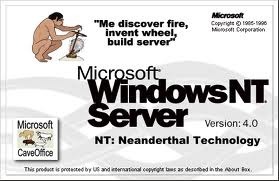
In the same spirit, Matt Haig has written Brand Failures – to entertain us at the expense of criminally rich corporations! Well, mostly.
The book was written in 2003 so it is almost a decade old, so you wouldn't get to read anything about recent corporate failures, but it’s still fun to read most of the times.
Haig states in his book that it might be useful for case study if you are in advertising or marketing. He has presented 100 such cases and at the end of each case, has provided a summary about “lessons learnt” from a particular brand failure. But as it happens, he contradicts himself many times doing so. Well, that tells you that there isn't an ideal way to advertise your brand but that doesn’t mean that the following couldn't have been avoided:
R. J. Reynolds’ Smokeless Cigarette
R. J. R. produces brands like Camel, Winston, Salem and Doral. By that we can safely assume that they are experts in causing cancer. So, it should boggle our minds that they launched a cigarette that was “smokeless”. Sure, there are still smokeless cigarettes available in the market and I am sure their main objective is to reduce passive smoking, but R. J. R.’s smokeless cigarettes (named Premier) didn’t just stop there.
First, there was the taste issue. One person who ‘smoked’ Premier complained that it ‘tasted like shit’. And he was RJ Reynolds’ chief executive.
And well, there was a certain problem using the product.
‘Inhaling the Premier required vacuum-powered lungs, lighting it virtually required a blowtorch, and, if successfully lit with a match, the sulphur reaction produced a smell and a flavour that left users retching.’
‘It took them a while to figure out that smokers actually like the smoke part of smoking,’ one commentator said at the time.
And in addition, absence of smoke might wrongly suggest to others in your vicinity that you are smoking pot.
A certain William Shakespeare once said “What’s in a name?”
I would say, “Everything.”
We can imagine how the critics would respond today if they found a grocery list written by William Shakespeare himself.
“The writing is sublime. Especially the “dozen limes”. A lesser writer would have written “12 limes”. But Shakespeare makes us realize that even limes are not just eatables expressed in numbers. There is much more to them than that. I like how in a detached and brutal way this whole list was written. You just want to stay home and read it again and again until your kids starve.”
But unfortunately (for them), these companies took Mr. Shakespeare too seriously.
The Ford Edsel – Every Day Something Else Leaks
Ford was quiet serious about giving the right name to their new car. So much so that they even announced a contest for public to name their car. And even contacted the popular poet Marianne Moore to find a name which would signify a ‘visceral feeling of elegance, fleetness, advanced features and design.’
Umm.. okay.
Her rather eccentric suggestions included Mongoose Civique, Resilient Bullet, Utopian Turtletop (?!) and the Varsity Stroke.
Phew!
So, the then Ford chairman said ‘darn it’ and decided to name their new car “Edsel”. It was the name of his father, and the Ford founder’s only son.
But to their surprise, people didn’t warm up to the name Edsel. They thought it sounded more like,
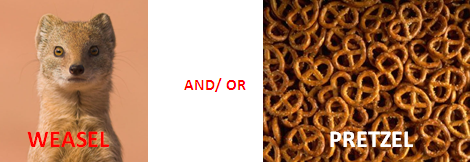
Now, if you conversationally said to someone that “I drive an Edsel.”, this picture would pop up in their mind.
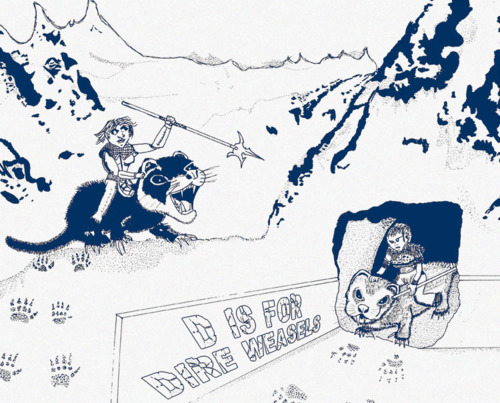
Recent example of bad brand naming would be the movie John Carter.
Today’s young generation hardly knows Edgar Rice Burroughs, so it wouldn’t have made a tiny bit of difference to them if Disney had named their movie “John Papadopoulos” instead of “John Carter”.
So it sounded more like a B-grade movie to today’s kids rather than a movie based on a classic novel.
Pepsi AM
Because its name dictated when the product should be consumed, the market size was restricted to specific-occasion usage.
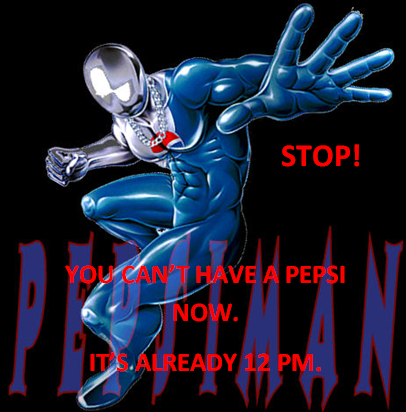
But do you know what I enjoy most? Translation troubles.
Shall we?
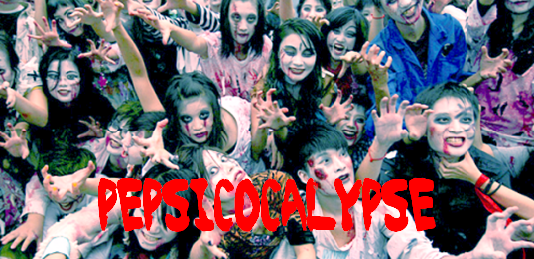
Pepsi in Taiwan
In Taiwan, Pepsi’s advertising slogan ‘Come alive with the Pepsi generation’ was translated as ‘Pepsi will bring your ancestors back from the dead.’
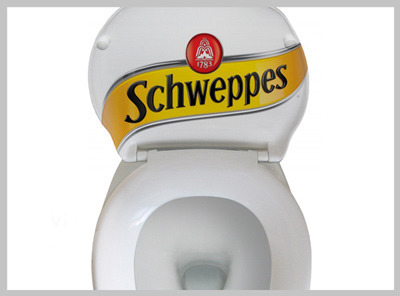
Schweppes Tonic Water in Italy
In Italy, the product name (Schweppes Tonic Water) was translated as ‘Schweppes Toilet Water’.
Chevy Nova in Latin America
General Motors’ Chevy Nova didn’t do well in Latin America. Because ‘Nova’ means ‘It doesn’t go’ in Spanish.
Mitsubishi Pajero in Spain
In Spanish, ‘pajero’ is slang for ‘masturbator’.
Toyota Fiera in Puerto Rico
Where ‘fiera’ translates to ‘ugly old woman’.
Of course!
Rolls Royce ‘Silver Mist’ in Germany
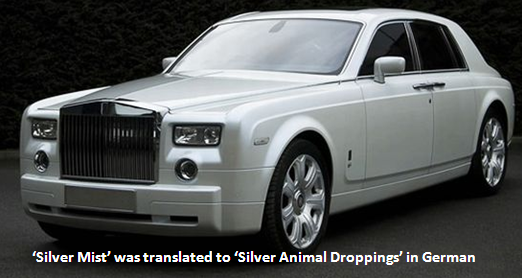
Well… at least it’s silver.
Gerber in Africa
This is Gerber’s logo.
Now read along.
When baby food manufacturer Gerber started to sell its products in Africa it used the same packaging as for Western markets. This packaging included a picture of a baby boy on the label. Surprised at low sales, Gerber discovered that in Africa, as most customers can’t read English, Western companies generally put pictures on the label of what’s inside.
Coors in Spain
Coors beer had equally bad luck in Spain with its ‘Turn it loose’ slogan. It translated as ‘You will suffer from diarrhea’.
Umm…. next.
Frank Perdue’s chicken in Spain
US food brand Frank Perdue’s chicken campaign created confusion with the strap line ‘It takes a tough man to make a tender chicken.’
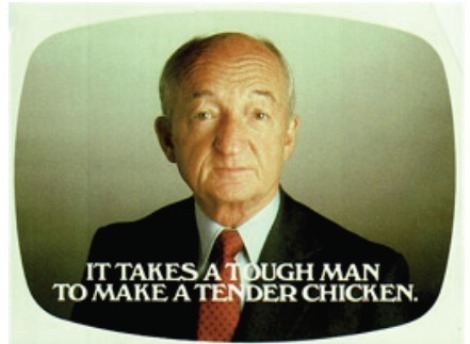
In Spain this became ‘It takes an aroused man to make a chicken affectionate.’
Clairol’s Mist Stick in Germany
When Clairol launched its ‘Mist Stick’ curling iron in Germany, the company apparently had no idea that ‘Mist’ was a slang term for manure.

Parker Pens in Mexico
Parker Pens launched their pens in Mexican market with ads intended to read ‘It won’t leak in your pocket and embarrass you’ but, the ad stated ‘It won’t leak in your pocket and impregnate you.’
They had confused ‘embarrass’ with the Spanish verb ‘embrazar’ or ‘to impregnate’.
This book showcases many such failures alongwith others which are more technical rather than funny. So, read it if you are in no mood to read anything serious.
Let me leave you with one particular product which was a major failure in India. You might know that Cricket as a sport is very popular in India. And the official colour of Indian cricket team is blue.
So, Pepsi decided to launch ‘Pepsi Blue’ in India at the time of Cricket World Cup to cash in on the event. But to their surprise, the product failed.
Why?
Well… because of this.

In the same spirit, Matt Haig has written Brand Failures – to entertain us at the expense of criminally rich corporations! Well, mostly.
The book was written in 2003 so it is almost a decade old, so you wouldn't get to read anything about recent corporate failures, but it’s still fun to read most of the times.
Haig states in his book that it might be useful for case study if you are in advertising or marketing. He has presented 100 such cases and at the end of each case, has provided a summary about “lessons learnt” from a particular brand failure. But as it happens, he contradicts himself many times doing so. Well, that tells you that there isn't an ideal way to advertise your brand but that doesn’t mean that the following couldn't have been avoided:
R. J. Reynolds’ Smokeless Cigarette
R. J. R. produces brands like Camel, Winston, Salem and Doral. By that we can safely assume that they are experts in causing cancer. So, it should boggle our minds that they launched a cigarette that was “smokeless”. Sure, there are still smokeless cigarettes available in the market and I am sure their main objective is to reduce passive smoking, but R. J. R.’s smokeless cigarettes (named Premier) didn’t just stop there.
First, there was the taste issue. One person who ‘smoked’ Premier complained that it ‘tasted like shit’. And he was RJ Reynolds’ chief executive.
And well, there was a certain problem using the product.
‘Inhaling the Premier required vacuum-powered lungs, lighting it virtually required a blowtorch, and, if successfully lit with a match, the sulphur reaction produced a smell and a flavour that left users retching.’
‘It took them a while to figure out that smokers actually like the smoke part of smoking,’ one commentator said at the time.
And in addition, absence of smoke might wrongly suggest to others in your vicinity that you are smoking pot.
A certain William Shakespeare once said “What’s in a name?”
I would say, “Everything.”
We can imagine how the critics would respond today if they found a grocery list written by William Shakespeare himself.
“The writing is sublime. Especially the “dozen limes”. A lesser writer would have written “12 limes”. But Shakespeare makes us realize that even limes are not just eatables expressed in numbers. There is much more to them than that. I like how in a detached and brutal way this whole list was written. You just want to stay home and read it again and again until your kids starve.”
But unfortunately (for them), these companies took Mr. Shakespeare too seriously.
The Ford Edsel – Every Day Something Else Leaks
Ford was quiet serious about giving the right name to their new car. So much so that they even announced a contest for public to name their car. And even contacted the popular poet Marianne Moore to find a name which would signify a ‘visceral feeling of elegance, fleetness, advanced features and design.’
Umm.. okay.
Her rather eccentric suggestions included Mongoose Civique, Resilient Bullet, Utopian Turtletop (?!) and the Varsity Stroke.
Phew!
So, the then Ford chairman said ‘darn it’ and decided to name their new car “Edsel”. It was the name of his father, and the Ford founder’s only son.
But to their surprise, people didn’t warm up to the name Edsel. They thought it sounded more like,
Now, if you conversationally said to someone that “I drive an Edsel.”, this picture would pop up in their mind.
Recent example of bad brand naming would be the movie John Carter.
Today’s young generation hardly knows Edgar Rice Burroughs, so it wouldn’t have made a tiny bit of difference to them if Disney had named their movie “John Papadopoulos” instead of “John Carter”.
So it sounded more like a B-grade movie to today’s kids rather than a movie based on a classic novel.
Pepsi AM
Because its name dictated when the product should be consumed, the market size was restricted to specific-occasion usage.
But do you know what I enjoy most? Translation troubles.
Shall we?
Pepsi in Taiwan
In Taiwan, Pepsi’s advertising slogan ‘Come alive with the Pepsi generation’ was translated as ‘Pepsi will bring your ancestors back from the dead.’
Schweppes Tonic Water in Italy
In Italy, the product name (Schweppes Tonic Water) was translated as ‘Schweppes Toilet Water’.
Chevy Nova in Latin America
General Motors’ Chevy Nova didn’t do well in Latin America. Because ‘Nova’ means ‘It doesn’t go’ in Spanish.
Mitsubishi Pajero in Spain
In Spanish, ‘pajero’ is slang for ‘masturbator’.
Toyota Fiera in Puerto Rico
Where ‘fiera’ translates to ‘ugly old woman’.
Of course!
Rolls Royce ‘Silver Mist’ in Germany
Well… at least it’s silver.
Gerber in Africa
This is Gerber’s logo.
Now read along.
When baby food manufacturer Gerber started to sell its products in Africa it used the same packaging as for Western markets. This packaging included a picture of a baby boy on the label. Surprised at low sales, Gerber discovered that in Africa, as most customers can’t read English, Western companies generally put pictures on the label of what’s inside.
Coors in Spain
Coors beer had equally bad luck in Spain with its ‘Turn it loose’ slogan. It translated as ‘You will suffer from diarrhea’.
Umm…. next.
Frank Perdue’s chicken in Spain
US food brand Frank Perdue’s chicken campaign created confusion with the strap line ‘It takes a tough man to make a tender chicken.’
In Spain this became ‘It takes an aroused man to make a chicken affectionate.’
Clairol’s Mist Stick in Germany
When Clairol launched its ‘Mist Stick’ curling iron in Germany, the company apparently had no idea that ‘Mist’ was a slang term for manure.
Parker Pens in Mexico
Parker Pens launched their pens in Mexican market with ads intended to read ‘It won’t leak in your pocket and embarrass you’ but, the ad stated ‘It won’t leak in your pocket and impregnate you.’
They had confused ‘embarrass’ with the Spanish verb ‘embrazar’ or ‘to impregnate’.
This book showcases many such failures alongwith others which are more technical rather than funny. So, read it if you are in no mood to read anything serious.
Let me leave you with one particular product which was a major failure in India. You might know that Cricket as a sport is very popular in India. And the official colour of Indian cricket team is blue.
So, Pepsi decided to launch ‘Pepsi Blue’ in India at the time of Cricket World Cup to cash in on the event. But to their surprise, the product failed.
Why?
Well… because of this.

March 19, 2018
بنظرم کتابایی شبیه این که نمونه های واقعی رو موردی بررسی میکنن، خیلی مفیدترن و بیشتر آموزش میدن، تا کتابایی که یه سری قوانین و راه حل های کلی رو تئوری وار میگن...
و اینکه دلایل شکست رو گفته بود، نه عوامل موفقیت رو، بنظرم جالب تر و آموزنده تر بود...
و اینکه دلایل شکست رو گفته بود، نه عوامل موفقیت رو، بنظرم جالب تر و آموزنده تر بود...

January 20, 2008
An interesting read... but there are two big issues with the work. 1. Hindsight is 20/20. 2. Some of these "mistakes" were simply ideas that failed due to unforeseeable circumstances and nothing more. I really don't feel like the company should be called out on those fronts.

October 6, 2016
Quite fun, and the chapters are usefully divided into various types of failures. The writing takes an appropriately "wtf?" tone where necessary, and it is often necessary:
15. Clairol's "Touch of Yoghurt" shampoo
Launched in 1979, Clairol's yoghurt-based shampoo failed to attract customers largely because nobody liked the idea of washing their hair with yoghurt. Of those who did buy the product, there were even some cases of people mistakenly eating it, and getting very ill as a result. The "Touch of Yoghurt" concept is made even more remarkable by the introduction three years earlier by Clairol of a similar shampoo called the "Look of Buttermilk". This product had instantly bombed in test markets where consumers were left asking: what exactly is the 'look of buttermilk' and why should I want it?
15. Clairol's "Touch of Yoghurt" shampoo
Launched in 1979, Clairol's yoghurt-based shampoo failed to attract customers largely because nobody liked the idea of washing their hair with yoghurt. Of those who did buy the product, there were even some cases of people mistakenly eating it, and getting very ill as a result. The "Touch of Yoghurt" concept is made even more remarkable by the introduction three years earlier by Clairol of a similar shampoo called the "Look of Buttermilk". This product had instantly bombed in test markets where consumers were left asking: what exactly is the 'look of buttermilk' and why should I want it?

January 1, 2021
این کتاب برای فعالین عرصه بازاریابی و دوستانی که کسب و کاری را مدیریت میکنند حاوی اطلاعات خوبی برای تعیین استراتژی هاشون هستش که از اشتباهات برندهای بزرگ در زمینه توسعه و بسط برند در حوزه های مختلف آگاهی کسب کنن

March 30, 2013
It's kinda interesting to read about failures for a change: generally there's a massive survivor bias to the analysis of business strategy and tactics. Looking at who died on their way to the podium is also instructive, though I found I wearied of relentless failure after a while. Nonetheless, a few interesting factoids along the way:
Domino’s was the first company to offer home-delivered pizza and remains the leader in that particular market. Coca-Cola, the world’s top five most popular and financially successful brand, was the first in the cola category.
As Chapter 10 will make clear, this theory breaks down, however, in technology markets. Owing to the fact that consumer behaviour tends to be approximately five years behind technological breakthroughs [emphasis mine], the first mover advantage is often lost.
As you would expect with a brand that has built its name through uniformity, McDonald’s is heavily centralized. Most branding and marketing decisions need to go through the company’s headquarters in Oak Brook, Illinois. The recipe for the Arch Deluxe itself came from the Oak Brook kitchen. This contrasts with McDonald’s major product successes such as the Big Mac, the Hot Apple Pie, the Egg McMuffin and the Filet o’ Fish, which were all invented in operators’ kitchens out in the field [emphasis mine] (whereas other flops such as the McLean burger and McPizza were also conjured up at the Oak Brook headquarters).

May 10, 2015
I found little of much interest or importance in this book. Several cases can be found in other books, but there are lots of cases where I learnt new stuff.
However, several of the 100 cases "examined" are only analysed within a couple of sentences (while others extend to several pages) and as such offer very little insight.
What's more, many of those cases presented here can hardly be described as 'blunders' and the smug explanations given to justify the characterisation could equally well go the other way if these ideas had succeeded. An idea that never caught on isn't always a blunder.
After reading half of it I found myself skimming through some of the stories.
Quite basic, though still of interest to some.
However, several of the 100 cases "examined" are only analysed within a couple of sentences (while others extend to several pages) and as such offer very little insight.
What's more, many of those cases presented here can hardly be described as 'blunders' and the smug explanations given to justify the characterisation could equally well go the other way if these ideas had succeeded. An idea that never caught on isn't always a blunder.
After reading half of it I found myself skimming through some of the stories.
Quite basic, though still of interest to some.

Read
December 23, 2020Review sách: SỰ THẬT VỀ 100 THẤT BẠI THƯƠNG HIỆU LỚN NHẤT MỌI THỜI ĐẠI - người viết sử trong ngành marketing
Cuốn Sự thật về 100 thất bại thương hiệu lớn nhất mọi thời đại của Matt Haig giống như tác phẩm của một người viết sử trong lĩnh vực marketing. Mục đích của người ta khi viết sử chính là ghi lại chính xác những gì xảy ra trong quá khứ, từ đó đúc rút thành bài học về sau cho hậu thế.
Sự thật về 100 thất bại thương hiệu lớn nhất mọi thời đại đã làm xuất sắc công việc của mình khi ghi chép và phân tích những thất bại thương hiệu “đình đám” nhất từ trước đến nay và rút ra những bài học giá tri cho người làm marketing sau này.
Tác giả cuốn Sự thật về 100 thất bại thương hiệu lớn nhất mọi thời đại
Tác giả cuốn sách là Matt Haig, một tiểu thuyết gia, chuyên gia tư vấn và nhà báo người Anh. Bên cạnh những tác phẩm chuyên môn, ông còn viết cả tiểu thuyết và phi hư cấu cho trẻ em và người lớn. Ông có một số tác phẩm quen thuộc có thể kể tới như Sự thật về 100 thất bại thương hiệu lớn nhất mọi thời đại, Reasons to stay alive, The humans, How to stop time hay mới đây là Notes on a nervous planet.
Nội dung sách Sự thật về 100 thất bại thương hiệu lớn nhất mọi thời đại
Nội dung sách Sự thật về 100 thất bại thương hiệu lớn nhất mọi thời đại đúng như cái tên của nó, là ghi chép và phân tích những case kinh điển trong câu chuyện thương hiệu.
“…Chúng ta hiểu rằng người ta trưởng thành hơn đa phần là nhờ trải nghiệm và học hỏi qua những thất bại chứ không phải thành công”.
Chính với tinh thần này, những ghi chép của Matt Haig trong Sự thật về 100 thất bại thương hiệu lớn nhất mọi thời đại đều đưa ra cái nhìn khách quan và tìm hiểu nguyên nhân của những thất bại thương hiệu, từ đó giúp chúng ta tránh các sai lầm tương tự. Đây chính là cuốn cẩm nang cần có trong tay của mọi marketing cho đến quản lý của những tập đoàn lớn.
Không có loại hình kinh doanh nào là chắc chắn thành công. Không phải cứ thương hiệu lớn là tránh được thất bại.
Những người khổng lồ còn có lúc ngã ngựa. Những case kinh điển có thể kể tới như thất bại của Coca Cola với New Coke, Pepsi với Pepsi AM, Ford với xe Edsel hay Sony với Betamax,.. Đây đều là những tập đoàn khủng nhất nhì thế giới, nơi tập hợp của những bộ óc marketing thiên tài. Nhưng thất bại vẫn xảy ra. Những thất bại này không nhiều thì ít cũng là một cú đánh vào sức mạnh thương hiệu của các công ty và tập đoàn kể trên. Lòng tin khách hàng một lần bị đem ra thử thách dù cho sản phẩm không hẳn là quá tệ.
Nguyên nhân của những thất bại
Thất bại của các thương hiệu phần lớn đến từ những ngộ nhận kinh điển như “một sản phẩm sẽ thành công, chỉ cần nó tốt” hay “nếu một cái gì đó là mới mẻ, nó sẽ có tính thuyết phục” rồi “những thương hiệu mạnh được xây dựng bằng quảng cáo”
Coca Cola đã từng quyết định ngưng sản xuất dòng sản phẩm chủ đạo của mình là nước ngọt truyền thống bằng dòng cola mới tên New Coke. McDonal’s thì bỏ qua đặc trưng thương hiệu của họ là tính đơn giản và thân thiện để tiếp thị dòng burger có mùi vị phức tạp và dành riêng cho người lớn tên là Arch Deluxe.
Đừng nghĩ thị trường cho trẻ em có thể dễ dàng tung sản phẩm. Barbie của Mattel gây shock khi ra mắt công chúng phiên bản bạn trai búp bê Barbie - Magic Ken với đôi bông tai. Công ty nối tiếng khắp thế giới Bic đã làm nên tên tuổi của mình với những cây bút bi đã tự tay xóa bỏ danh hiệu của mình khi bổ sung đồ lót vào danh mục sản phẩm.
Đó là câu chuyện của những thương hiệu sừng sỏ. Ông lớn cũng có thể ngã ngựa thảm hại. Nhưng may mắn thay, các ông lớn thì có thể tạm thời gánh chịu tổn thất, bù lỗ từ dòng sản phẩm này sang dòng sản phẩm mới kia. Tuy nhiên, không phải thương hiệu nào cũng có khả năng làm như vậy. Những doanh nghiệp nhỏ có khi gục ngã và không thể đứng dậy được nếu lỡ đi một bước đi sai lầm.
Bài học rút ra từ những thất bại
Kể lại những thất bại, mục đích của sách Sự thật về 100 thất bại thương hiệu lớn nhất mọi thời đại đương nhiên không phải là bới móc quá khứ. Những thất bại này chính là bài học kinh điển mà chúng ta có thể rút ra về câu chuyện bào về thương hiệu. Nâng tầm doanh nghiệp, mở rộng quy mô, đa dạng hóa danh mục sản phẩm là điều cần thiết nhưng việc đầu tiên cần nhớ luôn là nghiên cứu thật kỹ doanh nghiệp, sản phẩm và khách hàng mục tiêu. Lựa chọn đúng đắn phải được xây dựng trên nghiên cứu kĩ càng.
Điều thú vị của Sự thật về 100 thất bại thương hiệu lớn nhất mọi thời đại
Cuốn sách Sự thật về 100 thất bại thương hiệu lớn nhất mọi thời đại phân tích nhiều case study cụ thể những lại được khái quát thành một hệ thống vô cùng rõ ràng, rành mạch. Nếu bạn đang có suy nghĩ tác động thay đổi lên thương hiệu của mình, hãy đọc cuốn sách Sự thật về 100 thất bại thương hiệu lớn nhất mọi thời đại để cân nhắc về ý tưởng thay đổi, phân tích văn hóa trước khi mở rộng thương hiệu.
Mỗi quyết định về thương hiệu được đưa ra đều phải dựa trên những tính toán về quan hệ với công chúng, môi trường công nghệ, đặc biệt trong thời đại internet bùng nổ này.
Lời kết
Thành công vẻ vang nhất thường đến sau thất bại đau đớn nhất. Mỗi thất bại sẽ đem đến bài học vô cùng quý giá và những kinh nghiệm làm hành trang cho hoạt động kinh doanh sau này. Hãy đọc Sự thật về 100 thất bại thương hiệu lớn nhất mọi thời đại, đây sẽ là chiếc chìa khóa thành công, giúp bạn tiên liệu được những ngã rẽ sai lầm có thể xuất hiện khi làm thương hiệu.
#revisach
#review_sách_sự_thật_về_100_thất_bại_thương_hiệu_lớn_nhất_mọi_thời_đại
Cuốn Sự thật về 100 thất bại thương hiệu lớn nhất mọi thời đại của Matt Haig giống như tác phẩm của một người viết sử trong lĩnh vực marketing. Mục đích của người ta khi viết sử chính là ghi lại chính xác những gì xảy ra trong quá khứ, từ đó đúc rút thành bài học về sau cho hậu thế.
Sự thật về 100 thất bại thương hiệu lớn nhất mọi thời đại đã làm xuất sắc công việc của mình khi ghi chép và phân tích những thất bại thương hiệu “đình đám” nhất từ trước đến nay và rút ra những bài học giá tri cho người làm marketing sau này.
Tác giả cuốn Sự thật về 100 thất bại thương hiệu lớn nhất mọi thời đại
Tác giả cuốn sách là Matt Haig, một tiểu thuyết gia, chuyên gia tư vấn và nhà báo người Anh. Bên cạnh những tác phẩm chuyên môn, ông còn viết cả tiểu thuyết và phi hư cấu cho trẻ em và người lớn. Ông có một số tác phẩm quen thuộc có thể kể tới như Sự thật về 100 thất bại thương hiệu lớn nhất mọi thời đại, Reasons to stay alive, The humans, How to stop time hay mới đây là Notes on a nervous planet.
Nội dung sách Sự thật về 100 thất bại thương hiệu lớn nhất mọi thời đại
Nội dung sách Sự thật về 100 thất bại thương hiệu lớn nhất mọi thời đại đúng như cái tên của nó, là ghi chép và phân tích những case kinh điển trong câu chuyện thương hiệu.
“…Chúng ta hiểu rằng người ta trưởng thành hơn đa phần là nhờ trải nghiệm và học hỏi qua những thất bại chứ không phải thành công”.
Chính với tinh thần này, những ghi chép của Matt Haig trong Sự thật về 100 thất bại thương hiệu lớn nhất mọi thời đại đều đưa ra cái nhìn khách quan và tìm hiểu nguyên nhân của những thất bại thương hiệu, từ đó giúp chúng ta tránh các sai lầm tương tự. Đây chính là cuốn cẩm nang cần có trong tay của mọi marketing cho đến quản lý của những tập đoàn lớn.
Không có loại hình kinh doanh nào là chắc chắn thành công. Không phải cứ thương hiệu lớn là tránh được thất bại.
Những người khổng lồ còn có lúc ngã ngựa. Những case kinh điển có thể kể tới như thất bại của Coca Cola với New Coke, Pepsi với Pepsi AM, Ford với xe Edsel hay Sony với Betamax,.. Đây đều là những tập đoàn khủng nhất nhì thế giới, nơi tập hợp của những bộ óc marketing thiên tài. Nhưng thất bại vẫn xảy ra. Những thất bại này không nhiều thì ít cũng là một cú đánh vào sức mạnh thương hiệu của các công ty và tập đoàn kể trên. Lòng tin khách hàng một lần bị đem ra thử thách dù cho sản phẩm không hẳn là quá tệ.
Nguyên nhân của những thất bại
Thất bại của các thương hiệu phần lớn đến từ những ngộ nhận kinh điển như “một sản phẩm sẽ thành công, chỉ cần nó tốt” hay “nếu một cái gì đó là mới mẻ, nó sẽ có tính thuyết phục” rồi “những thương hiệu mạnh được xây dựng bằng quảng cáo”
Coca Cola đã từng quyết định ngưng sản xuất dòng sản phẩm chủ đạo của mình là nước ngọt truyền thống bằng dòng cola mới tên New Coke. McDonal’s thì bỏ qua đặc trưng thương hiệu của họ là tính đơn giản và thân thiện để tiếp thị dòng burger có mùi vị phức tạp và dành riêng cho người lớn tên là Arch Deluxe.
Đừng nghĩ thị trường cho trẻ em có thể dễ dàng tung sản phẩm. Barbie của Mattel gây shock khi ra mắt công chúng phiên bản bạn trai búp bê Barbie - Magic Ken với đôi bông tai. Công ty nối tiếng khắp thế giới Bic đã làm nên tên tuổi của mình với những cây bút bi đã tự tay xóa bỏ danh hiệu của mình khi bổ sung đồ lót vào danh mục sản phẩm.
Đó là câu chuyện của những thương hiệu sừng sỏ. Ông lớn cũng có thể ngã ngựa thảm hại. Nhưng may mắn thay, các ông lớn thì có thể tạm thời gánh chịu tổn thất, bù lỗ từ dòng sản phẩm này sang dòng sản phẩm mới kia. Tuy nhiên, không phải thương hiệu nào cũng có khả năng làm như vậy. Những doanh nghiệp nhỏ có khi gục ngã và không thể đứng dậy được nếu lỡ đi một bước đi sai lầm.
Bài học rút ra từ những thất bại
Kể lại những thất bại, mục đích của sách Sự thật về 100 thất bại thương hiệu lớn nhất mọi thời đại đương nhiên không phải là bới móc quá khứ. Những thất bại này chính là bài học kinh điển mà chúng ta có thể rút ra về câu chuyện bào về thương hiệu. Nâng tầm doanh nghiệp, mở rộng quy mô, đa dạng hóa danh mục sản phẩm là điều cần thiết nhưng việc đầu tiên cần nhớ luôn là nghiên cứu thật kỹ doanh nghiệp, sản phẩm và khách hàng mục tiêu. Lựa chọn đúng đắn phải được xây dựng trên nghiên cứu kĩ càng.
Điều thú vị của Sự thật về 100 thất bại thương hiệu lớn nhất mọi thời đại
Cuốn sách Sự thật về 100 thất bại thương hiệu lớn nhất mọi thời đại phân tích nhiều case study cụ thể những lại được khái quát thành một hệ thống vô cùng rõ ràng, rành mạch. Nếu bạn đang có suy nghĩ tác động thay đổi lên thương hiệu của mình, hãy đọc cuốn sách Sự thật về 100 thất bại thương hiệu lớn nhất mọi thời đại để cân nhắc về ý tưởng thay đổi, phân tích văn hóa trước khi mở rộng thương hiệu.
Mỗi quyết định về thương hiệu được đưa ra đều phải dựa trên những tính toán về quan hệ với công chúng, môi trường công nghệ, đặc biệt trong thời đại internet bùng nổ này.
Lời kết
Thành công vẻ vang nhất thường đến sau thất bại đau đớn nhất. Mỗi thất bại sẽ đem đến bài học vô cùng quý giá và những kinh nghiệm làm hành trang cho hoạt động kinh doanh sau này. Hãy đọc Sự thật về 100 thất bại thương hiệu lớn nhất mọi thời đại, đây sẽ là chiếc chìa khóa thành công, giúp bạn tiên liệu được những ngã rẽ sai lầm có thể xuất hiện khi làm thương hiệu.
#revisach
#review_sách_sự_thật_về_100_thất_bại_thương_hiệu_lớn_nhất_mọi_thời_đại
June 8, 2017
Good brand history lesson
Overall a good read and makes a good reference for many brands across many industries. Keep it close as you dicide what to do with your own brand.
Overall a good read and makes a good reference for many brands across many industries. Keep it close as you dicide what to do with your own brand.

November 2, 2017
Interesting both as trivia and as cautionary advice for marketers.

July 24, 2022
By the time I finally got around to reading this one, it's gotten a little dusty with it's content: but 80% of it still has a great post-mortem value on those assessing branding or marketing strategy.
All around I liked it, and while many of the mistakes were repeated by multiple businesses, to his credit, the author summarizes each unique brand failure which the lessons learned and what not to do. That showed good execution by the author, because analyzing a brand failure can seem obvious to most, but sometimes it takes some agreement in the room as to what went wrong.
Most of the book is written like a version of Business Adventures, which is Bill Gates's favorite business book (reportedly). Everything from the Edsel to the BP oil spill is covered, and while not as exhaustive as a Harvard Business Profile - it comes as a clean runner-up by sparing the boring details and getting right to the point.
In a Master's of Business Administration degree program, most of the best schools follow a "case method" of instruction; that is to say, much of what there is to learn is dissecting real businesses both current and do a post-game analysis for each one. This book takes a similar approach.
One star is off though for two reasons: 1. the author overly-relies on books written by Al Reis and Jack Trout and 2. it's a little dated. Mr. Reis and Mr. Trout are good authors but it feels, on occasion, to be a little "copy-cattish" when the author evaluates a brand failure. But don't let #2 scare you off from reading it, it's still highly relevant today, but I'd hope that books in the topic of 'branding' really need to be updated more frequently with newer editions.
All around I liked it, and while many of the mistakes were repeated by multiple businesses, to his credit, the author summarizes each unique brand failure which the lessons learned and what not to do. That showed good execution by the author, because analyzing a brand failure can seem obvious to most, but sometimes it takes some agreement in the room as to what went wrong.
Most of the book is written like a version of Business Adventures, which is Bill Gates's favorite business book (reportedly). Everything from the Edsel to the BP oil spill is covered, and while not as exhaustive as a Harvard Business Profile - it comes as a clean runner-up by sparing the boring details and getting right to the point.
In a Master's of Business Administration degree program, most of the best schools follow a "case method" of instruction; that is to say, much of what there is to learn is dissecting real businesses both current and do a post-game analysis for each one. This book takes a similar approach.
One star is off though for two reasons: 1. the author overly-relies on books written by Al Reis and Jack Trout and 2. it's a little dated. Mr. Reis and Mr. Trout are good authors but it feels, on occasion, to be a little "copy-cattish" when the author evaluates a brand failure. But don't let #2 scare you off from reading it, it's still highly relevant today, but I'd hope that books in the topic of 'branding' really need to be updated more frequently with newer editions.

July 26, 2021
Reading Brand Failure in 2021 sure feels like a time travel experience when the nostalgia of the brand world of the 90s and early 2000s hit the core.
The book itself is a great example of how Matt has remained relevant even after more than 20 years of publishing this book. Some of his predictions and observations have turned out to be absolutely accurate when he spoke about the fate and future of certain brands and technological innovation trends.
There is a lot to learn from this book and you need an open mind for it. Many of the observations may feel like a pure opinion of Mate which one may agree or not agree with. However, the book overall gives an excellent insight into what branding actually is and some good practices to execute to accelerate your brand and of course, activities to steer clear from.
The book itself is a great example of how Matt has remained relevant even after more than 20 years of publishing this book. Some of his predictions and observations have turned out to be absolutely accurate when he spoke about the fate and future of certain brands and technological innovation trends.
There is a lot to learn from this book and you need an open mind for it. Many of the observations may feel like a pure opinion of Mate which one may agree or not agree with. However, the book overall gives an excellent insight into what branding actually is and some good practices to execute to accelerate your brand and of course, activities to steer clear from.

February 23, 2019
Surprisingly, this book was an easy read for me. It was fascinating to learn about the history of the brands and how far back some of them they go. It gives me a better understanding of how the state of the current economics and its key players came to be. It only goes to show that companies are run by people, and people make mistakes all the time. I only wish this was a more current book since it was published in 2003 and I would be interested to learn about some of the more recent brand failures.

December 18, 2022
This book is full of empty calories. The branding mistakes are of course fun to read, but the "lessons" Haig draws are pretty much useless since they're not measured against other cases. For example, one of the lessons the author sees in the failure of the Edsel is that "In the car industry, looks are particularly important and as Edsel proved, ugly ducklings don’t always become swans," yet just two years later the VW Beetle would break through in a big way. The rest of the book is filled with similar "insights."
April 29, 2018
We have all wondered about why certain brands fail. Why certain failed products result into the closure of companies that were once the pioneers ?
All these are answered in this epic tale of failures of different brands, be it CocaCola, McDonalds, Harley Davidson or Yardley.
An amazing compilation of different reasons, rather mistakes that lead to the failure of different Brands.
All these are answered in this epic tale of failures of different brands, be it CocaCola, McDonalds, Harley Davidson or Yardley.
An amazing compilation of different reasons, rather mistakes that lead to the failure of different Brands.

July 12, 2019
کتاب خوبی در زمینه دلایل شکست برندهای مشهور بود و جنبههای جالبی را در این حوزه متذکر شده بود
تنها تاسف من ترجمه دیرهنگام این کتاب پس از حدود ۱۵ سال است که برخی اطلاعات آن را فاقد ارزش به روز و تازه میکند
تنها تاسف من ترجمه دیرهنگام این کتاب پس از حدود ۱۵ سال است که برخی اطلاعات آن را فاقد ارزش به روز و تازه میکند

January 13, 2020
Though the content was good, I personally felt the style of writing very dragging and repetitive in nature. Also, after reading the book I couldn't drive a simple or complicated math around brand failures. It was more felt more like - yes, it's easy to talk about failure now.

April 15, 2021
Fun book. I had fun. Not much else to say.
There's a lot of lessons to be taken away from the different examples in each book, many of which could probably warrant their own in-depth case studies. Brand Failures serves as a nice, easy read on the biggest cock ups from brands. I had fun.
There's a lot of lessons to be taken away from the different examples in each book, many of which could probably warrant their own in-depth case studies. Brand Failures serves as a nice, easy read on the biggest cock ups from brands. I had fun.

February 11, 2022
It's an older book, but it was interesting reading about the mistakes companies have made that have, in many cases, meant the demise of the company. Some were so strange that you'd have to wonder what on earth they were thinking?

June 4, 2025
Eh, it reads like a series of Reddit posts crammed together into a 'book'. The lessons you learn after each case study (if you can call them that) are shallow at best and the book doesn't delve deeper into the failures of each brand. It's more of a waste of time really.
August 22, 2017
Not all the cases are interesting but some good still.

August 4, 2018
You learn more from failures than successes. A book that compiles lessons from some of the biggest market leaders. It's a book of wisdom.

June 20, 2019
I like this book. It taught me a lots about branding through failures of brands. There are some cases having deep analysis, others lack of detailed explanations.

May 29, 2020
It could have been even more elaborate.

March 9, 2021
Easy and fun read.
Just don't expect big insights, it's mostly a shallow compilation of famous brand failing cases.
Just don't expect big insights, it's mostly a shallow compilation of famous brand failing cases.

June 2, 2021
Decent read.Felt the writer contradicted himself at a lot of places. And it became a bit monotonous in the end as I just glanced at a few pages and kept moving forward in the end.

July 15, 2021
Many of the brands included will only be familiar to those living in the UK, but the analysis of them will still be relevant to those studying marketing.

February 15, 2022
The UK focus meant he covered products beyond New Coke, which was nice. And it did make me look up who has boo.com now (answer: hostelworld redirects from it)
November 6, 2025
Light reading. Not much depth of analysis.
Do not confuse the author with another of same name.
Do not confuse the author with another of same name.
September 21, 2026
If you are looking for light amusing reading this book is not it. Reads like a book aimed at marketing students with the purpose of teaching them often contradictory lesson about the buisness world.
Displaying 1 - 30 of 65 reviews