

What do you think?

Einfache Freuden. Erzählungen
This collection of strikingly original and unsettling short stories combine bizarre characterization, sardonic wit and mastery of style.
176 pages, Hardcover
First published January 1, 1966
About the author
Jane Bowles
32 books217 followersBorn Jane Sydney Auer, Jane Bowles's total body of work consists of one novel, one play, and six short stories. Yet John Ashbery said of her: "It is to be hoped that she will be recognized for what she is: one of the finest modern writers of fiction in any language." Tennessee Williams called her the most underrated writer of fiction in American literature. During her lifetime and since her death in 1973, she has been considered a writer's writer, little known to the general public but with a loyal following of intensely devoted readers.
She was born in New York City on February 22, 1917, the daughter of Sidney Auer and Claire Stajer Auer. Her childhood was spent in Woodmere, Long Island. On her father's death in 1930, Jane and her mother moved back to Manhattan. As an adolescent she developed tuberculosis of the knee. Her mother took her to a sanatorium in Leysin, Switzerland, where she was put in traction for many months. During this time she developed an intense love of literature and an equally intense series of obsessions and fears. Upon her return to New York she began to experiment with writing a novel and with sexual adventures with men and women, though primarily with women.
In 1937 she met Paul Bowles, and in the following year they were married and set off for a honeymoon in Central America, which was to be, in part, the locale of her novel Two Serious Ladies. The Bowleses went on to Paris, where she started writing and at the same time visited lesbian bars. The marriage remained a sexual marriage for about a year and a half, but after that Jane and Paul lived separate sexual lives. After returning to New York in 1938, the Bowleses went on to Mexico, where Jane continued to work on her novel and also met Helvetia Perkins, who was to become her lover.
Two Serious Ladies was published in 1943. The reviews were mostly uncomprehending. Soon, Paul, who had been involved in the editing of Two Serious Ladies, began to write short stories, which were immediately published with great distinction. Jane, having published a few short stories, began to work on a novel, but ran up against a serious writer's block.
In 1947 Paul went to Morocco to work on The Sheltering Sky. Jane followed him there the following year. She continued to struggle to work, and published several short stories, including her masterpiece, "Camp Cataract," and began to work seriously on her play In the Summer House. In Tangier, where the Bowleses resided, Jane fell in love with a Moroccan peasant woman.
In the Summer House was performed on Broadway in 1953 to mixed reviews. Jane returned to Tangier and continued to try to write a novel, but her attention was primarily devoted to her love affair with Cherifa, the Moroccan woman, to affairs with other women and also to a social life in which she did a considerable amount of drinking.
In 1957 she suffered a serious stroke, which affected her sight and her capacity to imagine. Nevertheless, notebook after notebook attests to her still continuing struggle to try to write. Her condition worsened, and after hospitalizations in England, New York and Málaga, Spain, she was confined in the Clinica de Los Angeles in Málaga, where she died in 1973.
Yet it should be noted that despite this tragic story, her personality captivated many people. She was brilliant and witty, always doing and saying the unexpected thing. She was in every way as surprising as her work, one moment mystical, the next moment hilariously funny.
Copyright © 2003, by Millicent Dillon
She was born in New York City on February 22, 1917, the daughter of Sidney Auer and Claire Stajer Auer. Her childhood was spent in Woodmere, Long Island. On her father's death in 1930, Jane and her mother moved back to Manhattan. As an adolescent she developed tuberculosis of the knee. Her mother took her to a sanatorium in Leysin, Switzerland, where she was put in traction for many months. During this time she developed an intense love of literature and an equally intense series of obsessions and fears. Upon her return to New York she began to experiment with writing a novel and with sexual adventures with men and women, though primarily with women.
In 1937 she met Paul Bowles, and in the following year they were married and set off for a honeymoon in Central America, which was to be, in part, the locale of her novel Two Serious Ladies. The Bowleses went on to Paris, where she started writing and at the same time visited lesbian bars. The marriage remained a sexual marriage for about a year and a half, but after that Jane and Paul lived separate sexual lives. After returning to New York in 1938, the Bowleses went on to Mexico, where Jane continued to work on her novel and also met Helvetia Perkins, who was to become her lover.
Two Serious Ladies was published in 1943. The reviews were mostly uncomprehending. Soon, Paul, who had been involved in the editing of Two Serious Ladies, began to write short stories, which were immediately published with great distinction. Jane, having published a few short stories, began to work on a novel, but ran up against a serious writer's block.
In 1947 Paul went to Morocco to work on The Sheltering Sky. Jane followed him there the following year. She continued to struggle to work, and published several short stories, including her masterpiece, "Camp Cataract," and began to work seriously on her play In the Summer House. In Tangier, where the Bowleses resided, Jane fell in love with a Moroccan peasant woman.
In the Summer House was performed on Broadway in 1953 to mixed reviews. Jane returned to Tangier and continued to try to write a novel, but her attention was primarily devoted to her love affair with Cherifa, the Moroccan woman, to affairs with other women and also to a social life in which she did a considerable amount of drinking.
In 1957 she suffered a serious stroke, which affected her sight and her capacity to imagine. Nevertheless, notebook after notebook attests to her still continuing struggle to try to write. Her condition worsened, and after hospitalizations in England, New York and Málaga, Spain, she was confined in the Clinica de Los Angeles in Málaga, where she died in 1973.
Yet it should be noted that despite this tragic story, her personality captivated many people. She was brilliant and witty, always doing and saying the unexpected thing. She was in every way as surprising as her work, one moment mystical, the next moment hilariously funny.
Copyright © 2003, by Millicent Dillon
Ratings & Reviews
Friends & Following
Create a free account to discover what your friends think of this book!
Community Reviews
Displaying 1 - 30 of 64 reviews

January 16, 2020
As I never get tired of repeating, because it is so deliciously offensive to modern ears, Jane Bowles humorous self-invented nickname was Crippie the Kike Dyke, due to the fact that she had a tubercular leg that they had to fuse (don’t ask) so it didn’t bend. That was the Crippie bit, the rest of it is self-explanatory.

She wrote very little, probably not surprising, as she lived with her gay husband mostly in Morocco amidst clouds of kif, drinking gallons of gin, conducting many affairs and braving blizzards of psychological and physical health problems, such as strokes. And plus, she found writing to be a torture.
These stories, as everyone will tell you, are strange. I found them frustrating. She constructs intricate intimate worlds of borderline lunacy and just as you’re steeling yourself for the big dénouement you get left dangling. You want more in almost all these stories. But you don’t get it. One of them, “Camp Cataract” I was sure was going to become one of my all time favourites, and then – Jane, don’t leave me this way! Again! So I wasn’t sure I understood why JB is so rated by some critics (“one of the finest modern writers of fiction in any language” – John Ashberry; “she is a neglected genius” – New Yorker; “a major talent with a minor readership” – Guardian).
But I will be reading her apparently even stranger novel Two Serious Ladies later this year, which I am calling The Year Of Short Novels. (Long novels are okay, but they sure do take a long time to read. It has taken me years to realise this.)
A more truthful title for this collection would be Really Quite Odd Not Exactly Pleasures.
She wrote very little, probably not surprising, as she lived with her gay husband mostly in Morocco amidst clouds of kif, drinking gallons of gin, conducting many affairs and braving blizzards of psychological and physical health problems, such as strokes. And plus, she found writing to be a torture.
These stories, as everyone will tell you, are strange. I found them frustrating. She constructs intricate intimate worlds of borderline lunacy and just as you’re steeling yourself for the big dénouement you get left dangling. You want more in almost all these stories. But you don’t get it. One of them, “Camp Cataract” I was sure was going to become one of my all time favourites, and then – Jane, don’t leave me this way! Again! So I wasn’t sure I understood why JB is so rated by some critics (“one of the finest modern writers of fiction in any language” – John Ashberry; “she is a neglected genius” – New Yorker; “a major talent with a minor readership” – Guardian).
But I will be reading her apparently even stranger novel Two Serious Ladies later this year, which I am calling The Year Of Short Novels. (Long novels are okay, but they sure do take a long time to read. It has taken me years to realise this.)
A more truthful title for this collection would be Really Quite Odd Not Exactly Pleasures.

March 24, 2023
In her lifetime Jane Bowles was often overshadowed by her more famous husband, novelist Paul Bowles, although their actual relationship was far from conventional, both openly queer they had an “open” marriage and lived relatively independently. However, Jane Bowles was plagued by writer’s block and intense anxiety about her creative ability, this and a series of catastrophic strokes, seriously limited her career as an author. Plain Pleasures is a compilation of her short stories mostly produced in the 1940s, but not published until the sixties when Paul Bowles collected them together – something Jane apparently resisted. As Jane’s output was so small, he even added a non-fiction article “Everything is Nice” written for a women’s magazine, altering the point of view to make it appear fictional.
Despite the championship of playwright Tennessee Williams and poet John Ashbery, it seems Bowles was a perennial outsider, known for her wit but also her devastating self-deprecation – she frequently referred to herself as “Crippie, the kike dyke”. In her discussions of modernist women writers Heroines Kate Zambreno positioned Bowles as another of the “erased…mad wives of modernism”. I'm not sure if that's a fair assessment or not but the work included in this collection is filled with images of erased, outsider women, who are almost devoted to their own isolation and restlessness, yet sometimes unable to stifle intense, inner turmoil.
These are disconcerting pieces, the settings are comparatively ordinary, as are the characters, but there’s something disturbing about their underlying states of being. They seem to be living in parallel with one another talking at, rather than with, the people around them. These are essentially slice-of-life narratives, slenderly plotted, offering no easy resolutions. They’re presented in fairly unadorned prose but they’re also curiously formal and mannered. In the title piece Alva a widow in her 40s embarks on a date with a man who lives in her building but each has unacknowledged desires that can’t be realised with one another. “A Quarrelling Pair” a puppet play centred on two sisters revolves around a glass of milk, and has a quality that reminded me of Gertrude Stein.
For me the most memorable pieces were “Camp Cataract” and “A Stick of Green Candy”. There’s something of Tennessee Williams in “Camp Cataract” with its claustrophobic family apartment, strained relationships, casual cruelties and domestic power struggles. The family consists of three sisters, Harriet and Sadie, and Evy with her husband Bert. And it’s the only story that makes sense of comparisons to Katherine Mansfield in Chris Power’s introduction. Harriet for the first time ever has gone away on her own to Camp Cataract, ostensibly for a rest cure for her “nervous” problems but secretly as a small step towards personal freedom. But her sister Sadie unexpectedly follows her there and a curious, possible, tragedy occurs. It’s also the piece that contains the most overt queer themes, represented in the grudging relationship between Harriet and one of the women working at the camp.
“A Stick of Green Candy” was the last story Bowles ever completed, and is centred on a child Mary who chooses to play alone in an abandoned pit close to her home. Mary’s carefully organised world is disrupted by the appearance of a young boy who’s moved to a nearby house. Bowles seems to be playing with ideas around gender and power here but she’s also examining issues around imagination and creativity. I found Bowles’s stories interesting but slippery, their meaning difficult to grasp, and the style distanced and distancing. But they could also be unexpectedly powerful.
Despite the championship of playwright Tennessee Williams and poet John Ashbery, it seems Bowles was a perennial outsider, known for her wit but also her devastating self-deprecation – she frequently referred to herself as “Crippie, the kike dyke”. In her discussions of modernist women writers Heroines Kate Zambreno positioned Bowles as another of the “erased…mad wives of modernism”. I'm not sure if that's a fair assessment or not but the work included in this collection is filled with images of erased, outsider women, who are almost devoted to their own isolation and restlessness, yet sometimes unable to stifle intense, inner turmoil.
These are disconcerting pieces, the settings are comparatively ordinary, as are the characters, but there’s something disturbing about their underlying states of being. They seem to be living in parallel with one another talking at, rather than with, the people around them. These are essentially slice-of-life narratives, slenderly plotted, offering no easy resolutions. They’re presented in fairly unadorned prose but they’re also curiously formal and mannered. In the title piece Alva a widow in her 40s embarks on a date with a man who lives in her building but each has unacknowledged desires that can’t be realised with one another. “A Quarrelling Pair” a puppet play centred on two sisters revolves around a glass of milk, and has a quality that reminded me of Gertrude Stein.
For me the most memorable pieces were “Camp Cataract” and “A Stick of Green Candy”. There’s something of Tennessee Williams in “Camp Cataract” with its claustrophobic family apartment, strained relationships, casual cruelties and domestic power struggles. The family consists of three sisters, Harriet and Sadie, and Evy with her husband Bert. And it’s the only story that makes sense of comparisons to Katherine Mansfield in Chris Power’s introduction. Harriet for the first time ever has gone away on her own to Camp Cataract, ostensibly for a rest cure for her “nervous” problems but secretly as a small step towards personal freedom. But her sister Sadie unexpectedly follows her there and a curious, possible, tragedy occurs. It’s also the piece that contains the most overt queer themes, represented in the grudging relationship between Harriet and one of the women working at the camp.
“A Stick of Green Candy” was the last story Bowles ever completed, and is centred on a child Mary who chooses to play alone in an abandoned pit close to her home. Mary’s carefully organised world is disrupted by the appearance of a young boy who’s moved to a nearby house. Bowles seems to be playing with ideas around gender and power here but she’s also examining issues around imagination and creativity. I found Bowles’s stories interesting but slippery, their meaning difficult to grasp, and the style distanced and distancing. But they could also be unexpectedly powerful.

June 4, 2022
„Priznajem da sam posebna i da sa mnom nešto nije u redu“
Uvrnuto, iako nije najjasnije zašto je proza Džejn Bouls uvrnuta; nije ni formalno avangardna ni tematski bizarna. Likovi u njima donose odluke kao da su iznenada otkrili neku unapred smišljenu pomisao i to onu pomisao koja se istog časa mora prikriti od drugih, zato što se problem prilikom donošenja odluka ne tiče odabira pravog izbora već načina kako da se taj izbor prikrije i potisne. Stoga, ovde ne zbunjuju toliko nerazrešeni krajevi, koliko junaci koji odbijaju da se razvijaju u skladu sa očekivanjima koje ima čitalac. Oni su uvek nešto više ili nešto manje od očekivanog. A takav je i stil – izgleda jednostavan, pa čak i monotono svakodnevan u pripovedanju, a opet je vrlo nastran po izboru detalja, opažanjima i dijalozima na ivici apsurdnog.
Ovo izdanje sadrži sabrane priče (kojih ima svega četiri) + lutkarsku jednočinku + jedinu dramu koju je napisala. Džejn Bouls nikad nije i nikad neće uspeti da postane glavni tok ni kod čitalaca ni kod kritičara, jer kao i uvek kad je reć o kultu ili si upao u njega na prvoj stranici ili si u grupi „Bouuužee Petra, šta ti je?“.
Uvrnuto, iako nije najjasnije zašto je proza Džejn Bouls uvrnuta; nije ni formalno avangardna ni tematski bizarna. Likovi u njima donose odluke kao da su iznenada otkrili neku unapred smišljenu pomisao i to onu pomisao koja se istog časa mora prikriti od drugih, zato što se problem prilikom donošenja odluka ne tiče odabira pravog izbora već načina kako da se taj izbor prikrije i potisne. Stoga, ovde ne zbunjuju toliko nerazrešeni krajevi, koliko junaci koji odbijaju da se razvijaju u skladu sa očekivanjima koje ima čitalac. Oni su uvek nešto više ili nešto manje od očekivanog. A takav je i stil – izgleda jednostavan, pa čak i monotono svakodnevan u pripovedanju, a opet je vrlo nastran po izboru detalja, opažanjima i dijalozima na ivici apsurdnog.
Ovo izdanje sadrži sabrane priče (kojih ima svega četiri) + lutkarsku jednočinku + jedinu dramu koju je napisala. Džejn Bouls nikad nije i nikad neće uspeti da postane glavni tok ni kod čitalaca ni kod kritičara, jer kao i uvek kad je reć o kultu ili si upao u njega na prvoj stranici ili si u grupi „Bouuužee Petra, šta ti je?“.

June 18, 2023
Jane Bowles wrote a uniquely aimless style of fiction about people who do not fit in and/or who are seeking what cannot be found (easily or at all). She was good with the non sequitur, and one could say that these stories in and of themselves are non sequiturs. They do not progress logically nor do they provide much resolution if any, instead tending to either trail off or end abruptly. This doesn't bother me. I actually had forgotten that I'd previously read two of the best stories in here: 'Camp Cataract' and 'A Stick of Green Candy' in this odd book that pairs two Bowles stories with two of Denton Welch's stories. I won't bother outlining any of the stories here because you really need to experience her style for yourself. Also, you should read Two Serious Ladies if you haven't already. Goodbye now.

October 15, 2024
Relato breve sobre el cual no se sabe nada prácticamente hasta que no llegas al punto final. Desconoces las intenciones del autor y del mensaje que quiere lanzarnos. Nos presenta una protagonista totalmente enigmática, pero claramente anticipada a su tiempo y reivindicativa de la causa feminista.
El final es un poco incógnita, pero es bueno.
Creo que puntúo de menos, ya que me ha sabido a poco, aunque lo cierto es que la intención de la autora es precisamente el impacto por esa brevedad, un poco contradictorio.
El final es un poco incógnita, pero es bueno.
Creo que puntúo de menos, ya que me ha sabido a poco, aunque lo cierto es que la intención de la autora es precisamente el impacto por esa brevedad, un poco contradictorio.

July 18, 2022
Secondo le parole della sua traduttrice (Paola Moretti) Jane Bowles “riproduce un mondo popolato da un’umanità stramba, tragica e dolorosamente divertente, composta in prevalenza di donne che fanno fatica a conformarsi, ad adeguarsi a quello che gli altri o la società vorrebbe per loro. Zitelle, lesbiche, madri oppressive, figlie insicure, sorelle asfissianti, bambine tiranniche, donne passionali, meschine, egoiste. Ubriacone. Donne che nonostante la loro grettezza e le loro brutture morali non risultano mai davvero odiose, solo umane e fallibili”.
Insomma: racconti a dir poco stravaganti, spiazzanti, eccentrici, dove niente è mai come ti aspetti. Un’esperienza di lettura dove bisogna accettare di perdere l’orientamento; e poi lasciarsi andare a molti piccoli naufragi.
Insomma: racconti a dir poco stravaganti, spiazzanti, eccentrici, dove niente è mai come ti aspetti. Un’esperienza di lettura dove bisogna accettare di perdere l’orientamento; e poi lasciarsi andare a molti piccoli naufragi.

May 4, 2009
'Although the sun had sunk behind the houses, the sky was still luminous and the blue of the wall had deepened. She rubbed her fingers along it: the wash was fresh and a little of the powdery stuff came off. And she remembered how once she had reached out to touch the face of a clown because it had awakened some longing. It had happened at a little circus, but not when she was a child.'
- Jane Bowles, Everything Is Nice
Jane Bowles' short stories are sharply observed and yet somehow slantwise in the telling. The stories in this slim volume often look at the chaos and madness lurking beneath the surface of prosaic characters leading outwardly mundane lives. There's the prim old widow of the title tale, who professes to prefer 'plain pleasures' and a simple life over the glamorous aspirations of her sister, only to get drunk, become flirty and finally pass out in a strange bed the first time a man asks her out in years. 'Everything Is Nice' plays on culture-shock, as an American woman adrift in Morocco tries to interact with the local women. 'Camp Cataract' is something of a tour de force, exploring hidden conflicts in a middle class household and the deep yearning for escape and potential for madness in its respectable middle-aged characters. It builds to one of the most telling and ambiguous climaxes in the book; the phrase 'telling and ambiguous' could serve as a description for the virtues of Bowles' sharp, quirky prose. To my mind, the finest story here is 'Hard Green Candy', which is a snapshot of the moment when a child's imagination starts to die in the face of the grown-up world and the process of growing up.
I haven't read Bowles' only novel, Two Serious Ladies, but these stories certainly serve as a good incentive to do so.
- Jane Bowles, Everything Is Nice
Jane Bowles' short stories are sharply observed and yet somehow slantwise in the telling. The stories in this slim volume often look at the chaos and madness lurking beneath the surface of prosaic characters leading outwardly mundane lives. There's the prim old widow of the title tale, who professes to prefer 'plain pleasures' and a simple life over the glamorous aspirations of her sister, only to get drunk, become flirty and finally pass out in a strange bed the first time a man asks her out in years. 'Everything Is Nice' plays on culture-shock, as an American woman adrift in Morocco tries to interact with the local women. 'Camp Cataract' is something of a tour de force, exploring hidden conflicts in a middle class household and the deep yearning for escape and potential for madness in its respectable middle-aged characters. It builds to one of the most telling and ambiguous climaxes in the book; the phrase 'telling and ambiguous' could serve as a description for the virtues of Bowles' sharp, quirky prose. To my mind, the finest story here is 'Hard Green Candy', which is a snapshot of the moment when a child's imagination starts to die in the face of the grown-up world and the process of growing up.
I haven't read Bowles' only novel, Two Serious Ladies, but these stories certainly serve as a good incentive to do so.
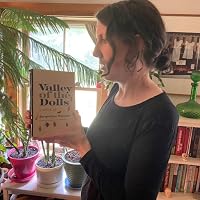
May 26, 2023
From 1966
"Plain Pleasure" means not being fancy or complicated. It is literally about cooking potatoes in the back yard.
I must admit, I found these stories inscrutable. I read Jane's one novel, Two Serious Ladies, and that was an unspoken tale of lesbianism. So I think that is the case here, in the "Camp Cataract" section. Harriet goes there to be with a waitress named Beryl who always wears "plus-fours" (short trousers).
"Plain Pleasure" means not being fancy or complicated. It is literally about cooking potatoes in the back yard.
I must admit, I found these stories inscrutable. I read Jane's one novel, Two Serious Ladies, and that was an unspoken tale of lesbianism. So I think that is the case here, in the "Camp Cataract" section. Harriet goes there to be with a waitress named Beryl who always wears "plus-fours" (short trousers).

September 13, 2022
I loved this. The eccentric women in stories written with an almost perfect clarity. The singular vision, the buoyancy, the unpredictability, the darkly gleaming energy. These stories, like her novel Two Serious Ladies, are simultaneously disturbing and delightful. Almost absurd but deadly serious.
For lovers of uncommonly brilliant weirdos like Muriel Spark and Flannery O’Connor.
The best. A top read of my year for sure.
For lovers of uncommonly brilliant weirdos like Muriel Spark and Flannery O’Connor.
The best. A top read of my year for sure.

November 6, 2012
There are books that I have read and didn't really Get. A few of the stories in this collection by Jane Bowles I didn't really 'Get' either, but rather than tossing the book aside and blowing out my cheeks because some pretentious magic realism author wasted 10 hours of my life while I read his books, Plain Pleasures does not fit in to the same category. This is the only book I have read, didn't fully understand, but still think is wonderful. I feel like I just KNOW there is more in it that I was able to fully appreciate - further meaning and a more finely-tuned sensibility than I can... 'Get'.
Jane Bowles is highly original, witty, beyond melancholic - I mean possibly quite darkly fucked up - and I have never read stories like hers before. Her husband Paul Bowles, himself a fantastic writer, helped Jane with editing one of the short stories in this collection, and he claimed to have not understood it either. I am pleased to say that I would not have noticed it myself had I not read it in the introduction, but all the short stories in Plain Pleasures are about women. All completely different women, in different contexts and roles, of different nationalities and never one character in any way resembling another.
I would very much recommend this book, although if you read it as I did it's possible you might find it frustrating: her clever words and descriptions conjure up complex and macabre emotions and human states, but ones which are nevertheless intangible and difficult to hold and examine.
Jane Bowles is highly original, witty, beyond melancholic - I mean possibly quite darkly fucked up - and I have never read stories like hers before. Her husband Paul Bowles, himself a fantastic writer, helped Jane with editing one of the short stories in this collection, and he claimed to have not understood it either. I am pleased to say that I would not have noticed it myself had I not read it in the introduction, but all the short stories in Plain Pleasures are about women. All completely different women, in different contexts and roles, of different nationalities and never one character in any way resembling another.
I would very much recommend this book, although if you read it as I did it's possible you might find it frustrating: her clever words and descriptions conjure up complex and macabre emotions and human states, but ones which are nevertheless intangible and difficult to hold and examine.

April 28, 2024
It has been a while since I read Two Serious Ladies by Jane Bowles, which, to my mind, is one of my formative texts as a reader. I forgot how much pleasure I derived from Janes Bowles' sentences, which are filled with disarming non-sequiturs that unsettle the normative logic in the reality that I inhabit. I also forgot how funny she really is. Literature is abound with misfits, but few are truly strange like Bowles' characters, who roam aimlessly while often suffering some form of mental turmoil and whose motives remain mysterious even to themselves. I just wish she had left more writing behind in this world.
Although the sun had sunk behind the houses, the sky was still luminous and the blue of the wall had deepened. She rubbed her fingers along it: the wash was fresh and a little of the powdery stuff came off. And she remembered how once she had reached out to touch the face of a clown because it had awakened some longing. It had happened at a little circus, but not when she was a child.

February 5, 2016
είναι αλήθεια πως δεν περίμενα και πάρα πολλά διαβάζοντας το οπισθόφυλλο του βιβλίου, έτσι απόλαυσα ιδιαιτέρως την ευχαρίστηση της ανάγνωσης των κειμένων του.
Η Bowles γράφει λιτά, εμποτίζει την κάθε φράση της με μια λεπτή ειρωνεία και με απόχρωση σαρκασμού που αμέσως αμέσως μεταμορφώνει την ίδια την λιτότητα της σε ατέρμονη θάλασσα απύθμενου βάθους.
Επίσεις , η ελαφριά μελαγχολία που αναδύεται μέσα από τις περιγραφές των ηρώων της και των ονείρων τους, προσδίδει μια βαρύτητα που σε κρατάει καθηλωμένο και που παρότι στην αρχή της ανάγνωσης ήσουν πεπεισμένος πως δεν θα από λάβεις κάτι από αυτό , ξαφνικά σε βρισκεις να κατάβυθίζεσαι όλο και περισσότερο στην δυνη της ιστορίας.
Γιαυτό λοιπόν τα 4 αστερακια και είθε τέτοιοι ασταθείς στον χαρακτήρα και επιρρέπεις στα πάθη, άνθρωποι, να συνεχίζουν να υπάρχουν και να αποτελούν την γενεσιουργό μητρα της Τέχνης!
Η Bowles γράφει λιτά, εμποτίζει την κάθε φράση της με μια λεπτή ειρωνεία και με απόχρωση σαρκασμού που αμέσως αμέσως μεταμορφώνει την ίδια την λιτότητα της σε ατέρμονη θάλασσα απύθμενου βάθους.
Επίσεις , η ελαφριά μελαγχολία που αναδύεται μέσα από τις περιγραφές των ηρώων της και των ονείρων τους, προσδίδει μια βαρύτητα που σε κρατάει καθηλωμένο και που παρότι στην αρχή της ανάγνωσης ήσουν πεπεισμένος πως δεν θα από λάβεις κάτι από αυτό , ξαφνικά σε βρισκεις να κατάβυθίζεσαι όλο και περισσότερο στην δυνη της ιστορίας.
Γιαυτό λοιπόν τα 4 αστερακια και είθε τέτοιοι ασταθείς στον χαρακτήρα και επιρρέπεις στα πάθη, άνθρωποι, να συνεχίζουν να υπάρχουν και να αποτελούν την γενεσιουργό μητρα της Τέχνης!

March 18, 2015
Such Consuming stories with no end. No conclusive ending at all. Just characters who come across ordinary onthe surface but have extremely twisted life inside themselves. You feel so much more with the kind of writing and fragmented stories. Abstract ideas and plain ansurdity. Brilliant piece of work.

September 23, 2012
Brilliantly weird.

February 16, 2017
karşımızda yine günlük yaşamın sıradanlığında pırıl pırıl ayrıntılarla bezeli bir öykü kitabı. üstelik yazarı yazma sürecini acı verici olarak nitelendiriyor. okuyucuyu bir yerden yakalayıp, bir süre götürüp orta yerde bırakıyor gibi bir duygulanım. ama şikayetçi değilim tabii, anlamlandıramadığım 2 öykü dışında benim için oldukça ufuk açıcı bir okuma deneyimiydi. öykü sevenlere tavsiye ederim; ama gerçekten sevenlere ve giriş, gelişme, sonuç kıskacından kurtulmuşlara. ayrıca şu kapağın güzelliğine bakar mısınız?
April 23, 2008
Short Stories prefaced by a very warm introduction. And some disturbing stories about the realities that are inhabited by our minds, and the somewhat different ones inhabited by our bodies.
April 19, 2025
Interesting concepts in the stories but I just didn’t connect to the writing style.

February 19, 2024
These stories all all great; it's a shame that Jane Bowles wrote so little in her life. Her point of view is singularly weird and her stories are suspenseful and unsettling. To read her feels like reading transcripts of dreams.
My favorites: the ominous, startling "Plain Pleasures" and "Camp Cataract", the wicked heart of this little collection.
My favorites: the ominous, startling "Plain Pleasures" and "Camp Cataract", the wicked heart of this little collection.
October 22, 2024
Read this in a Jane Bowles collection after reading about it in the art of cruelty. I’m surprised this was chosen as an example of a cruel story but I agree that it bubbles under the surface. I think a lot of people would find the ending unsatisfying but I think it is more unsettling and asks to be pondered 🕺

August 29, 2025
Not all of these stories were very memorable, but I did enjoy “camp cataract”. Bowles writes with a dry wit that is probably the standout feature of her writing, but I just don’t always find myself able to really connect with short stories. It’s a shame she only wrote one novel! She was quite the interesting person.

January 5, 2023
I loved these short stories I can’t believe she wrote them in the 30s. Very much a Shirley Jackson energy here without any of the spookiness. Her characters are women who do whatever they like, damn the consequences, even if they are on the whole very nervous women. All of these stories are strikingly original in tone. but now I’ve read almost everything by Jane Bowles it’s a horrid shame there’s not more.

Read
August 10, 2022Its a real shame jane struggled to write - these are all bangers.

October 8, 2022
¡¡¡¡¡vivan las escritoras raritas!!!!


May 14, 2026
There are five stories in this collection and the story that resonated with me the most comes right at the end. It’s called A Stick of Green Candy and while I was reading it I felt a light bulb go on in my head.
It’s about a child called Mary. Very early on in the story, there is this sentence:
What’s unusual here is that the narrator is identifying with the main character. Whether or not many children fancied themselves at the head of a regiment, the narrator believes they did. So in this respect, to the narrator at least, Mary is quite ordinary.
But she isn’t ordinary. What sets Mary apart is that she doesn’t want to play with other children and walks quite a distance to get away from them. Her game, which occupies her until the evening, is played entirely alone, mostly in her imagination. There is a very physical aspect to it, though. On wet days the pit soils her clothes, in spite of her being “a scrupulously clean child.”
There is already an unusual tension in this, which becomes more unusual and more tense as you read on. Her imaginary military drills are so vividly present that she must make up an excuse to tell her men when she is forced to go home later than usual. This is so that she can sneak in without her father detecting the clay on her coat.
The conflict between her imagined truth and the outer world becomes more acute when she meets a boy in the pit. His mother is house-sitting nearby in an isolated house at the top of a hill.
What is especially interesting is that the boy also shows signs of the same dissociation from reality, and this time we see it entirely from the outside. We have no idea at all what he is thinking when Mary follows him home, determined to prove him a liar because he doesn’t live in the house, as he said, but is only visiting.
This is the point at which the story gripped me. It’s also an example of what people mean when they talk about Jane Bowles’s humour. The thing that is expected doesn’t happen. We are not necessarily surprised by that because we know the characters are divorced from reality. But something completely unexpected happens instead and that does surprise us.
In this case, the boy’s mother joins them inside the house where three armchairs have been shoved together in a small space while the walls around them are being painted. The woman tries to engage Mary in conversation but in an entirely self-absorbed way. It’s a very strange monologue, and refers to her son as if he isn’t there.
The boy’s mother was hoping for a visitor or two. That’s why she has pushed the chairs together in the way that has so disconcerted Mary. Being unable to conjure up visitors herself, she was hoping her son might do it.
So here we have three characters unable to connect with one another. This is a classic Bowles situation. And, as in her other stories, they are encroaching on one another’s personal space in a way that is stressful and unpleasant,
Here, in the intensity of the physical descriptions, we see very clearly what is going on in Mary’s mind. Either you will understand this or you won’t. It seems to me to be very personal, very intimate. The entire anthology came alive for me in this moment and everything I had read up to this point suddenly made sense.
Both Jane Bowles and the characters she is writing about seem to share the same odd way of experiencing other people. They say and do things that are idiosyncratic. They share anxieties about things that exist only in their heads. When they speak, their words go straight past one another. It is sometimes hard to understand the logic that drives their behaviour because it contradicts their stated goals.
After finishing this story, I went back and read Camp Cataract, the longest in the collection, which I had been saving for last. It is very funny, very sad and quite brilliant. Here, too, the characters fail to connect.
Harriet, following a plan sanctioned by her “blockhead” of a doctor, has chosen to isolate herself in Camp Cataract for a few months each year, at a safe distance from her sisters, with whom she shares an apartment. She explains her plan to an impassive waitress called Beryl, while glancing at Beryl sideways. Her plan, she says, is “complicated, a bit dotty and completely original.” You might say the same about every single character in this anthology.
When Harriet’s unwelcome sister, Sadie, arrives at the camp to try and fetch her home, she runs into a lone, severe, stout woman who declares, “Individuality is my god.” You can see why Bowles included that. I’m quite sure individuality was her god, too.
Eventually the two sisters meet but fail to understand one another and, just when Sadie has summoned up the courage to ask Harriet to come home, she says something completely unexpected instead. Sadie’s world is completely upended by her own utterance and there follows a conclusion that leaves Beryl the waitress speechless and white with shock.
Readers expecting a clear and simple explanation will be disappointed. The ending is open to interpretation.
I can see why some of her contemporaries praised her work so highly. Her stories are brave and honest, depicting characters who defy normal expectations but are true to themselves. Tennessee Williams, Truman Capote and John Ashberry were her friends and championed her work. I think they saw in her someone who could be disarming, funny and self-deprecating. She looked at the world askance and, with her unexpected observations, could keep them slightly off-balance in a way that they enjoyed.
She found writing difficult. That, said Williams, was because she was a real writer, unlike her husband Paul, who was prolific and wrote everything with such ease. Even in that isolated comment, you can see a common bond with the characters in the stories.
Without necessarily being autobiographical (the story called Everything is Nice was originally a documentary piece for a magazine and was later turned into fiction by her husband), her stories depict characters who are likewise not at ease in the world. They think differently from other people. Their behaviour might not make sense to us even when it is explained in such concise, elegant prose as this.
But we nevertheless feel that Jane’s depiction of her characters is pure, intimate and truthful in a way that Jane herself understands perfectly because she thinks and feels just as they do.
It’s about a child called Mary. Very early on in the story, there is this sentence:
“Like many other children, she fancied herself at the head of a regiment; at the same time, she did not join in any neighborhood games, preferring to play all alone in the pit, which lay about a mile beyond the edge of town.”
What’s unusual here is that the narrator is identifying with the main character. Whether or not many children fancied themselves at the head of a regiment, the narrator believes they did. So in this respect, to the narrator at least, Mary is quite ordinary.
But she isn’t ordinary. What sets Mary apart is that she doesn’t want to play with other children and walks quite a distance to get away from them. Her game, which occupies her until the evening, is played entirely alone, mostly in her imagination. There is a very physical aspect to it, though. On wet days the pit soils her clothes, in spite of her being “a scrupulously clean child.”
There is already an unusual tension in this, which becomes more unusual and more tense as you read on. Her imaginary military drills are so vividly present that she must make up an excuse to tell her men when she is forced to go home later than usual. This is so that she can sneak in without her father detecting the clay on her coat.
The conflict between her imagined truth and the outer world becomes more acute when she meets a boy in the pit. His mother is house-sitting nearby in an isolated house at the top of a hill.
What is especially interesting is that the boy also shows signs of the same dissociation from reality, and this time we see it entirely from the outside. We have no idea at all what he is thinking when Mary follows him home, determined to prove him a liar because he doesn’t live in the house, as he said, but is only visiting.
“She was mounting the tedious stone steps behind him. Her jaw was clamped shut, and her face had gone white with anger. He had not turned around once to look at her. As they were nearing the top it occurred to her that he would rush into the house and slam the door in her face. Hurriedly she climbed three steps at once so as to be directly behind him. When he opened the door, she pushed across the threshold with him; he did not seem to notice her at all.”
This is the point at which the story gripped me. It’s also an example of what people mean when they talk about Jane Bowles’s humour. The thing that is expected doesn’t happen. We are not necessarily surprised by that because we know the characters are divorced from reality. But something completely unexpected happens instead and that does surprise us.
In this case, the boy’s mother joins them inside the house where three armchairs have been shoved together in a small space while the walls around them are being painted. The woman tries to engage Mary in conversation but in an entirely self-absorbed way. It’s a very strange monologue, and refers to her son as if he isn’t there.
The boy’s mother was hoping for a visitor or two. That’s why she has pushed the chairs together in the way that has so disconcerted Mary. Being unable to conjure up visitors herself, she was hoping her son might do it.
“Last time we were here we didn’t see anyone for two whole weeks. But he was a baby then. I thought maybe this time he’d contact when he went out.”
So here we have three characters unable to connect with one another. This is a classic Bowles situation. And, as in her other stories, they are encroaching on one another’s personal space in a way that is stressful and unpleasant,
“Mary was huddling as far back into her chair as she could, but even so, without drawing her legs up and sitting on her feet, it was impossible to avoid physical contact with the woman, whose knees lightly touched hers every time she shifted a little in her chair. Inwardly, too, Mary shrank from her. She had never before been addressed so intimately by a grown person. She closed her eyes, seeking the dark gulf that always had separated her from the adult world. And she clutched the seat cushion hard, as if she were afraid of being wrenched from the chair.”
Here, in the intensity of the physical descriptions, we see very clearly what is going on in Mary’s mind. Either you will understand this or you won’t. It seems to me to be very personal, very intimate. The entire anthology came alive for me in this moment and everything I had read up to this point suddenly made sense.
Both Jane Bowles and the characters she is writing about seem to share the same odd way of experiencing other people. They say and do things that are idiosyncratic. They share anxieties about things that exist only in their heads. When they speak, their words go straight past one another. It is sometimes hard to understand the logic that drives their behaviour because it contradicts their stated goals.
After finishing this story, I went back and read Camp Cataract, the longest in the collection, which I had been saving for last. It is very funny, very sad and quite brilliant. Here, too, the characters fail to connect.
Harriet, following a plan sanctioned by her “blockhead” of a doctor, has chosen to isolate herself in Camp Cataract for a few months each year, at a safe distance from her sisters, with whom she shares an apartment. She explains her plan to an impassive waitress called Beryl, while glancing at Beryl sideways. Her plan, she says, is “complicated, a bit dotty and completely original.” You might say the same about every single character in this anthology.
When Harriet’s unwelcome sister, Sadie, arrives at the camp to try and fetch her home, she runs into a lone, severe, stout woman who declares, “Individuality is my god.” You can see why Bowles included that. I’m quite sure individuality was her god, too.
Eventually the two sisters meet but fail to understand one another and, just when Sadie has summoned up the courage to ask Harriet to come home, she says something completely unexpected instead. Sadie’s world is completely upended by her own utterance and there follows a conclusion that leaves Beryl the waitress speechless and white with shock.
Readers expecting a clear and simple explanation will be disappointed. The ending is open to interpretation.
I can see why some of her contemporaries praised her work so highly. Her stories are brave and honest, depicting characters who defy normal expectations but are true to themselves. Tennessee Williams, Truman Capote and John Ashberry were her friends and championed her work. I think they saw in her someone who could be disarming, funny and self-deprecating. She looked at the world askance and, with her unexpected observations, could keep them slightly off-balance in a way that they enjoyed.
She found writing difficult. That, said Williams, was because she was a real writer, unlike her husband Paul, who was prolific and wrote everything with such ease. Even in that isolated comment, you can see a common bond with the characters in the stories.
Without necessarily being autobiographical (the story called Everything is Nice was originally a documentary piece for a magazine and was later turned into fiction by her husband), her stories depict characters who are likewise not at ease in the world. They think differently from other people. Their behaviour might not make sense to us even when it is explained in such concise, elegant prose as this.
But we nevertheless feel that Jane’s depiction of her characters is pure, intimate and truthful in a way that Jane herself understands perfectly because she thinks and feels just as they do.

May 20, 2012
'her attitude was not an astonishing one, since like many people she conceived of her life as separate from herself; the road was laid out always a little ahead of her by sacred hands, and she walked down it without a question. this road, which was her life, would go on existing after her death, even as her death existed now as she lived.' - Camp Cataract
'"well," said the traveller, 'nobody gets as much kissing as they would like to get. most people are frustrated. you'd be surprised at the number of people in my country who are frustrated and good-looking at the same time."' - A Guatemalan Idyll
'"well," said the traveller, 'nobody gets as much kissing as they would like to get. most people are frustrated. you'd be surprised at the number of people in my country who are frustrated and good-looking at the same time."' - A Guatemalan Idyll

April 20, 2021
Ik wilde beginnen met “ook na het lezen van de bundel weet ik nog altijd niet wat de ‘eenvoudige genoegens’ van Jane Bowles zijn.” Niet dat het zo’n moeilijke verhalen waren (eerder integendeel), maar waarover gingen die nu eigenlijk? En dan, bij het laatste verhaal, werd me dan toch de sleutel toegeschoven: “Zoals veel kinderen fantaseerde ze dat ze het bevel voerde over een regiment,” zo staat er (p.148). “Maar ze deed nooit mee aan spelletjes van buurkinderen; ze speelde liever helemaal alleen…” En daar gaat het inderdaad in bijna elk verhaal over. Maar waarom ze het de moeite vond om die “verhalen” (die er geen zijn) op te tekenen, zal voor mij wel altijd een raadsel blijven.

March 16, 2015
Cataract Kampı sanırım karakterlerle empati kurabildiğim tek hikaye buydu. Sonunun net bir şekilde yazıldığı tek hikayede buydu. O yüzden en sevdiğim hatta tek sevdiğim hikaye buydu.

April 22, 2019
No acepten ediciones de Anagrama ni regaladas.

January 24, 2026
I love short story books because often one makes up for another. But I found the majority of the stories in this book a little bit confusing, and I didn’t like any of the women portrayed in the them.
Displaying 1 - 30 of 64 reviews