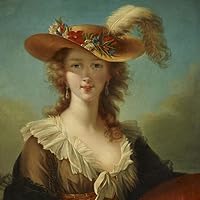
The Chronology of Fashion traces the history of fashion from the late 18th century up to the present. Following a strict chronology, it pinpoints the times when a distinctive style of suit or dress, hat or handbag, cut or style of hair or fabric, or indeed an entire look attained its peak of popularity and influence. Highly illustrated with full figure images, silhouettes and swatches of materials, the book also looks at key designers, how fashion has played a crucial role in art and film, and the trends that identified and defined various periods. This book should be a must for anyone interested in fashion and its development.
I'm really interested in fashion and hoping to become a designer in the future and this was my first book of fashion history. It was incredibly interesting, giving about 1-5 pages of each decade and highlighting key designers from the 1800s to current. It's superb if you're just starting out and gives you an accessible overview of fashion.
For me, it allowed me to specifically see what eras I was most interested in, thus allowing me to research more on the decade. Brilliant for starting out and would recommend this to anyone interested in fashion or about to start a course.
I must admit I bought this one for the pictures, but upon reading it, I found out that this book also contains a lot of interesting and valuable information. Stevenson associates shifts in fashion with events in history, shows you all characteristics of every era and gives you an introduction to the important designers that were a part of it.
I found this really disappointing and inconsistent. Each decade had a little box for common elements of the era but less than half were actually visually depicted. It used so many uncommon terms without defining them or providing a visual example of them. There was a glossary but it was very short/limited. I had to Google a lot. Multiple designers were profiled but no more than one image of their designs was shown, making it hard to guess what their visual style/contribution was. Or the text would mention that the costumes from a certain movie were influential but just show the movie poster without a single costume. I wish there were more illustrations but there were also some that were repeated - a specific Tiffany japonisme necklace was shown in two separate sections, but not in the actual section on japonisme. Most images were not identified - there might be a photo of an actress or a painting of a noblewoman without a mention of who was in the picture.
I gave it 2 stars because it is nice to look at, but I would strongly recommend skipping this in favor of the Smithsonian fashion definitive history book.
This is a really great visual book about Fashion in the past few hundred years. A very brief synopsis of the major fashion movements for each period, and I love the short little designer bio's that are thrown in throughout the book. I've had this by the couch for the past week and have flipped back to look through again and again. This would be a good book for someone interested in learning more about fashion - but probably not enough in-depth information for a student of costume or fashion.
Really enjoyed this. Lovely pictures. A lot about the political, social and economic forces that shape what's "in fashion". Each era is divided into little digestible sections so it never gets tedious. The origins of all the large fashion houses explained. A lot of things relevant information. I know a lot of people who are into fashion would love this book. Great starting point.
VERY INTERESTING! I learned so many things about fashion in such a fun way(: It's interesting to me how fashion trends and patterns reappear in different decades. All I have to conclude, though, is that I am thankful that the corset has gone out of daily fashion ;)
Neskutočne nádherná kniha mapujúca módu od histórie až po súčasnosť. Kronika módy zachytáva všetky obdobia, najdôležitejšie míľniky a tiež najznámejších módnych návrhárov všetkých čias.