

What do you think?

Das geheime Prinzip der Liebe
Eine bedingungslose Liebe, die sich in den Wirren des Zweiten Weltkriegs verliert. Eine mittellose junge Malerin aus der Champagne, die für ihre Gönner ein Kind bekommt. Eine Frauenfreundschaft, die in Hass umschlägt. Hélène Grémillon erzählt in ihrem kunstvoll komponierten Roman vom Kampf zweier Frauen um das, was ihnen das Liebste ist.
255 pages, Hardcover
First published August 26, 2010
About the author
Hélène Grémillon
17 books99 followersHélène Grémillon was born in 1977. She has degrees in literature and history and was a broadcast and press journalist before becoming a full-time writer. The Confidant is her first novel. She lives in Paris with her partner, singer and songwriter Julien Clerc, and their child. She is working on her next novel.
Ratings & Reviews
Friends & Following
Create a free account to discover what your friends think of this book!
Community Reviews
Displaying 1 - 30 of 632 reviews

March 19, 2022
Wow, if you want a story of secrets, lies, treachery and betrayal this is the book for you. Everyone lies their way through the plot of this psychological thriller. Yet, while it is a complex plot, it’s written in a style that is easy to follow – you won’t get lost in it.
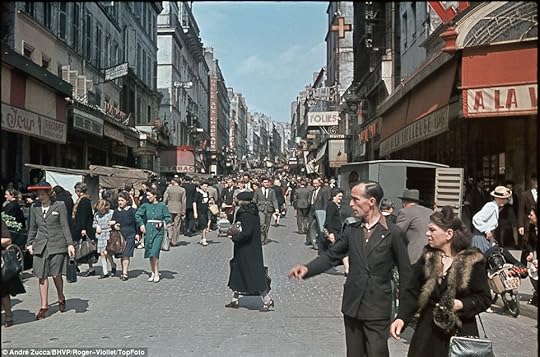
The setting is Paris in 1975. Camille, a young woman editor is sifting through condolence letters after her mother's death. She finds a long, handwritten letter with no return address from a ‘Louis’ she has never heard of. She assumes it came to her by mistake.
But every week brings another installment. The first letter talks about - perhaps her father, she wonders? Yes he received some kind of medal in the war but she remembers him mostly as a moody alcoholic who died a while ago. Then the letters go on to talk about this guy Louis, and the love of his life, Annie. This is going on during WW II at the time of the German occupation of Paris. Here and there are references that might have something to do with her parents or where they lived. There are cliffhangers in each installment.
And then she gets it! This guy knows she’s a book editor and this obscure writer has come up with a way to suck her into reading his book! But then he starts talking about a baby girl and something incredibly personal makes her shudder.
What is the letter writer hiding? Why doesn’t he just tell her the story and sign his name? Now she turns detective, trying to hunt ‘Louis down from vague clues about people, places and dates in his letters. Meanwhile she has her own personal traumas going on.
“Secrets can’t be kept forever” is a subtitle on the book’s cover. The writing is good, worth a ‘4,’ but I gave the book a ‘5’ because I really enjoyed the originality of the plot. There is a lot of local color of Paris and the homefront during the German occupation.

The author, (b. 1977) has written five novels, two of which appear to be translated from French into English. The Confidant was her first novel and it sold more than a half-million copies.
Top photo of Paris during the German occupation from dailymail.uk.co
The author from penguinrandomhouse.com
[Edited 11/4/23]
The setting is Paris in 1975. Camille, a young woman editor is sifting through condolence letters after her mother's death. She finds a long, handwritten letter with no return address from a ‘Louis’ she has never heard of. She assumes it came to her by mistake.
But every week brings another installment. The first letter talks about - perhaps her father, she wonders? Yes he received some kind of medal in the war but she remembers him mostly as a moody alcoholic who died a while ago. Then the letters go on to talk about this guy Louis, and the love of his life, Annie. This is going on during WW II at the time of the German occupation of Paris. Here and there are references that might have something to do with her parents or where they lived. There are cliffhangers in each installment.
And then she gets it! This guy knows she’s a book editor and this obscure writer has come up with a way to suck her into reading his book! But then he starts talking about a baby girl and something incredibly personal makes her shudder.
What is the letter writer hiding? Why doesn’t he just tell her the story and sign his name? Now she turns detective, trying to hunt ‘Louis down from vague clues about people, places and dates in his letters. Meanwhile she has her own personal traumas going on.
“Secrets can’t be kept forever” is a subtitle on the book’s cover. The writing is good, worth a ‘4,’ but I gave the book a ‘5’ because I really enjoyed the originality of the plot. There is a lot of local color of Paris and the homefront during the German occupation.
The author, (b. 1977) has written five novels, two of which appear to be translated from French into English. The Confidant was her first novel and it sold more than a half-million copies.
Top photo of Paris during the German occupation from dailymail.uk.co
The author from penguinrandomhouse.com
[Edited 11/4/23]

February 15, 2022
همون چند صفحه اول داستان متوجه شدم که با یه کتاب پر از تعلیق طرفم، جوری که لحظهای نمیشه زمینش گذاشت.
همراز یه داستان تمام و کماله از لحاظ معیارهای قصه نویسی. و نکتهای که وجود داره اینه که درست وقتی تصور میکنی صرفا با یه کتاب سرگرم کننده طرفی، متوجه میشی کاملا در اشتباه بودی!
نویسنده داستان رو از چند زاویهی دید روایت میکنه. و هر بار نگرش خواننده رو به آدمهای قصهاش تغییر میده. به شخصیتی که ازش متنفر شدی علاقمند میشی یا بالعکس به شخصیتی که دوسش داشتی شک میکنی. زمانی که هرکدوم از شخصیتها داستانشون رو تعریف میکنن، این صرفا یه روایت از دیدگاه اوناست، روایتی که درش فقط رنجهای راوی دخیله، و هر اتفاقی که میفته صرفا از زاویه دید اون آدمه. و درست بعد از اینکه داستان رو از زبان تمام راویها خوندی، میفهمی که مثل شخصیتای قصه ناخواسته چقدر تو زندگی شخصی و در رابطه با آدمهای اطرافت قضاوتهای اشتباه کردی. حتی با این وجود تا آخرین صفحات هم حقیقت واقعی مشخص نمیشه، حقیقتی که بیشتر وقتها تو دنیای خارج از کتاب تا ابد پوشیده میمونه.
داستان در زمان جنگ جهانی دوم در فرانسه اتفاق میفته، و در پس زمینه روایتش اشارههایی هم به روند جنگ داره که خیلی گسترده نیست اما کاملا در اقتضای مسیر قصه است.
من از خوندنش به معنای واقعی لذت بردم، خیلی خیلی بیشتر از چیزی که تصور و انتظارم از کتاب بود. تا آخرین صفحه شگفتزدهام کرد و قلبم رو به درد آورد..
همراز یه داستان تمام و کماله از لحاظ معیارهای قصه نویسی. و نکتهای که وجود داره اینه که درست وقتی تصور میکنی صرفا با یه کتاب سرگرم کننده طرفی، متوجه میشی کاملا در اشتباه بودی!
نویسنده داستان رو از چند زاویهی دید روایت میکنه. و هر بار نگرش خواننده رو به آدمهای قصهاش تغییر میده. به شخصیتی که ازش متنفر شدی علاقمند میشی یا بالعکس به شخصیتی که دوسش داشتی شک میکنی. زمانی که هرکدوم از شخصیتها داستانشون رو تعریف میکنن، این صرفا یه روایت از دیدگاه اوناست، روایتی که درش فقط رنجهای راوی دخیله، و هر اتفاقی که میفته صرفا از زاویه دید اون آدمه. و درست بعد از اینکه داستان رو از زبان تمام راویها خوندی، میفهمی که مثل شخصیتای قصه ناخواسته چقدر تو زندگی شخصی و در رابطه با آدمهای اطرافت قضاوتهای اشتباه کردی. حتی با این وجود تا آخرین صفحات هم حقیقت واقعی مشخص نمیشه، حقیقتی که بیشتر وقتها تو دنیای خارج از کتاب تا ابد پوشیده میمونه.
داستان در زمان جنگ جهانی دوم در فرانسه اتفاق میفته، و در پس زمینه روایتش اشارههایی هم به روند جنگ داره که خیلی گسترده نیست اما کاملا در اقتضای مسیر قصه است.
من از خوندنش به معنای واقعی لذت بردم، خیلی خیلی بیشتر از چیزی که تصور و انتظارم از کتاب بود. تا آخرین صفحه شگفتزدهام کرد و قلبم رو به درد آورد..

October 6, 2021
خانم هلن گرمیون در کتاب همراز با مهارت تمام داستانی خلق کرده پرکشش و سرشار از تعلیق و هیجان . او از ماجراهایی روزمره و بی اهمیت کتابی آفریده که روابط پیچیده میان انسانها را نشان می دهد .
قهرمانان داستان او سه زن از طبقات مختلف جامعه هستند که همگی با هم در زایش وداشتن نگاهی مادرانه به فرزند خود اشتراک دارند . در حقیقت حس مادری آنان و جنگ و جدال آنها به گونه ایست که جنگ جهانی دوم و اشغال پاریس در مرحله ای پایینتر ازدرگیری میان آنها قرار می گیرد .
شاید بازنده این درگیری ، راوی داستان باشد ، او با شروع ماجرا نامه هایی را که فرستنده آن مشخص نیست را با خواننده کتاب به اشتراک می گذارد ، نامه هایی که در ابتدا همانند داستانی بدون ربط به روای ماجرا به نظر می رسد کم کم به گونه ای زندگی و سرنوشت او را مشخص می کند .
دنیای خانم گرمیون را زنانی جاه طلب ، خائن و نسبتا شرور ، به همراه مردانی سست اراده تشکیل داده اند ، همزمان که فرانسه شکست خورده ، گویی مردمان هم به گونه ای دچار فروپاشی و زوال اخلاقی شده اند .
نویسنده با چرخش های مدام ، هر مرتبه سوال جدیدی طرح می کند ، او هر بار ذهن خواننده را نسبت به شخصیتهای داستان عوض کرده و او را نسبت به آنان به شدت بی اعتماد و بدگمان می کند .
هنر خانم گرمیون ، خلق داستانی جذاب و پرکشش بوده ، او مستقیم به سراغ اصل مطلب رفته و از افزودن داستان هایی زائد و اضافه به منظور جذاب کردن داستان خودداری کرده است ، او از رویدادهایی روزمره و نسبتا عادی داستانی روان و شیوا ساخته است ، اما از جهتی دیگر شیوه نگارش او و ایجاد تعلیق بیش از اندازه ، پس از مدتی برای خواننده دیگر کاملا معمولی و شاید هم تبدیل به امری پیش پا افتاده شده باشد و خواننده ممکن است با وجود لذت بردن از کتاب همراز ، آنرا تنها اثری سرگرم کننده و نه چندان عمیق بداند .
قهرمانان داستان او سه زن از طبقات مختلف جامعه هستند که همگی با هم در زایش وداشتن نگاهی مادرانه به فرزند خود اشتراک دارند . در حقیقت حس مادری آنان و جنگ و جدال آنها به گونه ایست که جنگ جهانی دوم و اشغال پاریس در مرحله ای پایینتر ازدرگیری میان آنها قرار می گیرد .
شاید بازنده این درگیری ، راوی داستان باشد ، او با شروع ماجرا نامه هایی را که فرستنده آن مشخص نیست را با خواننده کتاب به اشتراک می گذارد ، نامه هایی که در ابتدا همانند داستانی بدون ربط به روای ماجرا به نظر می رسد کم کم به گونه ای زندگی و سرنوشت او را مشخص می کند .
دنیای خانم گرمیون را زنانی جاه طلب ، خائن و نسبتا شرور ، به همراه مردانی سست اراده تشکیل داده اند ، همزمان که فرانسه شکست خورده ، گویی مردمان هم به گونه ای دچار فروپاشی و زوال اخلاقی شده اند .
نویسنده با چرخش های مدام ، هر مرتبه سوال جدیدی طرح می کند ، او هر بار ذهن خواننده را نسبت به شخصیتهای داستان عوض کرده و او را نسبت به آنان به شدت بی اعتماد و بدگمان می کند .
هنر خانم گرمیون ، خلق داستانی جذاب و پرکشش بوده ، او مستقیم به سراغ اصل مطلب رفته و از افزودن داستان هایی زائد و اضافه به منظور جذاب کردن داستان خودداری کرده است ، او از رویدادهایی روزمره و نسبتا عادی داستانی روان و شیوا ساخته است ، اما از جهتی دیگر شیوه نگارش او و ایجاد تعلیق بیش از اندازه ، پس از مدتی برای خواننده دیگر کاملا معمولی و شاید هم تبدیل به امری پیش پا افتاده شده باشد و خواننده ممکن است با وجود لذت بردن از کتاب همراز ، آنرا تنها اثری سرگرم کننده و نه چندان عمیق بداند .

July 25, 2019
فوووق العاده جذاب و پرکشش بودددد!
از صبح که شروعش کردم نتونستم پایینش بذارم D:
داستان دو زن. داستانی پر از احساسات. عشق، خیانت، نفرت، حسادت.
خیلی عالی بود و احساس می کنم که حتما باز هم خواهم خواندش :)))
فقط یک سوال. اصلا در باورم نمیتونم بگنجونم که "لازم نیست بگویی دوستت دارم" حدود دوازده هزار و همراز سه هزار ریت داره :|
و اون ۴.۹ گرفته و همراز ۳.۶۹ !!
چراااا؟؟
از صبح که شروعش کردم نتونستم پایینش بذارم D:
داستان دو زن. داستانی پر از احساسات. عشق، خیانت، نفرت، حسادت.
خیلی عالی بود و احساس می کنم که حتما باز هم خواهم خواندش :)))
فقط یک سوال. اصلا در باورم نمیتونم بگنجونم که "لازم نیست بگویی دوستت دارم" حدود دوازده هزار و همراز سه هزار ریت داره :|
و اون ۴.۹ گرفته و همراز ۳.۶۹ !!
چراااا؟؟

February 25, 2020
قسمتهایی از کتاب که میخوام اینجا بمونه:
اشکهایش روی دستم میریخت و من بهسرعت دستم را پس کشیدم. نمیتوانستم درد مادر را روی پوستم تحمل کنم.
آخرسر هم از آدمهای زیادی تشکر نکردم و هيچکس هم گلهمند نشد. مرگ باعث میشود چنین بینزاکتیهایی را به تو ببخشند.
آن زمان هنوز نمیدانستم که آواز نیز مثل خنده است؛ میتوان آن را به همهچیز آراست، حتی به حزن.
عشق ورزیدن من به آنی مثل عشق ورزیدن یک کودک بود، یعنی در حضور دیگران. حتی به ذهنم هم نمیرسید که با هم تنها باشیم. هنوز هم آنقدر بزرگ نشده بودم که بخواهم بنشینم و با او حرف بزنم. دوستش داشتم برای خودِ دوستداشتن، نه برای دوستداشتهشدن. گذشتن از کنار آنی کافی بود تا وجودم از شادی سرشار شود.
به نظرم ترسناک آمد و مثل هر چیز ترسناک دیگری در خاطرم ماند. باید همیشه یادتان باشد که چه چیزی را به چه کسی میگویید، وگرنه ممکن است کلماتتان یک روز به جان خودتان بیفتند.
این دیگران نیستند که بیشتر از همه ما را مأیوس میکنند، بلکه اختلاف میان واقعیت و ساختههای دور و دراز ذهنمان است که نومیدمان میسازد.
عاشقشدن بسیار رمزآلود است و فارغشدن از آن حتی رمزآلودار. شاید بفهمیم چرا عاشقیم، اما هرگز بهدرستی نمیفهمیم چرا دیگر عاشق نیستیم.
درست است که برایت داستان نمیخوانم...اما این هیچ ربطی به عشق ندارد...عشق پر رمز و رازتر از این حرفهاست... عزیزم، عشق را نباید گدایی کرد. نباید آدمها را مجبور کرد آنطور که تو میخواهی دوستت داشته باشند. راهش این نیست. عشق واقعی این نیست. باید اجازه بدهی آدمها به شیوه خودشان تو را دوست داشته باشند. شیوه من قصه خواندن نیست. من برایت تمام پیراهنها، مانتوها، دامنها و روسریهایی را میدوزم که عاشقشان هستی. به نظرت ما خوشبخت نیستیم، آنی؟
به نظرم رازها باید با کسانی که آنها را در سینه دارند دفن شوند.
جای گله نیست، دنیا همیشه نعمتهایی را که به آنها بیتوجهیم از ما میگیرد.
بچهدار شدن داستان رمزآلودیست. زن را برای مدتی از جامعه جدا میاندازد و یک روز ناغافل او را به آغوش جامعه پرتاب میکند. پس از هفتهها خلسه و فراموشی، دوباره به جنب و جوش درمیآییم و همان آدم قبلی میشویم. همان آدمیم، محکمتر، سرسختتر و با حواسی جمعتر از قبل، اما نه لزوماً بهتر، چرا که دیگر تنها برای خودمان نمیجنگیم، بلکه برای کودکمان هم میجنگیم. با شلیک این گلوله، زندگی دوباره به من بازگردانده شد و قدم به سرزمین موعود مادری گذاشتم.
نفس آدمی وجه خاصی دارد که در شرایط ویژه و معینی آشکار میشود و به محض تغییر آن شرایط دوباره خود را پنهان میکند.
ذات دروغ چنان است که سرانجام باید از پرده بیرون بیفتد، نه اینکه بدل بدل به حقیقت شود، حقیقتی ناب، عاری از تردید، حقیقت امروزیان و آیندگان، حقیقت آدمهایی که به هیچوجه نمیتوانند به آنچه واقعاً رخ داده پی ببرند. من نمیتوانم برای حفظ دروغ خود، نسل تمام کسانی را که هنوز به دنیا نیامدهاند از روی زمین بردارم. آدمی برای داشتن یک زندگی راستین باید بداند از کجا آمده است.
اشکهایش روی دستم میریخت و من بهسرعت دستم را پس کشیدم. نمیتوانستم درد مادر را روی پوستم تحمل کنم.
آخرسر هم از آدمهای زیادی تشکر نکردم و هيچکس هم گلهمند نشد. مرگ باعث میشود چنین بینزاکتیهایی را به تو ببخشند.
آن زمان هنوز نمیدانستم که آواز نیز مثل خنده است؛ میتوان آن را به همهچیز آراست، حتی به حزن.
عشق ورزیدن من به آنی مثل عشق ورزیدن یک کودک بود، یعنی در حضور دیگران. حتی به ذهنم هم نمیرسید که با هم تنها باشیم. هنوز هم آنقدر بزرگ نشده بودم که بخواهم بنشینم و با او حرف بزنم. دوستش داشتم برای خودِ دوستداشتن، نه برای دوستداشتهشدن. گذشتن از کنار آنی کافی بود تا وجودم از شادی سرشار شود.
به نظرم ترسناک آمد و مثل هر چیز ترسناک دیگری در خاطرم ماند. باید همیشه یادتان باشد که چه چیزی را به چه کسی میگویید، وگرنه ممکن است کلماتتان یک روز به جان خودتان بیفتند.
این دیگران نیستند که بیشتر از همه ما را مأیوس میکنند، بلکه اختلاف میان واقعیت و ساختههای دور و دراز ذهنمان است که نومیدمان میسازد.
عاشقشدن بسیار رمزآلود است و فارغشدن از آن حتی رمزآلودار. شاید بفهمیم چرا عاشقیم، اما هرگز بهدرستی نمیفهمیم چرا دیگر عاشق نیستیم.
درست است که برایت داستان نمیخوانم...اما این هیچ ربطی به عشق ندارد...عشق پر رمز و رازتر از این حرفهاست... عزیزم، عشق را نباید گدایی کرد. نباید آدمها را مجبور کرد آنطور که تو میخواهی دوستت داشته باشند. راهش این نیست. عشق واقعی این نیست. باید اجازه بدهی آدمها به شیوه خودشان تو را دوست داشته باشند. شیوه من قصه خواندن نیست. من برایت تمام پیراهنها، مانتوها، دامنها و روسریهایی را میدوزم که عاشقشان هستی. به نظرت ما خوشبخت نیستیم، آنی؟
به نظرم رازها باید با کسانی که آنها را در سینه دارند دفن شوند.
جای گله نیست، دنیا همیشه نعمتهایی را که به آنها بیتوجهیم از ما میگیرد.
بچهدار شدن داستان رمزآلودیست. زن را برای مدتی از جامعه جدا میاندازد و یک روز ناغافل او را به آغوش جامعه پرتاب میکند. پس از هفتهها خلسه و فراموشی، دوباره به جنب و جوش درمیآییم و همان آدم قبلی میشویم. همان آدمیم، محکمتر، سرسختتر و با حواسی جمعتر از قبل، اما نه لزوماً بهتر، چرا که دیگر تنها برای خودمان نمیجنگیم، بلکه برای کودکمان هم میجنگیم. با شلیک این گلوله، زندگی دوباره به من بازگردانده شد و قدم به سرزمین موعود مادری گذاشتم.
نفس آدمی وجه خاصی دارد که در شرایط ویژه و معینی آشکار میشود و به محض تغییر آن شرایط دوباره خود را پنهان میکند.
ذات دروغ چنان است که سرانجام باید از پرده بیرون بیفتد، نه اینکه بدل بدل به حقیقت شود، حقیقتی ناب، عاری از تردید، حقیقت امروزیان و آیندگان، حقیقت آدمهایی که به هیچوجه نمیتوانند به آنچه واقعاً رخ داده پی ببرند. من نمیتوانم برای حفظ دروغ خود، نسل تمام کسانی را که هنوز به دنیا نیامدهاند از روی زمین بردارم. آدمی برای داشتن یک زندگی راستین باید بداند از کجا آمده است.

September 14, 2021
نیاز دارم ساعتها گریه کنم. بعد ریویو بنویسم.

April 8, 2022
همراز چند ویژگی بارز برای من داشت، یک اینکه شیوه ورود به داستانش رو بسیار بدیع و تاثیرگذار دیدم، به طوریکه نویسنده با همون جملات اول بسیار هوشمندانه مخاطبش رو جذب داستان میکنه و اون در سیر حوادث داستان قرار میده، داستان اینچنین شروع شد :
روزی نامهای به دستم رسید، نامهای طولانی و بدون امضا. اتفاق مهمی بود، چون هیچ وقت در زندگیام نامههای زیادی به دستم نمیرسد. صندوق نامههایم همیشه لبریز بود از آگهیهای تبلیغاتی گوناگون که به من خبر میداد دریا گرم است یا برف خوبی باریده! برای همین زیاد سراغش نمیرفتم، معمولا هفتهای یک بار یا اگر غصهدار بودم دوبار، در لحظاتی که امید داشتم نامهای بیاید و زندگیام را زیر و رو کند، مثل یک تماس تلفنی، یا سفری با مترو، مثل بستن چشمها و شمردن تا ده و از نو گشودنشان.
بعد مادرم مرد. و چه چیزی بیشتر از این میتواند زندگیات را زیر و رو کند؟ مرگ مادر... دیگر چه میخواهی؟
نکته دومی که به نظرم جذاب اومد کشش داستان بود، نویسنده به خوبی تونسته از عنصر کشش استفاده کنه، بنظرم توزیع کشش و گیرایی اثر قابل ملاحظه است. نکته سوم پایان بندی غیرقابل انتظار اثر بود، شخصاً انتظار اینچنین پایانی را نداشتم و تا سطرهای آخر کتاب این موضوع بر خواننده آشکار نمیشه. نکته چهارم درهم تنیدگی شخصیتها و ارتباطات میان آنها بود به طوریکه لذت خوشایندی از کشف این روابط در هنگام خوندن اثر به خواننده منتقل میشه. نکته پنجم هوشمندی نویسنده در بیان رخدادها از دریچه نگاه راویان مختلف بود، فکر میکنم نویسنده بارها موفق شد که پیش قضاوتهای ما رو از اون رخدادهای و افراد درگیر اون رخداد به چالش بکشه.
در مجموع میتونم بگم در همراز با یک روایت پرکشش، خوش خوان، پرهیجان و سرگرم کننده روبرو هستیم.
روزی نامهای به دستم رسید، نامهای طولانی و بدون امضا. اتفاق مهمی بود، چون هیچ وقت در زندگیام نامههای زیادی به دستم نمیرسد. صندوق نامههایم همیشه لبریز بود از آگهیهای تبلیغاتی گوناگون که به من خبر میداد دریا گرم است یا برف خوبی باریده! برای همین زیاد سراغش نمیرفتم، معمولا هفتهای یک بار یا اگر غصهدار بودم دوبار، در لحظاتی که امید داشتم نامهای بیاید و زندگیام را زیر و رو کند، مثل یک تماس تلفنی، یا سفری با مترو، مثل بستن چشمها و شمردن تا ده و از نو گشودنشان.
بعد مادرم مرد. و چه چیزی بیشتر از این میتواند زندگیات را زیر و رو کند؟ مرگ مادر... دیگر چه میخواهی؟
نکته دومی که به نظرم جذاب اومد کشش داستان بود، نویسنده به خوبی تونسته از عنصر کشش استفاده کنه، بنظرم توزیع کشش و گیرایی اثر قابل ملاحظه است. نکته سوم پایان بندی غیرقابل انتظار اثر بود، شخصاً انتظار اینچنین پایانی را نداشتم و تا سطرهای آخر کتاب این موضوع بر خواننده آشکار نمیشه. نکته چهارم درهم تنیدگی شخصیتها و ارتباطات میان آنها بود به طوریکه لذت خوشایندی از کشف این روابط در هنگام خوندن اثر به خواننده منتقل میشه. نکته پنجم هوشمندی نویسنده در بیان رخدادها از دریچه نگاه راویان مختلف بود، فکر میکنم نویسنده بارها موفق شد که پیش قضاوتهای ما رو از اون رخدادهای و افراد درگیر اون رخداد به چالش بکشه.
در مجموع میتونم بگم در همراز با یک روایت پرکشش، خوش خوان، پرهیجان و سرگرم کننده روبرو هستیم.

August 21, 2022
Entre 3 y 3,5⭐
He conectado con la trama, pero no con el estilo.
París, 1975. Camille, una joven editora parisina, acaba de saber que está embarazada. Sin embargo, al poco tiempo de conocer su estado, pierde a su madre en un accidente de tráfico. Entre las cartas de condolencia que recibe, encuentra una, anónima y sin remitente, que de forma inesperada inicia la narración de una historia ocurrida cuarenta años atrás.
A partir de entonces, Camille recibe todas las semanas una de esas sorprendentes cartas. Camille, se sentirá cada vez más intrigada y atraída por esta historia hasta que, poco a poco, vaya descubriendo por qué es ella la destinataria de semejante confesión.
¿Qué me ha gustado?
Es una de esas novelas cuya trama te atrapan poquito a poco. Conecté con la historia y quería saber más.
La trama, centrada en el anhelo por la maternidad en una época en la que la infertilidad no tenía alternativas y estigmatizaba a la mujer casada. Los métodos a los que se sometían estas mujeres, la depresión y la deseperanza son palpables en el libro.
La narración desde tres puntos de vista distintos, Louis, Annie y la señora M. Se puede empatizar más o menos con cada uno, pero hasta haber escuchado los tres puntos de vista no es posible entender la historia en su totalidad. En un principio, me posicioné claramente con una de las partes. Cuando la última de ellas expuso su versión, me di cuenta de que no tenía todos los datos y tuve que reconsiderar algunos planteamientos. Si una cosa pone de relieve la novela es la facilidad con la que prejuzgamos.
Los personajes. Annie y la señora M están muy bien trazadas. Camille, aunque menos, no desmerece.
La ambientación en la Francia de 1938 a 1943, con la Segunda Guerra Mundial como telón de fondo. La guerra no es lo fundamental en este libro, sin embargo nos sitúa y crea atmósfera.
El final. No lo esperaba. En una novela tan dura, se agradece el final cuasifeliz.
¿Qué no me ha gustado?
El estilo de la autora, aunque bonito, resulta reiterativo en muchas ocasiones y ralentiza la narración.
No soy partidaria de las moralinas en las novelas, no me gustan. El "momento moralina" de esta no es ninguna excepción.
He conectado con la trama, pero no con el estilo.
París, 1975. Camille, una joven editora parisina, acaba de saber que está embarazada. Sin embargo, al poco tiempo de conocer su estado, pierde a su madre en un accidente de tráfico. Entre las cartas de condolencia que recibe, encuentra una, anónima y sin remitente, que de forma inesperada inicia la narración de una historia ocurrida cuarenta años atrás.
A partir de entonces, Camille recibe todas las semanas una de esas sorprendentes cartas. Camille, se sentirá cada vez más intrigada y atraída por esta historia hasta que, poco a poco, vaya descubriendo por qué es ella la destinataria de semejante confesión.
¿Qué me ha gustado?
Es una de esas novelas cuya trama te atrapan poquito a poco. Conecté con la historia y quería saber más.
La trama, centrada en el anhelo por la maternidad en una época en la que la infertilidad no tenía alternativas y estigmatizaba a la mujer casada. Los métodos a los que se sometían estas mujeres, la depresión y la deseperanza son palpables en el libro.
La narración desde tres puntos de vista distintos, Louis, Annie y la señora M. Se puede empatizar más o menos con cada uno, pero hasta haber escuchado los tres puntos de vista no es posible entender la historia en su totalidad. En un principio, me posicioné claramente con una de las partes. Cuando la última de ellas expuso su versión, me di cuenta de que no tenía todos los datos y tuve que reconsiderar algunos planteamientos. Si una cosa pone de relieve la novela es la facilidad con la que prejuzgamos.
Los personajes. Annie y la señora M están muy bien trazadas. Camille, aunque menos, no desmerece.
La ambientación en la Francia de 1938 a 1943, con la Segunda Guerra Mundial como telón de fondo. La guerra no es lo fundamental en este libro, sin embargo nos sitúa y crea atmósfera.
El final. No lo esperaba. En una novela tan dura, se agradece el final cuasifeliz.
¿Qué no me ha gustado?
El estilo de la autora, aunque bonito, resulta reiterativo en muchas ocasiones y ralentiza la narración.
No soy partidaria de las moralinas en las novelas, no me gustan. El "momento moralina" de esta no es ninguna excepción.

April 2, 2018
کتاب رو رفیق عزیزی بهم عیدی داد و گفت شروع کنی نمی تونی زمین بذاریش. و درست می گفت. حدقل راجع به دو سوم ابتدایی کتاب. نویسنده خیلی خوب سعی کرد رمان چفت و بست داری بنویسه، روایتگر دقیق و موشکافی باشه، داستان ها رو موزائیک وار کنار هم بچینه و همینطور وفادار باشه به روابط علّی بین رخدادها. در عین حال احوال شخصی کاراکترها بسیار خوب تنیده شده بود با بستر تاریخی ای که داستان توش جریان داشت (جنگ جهانی دوم). منتهی مشکل من با این رمان اونجاهایی بود که نویسنده می خواست خودشو تحمیل کنه به کاراکترها و از زبون اونها شروع کنه به مانیفست دادن. مثلن اونجایی که از زبون نقش اول داستان (که زن مستقلیه و به شغل ویراستاری و انتشارات مشغوله) علیه حق سقط جنین حرف می زنه. من واقعن تو کَتم نمیره -و راستش رو بخواید عصبانی می شم بعضن- وقتی فکر می کنم تو فرانسه ای که حتی در زمان روایت رمان هم از پیشگامان فمینیسم بوده، تمام کاراکترهای زن انقد حسود و مغبون و روان پریش و خیانت پیشه ان. نقص دوم داستان هم برمی گرده به اتفاقی که برای گربه میفته (که نمی خوام توضیح بدم مبادا لو بره) که بسیار بی سلیقه و سردستی چپونده شده تو داستان. واسه همین سه ستاره.

February 19, 2013
A book that will stay with me for a long time. The themes (motherhood, love, betrayal, desperation, etc) touched upon in the book were very thought-provoking. Grémillon did a wonderful job of leading me to despise Madame M in the first portion of the book (Annie's portion) and then within the first few pages of Madame M's portion, I found myself not only sympathizing with her, but understanding her.
One thing I think Grémillon did especially well was to make me think on that saying from childhood: There are always two sides to the same story. Or, perhaps more perspectives, but the point remains that you really don't know everything about a story or situation until you hear the stories from all involved. And even then, you must consider whether the teller has omitted or changed details for their own reasons.
One thing I think Grémillon did especially well was to make me think on that saying from childhood: There are always two sides to the same story. Or, perhaps more perspectives, but the point remains that you really don't know everything about a story or situation until you hear the stories from all involved. And even then, you must consider whether the teller has omitted or changed details for their own reasons.

December 18, 2023
داستان خوبی داشت. آخرین رمانی که خوندم و انقدر تعلیق توش بود رو به یاد ندارم ولی به هر حال در صفحهی ۶۰ ۷۰ سرنوشت شخصیت اصلی داستان و مادرش رو حدس زدم که در آخر معلوم شد حق با من بوده. نویسنده به خوبی از روایت داستان بر اومده بود و به وضوح از کش دادن بیمورد داستان پرهیز کرده بود.
داستانی سراسر خیانت، دروغ، جاهطلبی و شیفتگی بود. که چطور انسانها از دو عاشق به بیگانهای نسبت به هم و از دوستانی نزدیک به دشمنان خونی هم بدل میشوند. در این داستان کسی پیروز نشد، همه باختند.
اما به نظر من باخت شخصیت اصلی داستان یعنی کامیل از همه سختتر و سنگینتر بود اما با این اوصاف تنها چیزی که باقی میماند امید است. امید به آینده و امید به برآمدن روزهای خوب؛ و برای گذر روزگار کاری غیر از چنگ انداختن به دلخوشیهای کوچک روزگار نداریم.
داستانی سراسر خیانت، دروغ، جاهطلبی و شیفتگی بود. که چطور انسانها از دو عاشق به بیگانهای نسبت به هم و از دوستانی نزدیک به دشمنان خونی هم بدل میشوند. در این داستان کسی پیروز نشد، همه باختند.
اما به نظر من باخت شخصیت اصلی داستان یعنی کامیل از همه سختتر و سنگینتر بود اما با این اوصاف تنها چیزی که باقی میماند امید است. امید به آینده و امید به برآمدن روزهای خوب؛ و برای گذر روزگار کاری غیر از چنگ انداختن به دلخوشیهای کوچک روزگار نداریم.

January 9, 2013
The plot of this book seemed quite interesting at first, but I just could not bring myself to like this book.
Yes, the way the author had handled the different points of view were interesting.
Yes, the historical events were quite accurate, and interesting
Yes, the plot seemed interesting.
Here is where it all fell apart!
The language was messy, and whenever there was a change of POV it was often unclear to me which of the characters were actually narrating. It might be that the translated Norwegian version of the book had a hand in messing up the
language, but I can't say for sure. It ruined the flow of the story for me at least.
Worst however was the infinite stupidity of the characters in the book. There was such a total lack of communication and honesty between all of them on every possible emotional level that I kept wanting to scream at them and toss the book away. Maybe there are people who are so dysfunctional out there that they are unable to properly communicate with anybody, but for all of the characters in the entire book to lack that exact same ability seems idiotic to me.
No one seems capable of telling the truth until after they are dead or before it's too late.
It simply annoyed me to no end.
Yes, the way the author had handled the different points of view were interesting.
Yes, the historical events were quite accurate, and interesting
Yes, the plot seemed interesting.
Here is where it all fell apart!
The language was messy, and whenever there was a change of POV it was often unclear to me which of the characters were actually narrating. It might be that the translated Norwegian version of the book had a hand in messing up the
language, but I can't say for sure. It ruined the flow of the story for me at least.
Worst however was the infinite stupidity of the characters in the book. There was such a total lack of communication and honesty between all of them on every possible emotional level that I kept wanting to scream at them and toss the book away. Maybe there are people who are so dysfunctional out there that they are unable to properly communicate with anybody, but for all of the characters in the entire book to lack that exact same ability seems idiotic to me.
No one seems capable of telling the truth until after they are dead or before it's too late.
It simply annoyed me to no end.

July 1, 2019
O aveam pe listă de ceva vreme. Apoi am cumpărat-o. Dar a rămas în bibliotecă. Aseară aveam chef să citesc ceva ficțiune ușor de citit, ceva care să mă relaxeze. Recunosc, nu mă așteptam să stau până la 1 noaptea ca să o termin, pentru că a fost imposibil de lăsat din mână. La fel ca un film la care te uiți cu sufletul la gură.

March 27, 2018
خیلی وقت بود کتابی دست نگرفته بودم که نتونم زمین بذارم. خیلی خوب و پرکشش و پر فراز و فرود بود.

December 25, 2019
فوق العاده بود!
نویسنده، ماهرانه وقایع رو جوری کنار هم چیده که امکان نداره هیچ بخشی ازش، حس ملال و خستگی از خوندن دست بده.
ریتم داستان عالی بود و نویسنده، حتی تا آخرین صفحه هم دست از غافلگیر کردن خواننده دست برنمیداره.
نویسنده، ماهرانه وقایع رو جوری کنار هم چیده که امکان نداره هیچ بخشی ازش، حس ملال و خستگی از خوندن دست بده.
ریتم داستان عالی بود و نویسنده، حتی تا آخرین صفحه هم دست از غافلگیر کردن خواننده دست برنمیداره.

September 2, 2018
_
این دیگران نیستند که بیش تر از همه ما را مٱیوس می کنند، بلکه اختلاف میان واقعیت و ساخته های دور و دراز ذهنمان است که نومیدمان می سازد.
_
پیش از آن که هرگونه اطلاعی از نویسنده و موضوع کتاب داشته باشم، بنا بر اعتمادی که به نشر ماهی دارم و می دانم که انتخاب هایی ناب با ترجمه هایی کم نقص و دقیق از لحاظ ویرایشی دارم، کتاب را خریدم تا در فرصتی مناسب بخوانمش.
شاید قضاوتم این بود که کتابی عاشقانه را در پیش رو خواهم داشت ولی تجربه ای بود بسْ شگفت و متفاوت و پرکشش و گیرا با پرداختی درست که آنچنان خواننده را درگیر داستان می کند که کاملا می شود تک تک لحظات و شرایط و عواطف را حس کرد.
.
کامیل دختری است ویراستار و ناشر که به تازگی باردار شده و می خواهد خبر را به پدر فرزند برساند. در این گیر و دار مادرش را از دست می دهد و نزدیکان و دوستان برای ابراز همدردی نامه های تسلیت برایش می فرستند، در این میان یک نامه با دیگر نامه های رسیده متفاوت است، داستانی است از شروع عشقی بین دختر و پسری در کودکی، این داستان ها به مرور به دست کامیل می رسد و با گذشت زمان کامیل دچار شک و تردید می شود که نکند مربوط به زندگی اوست و از همین رو حدس و گمان هایی می زند ولی نویسنده آن قدر سنجیده و پخته عمل میکند که تا خطوط آخر کتاب نمی توان از چیزی مطمئن بود.
.
کتاب عمدتا از دو دیدگاه روایط می شود که هر کدام اتفاقات را بنا بر سلیقه و شرایط و نوع نگرش خود روایت می کنند، در صفحات پایانی دو دیدگاه و راوی دیگر نیز اضافه می شوند که خواننده می پندارد حال از تمامی اتفاقات باخبر است ولی اینگونه نیست و مدام این فرضیات و حدسیات به کلی ویران می شوند تا خطوط پایانی که حقیقت مطلق نمایان می شود. پایانی بسیار خوب و درخور برای کتابی بسیار قوی که خواندنش را توصیه می کنم. از کنار این کتاب به سادگی رد نشوید.
این دیگران نیستند که بیش تر از همه ما را مٱیوس می کنند، بلکه اختلاف میان واقعیت و ساخته های دور و دراز ذهنمان است که نومیدمان می سازد.
_
پیش از آن که هرگونه اطلاعی از نویسنده و موضوع کتاب داشته باشم، بنا بر اعتمادی که به نشر ماهی دارم و می دانم که انتخاب هایی ناب با ترجمه هایی کم نقص و دقیق از لحاظ ویرایشی دارم، کتاب را خریدم تا در فرصتی مناسب بخوانمش.
شاید قضاوتم این بود که کتابی عاشقانه را در پیش رو خواهم داشت ولی تجربه ای بود بسْ شگفت و متفاوت و پرکشش و گیرا با پرداختی درست که آنچنان خواننده را درگیر داستان می کند که کاملا می شود تک تک لحظات و شرایط و عواطف را حس کرد.
.
کامیل دختری است ویراستار و ناشر که به تازگی باردار شده و می خواهد خبر را به پدر فرزند برساند. در این گیر و دار مادرش را از دست می دهد و نزدیکان و دوستان برای ابراز همدردی نامه های تسلیت برایش می فرستند، در این میان یک نامه با دیگر نامه های رسیده متفاوت است، داستانی است از شروع عشقی بین دختر و پسری در کودکی، این داستان ها به مرور به دست کامیل می رسد و با گذشت زمان کامیل دچار شک و تردید می شود که نکند مربوط به زندگی اوست و از همین رو حدس و گمان هایی می زند ولی نویسنده آن قدر سنجیده و پخته عمل میکند که تا خطوط آخر کتاب نمی توان از چیزی مطمئن بود.
.
کتاب عمدتا از دو دیدگاه روایط می شود که هر کدام اتفاقات را بنا بر سلیقه و شرایط و نوع نگرش خود روایت می کنند، در صفحات پایانی دو دیدگاه و راوی دیگر نیز اضافه می شوند که خواننده می پندارد حال از تمامی اتفاقات باخبر است ولی اینگونه نیست و مدام این فرضیات و حدسیات به کلی ویران می شوند تا خطوط پایانی که حقیقت مطلق نمایان می شود. پایانی بسیار خوب و درخور برای کتابی بسیار قوی که خواندنش را توصیه می کنم. از کنار این کتاب به سادگی رد نشوید.

September 7, 2012
I wasn’t at all sure about The Confidant when I first picked it up. I was happy with the prospect of a story set in wartime France, but I was a little worried that the story was told through a series of anonymous letters in the 1970s. Wasn’t that just a little bit contrived?
Maybe, but the opening won me over.
I got a letter one day, a long letter that wasn’t signed. This was quite an event because I’ve never received much mail in my life. My letter box had never done more than inform me that the sea was warm or that the snow was good, so I didn’t open it very often. Once a week, maybe twice in a gloomy week, when I hoped that s letter would suddenly change my life completely and utterly, like a telephone call can, or a trip on the métro, or closing my eyes and counting to ten before opening them again.
And then my mother died. And that was plenty, as far as changing my life went: you’re mother’s death, you can’t get much better than that …
Suddenly that premise made sense. A story that could only be told once certain of the protagonists were dead. I found myself liking Camille. She was bereaved, she was pregnant, and she was none to sure what she was going to do.
The letters told the story of a boy and a girl who had grown up in the same village. Louis and Annie. First they were friends and then they were sweethearts. They might have lived happily ever after.
But then Monsieur and Madame M settled in the village. Annie was a talented artist and Madame M noticed her, encouraged her, took her under her wing. They grew close. And when Annie discovered the source of Madame M’s sadness – that she could not carry a child – she offered to carry one for her.
It was an extraordinary offer. And it was accepted.
The relationship between Annie and Monsieur M, that was supposed to be dispassionate turned into a passionate love affair. Madame M saw that. She was jealous, she was angry, and she wanted revenge. Monsieur M was caught up in the war and the two women were left with the child. Both of them wanted to be her mother but only one of them could.
The story was melodramatic and not entirely believable. And yet it worked, because the emotions were so strong and because they rang so very true.
And because it was told so very cleverly, with Louis sending letters and pages from Annie’s journal, and with Camille reading and wondering what it all meant.
Was it a badly misjudged joke? She worked in publishing – could it be an extraordinary pitch for a novel? Or was it real? And if it was real what did that mean about her identity, about the mother she had lost?
The first half of the book had me captivated. I was first charmed and then gripped by the story. And I was asking the same questions that Camille was asking herself.
The story twisted and turned and I kept changing my mind. The tension grew. Such clever writing.
In time, of course, Camille that she was being told a true story, that she was being told for a reason, and she studied the letters for clues to what that reason might be, where she might find the sender.
She thought she had him pinned down. And then a package arrived. The journal of Madame M.
It told the same story from a different perspective, and with some telling differences. I wondered who – if anyone was reliable – and I really couldn’t decide. But I appreciated that there was no black and white, only shades of grey, and that there would be no easy resolution for Camille.
I found a great deal to think about: friendship, love, passion, motherhood, jealousy, revenge, war, regret, consequences …
The writing was uneven and there was always a hint of contrivance, but I believed in the characters and their relationships, and I thought the plotting was very well done.
The ending was very well judged.
And, though the story was flawed, I am still thinking about it …
Maybe, but the opening won me over.
I got a letter one day, a long letter that wasn’t signed. This was quite an event because I’ve never received much mail in my life. My letter box had never done more than inform me that the sea was warm or that the snow was good, so I didn’t open it very often. Once a week, maybe twice in a gloomy week, when I hoped that s letter would suddenly change my life completely and utterly, like a telephone call can, or a trip on the métro, or closing my eyes and counting to ten before opening them again.
And then my mother died. And that was plenty, as far as changing my life went: you’re mother’s death, you can’t get much better than that …
Suddenly that premise made sense. A story that could only be told once certain of the protagonists were dead. I found myself liking Camille. She was bereaved, she was pregnant, and she was none to sure what she was going to do.
The letters told the story of a boy and a girl who had grown up in the same village. Louis and Annie. First they were friends and then they were sweethearts. They might have lived happily ever after.
But then Monsieur and Madame M settled in the village. Annie was a talented artist and Madame M noticed her, encouraged her, took her under her wing. They grew close. And when Annie discovered the source of Madame M’s sadness – that she could not carry a child – she offered to carry one for her.
It was an extraordinary offer. And it was accepted.
The relationship between Annie and Monsieur M, that was supposed to be dispassionate turned into a passionate love affair. Madame M saw that. She was jealous, she was angry, and she wanted revenge. Monsieur M was caught up in the war and the two women were left with the child. Both of them wanted to be her mother but only one of them could.
The story was melodramatic and not entirely believable. And yet it worked, because the emotions were so strong and because they rang so very true.
And because it was told so very cleverly, with Louis sending letters and pages from Annie’s journal, and with Camille reading and wondering what it all meant.
Was it a badly misjudged joke? She worked in publishing – could it be an extraordinary pitch for a novel? Or was it real? And if it was real what did that mean about her identity, about the mother she had lost?
The first half of the book had me captivated. I was first charmed and then gripped by the story. And I was asking the same questions that Camille was asking herself.
The story twisted and turned and I kept changing my mind. The tension grew. Such clever writing.
In time, of course, Camille that she was being told a true story, that she was being told for a reason, and she studied the letters for clues to what that reason might be, where she might find the sender.
She thought she had him pinned down. And then a package arrived. The journal of Madame M.
It told the same story from a different perspective, and with some telling differences. I wondered who – if anyone was reliable – and I really couldn’t decide. But I appreciated that there was no black and white, only shades of grey, and that there would be no easy resolution for Camille.
I found a great deal to think about: friendship, love, passion, motherhood, jealousy, revenge, war, regret, consequences …
The writing was uneven and there was always a hint of contrivance, but I believed in the characters and their relationships, and I thought the plotting was very well done.
The ending was very well judged.
And, though the story was flawed, I am still thinking about it …
March 12, 2018
این دیگران نیستند که بیشتر از همه ما را مأیوس می کنند، بلکه اختلاف میان واقعیت و ساخته های دور و دراز ذهنمان است که نومیدمان می سازد.

September 25, 2018
عالی و غافلگیرکننده. از اون کتابهایی که وقتی شروع به خوندنش میکنید به سختی میتونین رهاش کنین.

April 29, 2021
به روشنی بنگر:)

October 19, 2012
I really liked this book and I was feeling as if it would be a solid four-star novel, and then... wow! The very last paragraph came along and it earned that last star for an awesome conclusion. I was thinking that it was going to finish in the conventionally predictable manner but I was so wrong. I actually didn't see that coming. Sure, elements of the conclusion were not completely unexpected, but the very end was just brilliant.
I really liked the change in perspective among the characters. They were all so different, and I loved how they all revealed the various aspects of the story until it came together clearly. At times it was horrific and tragic, but ultimately somewhat uplifting in an strange kind of way. I ended up really liking the Louis character (of course) and hoping the rest of them could just be better people than they really were. Fortunately, this is fiction, but the story is compelling enough that it's easy to forget that, at least for a little while.
I really liked the change in perspective among the characters. They were all so different, and I loved how they all revealed the various aspects of the story until it came together clearly. At times it was horrific and tragic, but ultimately somewhat uplifting in an strange kind of way. I ended up really liking the Louis character (of course) and hoping the rest of them could just be better people than they really were. Fortunately, this is fiction, but the story is compelling enough that it's easy to forget that, at least for a little while.

July 22, 2020
از رمانهایی که تدریجا به گذشتهی مبهم شخصیتهایشان نور میتابانند خوشم میآید. «همراز» گرمیون هم اینگونه است: راویان متعددی دارد و البته معماگونگی داستانهای پلیسی را دارا ست. خود نویسنده هم حضور محکمی و روشنی لابهلای روایتها دارد و جملات درخشانش را جابهجا روی کاغذ آورده است

December 29, 2019
غافلگیر کننده از اول تا آخرین خطِ صفحه ی آخر...

February 16, 2020
داستان پرکششی داره، ولی یه جاهایی رو نویسنده ماست مالی کرده!

December 14, 2012
After the death of her mother, Camille Werner is going through the condolence letters when she comes across a letter that is rather strange. First of all, it's not addressed to her - the envelope is, but the contents aren't. There's no return address. And it doesn't read like a letter, but embarks on a story. The writer, Louis, tells of meeting and befriending Annie as a child in the village of N. in 1933. He was twelve, Annie was ten, and the world was changing.
Camille thinks at first that the letters have been addressed to her by mistake, that there must be someone else in Paris with the same name as her - but she can't find one. The letters keep arriving, the story keeps unfolding. Louis moves forward in time, to meeting Annie again in 1943, when she tells him what really happened with Madame and Monsieur M, a young bourgeois couple who move into a big house in the middle of the town.
Annie becomes a frequent visitor to Madame M, who encourages her passion for painting. But when Annie is fifteen she leaves for Paris with the couple; Madame's husband, Paul, a journalist, later joins the war effort and is sent to the front. Louis tells Annie's side of the story, and as it unfolds Camille becomes more invested in discovering who Louis is, and what it all has to do with her. Louis reveals one truth, and then another, the words of Madame M, but it is Camille herself who comes to understand the last, shattering, heart-breaking piece.
There is a lot to recommend French author Grémillon's debut novel, which is on the surface of things a simple, even predictable story of a family secret and the lives it affected. Touching on themes of motherhood, social pressure and identity, as well as the damage that lies, secrets and betrayals can inflict, this is a realistic, deeply human story taking place against the backdrop of Germany's invasion and occupation of France.
Divided into two parallel time frames, 1975 and the 30s and 40s, the focus is on the past, with the "present" scenes of Camille's life sketched out with telling details that flesh out her character and her life - she's fallen pregnant by a man who doesn't want children, and decides to keep it; she's lost both her parents and has only her brother, Pierre, left; and she works as an editor at a publishing house. Grémillon employs a "less is more" tactic with Camille's side of the story, ensuring that Louis' story takes centre stage and doesn't get overshadowed by anything from the "present"; in fact, I sometimes forgot all about Camille, which actually made it easy to switch between the two. The book also used the visual device of drastically different fonts - Camille's first-person sections were set in something like Arial, while Louis' letters were in your standard bookish font (much easier on the eyes, too).
The parallels between what Camille's going through in her own life, and the events that unfold in Louis' story, allow Camille - and the reader - to empathise with both Annie and Madame M (you won't be able to sympathise with Madame M until you hear her side of the story, but it will come). The theme of motherhood and the pressures not just of society but from our own selves, is a strong one throughout. As Camille says,
Through this lens we watch Annie, at fifteen years old, offer to be a surrogate for the baby Madame M has spent years trying to have, having put herself through treatments both bizarre and extreme. For much of the book, I didn't find the outcome necessarily predictable, because it seemed, for quite some time, that the truth could go either way. Still, if you go into this expecting a clever mystery you will probably be disappointed - this isn't so much a puzzle to solve, even though that's the structure of it, as it is a tragic story of two women in isolation, wanting the same thing, ready to do something extreme to get it. It is this human story that really reaches deep and holds you fast to the book; in fact, it's a quick and riveting read, one you can easily read in a day if you have the time.
Where the novel suffered a bit was in the writing; for a debut novel, it's good, and yet it's also a bit of a mess at times. I got the feeling the translator made an effort to stick to a literal translation as much as possible, rather than doing the extra twist of interpretation to make things work better in English. Take this paragraph, for instance, telling us the story of what happened to Annie's father while she was in Paris with Madame M:
This made absolutely no sense to me when I was reading the book, and when Annie says to Louis in the retelling, "His story made no sense to me at all" I was relieved - only, she meant that she couldn't believe her parents had become separated; that was her sticking point. Even later, after finally understanding that he had been locked up because he'd once been a member of the Communist Party, the passage doesn't really make sense. It skips over his arrest, which is key to understanding the passage, since the last we saw of him he was living in his own home with his wife. It also skips over the fact that it was the French who'd arrested him, and why it was a crime. For the sake of context, these are small details that could easily have been included to prevent me from getting a headache.
Aside from some odd phrasing, and the kind of writing mistakes that are pretty basic but hard to say whom they belong to, author or translator, the prose was very readable and skips along at a merry pace. Sometimes things don't make sense at the time, because certain details have been left out which are revealed later on for a "A-HA!" moment, but when the narration is following a continuous, chronological story-telling pattern, it's smooth and riveting.
It was quite refreshing to have the war in the background rather than the foreground - it wasn't about the war at all, there just happened to be a war at the time these characters were living their lives. Yet it's not an incidental war: it impacts the characters, and adds a level of tension and atmosphere that gives events an extra layer of fear and uncertainty.
The ending was what really got to me, when reading this book. After reading the last few lines, I actually sat up straight, looked up and said something like "Oh wow." I'd become so caught up in the story of Annie and Madame M, that I hadn't been thinking of the present day, or the possibility that Louis was wrong about what happened to Annie. I love that feeling, when something comes out of nowhere and hits you on the head (not literally - I don't enjoy being hit on the head by anything!), giving you one of those "ahhhhh" moments of satisfaction at a story well ended.
Even before that, though, I enjoyed the murky greyness of Annie and Madame M's stories. Neither is a bad or a good woman. They are human, and they are mothers, and the moral murkiness of it all is both thought-provoking and entertaining (not in the sense that I enjoyed it at their expense, but in the sense that I enjoy having my conscience engaged as much as my intellect). I'd love to go into details, but I didn't want to give away any more of the plot than my edition's blurb did, lest I spoil the reading experience for anyone else.
For all its sometimes-confusing narration, The Confidant was a haunting and emotional - but not at all melodramatic - exploration into the hearts of women who yearn for a child, and the lengths they'll go to to have that child, love it and protect it, all told against the backdrop of a war that took the lives of millions of people, and the French government's public announcements that the people have a duty to have more children.
Camille thinks at first that the letters have been addressed to her by mistake, that there must be someone else in Paris with the same name as her - but she can't find one. The letters keep arriving, the story keeps unfolding. Louis moves forward in time, to meeting Annie again in 1943, when she tells him what really happened with Madame and Monsieur M, a young bourgeois couple who move into a big house in the middle of the town.
Annie becomes a frequent visitor to Madame M, who encourages her passion for painting. But when Annie is fifteen she leaves for Paris with the couple; Madame's husband, Paul, a journalist, later joins the war effort and is sent to the front. Louis tells Annie's side of the story, and as it unfolds Camille becomes more invested in discovering who Louis is, and what it all has to do with her. Louis reveals one truth, and then another, the words of Madame M, but it is Camille herself who comes to understand the last, shattering, heart-breaking piece.
There is a lot to recommend French author Grémillon's debut novel, which is on the surface of things a simple, even predictable story of a family secret and the lives it affected. Touching on themes of motherhood, social pressure and identity, as well as the damage that lies, secrets and betrayals can inflict, this is a realistic, deeply human story taking place against the backdrop of Germany's invasion and occupation of France.
Divided into two parallel time frames, 1975 and the 30s and 40s, the focus is on the past, with the "present" scenes of Camille's life sketched out with telling details that flesh out her character and her life - she's fallen pregnant by a man who doesn't want children, and decides to keep it; she's lost both her parents and has only her brother, Pierre, left; and she works as an editor at a publishing house. Grémillon employs a "less is more" tactic with Camille's side of the story, ensuring that Louis' story takes centre stage and doesn't get overshadowed by anything from the "present"; in fact, I sometimes forgot all about Camille, which actually made it easy to switch between the two. The book also used the visual device of drastically different fonts - Camille's first-person sections were set in something like Arial, while Louis' letters were in your standard bookish font (much easier on the eyes, too).
The parallels between what Camille's going through in her own life, and the events that unfold in Louis' story, allow Camille - and the reader - to empathise with both Annie and Madame M (you won't be able to sympathise with Madame M until you hear her side of the story, but it will come). The theme of motherhood and the pressures not just of society but from our own selves, is a strong one throughout. As Camille says,
I used to think abortion was a good thing: progress, a woman's free will... Now I find myself struggling in a trap which, like every trap, once smelled sweetly, in this case of freedom. Progress for women, my arse! If I keep the child, I'm guilty vis-à-vis Nicolas, who doesn't want it. If I get rid of it, I am guilty vis-à-vis the baby. Abortion may claim to rescue women from the slavery of motherhood, but it imposes another form of slavery: guilt. More than ever, it is on our own that we handle or mishandle motherhood. [p.89]
Through this lens we watch Annie, at fifteen years old, offer to be a surrogate for the baby Madame M has spent years trying to have, having put herself through treatments both bizarre and extreme. For much of the book, I didn't find the outcome necessarily predictable, because it seemed, for quite some time, that the truth could go either way. Still, if you go into this expecting a clever mystery you will probably be disappointed - this isn't so much a puzzle to solve, even though that's the structure of it, as it is a tragic story of two women in isolation, wanting the same thing, ready to do something extreme to get it. It is this human story that really reaches deep and holds you fast to the book; in fact, it's a quick and riveting read, one you can easily read in a day if you have the time.
Where the novel suffered a bit was in the writing; for a debut novel, it's good, and yet it's also a bit of a mess at times. I got the feeling the translator made an effort to stick to a literal translation as much as possible, rather than doing the extra twist of interpretation to make things work better in English. Take this paragraph, for instance, telling us the story of what happened to Annie's father while she was in Paris with Madame M:
On 3 June 1940, the guards had thrown them into the prison courtyard. The government didn't want them to fall into German hands. The Germans would have released them for sure. Ever since the Treaty of Non-Aggression between Germany and the Soviet Union, the Communists had been in the Boches' good books. They were being moved to another prison, they had to walk quickly, the guards were hitting them, shouting at them. It was late morning, they were on their way through Paris, when a guard suddenly pushed him out of the group and told him to get the hell out of there and fast, opportunity never knocks twice at anyone's door. They had let him go, and he still could not fathom why, but he was free, that was all that mattered. [pp.102-3]
This made absolutely no sense to me when I was reading the book, and when Annie says to Louis in the retelling, "His story made no sense to me at all" I was relieved - only, she meant that she couldn't believe her parents had become separated; that was her sticking point. Even later, after finally understanding that he had been locked up because he'd once been a member of the Communist Party, the passage doesn't really make sense. It skips over his arrest, which is key to understanding the passage, since the last we saw of him he was living in his own home with his wife. It also skips over the fact that it was the French who'd arrested him, and why it was a crime. For the sake of context, these are small details that could easily have been included to prevent me from getting a headache.
Aside from some odd phrasing, and the kind of writing mistakes that are pretty basic but hard to say whom they belong to, author or translator, the prose was very readable and skips along at a merry pace. Sometimes things don't make sense at the time, because certain details have been left out which are revealed later on for a "A-HA!" moment, but when the narration is following a continuous, chronological story-telling pattern, it's smooth and riveting.
It was quite refreshing to have the war in the background rather than the foreground - it wasn't about the war at all, there just happened to be a war at the time these characters were living their lives. Yet it's not an incidental war: it impacts the characters, and adds a level of tension and atmosphere that gives events an extra layer of fear and uncertainty.
The ending was what really got to me, when reading this book. After reading the last few lines, I actually sat up straight, looked up and said something like "Oh wow." I'd become so caught up in the story of Annie and Madame M, that I hadn't been thinking of the present day, or the possibility that Louis was wrong about what happened to Annie. I love that feeling, when something comes out of nowhere and hits you on the head (not literally - I don't enjoy being hit on the head by anything!), giving you one of those "ahhhhh" moments of satisfaction at a story well ended.
Even before that, though, I enjoyed the murky greyness of Annie and Madame M's stories. Neither is a bad or a good woman. They are human, and they are mothers, and the moral murkiness of it all is both thought-provoking and entertaining (not in the sense that I enjoyed it at their expense, but in the sense that I enjoy having my conscience engaged as much as my intellect). I'd love to go into details, but I didn't want to give away any more of the plot than my edition's blurb did, lest I spoil the reading experience for anyone else.
For all its sometimes-confusing narration, The Confidant was a haunting and emotional - but not at all melodramatic - exploration into the hearts of women who yearn for a child, and the lengths they'll go to to have that child, love it and protect it, all told against the backdrop of a war that took the lives of millions of people, and the French government's public announcements that the people have a duty to have more children.

January 22, 2019
Pour un premier roman, il est très réussi. Une fois qu'on en a commencé la lecture on a du mal à le lâcher.
Hélène Grémillon, nous embarque dans une histoire dans l'Histoire, en effet les événements racontés se passent en France, essentiellement avant et pendant la seconde guerre mondiale (avec quelques incursions en 1975).
Ce roman, montre les extrémités auxquelles peuvent pousser le désir de maternité, la jalousie et la haine.
L'auteure jongle non seulement entre 2 périodes (passé et présent), mais aussi entre 2 styles (épistolaire et narratif). L'écriture est simple, les personnages attachants malgré leurs défauts, et la description (même succincte) de Paris sous l'occupation allemande, a ajouté une touche de réalisme au récit. Quant à la fin, elle était surprenante et inattendue.
Le seul point négatif de ce roman, c'est la difficulté que j'ai trouvé au début, à déterminer quel personnage prenait la parole.
Pour finir, je dirais que ça a été une très bonne lecture, que je n'oublierai pas de sitôt.
Hélène Grémillon, nous embarque dans une histoire dans l'Histoire, en effet les événements racontés se passent en France, essentiellement avant et pendant la seconde guerre mondiale (avec quelques incursions en 1975).
Ce roman, montre les extrémités auxquelles peuvent pousser le désir de maternité, la jalousie et la haine.
L'auteure jongle non seulement entre 2 périodes (passé et présent), mais aussi entre 2 styles (épistolaire et narratif). L'écriture est simple, les personnages attachants malgré leurs défauts, et la description (même succincte) de Paris sous l'occupation allemande, a ajouté une touche de réalisme au récit. Quant à la fin, elle était surprenante et inattendue.
Le seul point négatif de ce roman, c'est la difficulté que j'ai trouvé au début, à déterminer quel personnage prenait la parole.
Pour finir, je dirais que ça a été une très bonne lecture, que je n'oublierai pas de sitôt.
January 29, 2019
کشش داشت داستان و تو رو دنبال خودش میکشوند.
پایان بسیار غافلگیرانهای داشت.
چفت و بست داشت داستان. دیگه یه جاهایی به نظرم کلید اسرار شد.
ترجمهی خوب.
جهت سرگرمی برای خوندن مناسبه.
پایان بسیار غافلگیرانهای داشت.
چفت و بست داشت داستان. دیگه یه جاهایی به نظرم کلید اسرار شد.
ترجمهی خوب.
جهت سرگرمی برای خوندن مناسبه.
March 24, 2019
کتاب بشدت کشش داشت انقدر که در چند ساعت تموم شد.
یک قسمتهاییش رو میشد حدس زد اما در هر قسمتی چیزی برای رودست زدن به خواننده داشت.
یک قسمتهاییش رو میشد حدس زد اما در هر قسمتی چیزی برای رودست زدن به خواننده داشت.

August 8, 2021
O carticica buna, contrar asteptarilor sugerate de catre titlu sau coperta. Nu as merge pana intr-acolo incat sa o consider un fenomen editorial, cum a fost prezentata pe site-urile de vanzari, dar mi s-a parut palpitanta, mai ales din a doua parte, cand domna M. “lamureste” lucrurile (oare? Intotdeauna exista mai multe adevaruri privind aceeasi poveste).
Destul de previzibila (identitatea portaresei, identitatea lui Annie) si pe alocuri haotica ( la un moment dat nu stiam despre ce se povesteste, ori nu a explicat ori am ratat eu un singur cuvant care ar fi oferit lamuriri suplimentare), devine o marturie de disperare, un strigat de acceptare si intelegere a unei femei tradate, ranite, a unui suflet obosit sa spere in miracole.
Vreau sa lamuresc din start ca sunt de partea doamnei M, nu a lui Annie, desi poate unele persoane ar considera incalificabile deciziile si reactiile ei. Autocaracterizarea psihologica pe care si-o face o prezinta in opinia mea ca pe un om cu bune intentii, dar cu multe slabiciuni... drept dovada, autoarea nu ofera niciun indiciu cum ca protagonista ar judeca-o pe mama ei pentru hotararile ei, pentru ca a simtit-o cu adevarat ca pe o mama adevarata si dragastoasa.
Nu m-a incantat, iar, intersectarea celor doua planuri temporale, prezentul lui Camille atat de plictisitor si formal narat si incursiunile in trecut, atat de de elaborate.
Ma gandesc ce as putea sa povestesc despre Annie... o copila naiva, care-si dezvolta pe parcurs instinctul matern, o mama careia i s-au facut nedreptati?! Sau o “Lolita” obraznica si mai apoi o prostituata macinata de remuscari? Nu stiu, nu mi-a placut personajul ei...
Mi-as fi dorit o discutie, macar de apreciere sau recunostinta, intre Camille si Confidentul ei (si pe rand al lui Annie si al Doamnei M. - parca acum are sens titlul).
Mi-ar fi placut o lamurire cu privire la viitorul lui Camille si al partenerului ei, si al copilului lor... Din aceasta prisma, cartea pare incompleta, neterminata...
Despre Domnul M. are sens sa mai spun ceva?! Un barbat.... nimic mai mult...
Per ansamblu mi-a placut destul de mult, i-am oferit 4 stelute, dar nu atat de mult incat sa citesc o alta cartea de-ale autoarei, din cauza stilului haotic si intortocheat de a povesti.
This entire review has been hidden because of spoilers.

March 15, 2016
I finished this one last night and I can't stop thinking about it. The story and the characters are still haunting me even though I closed the book. I think this is one of my new favorites.
Displaying 1 - 30 of 632 reviews