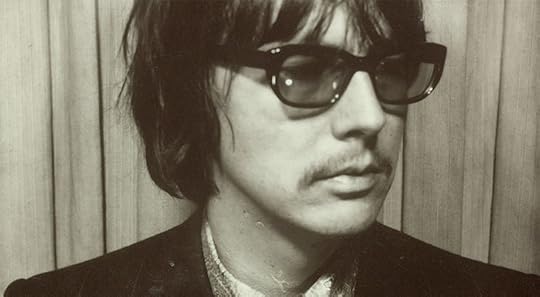
Peter Handke (* 6. Dezember 1942 in Griffen, Kärnten) ist ein österreichischer Schriftsteller und Übersetzer.
Peter Handke is an Avant-garde Austrian novelist and playwright. His body of work has been awarded numerous literary prizes, including the Nobel Prize in Literature in 2019. He has also collaborated with German director Wim Wenders, writing the script for The Wrong Move and co-writing the screenplay for Wings of Desire.
Peter Handke's (b. 1942) remarkable theater piece Publikumsbeschimpfung (1966, available in English under the title "Offending the Audience") was such a succès de scandale on its opening night that German television was already there on the second night to film the performance! And here it is on YouTube:
With all deliberateness Handke violated the most basic rules of standard Western theater and then ended the piece with ten minutes of hilarious and inventive insults directed at the audience. Some in the audience decided that the rules didn't apply to them, either.
But the core of the piece is certainly not the provocation of the audience; it is the examination and direct address of the assumptions of said standard Western theater. This examination ranges from ironic demonstrations that Aristotle's "unities" were being observed in the piece to an all out assault on the wall between the stage and the audience whose thoroughness includes evoking the audience's physical sensations and states, all done in a most nonacademic manner.
I love Claus Peymann's direction, but Handke didn't. He probably (rightfully) thought that his words were upstaged by the energetic, rhythmic choreography and Sprechchor.(*) Other directors followed Peymann's lead, though, and so after thirty performances in various places Handke forbade further performances (at least according to Malte Herwig in Meister der Dämmerung: Peter Handke, Eine Biographie). This piece and his bold remarks at the 1966 meeting of the Gruppe 47 made Handke the darling of the media. He enjoyed it for a while but was clear sighted enough to realize it was going to transform him into something he did not want to be and withdrew from the media's machinations.
An additional pleasant surprise was to find Rüdiger Vogler as one of the four actors in Peymann's Uraufführung; Vogler was the lead actor in most of Wim Wenders' early movies, including Wender's filming of Handke's Falsche Bewegung. He and the other actors manfully managed to keep a straight face through most of the performance, but they, too, fell out of their roles a few times. For me that just added to the fun.
(*) Read the book for Handke's words but watch the video to have a good time! It is such a treat that I (and you, if you wish) could watch this performance half a century later.
Eine leere fröhliche Fahrt mit unübersehbarem Zeitstempel: Zersetzung statt Überschreitung.
„Publikumsbeschimpfung“ versteht sich als Theaterperformance. Als Text verliert das Stück seine situative Intensität. Der Sprechakt verzögert sich. Es wird nicht gehört. Es wird gelesen. Hinzukommt, nach beinahe 60 Jahren, dass der diskursive Gegner, das epische Theater, völlig fehlt. Im Gegensatz zum Performance-Theater ist der klassische Brechtstil so gut wie von der Bildfläche verschwunden. Mit anderen Worten, vielleicht hat Handkes „Publikumsbeschimpfung“ seine historische Mission erfüllt:
„Sie wurden starr und Sie blieben starr. Sie bewegten sich nicht. Sie handelten nicht. Sie kamen nicht einmal nach vorne, um besser zu sehen. Sie folgten keinem natürlichen Antrieb. Sie schauten zu, wie Sie einem Lichtstrahl zuschauen, der schon längst, bevor Sie schauen, erzeugt worden ist. Sie schauten in einen toten Raum.“
Brecht versuchte durch das epische Theater die Grenze zwischen Bühne und Zuschauerraum aufzuheben. In diesem Sinne sagen die Stimmen bei Handke, „sie kamen nicht nach vorne“, denn Brecht drängte darauf, dass die Zuschauer tätig werden, sich den öffentlichen Raum erobern, Fragen stellen, selbst auf die Bühne treten, eigene Reden schwingen. Handke, der ebenfalls die Grenze zwischen Publikum und Bühne thematisiert, lässt dagegen die Grenze verschwimmen. Er hebt sie nicht auf:
„Während [die Sprecher] in den Vordergrund kommen, in einem Gang, der nichts anzeigt, in einer beliebigen Kleidung, wird es wieder hell, auf der Bühne und im Zuschauerraum. Die Helligkeit hier und dort ist ungefähr gleich, von einer Stärke, die den Augen nicht wehtut. Das Licht ist das gewohnte, das einsetzt, wenn zum Beispiel die Vorstellung aus ist.“
Diese Regieanweisung illustriert Handkes dramatisches und narratives Verfahren. Er reduktioniert ironisch-gebrochen das Erzählen/Schauspielen auf das Nicht-Erzählen/Nicht-Schauspielen, d.h. er schüttet das Kind mit dem Bade aus, ähnlich wie der konsequente Skeptiker, der alles in Frage stellt, keine Frage mehr kennt, da er den Ausgangspunkt seines Fragens durchs Fragen verloren hat. Handkes Theaterstück findet noch in einem Theater statt. Es handelt sich noch immer um einen Monolog, indem die Ausgangssituation aber ignoriert wird, fällt das Stück als Gegenstück für sich genommen in sich zusammen:
„Wir haben keine Rollen. Wir sind wir. Wir sind das Sprachrohr des Autors. Sie können sich kein Bild von uns machen. Sie brauchen sich kein Bild von uns machen. Wir sind wir. Unsere Meinung braucht sich mit der des Autors nicht zu decken.“
Handkes „Publikumsbeschimpfung“ versteht sich als Antithese, die ohne die These gegenstandslos wird, ähnlich dem, der alles anzweifelt, ohne eine eigene Behauptung/Gegenbehauptung aufzustellen, auf Dauer ein ermüdender Gesprächspartner ist. Alles ist falsch. Franz Kafka beschrieb diese Haltung als „leere fröhliche Fahrt“. Handke erweist sich in „Publikumsbeschimpfung“ als getreuer Korrepetitor dieser Haltung. Sie erweist sich als arbiträre Provokation, die jedoch vor dem Obszönen zurückschreckt und als Beschimpfung mit ‚Maulaffenfeilhalter‘ auftrumpft.
Handke möchte unbedingt, unbedingt edgy sein. Dafür schreckt er auch nicht davor zurück, sich in völliger Inhaltslosigkeit zu suhlen. 'Publikumsbeschimpfung' besteht zu drei Vierteln aus einer typisch postmodernen metafiktionalen Betrachtung des Theaters im Theater, was dem zu erwartenden damaligen Zeitgeist entspricht. Der Ton des Stücks ist durchgehend belehrend und herablassend. Die Sätze sind in künstlich wirkender Parataxe völlig unverbunden aneinandergereiht und widersprechen sich oft selbst, um die Inhaltslosigkeit noch einmal zu unterstreichen. Im letzten Viertel wird dann auch tatsächlich mal geschimpft, und zwar mit antisemitischen Begrifflichkeiten wie etwa 'Saujude' oder 'jüdischer Großkapitalist'. Veraltete Skandale altern nicht gut.
This play was a refreshing reading. Because it's not a play, because there is no story. As readers and as the audience, our expectations about what theatre is (or ought to be) are shattered. Mainly because the audience is the main theme of the play and thus becomes its main actor, breaking the 4th wall is such an innovative way.
Für die Zeit eine neuartige Form des Theaters, heutzutage nichts innovatives mehr. Die parataktischen Sätze ermüden auf Dauer und die nicht vorhandene Handlung erschwert den Lesefluss umso mehr. Das Wort steht im Zentrum sowie eine metareflexive Auseinandersetzung mit dem postdramatischen Theater. Publikumsbeschimpfung war spannend zu lesen, hat mir aber auch nicht mehr gegeben.
It's giving ein Mann realisiert Sachen, die ich schon mit 8 erkannt habe. Garnicht mein Geschmack. Das Konzept ist (inzwischen) nichts neues mehr, ich weiß nicht wie es da damals aussah. Ich mag aber auch einfach nicht, wie Handke schreibt. Sehr offensichtlich, vorhersehbar, irgendwie plump und einfach nicht so spannend..
This is... not a story. Neither of these, really, are stories (at least, in a conventional sense), but this one especially. I understand that's the point, and admittedly, it's written well - definitely achieves it purpose. The play essentially ruminates on the idea of an audience, and the idea of theatre itself; are we really so separate from what we watch?
Handke suggests, yes, absolutely. He argues that the illusions of theatre (and, I suppose media in general) take away from the humanity of it - stuck in a temporospatial fabrication, wherein 'real time' (that of the audience), and 'false time' (that of the play) exist in opposition to one another; and thus, the experience is contrived. But he argues also that we are all, essentially, characters of theatre; with preconceptions, tropes, and expected behaviours we 'play out' on the daily.
This play, thereto, consists of nothing but 42 pages of direct address, wherein Handke insults theatre, theatre-goers, theatre conventions, and most importantly, his audience - while also providing each with its fair share of flattery. This is a confusing, sometimes boring, always ranty, and generally nothing play. There is no plot, no characters, and just a consistent stream of consciousness that often seems like it's going nowhere. That being said, that's entirely the point so... mission accomplished? I'd have given it a three I think, but there really are some lines that are absolute gems, and it got me thinking.
Self-accusation: 5.
This play also is... weird. This time, rather than using direct address, the entire thing is written through a series of 'I,' statements. It follows on from the 'birth,' of two characters, one male, one female, who are, in essence, the same person. The script has no clear indication of who should speak, or when, beyond the stage direction of 'get them to finish each others sentences, and get in each others mouths.' Handke describes, what was, to me at least, a very Lacanian dialogue surrounding the acquisition of language - how does language impact identity? Does learning to speak, or perhaps more importantly, think, prohibit us from living? Through this series of 'I' discourse, the character/s unpack how it is they came to be who they are - learning the rules of life, society, and internal morality, through what they say and what is said to them, before ultimately disavowing it all in favor of expression and truth; because, if language is the key to suffering, it is the only escape we have. I really enjoyed this one. It's also shorter, which helped.
Overall, these two texts aren't fantastic if you want to read them as a conventional tale, because really, you can't. But they're very thought-provoking, and I appreciate the twists in literary convention. Gives me much to consider when it comes to my own writing.
Mit gerade einmal 24 Jahren hat Peter Handke "Publikumsbeschimpfung und andere Sprechstücke" verfasst. "[Sie] bedienen sich", so der Autor, "der natürlichen Äußerungsform der Beschimpfung, der Selbstbezichtigung, der Aussage, der Beichte (...), der Hilferufe. Sie bedürfen also eines Gegenübers, zumindest einer Person (...). Insofern sind die Sprechstücke Theaterstücke." Deshalb empfehle ich wärmstens die Uraufführung der Publikumsbeschimpfung im TAT Frankfurt von 1966 unter der Regie von Claus Peyman auf YouTube. Beat! Beat! Beat!
Sbírka obsahuje dvě krátké (kritikou definované jako "avantgardní" a "anti-divadelní") hry ze 60. let, které jsou si v mnohém podobné. Obě se skládají z hutného, jednolitého monologu, který má skupina herců náhodně recitovat před publikem, a obě jsou ve své podstatě jaksi meta-meta-analytické, a tedy absurdní.
Analytem první hry ("Urážení publika", Publikumsbeschimpfung) je samotné divadlo – fenomén, ve kterém herci performují před publikem a zároveň předstírají, že tam žádné publikum není. Diváctvo spolupracuje, svou roli se také snaží zahrát dobře. Pokouší se nekýchat a většinou tiše konzumuje a hodnotí ze stínu auditoria. Handke tohle anonymní bezpečí ale narušuje tím, že v plně rozsvíceném sále nechá skupinu herců pořvávat na publikum. A ačkoliv ten monolog sám o sobě úplně neohromí, je zábavné sledovat vlastní pocity a dotčenost vlastního ega, když na nás někdo takto promlouvá. Když nás někdo obviňuje z toho, že je nebavíme, že je neoslňujeme, že jsme neoriginální, a že nemáme co říct. Že dýcháme, že smrdíme, že jsme potenciálně mrtví.
Ve druhé hře ("Sebe-obvinění", Selbstbezichtigung) se světlo reflektoru otáčí o 180 stupňů a směřuje do nitra vypravěče. Naše dotčenost z předchozí hry postupně vyprchá a nahrazuje ji sympatie, když posloucháme, jak se druhý člověk sdílí, jak se obviňuje z toho, že chybně zaměnil svobodu za svévoli, upřímnost za sebeobnažení, obscénnost za originalitu, sen za skutečnost. Jak byla příliš sama a nebyla dostatečně o samotě, jak nezvládla spatřit Boha v každém žebrákovi a nevytrhla všechno zlo z kořenů. Ono meta-meta zde spočívá v uvědomění si vlastního sebeuvědomění, možná v nutnosti smyslu ve světě beze smyslu, ve vědomí potřeby iluze, že některé skutečnosti, jsou lepší než jiné.
Ve své době musela hra jistě způsobit v kuloárech velký rozruch, jak se bylo možno dočíst i v komentáři k dílu. Antiiluzivní pojetí divadla je značně novátorské, ale svým poměrně jednostranným zaměřením se téma brzy vyčerpá, jak bylo ostatně potvrzeno kritiky i diváky na základě zatím jediného českého uvedení až v r. 2010 (ačkoli hra je již z r. 1966). Autor si pohrává s filozofickými myšlenkami o pojetí a smyslu divadla, mnohdy je však rozporuje jednu proti druhé a příliš jsem nepochopil, zdali to byl záměr. Text je sice nápaditý a velice propracovaný, doladěný do nejmenších detailů a dotažený až k absurdnosti, ale závěrečná část s útokem na publikum mi přijde poněkud zbytečná a dnes již zřejmě nefunkční, i když věřím, že ve své době byla účelná. Doufám také, že jakási dočasnost či neaktuálnost není typickým znakem ostatního Handkeho díla, protože jsem se s ním zatím bohužel neměl možnost více seznámit.
okej pac branje samo po seb je blo ful zabavno in tud razumem handkejev cilj spodbujanja refleksije o teatru samem, ne pa o dejanski realnosti preko teatra z odtujitvenimi elementi (e.g. brechtov epicni teater), AMPAK kle spet naletim na reoccuring problem k ga mam s postmodernisticno literaruro nasploh, namrec da jo nekak tezko ocenjujes loceno od obcinstva. to je kle sploh ocitno, ker je obcinstvo dobesedno tema. in kasno je to obcinstvo? gruca predstavnikov srednjega visjega razreda, k se v gledaliscu nekak perverzno naslaja nad lastno intelektualnostjo™️ in ozavescenostjo™️ in edginessom™️ ker pac lahko prenesejo, da jih avtor jebe v glavo. ce pa tega ne prenesejo pa so itak karikature. ma nevem men se zdi da take scene skor nujno padejo na gluha usesa, kar seveda ni krivda avtorja, pa tud ne teksta. ampak je pa vedno bedno. :^)
Publikumsbeschimpfung 5/5. I love analysing theatre within theatre <33 I did think this would work very well as a kind of surrealist theatre experience, but when I watched videos of it, all of them were directed as comedies. Maybe I just had the wrong expectations. Or all the directors are wrong.
Weissagung 1/5. This was fun for about two pages and then it got very old very quickly.
Selbstbezichtigung 3/5. It took a while to really get going, but it got better as it progressed, so I quite liked it towards the end.
It was all very "I'm in my early twenties and rebelling against anything and everything," but I enjoy that from time to time. It was a bit much for three abendfüllende Sprechstücke, though.
"Esta noche no se da en el teatro lo que es del teatro. Esta noche, ustedes no obtendrán nada a cambio de su dinero. No podrán satisfacer su curiosidad. De nosotros no saltarán chispas. No habrán crujidos ni tensiones. No habrá suspense. Estas tablas, no representan el mundo. Forman parte del mundo. Estas tablas están aquí solamente para sostenernos. Este mundo no es diferente del suyo. Ustedes han dejado de ser simples mirones. Son el objeto de nuestro diálogo."
Přečetla jsem až sedm let po shlédnutí divadelní verze v podání ještě legendárního Divadla Komedie pod vedením Dušana Pařízka. Skvělý text, který se trochu opakuje, ale i tak je poměrně revoluční. Dnes už téměř nešokuje, ale je dobré si ho připomínat.
It was okay. A new fresh type of read, definitely interested me and I’m sure I learned or gained something reading this but I’m not even sure what that is. Regardless it also made me think of my morning meditation narrator; sit down, feel the ground underneath you, take a deep breath…