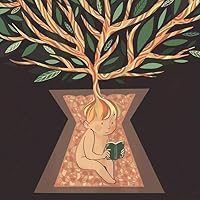
This book aims to give a guidance on how a Muslim home should look and be like. Contents include forming the household (who are its members), creating an atmosphere of faith (eg spiritual training of the members of the household, do a lot of dhikr), Islamic knowledge at home (creating a library, inviting teachers to give religious education at home), and some basic manners about coming into the house, and on the ethics of being a member of a household.
The contents of this 93 pages book are quite basic, with half of them overviews of hadiths (many of them cut short).
However, some of the opinion of the authoerbis more of a male-dominant kind of thouggts. Like how females aren't supposed to work outside the house (except for in schools of in healthcare), or that the husband should be careful who the wife is being friends with (although the author never said anything about how that man should be careful who HE is being friends with), sounding like if anything bad happens in a marriage, it's all the woman's fault. He mentioned "rebellious wife" but never really defined what he meant by that.
Of course, I'm unhappy when people use Hadith Jabir to prevent their sons from marrying single mothers/divorced women, and this is exactly what the author did. Sheikh Yasir Qadhi gave a much better interpretation of this too-frequently-misinterpreted hadith on a few occassions, including his seerah lectures.
I mean, does it even make sense that Prophet Muhammad SAW prevents men from marrying single mothers/divorced women, when most of his (SAW) wives were in this category?
On the author's defense, he didn't say "don't educate your daughters". He's only partial to the opinion that women shouldn't go out of the house too much.
A personal note: I think men who are of the opinion that women shouldn't work must also emphasis VERY VERY STRONGLY on men's responsibilities. Fathers, husbands, and brothers really need to PROVIDE EVERYTHING for the women at home.