There is good, and there is bad, and there is something that lies between. From there, the girl and the boy must move forward. toward whatever the future holds. There is good, and there is bad, and there is something that lies between. From there, the girl and the boy must move forward. toward whatever the future holds.
This book has some very interesting concepts about life and humans in a post-war era. I wouldn’t say I ~enjoyed~ it because that would make me a psychopath but I was intrigued by what it had to say.
The Horizon: Volume 2 is split into two haunting halves. The first follows a man in a suit who teaches the kids a brutal lesson: shoot first, ask questions later. The second dives into the girl's past, revealing what happened before she met the boy. Both stories are heavy, tragic, and end on a gut-punch of sadness.
It’s like the most soul-crushing parts of The Road or The Last of Us, except it never lets up. And yet, I can’t stop reading.
Atmosfera volumului doi apasă peste scoarța inimii. O sfarmă. The Horizon este o dramă apocaliptică care ne prezintă evoluția emoțională a doi copii (o fată și un băiat) uniți de dorința lor de a supraviețui și suferință. Stilul vizual și narativ al echipei de creație este devastator (în sensul bun al cuvântului). Brutalitate și frumusețe la pachet – e fix ce am comandat!
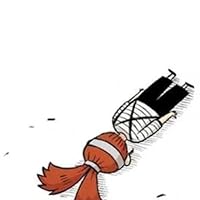
There's some gorgeous imagery in this volume, particularly when we get to the part referenced on the cover. The panels go from this harsh black and white to vibrant full color. It's like the comic itself was infused with the hope the characters feel.
Of course, this doesn't last. The characters literally reach the end of the road they've been walking down, and shortly after they figuratively reach the end of the road. It's almost too much, what the author does to these characters.
What's fascinating is rather than have tragedy come at the hands of adults (or disease) like it has in the past, the tragedy comes at the hands of another pair of kids, another boy and girl. They inflict a mutual tragedy on each other. Incredibly moving and depressing.
Після прочитання першого тому «Крайнебо» Чон Джіхуна ще довго перебував під враженнями. Тиха, майже беззвучна розповідь про дітей у розбитому світі, де навіть мовчання болить. І от на столі — другий том. Хоча чекав на продовження тиші й болю, отримав щось інакше. Іншу інтонацію. Більш жорстоку на мій погляд.
Другий том поділено на дві частини. У першій хлопчик і дівчинка, яких досі автор навмисне не називає, потрапляють до великого міста. Там їх рятує дивний чоловік у смокінгу зі снайперською гвинтівкою. Він дає їм дах над головою, їжу, медичну допомогу — але це не благодійність. У цьому світі все має ціну. За захист діти мають допомагати слідкувати за вулицями, помічати озброєних загарбників і займатися побутовими справами. І хоча на перший погляд цей чоловік ніби символ порядку в хаосі, дуже скоро стає ясно — його мораль давно з’їдена війною. Він несе в собі холодну філософію смерті, яка лякає після побаченого.
Друга частина тому — про минуле дівчинки, де ми дізнаємося про жахливий вірус, що знищує людство. Згадка про батька, про автобус із людьми, які тікали в надії на безпеку. Ця частина — найлюдяніша й водночас найжорстокіша. Тут немає гвинтівок чи розбійників. Тільки надія, яка повільно перетворюється на відчай. І смерть. Поступова. Слідкувати за тим, як свідомо одна людина за іншою виходять з автобуса, щоб дати шанс іншим на виживання, вкрай важко.
Том тримає напругу безперервно. Перша частина лякає психологічно: ми бачимо, як дитина поступово втягується у світ дорослих правил, де співчуття — слабкість. Особливо лячно, коли хлопчик просить навчити його стріляти. Це вже не просто історія про виживання — це історія про втрату дитинства. Друга — інша за ритмом, але ще болючіша. Вона не пояснює до кінця, що сталося зі світом, але показує, що сталося з людьми. І цього цілком досить.
Герої — ті самі діти, але тепер ще глибше розкриті. Вони не просто виживають, вони вчаться приймати втрати, робити вибір, що ламає душу. Їхній страх, сором, спроби бути добрими у світі, де доброта не винагороджується — це все відчувається аж під шкірою. І саме це змушує не відриватися від сторінок.
Малюнок, як і в першому томі, на хорошому рівні. Простота ліній, чорні плями, порожні панелі — усе працює на відчуття спустошення. Але саме через цю лаконічність кожна деталь набуває особливого значення.
«Крайнебо, Том 2» — це том про вибір. Про те, чи можна зберегти себе, коли навколо лиш страх і смерть. Про вибір для порятунку інших, щоб дати крихітний шанс на виживання тому, хто його має. Я не знаю чого очікувати від останнього тому, але готуюся до фінального удару.
Damn, this is unrelentingly bleak and depressing. It's probably a good thing I'm reading it for work or I'd have dropped it by now, and I do want to know how it ends.
„Was möchtest du später einmal tun? Ich will leben. Ich will mit den Menschen zusammen leben, die ich lieb hab.“
Der Junge und das Mädchen werden von einem Mann im Anzug gerettet, der ihre Wunden versorgt, ihnen einen Platz zum Schlafen und Nahrung gibt. Doch dafür möchte er auch eine Gegenleistung haben. Und bei dieser Aufgabe ist der Tod wieder allgegenwärtig. Dann gibt es einen Rückblick, in dem wir das Mädchen mit ihrem Vater begleiten und wie sie mit einer Gruppe anderer Menschen in einem Bus flüchten, nach einem sicheren Ort und nach Hilfe suchen. Dieser Rückblick ist so aussichtslos, düster und schmerzhaft, zeigt aber auch, warum das Mädchen immer weiterlaufen will. „Erinnerst du dich daran, was ich dir erzählt habe? Dass die Erde rund ist? Und genau deshalb werden wir uns eines Tages wiedersehen, solange du nur deinen Weg fortsetzt, Schritt um Schritt…“ Neben dem ganzen Leid, Tod und Schmerz gibt es aber auch sehr bewegende und lichtvolle Momente, die dem Dunkel trotzen und sich dadurch kämpfen. „Ja… Solange wir auf dieser Welt sind, ist das wertvollste, was wir tun können, Anderen Liebe zu schenken. Das Leben findet im Hier und Jetzt statt. Und in diesem Moment liegt unsere Chance, unser Bestes zu geben.“
Wie auch schon nach dem ersten Band, hinterlasst das Lesen bei mir einen ganz dicken Kloß im Hals… Trotzdem ist die Reihe große Kunst und grade darum so beeindruckend, wenn auch schockierend und die Bilder brennen sich ein, das muss man wissen.
El primer tomo fue un viaje duro, pero la evolución del drama en este tomo es increíble.
A partir de aquí comienza a hacer mella la evolución del viaje que tiene en los 2 protagonistas y la relación que tienen entre ellos.
Otro punto fuerte de este volumen es que el flashback del pasado de la chica es muy duro y te deja con un dilema importante justo antes de que este mismo comience, quedando así muy bien el cierre y dejando con ganas de leer el último volumen.
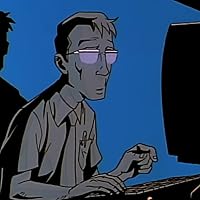
While the previous volume mostly centered around physical demands like thirst, hunger, and safety, this one focuses more on abstract demands like connection, purpose, and the will to persevere. As the psychotic madness of the strange man is replaced by the cold cynicism of the man in the suit, we're shown that brutality can inhabit all parts of the human psyche, whether refined or corroded.
The art style and drawings are still very effective, and even though I felt that some of the scenes near the middle of the volume perhaps pushed the desire to be deep a bit far, I did find the end of the volume, with the father departing from the bus, quite touching and well executed.
This entire review has been hidden because of spoilers.
Feeling the same as the first volume...I think the narration text could have been completely removed and I would have enjoyed this more. We get a bit more of the backstory in this one and I appreciated that.
dude im soooo disappointed in this volume :,((( i think all of the tension and suspense in the story vanished the instant other characters appeared. like i get why the author introduced more characters as to flesh the story out but i think it fucked the book over. also both of the books ive read in this series so far are wayyyy too long. the length of these stories make them absolute SLOGS to get through. i did like how we finally learned more of the girl’s backstory and i did like the ending overall (especially the part with her father, that shit was heartbreaking) i think it went on for too long, although i understand why it was the way it was. 2.5 stars
Fantastica graphic novel dal sapore amaro. In un futuro distopico dominato dalla guerra un bambino rimasto solo decide di andare avanti, incontrando scenari violenti, da incubo e qualche speranza. Solo edizione inglese, nessuna italiana. Bellissimo.