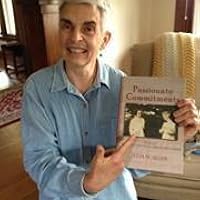
This book is totally inspiring and provides so much context for feminist art in the 60's and 70's.
I'll heap praise on Judy Chicago and this book, but with this caveat: this book is a product of its times and the limitations inherent within second wave feminism. Much of the discussion about female artists, women's experiences, and critiques of patriarchal culture are framed within essentialist notions of femininity and masculinity. Judy Chicago's experience is also, obviously, that of a white heterosexual woman--and the experiences of women of color or queer women don't factor into the narrative at all. These are criticisms and weaknesses of second wave feminism, and as this book is a product of and reflection on that movement, it suffers from the same pitfalls.
With that caveat in mind, I found Judy Chicago's writing completely mesmerizing, especially when describing her personal development and experiences. I had a harder time with the last two chapters, which focus less directly on Chicago's own autobiography, but are still interesting.
The aspect of this book that impacted me the most was Chicago's descriptions of her personal relationships/marriages. Chicago described tensions and challenges that I've experienced in my own relationships, and adeptly hones in on their underpinnings. For example, she describes living separately from her husband in order to foster the best creative environments for each of them; choosing to focus on work and moving away from him during her time developing the Fresno Feminist Art Program; negotiating different work/lifestyles; and the ugly confrontations that can result from vastly different strong personalities (but also, the love that can grow out of that if both people are willing to consciously work through the ugly parts). Maybe that all seems a bit obvious, but while reading it I realized that these are the kinds of things I've struggled with in my own relationships, but for which I had precious few examples of it "working out" in practice. Reading about Chicago's experiences as a creative, highly driven and independent woman was inspiring and struck a chord for me.
I can see how a lot of the progress we enjoy today is thanks in large part to Judy Chicago and her collaborators. Even today in LA there are institutions that clearly give a nod to the Feminist Studio Workshop and Woman's Building, such as the Women's Center for Creative Work, and I think those spaces are still important for many of the same reasons as in 1973.
Overall this book brought Judy Chicago a lot "closer to home" for me. Prior to reading this, I'd learned about her in Art History class and knew about the importance of her work within the context of the feminist art movement, but this book really provides a means to understand Chicago as a whole human being, not merely a few slides in a lecture.