

What do you think?

Le Sang noir
Le Sang noir est l'histoire d'une journée de 1917, dans une ville provinciale de l'arrière. C'est à travers le calvaire du professeur de philosophie Merlin, dit Cripure (à cause de la critique de la raison pure), le tableau d'une société de pharisiens, de grotesques, de haïssables, en face de gentils, de révoltés, de victimes. Cripure, lui, s'il a été un révolté, ne l'est plus guère. Il est la caricature d'un homme extrêmement pitoyable. Moqué par ses élèves, vivant avec une gothon, sachant qu'une révolution se lève à l'Est, trop tard pour lui, haï par tous les patriotes de l'arrière, il veut se battre en duel, dans un dernier sursaut. Et, comme on le prive de ce duel et de son honneur, il ne lui reste plus que le suicide.Cripure qui, la nuit, dans son sommeil, entend une voix de femme lui demander : " Pourquoi as-tu envie de pleurer ? " , est une de ces figures les plus présentes qu'un romancier ait jamais crées. Il a beau sortir du roman, grotesquement vautré dans une troïka lamentable, agonisant, lentement escorté à travers la ville, jusqu'à l'hôpital, par deux agents cyclistes, il ne sera jamais oublié. Bien que retentissant des problèmes de 1917, Le Sang noir est un roman métaphysique, plus que politique. Cette dimension métaphysique et le foisonnement des personnages : Cripure, Maïa, Nabucet, Moka, Lucien... font du Sang noir le roman le plus dostoïevskien de la littérature française.
640 pages, Mass Market Paperback
First published October 11, 1935
About the author
Louis Guilloux
58 books21 followersLouis Guilloux was a French known for his Social Realist novels describing working class life and political struggles in the mid-twentieth century. His best-known book is Le Sang noir (Black Blood), which has been described as a "prefiguration of Sartre's La Nausée."
Before becoming a professional writer, literary translator and interpreter, Guilloux worked in various trades, including journalism. He was well known for his fluency in the English language. He married in 1924, and published La Maison du Peuple in 1927.
The success of the book led to a long series of novels on socially committed themes, usually based in his native Brittany. His masterpiece Le Sang Noir was notable for its departure from his earlier, more staightforwardly socialist literature, since it contains elements of what was later associated with an existentialist or absurdist vision. It centres on the suicidal thoughts of the anti-hero, Cripure, who feels overwhelming disgust at humanity in the destructive circumstances of militarism during World War I.
Contrasted with the figure of Cripure is the nominal hero, Lucien, who aspires to work for a better future. But the grotesque and self-excoriating visions of Cripure are repeatedly portrayed as more powerful and compelling than Lucien's idealism. The book was translated into English under the title Bitter Victory.
Le Pain des Rêves (Bread of Dreams), which he wrote during the Occupation, won the Prix du roman populiste in 1942. After the liberation of France, Guilloux worked as an interpreter for the American Army of occupation. In "OK Joe!" he explored racial inequalities and injustice in the segregated American army of the time. Guilloux's experiences at this time are described by Alice Kaplan in her 2006 book The Interpreter.
His 1949 novel Le Jeu de Patience (Game of Patience) won the Prix Renaudot. It has been described as his most experimental work, "an intricate text demanding patient reconstitution by the reader. Micro- and macro-history collide: the horrors of war, and anarchist and Popular Front politics or right-wing coups, impinge violently on private dramas. It is a haunted kaleidoscope, often hallucinatory."
Guilloux was also a translator of a number of books, including the novel 'Home to Harlem' written by black American author Claude McKay, published in 1932 under the title Ghetto Noir. He also translated John Steinbeck, Margaret Kennedy, and Robert Didier, and some of the Hornblower series of novels by C.S. Forester. Towards the end of his life he created scripts for television adaptations of literary classics.
Louis Guilloux was friendly with many notable writers. He knew the philosopher Jean Grenier from his teenage years, and was close to Albert Camus. He was also friends with André Malraux and Jean Guéhenno. Camus praised his work highly, and compared his story Compagnons (Companions) to Leo Tolstoy's 'The Death of Ivan Ilyich.'
Before becoming a professional writer, literary translator and interpreter, Guilloux worked in various trades, including journalism. He was well known for his fluency in the English language. He married in 1924, and published La Maison du Peuple in 1927.
The success of the book led to a long series of novels on socially committed themes, usually based in his native Brittany. His masterpiece Le Sang Noir was notable for its departure from his earlier, more staightforwardly socialist literature, since it contains elements of what was later associated with an existentialist or absurdist vision. It centres on the suicidal thoughts of the anti-hero, Cripure, who feels overwhelming disgust at humanity in the destructive circumstances of militarism during World War I.
Contrasted with the figure of Cripure is the nominal hero, Lucien, who aspires to work for a better future. But the grotesque and self-excoriating visions of Cripure are repeatedly portrayed as more powerful and compelling than Lucien's idealism. The book was translated into English under the title Bitter Victory.
Le Pain des Rêves (Bread of Dreams), which he wrote during the Occupation, won the Prix du roman populiste in 1942. After the liberation of France, Guilloux worked as an interpreter for the American Army of occupation. In "OK Joe!" he explored racial inequalities and injustice in the segregated American army of the time. Guilloux's experiences at this time are described by Alice Kaplan in her 2006 book The Interpreter.
His 1949 novel Le Jeu de Patience (Game of Patience) won the Prix Renaudot. It has been described as his most experimental work, "an intricate text demanding patient reconstitution by the reader. Micro- and macro-history collide: the horrors of war, and anarchist and Popular Front politics or right-wing coups, impinge violently on private dramas. It is a haunted kaleidoscope, often hallucinatory."
Guilloux was also a translator of a number of books, including the novel 'Home to Harlem' written by black American author Claude McKay, published in 1932 under the title Ghetto Noir. He also translated John Steinbeck, Margaret Kennedy, and Robert Didier, and some of the Hornblower series of novels by C.S. Forester. Towards the end of his life he created scripts for television adaptations of literary classics.
Louis Guilloux was friendly with many notable writers. He knew the philosopher Jean Grenier from his teenage years, and was close to Albert Camus. He was also friends with André Malraux and Jean Guéhenno. Camus praised his work highly, and compared his story Compagnons (Companions) to Leo Tolstoy's 'The Death of Ivan Ilyich.'
Ratings & Reviews
Friends & Following
Create a free account to discover what your friends think of this book!
Community Reviews
Displaying 1 - 30 of 42 reviews

June 2, 2021
Blinding Lucidity
Le Sang noir ('Black Blood') is the encapsulation of the life-long tragedy of professor Merlin, a scholar plagued with acromegaly (and cruel tricks) become recluse in a backwater, Saint-Brieuc in Brittany, during his last twenty-four hours, in 1917.
This singular 'hero' is inspired by real-life Georges Palante, a sociologist and philosopher who was friends with the writer, also deeply attached to this quaint town, in spite of the pettiness it just seems to seethe in... The model also put an end to his days, in 1925.
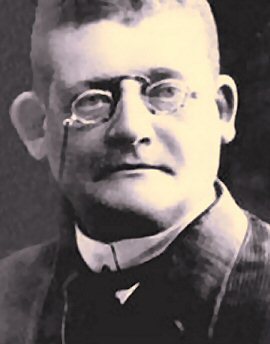
Georges Palante (1862-1925), who inspired professor Merlin, alias 'Cripure'
The key scenes in this highly particular polyphonic novel are:
- The riot of Saint-Brieuc train station, caused by civilians not allowed to meet their relatives near the front line (a drastic wave of death sentences to curb mutiny is then being carried out),
- A petty ceremony organised by Cripure's collegues to decorate a nurse,
- Cripure's nightmarish visions, especially that of Saint-Michel's Church, becoming a monstrous ox before his eyes!
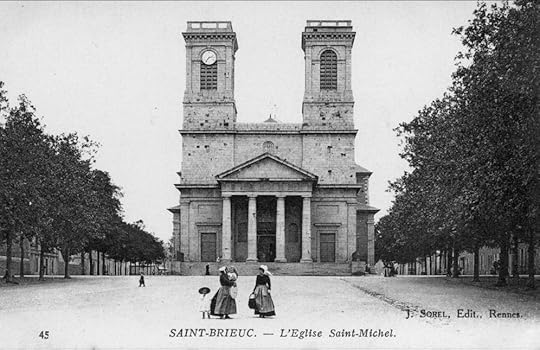
Saint-Michel's Church in Saint-Brieuc, where Commander-in-Chief Foch actually married Julie Bienvenüe, in 1883
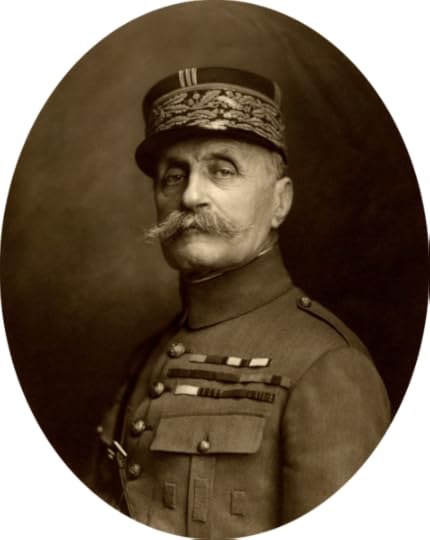
Ferdinand Foch, 1921
While the main story involving WW1, the February revolution, Saint-Brieuc and the official hypocrisy and social conventions regarding war felt vibrant and riveting with its wealth of details on the era, the main story centered on Cripure was at best uneven in my opinion. The onset is powerful, creates vibrant and contrary expectations as to who this uncommon citizen might actually be... Only to let him wade in the same ruts throughout... That might very well be his personal tragedy, that of never being able to free himself from the past, the pride of his private sufferings, or from his terrible tempers, but that doesn't make necessarily for great reading. Also, the sheer place Cripure takes in the story makes other characters pale in comparison, looking like those strange mouthpieces haunting The Counterfeiters or Man's Fate.
A few significant quotes:
'Il ne s'agit pas de savoir si l'on doit vivre ou mourir, aimer ou haïr. Il s'agit de savoir : au nom de quoi ?'
'Non. Pas des rubans. En bonne justice il faudrait leur remettre aux uns : une tête, aux autres : une jambe ou un bras. Hein ? Que serait cette Mme Faurel avec la tête de son valet de chambre accrochée par les cheveux à son sein ? Et Nabucet avec une jambe rivée à la boutonnière de sa requimpette ? [...] Aux femmes amoureuses [...] on ferait de splendides colliers avec les yeux pétrifiés de leurs Tristans [...]. Quant à M. Babinot, oh ! celui-là, il aurait droit à un cadavre tout entier. Celui d'un général ? Pas très courant, hélas ! Celui d'un commandant par exemple. Cela donnerait lieu à une émouvante cérémonie qui se déroulerait en grande pompe au Champ-de-Mars, les troupes de la garnison étant rassemblées pour une prise d'armes. Le cadavre serait amené sur un affût de canon, un cadavre bien entier, de préférence un gazé ou un étranglé – puisqu'on s'étranglait aussi ! – [...] Ça, ce serait du beau travail ! Ça, c'est ce qui pourrait s'appeler décorer les gens ! Voilà qui ne tromperait personne ! Plus tard, quand de loin on verrait apparaître Babinot dans la rue, sa décoration sur les épaules, on saurait tout de suite à qui l'on avait affaire, et que ce monsieur avait atteint la plus haute dignité dans la hiérarchie des décorés [...].'
'Une église, au centre — des pierres carrées, sans l'ombre d'une sculpture ou le commencement d'un sourire. Si l'on avait pu rêver que les bœufs aient jamais vécu en société à l'image des hommes, et qu'eût germé, dans leur cervelle de bœufs, l'idée de construire une église à leur image de bœufs, cette bâtisse opaque eût fourni un merveilleux exemple d'architecture bovine, sur quoi la sagacité des petits archéologues bovins eût pu s'exercer. Deux courtes tours, nues et carrées, péremptoires comme deux commandements quelconques du décalogue, figuraient assez bien les cornes aveugles de la bête et, entre les tours, le porche bas — c'était pourtant bien un porche — ne pouvait signifier autre chose qu'un front immense, épais, carré, obscur, avec, au-dessous, des piliers énormes, seule rondeur dans cette carrière, et qui évidemment étaient les pattes. La croupe s'étendait, immense, formidable, occupait plus du tiers de la place dans une immobilité dont le spectacle engendrait la frayeur. Telle était la bête. Comme pour les foires elle était décorée. On lui avait mis des petits drapeaux et sur toute la largeur de son front se déroulait une banderole portant une inscription patriotique. Or, ce bœuf, il n'y avait pas si longtemps qu'il était là. Les plus vieilles gens de la ville se souvenaient d'avoir connu à la place un cimetière. Un beau jour, le bœuf était arrivé dans le cimetière, il s'y était rué, grattant la terre de ses sabots et faisant sauter les morts. Plus de cimetière. Mais les morts s'étaient vengés : ils avaient aussitôt transformé les maisons qui entouraient la place en tombeaux et c'est là qu'ils demeuraient depuis sous des déguisements divers. On pouvait sonner à leurs portes : ils ne se montraient jamais sans leur masques. [...] malgré toutes les précautions dont ils s'entouraient, allant jusqu'à se faire décorer et « fabriquer » des enfants pour mieux cacher leur jeu, jusqu'à devenir quelque chose dans la cité, les uns professeurs ou médecins, les autres employés de banque ou commis d'enregistrement, ou même soldats, et ils étaient partis pour la guerre, ce qui était pousser un peu loin la plaisanterie, ils étaient quand même bel et bien des morts, des fantômes.'
Further reading:
Writers, about the bourgeoisie:
The Counterfeiters
Journey to the End of the Night
Exégèse Des Lieux Communs
WW1:
All Quiet on the Western Front
Les Âmes grises
Mrs. Dalloway
Paroles de Poilus: Lettres et carnets du front 1914-1918
La Grande Guerre
14-18, penser le patriotisme
A reference in the novel:
The Possessed (la confession de Stavroguine)
Turntable:
Pulse of the Maggots - Slipknot
One - Metallica
Romance - Apocalyptica
Le Sang noir ('Black Blood') is the encapsulation of the life-long tragedy of professor Merlin, a scholar plagued with acromegaly (and cruel tricks) become recluse in a backwater, Saint-Brieuc in Brittany, during his last twenty-four hours, in 1917.
This singular 'hero' is inspired by real-life Georges Palante, a sociologist and philosopher who was friends with the writer, also deeply attached to this quaint town, in spite of the pettiness it just seems to seethe in... The model also put an end to his days, in 1925.
Georges Palante (1862-1925), who inspired professor Merlin, alias 'Cripure'
The key scenes in this highly particular polyphonic novel are:
- The riot of Saint-Brieuc train station, caused by civilians not allowed to meet their relatives near the front line (a drastic wave of death sentences to curb mutiny is then being carried out),
- A petty ceremony organised by Cripure's collegues to decorate a nurse,
- Cripure's nightmarish visions, especially that of Saint-Michel's Church, becoming a monstrous ox before his eyes!
Saint-Michel's Church in Saint-Brieuc, where Commander-in-Chief Foch actually married Julie Bienvenüe, in 1883
Ferdinand Foch, 1921
While the main story involving WW1, the February revolution, Saint-Brieuc and the official hypocrisy and social conventions regarding war felt vibrant and riveting with its wealth of details on the era, the main story centered on Cripure was at best uneven in my opinion. The onset is powerful, creates vibrant and contrary expectations as to who this uncommon citizen might actually be... Only to let him wade in the same ruts throughout... That might very well be his personal tragedy, that of never being able to free himself from the past, the pride of his private sufferings, or from his terrible tempers, but that doesn't make necessarily for great reading. Also, the sheer place Cripure takes in the story makes other characters pale in comparison, looking like those strange mouthpieces haunting The Counterfeiters or Man's Fate.
A few significant quotes:
'Il ne s'agit pas de savoir si l'on doit vivre ou mourir, aimer ou haïr. Il s'agit de savoir : au nom de quoi ?'
'Non. Pas des rubans. En bonne justice il faudrait leur remettre aux uns : une tête, aux autres : une jambe ou un bras. Hein ? Que serait cette Mme Faurel avec la tête de son valet de chambre accrochée par les cheveux à son sein ? Et Nabucet avec une jambe rivée à la boutonnière de sa requimpette ? [...] Aux femmes amoureuses [...] on ferait de splendides colliers avec les yeux pétrifiés de leurs Tristans [...]. Quant à M. Babinot, oh ! celui-là, il aurait droit à un cadavre tout entier. Celui d'un général ? Pas très courant, hélas ! Celui d'un commandant par exemple. Cela donnerait lieu à une émouvante cérémonie qui se déroulerait en grande pompe au Champ-de-Mars, les troupes de la garnison étant rassemblées pour une prise d'armes. Le cadavre serait amené sur un affût de canon, un cadavre bien entier, de préférence un gazé ou un étranglé – puisqu'on s'étranglait aussi ! – [...] Ça, ce serait du beau travail ! Ça, c'est ce qui pourrait s'appeler décorer les gens ! Voilà qui ne tromperait personne ! Plus tard, quand de loin on verrait apparaître Babinot dans la rue, sa décoration sur les épaules, on saurait tout de suite à qui l'on avait affaire, et que ce monsieur avait atteint la plus haute dignité dans la hiérarchie des décorés [...].'
'Une église, au centre — des pierres carrées, sans l'ombre d'une sculpture ou le commencement d'un sourire. Si l'on avait pu rêver que les bœufs aient jamais vécu en société à l'image des hommes, et qu'eût germé, dans leur cervelle de bœufs, l'idée de construire une église à leur image de bœufs, cette bâtisse opaque eût fourni un merveilleux exemple d'architecture bovine, sur quoi la sagacité des petits archéologues bovins eût pu s'exercer. Deux courtes tours, nues et carrées, péremptoires comme deux commandements quelconques du décalogue, figuraient assez bien les cornes aveugles de la bête et, entre les tours, le porche bas — c'était pourtant bien un porche — ne pouvait signifier autre chose qu'un front immense, épais, carré, obscur, avec, au-dessous, des piliers énormes, seule rondeur dans cette carrière, et qui évidemment étaient les pattes. La croupe s'étendait, immense, formidable, occupait plus du tiers de la place dans une immobilité dont le spectacle engendrait la frayeur. Telle était la bête. Comme pour les foires elle était décorée. On lui avait mis des petits drapeaux et sur toute la largeur de son front se déroulait une banderole portant une inscription patriotique. Or, ce bœuf, il n'y avait pas si longtemps qu'il était là. Les plus vieilles gens de la ville se souvenaient d'avoir connu à la place un cimetière. Un beau jour, le bœuf était arrivé dans le cimetière, il s'y était rué, grattant la terre de ses sabots et faisant sauter les morts. Plus de cimetière. Mais les morts s'étaient vengés : ils avaient aussitôt transformé les maisons qui entouraient la place en tombeaux et c'est là qu'ils demeuraient depuis sous des déguisements divers. On pouvait sonner à leurs portes : ils ne se montraient jamais sans leur masques. [...] malgré toutes les précautions dont ils s'entouraient, allant jusqu'à se faire décorer et « fabriquer » des enfants pour mieux cacher leur jeu, jusqu'à devenir quelque chose dans la cité, les uns professeurs ou médecins, les autres employés de banque ou commis d'enregistrement, ou même soldats, et ils étaient partis pour la guerre, ce qui était pousser un peu loin la plaisanterie, ils étaient quand même bel et bien des morts, des fantômes.'
Further reading:
Writers, about the bourgeoisie:
The Counterfeiters
Journey to the End of the Night
Exégèse Des Lieux Communs
WW1:
All Quiet on the Western Front
Les Âmes grises
Mrs. Dalloway
Paroles de Poilus: Lettres et carnets du front 1914-1918
La Grande Guerre
14-18, penser le patriotisme
A reference in the novel:
The Possessed (la confession de Stavroguine)
Turntable:
Pulse of the Maggots - Slipknot
One - Metallica
Romance - Apocalyptica

May 27, 2024
The story of an academic philosopher who, ageing and unstimulated by his current status (both in work and life), spends his days in existential crisis contemplating thoughts of purpose and loss, waste and optimism, set against the backdrop of the last year of the First World war. Francoise Merlin (Cripure to everyone else, a nickname based on Kant's CRItique of PURE reason) is a man coming to terms with his end, in more ways than one, and his faltering crusade against his fellow man. He lives with his maid Maia (also his mistress) and his many yapping dogs. He pointlessly endeavours to educate young men about philosophy (in a mildly buffoonish manner) and loathes his academic nemesis Nabucet. He dabbles in nihilistic thought (especially since his wife left him) but clings to the innocent hope that there might be something behind it all.
This is a magnificent book. The writing is wonderful and the characters (Cripure especially) are larger than life and the perfect axis around which to pivot such lofty considerations. It goes without saying that Guilloux has plenty to say about the futile waste of life consumed by the war as well as the cynicism of the time (while Celine comes to the distinct conclusion in Journey to the End of the Night that it's all for nothing, Guilloux has a remnant of hope still left within him). But they both agree that the war was an unnecessary trauma.
The book reminded me a lot of Auto De Fe (printed the same year in 1935) and obviously Celine's Journey (1932) both in terms of subject matter and writing style. The prose here is superb, lyrical and mature, intelligent and rich, and wonderfully crafted. It is obviously a philosophical book but one which is subtle and focuses on the plot (the events of just one day) as well as the characters to explore those philosophical themes. By the final third, however, I did feel that it was dragging a little and could have been much shorter. There are characters, for example, such as Kaminsky and his friends who felt a little redundant, even somewhat out of sync with the overall story. But Guilloux wants to give a complete picture, a fully realised world, and he does this by emphasising the notion of showing, not telling, though I'm not sure it was entirely necessary. A lot of those threads never really go anywhere interesting (beyond fleshing out the small community and demonstrating the general feeling of people regarding the war and its immediate cultural consequences).
The real star is Cripure and I craved returning to the chapters that involved him. At times, he is oafish and exaggerated (almost to Ignatius J Reilly levels of buffoonery) while at other times he is sombre and romantic, disturbed by his deformed feet, his broken heart, his drinking, and his desire for beauty to exist in a world that appears to have none.
A great piece but probably longer than it needed to be. Highly recommended.
This is a magnificent book. The writing is wonderful and the characters (Cripure especially) are larger than life and the perfect axis around which to pivot such lofty considerations. It goes without saying that Guilloux has plenty to say about the futile waste of life consumed by the war as well as the cynicism of the time (while Celine comes to the distinct conclusion in Journey to the End of the Night that it's all for nothing, Guilloux has a remnant of hope still left within him). But they both agree that the war was an unnecessary trauma.
The book reminded me a lot of Auto De Fe (printed the same year in 1935) and obviously Celine's Journey (1932) both in terms of subject matter and writing style. The prose here is superb, lyrical and mature, intelligent and rich, and wonderfully crafted. It is obviously a philosophical book but one which is subtle and focuses on the plot (the events of just one day) as well as the characters to explore those philosophical themes. By the final third, however, I did feel that it was dragging a little and could have been much shorter. There are characters, for example, such as Kaminsky and his friends who felt a little redundant, even somewhat out of sync with the overall story. But Guilloux wants to give a complete picture, a fully realised world, and he does this by emphasising the notion of showing, not telling, though I'm not sure it was entirely necessary. A lot of those threads never really go anywhere interesting (beyond fleshing out the small community and demonstrating the general feeling of people regarding the war and its immediate cultural consequences).
The real star is Cripure and I craved returning to the chapters that involved him. At times, he is oafish and exaggerated (almost to Ignatius J Reilly levels of buffoonery) while at other times he is sombre and romantic, disturbed by his deformed feet, his broken heart, his drinking, and his desire for beauty to exist in a world that appears to have none.
A great piece but probably longer than it needed to be. Highly recommended.

Read
June 30, 2018Extraordinary. A WWI novel without combat, a very early absurdist text, existentialism before existentialism, Blood Dark is another one of those novels that a couple of hundred words isn’t really going to do justice to. The story of a faded, miserable, deformed academic, whose existence is dominated by a pointless and vague but still in some sense admirable crusade against – what, exactly? His fellow man, the circumstances enforced upon them by a cruel circumstance or a still more terrible deity. The surrounding cast of hypocrites, sadistic false patriots, weak saints, elderly lovers and corrupt bourgeoise offer a scathing comment on the state of the French nation in the last year of WWI, but our pseudo-hero’s crusade, indifferently and pointlessly pursued, is at the heart of this masterpiece. This is bitter black by not nihilistic, and in contrast to a lot of his successors, NAME works to mine some value out of the ludicrous awfulness of the human condition, rather than wallowing pointlessly in it. Very strong recommendation, assuming, you know, you have the energy and time to spare.


August 24, 2022
"Maar een mens schiet zich toch niet dood voor 'ideeën'?"
In "Het Zwarte Bloed" krijgen we een soort caleidoscopisch portret van een Frans provinciestadje, met als centrale figuur Cripure. Deze misantrope, aan acromegalie lijdende, gedesillusioneerde filosofieleraar koestert een haat voor wat hij rond zich ziet gebeuren: het is 1917, de Eerste Wereldoorlog is volop bezig en de jonge generatie wordt op treinen gezet om aan het front te gaan sterven. We leren Cripure kennen als een teleurgestelde ex-anarchist die overal complotten denkt te zien en geobsedeerd is door wat hij de "pissebedden" noemt: de brave burgermannen en -vrouwen die zonder enige moeite hun zonen opofferen in naam van patriottisme en nationalisme. "De Pissebed" treedt trouwens ook enkele keren aan: het alter ego van de protagonist, een kreupel waanbeeld dat hij 's nachts voorbij zijn woning hoort strompelen. Cripures leven is namelijk mislukt en hij vraagt zich af waar zijn vroegere revolutionaire idealen naartoe zijn: waarom doet hij zelf niets?
Alhoewel deze roman in 600 bladzijden één dag vertelt, had ik nergens het gevoel dat ik moest doorbijten. Guilloux is een meesterverteller die met "Het Zwarte Bloed" een schitterende anti-oorlogsroman heeft afgeleverd die doordrongen is van misantropie en teleurstelling en de absurditeit van de oorlog en het leven in het algemeen blootlegt. Een meesterwerk!
Over het decoreren van oorlogsveteranen:
"Nee, geen lintjes. In alle billijkheid hadden ze de één een hoofd moeten geven en de ander een been of een arm. Waar of niet? Hoe zou die mevrouw Faurel eruitzien met het hoofd van haar kamerdienaar aan de haren op haar boezem vastgevonden? En Nabucet met een been in het knoopsgat van zijn pandjesjasje? [...] En wat Babinot betreft, ha, die kreeg een heel lijk."
In "Het Zwarte Bloed" krijgen we een soort caleidoscopisch portret van een Frans provinciestadje, met als centrale figuur Cripure. Deze misantrope, aan acromegalie lijdende, gedesillusioneerde filosofieleraar koestert een haat voor wat hij rond zich ziet gebeuren: het is 1917, de Eerste Wereldoorlog is volop bezig en de jonge generatie wordt op treinen gezet om aan het front te gaan sterven. We leren Cripure kennen als een teleurgestelde ex-anarchist die overal complotten denkt te zien en geobsedeerd is door wat hij de "pissebedden" noemt: de brave burgermannen en -vrouwen die zonder enige moeite hun zonen opofferen in naam van patriottisme en nationalisme. "De Pissebed" treedt trouwens ook enkele keren aan: het alter ego van de protagonist, een kreupel waanbeeld dat hij 's nachts voorbij zijn woning hoort strompelen. Cripures leven is namelijk mislukt en hij vraagt zich af waar zijn vroegere revolutionaire idealen naartoe zijn: waarom doet hij zelf niets?
Alhoewel deze roman in 600 bladzijden één dag vertelt, had ik nergens het gevoel dat ik moest doorbijten. Guilloux is een meesterverteller die met "Het Zwarte Bloed" een schitterende anti-oorlogsroman heeft afgeleverd die doordrongen is van misantropie en teleurstelling en de absurditeit van de oorlog en het leven in het algemeen blootlegt. Een meesterwerk!
Over het decoreren van oorlogsveteranen:
"Nee, geen lintjes. In alle billijkheid hadden ze de één een hoofd moeten geven en de ander een been of een arm. Waar of niet? Hoe zou die mevrouw Faurel eruitzien met het hoofd van haar kamerdienaar aan de haren op haar boezem vastgevonden? En Nabucet met een been in het knoopsgat van zijn pandjesjasje? [...] En wat Babinot betreft, ha, die kreeg een heel lijk."

June 2, 2022
הספר הזה של לואי גויו הוא מופת של ספרות מודרניסטית. כל כולו כציר עליו חגים שינויי תפיסה, סגנון וערכים, מערכי המאה ה-19 אל ערכי המאה ה-20. הספר פורסם ב-1935 וניתן למצוא בו ניצנים לתפיסות שהטרימו תפיסות הומניסטיות וביקורתיות שפותחו ב"בחילה" לסארטר ובכתביו של קאמי. הוא גם מהווה כעין המשך או תגובה ל"מסע אל קצה הלילה" של סאלין.
זמנה של העלילה הוא נקודת מפנה מדויקת, זמנה של מלחמת העולם הראשונה (1917), מלחמה שהחריבה אימפריות ואתן את התפיסות החברתיות והפסיכולוגיות של המאה ה-19. אך הספר שפורסם כמעט עשרים שנה מאוחר יותר, אינו תיעוד של המלחמה אלא הסתכלות ביקורתית מרוחקת יותר. אין כאן רק ביטוי של הלכי הרוח של התקופה אלא ייצוג קומי/טראגי של התקופה מתוך הסתכלות ביקורתית שצמחה מאוחר יותר. גם המיקום של ההתרחשות, בעיירה קרתנית קטנה בעורף, מאפשר מבט חיצוני, מרוחק מזה של החייל בשדה בקרב (כמו שמוצג למשל בפתיחה המהממת של "מסע אל קצה הלילה") או משל מהומת הפיאסטה שבבירה פאריז – זירה המאפשרת להציג בבהירות מגוון של טיפוסים ומגוון של דעות ואת ההתנגשות שביניהם.
המלחמה הבלתי נגמרת שאינה מצליחה להגיע להכרעה, מתחילה להיתפס אצל הדור הלוחם לא כמלחמת הצלה פטריוטית, אלא כאיוולת חסרת תכלית המבקשת להשמידם. נוצר פער תודעתי בינם לבין דור ההורים שעדין מחזיק בתפיסות פטריוטיות, בורגניות וערכיות בנות המאה הקודמת, פער המוביל לחיכוך ולחוסר הבנה כמו גם להתמרדויות של חיילים המסרבים לחזור לחזית מחופשותיהם. בתווך לכוד גיבור הסיפור – מורה מזדקן לפילוסופיה בשם מרלין – המכונה בלעג בפי תלמידיו קריפור (קיצור שמה של יצירתו האימתנית של קאנט critique of pure reason, ביקורת התבונה הטהורה, cri-pure). קריפור מגלם בגופו סתירות רבות. מצד אחד הוא זקן ונכה, מורה השנוא על תלמידיו הצעירים ועל מרבית עמיתיו הפטריוטיים. מצד שני הוא נחשב לפילוסוף נערץ בעיני מעטים, המבקשים לראות בו מודל מוסרי בזמנים קשים. קריפור הוא פילוסוף ניטשאני, כזה הבז לבורגנות ומצליח לראות מעבר לתפיסות החברתיות המקובלות אך הוא גם אדם כושל כזה שאינו מצליח לממש הן בחיי הרגש והן בחיי המעשה את הפילוסופיה לה הוא מטיף. בעוד שהוא אמור לשמש מגדלור מוסרי הרי חיי הרגש שלו מסובכים ברגשות אשמה וכשלון – על אישתו שבגדה ונטשה אותו, על הדוקטורט שלא אושר, על עוניו, זקנתו, נכותו והלעג שלו הוא זוכה. כפי שמכנה אותו בפתיחת הרומן תלמיד העומד בפני גיוס לצבא ובא להיוועץ בו –קריפור הוא מתחזה מזויף.
קריפור מזכיר מעט את דמותו של טרוֹפימוֹביץ' האב מ"שדים" של דוסטוייבסקי. אינטלקטואל נערץ, שאין לו כל הישגים אקדמיים ממשיים, וילדותי מאוד בחייו האישיים עד כדי חוסר יכולת תפקוד. רמיזות לספרות הרוסית של המאה ה-19 ניתן למצוא כאן למכביר – הדו קרב בו מסתבך קריפור, שיחה שהוא מנהל עם עצמו בזמן שכרות המרמזת לדיאלוג עם השטן ב"אחים קרמזוב" ומקהלה של שירים רוסיים המרבה להופיע ברומן ועולה ממחנה של מתנדבים רוסיים השוכן בסמוך לביתו של קריפור. אבל גם רוסיה של התקופה ההיא אבדה במהפכה המתחוללת.
אך על אף אי היכולת שלו לתפקד, קריפור גם מבין את הזיוף בחייו, דבר המוביל לסופו הטראגי שנסיבותיו מעורפלות במקצת. חייו (וגם חייהן של דמויות משנה שהרומן משופע בהן) מתנהלים כבמיתוך ניגוד לרומנטיקה של המאה ה-19 המגולמת בדמותו של הוגה דעות סגפן בן אותה עיירה, שהתאבד בעקבות אהבה שלא התממשה ושעליו נסבה עבודת הדוקטורט הכושלת של קריפור. הפילוסופיה משתנה וערכי העולם הקודם מתגלים כמטופשים ונלעגים. דמויות רבות בסיפור מנסות להימלט מן העיירה והמלחמה כאשר אי יכולת להימלט גוררת כליה.
הדבר מוצא ביטוי חזק במיוחד בדמותו של מנהל בית הספר התיכון, שאינו מקבל במשך זמן רב ידיעות מבנו שבחזית ושדואג שאולי מצא את מותו. בשיאו של הרומן מתברר כי הבן לא יצר קשר מפני שמרד והוא עומד להיות מוצא להורג. עולמו של המנהל שעמד בתואם לערכי הפטריוטיות והחברה הבורגנית, משתנה כבמטה קסם ומתחוור לו כי החברה שהיה חלק ממנה מבקשת כעת לחסל את בנו בשל איוולת ואין ביכולתו לעשות דבר בנידון.
הרומן הוא חכם ושובה לב כמו רומנים מודרניים רבים אחרים. יחד עם זאת הסוגיות בהן הוא עוסק נדונו כבר רבות בספרות המאה העשרים כך שהוא איבד משהו מהחדשנות שהייתה מנת חלקו לפני תשעים שנה.
זמנה של העלילה הוא נקודת מפנה מדויקת, זמנה של מלחמת העולם הראשונה (1917), מלחמה שהחריבה אימפריות ואתן את התפיסות החברתיות והפסיכולוגיות של המאה ה-19. אך הספר שפורסם כמעט עשרים שנה מאוחר יותר, אינו תיעוד של המלחמה אלא הסתכלות ביקורתית מרוחקת יותר. אין כאן רק ביטוי של הלכי הרוח של התקופה אלא ייצוג קומי/טראגי של התקופה מתוך הסתכלות ביקורתית שצמחה מאוחר יותר. גם המיקום של ההתרחשות, בעיירה קרתנית קטנה בעורף, מאפשר מבט חיצוני, מרוחק מזה של החייל בשדה בקרב (כמו שמוצג למשל בפתיחה המהממת של "מסע אל קצה הלילה") או משל מהומת הפיאסטה שבבירה פאריז – זירה המאפשרת להציג בבהירות מגוון של טיפוסים ומגוון של דעות ואת ההתנגשות שביניהם.
המלחמה הבלתי נגמרת שאינה מצליחה להגיע להכרעה, מתחילה להיתפס אצל הדור הלוחם לא כמלחמת הצלה פטריוטית, אלא כאיוולת חסרת תכלית המבקשת להשמידם. נוצר פער תודעתי בינם לבין דור ההורים שעדין מחזיק בתפיסות פטריוטיות, בורגניות וערכיות בנות המאה הקודמת, פער המוביל לחיכוך ולחוסר הבנה כמו גם להתמרדויות של חיילים המסרבים לחזור לחזית מחופשותיהם. בתווך לכוד גיבור הסיפור – מורה מזדקן לפילוסופיה בשם מרלין – המכונה בלעג בפי תלמידיו קריפור (קיצור שמה של יצירתו האימתנית של קאנט critique of pure reason, ביקורת התבונה הטהורה, cri-pure). קריפור מגלם בגופו סתירות רבות. מצד אחד הוא זקן ונכה, מורה השנוא על תלמידיו הצעירים ועל מרבית עמיתיו הפטריוטיים. מצד שני הוא נחשב לפילוסוף נערץ בעיני מעטים, המבקשים לראות בו מודל מוסרי בזמנים קשים. קריפור הוא פילוסוף ניטשאני, כזה הבז לבורגנות ומצליח לראות מעבר לתפיסות החברתיות המקובלות אך הוא גם אדם כושל כזה שאינו מצליח לממש הן בחיי הרגש והן בחיי המעשה את הפילוסופיה לה הוא מטיף. בעוד שהוא אמור לשמש מגדלור מוסרי הרי חיי הרגש שלו מסובכים ברגשות אשמה וכשלון – על אישתו שבגדה ונטשה אותו, על הדוקטורט שלא אושר, על עוניו, זקנתו, נכותו והלעג שלו הוא זוכה. כפי שמכנה אותו בפתיחת הרומן תלמיד העומד בפני גיוס לצבא ובא להיוועץ בו –קריפור הוא מתחזה מזויף.
קריפור מזכיר מעט את דמותו של טרוֹפימוֹביץ' האב מ"שדים" של דוסטוייבסקי. אינטלקטואל נערץ, שאין לו כל הישגים אקדמיים ממשיים, וילדותי מאוד בחייו האישיים עד כדי חוסר יכולת תפקוד. רמיזות לספרות הרוסית של המאה ה-19 ניתן למצוא כאן למכביר – הדו קרב בו מסתבך קריפור, שיחה שהוא מנהל עם עצמו בזמן שכרות המרמזת לדיאלוג עם השטן ב"אחים קרמזוב" ומקהלה של שירים רוסיים המרבה להופיע ברומן ועולה ממחנה של מתנדבים רוסיים השוכן בסמוך לביתו של קריפור. אבל גם רוסיה של התקופה ההיא אבדה במהפכה המתחוללת.
אך על אף אי היכולת שלו לתפקד, קריפור גם מבין את הזיוף בחייו, דבר המוביל לסופו הטראגי שנסיבותיו מעורפלות במקצת. חייו (וגם חייהן של דמויות משנה שהרומן משופע בהן) מתנהלים כבמיתוך ניגוד לרומנטיקה של המאה ה-19 המגולמת בדמותו של הוגה דעות סגפן בן אותה עיירה, שהתאבד בעקבות אהבה שלא התממשה ושעליו נסבה עבודת הדוקטורט הכושלת של קריפור. הפילוסופיה משתנה וערכי העולם הקודם מתגלים כמטופשים ונלעגים. דמויות רבות בסיפור מנסות להימלט מן העיירה והמלחמה כאשר אי יכולת להימלט גוררת כליה.
הדבר מוצא ביטוי חזק במיוחד בדמותו של מנהל בית הספר התיכון, שאינו מקבל במשך זמן רב ידיעות מבנו שבחזית ושדואג שאולי מצא את מותו. בשיאו של הרומן מתברר כי הבן לא יצר קשר מפני שמרד והוא עומד להיות מוצא להורג. עולמו של המנהל שעמד בתואם לערכי הפטריוטיות והחברה הבורגנית, משתנה כבמטה קסם ומתחוור לו כי החברה שהיה חלק ממנה מבקשת כעת לחסל את בנו בשל איוולת ואין ביכולתו לעשות דבר בנידון.
הרומן הוא חכם ושובה לב כמו רומנים מודרניים רבים אחרים. יחד עם זאת הסוגיות בהן הוא עוסק נדונו כבר רבות בספרות המאה העשרים כך שהוא איבד משהו מהחדשנות שהייתה מנת חלקו לפני תשעים שנה.

July 4, 2011
I didn't really like the way it was written, but I enjoyed the story. A strange visit into a professor's mind, a ride in which you find some of the boundaries that we, as humans, can reach.

March 1, 2018
Introduction, by Alice Kaplan
A Note on the Translation
--Blood Dark
Translator's Acknowledgments
Notes
A Note on the Translation
--Blood Dark
Translator's Acknowledgments
Notes

Read
September 10, 2023i hate it and i love it. it needs a reread. it's a rare situation where the ending saved the whole book. the last 25% made the slog worth it.
October 31, 2024
Het zwarte bloed van Louis Guilloux.
Dit boek (uit 1935) vertelt het verhaal van de laatste dag uit het leven van een aan acromegalie lijdende filosofie leraar, Cripure genaamd, in een Franse provinciestad in 1917. De Eerste Wereldoorlog is nog in volle gang.
Dit werk is puur Frans existentialisme (avant la lettre) en doorspekt van misantropie.
De beschouwingen van Cripure, die gehuld in een geitenvacht rondloopt, zijn meesterlijk en soms ook vrij geestig. De medemens noemt hij bij tijd en wijlen pissenbedden.
Deze Dostojevski-achtige roman is werkelijk een enorme aanrader. Ik vind deze roman velen malen beter dan het in 1932 verschenen werk 'Reis naar het einde van de nacht' van 'Louis-Ferdinand Céline'. Een boek dat hier en daar gelijkenissen vertoont met dit boek van Louis Guilloux.
Tel daar nog bij op dat dit boek een prachtige bibliofiele uitgave heeft gekregen (uit 1999) van de inmiddels ter ziele gegane uitgeverij Coppens & Frenks.
Conclusie: dit ten onrechte in de vergetelheid geraakte meesterwerk verdient een groter publiek.
Dit boek (uit 1935) vertelt het verhaal van de laatste dag uit het leven van een aan acromegalie lijdende filosofie leraar, Cripure genaamd, in een Franse provinciestad in 1917. De Eerste Wereldoorlog is nog in volle gang.
Dit werk is puur Frans existentialisme (avant la lettre) en doorspekt van misantropie.
De beschouwingen van Cripure, die gehuld in een geitenvacht rondloopt, zijn meesterlijk en soms ook vrij geestig. De medemens noemt hij bij tijd en wijlen pissenbedden.
Deze Dostojevski-achtige roman is werkelijk een enorme aanrader. Ik vind deze roman velen malen beter dan het in 1932 verschenen werk 'Reis naar het einde van de nacht' van 'Louis-Ferdinand Céline'. Een boek dat hier en daar gelijkenissen vertoont met dit boek van Louis Guilloux.
Tel daar nog bij op dat dit boek een prachtige bibliofiele uitgave heeft gekregen (uit 1999) van de inmiddels ter ziele gegane uitgeverij Coppens & Frenks.
Conclusie: dit ten onrechte in de vergetelheid geraakte meesterwerk verdient een groter publiek.
November 1, 2024
Het zwarte bloed. Zwart is de humor. Zwart het mensbeeld. Maar wat een schitterend beeld van de provinciaalse bekrompenheid. Van de hemeltergende hypocrisie. Van, zoals Guilloux het noemt, de pissenbedden. Aan vreemde snuiters is in het boek geen gebrek. De één afstotelijk, de andere aandoenlijk, maar allemaal herkenbare typetjes.
Dit is geen oorlogsboek maar toch is ieder blad doordrongen van de wreedheid van de Grote Oorlog. De nationalistische, kleinburgerlijke goegemeente die zonder scrupules de jongemannen, hun eigen zonen, de dood instuurt, de jonge soldaten die dit beseffen en rebeleren. Het hoofdpersonage, Cripure, die gebroken door het leven en de liefde, zijn haat uitschreeuwt tegen deze "dode zielen" en ten ondergaat aan die haat.
Een magistraal boek dat -bijna niet te geloven- in 1935 werd geschreven.
Dit is geen oorlogsboek maar toch is ieder blad doordrongen van de wreedheid van de Grote Oorlog. De nationalistische, kleinburgerlijke goegemeente die zonder scrupules de jongemannen, hun eigen zonen, de dood instuurt, de jonge soldaten die dit beseffen en rebeleren. Het hoofdpersonage, Cripure, die gebroken door het leven en de liefde, zijn haat uitschreeuwt tegen deze "dode zielen" en ten ondergaat aan die haat.
Een magistraal boek dat -bijna niet te geloven- in 1935 werd geschreven.

March 27, 2018
Compelled to review. Sort of reads like The Book of Ebenezer Le Page in that it details WWI with easy lucidity. At times very funny but always tragic - Cripure now resides in my brain along side Peredonov and Pere Ubu. Not so much because they share charateristics but moreso in that they are characteristics. I'll edit my shitty writing later but I want to get my impressions out before they become tainted as most thoughts are when they transmogrify into ideas (in my head at least). What's a great read but a connection? There's a powerful mind behind this work and part of the strength is in Guilloux's honesty in asking questions instead of giving answers. I've spent the last few hours of reading this book not so much reading as observing a narrative. Only the names are fictive because you'll have no doubt this is exactly how things unfolded over a 24 hour period in France. Rezzori, Khrzhizhanovsky and Kosztolanyi come to mind as points of comparison. Rich with human understanding and depth all tempered by an appreciated respect for the reader. Rarely have I enjoyed reading something as much as this. There are few things more worth my time and coin than the NYRB classics and this one rates among their best offerings.

September 21, 2017
Set in 1917 France it tells of a single two day period in a small town coping with WWI. It is not just the tragic loss of young life but the suspicions that some community members are not fully supportive of the war effort that pits people against one another to varying degrees. Cripure is the nickname given to a philosophy professor at the lycee who has a deformity of the feet which both hampers his mobility and makes him a figure of ridicule, while simultaneously being admired by many former students having been influenced by his uncompromising intellect. Nabucet, another teacher there, is the pretentious antithesis of Cripure, all style and no substance. The two come into conflict during a demonstration at the railway station where the public is being prevented from boarding. It turns into a melee with a faction taking it up as a sort of anti-war protest and Cripure ends up slapping Nabucet. A fascinating portrayal of the many eccentric characters inhabiting this village with a great deal of humor interspersed with the tragic.

February 22, 2018
This really is an astonishing book, the introduction says that Camus compared it to Dostoevsky and I wouldn't disagree.
It takes place in 24 hours with a fairly large cast of 20 or so characters in a small French provincial town in 1917 close to the Western Front. The backdrop is the First World War which permeates much of the action indirectly, but Guilloux is adept at getting inside each characters thoughts and motivations, the psychology that he portrays is as Dostoevsky. It's a complex canvas and I think will definitely benefit from re-reading to appreciate the full subtleties.
Fabulous book - well done to NYRB for publishing (and did they commission this new translation which makes it so readable ? )
It takes place in 24 hours with a fairly large cast of 20 or so characters in a small French provincial town in 1917 close to the Western Front. The backdrop is the First World War which permeates much of the action indirectly, but Guilloux is adept at getting inside each characters thoughts and motivations, the psychology that he portrays is as Dostoevsky. It's a complex canvas and I think will definitely benefit from re-reading to appreciate the full subtleties.
Fabulous book - well done to NYRB for publishing (and did they commission this new translation which makes it so readable ? )
October 8, 2019
As if Flaubert, instead of puzzling over every word and cutting and trimming and defining and refining, had written the satirical chapters of Bovary in one three month long period, without cutting anything, and then stitched them together as best he could. The provincial satire is strong, but when your main character is named after Kant's first critique, I'm going to need more intellectual weight than this to fill out 500+ pages.
December 30, 2025
Most Russian of the French novels I’ve read — Dostoevskian, rippling maddening wisdom
January 4, 2025
В цій книзі міг би зʼявитись Пес Патрон. Він би відбув корпоратив, пішов би у шинок, нажерся, зняв повію, отримав би повістку від мера міста, знав би що це смертний вирок розтягнутий у часі, вирішив би час не розтягувати і повісився б на центральній площі. Наступного ранку мешканці б побачили велику ростову ляльку що тіліпається на дереві, діти б фотографувалися з нею і водили хороводи, промовці виголошували б патріотичні промови… допоки запах і невеличка калюжа не почали б викликати підозри. Пса Патрона в книзі звичайно нема (мер є, повії також), але настрій десь такий. Відшматувати мочку вуха, прострелити печінку і спостерігати за своєю повільною смертю.
Дія роману відбувається протягом доби, у невеликому тиловому французькому місті, під час Першої Світової Війни. Приблизно: зима 1917-18 років. В центрі оповіді місцева “еліта”: головним чином викладачі ліцею, декілька офіцерів, чиновники. Для когось війна вже “закінчилась”, для когось і не розпочиналась, хтось експлуатуючи тему війни намагається робити карʼєру, хтось все ще повернутий на патріотизмі, хтось на третьому році неочікувано дізнається що на війні помирають і це не брава хоробра смерть на яку з радістю йдуть заради батьківщини як те виставляє пропаганда. По різному. Старі пердуни виголошують палкі промови, хвалять один одного, булять один одного, мріють про молоденьких служниць - “чим молодше - тим краще” - і йдуть на уроки розповідати студентам про мораль.
Тим часом армія виснажена, в армії спалахують бунти, солдати приїжджають у відпустку з пустими очима, не розуміють навіщо це все, думають про добродіїв які їх навчали в ліцеї як про шахраїв, мріють про те щоб це все закінчилося. Більшовицький переворот і вихід Російської Імперії з війни дає надію на те що у Франції такий сценарій також можливий. (В решті воно так і станеться, але не у Франції: війна закінчиться революцією в Німеччині, та це вже інша історія).
На цьому фоні розгортається невеличка персональна драма головного героя. Хоча драм в книзі більше одної, кожного разу коли здається що гірше вже бути не може, автор турботливо знаходить що ще докинути. “Головна” історія не повʼязана з війною, це скоріше страждання за безглуздо прожите життя. (Вибачте за згадку) У відомій дилемі імені Раскольнікова “тварь ли я дрожащая или право имеющий”, головний герой обрав “тварь”, причому "тварь" у різних сенсах цього слова, оточуючі також поступово здогадались “о-о-о, а він-то тварь”, також у різних сенсах цього слова, і… ну а що хороше з цього могло вийти, не дивлячись на те що головний герой - розумна, добре освічена людина, автор декількох наукових праць.
Специфічний стиль, до нього треба звикнути. Текст трохи дьорганий, багато недоговорених фраз і незакінчених речень. Складається таке враження що ти сидиш в театрі, а за зачиненими лаштунками йде вистава, ти чуєш репліки, але не завжди відразу зрозуміло хто говорить. Тим часом автор описує що відбувається на сцені, випадково концентруючись то на окремих деталях, то на загальному враженні від сцени в поточний момент. Деякі деталі декорацій то виринають, то пропадають: вони власне увесь час там, але автор не концентрує на них увагу, а сцену ми не бачимо. Тому буває таке: “а памʼятаєте там висіло ружжо… так от...”. Це додає додаткового сумʼяття й у так досить похмуру картину усього що відбувається. Читається дуже швидко, зупиняєшся скоріше тому що складно витримати настільки концентровану темряву. Пишуть що роман зацінив Камю, теми і настрій дійсно схожі, стилістика геть інша.
Переклад дуже крутий, як на мене. У тексті багато “простої” народної мови, в перекладі надзвичайно доречно підібрано відповідники.
Загалом: вражає. 10 з 5. По перших сторінках не було великих сподівань, але потім складно було відірватися. Хоча це ще одна книга в колекцію “мені сподобалось, але рекомендувати не можу”. Мій нормальний настрій/спосіб мислення він геть не позитивний і такий текст гірше зробити не може, скоріше навпаки, але люди люблять любити в книжках доброту, чи хоча б надію, тут цього нема. Як то кажуть: viewer discretion is advised.
Дія роману відбувається протягом доби, у невеликому тиловому французькому місті, під час Першої Світової Війни. Приблизно: зима 1917-18 років. В центрі оповіді місцева “еліта”: головним чином викладачі ліцею, декілька офіцерів, чиновники. Для когось війна вже “закінчилась”, для когось і не розпочиналась, хтось експлуатуючи тему війни намагається робити карʼєру, хтось все ще повернутий на патріотизмі, хтось на третьому році неочікувано дізнається що на війні помирають і це не брава хоробра смерть на яку з радістю йдуть заради батьківщини як те виставляє пропаганда. По різному. Старі пердуни виголошують палкі промови, хвалять один одного, булять один одного, мріють про молоденьких служниць - “чим молодше - тим краще” - і йдуть на уроки розповідати студентам про мораль.
Тим часом армія виснажена, в армії спалахують бунти, солдати приїжджають у відпустку з пустими очима, не розуміють навіщо це все, думають про добродіїв які їх навчали в ліцеї як про шахраїв, мріють про те щоб це все закінчилося. Більшовицький переворот і вихід Російської Імперії з війни дає надію на те що у Франції такий сценарій також можливий. (В решті воно так і станеться, але не у Франції: війна закінчиться революцією в Німеччині, та це вже інша історія).
На цьому фоні розгортається невеличка персональна драма головного героя. Хоча драм в книзі більше одної, кожного разу коли здається що гірше вже бути не може, автор турботливо знаходить що ще докинути. “Головна” історія не повʼязана з війною, це скоріше страждання за безглуздо прожите життя. (Вибачте за згадку) У відомій дилемі імені Раскольнікова “тварь ли я дрожащая или право имеющий”, головний герой обрав “тварь”, причому "тварь" у різних сенсах цього слова, оточуючі також поступово здогадались “о-о-о, а він-то тварь”, також у різних сенсах цього слова, і… ну а що хороше з цього могло вийти, не дивлячись на те що головний герой - розумна, добре освічена людина, автор декількох наукових праць.
Специфічний стиль, до нього треба звикнути. Текст трохи дьорганий, багато недоговорених фраз і незакінчених речень. Складається таке враження що ти сидиш в театрі, а за зачиненими лаштунками йде вистава, ти чуєш репліки, але не завжди відразу зрозуміло хто говорить. Тим часом автор описує що відбувається на сцені, випадково концентруючись то на окремих деталях, то на загальному враженні від сцени в поточний момент. Деякі деталі декорацій то виринають, то пропадають: вони власне увесь час там, але автор не концентрує на них увагу, а сцену ми не бачимо. Тому буває таке: “а памʼятаєте там висіло ружжо… так от...”. Це додає додаткового сумʼяття й у так досить похмуру картину усього що відбувається. Читається дуже швидко, зупиняєшся скоріше тому що складно витримати настільки концентровану темряву. Пишуть що роман зацінив Камю, теми і настрій дійсно схожі, стилістика геть інша.
Переклад дуже крутий, як на мене. У тексті багато “простої” народної мови, в перекладі надзвичайно доречно підібрано відповідники.
Загалом: вражає. 10 з 5. По перших сторінках не було великих сподівань, але потім складно було відірватися. Хоча це ще одна книга в колекцію “мені сподобалось, але рекомендувати не можу”. Мій нормальний настрій/спосіб мислення він геть не позитивний і такий текст гірше зробити не може, скоріше навпаки, але люди люблять любити в книжках доброту, чи хоча б надію, тут цього нема. Як то кажуть: viewer discretion is advised.

June 1, 2018
Though it was originally published in 1935, there is a pristine justness in the appearance of Laura Marris's translation of BLOOD DARK (the English title a crafty rendering of LE SANG NOIR) in 2017, as said year marked the centenary of the year in which the novel is set. 1917 was late in the First World War and moral exhaustion had long begun to set in, though the outcome was still far from a sure thing. Mutineers were legion, popular opinion was wavering, and the culture at large was riven w/ contention(s). Louis Guilloux's novel takes place on the home front, in a mid-size town on the north coast of Brittany (based on the town of Saint-Brieuc where Guilloux himself grew up); it is a place where all the aforementioned factors are demonstratively in play. BLOOD DARK appears only a couple years after Céline's great modernist game-changer JOURNEY TO THE END OF THE NIGHT. Both novels are caustic. Both novels are cynical about both the First World War and the hypocritical culture that fostered it. Céline expresses a kind of nihilism, Guilloux grapples w/ nihilism, apparently trying to remain something of a moral ... adult. Whereas Céline was a confrontational pathfinder wielding a metaphorical machete, Guilloux was a writer of extraordinary dexterity committed to a kind of virile classicism. Though perhaps as adept a clinician as Céline in assessing the cruelty, mendacity, and stupidity of a culture and the variegated individuals who populate it, Guilloux is nonetheless ultimately far more sympathetic to his flawed and often comically misdirected characters. Guilloux is a novelist in the mode of the 19th century greats. I think especially of Dostoevsky and Dickens. BLOOD DARK is, simply put, a tragicomic masterpiece, sometimes very funny indeed, often maliciously so, but ultimately sad and very powerful. (Worth noting that it profoundly impacted the French literary intelligentsia of the time, perhaps especially those on the left.) It is a novel that uses one character as a fulcrum around whom is mobilized a multitude of interconnected narrative regimes, all of it beholden to a coherence of time and space in service to rising action. It is indeed like the more populated greater works of Dostoevsky, and if it is a little less feverish and declamatory than ol' DEMONS, it is not tremendously less so. Individual characters are extremely well conceived and meticulously established, but ultimately what wows is the psychological profile of a broader social body. Did I say wows? I would just like to end by saying that the final sentence of BLOOD DARK provoked me to actually, alone in my condo, loudly exclaim "WHOOOOOOOA, WOOOOOOOOOW!"

October 31, 2025
« La question n’est pas de savoir quel est le sens de cette vie. La seule question, c’est de savoir : que pouvons-nous faire de cette vie ? »
Une journée de 1917, dans une ville de province, de l’arrière.
À travers le personnage central de Cripure, Guilloux nous offre un regard désespéré sur le chaos du monde, mais surtout sur les tréfonds de l’âme humaine et sa bassesse. Le roman déploie une véritable déambulation de personnages d’un réalisme saisissant, à la fois uniques et universels.
On s’y reconnaît, ou l’on reconnaît des figures croisées au cours de notre vie. Parce que l’auteur montre et décrit ce qu’il voit, sans juger, sans commenter ni chercher à expliquer. Il ne se retient pas, il nous tend le réel tel quel. C’est là que réside la plus grande force du Sang noir.
Œuvre immense, le roman dresse le tableau - ou plutôt la caricature - d’une société et d’une génération grotesques et mesquines, prenant le dessus sur leurs victimes les révoltés et les justes.
Louis Guilloux signe ici une véritable comédie humaine qui, au fil de ses 600 pages, plonge dans les abîmes de la tragédie sociale.
« Un homme propre, reprit-il, qu’est-ce que c’est ? Un homme qui se décide pour lui-même, qui ne se soumet pas. Pas un homme du troupeau. Enfin, un homme tel que...
Encore une fois, la phrase resta en suspens. Pudeur peut-être. A moins que la fin de cette phrase n’eût été : “ Un homme tel que j’aurais voulu être.”
Il savait bien qu’il ne l’avait pas été. »
Une journée de 1917, dans une ville de province, de l’arrière.
À travers le personnage central de Cripure, Guilloux nous offre un regard désespéré sur le chaos du monde, mais surtout sur les tréfonds de l’âme humaine et sa bassesse. Le roman déploie une véritable déambulation de personnages d’un réalisme saisissant, à la fois uniques et universels.
On s’y reconnaît, ou l’on reconnaît des figures croisées au cours de notre vie. Parce que l’auteur montre et décrit ce qu’il voit, sans juger, sans commenter ni chercher à expliquer. Il ne se retient pas, il nous tend le réel tel quel. C’est là que réside la plus grande force du Sang noir.
Œuvre immense, le roman dresse le tableau - ou plutôt la caricature - d’une société et d’une génération grotesques et mesquines, prenant le dessus sur leurs victimes les révoltés et les justes.
Louis Guilloux signe ici une véritable comédie humaine qui, au fil de ses 600 pages, plonge dans les abîmes de la tragédie sociale.
« Un homme propre, reprit-il, qu’est-ce que c’est ? Un homme qui se décide pour lui-même, qui ne se soumet pas. Pas un homme du troupeau. Enfin, un homme tel que...
Encore une fois, la phrase resta en suspens. Pudeur peut-être. A moins que la fin de cette phrase n’eût été : “ Un homme tel que j’aurais voulu être.”
Il savait bien qu’il ne l’avait pas été. »
December 27, 2014
L'écriture est riche, originale. Mais c'est dur d'entrer dedans!

July 1, 2018
At various turns very bitter and brutally tragic, this novel's clarity of thought and unremitting honesty present a view into the human soul through an open wound.


May 15, 2020
Crucial excerpt from the introduction:
"On the left, Guilloux’s contemporaries understood Blood Dark as an important political response to Louis-Ferdinand Céline’s nihilistic Journey to the End of the Night, published three years earlier. “The truth of this life is death,” Céline wrote in Journey, and Guilloux responded: “It’s not that we die, it’s that we die cheated.” The publisher used that line on a paper band around the book cover. For French intellectuals in the 1930s, there was a crucial difference between Céline and Guilloux: Both writers denounced the patriotic lies that lead men to their deaths, but for Céline the violence of man to man was inevitable, biological. Guilloux, by contrast, held out hope for fraternity and for collective struggle. In his world, and in his fiction, there were always causes worth fighting for, always zones of tenderness."
To come upon a book like this, that you've never heard of, that slipped under the radar for American readers for so long and that turns out to be this phenomenally good, this urgent, ferocious, and serious...it really is a gift. Now one of my 7 or 8 favorite NYRB titles (yes, on par with Stoner, with which it clearly resonates, Hard Rain Falling, and My Friends).
This is a masterpiece on par with all of the best the 20th century has produced (but without all the formal gimmickry). The book tracks one day in the life of its main character, a towering figure of resentment stuck dreaming about lost love and glassy-eyed abstractions, but tracked via a frenetic, aggressive jump-cut use of the free indirect style that moves from Cripure to at least a dozen characters charting all of the ways each character by turns lies to themselves and comes to grips with the awful realities of a war they either implicitly or explicitly signed off on. This novel is THE book on hypocrisy. And yes, the book's painful focus on the absurdity of life is an obvious forerunner to existentialist literature. But more importantly, there is a lot of truth-telling in this. It's like drinking from a clean glass of water and coming out of a hangover.
My only regret is the translation of the title. It was chosen to sound cool. (Aside from that, this translation strips away the awful Mid-Atlantic layers of "old boy," "I say old chap," and all those other traps of mid-century English translation that anyone who recently read The Plague in their book club is now all too familiar with.). The literal translation of the title should have been retained in all its ambiguity: Black Blood.
"On the left, Guilloux’s contemporaries understood Blood Dark as an important political response to Louis-Ferdinand Céline’s nihilistic Journey to the End of the Night, published three years earlier. “The truth of this life is death,” Céline wrote in Journey, and Guilloux responded: “It’s not that we die, it’s that we die cheated.” The publisher used that line on a paper band around the book cover. For French intellectuals in the 1930s, there was a crucial difference between Céline and Guilloux: Both writers denounced the patriotic lies that lead men to their deaths, but for Céline the violence of man to man was inevitable, biological. Guilloux, by contrast, held out hope for fraternity and for collective struggle. In his world, and in his fiction, there were always causes worth fighting for, always zones of tenderness."
To come upon a book like this, that you've never heard of, that slipped under the radar for American readers for so long and that turns out to be this phenomenally good, this urgent, ferocious, and serious...it really is a gift. Now one of my 7 or 8 favorite NYRB titles (yes, on par with Stoner, with which it clearly resonates, Hard Rain Falling, and My Friends).
This is a masterpiece on par with all of the best the 20th century has produced (but without all the formal gimmickry). The book tracks one day in the life of its main character, a towering figure of resentment stuck dreaming about lost love and glassy-eyed abstractions, but tracked via a frenetic, aggressive jump-cut use of the free indirect style that moves from Cripure to at least a dozen characters charting all of the ways each character by turns lies to themselves and comes to grips with the awful realities of a war they either implicitly or explicitly signed off on. This novel is THE book on hypocrisy. And yes, the book's painful focus on the absurdity of life is an obvious forerunner to existentialist literature. But more importantly, there is a lot of truth-telling in this. It's like drinking from a clean glass of water and coming out of a hangover.
My only regret is the translation of the title. It was chosen to sound cool. (Aside from that, this translation strips away the awful Mid-Atlantic layers of "old boy," "I say old chap," and all those other traps of mid-century English translation that anyone who recently read The Plague in their book club is now all too familiar with.). The literal translation of the title should have been retained in all its ambiguity: Black Blood.

April 10, 2025
"Ce livre tendu et déchirant, qui mêle à des fantoches misérables des créatures d'exil et de défaite, se situe au-delà du désespoir et de l'espoir" - Albert Camus.
François Merlin est un professeur de philosophie, surnommé "Cripure" pour "Critique de la raison pure" de Kant qu'il n'a de cesse de citer. Jadis auréolé de gloire, il est devenu un "orang-outan paralysé", moqué à cause de sa dégaine. En effet, il est atteint d'acromégalie, une maladie hormonale qui déforme sa figure, ses pieds et ses mains.
Cet intellectuel vit parmi la bassesse et la sottise humaine, seul dans un monde régi par la bêtise. Ses seules interactions profondes sont avec "Monsieur", qui n'est autre que lui-même, comme si une part de folie pouvait être une réponse sage dans ce milieu corrompu. Il vit avec Maïa, une grosse goton laide et stupide, mais il est amoureux de Toinette, une femme qui l'a quitté pour un officier. Sa seule raison de vivre semble être sa thèse sur Turnier et sa fameuse Chrestomathie, en cours d'idées.
Nabucet, antagoniste de Cripure, est un professeur également qui se voit en grand esprit et penseur, jaloux de Cripure. L'opposition entre ces deux personnages finira par les faire se provoquer en duel à l'épée... Mais Cripure, infirme, est "sauvé" par Faurel, l'arbitre du duel qui demande à Merlin de signer un compromis, ce qu'il accepte honteusement : " vous avez voulu me sauver la vie, et c'est en quoi vous m'avez trahi. La vie !"
Le lendemain, il part se balader mais à son retour, ses chiens ont déchiqueté sa Chrestomathie. Il décide donc de s'offrir la seule liberté qui lui reste : la mort. Il se tire dessus.
Cette oeuvre, fortement dostoïevskienne, est un déchirement absolu. Cripure est un homme qu'on a ôté de lui-même, sa seule liberté résidant en son pouvoir de vie ou de mort sur lui-même. C'est le professeur, le philosophe, l'homme déchu et pathétique par excellence. Tant terrifiant qu'affligeant, il est un non-appel, un contre-exemple, un non-souhait... Et c'est pourtant ce qui le rend si palpable, si réel.
François Merlin est un professeur de philosophie, surnommé "Cripure" pour "Critique de la raison pure" de Kant qu'il n'a de cesse de citer. Jadis auréolé de gloire, il est devenu un "orang-outan paralysé", moqué à cause de sa dégaine. En effet, il est atteint d'acromégalie, une maladie hormonale qui déforme sa figure, ses pieds et ses mains.
Cet intellectuel vit parmi la bassesse et la sottise humaine, seul dans un monde régi par la bêtise. Ses seules interactions profondes sont avec "Monsieur", qui n'est autre que lui-même, comme si une part de folie pouvait être une réponse sage dans ce milieu corrompu. Il vit avec Maïa, une grosse goton laide et stupide, mais il est amoureux de Toinette, une femme qui l'a quitté pour un officier. Sa seule raison de vivre semble être sa thèse sur Turnier et sa fameuse Chrestomathie, en cours d'idées.
Nabucet, antagoniste de Cripure, est un professeur également qui se voit en grand esprit et penseur, jaloux de Cripure. L'opposition entre ces deux personnages finira par les faire se provoquer en duel à l'épée... Mais Cripure, infirme, est "sauvé" par Faurel, l'arbitre du duel qui demande à Merlin de signer un compromis, ce qu'il accepte honteusement : " vous avez voulu me sauver la vie, et c'est en quoi vous m'avez trahi. La vie !"
Le lendemain, il part se balader mais à son retour, ses chiens ont déchiqueté sa Chrestomathie. Il décide donc de s'offrir la seule liberté qui lui reste : la mort. Il se tire dessus.
Cette oeuvre, fortement dostoïevskienne, est un déchirement absolu. Cripure est un homme qu'on a ôté de lui-même, sa seule liberté résidant en son pouvoir de vie ou de mort sur lui-même. C'est le professeur, le philosophe, l'homme déchu et pathétique par excellence. Tant terrifiant qu'affligeant, il est un non-appel, un contre-exemple, un non-souhait... Et c'est pourtant ce qui le rend si palpable, si réel.
This entire review has been hidden because of spoilers.

October 30, 2025
Cripure est un anti-héros, un homme trop conscient pour sourire, trop sensible pour oublier. Vieux professeur de philosophie, il n’est plus qu’un être fantomatique, grotesque, humilié dans son corps comme dans son cœur. Son amour trahi, vingt ans plus tôt, ne s’est jamais refermé ; il en porte encore la cicatrice. Depuis, il méprise le monde, les autres, et surtout lui-même.
Autour de ce solitaire, Guilloux peint une ville de province en 1917 ravagée par la médiocrité, l’arrivisme et l’angoisse. À l’arrière du front, l’humanité s’écroule. La guerre, lointaine et pourtant omniprésente, guette.
Nabucet, collègue hypocrite rongé d’envie ; Babinot, patriote grotesque, monstre de bêtise cocardière ; Maïa, la compagne dévouée, rude et aimante ; Moka, l’élève fidèle, fragile flamme dans cette grisaille morale. Tous semblent exister sous un ciel bas.
Dans ces ruelles noyées de pluie, le rire a le goût du désespoir. Cripure… son nom, contraction de Critique de la raison pure, dit tout… il pense jusqu’à la folie, raisonne jusqu’à la déraison. Il hait l’humanité, mais rêve encore d’un peu de bonté. Il méprise Dieu, mais voudrait croire. Cripure est de ces êtres anachroniques qu’aucune époque ne peut contenir. Dans un monde de malheur collectif, il ne s’y retrouve plus. Alors il choisit le seul acte qui lui reste…
Une grande âme qui refuse de trahir ce qu’elle a compris.
Un roman social et métaphysique, ironique et truculent.
Autour de ce solitaire, Guilloux peint une ville de province en 1917 ravagée par la médiocrité, l’arrivisme et l’angoisse. À l’arrière du front, l’humanité s’écroule. La guerre, lointaine et pourtant omniprésente, guette.
Nabucet, collègue hypocrite rongé d’envie ; Babinot, patriote grotesque, monstre de bêtise cocardière ; Maïa, la compagne dévouée, rude et aimante ; Moka, l’élève fidèle, fragile flamme dans cette grisaille morale. Tous semblent exister sous un ciel bas.
Dans ces ruelles noyées de pluie, le rire a le goût du désespoir. Cripure… son nom, contraction de Critique de la raison pure, dit tout… il pense jusqu’à la folie, raisonne jusqu’à la déraison. Il hait l’humanité, mais rêve encore d’un peu de bonté. Il méprise Dieu, mais voudrait croire. Cripure est de ces êtres anachroniques qu’aucune époque ne peut contenir. Dans un monde de malheur collectif, il ne s’y retrouve plus. Alors il choisit le seul acte qui lui reste…
Une grande âme qui refuse de trahir ce qu’elle a compris.
Un roman social et métaphysique, ironique et truculent.

April 13, 2026
The writing feels chaotic at times. Dialogues are often unnecessarily complex—twisted, fragmented, and interrupted by half-formed thoughts. The storyline also sometimes rapidly shifts between actions.
The novel explores themes of personal crisis, engages with early ideas of the philosophy of the absurd, and, in the background, a belief in humanity. Unfortunately, the execution feels overly biased and one-sided. The characters representing the government authorities are grotesque, while personal struggles are examined in isolation from the broader wartime context—despite the country’s active involvement in WWI.
Some ideas are naive and especially faulty and destructive, particularly when viewed from the perspective of today’s ongoing military conflicts: revolutionary ideas borrowed from Russia, promotion of anti-war rhetoric within a country facing aggression.
Additionally, some details, like "onehundred-leg" abstraction, don't fit the setting and feel out of place.
That said, the resolution is masterfully written and stands among the novel’s strongest elements.
The novel explores themes of personal crisis, engages with early ideas of the philosophy of the absurd, and, in the background, a belief in humanity. Unfortunately, the execution feels overly biased and one-sided. The characters representing the government authorities are grotesque, while personal struggles are examined in isolation from the broader wartime context—despite the country’s active involvement in WWI.
Some ideas are naive and especially faulty and destructive, particularly when viewed from the perspective of today’s ongoing military conflicts: revolutionary ideas borrowed from Russia, promotion of anti-war rhetoric within a country facing aggression.
Additionally, some details, like "onehundred-leg" abstraction, don't fit the setting and feel out of place.
That said, the resolution is masterfully written and stands among the novel’s strongest elements.
March 6, 2021
I’m giving this a book a two because of how slow it is. The hallucinatory like prose switching from the protagonists inner monologue to third person narration is interesting, but makes it hard to follow, especially when you’re introducing characters with French names. I couldn’t tell who was who for a while. I kept drifting off bored at times. I liked the main character Cripture. The pretentious intellectual motif is well brought out in him with his dramatic mood shifts and ranting and ravings about other things the people around him did don’t understand, but it’s not enough for me. There were many funny scenes in the book, but it gets bogged down by boredom.

April 6, 2025
Un roman qui se déroule pendant la Première Guerre mondiale, à l'arrière, dans une petite ville de province. Dans ce milieu petit bourgeois, on ne connaît de la guerre que les fils qui partent au front et surtout les points de vue et les postures des uns et des autres. On découvre malgré les personnalités, les professions, les cultures variées, en chaque personnage ressort son côté pathétique. Bien écrit, un récit touchant.
May 5, 2020
Some of the passages of writing are extraordinary in their layered detail and drawing emotions out of quiet seconds, as for example in the final pages the sputtering of the lamp reflecting the ghostly Cripure. Hard to describe but yes its slant look at WWI and the town makes for an unusual but traditional novel

February 21, 2026
A lot like Celine in tone although Guilloux apporach is more maze like and less celines a punch to the gut that was the expression of his hatred towards prople. Sometimes it doesn’t work and feels cumbersome whilst other times the novel explores depth that I felt was somewhat lacking in the celine.
Displaying 1 - 30 of 42 reviews