Tudo se passa durante um mês de Verão numa praia do Mediterrâneo. Há uma mansão arruinada, uma bonita patinadora em decadência, e a paixão de um autarca de província. É há um crime, nas diferentes versões de três narradores que se vão completando e corrigindo. Remo Móran, Gaspar Heredia e Enric Rosquelles estão ligados a esse acontecimento central e, sem o saberem, podiam tê-lo impedido.
Pista de Gelo - que se constrói sobre as linhas características do projecto narrativo de Roberto Bolaño - é um espaço de reflexão sobre a corruptibilidade dos políticos, sobre a acção perturbadora do amor nas pessoas, sobre o desenraizamento, a amizade e a dissolução dos sonhos. E mostra-nos, sobretudo, que nada é o que aparenta ser, nada é bem o que nos contam; e que mesmo na ausência de sentido, a vida prossegue.
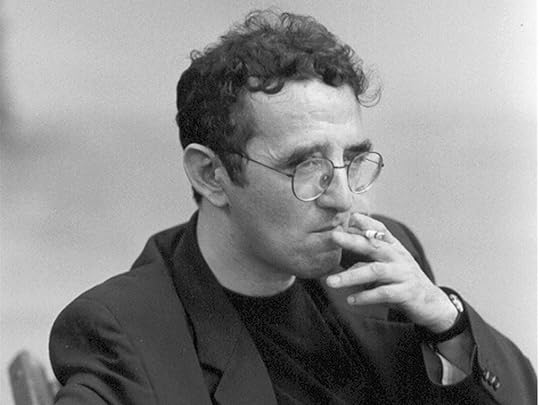
For most of his early adulthood, Bolaño was a vagabond, living at one time or another in Chile, Mexico, El Salvador, France and Spain. Bolaño moved to Europe in 1977, and finally made his way to Spain, where he married and settled on the Mediterranean coast near Barcelona, working as a dishwasher, a campground custodian, bellhop and garbage collector — working during the day and writing at night.
He continued with his poetry, before shifting to fiction in his early forties. In an interview Bolaño stated that he made this decision because he felt responsible for the future financial well-being of his family, which he knew he could never secure from the earnings of a poet. This was confirmed by Jorge Herralde, who explained that Bolaño "abandoned his parsimonious beatnik existence" because the birth of his son in 1990 made him "decide that he was responsible for his family's future and that it would be easier to earn a living by writing fiction." However, he continued to think of himself primarily as a poet, and a collection of his verse, spanning 20 years, was published in 2000 under the title The Romantic Dogs.
Regarding his native country Chile, which he visited just once after going into voluntary exile, Bolaño had conflicted feelings. He was notorious in Chile for his fierce attacks on Isabel Allende and other members of the literary establishment.
In 2003, after a long period of declining health, Bolaño passed away. Bolaño was survived by his Spanish wife and their two children, whom he once called "my only motherland."
Although deep down he always felt like a poet, his reputation ultimately rests on his novels, novellas and short story collections. Although Bolaño espoused the lifestyle of a bohemian poet and literary enfant terrible for all his adult life, he only began to produce substantial works of fiction in the 1990s. He almost immediately became a highly regarded figure in Spanish and Latin American letters.
In rapid succession, he published a series of critically acclaimed works, the most important of which are the novel Los detectives salvajes (The Savage Detectives), the novella Nocturno de Chile (By Night In Chile), and, posthumously, the novel 2666. His two collections of short stories Llamadas telefónicas and Putas asesinas were awarded literary prizes.
In 2009 a number of unpublished novels were discovered among the author's papers.
A haunting novel by the much-acclaimed, late Roberto Bolano.
A cast of characters from both sides of the tracks assemble in a coastal resort town in Spain. We have a governmental official, second-in-command to the woman mayor of the city; an opportunistic entrepreneurial businessman who runs tourist gift shops and bars; a down-and-out Chilean poet (who could that be?); a beautiful national champion figure skater and several semi-homeless folks who live on-and-off in abandoned houses and a campground.
The story is told from the point of view of the first three, all males, as sequential one-voice chapters. The story is structured as a who-done-it, but unlike your usual murder mystery, no one gets killed until very late in the book, so, part of the mystery is, who is going to get murdered?
But, since this is Bolano, we don't read this book for the mystery. The author creates a dream-like environment with a lot of local color, character development and dark humor. Almost everyone in the novel is in love with someone so it is also fundamentally a book about love, unrequited love, lust and romance.
Here are links to my reviews of other books I’ve read by Roberto Bolano:
Hace poco comentaba por aquí lo mucho que puede influir en nuestra consideración el nombre del autor del relato (por cierto, lean “El mundo deslumbrante”), y ahora, tras leer “La pista de hielo”, me debato entre dos opciones: seguir orgulloso de mi iconoclasia y por mucho que sea Bolaño y aunque se vean trazas de lo que después fue el autor, "Los detectives salvajes" se atisvan por aquí, sostener que no es una buena novela o, si quieren, que no me ha gustado lo que debiera; o, por el contrario, admitir que es precisamente la firma de Bolaño y lo mucho que le exijo al autor la causa de que esta novela no me haya parecido nada del otro mundo. Quién sabe.
Hasta que no saque una conclusión definitiva le mantendré las tres estrellas, aunque solo sea por el cariño que le tengo al autor y porque la historia no deja de ser entretenida: unos hechos, asesinato incluido, contados desde tres perspectivas distintas, aunque apenas se toquen entre ellas, con un amor imposible, triste, desganado, helado, en el centro de todas ellas, y en las que encontré un cierto aire a Marsé, no me pregunten por qué (aunque según he leído después, no he sido el único).
سرد مُتداخل يهتم بالتفاصيل للكاتب التشيلي روبرتو بولانيو يتناوب السرد بين ثلاثة رُواة, تتقاطع مساراتهم في بلدة ثِتا الأسبانية كل منهم يحكي عن علاقاته وحياته التي تتغير بالوصول للنهاية أما حلبة الجليد في قصر بنفينجوت فهي الحدث الأهم في حياة أحدهم إلى أن تقع الجريمة التي تكشف حلبة التزلج وزائريها يعرض بولانيو صور مختلفة للعلاقات المتشابكة بين الشخصيات ويكتب من خلالها عن الحب والتعلُق, الصداقة, الفساد, الهجرة والحرب
Ένα – μάλλον- αστυνομικό μυθιστόρημα μου θύμισε πόσο μου είχε λείψει ο Bolano. Μια πόλη στην Ισπανία, η Ζ., και τρεις άντρες (τρεις φωνές, μάλλον) που εναλλάσσονται με την ίδια σειρά για να πουν μια ιστορία που τους συνδέει. Και, κάπου ανάμεσα στις τρεις φωνές, δύο γυναίκες και ένας φόνος.
Πρόκειται για το πρώτο μυθιστόρημα του συγγραφέα, το οποίο αν το διάβαζα πριν το 2666 , δε θα μου έκανε ιδιαίτερη εντύπωση. Όμως, τώρα, έπεσε μπροστά μου την κατάλληλη στιγμή (Πολιτεία, εσύ φταις γι’ αυτό) και μοιάζει, μ’ έναν περίεργο τρόπο, να κινείται γύρω από την τροχιά του 2666 . Ίσως φταίει το ότι και εδώ ο Bolano δείχνει μια αγάπη για αυτούς που βρίσκονται στο περιθώριο. Ίσως, πάλι, φταίνε και άλλα γνώριμα στοιχεία: οι αποτυχημένοι συγγραφείς, η πολυφωνία, η μελαγχολία που διαδέχεται τη ζωντάνια (ή, μήπως, το αντίθετο;), το χιούμορ σε σκοτεινά σημεία, σαν
στερεά μπλοκ κυριαρχούμενα από ένα επίμονο φως,
η – σχεδόν ονειρική - αίσθηση του παραλόγου.
Ένα βιβλίο χαμηλής έντασης, με εξάρσεις στα κατάλληλα σημεία.
Ο Bolano είναι ένας μάγος.
Υ.Γ.: Όλοι είμαστε συνηθισμένοι να πεθαίνουμε κάθε τόσο και σιγά σιγά, ώστε μέρα με τη μέρα γινόμαστε πιο ζωντανοί, είναι η αλήθεια. Απείρως γέροι και απείρως ζωντανοί.
Διαβάζοντας το Παγοδρόμιο αναρωτιόμουν ποιος είναι ο λόγος που αποφεύγω να πάω στο 2666 αλλά περιορίζομαι να θέλω να διαβάσω ότι άλλο κυκλοφορεί από το Bolaño. Παρόμοια τακτική και με τον Κορτάσαρ και με άλλους. Σκεφτόμουν λοιπόν, όταν ήμουν στις τελευταίες σελίδες του βιβλίου, ότι δεν ήθελα να τελειώσει αυτό το ταξίδι. Η ότι θα ήθελα το τέλος του να είναι μια νέα αρχή και να νιώθω επαναλαμβανόμενα τη συγκίνηση, τη χαρά, τη σύνδεση με τους ήρωες της ιστορίας, την αγωνία για τη μοίρα τους. Είναι και το άλλο.. Μετά το Φυλαχτό οτιδήποτε φαινόταν να βρίσκεται στη σκιά του. και δεν ήθελα - δεν ήθελα να απογοητευτώ. Το Παγοδρόμιο έχει όλα τα στοιχεία τα οποία μπορεί να κάνουν κάποιον να αγαπήσει αυτό το βιβλίο, όλα τα στοιχεία που μπορεί να κάνουν κάποιον να αγαπήσει τον Bolaño. Και προχωρώντας στωικά, ανάγνωσμα το ανάγνωσμα, μπαίνεις στον κόσμο του συγγραφέα βήμα - βήμα, γνωρίζοντας κάθε πτυχή του σταδιακά, ακριβώς όπως πρωτογνωρίζονται δυο άνθρωποι όταν ερωτεύονται.. με ενθουσιασμό, αγωνία, ανησυχία, ένταση, ανυπομονησία, χαρά, συναίσθημα, φόβο, συγκίνηση. Μέχρι το 2666!
I think I’m rather on the fence about this one; Bolano’s first novel. It is a mix of genres; a touch of murder mystery, which is entirely secondary to the plot. Throw in obsession, political corruption, immigration, poets, a seaside resort on the Costa Brava, a homeless opera singer, an Olympic skater, a ruined mansion, the influence of Borges, a secret skating rink, a love triangle and lots of individual oddities. The novel is set in a Costa Brava town over a summer season and the narrative is told alternately by three men; a Mexican poet, who is an illegal immigrant and works as a night watchman at a camp site; a civil servant who embezzles public money to build the skating rink for Nuria Marti, a beautiful skater who has been dropped from the Olympic team and needs somewhere to practice; and a Chilean writer who runs a group of jewellery shops. Working out who the victim will be is fun; working out the murderer much more difficult and unimportant. There are some stunning descriptive passages, but also some oddity and a few passages that, for me, didn’t work. One of the issues I had was that the narrative voices were a little alike and tended to merge into each other. However it is a minor point and the word play is very good; the sky appears like “a lung dipped in blue paint” before going pink “like an enlightened butcher”. It’s a good read, quirky and off the wall; a little slight with the narrators too alike, but colourful and interesting. 3.5 stars
Sicuramente non il miglior Bolaño ma si riconoscono già diversi elementi dei suoi libri maggiori, a partire dalla serie di testimonianze di personaggi: qui tre, che si alternano regolarmente e intrecciano le loro vicende ambientate a Z, paese catalano di mare, vicino a X e a Y. (Blanes?)
Letto adesso, è come riabbracciare un vecchio amico. Un vecchio amico di quando «eravamo tutti adolescenti, adolescenti scafati, questo sì, e poeti, e ridevamo.» Un vecchio amico magro, che ad abbracciarlo senti le costole; e ti racconta qualcosa di quel che è successo nel frattempo, con una certa sprezzatura dropout.
In un rapidissimo profilo dei suoi libri, anni dopo, dirà che in questo libro parlava «della bellezza, che dura poco e finisce quasi sempre in modo disastroso».
“Todos estamos acostumbrados a morir cada cierto tiempo y tan poco a poco que la verdad es que cada día estamos más vivos. Infinitamente viejos e infinitamente vivos.”
Publicada por primera vez en 1993, nos muestra ciertas trazas de lo que terminaría siendo el Bolaño más absoluto. Una novela de apariencia sencilla, fragmentada y contad a medias. Termina con un final redondo. A través de entrevistas y testimonios, sin florituras, pero con la atmósfera sardónica, y tensa de las mejores novelas policiacas, novelas que Bolaño empapó durante muchos años. Un germen de lo que vendrá siendo el estilo de los Detectives salvajes, o de su novela absoluta 2666. No se puede considerar, la segunda novela de Bolaño como la mejor, pero sin duda, no e en absoluto una segunda mala novela. A veces cruel, en otras cariñoso o melancólico, ocurre en un lugar ficticio donde muchas veces la magia se asemeja a la realidad. Una estructura cuanto menos curiosa, carente de ubicación concreta de la línea temporal, juega al despiste hasta el último momento de forma magistral. Siempre he pensado, pensaré que, Bolaño cae en la redundancia cuando a él le da la gana, juega con el lector, lo convierte en parte de su juego. Incluso, no en este caso, pero en otras novelas, si cae en la redundancia, del sinsentido, simplemente por el placer de hacerlo. Para ello se necesita un dominio del lenguaje, del ritmo narrativo y de la sintaxis. Lo complicado de la sencillez. Una lectura perfecta para empezar a leer a Bolaño, aunque siempre recomendaré sus cuentos para empezar. A ver si este año consigo leer toda su obra, una obra a la que le venía siguiendo la pista desde hace varios años, como un buen detective salvaje. Siempre que reseño a Bolaño me permito un tiempo de reflexión, no solo para digerirlo. Si no para desentrañar los entresijos de los misterios de su lenguaje
"Sometimes at night, when I walked through dark corners, where there were familiar, unoccupied tents covered in pine needles and deserted plots of land, I thought about the ice rink, and that, on the other hand, really scared me. I was afraid that something from the rink was there, lurking in the darkness." The story features three alternating male narrators. The first, Gaspar Heredia (called Gasparino), is introduced above. He is hired as a night watchman at the Stella Maris campsite by Remo Moran—a Chilean acquaintance from Mexico City—who has found his place in the economy of the Costa Brava resort known as Z. The second narrator is Enric Rosquelles, a local power broker and the deputy mayor. Driven by infatuation with Nuria, a talented figure skater excluded from the Olympic team, he transforms the dilapidated city-owned Palacio Benvengut into her training ground. This act gives the novel its title. Rosquelles's involvement draws other outcasts to the house, including Caridad—a junkie involved with Gaspar—and her friend Carmen, a once-renowned opera singer now penniless. In this gathering place, a murder occurs. Throughout, I was delighted to rediscover the recurring themes that characterize Bolaño's work. His madness and punkish narrative style are already present, even in this early novel from 1993.
2.5. You'll see some articles calling this a bona fide masterpiece but it isn't. One of those books reserved for the mad readers who like to complete entire oeuvres. A sort of murder story with three first person narrators, all of whom sound too similar and just end up confusing things instead of deepening them. For newcomers to Bolano, it's worth starting somewhere later down the line.
رواية مربكة حقاً , تدور أحداثها حول جريمة قتل يسهب الكاتب في تمهيد الحديث عن الجريمة وذكر مقتطفات وإشارات حول جثة ملقاة على حلبة التزلج وقتلة محتملون وظروف أكثر غموضاً تحيط بملابسات الجريمة وشخصيات غريبة لا تكاد تتلاقى في شيء محدد سوى الحدث الأبرز في الرواية وهي الجريمة..
تدور أحداث الرواية في أحد المنتجعات الساحلية في أسبانيا , مهاجرون وسياح وشخصيات خلفية يستمر ظهورها في الرواية.. يتم السرد من خلال ثلاث شخصيات رئيسية وهم : شاعر مكسيكي ، مهاجر غير شرعي وهو الذي يعمل حارساً ليلياً في أحدى المتنزهات ؛ وأيضاً موظف حكومي فاسد يختلس الأموال لبناء حلبة الجليد, الشخصيات الأخرى عبارة عن ظلال وأشباه شخصيات يتم سردهم بالتناوب بين الشخصيات الرئيسية الثلاثة بصور متفاوتة ليتم في النهاية فهم القصة بصورة إجمالية ومركزة أيضاً ..
لا يمكن تقييم الرواية بأنها رواية بوليسية, الرواية أكثر تعقيداً من ذلك .. الرواية مليئة بتكتلات سردية , غامضة في الكثير من الأحيان ولا تجد متعة حقيقية في تصنع ذلك الأبهام والغموض, تحتاج الى قراءة بعض الأجزاء منها عدة مرات وفهم كل شخصية على حدة, الجميل في الرواية هو الشعور العام في الرواية التي تجد فيها سحر الأدب اللاتيني وشخصياته التي تبدو واقعية بشكل مثير للإعجاب وأيضاً الإثارة والمتعة المنتظرة بكشف من هو القاتل؟؟..
Questo è il romanzo di esordio di Roberto Bolaño e già si presenta nella sua forma non lineare.
Tre le voci narranti: il cileno Remo Morán, il messicano Gaspar Heredia e il catalano Enric Rosquelles.
Da tre punti diversi, si giunge alla ricostruzione di un omicidio avvenuto l’estate precedente a Z., che si intreccia a una storia d’amore tra la protagonista Nuria Martí, una giovane pattinatrice su ghiaccio di fama nazionale, e Remo Morán.
“Capii che nessuno aveva visto il coltello in mano a Caridad, tranne me e i tedeschi. La precipitosa fuga di questi ultimi veniva attribuita alla mia determinazione nel mantenere l’ordine al campeggio. La torcia caduta: un gesto di rabbia prima di cacciarli via a forza di botte. La presenza di Caridad: naturale apprensione di un’innamorata. I fatti là fuori erano stati sfumati dagli alberi e dalle ombre.”
“Nel buio gli occhi di Caridad erano spariti. Povera Carmen, disse, io so chi l’ha uccisa. Io e il tuo amico Remo ne abbiamo parlato. Quando?, dissi. È venuto a trovarmi qualche giorno fa e abbiamo parlato di tutto. Remo sa chi ha ucciso Carmen? Lo so anch’io, disse Caridad. E allora perché vuoi andare a Palazzo Benvingut? Dovresti andare alla polizia, dissi, senza riuscire più ad addormentarmi...”
Tracce, indizi che svelano e al tempo stesso confondono, in un gioco di luci e ombre che invitano il lettore a seguire le piste giuste, per lasciar andare quelle fuorvianti: “I sentieri che ricordavo luminosi adesso sono pieni d’ombra. Così premetti il freno, feci un’inversione in mezzo alla strada e tornai a Z. Finché non mi fui allontanato abbastanza evitai di guardare nello specchietto retrovisore. Quel che è perso è perso, dico io, e bisogna guardare avanti...”
E nel romanzo delle piccole perle sono consegnate al lettore. Una è questa:
A partir de un contexto crítico merece seguro cinco estrellas. Se ve el abismo literal con el que Roberto Bolaño vivía. La narrativa está llena de flashbacks. De acuerdo a un prólogo, en las primeras 60 páginas yo había interceptado ya tres asesinos, cuando para tener una primera lectura con herida de arma blanca en la espalda tuvo que acceder a la página sesenta y seis. […] Sólo después tuve la impresión de estar leyendo un obsesión del escritor.
Este segundo libro no fue unos de los mejores. Ha sido desconocido por muchos años. Muy suavemente toca temas que van desde la simple tienda a la política, pero también toca facetas de miseria o momentos de placer como por ejemplo los 30 cm del pene con el que hizo a su esposa.
Quien cuenta los hechos de la historia son un chileno, un español y un mexicano: en verdad el libro es casi un monólogo, es siempre Roberto Bolaño quien habla o escribe las cosas. El poeta chileno se encuentra inmerso en la escritura, llena de detalles. Con frecuencia se pierde en las mismas circunstancias: tres versiones de un crimen. Los protagonistas giran dentro de una casona abandonada, en torno a una pista de hielo construida ilegalmente. La cosa buena es que en haber escrito tres versión del crimen, el lector puede tener una idea retrospectivo.
La novela está recargada de una atmósfera de marginalidad, de vidas al límite. Bolaño siempre admiró la vida de los poetas, esa forma de dejarlo todo de lado por amor a las palabras. Y sus protagonistas latinoamericanos reflejan esta admiración. En un país Europeo, se desenvuelven como pueden, siendo muchas veces menospreciados. Pero cuando uno de ellos logra progresar a costa de esfuerzo no duda en darle la mano a un amigo, así como el chileno Remo se la da a Gaspar, al cual conoció en su paso por México. A pesar del esfuerzo y del trabajo, siguen siendo considerados ciudadanos de segunda y, por lo mismo, conviven constantemente con la pobreza y la mendicidad, la cual es expresada brutalmente con los personajes de Caridad y Carmen, dos inmigrantes. Estos aspectos resaltan aún más cuando se muestra la contraparte en las vidas de Nuria y Enric, una patinadora artística y un político y funcionario público, que a pesar de vivir muy alejados de la realidad de los otros personajes, carecen de algo que ellos sí poseen, como lo es la solidaridad entre pares. Los marginales constantemente se dan la mano, mientras en posiciones más acomodadas solo se traicionan. Pero en el fondo, todos sin excepciones, carecen de un sentido fuerte para vivir, y por lo mismo se ven arrastrados por lo primero que los impulsa, en este caso: el amor.
Υπέροχο. Ολα τα μπολανικά στοιχεία που βρίσκει κανείς στο (μέτριο, υπερφιλόδοξο και... αντιπαθητικό, κατ' εμέ) 2666 υπάρχουν ήδη εδώ. Πέρα από όρους κριτικής, ακόμη και αν στην πραγματικότητα δεν έχουν καμία σχέση, αυτή τη στιγμή, που μόλις το τέλειωσα, νιώθω περίπου όπως όταν έβλεπα μικρός τη σειρά «Το κάμπινγκ» στην ΕΡΤ. Θυμάσαι τον Μάιμο, τον χαρακτήρα που ενσάρκωνε ο Καλογερόπουλος; Αγαπώ τον Μπολάνιο γιατί αγαπά τους τρελούς του, τους περιθωριακούς, τους απελπισμένους, τους κατεστραμμένους, τους ελαττωματικούς, τους φτωχούς, τους ξοφλημένους, τους αόρατους της κοινωνίας.
Tenía ganas de leer a Bolaño desde hace tiempo. Lo lógico hubiera sido empezar por su novela más famosa “Los Detectives Salvajes”, pero quería acercarme a él desde algo más modesto, para así conocerlo un poco cuando llegara a Los Detectives (que estoy segura, ahora mucho más, de que me gustará).
Pista de hielo no es pretenciosa, no tiene aires de grandeza, y puede que por eso me haya gustado tanto. Intentaré hacer la reseña sin hacer spoilers (como siempre), pero la voy a hacer de manera bastante subjetiva (también como siempre).
Es una narración de un espacio de tiempo en las vidas de un grupo de personas que viven (algunos intentando sobrevivir) en un pueblo costero de Cataluña. Está contada desde el punto de vista de 3 de los personajes principales:
- Remo: chileno afincado en España, que construye su negocio desde la nada, es divorciado, y algo romántico, es esa clase de persona que le da a la gente lo que la gente necesita a cada momento. Por ello, igual puede ser terriblemente comunicativo, que ser un espectador silencioso. Me gusta Remo. - Gaspar: mejicano, es el típico bonachón que de ser tan bueno, es un poco tonto. Está de manera ilegal en España, pero tiene trabajo, es cuidador nocturno en un camping. Se conforma con poco, y vive intentando atesorar momentos felices. Me cae bien Gaspar. - Enric: catalán, funcionario, egoísta, bastante cobarde, de los que sólo hacen caso a las personas cuando le puede traer algún beneficio, o cuando se han encariñado (de manera obsesiva) con alguien. Es el que tira la piedra y esconde la mano, esperando que todo vaya a salirle bien, sin que le cueste demasiado esfuerzo. Desprecio a Enric.
Remo, Gaspar y Enric se conocen, la relación que les une se va desentrañando en la novela. Al leerla, tienes la sensación todo el rato de que algo chungo está por pasar, y ese suspense es lo que me ha tenido enganchada. Si sucede algo o no, lo voy a dejar sin desvelar.
Me ha encantado la manera de escribir de Bolaño, y estoy deseando leer algo más de él. Tiene una manera muy peculiar de describir personajes. Y es magistral cómo, con pocas líneas, te deja muy claro el tipo de relación que tienen sus personajes entre sí.
He de decir que me hubiera gustado darle entre 3 y 4 estrellas, pero eso no es posible, y se queda con 3.
http://diavazontas.blogspot.gr/2016/0... Ο Ρομπέρτο Μπολάνιο πέθανε στα 50 του, πολύ νέος, το 2003. Ως τότε την Ελλάδα, και πιθανότατα στον κόσμο, δεν τον είχαν «ανακαλύψει». Άφησε όμως πίσω του κληρονομιά δυο ανυπέρβλητα βιβλία που δεν υπάρχει η δυνατότητα να τα αγνοήσεις: το αριστουργηματικό «2666» και το, λίγο πιο χαμηλότονο αλλά για μένα ισάξιο, «Άγριοι ντετέκτιβ». Από κει και μπρος ήταν θέμα χρόνου για να αρχίσει να μεταφράζεται όλο του το έργο. Εγώ ξεκίνησα να διαβάζω το «Μακρινό αστέρι», μετά διάβασα στα Αγγλικά το «Amulet», έπειτα πήγα στα διηγήματα, «Τηλεφωνήματα» και «Πουτάνες φόνισσες», και τελικά διάβασα και την «Ναζιστική λογοτεχνία στην Αμερική». Όταν βγήκε το «Παγοδρόμιο» μου είχε φύγει η λαχτάρα για Μπολάνιο. Λάθος. Μόλις το είδα στα ράφια το πήρα. Και παρ’ όλο που πρόκειται για το πρώτο του στην ουσία πεζογραφικό βιβλίο (3ο στην σειρά αν είσαι σχολαστικός) και δεν έχει την πολυπλοκότητα των άλλων, είναι τόσο ενδιαφέρον να βλέπεις τα σπέρματα του 2666 μέσα του, είκοσι χρόνια πριν γραφτεί, που δεν μπορείς παρά να νιώσεις καλά. Για τις εμμονές. Και τη συνέπεια.
Στο παγοδρόμιο συναντάμε όλα τα γνωστά μοτίβα, το έγκλημα, τον έρωτα, τις ματαιωμένες ζωές, τους εξόριστους Λατινοαμερικάνους, τους εφιάλτες, τα τεράστια πέη, ακόμα και τις περιλήψεις, ακόμα άγραφτων, ιστοριών. Είναι ένα μυθιστόρημα με τρεις αφηγητές, που με τον γνωστό τρόπο του Μπολάνιο, γίνονται ένα χωρίς καν να το καταλάβεις. Ακολουθούμε μια ιστορία που μας την διηγούνται διαδοχικά ο Ρέμο Μοράν, ένας αυτοεξόριστος Χιλιανός συγγραφέας στη μικρή πόλη Ζ. της Καταλονίας που κατάφερε να φτιάξει περιουσία εκεί, ο Γασπάρ Ερεδία, ένα Μεξικανός ποιητής που βρίσκεται στην Ισπανία χωρίς χαρτιά και δέχεται να δουλέψει ως νυχτοφύλακας στο κάμπινγκ του Ρέμο Μοράν γιατί δεν έχει άλλη λύση, κι ένας δημοτικός υπάλληλος, επηρμένος και χοντρός, ο Ενρίκ Ροσκέγιες. Ο καθένας με τον τρόπο του δημιουργεί σχέσεις με δύο γυναίκες, με την πανέμορφη πατινέρ Νούρια, την ωραιότερη γυναίκα της Ζ. και την κάποτε τραγουδίστρια της όπερας και τώρα ζητιάνα και άστεγη Κάρμεν.
Τα πράγματα περιπλέκονται όταν η Νούρια, που είναι ερωμένη του Ρέμο Μοράν αλλά είναι μαζί της ξετρελαμένος ο Ενρίκ, χάνει την υποτροφία της και την θέση της στην Ολυμπιακή ομάδα. Τότε ο Ενρίκ αποφασίζει να φτιάξει ένα παγοδρόμιο στην Ζ. με κρατικά κονδύλια, για την αγαπημένη του, μέσα σε ένα ερειπωμένο παλάτι.
Ο Μπολάνιο μας δίνει έτσι κάποιες εκπληκτικές σκηνές, όπως την πρώτη φορά που αντικρίζει ο Γασπάρ Ερεδία το παγοδρόμιο, αλλά και ένα σκηνικό για φόνο που θυμίζει αρκετά εκείνα τα κορίτσια του 2666. Από την άλλη τον απασχολεί εδώ πολύ η ζωή του εξόριστου, μιας και υπήρξε κι ο ίδιος για τόσα χρόνια, αλλά και η φύση του έρωτα- πλατωνικός, σαρκικός, μόνο σεξουαλικός. Καθώς και τα κορμιά. Και το τι σημαίνει να είσαι ενήλικος.
Δεν ξέρω ποιες θα ήταν οι σκέψεις μου αν διάβαζα πρώτα το Παγοδρόμιο, πιθανότατα θα μου φαινόταν ενδιαφέρον αλλά όχι συγκλονιστικό. Όμως τώρα, που στην ουσία ανασυνθέτει το παζλ του ίδιου του Μπολάνιο, μου φάνηκε εκπληκτικό, σαν να κοιτάς μες στο μυαλό του συγγραφέα πριν την σύλληψη, σαν να βλέπεις τα προσχέδια ενός διάσημου πίνακα. Κι αυτό έχει αξία σχεδόν από μόνο του.
Este primer acercamiento a Bolaño me ha sorprendido bastante. Por un lado no ha sido lo que he esperado y por el otro me he divertido mucho pensando en la trama, ya que por varios días estuve muy conectada con lo que estaba pasando. Sin embargo, no ha logrado llegar a las 4 estrellas porque siento que le faltó "intensidad", aunque puede ser que el autor escriba de esa manera. Ya lo iré descubriendo cuando lea otros libros de él.
Yeni yıla bir Bolano kitabıyla başlamaktan güzel şeyler de vardır şu fani dünyada mutlaka, ama edebiyata ilgi duyanlar için bu da hiç fena bir seçenek değil. Yine başlar başlamaz sizi içine çeken, yarattığı atmosferle, laf salatası yapmadan karakterleri oya gibi işleyen, ama toplumsal ve siyasal arka planı ihmal etmeyen tarzıyla, ayrıca tüm bunların üzerine yarattığı merak unsuruyla, zira bir suç romanı özelliği de var bu kitabın, okuyanı sürükleyen bir roman Paten Sahası. (Herhalde Türkçe’ye böyle çevrilir, ya da Buz Pateni Sahası olarak.) Kısa bölümler halinde ve dönüşümlü olarak üç erkek karakterin ağzından anlatılan kitap sanıyorum Bolano’nun yayınlanan ilk romanıymış. İspanyolca özgün metni 1993’de, okuduğum İngilizce çevirisi 2009’da basılmış. Türkçe çevirisi de yakında basılır umarım. Can ya da Jaguar’dan bekleyelim bu hamleyi. Bolano’yu her okuduğumda aynı şeyi hissediyorum, bu adam niye 50 yaşında bu dünyadan göç etti. Hiç adil değil...
That's Right. It's five star time! If this rating were a rap song it would be telling you to Pop Champagne and fill your cup with Patron. Then the Auto-Tune would begin. But since it is a review on an internet book site, it is coming at you in five little orange stars, which, according to Good Reads mean "It was amazing."
I have to admit I feel a little bad giving this short near-perfect work the five star treatment when I did not grace Bolano's masterwork 2666 with such a full constellation of praise. Maybe I'm guilty of loving the perfect exercises of an author instead of their giant sprawling attempts at cramming all of life into one novel. Yes, the former is more ambitious but at what cost? At what cost?
I don't feel so bad about saying that this is (by a large margin) my favorite of Bolano's works. First of all, the main narrative thread is amazing. An assistant to the mayor of a Spanish town becomes obsessed with an ice skater who has been kicked off the national team so he uses government money to build her a rink in the ruins of a broken down palace. Genius! Then toss in three competing narrators, all with their own angles on the story, and all equally fascinating. Add a murder mystery with a genuinely surprising set of twists and turns. And...how about an opera-singing vagrant named Carmen?
Despite the narrator pyrotechnics, this is actually the most reigned in I've ever seen Bolano. Sure there are the usual diversions about sex, pop culture, and poetry. But they are relevant to the story (mostly) and do a lot of work to keep some thematic cohesion going. I think the firmer set of boundaries that comes with this semi-foray into detective fiction makes him a better storyteller. The short chapters keep him honest, making Bolano choose his moments of meditation carefully in a fast-paced what-happens-next kind of book.
Overall, I can't say with authority that his is finest work (can I?). It is simply my favorite. But especially for newcomers to his stuff, this would be an ideal starting point. Then you can move on to hundreds of pages of clinically described murders in the Mexican desert. Pop Champagne!
One of the New Directions series that came out this year, The Skating Rink is a brief, intense, and very memorable novel from Bolano. It could have been one of the many branching stories that populate 2666, it even shares some themes, and even scenes, with that monster of a book. It is a story of murder, obsession, small-time political corruption, the immigrant experience in Spain, and (because it is Bolano), madness, sex, violence, ghosts, poets who are detectives, society's dropouts, nightmares, and fragmented, multiple-perspective narration. The story unfolds over one summer in the coastal town of Z, focusing on three main narrators, who tell the story of the central murder through the lens of their own experiences and prejudices. All the characters feel real and fully drawn, and as is always the case with Bolano, the prose is brilliant, unsettling, dream-like, and really sticks with you after you have closed the pages of the book. Bolano is my current favorite contemporary author (if it is proper to refer to a dead person as contemporary) and The Skating Rink is more sure proof of his talent.
An odd little book, but the flavour is distinctively Bolaño. The plot (which is quite intricate for a novel of this length) is told from a narrative viewpoint that rotates between three characters. This device is interesting as it illuminates the characters and events from different perspectives, but it is not entirely successful. Sometimes it has the effect of getting in the way, of clouding and over-complicating the story. The voices are difficult to differentiate initially, but one gets the hang of it before long. What carries the novel is Bolaño's dark tone, with its seedy undercurrent, and the compelling draw of inevitable violence. The Skating Rink is a solid and ambitious first novel, though there is nothing groundbreaking here.
Fresh off the heels of The Savage Detectives, this book was a nice, easy read. Like a stroll through a secret garden at dusk. What is essentially an elongated chapter from Detectives, The Skating Rink shows that within Bolaño's myriad ideas and sketches true greatness can be found. It also works well as a genre piece: an elegantly crafted gothic crime story in the style of Jorge Luis Borges.
2020 review:
Bolaño became indispensable to me while on vacation in the summer of 2012. He offered me what is so hard to find, in literature or anywhere— true escape. At the time I valued this quality in literature highly. There was something hypnotic in the mundane descriptions of everyday life, which is why I suppose I can understand why some readers find the work of Carls Jr. Noseguard Knusknus so addictive. You can plow through pages! Wow! I’m no stranger to the feeling of false accomplishment that reading can provide; I get it. The first time around, when I was naïve enough, the feeling was true and earnest, and I was actually transported from the beautiful surroundings of my vacation home to the setting of the novel. This “boring writing” that has somehow found a place on the faux-wood trophy cabinet of the Profound is vastly misunderstood, particularly with Bolaño. At his best, instead of being overly descriptive like most Postmodernists, the atmosphere is rather left intentionally vague so as to create an environment in which the reader may wander. It’s an active daydream, a video game like Myst or Riven. It is that feeling of being down and out in Europe in your early twenties, hoping for but not quite believing in the magnitude of your own destiny. One is left with a dreamlike emptiness, and this can have some charm for a first-timer. The myriad plot points serve only to keep you in this world (or in this “state”) as we await with growing eagerness for something truly great to happen. Sometimes it does happen, as we see frequently in Distant Star, Mr Bolaño’s best work, or in the first four parts of 2666, or in some of the short stories (“Crimes”, “Anne Moore’s Life”, “Dentist”). The Skating Rink in comparison to these better efforts falls easily into the category of second-tier Bolaño, and would even become third-tier but for a few striking moments. What I mean by this hierarchy is that so many more awesome moments are to be found in his best work. Rink is not entirely useless, however. It begins with a great idea—that of sneaking into a castle at night and coming upon, of all things, a skating rink, where a beautiful dancer twirls on the ice to bombastic music…. A secret experience, and purely magical. Any realism is neither here nor there in terms of importance. What is real exists only to hold the reader in suspense as we wait for the true promise of the premise to express itself. Bolaño is an amazing premist—that is, he has tons of good ideas. Some of these great ideas make up the best bits of his best work—the fictitious novels of JMG Arcimboldi for instance, in Woes of the True Policeman. However Don Roberto is not immune—as he would no doubt have admitted—to the truth that a good writer has plenty of ideas, while a great artist pulls them off. The Skating Rink is not Bolaño’s masterpiece, not even in the sense of being one of the “perfect exercises of the great masters” preferred by so many bookish pharmacists. I don’t think the novel in question even rises to its glorious premise. It has a few moments—Gasparín’s first trip to The Castle, esp.—and the established daydream environment is maybe more apparent than when I first read this book (August 2012 Goodreads tell me. Wow.). Like opiates themselves, a bit of the charm and euphoria has worn off since then, and I’ve also read a ton more (inspired by Bolaño’s tireless reading ethic it must be said), so that this novel holds up at all is some kind of testament to its merit. I’m not so prepared as maybe some other former Arturo B-heads to proclaim him a flash in the pan just yet. In my first review I called this book “an elegantly crafted gothic crime story in the style of Jorge Luis Borges.” I would say now that it is less elegant than mundane, gothic but only at times (and I wish it was more gothic, more foggy streets of Mexico City, more Saucy Jack, more of the skating rink….) while as for any sign of Borges in the piece I detected none this time around, either in style or substance. Chalk that one up to a naïve book reviewer eager to drop a literary reference :D! In sum, I wish RB would have unleashed the fury a bit more on this one, maybe simmered in the juice longer, developed some of the underlying ideas to more effect; but he can’t be blamed for the circumstances of his sudden fame and need to publish. The crown jewel of the book, other than the gorgeous sparkling green flake that lights up the spine of the New Directions 2009 edition, is that it serves as one of Bolaño’s fictitious novels that was actually written out. It is an idea, and a good one, expanded upon, taken seriously. Strangely, like other such experiments (Monsieur Pain for example) the idea isn’t carried off or executed well enough, which leaves for an unfortunately smaller experience. The question, however, as to whether or not one should read it, ultimately doesn’t matter—true Bolaño freaks will have to.
About halfway through The Skating Rink, I was already quite sure that this was my favorite out of all Bolano's short novels (the others being Distant Star, By Night in Chile, and Amulet; I didn't count Nazi Literature in the Americas because I wouldn't classify it as a novel, really, but I still enjoyed TSR more). I spent the rest of the text trying to figure out just why this was (and, of course, just enjoying it).
I think the reason I liked this book so much is that it reminded me, more than any other book, of my first exposure to Bolano: The Savage Detectives. On the surface, there aren't many similarities here, besides multiple narrators. TSD starts in Mexico but stretches out to the entire world: all of South/Central American, the United States, Europe, the Middle East, Africa; it has more characters than you can shake a stick at, and nearly all of them get their own sections of narration; and the action is spread over a period of nearly 25 years. The Skating Rink is the opposite in terms of dramatic unities: everything takes place in the Spanish town of Z; there are only about a dozen characters to keep track of, and only 3 get narration; and everything happens over the course of a few summer months. These mirrored attributes are conspicuous; I've no doubt that TSR was some sort of experimental playground, stylistically, of what would later become the world of TSD, and Bolano kept things simple to work out the kinks.
Do you ever consciously wonder, when you're reading a book that has a first-person narrator, exactly to whom the narrator is speaking? Unless the author makes a big deal about it, you probably don't. I never did, until I started to get really deep into Bolano. One of the best parts of The Savage Detectives is trying to figure out what the heck is going on there, and this carries over (or, actually, predates it) in The Skating Rink. You just get the feeling that these three guys need to spill their stories, that they need to confess at last. Are they talking to investigators (not much spoilage: a murder is central to the plot here), to their priests, to the general reading public? If the last of these, is it just to warn us, so we don't make the same errors? (I'm sure that's not it; that's be much too simple for Bolano.)
What's seeping through every single pore of this book is a deadly paranoia, the same thing that drives a lot of The Savage Detectives and (to some extent, or maybe to an even greater extent [I'll have to reread it:]) 2666. There are so many instances of characters watching, being watched, and thinking about being watched, found out, discovered, and....? The thought is not always completed here, as if the characters don't think it through but know it's a bad thing. It's extremely easy to find historical grounding for this theme: Bolano, like so many other Central/South Americans in the 20th century, lived under a number of regimes that could pull you out of bed at night and throw you in a cell forever. I'm sure there's more to it, though: something about that paradoxical human drive to seek companionship and community but also to suspect the worst from people; we must always be simultaneously open and closed; always (not a typo, repeated for emphasis). And what results from that? The failed relationships of The Skating Rink, the callous unfeeling of By Night in Chiles, the ultimate horror of Santa Teresa in 2666? Some of these, all of these? I am not sure yet, but I think I've stumbled across the one thing I'll want to keep in mind when reading all of these books a second time (as well as the other books that'll trickle in in translation for the next few years).
If I had to describe the feeling of the narration in one word, I'd call it Poe-ish...or Poean...or whatever the word is that means it's in the tradition of Edgar Allan Poe. Think "The Tell-Tale Heart" or "The Cask of Amontillado."
Also of note: once again, in the world of Bolano, the people here are just so bored. They go to work, go to parties, make love, eat, drink, and do anything any real person could do, but no one really cares. Their actions could not be devoid of any more meaning. This toes the line between tragic and comic all the time, but trust me, it's not as bad as it sounds.
Recommended for anyone, but especially to those looking to get into Bolano. If you're put off by the length of his bigger works, I suggest tasting this before jumping into The Savage Detectives.
Primo romanzo di Bolaño che leggo, pensavo non fosse il mio genere, ma devo dire che mi è piaciuto abbastanza. La vicenda è un finto giallo, il delitto è un pretesto per raccontare un intreccio di vite più o meno vagabonde, emarginate o fallite, e una storia d’amore romanticamente disperata. Molto ben scritto, in uno stile fin troppo poetico, pieno d’atmosfera soprattutto nella descrizione del luogo cruciale, quel fantasmagorico e fatiscente palazzo Benvingut in cui i destini dei personaggi si intrecciano. Nella trama, lungi dall’essere un perfetto congegno narrativo come è scritto nella quarta, c’è qualche goffaggine, proprio perché si presenta come un giallo e invece non è un giallo, lasciando molti particolari irrisolti e senza senso. Per esempio è molto strano che due dei protagonisti, essendo poeti, non leggano né scrivano mai nemmeno un verso e neanche rivolgano mai un pensiero sia pure fuggevole a questo che dovrebbe essere il loro interesse principale. Ma il vero problema, per me, è quel tono da spaccone che compare spesso, quel tono che prendono molti uomini che vogliono fare i romantici e invece risultano soprattutto gigioni, tono fatalista che si compiace di se stesso; l’amore sempre impossibile, le illusioni perdute, la vita che è una puttana, la poesia dell’alcol, una pacca sulla spalla tra uomini soli, anime disperate nella notte e niente ha un senso. Un po’ di Casablanca, un po’ dei vecchi noir con Bogart. Ma forse sto perdendo troppo tempo a cercare di spiegare un dettaglio che, anche se per me è stata una spina, a molti piace e in ogni caso non è così importante: tutto sommato, i pregi di questo romanzo sono superiori ai difetti.
Bolaño's first published work ended up being the last of his novels I had left to read, and it's mixed feelings. As a sort of inverted murder mystery it's pretty clever, as the reader gets to mull over various theories in regards the three narrators, and despite the tension going a notch towards the finale, there isn't that conventional satisfaction of solving a murder in the end and at times beforehand it was all a bit too frustrating. There are some beautifully expressive passages of writing and startling images - the descriptions of the villa where the rink is built is arguably the best thing in the whole novel. It's unfair to compare this to the likes of 2666 - which I still think about often seven years after reading it - as it's a first piece of fiction; but still, I was expecting more to be honest.
Muy destacable la narración de Bolaño, este ha sido mi primer acercamiento con el autor y sin duda no creo que sea el último, sin embargo, a pesar de la buena descripción de los personajes y sus relaciones, la trama de fondo me dejo un poco fría, siempre esperando el gran momento que nunca llegó.
Este libro ha sido mi introducción al universo literario de Bolaño. El bautismo a su escritura. Un buen libro; bastante entretenido, aunque la trama del asesinato no es la principal, es más bien una excusa para centrarnos y profundizar en los personajes.
Su forma de escribir es particular. Sin prisa pero sin pausa, continuada, con movimiento. Este libro no tiene casi puntos y aparte y aún así es una escritura ágil, suelta, locuaz. Delicada pero ruda, descriptiva y capaz de transmitir la belleza hasta de lo que no la tiene. Bolaño hace posible que llegues a visualizar con nitidez los lugares e, incluso, las emociones:
“Dicen que el amor hace a las personas generosas. No sé, no sé; a mí sólo me hizo generoso con Nuria, nada más. Con el resto de la gente me volví desconfiado y egoísta, mezquino, maligno, tal vez porque era consciente de mi tesoro (de la pureza inmaculada de mi tesoro) y lo comparaba con la putrefacción que los envolvía a ellos. En mi vida, lo digo sin miedo, nada hubo semejante a las meriendas-cenas que tomamos juntos en las escalinatas que descienden del palacio al mar. Ella tenía una manera, no sé, única de comer fruta con los ojos perdidos en el horizonte. Aquellos horizontes de auténtico privilegio. Casi no hablábamos. Yo me acomodaba un escalón por debajo y la miraba, aunque no mucho, mirarla demasiado a veces era do-loroso, y bebía mi té con delectación y parsimonia”.
Cada uno de los capítulos los cuenta uno de los tres protagonistas. Todos ellos contando la historia desde su perspectiva vital. Todos hombres, todos enamorados, todos bastante decadentes. De hecho, todo el libro tiene atmósfera de inminente tragedia o de próximo drama. Todo conduce a ese inevitable final: está llegando el frío y con ello acaba la temporada del camping, que va a cerrarse; los amigos se van a separar y llegan las despedidas; el inminente descubrimiento de la construcción, la constante preparación al lector sobre que se avecina una muerte…
No queda claro el contexto temporal ni el ritmo en el que transcurre el tiempo durante el libro. En Remo y Gaspar parece que todo transcurre durante los meses del calor, para Enric parece que se tratara de unos cuantos años.
En todo caso, me ha parecido una buena forma de empezar con él. Es cierto que quizá siento demasiado simple la trama principal, pero sigo pensando que es una cuestión accesoria y que lo importante aquí son los narradores y su forma de vivir la historia.