Moussa Massy dreams of being a star. A Kabyle singer in 1990s Algiers, Massy electrifies audiences with his fusion of Arab and African melodies with American pop music. At 36, he desperately wants to marry his long-term fianc?e and escape from the three-room apartment he shares with thirteen other members of his family. When he is signed to perform at one of the hottest nightclubs in town, his dreams appear to be coming true. But his taste of fame and freedom is short-lived: when the fundamentalist Islamic group FIS is elected to power, the city is submerged in corruption and violence. As he battles to salvage his dreams in a society steeped in fanaticism, Massy?s passion for music turns to unforgiving rage. In energetic, staccato prose, The Star of Algiers vividly portrays the harsh realities of a country in constant turmoil and brilliantly shows the capacity for despair and hatred of those who have nothing left to lose.
Nero e ampio, un velo copre il volto del cielo, maschera severa sugli occhi del sole, gli orpelli d’Algeri sono spariti. Nuvole gonfie di fiele, pioggerella ocra, aria da terremoto. Anche l’orizzonte è sparito. Così inizia questo buon romanzo, che alterna come qui momenti lirici al linguaggio della strada, in uno stile asciutto e secco. Aziz Chouaki nato ad Algeri nel 1951, ha lasciato definitivamente l’Algeria a quarant’anni per approdare a Parigi: è stato scrittore, drammaturgo, e musicista jazz. È morto nel 2019.
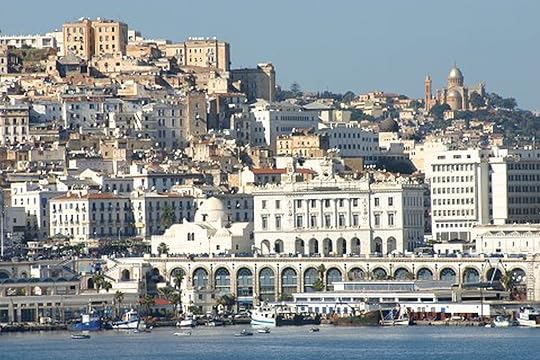
Ambientato nella città indicata chiaramente dal titolo, ambientato all’inizio degli anni Novanta, La stella di Algeri è un romanzo d’iniziazione, e più che di formazione, è una storia di de-formazione. Ma non voglio anticipare il finale. È soprattutto, attraverso la vicenda di Moussa Massy, nome d’arte di Méziane, giovane cantante di musica cabila moderna che sogna un futuro di successo, è soprattutto la storia di una generazione. E di un’epoca: gli anni Novanta algerini (magnificamente raccontati di recente sullo schermo dal bel film Papicha) sono quelli che videro l’inizio e lo sviluppo della guerra civile, il nascere di un Fronte Islamico (di Salvezza!), gli anni che introdussero l’islamismo che soffoca tutto, e quindi il dilagare di tuniche, barbe, bandierine del FIS, il velo alle donne, la religione prima e sopra tutto, barbuti elettrici d’isteria.
Moussa viene dai quartieri popolari della città, niente oleografia. Attraverso la musica e le sue canzoni pensa e spera di elevarsi e di spiccare un volo più che un salto. La musica collega il mondo e unisce la gente, permette di comunicare: e anche se gli piacerebbe continuare a cantare in berbero, capisce che l’arabo è ormai la lingua dei maledetti religiosi, e invece il francese non è più la lingua dell’invasore, ma quella usata dai democratici, usata dalle femministe (e ancora rimando al film Papicha). Per questo è pronto a prendere il largo, anche su una barchetta, quelle imbarcazioni di fortuna che attraversano il mediterraneo, e diventare un brûleurs di frontiere.
In famiglia di Moussa son in quattordici e dividono tre stanze. Dura. Quandoe sce di casa, Moussa si accompagna ai suoi amici, coetanei, che s’intrattengono con lo “zombretto”, alcol puro e sciroppo di granatina (il melograno è tipi del nord Africa), canne, e quando possibile droghe economiche dallo sballo assicurato, anche se non sempre prevedibile e controllabile. Non l’ambiente ideale per chi coltiva i sogni di Moussa. Che dice: L’importante è non arrendersi perché è cosi che diventi islamista, quando ti stufi. Di sognare, di amare, di vivere. I compagni migliori sono finiti così, a forza di stufarti, non riesci più ad avere prospettive
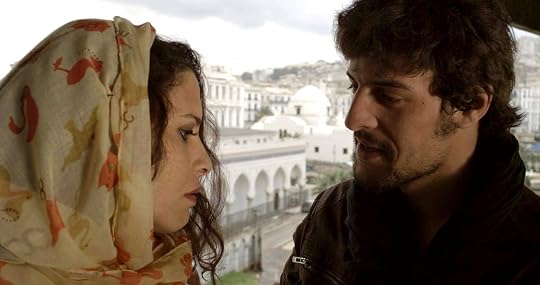
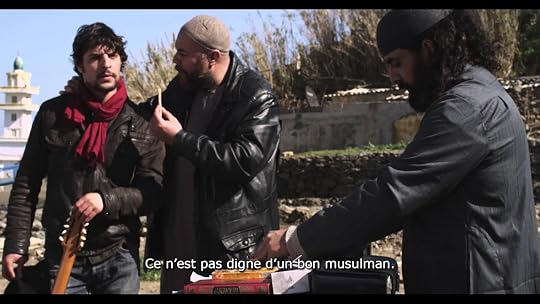
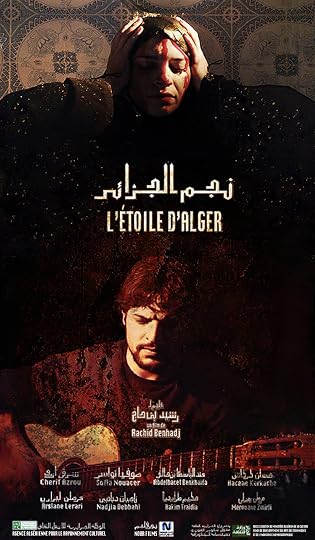
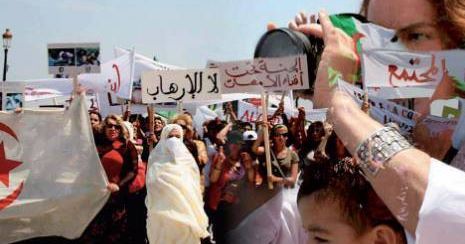
Le immagini son tutte tratte dal film omonimo diretto da Rachid Benhadj (2016).
Il permesso di espatrio non arriva, Moussa perde la calma, finisce in una rissa, col tipi sbagliato: un islamista. A Moussa si spalanca davanti l’entrata in carcere, dove lo aspetto un destino opposto a quello di Derek Vinyard il protagonista dell’ottimo film American History X
PS Dans la ville blanche, che ho usato come titolo del mio commento, è un riferimento ad Algeri chiamata La Bianca. E anche un omaggio allo splendido film di Alain Tanner del 1982.
This is the first novel I've read from Algerian author Aziz Chouaki and I liked it. The novel is set in Algeria in the late 1980's and early 1990's. This book is short, concise, and quick to read. The story is about Moussa, a 37 years old Algerian Berber, still living with his family composed of 14 members in a 3 room appartment. He becomes suddenly the new hit singer sensation in Algeria moving up the scenes from singing in marriages to singing in the elite night club. However, his dreams of becoming a star crashes down when the islamists win the general election and conflicts starts.
The author developped extensively the leading character from becoming a rising star to his demise, but he briefly mentionned his past. He focused on Moussa, who's himself concentrated on his singing carreer that he barely acknowledges the demise of the rest of the country. Through Moussa, readers gets to see how one individual might have a chance of success through hard work, relationships, and luck while the majority has no chance of a good carreer or life. Readers observe how the general population suffers on a daily basis while the elite minority enjoys a life as much as rich Europeans.
As a Moroccan still living in Morocco at the time, I saw way too many news flash pictures of the internal conflicts in Algeria between the Army and islamists, but I never had an idea of how Algerians lived until I read this novel.
The author uses a writing style that resembles the telegraph messages such as one word says it all. Throughout the novel, the author doesn't use long expressions to describe places and people, but he uses several one word catch phrase that says it all. This writing style is good if readers are very familiar with Algeria, but it is difficult to understand if readers are not familiar with Algeria at all. The story could have also been better told if some secondary characters were also developed. Life of Moussa before 37 years old and/or before becoming a singer is mentionned briefly here and there very quickly that readers cannot have a full understanding of his personnality.
Comme Kamel Daoud des années 2020, ce Aziz Chouaki, clairement atteint par un stade avancé de complexe d’infériorité envers les occidentaux, écrivait pour plaire à certaines élites françaises en vilipendant les siens : les Algériens. Cette fiction, que certains lecteurs occidentaux prennent pour un livre d’histoire, est principalement une œuvre de propagande idéologique pour preuve la transformation peu crédible, complètement débile du personnage principal en l’espace de quelques mois d’un voyou ivrogne et sans honneur capable de se faire un vieux diplomate français juste pour avoir un visa et incarcéré pour avoir sauvagement tué un islamiste à un érudit dans la théologie musulman qui connaît les moindres détails des différents courants de pensée islamique (alors qu’il ne parle même pas arabe) et lisant quelques ouvrages non pas dans une grande université islamique mais dans la prison d’El Harrach !!! Foutaise.
En Algérie, plusieurs qui se réclament du courant démocratique, ne sont que des lèche bottes de leurs maîtres en France. Ils prennent leur semblables de haut comme s’ils appartiennent eux à une race supérieure (mais bien évidement inférieure aux français qui leur assurent un gîte et du couvert). D’ailleurs, n’avez-vous pas remarqué l’aversion qu’il éprouve envers les “gosses”, qui en dépit de leur âge et donc leur innocence, l’auteur y voit de la vermine et sont tout au long du roman associés aux poubelles?
La recette de succès facile et assuré pour plusieurs pseudos écrivains algériens en manque de talent et d’inspiration est de vilipender jour et nuit les algériens, l’arabe, l’islam et la guerre de libération nationale. Cependant, un chien vivra et mourra en chien.
Heartbreaking and intense. A tender and sympathetic portrayal of a man's attempt to claim his dream, despite the inexorable forces of aging, social revolution, and poverty. Allows readers an insight into the primal forces that drive jihadism, as well as other alternative cultures of resistance to the Arab status quo.
#the52bookclub Challenge #33 - A Stand Alone Novel
"Yeah, we're the Sioux of Algeria, the Kurds of the Maghreb, the Irish of the Arab world, cooped up and deprived of our culture. Fuck it, when you think that us Berbers were here before anyone else..."
I learned a lot about Algeria from this book, and its exploration of how fundamentalism arises resonates with the world’s current state. I thought the ending was too rushed, though - the main character’s transformation was believable but too sudden.
Storia dal ritmo incalzante. Un bellissimo spaccato degli anni '90 nell'Algeri liberata,ma ancora incredula e incerta su cosa abbracciare, divisa da conflitti ideologici e profonde disparità sociali
Moussa è un personaggio estremamente rappresentativo dell'epoca. Il finale è sconvolgente.