

What do you think?

Women Who Worry Too Much: How to Stop Worry and Anxiety from Ruining Relationships, Work, and Fun
Women are more likely than men to develop anxiety disorders, a fact which researchers have attributed to a range of biological, psychological, and cultural factors. This predispostion inclines women to worry more than men about things like social problems, work, finances-even about worry itself, a phenomenon psychologists call meta-worry. The goal of this book is to help readers control excessive worry by learning to perceive threats more accurately and to stop focusing on things that are unlikely to happen.
Following an introduction by noted psychologist Michelle Craske that explores the reasons women worry more than men, the book addresses the fundamentals of worry: what it is, how it differs from anxiety, and how it can develop into a chronic state of mind. The book offers strategies for overcoming worry that include monitoring personal worry triggers, breaking worry-provoking habits, and avoiding avoidance-a major aggravating factor for all anxiety disorders. From it, you'll learn to use mindfulness techniques to avoid ruminating on the past or the future and how to use progressive relaxation to cope with worrisome situations.
Following an introduction by noted psychologist Michelle Craske that explores the reasons women worry more than men, the book addresses the fundamentals of worry: what it is, how it differs from anxiety, and how it can develop into a chronic state of mind. The book offers strategies for overcoming worry that include monitoring personal worry triggers, breaking worry-provoking habits, and avoiding avoidance-a major aggravating factor for all anxiety disorders. From it, you'll learn to use mindfulness techniques to avoid ruminating on the past or the future and how to use progressive relaxation to cope with worrisome situations.
184 pages, Paperback
First published September 1, 2005
Ratings & Reviews
Friends & Following
Create a free account to discover what your friends think of this book!
Community Reviews
Displaying 1 - 23 of 23 reviews

December 28, 2019
کتاب بسیار ساده ای بود. به همین دلیل روایت آن به سرعت پیش می رفت. تمام مطالب آن را قبلا در کتاب های دیگر ان به صورت جامع تر خوانده بودم. کسانی چون کریشنا مورتی و آلن دوباتن و...!با این حال از نکات جالب کتاب...مواجه با هراس ها و دقیق شدن روی لحظه اکنون بود. در قسمت مواجه با هراس ها، نویسنده معتقد بود که از دیدن فیلم های وحشت خودداری نکنین😂😂تمرینات بعد از پایان هر فصل نیز جالب بود البته تکراری... اینکه چگونه بدن را آرام کنیم و به خودمان آرامش دهیم. آرمیدگی ذهن و جسم توامان ...

December 29, 2019
Women who worry too much ,
“ you might be surprised to learn that , in childhood girls are not more anxious than boys . But girls become six times much more prone to anxiety and worry than boys , as they approach puberty and face adolescence - McGee & Colleagues 1992 studies “
This book consist of two main part .
Part 1 : a collection of group of studies on worry, anxiety and depression , highlighting gender differences and factors contribute to them .
Which briefly researchers have attributed to a range of biological, psychological, and cultural factors!
Part 2 : some steps and practical exercise to overcome worry :
A- Track worry cues and triggers
B- gain new perspective
C - face your fear
D- relax your mind
E- focus on the moment .
“ you might be surprised to learn that , in childhood girls are not more anxious than boys . But girls become six times much more prone to anxiety and worry than boys , as they approach puberty and face adolescence - McGee & Colleagues 1992 studies “
This book consist of two main part .
Part 1 : a collection of group of studies on worry, anxiety and depression , highlighting gender differences and factors contribute to them .
Which briefly researchers have attributed to a range of biological, psychological, and cultural factors!
Part 2 : some steps and practical exercise to overcome worry :
A- Track worry cues and triggers
B- gain new perspective
C - face your fear
D- relax your mind
E- focus on the moment .

February 26, 2015
This book was super eye opening and helpful for me. I read through it quickly and am now going back through to actual practice what it teaches.
If you worry or have anxious thoughts that lead to worry spirals - read this!
If you worry or have anxious thoughts that lead to worry spirals - read this!

November 25, 2018
مش في العادة أقول عن كتاب نفسي إنه حلو وياخد فوق النجمتين، الكتاب حلو وفيه تدريبات وفيه جزء مهم جدًا عن تمارين الاسترخاء Meditation.

November 10, 2022
سوف تنتهين من هذا الكتاب رابحة ان عقدتي العزم على تطبيق ما به من تمارين.

March 20, 2009
I didn't know what to expect when I first picked up "Women Who Worry to Much" but I honestly thought there would be real-life examples to illustrate the points and tips the author presents in the work. Though Hazlett-Stevens provided some interesting insight into what "worry" actually is as well as some great tips for handling out-of-control worry, I felt that these points could have been flushed out more had she taken the trouble to provide more examples. As a reader, I find I absorb the content of a self-help book easily if the author presents examples I can relate to my own life. Hazlett-Stevens attempted a few examples, but they seemed like last-minute add-ons and weren't flushed out enough to become relevant to the material presented.
Though this was an easy read, I was a little disappointed in the content. Yes, there are ways to scale back your worry, but the author relies on ONLY the five ways she presents early on in the book. And she tries very hard to make those five steps relevant to every situation she provides as examples of where worry can affect your life; sadly, those five steps aren't always applicable, no matter how hard you try to make them fit.
However, some of the advice provided was helpful and I really enjoyed the introduction explaining the difference between worry, anxiety and panic. I expected more though and I was left wanting.
Though this was an easy read, I was a little disappointed in the content. Yes, there are ways to scale back your worry, but the author relies on ONLY the five ways she presents early on in the book. And she tries very hard to make those five steps relevant to every situation she provides as examples of where worry can affect your life; sadly, those five steps aren't always applicable, no matter how hard you try to make them fit.
However, some of the advice provided was helpful and I really enjoyed the introduction explaining the difference between worry, anxiety and panic. I expected more though and I was left wanting.

August 17, 2009
Not a huge fan of this one - as a Type A/sometimes OCD person, I was hoping this book would help me let go of some of that. But, not so much. I guess the premises were ok, but nothing earth shattering here.
October 6, 2024
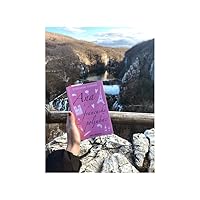
čini mi se da je ova knjiga kod nas prošla “ispod radara” sto je šteta jer je svakako vrijedna čitanja i potpuno stručna a lako čitljiva

January 9, 2018
This was an interesting book, but I am only giving it 4 stars because it is short and too readable. A little fluffy. Not very dense. My favorite thing about the book was that it recognized and brought to light common worry patterns of imagining the very worst thing that could happen and focusing on that result. The suggestions were to get specific, find alternatives, look at evidence, think about the worst thing that could happen, and look for new perspectives. This isn't necessarily just for women, I don't think worry is a gender specific problem. I am sure a lot of men worry about their career and work achievements.
February 26, 2025
This book was actually amazing. With every turn of the page I found myself thinking “hey I can relate to this AND use this information”. This was such an easy read, not too many academic words to make it overly complicated but just the right amount with very clear explanations of certain phrases or words like (CBT: cognitive behavioral therapy) which is good for readers who are unfamiliar with those terms. This is the type of book I can find myself flipping through to remind myself of some of the methods discussed that were helpful. Highly recommend to anyone with anxiety or who worries a lot, not just women.

April 11, 2025
A little outdated, research and science-wise, but what more can you expect from a twenty-year old book? I've read a lot of "self-help" books, and this one really is the picture that gives that genre a bad name. It was laden with tropes and cliches, as well as redundancy and problematic ideals about gender and stereotypes.
Oh well, glad I can finally check it off my TBR.
Oh well, glad I can finally check it off my TBR.

November 20, 2019
loved it

January 12, 2021
This book was very helpful with reframing worry. I'll be starting a journal very soon, with what I learned from this book.

August 10, 2023
3/5
szybka i prosta książka skierowana do kobiet, która tłumaczy zdolności tej płci do większego zamartwiania się, a także udowadnia to badaniami
szybka i prosta książka skierowana do kobiet, która tłumaczy zdolności tej płci do większego zamartwiania się, a także udowadnia to badaniami
February 27, 2025
This was a great self-help book with tips on how to relax when you are worried, examples and techniques. Even if the book talks about woman specifically everyone would be able to learn from it.

May 23, 2011
At the end of each self-help book I always ask myself one question. Was I able to take anything away from this book. My answer was ehhh, maybe one or two things but they were things I already had known and she just reminded me. I felt the whole book just showed examples of how women worry and how they try to figure it out. It seemed that this book was going to be how to STOP worrying and why do we do it. Oh well...I'll just take the reminders that I did learn and move on. Proud of myself for not giving up.

June 14, 2010
Maybe more of a 4 1/2. Very enlightening and helpful book. I think I'm probably not as bad off as some people because just reading about ways to stop worrying so much was enough to help me to see things with a better perspective. I don't have tons of time at the moment to do everything the book suggests, but it's something I'll definitely keep in mind and remember when my worry spirals out of control!

August 30, 2007
I've learned that I am hypervigilant. That's about it.

January 2, 2009
Going to re-read this and actually start doing the exercises.

October 7, 2010
Only of marginal use to me, since I don't suffer from anxiety or panic disorder, phobias or extreme shyness. Still, there were some good tools on how to manage worry and I did learn a few things.

December 23, 2014
It was very helpful for my GAD. very good technics.

December 23, 2016
It was a nice review for me of Cognitive Behavior Therapy.
February 15, 2013
Not what I was looking for.
Displaying 1 - 23 of 23 reviews