

What do you think?

Disposable Camera
Although Disposable Camera is Janet Foxman’s first book-length collection, one would not know it given the wry sophistication of the poems found within. The notion of the disposable camera permeates the entire book, where Foxman considers the instabilities in even our deepest attachments. Here gulfs expand, for instance, between twins, between the musician and his instrument, between the recluse and his inconsolable solitude. Whether a hermit; a twin; a filmgoer utterly taken with Triumph of the Will ; or Masaccio, just after he’s painted the Expulsion —the poems’ speakers share a nagging anxiety that satisfaction may not exist outside the effort to imagine it, and that efforts at art and making, however compulsory to their executor, are probably regrettable from the start. A formally inventive and daring book, and one that displays a sophistication well beyond the poet’s years, Disposable Camera will be a valuable addition to American poetry.
- GenresPoetry
81 pages, Paperback
First published October 15, 2012
Ratings & Reviews
Friends & Following
Create a free account to discover what your friends think of this book!
Community Reviews
Displaying 1 - 3 of 3 reviews

November 8, 2012
a lovely, tough, strange, wonderful book of poems.

February 18, 2019
I would like to read prose by Janet Foxman. She has a beautiful way of fitting words together, but these poems seem to lack direction or emotion. The most moving moment of the book by far was when I turned a page and saw suddenly, unexpectedly, the scribbled lettering of a little boy I used to babysit. He'd written our names in shakey, imprecise, disjointed lines one day in early kindergarten, sitting in my lap at a playground after school. I'd forgotten all about it in the years that have passed, and seeing it brought that time rushing back and made me almost breathless. I wish I could have experienced something that powerful from reading the author's poems.
February 7, 2013
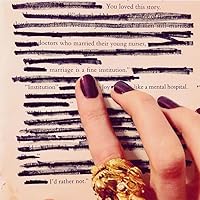
I want my poetry to look exactly like this. I can see Glück's influence, but am glad Foxman didn't let her work cave into, well, Glückiness.
Displaying 1 - 3 of 3 reviews