

What do you think?

اعترافات جولدا مائير
My Life is the autobiography of the first female Prime Minister of Israel, Golda Meir. The book is both frank and very revealing of her personality and goals. Her total lack of pretense is especially winning. Meir's practical idealism can be seen in efforts as diverse as the beautification of kibbutzim and her strong advocacy of unemployment benefits. The work that 'most concerned and interested me,' she writes, was 'the translation of socialist principles into the down-to-earth terminology of everyday life.' Although the political events and the world players she worked with are well known they are recounted with drama and spirit.
362 pages, Paperback
First published January 1, 1975
About the author
Golda Meir
22 books95 followersGolda Meir, known as Golda Meyerson from 1917–56) was the fourth Prime Minister of the State of Israel.
Meir was elected Prime Minister of Israel on 17 March 1969, after serving as Minister of Labour and Foreign Minister. Israel's first and the world's third female to hold such an office, she was described as the "Iron Lady" of Israeli politics years before the epithet became associated with British prime minister Margaret Thatcher. Former prime minister David Ben-Gurion used to call Meir "the best man in the government"; she was often portrayed as the "strong-willed, straight-talking, gray-bunned grandmother of the Jewish people".
Meir was elected Prime Minister of Israel on 17 March 1969, after serving as Minister of Labour and Foreign Minister. Israel's first and the world's third female to hold such an office, she was described as the "Iron Lady" of Israeli politics years before the epithet became associated with British prime minister Margaret Thatcher. Former prime minister David Ben-Gurion used to call Meir "the best man in the government"; she was often portrayed as the "strong-willed, straight-talking, gray-bunned grandmother of the Jewish people".
Ratings & Reviews
Friends & Following
Create a free account to discover what your friends think of this book!
Community Reviews
Displaying 1 - 30 of 289 reviews

May 3, 2012
قبل أن تقرأ مثل هذه المذكرات يجب أن تعى جيدا أن جولدا مائير قد أفنت عمرها فى خدمة إسرائيل.
وليس من المنطقى أن تخرج هذه المذكرات عن خدمة إسرائيل..
أثار لدى تساؤل أثناء تناولى لمذكراتها: أليس لليهود حق فى وجودهم, وهنا -على أرضنا. إن القرآن صرح بذلك!
ولا أخفى أنى ارتعبت لمجرد ظهور هذا السؤال؛ فهذا يعنى أن مفعول قراءة مثل تلك الكتب قد سرى فى عقلى, وأنها ربما قد تلاعبت به. لا يستطيع أحد أن يصد مثل هذا الهجوم الفكرى (أخطر أنواع الهجوم), ولا سبيل من مواجهته إلا بكتاب آخر, وهنا يجب أن أشير إلى ضرورة قراءة مذكرات السادات, وسعد الدين الشاذلى, والكتب العربية الأخرى, وإلا فإننا نواجه هجوما فكريا من جانب واحد, بلا دفاع..
- لكن لماذا الأمر قد يصل إلى حد هذا السوء؟
- الكلمات البراقة, الدفاع عن النفس فى وجه الإرهاب, حقوق اليهود والشتات, نريد سلاما شاملا:: كل هذه التعبيرات أوردتها جولدا وطوعتها فى خدمة القضية اليهودية وتبرير مواقفهم للرأى العام العالمى. هل هى صادقة أم لا, صدقنى؛ إنى فى حيرة من أمرى!!
لكن بالطبع هناك حاجز بينى وبين هذا الصراع لا يمكن أن يتهدم أبدا, ببساطة هى مكوناتى الوطنية والعقائدية والحضارية..
بقى لى أن أوجه كلمة إلى هؤلاء اليهود؛ إن كنتم قَدِمتم إلى أرضنا بدافع من عقائدكم الدينية,إذاً فدعونا نعاملكم بدافع عقائدنا الدينية أيضا !
وليس من المنطقى أن تخرج هذه المذكرات عن خدمة إسرائيل..
أثار لدى تساؤل أثناء تناولى لمذكراتها: أليس لليهود حق فى وجودهم, وهنا -على أرضنا. إن القرآن صرح بذلك!
ولا أخفى أنى ارتعبت لمجرد ظهور هذا السؤال؛ فهذا يعنى أن مفعول قراءة مثل تلك الكتب قد سرى فى عقلى, وأنها ربما قد تلاعبت به. لا يستطيع أحد أن يصد مثل هذا الهجوم الفكرى (أخطر أنواع الهجوم), ولا سبيل من مواجهته إلا بكتاب آخر, وهنا يجب أن أشير إلى ضرورة قراءة مذكرات السادات, وسعد الدين الشاذلى, والكتب العربية الأخرى, وإلا فإننا نواجه هجوما فكريا من جانب واحد, بلا دفاع..
- لكن لماذا الأمر قد يصل إلى حد هذا السوء؟
- الكلمات البراقة, الدفاع عن النفس فى وجه الإرهاب, حقوق اليهود والشتات, نريد سلاما شاملا:: كل هذه التعبيرات أوردتها جولدا وطوعتها فى خدمة القضية اليهودية وتبرير مواقفهم للرأى العام العالمى. هل هى صادقة أم لا, صدقنى؛ إنى فى حيرة من أمرى!!
لكن بالطبع هناك حاجز بينى وبين هذا الصراع لا يمكن أن يتهدم أبدا, ببساطة هى مكوناتى الوطنية والعقائدية والحضارية..
بقى لى أن أوجه كلمة إلى هؤلاء اليهود؛ إن كنتم قَدِمتم إلى أرضنا بدافع من عقائدكم الدينية,إذاً فدعونا نعاملكم بدافع عقائدنا الدينية أيضا !

April 21, 2021
Жила-була і переклала - дуже тішилася в процесі, дуже радію, що це буде українською, і вважаю, що це треба з педагогічною метою читати нашим політикам.
Автобіографія Ґолди Меїр, дівчинки з бідної робітничої родини зі Смуги осілості, яка врешті підпише декларацію про незалежність держави Ізраїль і побуде прем'єркою молодої держави, зокрема у найдраматичніший момент її історії (під час Війни Судного дня, якої Ізраїль не чекав, і тому наступ по двох фронтах захопив країну зненацька). Шалений характер, шалена біографія. Читається захопливо, прийом "все пропало - тому, тому і тому; ситуація безнадійна; а потім бац - і перемогли в останню мить" безвідмовно спрацьовує.
Кілька розділів перекладала зі сльозами на очах, бо дуже драматично. Скажімо, про проголошення незалежності - увесь провід розуміє, що одразу після заснування держави на неї посунуть усі найсильніші армії регіону - але все одно йде на цей крок, хоча й подбавши, "щоб сувій, який ми підпишемо, одразу після церемонії стрімголов домчали в сейф в Англо-палестинському банку: хай хоч документ збережеться для нащадків у разі, якщо держава чи ми самі не виживемо":
1948 року арабські держави, взагалі схильні фантазувати, вірили, що пройдуть територію, яка стала Ізраїлем, за кілька днів. Почнімо з того, що це вони розв’язали війну, що надає велику тактичну перевагу. По-друге, вони мали легкий доступ сушею до Палестини, а місцевих арабів уже багато років налаштовували проти євреїв. По-третє, араби могли безперешкодно пересуватися з однієї частини країни в іншу. По-четверте, араби контролювали більшість горбистих регіонів Палестини, звідки легко атакувати наші поселення у низовині. Ну й нарешті — за арабами була безперечна чисельна і збройна перевага, а британці надавали їм пряму й непряму допомогу.
А що було в нас? Сказати, що в нас не було майже нічого — це перебільшення. Кілька тисяч гвинтівок, кількасот кулеметів і трошки різної вогнепальної зброї — але, станом на 14 травня 1948 року, жодної гармати й танка, зате аж дев’ять літаків (щоправда, тільки один із них на два двигуни!). Завдяки завбачливості Бен-Ґуріона ми закупили за кордоном техніку для виготовлення зброї, але не могли ввезти її в Ізраїль до виходу англійців, а тоді її потрібно було ще зібрати й запустити. Раз уже мова зайшла про цифри, то ситуація з особовим складом теж не краща. У нас було близько 45 000 чоловіків, жінок і підлітків у Гаґані, кілька тисяч членів двох підпільних збройних формувань і кількасот свіжоприбулих, які вже пройшли сякий-такий вишкіл із дерев’яними ґвинтівками й холостими кулями у таборах Ді-Пі в Німеччині і на Кіпрі (після проголошення незалежності під’їхало ще кілька тисяч добровольців єврейського і не тільки походження з-за кордону). Ось і все. Але ми не могли собі дозволити таку розкіш, як песимізм, тож рахували за іншою формулою: нас 650 000, і ніхто за кордоном навіть не розуміє, яка в нас сильна мотивація залишитися в живих. Отже, якщо ми не хочемо, щоб нас відтіснили в море, інших варіантів немає: у війні треба перемогти. Ось ми й перемогли. Але це було нелегко, нешвидко й недешево. З того дня, коли в ООН проголосували резолюцію про поділ Палестини (29 листопада 1947 року), й до дня, коли Ізраїль і Єгипет підписали перше перемир’я (24 лютого 1949 року), загинуло 6000 молодих ізраїльтян — один відсоток нашого населення. І навіть ця жертва не купила миру, хоча ми тоді цього ще не знали.
Насправді в тексту є й суто прагматичне завдання - це агітка про те, чому:
(а) Ізраїль мусить існувати - бо Голокост продемонстрував, що мусить бути земля, де євреї живуть за правом, а не з ласки господарів, і де вони зможуть в разі чого порятуватися (у час Голокосту, як ми пам'ятаємо, була підмандатна британська Палестина - і британці навіть тоді обмежували єврейську імміграцію);
(б) Ізраїль класний і надійний партнер для заходу, на відміну від усіх сусідів - стежте за перекладацькими примітками, у зв'язку з цим там є один абсолютно анекдотичний сюжет :) ;
(в) Ізраїль за мир і робитиме все для досягнення миру в регіоні (навіть якщо для цього доведеться анексувати шматки сусідніх держав) - от звідси можна брати жменями готові риторичні кліше для нашої ситуації. Ізраїль схиляли до миру на всяких умовах, не завжди вигідних, а він послідовно повторював, що гарантією мирних переговорів і миру є лише сильний Ізраїль (а інакше буде не мир, а знищення Ізраїлю):
І нарешті хочу сказати, що відколи я, тоді ще юна дівчина, прибула в Палестину, ми завжди мусили обирати між поганим варіантом і ще гіршим. Інколи поставала спокуса піддатися тиску і пристати на пропозиції, які дадуть нам кілька місяців чи навіть років перепочинку, але з часом заведуть у ще більшу небезпеку. Ми завжди стояли перед запитанням: «Яка загроза найбільша?» Ми досі стоїмо перед цим викликом, а загроза, схоже, тільки зросла. Світ жорстокий, егоїстичний і прагматичний. Він байдужий до страждання малих народів. Навіть цілком просвітницькі уряди й демократії, очолювані порядними лідерами, що представляють добрих і порядних людей, нині не схильні перейматися проблемою справедливості у міжнародних відносинах. У час, коли потужні держави піддаються на шантаж і ухвалюють рішення з міркувань великої геополітики, ми не можемо завжди дослухатися до їхніх порад, а отже, мусимо мати ресурси й відвагу, щоб бачити світ, яким він є, і діяти відповідного до свого базового інстинкту самозбереження. Тож на питання «Що чекає в майбутньому?» досі маю тільки одну відповідь: я вірю, що ми житимемо в мирі з сусідами, але водночас певна, що зі слабким Ізраїлем ніхто не миритиметься. Якщо Ізраїль не буде сильним, то й миру не буде.
Коротше, дуже духопідйомне читво, рекомендую. Аж зраджу своєму принципу не ставити зірочок прочитаному :)
Автобіографія Ґолди Меїр, дівчинки з бідної робітничої родини зі Смуги осілості, яка врешті підпише декларацію про незалежність держави Ізраїль і побуде прем'єркою молодої держави, зокрема у найдраматичніший момент її історії (під час Війни Судного дня, якої Ізраїль не чекав, і тому наступ по двох фронтах захопив країну зненацька). Шалений характер, шалена біографія. Читається захопливо, прийом "все пропало - тому, тому і тому; ситуація безнадійна; а потім бац - і перемогли в останню мить" безвідмовно спрацьовує.
Кілька розділів перекладала зі сльозами на очах, бо дуже драматично. Скажімо, про проголошення незалежності - увесь провід розуміє, що одразу після заснування держави на неї посунуть усі найсильніші армії регіону - але все одно йде на цей крок, хоча й подбавши, "щоб сувій, який ми підпишемо, одразу після церемонії стрімголов домчали в сейф в Англо-палестинському банку: хай хоч документ збережеться для нащадків у разі, якщо держава чи ми самі не виживемо":
1948 року арабські держави, взагалі схильні фантазувати, вірили, що пройдуть територію, яка стала Ізраїлем, за кілька днів. Почнімо з того, що це вони розв’язали війну, що надає велику тактичну перевагу. По-друге, вони мали легкий доступ сушею до Палестини, а місцевих арабів уже багато років налаштовували проти євреїв. По-третє, араби могли безперешкодно пересуватися з однієї частини країни в іншу. По-четверте, араби контролювали більшість горбистих регіонів Палестини, звідки легко атакувати наші поселення у низовині. Ну й нарешті — за арабами була безперечна чисельна і збройна перевага, а британці надавали їм пряму й непряму допомогу.
А що було в нас? Сказати, що в нас не було майже нічого — це перебільшення. Кілька тисяч гвинтівок, кількасот кулеметів і трошки різної вогнепальної зброї — але, станом на 14 травня 1948 року, жодної гармати й танка, зате аж дев’ять літаків (щоправда, тільки один із них на два двигуни!). Завдяки завбачливості Бен-Ґуріона ми закупили за кордоном техніку для виготовлення зброї, але не могли ввезти її в Ізраїль до виходу англійців, а тоді її потрібно було ще зібрати й запустити. Раз уже мова зайшла про цифри, то ситуація з особовим складом теж не краща. У нас було близько 45 000 чоловіків, жінок і підлітків у Гаґані, кілька тисяч членів двох підпільних збройних формувань і кількасот свіжоприбулих, які вже пройшли сякий-такий вишкіл із дерев’яними ґвинтівками й холостими кулями у таборах Ді-Пі в Німеччині і на Кіпрі (після проголошення незалежності під’їхало ще кілька тисяч добровольців єврейського і не тільки походження з-за кордону). Ось і все. Але ми не могли собі дозволити таку розкіш, як песимізм, тож рахували за іншою формулою: нас 650 000, і ніхто за кордоном навіть не розуміє, яка в нас сильна мотивація залишитися в живих. Отже, якщо ми не хочемо, щоб нас відтіснили в море, інших варіантів немає: у війні треба перемогти. Ось ми й перемогли. Але це було нелегко, нешвидко й недешево. З того дня, коли в ООН проголосували резолюцію про поділ Палестини (29 листопада 1947 року), й до дня, коли Ізраїль і Єгипет підписали перше перемир’я (24 лютого 1949 року), загинуло 6000 молодих ізраїльтян — один відсоток нашого населення. І навіть ця жертва не купила миру, хоча ми тоді цього ще не знали.
Насправді в тексту є й суто прагматичне завдання - це агітка про те, чому:
(а) Ізраїль мусить існувати - бо Голокост продемонстрував, що мусить бути земля, де євреї живуть за правом, а не з ласки господарів, і де вони зможуть в разі чого порятуватися (у час Голокосту, як ми пам'ятаємо, була підмандатна британська Палестина - і британці навіть тоді обмежували єврейську імміграцію);
(б) Ізраїль класний і надійний партнер для заходу, на відміну від усіх сусідів - стежте за перекладацькими примітками, у зв'язку з цим там є один абсолютно анекдотичний сюжет :) ;
(в) Ізраїль за мир і робитиме все для досягнення миру в регіоні (навіть якщо для цього доведеться анексувати шматки сусідніх держав) - от звідси можна брати жменями готові риторичні кліше для нашої ситуації. Ізраїль схиляли до миру на всяких умовах, не завжди вигідних, а він послідовно повторював, що гарантією мирних переговорів і миру є лише сильний Ізраїль (а інакше буде не мир, а знищення Ізраїлю):
І нарешті хочу сказати, що відколи я, тоді ще юна дівчина, прибула в Палестину, ми завжди мусили обирати між поганим варіантом і ще гіршим. Інколи поставала спокуса піддатися тиску і пристати на пропозиції, які дадуть нам кілька місяців чи навіть років перепочинку, але з часом заведуть у ще більшу небезпеку. Ми завжди стояли перед запитанням: «Яка загроза найбільша?» Ми досі стоїмо перед цим викликом, а загроза, схоже, тільки зросла. Світ жорстокий, егоїстичний і прагматичний. Він байдужий до страждання малих народів. Навіть цілком просвітницькі уряди й демократії, очолювані порядними лідерами, що представляють добрих і порядних людей, нині не схильні перейматися проблемою справедливості у міжнародних відносинах. У час, коли потужні держави піддаються на шантаж і ухвалюють рішення з міркувань великої геополітики, ми не можемо завжди дослухатися до їхніх порад, а отже, мусимо мати ресурси й відвагу, щоб бачити світ, яким він є, і діяти відповідного до свого базового інстинкту самозбереження. Тож на питання «Що чекає в майбутньому?» досі маю тільки одну відповідь: я вірю, що ми житимемо в мирі з сусідами, але водночас певна, що зі слабким Ізраїлем ніхто не миритиметься. Якщо Ізраїль не буде сильним, то й миру не буде.
Коротше, дуже духопідйомне читво, рекомендую. Аж зраджу своєму принципу не ставити зірочок прочитаному :)

January 14, 2018
“One cannot and must not try to erase the past merely because it does not fit the present.”
When I first discovered My Life, my excitement regarding this book was sky-high because I had this urgent need, seemingly out of nowhere, to find out everything about Golda Meir, known as the "strong-willed, straight-talking, gray-bunned grandmother of the Jewish people."
This is Golda Meir's long-awaited personal and moving story of her life. For the first time, we experience through her own words how it happened that this amazing woman, born in Russia and brought up in Milwaukee, became Prime Minister Israel and one of the political giants of our time, without ever losing the warmth and informality for which she is justly celebrated.
I nearly ran to the library in my excitement and frenzy to know all about this grand pioneering woman. And as I was about to start my reading, holding this whopper of a book in my hands, I had a passing thought that whispered: "this will be something special."
Thankfully the book started off on a great note as it read like a memoir of her family life. From her radically opinionated sister, Sheyna, who “did what her principles dictated,” to snapshots of Golda Meir's politically charged adolescence, featuring debates on Zionism, literature, women's suffrage, and more. To put it mildly, “I hung on their words as though they would change the fate of mankind.”
But then the narrative started jumping around in time, which had me confused as ever trying to keep up, at which point I had to pull up Golda Meir's Wikipedia page to get a coherent sense of the events being described. And adding the fact that the main focus of the book was being shifted to center less on her personal life and more heavily on the politics set in that period of time. All these combined elements made my initial excitement subside by a landslide, and I had to rearrange my expectations for the following two-thirds of the book.
The only saving grace by this point was when Golda Meir dared to talk about feminism and “the inner struggles and despairs of a mother who goes to work.”
“Naturally women should be treated as the equals of men in all respects. But, as is true also of the Jewish people, they shouldn’t have to be better than everyone else in order to live like human beings or feel that they must accomplish wonders all the time to be accepted at all. On the other hand, a story — which, as far as I know, is all it was— once went the rounds of Israel to the effect that Ben-Gurion described me as ‘the only man’ in his cabinet. What amused me about it was that obviously he (or whoever invented the story) thought that this was the greatest possible compliment that could be paid to a woman. I very much doubt that any man would have been flattered if I had said about him that he was the only woman in the government!”
Had the primary focus throughout the first half of the book been on chronicling Golda Meir's life, without adding on her many accounts of traveling and talking overseas to crowds and diplomatical figures about X and Y, would've made My Life a real tour de force in my eyes.
Like, this paragraph below about her father's father who died long before Golda Meir's parents ever met:
"He had been one of the thousands of 'kidnapped' Jewish children of Russia, shanghaied into the czar's army to serve for twenty-five years. Ill-clothed, ill-fed, terrified children, more often than not they were under constant pressure to convert to Christianity. My Mabovitch grandfather had been snatched by the army when he was all of thirteen, the son of a highly religious family, brought up to observe the finest points of orthodox Jewish tradition. He served in the Russian army for another thirteen, and never once, despite threats, derision and often punishment, did he touch treife (non-kosher) food. All these years he kept himself alive on uncooked vegetables and bread. Though pressed hard to change his religion and often made to pay for his refusal by being forced to kneel for hours on a stone floor, he never gave in. When he was released and came back home, he was nonetheless haunted by the fear that inadvertently he might somehow have broken the Law. So to atone for the sin he might have committed, he slept for years on a bench in an unheated synagogue with only a stone at his head for a pillow. Little wonder that he died young."
It's passages like these that stayed with me long after I closed the book.
By the time I rolled around to the end of chapter six ('We Shall Fight Hitler') and the following chapter ('The Struggle Against the British'), the pacing had picked up a bit more and settled on issues that I understood and cared for profoundly. And then, of course, there was 'We Have Our State' a phenomenal chapter that lifted my spirits with the signing of the proclamation after all the emotional turmoil and unprecedented loss endured beforehand.
So even though it took me some time to get my bearings, to find my way around this heavy read, My Life by Golda Meir is certainly a book I'll think about for a while to come, for better and for worse.

Note: I'm an Amazon Affiliate. If you're interested in buying My Life, just click on the image below to go through my link. I'll make a small commission!


Support creators you love. Buy a Coffee for nat (bookspoils) with Ko-fi.com/bookspoils

When I first discovered My Life, my excitement regarding this book was sky-high because I had this urgent need, seemingly out of nowhere, to find out everything about Golda Meir, known as the "strong-willed, straight-talking, gray-bunned grandmother of the Jewish people."
This is Golda Meir's long-awaited personal and moving story of her life. For the first time, we experience through her own words how it happened that this amazing woman, born in Russia and brought up in Milwaukee, became Prime Minister Israel and one of the political giants of our time, without ever losing the warmth and informality for which she is justly celebrated.
I nearly ran to the library in my excitement and frenzy to know all about this grand pioneering woman. And as I was about to start my reading, holding this whopper of a book in my hands, I had a passing thought that whispered: "this will be something special."
Thankfully the book started off on a great note as it read like a memoir of her family life. From her radically opinionated sister, Sheyna, who “did what her principles dictated,” to snapshots of Golda Meir's politically charged adolescence, featuring debates on Zionism, literature, women's suffrage, and more. To put it mildly, “I hung on their words as though they would change the fate of mankind.”
But then the narrative started jumping around in time, which had me confused as ever trying to keep up, at which point I had to pull up Golda Meir's Wikipedia page to get a coherent sense of the events being described. And adding the fact that the main focus of the book was being shifted to center less on her personal life and more heavily on the politics set in that period of time. All these combined elements made my initial excitement subside by a landslide, and I had to rearrange my expectations for the following two-thirds of the book.
The only saving grace by this point was when Golda Meir dared to talk about feminism and “the inner struggles and despairs of a mother who goes to work.”
“Naturally women should be treated as the equals of men in all respects. But, as is true also of the Jewish people, they shouldn’t have to be better than everyone else in order to live like human beings or feel that they must accomplish wonders all the time to be accepted at all. On the other hand, a story — which, as far as I know, is all it was— once went the rounds of Israel to the effect that Ben-Gurion described me as ‘the only man’ in his cabinet. What amused me about it was that obviously he (or whoever invented the story) thought that this was the greatest possible compliment that could be paid to a woman. I very much doubt that any man would have been flattered if I had said about him that he was the only woman in the government!”
Had the primary focus throughout the first half of the book been on chronicling Golda Meir's life, without adding on her many accounts of traveling and talking overseas to crowds and diplomatical figures about X and Y, would've made My Life a real tour de force in my eyes.
Like, this paragraph below about her father's father who died long before Golda Meir's parents ever met:
"He had been one of the thousands of 'kidnapped' Jewish children of Russia, shanghaied into the czar's army to serve for twenty-five years. Ill-clothed, ill-fed, terrified children, more often than not they were under constant pressure to convert to Christianity. My Mabovitch grandfather had been snatched by the army when he was all of thirteen, the son of a highly religious family, brought up to observe the finest points of orthodox Jewish tradition. He served in the Russian army for another thirteen, and never once, despite threats, derision and often punishment, did he touch treife (non-kosher) food. All these years he kept himself alive on uncooked vegetables and bread. Though pressed hard to change his religion and often made to pay for his refusal by being forced to kneel for hours on a stone floor, he never gave in. When he was released and came back home, he was nonetheless haunted by the fear that inadvertently he might somehow have broken the Law. So to atone for the sin he might have committed, he slept for years on a bench in an unheated synagogue with only a stone at his head for a pillow. Little wonder that he died young."
It's passages like these that stayed with me long after I closed the book.
By the time I rolled around to the end of chapter six ('We Shall Fight Hitler') and the following chapter ('The Struggle Against the British'), the pacing had picked up a bit more and settled on issues that I understood and cared for profoundly. And then, of course, there was 'We Have Our State' a phenomenal chapter that lifted my spirits with the signing of the proclamation after all the emotional turmoil and unprecedented loss endured beforehand.
So even though it took me some time to get my bearings, to find my way around this heavy read, My Life by Golda Meir is certainly a book I'll think about for a while to come, for better and for worse.
Note: I'm an Amazon Affiliate. If you're interested in buying My Life, just click on the image below to go through my link. I'll make a small commission!
Support creators you love. Buy a Coffee for nat (bookspoils) with Ko-fi.com/bookspoils

March 15, 2014
انا مبهوره بقدرة الصهاينه على قلب الحقايق ، لا انا فى اقصى حالات الأنبهار من حديث ميسز جولدا عن الأرهابيين العرب و رغبة اليهود الشرفاء المللحه للسلام ، كان نفسى تجيب سيره دير ياسين او كفر قاسم او بحر البقر او اى حاجه بس كده تحسباً لأحتمال ان واحد عربى قرر يقرا الكتاب ف يقول الست قالت اللى ليها و اللى عليها ، الأحساس اللى جالى ك ندى من كوكب بلوتو ان اليهود دول اعظم شعوب الكون و اسرائيل دى احسن بلد ف كوكب الأرض ، الأحساس اللى جالى ك ندى من ام الدنيا محستش بيه عشان اتشليت قبلها ، بس المهم هنا انى لو مواطن اوروبى او امريكى و قريت الكلام ده ، انا فعلاً هكره العرب ، اتمنى يكون فيه كتاب دعائى مضاد و دى حاجه احنا و العالم فعلاً ف حاجه ماسه ليها .
*ملحوظه : متقراش الكتاب لو معندكش خلفيه كويسه قبله عشان دماغك ماتوجعكش .
*ملحوظه : متقراش الكتاب لو معندكش خلفيه كويسه قبله عشان دماغك ماتوجعكش .

January 12, 2016
My Life by Golda Meir is a compelling autobiography, which tells of the life of this amazing woman, from her early poverty-stricken childhood in Kiev, to her tenure as Prime Minister of Israel, from 1969 to 1974.
It is also the story of Zionism, and the State of Israel-it's struggle to be born, amidst Arab and British hostility, and its struggle to survive against the venomous hatred of the Arab world, and the treachery of the international community.
She writes at length about the struggle against the British, who did their dammdest during the 1930's and 1940's to ensure that the Jewish State would be stillborn in blood. The British barred millions of Jewish men, women and children fleeing Hitler, from entering Israel, turning them back to perish in the Nazi ovens.
And even today the attitude of the British establishment towards Israel, is one of uncompromising callous poison.
Written in 1975, the world still made a lot more sense then, as this was before it became so illogically fashionable to so viciously hate tiny, democratic Israel. But still the trends that would intensify where beginning. Gold Meir was a lifelong Socialist, but spared no punches in condemning the Soviet Union for it's perfidious backing of all Arab attempts to destroy Israel. She also condemns the New Left, which at the time the book was written, where beginning their hate campaign against Israel.
She refers to her disgust at the honoring by the UN of mass murderer, Yasser Arafat: " It is bitter to write...now, in a world that has chosen to endow Arab terrorism with glamour, and to admit to the so-called council of nations, a man like Yasser Arafat, who has not one constructive thought or action to his credit, and to put it quite plainly, is only a consumed multiple murderer, heading a movement dedicated solely to the destruction of the State of Israel."
Today this has not changed, except that the Muslims have claimed millions of more victims, and has the support of world academia, the world media, and countless Arab and Third world regimes.
Meir also rejected the creation of a third Palestinian state between Iraq and the Mediterranean, but was prepared to countenance the ceding of parts of the West Bank to Jordan. Sadly, the decision to reverse this stand by her Labour Party has caused the spilling of much blood.
She writes much about her work in bettering the lives of both Jews and Arabs in Israel , and her work in helping with the development of much of newly independent Africa in the 1960's and early 70's (before the African States turned on Israel after the Yom Kippur War of 1973).
But the primary message of this book is this: " I have seen my five grandchildren grow up as Jews, in a country that is their own. Let no one have any doubts about this. Our children and our children's children will never settle for anything less."
Merged review:
My Life by Golda Meir is a compelling autobiography, which tells of the life of this amazing woman, from her early poverty-stricken childhood in Kiev, to her tenure as Prime Minister of Israel, from 1969 to 1974.
It is also the story of Zionism, and the State of Israel-it's struggle to be born, amidst Arab and British hostility, and its struggle to survive against the venomous hatred of the Arab world, and the treachery of the international community.
She writes at length about the struggle against the British authorities, who did their dammdest during the 1930's and 1940's to ensure that the Jewish State would be stillborn in blood. The British barred millions of Jewish men, women and children fleeing Hitler, from entering Israel, turning them back to perish in the Nazi ovens.
And even today the attitude of the British elites (not the ordinary people) towards Israel, is one of uncompromising callous poison.
Written in 1975, the world still made a lot more sense then, as this was before it became so illogically fashionable to so viciously hate tiny, democratic Israel. But still the trends that would intensify where beginning. Gold Meir was a lifelong Socialist, but spared no punches in condemning the Soviet Union for it's perfidious backing of all Arab attempts to destroy Israel. She also condemns the New Left, which at the time the book was written, where beginning their hate campaign against Israel.
She refers to her disgust at the honoring by the UN of mass murderer, Yasser Arafat: " It is bitter to write...now, in a world that has chosen to endow Arab terrorism with glamour, and to admit to the so-called council of nations, a man like Yasser Arafat, who has not one constructive thought or action to his credit, and to put it quite plainly, is only a consumed multiple murderer, heading a movement dedicated solely to the destruction of the State of Israel."
Today this has not changed, except that Arab terrorist movements has claimed millions of more victims, and has the support of world academia, the world media, and countless Arab and Third world regimes.
Meir also rejected the creation of a third Palestinian state between Iraq and the Mediterranean, but was prepared to countenance the ceding of parts of the West Bank to Jordan. Sadly, the decision to reverse this stand by her Labour Party has caused the spilling of much blood.
She writes much about her work in bettering the lives of both Jews and Arabs in Israel , and her work in helping with the development of much of newly independent Africa in the 1960's and early 70's (before the African States turned on Israel after the Yom Kippur War of 1973).
But the primary message of this book is this: " I have seen my five grandchildren grow up as Jews, in a country that is their own. Let no one have any doubts about this. Our children and our children's children will never settle for anything less."
It is also the story of Zionism, and the State of Israel-it's struggle to be born, amidst Arab and British hostility, and its struggle to survive against the venomous hatred of the Arab world, and the treachery of the international community.
She writes at length about the struggle against the British, who did their dammdest during the 1930's and 1940's to ensure that the Jewish State would be stillborn in blood. The British barred millions of Jewish men, women and children fleeing Hitler, from entering Israel, turning them back to perish in the Nazi ovens.
And even today the attitude of the British establishment towards Israel, is one of uncompromising callous poison.
Written in 1975, the world still made a lot more sense then, as this was before it became so illogically fashionable to so viciously hate tiny, democratic Israel. But still the trends that would intensify where beginning. Gold Meir was a lifelong Socialist, but spared no punches in condemning the Soviet Union for it's perfidious backing of all Arab attempts to destroy Israel. She also condemns the New Left, which at the time the book was written, where beginning their hate campaign against Israel.
She refers to her disgust at the honoring by the UN of mass murderer, Yasser Arafat: " It is bitter to write...now, in a world that has chosen to endow Arab terrorism with glamour, and to admit to the so-called council of nations, a man like Yasser Arafat, who has not one constructive thought or action to his credit, and to put it quite plainly, is only a consumed multiple murderer, heading a movement dedicated solely to the destruction of the State of Israel."
Today this has not changed, except that the Muslims have claimed millions of more victims, and has the support of world academia, the world media, and countless Arab and Third world regimes.
Meir also rejected the creation of a third Palestinian state between Iraq and the Mediterranean, but was prepared to countenance the ceding of parts of the West Bank to Jordan. Sadly, the decision to reverse this stand by her Labour Party has caused the spilling of much blood.
She writes much about her work in bettering the lives of both Jews and Arabs in Israel , and her work in helping with the development of much of newly independent Africa in the 1960's and early 70's (before the African States turned on Israel after the Yom Kippur War of 1973).
But the primary message of this book is this: " I have seen my five grandchildren grow up as Jews, in a country that is their own. Let no one have any doubts about this. Our children and our children's children will never settle for anything less."
Merged review:
My Life by Golda Meir is a compelling autobiography, which tells of the life of this amazing woman, from her early poverty-stricken childhood in Kiev, to her tenure as Prime Minister of Israel, from 1969 to 1974.
It is also the story of Zionism, and the State of Israel-it's struggle to be born, amidst Arab and British hostility, and its struggle to survive against the venomous hatred of the Arab world, and the treachery of the international community.
She writes at length about the struggle against the British authorities, who did their dammdest during the 1930's and 1940's to ensure that the Jewish State would be stillborn in blood. The British barred millions of Jewish men, women and children fleeing Hitler, from entering Israel, turning them back to perish in the Nazi ovens.
And even today the attitude of the British elites (not the ordinary people) towards Israel, is one of uncompromising callous poison.
Written in 1975, the world still made a lot more sense then, as this was before it became so illogically fashionable to so viciously hate tiny, democratic Israel. But still the trends that would intensify where beginning. Gold Meir was a lifelong Socialist, but spared no punches in condemning the Soviet Union for it's perfidious backing of all Arab attempts to destroy Israel. She also condemns the New Left, which at the time the book was written, where beginning their hate campaign against Israel.
She refers to her disgust at the honoring by the UN of mass murderer, Yasser Arafat: " It is bitter to write...now, in a world that has chosen to endow Arab terrorism with glamour, and to admit to the so-called council of nations, a man like Yasser Arafat, who has not one constructive thought or action to his credit, and to put it quite plainly, is only a consumed multiple murderer, heading a movement dedicated solely to the destruction of the State of Israel."
Today this has not changed, except that Arab terrorist movements has claimed millions of more victims, and has the support of world academia, the world media, and countless Arab and Third world regimes.
Meir also rejected the creation of a third Palestinian state between Iraq and the Mediterranean, but was prepared to countenance the ceding of parts of the West Bank to Jordan. Sadly, the decision to reverse this stand by her Labour Party has caused the spilling of much blood.
She writes much about her work in bettering the lives of both Jews and Arabs in Israel , and her work in helping with the development of much of newly independent Africa in the 1960's and early 70's (before the African States turned on Israel after the Yom Kippur War of 1973).
But the primary message of this book is this: " I have seen my five grandchildren grow up as Jews, in a country that is their own. Let no one have any doubts about this. Our children and our children's children will never settle for anything less."
Read
December 25, 2023مذكرات المرأة الأكثر شراً في "إسرائيل". تكتب چولدا مائير مذكراتها منذ أن كانت في كييف وحتى استيطانها في فلسطين وتوليها رئاسة الوزراء فيها.
قراءة هذه المذكرات كانت كما السير في عش للدبابير، فهي تلفّق الأحداث وتقلب الحقائق بطريقة تجعل من لا يعرف التاريخ يؤمن بكذبها ويصدقه. من العبارات المستفزة التي ذكرتها في مذكراتها قولها: ❞ وإن الدماء لتغلي في عروقي كلما سمعت ما يقال عن القسوة التي عاملنا بها العرب، وأذكر جيدًا أنني وقفت في شهر أبريل (نيسان) 1948 على شاطئ حيفا أناشد العرب ألا يرحلوا عنها، وكانت الهاجاناه قد احتلتها، ونصح القادة العرب أتباعهم بمغادرتها ولم تفلح مساعي الهاجاناه في إقناع العرب بالبقاء رغم استخدام مكبرات الصوت على العربات التي جابت أنحاء المدينة تردد باستمرار «لا تخافوا». ❝
ويمكن القياس على ذلك الكثير. لكن وإن كانت قراءة هذا الكتاب صعبة، فهي مهمة ليرى القارئ العربي كيف تروج الصهيونية لأفكارها في العالم ويشرح ذلك الكثير حول الدعم الدولي الذي تحظى به الصهيونية لأنها تعرف كيف تزيّف الحقائق وكيف تجعل العالم يبكي محرقتها، تلك التي يدفع ثمنها الفلسطيني منذ ٧٥ عاما".
قراءة هذه المذكرات كانت كما السير في عش للدبابير، فهي تلفّق الأحداث وتقلب الحقائق بطريقة تجعل من لا يعرف التاريخ يؤمن بكذبها ويصدقه. من العبارات المستفزة التي ذكرتها في مذكراتها قولها: ❞ وإن الدماء لتغلي في عروقي كلما سمعت ما يقال عن القسوة التي عاملنا بها العرب، وأذكر جيدًا أنني وقفت في شهر أبريل (نيسان) 1948 على شاطئ حيفا أناشد العرب ألا يرحلوا عنها، وكانت الهاجاناه قد احتلتها، ونصح القادة العرب أتباعهم بمغادرتها ولم تفلح مساعي الهاجاناه في إقناع العرب بالبقاء رغم استخدام مكبرات الصوت على العربات التي جابت أنحاء المدينة تردد باستمرار «لا تخافوا». ❝
ويمكن القياس على ذلك الكثير. لكن وإن كانت قراءة هذا الكتاب صعبة، فهي مهمة ليرى القارئ العربي كيف تروج الصهيونية لأفكارها في العالم ويشرح ذلك الكثير حول الدعم الدولي الذي تحظى به الصهيونية لأنها تعرف كيف تزيّف الحقائق وكيف تجعل العالم يبكي محرقتها، تلك التي يدفع ثمنها الفلسطيني منذ ٧٥ عاما".
July 12, 2025
Controversial
From the very first lines, I had a strong feeling this would be a compelling read—and it didn’t disappoint. I’ve always loved biographies because they allow you to step into someone else’s life, see through their eyes, and understand how their beliefs and worldview were shaped. Not to judge or agree, but simply to understand.
Whether you agree with her politics or not, it’s hard to deny that this woman fought relentlessly for what she believed in. Her journey was far from easy—if anything, she chose a tougher path on purpose, out of fierce loyalty to her cause. That unwavering dedication, the sheer amount of personal sacrifice—her blood, sweat, and tears—is something I deeply respect.
One of the most touching elements of the book was her vulnerability when speaking about her family, especially her husband. Despite differing life philosophies, she always spoke of him with love and respect, which added a rare warmth to the narrative.
That said, no autobiography is ever free from bias. There’s always a degree of selective memory—of telling the story from a personal perspective, not necessarily from a factual or objective one. And this book was no exception.
The first half pulled me in. But when we reached the parts discussing wars and geopolitical developments, the tone shifted dramatically. That’s where things got messy—where the autobiography turned into what felt like selective history. There were deliberate omissions and contradictions, especially regarding the establishment of the state, the conflicts with neighboring nations, and the treatment of minority communities. The book sometimes claimed peace-driven ideals, only to contradict itself a few pages later with aggression that was framed as defensive, even justified.
These inconsistencies reminded me of how I once felt reading Hitler’s biography at 15—captivated by the narrative until real-world facts shattered the illusion. That doesn’t mean the two people are comparable, of course, but the technique—telling one side while omitting or reframing uncomfortable truths—felt eerily familiar.
What troubled me most was how she spoke about non-Ashkenazi Jews. There was a clear tone of condescension when referring to Sephardic and Mizrahi Jews—as if they were uncivilized or inferior. It clashed with the larger ideal of a nation built to unite Jewish people from all over the world. And while we could chalk that up to the time period, it’s disappointing nonetheless—especially when those views still echo in today’s society.
Another confusing thread was the back-and-forth portrayal of key figures like Ben-Gurion. At one moment, he was a respected friend; the next, he was the villain of the story. That emotional zigzag made the narrative feel disjointed and left me questioning what had actually changed.
Despite its flaws, the biography remains a fascinating portrait of a complex woman. She was undeniably powerful, resilient, and willing to give her entire life to an idea bigger than herself. That alone makes her story one worth reading.
From the very first lines, I had a strong feeling this would be a compelling read—and it didn’t disappoint. I’ve always loved biographies because they allow you to step into someone else’s life, see through their eyes, and understand how their beliefs and worldview were shaped. Not to judge or agree, but simply to understand.
Whether you agree with her politics or not, it’s hard to deny that this woman fought relentlessly for what she believed in. Her journey was far from easy—if anything, she chose a tougher path on purpose, out of fierce loyalty to her cause. That unwavering dedication, the sheer amount of personal sacrifice—her blood, sweat, and tears—is something I deeply respect.
One of the most touching elements of the book was her vulnerability when speaking about her family, especially her husband. Despite differing life philosophies, she always spoke of him with love and respect, which added a rare warmth to the narrative.
That said, no autobiography is ever free from bias. There’s always a degree of selective memory—of telling the story from a personal perspective, not necessarily from a factual or objective one. And this book was no exception.
The first half pulled me in. But when we reached the parts discussing wars and geopolitical developments, the tone shifted dramatically. That’s where things got messy—where the autobiography turned into what felt like selective history. There were deliberate omissions and contradictions, especially regarding the establishment of the state, the conflicts with neighboring nations, and the treatment of minority communities. The book sometimes claimed peace-driven ideals, only to contradict itself a few pages later with aggression that was framed as defensive, even justified.
These inconsistencies reminded me of how I once felt reading Hitler’s biography at 15—captivated by the narrative until real-world facts shattered the illusion. That doesn’t mean the two people are comparable, of course, but the technique—telling one side while omitting or reframing uncomfortable truths—felt eerily familiar.
What troubled me most was how she spoke about non-Ashkenazi Jews. There was a clear tone of condescension when referring to Sephardic and Mizrahi Jews—as if they were uncivilized or inferior. It clashed with the larger ideal of a nation built to unite Jewish people from all over the world. And while we could chalk that up to the time period, it’s disappointing nonetheless—especially when those views still echo in today’s society.
Another confusing thread was the back-and-forth portrayal of key figures like Ben-Gurion. At one moment, he was a respected friend; the next, he was the villain of the story. That emotional zigzag made the narrative feel disjointed and left me questioning what had actually changed.
Despite its flaws, the biography remains a fascinating portrait of a complex woman. She was undeniably powerful, resilient, and willing to give her entire life to an idea bigger than herself. That alone makes her story one worth reading.
Read
October 6, 2021З'явився в дикій природі мій переклад автобіографії Ґолди Меїр, тож кидаю лінк на свій відгук на оригінал і копіюю з фейсбуку свій захват від цієї книжки:
Це один із найулюбленіших моїх перекладів, тому що:
👉 Читається як захопливий роман! Ґолда Меїр проходить довжелезний шлях від дівчинки з дуже бідної родини в Києві - до нової емігрантки в США, де мусить пропускати школу, щоб допомагати батькам у крамниці - до нової емігрантки в тодішню Підмандатну Палестину, куди їде з великою любов'ю до прабатьківської землі й готовністю обробляти її для прийдешніх поколінь, але з повним незнанням справи (вони з чоловіком думають, що житимуть у шатрах серед пустелі, тому з речей з собою везуть килими і грамофон, бо що ж іще потрібно в пустелі, як не грамофон?) - до однієї з засновниць держави Ізраїль - до посади прем'єр-міністра в чи не найдраматичніший відтинок історії Ізраїлю: під час Війни Судного дня (вона стане першою жінкою-очільницею західної держави, і то на найвищому можливому рівні складності). При цьому будуть майже безнадійна боротьба, у якій все ж вдається перемогти, секретні переговори з королями і президентами, небезпечні польоти літачками, організація руху самооборони й армії - і, звичайно, велика-превелика любов до свого народу і своєї землі.
👉 Читається як wish fulfillment fantasy про ідейних і компетентних політиків! Це дуже оптимістичне читво про те, що інколи любові таки досить, щоб змінити світ. Тобто, звісно, любові і компетентності: якщо дуже любити ідею своєї держави і дуже хотіти забезпечити прихисток своєму народу, то цілком можна взяти бідну спільноту у стані глибокої економічної кризи, де еміграція перевищує імміграцію, а імміграцію ще й обмежують британці, тобто всі там нидіють на пташиних правах (1930-ті) - й перетворити на самостійну державу. Їй протистоятимуть значно сильніші армії всіх сусідів, на неї тиснутимуть іноземні партнери, а ще одразу постане потреба інтегрувати сотні тисяч дуже різнокультурних, не завжди освічених, не завжди кваліфікованих нових іммігрантів - але все вдасться, нехай не одразу й не без жертв.
👉Багато розділів читаються (й перекладаються) крізь сльози розчулення! От, скажімо, проголошення незалежності. Всі розуміють, що як тільки буде проголошено незалежність, на Ізраїль нападуть арабські армії по цілому периметру. Перспектива вціліти - щось коло 50 на 50 за оптимістичними оцінками. То що, може, не провокувати нікого й не проголошувати незалежність? Ні, всі переглядаються, зітхають і роблять, що мусять, тільки домовляються, щоб декларацію незалежності "одразу після церемонії стрімголов домчали в сейф в Англо-палестинському банку: хай хоч документ збережеться для нащадків у разі, якщо держава чи ми самі не виживемо".
Загалом, у сусідів чисельна й технічна перевага -
"А що було в нас? Сказати, що в нас не було майже нічого — це перебільшення. Кілька тисяч гвинтівок, кількасот кулеметів і трошки різної вогнепальної зброї [...] Раз уже мова зайшла про цифри, то ситуація з особовим складом теж не краща. У нас було близько 45 000 чоловіків, жінок і підлітків у Гаґані, кілька тисяч членів двох підпільних збройних формувань і кількасот свіжоприбулих, які вже пройшли сякий-такий вишкіл із дерев’яними ґвинтівками й холостими кулями у таборах Ді-Пі в Німеччині і на Кіпрі (після проголошення незалежності під’їхало ще кілька тисяч добровольців єврейського і не тільки походження з-за кордону). Ось і все. Але ми не могли собі дозволити таку розкіш, як песимізм, тож рахували за іншою формулою: нас 650 000, і ніхто за кордоном навіть не розуміє, яка в нас сильна мотивація залишитися в живих. Отже, якщо ми не хочемо, щоб нас відтіснили в море, інших варіантів немає: у війні треба перемогти. Ось ми й перемогли. Але це було нелегко, нешвидко й недешево".
А розповідь із перших ешелонів політикуму про те, як саме перемогли (не лише у тій першій війні, а й при зустрічі з багатьма викликами згодом), - читайте у книжці :)
Це один із найулюбленіших моїх перекладів, тому що:
👉 Читається як захопливий роман! Ґолда Меїр проходить довжелезний шлях від дівчинки з дуже бідної родини в Києві - до нової емігрантки в США, де мусить пропускати школу, щоб допомагати батькам у крамниці - до нової емігрантки в тодішню Підмандатну Палестину, куди їде з великою любов'ю до прабатьківської землі й готовністю обробляти її для прийдешніх поколінь, але з повним незнанням справи (вони з чоловіком думають, що житимуть у шатрах серед пустелі, тому з речей з собою везуть килими і грамофон, бо що ж іще потрібно в пустелі, як не грамофон?) - до однієї з засновниць держави Ізраїль - до посади прем'єр-міністра в чи не найдраматичніший відтинок історії Ізраїлю: під час Війни Судного дня (вона стане першою жінкою-очільницею західної держави, і то на найвищому можливому рівні складності). При цьому будуть майже безнадійна боротьба, у якій все ж вдається перемогти, секретні переговори з королями і президентами, небезпечні польоти літачками, організація руху самооборони й армії - і, звичайно, велика-превелика любов до свого народу і своєї землі.
👉 Читається як wish fulfillment fantasy про ідейних і компетентних політиків! Це дуже оптимістичне читво про те, що інколи любові таки досить, щоб змінити світ. Тобто, звісно, любові і компетентності: якщо дуже любити ідею своєї держави і дуже хотіти забезпечити прихисток своєму народу, то цілком можна взяти бідну спільноту у стані глибокої економічної кризи, де еміграція перевищує імміграцію, а імміграцію ще й обмежують британці, тобто всі там нидіють на пташиних правах (1930-ті) - й перетворити на самостійну державу. Їй протистоятимуть значно сильніші армії всіх сусідів, на неї тиснутимуть іноземні партнери, а ще одразу постане потреба інтегрувати сотні тисяч дуже різнокультурних, не завжди освічених, не завжди кваліфікованих нових іммігрантів - але все вдасться, нехай не одразу й не без жертв.
👉Багато розділів читаються (й перекладаються) крізь сльози розчулення! От, скажімо, проголошення незалежності. Всі розуміють, що як тільки буде проголошено незалежність, на Ізраїль нападуть арабські армії по цілому периметру. Перспектива вціліти - щось коло 50 на 50 за оптимістичними оцінками. То що, може, не провокувати нікого й не проголошувати незалежність? Ні, всі переглядаються, зітхають і роблять, що мусять, тільки домовляються, щоб декларацію незалежності "одразу після церемонії стрімголов домчали в сейф в Англо-палестинському банку: хай хоч документ збережеться для нащадків у разі, якщо держава чи ми самі не виживемо".
Загалом, у сусідів чисельна й технічна перевага -
"А що було в нас? Сказати, що в нас не було майже нічого — це перебільшення. Кілька тисяч гвинтівок, кількасот кулеметів і трошки різної вогнепальної зброї [...] Раз уже мова зайшла про цифри, то ситуація з особовим складом теж не краща. У нас було близько 45 000 чоловіків, жінок і підлітків у Гаґані, кілька тисяч членів двох підпільних збройних формувань і кількасот свіжоприбулих, які вже пройшли сякий-такий вишкіл із дерев’яними ґвинтівками й холостими кулями у таборах Ді-Пі в Німеччині і на Кіпрі (після проголошення незалежності під’їхало ще кілька тисяч добровольців єврейського і не тільки походження з-за кордону). Ось і все. Але ми не могли собі дозволити таку розкіш, як песимізм, тож рахували за іншою формулою: нас 650 000, і ніхто за кордоном навіть не розуміє, яка в нас сильна мотивація залишитися в живих. Отже, якщо ми не хочемо, щоб нас відтіснили в море, інших варіантів немає: у війні треба перемогти. Ось ми й перемогли. Але це було нелегко, нешвидко й недешево".
А розповідь із перших ешелонів політикуму про те, як саме перемогли (не лише у тій першій війні, а й при зустрічі з багатьма викликами згодом), - читайте у книжці :)
Read
February 12, 2021يتضمن هذا الكتاب مذكرات جولدا مائير التي تقلدت يومًا رئاسة الوزراء في حكومة الاحتلال الإسرائيلي. كما وتطرقت للهجرة اليهودية إلى فلسطين التي ساعدت هي وغيرها من شخصيات يهودية على إنجاحها. إضافة لحديثها عن حرب أكتوبر.
قراءة هذا الكتاب كان شاقًا جدأ علي ومن أصعب القراءات وقعًا على قلبي. حيث أن اللغة التي كتبت بها جولدا مائير هذه المذكرات كانت مستفزة وتبعث على القهر.. غالطت في الحقائق؛ فذكرت أنهم كانوا دومًا خلف السلام ويدعون له وأن العرب هم الإرهابيون، كما أنها تباكت على الفلسطينيين الذين طردوا من أرضهم وادّعت أنها حملت السماعة على شاطىء حيفا ترجو الفلسطينيين ألا يغادروا فلسطين؛ هذا الشاطىء الذي قامت قوات الهاجاناة بتجميع الفلسطينيين عليه وأعدموا قسمًا كبيرًا منه، والقسم الآخر حُمّل على البواخر التي أخذتهم للشتات.
كُتبت هذه المذكرات بلغة الضحية وبذريعة الهولوكوست التي دائماً ما يستخدمها الاحتلال في تبرير سعيهم لإقامة كيان لهم؛ تلك المحرقة التي ارتكبها غيرنا ولا زلنا ندفع ثمنها لغاية اللحظة، عدا عن توظيف الجانب الديني في كون فلسطين أرضهم التي يعودون إليها من بعد الشتات والخروج الكبير الذي تعرضوا له.
كان لهذه المذكرات من قوة اللغة والأسلوب ما يبلبل العقل، ( رغم أنها قامت على الكذب والزيف)، لكن أسلوبها إن دلَّ على شيء إنما يدل على قوة الدعاية الصهيونية التي يروجون بها لما يسمى بقضيتهم، ما يفسر هذا الدعم لهم من دول العالم.
في حديثها عن كيفية بدء تشكيل كيان الاحتلال، والاستيلاء على الأراضي، وكل التفاصيل حتى قيام دولة لهم، كانت قراءة هذه التفاصيل أشبه بالسكين التي تحزُّ قلبي، أن تقرأ كيف سُرق وطنك وتشرّد أهله، بلغة حادة كنصل السكين، وبقلم من يدّعي أنه صاحب حق، كان كما لو أن النكبة تحدث من جديد.. النكبة التي لم تتوقف يومًا والتي لا تزال مستمرة كلما سُرقت أرض لنا، وكلما استشهد أو أُعتقل أحد.. !!
قراءة هذا الكتاب كان شاقًا جدأ علي ومن أصعب القراءات وقعًا على قلبي. حيث أن اللغة التي كتبت بها جولدا مائير هذه المذكرات كانت مستفزة وتبعث على القهر.. غالطت في الحقائق؛ فذكرت أنهم كانوا دومًا خلف السلام ويدعون له وأن العرب هم الإرهابيون، كما أنها تباكت على الفلسطينيين الذين طردوا من أرضهم وادّعت أنها حملت السماعة على شاطىء حيفا ترجو الفلسطينيين ألا يغادروا فلسطين؛ هذا الشاطىء الذي قامت قوات الهاجاناة بتجميع الفلسطينيين عليه وأعدموا قسمًا كبيرًا منه، والقسم الآخر حُمّل على البواخر التي أخذتهم للشتات.
كُتبت هذه المذكرات بلغة الضحية وبذريعة الهولوكوست التي دائماً ما يستخدمها الاحتلال في تبرير سعيهم لإقامة كيان لهم؛ تلك المحرقة التي ارتكبها غيرنا ولا زلنا ندفع ثمنها لغاية اللحظة، عدا عن توظيف الجانب الديني في كون فلسطين أرضهم التي يعودون إليها من بعد الشتات والخروج الكبير الذي تعرضوا له.
كان لهذه المذكرات من قوة اللغة والأسلوب ما يبلبل العقل، ( رغم أنها قامت على الكذب والزيف)، لكن أسلوبها إن دلَّ على شيء إنما يدل على قوة الدعاية الصهيونية التي يروجون بها لما يسمى بقضيتهم، ما يفسر هذا الدعم لهم من دول العالم.
في حديثها عن كيفية بدء تشكيل كيان الاحتلال، والاستيلاء على الأراضي، وكل التفاصيل حتى قيام دولة لهم، كانت قراءة هذه التفاصيل أشبه بالسكين التي تحزُّ قلبي، أن تقرأ كيف سُرق وطنك وتشرّد أهله، بلغة حادة كنصل السكين، وبقلم من يدّعي أنه صاحب حق، كان كما لو أن النكبة تحدث من جديد.. النكبة التي لم تتوقف يومًا والتي لا تزال مستمرة كلما سُرقت أرض لنا، وكلما استشهد أو أُعتقل أحد.. !!
May 17, 2020
Back in my college days, I remember reading a quote by Golda Meir. During the late 1950’s there was a wave of violent rapes in Israel. Cabinet members suggested a curfew for women. Golda Meir’s response? “Men are attacking women, not the other way around. If there is going to be a curfew, let the men stay home.” I loved Golda from that moment on and have been wanting to read about her for years.

I was excited to start this book, but I kept holding back. There isn’t a Kindle version and my paperback copy has the tiniest font, which made reading it quite challenging. Nonetheless, I persisted, and my eyes got used to it after a while. I have to say that I believe that Meir is one of the few people truly worthy of writing an autobiography.
Golda writes in a very open and genuine style. Reading this book almost feels like listening to an audio version, like having a conversation with an aunt or grandmother. The first half of the book read very well, but it did start to slow down a bit. Since it covers about 75 years or so, it’s obviously a lengthy book.
It starts from her early poverty-stricken days in Kiev and her childhood in Milwaukie. In the 1920s, Jews, including Golda Meir, started to arrive in what was then called Palestine in large numbers. Golda and her husband lived and worked on a kibbutz. The Jews started to develop the desert and built towns. No, they did not drive people out. They bought the land legally, and settled in with permission from the British Mandate, who were then the governing body. Here is what she says:
“Come to think of it, I am more than a little tired of hearing about how the Jews ‘stole’ land from Arabs in Palestine. The facts are quite different. A lot of good money changed hands, and a lot of Arabs became very rich indeed.”
Golda was one of the founding members of the state of Israel. She was one of the leaders who helped to raise money to build Israel from its formative, kibbutz days to what it is now. When Golda was elected Prime Minister in 1969, she became the world's second elected female leader in modern times. The book ends in 1974, following the Yom Kippur War, and Golda’s resignation as Prime Minister. It was moving to read how she regretted not having spent enough time with her family, which goes to prove how it's impossible for any person to have it all. Again, she is open and honest throughout.
I was aware of many of the obstacles that were encountered when Israel was about to be formed, but not to such an extent. Pretty much most countries and leaders were against them. Much of the world has had, and still has, an irrational hatred for Jews. The Brits were sadly the worst when it came to their lack of humanity towards the Jews trying to immigrate after the Holocaust. They barred millions from entering Israel. The Germans were obviously against them, as well as the Russians, Poles, and so on. She mentions the Chinese who always shunned them despite all their efforts.
‘The one Asian nation with which we have, alas, made no headway whatsoever is China. … The Chinese government, in fact, is totally committed to the Arab war against Israel, and Mr. Arafat and his comrades are constantly given arms, money, and moral support by Peking, though I, for one, have never understood why, and for years, lived under the illusion that if we could only talk to the Chinese, we might get through to them.
Two pictures come to my mind when I mention China. The first is the horror with which I picked up a mine manufactured in China – so far away and remote from us – which had put an end to the life of a six-year-old girl in a border settlement in Israel. I stood there near that small coffin, surrounded by weeping, enraged relatives. ‘What on earth can the Chinese have against us?’ I kept thinking. ‘They don’t even know us.’ Then I remember, at the celebration of Kenya’s independence, sitting at a table near that of the Chinese delegation. It was a very relaxed, festive occasion, and I thought to myself, ‘Perhaps if I go over and sit down with them, we can talk a bit.’ So I asked Ehud to introduce himself to the Chinese. He walked over, held out his hand to the head of the delegation and said, ‘My foreign minister is here and would like to meet you.’ The Chinese just averted their gaze. They didn’t even bother to say, ‘No, thank you, we don’t want to meet her.’”
The goal of the Arab nations has always been to eliminate Israel and the Jewish people. Most countries have always bent over backwards towards them because of oil and money, as is mentioned in the book, those leaders whose throats are choked with oil. She talks about the Catholic church not being exactly friendly towards Israel, which was no surprise, given their neutral stance during the Holocaust. She had kind words to say about Nixon. She liked Kennedy a lot. All in all, most countries have shown a hatred that is venomous towards tiny, democratic Israel – the only liberal democracy in the Middle East.

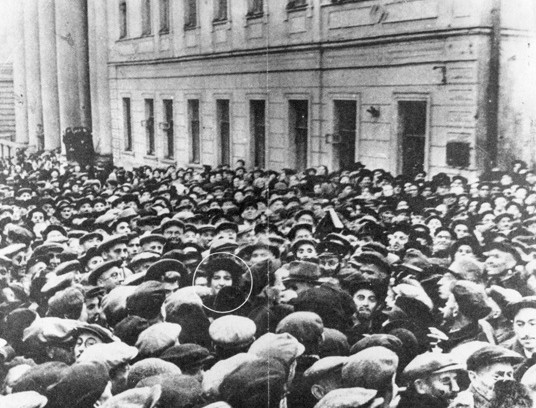
I got teary-eyed at her description of Rosh Hashanah in Moscow. It was 1948 and she was then the Israeli Ambassador to the Soviet Union and is seen surrounded here by more than 50,000 Jews.
If you are interested in learning about the establishment of Israel with a personal feel, this may be of interest to you. What an amazing woman. She dedicated more than 50 years of her life to public service – to creating a home for her people.
Here’s a quote from one of my favorites, the late Charles Krauthammer:
“Israel is not just any small country. It is the only small country, period – whose neighbors publicly declare its very existence and affront to law, morality and religion, and make its extinction an explicit, paramount national goal. Iran, Libya, and Iraq, conduct foreign policies designed for the killing of Israelis and the destruction of their state. They choose their allies (Hamas, Hezbollah) and develop their weapons (suicide bombs, poison gas, anthrax, nuclear missiles) accordingly. Countries as far away as Malaysia will not allow a representative of Israel on their soil or even permit the showing of ‘Schindler’s List’ lest it engender sympathy for Zion.”
– Charles Krauthammer, "Things That Matter: Three Decades of Passions, Pastimes, and Politics"
As for this book, I have so many favorite quotes.
“Let me at this juncture deal also with the ridiculous accusation that I have heard for so many years to the effect that we ignored the Arabs of Palestine and set about developing the country as though it had no Arab population at all. When the instigators of the Arab disturbances of the late 1930s claimed, as they did, that the Arabs were attacking us because they had been ‘dispossessed’, I did not have to look up British census figures to know that the Arab population of Palestine had doubled since the start of the Jewish settlement there. I had seen for myself the rate of growth of the Arab population ever since I had first come to Palestine. Not only did the living standard of the Arabs of Palestine far exceed that of Arabs anywhere else in the Middle East, but, attracted by the new opportunities, hordes of Arabs were immigrating to Palestine from Syria and other neighboring countries all through those years. Whenever some kindly representative of the British government sought to shut off Jewish immigration by declaring that there was not enough room in Palestine, I remember making speeches about Palestine’s larger absorptive capacity, complete with statistical references which I dutifully took from British sources, but which were based on what I had actually witnessed with my own eyes.
And let me add, there was no time during the thirties that I did not hope that eventually the Arabs of Palestine would live with us in peace and equally as citizens of a Jewish homeland – just as I kept on hoping that Jews who live in Arab countries would be allowed to live there in peace and equality.”

“The Arabs flatly turned down the partition plan – had they accepted it, they could have had a ‘Palestinian’ state forty years ago. The guiding principle behind the attitude of the Arabs in 1936 and 1837, however, was exactly what it has been ever since: decisions are made not on the basis of what is good for them but on the basis of what is bad for us.”

“Between the Mediterranean and the borders of Iraq, in what was once Palestine, there are now two countries, one Jewish and one Arab, and there is no room for a third. The Palestinians must find the solution to their problem together with that Arab country, Jordan, because a ‘Palestinian state’ between us and Jordan can only become a base from which it will be more convenient to attack and destroy Israel.”
“The British went on fighting like lions against the Germans, the Italians, and the Japanese, but they couldn’t or wouldn’t stand up to the Arabs at all – though much of the Arab world was openly pro-Nazi.”
“It has never ceased to astonish me that the Arab states have been so eager to go to war against us. Almost from the very beginning of Zionist settlement until today, they have been consumed by hatred for us.”
I was excited to start this book, but I kept holding back. There isn’t a Kindle version and my paperback copy has the tiniest font, which made reading it quite challenging. Nonetheless, I persisted, and my eyes got used to it after a while. I have to say that I believe that Meir is one of the few people truly worthy of writing an autobiography.
Golda writes in a very open and genuine style. Reading this book almost feels like listening to an audio version, like having a conversation with an aunt or grandmother. The first half of the book read very well, but it did start to slow down a bit. Since it covers about 75 years or so, it’s obviously a lengthy book.
It starts from her early poverty-stricken days in Kiev and her childhood in Milwaukie. In the 1920s, Jews, including Golda Meir, started to arrive in what was then called Palestine in large numbers. Golda and her husband lived and worked on a kibbutz. The Jews started to develop the desert and built towns. No, they did not drive people out. They bought the land legally, and settled in with permission from the British Mandate, who were then the governing body. Here is what she says:
“Come to think of it, I am more than a little tired of hearing about how the Jews ‘stole’ land from Arabs in Palestine. The facts are quite different. A lot of good money changed hands, and a lot of Arabs became very rich indeed.”
Golda was one of the founding members of the state of Israel. She was one of the leaders who helped to raise money to build Israel from its formative, kibbutz days to what it is now. When Golda was elected Prime Minister in 1969, she became the world's second elected female leader in modern times. The book ends in 1974, following the Yom Kippur War, and Golda’s resignation as Prime Minister. It was moving to read how she regretted not having spent enough time with her family, which goes to prove how it's impossible for any person to have it all. Again, she is open and honest throughout.
I was aware of many of the obstacles that were encountered when Israel was about to be formed, but not to such an extent. Pretty much most countries and leaders were against them. Much of the world has had, and still has, an irrational hatred for Jews. The Brits were sadly the worst when it came to their lack of humanity towards the Jews trying to immigrate after the Holocaust. They barred millions from entering Israel. The Germans were obviously against them, as well as the Russians, Poles, and so on. She mentions the Chinese who always shunned them despite all their efforts.
‘The one Asian nation with which we have, alas, made no headway whatsoever is China. … The Chinese government, in fact, is totally committed to the Arab war against Israel, and Mr. Arafat and his comrades are constantly given arms, money, and moral support by Peking, though I, for one, have never understood why, and for years, lived under the illusion that if we could only talk to the Chinese, we might get through to them.
Two pictures come to my mind when I mention China. The first is the horror with which I picked up a mine manufactured in China – so far away and remote from us – which had put an end to the life of a six-year-old girl in a border settlement in Israel. I stood there near that small coffin, surrounded by weeping, enraged relatives. ‘What on earth can the Chinese have against us?’ I kept thinking. ‘They don’t even know us.’ Then I remember, at the celebration of Kenya’s independence, sitting at a table near that of the Chinese delegation. It was a very relaxed, festive occasion, and I thought to myself, ‘Perhaps if I go over and sit down with them, we can talk a bit.’ So I asked Ehud to introduce himself to the Chinese. He walked over, held out his hand to the head of the delegation and said, ‘My foreign minister is here and would like to meet you.’ The Chinese just averted their gaze. They didn’t even bother to say, ‘No, thank you, we don’t want to meet her.’”
The goal of the Arab nations has always been to eliminate Israel and the Jewish people. Most countries have always bent over backwards towards them because of oil and money, as is mentioned in the book, those leaders whose throats are choked with oil. She talks about the Catholic church not being exactly friendly towards Israel, which was no surprise, given their neutral stance during the Holocaust. She had kind words to say about Nixon. She liked Kennedy a lot. All in all, most countries have shown a hatred that is venomous towards tiny, democratic Israel – the only liberal democracy in the Middle East.
I got teary-eyed at her description of Rosh Hashanah in Moscow. It was 1948 and she was then the Israeli Ambassador to the Soviet Union and is seen surrounded here by more than 50,000 Jews.
If you are interested in learning about the establishment of Israel with a personal feel, this may be of interest to you. What an amazing woman. She dedicated more than 50 years of her life to public service – to creating a home for her people.
Here’s a quote from one of my favorites, the late Charles Krauthammer:
“Israel is not just any small country. It is the only small country, period – whose neighbors publicly declare its very existence and affront to law, morality and religion, and make its extinction an explicit, paramount national goal. Iran, Libya, and Iraq, conduct foreign policies designed for the killing of Israelis and the destruction of their state. They choose their allies (Hamas, Hezbollah) and develop their weapons (suicide bombs, poison gas, anthrax, nuclear missiles) accordingly. Countries as far away as Malaysia will not allow a representative of Israel on their soil or even permit the showing of ‘Schindler’s List’ lest it engender sympathy for Zion.”
– Charles Krauthammer, "Things That Matter: Three Decades of Passions, Pastimes, and Politics"
As for this book, I have so many favorite quotes.
“Let me at this juncture deal also with the ridiculous accusation that I have heard for so many years to the effect that we ignored the Arabs of Palestine and set about developing the country as though it had no Arab population at all. When the instigators of the Arab disturbances of the late 1930s claimed, as they did, that the Arabs were attacking us because they had been ‘dispossessed’, I did not have to look up British census figures to know that the Arab population of Palestine had doubled since the start of the Jewish settlement there. I had seen for myself the rate of growth of the Arab population ever since I had first come to Palestine. Not only did the living standard of the Arabs of Palestine far exceed that of Arabs anywhere else in the Middle East, but, attracted by the new opportunities, hordes of Arabs were immigrating to Palestine from Syria and other neighboring countries all through those years. Whenever some kindly representative of the British government sought to shut off Jewish immigration by declaring that there was not enough room in Palestine, I remember making speeches about Palestine’s larger absorptive capacity, complete with statistical references which I dutifully took from British sources, but which were based on what I had actually witnessed with my own eyes.
And let me add, there was no time during the thirties that I did not hope that eventually the Arabs of Palestine would live with us in peace and equally as citizens of a Jewish homeland – just as I kept on hoping that Jews who live in Arab countries would be allowed to live there in peace and equality.”
“The Arabs flatly turned down the partition plan – had they accepted it, they could have had a ‘Palestinian’ state forty years ago. The guiding principle behind the attitude of the Arabs in 1936 and 1837, however, was exactly what it has been ever since: decisions are made not on the basis of what is good for them but on the basis of what is bad for us.”
“Between the Mediterranean and the borders of Iraq, in what was once Palestine, there are now two countries, one Jewish and one Arab, and there is no room for a third. The Palestinians must find the solution to their problem together with that Arab country, Jordan, because a ‘Palestinian state’ between us and Jordan can only become a base from which it will be more convenient to attack and destroy Israel.”
“The British went on fighting like lions against the Germans, the Italians, and the Japanese, but they couldn’t or wouldn’t stand up to the Arabs at all – though much of the Arab world was openly pro-Nazi.”
“It has never ceased to astonish me that the Arab states have been so eager to go to war against us. Almost from the very beginning of Zionist settlement until today, they have been consumed by hatred for us.”

March 13, 2013
أشار جلال كشك في كتابه " كلمتي للمغفلين " أكثر من مرة لمذكرات جولدا مائير , لذا اخترت أن أقرأ مذكراتها مباشرة بعد انتهاء من كتابه , لأكتشف الوجه الأخر " المنطقي جداً " لهزيمتنا
لا أخفي اعجابي بهذه الشخصية : قوية , واثقة بنفسها , أهدافها واضحة , متفانية , مخلصة لقضيتها , تعمل بشغف لخدمة المصلحة العامة حتى على حساب اسرتها الصغيرة , على الوجه الأخر لعملة الصراع الصهيوني الاسلامي تجد دكتاتور هنا و ملك هناك لا هم له الا السلطة و أخر حساباته الحرب و اول اهتمامته قمع الشعب و ابقائه في غيبوبة حضارية ... لا عجب في كل ما حدث ... لا مؤامرات كونية و لا تحالفات غامضة و لا قوى خفية و لا بروتوكولات صهيونية , بس مسيرة كد و عمل و جهد على كل الأصعدة , جعلت من يحمل فكراً و عقيدة , حتى و لو كانت باطلة , يؤسس أركان دولة و يخلقها من العدم و يجعلها تفرض وجودها و تثبت اقدامها في محيط من الأعداء .
لفت انتباهي طبيعة المجتمع الصهيوني في العشرينيات من القرن الماضي , ترك أفراده العالم وراءهم و استوطنوا فلسطين , تركوا الرفاهية و المجتمع المحضر ليؤسسوا مجتمعاً وفق عقيدتهم , و هذا اول ملامح النجاح . نقطة ثانية هو اتباعهم التقشف في أول خطوات بناء دولتهم , و تقسيم الأموال حسب الاحتياجات لا حسب المراكز و الكفاءة . مثلاً اشارت أنها حين كانت تشغل مركزاً مميزاً في الهستدروث , كان راتب بواب الهستدروث أكثر من راتبها لان لديه تسعة أطفال بينما لديها طفلان فقط .
ما أثار اشمئزازي , و معه شعور عميق بالمرارة , عدة نقاط أثارتها في كتابها , و ان جعلتني هذه النقاط أستوعب كيف يمنطق اليهود قضيتهم و كيف يسوقون كل جرائمهم للعالم . بداية من طريقة وصفها للعرب كهمج متعطشون للدماء , بدائيين , لا أهمية للأرض لديهم , باختصار هم مجرد قطعان من اللحم و العظم يغطيها الأسمال و الذباب . انتهاءاً بتعليقها على مشكلة الاجئين الفلسطينيين الذين وجدوا " نتيجة " لرغبة العرب بتدمير اسرائيل لا " بسبب " اسرائيل ذاتها .
أكثر المقاطع التي أثرت بي هو المقطع الذي يصف حالة الحماس و النشوة التي عمت اسرائيل بعد نكسة 67 , كيف أخذت كل العائلات عطلاً لمشاهدة الأراضي الجديدة التي تم الاستيلاء عليها . ربحهم خسارتنا , الا أن وجودهم ضروري لنتوحد و لنتوقف عن الكلام و نباشر الفعل للعودة الى مسرح التاريخ .
بعض الجمل المهمة التي يمكن استلهام العبر منها :
- المهم ما يفعله الاسرائليون و كيف يفعلونه لا ما يظنه الرأي العام العالمي . التاريخ سيحكم على اسرائيل باعمالها لا بعدد المقالات المؤيدة لها .
- اما الانهيار و الاستسلام على اساس أنه لا يمكن عمل شيء , و اما أن نعض على النواجذ و نحارب علىأية جبهات نراها لازمة لاية فترة لازمة مهما كان طولها , وذلك هو بالضبط ما فعلناه , و لا زلنا مفعله حتى اليوم
- أدركت انه لا يكفي للشعب الضعيف ان يعرض عدالة قضيته فقط , فكل أمة بحاجة للاجابة على السؤال الأزلي , أكون أو لا أكون
- ما دام ليس هناك من يساعدنا فلنفعل ذلك بأنفسنا
- لقد تعلمت في ايام الحرب درساً هاماًهو ان الحرب تجعل الانسان يتخطى دائما الحدود المطلفة لاحتماله

November 29, 2023
Política e história nunca foram o meu forte, mas já vivi tempo suficiente para perceber que são raros os casos em que um dos intervenientes num conflito é o detentor de todas as culpas. E apesar de este livro retratar, como é evidente, a perspetiva israelita, passei a entender um pouco melhor as raízes e a complexidade do conflito israelo-palestiniano ou, melhor dizendo, israelo-árabe.
Estas memórias cobrem um período entre 1906 e 1974. São um relato na primeira pessoa da criação do estado de Israel e estão escritas de uma forma tão despojada de artifício, mas ao mesmo tempo tão cheias de informação, que vão diretamente para lista dos melhores livros que li este ano.
Tendo terminado há pouco As Cruzadas vistas pelos Árabes, é impossível não ver nessa época as raízes mais profundas dos conflitos recentes, como tão bem Amin Maalouf explica no epílogo do seu livro. Porque foram os árabes das regiões vizinhas - mais do que os palestinianos que durante séculos coabitaram com judeus na mesma região -, quem recusou sucessivas propostas de paz e partilha territorial.
Quando os instigadores dos distúrbios árabes do final dos anos 30 afirmaram que os árabes nos atacavam porque tinham sido "despojados", não precisei de consultar os números do recenseamento britânico para saber que a população árabe da Palestina tinha duplicado desde o início da colonização judaica. Tinha visto com os meus próprios olhos o ritmo de crescimento da população árabe desde que cheguei à Palestina. Não só o nível de vida dos árabes da Palestina excedia em muito o dos árabes de qualquer outra parte do Médio Oriente, como também, atraídos pelas novas oportunidades, hordas de árabes imigravam para a Palestina, vindos da Síria e de outros países vizinhos, ao longo de todos esses anos.
A Comissão Peel, que percorrera a Palestina em 1936, recomendara que o território fosse dividido em dois estados, um judaico com uma área total de 2000 milhas quadradas, e um árabe ocupando o resto do território, com exceção de um enclave internacional englobando Jerusalém e um corredor daí até à costa. O Estado judaico proposto não estava de acordo com a minha ideia de um centro nacional viável para o povo judaico. Era excessivamente pequeno e apertado. Achava que era uma proposta grotesca e disse-o, embora a maioria dos meus colegas, chefiados por Ben-Gurion, decidissem, com relutância, aceitá-lo por fim. (…) Ben-Gurion, com a sua sabedoria, argumentando que mais valia um Estado qualquer do que nenhum, tinha razão.
Graças a Deus, não foi devido a mim que não obtivemos esse estado em 1937, mas porque os Árabes recusaram categoricamente o plano de divisão – embora, se o tivessem aceitado, podiam ter tido um Estado Palestiniano, há quarenta anos.
Não deixa de ser irónico, que a única democracia digna desse nome no Médio Oriente, e um dos poucos estados a conseguir pôr em prática com sucesso o verdadeiro socialismo, se tenha visto abandonado pelos seus companheiros ideológicos, tendo nos EUA os seus maiores apoiantes.
Em 1973, no rescaldo da guerra do Yom Kippur, iniciada pela Síria e pelo Egipto e ganha por Israel, após este ter estado à beira de a perder, agastada pela falta de solidariedade da Europa, Golda Meir convocou uma reunião dos dirigentes da Internacional Socialista, e dirigiu-se aos seus companheiros de longa data:
(...) gostaria de saber o que é realmente o socialismo hoje. (...) Nem uma polegada do vosso território foi posto à nossa disposição para reabastecer os aviões que nos salvaram da destruição. Ora suponhamos que Richard Nixon dizia: Tenho muita pena, mas como não temos onde reabastecer na Europa, não podemos, afinal de contas, fazer nada por vocês. Então que teríeis vós feito? Todos nos conhecem e sabem quem nós somos. Somos todos velhos camaradas (...) Em que se basearam para tomar a decisão de não permitir que esses aviões se reabastecessem? Creiam-me, eu sou a última pessoa a minimizar o facto de que não somos senão um pequeno Estado judaico, e que há para cima de vinte Estados árabes, com vastos territórios, petróleo sem fim e biliões de dólares. Mas o que quero que me digam hoje, é se essas coisas são também fatores decisivos no pensamento socialista. Quando terminei, o presidente perguntou se alguém queria falar. Ninguém quis. Então, alguém atrás de mim disse, muito distintamente: “É claro que não podem falar. Estão engasgados com o petróleo”
Golda Meir passou meio século a lutar pela paz, desde a sua ida para a Palestina ainda muito jovem, nos anos 1920. Viveu várias guerras, mas manteve sempre a esperança.
(...) durante os anos 30, não houve momento algum em que não tivesse esperança de que os árabes da Palestina acabassem por viver connosco em paz e em igualdade de circunstâncias como cidadãos de uma pátria judaica - tal como continuei a ter esperança de que os judeus que vivem em países árabes fossem autorizados a viver aí em paz e igualdade.
E também os pés assentes na terra.
Creio que teremos paz com os nossos vizinhos, mas tenho a certeza de que ninguém fará a paz com um Israel fraco. Se Israel não for forte, não haverá paz.
Infelizmente, no final de 2023, a possibilidade de um dia se conseguir alcançar a paz parece ainda mais distante e é com tristeza que assistimos à história a repetir-se.
Já está mais do que provado que ceder ao terrorismo só acarreta mais terrorismo. Ninguém jamais saberá, porém, quanto custava ao governo de Israel dizer não às exigências dos terroristas ou o que era sentir que nenhum funcionário israelita a trabalhar no estrangeiro estava completamente a salvo da morte por carta explosiva, para não falar do facto de que qualquer calma vila fronteiriça podia ser teatro (como várias foram) de massacres, causados por alguns dementados que tinham sido educados no ódio e na crença de que podiam exaurir a capacidade de Israel de se manter firme frente à dor e ao luto.
Cheguei ao fim com uma profunda admiração por esta mulher e pela sua desarmante simplicidade:
Vim a ser primeiro-ministro porque calhou, da mesma maneira que o meu leiteiro se tornou oficial e comandante de um posto avançado no Monte Hermon. Nenhum de nós ficou encantado com o cargo, mas ambos o desempenhámos o melhor que soubemos.
A próxima leitura vai ser Palestina, de Rashid Khalidi, que tenho a certeza não irá contar a história exatamente da mesma maneira ;)
Editado para acrescentar que apesar de recomendar muito este livro, aconselho que procurem outra edição. Esta (D. Quixote, 1976) está cheia de gralhas e parece ter tido total ausência de revisão.
Estas memórias cobrem um período entre 1906 e 1974. São um relato na primeira pessoa da criação do estado de Israel e estão escritas de uma forma tão despojada de artifício, mas ao mesmo tempo tão cheias de informação, que vão diretamente para lista dos melhores livros que li este ano.
Tendo terminado há pouco As Cruzadas vistas pelos Árabes, é impossível não ver nessa época as raízes mais profundas dos conflitos recentes, como tão bem Amin Maalouf explica no epílogo do seu livro. Porque foram os árabes das regiões vizinhas - mais do que os palestinianos que durante séculos coabitaram com judeus na mesma região -, quem recusou sucessivas propostas de paz e partilha territorial.
Quando os instigadores dos distúrbios árabes do final dos anos 30 afirmaram que os árabes nos atacavam porque tinham sido "despojados", não precisei de consultar os números do recenseamento britânico para saber que a população árabe da Palestina tinha duplicado desde o início da colonização judaica. Tinha visto com os meus próprios olhos o ritmo de crescimento da população árabe desde que cheguei à Palestina. Não só o nível de vida dos árabes da Palestina excedia em muito o dos árabes de qualquer outra parte do Médio Oriente, como também, atraídos pelas novas oportunidades, hordas de árabes imigravam para a Palestina, vindos da Síria e de outros países vizinhos, ao longo de todos esses anos.
A Comissão Peel, que percorrera a Palestina em 1936, recomendara que o território fosse dividido em dois estados, um judaico com uma área total de 2000 milhas quadradas, e um árabe ocupando o resto do território, com exceção de um enclave internacional englobando Jerusalém e um corredor daí até à costa. O Estado judaico proposto não estava de acordo com a minha ideia de um centro nacional viável para o povo judaico. Era excessivamente pequeno e apertado. Achava que era uma proposta grotesca e disse-o, embora a maioria dos meus colegas, chefiados por Ben-Gurion, decidissem, com relutância, aceitá-lo por fim. (…) Ben-Gurion, com a sua sabedoria, argumentando que mais valia um Estado qualquer do que nenhum, tinha razão.
Graças a Deus, não foi devido a mim que não obtivemos esse estado em 1937, mas porque os Árabes recusaram categoricamente o plano de divisão – embora, se o tivessem aceitado, podiam ter tido um Estado Palestiniano, há quarenta anos.
Não deixa de ser irónico, que a única democracia digna desse nome no Médio Oriente, e um dos poucos estados a conseguir pôr em prática com sucesso o verdadeiro socialismo, se tenha visto abandonado pelos seus companheiros ideológicos, tendo nos EUA os seus maiores apoiantes.
Em 1973, no rescaldo da guerra do Yom Kippur, iniciada pela Síria e pelo Egipto e ganha por Israel, após este ter estado à beira de a perder, agastada pela falta de solidariedade da Europa, Golda Meir convocou uma reunião dos dirigentes da Internacional Socialista, e dirigiu-se aos seus companheiros de longa data:
(...) gostaria de saber o que é realmente o socialismo hoje. (...) Nem uma polegada do vosso território foi posto à nossa disposição para reabastecer os aviões que nos salvaram da destruição. Ora suponhamos que Richard Nixon dizia: Tenho muita pena, mas como não temos onde reabastecer na Europa, não podemos, afinal de contas, fazer nada por vocês. Então que teríeis vós feito? Todos nos conhecem e sabem quem nós somos. Somos todos velhos camaradas (...) Em que se basearam para tomar a decisão de não permitir que esses aviões se reabastecessem? Creiam-me, eu sou a última pessoa a minimizar o facto de que não somos senão um pequeno Estado judaico, e que há para cima de vinte Estados árabes, com vastos territórios, petróleo sem fim e biliões de dólares. Mas o que quero que me digam hoje, é se essas coisas são também fatores decisivos no pensamento socialista. Quando terminei, o presidente perguntou se alguém queria falar. Ninguém quis. Então, alguém atrás de mim disse, muito distintamente: “É claro que não podem falar. Estão engasgados com o petróleo”
Golda Meir passou meio século a lutar pela paz, desde a sua ida para a Palestina ainda muito jovem, nos anos 1920. Viveu várias guerras, mas manteve sempre a esperança.
(...) durante os anos 30, não houve momento algum em que não tivesse esperança de que os árabes da Palestina acabassem por viver connosco em paz e em igualdade de circunstâncias como cidadãos de uma pátria judaica - tal como continuei a ter esperança de que os judeus que vivem em países árabes fossem autorizados a viver aí em paz e igualdade.
E também os pés assentes na terra.
Creio que teremos paz com os nossos vizinhos, mas tenho a certeza de que ninguém fará a paz com um Israel fraco. Se Israel não for forte, não haverá paz.
Infelizmente, no final de 2023, a possibilidade de um dia se conseguir alcançar a paz parece ainda mais distante e é com tristeza que assistimos à história a repetir-se.
Já está mais do que provado que ceder ao terrorismo só acarreta mais terrorismo. Ninguém jamais saberá, porém, quanto custava ao governo de Israel dizer não às exigências dos terroristas ou o que era sentir que nenhum funcionário israelita a trabalhar no estrangeiro estava completamente a salvo da morte por carta explosiva, para não falar do facto de que qualquer calma vila fronteiriça podia ser teatro (como várias foram) de massacres, causados por alguns dementados que tinham sido educados no ódio e na crença de que podiam exaurir a capacidade de Israel de se manter firme frente à dor e ao luto.
Cheguei ao fim com uma profunda admiração por esta mulher e pela sua desarmante simplicidade:
Vim a ser primeiro-ministro porque calhou, da mesma maneira que o meu leiteiro se tornou oficial e comandante de um posto avançado no Monte Hermon. Nenhum de nós ficou encantado com o cargo, mas ambos o desempenhámos o melhor que soubemos.
A próxima leitura vai ser Palestina, de Rashid Khalidi, que tenho a certeza não irá contar a história exatamente da mesma maneira ;)
Editado para acrescentar que apesar de recomendar muito este livro, aconselho que procurem outra edição. Esta (D. Quixote, 1976) está cheia de gralhas e parece ter tido total ausência de revisão.

November 21, 2024
كتاب يحمل نضال وصبر ومثابره …كتاب يصف كم الظلم الذي عاني منه الشعب اليهودي وكم الكراهية المحاط به هذا الشعب من جيرانه ..جيران يكرهون السلام …شعب مزق وعودي وظلم حتي تجمع شتاته مادا يده بالسلام للجميع …
سامعك يالي بتشتم هناك …
لو كنت يهوديا او اوروبيا لاقمت لتلك المراءه تمثال ،،،
لكن … ما هذا الكذب واخفاء الحقائق والصعبنيات ….
تذكرت صوره محمد سعد وهو ينظر للراقصه ف المحكمه وهيا محجبه وتقول للقاضي "اجل يا سيدي"
سامعك ياللي بطلت شتيمه وانت بتقول ولزمته ايه حرقه الدم
للاسف الصوره المكذوبه والمشوهه هذه هيا التي تصدر للغرب .
هذه الهالكه.. بذلت جهد جهيد في سبيل مشروع امتها ،، وحتي وهي تكتب هذا الكتاب بما فيه من اكاذيب كانت تكتب في سبيل مشروع امتها،،،
الواجب علي كل احد ان يصحح المفاهيم ،،
يبصر الاجيال القادمة ،،، فلو وقع مثل هذا الكتاب بايديهم وهم لا يعلمون عن التاريخ شيء لماتت القضيه للابد … يكفي الصهاينه العرب والمتصهينون …
لكن اعجبني ف الكتاب طريقتها لخدمة مشروعها حتي لو كان المشروع ضدي (اعجبت بالطريق والمصابره لا بالمشروع) هي كانت تقول بعض الحكم فعلا
" قومٌ إذا مس النعالُ وجوههم شكت النعالُ بأي ذنبٍ تُصفعُ "
سامعك يالي بتشتم هناك …
لو كنت يهوديا او اوروبيا لاقمت لتلك المراءه تمثال ،،،
لكن … ما هذا الكذب واخفاء الحقائق والصعبنيات ….
تذكرت صوره محمد سعد وهو ينظر للراقصه ف المحكمه وهيا محجبه وتقول للقاضي "اجل يا سيدي"
سامعك ياللي بطلت شتيمه وانت بتقول ولزمته ايه حرقه الدم
للاسف الصوره المكذوبه والمشوهه هذه هيا التي تصدر للغرب .
هذه الهالكه.. بذلت جهد جهيد في سبيل مشروع امتها ،، وحتي وهي تكتب هذا الكتاب بما فيه من اكاذيب كانت تكتب في سبيل مشروع امتها،،،
الواجب علي كل احد ان يصحح المفاهيم ،،
يبصر الاجيال القادمة ،،، فلو وقع مثل هذا الكتاب بايديهم وهم لا يعلمون عن التاريخ شيء لماتت القضيه للابد … يكفي الصهاينه العرب والمتصهينون …
لكن اعجبني ف الكتاب طريقتها لخدمة مشروعها حتي لو كان المشروع ضدي (اعجبت بالطريق والمصابره لا بالمشروع) هي كانت تقول بعض الحكم فعلا
" قومٌ إذا مس النعالُ وجوههم شكت النعالُ بأي ذنبٍ تُصفعُ "

September 11, 2024
لو طلب مني اختيار عنوان بديل للكتاب لاخترت عنوان: كيف تنشئ دولة من العدم (بدون أرض وبدون شعب)
تسرد رئيسة وزراء الكيان وأحد مؤسسيه غولدا مابوفيتش (الشهيرة بغولدا مائير) قصة حياتها منذ طفولتها في أوكرانيا إلى هجرة أسرتها نحو أمريكا هروبا من اضطهاد الروس، ثم انضمامها للحركة الصهيونية نتيجة تأثرها بأختها التي سبقتها في النشاط الصهيوني منذ إقامتهم في أوكرانيا، وإنتهاء تدرجها في المناصب السياسية للدولة الوليدة حتى وصولها إلى منصب رئيسة وزراء.
نشاط غولدا الصهيوني قادها إلى الهجرة إلى فلسطين التي كانت تحت الهيمنة البريطانية بعد الحرب العالمية الأولى، حيث سبقها الى هناك العديد من اليهود الأوروبيين والأمريكيين المؤمنين بالمشروع الصهيوني، وشرعوا في تكوين النواة الأولى للكيان الصهيوني، بداية بالمستوطنات الزراعية (الكيبوتزات) والمصانع البسيطة والهياكل إدارية (كالهستدروت) التي تنظمها وتدير هجرة اليهود إلى فلسطين وتدمج المهاجرين الجدد في هذا المجتمع الناشئ، رغم اختلاف لغاتهم وثقافاتهم.
رغم عدائنا للصهاينة علينا أن نعترف للمتقدمين منهم (من هرتزل صاحب الفكرة إلى مؤسسي الكيان) بالصبر والمثابرة والاجتهاد في العمل والإيمان القوي بالفكرة، الذي مكنهم من نقل فكرة كانت تبدو خيالية ومستحيلة إلى واقع. الإيمان بالفكرة جعل هيرتزل يسعى ويجمع النخب اليهودية ليعرض عليها فكرته ويقنعهم بها، ثم يطرق أبواب الإمبراطوريات (منها الدولة العثمانية) سعيا لاقناعهم بجدوى إقامة وطن في فلسطين يجتمع فيه يهود العالم. الإيمان بالفكرة جعل مؤسسي الكيان يتركون الحياة الرغيدة في أمريكا وأوروبا ليهاجروا إلى أرض ليست أرضهم، ليطبقوا فيها فكرتهم، فيترك المحامي والأستاذ والصحفي عمله في أمريكا ليصبح فلاحا بسيطا في مستوطنة في الفلسطين، بعد أن يقطع رحلة شاقة تدوم أسابيع عبر البواخر والقطارات.
تعلمنا قصة الصهيونية أن الإيمان بالفكرة والتضحية والكفاح من أجلها ولو كانت فكرة سيئة وباطلة كالصهيونية، سيؤدي إلى تحقيقها طال الزمن أو قصر. لذلك فالأولى بأصحاب الحق أن يؤمنوا ويكافحوا ويضحوا من أجل معتقداتهم وأفكارهم حتى تصير واقعا وتجعل العالم مكانا أفضل.
ملاحظة: الكتاب لا يخلو من الدعاية الصهيونية التي تحاول تصوير الفلسطينيين والعرب على أنهم الطرف السيء الذي يسعى إلى المشاكل ويهاجم المستوطنات ويرفض التعايش مع اليهود المساكين الداعين إلى السلام.
تسرد رئيسة وزراء الكيان وأحد مؤسسيه غولدا مابوفيتش (الشهيرة بغولدا مائير) قصة حياتها منذ طفولتها في أوكرانيا إلى هجرة أسرتها نحو أمريكا هروبا من اضطهاد الروس، ثم انضمامها للحركة الصهيونية نتيجة تأثرها بأختها التي سبقتها في النشاط الصهيوني منذ إقامتهم في أوكرانيا، وإنتهاء تدرجها في المناصب السياسية للدولة الوليدة حتى وصولها إلى منصب رئيسة وزراء.
نشاط غولدا الصهيوني قادها إلى الهجرة إلى فلسطين التي كانت تحت الهيمنة البريطانية بعد الحرب العالمية الأولى، حيث سبقها الى هناك العديد من اليهود الأوروبيين والأمريكيين المؤمنين بالمشروع الصهيوني، وشرعوا في تكوين النواة الأولى للكيان الصهيوني، بداية بالمستوطنات الزراعية (الكيبوتزات) والمصانع البسيطة والهياكل إدارية (كالهستدروت) التي تنظمها وتدير هجرة اليهود إلى فلسطين وتدمج المهاجرين الجدد في هذا المجتمع الناشئ، رغم اختلاف لغاتهم وثقافاتهم.
رغم عدائنا للصهاينة علينا أن نعترف للمتقدمين منهم (من هرتزل صاحب الفكرة إلى مؤسسي الكيان) بالصبر والمثابرة والاجتهاد في العمل والإيمان القوي بالفكرة، الذي مكنهم من نقل فكرة كانت تبدو خيالية ومستحيلة إلى واقع. الإيمان بالفكرة جعل هيرتزل يسعى ويجمع النخب اليهودية ليعرض عليها فكرته ويقنعهم بها، ثم يطرق أبواب الإمبراطوريات (منها الدولة العثمانية) سعيا لاقناعهم بجدوى إقامة وطن في فلسطين يجتمع فيه يهود العالم. الإيمان بالفكرة جعل مؤسسي الكيان يتركون الحياة الرغيدة في أمريكا وأوروبا ليهاجروا إلى أرض ليست أرضهم، ليطبقوا فيها فكرتهم، فيترك المحامي والأستاذ والصحفي عمله في أمريكا ليصبح فلاحا بسيطا في مستوطنة في الفلسطين، بعد أن يقطع رحلة شاقة تدوم أسابيع عبر البواخر والقطارات.
تعلمنا قصة الصهيونية أن الإيمان بالفكرة والتضحية والكفاح من أجلها ولو كانت فكرة سيئة وباطلة كالصهيونية، سيؤدي إلى تحقيقها طال الزمن أو قصر. لذلك فالأولى بأصحاب الحق أن يؤمنوا ويكافحوا ويضحوا من أجل معتقداتهم وأفكارهم حتى تصير واقعا وتجعل العالم مكانا أفضل.
ملاحظة: الكتاب لا يخلو من الدعاية الصهيونية التي تحاول تصوير الفلسطينيين والعرب على أنهم الطرف السيء الذي يسعى إلى المشاكل ويهاجم المستوطنات ويرفض التعايش مع اليهود المساكين الداعين إلى السلام.

September 25, 2013
لا مجال للشك في كفاءة وذكاء واخلاص هذه السيدة، ويجب أن نعترف لها بذلك في غير حرج، وحسبنا أن المعركة لم تنته بعد.
لا شك أنها ذكرت من الحقائق الكثير، ولا شك أيضا أن ما أخفته أكثر
..........
تتعود خلال الصفحات على التدليس والتلاعب بالمصطلحات والكلمات، فـ"الدفاع العربي" يصبح "الهجمات العربية" ، و "حركات المقاومة" تصبح "تنظيمات الإرهابيين" ، فكل من يقاوم إسرائيل "إرهابي" ، وكل من يدعمها "صديق" ، وكل سعي إسرائيل وعدوانها وحروبها في المنطقة يصبح "سعيا من أجل السلام العادل والدائم" ، ناهيك عن السفاح بن جوريون ورجاله الذين تراهم في المذكرات أبطالا عظماء. فحاول تنحية عواطفك تماما لكي تستوعب تحركات واستراتيجيات وعوامل نجاح إسرائيل.
إسرائيل لم تنشأ كمؤامرة كونية من كل العالم على المسلمين والعرب في فلسطين، فالصهاينة بشر تماما مثلنا وليست لهم تلك الصورة الذهنية الأسطورية الشائعة، ويمكن تلخيص بعض النقاط بخصوص قيام إسرائيل:
- السلاح الأول لإسرائيل هو عملهم الدؤوب المستمر وإخلاصهم لهدفهم
- التخطيط العلمي التكتيكي والاستراتيجي
(مؤسسات الهستدروت - الهاجناه - الكيوبتسات )
(العلاقات الدولية والتسويق الدعائي- خصوصا الأوروبية - العلاقات الإفريقية الحقيقية القائمة على المصالح المتبادلة)
- البراجماتية الصرفة في تعامل رواد الكيان الصهيوني وخلفاؤهم مع القوى العظمى لتحقيق الاستفادة القصوى من دعمهم العملي (المال والسلاح) والسياسي التفاوضي (مجلس الامن والأمم المتحدة والرأي العالمي) ، وهنا ملاحظة شخصية أن بريطانيا ووعد بلفور لم يكن الطامة الكبرى في الصراع، لأن بريطانيا كانت لها مصالحها مع العرب (فلسطين - الأردن - العراق - السعودية) في الحرب العالمية الأولى ولم تكن لتفرط فيهم بسهولة، وقد رفضت التقسيم وأوصت بحكومة عربية تحترم اليهود، وحجمت أعداد المهاجرين اليهود، وضيقت على سفن السلاح وشراء الأراضي، بإصدار الكتاب الأبيض وإنهاء الانتداب "عمليا" في فلسطين. بعد ذلك الحرب العالمية الثانية وتغير الموازين والاتجاه للأم أمريكا وترومان ودعمه الفاصل لإعلان الدولة، ثم روسيا تحجيما للدور البريطاني في الشرق الأوسط.
مرة أخرى: إسرائيل، وحلفاؤها، وأعداؤها، لا يعنيهم جميعا سوى المصالح ثم المصالح ثم المصالح ، وليس هناك مجالا للعواطف أو السيطرة "الخفية المطلقة" على حكومات الدول
- ضعف المقاومة العربية - لأسباب عديدة - ثم الخيانة الكبرى من حكام العرب (وملك الأردن عبد الله خير وأقذر مثال) وخلفاؤه في المنطقة الآن
..........
بخصوص حرب أكتوبر فعلى الرغم من "البهدلة" بعد الجسر الجوي الأمريكي (ذكرت جولدا انه كان يصل أحيانا لمعدل طائرة جالاكسي / 15 دقيقة!! ) وبعد محاصرة الجيش الثالث، والخلفية العسكرية بالوضع من الفريق سعد الشاذلي وعناد السادات، وما وصلت إليه الحرب، إلا ان الواحد استشعر من كلامها الحسرة فعلا في بداية الحرب. أما أنا فشعرت بالحسرة المضاعفة لقيامهم بتشكيل لجنة مختصة للتحقيق في مسؤولية القرارات الحربية والخابرات، ومثل أمامها ديان وجولدا. أما نحن فما زلنا غارقين في الوهم، ولم ننصف الشاذلي والجمصى أمام المصريين والتاريخ حتى الآن.
.........
* عندما كانت تذكر جولدا "ياسر عرفات" وبدايات حركة فتح كانت تصيبني حسرة بالغة والله على ما وصلت إليه فتح مقارنة ببداياتها، وأشعر بالخزي والعار
*دون أدنى تسطيح: فلسطين ستظل وجهة الجهاد ودليله
.........
ملاحظة شخصية: جولدا مائير تكاد لا تكون لها حياة شخصية عائلية حقيقة خصوصا بداية من فترة شبابها، وهي براجماتيه عتيدة، تترك عائلتها بأريحية، وتتخد قرارتها بعقلانية أولا وأخيرا، ومن ذكائها التلقائي أن تتعلق بزوج فنان ضعيف الشخصية، وكان اختيارا موفقا ومتوافقا مع حياتها وطبيعتها.
شكرا جولدا!، وإلى الجحيم إن شاء الله
لا شك أنها ذكرت من الحقائق الكثير، ولا شك أيضا أن ما أخفته أكثر
..........
تتعود خلال الصفحات على التدليس والتلاعب بالمصطلحات والكلمات، فـ"الدفاع العربي" يصبح "الهجمات العربية" ، و "حركات المقاومة" تصبح "تنظيمات الإرهابيين" ، فكل من يقاوم إسرائيل "إرهابي" ، وكل من يدعمها "صديق" ، وكل سعي إسرائيل وعدوانها وحروبها في المنطقة يصبح "سعيا من أجل السلام العادل والدائم" ، ناهيك عن السفاح بن جوريون ورجاله الذين تراهم في المذكرات أبطالا عظماء. فحاول تنحية عواطفك تماما لكي تستوعب تحركات واستراتيجيات وعوامل نجاح إسرائيل.
إسرائيل لم تنشأ كمؤامرة كونية من كل العالم على المسلمين والعرب في فلسطين، فالصهاينة بشر تماما مثلنا وليست لهم تلك الصورة الذهنية الأسطورية الشائعة، ويمكن تلخيص بعض النقاط بخصوص قيام إسرائيل:
- السلاح الأول لإسرائيل هو عملهم الدؤوب المستمر وإخلاصهم لهدفهم
- التخطيط العلمي التكتيكي والاستراتيجي
(مؤسسات الهستدروت - الهاجناه - الكيوبتسات )
(العلاقات الدولية والتسويق الدعائي- خصوصا الأوروبية - العلاقات الإفريقية الحقيقية القائمة على المصالح المتبادلة)
- البراجماتية الصرفة في تعامل رواد الكيان الصهيوني وخلفاؤهم مع القوى العظمى لتحقيق الاستفادة القصوى من دعمهم العملي (المال والسلاح) والسياسي التفاوضي (مجلس الامن والأمم المتحدة والرأي العالمي) ، وهنا ملاحظة شخصية أن بريطانيا ووعد بلفور لم يكن الطامة الكبرى في الصراع، لأن بريطانيا كانت لها مصالحها مع العرب (فلسطين - الأردن - العراق - السعودية) في الحرب العالمية الأولى ولم تكن لتفرط فيهم بسهولة، وقد رفضت التقسيم وأوصت بحكومة عربية تحترم اليهود، وحجمت أعداد المهاجرين اليهود، وضيقت على سفن السلاح وشراء الأراضي، بإصدار الكتاب الأبيض وإنهاء الانتداب "عمليا" في فلسطين. بعد ذلك الحرب العالمية الثانية وتغير الموازين والاتجاه للأم أمريكا وترومان ودعمه الفاصل لإعلان الدولة، ثم روسيا تحجيما للدور البريطاني في الشرق الأوسط.
مرة أخرى: إسرائيل، وحلفاؤها، وأعداؤها، لا يعنيهم جميعا سوى المصالح ثم المصالح ثم المصالح ، وليس هناك مجالا للعواطف أو السيطرة "الخفية المطلقة" على حكومات الدول
- ضعف المقاومة العربية - لأسباب عديدة - ثم الخيانة الكبرى من حكام العرب (وملك الأردن عبد الله خير وأقذر مثال) وخلفاؤه في المنطقة الآن
..........
بخصوص حرب أكتوبر فعلى الرغم من "البهدلة" بعد الجسر الجوي الأمريكي (ذكرت جولدا انه كان يصل أحيانا لمعدل طائرة جالاكسي / 15 دقيقة!! ) وبعد محاصرة الجيش الثالث، والخلفية العسكرية بالوضع من الفريق سعد الشاذلي وعناد السادات، وما وصلت إليه الحرب، إلا ان الواحد استشعر من كلامها الحسرة فعلا في بداية الحرب. أما أنا فشعرت بالحسرة المضاعفة لقيامهم بتشكيل لجنة مختصة للتحقيق في مسؤولية القرارات الحربية والخابرات، ومثل أمامها ديان وجولدا. أما نحن فما زلنا غارقين في الوهم، ولم ننصف الشاذلي والجمصى أمام المصريين والتاريخ حتى الآن.
.........
* عندما كانت تذكر جولدا "ياسر عرفات" وبدايات حركة فتح كانت تصيبني حسرة بالغة والله على ما وصلت إليه فتح مقارنة ببداياتها، وأشعر بالخزي والعار
*دون أدنى تسطيح: فلسطين ستظل وجهة الجهاد ودليله
.........
ملاحظة شخصية: جولدا مائير تكاد لا تكون لها حياة شخصية عائلية حقيقة خصوصا بداية من فترة شبابها، وهي براجماتيه عتيدة، تترك عائلتها بأريحية، وتتخد قرارتها بعقلانية أولا وأخيرا، ومن ذكائها التلقائي أن تتعلق بزوج فنان ضعيف الشخصية، وكان اختيارا موفقا ومتوافقا مع حياتها وطبيعتها.
شكرا جولدا!، وإلى الجحيم إن شاء الله

October 6, 2017
Ciao, Golda
Questo libro racconta la vita di Golda Meir, dal suo primo ricordo (un pogrom in Ucraina) al 1976, 2 anni prima di morire. I primi capitoli raccontano la sua vita di ragazza e giovane donna, poi le vicende personali scompaiono quasi del tutto per lasciare il posto agli incarichi che svolse. Leggendo, si apprende che una delle cose ha desiderato di più per se stessa era vivere nel kibbutz di Merhavia dove si era dedicata con successo all’allevamento di polli. Lo abbandonò perché il marito non condivideva quel modello di vita senza spazi personali. In realtà Golda Meir dal kibbutz non è mai uscita, perché una volta iniziati i primi incarichi governativi le sue doti di equilibrio razionalità e fermezza hanno fatto sì che di vita privata gliene sia stata lasciata pochissima. Quando il gioco si faceva duro, cominciavano le pressioni perché lasciasse l’incarico precedente e si dedicasse alla nuova impresa. Le battute si sprecavano, da quella attribuita a Ben Gurion secondo la quale lei era l’unico uomo forte del suo governo, all’essere una nonna prestata alla politica. Quello che si vede nelle foto è una distinta signora d’età che parla coi presidenti USA, che lava i piatti a casa sua o fa visita all’esercito. Mi ha molto colpito la sobrietà e dignità del suo modo di porgersi, come si conviene a una persona che rappresenta un paese in via di sviluppo e la franchezza delle sue parole in tutte le occasioni. L’incarico da lei più amato è stato quello di Ministro del lavoro, in anni in cui la popolazione di Israele aumentava velocissimamente per via dell’immigrazione: il suo ruolo era di seguire dal punto di vista organizzativo l’immigrazione, procurare alloggi, creare posti di lavoro e favorire l’integrazione degli ultimi arrivati: non un lavoretto da poco. La sua idea di politica era di molta sostanza e parole chiare e il suo obiettivo principale era assicurare la salvezza degli israeliani. Sua una frase che dice che le guerre coi vicini sarebbero finite quando gli arabi avessero amato i loro figli più di quanto odiavano quelli degli ebrei. Un’altra frase che viene spesso riportata riguarda la richiesta di coprifuoco per le donne in un periodo in cui c’erano stati vari casi di violenze sessuali, alla quale lei rispose che le donne non avevano fatto niente e che il coprifuoco si poteva proporre per gli uomini. Golda Meir è stata una donna la cui esistenza ha spostato molto più avanti il limite di ciò che una donna può fare nella sua vita e questo la colloca in prima fila nel mio altarino personale, dove ci sono le donne che mi piacciono di più, pubbliche e private. Ciao, Golda.
Questo libro racconta la vita di Golda Meir, dal suo primo ricordo (un pogrom in Ucraina) al 1976, 2 anni prima di morire. I primi capitoli raccontano la sua vita di ragazza e giovane donna, poi le vicende personali scompaiono quasi del tutto per lasciare il posto agli incarichi che svolse. Leggendo, si apprende che una delle cose ha desiderato di più per se stessa era vivere nel kibbutz di Merhavia dove si era dedicata con successo all’allevamento di polli. Lo abbandonò perché il marito non condivideva quel modello di vita senza spazi personali. In realtà Golda Meir dal kibbutz non è mai uscita, perché una volta iniziati i primi incarichi governativi le sue doti di equilibrio razionalità e fermezza hanno fatto sì che di vita privata gliene sia stata lasciata pochissima. Quando il gioco si faceva duro, cominciavano le pressioni perché lasciasse l’incarico precedente e si dedicasse alla nuova impresa. Le battute si sprecavano, da quella attribuita a Ben Gurion secondo la quale lei era l’unico uomo forte del suo governo, all’essere una nonna prestata alla politica. Quello che si vede nelle foto è una distinta signora d’età che parla coi presidenti USA, che lava i piatti a casa sua o fa visita all’esercito. Mi ha molto colpito la sobrietà e dignità del suo modo di porgersi, come si conviene a una persona che rappresenta un paese in via di sviluppo e la franchezza delle sue parole in tutte le occasioni. L’incarico da lei più amato è stato quello di Ministro del lavoro, in anni in cui la popolazione di Israele aumentava velocissimamente per via dell’immigrazione: il suo ruolo era di seguire dal punto di vista organizzativo l’immigrazione, procurare alloggi, creare posti di lavoro e favorire l’integrazione degli ultimi arrivati: non un lavoretto da poco. La sua idea di politica era di molta sostanza e parole chiare e il suo obiettivo principale era assicurare la salvezza degli israeliani. Sua una frase che dice che le guerre coi vicini sarebbero finite quando gli arabi avessero amato i loro figli più di quanto odiavano quelli degli ebrei. Un’altra frase che viene spesso riportata riguarda la richiesta di coprifuoco per le donne in un periodo in cui c’erano stati vari casi di violenze sessuali, alla quale lei rispose che le donne non avevano fatto niente e che il coprifuoco si poteva proporre per gli uomini. Golda Meir è stata una donna la cui esistenza ha spostato molto più avanti il limite di ciò che una donna può fare nella sua vita e questo la colloca in prima fila nel mio altarino personale, dove ci sono le donne che mi piacciono di più, pubbliche e private. Ciao, Golda.

March 5, 2016
شخصيه جباره وعندها عزم واصرار وتفانى في خدمة اسرائيل لو كانت تقدر تطلع القمر علشان تطلب مساعدات واسلحه لاسرائيل كانت عملت كدا بدون تفكير كانت عارفه هى بتعمل ايه وكل خطوه عندها محسوبه ولازم تكون لمصلحة اسرائيل ولمصلحة كل فرد في مجتمعها كل يهودى في نظرها ليه قيمه كل فرد لازم يعيش كويس في دولتها وكل اسير ولاجئ كان لازم تتفاوض باى شكل وتسفرهم لأسرائيل
"يعنى احنا في مجتمعنا العربي معندناش التفانى دا للاسف"
الا انى لازم اقول بصراحة ان الكتاب مستفز جدااا للقارئ العربي من اول انها صورتنا على اننا شحاتين في منتهى الفقر وموطن لكل الاوبئه والامراض الى اننا ارهابين بدون رحمه ورافضين للسلام اغلب وصفها "الارهابين العرب" وانها سمت كل المذابح اللى عملوها على انها غارات انتقاميه وردا دفاعيا بس كدا مع اعترفها في الكتاب برفضهم تسليم الاراضي للعرب!!!!!
الشئ المستفز كمان انها متكلمتش غير عن الجانب النفسي بالنسبه للقضايا ومعاناة شعبها وازاى ان اسرائيل هى اللى نهضت بالمنطقه ودخلت مشاريع واستثمارات ونقلت تطور الحضاره الغربيه في الشرق الأوسط بالاضافه الى اسلوب تبريرها توليها المناصب حسيته مصطنع جدا
صورة سيئة جداً عن الشرق الاوسط وعننا كعرب وكمان هى كتبت مذاكرتها بالانجليزى واحنا صورتنا قدام الغرب " مش ناقصة بصراحة"
الكتاب عاوز حد عنده وعى هو اللى يقراه لانه اغلب الكتاب بيلعب على المشاعر والاثار النفسيه اللى عانوا منها اليهود
*•لاينصح به لمرضى الضغط والقاولون العصبي
"يعنى احنا في مجتمعنا العربي معندناش التفانى دا للاسف"
الا انى لازم اقول بصراحة ان الكتاب مستفز جدااا للقارئ العربي من اول انها صورتنا على اننا شحاتين في منتهى الفقر وموطن لكل الاوبئه والامراض الى اننا ارهابين بدون رحمه ورافضين للسلام اغلب وصفها "الارهابين العرب" وانها سمت كل المذابح اللى عملوها على انها غارات انتقاميه وردا دفاعيا بس كدا مع اعترفها في الكتاب برفضهم تسليم الاراضي للعرب!!!!!
الشئ المستفز كمان انها متكلمتش غير عن الجانب النفسي بالنسبه للقضايا ومعاناة شعبها وازاى ان اسرائيل هى اللى نهضت بالمنطقه ودخلت مشاريع واستثمارات ونقلت تطور الحضاره الغربيه في الشرق الأوسط بالاضافه الى اسلوب تبريرها توليها المناصب حسيته مصطنع جدا
صورة سيئة جداً عن الشرق الاوسط وعننا كعرب وكمان هى كتبت مذاكرتها بالانجليزى واحنا صورتنا قدام الغرب " مش ناقصة بصراحة"
الكتاب عاوز حد عنده وعى هو اللى يقراه لانه اغلب الكتاب بيلعب على المشاعر والاثار النفسيه اللى عانوا منها اليهود
*•لاينصح به لمرضى الضغط والقاولون العصبي

January 16, 2018
كتاب شديد الأهمية ..على الأقل للتعرف على عقلية هؤلاء الذين استحلوا أرض غيرهم وقاتلوا بكل ما أوتوا من قوة لتثبيت أقدامهم في فلسطين، لأنها كانت قطعة أرض مهملة في نظرهم!
كما يبين لك الكتاب كيف بنوا كيانهم الاستعماري المسمى بدولة اسرائيل، وكيف كانت هذه المرأة بالذات مؤمنة بدولتها، وعانت من أجلها واستعذبت ذلك العناء، حتى انها تركت زوجها الذي رفض الاستمرار في حياة الكيبوتز، وعادت هي الي تلك الحياة لأنها تحبها اكثر من بيتها!
وردت في الكتاب عبارات كثيرة مهمة، لكن اكثر ما استوقفني عبارة: نحن (اليهود) نكره الحرب، ونكره الموت!
كما يبين لك الكتاب كيف بنوا كيانهم الاستعماري المسمى بدولة اسرائيل، وكيف كانت هذه المرأة بالذات مؤمنة بدولتها، وعانت من أجلها واستعذبت ذلك العناء، حتى انها تركت زوجها الذي رفض الاستمرار في حياة الكيبوتز، وعادت هي الي تلك الحياة لأنها تحبها اكثر من بيتها!
وردت في الكتاب عبارات كثيرة مهمة، لكن اكثر ما استوقفني عبارة: نحن (اليهود) نكره الحرب، ونكره الموت!

July 22, 2007
Golda Meir’s autobiography is a wonderful story about a driven person whom circumstances conspired to make great. It is also a fine account of one of the 20th century’s most fascinating stories: Israel.
Is it biased in favor of the Jewish view of things? Completely. And unapologetically.
But that is what one should expect from the autobiography of a former Israeli prime minister. It complements well, and anticipates, Ariel Sharon’s Warrior. What Sharon did with military might, Meir did with speeches and diplomacy and obstinacy. Born in Russia, raised in the United States, migrated to Palestine at a young age and forced to stand by and watch as the Holocaust happened, Meir’s belief in Israel’s military strength was born of her own strength of character – a strength created by tragedy and hardship.
In Philip Roth’s Operation Shylock there are some very interesting philosophical considerations of what a state born of fire and filled with Holocaust survivors must become if armed by the world’s most powerful country. In some ways, that is what Israel is today. But in all ways, it is a state that Meir would recognize and be proud of. She concludes her book by promising that a militarily strong Israel is the only prayer for peace in the region (so long as Israel exists) – and events since her death have confirmed this.
There are genuinely touching moments in this book, and they all come from transcriptions of Meir’s speeches. Meir had no eloquence at the podium. But she spoke so simply and with such conviction about such basic ideas as survival and justice that they are irresistible. When she spoke to American Jewry – promising that Israel’s children, “happy, safe Jews”, will be obligated to repay their loans with interest – it is powerful. When she reports the result, American Jews who remortgaged their homes and applied for bank loans so as to arm Israel for its declaration of independence, it inspires deep emotion.
Perhaps that is the most interesting story in the book, actually. The extent to which America’s Jews made Israel possible. Meir’s own belief that, but for America’s Jews, the state of Israel would probably have perished – its citizens fighting the Jordanians, Syrians, Egyptians and Iraqis to the end with stones and tree branches – before it reached its first month of existence. The United States helped 1 million Israelis stand against 200 million Arabs who would exterminate them, over and over and over again, and for that Americans should be proud.
Richard Nixon, too, is treated, with Meir concluding that – however American history may judge him – Israel should always regard him as one of its very best friends. She is generous in her praise of many world leaders, but acerbic at the end. She is furious that a socialist state like Israel should be entirely abandoned by the self-called “enlightened” socialist countries of Europe during the Yom Kippur War. She has a visceral dislike of the Soviet Union and much sympathy for Russia’s Jews. And this irony is not lost on her: But for the world’s foremost capitalist country, the only socialist democracy in the Middle East would have perished.
Meir, and the country she represents, is realistic, first and foremost. That attachment to realism cuts through the ideology, pedantry and hypocrisy under which the United Nations has operated for 50 years. That attachment to realism does one other thing: It breeds winners.
When all the haggling over borders and rights of return and holy places and who did what to who is finally parsed, there is only this: Israelis are winners. That is why Americans feel a special affinity for them. That is something Mrs. Meir would be proud to agree with.
Is it biased in favor of the Jewish view of things? Completely. And unapologetically.
But that is what one should expect from the autobiography of a former Israeli prime minister. It complements well, and anticipates, Ariel Sharon’s Warrior. What Sharon did with military might, Meir did with speeches and diplomacy and obstinacy. Born in Russia, raised in the United States, migrated to Palestine at a young age and forced to stand by and watch as the Holocaust happened, Meir’s belief in Israel’s military strength was born of her own strength of character – a strength created by tragedy and hardship.
In Philip Roth’s Operation Shylock there are some very interesting philosophical considerations of what a state born of fire and filled with Holocaust survivors must become if armed by the world’s most powerful country. In some ways, that is what Israel is today. But in all ways, it is a state that Meir would recognize and be proud of. She concludes her book by promising that a militarily strong Israel is the only prayer for peace in the region (so long as Israel exists) – and events since her death have confirmed this.
There are genuinely touching moments in this book, and they all come from transcriptions of Meir’s speeches. Meir had no eloquence at the podium. But she spoke so simply and with such conviction about such basic ideas as survival and justice that they are irresistible. When she spoke to American Jewry – promising that Israel’s children, “happy, safe Jews”, will be obligated to repay their loans with interest – it is powerful. When she reports the result, American Jews who remortgaged their homes and applied for bank loans so as to arm Israel for its declaration of independence, it inspires deep emotion.
Perhaps that is the most interesting story in the book, actually. The extent to which America’s Jews made Israel possible. Meir’s own belief that, but for America’s Jews, the state of Israel would probably have perished – its citizens fighting the Jordanians, Syrians, Egyptians and Iraqis to the end with stones and tree branches – before it reached its first month of existence. The United States helped 1 million Israelis stand against 200 million Arabs who would exterminate them, over and over and over again, and for that Americans should be proud.
Richard Nixon, too, is treated, with Meir concluding that – however American history may judge him – Israel should always regard him as one of its very best friends. She is generous in her praise of many world leaders, but acerbic at the end. She is furious that a socialist state like Israel should be entirely abandoned by the self-called “enlightened” socialist countries of Europe during the Yom Kippur War. She has a visceral dislike of the Soviet Union and much sympathy for Russia’s Jews. And this irony is not lost on her: But for the world’s foremost capitalist country, the only socialist democracy in the Middle East would have perished.
Meir, and the country she represents, is realistic, first and foremost. That attachment to realism cuts through the ideology, pedantry and hypocrisy under which the United Nations has operated for 50 years. That attachment to realism does one other thing: It breeds winners.
When all the haggling over borders and rights of return and holy places and who did what to who is finally parsed, there is only this: Israelis are winners. That is why Americans feel a special affinity for them. That is something Mrs. Meir would be proud to agree with.

Read
July 31, 2024ربنا يولع فيكي يا حرباية. كمية كدب وهى بتكتب مذكراتها في آخر أيامها.
متمسكة بالخبث والافتراء لآخر لحظة.
متمسكة بالخبث والافتراء لآخر لحظة.

October 4, 2017
كم وددت لو كنا نملك شخصيه نسائيه مؤثرة وقادرة على القياده مثل جولدا مائير، وعلى الرغم من كم التدليس والتضليل و محاوله كسب استعطاف القارئ الذي خطه ذاك القلم، إلا أن قراءة متل هذه الكتب يعطيك مزيد من الحماس والإيمان بعداله قضيتك التي تؤمن بها .. وما أجمل النضال في سبيل فكرة آمنت في عدالتها(أقصد هنا الأحرار). على الرغم من نضالها الذي بُني على باطل، إلا ان ايمانها بفكرة صنع لها تاريخ وحتى ما اذا كان ذك التاريخ زائف
Currently Reading
May 23, 2012لابد ان نعرف كيف يفكر اعدائنا

November 28, 2022
كان علي استجماع أكثر قدر ممكن من ضبط النفس لأقرأ هذا الكتاب, و على الرغم من صعوبة ذلك , إلا أنه من المهم أن يقرأ الإنسان عدوّه ويعرف كيف يفكر.
كتاب مهم و أنصح بقراءته
كتاب مهم و أنصح بقراءته
November 11, 2023
في البداية كنت محتارة فى تقييم الكتاب أقيّمه نجمة واحدة بناءاً على مصداقيته ومشاعري ناحيته ولا تقييم عالي بناءاً علي أهمية الكتاب للقارئ العربي ..وطبعا اخترت الثانية
الكتاب مهم جداً وضروري لفهم الفكر الصهيوني من الصهاينة أنفسهم وكمان عشان نفهم البروبجندا الصهيونية واللى غالبا بتكون مُوجهه للغرب والكتاب أصلا للقارئ الغربي
وأهمية الكتاب بسبب الجهود المبذولة من دار النشر والمترجم فى بداية الكتاب من تعريف بالكتاب وتفنيد للأفكار والإدعاءات والحجج الصهيونية اللى تم ذكرها فى الكتاب ..الترجمة أكثر من رائعة
نبدأ فى الحديث عن الكتاب وهو عبارة عن مذكرات(جولدا مائير) ولمن لا يعلم جولدا هى واحدة من أهم الشخصيات السياسية فى إسرائيل لأسباب كتير هنعرفها كمان شويه..
جولدا روسية مولودة فى كييف (اللى هى أكرانيا حالياً بس وقتها كانت جزء من الإتحاد السوفيتى)
فى طفولتها المبكرة عائلتها بتنتقل أمريكا وبيتعيش فى ميولوكى وهناك وبسبب أختها الكبيرة بتتعرف على الصهاينة والفكر الصهيونى وبتنضم للحركة الصهيونية وتبدأ تاريخها السياسي
هتلاحظ نغمتين أساسيتين فى مذكرات جولدا
_الأولي نغمة استعطاف القارئ الأوربي او الأمريكي واستدرار عطفه على إسرائيل ودا من خلال استغلال أحداث المحرقه وافران الغاز وجرائم النازيين بحق اليهود.
-والثانية هى ان اسرائيل دولة سلام محاطة بأعدائها اللى دايما رافضين السلام.
سافرت جولدا فلسطين فى وقت مبكر جدا مع كتير من اليهود بعد (وعد بلفور اللعين) وعاشت فى كيبوتس والكيبوتس هى أساس فكرة الدولة اليهودية ومعناها المستوطنات
بدأت جولدا تاريخها السياسي بانضمامها لحركة عمالية صهيونية اشتراكية (اتمنى اكون فاهمه كويس لأن الموضوع معقد جدا كان أصعب حاجه فى الكتاب بالنسبالى 😅)
لفت نظري فى الكتاب إن جولدا لا تكاد تذكر العرب تقريبا إلا عند وجود عمليات فدائية ودا أكدّلى إن المقاومة اختيار وجودي" نكون أو لا نكون"
من خلال قرآتى لمذكرات جولدا اتأكدت إن الصهيونية فكرة عنصرية أوربية أكتر من كونها فكرة دينية يهودية ودا واضح جدا من كلامها عن العرب ووصفهم بإنهم إرهابيين..متخلفين ..جاهلين..همج ..وإلى آخر قائمة الإتهامات العنصرية القادمة إلينا مما وراء البحر
الكتاب بيتناول أحداث تاريخية مهمة بداية من 48 وانتهاءاً بحرب 73
أولاً نكبة 48 وكنت منتظرة تبرير وقح للمذابح اللى حصلت زى مجزرة دير ياسين مثلا أو غيرها ولكن فوجئت إن جولدا بكل بجاحه بتقول ان العرب سابو بيوتهم بمزاجهم وان اليهود كانو بينادو بمكبرات الصوت "لا تتركو منازلكم"
لحسن حظي إنى بقرأ أعمال غسان كنفاني بالتزامن مع هذا الكتاب واللى خلانى أقارن بين الرواتين بشكل واضح
والعمليات الفدائية طبعا إرهاب لكن فصائل الهاجانا المسلّحة مش إرهاب !؟🤔
تؤتؤ دفاع عن النفس!!
ثم العدوان الثلاثي أو حرب سيناء 56 وبكل بجاحه بردو جولدا بتقول إنهم دخلو الحرب رغبةً فى السلام مع العرب😐
نكسة 67 او حرب الأيام الستة وبعدها جولدا بتتولى منصب رئيس وزراء إسرائيل وهى فى ذروة مجدها (المزعوم)
وقبل الكلام عن حرب أكتوبر عاوزه اتكلم عن علاقة إسرائيل بأمريكا وأوروبا
وحقيقى انا مندهشه 😬
إسرائيل عاوزه دعم أمريكى مستمر أموال طائلة لتحسين الأقتصاد والحياة المدنية ،سلاح بلا حدود ،تأييد سياسي ودبلوماسي أعمى ، إدانة العرب على طول الخط ،تسهيل هجرة اليهود وعاوزه دا كله من أوروبا كمان ..وإلا هنخبطك واحدة معادى للسامية تجيب أجلك
أىّ دولة دى اللى عامله زى الطفل المدلل( قليل الربايه) اللى عاوز كل حاجه تمشي على هواه وفى داهيه العالم !!
وأخيراً حرب 73 واللى كانت اسوأ كابوس فى حياة جولدا (على حد تعبيرها)
هتتفاجئ من عظمة أداء الجيش المصري والسوري على لسان رئيس وزراء إسرائيل فى ذلك الوقت
أداء استخباراتى رائع ..ترتيبات عسكرية مذهلة ..وتصرفات سياسية سليمة جدا وفى محلها كل دا على لسان جولدا مائير وحقيقي مش هقدر أوفى الجزئية دى حقها وإن كنت باعتبرها أهم جزئية فى الكتاب كله
بعد كدا بتحكى جولدا تبعيات الحرب اللى أدت فى النهاية إلى استقالتها من منصب رئيس الوزراء
وعندى تعقيب بسيط جدا عاوزه اقوله
جولدا كانت بتحلم باتفاقية سلام مع العرب وكانت شايفه انها الضمان الوحيد للسلام الدائم فى المنطقة وتجنيب الأجيال القادمة ويلات الحروب وكل الكلام دا
انهاردا فى 2023 معظم الدول العربية (بما فيهم بلاد الحرمين) وقعت اتفاقيات سلام مع إسرائيل بل إن الموضوع وصل لما هو أبعد وصل لعلاقات سياسية ودبلوماسية واقتصادية ..هل تحقق السلام فى المنطقة !؟
الإجابة لأ
إسرائيل بترتكب مذابح ومجازر بحق المدنيين والمجازر دى مبدأتش من 7 أكتوبر اللى فات المجازر كانت متكررة ومستمرة طول 75 سنة من بداية وجود الإحتلال فى فلسطين ..انهاردا العالم كله مع إسرائيل لأن المقاومة هى اللى بدأت (مع إن الطبيعى ان المقاومه تبدأ ) ومع ذلك إسرائيل مش مكفيها قتل وذبح وقصف وجرايم
المشكلة مش فى المقاومة المشكلة فى المحتل المشكلة فى الغاصب المشكلة فى المجرم
واستشهد بقول الدكتور المسيري الله يرحمه إن إسرائيل تستمر لسببين الأول الدعم الأمريكى والثانى التخاذل العربي
الكتاب دسم جدا وصعب ورغم عدم مصداقيته إلا انه مهم جدا لكل قارئ عربي
فى النهاية لا أنكر ان جولدا شخصية استثنائية ومكافحة ومناضلة ولكن الكفاح والنضال لازم يكون لهدف إنساني نبيل والصهيونية ليست إنسانية ولا نبيلة
وفى هذا السياق اذكر قول الله تعالى" قل هل ننبؤكم بالأخسرين أعمالاً اللذين ضل سعيهم فى الحياة الدنيا وهم يحسبون أنهم يحسنون صنعاً"
https://youtu.be/bZYgGfqJS1w?si=1u7eB...
https://youtu.be/MgtvtAOxbAk?si=tBgHo...
دى ترشيحات ليوتبرز اتكلمو عن شخصية جولدا وكتابها وعن الفيلم يارب تعجبكم 🙆♀️👍
الكتاب مهم جداً وضروري لفهم الفكر الصهيوني من الصهاينة أنفسهم وكمان عشان نفهم البروبجندا الصهيونية واللى غالبا بتكون مُوجهه للغرب والكتاب أصلا للقارئ الغربي
وأهمية الكتاب بسبب الجهود المبذولة من دار النشر والمترجم فى بداية الكتاب من تعريف بالكتاب وتفنيد للأفكار والإدعاءات والحجج الصهيونية اللى تم ذكرها فى الكتاب ..الترجمة أكثر من رائعة
نبدأ فى الحديث عن الكتاب وهو عبارة عن مذكرات(جولدا مائير) ولمن لا يعلم جولدا هى واحدة من أهم الشخصيات السياسية فى إسرائيل لأسباب كتير هنعرفها كمان شويه..
جولدا روسية مولودة فى كييف (اللى هى أكرانيا حالياً بس وقتها كانت جزء من الإتحاد السوفيتى)
فى طفولتها المبكرة عائلتها بتنتقل أمريكا وبيتعيش فى ميولوكى وهناك وبسبب أختها الكبيرة بتتعرف على الصهاينة والفكر الصهيونى وبتنضم للحركة الصهيونية وتبدأ تاريخها السياسي
هتلاحظ نغمتين أساسيتين فى مذكرات جولدا
_الأولي نغمة استعطاف القارئ الأوربي او الأمريكي واستدرار عطفه على إسرائيل ودا من خلال استغلال أحداث المحرقه وافران الغاز وجرائم النازيين بحق اليهود.
-والثانية هى ان اسرائيل دولة سلام محاطة بأعدائها اللى دايما رافضين السلام.
سافرت جولدا فلسطين فى وقت مبكر جدا مع كتير من اليهود بعد (وعد بلفور اللعين) وعاشت فى كيبوتس والكيبوتس هى أساس فكرة الدولة اليهودية ومعناها المستوطنات
بدأت جولدا تاريخها السياسي بانضمامها لحركة عمالية صهيونية اشتراكية (اتمنى اكون فاهمه كويس لأن الموضوع معقد جدا كان أصعب حاجه فى الكتاب بالنسبالى 😅)
لفت نظري فى الكتاب إن جولدا لا تكاد تذكر العرب تقريبا إلا عند وجود عمليات فدائية ودا أكدّلى إن المقاومة اختيار وجودي" نكون أو لا نكون"
من خلال قرآتى لمذكرات جولدا اتأكدت إن الصهيونية فكرة عنصرية أوربية أكتر من كونها فكرة دينية يهودية ودا واضح جدا من كلامها عن العرب ووصفهم بإنهم إرهابيين..متخلفين ..جاهلين..همج ..وإلى آخر قائمة الإتهامات العنصرية القادمة إلينا مما وراء البحر
الكتاب بيتناول أحداث تاريخية مهمة بداية من 48 وانتهاءاً بحرب 73
أولاً نكبة 48 وكنت منتظرة تبرير وقح للمذابح اللى حصلت زى مجزرة دير ياسين مثلا أو غيرها ولكن فوجئت إن جولدا بكل بجاحه بتقول ان العرب سابو بيوتهم بمزاجهم وان اليهود كانو بينادو بمكبرات الصوت "لا تتركو منازلكم"
لحسن حظي إنى بقرأ أعمال غسان كنفاني بالتزامن مع هذا الكتاب واللى خلانى أقارن بين الرواتين بشكل واضح
والعمليات الفدائية طبعا إرهاب لكن فصائل الهاجانا المسلّحة مش إرهاب !؟🤔
تؤتؤ دفاع عن النفس!!
ثم العدوان الثلاثي أو حرب سيناء 56 وبكل بجاحه بردو جولدا بتقول إنهم دخلو الحرب رغبةً فى السلام مع العرب😐
نكسة 67 او حرب الأيام الستة وبعدها جولدا بتتولى منصب رئيس وزراء إسرائيل وهى فى ذروة مجدها (المزعوم)
وقبل الكلام عن حرب أكتوبر عاوزه اتكلم عن علاقة إسرائيل بأمريكا وأوروبا
وحقيقى انا مندهشه 😬
إسرائيل عاوزه دعم أمريكى مستمر أموال طائلة لتحسين الأقتصاد والحياة المدنية ،سلاح بلا حدود ،تأييد سياسي ودبلوماسي أعمى ، إدانة العرب على طول الخط ،تسهيل هجرة اليهود وعاوزه دا كله من أوروبا كمان ..وإلا هنخبطك واحدة معادى للسامية تجيب أجلك
أىّ دولة دى اللى عامله زى الطفل المدلل( قليل الربايه) اللى عاوز كل حاجه تمشي على هواه وفى داهيه العالم !!
وأخيراً حرب 73 واللى كانت اسوأ كابوس فى حياة جولدا (على حد تعبيرها)
هتتفاجئ من عظمة أداء الجيش المصري والسوري على لسان رئيس وزراء إسرائيل فى ذلك الوقت
أداء استخباراتى رائع ..ترتيبات عسكرية مذهلة ..وتصرفات سياسية سليمة جدا وفى محلها كل دا على لسان جولدا مائير وحقيقي مش هقدر أوفى الجزئية دى حقها وإن كنت باعتبرها أهم جزئية فى الكتاب كله
بعد كدا بتحكى جولدا تبعيات الحرب اللى أدت فى النهاية إلى استقالتها من منصب رئيس الوزراء
وعندى تعقيب بسيط جدا عاوزه اقوله
جولدا كانت بتحلم باتفاقية سلام مع العرب وكانت شايفه انها الضمان الوحيد للسلام الدائم فى المنطقة وتجنيب الأجيال القادمة ويلات الحروب وكل الكلام دا
انهاردا فى 2023 معظم الدول العربية (بما فيهم بلاد الحرمين) وقعت اتفاقيات سلام مع إسرائيل بل إن الموضوع وصل لما هو أبعد وصل لعلاقات سياسية ودبلوماسية واقتصادية ..هل تحقق السلام فى المنطقة !؟
الإجابة لأ
إسرائيل بترتكب مذابح ومجازر بحق المدنيين والمجازر دى مبدأتش من 7 أكتوبر اللى فات المجازر كانت متكررة ومستمرة طول 75 سنة من بداية وجود الإحتلال فى فلسطين ..انهاردا العالم كله مع إسرائيل لأن المقاومة هى اللى بدأت (مع إن الطبيعى ان المقاومه تبدأ ) ومع ذلك إسرائيل مش مكفيها قتل وذبح وقصف وجرايم
المشكلة مش فى المقاومة المشكلة فى المحتل المشكلة فى الغاصب المشكلة فى المجرم
واستشهد بقول الدكتور المسيري الله يرحمه إن إسرائيل تستمر لسببين الأول الدعم الأمريكى والثانى التخاذل العربي
الكتاب دسم جدا وصعب ورغم عدم مصداقيته إلا انه مهم جدا لكل قارئ عربي
فى النهاية لا أنكر ان جولدا شخصية استثنائية ومكافحة ومناضلة ولكن الكفاح والنضال لازم يكون لهدف إنساني نبيل والصهيونية ليست إنسانية ولا نبيلة
وفى هذا السياق اذكر قول الله تعالى" قل هل ننبؤكم بالأخسرين أعمالاً اللذين ضل سعيهم فى الحياة الدنيا وهم يحسبون أنهم يحسنون صنعاً"
https://youtu.be/bZYgGfqJS1w?si=1u7eB...
https://youtu.be/MgtvtAOxbAk?si=tBgHo...
دى ترشيحات ليوتبرز اتكلمو عن شخصية جولدا وكتابها وعن الفيلم يارب تعجبكم 🙆♀️👍
This entire review has been hidden because of spoilers.
Read
March 16, 2012الست ديي اذهلتنى من التعب والجد للوصول الى الهدف مهما كانت من متاعب ورغم اننا عرب الا اننا مش بينعمل ,1 من عشرة من اليهود بيعملوه ولو حبينا بعد وكل واحد بدا يبنى والكل يساعده كنا هانكون اقوى بلاد فى العالم

April 18, 2025
مكنتش عارفه اديله نجوم قد ايه لاني مبحبهاش بس كان عندي فضول اعرف بتقول ايه
كعادة السير الذاتيه بتبين الانجازات والكفاح والحاجات الحلوة فقط !!!!!
كعادة السير الذاتيه بتبين الانجازات والكفاح والحاجات الحلوة فقط !!!!!

May 21, 2010
Although her biography is now dated ‘My Life, The Autobiography of Gold Meir, (London, Futura, 1984) must be seen as a classic of how an Israeli state was implanted on an existing social, economic and political structures that had been developing since millennia. However, these are forgotten as she talks so passionately about her "ingathering of exiles" for Jews to assemble in one place.
Meir is involved in a manufacturing process, choosing to ignore and dismiss out of hand, the hundreds of thousands of Palestinians who lived on the land well before the construction of Zionism and an eventual state project in the making.
Like her Zionist pioneers she was involved in an ideological, cultural and even intellectual struggles to justify their existence on other people’s lands. These men, women, leaders and personalities who came from different parts of the globe sought to make Palestine their own and had no compunction in dispossessing its original inhabitants and conveniently replacing them with another.
Golda Meir writes about this process with total dispassion and cool, calculated insight as someone who has a project to launch and execute, and she expected the Palestinians to acquiesce.
As the early Zionists like her, David Ben-Gurion, Chaim Weizmann, Moshe Sharrett, Menachem Begin and Vladimir Jabotinsky had a single-handed determination to create their own kingdom as if the existing population were of no consequence.
These early pioneers forcibly established their Jewish state on the bloodlines of land-rooted Palestinians defined by their centuries-old linkages, family, tribe and clan, expressed by their history books and family trees. The Zionists were the foreigners and the invaders, debouching the Palestinian homogeneity, geography, identity, idea and concept and language and underlined by the co-existence of the three religions, Islam, Christianity and Judism.
The Zionists sought to establish their state on an existing Palestinian narrative that had been etched in their history, people, society, towns, cities and politics, on their mosques and churches, in their newspapers, on their roads, and national stamps, their values and traditions.
Palestinians, 1 million according to Golda Meir, but other sources like the Anglo-Palestine Yearbook of 1947-47, say it was 1,912,112 by 1946, were a very real reality that could not be erased from memory. In a flagrant violation of human law, and decency, not to say anything of international conventions, come 1948, from between 700,000 to 900,000 of these Palestinians who could not under any circumstances be blamed to what was happening to the Jews in Europe, were turned into stateless refugees either as internal exiles or refugees forcibly driven out into the neighboring countries.
For the Arabs 1948 stands as the year of the catastrophe, for the Zionists, it is the War of Independence and the creation of the state of Israel. Was there altruism in driving out hundreds of thousands of Palestinian refugees to caper the Zionists ethics capped by a moralistic, pretentious, self-fulfilling drive to gather the Jews in Palestine.
The early pioneers were driven not by ethical morals for either the Jews that were coming in though this is denied by Meir as would be expected but by a high political rectitude rooted in Jewish exclusivity, Zionist individuality and Jewish racial oneness regardless of the nationalities of these Jews.
While the Palestinians were being ushered out of the country at gun-point, including rape, torture and massacre which Golda Meir conveniently leaves out of her book because she only represented ‘good Jews’, constructions were being made to receive the Jews of Europe or any other Jews anywhere in the world who had a right through the quickly hatched up ‘law of return’ to come and become citizens of a state that come into was being declared within hours of the termination of the British Mandate on 15 May 1948.
Between 1948 and 1951 Meir says 684,201 the young nuptial state received Jews that came from 70 countries around the world which included Czechoslovakia, Bulgaria, Poland, Romania, China, Germany, Austria, Persia, Iraq, Morocco, Algeria, and Yemen. According to her way of thinking these were not assimilated Jews despite the fact that they longed made these countries as their abode.
She, a strongly willed women with leaps of determination, describes how as Minister of Labor at the time she had to feed, house and employ the coming Jews, adding that initially some of them had to be accommodated in tents, while their houses were being readied while others occupied the homes of some of the Palestinians who fled and exiled.
She does not much allude to that, and quite rightly so because as an ardent Zionist, her job is not to tell the world that her project was built on driving the Palestinians out of their land but to ‘flower’ her experiment by adding the positive elements to what now the government of Israel was doing in the construction of its social identity.
Under the direction of David Ben Gurion, Golda Meir tells us Israel was open to all Jews, a receiver, all they needed to was have Jewish tag marks. Never mind Jews were of different nationalities, having different cultures, habits, mannerism, way of eating and of the different types of food they were accustomed to, in the mind of the early pioneers Israel was to become the par extraordinaire, the higher being for an added form of assimilation.
For the Zionists to create and sustains channels of voyage and travel for different masses of people who are only Jews by name is surely a double catastrophe because of the dislocation occurring both in the original countries they came from, and for Israel which was itself being created and developed by a new human mass that had little in common except in the Jewish label they had.
She describes, and maybe demeaningly, first a Russian Jew that with her family trekked the Atlantic, brought up in the United States and finally goes to create her Israel in Palestine, how some of the early migrants had to be shown to live in newly constructed houses and the difference between a kitchen and a bathroom as if Israel was becoming a much thankfully-needed civilizational project as well.
Meir is involved in a manufacturing process, choosing to ignore and dismiss out of hand, the hundreds of thousands of Palestinians who lived on the land well before the construction of Zionism and an eventual state project in the making.
Like her Zionist pioneers she was involved in an ideological, cultural and even intellectual struggles to justify their existence on other people’s lands. These men, women, leaders and personalities who came from different parts of the globe sought to make Palestine their own and had no compunction in dispossessing its original inhabitants and conveniently replacing them with another.
Golda Meir writes about this process with total dispassion and cool, calculated insight as someone who has a project to launch and execute, and she expected the Palestinians to acquiesce.
As the early Zionists like her, David Ben-Gurion, Chaim Weizmann, Moshe Sharrett, Menachem Begin and Vladimir Jabotinsky had a single-handed determination to create their own kingdom as if the existing population were of no consequence.
These early pioneers forcibly established their Jewish state on the bloodlines of land-rooted Palestinians defined by their centuries-old linkages, family, tribe and clan, expressed by their history books and family trees. The Zionists were the foreigners and the invaders, debouching the Palestinian homogeneity, geography, identity, idea and concept and language and underlined by the co-existence of the three religions, Islam, Christianity and Judism.
The Zionists sought to establish their state on an existing Palestinian narrative that had been etched in their history, people, society, towns, cities and politics, on their mosques and churches, in their newspapers, on their roads, and national stamps, their values and traditions.
Palestinians, 1 million according to Golda Meir, but other sources like the Anglo-Palestine Yearbook of 1947-47, say it was 1,912,112 by 1946, were a very real reality that could not be erased from memory. In a flagrant violation of human law, and decency, not to say anything of international conventions, come 1948, from between 700,000 to 900,000 of these Palestinians who could not under any circumstances be blamed to what was happening to the Jews in Europe, were turned into stateless refugees either as internal exiles or refugees forcibly driven out into the neighboring countries.
For the Arabs 1948 stands as the year of the catastrophe, for the Zionists, it is the War of Independence and the creation of the state of Israel. Was there altruism in driving out hundreds of thousands of Palestinian refugees to caper the Zionists ethics capped by a moralistic, pretentious, self-fulfilling drive to gather the Jews in Palestine.
The early pioneers were driven not by ethical morals for either the Jews that were coming in though this is denied by Meir as would be expected but by a high political rectitude rooted in Jewish exclusivity, Zionist individuality and Jewish racial oneness regardless of the nationalities of these Jews.
While the Palestinians were being ushered out of the country at gun-point, including rape, torture and massacre which Golda Meir conveniently leaves out of her book because she only represented ‘good Jews’, constructions were being made to receive the Jews of Europe or any other Jews anywhere in the world who had a right through the quickly hatched up ‘law of return’ to come and become citizens of a state that come into was being declared within hours of the termination of the British Mandate on 15 May 1948.
Between 1948 and 1951 Meir says 684,201 the young nuptial state received Jews that came from 70 countries around the world which included Czechoslovakia, Bulgaria, Poland, Romania, China, Germany, Austria, Persia, Iraq, Morocco, Algeria, and Yemen. According to her way of thinking these were not assimilated Jews despite the fact that they longed made these countries as their abode.
She, a strongly willed women with leaps of determination, describes how as Minister of Labor at the time she had to feed, house and employ the coming Jews, adding that initially some of them had to be accommodated in tents, while their houses were being readied while others occupied the homes of some of the Palestinians who fled and exiled.
She does not much allude to that, and quite rightly so because as an ardent Zionist, her job is not to tell the world that her project was built on driving the Palestinians out of their land but to ‘flower’ her experiment by adding the positive elements to what now the government of Israel was doing in the construction of its social identity.
Under the direction of David Ben Gurion, Golda Meir tells us Israel was open to all Jews, a receiver, all they needed to was have Jewish tag marks. Never mind Jews were of different nationalities, having different cultures, habits, mannerism, way of eating and of the different types of food they were accustomed to, in the mind of the early pioneers Israel was to become the par extraordinaire, the higher being for an added form of assimilation.
For the Zionists to create and sustains channels of voyage and travel for different masses of people who are only Jews by name is surely a double catastrophe because of the dislocation occurring both in the original countries they came from, and for Israel which was itself being created and developed by a new human mass that had little in common except in the Jewish label they had.
She describes, and maybe demeaningly, first a Russian Jew that with her family trekked the Atlantic, brought up in the United States and finally goes to create her Israel in Palestine, how some of the early migrants had to be shown to live in newly constructed houses and the difference between a kitchen and a bathroom as if Israel was becoming a much thankfully-needed civilizational project as well.

Read
February 9, 2026الاستيطان ده عامل زي قانون الإيجار القديم تبقا صاحب الأرض والبيت والمستأجر مصمم أن عقده دائم 😂
السفير العراقي قالها مدام جولدا ارجعي ميلووكي البلدة الأمريكية اللي هاجرت ليها من روسيا لما بدأت مذابح في روسيا ضد اليهود من ستالين اللي كان ضد الدين وهاجرت امريكا مع أسرتها
عشان يوعد من لا يملك لمن لا يستحق بوطن للاستيطان ...
بتتكلم عن أن دي ارض نبي اليهود و هي بنفسها اعترفت أن ميعرفوش عيد كبورا ده أية و أن عندهم الستات متتوليش قيادة وهي اتوليت و و و أبعد ما يكون عن الدين اليهودي أنتم صهاينة مغتصبين أرض غيركم ...
ويتكلم عن الهاجاناة و أن العرب إرهاب انت عارفة يا مدام جولدا فتحو كام بطن أم فلسطينية ومثلو بجثة جنين في بطن أمه ؟؟
دير ياسين و بنك الجلود يقول ويحكي كتير ... كتب الله عليكم الشتات يا قتلة الأنبياء و الأطفال والنساء
السفير العراقي قالها مدام جولدا ارجعي ميلووكي البلدة الأمريكية اللي هاجرت ليها من روسيا لما بدأت مذابح في روسيا ضد اليهود من ستالين اللي كان ضد الدين وهاجرت امريكا مع أسرتها
عشان يوعد من لا يملك لمن لا يستحق بوطن للاستيطان ...
بتتكلم عن أن دي ارض نبي اليهود و هي بنفسها اعترفت أن ميعرفوش عيد كبورا ده أية و أن عندهم الستات متتوليش قيادة وهي اتوليت و و و أبعد ما يكون عن الدين اليهودي أنتم صهاينة مغتصبين أرض غيركم ...
ويتكلم عن الهاجاناة و أن العرب إرهاب انت عارفة يا مدام جولدا فتحو كام بطن أم فلسطينية ومثلو بجثة جنين في بطن أمه ؟؟
دير ياسين و بنك الجلود يقول ويحكي كتير ... كتب الله عليكم الشتات يا قتلة الأنبياء و الأطفال والنساء

March 29, 2014
لن اناقش مساله الادعاءات المذكوره على لسان جولدا مائير و التي تعتبر احد اهم رموز الصهويونيه في القرن العشرين و التي كرست حياتها من الصهيونيه ..فالقران الكريم اوضح بما لا يدع مجالا للشك بان الشعب الذي قتل انياءه لا يمكن باي حال من الاحوال ان يكون همه الاول نصره دينه و العوده الى ارض اجداده كما يدعون بل تم اتخاذ هذه الذرائع فقط لتحقيق مبادئ الصهيونيه و السيطره على العالم واثبات انهم شعب اللع المختار او كما وصلت بهم الجراه للادعاء بانهم هم من اختاروا الله!!! ولكن اريد التطرق الى شخصيه هذه المراه التي كرست كل حياتها حتى انها وصلت لسن الخامسه و السبعين و هي على كرسي رئاسه الوزراء تبذل كل ما تستطيع و ما لا تستطيع من اجل تلك الفكره التي امنت بها و هنا اتساءل كم من المسؤولين لدينا ممن لهم نفس العزيمه و الجلد للايمان بقضايا مستحقه تخص ملاين العرب و المسلمين ممن يعيشون وسط الذل و المهانه و الفتور الادبي و الانحدار الاخلاقي و الجمود الاقتصادي ..و لا انكر انني و في غمره تساؤلاتي هذه طرحت سؤالا اخر على نفس ..فماذا كان سيحصل لو كان لدينا جولدا مائير عربيه مسلمه مؤمنه بقضايانا و تسعى بكل ما اوتيت من قوه من اجلنا...ترى هل كانت ستنجح كنظيرتها اليهوديه ام ان الهيمنه الذكوريه في الشرق المتوسط و التي اوصلتنا الى مانحن عليه الان ..دول متفرقه متناحره لا يحلم رجالها الا بزياده نفوذهم و بالتالي زياده حريمهم فقط
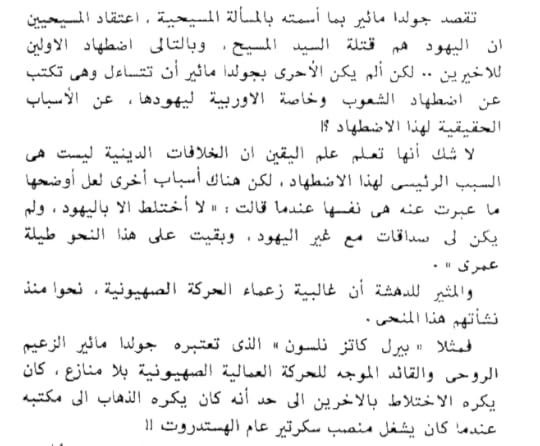
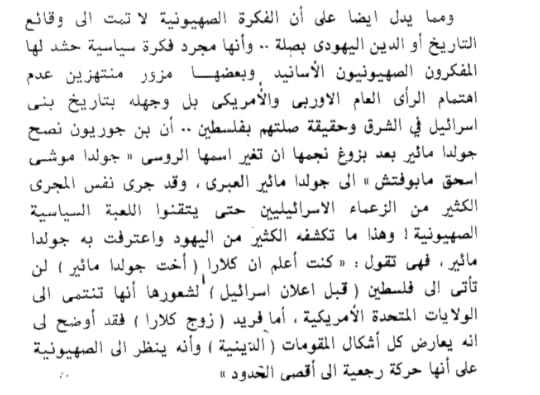
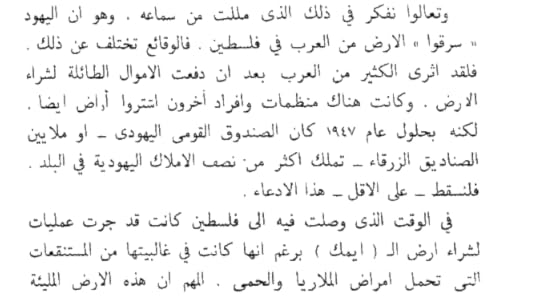

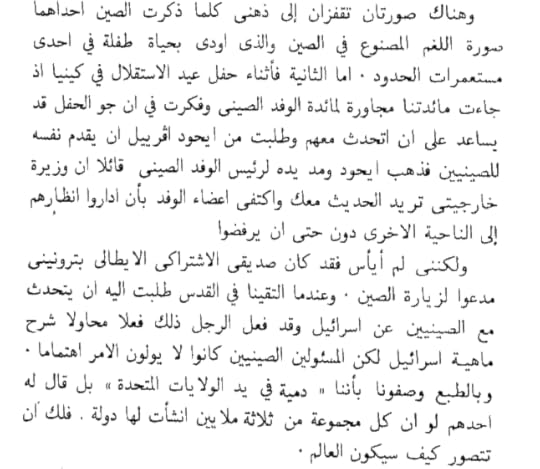

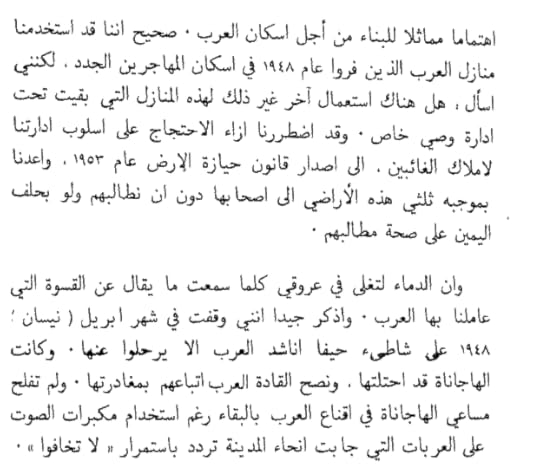

June 22, 2013
Golda is writing about her life as a Daughter to a poor Jew who faced discrimination even at the Soviet union Army where he served,As an Immigrant to America then Israel,As a mother to a son and a daughter and finally as a Prime Minster(only female Prime Minster in the Middle East) to a new born country in the middle east.
She is writing as a woman and how she have to handle her both lives as a mother and a wife and as a political figure who during her leadership her country was in war was two major Neighbor countries Egypt and Syria.
The book have it all (except some controversial history and religious facts)the Drama,the feminist and motherhood part and above all who the founders of Israel had to do to make their country survive.
She is writing as a woman and how she have to handle her both lives as a mother and a wife and as a political figure who during her leadership her country was in war was two major Neighbor countries Egypt and Syria.
The book have it all (except some controversial history and religious facts)the Drama,the feminist and motherhood part and above all who the founders of Israel had to do to make their country survive.
Displaying 1 - 30 of 289 reviews