Turn your garden into a glorious haven for hummingbirds. Here are the basics on planning, planting, and maintaining a beautiful outdoor space that will lure these tiny creatures and give you hours of gardening pleasure. This charmingly illustrated volume provides a variety of garden plans, including essential information on hardiness zones, soil conditions, and sun and shade preferences, and is packed with facts on the lives and habits of hummingbirds. When your winged guests linger in your garden, you'll delight in consulting the hummingbird identifier in Creating a Hummingbird Garden. Here is everything you need to know to attract hummingbirds, from their favorite flowers to instructions for making hummingbird feeders.
Like a hummingbird, this book is small and pretty, with lovely illustrations of hummingbirds and garden designs throughout. There are photos of gardens throughout, though they seem more aspirational than practical for most.
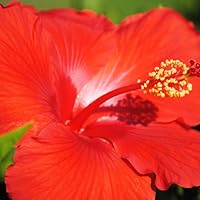
I learned a few thing, such as that hummingbirds are attracted to red (and it extends to orange and pink); they eat insects, they will steal spiders’ prey from webs and even take the web to build their nexts which are only an inch and a half in diameter; and they bathe in water that is only 1/4 to 1/2 inch in depth, often using the dew collected in the curve of a leaf as a bath. Doesn’t that sound like something out of a book about fairies? Hummingbird territories have also expanded as gardener’s provide habitats in areas that would otherwise be food desserts for them.
The main downside of this book is while it lists and average of 15 plants that attract hummingbirds for each season, it repeats several plants from season to season. This makes sense if you’re designing a garden, but there’s a missed opportunity to add more variety. The other issue for me is many of the plants are only hardy up to zone 9 or 8. I live in Tennessee, which is zone 7. For a book about hummingbirds, this probably makes sense as most species in the US breed in California and the Southwest which are zones 8-10. The ruby-throated hummingbird is the only one in the eastern US.
I have a hummingbird feeder that attaches to a window with suction cups. I have it at eye level on the stationary side of a sliding glass door, and will often see a hummingbird come to feed while I’m having breakfast just a few feet away. A few times, one has landed when I was standing right in front of it. They zip off if I move, but have become less skittish. They also occasionally visit the petunias and lantana in the planters on my deck, but prefer the feeder. I was hoping for some more plant ideas from this book, but only found one additional ones that I could/would grow here, dwarf nasturtium (tropaeolum majus). The others are too large for the space I have or not hardy enough.
I read this because I’m going through my gardening books trying to decide which are worth keeping. Verdict: Though pretty, I don’t think this book is useful enough to me to merit keeping it.
Excellent little book, and I do mean little. When it arrived I was surprised at how small and thin this book was. How could a book this small contain enough of the information I need? Needless to say I was skeptical. However, I was pleasantly surprised when I found that this little book was full of information. From information on hummingbird territory across America to what attracts hummingbirds this little book delivers. What I really love about this book are the Spring, Summer, and Fall garden diagrams. Full of color and character these diagrams perfectly map out the flowers you will need; along with garden design to make the perfect hummingbird friendly garden. All in all this book is great and I recommend it to anyone interested in the subject.