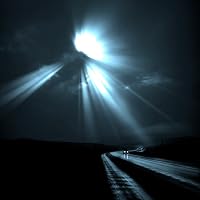
“There were no more lessons. There was nothing in the world but cold and dark and work and coarse brown bread and wind blowing. The storm was aways there, outside the walls, waiting sometimes, then pouncing, shaking the house, roaring, and snarling, and screaming in rage.”
These recollections of frontier life, its hardships and joys, the importance of friends and neighbors and community, and most of all family, are beloved for good reason, withstanding the test of time to become classics still read today. There isn’t much that hasn’t been said about them, both in deserved praise and affection — and, sadly, on the other end of the spectrum, ridiculousness when modern day values, mores, and conventions are applied with no historical perspective whatsoever.
I doubt I can add much of anything new to the praise, other than to say that The Long Winter is my personal favorite among these books from Laura Ingalls Wilder. It’s wonderful, and were it complete fiction, it would still be considered a classic. The fact that it’s based on real events only adds resonance to it.
The Long Winter is almost claustrophobic, as the reader feels trapped in this endless winter of intermittent blizzards that will bring families, and an entire town, to the brink of starvation. Yet it is also like a soft heavy blanket in which to wrap ourselves up in and stave off the hardships of life. It is a winter so harsh that Laura’s family must move into town for safety, and weather blizzards so cold and frightening that winter can only be defeated — and then, only just — by pioneer spirit and sticking together.
The inventive ways they keep going, adapting to each new setback as the train with supplies has one disheartening delay after another until they seem doomed, is a true testament to courage and love. It becomes increasingly bleak, and finally tremendously exciting as Almonzo and Cap set out in the short window between blizzards to find grain on a farm which may be only a rumor; perhaps literally a suicide mission, borne of the kind of humanity and sacrifice completely absent today in much of society.
More than any of the other books in the series, which are all great, I think this one really captures that life so well that had Wilder not written any others, this would still be considered a classic. I can’t say enough good things about this book. From the sadness of Pa’s cracked and swollen fingers that will no longer play the fiddle to keep the family’s spirits up, to the truly thrilling, edge-of-your-seat quest by Almonzo and Cap to save everyone in town from starvation, it is about as perfect a read, heartwarming and uplifting, that you’ll ever come across. Marjorie Kinnan Rawlings beautiful memoir, Cross Creek, of a later time, is more lyrical certainly, and lovelier in the use of language, but The Long Winter is just as impactful in its own manner, and a must-read. Wonderful.