

What do you think?

Mad World: War, Movies, Sex
In a characteristically explosive barrage, Ljubljana’s most famous philosopher takes a passionate stance on the war in Ukraine, surveys the latest Hollywood blockbusters, and delivers detonations into a range of contemporary issues, from sexual politics in India to the prospects for a new Cold War.
Ever attentive to moments where the bizarre and the epic join forces, among the questions Žižek considers here Is the giant orgy, planned to take place in Ukraine in the event of a Russian nuclear attack, really all that morbid? And what should society do, whether on the big screen or the battlefield, in preparation for the end of the world?
Agree with him or not, Žižek rarely fails to provoke in a productive fashion. By examining matters through a lens that is bold and original, and often joyfully outlandish, Žižek helps us to better grasp a world in which, increasingly, the dominant motif is one of madness.
Ever attentive to moments where the bizarre and the epic join forces, among the questions Žižek considers here Is the giant orgy, planned to take place in Ukraine in the event of a Russian nuclear attack, really all that morbid? And what should society do, whether on the big screen or the battlefield, in preparation for the end of the world?
Agree with him or not, Žižek rarely fails to provoke in a productive fashion. By examining matters through a lens that is bold and original, and often joyfully outlandish, Žižek helps us to better grasp a world in which, increasingly, the dominant motif is one of madness.
200 pages, Paperback
Published November 28, 2023
About the author
Slavoj Žižek
630 books7,881 followersSlavoj Žižek is a Slovene sociologist, philosopher, and cultural critic.
He was born in Ljubljana, Slovenia (then part of SFR Yugoslavia). He received a Doctor of Arts in Philosophy from the University of Ljubljana and studied psychoanalysis at the University of Paris VIII with Jacques-Alain Miller and François Regnault. In 1990 he was a candidate with the party Liberal Democracy of Slovenia for Presidency of the Republic of Slovenia (an auxiliary institution, abolished in 1992).
Since 2005, Žižek has been a member of the Slovenian Academy of Sciences and Arts.
Žižek is well known for his use of the works of 20th century French psychoanalyst Jacques Lacan in a new reading of popular culture. He writes on many topics including the Iraq War, fundamentalism, capitalism, tolerance, political correctness, globalization, subjectivity, human rights, Lenin, myth, cyberspace, postmodernism, multiculturalism, post-marxism, David Lynch, and Alfred Hitchcock.
In an interview with the Spanish newspaper El País he jokingly described himself as an "orthodox Lacanian Stalinist". In an interview with Amy Goodman on Democracy Now! he described himself as a "Marxist" and a "Communist."
He was born in Ljubljana, Slovenia (then part of SFR Yugoslavia). He received a Doctor of Arts in Philosophy from the University of Ljubljana and studied psychoanalysis at the University of Paris VIII with Jacques-Alain Miller and François Regnault. In 1990 he was a candidate with the party Liberal Democracy of Slovenia for Presidency of the Republic of Slovenia (an auxiliary institution, abolished in 1992).
Since 2005, Žižek has been a member of the Slovenian Academy of Sciences and Arts.
Žižek is well known for his use of the works of 20th century French psychoanalyst Jacques Lacan in a new reading of popular culture. He writes on many topics including the Iraq War, fundamentalism, capitalism, tolerance, political correctness, globalization, subjectivity, human rights, Lenin, myth, cyberspace, postmodernism, multiculturalism, post-marxism, David Lynch, and Alfred Hitchcock.
In an interview with the Spanish newspaper El País he jokingly described himself as an "orthodox Lacanian Stalinist". In an interview with Amy Goodman on Democracy Now! he described himself as a "Marxist" and a "Communist."
Ratings & Reviews
Friends & Following
Create a free account to discover what your friends think of this book!
Community Reviews
Displaying 1 - 27 of 27 reviews

January 14, 2025
Le doy 5 estrellas aunque estoy segura de que entendí la mitad, un poco por falta de cultura general y otro poco porque este hombre sabe y escribe sobre todo. El título es: "guerra, cine, sexo", pero termina siendo sobre mucho más.
En esta compilación de notas periodísticas escritas por el autor, leemos sobre la guerra de Ucrania con sus respectivos protagonistas, reseñas de películas, críticas al feminismo liberal, un pequeño homenaje a Shakespeare y un paso por parte de la historia de China. Realmente tiene de todo, creo que voy a volver a revisar algunos de sus artículos en los meses/años siguientes, y me quedo con la frase que cierra el libro: "Como demostraron las protestas en Irán, esos antagonismos internos abren un espacio para otro universalismo que se opone al universalismo imperialista: el universalismo de la lucha por la emancipación y la solidaridad global de todos los oprimidos".
En esta compilación de notas periodísticas escritas por el autor, leemos sobre la guerra de Ucrania con sus respectivos protagonistas, reseñas de películas, críticas al feminismo liberal, un pequeño homenaje a Shakespeare y un paso por parte de la historia de China. Realmente tiene de todo, creo que voy a volver a revisar algunos de sus artículos en los meses/años siguientes, y me quedo con la frase que cierra el libro: "Como demostraron las protestas en Irán, esos antagonismos internos abren un espacio para otro universalismo que se opone al universalismo imperialista: el universalismo de la lucha por la emancipación y la solidaridad global de todos los oprimidos".

June 29, 2024
Remarkably devoid of insight or analysis. Many of these pieces were like transcriptions from recordings made on his phone while driving to the supermarket to buy hummus, a couple of sausages, a bag salad and a pint of coffee-flavoured ice cream.

March 25, 2024
Just a collection of his essays. I'd heard his takes on Ukraine, so the first part of the book was not terribly interesting. The second part though, I'd read volumes of his movie takes, I wish I knew where to find his reviews. I always smile reading him. In these smaller pieces he doesn't have the leeway to go deep into theory, so it is broken up and easier to digest.
December 31, 2025
Dejando a un lado la falta de profesionalidad de editar los artículos de opinión de Zizek, escritos entre 2020 y 2022, dos años después (uno respecto a la compilación original de 2023) y sin indicación de la fuente primaria de cada texto y su fecha de publicación, Mundo loco es una colección de artículos absolutamente coyunturales, muy interesantes en su contexto y con limitado recorrido posterior. Los ladrillos cotidianos con que el prolífico Zizek construye el resto de sus libros.
A destacar la justa posición política emancipadora hacia China y Rusia, sin autoengaños campistas, sobre todo en ¿El comunismo es capitalismo autoritario? y el juego de conceptual de Lo “conocido desconocido” de la pandemia y el cambio climático (muy útil), más alguna nota de aquí y de allá.
A destacar la justa posición política emancipadora hacia China y Rusia, sin autoengaños campistas, sobre todo en ¿El comunismo es capitalismo autoritario? y el juego de conceptual de Lo “conocido desconocido” de la pandemia y el cambio climático (muy útil), más alguna nota de aquí y de allá.
March 15, 2025
This book is so palpable. Zizek castigates Yukrain and Russian hegemony at the same time. He stands for the downtrodden, again awares his readers of the scrutinizing factors of predilection for repressed people as they can get corrupted too in the perpetrating system.
And when he speaks, he speaks as such he is partial. There is less sign of neutrality, you always have to take a side in case of collective consciousness.
And when he speaks, he speaks as such he is partial. There is less sign of neutrality, you always have to take a side in case of collective consciousness.

February 16, 2024
I don't even try to keep up with global politics anymore, hence many of the topical writings may as well have been ancient lore from Arrakis. The essay on Tar is wonderful. See it then read it.

November 27, 2023
I can see why Slavoj Žižek is one of the most successful popular philosophical authors out there today. For one thing, he deals in provocative topics straight from the headlines: politics, pop culture, war, and sex. Furthermore, like the authors of such books as Freakonomics, he picks cases that are fascinating, if inconsequential / frivolous (e.g. in the case of this book, the question of a proposed massive Ukrainian orgy to be carried out in response to a Russian nuclear strike.) For another thing, while philosophy tends to be nigh unreadable owing to the philosopher's need to be defensively precise (which, in turn, leads to overuse of complex jargon and tedious qualifiers,) Žižek is quite readable owing to an ability to make clear and confident statements.
Of course, there is a downside to this confident clarity. Many a reader will find too many gratuitous statements for his or her taste. Žižek is often willing to say "clearly, x means y" about things for which there is no consensus, whatsoever. An example seen more than once in this book is in discussing what Žižek believes to be the unambiguous meaning of symbolism in artistic works. Of course, there is a name for the fallacy of believing one knows what an author or artist meant to convey, i.e. the intentional fallacy.
That said, the author provides many intriguing ways of thinking about the absurdity of the modern world. For example, to (deceased) former Secretary of Defense Donald Rumsfeld's tripartite epistemological nomenclature (i.e. known-knowns, known-unknowns, and unknown-unknowns) Žižek asks us to consider a seemingly impossible fourth sector, unknown-knowns (i.e. we don't know the question, but we have an "answer.") Žižek's self-described "pessimistic realism" appeals to the reader's sense of martyrdom even as it frustrates, by-and-large telling us that the modern world is screwed and there's little chance of saving it.
If you're interested in popular philosophy, this book is worth giving a read. However, if you are used to scholarly philosophy, you may find it a bit sloppy and trivial.
Of course, there is a downside to this confident clarity. Many a reader will find too many gratuitous statements for his or her taste. Žižek is often willing to say "clearly, x means y" about things for which there is no consensus, whatsoever. An example seen more than once in this book is in discussing what Žižek believes to be the unambiguous meaning of symbolism in artistic works. Of course, there is a name for the fallacy of believing one knows what an author or artist meant to convey, i.e. the intentional fallacy.
That said, the author provides many intriguing ways of thinking about the absurdity of the modern world. For example, to (deceased) former Secretary of Defense Donald Rumsfeld's tripartite epistemological nomenclature (i.e. known-knowns, known-unknowns, and unknown-unknowns) Žižek asks us to consider a seemingly impossible fourth sector, unknown-knowns (i.e. we don't know the question, but we have an "answer.") Žižek's self-described "pessimistic realism" appeals to the reader's sense of martyrdom even as it frustrates, by-and-large telling us that the modern world is screwed and there's little chance of saving it.
If you're interested in popular philosophy, this book is worth giving a read. However, if you are used to scholarly philosophy, you may find it a bit sloppy and trivial.
July 29, 2025
La producción periodística de Zizek palidece abrumadoramente con sus grandes producciones filosóficas... a años luz, de hecho.
Interesantes como artículos de opinión, los contenidos en este volumen podrían haber sido confeccionados por opinologos incisivos, pero eso es todo. Recomendables para los que quieren análisis políticos originales, aunque, creo, no especialmente rupturistas. Eso no quita que, en general, las reflexiones de Zizek sean modernas, liberales y justas.
Interesantes como artículos de opinión, los contenidos en este volumen podrían haber sido confeccionados por opinologos incisivos, pero eso es todo. Recomendables para los que quieren análisis políticos originales, aunque, creo, no especialmente rupturistas. Eso no quita que, en general, las reflexiones de Zizek sean modernas, liberales y justas.

February 9, 2025
Lo compré pensando en que siendo un "intelectual de izquierda" al cual dan mucha publicidad o por lo menos tiene bastante figuración, sería un libro con alguna perspectiva moderna de la izquierda y lo que significa actualmente ser de izquierda en un mundo que gira hacia el totalitarismo, la ultra derecha, el facismo y la abolición de los acuerdos internacionales de una convivencia civilizada.
Sin embargo, el libro es una recopilación de árticulos, mala opción de compra, luego las referencias al cine son Madame Webb, Luca (ambas malas o irrelevantes), Tar (que no he visto, pero por la descripción detallada que dió no veré) y una tal "Jeanne Dielman ....." que según una encuesta de la revista "Sight and Sound" (nunca la he escuchado) superó a Ladrón de Bicicletas, Ciudadano Kane y Vertigo como LA MEJOR PELICULA DE TODOS LOS TIEMPOS! A ver, no soy un experto, pero si sigo varias paginas de cine donde opina mucha gente más conocedora que yo del tema y JAMAS había escuchado de dicha pelicula. Lo peor no es que sea un titulo que quizás lo ignoré por mi tercermundismo endogeno, sino la explicación de mierda sobre la lucha de la mujer y como se retrata el dolor de no sé qué, maldito patriarcado y ... andate a la cresta, de verdad insoportable la argumentación. Si este tipo es filosofo de izquierda, pensé que hablaría sobre los trabajadores, los medios de producción, no sé, algo más clásico y empatizable que el movimiento feminista del MeToo y la eterna victimización sobre su "esclavitud al patriarcado".
En fin, una porquería de libro, menos mal me costó barato, tampoco voy a ahondar en las partes que se refiere a la guerra de Ucrania muy extensamente, mientras los Palestinos solo merecen una mención por Emma Watson y la solidaridad.
Esperaba algo, no obtuve nada, para leer el punto de vista sobreideologizado del mainstream mediatico mejor me compro el diario veo CNN, TimWarner, Disney y la FOX News.
Sin embargo, el libro es una recopilación de árticulos, mala opción de compra, luego las referencias al cine son Madame Webb, Luca (ambas malas o irrelevantes), Tar (que no he visto, pero por la descripción detallada que dió no veré) y una tal "Jeanne Dielman ....." que según una encuesta de la revista "Sight and Sound" (nunca la he escuchado) superó a Ladrón de Bicicletas, Ciudadano Kane y Vertigo como LA MEJOR PELICULA DE TODOS LOS TIEMPOS! A ver, no soy un experto, pero si sigo varias paginas de cine donde opina mucha gente más conocedora que yo del tema y JAMAS había escuchado de dicha pelicula. Lo peor no es que sea un titulo que quizás lo ignoré por mi tercermundismo endogeno, sino la explicación de mierda sobre la lucha de la mujer y como se retrata el dolor de no sé qué, maldito patriarcado y ... andate a la cresta, de verdad insoportable la argumentación. Si este tipo es filosofo de izquierda, pensé que hablaría sobre los trabajadores, los medios de producción, no sé, algo más clásico y empatizable que el movimiento feminista del MeToo y la eterna victimización sobre su "esclavitud al patriarcado".
En fin, una porquería de libro, menos mal me costó barato, tampoco voy a ahondar en las partes que se refiere a la guerra de Ucrania muy extensamente, mientras los Palestinos solo merecen una mención por Emma Watson y la solidaridad.
Esperaba algo, no obtuve nada, para leer el punto de vista sobreideologizado del mainstream mediatico mejor me compro el diario veo CNN, TimWarner, Disney y la FOX News.

November 16, 2024
Amazing read, some interesting topics here and there seasoned with salt and pepper.
I enjoyed the essays about Ukraine and the ones in which he exposes his views about communism. The ones about movies were about spoilers, you must see them in order to understand what exactly he is referring to. Some I've seen, the rest I didn't.
His not that good writer, in terms of style, but he is an excellent and appealing thinker. What I mean, he has very interesting thoughts but you must follow him through the process of his grand exposure. Some thoughts are counterintuitive, some are paradoxical but they all reveal some aspects of the truth.
Overall, I recommend, 4.5 stars.
I enjoyed the essays about Ukraine and the ones in which he exposes his views about communism. The ones about movies were about spoilers, you must see them in order to understand what exactly he is referring to. Some I've seen, the rest I didn't.
His not that good writer, in terms of style, but he is an excellent and appealing thinker. What I mean, he has very interesting thoughts but you must follow him through the process of his grand exposure. Some thoughts are counterintuitive, some are paradoxical but they all reveal some aspects of the truth.
Overall, I recommend, 4.5 stars.

May 7, 2025
Žižek hace un recorrido muy interesante por temas atravesados por tensiones socio-políticas que –desde su momento– plantean un previo panorama de lo que aún repercute en el interminable acontecer histórico del hoy presente. En este tipo de textos se aprecia bastante el esfuerzo por desmenuzar la trivialidad en la política, economía e industria cultural (¿De qué otro modo podemos cuestionarnos lo que se nos aparece como real?).
Me quedo con este llamado a la genuina preocupación por el fatídico devenir de la humanidad pero también con este chispazo esperanzador de recordarnos capaces de transformar la imagen final.
Me quedo con este llamado a la genuina preocupación por el fatídico devenir de la humanidad pero también con este chispazo esperanzador de recordarnos capaces de transformar la imagen final.

August 19, 2024
Entertaining essays with interesting thoughts about small and big topics. This is not a transcendental book, but it will be more satisfying than reading many of the columns in the newspapers. Žižek does not have a clear, blind political agenda (although he obviously falls into one political spectrum), so I just admire his freedom to think and his unique perspectives on the "Leftist matter" and the conflict between West and non-West world views.
I think he is not best informed in the subject of feminism though, but his points are still good food for thought.
I think he is not best informed in the subject of feminism though, but his points are still good food for thought.
December 22, 2023
A collections of Slavoj editorials and articles going back a couple years. He covers the Pandemic, Ukraine and the films of 2022. Interesting points on how the West and it's adversaries wedge their philosophies to match their political goals. Worth checking out the perspective of the current leading leftist philosopher.

February 22, 2025
Una lectura tan caótica como el mundo que nos rodea. Aborda temáticas tan contingentes como diversas de manera crítica, pero sin profundizar demasiado en los aspectos teóricos, lo que simplifica y agiliza su lectura. Me gustó bastante.
Lo único malo es que se me perdió cuando lo estaba terminando. Es tercer libro que se me pierde en el último tiempo 3
Rating: 3.5
Lo único malo es que se me perdió cuando lo estaba terminando. Es tercer libro que se me pierde en el último tiempo 3
Rating: 3.5

January 5, 2026
«…No debemos olvidar que los conflictos vigentes, incluidas las guerras, nunca son solo una cuestión de cultura y geopolítica, son momentos de tensiones internas en la circulación mundial del capital.»
Siento que hay un pensamiento generalizado en este compendio de ensayos, un pensamiento que se hila con la lectura y que pone en orden un poco las ideas que se pueden extraer de la realidad.
Siento que hay un pensamiento generalizado en este compendio de ensayos, un pensamiento que se hila con la lectura y que pone en orden un poco las ideas que se pueden extraer de la realidad.

April 13, 2024
Solid! As always with Žižek's catechisms, there are strong essays and middling ones. But Žižek never fails to analyze the contemporary world around us in a unique way that demands we look through his lens more often.

March 25, 2025
Zizek, her zaman sahip olduğu nüktedanlığı, aydınlatıcı diyalektiği ve güncelliği ile geçerliliğini asla kaybetmiyor. Bu kitapla da ilk cümlede söylediklerimin sağlamasını çok basit bir şekilde yapabilirsiniz.

March 16, 2024
As with any time I’ve run into Žižek, imprint, by reference, on screen, I am changed by the experience, for the better. I never quite see anything the same way, after being touched by his influence.
June 24, 2024
Collection of articles and essays from the past couple of years, nothing too momentous but a good collection nonetheless.

September 1, 2024
Read five essays.

June 28, 2025
Conjunto de ensayos sobre diversos temas, los más interesantes son sobre la guerra de Ucrania y el más curioso (para mi) el dedicado a las elecciones chilenas que ganó Gabriel Boric.

July 12, 2025
Personalmente, pocos capítulos son súper interesantes y critican de verdad el mundo en el que vivimos.
December 13, 2025
Iconic essay titles. I wasn’t familiar with Zizek’s takes on Ukraine, so that was interesting. His movie analysis was the best part by far.

October 21, 2024
Las columnas periodísticas reunidas en este libro tienen algunos momentos de interés de análisis y otras de la vacuidad del momento de los hechos.

April 1, 2025
Un libro que tiene un nivel de complejidad bastante alto en algunos capítulos.
A pesar de que se nota que hay un intento mediante ejemplos y uso de cultura popular de ejemplificar y explicar mejor las ideas si puede ser un tanto difícil por lo que recomiendo mucha calma, si se tratara solo de leer palabras d e muy fácil comprensión y términos superficiales claro que se lee en un día pero requiere muchas horas de lectura pausada, un poco de investigación para entender mejor y sobretodo un intento por racionalizar las ideas en nuestra cabeza.
Tal vez lo vuelva a leer, no lo sé, pero saque notas e ideas muy interesantes y me atrevería a decir que de una importancia clave.
A pesar de que se nota que hay un intento mediante ejemplos y uso de cultura popular de ejemplificar y explicar mejor las ideas si puede ser un tanto difícil por lo que recomiendo mucha calma, si se tratara solo de leer palabras d e muy fácil comprensión y términos superficiales claro que se lee en un día pero requiere muchas horas de lectura pausada, un poco de investigación para entender mejor y sobretodo un intento por racionalizar las ideas en nuestra cabeza.
Tal vez lo vuelva a leer, no lo sé, pero saque notas e ideas muy interesantes y me atrevería a decir que de una importancia clave.
May 7, 2024
What a wacky guy. Some very interesting opinions worth considering though.
May 14, 2025
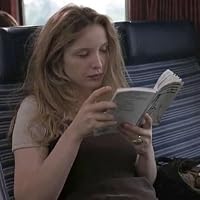
read this on the train and especially found the film analysis distasteful, maybe that’s on me
Displaying 1 - 27 of 27 reviews