

What do you think?

The Green Road by Anne Enright
Hanna, Dan, Constance and Emmet return to the west coast of Ireland for a final family Christmas in the home their mother is about to sell. As the feast turns to near painful comedy, a last, desperate act from Rosaleen - a woman who doesn't quite know how to love her children - forces them to confront the weight of family ties and the road that brought them home.
Hardcover
First published May 4, 2015
About the author
Anne Enright
58 books1,464 followersAnne Enright was born in Dublin, where she now lives and works. She has published three volumes of stories, one book of nonfiction, and five novels. In 2015, she was named the inaugural Laureate for Irish Fiction. Her novel The Gathering won the Man Booker Prize, and The Forgotten Waltz won the Andrew Carnegie Medal for Excellence in Fiction.
Ratings & Reviews
Friends & Following
Create a free account to discover what your friends think of this book!
Community Reviews
Displaying 1 - 30 of 2,054 reviews

May 25, 2015
Each time a new novel set in the European theatre of WWII emerges, the chorus of “Do we need another WWII novel? Haven’t all the stories already been told?” follows. And then we go on to devour the likes of The Narrow Road to the Deep North and All The Light We Cannot See. Good story is good story. If the setting or theme seems tired to you, move along, please.
So, too, could we lament the novel of the dysfunctional Irish family. From James Joyce to Edna O’Brien, Colm Tóibín to John Banville, we’ve read destitute, down-and-out, drunk. And then there’s Mammy. But we never tire of great story. And I personally never tire of Ireland.
And then there’s Anne Enright, who specializes in the particular misery of the contemporary Irish family. But you noticed that I gave this five stars, didn’t you? That’s because it’s damn near impossible to be tired of reading transcendent writing.
Her latest novel, The Green Road contains echoes of her 2007 Man Booker Award winner, The Gathering: it features a disjointed Irish family dispersed into a diaspora prior to the Celtic Tiger boom, reunites at a moment of familial crisis. In The Gathering, it is to mourn the suicide of a brother. The narrative is told through the perspective of a sister, one of twelve siblings, living in the rarefied suburbia of 21st century Dublin.
Yet even with similar themes, The Green Road is something else entirely. Set not only in Enright’s verdant, damp Co. Clare, on Ireland’s west coast, but in Dublin, New York, Toronto, and Mali, it shifts between the perspectives of the four Madigan children: Dan, Emmet, Constance, and Hanna, as they lean away from the west of Ireland and the emotional machinations of their mother, Rosaleen.
From the opening salvo, when Dan declares he is joining the priesthood and Rosaleen commences to weep on the Sunday dinner apple tart, the story sends us scattering across decades and borders. In 1991, eleven years after Dan breaks his mother’s heart, he is no longer an acolyte of the Catholic church. Engaged to his Irish childhood sweetheart, he descends to New York while she completes her studies in Boston. There he begins to admit to and explore his homosexuality, at a time when AIDS is decimating the city’s gay men. Enright immerses us in this world, but she circles around Dan, showing us instead the men he becomes involved with. Dan is more shadow than character. It is brilliantly done, for Dan is not yet fully realized as a man, not while he is still in denial, living half-truths.
Constance then enters the scene. It is 1997 and Constance waits in a hospital lobby in Co. Limerick to learn if the lump in her breast is cancer. She is the only Madigan child not to have strayed far from home. Her life is solidly middle class; in a few years, she will become part of the new wealth only just beginning to take hold in the Republic. With three children, a Lexus, an expanding waistline, Constance is the dependable one, the one who looks after Rosaleen. She too went to New York City once, but it was “the place you went to get a whole new life, and all she got was a couple of Eileen Fisher cardigans in lilac and grey.”
Perhaps deserving of a novel all his own is Emmet, the son and brother who becomes an ironically self-absorbed aid worker in West Africa. We meet Emmet in Mali, circa 2002, in a story about wasted love and a stray dog. Enright’s descriptions and characterizations capture all that is surreal about white, privileged expats trying to make a difference in a world that has little use for their clumsy, unreliable services.
Hanna, always the little sister, is rapidly aging out of usefulness as a Dublin-based actress. She has “the wrong face for a grown-up woman, even if there were parts for grown-up women. The detective inspector. The mistress. No, Hanna had a girlfriend face, pretty, winsome and sad. And she was thirty-seven. She had run out of time.” Hanna is barely holding on as the mother of a toddler. She’s drinking, Hanna is, but look, it’s 2005 and Ireland is abloom with wealth and possibility: surely it has room for her . . .
Curiously, the novel ends before the recession cuts Ireland off at the knees. But not before Rosaleen decides she will sell the family home, a threat that brings all four Madigan children back to Co. Clare and “The Green Road” of their childhood for Christmas.
This is a mannered novel, perhaps the most conventional that Enright has written, but it is so rich and full. Each chapter, each change in character perspective, could be a brilliant stand-alone short story. Enright polishes to a sharp gleam the details of setting and character, the ripe dialogue, the emotional ebbs and flows; her skill is breathtaking. There are times when her prose is lyrical and poetic: “The slope of raw clay had been ablaze, when her father passed along that way, with red poppies and with those yellow flowers that love broken ground.”; others when it is raw with reality: Dan was a year younger than Constance, fifteen months. His growing up struck her as daft, in a way. So she was not bothered by her brother’s gayness—except, perhaps, in a social sense—because she had not believed in his straightness, either. In the place where Constance loved Dan, he was eight years old.
The Green Road is a slow burn of familial love and disappointments, a purely Irish story that resonates beyond place and time, somehow both starkly rendered and lushly realized. Gorgeous, heart-tearing, highly-recommended.
So, too, could we lament the novel of the dysfunctional Irish family. From James Joyce to Edna O’Brien, Colm Tóibín to John Banville, we’ve read destitute, down-and-out, drunk. And then there’s Mammy. But we never tire of great story. And I personally never tire of Ireland.
And then there’s Anne Enright, who specializes in the particular misery of the contemporary Irish family. But you noticed that I gave this five stars, didn’t you? That’s because it’s damn near impossible to be tired of reading transcendent writing.
Her latest novel, The Green Road contains echoes of her 2007 Man Booker Award winner, The Gathering: it features a disjointed Irish family dispersed into a diaspora prior to the Celtic Tiger boom, reunites at a moment of familial crisis. In The Gathering, it is to mourn the suicide of a brother. The narrative is told through the perspective of a sister, one of twelve siblings, living in the rarefied suburbia of 21st century Dublin.
Yet even with similar themes, The Green Road is something else entirely. Set not only in Enright’s verdant, damp Co. Clare, on Ireland’s west coast, but in Dublin, New York, Toronto, and Mali, it shifts between the perspectives of the four Madigan children: Dan, Emmet, Constance, and Hanna, as they lean away from the west of Ireland and the emotional machinations of their mother, Rosaleen.
From the opening salvo, when Dan declares he is joining the priesthood and Rosaleen commences to weep on the Sunday dinner apple tart, the story sends us scattering across decades and borders. In 1991, eleven years after Dan breaks his mother’s heart, he is no longer an acolyte of the Catholic church. Engaged to his Irish childhood sweetheart, he descends to New York while she completes her studies in Boston. There he begins to admit to and explore his homosexuality, at a time when AIDS is decimating the city’s gay men. Enright immerses us in this world, but she circles around Dan, showing us instead the men he becomes involved with. Dan is more shadow than character. It is brilliantly done, for Dan is not yet fully realized as a man, not while he is still in denial, living half-truths.
Constance then enters the scene. It is 1997 and Constance waits in a hospital lobby in Co. Limerick to learn if the lump in her breast is cancer. She is the only Madigan child not to have strayed far from home. Her life is solidly middle class; in a few years, she will become part of the new wealth only just beginning to take hold in the Republic. With three children, a Lexus, an expanding waistline, Constance is the dependable one, the one who looks after Rosaleen. She too went to New York City once, but it was “the place you went to get a whole new life, and all she got was a couple of Eileen Fisher cardigans in lilac and grey.”
Perhaps deserving of a novel all his own is Emmet, the son and brother who becomes an ironically self-absorbed aid worker in West Africa. We meet Emmet in Mali, circa 2002, in a story about wasted love and a stray dog. Enright’s descriptions and characterizations capture all that is surreal about white, privileged expats trying to make a difference in a world that has little use for their clumsy, unreliable services.
Hanna, always the little sister, is rapidly aging out of usefulness as a Dublin-based actress. She has “the wrong face for a grown-up woman, even if there were parts for grown-up women. The detective inspector. The mistress. No, Hanna had a girlfriend face, pretty, winsome and sad. And she was thirty-seven. She had run out of time.” Hanna is barely holding on as the mother of a toddler. She’s drinking, Hanna is, but look, it’s 2005 and Ireland is abloom with wealth and possibility: surely it has room for her . . .
Curiously, the novel ends before the recession cuts Ireland off at the knees. But not before Rosaleen decides she will sell the family home, a threat that brings all four Madigan children back to Co. Clare and “The Green Road” of their childhood for Christmas.
This is a mannered novel, perhaps the most conventional that Enright has written, but it is so rich and full. Each chapter, each change in character perspective, could be a brilliant stand-alone short story. Enright polishes to a sharp gleam the details of setting and character, the ripe dialogue, the emotional ebbs and flows; her skill is breathtaking. There are times when her prose is lyrical and poetic: “The slope of raw clay had been ablaze, when her father passed along that way, with red poppies and with those yellow flowers that love broken ground.”; others when it is raw with reality: Dan was a year younger than Constance, fifteen months. His growing up struck her as daft, in a way. So she was not bothered by her brother’s gayness—except, perhaps, in a social sense—because she had not believed in his straightness, either. In the place where Constance loved Dan, he was eight years old.
The Green Road is a slow burn of familial love and disappointments, a purely Irish story that resonates beyond place and time, somehow both starkly rendered and lushly realized. Gorgeous, heart-tearing, highly-recommended.

July 29, 2015
This book just felt like a lot of people complaining about their mediocre lives. The structure really bogged down the narrative and kept me at a distance from the characters. The first 5 chapters are all told from different perspectives--a mother and her 4 children--and then after that it alternates between all of them as they reunite one Christmas when the mother decides she is selling the old family home.
Nothing stands out to me about this story; it's all quite forgettable unfortunately. That's all I can really say about it because it was rather dull. I wish I had liked this more than I did, but it didn't do much for me.
Nothing stands out to me about this story; it's all quite forgettable unfortunately. That's all I can really say about it because it was rather dull. I wish I had liked this more than I did, but it didn't do much for me.

January 26, 2021
My overriding impression here was that the quality of the writing deserved a much better novel. It certainly deserved more engaging characters. The Green Road is about a dysfunctional Irish family with chapters alternating between the five members. Often this form of structure causes problems because some characters are almost always much more interesting than others and this is very much the case here. The two daughters I found especially lacking in compelling detail.
It begins with Hanna and there's little that distinguishes this novel from so many others - the overly familiar middle class domestic setting didn't pack any punches. It felt like the same old story told yet again. Then there's a big surprise as the novel jumps to AIDS infested New York. The problem here is that the family member, Dan, barely features at all and the narrative centres on characters who have no place in this novel. This chapter was like some weird incongruous outbuilding in the novel's architecture. We then go to Africa and the relationship between the younger son Emmet and his girlfriend Alice, both aid workers. This was by a country mile the best chapter of the novel and showed how good a novel Anne Enright might write if, instead of the tired old subject of a dysfunctional middle class family, she had been more consistently adventurous in her choice of theme and material. One interesting aspect of the Emmet and Alice conflict was that it marginally came out on the side of the male. It made me realise how often in modern novels the male is shown as the guilty party in the battle of sexes. It was refreshing to have a more balanced perspective. We then switch to Constance, the most conventional of the children and unfortunately the least interesting as well. At the heart of the novel though is the mother who is thinking of selling the family home. Everything comes to a head at a family Christmas dinner. But the gains and losses, the estrangements and reconciliations all seemed very minimal to me as if there really wasn't much of a story here in the first place. Saving grace is that Anne Enright can write a good sentence.
It begins with Hanna and there's little that distinguishes this novel from so many others - the overly familiar middle class domestic setting didn't pack any punches. It felt like the same old story told yet again. Then there's a big surprise as the novel jumps to AIDS infested New York. The problem here is that the family member, Dan, barely features at all and the narrative centres on characters who have no place in this novel. This chapter was like some weird incongruous outbuilding in the novel's architecture. We then go to Africa and the relationship between the younger son Emmet and his girlfriend Alice, both aid workers. This was by a country mile the best chapter of the novel and showed how good a novel Anne Enright might write if, instead of the tired old subject of a dysfunctional middle class family, she had been more consistently adventurous in her choice of theme and material. One interesting aspect of the Emmet and Alice conflict was that it marginally came out on the side of the male. It made me realise how often in modern novels the male is shown as the guilty party in the battle of sexes. It was refreshing to have a more balanced perspective. We then switch to Constance, the most conventional of the children and unfortunately the least interesting as well. At the heart of the novel though is the mother who is thinking of selling the family home. Everything comes to a head at a family Christmas dinner. But the gains and losses, the estrangements and reconciliations all seemed very minimal to me as if there really wasn't much of a story here in the first place. Saving grace is that Anne Enright can write a good sentence.

October 31, 2014
From the beginning I was fascinated with the character of Rosaleen, this family matriarch of four, living in an unnamed village in County Clare. When her eldest son Doug tells the family he is going to be a priest, she takes to her bed for days. Two boys, two girls and we follow this family throughout three decades. As with all siblings they take many different paths,live in different countries, and we hear from each of them.
As for Rosaleen she waits, using passive aggressive techniques to make them feel guilty and to blame for her loneliness and unhappiness. Reminded me so much of my Irish mother-in-law, which is why I found her character and her parenting techniques so interesting. But then towards the end, when we hear her story, I began to feel sad for her.
We follow Dan to New York during the days of the aids crisis, Emmett to South Africa, Hannah as she has a child and a drinking problem and Constance, the child who stays the closest in distance to her mother.
This is on all ways a novel about the complications of being part of a family. The grudges, the memories good and bad, the misunderstandings and the misunderstandings we carry through to adulthood. What the idea of family and the family home means to different members.
A very well written, thought provoking read. One I think most readers will find something inside in which they can relate.
ARC from publisher.
As for Rosaleen she waits, using passive aggressive techniques to make them feel guilty and to blame for her loneliness and unhappiness. Reminded me so much of my Irish mother-in-law, which is why I found her character and her parenting techniques so interesting. But then towards the end, when we hear her story, I began to feel sad for her.
We follow Dan to New York during the days of the aids crisis, Emmett to South Africa, Hannah as she has a child and a drinking problem and Constance, the child who stays the closest in distance to her mother.
This is on all ways a novel about the complications of being part of a family. The grudges, the memories good and bad, the misunderstandings and the misunderstandings we carry through to adulthood. What the idea of family and the family home means to different members.
A very well written, thought provoking read. One I think most readers will find something inside in which they can relate.
ARC from publisher.

March 16, 2015
In the opening scene of Anne Enright’s new novel, the eldest son announces he’s going into the priesthood, and his Irish mother lets out a series of anguished cries and flees to her bedroom. “This was not the first time their mother took to the horizontal solution,” Enright writes, “but it was the longest.”
Welcome to the Madigan family of County Clare: four children, all contending in various ways with the emotional tyranny of their never-satisfied mother, Rosaleen.
From its gloomy dust jacket, you might assume “The Green Road” is a slightly fertile version of Cormac McCarthy’s “The Road,” but in fact this is a rich, capacious story, buoyed by tender humor, something like Anne Tyler with a brogue.
Enright . . . .
To read the rest of this review, go to The Washington Post:
http://www.washingtonpost.com/enterta...
Welcome to the Madigan family of County Clare: four children, all contending in various ways with the emotional tyranny of their never-satisfied mother, Rosaleen.
From its gloomy dust jacket, you might assume “The Green Road” is a slightly fertile version of Cormac McCarthy’s “The Road,” but in fact this is a rich, capacious story, buoyed by tender humor, something like Anne Tyler with a brogue.
Enright . . . .
To read the rest of this review, go to The Washington Post:
http://www.washingtonpost.com/enterta...

October 31, 2014
I was hoping that I would love this book more than I did . I loved Enright's The Gathering but this one fell a little short for me . I just didn't like these characters very much , who didn't seem to like themselves very much either. I've read discussions about how a book can be a great book even without likable characters and that's probably true. My preference is that I like the characters. Having said that , I wanted to keep reading about this dysfunctional family to see how they would manage when they get together after years have passed .
The alternating narratives covering different decades and places of four siblings and their mother Rosaleen from 1980 - 2005 , relate what is happening in each of their lives at various times . It begins with 12 year old Hanna , trying to manage when her mother falls sick on the news that her son Dan announces he's going to be a priest . Before you know it , it's 1991 and Dan is no longer in the priesthood and is having problems accepting himself as a gay man.
Constance , the daughter that has remained home in the Irish town where her mother lives , is overwhelmed , overweight, and facing a medical scare . Fast forward again to 2002 and we meet up with Emmett in Mali , an international aids worker . Finally we get to Rosaleen , aging , forgetful and unhappy.
There are further glimpses of these siblings in various places and where there are in their lives in 2005 and it's more than likely not where they each wanted to be . Coming home together at Christmas is probably the part in the novel that tells the most about these characters . In the end , I still didn't like them but I did feel sorry for them , I gave it three stars because in spite of not liking these characters, I still wanted to know what would happen to them .

February 20, 2017
Anne Enright's, The Green Road, nominated for the Booker Award in 2015 and the Bailey's Prize in 2016, is a wonderful experience of family life in County Clare, Ireland. Matriarch, Rosaleen Madigan, has four children who all leave home to pursue life elsewhere. It's fascinating how Enright sets up the first part of her book with each of the first chapters set in a different location, time, and with one child and their life struggles. She starts with Hanna, a new mother and drinker, Dan, who lived in NY during the AIDs epidemic, Emmet, who goes from one place to another doing relief work in Africa, and Constance living the good life in Ireland while the economic boom is happening.
In the second part of the book, Rosaleen notifies her children she is selling the family home and all come back to gather for Christmas Day. We get a good look at what Rosaleen is like. She is difficult, needy, and manipulative. No one can please her, but everyone tries their best. She leaves all her adult children feeling inadequate. She is a real piece of work. Expect some bickering.
Enright's masterful stroke is on Christmas eve when Rosaleen goes for a drive. The beautiful description of the Irish landscape is breathtaking. The experience was so wonderful I felt like I was on The Green Road with Rosaleen. My sister and husband go to Ireland every year and now I know why. Time that my family takes in this wonderful land as well.
4.5 rounded up to 5 stars due to spending time on the Green Road.
In the second part of the book, Rosaleen notifies her children she is selling the family home and all come back to gather for Christmas Day. We get a good look at what Rosaleen is like. She is difficult, needy, and manipulative. No one can please her, but everyone tries their best. She leaves all her adult children feeling inadequate. She is a real piece of work. Expect some bickering.
Enright's masterful stroke is on Christmas eve when Rosaleen goes for a drive. The beautiful description of the Irish landscape is breathtaking. The experience was so wonderful I felt like I was on The Green Road with Rosaleen. My sister and husband go to Ireland every year and now I know why. Time that my family takes in this wonderful land as well.
4.5 rounded up to 5 stars due to spending time on the Green Road.

February 14, 2016
The Green Road has jumped to the top of my favorites of 2016 and Anne Enright has so impressed me with her ability to capture the essence of the family Madigan and it's diaspora away from the homestead and Ma, Mammy, Rosaleen,...then the return. Rosaleen's mothering has not been a happy presence for the family and has been mixed for Rosaleen herself. Enright allows her to strip herself bare.
The story is told over the span of some 25 years, from the point of view of each child: Hanna, the youngest daughter; Dan who goes to be a priest and ends up somewhere else entirely; Constance, the oldest, responsible, mother-figure; and Emmett, lost and traveling. Each seems to be searching for something and yet to be connected still to home, to Ardeevin, for good or ill. The crux of the story is the summons from mother to come for Christmas, a summons that cannot be ignored. The final chapters of the book were some of the best I've read in some time and I fully expect to read this book again (and to further investigate Enright's writing). I feel I should add that I am a devotee of good writing produced out of Ireland and this so fit the bill.
The story is told over the span of some 25 years, from the point of view of each child: Hanna, the youngest daughter; Dan who goes to be a priest and ends up somewhere else entirely; Constance, the oldest, responsible, mother-figure; and Emmett, lost and traveling. Each seems to be searching for something and yet to be connected still to home, to Ardeevin, for good or ill. The crux of the story is the summons from mother to come for Christmas, a summons that cannot be ignored. The final chapters of the book were some of the best I've read in some time and I fully expect to read this book again (and to further investigate Enright's writing). I feel I should add that I am a devotee of good writing produced out of Ireland and this so fit the bill.

September 15, 2015
Halfway through this book I was about to give up. Found all the siblings selfish and uninteresting. Wasn't sure about the mother. But then about halfway through they return to County Clare for Christmas and it all sort of fell together.

I grew up literally a stone's throw from where this book was set. Left there over 26 years ago and doubt I could ever go back and live there again. Nice to visit for 3 days maybe but, no more.

Made me a bit nostalgic in a way. Then again, I haven't been in Ireland for Christmas in over 13 years. This year will be the first.

Jaysus, her description of the pub on Christmas Eve. My life - before kids.
I think the dynamics of the family once they got together worked for me. The Irish Mammy - Dear Lord, let me never turn into one. The guilt of the children. The desire to be away from there ...

LOL, as a Mammy to two boys I cannot really comment but so far my boys have given me no trouble.
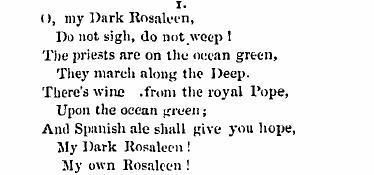
Dead right, you can't. Even if nobody will eat them.

My Dad used to use that expression - "May we all be alive this time next year."

Well, wish me luck on my first trip to Ireland in 13 years!! All the family will be together for my BIG birthday on the 27th. Hope we don't kill each other.
I grew up literally a stone's throw from where this book was set. Left there over 26 years ago and doubt I could ever go back and live there again. Nice to visit for 3 days maybe but, no more.
Made me a bit nostalgic in a way. Then again, I haven't been in Ireland for Christmas in over 13 years. This year will be the first.
Jaysus, her description of the pub on Christmas Eve. My life - before kids.
I think the dynamics of the family once they got together worked for me. The Irish Mammy - Dear Lord, let me never turn into one. The guilt of the children. The desire to be away from there ...
"Run them and feed them," she said.
"That's all you have to do with boys."
"And what do you do with girls?" said Hanna.
"Drown them at birth."
LOL, as a Mammy to two boys I cannot really comment but so far my boys have given me no trouble.
"You can't have Christmas without Brussels Sprouts."
Dead right, you can't. Even if nobody will eat them.
My Dad used to use that expression - "May we all be alive this time next year."
Well, wish me luck on my first trip to Ireland in 13 years!! All the family will be together for my BIG birthday on the 27th. Hope we don't kill each other.

August 27, 2015
This book was like chemical reaction on me. Last year 2014, I personally met Anne Enright (2007 Booker winner), I touched her feet in due respect. After reading this book I felt, I was right to do that. So here a review of another Booker long-list book :
"The dead have voices in our dreams, but no density. It's just huge sense of themness, it is all meaning and no words. Because words are also physical, don't you think? The way they touch you."
"The darkness of the theater, for Hanna, was a new kind of darkness, it was not the darkness of city outside, or her bedroom. It was the darkness between two people. It was the darkness of sleep, just before the dream.
And book was repository of several sharp lines.
This was NOT as disturbing as THE GATHERINGS (Which had power that can punch in abdomen), and it was lovely attempt to portray broken shards of family.
Here the story was simple; one family- mother (Rosaleen), two sons(Dan and Emmet) and two daughters(Hanna and Constance)... The book starts with world of 1980 when all were having Apple-tart celebration when her son Dan announced that he would want to become a priest and how this news jabbed everyone who was present there and when there was cake slice cutting and here was her punch " The was not the cake slicing but the prising open of the relations between them".
Then the books follows lives of each children : Dan (1991) who was gay and was concealing his sexuality; Constance(1997) her fight with the news of, may be having, breast cancer; Emmet (2002) who was working in black places of Africa (in book he was Segeu, Mali), working in SAVE THE WORLD kind of organisation; and lastly their mother Rosaleen (2005) who suddenly felt alone in the house and to whom her own flesh, her own kids, left away. Finally she decided to sell the house. And somewhere Hanna (her other daughter), the most beautiful one but alcohol addicted.
The book starts with apple-tart ceremony and ends at Christmas ceremony after 25 years, where all her kids meet, laugh, share memories, and the loss which they will be going to bear with sell of this home. And her mother who constantly bringing old life, or seeing her family last time, remembering their father, who left away in between. With each memory, you can vision the windows, hall, and the broken heart of people, who have their childhood visiting them last time, the comparison of memories etc.
Certain portions of this book REALLY MADE ME EMOTIONAL. The was an EMOTIONAL read. Anne Enright have that sharp skill on the relations of family.
I loved it, loved it and loved it a lot. And at the same time, it was also brilliantly written. THIS BOOK SHOULD GET IN BOOKER SHORT-LIST OTHERWISE MY HEART WILL BREAK.
"The dead have voices in our dreams, but no density. It's just huge sense of themness, it is all meaning and no words. Because words are also physical, don't you think? The way they touch you."
"The darkness of the theater, for Hanna, was a new kind of darkness, it was not the darkness of city outside, or her bedroom. It was the darkness between two people. It was the darkness of sleep, just before the dream.
And book was repository of several sharp lines.
This was NOT as disturbing as THE GATHERINGS (Which had power that can punch in abdomen), and it was lovely attempt to portray broken shards of family.
Here the story was simple; one family- mother (Rosaleen), two sons(Dan and Emmet) and two daughters(Hanna and Constance)... The book starts with world of 1980 when all were having Apple-tart celebration when her son Dan announced that he would want to become a priest and how this news jabbed everyone who was present there and when there was cake slice cutting and here was her punch " The was not the cake slicing but the prising open of the relations between them".
Then the books follows lives of each children : Dan (1991) who was gay and was concealing his sexuality; Constance(1997) her fight with the news of, may be having, breast cancer; Emmet (2002) who was working in black places of Africa (in book he was Segeu, Mali), working in SAVE THE WORLD kind of organisation; and lastly their mother Rosaleen (2005) who suddenly felt alone in the house and to whom her own flesh, her own kids, left away. Finally she decided to sell the house. And somewhere Hanna (her other daughter), the most beautiful one but alcohol addicted.
The book starts with apple-tart ceremony and ends at Christmas ceremony after 25 years, where all her kids meet, laugh, share memories, and the loss which they will be going to bear with sell of this home. And her mother who constantly bringing old life, or seeing her family last time, remembering their father, who left away in between. With each memory, you can vision the windows, hall, and the broken heart of people, who have their childhood visiting them last time, the comparison of memories etc.
Certain portions of this book REALLY MADE ME EMOTIONAL. The was an EMOTIONAL read. Anne Enright have that sharp skill on the relations of family.
I loved it, loved it and loved it a lot. And at the same time, it was also brilliantly written. THIS BOOK SHOULD GET IN BOOKER SHORT-LIST OTHERWISE MY HEART WILL BREAK.

February 20, 2015
Who is to judge, meine Damen und Herrrren? At least she had a heart to throw.

December 22, 2016
This book hit very close to home to me. I, too, have four kids and struggle to keep the adult relationship with them going just like the Madigan family. It really doesn't matter if it's Ireland or the USA, families struggle with getting along. They are bound by shared experiences and memories but grow into such different people.
The book deals with Rosaleen's (the mother) unhappiness. She has married beneath her. Her children have not done as well as she expected. Her house is too big for her to cope with any more. She can't seem to find a satisfying role in her adult children's lives. She wants to depend on them on them and they do not want her to rely on them. It finally becomes too much for her and she decides to sell the house. This brings the kids out of the woodwork and back to the homestead.
I love the family's interactions and found them very realistic. I really didn't like the characters very well but I cared about them. It was touching read.
The book deals with Rosaleen's (the mother) unhappiness. She has married beneath her. Her children have not done as well as she expected. Her house is too big for her to cope with any more. She can't seem to find a satisfying role in her adult children's lives. She wants to depend on them on them and they do not want her to rely on them. It finally becomes too much for her and she decides to sell the house. This brings the kids out of the woodwork and back to the homestead.
I love the family's interactions and found them very realistic. I really didn't like the characters very well but I cared about them. It was touching read.

March 23, 2016
I agree with Belinda McKeon's excellent review - The Green Road might just be the most Irish novel I've ever read. The scatter of emigration, the shadow of the Church, the hollow greed of the property boom, the prevalent drinking culture - so many aspects of life in the Emerald Isle are unerringly depicted in these unsentimental and insightful pages.
Set in a rural part of west Clare over the best part of 25 years, the story describes the fortunes of the Madigan clan. For the first half of the novel, each chapter concentrates on a member of the family at a different point in time:
Rosaleen - The manipulative matriarch. From the well-to-do Considines and considered to have married beneath herself. Prone to hysterics - for example when a teenage Dan announces his intentions to join the priesthood she dramatically takes to her bed ("the horizontal solution").
Constance - Married to a wealthy developer and mother of three children. Living near the homestead in Clare and therefore at Rosaleen's beck and call (whether she likes it or not)
Dan - His mother's favourite. Emotionally repressed and unsure of his sexuality. His chapter set during New York's art scene in the 90s is absolutely stunning.
Emmet - A drifter who works with various charities in the poorest parts of Africa. Sees through his mother's conniving ways and frequently calls her out on them.
Hannah - The youngest and prettiest of the Madigans. A failed theatre actress and a depressed alcoholic, struggling to raise a baby daughter.
The second half of the novel revolves around a reunion. Rosaleen announces her intentions to sell the family home and the whole crew return to celebrate Christmas together. And with a household as dysfunctional as this, the simmering resentments quickly start to boil over.
It's a very moving tale, recounted in unflinching style. The grown Madigans are strangers, linked only by childhood memories: "In the place where Constance loved Dan, he was eight years old." Meanwhile their demanding mother frets on her lonely throne: "a woman who did nothing and expected everything. She sat in this house, year after year, and she expected."
Enright's prose is brave and searching - she is never afraid to say the things which are normally left unsaid. Maybe the ending is a little heavy-handed, in which a disappearance causes the Madigans to come together and put aside their squabbles. But as a poignant family saga and a sharp chronicle of Irish life, The Green Road is hard to beat.
Set in a rural part of west Clare over the best part of 25 years, the story describes the fortunes of the Madigan clan. For the first half of the novel, each chapter concentrates on a member of the family at a different point in time:
Rosaleen - The manipulative matriarch. From the well-to-do Considines and considered to have married beneath herself. Prone to hysterics - for example when a teenage Dan announces his intentions to join the priesthood she dramatically takes to her bed ("the horizontal solution").
Constance - Married to a wealthy developer and mother of three children. Living near the homestead in Clare and therefore at Rosaleen's beck and call (whether she likes it or not)
Dan - His mother's favourite. Emotionally repressed and unsure of his sexuality. His chapter set during New York's art scene in the 90s is absolutely stunning.
Emmet - A drifter who works with various charities in the poorest parts of Africa. Sees through his mother's conniving ways and frequently calls her out on them.
Hannah - The youngest and prettiest of the Madigans. A failed theatre actress and a depressed alcoholic, struggling to raise a baby daughter.
The second half of the novel revolves around a reunion. Rosaleen announces her intentions to sell the family home and the whole crew return to celebrate Christmas together. And with a household as dysfunctional as this, the simmering resentments quickly start to boil over.
It's a very moving tale, recounted in unflinching style. The grown Madigans are strangers, linked only by childhood memories: "In the place where Constance loved Dan, he was eight years old." Meanwhile their demanding mother frets on her lonely throne: "a woman who did nothing and expected everything. She sat in this house, year after year, and she expected."
Enright's prose is brave and searching - she is never afraid to say the things which are normally left unsaid. Maybe the ending is a little heavy-handed, in which a disappearance causes the Madigans to come together and put aside their squabbles. But as a poignant family saga and a sharp chronicle of Irish life, The Green Road is hard to beat.

March 15, 2015
The title is the first signal that this will not be some cozy domestic novel full of petty family squabbles. Instead, that road through the Burren in County Clare takes center stage – a symbolic road to redemption and the home you can never reclaim but never stop looking for. The novel is divided into two roughly equal parts, ‘Leaving’ and ‘Coming Home’. In the first half the four Madigan children disperse across the world. Enright puckishly avoids giving a straightforward chronological rundown of the characters’ lives, instead zooming in on a different point in time for each of them. In mining the depths of each one’s inner life in diverse writing styles, Enright defies common knowledge.
(Full review in November 2015 issue of Third Way magazine.)
Related reading: Maggie O’Farrell’s Instructions for a Heatwave has a very similar plot setup but lacks the stylistic experimentation.
See Enright’s excellent Guardian piece on returning to the west coast of Ireland.
(Full review in November 2015 issue of Third Way magazine.)
Related reading: Maggie O’Farrell’s Instructions for a Heatwave has a very similar plot setup but lacks the stylistic experimentation.
See Enright’s excellent Guardian piece on returning to the west coast of Ireland.

April 17, 2016
This book was okay but not brilliant. What I loved the most about it was how Anne Enright structured the story of a family of four kids. We get to hear from everyone's perspectives at different stages of their lives, and it all culminates in a gathering in their mother's home in Ireland.
I found the characters to be somewhat interesting, but not infatuating. There was just something about this novel that created a distance between it and me, which was quite disappointing since it was shortlisted for the Women's Prize for Fiction. However, I loved how this novel takes you around the world, from Africa to Canada to Ireland, and I always enjoy reading about family relations, so while this book wasn't a favourite of mine, I'm still happy to have read it.
I found the characters to be somewhat interesting, but not infatuating. There was just something about this novel that created a distance between it and me, which was quite disappointing since it was shortlisted for the Women's Prize for Fiction. However, I loved how this novel takes you around the world, from Africa to Canada to Ireland, and I always enjoy reading about family relations, so while this book wasn't a favourite of mine, I'm still happy to have read it.

June 1, 2022
This wasn't as captivating and intruiging as I had hoped. Expected to ber very invested in the story but went by rather quickly and quietly. Not the first book to do that recently so perhaps it's my current mood or if I just keep picking the wrong books up

September 26, 2016
Anne Enright knows a lot about typical Irish Families and families in general. It’s food for thought, how we all grow up together but when adult we really know so very little about our siblings’, parents’ and childrens’ inner lives. In the case of the Madigans they know absolutely nothing about each other until they forced to pull together one fateful Christmas in 2005.
To be honest at first I did not like this book. The first chapter left me somewhat underwhelmed, I care little for Irish rural life. Then it picked up in the second chapter, by the third I was hooked. The book is really five peoples’ stories; there’s the Mammy (she hates it when she’s called that) Rosaleen and the children Dan, Constance, Emmett and Hanna. All five characters eventually meet up one very eventful Christmas but before that their stories, as their lives, are separate from each other.
Dan’s story is sad as he only begins to find love and acceptance at middle age (basically he is one cruel B until he reaches this stage). Dan’s story is also remarkable as it’s the telling the story of those he met in America and Canada (told in their voices, that is in the fourth person) and documents an important piece of recent history that is being forgotten.
Emmett and Hanna are both searching outside of themselves for happiness one as a Charity Aid worker and the other as an actress/artist. This has dire consequences for both of them and manifests itself as an inability to form relationships and alcoholism.
Constance is my favourite, she is stronger than all of them, especially her mother, and in the middle of a health scare cares more for the other woman than herself. She is the only reason the family is holding together and the only one attempting to be happy with her life. Like all such people though, Constance is going to have to learn to put Constance first.
And then there is our dark Rosaleen, who has married below herself, but for love, and somehow has driven her children away. She hate’s being called a Mammy and does not think of herself as one. She is best summed up in one line from the book. “But he recognised, in the silence the power Rosaleen had over her children, none of whom had grown up to match her.”
The book also tells the story of Ireland form the 1980’s to 2005. Told in the food bought and eaten (the grocery shopping bill in 2005 which was the height of Ireland’s boom is something to remark upon) and also in the attitudes towards homosexuality (which was much better in 2005 than the 1980’s but was still a long way from the Marriage Equality vote of 2015).
This book is beautifully written story of family and relationships. I look forward to reading more of Anne Enright.
To be honest at first I did not like this book. The first chapter left me somewhat underwhelmed, I care little for Irish rural life. Then it picked up in the second chapter, by the third I was hooked. The book is really five peoples’ stories; there’s the Mammy (she hates it when she’s called that) Rosaleen and the children Dan, Constance, Emmett and Hanna. All five characters eventually meet up one very eventful Christmas but before that their stories, as their lives, are separate from each other.
Dan’s story is sad as he only begins to find love and acceptance at middle age (basically he is one cruel B until he reaches this stage). Dan’s story is also remarkable as it’s the telling the story of those he met in America and Canada (told in their voices, that is in the fourth person) and documents an important piece of recent history that is being forgotten.
Emmett and Hanna are both searching outside of themselves for happiness one as a Charity Aid worker and the other as an actress/artist. This has dire consequences for both of them and manifests itself as an inability to form relationships and alcoholism.
Constance is my favourite, she is stronger than all of them, especially her mother, and in the middle of a health scare cares more for the other woman than herself. She is the only reason the family is holding together and the only one attempting to be happy with her life. Like all such people though, Constance is going to have to learn to put Constance first.
And then there is our dark Rosaleen, who has married below herself, but for love, and somehow has driven her children away. She hate’s being called a Mammy and does not think of herself as one. She is best summed up in one line from the book. “But he recognised, in the silence the power Rosaleen had over her children, none of whom had grown up to match her.”
The book also tells the story of Ireland form the 1980’s to 2005. Told in the food bought and eaten (the grocery shopping bill in 2005 which was the height of Ireland’s boom is something to remark upon) and also in the attitudes towards homosexuality (which was much better in 2005 than the 1980’s but was still a long way from the Marriage Equality vote of 2015).
This book is beautifully written story of family and relationships. I look forward to reading more of Anne Enright.

May 19, 2017
Several days after completing this intense novel about the mostly unhappy members of the Madigan family--matriarch Rosaleen; her sons, Dan and Emmet; and daughters, Constance and Hanna--I find myself puzzling over them. Except for Constance, who has married well, and is clearly loved by husband and children, they are all so sad and disconnected. I find myself wondering what famed pediatrician and psychoanalyst D.W. Winnicott would have made of the beautiful but brittle Rosaleen Considine, who married beneath her and whose great relationship in life appears to have been with her reflection in the mirror.
According to Robert Ades, who writes on Winnicott: "Once the infant knows the mother can reliably provide during the baby’s early state of complete dependence, it is through the bust-ups and bungles of being good-enough rather than perfect that the infant finds out about his own developing needs. The child discovers he is not within the suffocating realm of parental omniscience . . . " But what if there are no bust-ups and bungles, or none that are admitted to? Against Ades's words, Rosaleen is not a "good-enough" mother; she is a too-much mother, who demands perfection of herself and apparently of her children. Not surprisingly, she is endlessly dissatisfied. Impeccably groomed, quietly tyrannical, incapable of spontaneity, easily offended, her own childhood is said to be inaccessible to her until she reaches her sixties. When her adult children ask her to describe her own mother, she can only supply details of dress.
The first half of Enright's book provides each of the main characters with a long chapter to reveal his or her circumstances and dilemmas. Hanna's chapter, set when all of the children are still at home, focuses on a family meal at which Dan, the eldest son, announces plans to train for the priesthood. The priesthood is apparently code for being gay, and Dan's news sends his mother to bed for days on end. Constance's section focuses on her experiences as a patient being assessed in the mammography department of a city hospital. It reveals her intense sympathy for the marks of pain on others' bodies, and provides her reflections on the friends of her youth, who, unlike her, all pursued more exciting lives elsewhere. Both Dan's and Emmet's sections suggest that as adult men they have great difficulty connecting. Dan's chapter highlights a time in early adulthood when he is coming to terms with his sexual identity, still attached to his beautiful Irish girlfriend, Isabel, but frequently engaging in risky encounters with men. (A.I.D.S. has come to New York, and the members of the artsy crowd that Dan hangs out with are dropping like flies.) Apparently attracted to suffering, Emmet is doing humanitarian work in Africa. He is cynical and unreachable. The section that concerns him, his girlfriend Alice, and Mitch, the poor, stray dog she takes in, are heartbreaking--almost more than I could take at times. (I find it hard to view or read about the mute suffering of animals, and this section tested me.)
In the second half of Enright's book, set in 2005, the Madigans reunite for Christmas, as Rosaleen has been threatening to sell the family home. This is a tense affair that nevertheless allows the adult children to experience and respond to the vulnerability of their difficult mother--perhaps for the first time. As fractured as the family is, as broken as its members may be, they are still capable of acts of love.
Enright's novel is beautiful and intense. The characters are not always likeable, but Enright makes sure that the reader feels for them in their struggles. I will admit, however, that I occasionally wished for respite from the sadness. I think a sense of humour goes a long way (and provides psychological protection) in difficult families.
Thank you to my Goodreads friend Peter for advising me that The Green Road would be a good place to start with Enright. It was.
According to Robert Ades, who writes on Winnicott: "Once the infant knows the mother can reliably provide during the baby’s early state of complete dependence, it is through the bust-ups and bungles of being good-enough rather than perfect that the infant finds out about his own developing needs. The child discovers he is not within the suffocating realm of parental omniscience . . . " But what if there are no bust-ups and bungles, or none that are admitted to? Against Ades's words, Rosaleen is not a "good-enough" mother; she is a too-much mother, who demands perfection of herself and apparently of her children. Not surprisingly, she is endlessly dissatisfied. Impeccably groomed, quietly tyrannical, incapable of spontaneity, easily offended, her own childhood is said to be inaccessible to her until she reaches her sixties. When her adult children ask her to describe her own mother, she can only supply details of dress.
The first half of Enright's book provides each of the main characters with a long chapter to reveal his or her circumstances and dilemmas. Hanna's chapter, set when all of the children are still at home, focuses on a family meal at which Dan, the eldest son, announces plans to train for the priesthood. The priesthood is apparently code for being gay, and Dan's news sends his mother to bed for days on end. Constance's section focuses on her experiences as a patient being assessed in the mammography department of a city hospital. It reveals her intense sympathy for the marks of pain on others' bodies, and provides her reflections on the friends of her youth, who, unlike her, all pursued more exciting lives elsewhere. Both Dan's and Emmet's sections suggest that as adult men they have great difficulty connecting. Dan's chapter highlights a time in early adulthood when he is coming to terms with his sexual identity, still attached to his beautiful Irish girlfriend, Isabel, but frequently engaging in risky encounters with men. (A.I.D.S. has come to New York, and the members of the artsy crowd that Dan hangs out with are dropping like flies.) Apparently attracted to suffering, Emmet is doing humanitarian work in Africa. He is cynical and unreachable. The section that concerns him, his girlfriend Alice, and Mitch, the poor, stray dog she takes in, are heartbreaking--almost more than I could take at times. (I find it hard to view or read about the mute suffering of animals, and this section tested me.)
In the second half of Enright's book, set in 2005, the Madigans reunite for Christmas, as Rosaleen has been threatening to sell the family home. This is a tense affair that nevertheless allows the adult children to experience and respond to the vulnerability of their difficult mother--perhaps for the first time. As fractured as the family is, as broken as its members may be, they are still capable of acts of love.
Enright's novel is beautiful and intense. The characters are not always likeable, but Enright makes sure that the reader feels for them in their struggles. I will admit, however, that I occasionally wished for respite from the sadness. I think a sense of humour goes a long way (and provides psychological protection) in difficult families.
Thank you to my Goodreads friend Peter for advising me that The Green Road would be a good place to start with Enright. It was.

January 8, 2017
Νομίζω πως μόλις διάβασα το πιο φορτισμένο συναισθηματικά βιβλίο, χωρίς να γίνεται μελό και χωρίς να θέλει να «εκβιάσει» αυτή τη συναισθηματική φόρτιση του αναγνώστη, που πέρασε από τα χέρια μου τους τελευταίους μήνες (ίσως και χρόνο). Επίσης, νομίζω πλέον ότι κάθε φορά που θα διαβάζω «Ιρλανδία», θα τη συνδυάζω με τη λέξη «νοσταλγία».
Το βιβλίο χωρίζεται σε 2 μέρη. Στο πρώτο μέρος (“Leaving”) μας συστήνεται η οικογένεια Madigan, η οποία αποτελείται από τη μητέρα (Rosaleen), τον πατέρα (Pat) που είναι σχεδόν «εξαφανισμένος» από την ιστορία, και τέσσερα παιδιά (Hanna,Dan,Constance,Emmet). Παρακολουθούμε τις ιστορίες που μας εισάγουν τους χαρακτήρες, κυρίως αφού ένα-ένα τα παιδιά φεύγουν από το πατρικό τους κατά τα ‘80s-αρχές ‘00s. Το δεύτερο μέρος (“Coming Home”) μας μεταφέρει στην Ιρλανδία του 2005, όπου τα παιδιά (που δεν είναι και τόσο παιδιά πια) επιστρέφουν και η οικογένεια ενώνεται και πάλι για τα τελευταία Χριστούγεννα στο σπίτι που έχει σκοπό να πουλήσει η μητέρα.
Ένα σκληρό, και ταυτόχρονα όμορφο, βιβλίο για την οικογένεια, την αγάπη, τον έρωτα, τα όνειρα, μα και για τα γηρατειά, τον θάνατο, την έλλειψη ουσιαστικής επικοινωνίας (αχ,αυτή η μάστιγα). Γι’ αυτό που καταλήγουμε να είμαστε (που είναι-συνήθως-διαφορετικό απ' αυτό που ονειρευτήκαμε).
Ξέρετε, διαβάζοντας αυτό το βιβλίο, συνειδητοποίησα τη δύναμη της σιωπής. Ότι τα πιο σκληρά πράγματα ίσως να είναι αυτά που δε λέγονται δυνατά,αλλά κρύβονται πίσω από τη σιωπή. Επίσης, είδα-για μια ακόμα φορά-πόσο σκληρό και λυπητερό είναι να βλέπεις μια οικογένεια που δεν μπορεί να επικοινωνήσει ουσιαστικά. Όπως αυτή που τόσο όμορφα και απλά περιγράφει η Enright. Τα αδέρφια είναι μεταξύ τους ξένοι, δεν φαίνεται να υπάρχει τίποτα που να τους ενώνει. Η μητέρα προσπαθεί να καταλάβει τι λάθη έκανε που οδήγησαν σ’ αυτή την κατάσταση ("I think that's the problem.I should have paid more attention to things"). Για να πάρει τις απαντήσεις που θέλει, θα πρέπει η ίδια να ταξιδέψει από το παρόν στο παρελθόν, διαβαίνοντας εκείνο τον χορταριασμένο δρόμο που αγαπάει.
(Κυκλοφορεί και στα ελληνικά ως «Ο χορταριασμένος δρόμος» από τις εκδόσεις Καστανιώτη.)
Το βιβλίο χωρίζεται σε 2 μέρη. Στο πρώτο μέρος (“Leaving”) μας συστήνεται η οικογένεια Madigan, η οποία αποτελείται από τη μητέρα (Rosaleen), τον πατέρα (Pat) που είναι σχεδόν «εξαφανισμένος» από την ιστορία, και τέσσερα παιδιά (Hanna,Dan,Constance,Emmet). Παρακολουθούμε τις ιστορίες που μας εισάγουν τους χαρακτήρες, κυρίως αφού ένα-ένα τα παιδιά φεύγουν από το πατρικό τους κατά τα ‘80s-αρχές ‘00s. Το δεύτερο μέρος (“Coming Home”) μας μεταφέρει στην Ιρλανδία του 2005, όπου τα παιδιά (που δεν είναι και τόσο παιδιά πια) επιστρέφουν και η οικογένεια ενώνεται και πάλι για τα τελευταία Χριστούγεννα στο σπίτι που έχει σκοπό να πουλήσει η μητέρα.
Ένα σκληρό, και ταυτόχρονα όμορφο, βιβλίο για την οικογένεια, την αγάπη, τον έρωτα, τα όνειρα, μα και για τα γηρατειά, τον θάνατο, την έλλειψη ουσιαστικής επικοινωνίας (αχ,αυτή η μάστιγα). Γι’ αυτό που καταλήγουμε να είμαστε (που είναι-συνήθως-διαφορετικό απ' αυτό που ονειρευτήκαμε).
Ξέρετε, διαβάζοντας αυτό το βιβλίο, συνειδητοποίησα τη δύναμη της σιωπής. Ότι τα πιο σκληρά πράγματα ίσως να είναι αυτά που δε λέγονται δυνατά,αλλά κρύβονται πίσω από τη σιωπή. Επίσης, είδα-για μια ακόμα φορά-πόσο σκληρό και λυπητερό είναι να βλέπεις μια οικογένεια που δεν μπορεί να επικοινωνήσει ουσιαστικά. Όπως αυτή που τόσο όμορφα και απλά περιγράφει η Enright. Τα αδέρφια είναι μεταξύ τους ξένοι, δεν φαίνεται να υπάρχει τίποτα που να τους ενώνει. Η μητέρα προσπαθεί να καταλάβει τι λάθη έκανε που οδήγησαν σ’ αυτή την κατάσταση ("I think that's the problem.I should have paid more attention to things"). Για να πάρει τις απαντήσεις που θέλει, θα πρέπει η ίδια να ταξιδέψει από το παρόν στο παρελθόν, διαβαίνοντας εκείνο τον χορταριασμένο δρόμο που αγαπάει.
(Κυκλοφορεί και στα ελληνικά ως «Ο χορταριασμένος δρόμος» από τις εκδόσεις Καστανιώτη.)

March 1, 2015
Anne Enright writes very very well. There's no putting her books aside because they are bogging down or because the situations don't intrigue you. I read through, quickly and appreciatively, liking the deft hand that gives you by turns rural Ireland, the early 90s East Village of my youth, and an expat aid worker's cobbled together home in Mali with equal assurance and authority, allowing you to believe as easily in what you don't know (Ireland, Mali) as in what you do (the AIDS era in New York).
So perhaps this is an Enright 3 instead of an overall 3 - under someone else's name that I didn't know, I'd probably be surprised and delighted at the craft and give it a 4. But I thought here the whole was less than the sum of the parts. As noted, there are brilliant vignettes here - Dan's closeted dash through a virus-ridden East Village, that house in Mali with its heat and claustrophobia, maybe particularly a very subtly beautifully done scene in a breast-cancer screening center.
But I didn't like any of Rosaleen's children very much. A rather selfish irritating lot. And their attempts to persuade me that Rosaleen was to blame for their failure to thrive fell a bit flat with me. I know you can have a great book without likeable characters, but in this instance it didn't quite gel for me.
So perhaps this is an Enright 3 instead of an overall 3 - under someone else's name that I didn't know, I'd probably be surprised and delighted at the craft and give it a 4. But I thought here the whole was less than the sum of the parts. As noted, there are brilliant vignettes here - Dan's closeted dash through a virus-ridden East Village, that house in Mali with its heat and claustrophobia, maybe particularly a very subtly beautifully done scene in a breast-cancer screening center.
But I didn't like any of Rosaleen's children very much. A rather selfish irritating lot. And their attempts to persuade me that Rosaleen was to blame for their failure to thrive fell a bit flat with me. I know you can have a great book without likeable characters, but in this instance it didn't quite gel for me.

January 11, 2022
I thought it was OK.
The first chapter of the part of the book introduces us to the protagonists, both when they were growing up in the Madigan household (father was Pat and mother was Rosaleen) in 1980 and then when they were grown-up and in various parts of the world ranging from 1991 (encompassing the AIDS epidemic) to 2005. The second part of the book involves a homecoming, back to the Madigan homestead in County Clare Ireland where they grew up, where only Rosaleen is left (the father and her husband, Pat, has died).
I thought the first chapter was wonderfully written and was looking forward to hearing more about what happened to the youngest sibling Hanna. Unfortunately, while the other siblings had their own chapters so we could learn more about them, Enright chose not to give us anything about Hanna until the second part of the book. I did not like that.
I have a quote in my study which I took from a Goodreads friend in which she said something in a review of hers that was like “wow, that is exactly the way I feel about reading fiction”. She wrote this:
• “It pulls me out of the narrative to hear the writer writing.”
And boom...it happened in this book, and my enthusiasm was diminished a notch. A character, Dan, is in his psychotherapist’s (Scott’s) office and this paragraph is written, and I’ll let you guess which sentence threw me out of the narrative.
• Scott sat across from Dan, his careful face flushed with the effort of staying with him in his sorrow, while Dan threw one Kleenex after the other into the wooden wastepaper basket at his feet. He thought about all the discarded tears that ended up in it, from all the people who took their turn to weep, sitting in that chair. Many people, many times a day. The bin was made of pale wood, with a faint and open grain. It was always empty when he arrived. Expectant. The wastepaper basket was far too beautiful. The air inside it was the saddest air.
I could nit-pick some more but it was an OK read. I felt the part about .
Reviews:
• https://www.theguardian.com/books/201...
• https://www.newyorker.com/magazine/20...
• https://www.irishtimes.com/culture/bo...
The first chapter of the part of the book introduces us to the protagonists, both when they were growing up in the Madigan household (father was Pat and mother was Rosaleen) in 1980 and then when they were grown-up and in various parts of the world ranging from 1991 (encompassing the AIDS epidemic) to 2005. The second part of the book involves a homecoming, back to the Madigan homestead in County Clare Ireland where they grew up, where only Rosaleen is left (the father and her husband, Pat, has died).
I thought the first chapter was wonderfully written and was looking forward to hearing more about what happened to the youngest sibling Hanna. Unfortunately, while the other siblings had their own chapters so we could learn more about them, Enright chose not to give us anything about Hanna until the second part of the book. I did not like that.
I have a quote in my study which I took from a Goodreads friend in which she said something in a review of hers that was like “wow, that is exactly the way I feel about reading fiction”. She wrote this:
• “It pulls me out of the narrative to hear the writer writing.”
And boom...it happened in this book, and my enthusiasm was diminished a notch. A character, Dan, is in his psychotherapist’s (Scott’s) office and this paragraph is written, and I’ll let you guess which sentence threw me out of the narrative.
• Scott sat across from Dan, his careful face flushed with the effort of staying with him in his sorrow, while Dan threw one Kleenex after the other into the wooden wastepaper basket at his feet. He thought about all the discarded tears that ended up in it, from all the people who took their turn to weep, sitting in that chair. Many people, many times a day. The bin was made of pale wood, with a faint and open grain. It was always empty when he arrived. Expectant. The wastepaper basket was far too beautiful. The air inside it was the saddest air.
I could nit-pick some more but it was an OK read. I felt the part about .
Reviews:
• https://www.theguardian.com/books/201...
• https://www.newyorker.com/magazine/20...
• https://www.irishtimes.com/culture/bo...

June 2, 2023
Nesusidraugavau su tekstu, skaitėsi sunkiai, klampiai. Vienas iš tų depresyvių kūrinių, kuriuose mažai šviesos, ir būtent dabar tokio visai nesinorėjo, gal geriau tiktų skaityti metų gale, gūdų rudenį ar net gruodį, juo labiau kad ir dalies veiksmo laikas- prieš Kalėdas.
Aprašytas keturių vaikų gyvenimas išėjus iš namų kas kur, ir nelabai išsvajotas grįžimas šventėms, pas pretenzingą mamą.
Prieš pat pabaigą, kai jau visi susirinko į krūvą, šiek tiek suaktyvėjo veiksmas ir pasidarė įdomiau. Man per daug buvo kiekvieno atskirai gyvenimo peripetijų ir per mažai knygoje to laiko, kai visi šeimos nariai grįžo ir bedravo tarpusavyje.
Aprašytas keturių vaikų gyvenimas išėjus iš namų kas kur, ir nelabai išsvajotas grįžimas šventėms, pas pretenzingą mamą.
Prieš pat pabaigą, kai jau visi susirinko į krūvą, šiek tiek suaktyvėjo veiksmas ir pasidarė įdomiau. Man per daug buvo kiekvieno atskirai gyvenimo peripetijų ir per mažai knygoje to laiko, kai visi šeimos nariai grįžo ir bedravo tarpusavyje.

Read
October 24, 2019I read through the part where the chicken is killed, plucked, boiled and eaten and passed to our man - priest in New York - is it? And felt - no! My nerves can not take another gritty, hard; life-sucks-you-in-and-spits-you-out book from Enright. I've read The Forgotten Waltz, and The Gathering - was it a Booker winner? Anyway, enough of that!
Tee hee - I mean I passed on to the section about our man in the New Country - not the chicken. There's the importance of grammar for youse.
Tee hee - I mean I passed on to the section about our man in the New Country - not the chicken. There's the importance of grammar for youse.

April 29, 2015
I "reread" this book this month to prepare for a book club. A great review by Savidge Reads inspired me. It does well on a second reading and I probably appreciate it more the second go round.
This novel is a departure from The Gathering which was more literary and less of a story. The Green Road is the story of a family from County Clare. Based on the mention of nearby places - Cliffs of Moher, The Flaggy Shore (setting of one of my favorite Heaney poems 'Postscript'), and views of the Aran Islands, I placed the setting in north Clare. Rosaleen Madigan is the mother of four children - Dan, Constance, Emmett, and Hanna. The story opens in 1980 and follows the mother and children for 25 years to 2005. The father, Pat, is a shadow figure, and by the end of the novel, long dead. Three of the children leave Clare; Constance remains there and married a local builder. In 2005, they are riding the boom, just before the economic collapse. Dan is living in Canada, Hanna is Dublin, and Emmett jumps from disaster to disaster in Africa and Asia. Dan was my favorite, and the segments on his life in New York, the best developed segments in their bittersweet depictions of the city in the 1980's and early 1990's. At the end of the novel, Rosaleen, the difficult matriarch, reflects that none of her children have been successful. This is a shock to them, but as she holds up a mirror to their lives, they realize she may be right. The title The Green Road is taken from the place Rosaleen, who loves to walk, finds herself on Christmas night. Rosaleen who is portrayed as impossible to please, is, nonetheless, the glue that holds this family together.
This novel is a departure from The Gathering which was more literary and less of a story. The Green Road is the story of a family from County Clare. Based on the mention of nearby places - Cliffs of Moher, The Flaggy Shore (setting of one of my favorite Heaney poems 'Postscript'), and views of the Aran Islands, I placed the setting in north Clare. Rosaleen Madigan is the mother of four children - Dan, Constance, Emmett, and Hanna. The story opens in 1980 and follows the mother and children for 25 years to 2005. The father, Pat, is a shadow figure, and by the end of the novel, long dead. Three of the children leave Clare; Constance remains there and married a local builder. In 2005, they are riding the boom, just before the economic collapse. Dan is living in Canada, Hanna is Dublin, and Emmett jumps from disaster to disaster in Africa and Asia. Dan was my favorite, and the segments on his life in New York, the best developed segments in their bittersweet depictions of the city in the 1980's and early 1990's. At the end of the novel, Rosaleen, the difficult matriarch, reflects that none of her children have been successful. This is a shock to them, but as she holds up a mirror to their lives, they realize she may be right. The title The Green Road is taken from the place Rosaleen, who loves to walk, finds herself on Christmas night. Rosaleen who is portrayed as impossible to please, is, nonetheless, the glue that holds this family together.
February 28, 2021
After three chapters, I returned my library ebook and rushed off to buy a hard copy, convinced this was to be a book of the year, a major favourite, one for rereading and underlining.
Somewhere in the next 150 pages that didn’t happen, and so I am left feeling a little disappointed. And yet it is still a good book, maybe a very good book. And I’ll always have those first three chapters.
What I loved about those first chapters was Enright’s technique of exploring character, but exploring it slant. Chapter one introduces Hanna, the youngest of a family of four, but we aren’t told much about her; we’re told about her older brother who has announced he wants to be a priest, about her mother who takes the “horizontal solution” of retiring to her room for days on end at the news, and in passing about a whole host of other relatives. We only get a little bit about Hanna, and yet we come out satisfied, thrilled by the subtle circular structure, the banal opening line that has taken on extra meaning by the time it is also the closing line.
The next two chapters are similar: we learn about brother Dan by learning about the gay community in 1990s New York, Dan hardly appears. We learn about sister Constance sitting in a hospital where someone else – someone anonymous, someone extraneous to the story – receives a negative diagnosis.
There are two further “character chapters,” but they read more like typical short stories, if good ones.
The second half of the book brings everyone together for one of those “last Christmas” kind of plots and although there are plenty of good moments, I failed to find that one central scene to galvanize the story around. It was also a bit awkward that most characters were at least ten years older than they had been in the introductory chapters. They had changed, and I wasn’t sure I saw the continuance of who they had been then with who they had become.
Anyhow, it was by no means a train wreck. It was very well done, but the second half did feel a little – disjointed.
Somewhere in the next 150 pages that didn’t happen, and so I am left feeling a little disappointed. And yet it is still a good book, maybe a very good book. And I’ll always have those first three chapters.
What I loved about those first chapters was Enright’s technique of exploring character, but exploring it slant. Chapter one introduces Hanna, the youngest of a family of four, but we aren’t told much about her; we’re told about her older brother who has announced he wants to be a priest, about her mother who takes the “horizontal solution” of retiring to her room for days on end at the news, and in passing about a whole host of other relatives. We only get a little bit about Hanna, and yet we come out satisfied, thrilled by the subtle circular structure, the banal opening line that has taken on extra meaning by the time it is also the closing line.
The next two chapters are similar: we learn about brother Dan by learning about the gay community in 1990s New York, Dan hardly appears. We learn about sister Constance sitting in a hospital where someone else – someone anonymous, someone extraneous to the story – receives a negative diagnosis.
There are two further “character chapters,” but they read more like typical short stories, if good ones.
The second half of the book brings everyone together for one of those “last Christmas” kind of plots and although there are plenty of good moments, I failed to find that one central scene to galvanize the story around. It was also a bit awkward that most characters were at least ten years older than they had been in the introductory chapters. They had changed, and I wasn’t sure I saw the continuance of who they had been then with who they had become.
Anyhow, it was by no means a train wreck. It was very well done, but the second half did feel a little – disjointed.

March 1, 2015
I received a copy of this from the publisher through Edelweiss in exchange for an honest review.
I liked this book, but not nearly as much as I loved The Forgotten Waltz. That book I loved because of the relationship making up the core of the story. In The Green Road, the relationships between family members are my least favorite parts, but they make up the majority of the novel.
A woman in Ireland has four children. The first part tells some of their stories as children and young adults, and the second part tells more of their stories as adults. It felt a little like the author had picked a malady for each out of a hat to add drama, so it didn't feel as authentic as I would have liked, rather convenient. AIDS! Cancer! Alcoholism! Everyone gets a malady!
What I love about Enright is the writing, the description, and the capture of the inner life. I love the character of Rosaleen (the mother) and how much the reader knows about her by the end.
I liked this book, but not nearly as much as I loved The Forgotten Waltz. That book I loved because of the relationship making up the core of the story. In The Green Road, the relationships between family members are my least favorite parts, but they make up the majority of the novel.
A woman in Ireland has four children. The first part tells some of their stories as children and young adults, and the second part tells more of their stories as adults. It felt a little like the author had picked a malady for each out of a hat to add drama, so it didn't feel as authentic as I would have liked, rather convenient. AIDS! Cancer! Alcoholism! Everyone gets a malady!
What I love about Enright is the writing, the description, and the capture of the inner life. I love the character of Rosaleen (the mother) and how much the reader knows about her by the end.

November 30, 2015
A story of family. A story of place.
Children flung far and wide from their home in Ireland, from each other, from the expectations they had of themselves. Said children, now adults, called to their ancestral home by their Ma, Mam, Mammy for Christmas. Every one of the bunch throbbing with longing sitting just beneath their skin. A longing that began at each ones beginning.
Another testimony to "life is curly", not lived in a straight line. I did not want this book to end. The book ended, but the story lives on. The story continues as I imagine how each person's life goes on.
Beautiful writing - as one reviewer said "transcendent.". Powerful storytelling. Does what a good book should; lets the reader connect with their own story, where they have come from, what sits beneath their skin.
Children flung far and wide from their home in Ireland, from each other, from the expectations they had of themselves. Said children, now adults, called to their ancestral home by their Ma, Mam, Mammy for Christmas. Every one of the bunch throbbing with longing sitting just beneath their skin. A longing that began at each ones beginning.
Another testimony to "life is curly", not lived in a straight line. I did not want this book to end. The book ended, but the story lives on. The story continues as I imagine how each person's life goes on.
Beautiful writing - as one reviewer said "transcendent.". Powerful storytelling. Does what a good book should; lets the reader connect with their own story, where they have come from, what sits beneath their skin.

November 10, 2014
The Green Road is an epic, sprawling family legacy that spans thirty years and three continents. It follows the Madigan family, Rosaleen and her 4 children, as they navigate life in Ireland, New York and West Africa. The eldest son, Dan, makes an announcement that forever changes the family and sends Rosaleen to her bed. In the years that follow we see how all the Madigan children grow up. We see the mistakes they make and we see what ultimately draws them together and makes them a family. This novel moves seamlessly through time and point of view shifts without ever missing a beat. This one of my favorites so far this year. I highly recommend it.
ARC provided by publisher
ARC provided by publisher

February 24, 2018
Excellent storytelling, each chapter from the viewpoint of a different character, but all very convincing and interesting. First the poetic and loving viewpoint of Hanna as a twelve year old, then the New York gay scene with Dan, followed by Constance hospital visit and after that Emmet’s life in Africa as a health aid worker. Their mother Rosalee also has her own chapter, muddling around in her old house. The mood alternates from poetic to moving, funny, sad, comical and back again. Constances christmas shopping scene is hilarious. The monologues of Rosalee sad and comical at the same time.

January 4, 2017
A good but not excellent book – great at picking out family tensions, and interesting for how we see a detailed snapshot of each character but have to peace together their development until 2005 (particularly for the bitter, alcoholic Hanna) but one where the overall narrative does not really hang together.
Displaying 1 - 30 of 2,054 reviews