

What do you think?

Adult Children of Alcoholics
In the 1980's, Janet Woititz broke new ground in our understanding of what it is to be an Adult Child of an Alcoholic. In this updated edition of her bestseller she re-examines the movement and its inclusion of Adult Children from various dysfunctional family backgrounds who share the same characteristics. After decades of working with ACoAs she shares the recovery hints that she has found to work. Read Adult Children of Alcoholics to see where the journey began and for ideas on where to go from here.
240 pages, Paperback
First published January 1, 1983
Ratings & Reviews
Friends & Following
Create a free account to discover what your friends think of this book!
Community Reviews
Displaying 1 - 30 of 357 reviews

May 10, 2017
This isn’t going to be a long or in depth review by any means.
On the recommendation of my therapist, I picked this up with the understanding it could help me deal with the repercussions of growing up a part of an alcoholic household. If you can classify yourself as an Adult Child of an Alcoholic (or Alcoholics), I strongly recommend this book. Many of the direct quotes from those the author worked with could apply to me at various stages of my life.
This book isn’t going to change your life, you still have to act on the advice from the author, but it helps to know you’re not alone.
On the recommendation of my therapist, I picked this up with the understanding it could help me deal with the repercussions of growing up a part of an alcoholic household. If you can classify yourself as an Adult Child of an Alcoholic (or Alcoholics), I strongly recommend this book. Many of the direct quotes from those the author worked with could apply to me at various stages of my life.
This book isn’t going to change your life, you still have to act on the advice from the author, but it helps to know you’re not alone.
December 29, 2008
I learned to understand why I've made some of the choices that I've made and how my personality formed the way that it did. Be careful NOT to let this book serve as an excuse for dysfunction, but, as a way to understand it and to liberate yourself from it! It was very eye-opening as I saw parts of myself on many of the pages. We can't change our past but we can ruin a perfectly good future if we don't learn from it!

October 20, 2018
It's a hard and painful book to read, but if you've had a tough childhood, it might help you understand some things about yourself better, and hopefully, start moving forward. It's hard to sum up my feelings while reading it, but they're roughly what the author predicts they would be - pain, anger and grief. However, she also predicts reactions such as relief (that you're not alone in this) and happiness at being able to move forward. Perhaps you will experience those reactions while reading this.
One thing that must be said about this book though, is that it's NOT a solution roadmap - but perhaps it can be the first step towards finding one. It merely states what happens to adult children of alcoholics, or what can happen, and gives brief guidelines on how to move forward. But it won't give you in depth ideas. However, the author states that that wasn't the purpose of the book to begin with, so just don't go in with these expectations.
From what I've gathered, this was a trailblazing book - in a time when the focus was on the alcoholics themselves, and the problems of codependents were treated as if inexistent. This book started the dialog about this, and that's why it's important. Perhaps there are now more books on the subject that are focused on possible solutions on how to move past the problems that are outlined in Adult Children of Alcoholics. But I believe that this will remain an important read on the subject for many years to come.
One thing that must be said about this book though, is that it's NOT a solution roadmap - but perhaps it can be the first step towards finding one. It merely states what happens to adult children of alcoholics, or what can happen, and gives brief guidelines on how to move forward. But it won't give you in depth ideas. However, the author states that that wasn't the purpose of the book to begin with, so just don't go in with these expectations.
From what I've gathered, this was a trailblazing book - in a time when the focus was on the alcoholics themselves, and the problems of codependents were treated as if inexistent. This book started the dialog about this, and that's why it's important. Perhaps there are now more books on the subject that are focused on possible solutions on how to move past the problems that are outlined in Adult Children of Alcoholics. But I believe that this will remain an important read on the subject for many years to come.

July 16, 2015
It explains so much of my anxiety in everyday life. I don't feel so alone.
May 8, 2008
This is a must-read for anyone who grew up in a family where addiction was an issue. It is so important to begin to understand the effects of that family system on one's sense of self and on one's relationships. It is a book I recommend to all of my clients when they have grown up in this kind of environment.

September 24, 2024
Perskaičiau kiek kitokio viršelio leidimą. Knyga pakliuvo į rankas po to, kai draugė ją rokemendavo pasiimti, kad geriau suprasčiau artimo žmogaus situaciją. Tai knyga šią funkciją atliko puikiai, netgi padėjo įžvelgti, kad aplink mus yra daug daugiau tokio pobūdžio žmonių ir kad jiems reikia daug daugiau dėmesio ir pagalbos, nei atrodo dabar. Vienintelis knygos minusas, tai per mažas kiekis informacijos kaip jaustis saugiam ir laimingam.

July 18, 2016
Meh. My new therapist recommended this book to me for obvious reasons. I felt like I was not exactly the target audience--rather than a lot of strategies for overcoming issues born from having one or more alcoholic parents, it was a lot of, "You're not alone! Here is something that is probably true about you. If not this, then maybe that? One of these generic statements that are vaguely horoscope-like is probably right!" I mean, yes, most ACoAs probably feel different from everyone else. It's so vague as to be practically meaningless.
Anyway, I see that it has a lot of positive reviews from people who finally saw themselves. I am happy for them. But I have already done enough self-reflection in years of therapy that this book, for ME, in my circumstances, was quite redundant.
Anyway, I see that it has a lot of positive reviews from people who finally saw themselves. I am happy for them. But I have already done enough self-reflection in years of therapy that this book, for ME, in my circumstances, was quite redundant.

September 9, 2018
Svarbi knyga. Manau, ją verta perskaityti kiekvienam tam, kad geriau pažintume ir suprastume save (o gal kitą žmogų, esantį šalia). Ir tada galėtume pasirinkti, kokie norime būti. Suaugusiems žmonėms, kurių vienas ar abu iš tėvų buvo alkoholikai - ypač. Kitiems tiesiog dėl to, kad galima rasti šį tą, kas tinka ir pačiam. Daug kas tinka apskritai nedarnioms šeimoms.

April 14, 2021
Per daug generalizuota, per daug basic patarimų "būti savimi, ir tada viskas bus gerai", per mažai vertingo turinio, kurį norėtųsi įsidėmėti.

September 20, 2015
This is such a personal topic and journey that I cannot justify saying you should or shouldn't read ACOA.
What I can say is that, many questions I had or couldn't quite articulate were spelled out in plain English. This book changed my life, and I finally feel free.
I can only hope that others who have suffered from an alcoholic parent/s find the same comfort and strength that I found reading ACOA. We deserve that much.
What I can say is that, many questions I had or couldn't quite articulate were spelled out in plain English. This book changed my life, and I finally feel free.
I can only hope that others who have suffered from an alcoholic parent/s find the same comfort and strength that I found reading ACOA. We deserve that much.

June 5, 2024
Vertimas prastokas. Palikta klaidų. Nors turima mintį suaugę alkoholikų vaikai, bet kažkodėl trumpinama ir rašoma „suaugę vaikai“.
Giriamasi, kad SAV apie dvasingumą žino daugiau nei kiti. Labai tuo abejoju. Labai daug kas paimta iš krikščionybės, bet apie tai net neužsimena. Dievas suvokimas kaip tėvas, akcentuojamas nuolankumas, meldžiantis patariama nedaugžodžiauti. Bet yra ir kitų religijų mikso, nes kalbama apie dvasinį prabudimą. Raginama ieškoti Dievo valios medituojant. Kas nežino, pasakysiu, kad Dievo valia yra užrašyta Biblijoje.
SAV programa remiasi anoniminių alkoholikų sukurta 12 žingsnių programa. Tyrimai rodo, kad priklausomybių gydyme programos, kuriose yra dvasingumo dalis turi didesnį efektyvumą. Didžiausias SAV programos trūmas, kad ji padeda tik šiame gyvenime, nes joje nėra kalbama apie Jėzaus auką ant kryžiaus, todėl kyla grėsmė, kad žmogus pasitenksins SAV siūlomu dvasingumu ir nebus išgelbėtas.
Giriamasi, kad SAV apie dvasingumą žino daugiau nei kiti. Labai tuo abejoju. Labai daug kas paimta iš krikščionybės, bet apie tai net neužsimena. Dievas suvokimas kaip tėvas, akcentuojamas nuolankumas, meldžiantis patariama nedaugžodžiauti. Bet yra ir kitų religijų mikso, nes kalbama apie dvasinį prabudimą. Raginama ieškoti Dievo valios medituojant. Kas nežino, pasakysiu, kad Dievo valia yra užrašyta Biblijoje.
SAV programa remiasi anoniminių alkoholikų sukurta 12 žingsnių programa. Tyrimai rodo, kad priklausomybių gydyme programos, kuriose yra dvasingumo dalis turi didesnį efektyvumą. Didžiausias SAV programos trūmas, kad ji padeda tik šiame gyvenime, nes joje nėra kalbama apie Jėzaus auką ant kryžiaus, todėl kyla grėsmė, kad žmogus pasitenksins SAV siūlomu dvasingumu ir nebus išgelbėtas.

June 27, 2015
Are you the adult child of an alcoholic? Do you have friends or family members that fall into this category? Have you ever wondered what makes you/them tick? If so, I highly recommend you read this little book by Janet Geringer Woititz who describes the typical traits and characteristics of people who have had a lot to overcome from an early age. The author identifies very clearly what kinds of behaviors and attitudes you might expect from ACOA's as well as guidance on how to overcome some of the more troubling aspects of their personalities and behavioral styles.
For example, adult children of alcoholics judge themselves very harshly, taking themselves very seriously, and perfectionism is the norm. In addition, they have problems finishing projects all the way through in addition to having a difficult time doing things just for fun. ACOA's also have tendencies to lie unnecessarily, and feel different from other people. Intimate relationships are not easy for them, but they are extremely loyal. often to their own detriment. They can be either super responsible or highly irresponsible and can be quite impulsive. ACOA's can have a constant need for approval and tend to overreact to things over which they have no control. Do you or your friends/loved ones resemble these remarks?
If so, there is plenty of advice on how to turn some of these difficulties around, but it is no easy task. Habits and beliefs get firmly fixed over the years and I have learned as a life coach that they will probably never be completely overcome, just managed. Best to try and use certain techniques and approaches outlined in the book because you will have a much happier life and sense of well being if you can take better control of your life.
For example, adult children of alcoholics judge themselves very harshly, taking themselves very seriously, and perfectionism is the norm. In addition, they have problems finishing projects all the way through in addition to having a difficult time doing things just for fun. ACOA's also have tendencies to lie unnecessarily, and feel different from other people. Intimate relationships are not easy for them, but they are extremely loyal. often to their own detriment. They can be either super responsible or highly irresponsible and can be quite impulsive. ACOA's can have a constant need for approval and tend to overreact to things over which they have no control. Do you or your friends/loved ones resemble these remarks?
If so, there is plenty of advice on how to turn some of these difficulties around, but it is no easy task. Habits and beliefs get firmly fixed over the years and I have learned as a life coach that they will probably never be completely overcome, just managed. Best to try and use certain techniques and approaches outlined in the book because you will have a much happier life and sense of well being if you can take better control of your life.

December 30, 2016
Šilta, autorės išgyventa knyga. Jau antrą kartą lietuviškai.

January 14, 2020
Aš, ačiū Dievui, nesu alkoholikų vaikas. Ir mano artimoje aplinkoje nėra nuo šios ligos kenčiančių žmonių. Visgi, alkoholio vartojimą tikrai mačiau nuo mažumės, ir dėl to yra kilę visokių minčių. Man atrodo, kad alkoholikų vaikai gyvena itin sunkų gyvenimą - pradedant nuo emocinės savijautos, baigiant netikėtai užgriuvusia atsakomybe ir nestabilumo jausmu. Ir ši problema mūsų šalyje yra tokia opi, kad sužinojusi, jog Vaga perleido šį pasaulinį bestselerį, tikrai supratau, kad dabar yra didžiausia motyvacija ryžtis šiai skausmingai kelionei.
Janet Geringer Woititz, jau daugelį metų į šią sritį besigilinanti specialistė, savo knygoje apžvelgia tris pagrindines dalis: alkoholikų vaikų vaikystę, dabartinius jausmus, metodus, kaip ištrūkti iš užburto rato ir ateities perspektyvas. Svarbu suvokti, kad suaugę alkoholikų vaikai yra būtent suaugusieji - žmonės, kurie jau yra brandaus amžiaus, tačiau dėl vaikystėje padarytų skriaudų vis dar jaučiantys skaudžias alkoholikų tėvų pasekmes. Psichologinė žingsnis po žingsnio aptaria pagrindinius tokių vaikų požymius, kurie buvo identifikuoti bendraujant su šimtais alkoholikų vaikų. Man patiko, kad psichologė gana paprastai kalba apie tokius dalykus - be jokių sudėtingų terminų ar neaiškių procesų. Kartais atrodo, kad kai kurios savybės tinka ir tau, nors nuo to ir nenukentėjai, bet autorė knygoje ir pabrėžia - ši knyga gali būti naudinga visiems, kurie augo nedarniose šeimose arba domisi šia sritimi.
Visgi, labiausiai save atras ir supras tie, kurių vienas iš tėvų arba abu yra/buvo alkoholikai. Skaitydami šią knygą suprasite, kad esate ne vieni, kad neplanuoti panikos priepuoliai ar negalėjimas suartėti su žmogumi nėra nepaaiškinami reiškiniai - visa tai turi priežastį ir labai skaudžią. Rekomenduoju knygą ir tiems, kurie domisi psichologija ir apskritai žmonių gyvenimais. Knyga trumpa, bet vertinga. Man asmeniškai gal knyga tiek į širdį neįsiskverbė, nes turėjau šiek tiek kitokius lūkesčius - galvojau, kad tai bus labiau psichologinė, o ne praktinė knyga, bet tikrai nesigailiu, kad nusprendžiau perskaityti.
Janet Geringer Woititz, jau daugelį metų į šią sritį besigilinanti specialistė, savo knygoje apžvelgia tris pagrindines dalis: alkoholikų vaikų vaikystę, dabartinius jausmus, metodus, kaip ištrūkti iš užburto rato ir ateities perspektyvas. Svarbu suvokti, kad suaugę alkoholikų vaikai yra būtent suaugusieji - žmonės, kurie jau yra brandaus amžiaus, tačiau dėl vaikystėje padarytų skriaudų vis dar jaučiantys skaudžias alkoholikų tėvų pasekmes. Psichologinė žingsnis po žingsnio aptaria pagrindinius tokių vaikų požymius, kurie buvo identifikuoti bendraujant su šimtais alkoholikų vaikų. Man patiko, kad psichologė gana paprastai kalba apie tokius dalykus - be jokių sudėtingų terminų ar neaiškių procesų. Kartais atrodo, kad kai kurios savybės tinka ir tau, nors nuo to ir nenukentėjai, bet autorė knygoje ir pabrėžia - ši knyga gali būti naudinga visiems, kurie augo nedarniose šeimose arba domisi šia sritimi.
Visgi, labiausiai save atras ir supras tie, kurių vienas iš tėvų arba abu yra/buvo alkoholikai. Skaitydami šią knygą suprasite, kad esate ne vieni, kad neplanuoti panikos priepuoliai ar negalėjimas suartėti su žmogumi nėra nepaaiškinami reiškiniai - visa tai turi priežastį ir labai skaudžią. Rekomenduoju knygą ir tiems, kurie domisi psichologija ir apskritai žmonių gyvenimais. Knyga trumpa, bet vertinga. Man asmeniškai gal knyga tiek į širdį neįsiskverbė, nes turėjau šiek tiek kitokius lūkesčius - galvojau, kad tai bus labiau psichologinė, o ne praktinė knyga, bet tikrai nesigailiu, kad nusprendžiau perskaityti.

May 3, 2012
This was a book without much meat in it, essentially a list of common traits in the thinking of people who are the children of alcoholics. It is therefore a kind of clinical definition that offers little in the way of positive direction. It's value is in its capacity to light the light of awareness of someone coming to these facts for the first time. The same outcome could have been achieved in a 30 page paper and it probably started out in that form- but then no publishing royalties there. A startingpoint

March 19, 2024
Janet Geringer Woititz “Suaugę alkoholikų vaikai“⠀
⠀
Knyga padedanti atpažinti su SAV sindromu susijusius sunkumus ir geriau suprasti su tuo susiduriančius žmones. ⠀
⠀
Autorė šią knygą parašė 1983-aisiais, kuomet apie tokius dalykus kaip psichologiniai sunkumai kalbėti buvo tabu. Džiugu, kad ji turėjo drąsos ir ryžosi dalintis tuo, kas gali bent kiek pagelbėti, o kai kuriems net visiškai pakeisti gyvenimą. SAV (suaugę alkoholikų vaikai) - sąvoka, kurią ir pati buvau girdėjusi tik kelis kartus prieš skaitydama šią knygą. Nors knyga pateikta labiau tiesiogiai su tuo susiduriantiems asmenims, kadangi joje galima rasti aiškias gaires kaip gyventi turint šį sindromą ir kaip žengti sveikimo link, bet manau, kad ji labai naudinga ir norint geriau suprasti tokius asmenis. Neretai aplinkoje turime žmonių, kurie viduje tai išgyvena, tačiau į jų sunkumus net nesigiliname, o galbūt nežinome kuom galime padėti. Taip pat šią knygą galima pritaikyti ir visiems kitiems toksiškoje aplinkoje augusiems asmenims, ne tik tiems, kurių tėvai alkoholikai. Visiems, kurių tėvai turėjo priklausomybių, psichologinių problemų ar tiesiog neskyrė pakankamai dėmesio, nemokėjo palaikyti ryšio su savo vaikais. Tai viena iš tokių knygų, kurios nesensta ir jos aktualumas išlieka. Galbūt, vietomis man ji buvo sausoka ir trūko jausmo, atrodė labiau kaip vadovėlis, tačiau informacija tikrai buvo naudinga. O daugiau literatūros konkrečiai šia tema nesu sutikusi, tad smagu, kad ši knyga buvo perleista naujai ir yra prieinama skaitytojams. ⠀
⠀
Rekomenduoju perskaityti visiems besidomintiems psichologija, tuo, kaip tėvai ir jų problemos paveikia mūsų pačių savivertę, pasaulio suvokimą ir pasirinkimus.
⠀
Knyga padedanti atpažinti su SAV sindromu susijusius sunkumus ir geriau suprasti su tuo susiduriančius žmones. ⠀
⠀
Autorė šią knygą parašė 1983-aisiais, kuomet apie tokius dalykus kaip psichologiniai sunkumai kalbėti buvo tabu. Džiugu, kad ji turėjo drąsos ir ryžosi dalintis tuo, kas gali bent kiek pagelbėti, o kai kuriems net visiškai pakeisti gyvenimą. SAV (suaugę alkoholikų vaikai) - sąvoka, kurią ir pati buvau girdėjusi tik kelis kartus prieš skaitydama šią knygą. Nors knyga pateikta labiau tiesiogiai su tuo susiduriantiems asmenims, kadangi joje galima rasti aiškias gaires kaip gyventi turint šį sindromą ir kaip žengti sveikimo link, bet manau, kad ji labai naudinga ir norint geriau suprasti tokius asmenis. Neretai aplinkoje turime žmonių, kurie viduje tai išgyvena, tačiau į jų sunkumus net nesigiliname, o galbūt nežinome kuom galime padėti. Taip pat šią knygą galima pritaikyti ir visiems kitiems toksiškoje aplinkoje augusiems asmenims, ne tik tiems, kurių tėvai alkoholikai. Visiems, kurių tėvai turėjo priklausomybių, psichologinių problemų ar tiesiog neskyrė pakankamai dėmesio, nemokėjo palaikyti ryšio su savo vaikais. Tai viena iš tokių knygų, kurios nesensta ir jos aktualumas išlieka. Galbūt, vietomis man ji buvo sausoka ir trūko jausmo, atrodė labiau kaip vadovėlis, tačiau informacija tikrai buvo naudinga. O daugiau literatūros konkrečiai šia tema nesu sutikusi, tad smagu, kad ši knyga buvo perleista naujai ir yra prieinama skaitytojams. ⠀
⠀
Rekomenduoju perskaityti visiems besidomintiems psichologija, tuo, kaip tėvai ir jų problemos paveikia mūsų pačių savivertę, pasaulio suvokimą ir pasirinkimus.

February 14, 2014
This book was excellent at making the distinction between blaming your parents for everything and using your past and how your parents treated you (and may still treat you) as a framework to understand different behaviors and reactions you have in the present.
I would highly recommend this book to anyone who has alcoholism in their family. I could have done without the poetry, but the real life examples were good. It was refreshing to have so many aspects described so articulately. I think that it will be helpful in making a conscious effort to change different characteristics of myself that I don't like. This book made me feel less alone-- there are other people who are going through the same things. Overall-- it validated a lot of feelings I have and makes me feel more optimistic about the future.
I would highly recommend this book to anyone who has alcoholism in their family. I could have done without the poetry, but the real life examples were good. It was refreshing to have so many aspects described so articulately. I think that it will be helpful in making a conscious effort to change different characteristics of myself that I don't like. This book made me feel less alone-- there are other people who are going through the same things. Overall-- it validated a lot of feelings I have and makes me feel more optimistic about the future.

March 26, 2014
A good book, outlining some of the most striking and common features of ACoA. It was a very interesting read, because it also gives clues and explanations regarding why such features are prevalent among most ACoA.
Is there a need to change, though? The author rightly insists several times: it's not about self-pity and making excuses (I am so-so-and-so because of my childhood etc.) but, understanding why, as ACoA, we are the way we are; and then make our own choices accordingly.
I give it only a three star because there's a lot of self promotion, it's repetitive in the last chapters and, most importantly, unlike the author I have trouble believing alcoholism to be a disease. I am not a doctor, but, from my experience, I think it's the product of personal choices -branding it a 'disease' just sounds (to me) like one of these pitiful excuses, serving a victim attitude.
Is there a need to change, though? The author rightly insists several times: it's not about self-pity and making excuses (I am so-so-and-so because of my childhood etc.) but, understanding why, as ACoA, we are the way we are; and then make our own choices accordingly.
I give it only a three star because there's a lot of self promotion, it's repetitive in the last chapters and, most importantly, unlike the author I have trouble believing alcoholism to be a disease. I am not a doctor, but, from my experience, I think it's the product of personal choices -branding it a 'disease' just sounds (to me) like one of these pitiful excuses, serving a victim attitude.
November 23, 2021
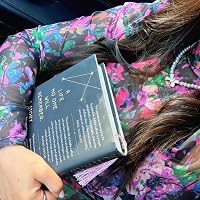
Decided to pick up this book at my local indie shop because it was calling my name. I knew I needed to read this….my inner child was like “READ IT NOW.” 😭😫
I rate this 5 ⭐️ stars. The first chapter “What happened to you as a child” was extremely insightful. The author pointed out in depth facts I never knew about myself. For example, As a child, we look like a kid, and dress like a kid but did we “FEEL” like a kid? On the inside, no. Thats because our home life was a living hell. Ooh yes. I was the “withdrawn child” and I swear, this book made me want to cry. Most of it from relief, pain, and years of anger. People have *no damn idea* unless you were the “child of an alcoholic” and lived with one your entire life. 💆🏽♀️
The author made really valid points throughout the book and made me understand more about myself like impulsive behaviors, abandonment issues, why us “adult children of alcoholics” are the way we are……Well, if you want to know more, pick up this book. You won’t regret it. Thanks Janet Geringer Woititz for helpin a sis out. Life is about healing and growing…..so do yourself a favor and slowly make that change. Reading this book for starters will help with that.
I rate this 5 ⭐️ stars. The first chapter “What happened to you as a child” was extremely insightful. The author pointed out in depth facts I never knew about myself. For example, As a child, we look like a kid, and dress like a kid but did we “FEEL” like a kid? On the inside, no. Thats because our home life was a living hell. Ooh yes. I was the “withdrawn child” and I swear, this book made me want to cry. Most of it from relief, pain, and years of anger. People have *no damn idea* unless you were the “child of an alcoholic” and lived with one your entire life. 💆🏽♀️
The author made really valid points throughout the book and made me understand more about myself like impulsive behaviors, abandonment issues, why us “adult children of alcoholics” are the way we are……Well, if you want to know more, pick up this book. You won’t regret it. Thanks Janet Geringer Woititz for helpin a sis out. Life is about healing and growing…..so do yourself a favor and slowly make that change. Reading this book for starters will help with that.
July 11, 2020
We've long known that children of alcoholics are impacted by their upbringing in an alcoholic home. After all, Alateen was established in 1957. But the idea that such effects persisted into adulthood was rarely attended to before the 1980, before the founding of ACoA in 1978 and the publication of Claudia Black's bestseller It Will Never Happen to Me! in 1987. Woititz's doctoral thesis (1976) and this book (1983) are early explorations of the issues confronting Adult Children of Alcoholics (ACoAs).
Woititz's book is clearly written and well-organized. It falls into three parts:
1) How does a parent's alcoholism impact children? In the introduction and Part One, Woititz discusses three main effects of children's exposure to an alcoholic household: First, such a child is robbed of his or her chance at a carefree childhood (pp. 3-4); since being carefree requires a safe, predictable environment--and an alcoholic household is anything but--this loss of "carefreeness" certainly makes sense.
Similarly, Woititz points out that such children's self-esteem is often damaged (pp. xxii-xxiii): "The literature indicates that the conditions which lead an individual to value himself...can be...summarized by the terms 'Parental warmth,' 'clearly defined limits' and 'respectful treatment.'" But, obviously, such conditions are at best inconsistent in an alcoholic household.
Thirdly, Woititz points out that, in response to the child's need to keep the "family secret" of a parent's alcoholism, and the child's damaged self-esteem, a child often takes on one of four (now-famous) "family roles" to cope with the problem at home:
a) Hero: The child seeks self-esteem through hyper-responsibility and over-
achievement.
b) Scapegoat: The child becomes a conspicuous troublemaker. Perhaps this is
a kind of "self-fulfilling prophecy": If an alcoholic parent constantly berates a child
as "no good," the child ends up "living up to the label" and behaves like a
"no goodnik." On the other hand, perhaps the child's misbehavior is exaggerated,
and becomes the scapegoat in a family's futile attempt to distract from the 1,000-
pound elephant in the household (viz., the alcoholic parent).
c) Mascot/Clown The child seeks to be a humorous center-of-attention.
Perhaps this is an effect of trying to use humor to defuse tense family conflicts
concerning a parent's alcoholism. This "court jester" personality becomes a
way of life for the Mascot.
d) Lost Child The child withdraws from the stressful world into his or her
own imaginations and pursuits.
Of course, these Roles of Children of Alcoholics is now in all the textbooks
2) How does a child's experiences of an alcoholic household persist into adulthood?
Woititz lists 13 traits which have an increased likelihood in ACoAs:
*Guess at what normal behavior is
*Have difficulty following a project through from beginning to end
*Lie when it would be just as easy to tell the truth
*Judge themselves without mercy
*Have difficulty having fun
*Take themselves very seriously
*Have difficulty with intimate relationships
*Overreact to changes over which they have no control
*Constantly seek approval and affirmation
*Feel that they're different from other people
*Are super responsible or super irresponsible
*Are extremely loyal, even in the face of evidence that the loyalty is undeserved
*Are impulsive
Note: It's worth comparing this list to the 1978 "Laundry List" compiled by ACoA support groups.
3) How might we mitigate the damaged caused by an upbringing in an alcoholic household? Once an ACOA notices some (or all) of the above 13 characteristics in their own orientation towards life, such deficits can be confronted. In the third part of Woititz's book, she recounts various common-sense thoughts and actions to help guide the ACOA away from the deficit(s).
I tend to think that an ACOA might require more support than just reading 70 pages in a book (pp. 97-168). Sustained individual- or group- therapy may very well be called for. For a lucid illustration of what such therapy looks like, see Szifra Birke's book, Together We Heal.
All-in-all, this is a fine primer for those who wish to inquire about the issues attaching to upbringing in an alcoholic household.
Woititz's book is clearly written and well-organized. It falls into three parts:
1) How does a parent's alcoholism impact children? In the introduction and Part One, Woititz discusses three main effects of children's exposure to an alcoholic household: First, such a child is robbed of his or her chance at a carefree childhood (pp. 3-4); since being carefree requires a safe, predictable environment--and an alcoholic household is anything but--this loss of "carefreeness" certainly makes sense.
Similarly, Woititz points out that such children's self-esteem is often damaged (pp. xxii-xxiii): "The literature indicates that the conditions which lead an individual to value himself...can be...summarized by the terms 'Parental warmth,' 'clearly defined limits' and 'respectful treatment.'" But, obviously, such conditions are at best inconsistent in an alcoholic household.
Thirdly, Woititz points out that, in response to the child's need to keep the "family secret" of a parent's alcoholism, and the child's damaged self-esteem, a child often takes on one of four (now-famous) "family roles" to cope with the problem at home:
a) Hero: The child seeks self-esteem through hyper-responsibility and over-
achievement.
b) Scapegoat: The child becomes a conspicuous troublemaker. Perhaps this is
a kind of "self-fulfilling prophecy": If an alcoholic parent constantly berates a child
as "no good," the child ends up "living up to the label" and behaves like a
"no goodnik." On the other hand, perhaps the child's misbehavior is exaggerated,
and becomes the scapegoat in a family's futile attempt to distract from the 1,000-
pound elephant in the household (viz., the alcoholic parent).
c) Mascot/Clown The child seeks to be a humorous center-of-attention.
Perhaps this is an effect of trying to use humor to defuse tense family conflicts
concerning a parent's alcoholism. This "court jester" personality becomes a
way of life for the Mascot.
d) Lost Child The child withdraws from the stressful world into his or her
own imaginations and pursuits.
Of course, these Roles of Children of Alcoholics is now in all the textbooks
2) How does a child's experiences of an alcoholic household persist into adulthood?
Woititz lists 13 traits which have an increased likelihood in ACoAs:
*Guess at what normal behavior is
*Have difficulty following a project through from beginning to end
*Lie when it would be just as easy to tell the truth
*Judge themselves without mercy
*Have difficulty having fun
*Take themselves very seriously
*Have difficulty with intimate relationships
*Overreact to changes over which they have no control
*Constantly seek approval and affirmation
*Feel that they're different from other people
*Are super responsible or super irresponsible
*Are extremely loyal, even in the face of evidence that the loyalty is undeserved
*Are impulsive
Note: It's worth comparing this list to the 1978 "Laundry List" compiled by ACoA support groups.
3) How might we mitigate the damaged caused by an upbringing in an alcoholic household? Once an ACOA notices some (or all) of the above 13 characteristics in their own orientation towards life, such deficits can be confronted. In the third part of Woititz's book, she recounts various common-sense thoughts and actions to help guide the ACOA away from the deficit(s).
I tend to think that an ACOA might require more support than just reading 70 pages in a book (pp. 97-168). Sustained individual- or group- therapy may very well be called for. For a lucid illustration of what such therapy looks like, see Szifra Birke's book, Together We Heal.
All-in-all, this is a fine primer for those who wish to inquire about the issues attaching to upbringing in an alcoholic household.

January 10, 2021
I didn't grow up with alcoholics but it was a good read nonetheless. For the most part it is geared towards ACoA but I think anyone who grew up with any kind of dysfunction or anyone who wants to extra make sure to not inadvertently do any damage bringing up their own children would benefit from reading this book.

April 5, 2022
Ši knyga tai vienas iš tų itin retų variantų, kai 1983 metų knyga vis dar ypač aktuali šiomis dienomis. O ypatingai pas mus, Lietuvoje.
Nepaslaptis, kad mūsų ir mūsų tėvų kartos užaugo tame laikotarpyje, kai bent vieną į alkoholizmo liūną panirusį žmogų šeimoje turėjo kas antras iš mūsų.
Užaugome tokiame laikotarpyje, ir su tokiais mus supančiais žmonėmis, kurių pasekmes jaučiame iki šių dienų.
Ši knyga būtent apie tai ir pasakoja. Ir nors ir autorė rašydama kreipiasi į alkoholiko vaiką, tačiau bendrų bruožų čia galime rasti beveik kiekvienas.
Kaip ir autorė pati pabrėžia, NORMALUMAS YRA MITAS. Ir normalių šeimų nebūna. O ši knyga ir yra skirta visų nenormalių šeimų vaikams.
Čia autorė jums atsakys į šiuos klausimus:
1. Ką alkoholikų vaikai matė vaikystėje? Ko jie buvo mokomi? Kaip auklėjami? Ko jie negavo iš savo tėvų arba gavo per mažai? Kaip visa tai atsiliepia dabar ir kaip tai pakeisti?
2. Ką jie patiriate dabar? Kaip reaguoja į tam tikras situacijas?
3. Kokias vertybes, stiprybes ir silpnybes jie pasiimė iš tokios vaikystės.
5. Kaip ištrūkti iš šio užburto rato?
6. Kas bus su jų vaikais? Ar šios savybės persiduos vaikams?
7. Kaip nustoti meluoti sau ir savo artimiesiems?
8. Kodėl alkoholikų vaikai ypač atsakingi arba labai neatsakingi?
Ir paskutinis, bet pats įdomiausias:
9. Alkoholikų vaikų tipai. Skirtingi tipai į ką išauga "nenormalioje" šeimoje augantis vaikas.
Negaliu perteikti visos informacijos, ką radau šioje knygoje. Belieka tik tikėtis, kad jus sudominau ir perskaitysite ją patys.
Tai tikrai labai labai taikli knyga visiems iš mūsų, visų mūsų šeimoms... Atveria akys, priverčia į kai kuriuos dalykus žiūrėti kitaip, vertinti žmones kitaip.
O dar kai yra toks platus išdėstymas kaip elgtis, kad būtų geriau, kaip su tuo kovoti, kaip tai priimti, kaip tai išnaudoti teigiama linkme...
Aš visada už tas knygas, iš kurių dar ir galima pasimokyti...
Nepaslaptis, kad mūsų ir mūsų tėvų kartos užaugo tame laikotarpyje, kai bent vieną į alkoholizmo liūną panirusį žmogų šeimoje turėjo kas antras iš mūsų.
Užaugome tokiame laikotarpyje, ir su tokiais mus supančiais žmonėmis, kurių pasekmes jaučiame iki šių dienų.
Ši knyga būtent apie tai ir pasakoja. Ir nors ir autorė rašydama kreipiasi į alkoholiko vaiką, tačiau bendrų bruožų čia galime rasti beveik kiekvienas.
Kaip ir autorė pati pabrėžia, NORMALUMAS YRA MITAS. Ir normalių šeimų nebūna. O ši knyga ir yra skirta visų nenormalių šeimų vaikams.
Čia autorė jums atsakys į šiuos klausimus:
1. Ką alkoholikų vaikai matė vaikystėje? Ko jie buvo mokomi? Kaip auklėjami? Ko jie negavo iš savo tėvų arba gavo per mažai? Kaip visa tai atsiliepia dabar ir kaip tai pakeisti?
2. Ką jie patiriate dabar? Kaip reaguoja į tam tikras situacijas?
3. Kokias vertybes, stiprybes ir silpnybes jie pasiimė iš tokios vaikystės.
5. Kaip ištrūkti iš šio užburto rato?
6. Kas bus su jų vaikais? Ar šios savybės persiduos vaikams?
7. Kaip nustoti meluoti sau ir savo artimiesiems?
8. Kodėl alkoholikų vaikai ypač atsakingi arba labai neatsakingi?
Ir paskutinis, bet pats įdomiausias:
9. Alkoholikų vaikų tipai. Skirtingi tipai į ką išauga "nenormalioje" šeimoje augantis vaikas.
Negaliu perteikti visos informacijos, ką radau šioje knygoje. Belieka tik tikėtis, kad jus sudominau ir perskaitysite ją patys.
Tai tikrai labai labai taikli knyga visiems iš mūsų, visų mūsų šeimoms... Atveria akys, priverčia į kai kuriuos dalykus žiūrėti kitaip, vertinti žmones kitaip.
O dar kai yra toks platus išdėstymas kaip elgtis, kad būtų geriau, kaip su tuo kovoti, kaip tai priimti, kaip tai išnaudoti teigiama linkme...
Aš visada už tas knygas, iš kurių dar ir galima pasimokyti...

February 28, 2008
A groundbreaking and lifesaving book! Janet Woititz spoke to a lot of people who thought that no one else had their emotional challenges and helped them see that they weren't crazy and it wasn't hopeless. Without bashing alcoholic parents who were doing the best they could, she helps people understand some life skills and people skills that their role models just weren't able to teach them very well. Given that somewhere over 10% of Americans have had serious drinking problems in past and present generations, and an awful lot of them have had kids, a lot of people - and every psychotherapist - should have this book handy.

August 16, 2023
Knyga skirta ne tik suaugusiems alkoholikų vaikams, bet ir tiems, kurie susidūrė su kitokio pobūdžio piktnaudžiavimu: priklausomybės nuo lošimų ar narkotikų, religinių įsitikinimų ar smurto šeimoje. Galbūt buvo įvaikinti ar augo kitokioje nedarnioje šeimoje.
Autorė įsitikinusi - žinojimas išlaisvina, ir tiems, kas atpažins save, atsivers naujos galimybės. Galbūt pasiryšit įdėti pastangų ir pakeisti bruožus, sunkinančius Jūsų gyvenimą, o gal nesiimsit nieko. Bet kuriuo atveju knygos skaitytojai geriau pažins save, o tai padės geriau save suprasti. Šitai savo ruožtu įgalins ugdyti savimonę.
Rekomenduoju.
Autorė įsitikinusi - žinojimas išlaisvina, ir tiems, kas atpažins save, atsivers naujos galimybės. Galbūt pasiryšit įdėti pastangų ir pakeisti bruožus, sunkinančius Jūsų gyvenimą, o gal nesiimsit nieko. Bet kuriuo atveju knygos skaitytojai geriau pažins save, o tai padės geriau save suprasti. Šitai savo ruožtu įgalins ugdyti savimonę.
Rekomenduoju.

October 19, 2022
3.5 stars. Some good information but it's showing its age.
March 16, 2024
Look elsewhere, this book is dated. This review is about a 15 minute read. I do not think highly of this book, this is a somewhat in depth review but I don't want to toot my own horn, this book just made me angry enough to write a couple thousand words about how it isn't good. I literally signed up for goodreads just so I could publish this review since it is too long for Amazon.
I'm an adult child of an alcoholic, I'm in my early thirties and am finally coming to awareness about the abuse I suffered after many years of therapy. I haven't had a chance to dive into my experience with an alcoholic abuser for a "parent" in therapy yet (had many other things come up first), so I thought this book could be a good starting point. I don't think so now. I hope if you're anything like me you will decide to look for healing elsewhere.
First things first, this book is intrinsically linked to Alcoholics Anonymous and The 12 Step Program. As an atheist that does not believe in a god or any kind of higher power (the universe is random chaos), I was instantly at odds with a lot of this book. I blame myself for not looking into this further.
I don't believe in giving up my autonomy so that I can have some higher power be responsible for my life. I don't believe in absolving my sperm donor of his responsibility to be a good parent because he was an addict. I'm an addict too, and I've chosen not to be an abusive piece of garbage, he could have too. Addiction is brutal, but that does not absolve perpetrators of abuse of the responsibility to not be abusive.
On this note, the author of this book literally causes one of her patients to be an ongoing victim of abuse.
On page 129, an example is given of a so called "lovely young couple" who had a problem they couldn't resolve. The wife was a child of an alcoholic parent, and the man had high blood pressure due to a high stress job. His condition was genetic. HE REFUSED TO TAKE HIS MEDICATION BECAUSE OF THE SIDE EFFECTS. Already he is in the wrong. Blood pressure medication generally has minimal side effects. Even my abuser managed to take his blood pressure meds, not that it did anything to combat his awfulness mind you.
It was apparently important for the man of this couple that he not repress his anger and let it out in ways that were "not harmful". So he started yelling all the time. In the car, in the house, about everything stressing him out and literally having tantrums. According to this author and I suppose the common view of the time, his yelling was "harmless to others and healthy for him".
This is a lie. Catharsis through anger is not real. This has been well established by many studies over the last 20 years. Venting anger does not absolve it, you are training yourself to be emotionally reactive and violent. I have experienced and learned this myself through life and therapy. Google the studies if you need more convincing. The current publishers of this book should be ashamed for selling something like this which has been proven wrong for the last 20 years.
So back to our lovely young couple. The wife obviously was having a hard time with the constant abuse from her husband (yelling is abuse), but still wanted her husband to express his feelings in a healthy way. In what can only be described as idiotic, the author states that this is a double message, "Don't be afraid to tell me what you feel, as long as you feel what I want you to feel." So a wife asking her husband not to abuse her and instead try to be introspective is "overreacting".
The wife in this story had an abusive parent who constantly yelled, screamed and banged on doors. Very frightening and traumatizing for a child, and anyone really, verbal abuse sucks. But apparently it's TOTALLY OKAY for her husband to not take his medication and lash out in abuse. That this abuse being triggering for the wife is her having overreaction. This example undermines everything written in this book for me.
Not to mention the author contradicts herself here later in the book when she mentions ACoA will often couple with someone who reflects the patterns of abuse they grew up with. But this guy's yelling is TOTALLY HEALTHY. What an absolute load of bull. I can't return this book now because I crumpled it up in anger after reading this, but at least I can write this scathing review.
The author strikes me as a touch anti-woman. One of her clients is having surgery for a hysterectomy and is again told that she is overreacting because she wants her husband to look after her for a couple of days. Eventually they are able to navigate the husband's fragile emotions around having to do house care for a couple of days. Hooray.
Here's another example when the author advocates for abuse just for good measure: A 40 year old mother is having a surprise party but her 20 year old daughter was "obnoxious". No other details given. Client wanted to yell at and abuse her daughter in public, but held back thankfully. Then the author says, "No I think you should have yelled at your daughter, that's what I think she deserved." What a vindictive awful woman. Clearly she needed to do more work on overcoming her abusive past.
Onto more of this book's flaws. It is incredibly shallow and short. I read it in an afternoon with little difficulty. The examples are overly general and outdated. The text is huge (presumably for the boomers that this book was likely written for). The statements on the back of this book are repeated twice and then elaborated on with explanations for why you may display the certain behaviours of ACoA (these just mostly seem like the author's experience, but client examples are given). Admittedly there is some value in these statements, which is why I gave this book two stars instead of one. Real high bar. You'd be better off just taking the statements on the back of this book and using that to examine your own life (ideally discuss with a good therapist).
Just a little criticism from a personal taste stand point, there are way too many poems. I was half expecting Tom Bombadil to pop off a rhyme about how Men of The West shouldn't drink too much ale and beat their wives. With around half a dozen poems scattered throughout this short book, it really cuts into the amount of actual beneficial information that fits into the pages. Maybe I just don't like poetry.
The author tries to speak on the difficulties ACoA have with procrastination, but she blames it on ignorance of the process in getting things done. This is again, not true. Procrastination comes from fear. Not being shown how to handle the emotion of completing a task is absolutely a valid take, but the root is fear, not ignorance. More outdated information.
The examples of frequent lying are at least from clients, but again it's pretty straightforward stuff. Your alcoholic parent lied to you and you had to lie to navigate life around them. Lying becomes habitual. Definitely didn't need this book for me to know that.
Statements 5 and 6 (difficulty having fun and taking themselves too seriously) are treated the same and given one chapter together. The only information you need is that your alcoholic parent squashed your childhood spontaneity with their abuse. Deep stuff.
Do you have difficulty having fun? Just spend time with people who are fun she says. Are you too serious and a workaholic? Set up a schedule to do other things. So easy, barely an inconvenience.
The sections on intimacy and romantic relationships were not useful. As someone with severe attachment problems, I found the information in Attachment Disturbances in Adults by Daniel P Brown to be the best I've found. I can't advocate for the therapeutic methods in that book, but the general information on why you have the attachment style you do is incredibly in depth and well researched. If you struggle with Avoidant, Anxious or Disorganized attachment issues, I recommend that book, but it is a difficult read.
"ACoA feel different from other people". The author gives examples for this, but it's a simple statement that doesn't need much elaboration. Trauma separates you from people and makes you feel isolated. There I saved you twenty bucks.
In the section of judging themselves without mercy, the author describes that you just judge yourself too harshly, and other people would find value in the nastiest parts of yourself. The example given seems rather silly, in a class setting ACoA put their undesired traits on a pretend monster in the circle, and then other people will pick up parts of that. "Just stop judging yourself so much" she says. Just do it. Wow I'm cured.
Now, she does say in the section of gaining self confidence to celebrate yourself for every little win that you can. This is healthy and something of value I agree in. But then obviously she suggests AA and church as healing methods. No thanks.
Do you lock yourself into a course of action due to stubbornness? According to Janet, that's because you're equivalent to a two year old that can't keep themselves from running into traffic. You just want attention. Feeling impulsive? Just be patient. Thanks Jan, I never considered taking a moment to ponder the consequences of my actions because I'm a two year old. Ridiculous. I don't know about you, but I have plenty of self awareness, but maybe someone will find value in being told to stop acting like a toddler. Her best bet at getting you to think on your actions is, "What if you were caught/being watched?". Not really interested in using the Fear of God to motivate me thanks, more anxiety isn't what I need.
Several times over the book the author says that being a child of an alcoholic is no more harmful than other kinds of stressful situations. I don't know why she felt the need to make this stipulation so many times. Very big "oh you were abused, tough shit other people were too" vibes.
All this being said, there is some helpful advice for parents at the end on how not to be garbage parents (general common sense like, give affection, be a good role model, tell the truth, and listen to your kids). Groundbreaking stuff. But of course she says "encourage your kids to go to AA and see alcoholism as an uncontrollable disease". No.
Towards the end, there is the advice to detach from your alcoholic abusive parent. All that is given is, "learn to separate yourself from them in a way that will not add to your stress." Again, not sure I needed this book to tell me what I'm already doing, but maybe this one sentence will help you, dear reader, and prevent you from wasting money on this book.
On spirituality, she does say that during recovery the spiritual portion will happen in your own way and your own time. So at least she knows that religious belief in a god isn't actually necessary despite advocating for it in the previous 200 pages (well less than that if you take out the poems).
Also the author seems really adamant that ACoA shouldn't blame their parents for what happened. Guess she feels guilty about being a bad mother. Sharing horror stories as she says it, has been very beneficial and healing for me. Knowing objectively that the way I was treated was wrong, but having difficulty internalizing it, having people validate that I was wronged has helped me to take the next step in being responsible for myself and take steps to detach. I found a community online for this, as sharing with people who don't understand can be re traumatizing. She says "no amends from your parents will fix the past", but I don't know, I'd really appreciate an apology from my abusive parents, wouldn't you? I guess she understands that the apology will never come, and that you must look to yourself and to stay present in order to heal. Some helpful advice in the weeds of this book. Two stars well earned.
Anyways, if you've gotten to the end of this review, I really don't think you should buy or read this book. Google a photo of the back of it, take the thirteen general statements and do some introspective journaling or work with a therapist to see how they apply to your own life, then take some actionable steps towards your problems. Reading this book made me angry, not because I gained new insights, but because it was a largely unhelpful read.
For books I do recommend, look into Adult Children of Emotionally Immature Parents by L. Gibson and Attachment Disturbances in Adults by Daniel P Brown. Not specific to alcoholism, but much more helpful. I'll be looking into other books on alcoholism in hopes of learning actual information.
For Lisa Woititz, if you're reading this, I'm sorry your mother failed you. Maybe rewrite her book a bit. Cheers.
I'm an adult child of an alcoholic, I'm in my early thirties and am finally coming to awareness about the abuse I suffered after many years of therapy. I haven't had a chance to dive into my experience with an alcoholic abuser for a "parent" in therapy yet (had many other things come up first), so I thought this book could be a good starting point. I don't think so now. I hope if you're anything like me you will decide to look for healing elsewhere.
First things first, this book is intrinsically linked to Alcoholics Anonymous and The 12 Step Program. As an atheist that does not believe in a god or any kind of higher power (the universe is random chaos), I was instantly at odds with a lot of this book. I blame myself for not looking into this further.
I don't believe in giving up my autonomy so that I can have some higher power be responsible for my life. I don't believe in absolving my sperm donor of his responsibility to be a good parent because he was an addict. I'm an addict too, and I've chosen not to be an abusive piece of garbage, he could have too. Addiction is brutal, but that does not absolve perpetrators of abuse of the responsibility to not be abusive.
On this note, the author of this book literally causes one of her patients to be an ongoing victim of abuse.
On page 129, an example is given of a so called "lovely young couple" who had a problem they couldn't resolve. The wife was a child of an alcoholic parent, and the man had high blood pressure due to a high stress job. His condition was genetic. HE REFUSED TO TAKE HIS MEDICATION BECAUSE OF THE SIDE EFFECTS. Already he is in the wrong. Blood pressure medication generally has minimal side effects. Even my abuser managed to take his blood pressure meds, not that it did anything to combat his awfulness mind you.
It was apparently important for the man of this couple that he not repress his anger and let it out in ways that were "not harmful". So he started yelling all the time. In the car, in the house, about everything stressing him out and literally having tantrums. According to this author and I suppose the common view of the time, his yelling was "harmless to others and healthy for him".
This is a lie. Catharsis through anger is not real. This has been well established by many studies over the last 20 years. Venting anger does not absolve it, you are training yourself to be emotionally reactive and violent. I have experienced and learned this myself through life and therapy. Google the studies if you need more convincing. The current publishers of this book should be ashamed for selling something like this which has been proven wrong for the last 20 years.
So back to our lovely young couple. The wife obviously was having a hard time with the constant abuse from her husband (yelling is abuse), but still wanted her husband to express his feelings in a healthy way. In what can only be described as idiotic, the author states that this is a double message, "Don't be afraid to tell me what you feel, as long as you feel what I want you to feel." So a wife asking her husband not to abuse her and instead try to be introspective is "overreacting".
The wife in this story had an abusive parent who constantly yelled, screamed and banged on doors. Very frightening and traumatizing for a child, and anyone really, verbal abuse sucks. But apparently it's TOTALLY OKAY for her husband to not take his medication and lash out in abuse. That this abuse being triggering for the wife is her having overreaction. This example undermines everything written in this book for me.
Not to mention the author contradicts herself here later in the book when she mentions ACoA will often couple with someone who reflects the patterns of abuse they grew up with. But this guy's yelling is TOTALLY HEALTHY. What an absolute load of bull. I can't return this book now because I crumpled it up in anger after reading this, but at least I can write this scathing review.
The author strikes me as a touch anti-woman. One of her clients is having surgery for a hysterectomy and is again told that she is overreacting because she wants her husband to look after her for a couple of days. Eventually they are able to navigate the husband's fragile emotions around having to do house care for a couple of days. Hooray.
Here's another example when the author advocates for abuse just for good measure: A 40 year old mother is having a surprise party but her 20 year old daughter was "obnoxious". No other details given. Client wanted to yell at and abuse her daughter in public, but held back thankfully. Then the author says, "No I think you should have yelled at your daughter, that's what I think she deserved." What a vindictive awful woman. Clearly she needed to do more work on overcoming her abusive past.
Onto more of this book's flaws. It is incredibly shallow and short. I read it in an afternoon with little difficulty. The examples are overly general and outdated. The text is huge (presumably for the boomers that this book was likely written for). The statements on the back of this book are repeated twice and then elaborated on with explanations for why you may display the certain behaviours of ACoA (these just mostly seem like the author's experience, but client examples are given). Admittedly there is some value in these statements, which is why I gave this book two stars instead of one. Real high bar. You'd be better off just taking the statements on the back of this book and using that to examine your own life (ideally discuss with a good therapist).
Just a little criticism from a personal taste stand point, there are way too many poems. I was half expecting Tom Bombadil to pop off a rhyme about how Men of The West shouldn't drink too much ale and beat their wives. With around half a dozen poems scattered throughout this short book, it really cuts into the amount of actual beneficial information that fits into the pages. Maybe I just don't like poetry.
The author tries to speak on the difficulties ACoA have with procrastination, but she blames it on ignorance of the process in getting things done. This is again, not true. Procrastination comes from fear. Not being shown how to handle the emotion of completing a task is absolutely a valid take, but the root is fear, not ignorance. More outdated information.
The examples of frequent lying are at least from clients, but again it's pretty straightforward stuff. Your alcoholic parent lied to you and you had to lie to navigate life around them. Lying becomes habitual. Definitely didn't need this book for me to know that.
Statements 5 and 6 (difficulty having fun and taking themselves too seriously) are treated the same and given one chapter together. The only information you need is that your alcoholic parent squashed your childhood spontaneity with their abuse. Deep stuff.
Do you have difficulty having fun? Just spend time with people who are fun she says. Are you too serious and a workaholic? Set up a schedule to do other things. So easy, barely an inconvenience.
The sections on intimacy and romantic relationships were not useful. As someone with severe attachment problems, I found the information in Attachment Disturbances in Adults by Daniel P Brown to be the best I've found. I can't advocate for the therapeutic methods in that book, but the general information on why you have the attachment style you do is incredibly in depth and well researched. If you struggle with Avoidant, Anxious or Disorganized attachment issues, I recommend that book, but it is a difficult read.
"ACoA feel different from other people". The author gives examples for this, but it's a simple statement that doesn't need much elaboration. Trauma separates you from people and makes you feel isolated. There I saved you twenty bucks.
In the section of judging themselves without mercy, the author describes that you just judge yourself too harshly, and other people would find value in the nastiest parts of yourself. The example given seems rather silly, in a class setting ACoA put their undesired traits on a pretend monster in the circle, and then other people will pick up parts of that. "Just stop judging yourself so much" she says. Just do it. Wow I'm cured.
Now, she does say in the section of gaining self confidence to celebrate yourself for every little win that you can. This is healthy and something of value I agree in. But then obviously she suggests AA and church as healing methods. No thanks.
Do you lock yourself into a course of action due to stubbornness? According to Janet, that's because you're equivalent to a two year old that can't keep themselves from running into traffic. You just want attention. Feeling impulsive? Just be patient. Thanks Jan, I never considered taking a moment to ponder the consequences of my actions because I'm a two year old. Ridiculous. I don't know about you, but I have plenty of self awareness, but maybe someone will find value in being told to stop acting like a toddler. Her best bet at getting you to think on your actions is, "What if you were caught/being watched?". Not really interested in using the Fear of God to motivate me thanks, more anxiety isn't what I need.
Several times over the book the author says that being a child of an alcoholic is no more harmful than other kinds of stressful situations. I don't know why she felt the need to make this stipulation so many times. Very big "oh you were abused, tough shit other people were too" vibes.
All this being said, there is some helpful advice for parents at the end on how not to be garbage parents (general common sense like, give affection, be a good role model, tell the truth, and listen to your kids). Groundbreaking stuff. But of course she says "encourage your kids to go to AA and see alcoholism as an uncontrollable disease". No.
Towards the end, there is the advice to detach from your alcoholic abusive parent. All that is given is, "learn to separate yourself from them in a way that will not add to your stress." Again, not sure I needed this book to tell me what I'm already doing, but maybe this one sentence will help you, dear reader, and prevent you from wasting money on this book.
On spirituality, she does say that during recovery the spiritual portion will happen in your own way and your own time. So at least she knows that religious belief in a god isn't actually necessary despite advocating for it in the previous 200 pages (well less than that if you take out the poems).
Also the author seems really adamant that ACoA shouldn't blame their parents for what happened. Guess she feels guilty about being a bad mother. Sharing horror stories as she says it, has been very beneficial and healing for me. Knowing objectively that the way I was treated was wrong, but having difficulty internalizing it, having people validate that I was wronged has helped me to take the next step in being responsible for myself and take steps to detach. I found a community online for this, as sharing with people who don't understand can be re traumatizing. She says "no amends from your parents will fix the past", but I don't know, I'd really appreciate an apology from my abusive parents, wouldn't you? I guess she understands that the apology will never come, and that you must look to yourself and to stay present in order to heal. Some helpful advice in the weeds of this book. Two stars well earned.
Anyways, if you've gotten to the end of this review, I really don't think you should buy or read this book. Google a photo of the back of it, take the thirteen general statements and do some introspective journaling or work with a therapist to see how they apply to your own life, then take some actionable steps towards your problems. Reading this book made me angry, not because I gained new insights, but because it was a largely unhelpful read.
For books I do recommend, look into Adult Children of Emotionally Immature Parents by L. Gibson and Attachment Disturbances in Adults by Daniel P Brown. Not specific to alcoholism, but much more helpful. I'll be looking into other books on alcoholism in hopes of learning actual information.
For Lisa Woititz, if you're reading this, I'm sorry your mother failed you. Maybe rewrite her book a bit. Cheers.

April 15, 2021
I feel the need to start this review by clarifying that my parents are NOT and never have been alcoholics!
This book was recommended to me as helpful in generally understanding the impact of traumatic/dysfunctional situations on children, and how it affects their thoughts, feelings and decisions as they get older. In that context, I think everyone could benefit from reading this book (or at least the first two sections), because even those without difficult childhoods will likely interact with at LEAST one person in their lives who is struggling with the effects of a difficult childhood. The first two sections do a good job of laying out the kinds of struggles involved, what's unusually difficult, and why.
I don't agree with everything about where the author is coming from, but the first two sections are nearly five stars for me, being very practical and mostly just descriptive of how things are. The third section, on how to improve in each of these areas has some helpful, practical advice, but also requires more discernment and thinking through which parts are just opinions that might have better approaches. The fourth section is less generally applicable, as it's parenting advice, and is again a mix of practical advice and just opinion.
I wouldn't necessarily recommend this book for younger readers to read straight through by themselves, as there are a few scattered references to sexual topics, though no detailed discussion.
This book was recommended to me as helpful in generally understanding the impact of traumatic/dysfunctional situations on children, and how it affects their thoughts, feelings and decisions as they get older. In that context, I think everyone could benefit from reading this book (or at least the first two sections), because even those without difficult childhoods will likely interact with at LEAST one person in their lives who is struggling with the effects of a difficult childhood. The first two sections do a good job of laying out the kinds of struggles involved, what's unusually difficult, and why.
I don't agree with everything about where the author is coming from, but the first two sections are nearly five stars for me, being very practical and mostly just descriptive of how things are. The third section, on how to improve in each of these areas has some helpful, practical advice, but also requires more discernment and thinking through which parts are just opinions that might have better approaches. The fourth section is less generally applicable, as it's parenting advice, and is again a mix of practical advice and just opinion.
I wouldn't necessarily recommend this book for younger readers to read straight through by themselves, as there are a few scattered references to sexual topics, though no detailed discussion.
February 8, 2019
Galima pagalvoti, kad ši knyga - siauram žmonių ratui, juk sergančių alkoholizmu nedaug, žmonės linkę išgerti tik kelias vyno taures penktadienį, tad juo labiau ir tokių vaikų - vienetai.
Pagalvojau, kad kiekvienas iš mūsų pažįsta bent po vieną žmogų iš nedarnios šeimos. Kiekvienas. Problemos yra slepiamos, priklausomybės neigiamos, o mėlynės tepamos pudra.
Ne kiekvienas skalambija, iš kokios šeimos atėjo. Tad galėti tarti taiklų žodį ar suprasti, kaip toks žmogus gali jaustis - svarbus dalykas. Kaip ir ši knyga, kuri savu laiku buvo parduodama iš po prekystalio, o dabar perleidžiama ne po vieną kartą.
Pagalvojau, kad kiekvienas iš mūsų pažįsta bent po vieną žmogų iš nedarnios šeimos. Kiekvienas. Problemos yra slepiamos, priklausomybės neigiamos, o mėlynės tepamos pudra.
Ne kiekvienas skalambija, iš kokios šeimos atėjo. Tad galėti tarti taiklų žodį ar suprasti, kaip toks žmogus gali jaustis - svarbus dalykas. Kaip ir ši knyga, kuri savu laiku buvo parduodama iš po prekystalio, o dabar perleidžiama ne po vieną kartą.

January 11, 2019
@ me @ me @ me
A really important book for folks who lived it and thought that adulthood would be the end of it. Turns out: it’s not. This book put names and feelings to behaviors I could never understand about myself, and I think it does a great job addressing many differentiated experiences that result from homes with addiction.
Also, it’s a great book for anyone wanting to study the advent of “family trauma” “dependency” and other buzz words in contemporary psychology. The research for the book presented a lot of the early framework in the 70s/80s.
A really important book for folks who lived it and thought that adulthood would be the end of it. Turns out: it’s not. This book put names and feelings to behaviors I could never understand about myself, and I think it does a great job addressing many differentiated experiences that result from homes with addiction.
Also, it’s a great book for anyone wanting to study the advent of “family trauma” “dependency” and other buzz words in contemporary psychology. The research for the book presented a lot of the early framework in the 70s/80s.

June 6, 2021
1.5 iš 5
Suaugę alkoholikų vaikai - tai psichologinė knyga, kurioje trumpai aprašoma, kaip alkoholizmas šeimoje veikia vaikus ir kaip vaikystė alkoholikų šeimoje įtakoja suaugusių vaikų charakterį ir požiūrį į gyvenimą, bei pateikiama keletas praktiškų patarimų, kaip pradėti keisti minėtas nepageidaujamas charakterio savybes.
Neabejoju, kad ši knyga be galo naudinga suaugusiems vaikams iš alkoholikų ar kitaip nedarnių šeimų, nes padeda ne tik geriau suprasti, kodėl jie yra linkę elgtis vienaip ar kitaip ir kaip galima tai pakeisti, bet ir nesijausti vienišiems.
Aš pati nesu iš alkoholikų šeimos, ir nors iš knygos aprašymo atrodė, kad beveik visos minimos charakterio savybės tinka ir man, klausydama šios knygos savęs mačiau mažai, todėl ji man nebuvo itin aktuali.
Aišku, visada gerai suprasti kaip ir kodėl mąsto kiti žmonės, juolab kad suaugusių alkoholikų vaikų pasaulyje tikrai netrūksta. Tačiau ši knyga atrodė labiau pagrįsta patirtimi ir asmeninėmis istorijomis nei moksliniais tyrimais bei faktais, todėl kaip psichologinė knyga man ji asmeniškai nebuvo įdomi. Taip pat joje nemažai pasikartojimų.
Suaugę alkoholikų vaikai - tai psichologinė knyga, kurioje trumpai aprašoma, kaip alkoholizmas šeimoje veikia vaikus ir kaip vaikystė alkoholikų šeimoje įtakoja suaugusių vaikų charakterį ir požiūrį į gyvenimą, bei pateikiama keletas praktiškų patarimų, kaip pradėti keisti minėtas nepageidaujamas charakterio savybes.
Neabejoju, kad ši knyga be galo naudinga suaugusiems vaikams iš alkoholikų ar kitaip nedarnių šeimų, nes padeda ne tik geriau suprasti, kodėl jie yra linkę elgtis vienaip ar kitaip ir kaip galima tai pakeisti, bet ir nesijausti vienišiems.
Aš pati nesu iš alkoholikų šeimos, ir nors iš knygos aprašymo atrodė, kad beveik visos minimos charakterio savybės tinka ir man, klausydama šios knygos savęs mačiau mažai, todėl ji man nebuvo itin aktuali.
Aišku, visada gerai suprasti kaip ir kodėl mąsto kiti žmonės, juolab kad suaugusių alkoholikų vaikų pasaulyje tikrai netrūksta. Tačiau ši knyga atrodė labiau pagrįsta patirtimi ir asmeninėmis istorijomis nei moksliniais tyrimais bei faktais, todėl kaip psichologinė knyga man ji asmeniškai nebuvo įdomi. Taip pat joje nemažai pasikartojimų.
Displaying 1 - 30 of 357 reviews