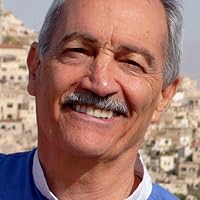
Long a hub for literary bohemians, countercultural musicians, and readers interested in a good browse, Kepler’s Books and Magazines is one of the most influential independent bookstores in American history. When owner Roy Kepler opened the San Francisco Bay Area store in 1955, he led the way as a pioneer in the "paperback revolution." He popularized the once radical idea of selling affordable books in an intellectually bracing coffeehouse atmosphere.
Paperback selling was not the only revolution Kepler supported, however. In Radical Chapters, Doyle sheds light on Kepler’s remarkable contributions to pacifism and social change. He highlights Kepler’s achievements in advocating radical pacifism during World War II, antinuclear activism during the Cold War era, and antiwar activism during the Vietnam War. During those decades, Kepler played an integral role, creating a community and a space to exchange ideas for such notable figures as Jerry Garcia, Joan Baez, and Stewart Brand. Doyle’s fascinating chronicle captures the man who inspired that community and offers a moving tribute to his legacy.
I was drawn to this book out of an interest in the paperback revolution, which Doyle touches on only briefly. Instead, this is primarily a biography of Roy Kepler and an interesting volume on pacifism in the United States from World War II through Vietnam. I learned a lot about the anti-war movement, especially as it existed during the 1940s, which I was not familiar with, and it also provided a colorful window into radical politics on the Peninsula (of the Bay Area) in the 1950s, 60s and 70s. The book was weighed down by its length and the decision to profile a wide array of people whose lives intersected with Kepler's. Some of these figures were integral to the narrative (Joan Baez, for example) but others were given several pages of description only to effectively vanish from the rest of the book. On the whole, Radical Chapters offered a fascinating look into American pacifism and unique era in Bay Area politics. It is not, however, a book about the paperback revolution.
Too much detail, too many names; but I'm not sure it could be done much differently. Ultimately a rather fascinating insight into a cross-section of society rarely seen; the peace/non-violence movement, and its influence today. There was much I didn't know about the bookstore business in the Bay Area (to say nothing of the draft resisters of WWII!). It's interesting; very interesting; but the writing is hampered with details and yet assumptions about who people are. i.e. it name-drops. Jerry Garcia? Linus Pauling? Joan Baez? Steve Wozniak? Along with dozens of other people. Roy seems to disappear for a couple decades at the end; and the book tries to cover ALL the bases and it almost does. It could've used a good editor.
None-the-less, a fascinating insight into a community that had far reaching influence.
This is highly recommended to those who grew up after WWII and were not involved in the west coast peace movement. It is very detailed account following pacifist and independent bookseller Roy Kepler. As another reviewer has commented there are a lot of characters mentioned in the book but many are icons of the peace movement; Joan Baez, Bayard Rustin, Bill Hayden, Gerry Garcia and David Dellinger to name just a few. There is some repetitiveness in the text that from my point of view helps the memory. The last chapter, "Book Wars" is an excellent capsulation of the competition from the huge corporate booksellers, B&N and Amazon and the local independents.
I loved this history of pacifist bookseller Roy Kepler and the many lives he touched. I grew up in the Bay Area, so I especially enjoyed learning about some of these counterculture characters and how they shaped the communities that molded me.