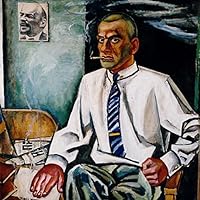
Russian theoretician Leon Trotsky or Leon Trotski, originally Lev Davidovitch Bronstein, led the Bolshevik of 1917, wrote Literature and Revolution in 1924, opposed the authoritarianism of Joseph Stalin, and emphasized world; therefore later, the Communist party in 1927 expelled him and in 1929 banished him, but he included the autobiographical My Life in 1930, and the behest murdered him in exile in Mexico.
The exile of Leon Trotsky in 1929 marked rule of Joseph Stalin.
People better know this Marxist. In October 1917, he ranked second only to Vladimir Lenin. During the early days of the Soviet Union, he served first as commissar of people for foreign affairs and as the founder and commander of the Red Army and of war. He also ranked among the first members of the Politburo.
After a failed struggle of the left against the policies and rise in the 1920s, the increasing role of bureaucracy in the Soviet Union deported Trotsky. An early advocate of intervention of Army of Red against European fascism, Trotsky also agreed on peace with Adolf Hitler in the 1930s. As the head of the fourth International, Trotsky continued to the bureaucracy in the Soviet Union, and Ramón Mercader, a Soviet agent, eventually assassinated him. From Marxism, his separate ideas form the basis of Trotskyism, a term, coined as early as 1905. Ideas of Trotsky constitute a major school of Marxist. The Soviet administration never rehabilitated him and few other political figures.
Certainly, an outstanding work done by Trotsky about a topic which only a few ever tackle - history of the revolution in Caucasus (Georgia).
It can also be called “An Exposé of the Georgian Menshevik Party”. Recently, the Menshevik rule in Georgia has gotten a lot of attention, hailing it as a democratic pinnacle of whole Caucasia. The reality couldn’t have been further from it.
Trotsky highlights many, MANY contradictions existing within DRG (Democratic Republic of Georgia) and exposes the myths upheld by Georgian Mensheviks, global imperialists and other significantly smaller nationalist-liberal groups in Georgia.
The largest of these myths, still prevalent and celebrated in modern Georgia, is one of great neutrality and independence of DRG’s internal and external politics. Not only DRG was NOT neutral, as it continuously aided the White Army during the civil war and helped Turkish and British imperialists kill the bolsheviks of Baku (including Georgian Bolshevik Prokopi Japaridze), but it was also not independent. Neutrality myth is also crushed by the fact that after an unstable union of 5 weeks, the Georgian state has waged a war against their old “friend” Armenia. And had border skirmishes with another “friend” Azerbaijan. This resulted in a total destabilization of the region and the growth of ethnic strife in Caucasus.
Throughout the small history of DRG, it was under the heavy influence (even governance) of very much present foreign armies of - Germans, Turks and British. Menshevik government did everything to appease German and British imperialists. Going as far as executing hundreds of Georgian Bolsheviks (there’s an another myth that in DRG there were no executions) and imprisoning around a 1000 Bolsheviks, which is huge compared to a meager population of 2 million Georgians.
Trotsky also exposes the instability of inner politics. How Mensheviks themselves admitted to the popularity of Bolshevism, especially amongst the workers and the peasants. First, they massacred old imperial Russian army stationed at the Turkish border (out of fear that they would support the Bolsheviks), which in turn made Georgian-Turkish border weak and DRG susceptible to Turkish invasion, which happened shortly afterwards. In result, DRG temporarily lost Batumi before it went to the hands of the British. Besides that, DRG saw countless of peasant revolts, especially in regions settled by ethnic minorities. The “democratic” Mensheviks saw no problem burning such villages to the ground Emperor Nero style (Menshevik minister himself made this comparison).
Such a brilliant exposé of what is now considered “a democracy that should be imitated” would have deserved 5 stars, if not for somewhat chauvinistic comments made by Trotsky, especially in chapter 7. This sort of chauvinism was typical of Trotsky, even Lenin has commented on it. So, it is very unfortunate, but in large doesn’t take away the brilliance of this treatise.
Every Georgian should ideally read this. And everyone who is interested in Georgian politics and history must be acquainted with it!
სანამ ბურჟუა შეხედულებებს გაიმეორებთ საქართველოს დამოუკიდებლობაზე და პრო-ევროპული სენტიმენტებით გაიხსენებთ ნოე ჟორდანის,ჩხენკელს და ზოგადად მენშევიკ "მარქსისტ" მთავრობას,რომელთა არსებობაც არაფერია თუ არა მუხრუჭი სოციალისტურ რევოლუციაზე და რომლის სიცოხლის ხანგრძლივობაც განაპირობა არა ქართველი ხალხის ნებამ(არა პოპულისტურად) არამედ დასავლური იმპერიალიზმის და რუსული თეთრი გვარდიის ინტერესებმა(აქვე ჩავურთავ დემოკრატიული და ევროპული გზით განვითარება ანუ ოსური სოფლების გადაწვა,როცა პროტესტი აგრარულ საკითხს ეხებოდა? ადამიანის უფლებების დაცვა,მაგრამ განსხვავებული აზრის გამო ადამიანების დახვრეტა/დაპატიმრება "ბოლშევიკურ ანარქიასთან" ბრძოლის სახელით? სიტყვის თავისუფლება ანუ ბოლშევიკური პრესის დაცენზურება? ),წაიკითხეთ ეს წიგნი და მოუსმინეთ თვითონ ქართველი პროლეტარიატის და გლეხის ავანგარდს:"Advanced workers! Tell the workers all the world over that for the first time in Georgian history the power in the country belongs to the workers and peasants. This power we hold firmly, and we surrender it to none. Before all the workers and peasants of the world we declare that, during their three and a half years’ rule, the Mensheviks did nothing for the Georgian workers. Nor had the Georgian peasant received the land promised him by the Mensheviks. The Mensheviks during all the time they held power were unable to restore international or internal peace in the country. Owing to their policy they made enemies not only of Soviet Russia, but also of the neighbouring republics. And – worst of all – they rendered extremely acute the relations between the different nationalities in their own country. Many a bloody conflict inside Georgia was due to their nationalist and jingo policy. The Soviet power on the contrary has already in a very brief space of time solved the most crucial questions. The toilers have already received the land, there is no more exploitation in the sphere of agriculture, national peace between all nationalities has been restored at home, and peaceful brotherly relations have been established with the Soviet and non-Soviet states surrounding Georgia. During the one year that the Soviets have held power in Georgia, external peace and calm within the country have not been disturbed for a single moment"
Another work that again convinces me Trotsky should have played his historical role in the revolution and then stuck it out as a political propagandist rather than attempt to form his own ideological analysis. A very well-written defense of the Soviet Union against social-democratic critics of the overthrow of the Menshevik government in Georgia, detailing the cooperation of the Mensheviks with imperialism, their hostility towards Bolshevism, and their crimes against the citizens of Georgia.
Only in the last three chapters does Trotsky attempt to insert a genuine political analysis, and ironically ends up contradicting both his earlier and later work. In the 9th chapter, "Self-Determination and the Revolution," Trotsky says, "The conquest of proletarian power must be the outcome of proletarian political experience," and rejects the idea that revolution can be "exported." This is a fundamentally correct line, but completely contradicts the foundations of permanent revolution. Trotsky would formulate Permanent Revolution as the DotP in Russia "giv[ing] a powerful impetus to the international socialist revolution." Obviously, the USSR did this, when Trotsky placed it in opposition to Socialism in One Country, he was essentially arguing that permanent revolution was a policy of exporting revolution; this is absolutely contrary to the correct political line he holds in this work.
Trotsky's exposure of the Menshevik government in Georgia which promoted "democracy" and "socialism" by killing thousands of revolutionary workers. What were the Mensheviks? Counter-revolutionaries allied with the military generals, with the rich, with the other murderous counter-revolutionaries. Highly recommended.
Reading this in 2022 is like reading President Vladimir Putin's and Dmitri Medvedev's statements about Russia's invasion of Ukraine. With a little find-and-replace, Trotsky's words would feel right at home coming from the Kremlin today.
Trostky is an excellent rhetorician. His prose is sarcastic, witty and persuasive. It takes knowing the facts on the ground to dispel some of his claims, and in the case of this pamphlet, he's responding two years later to a visit to the Republic of Georgia by a group of international socialists. His response comes after the Red Army seized Georgia and incorporated it into the fledgling Soviet state and serves a dual purpose of rebutting Karl Kautsky's impressions of Menshevik Georgia and justifying the Soviet takeover.
It was a very entertaining read (for me) and I would highly recommend it to anyone studying Soviet foreign policy of this era or the wind down of WWI.
The story or narration of counter revolution in Georgia after Russian revolution followed by winning of bolshevik forces. Trotsky wrote tge narration as the chapters gradually unfolded as the Georgian Menshevik government turned counter revolutionary and started killing deporting and arresting bolsheviks and common men.
The historic ascent of humanity, taken as a whole, may be summarized as a succession of victories of consciousness over blind forces - in nature, in society, in man himself.
Altogether a nice read and a great historical document. Trotsky never hidden his communism or Bolshevism while narrating the events. That one takes away good two stars.