

What do you think?
فصول من سيرة ذاتية #١
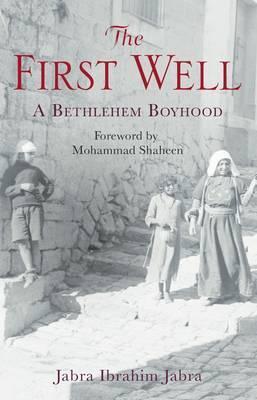
First Well
With a Proustian attention to details, Jabra, a prominent Arabic author who died in Iraq in 1994, recaptures his youth in British-mandated Bethlehem and Jerusalem, where he attended Greek Orthodox, Syriac Catholic, and "National" schools. There are a lot of firsts here: first fights with school playmates, first school indoctrinations about serving "the idea of Arabism" and "the Arabism of Palestine." Some readers may be offended by Jabra's casual, uncritical reference to Jewish ritual murder: "Our mothers continually warned against those Jews, saying they kidnapped children in Jewish festivals, in order to slay them and mix their blood in the dough of unleavened bread."
120 pages, Paperback
First published January 1, 1993
About the author
Jabra Ibrahim Jabra
52 books19 followersJabra Ibrahim Jabra (Arabic: جبرا إبراهيم جبرا) was an Iraqi-Palestinian author, artist and intellectual born in Adana in French-occupied Cilicia to a Syriac Orthodox Christian family. His family survived the Seyfo Genocide and fled to the British Mandate of Palestine in the early 1920s. Jabra was educated at government schools under the British-mandatory educational system in Bethlehem and Jerusalem, such as the Government Arab College, and won a scholarship from the British Council to study at the University of Cambridge. Following the events of 1948, Jabra fled Jerusalem and settled in Baghdad, where he found work teaching at the University of Baghdad. In 1952 he was awarded a Rockefeller Foundation Humanities fellowship to study English literature at Harvard University. Over the course of his literary career, Jabra wrote novels, short stories, poetry, criticism, and a screenplay. He was a prolific translator of modern English and French literature into Arabic. Jabra was also an enthusiastic painter, and he pioneered the Hurufiyya movement, which sought to integrate traditional Islamic art within contemporary art through the decorative use of Arabic script.
Ratings & Reviews
Friends & Following
Create a free account to discover what your friends think of this book!
Community Reviews
Displaying 1 - 30 of 186 reviews

June 15, 2017
سرد جميل وعفوي يحكي فيه جبرا ابراهيم عن طفولته في بيت لحم
الحياة بالنسبة له سلسلة آبار, وفي بئره الأولى كثير من الذكريات والمغامرات والتجارب
الحياة بالنسبة له سلسلة آبار, وفي بئره الأولى كثير من الذكريات والمغامرات والتجارب

March 10, 2011
جبرا من الكتّاب الذين أفضّلهم و تطربني جماليّة حسّهم الأدبي في الكتابة , هذا الكتاب سيرة للطفولة , الطفولة كمرآة للحاضر و كبئر نبع منها الأمس و الغد , هي سيرة لمدن و طفولات حاولت قوّة القاتل المهاجر محوها و قتلها ليملك الحاضر بتغطية الماضي , هذه الطفولة الثريّة -ببؤسها و بساطتها و أفراحها و معاناتها هي سفر عبر الزمان و المكان كأنّما جبرا يريدك أن تركض و تحلم و تبكي و تجهد معه في دروب بيت لحم و القدس و على بنوك المدرسة و أمام عصا المعلّم و دجاج القنّ و خبز الأم و " طقّاعة " عبده و صينيّة المهلّبيّة و في الكهف العميق .... يريدك أن تكون معه لا أن تقرأه و قد نجح في ذلك حقّا !
كتاب جميل و ممتع و خفيف على القلب و الخاصرة !
كتاب جميل و ممتع و خفيف على القلب و الخاصرة !

January 21, 2021
جبرا إبراهيم جبرا
صاحب الرواية الشهيرة "البحث عن وليد مسعود"
والتي منها عرفته
يحكي لنا في هذه السيرة قصص من طفولته
"البئر الأولى" في حياته
التي غرق فيها حتى وصل إلى عمله بالتدريس وذهابه للبعثة ليصبح بعد ذلك مدرس للأدب الإنجليزي ومترجم بل وأديب.
..
دائماً ما تستهويني السير، خاصة التي يُحكى فيها ذكريات من الطفولة
فما بالك عندما تكون طفولة حافلة بالمعاناة والسعى إلى الوصول!
تمت
٢١ يناير ٢٠٢١
صاحب الرواية الشهيرة "البحث عن وليد مسعود"
والتي منها عرفته
يحكي لنا في هذه السيرة قصص من طفولته
"البئر الأولى" في حياته
التي غرق فيها حتى وصل إلى عمله بالتدريس وذهابه للبعثة ليصبح بعد ذلك مدرس للأدب الإنجليزي ومترجم بل وأديب.
..
دائماً ما تستهويني السير، خاصة التي يُحكى فيها ذكريات من الطفولة
فما بالك عندما تكون طفولة حافلة بالمعاناة والسعى إلى الوصول!
تمت
٢١ يناير ٢٠٢١

January 1, 2012
راااااااااااااااائع
من بداية العنوان: البئر الاولى
لا أدري كيف جاء بهذا الاسم الرهيب ،، والوصف الاروع في المقدمة حيث وصفها بأروع الوصف الممكن
جبرا له أسلوب راائع في السرد، السهل الممتنع،، أسلووب جعلني أشعر أنني أحضر فيلما سينمائيا وليس رواية
جعلني اشعرأنني معه في حوش البيت،، أركض في شوارع بيت لحم، في المدرسة، في البيت ، في القدس
أخذني في هذه الرواية إلى كل مكان ،، وصفه كان اكثر من رائع بكل شيء
استذكرت معه طفولتي، استرجعت ذكريات كثيرة ونبشت في الذاكرة أكثر وأكثر ،، صحيح أن هناك فرق زمني كبير بين طفولتي وطفولته،، ولكن قد يكون اشتراكنا في نفس الوطــن ونفس العادات والتقاليد جعل الكثير من هذه الذكريات متشابهة
جبرا ابراهيم جبرا فعلا من المميزين الذين - للأسف- تعرفت على أدبهم متأخراً
من بداية العنوان: البئر الاولى
لا أدري كيف جاء بهذا الاسم الرهيب ،، والوصف الاروع في المقدمة حيث وصفها بأروع الوصف الممكن
البئر في الحياة إنما هي تلك البئر الأوليه التي لم يكن العيش بدونها ممكناً. فيها تتجمع التجارب، كما تتجمع المياه، لتكون الملاذ أيام العطش، وحياتنا ماهي إلا سلسلة من الآبار. نحفر واحدة جديدة في كل مرحلة، سرّب إليها المياه المتجمعة من غيث السماء وهمي التجارب لنعود إليها كلما استبد بنا الظمأ وضرب الجفاف أرضنا
جبرا له أسلوب راائع في السرد، السهل الممتنع،، أسلووب جعلني أشعر أنني أحضر فيلما سينمائيا وليس رواية
جعلني اشعرأنني معه في حوش البيت،، أركض في شوارع بيت لحم، في المدرسة، في البيت ، في القدس
أخذني في هذه الرواية إلى كل مكان ،، وصفه كان اكثر من رائع بكل شيء
استذكرت معه طفولتي، استرجعت ذكريات كثيرة ونبشت في الذاكرة أكثر وأكثر ،، صحيح أن هناك فرق زمني كبير بين طفولتي وطفولته،، ولكن قد يكون اشتراكنا في نفس الوطــن ونفس العادات والتقاليد جعل الكثير من هذه الذكريات متشابهة
جبرا ابراهيم جبرا فعلا من المميزين الذين - للأسف- تعرفت على أدبهم متأخراً

November 7, 2023
يلعن دين الفقر، عصرت قلبي عصر يا جبرا
ساحر، مين يقدر يحكي عن كل المرار ده بالتجرد والهدوء والامتنان ده؟
جبرا أحد مُعجزات القلم العربي
ساحر، مين يقدر يحكي عن كل المرار ده بالتجرد والهدوء والامتنان ده؟
جبرا أحد مُعجزات القلم العربي

December 21, 2016
من أمتع السير ، سيرة مليانة حياة وأصوات وألوان وروائح . شيء عظيم جداً

May 31, 2020
Jabra's account of his boyhood in Bethlehem is shorn of all sentimentality and instead imbued with an authenticity which allows the reader to become fully immersed in Jabra's poverty stricken, yet essentially happy, childhood. Fro Jabra's childhood escapades, to his stoical father and kindly grandmother, or his impetuous brother and the litany of characters who Jabra interacts with in Bethlehem, the reader is transported to a world of desperate poverty from which Jabra years to escape and yet is inexplicably drawn, Bethlehem becomes a place which seems discarded by a world whose history it helped set in motion. In many ways Jabra's childhood acts as a microcosm of a Palestine which is on the brink of catalysis change, a Palestine which is poised to enter modernity and become the centre of a conflict which divides the world.
Jabra's prose and narrative style are both simple and straightforward and one wonders whether something has been lost in translation of the musical beauty of Arabic which Jabra so often eulogies during the novel. However, the novel works better for this, as it reflects the simplicity of the world which Jabra recreates as Jabra is more interested in the everyday, in the quotidian details of peoples lives, of the joys and pitfalls of childhood, of the struggles and triumphs of those around him and, in many ways, recapturing the lives of people in this way is the most complex way to tell a story as it is reliant wholly on the writer's ability to recreate the past.
'The First Well' is essential reading for people who would like to learn more about life in Palestine just before it is overtaken by the Second World War and everything which came afterwards.
Jabra's prose and narrative style are both simple and straightforward and one wonders whether something has been lost in translation of the musical beauty of Arabic which Jabra so often eulogies during the novel. However, the novel works better for this, as it reflects the simplicity of the world which Jabra recreates as Jabra is more interested in the everyday, in the quotidian details of peoples lives, of the joys and pitfalls of childhood, of the struggles and triumphs of those around him and, in many ways, recapturing the lives of people in this way is the most complex way to tell a story as it is reliant wholly on the writer's ability to recreate the past.
'The First Well' is essential reading for people who would like to learn more about life in Palestine just before it is overtaken by the Second World War and everything which came afterwards.
July 24, 2026
قبل أن أكتب هذه المراجعة، ألقيت نظرة على بعض المراجعات الأخرى، لكنني وجدت نفسي مترددة: ماذا يمكنني أن أكتب عن جبرا إبراهيم جبرا لم يُكتب من قبل؟
ثم أدركت أنني لا أريد أن أكتب عنه كقارئة فحسب، بل كابنةٍ للطائفة السريانية الأرثوذكسية التي ينتمي إليها، وكابنةٍ لهذه البلاد التي أحبها وكتب عنها.
كيف تأخرت كل هذا الوقت في قراءة أعماله، وهو أحد أبرز أبناء طائفتي، ومن أفخر الشخصيات التي أنجبتها القدس وبيت لحم؟ نحن السريان في هذه البلاد قليلون، ولذلك نعرف بعضنا بعضًا، أو على الأقل نعرف العائلات والأسماء والقصص التي تتوارثها الأجيال.
ربما كان يجدر بي أن أقرأ «البئر الأولى» قبل «شارع الأميرات»، لكنني لا أشعر أنني أخطأت في الترتيب. فـ«البئر الأولى» تعود بنا إلى طفولته في بيت لحم والقدس، بينما يأخذنا «شارع الأميرات» إلى المرحلة التي أعقبت مغادرته فلسطين بمنحة دراسية. شعرت أنني أسير معه في رحلة واحدة، لكل محطة فيها حكايتها.
أكثر ما أسرني في هذا الكتاب هو صدق جبرا. لا يحاول تجميل الفقر، ولا تضخيم الألم، ولا استدرار عطف القارئ، بل يروي حياته ببساطة مدهشة. والمفارقة أن هذه البساطة هي التي جعلت كل شيء جميلًا. حتى الفقر بدا جميلًا، لأن الروح التي كانت ترويه كانت روحًا جميلة.
ولأنني أنتمي إلى الطائفة نفسها، كانت قراءتي مختلفة. في أكثر من موضع وجدت نفسي أتوقف لأفكر: هل هذا الشخص من العائلة الفلانية؟ هل ما زالت هذه العائلة موجودة؟ هل أعرف أحفادهم اليوم؟ شعرت أنني لا أقرأ عن شخص غريب، بل عن أحد أفراد العائلة. وعندما كان يتحدث عن الكنيسة السريانية الأورذودكسية في بيت لحم و القدس، و دير مامرقس في القدس، وعن التراتيل، وقداديس الآحاد، والعادات التي تربينا عليها، شعرت أنني أقرأ جزءًا من ذاكرتي أنا أيضًا. وهذا أكثر ما أحبه في الأدب؛ أن يجعلك تشعر بأن حياة شخص عاش قبل عشرات السنين ليست بعيدة عن حياتك، وأن التفاصيل الصغيرة تستطيع أن تعبر الزمن لتصل إليك كما لو أنها حدثت بالأمس.
استمتعت بهذا الكتاب إلى درجة أنني كنت أتعمد التمهل في القراءة. لم أرد أن أصل إلى الصفحة الأخيرة. كنت أؤجل النهاية لأنني لم أشأ أن تنتهي صحبتي مع جبرا. ورغم أنني اقتنيت جميع أعماله، أشعر من الآن أنني لن أكتفي من جمال لغته، ولا من دفء ذاكرته، ولا من طريقته الساحرة في تحويل التفاصيل اليومية إلى أدب خالد.
رحم الله روحك يا جبرا.
شكرًا لأنك حفظت لنا في كتبك ملامح بلادنا التي عرفتها، وملامح مجتمعنا السرياني كما عاشها جيلك. بالنسبة لي، لم تعد مجرد كاتب من بلدي كبير، بل أصبحت واحدًا من الأصوات التي أشعر بالفخر كلما قلت إنها خرجت من طائفتي السريانية الأورذودكسية ومن هذه الأرض.
وأظن أن «البئر الأولى» لم تكن بئر طفولتك وحدك… بل كانت بئرًا عاد منها كثيرون، مثلي، ليجدوا فيها شيئًا من ذاكرتهم وهويتهم.
وبينما كنت أقرأ، وجدت نفسي أنشر على خاصية “الستوري” في فيسبوك أسأل إن كان أحد من أبناء طائفتي السريانية يعرف صلةً أو قرابةً بجبرا إبراهيم جبرا. لم أتوقع أن تصلني رسالة مطولة من ابنة عم والدي تخبرني فيها أن جدها، والد والدتها، كان جارًا لجبرا في بيت لحم، وأنه كان صديقًا مقربًا لجدها الآخر، والد والدها، وهو نفسه جد والدي.
لا أستطيع أن أصف شعوري حين قرأت رسالتها. شعرت أن المسافة بيني وبين جبرا اختُصرت فجأة، وأن ذلك الإحساس الذي رافقني طوال القراءة بأنه “واحد منا” لم يكن مجرد شعور عابر. ربما لهذا السبب ندمت أكثر على كل السنوات التي مضت من دون أن أقرأ له. كم هو مؤلم أن يمر العمر، ويظل أحد أعظم أبناء طائفتك وبلادك بعيدًا عن مكتبتك، بينما كان قريبًا إلى هذا الحد من ذاكرة عائلتك. فجأة، لم يعد جبرا مجرد اسم كبير في الأدب الفلسطيني، بل أصبح جزءًا من الحكايات التي كانت تعيش في محيط عائلتي السريانية، وأنا لا أدري.
ثم أدركت أنني لا أريد أن أكتب عنه كقارئة فحسب، بل كابنةٍ للطائفة السريانية الأرثوذكسية التي ينتمي إليها، وكابنةٍ لهذه البلاد التي أحبها وكتب عنها.
كيف تأخرت كل هذا الوقت في قراءة أعماله، وهو أحد أبرز أبناء طائفتي، ومن أفخر الشخصيات التي أنجبتها القدس وبيت لحم؟ نحن السريان في هذه البلاد قليلون، ولذلك نعرف بعضنا بعضًا، أو على الأقل نعرف العائلات والأسماء والقصص التي تتوارثها الأجيال.
ربما كان يجدر بي أن أقرأ «البئر الأولى» قبل «شارع الأميرات»، لكنني لا أشعر أنني أخطأت في الترتيب. فـ«البئر الأولى» تعود بنا إلى طفولته في بيت لحم والقدس، بينما يأخذنا «شارع الأميرات» إلى المرحلة التي أعقبت مغادرته فلسطين بمنحة دراسية. شعرت أنني أسير معه في رحلة واحدة، لكل محطة فيها حكايتها.
أكثر ما أسرني في هذا الكتاب هو صدق جبرا. لا يحاول تجميل الفقر، ولا تضخيم الألم، ولا استدرار عطف القارئ، بل يروي حياته ببساطة مدهشة. والمفارقة أن هذه البساطة هي التي جعلت كل شيء جميلًا. حتى الفقر بدا جميلًا، لأن الروح التي كانت ترويه كانت روحًا جميلة.
ولأنني أنتمي إلى الطائفة نفسها، كانت قراءتي مختلفة. في أكثر من موضع وجدت نفسي أتوقف لأفكر: هل هذا الشخص من العائلة الفلانية؟ هل ما زالت هذه العائلة موجودة؟ هل أعرف أحفادهم اليوم؟ شعرت أنني لا أقرأ عن شخص غريب، بل عن أحد أفراد العائلة. وعندما كان يتحدث عن الكنيسة السريانية الأورذودكسية في بيت لحم و القدس، و دير مامرقس في القدس، وعن التراتيل، وقداديس الآحاد، والعادات التي تربينا عليها، شعرت أنني أقرأ جزءًا من ذاكرتي أنا أيضًا. وهذا أكثر ما أحبه في الأدب؛ أن يجعلك تشعر بأن حياة شخص عاش قبل عشرات السنين ليست بعيدة عن حياتك، وأن التفاصيل الصغيرة تستطيع أن تعبر الزمن لتصل إليك كما لو أنها حدثت بالأمس.
استمتعت بهذا الكتاب إلى درجة أنني كنت أتعمد التمهل في القراءة. لم أرد أن أصل إلى الصفحة الأخيرة. كنت أؤجل النهاية لأنني لم أشأ أن تنتهي صحبتي مع جبرا. ورغم أنني اقتنيت جميع أعماله، أشعر من الآن أنني لن أكتفي من جمال لغته، ولا من دفء ذاكرته، ولا من طريقته الساحرة في تحويل التفاصيل اليومية إلى أدب خالد.
رحم الله روحك يا جبرا.
شكرًا لأنك حفظت لنا في كتبك ملامح بلادنا التي عرفتها، وملامح مجتمعنا السرياني كما عاشها جيلك. بالنسبة لي، لم تعد مجرد كاتب من بلدي كبير، بل أصبحت واحدًا من الأصوات التي أشعر بالفخر كلما قلت إنها خرجت من طائفتي السريانية الأورذودكسية ومن هذه الأرض.
وأظن أن «البئر الأولى» لم تكن بئر طفولتك وحدك… بل كانت بئرًا عاد منها كثيرون، مثلي، ليجدوا فيها شيئًا من ذاكرتهم وهويتهم.
وبينما كنت أقرأ، وجدت نفسي أنشر على خاصية “الستوري” في فيسبوك أسأل إن كان أحد من أبناء طائفتي السريانية يعرف صلةً أو قرابةً بجبرا إبراهيم جبرا. لم أتوقع أن تصلني رسالة مطولة من ابنة عم والدي تخبرني فيها أن جدها، والد والدتها، كان جارًا لجبرا في بيت لحم، وأنه كان صديقًا مقربًا لجدها الآخر، والد والدها، وهو نفسه جد والدي.
لا أستطيع أن أصف شعوري حين قرأت رسالتها. شعرت أن المسافة بيني وبين جبرا اختُصرت فجأة، وأن ذلك الإحساس الذي رافقني طوال القراءة بأنه “واحد منا” لم يكن مجرد شعور عابر. ربما لهذا السبب ندمت أكثر على كل السنوات التي مضت من دون أن أقرأ له. كم هو مؤلم أن يمر العمر، ويظل أحد أعظم أبناء طائفتك وبلادك بعيدًا عن مكتبتك، بينما كان قريبًا إلى هذا الحد من ذاكرة عائلتك. فجأة، لم يعد جبرا مجرد اسم كبير في الأدب الفلسطيني، بل أصبح جزءًا من الحكايات التي كانت تعيش في محيط عائلتي السريانية، وأنا لا أدري.
January 28, 2012
في الأمس كنت أقرأ بهجت أبو غربية، وأدخلني فجأة في فلسطين التي نسيتها، فلسطين النقية الجميلة، البسيطة الفتية. اليوم بدأت بالبئر الأولى، وانتصف الكتاب الآن، بعد قداس منتصف الليل، وضياع فرحة جبر بحذائه الذي باعته أمه.
تدخل في عالم جبر الطفولي من الصفحة الأولى، ولا تكاد تستطيع إخفاء الابتسامات من عفوية الأحداث التي يقصها عليك.
لم أقتنع في البداية بالحجج التي ساقها جبرا في المقدمة، حيث بين أسباب اختياره لهذه المرحلة العمرية في البئر الأولى (ينتهي الكتاب عند سن الثالثة عشرة) ولكن عندما بدأت القراءة أدركت أن مثل هذه التجربة القرائية هدية عظيمة يهدينا إياها كاتب بعظمة جبرا.
راقني استخدام العامية الفلسطينية في البئر الأولى، ولولا هذا الاستخدام البديع البسيط "البلدي" لخسرنا كثيرًا من عبق تاريخ آبائنا وأمهاتنا في فلسطين.
أربط أثناء القراءة بمواقف من أيام طه حسين، وبخارج مكان إداورد سعيد، وغربة الراعي إحسان عباس، فأرى نسيجًا لا بد من أن أتمّه في مخيلتي بقراءة المزيد من السير الذاتية لكتابنا العرب، خاصة الفلسطينيين.
تدخل في عالم جبر الطفولي من الصفحة الأولى، ولا تكاد تستطيع إخفاء الابتسامات من عفوية الأحداث التي يقصها عليك.
لم أقتنع في البداية بالحجج التي ساقها جبرا في المقدمة، حيث بين أسباب اختياره لهذه المرحلة العمرية في البئر الأولى (ينتهي الكتاب عند سن الثالثة عشرة) ولكن عندما بدأت القراءة أدركت أن مثل هذه التجربة القرائية هدية عظيمة يهدينا إياها كاتب بعظمة جبرا.
راقني استخدام العامية الفلسطينية في البئر الأولى، ولولا هذا الاستخدام البديع البسيط "البلدي" لخسرنا كثيرًا من عبق تاريخ آبائنا وأمهاتنا في فلسطين.
أربط أثناء القراءة بمواقف من أيام طه حسين، وبخارج مكان إداورد سعيد، وغربة الراعي إحسان عباس، فأرى نسيجًا لا بد من أن أتمّه في مخيلتي بقراءة المزيد من السير الذاتية لكتابنا العرب، خاصة الفلسطينيين.

August 4, 2021
براعة تصيبك بالإدمان
هي تجربتي الأولى مع جبرا وما أجملها من خطوة ستتلوها خطوات في عالمه الجميل
ناس الشام وسككه وبيوته وأجواؤه الحالمه، استطاع جبرا عمل شيء تندر القدرة عليه؛ أن يجعلك تقرأ وكأنك أحد الواقفين في الحدث الذي يصفه
البئر الأولى
تعلمت من هذا الجزء من سيرته الذاتية كيف يمكن لأول شربة من البئر الألى أن تؤثر على مصير حياتك، وكيف يمكن للوعي أن يجعلنا نصمد في شق دروبنا رغم المسارات الملتوية حتى نصل إلى غاياتنا في هذه الحياة
هي تجربتي الأولى مع جبرا وما أجملها من خطوة ستتلوها خطوات في عالمه الجميل
ناس الشام وسككه وبيوته وأجواؤه الحالمه، استطاع جبرا عمل شيء تندر القدرة عليه؛ أن يجعلك تقرأ وكأنك أحد الواقفين في الحدث الذي يصفه
البئر الأولى
تعلمت من هذا الجزء من سيرته الذاتية كيف يمكن لأول شربة من البئر الألى أن تؤثر على مصير حياتك، وكيف يمكن للوعي أن يجعلنا نصمد في شق دروبنا رغم المسارات الملتوية حتى نصل إلى غاياتنا في هذه الحياة

February 24, 2017
"أنا لا أكتب هنا تاريخاً لتلك الفترة· ثمة من هم أعلم، وأجدر، وأبرع مني في سلسلة ووصف أحداث العشرينات وأوائل الثلاثينات في فلسطين· ولا أنا أكتب هنا تاريخاً لأسرتي، لأن ذلك شأن آخر، ولا أزعم أن لديّ القدرة عليه· ولا أنا أكتب تحليلاً اجتماعياً لبلدة فلسطينية كانت يومئذ صغيرة، لا يتعدى سكانها خمسة آلاف نسمة، إن لم يقلّوا عن ذلك، ولا تتعدى مدارسها الطور الابتدائي من التعليم الذي تتحكّم بمعظمه الأديرة والكنائس، وهي اليوم مدينة ذات شأن اقتصادي وسياسي، يقارب سكانها مئة ألف نسمة، وفيها مدارس عديدة، وفيها جامعة يتخرّج منها سنوياً عشرات الطلبة·
إن ما أكتبه هنا شخصيّ بحت، وطفوليّ بحت· ومقتربي يتركز على الذات إذ يتزايد انتباهها، ويتصاعد إدراكها، ويعمق حسّها، ولا تنتهي بالضرورة حيرتها· ولئلا أنزلق إلى التاريخ العائلي بتفرّعاته (وفي ذلك ما فيه من الإغراء)، آثرت الاستمرار باستقصاء كينونة واحدة تتنامى مع الأيام وعياً ومعرفة وعاطفة، تحيا براءتها، وتتشبّث بها، والبراءة تزايلها· وهي طبعاً جزء من محيطها: إنها بعض تلك البيوت والأشجار والوديان والتلال، بعض الشموس والأمطار والوجوه والأصوات، التي بها تحيا، وبها تكتشف القيم والأخلاق، وتكتشف الجمال والقبح، والفرح والبؤس جميعاً"·
.
.
.
سيرة مليئة بالروائح و الأصوات و الألوان ،،، تدرج الأحداث و تسارعها جعلني أندمج كلياً وازداد شغفي لإنهائها ،، وعلمت بأن تتمتها #شارع_الأميرات سأحرص على اقتناءها ،كانت تجربة جديدة و مميزة بالنسبة لي فهي أولى قراءاتي للأديب جبرا إبراهيم جبرا و تركت إنطباعاً جيداً ، أنصح بها لمن أراد قراءة سيرة ذاتية
إن ما أكتبه هنا شخصيّ بحت، وطفوليّ بحت· ومقتربي يتركز على الذات إذ يتزايد انتباهها، ويتصاعد إدراكها، ويعمق حسّها، ولا تنتهي بالضرورة حيرتها· ولئلا أنزلق إلى التاريخ العائلي بتفرّعاته (وفي ذلك ما فيه من الإغراء)، آثرت الاستمرار باستقصاء كينونة واحدة تتنامى مع الأيام وعياً ومعرفة وعاطفة، تحيا براءتها، وتتشبّث بها، والبراءة تزايلها· وهي طبعاً جزء من محيطها: إنها بعض تلك البيوت والأشجار والوديان والتلال، بعض الشموس والأمطار والوجوه والأصوات، التي بها تحيا، وبها تكتشف القيم والأخلاق، وتكتشف الجمال والقبح، والفرح والبؤس جميعاً"·
.
.
.
سيرة مليئة بالروائح و الأصوات و الألوان ،،، تدرج الأحداث و تسارعها جعلني أندمج كلياً وازداد شغفي لإنهائها ،، وعلمت بأن تتمتها #شارع_الأميرات سأحرص على اقتناءها ،كانت تجربة جديدة و مميزة بالنسبة لي فهي أولى قراءاتي للأديب جبرا إبراهيم جبرا و تركت إنطباعاً جيداً ، أنصح بها لمن أراد قراءة سيرة ذاتية

October 21, 2012
سمعت لأول مرة عن "جبرا إبراهيم جبرا" من صاحب الحرف والسرد الجميل "عبدالرحمن منيف", ومن يومها وأنا أبحث عن مؤلفاته.. وحسناً فعلت, فقد وقعت في عشقه منذ قرأت الحرف الأول من كتاباته, فهو يأخذك ببساطه سرده إلى الأفق, ويتخطى بك حاجز الحلم, ويصل بك إلى الغاية, وكأن المشهد يعاد أمامك من جديد.
ما زلت أكررها وأقولها كثيراً, لا أحد يتقن كتابة سيرته مثل الروائي حينما يعزم على ذلك, فهو بحبكته السرديه وحصيلته الروائية يبني لك ذكرياته ويرتبها لك بصوره فاتنه لدرجة تشعرك أنك واقع تحت سلطة سحر كلماته, ومندهش بكل الأحداث والعواقب والذكريات التي إجتازها ليكون ما هو عليه الآن, كيف إذا كانت الذكريات والسيرة تبدأ منذ مراحل الطفولة الأولى وتتدرج بك إلى أن تصل إلى عمر الحلم, بسلاسه وأسلوب عذب ورشيق وهادئ, تنخرط معه بكل مشاعرك وأحاسيسك, وتعيش لحظاته لحظة بلحظة.
أول موجة إستشعرتها وراقت ليّ, هي موجة الإنخراط في الدراسة, وقصة الدفتر, والتهرب من المدرسة, وأول الشخصيات التي وقعت في حبها من حول "جبرا" هي شخصية جدته ففي عطفها وتحايلها على الآخرين لحمايته رقة الأم الكبرى والجدة التي يبحث عن حضنها كل طفل في سنواته الأولى, كذلك شخصية أخيه "يوسف" بشهامته وموقفه وردة فعله حيال تمزيق "جبرا" لكتابة الإنجليزي.
تتغلغل الذكريات لتعبر بالبيئة الجغرافية لِـ "بيت لحم" و "القدس", ويأخذنا "جبرا" بذكريات إكتشافه للقدس بتفاصيلها الصغيرة, ومعالمها الكثيرة, ويروح ويجيء على سيرة "بيت لحم" ليكشف الكثير من تركيبتها المكانية والسكانية, ويتنقل في قصص وأحاديث كثيرة كانت البساطة والخرافة مفتاحها الأول والشفرة الأولى في مجرياتها. تفاجئت بطرق العلاج التي كانت الأمهات تتبعها لتخفيف آلام العينين كَـ "بول الآدمي" و "خيوط العنكبوت" للجروح الغائرة, وراقت ليّ سيرة "نعوّم", وحكايا التجول في المزابل, والذهاب للقدس لحضور الرسامة والقداس, وتفاصيل الكنائس, والمعتقد المسيحي الذي يعتنقه "جبرا" وأهله, والأعياد المسيحيه وشعور أهالي "بيت لحم" و "القدس" حال مقدمها, وتفاصيل الأرض بإمتدادها وأشجارها وجبالها وهضابها, وتأملات "جبرا" الدائمة لها, وقصة "ميكيل" وبقعة الدم.
راقت ليّ حكاية "الناسك مالك" و "إبراهيم" صاحب الطواحين, وهي واحدة من القصص التي تخزنت في ذاكرة "جبرا" من بين القصص التي كان يرويها له والده كل ليله, وكما يقول "جبرا" في نهاية القصة.. أن والده كان يحمل قناعة تامة تقول : "أن دخول الجمل خرم الإبرة, أسهل من دخول الغني إلى الجنّة", لذا كانت أبطال قصصه دائماً تدور معاناتهم في الفقر والعازه ويتمتعون بخصال الزهد والفضيلة.
أحببت قراءة قصة "يوسف" أخ "جبرا" مع الدراسة, وكيف إنتهى به الحال معها, وكذلك إنخراط "جبرا" في المدرسة الحكومية, حيث كان دخوله فيها بمثابة التجربة المثالية التي بدأ منها فعلاً إحتكاكه بالبشر, وبثقافات ولهجات مختلفة, تعلم من كلٍ منها شيئاً أو شيئين, كذلك إنتقالهم إلى البيت الجديد بعدما رزقت عائلته بإخته "سوسن" وتفاصيل وحكايا العيش بالبيت الجديد, وكذلك تعرفه على الكتب والروايات والحكايا من خلال "صندوق أخيه يوسف", وقصته مع كتاب "ألف ليلة وليلة", كذلك أحببت الفصل الذي تكلم عن "الحكيم العربي" وأنواع الطرق العلاجية التي مارسها على والد "جبرا" ليشفى من المرض في ساقه, والحزازير التي يتبادلها الوالد مع "جبرا", وغزله البريء بِـ "أم جبرا", وذكريات الماضي المؤلمة في ذاكره أبيه وأمه.
أخذتني الحكايا والذكريات داخل فواهتها وعشت تفاصيلها بمتعة وألم بين حين وحين, فقد تألمت حيال كلمات الوالد الأخيرة لِـ "جبرا" وبقية أبناءه يوم أشتد عليه الكبر وسرق منه المرض صحته, وإستمتعت بحكايا الإنتقال إلى القدس والسكن في مجتمع جديد وإكتشاف بيئة ملونة بألوان كثيفة من البشر والثقافات العديدة, وكيف كانت تجربة الإنضمام في صفوف مدرسة "الرشيدية" في القدس والإنغماس في المنافسات العفوية مع زملاء الدراسة, والوقوع في ورطات ومغامرات جديدة, والبحث عن المعرفة في كل أشكالها, والكفاح من أجل التعلم والبقاء ولقمة العيش, والبساطة في الأخذ والعطاء.. ربما كانت هذة بعض من العناوين العريضة التي إستسقيتها من سيرة الطفولة هذة, فقد كان "جبرا" طفلاً متفتح الذهن والمخيلة, يبحث دائماً في كل جديد, ويسعى لإدراك كل غريب من حوله, وهو ما جعل منه ما هو عليه الآن, "جبرا" الشاعر, الروائي, صاحب الكلمة والحرف اللذيذ.
ما زلت أكررها وأقولها كثيراً, لا أحد يتقن كتابة سيرته مثل الروائي حينما يعزم على ذلك, فهو بحبكته السرديه وحصيلته الروائية يبني لك ذكرياته ويرتبها لك بصوره فاتنه لدرجة تشعرك أنك واقع تحت سلطة سحر كلماته, ومندهش بكل الأحداث والعواقب والذكريات التي إجتازها ليكون ما هو عليه الآن, كيف إذا كانت الذكريات والسيرة تبدأ منذ مراحل الطفولة الأولى وتتدرج بك إلى أن تصل إلى عمر الحلم, بسلاسه وأسلوب عذب ورشيق وهادئ, تنخرط معه بكل مشاعرك وأحاسيسك, وتعيش لحظاته لحظة بلحظة.
أول موجة إستشعرتها وراقت ليّ, هي موجة الإنخراط في الدراسة, وقصة الدفتر, والتهرب من المدرسة, وأول الشخصيات التي وقعت في حبها من حول "جبرا" هي شخصية جدته ففي عطفها وتحايلها على الآخرين لحمايته رقة الأم الكبرى والجدة التي يبحث عن حضنها كل طفل في سنواته الأولى, كذلك شخصية أخيه "يوسف" بشهامته وموقفه وردة فعله حيال تمزيق "جبرا" لكتابة الإنجليزي.
تتغلغل الذكريات لتعبر بالبيئة الجغرافية لِـ "بيت لحم" و "القدس", ويأخذنا "جبرا" بذكريات إكتشافه للقدس بتفاصيلها الصغيرة, ومعالمها الكثيرة, ويروح ويجيء على سيرة "بيت لحم" ليكشف الكثير من تركيبتها المكانية والسكانية, ويتنقل في قصص وأحاديث كثيرة كانت البساطة والخرافة مفتاحها الأول والشفرة الأولى في مجرياتها. تفاجئت بطرق العلاج التي كانت الأمهات تتبعها لتخفيف آلام العينين كَـ "بول الآدمي" و "خيوط العنكبوت" للجروح الغائرة, وراقت ليّ سيرة "نعوّم", وحكايا التجول في المزابل, والذهاب للقدس لحضور الرسامة والقداس, وتفاصيل الكنائس, والمعتقد المسيحي الذي يعتنقه "جبرا" وأهله, والأعياد المسيحيه وشعور أهالي "بيت لحم" و "القدس" حال مقدمها, وتفاصيل الأرض بإمتدادها وأشجارها وجبالها وهضابها, وتأملات "جبرا" الدائمة لها, وقصة "ميكيل" وبقعة الدم.
راقت ليّ حكاية "الناسك مالك" و "إبراهيم" صاحب الطواحين, وهي واحدة من القصص التي تخزنت في ذاكرة "جبرا" من بين القصص التي كان يرويها له والده كل ليله, وكما يقول "جبرا" في نهاية القصة.. أن والده كان يحمل قناعة تامة تقول : "أن دخول الجمل خرم الإبرة, أسهل من دخول الغني إلى الجنّة", لذا كانت أبطال قصصه دائماً تدور معاناتهم في الفقر والعازه ويتمتعون بخصال الزهد والفضيلة.
أحببت قراءة قصة "يوسف" أخ "جبرا" مع الدراسة, وكيف إنتهى به الحال معها, وكذلك إنخراط "جبرا" في المدرسة الحكومية, حيث كان دخوله فيها بمثابة التجربة المثالية التي بدأ منها فعلاً إحتكاكه بالبشر, وبثقافات ولهجات مختلفة, تعلم من كلٍ منها شيئاً أو شيئين, كذلك إنتقالهم إلى البيت الجديد بعدما رزقت عائلته بإخته "سوسن" وتفاصيل وحكايا العيش بالبيت الجديد, وكذلك تعرفه على الكتب والروايات والحكايا من خلال "صندوق أخيه يوسف", وقصته مع كتاب "ألف ليلة وليلة", كذلك أحببت الفصل الذي تكلم عن "الحكيم العربي" وأنواع الطرق العلاجية التي مارسها على والد "جبرا" ليشفى من المرض في ساقه, والحزازير التي يتبادلها الوالد مع "جبرا", وغزله البريء بِـ "أم جبرا", وذكريات الماضي المؤلمة في ذاكره أبيه وأمه.
أخذتني الحكايا والذكريات داخل فواهتها وعشت تفاصيلها بمتعة وألم بين حين وحين, فقد تألمت حيال كلمات الوالد الأخيرة لِـ "جبرا" وبقية أبناءه يوم أشتد عليه الكبر وسرق منه المرض صحته, وإستمتعت بحكايا الإنتقال إلى القدس والسكن في مجتمع جديد وإكتشاف بيئة ملونة بألوان كثيفة من البشر والثقافات العديدة, وكيف كانت تجربة الإنضمام في صفوف مدرسة "الرشيدية" في القدس والإنغماس في المنافسات العفوية مع زملاء الدراسة, والوقوع في ورطات ومغامرات جديدة, والبحث عن المعرفة في كل أشكالها, والكفاح من أجل التعلم والبقاء ولقمة العيش, والبساطة في الأخذ والعطاء.. ربما كانت هذة بعض من العناوين العريضة التي إستسقيتها من سيرة الطفولة هذة, فقد كان "جبرا" طفلاً متفتح الذهن والمخيلة, يبحث دائماً في كل جديد, ويسعى لإدراك كل غريب من حوله, وهو ما جعل منه ما هو عليه الآن, "جبرا" الشاعر, الروائي, صاحب الكلمة والحرف اللذيذ.

August 11, 2016
مع (البئر الأولى) امتحتُ بصحبة جبرا ماءها البِكر، فالبئر الأولى هي ذكريات طفولته، اختار عنوان سيرته المبكّرة عن سنيّ طفولته ومراهقته اقتباسا من ثقافته وبيئته، لقد كان أهله دائمي التنقّل بين دار وأخرى، وفي كل دار من دور فلسطين تُعدّ البئر إحدى ركائزها، وعلى اختلاف مشارب مياه الآبار كذلك كانت موارد تجاربه الأولى، مختلفة المشارب ومتلونة في أثرها عليه.
يقول جبرا: ( والبئر الأولى هي بئر الطفولة، إنها تلك البئر التي تجمّعت فيها أولى التجارب، والرؤى، والأصوات، أولى الأفراح والأحزان، والأشواق والمخاوف، التي جعلت تنهمر على الطفل، فأخذ إدراكه يتزايد، ووعيه يتصاعد، لما يمرّ به كل يوم، يعانيه أو يتلذذ به، وكلما استقى من تلك البئر؛ ازداد مع ريّه فهمه لهذه التجارب والرؤى والأصوات، بأفراحها وأحزانها؛ وإذ يمتح من مائها، لن يعرف ما الذي سيصعد إليه، من صفوٍ قرير، أو طينٍ عَكِر، وقد يكثر الطين والعكر، ويقلّ الصفو القرير. ولمَ لا؟ إنه بذلك يعيش ويتغذّى.
إنها البئر التي لن يكون له عنها غنى؛ وإذ يعود إليها كل مرة، فهو إنما يرد ينبوعا دائم الفيض، في طوايا إنسانيته ) . -
أُعجبت بوالد جبرا الأمّي، وبحنانه المتدفّق، وحرصه على ابنه، هزّني حديثه عنه، موقفان منهما بخاصة:
-كان أهل جبرا أقرب للفقر منهم إلى الكفاية، فلقد تمنى جبرا ساعةً يعلم منها عن الوقت، ولتنبّهه قبل الفجر بساعتين ليستيقظ للاستذكار في هدأة السَّحر الذي يتيح له التركيز، وكان يمتنع الهدوء في ساعات اليوم الأخرى بسبب ضجة الجيران، فتكفّل أبوه بذلك رغم وهنه ومرضه، وظلّ ساهرا ساعات الليل حتى تحين الساعة الثالثة قبل الفجر فيوقظ ابنه ليستذكر دروسه قبل الامتحان
يقول جبرا: ( والبئر الأولى هي بئر الطفولة، إنها تلك البئر التي تجمّعت فيها أولى التجارب، والرؤى، والأصوات، أولى الأفراح والأحزان، والأشواق والمخاوف، التي جعلت تنهمر على الطفل، فأخذ إدراكه يتزايد، ووعيه يتصاعد، لما يمرّ به كل يوم، يعانيه أو يتلذذ به، وكلما استقى من تلك البئر؛ ازداد مع ريّه فهمه لهذه التجارب والرؤى والأصوات، بأفراحها وأحزانها؛ وإذ يمتح من مائها، لن يعرف ما الذي سيصعد إليه، من صفوٍ قرير، أو طينٍ عَكِر، وقد يكثر الطين والعكر، ويقلّ الصفو القرير. ولمَ لا؟ إنه بذلك يعيش ويتغذّى.
إنها البئر التي لن يكون له عنها غنى؛ وإذ يعود إليها كل مرة، فهو إنما يرد ينبوعا دائم الفيض، في طوايا إنسانيته ) . -
أُعجبت بوالد جبرا الأمّي، وبحنانه المتدفّق، وحرصه على ابنه، هزّني حديثه عنه، موقفان منهما بخاصة:
-كان أهل جبرا أقرب للفقر منهم إلى الكفاية، فلقد تمنى جبرا ساعةً يعلم منها عن الوقت، ولتنبّهه قبل الفجر بساعتين ليستيقظ للاستذكار في هدأة السَّحر الذي يتيح له التركيز، وكان يمتنع الهدوء في ساعات اليوم الأخرى بسبب ضجة الجيران، فتكفّل أبوه بذلك رغم وهنه ومرضه، وظلّ ساهرا ساعات الليل حتى تحين الساعة الثالثة قبل الفجر فيوقظ ابنه ليستذكر دروسه قبل الامتحان

Read
August 22, 2015ممتعة ممتعة للغاية وجذابة ومشوقة، قرأتها في فترة حمى قاسية، كان الجهاز يسقط من يدي واتوقف من التعب، لكن ابقى منشغلة بها وبإتمامها..
عاش طفولة قاسية للغاية، في غاية الفقر والحاجة والجوع، لكنها ثرية بجوانب أخرى، ومن الملفت أن حنينه لطفولته لم يجعله يخفي مرارته، وآلامه في ذلك المتضي، لكن دون سوداوية ودون تحسر، مزيج واقعي وجميل
العنوان بحد ذاته ذكي و ملفت، علاقة البئر بتجارب الطفولة الأولى
حضور القدس بحواريها وممراتها أثار شجناً لطيفاً للغاية للكتاب، وكذلك بيت لحم بكنائسها، وأجراسها، التعليم في تلك الفترة بدى لي ملفتاً ومرتفعاً حتى تعليم الفتيات، ومتقدماً ومنتشراً مقارنة بكثير من الدول العربية، انعزال اليهود عن مسلمي ومسيحي القدس تلك الفترة، لم يفصل كثيراً حول اليهود لكنهم لم يكونوا حاضرين في مجتمعه المتنوع، وبدوا منعزلين، رغم رحابة صدر المدينة، بعكس يهود العراق ومصر مثلا فكانوا يختلطون مع الناس في المدارس والنوادي والمهن ..
عاش طفولة قاسية للغاية، في غاية الفقر والحاجة والجوع، لكنها ثرية بجوانب أخرى، ومن الملفت أن حنينه لطفولته لم يجعله يخفي مرارته، وآلامه في ذلك المتضي، لكن دون سوداوية ودون تحسر، مزيج واقعي وجميل
العنوان بحد ذاته ذكي و ملفت، علاقة البئر بتجارب الطفولة الأولى
حضور القدس بحواريها وممراتها أثار شجناً لطيفاً للغاية للكتاب، وكذلك بيت لحم بكنائسها، وأجراسها، التعليم في تلك الفترة بدى لي ملفتاً ومرتفعاً حتى تعليم الفتيات، ومتقدماً ومنتشراً مقارنة بكثير من الدول العربية، انعزال اليهود عن مسلمي ومسيحي القدس تلك الفترة، لم يفصل كثيراً حول اليهود لكنهم لم يكونوا حاضرين في مجتمعه المتنوع، وبدوا منعزلين، رغم رحابة صدر المدينة، بعكس يهود العراق ومصر مثلا فكانوا يختلطون مع الناس في المدارس والنوادي والمهن ..

November 4, 2018
ممتعة .. لغة جميلة ... شعور الطفولة في هذه السيرة دافئ ومريح بالرغم من حالة الفقر التي عاشها جبرا صغيراً
March 10, 2018
"عن بعد بعيد، وشوق ما عليه مزيد
وإذا سألتم عنا فإننا ولله الحمد ، في أسعد حال وأهنأ بال
ولا ينقصنا سوى سماع أخبار حياتكم الهنية ومشاهدة طلعتكم الحلوة البهية"
يا جمال ورقة حياته وطفولته وكل حدا حكى عنه أو حتى شافه
وذكرني بجملة نصرالله العظيمة:
"جمال مثل هذا كان يكفي العالم ويفيض"
وإذا سألتم عنا فإننا ولله الحمد ، في أسعد حال وأهنأ بال
ولا ينقصنا سوى سماع أخبار حياتكم الهنية ومشاهدة طلعتكم الحلوة البهية"
يا جمال ورقة حياته وطفولته وكل حدا حكى عنه أو حتى شافه
وذكرني بجملة نصرالله العظيمة:
"جمال مثل هذا كان يكفي العالم ويفيض"
March 1, 2015
أعجبني عنوان الكتاب ومعناه، أوضحه حين قال :
البئر الأولى هي بئر الطفولة ، إنها البئر التي تجمعت فيها أولى التجارب "والرؤى والأصوات ، أولى الأفراح والأحزنا والأشواق والمخاوف التي تنهمر على الطفل ، فأخذ إدراكه يتزايد ووعيه يتصاعد لما يمر به كل يوم ، ويعانيه بعذاب أو يتلذذ به"
هي فعلاً مستودع البدايات ، فترة مترفة بالدهشة !
أسلوب السرد كان متسقاً متسلسلاً ، ، مطعماً بذائقة أدبية غير متكلفة وبسيطة مما ناسب سياق الحديث عن الطفولة.
شبيه بأحاديث الأجداد عن ماضيهم مستخدمين أسماء غريبة لأشياء قديمة لم يعد لها حالياً وجود.
ولأني أقرأ حالياً في العلاج بخط الزمن ، فقد شدني تصالح جبرا مع طفولته ، أو هكذا أحسست
مميز بالنسبة لي لأني لم أقرأ قبلاً عن فلسطين لكاتب مسيحي ، فأضاف لي بعداً مختلفاً.
البئر الأولى هي بئر الطفولة ، إنها البئر التي تجمعت فيها أولى التجارب "والرؤى والأصوات ، أولى الأفراح والأحزنا والأشواق والمخاوف التي تنهمر على الطفل ، فأخذ إدراكه يتزايد ووعيه يتصاعد لما يمر به كل يوم ، ويعانيه بعذاب أو يتلذذ به"
هي فعلاً مستودع البدايات ، فترة مترفة بالدهشة !
أسلوب السرد كان متسقاً متسلسلاً ، ، مطعماً بذائقة أدبية غير متكلفة وبسيطة مما ناسب سياق الحديث عن الطفولة.
شبيه بأحاديث الأجداد عن ماضيهم مستخدمين أسماء غريبة لأشياء قديمة لم يعد لها حالياً وجود.
ولأني أقرأ حالياً في العلاج بخط الزمن ، فقد شدني تصالح جبرا مع طفولته ، أو هكذا أحسست
مميز بالنسبة لي لأني لم أقرأ قبلاً عن فلسطين لكاتب مسيحي ، فأضاف لي بعداً مختلفاً.

August 24, 2012
البئر الأولى هي الجزء الأول من سيرة جبرا إبراهيم جبرا الذاتية. بئر الطفولة!
في هذا الجزء يروي لنا سيرة الطفل الفلسطيني جبرا وحياته بتقلباتها وتحولاتها وموافقها التي لا تغيب عن الذاكرة، بل تعود بين حين وآخر كومضات تؤكد عمق تأثيرها على تكوين شخصيته فيما بعد..
يحكي طفولته بدون تكلف ولا محاولة -كما ذكر هو- لتبريرها وفلسفتها.. إنما تتدفق الكلمات بعذوبة وإنسيابية لترسم صورة أخاذة عن حياة هذا الطفل وسنينه الثلاث عشرة الأولى..
أعجبتني كثيراً.. وأطمع في قراءة جبرا أكثر في المقبل من الأيام..
في هذا الجزء يروي لنا سيرة الطفل الفلسطيني جبرا وحياته بتقلباتها وتحولاتها وموافقها التي لا تغيب عن الذاكرة، بل تعود بين حين وآخر كومضات تؤكد عمق تأثيرها على تكوين شخصيته فيما بعد..
يحكي طفولته بدون تكلف ولا محاولة -كما ذكر هو- لتبريرها وفلسفتها.. إنما تتدفق الكلمات بعذوبة وإنسيابية لترسم صورة أخاذة عن حياة هذا الطفل وسنينه الثلاث عشرة الأولى..
أعجبتني كثيراً.. وأطمع في قراءة جبرا أكثر في المقبل من الأيام..

October 30, 2018
البئر الأولى سيرة ذاتية لجبرا إبراهيم جبرا..
كنت معه في فلسطين أتنقل بين أديرة بيت لحم ثم أعبر إلى شوارع القدس المكتظة بالحكايا والوجع والذاكرة ماقبل الاحتلال..
اييه أقرأ حكايا جبرا وذكرياته وكأن التعب وظروف المعيشة القاسية لم يكونا مجرد ظروف عابرة في حياة الفلسطيني بل إرثا ثقيلا التصق بجيناته لتتناقله الأجيال كما تتناقل أسماءها وحنينها وخساراتها..
كنت معه في فلسطين أتنقل بين أديرة بيت لحم ثم أعبر إلى شوارع القدس المكتظة بالحكايا والوجع والذاكرة ماقبل الاحتلال..
اييه أقرأ حكايا جبرا وذكرياته وكأن التعب وظروف المعيشة القاسية لم يكونا مجرد ظروف عابرة في حياة الفلسطيني بل إرثا ثقيلا التصق بجيناته لتتناقله الأجيال كما تتناقل أسماءها وحنينها وخساراتها..
September 26, 2012
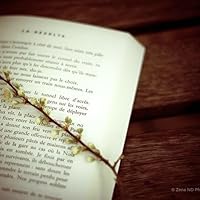
الى الذين لقنوني سحر الكلمة فملأت بئري من عذب مياههم

April 14, 2014
لا تُمل!
لو أنها لا تنتهي...
لو أنها لا تنتهي...

April 6, 2019
لم أرفع رأسي عنه حتى أكملته
من أجمل السير الذاتية التي قرأتها
حزينة لأني لم اقرأ لهذا الكاتب الفلسطيني من قبل
وتواقة للشرب من آباره كلها

November 29, 2019
سيرة كمعظم السير، لا تخلو من الحنين والبساطة والرؤية الانتقائية لكل جميل ومريح
August 11, 2021
«وحياتنا ماهي إلا سلسلة من الآبار. نحفر واحدة جديدة في كل مرحلة، نسرّب إليها المياه المتجمعة من غيث السماء وهمي التجارب لنعود إليها كلما استبد بنا الظمأ وضرب الجفاف أرضنا»
August 24, 2024
الدهشة في هذه السيرة ان الرحل كتبها وهو في الستينات، مستذكرًا ادق أدف تفاصيل طفولته حيث ترعرع.
والجمال كل الجمال تلك العذوبة عن تفاصيل مدينة بيت لحم الفلسطينية، معيشة أهلها وتقاليد حياتهم.
# إن المرء ليهجس بأن قصة الطفولة مع هذا البعد الزمني السحيق وهذا التحول الاجتماعي الكبير قد قد تأتي غير مستكملة مغزاها الحقيقي حين تفصل عن سياقها اللاحق الذي هو حياة المرء بتمامها. والطفولة أصلا ليست قصة واحدة بل هي قصص متباينة يصعب في معظم الأحيان وصل أجزاء بعضها ببعض رغم تواتر شخصياتها إلا بشيء من الحيلة الروائية غير أنها تطالب الذهن بالعودة إليها على نحو ما بإلحاح يتكرر ونجد بعض هذا الالحاح في مثولها في أحلام الليل كل مرة بشكل جديد وتوتر مغاير كما نجده في مثولها على غير ما توقع في احلام اليقظة بشكل يختلف عن مجرد استعادات الذاكرة
والجمال كل الجمال تلك العذوبة عن تفاصيل مدينة بيت لحم الفلسطينية، معيشة أهلها وتقاليد حياتهم.
# إن المرء ليهجس بأن قصة الطفولة مع هذا البعد الزمني السحيق وهذا التحول الاجتماعي الكبير قد قد تأتي غير مستكملة مغزاها الحقيقي حين تفصل عن سياقها اللاحق الذي هو حياة المرء بتمامها. والطفولة أصلا ليست قصة واحدة بل هي قصص متباينة يصعب في معظم الأحيان وصل أجزاء بعضها ببعض رغم تواتر شخصياتها إلا بشيء من الحيلة الروائية غير أنها تطالب الذهن بالعودة إليها على نحو ما بإلحاح يتكرر ونجد بعض هذا الالحاح في مثولها في أحلام الليل كل مرة بشكل جديد وتوتر مغاير كما نجده في مثولها على غير ما توقع في احلام اليقظة بشكل يختلف عن مجرد استعادات الذاكرة

February 5, 2022
" إنه ضياء مدينة القدس. يريد الله لها أن تتوهج في وسط الظلام الذي يملأ الدنيا . . . "
إنني مُنحازةٌ جداً لكلّ ما هو فلسطينيّ.. فكُل كتاب لِكاتب فلسطينيّ يجذبني لقراءته أيًا يكُن محتواه..
و هذا هو سبب إختياري لقراءة هذهِ السيرة لكاتب لم اقرأ له من قبل..لكن يكفيه أن يحمل الجنسية الفلسطينية و يكتب عن فلسطين لكي اقرأ كتبه..
في هذا الكتاب ومضات و مواقف و مشاهد من حياة الكاتب الكبير جبرا إبراهيم جبرا، بدايةً بحياته في بيت لحم و لاحقاً في القدس..
سيرة ذاتية بسيطة لا تحتوي سوى على التفاصيل الصغيرة التي علقت في ذاكرة طفلٍ لا يتجاوز عمره ٥ سنوات..
يحكي عن بيته أو البيوت التي ظلّ متنقلاً فيها بسبب الغلاء و مشاكل الإيجار ..عن المدرسة الوطنية في بيت لحم و رفاقه و مدرسيه و عائلته..
تتنقل السيرة الذاتية في بدايتها بين الكنيسة و البيت و تالياً المدرسة..المدرسة الوطنية في بيت لحم و المدرسة الرشيدية بالقدس..
عفوية السرد و الوصف و براءته مما زاد جمال هذهِ السيرة..و جعلني أشعر و كأنني أتجوّل فعلاً في ربوع فلسطين بين بيت لحم و القدس..فكم كان ذلك مُدهشًا و رائعًا..
سيرة ذاتية كُتبت بأسلوب لطيف جميل جداً و حميم لكون جميع الذكريات و التفاصيل التي فيها طفولية بحته و كما قال عنها جبرا في بداية الكتاب أنها سيرة طفولية بحته..
أحببتها جداً لكنني في بدايتها و حتى صفحة ٥٠ شعرت بشيء من الملل و قد يكون السبب الإسهاب الممل لوصف الدير و الذي وجدته جميلاً لكوننا مسلمين مما يجعلنا نتعرف على ديانةٍ أخرى و عادات غريبة و جديدة علينا..لكن الوصف المطوّل كان به بعض الملل..
ممتعة هذهِ السيرة و لها نكهة خاصة و مختلفة جداً عن كلّ السير التي قرأتها في حياتي..
لم أندم على قراءتها و سأبدأ بإذن الله بالجزء الثاني "شارع الأميرات"
من الكتب التي لا تُنسى و ستظلّ مكانته في القلب..
إقتباس:
البئر الأولى هي بئر الطفولة . إنها تلك البئر التي تجمعت فيها أولى التجارب والرؤى والأصوات ، أولى الأفراح والأحزان ،والأشواق والمخاوف التي جعلت تنهمر على الطفل ، فأخذ إداركه يتزايد ، و وعيه يتصاعد ، لما يمر به كل يوم ، يعانيه أو يتلذذ به .
إنني مُنحازةٌ جداً لكلّ ما هو فلسطينيّ.. فكُل كتاب لِكاتب فلسطينيّ يجذبني لقراءته أيًا يكُن محتواه..
و هذا هو سبب إختياري لقراءة هذهِ السيرة لكاتب لم اقرأ له من قبل..لكن يكفيه أن يحمل الجنسية الفلسطينية و يكتب عن فلسطين لكي اقرأ كتبه..
في هذا الكتاب ومضات و مواقف و مشاهد من حياة الكاتب الكبير جبرا إبراهيم جبرا، بدايةً بحياته في بيت لحم و لاحقاً في القدس..
سيرة ذاتية بسيطة لا تحتوي سوى على التفاصيل الصغيرة التي علقت في ذاكرة طفلٍ لا يتجاوز عمره ٥ سنوات..
يحكي عن بيته أو البيوت التي ظلّ متنقلاً فيها بسبب الغلاء و مشاكل الإيجار ..عن المدرسة الوطنية في بيت لحم و رفاقه و مدرسيه و عائلته..
تتنقل السيرة الذاتية في بدايتها بين الكنيسة و البيت و تالياً المدرسة..المدرسة الوطنية في بيت لحم و المدرسة الرشيدية بالقدس..
عفوية السرد و الوصف و براءته مما زاد جمال هذهِ السيرة..و جعلني أشعر و كأنني أتجوّل فعلاً في ربوع فلسطين بين بيت لحم و القدس..فكم كان ذلك مُدهشًا و رائعًا..
سيرة ذاتية كُتبت بأسلوب لطيف جميل جداً و حميم لكون جميع الذكريات و التفاصيل التي فيها طفولية بحته و كما قال عنها جبرا في بداية الكتاب أنها سيرة طفولية بحته..
أحببتها جداً لكنني في بدايتها و حتى صفحة ٥٠ شعرت بشيء من الملل و قد يكون السبب الإسهاب الممل لوصف الدير و الذي وجدته جميلاً لكوننا مسلمين مما يجعلنا نتعرف على ديانةٍ أخرى و عادات غريبة و جديدة علينا..لكن الوصف المطوّل كان به بعض الملل..
ممتعة هذهِ السيرة و لها نكهة خاصة و مختلفة جداً عن كلّ السير التي قرأتها في حياتي..
لم أندم على قراءتها و سأبدأ بإذن الله بالجزء الثاني "شارع الأميرات"
من الكتب التي لا تُنسى و ستظلّ مكانته في القلب..
إقتباس:
البئر الأولى هي بئر الطفولة . إنها تلك البئر التي تجمعت فيها أولى التجارب والرؤى والأصوات ، أولى الأفراح والأحزان ،والأشواق والمخاوف التي جعلت تنهمر على الطفل ، فأخذ إداركه يتزايد ، و وعيه يتصاعد ، لما يمر به كل يوم ، يعانيه أو يتلذذ به .

March 31, 2016
بئر جبرا الأولى، أدلى دلوه في بئر ذاكرته، وأخرج لنا هذا الكتاب، هذه السيرة.
واحد وعشرون فصلًا، احتوت قصصًا وذكريات وتجارب لجبرا الجميل، جبرا الطفل، بدئاً من سنه الخامسة وحتى بلوغه الثالثة عشرة من عمره.
ماذا سأقول لكم؟ هنالك الكثير من القصص، منها:
عن حمارٍ ضربه بقائمتيه الخلفيتين ضربة مزدوجة، تمنّى من بعدها لو أن نوحًا لم يحمل في سفينته الجد الأكبر للحمار.
وفي يومٍ، كانت أمه قد أعدّت "هيطليّة" أو رزًا بحليب، وتركته وحده في البيت، إلا أنه خرج ليخبر أصدقاءه أن أمه أعدّت الهيطلية، فإذ بهم يتوافدون إلى البيت، يتحلقون حولها، ويبدأون بالأكل، فقفز جبرا ليخبرهم أنهم يملكون في بيتهم ملاعق، وأحضرها إليهم ليأكلوا، إلا أنه لم يجد ملعقة له فأكل بالمغرفة. ثم تدخل الأم إلى البيت على منظر أولاد الحارة يأكلون، فتصيح تلك الصيحة، ليفرّ جميعهم ومن بينهم جبرا خارج البيت.
ويسرد عناءه في شراء دفتر وقلم، ولهفته عند امتلاكهما، وهروبه من المدرسة، وحكايته مع صندوق الدنيا، يصف لنا مسيحيته وأعيادها، وبيت لحم الخلابة، وعن حذاء العيد الذي تم بيعه لشراء حاجيات للبيت، زلزال عام 1927 وسقوطه أمام البطريرك مرتبكًا، زيارته للقدس مشياً، عن أبيه الذي أحببته، وبدايات قراءته وكتابته وتعلمه للرسم، وتفوقه في المدرسة الرشيدية، والتقائه بإبراهيم طوقان وإسعاف النشاشيبي وخليل السكاكيني ممن أشرفوا عليه أو علموه.
ياااه كم يملك الطفل من ذاكرة :)

January 25, 2012
الكتاب عبارة عن تدوين لفصولٍ بسيطة وذكريات ماضية لحياة الكاتب في طفولته وبقلمه..
الكتاب جميل بسيط وشائق..
مـرّ معي من يومين في كتاب "حمّـى الإستهلاك" المثل الألماني التالي: "قد تنجح في الـدّخول على النّـاس بأثر ملابسك ولكنّـك تخرج من عندهم بـأثر عقلك"
والمثل العربي الذي يقول: "لا تجعل ثيابك أغلى شيءٍ فيك حتّـى لاتجد نفسك يوماً أرخص ممّـا ترتدي"
سبب تذكّـري لهذين المثلين هنا، هو ما ذكره الكاتب عن طفولته وبعضاً من مظاهر الشّـقاء والفقر الذي عاناه في طفولته الأولى مع أهله، وكم كابد والده من أجل لقمة عيشهم وأهمّ من ذلك تعليمهم..
ذكر ذلك بكل وضوح ودونما أدنى خجل..
لماذا يا ترى؟؟؟
لأنّـه يعلم أنّ كل ذلك لا يساوي شيئاً مقابل ما حصّـله من علم ومعرفة وما هو عليه الآن ..
ففـكره وعلمه وعقله أغلى وأثمن عنده من كل ذلك العَرَض الـزّائف الزّائل..
لذا تراه يتحدّث عنه ودونما أدنى خجل أو تورية..
وشيء آخر لفتَ نظري هو المستوى العلمي العالي الذي كان موجوداً في أساتذة المدارس في اختصاصاتٍ شتّـى، ولكن بشكلٍ خاص مجال اللّغة العربيّـة والإنكليزيّـة ، بالفعل كان مستوى الأداء والتّـحصيل عالٍ جداً، فأخـرجَ لنا جهابذةً من الأدباء والمفكّـرين مازلنا نفخر بهم ونفتقد أمثالهم في وقتنا الـرّاهن..
أنصح بالـرّجوع للكتاب لمن قـرأ للكاتب بعضـاً من أعماله، ليراه عـن قـربٍ أكثر.
الكتاب جميل بسيط وشائق..
مـرّ معي من يومين في كتاب "حمّـى الإستهلاك" المثل الألماني التالي: "قد تنجح في الـدّخول على النّـاس بأثر ملابسك ولكنّـك تخرج من عندهم بـأثر عقلك"
والمثل العربي الذي يقول: "لا تجعل ثيابك أغلى شيءٍ فيك حتّـى لاتجد نفسك يوماً أرخص ممّـا ترتدي"
سبب تذكّـري لهذين المثلين هنا، هو ما ذكره الكاتب عن طفولته وبعضاً من مظاهر الشّـقاء والفقر الذي عاناه في طفولته الأولى مع أهله، وكم كابد والده من أجل لقمة عيشهم وأهمّ من ذلك تعليمهم..
ذكر ذلك بكل وضوح ودونما أدنى خجل..
لماذا يا ترى؟؟؟
لأنّـه يعلم أنّ كل ذلك لا يساوي شيئاً مقابل ما حصّـله من علم ومعرفة وما هو عليه الآن ..
ففـكره وعلمه وعقله أغلى وأثمن عنده من كل ذلك العَرَض الـزّائف الزّائل..
لذا تراه يتحدّث عنه ودونما أدنى خجل أو تورية..
وشيء آخر لفتَ نظري هو المستوى العلمي العالي الذي كان موجوداً في أساتذة المدارس في اختصاصاتٍ شتّـى، ولكن بشكلٍ خاص مجال اللّغة العربيّـة والإنكليزيّـة ، بالفعل كان مستوى الأداء والتّـحصيل عالٍ جداً، فأخـرجَ لنا جهابذةً من الأدباء والمفكّـرين مازلنا نفخر بهم ونفتقد أمثالهم في وقتنا الـرّاهن..
أنصح بالـرّجوع للكتاب لمن قـرأ للكاتب بعضـاً من أعماله، ليراه عـن قـربٍ أكثر.

February 16, 2014
هو الجزء اﻷول من سيرة اﻷديب الفلسطيني؛ جبرا إبراهيم جبرا. حيث يروي الكاتب سيرته الذاتية بأسلوب جميل وتفاصيل ممتعة. وهذا الجزء يحكي فيه الرواي قصة حياته من الطفولة، وعادة ما تكون الأشياء المتعلقة بالطفولة عذبة لبراءة العقول وصفاء النفوس، حتى لو كان شظف العيش عليها باديا.
وكان من الطريف أن جبرا إبراهيم جبرا من مواليد 1920، وجدتي من مواليد 1923، وكانت جدتي كجبرا تحكي لنا الحكايا بالتفاصيل الدقيقة والجميلة، فكان ممتعا أن أقارن بين طفولة جدتي في جزيرة البحرين في الخليج العربي، وطفولة جبرا في مدينة بيت لحم في فلسطين!
وكان من الطريف أن جبرا إبراهيم جبرا من مواليد 1920، وجدتي من مواليد 1923، وكانت جدتي كجبرا تحكي لنا الحكايا بالتفاصيل الدقيقة والجميلة، فكان ممتعا أن أقارن بين طفولة جدتي في جزيرة البحرين في الخليج العربي، وطفولة جبرا في مدينة بيت لحم في فلسطين!
Displaying 1 - 30 of 186 reviews