

What do you think?
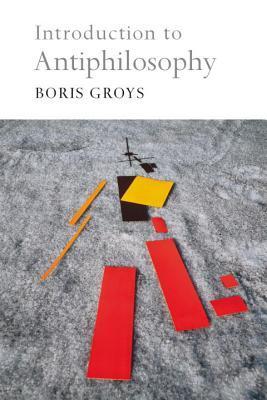
Introduction to Antiphilosophy
Philosophy is traditionally understood as the search for universal truths, and philosophers are supposed to transmit those truths beyond the limits of their own culture. But, today, we have become sceptical about the ability of an individual philosopher to engage in ‘universal thinking’, so philosophy seems to capitulate in the face of cultural relativism.
In Introduction to Antiphilosophy , Boris Groys argues that modern ‘antiphilosophy’ does not pursue the universality of thought as its goal but proposes in its place the universality of life, material forces, social practices, passions, and experiences – angst, vitality, ecstasy, the gift, revolution, laughter or ‘profane illumination’ – and he analyses this shift from thought to life and action in the work of thinkers from Kierkegaard to Derrida, from Nietzsche to Benjamin.
Ranging across the history of modern thought, Introduction to Antiphilosophy endeavours to liberate philosophy from the stereotypes that hinder its development.
In Introduction to Antiphilosophy , Boris Groys argues that modern ‘antiphilosophy’ does not pursue the universality of thought as its goal but proposes in its place the universality of life, material forces, social practices, passions, and experiences – angst, vitality, ecstasy, the gift, revolution, laughter or ‘profane illumination’ – and he analyses this shift from thought to life and action in the work of thinkers from Kierkegaard to Derrida, from Nietzsche to Benjamin.
Ranging across the history of modern thought, Introduction to Antiphilosophy endeavours to liberate philosophy from the stereotypes that hinder its development.
272 pages, Hardcover
First published January 1, 2009
About the author
Boris Groys
175 books221 followersBoris Efimovich Groys (born 19 March 1947) is an art critic, media theorist, and philosopher. He is currently a Global Distinguished Professor of Russian and Slavic Studies at New York University and Senior Research Fellow at the Karlsruhe University of Arts and Design in Karlsruhe, Germany. He has been a professor of Aesthetics, Art History, and Media Theory at the Karlsruhe University of Arts and Design/Center for Art and Media in Karlsruhe and an internationally acclaimed Professor at a number of universities in the United States and Europe, including the University of Pennsylvania, the University of Southern California and the Courtauld Institute of Art London.
Ratings & Reviews
Friends & Following
Create a free account to discover what your friends think of this book!
Community Reviews
Displaying 1 - 4 of 4 reviews

March 13, 2022
It is difficult to synthesise this book, which is the point, and the preface and prologue provide the only theoretical fleshing-out of 'antiphilosophy' as a philosophy of readymades by analogy with anti-art that you will find in the book. This is good because it means you get the central thesis in its entirety in the first ten pages, and then bad because you have to do a lot of work to connect up the disparate studies of individual philosophers with that opening. But these disparate studies are still great in their own right. I particularly like the essay on Heidegger's aesthetics and the now-essentially museological dimension of modern art production, and the final essay, which is a virtuosic extension and explosion of the essay by Lessing, famous within art history, about Laocoön and the difference between painting and literature, namely: the difference between space and time, which for Groys becomes the difference between the medium of the image and that which lies under the image (language!). Also amazing discussion of Wagner's essay on the artwork of the future in Groys' chapter on participatory art.
March 22, 2022
Denso, pero interesante. A pesar de no tener la formación previa que en general requiere la lectura de varios de los ensayos publicados en este libro, fue una lectura placentera. Me quedo con bastantes ideas interesantes.
La crítica extremada (tomada de Nietzsche) de Lev Shestov: el filósofo se convierte como tal en el momento en que otorga a su experiencia una significación universal. La filosofía como una herramienta para los desdichados, los enfermos. Aquel que me va bien en la vida, no necesita andar formulando principios objetivos acerca de la realidad y las cosas. En tal sentido, toda afirmación abstracta respecto de la realidad es una forma de compensación, el origen de la razón europea tiene que ver con la aceptación de la derrota: Platón al ver morir a su maestro.
Hegel: "el arte en la modernidad es una cuestión del pasado". La obra de arte, desde su secularización, al proclamar su independencia de la religión, también lo hizo respecto de su espectador. El arte moderno de caracteriza, por tanto, en que no es posible atribuir a ella un valor intrínseco, más allá de la praxis económica común:la determinación de su precio, o el número de vistas (conforme a las tecnologías actuales). En ello, la frustración trajo aparejada el deseo de volver a ese encuentro perdido con el espectador: la veneración de la obra, como un totem en las religiones antiguas.
Kikergard: "La subjetividad, la interioridad es la verdad". La filosofía desde sus inicios, con Sócrates, proclama la independencia del individuo respecto a la autoridad, la religión o el dogma religioso. Posteriormente, Descartes proclama di ha soberanía incluso respecto del mundo senso-perceptible: la duda radical, extremada a la única certeza: si pienso, es porque existo. Pero, a su vez, Kikergard eleva está proclamación soberana del sujeto al grado de decirnos que no existe un caudal inmediato entre la obra filosófica y su lector. Existe un abismo, en el cual el sujeto acepta o no. La razón, pues, no nos llega automáticamente. Es necesario primero la aceptación, el acto de consentir tal o cual razonamiento.
Esta y muchas más encontré ideas apasionantes. Aunque me resultó difícil seguir varias cosas, al grado de resultar abrumadora un tanto al lectura. Con todo, un libro apasionante. Se nota la carencia de pretensión del autor al momento de tratar asunto que, poro general, implica el uso de una jerga que tiende a alejar al lector promedio.
La crítica extremada (tomada de Nietzsche) de Lev Shestov: el filósofo se convierte como tal en el momento en que otorga a su experiencia una significación universal. La filosofía como una herramienta para los desdichados, los enfermos. Aquel que me va bien en la vida, no necesita andar formulando principios objetivos acerca de la realidad y las cosas. En tal sentido, toda afirmación abstracta respecto de la realidad es una forma de compensación, el origen de la razón europea tiene que ver con la aceptación de la derrota: Platón al ver morir a su maestro.
Hegel: "el arte en la modernidad es una cuestión del pasado". La obra de arte, desde su secularización, al proclamar su independencia de la religión, también lo hizo respecto de su espectador. El arte moderno de caracteriza, por tanto, en que no es posible atribuir a ella un valor intrínseco, más allá de la praxis económica común:la determinación de su precio, o el número de vistas (conforme a las tecnologías actuales). En ello, la frustración trajo aparejada el deseo de volver a ese encuentro perdido con el espectador: la veneración de la obra, como un totem en las religiones antiguas.
Kikergard: "La subjetividad, la interioridad es la verdad". La filosofía desde sus inicios, con Sócrates, proclama la independencia del individuo respecto a la autoridad, la religión o el dogma religioso. Posteriormente, Descartes proclama di ha soberanía incluso respecto del mundo senso-perceptible: la duda radical, extremada a la única certeza: si pienso, es porque existo. Pero, a su vez, Kikergard eleva está proclamación soberana del sujeto al grado de decirnos que no existe un caudal inmediato entre la obra filosófica y su lector. Existe un abismo, en el cual el sujeto acepta o no. La razón, pues, no nos llega automáticamente. Es necesario primero la aceptación, el acto de consentir tal o cual razonamiento.
Esta y muchas más encontré ideas apasionantes. Aunque me resultó difícil seguir varias cosas, al grado de resultar abrumadora un tanto al lectura. Con todo, un libro apasionante. Se nota la carencia de pretensión del autor al momento de tratar asunto que, poro general, implica el uso de una jerga que tiende a alejar al lector promedio.

August 10, 2026
Действительно отличное введение. Особенно впечатлили главы про Деррида с апокалипсисом и фаллогосом, а также Соловьев-Кожев и Бахтин
Соловьев:
ЧЕРЕЗ СЕКСУАЛЬНОСТЬ ФИЛОСОФ ОТКРЫВАЕТ СВОЕ ТЕЛО И ТЕЛО ДРУГОГО. СМЫСЛ ПОЛОВОЙ ЛЮБВИ В ПРИЗНАНИИ ДРУГОГО МНОЮ И МЕНЯ ДРУГИМ
РАЗУМ И ЖЕЛАНИЕ
СМЫСЛ ЛЮБВИ ТЕКСТ (комментарии Кожева)
Сексуальность - вторичный вариант платоновского эроса, необходимый этап в развитии философского самосознания
Сексуальность - особая форма сублимации разума. Половой акт - акт эпистемологический, первоначальная форма стремления к знанию. Для соловьева разум не холоден и рационален математичен, а горяч и полон порыва, разум - это стремление, это ЛЮБОВЬ К СОФИИ. Половая любовь - лишь проекция философской любви на конкретные индивидуальные объекты (пр. На женщину)) но в то же время это и есть ее высшее проявление.
Соборность и дионийство
Для Бахтина как и для Ницше
Единение в гротескном теле составляет суть бахтинского карнавала. Осмеяние претензии той или иной идеологии на истину, следовательно и на господство
Бахтинский карнавал является аналогом дионисийской мистерии у Ницше, но дионисийское опьянение инсцинируется с помощью культурных кодов и масок. Тела смешиваются, но это не ведет к возникновению единого сознания, хора, как у Ницше
Карнавализованный/полифонический роман. Карнавал идеологий внутри собственного разума
Увенчания, развенчания, убийства, ругань - культ беременной смерти
Индивидуальность идеологии, не личности - маска, которую может надеть любой. Вечная молодость идеологического процесса
Король есть шут
Победа коллективного тела над индивидумо
Соловьев:
ЧЕРЕЗ СЕКСУАЛЬНОСТЬ ФИЛОСОФ ОТКРЫВАЕТ СВОЕ ТЕЛО И ТЕЛО ДРУГОГО. СМЫСЛ ПОЛОВОЙ ЛЮБВИ В ПРИЗНАНИИ ДРУГОГО МНОЮ И МЕНЯ ДРУГИМ
РАЗУМ И ЖЕЛАНИЕ
СМЫСЛ ЛЮБВИ ТЕКСТ (комментарии Кожева)
Сексуальность - вторичный вариант платоновского эроса, необходимый этап в развитии философского самосознания
Сексуальность - особая форма сублимации разума. Половой акт - акт эпистемологический, первоначальная форма стремления к знанию. Для соловьева разум не холоден и рационален математичен, а горяч и полон порыва, разум - это стремление, это ЛЮБОВЬ К СОФИИ. Половая любовь - лишь проекция философской любви на конкретные индивидуальные объекты (пр. На женщину)) но в то же время это и есть ее высшее проявление.
Соборность и дионийство
Для Бахтина как и для Ницше
Единение в гротескном теле составляет суть бахтинского карнавала. Осмеяние претензии той или иной идеологии на истину, следовательно и на господство
Бахтинский карнавал является аналогом дионисийской мистерии у Ницше, но дионисийское опьянение инсцинируется с помощью культурных кодов и масок. Тела смешиваются, но это не ведет к возникновению единого сознания, хора, как у Ницше
Карнавализованный/полифонический роман. Карнавал идеологий внутри собственного разума
Увенчания, развенчания, убийства, ругань - культ беременной смерти
Индивидуальность идеологии, не личности - маска, которую может надеть любой. Вечная молодость идеологического процесса
Король есть шут
Победа коллективного тела над индивидумо

August 27, 2026
Ensayos anti filosóficos con conceptos bastante novedosos
Displaying 1 - 4 of 4 reviews