

What do you think?

Dancing After Hours
A New York Times Notable Book of the Year
From a genuine hero of the American short story comes a luminous collection that reveals the seams of hurt, courage, and tenderness that run through the bedrock of contemporary American life. In these fourteen stories, Dubus depicts ordinary men and women confronting injury and loneliness, the lack of love and the terror of actually having it. Out of his characters' struggles and small failures--and their unexpected moments of redemption--Dubus creates fiction that bears comparison to the short story's greatest creators--Chekhov, Raymond Carver, Flannery O'Connor.
"A master of the short story...It's good to have Andre Dubus back. More than ever, he is an object of hope."--Philadelphia Inquirer
"Dubus's detailed creation of three-dimensional characters is propelled by his ability to turn a quiet but perfect phrase...[This] kind of writing raises gooseflesh of admiration."--San Francisco Chronicle
From a genuine hero of the American short story comes a luminous collection that reveals the seams of hurt, courage, and tenderness that run through the bedrock of contemporary American life. In these fourteen stories, Dubus depicts ordinary men and women confronting injury and loneliness, the lack of love and the terror of actually having it. Out of his characters' struggles and small failures--and their unexpected moments of redemption--Dubus creates fiction that bears comparison to the short story's greatest creators--Chekhov, Raymond Carver, Flannery O'Connor.
"A master of the short story...It's good to have Andre Dubus back. More than ever, he is an object of hope."--Philadelphia Inquirer
"Dubus's detailed creation of three-dimensional characters is propelled by his ability to turn a quiet but perfect phrase...[This] kind of writing raises gooseflesh of admiration."--San Francisco Chronicle
256 pages, Paperback
First published January 1, 1996
About the author
Andre Dubus
78 books273 followersAward-winning author Andre Dubus II (1936–1999) has been hailed as one of the best American short story writers of the twentieth century. Dubus’s collections of short fiction include Separate Flights (1975), Adultery & Other Choices (1977), and Dancing After Hours (1996), which was a National Book Critics Circle Award finalist. Another collection, Finding a Girl in America, features the story “Killings,” which was adapted into the critically acclaimed film In the Bedroom (2001), starring Sissy Spacek, Tom Wilkinson, and Marisa Tomei. His son Andre Dubus III is also a writer.
Ratings & Reviews
Friends & Following
Create a free account to discover what your friends think of this book!
Community Reviews
Displaying 1 - 30 of 158 reviews

July 20, 2014
VIAGGIO NEL CUORE UMANO
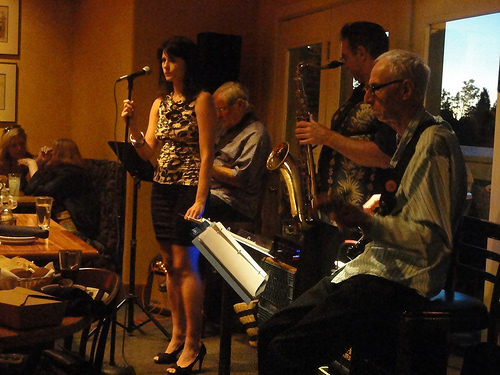
Foto MD'O.
A notte fonda è quando si è più vicini alla nostra intimità.
Quando si è più ricettivi e attenti.
Quando si abbassano le difese e si rinuncia ai filtri.
Quando ci sembra di avere viva ogni sensazione, non solo con la mente e con il cuore.
Quando ci si sente più in contatto col mistero e il garbuglio dell’esistenza.
Quando si rivela una profondità dove ci sembra di poter entrare.
Quando i nostri pensieri diventano il mondo e il mondo diventa noi.
Quando qualcosa d’imprevedibile giunge da fuori e ci riempie, qualcosa che cambia il modo in cui vediamo ciò che vediamo, qualcosa che ci permette di vedere ciò che non vediamo.
Quando il dolore diventa tangibile, nel corridoio scuro che dà sulla porta della camera, e nelle stanze buie che non si possono vedere dal letto.
Quando apriamo noi stessi al mondo, con quello che abbiamo, e quello che siamo, mentre diventiamo tutt’uno con la terra e le sue creature: la morte, la vita… Tutt’uno con il cielo e l’acqua e con ogni singola foglia caduta da un albero...

Foto MD'O.
Un ragazzino e la sorella lasciati soli una sera dai genitori, arriva il ragazzo di lei, i due cercano di stare insieme nonostante la presenza del fratello - una donna divorzia e fa i conti con qualcosa che si è rotto dentro lei - una famiglia si ritrova nell'anniversario di una tragedia che l'ha segnata - un reduce zoppo cerca di ricostruire la propria vita (ritorna in 4 racconti) - una poetessa con la paura di volare deve prendere l’aereo per andare dal fratello omosessuale che sta morendo - un militare in pensione rimane paralizzato, le sue difficoltà quotidiane con la moglie…
Forse sono partigiano: per me il racconto è la forma più alta di letteratura. Più della poesia, più del romanzo.
E questi sono gli ultimi racconti di Dubus, quelli scritti e pubblicati dopo il maledetto incidente che lo confinò in una sedia a rotelle: l’ultimo degli ultimi è quello che regala il titolo all’intera raccolta, ed è un capolavoro, che piacerà a tutti.
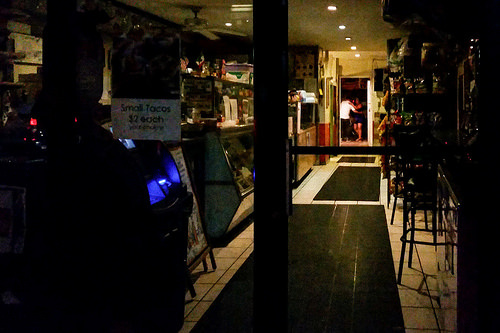
Il tempo corre e noi ci siamo, E poi non ci siamo più.
Non è certo l’unico capolavoro fra questi 14 racconti di uno scrittore americano che nella seconda metà del Novecento ha composto racconti capolavoro più di chiunque altro connazionale, più di Hemingway, più di Carver, più di Salinger, di Cheever, di Yates…
Racconti di personaggi, di gente, di persone, che, come nella migliore tradizione, sono vere come quelle che sfioriamo incrociamo incontriamo e conosciamo ogni giorno.
Sono loro il fulcro, molto più dei fatti, delle storie.
Una serie di storie che è attraversata dallo splendore, dall’intuizione, dalla capacità e dalla sensibilità umana dell’autore.
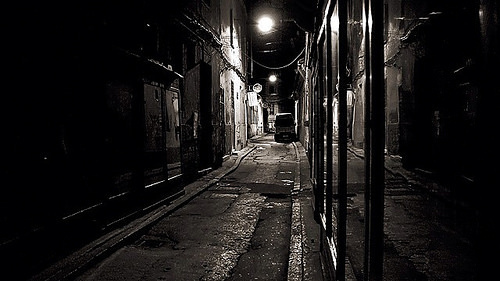
Dancing After Hours
In queste pagine ci sono zoppi, tetraplegici, mutilati, nel corpo o nell’anima, o in entrambi – c’è un calcolo accurato degli spazi temporali e un’attenzione scrupolosa alle età, al tempo che passa, alla scansione del tempo – c’è molta carne, spesso martoriata, e ferita, come spesso lo è l’anima.
Il dolore è spalmato su tutte le duecentoerotte pagine, dolore del corpo e dolore dell’anima, sempre dolore fisico. Mi stupisce l’intensità che sa raggiungere Dubus, sembra raggiungere il diapason, ma il volume rimane quieto, seguendo il suono delle piccole cose e delle bugie quotidiane, il senso delle nostre azioni e delle loro conseguenze.
Mi stupisce che un omone barbuto come lui sappia entrare nel cuore femminile come gli riesce (per esempio, nel racconto Domenica mattina)

La carne ritorna anche quando si parla di sesso, di amore fisico – si parla di peccato, si parla molto di tradimento, che è consumato anche quando è solo pensato – si annusa la morte….
Tristezza? Cupore?
Eppure, alla fine di tutto questo dolore, rimane la bellezza, rimane l’arte.
Rimane il piacere.

Foto MD'O.
Foto MD'O.
A notte fonda è quando si è più vicini alla nostra intimità.
Quando si è più ricettivi e attenti.
Quando si abbassano le difese e si rinuncia ai filtri.
Quando ci sembra di avere viva ogni sensazione, non solo con la mente e con il cuore.
Quando ci si sente più in contatto col mistero e il garbuglio dell’esistenza.
Quando si rivela una profondità dove ci sembra di poter entrare.
Quando i nostri pensieri diventano il mondo e il mondo diventa noi.
Quando qualcosa d’imprevedibile giunge da fuori e ci riempie, qualcosa che cambia il modo in cui vediamo ciò che vediamo, qualcosa che ci permette di vedere ciò che non vediamo.
Quando il dolore diventa tangibile, nel corridoio scuro che dà sulla porta della camera, e nelle stanze buie che non si possono vedere dal letto.
Quando apriamo noi stessi al mondo, con quello che abbiamo, e quello che siamo, mentre diventiamo tutt’uno con la terra e le sue creature: la morte, la vita… Tutt’uno con il cielo e l’acqua e con ogni singola foglia caduta da un albero...
Foto MD'O.
Un ragazzino e la sorella lasciati soli una sera dai genitori, arriva il ragazzo di lei, i due cercano di stare insieme nonostante la presenza del fratello - una donna divorzia e fa i conti con qualcosa che si è rotto dentro lei - una famiglia si ritrova nell'anniversario di una tragedia che l'ha segnata - un reduce zoppo cerca di ricostruire la propria vita (ritorna in 4 racconti) - una poetessa con la paura di volare deve prendere l’aereo per andare dal fratello omosessuale che sta morendo - un militare in pensione rimane paralizzato, le sue difficoltà quotidiane con la moglie…
Forse sono partigiano: per me il racconto è la forma più alta di letteratura. Più della poesia, più del romanzo.
E questi sono gli ultimi racconti di Dubus, quelli scritti e pubblicati dopo il maledetto incidente che lo confinò in una sedia a rotelle: l’ultimo degli ultimi è quello che regala il titolo all’intera raccolta, ed è un capolavoro, che piacerà a tutti.
Il tempo corre e noi ci siamo, E poi non ci siamo più.
Non è certo l’unico capolavoro fra questi 14 racconti di uno scrittore americano che nella seconda metà del Novecento ha composto racconti capolavoro più di chiunque altro connazionale, più di Hemingway, più di Carver, più di Salinger, di Cheever, di Yates…
Racconti di personaggi, di gente, di persone, che, come nella migliore tradizione, sono vere come quelle che sfioriamo incrociamo incontriamo e conosciamo ogni giorno.
Sono loro il fulcro, molto più dei fatti, delle storie.
Una serie di storie che è attraversata dallo splendore, dall’intuizione, dalla capacità e dalla sensibilità umana dell’autore.
Dancing After Hours
In queste pagine ci sono zoppi, tetraplegici, mutilati, nel corpo o nell’anima, o in entrambi – c’è un calcolo accurato degli spazi temporali e un’attenzione scrupolosa alle età, al tempo che passa, alla scansione del tempo – c’è molta carne, spesso martoriata, e ferita, come spesso lo è l’anima.
Il dolore è spalmato su tutte le duecentoerotte pagine, dolore del corpo e dolore dell’anima, sempre dolore fisico. Mi stupisce l’intensità che sa raggiungere Dubus, sembra raggiungere il diapason, ma il volume rimane quieto, seguendo il suono delle piccole cose e delle bugie quotidiane, il senso delle nostre azioni e delle loro conseguenze.
Mi stupisce che un omone barbuto come lui sappia entrare nel cuore femminile come gli riesce (per esempio, nel racconto Domenica mattina)
La carne ritorna anche quando si parla di sesso, di amore fisico – si parla di peccato, si parla molto di tradimento, che è consumato anche quando è solo pensato – si annusa la morte….
Tristezza? Cupore?
Eppure, alla fine di tutto questo dolore, rimane la bellezza, rimane l’arte.
Rimane il piacere.
Foto MD'O.
November 5, 2017
My historical fondness for this author remains undiminished. This was written in the mid 90's, a time when I was discovering Raymond Carver and Jim Harrison. Dubus is unique in his ability to enter the female brain (of course how would I know, but it feels so real). These stories are set on the east coast, often in Massachusetts, which I've been visiting for my job these recent years. As such, these took on new life for me. A time before computers and cellphones, this was a time capsule of sorts and, oddly, a reminiscence of a period in my own reading life. The experiences in my own life (young children at home, various and vibrant family members now aged or gone) when I read this author come flooding back as I read him anew. I'm like that with music too. But, I digress - these stories are beautifully wrought, even when tragically sad. The same characters show up in various guises in these stories, told from different POVs, which I always enjoy. The signature piece is the title story, about a man in a wheelchair as he enters a bar of strangers and becomes enamored of the staff. This story is told from the un-married bartender's point of view, a lady in her 40s struggling with her destiny and fearful of what she's becoming. I recall a picture of the author in a wheelchair, and this story centers on a paraplegic, and captures his (and his caretakers') experiences so remarkably, I suspect the author knows of which he writes on a very personal level.
April 28, 2020
***** mostly for the final story
I woke to the sound of rain. It was the first thing I smelled. Some was splashing through the screen, onto the windowsill. I didn’t close the window. I wanted to write about rain, but I was out of coffee. I’ve been writing things. I wanted to write its smell and sound. Its feel in April.
In-between a poem and a novel, a short story can become the best of both forms, when the writer is as good as Andre Dubus, the second of his name. I heard he was good, that’s why I put him on my wishlist years ago, but I didn’t expect to be so touched by this series of unfortunate events, simple tales of woe that disturbed me, saddened me yet let me down gently by the end in a better, more peaceful, more hopeful place.
He was thirteen and he could not say that he was going to sit on a hill and wait for the silence and trees and sky to close in on him, wait until they all became a part of him and thought and memory ceased and the voices began. He could only say that he was going for a walk and, since there was so much more to say, he felt cowardly and deceitful and more lonely than before.
Dreams, imagination, aspirations : life has a way of knocking them down and landing us at the bottom of a deep well of depression, anxiety, mistrust. It starts early, as with a lonely teenage boy who destroys the very things he loves the most in the world, as good intentions meet an over-active imaginations. Step by step, Andre Dubus brings forward soldiers returning wounded from the war, women betrayed by men afraid of being tied down or hearing the biological clocks ticking away on their bareness, abused teenagers, old divorcees, poets afraid of flying, shark attacking families on vacation and other hiccups on the road to happiness.
He looked at her eyes, and knew that what was falling inside him would not stop falling till it broke.
I thought these stories are just disparate sketches from the lives of ordinary people suffering hard knocks from Fate, but there is a pattern slowly emerging in these glimpses of emotional storm. A little past the halfway mark ( ‘The Lover’ ) I decided that the stories selected for the collection are not random, but parts of a bigger picture, like a rural landscape that emerges from mist and darkness as the sun warms the earth after a night of rain. My opening quote is from this story about a middle aged man who loved women too much, fathered children and was then abandoned ( all his love and serious intent had increased the population of divorcees by two. ) . He is reading books now, trying to make sense of his failures, wondering if he ever will find the courage to get back in the saddle and try his hand at love once more. Dancing between echoes of T S Elliott ( ‘April is the cruelest month’ ), references to St. Therese of Lisieux ( the essence of life was in the simplest of tasks, and in kindness to the people in your life ) and spiritual guidance from psychologist William James ( ‘We should act the way we want to feel. And he said if that doesn’t work, nothing else will, anyway.’ , Andre Dubus is suddenly redeemed in my eyes as more than a simple chronicler of pain and modern spleen. With added insight from a short online biography that proves he had more than a fair share of grave injuries and misfortune in his own life, the details of failure in each of the stories included in the collection become less important than the search for a path forward, a way to fight through the pain of each day and find the will to try again.
She saw the plane in the immense sky, then her brother in bed, poised as she was between the gravity of earth and infinity. She had tried with a poem to know his fear, months ago, when she could still write. But the poem changed, became one about love, and the only fear in it was hers, of loving again, of her heart swelling to be pierced and emptied.
Once I had a key for the journey, the rest of the stories started to fit in better as parts of the puzzle of life, the harmony to be heard behind the thunder clash of the storm. The message is probably not that new, and maybe others have said it better (‘The only thing we need to fear is fear itself’), but in these stories the abstract becomes personal, tangible, blood and tears and a cry for help that sometimes, for the lucky among us, is heard and answered.
They’ve all seen too much and heard too much, and they’ve had too much done to them, and they’ve done too much. [...] She did it because hurting her body felt better than the pain in her soul, and it gave her relief.
We cannot help everybody, and sometimes our impulsive reactions may lead to darker paths, as in that story where witnessing teenage trauma victims leads a married woman to the brink of adultery, or in another one where self-interest leads to murder. But it’s good to know that there is a choice, and that choice is ours to make, whether to give up or to fight back. One of these women has literally the choice of being assaulted in her own home or fighting back.
All of these insights and secret harmonies culminate in the final story, the one that gives the title for the whole collection. Mr. Dubus has indeed saved the best for last, and this entry alone is for me well worth the price of admission.
She poured Rita’s drink and gave it to her and put her change on the bar, and said: “It’s a glorious race.”
“People?” Rita said, and pushed a dollar towards Emily. “Tell me about it.”
“So much suffering, and we keep getting out of bed in the morning.”
She saw the man beside Rita smiling. Emily said to him: “Don’t we.”
“For some reason.”
This is my second review in a month that sends me back to that iconic painting of Edward Hopper. Emily is a nighthawk, serving drinks at a bar on the late shift, struggling with insomnia and other personal insecurities.
Emily wished she were not so cautious, or disillusioned; she longed for love but was able to keep her longing muted till late at night when she lay reading in bed, and it was trumpets, drums, French horns; and when she woke at noon, its sound in her soul was a distant fast train.
Emily sees herself as plain and boring, as someone who has given up on life and consoles herself with books read late into the wee hours of the morning. Too afraid to risk having her heart broken once again, she’s telling herself it’s better to be safe and lonely than put her trust in a stranger’s hands. In a way, Emily is every single character that paraded before the reader in the preceding stories.
She was not afraid of pain; she was tired of it; and sometimes she thought being tired of it was worse than fear, that losing fear meant she has lost hope as well. If this were true, she would not be able to love with her whole heart, for she would not have a whole heart; and only a man who had also lost hope, and would settle for the crumbs of the feast, would return her love with the crumbs of his soul.
Instead of emotional crumbs and misguided hopes, Emily has turned to art, to books and to imaginary heroes to fill up the empty hours. There are worse way to cope with loneliness, and I would have been happy enough with ending this collection with this simple, yet elegant escapist solution:
In the lamplight she read, and she was opened to the world by imagined women and men and children, on pages she held in her hands, and the sorrow in the darkness remained, but she was consoled, as she became one with the earth and its creatures: its dead, its living, its living after her own death; one with the sky and water, and with a single leaf falling from a tree.
But a bar is a place where nighthawks gather like moths to a flame, and Emily still has contacts with her divorced boss, with a couple of single waitresses and finally, with someone who is even worse off than her, a young paraplegic surfer being driven around the country by a caregiver. One thing leads to another, one drink to the next, tongues gets loosened, stories are told, and Emily herself recalls a scene of her youth in another bar, where a blind jazzman came down among the audience for a real, direct human touch.
The music was soothing, was loving, and Emily watched Kirk and felt that everything good was possible.
It would be something like that, she thought now, something ineffable that comes from outside and fills us; something that changes the way we see what we see; something that allows us to see what we don’t.
From Roland Kirk to Ol’ Blue Eyes, long after the bar’s closing time, the music keeps playing, life goes on for the crippled and the lonely and the hopeless, and Emily can either crawl back into her hidey hole and cry herself to sleep, or she can get up and dance like her heart has never been broken, like the leaf has not yet fallen from the tree.
‘Till the tune ends
We’re dancing in the dark
And it soon ends
We’re waltzing in the wonder
Of why we’re here
Time hurries by, we’re here
And gone – ‘
I woke to the sound of rain. It was the first thing I smelled. Some was splashing through the screen, onto the windowsill. I didn’t close the window. I wanted to write about rain, but I was out of coffee. I’ve been writing things. I wanted to write its smell and sound. Its feel in April.
In-between a poem and a novel, a short story can become the best of both forms, when the writer is as good as Andre Dubus, the second of his name. I heard he was good, that’s why I put him on my wishlist years ago, but I didn’t expect to be so touched by this series of unfortunate events, simple tales of woe that disturbed me, saddened me yet let me down gently by the end in a better, more peaceful, more hopeful place.
He was thirteen and he could not say that he was going to sit on a hill and wait for the silence and trees and sky to close in on him, wait until they all became a part of him and thought and memory ceased and the voices began. He could only say that he was going for a walk and, since there was so much more to say, he felt cowardly and deceitful and more lonely than before.
Dreams, imagination, aspirations : life has a way of knocking them down and landing us at the bottom of a deep well of depression, anxiety, mistrust. It starts early, as with a lonely teenage boy who destroys the very things he loves the most in the world, as good intentions meet an over-active imaginations. Step by step, Andre Dubus brings forward soldiers returning wounded from the war, women betrayed by men afraid of being tied down or hearing the biological clocks ticking away on their bareness, abused teenagers, old divorcees, poets afraid of flying, shark attacking families on vacation and other hiccups on the road to happiness.
He looked at her eyes, and knew that what was falling inside him would not stop falling till it broke.
I thought these stories are just disparate sketches from the lives of ordinary people suffering hard knocks from Fate, but there is a pattern slowly emerging in these glimpses of emotional storm. A little past the halfway mark ( ‘The Lover’ ) I decided that the stories selected for the collection are not random, but parts of a bigger picture, like a rural landscape that emerges from mist and darkness as the sun warms the earth after a night of rain. My opening quote is from this story about a middle aged man who loved women too much, fathered children and was then abandoned ( all his love and serious intent had increased the population of divorcees by two. ) . He is reading books now, trying to make sense of his failures, wondering if he ever will find the courage to get back in the saddle and try his hand at love once more. Dancing between echoes of T S Elliott ( ‘April is the cruelest month’ ), references to St. Therese of Lisieux ( the essence of life was in the simplest of tasks, and in kindness to the people in your life ) and spiritual guidance from psychologist William James ( ‘We should act the way we want to feel. And he said if that doesn’t work, nothing else will, anyway.’ , Andre Dubus is suddenly redeemed in my eyes as more than a simple chronicler of pain and modern spleen. With added insight from a short online biography that proves he had more than a fair share of grave injuries and misfortune in his own life, the details of failure in each of the stories included in the collection become less important than the search for a path forward, a way to fight through the pain of each day and find the will to try again.
She saw the plane in the immense sky, then her brother in bed, poised as she was between the gravity of earth and infinity. She had tried with a poem to know his fear, months ago, when she could still write. But the poem changed, became one about love, and the only fear in it was hers, of loving again, of her heart swelling to be pierced and emptied.
Once I had a key for the journey, the rest of the stories started to fit in better as parts of the puzzle of life, the harmony to be heard behind the thunder clash of the storm. The message is probably not that new, and maybe others have said it better (‘The only thing we need to fear is fear itself’), but in these stories the abstract becomes personal, tangible, blood and tears and a cry for help that sometimes, for the lucky among us, is heard and answered.
They’ve all seen too much and heard too much, and they’ve had too much done to them, and they’ve done too much. [...] She did it because hurting her body felt better than the pain in her soul, and it gave her relief.
We cannot help everybody, and sometimes our impulsive reactions may lead to darker paths, as in that story where witnessing teenage trauma victims leads a married woman to the brink of adultery, or in another one where self-interest leads to murder. But it’s good to know that there is a choice, and that choice is ours to make, whether to give up or to fight back. One of these women has literally the choice of being assaulted in her own home or fighting back.
All of these insights and secret harmonies culminate in the final story, the one that gives the title for the whole collection. Mr. Dubus has indeed saved the best for last, and this entry alone is for me well worth the price of admission.
She poured Rita’s drink and gave it to her and put her change on the bar, and said: “It’s a glorious race.”
“People?” Rita said, and pushed a dollar towards Emily. “Tell me about it.”
“So much suffering, and we keep getting out of bed in the morning.”
She saw the man beside Rita smiling. Emily said to him: “Don’t we.”
“For some reason.”
This is my second review in a month that sends me back to that iconic painting of Edward Hopper. Emily is a nighthawk, serving drinks at a bar on the late shift, struggling with insomnia and other personal insecurities.
Emily wished she were not so cautious, or disillusioned; she longed for love but was able to keep her longing muted till late at night when she lay reading in bed, and it was trumpets, drums, French horns; and when she woke at noon, its sound in her soul was a distant fast train.
Emily sees herself as plain and boring, as someone who has given up on life and consoles herself with books read late into the wee hours of the morning. Too afraid to risk having her heart broken once again, she’s telling herself it’s better to be safe and lonely than put her trust in a stranger’s hands. In a way, Emily is every single character that paraded before the reader in the preceding stories.
She was not afraid of pain; she was tired of it; and sometimes she thought being tired of it was worse than fear, that losing fear meant she has lost hope as well. If this were true, she would not be able to love with her whole heart, for she would not have a whole heart; and only a man who had also lost hope, and would settle for the crumbs of the feast, would return her love with the crumbs of his soul.
Instead of emotional crumbs and misguided hopes, Emily has turned to art, to books and to imaginary heroes to fill up the empty hours. There are worse way to cope with loneliness, and I would have been happy enough with ending this collection with this simple, yet elegant escapist solution:
In the lamplight she read, and she was opened to the world by imagined women and men and children, on pages she held in her hands, and the sorrow in the darkness remained, but she was consoled, as she became one with the earth and its creatures: its dead, its living, its living after her own death; one with the sky and water, and with a single leaf falling from a tree.
But a bar is a place where nighthawks gather like moths to a flame, and Emily still has contacts with her divorced boss, with a couple of single waitresses and finally, with someone who is even worse off than her, a young paraplegic surfer being driven around the country by a caregiver. One thing leads to another, one drink to the next, tongues gets loosened, stories are told, and Emily herself recalls a scene of her youth in another bar, where a blind jazzman came down among the audience for a real, direct human touch.
The music was soothing, was loving, and Emily watched Kirk and felt that everything good was possible.
It would be something like that, she thought now, something ineffable that comes from outside and fills us; something that changes the way we see what we see; something that allows us to see what we don’t.
From Roland Kirk to Ol’ Blue Eyes, long after the bar’s closing time, the music keeps playing, life goes on for the crippled and the lonely and the hopeless, and Emily can either crawl back into her hidey hole and cry herself to sleep, or she can get up and dance like her heart has never been broken, like the leaf has not yet fallen from the tree.
‘Till the tune ends
We’re dancing in the dark
And it soon ends
We’re waltzing in the wonder
Of why we’re here
Time hurries by, we’re here
And gone – ‘

October 16, 2023
For many years, after watching the movie, I thought Andre Dubus had authored the book "House of Sand and Fog". To my surprise, two decades later, I finally came to the realization that no, his son wrote this book, not him - two Andre Dubus's, hence the III that his son uses to write books. With that knowledge, I saw that Dubus III recently published a book called Such Kindness, so I thought I'd check it out. I wrote a short review of that book, but for the most part I connected to the book in more ways I wanted to acknowledge. After finishing, I was thinking I'll finally look into his father's writings, who I mischaracterized for years.
Dubus (II, I presume) looks like he was meant to write short stories. If you have a quick glance at his Wikipedia page, you'll see the man dealt with depression and trauma. He also worked under Richard Yates, for whom these stories remind me of, to a degree. This collection of stories have intertwining themes: bad relationships, adultery, PTSD and overwhelming fear. Fear of loss, fear of what someone is doing, fear of the world, but at the same time protecting yourself and knowing who you are.
His prose is dream-like; you are reading word-to-word through clouds shadowing sun-flecks raining in peace.
The content was redundant at times, but due to the prose, I'll give it a 4.
Shall I compare the Dubus's? No, it's not fair to compare father and son.
Dubus (II, I presume) looks like he was meant to write short stories. If you have a quick glance at his Wikipedia page, you'll see the man dealt with depression and trauma. He also worked under Richard Yates, for whom these stories remind me of, to a degree. This collection of stories have intertwining themes: bad relationships, adultery, PTSD and overwhelming fear. Fear of loss, fear of what someone is doing, fear of the world, but at the same time protecting yourself and knowing who you are.
His prose is dream-like; you are reading word-to-word through clouds shadowing sun-flecks raining in peace.
The content was redundant at times, but due to the prose, I'll give it a 4.
Shall I compare the Dubus's? No, it's not fair to compare father and son.

July 31, 2017
Una volta ancora , una volta in più, un'altra danza quando tutto sembra spento. Un'altra possibilità, ancora
Ballando a notte fonda è la prima raccolta che Andre Dubus ha scritto dopo l'incidente che lo ha costretto su una sedia a rotelle(e lo si percepisce in alcuni minimi ,dolorosi dettagli)
ed è anche la sua ultima raccolta.
In questi racconti incontriamo persone ferite , dei reduci (da qualche campo di battaglia)
che provano a guarire , ci provano come possono, però ci provano.
Molte volte le cicatrici sono ben nascoste , solo riuscendo ad avvicinarsi ,e con molta attenzione, si può notare una lieve asimmetria o qualcosa nello sguardo la traccia di un dolore ,qualcosa di antico con cui si deve convivere, qualcosa di vibrante e solido
Però può anche capitare che quelle ferite siano mostrate a qualcuno , nonostante la paura che possano riaprirsi e sanguinare ... E non è forse proprio la fiducia (in se stessi e nell'altro) l'inizio di ogni possibile guarigione ?
Così si fa un passo e un altro ancora, e può accadere
qualcosa di imprevedibile che giunge da fuori e ci riempie. Qualcosa che cambia il modo in cui vediamo ciò che vediamo. Qualcosa che ci permette di vedere ciò che non vediamo
E allora in quella notte , fonda , si osservano di nuovo le stelle .
[229]
Ballando a notte fonda è la prima raccolta che Andre Dubus ha scritto dopo l'incidente che lo ha costretto su una sedia a rotelle(e lo si percepisce in alcuni minimi ,dolorosi dettagli)
ed è anche la sua ultima raccolta.
In questi racconti incontriamo persone ferite , dei reduci (da qualche campo di battaglia)
che provano a guarire , ci provano come possono, però ci provano.
Molte volte le cicatrici sono ben nascoste , solo riuscendo ad avvicinarsi ,e con molta attenzione, si può notare una lieve asimmetria o qualcosa nello sguardo la traccia di un dolore ,qualcosa di antico con cui si deve convivere, qualcosa di vibrante e solido
Però può anche capitare che quelle ferite siano mostrate a qualcuno , nonostante la paura che possano riaprirsi e sanguinare ... E non è forse proprio la fiducia (in se stessi e nell'altro) l'inizio di ogni possibile guarigione ?
Così si fa un passo e un altro ancora, e può accadere
qualcosa di imprevedibile che giunge da fuori e ci riempie. Qualcosa che cambia il modo in cui vediamo ciò che vediamo. Qualcosa che ci permette di vedere ciò che non vediamo
E allora in quella notte , fonda , si osservano di nuovo le stelle .
[229]
L'amore che arriva " a notte fonda " è un amore che richiede sforzo. Non è la felicità che ci arriva dalle cose, ma siamo noi che facciamo uno sforzo per cercare la felicità nelle cose.È il nostro comportamento successivo al male che diventa il metro per valutare le vite che abbiamo.
Non stiamo più parlando di felicità, ma di gioia - che è una felicità inclusiva anche della conoscenza del dolore

May 21, 2019
Un'assoluta onestà,
come il traduttore Nicola Manuppelli titola la postfazione, riprendendo il canone estetico dichiarato da Andre Dubus in un'intervista. In questo libro ancora più che negli altri Dubus trascura ogni artificio letterario per seguire i propri pensieri in forma di racconto. Questo non avviene a scapito della qualità della scrittura che al contrario risulta trasparente e priva di quelle costruzioni che a volte risultano ridicole, se non sostenute da un contenuto adeguato.
Le relazioni fra uomini e donne, i legami familiari o la loro assenza occupano un posto centrale nella sua scrittura. Uomini e donne si cercano, si incontrano, si tradiscono, si lasciano, cercano altre compagnie, con un turn over che è oltre lo standard a cui sono abituata, forse perchè negli USA c'è una maggiore mobilità nel mondo del lavoro che porta la gente a spostarsi di più e questo non aiuta i rapporti duraturi. Sembra che la gente si conosca al bar, si conosca in senso biblico e magari faccia figli prima di scambiare quelle chiacchiere sufficienti per capire che si cercano cose diverse ed è opportuno usare metodi anticoncezionali.
Si vede la bella famiglia americana benestante da film, che vive in villa con giardino fuori dalla metropoli, la bella signora che torna a casa e viene minacciata dai cattivoni.
Altri stereotipi si rivelano fondati, l'uso abbondante di superalcolici e i fucili come oggetto quotidiano, tanto che è normale che un ragazzino spari a una figura vista nel buio del giardino senza sapere di chi si tratti, anche lodato dai genitori.
Leggendo si percepisce che si tratta di un'opera di età matura, perchè i racconti e gli argomenti hanno un sapore definitivo; si racconta la fatica che si fa nell'andare avanti, si riflette sulle perdite, su quello che si sarebbe potuto perdere e che ci è stato graziato (Benedizioni), sul necessario atteggiamento maturo e aperto che ci consente di raccogliere i doni insperati che la vita ci offre, quando non ci si contava più (Ballando a notte fonda). Inaspettatamente, si vedono figure maschili nella loro fragilità, come era l'autore al tempo di questo libro.
Nell'ambito dell'analisi sincera, c'è un interessante racconto sulla responsabilità, tema non dei più frequenti, in cui una donna riflette con crudezza su un incidente e la morte di una persona che non è compianta, perchè, sia pure non volendo, aveva messo in pericolo altre vite. La donna ha ragione, ma in questi termini diretti è una lettura inconsueta.
come il traduttore Nicola Manuppelli titola la postfazione, riprendendo il canone estetico dichiarato da Andre Dubus in un'intervista. In questo libro ancora più che negli altri Dubus trascura ogni artificio letterario per seguire i propri pensieri in forma di racconto. Questo non avviene a scapito della qualità della scrittura che al contrario risulta trasparente e priva di quelle costruzioni che a volte risultano ridicole, se non sostenute da un contenuto adeguato.
Le relazioni fra uomini e donne, i legami familiari o la loro assenza occupano un posto centrale nella sua scrittura. Uomini e donne si cercano, si incontrano, si tradiscono, si lasciano, cercano altre compagnie, con un turn over che è oltre lo standard a cui sono abituata, forse perchè negli USA c'è una maggiore mobilità nel mondo del lavoro che porta la gente a spostarsi di più e questo non aiuta i rapporti duraturi. Sembra che la gente si conosca al bar, si conosca in senso biblico e magari faccia figli prima di scambiare quelle chiacchiere sufficienti per capire che si cercano cose diverse ed è opportuno usare metodi anticoncezionali.
Si vede la bella famiglia americana benestante da film, che vive in villa con giardino fuori dalla metropoli, la bella signora che torna a casa e viene minacciata dai cattivoni.
Altri stereotipi si rivelano fondati, l'uso abbondante di superalcolici e i fucili come oggetto quotidiano, tanto che è normale che un ragazzino spari a una figura vista nel buio del giardino senza sapere di chi si tratti, anche lodato dai genitori.
Leggendo si percepisce che si tratta di un'opera di età matura, perchè i racconti e gli argomenti hanno un sapore definitivo; si racconta la fatica che si fa nell'andare avanti, si riflette sulle perdite, su quello che si sarebbe potuto perdere e che ci è stato graziato (Benedizioni), sul necessario atteggiamento maturo e aperto che ci consente di raccogliere i doni insperati che la vita ci offre, quando non ci si contava più (Ballando a notte fonda). Inaspettatamente, si vedono figure maschili nella loro fragilità, come era l'autore al tempo di questo libro.
Nell'ambito dell'analisi sincera, c'è un interessante racconto sulla responsabilità, tema non dei più frequenti, in cui una donna riflette con crudezza su un incidente e la morte di una persona che non è compianta, perchè, sia pure non volendo, aveva messo in pericolo altre vite. La donna ha ragione, ma in questi termini diretti è una lettura inconsueta.

March 21, 2014
“Dancing after Hours” by Andre Dubus is a beautifully rendered and stark story collection about missed chances, missed possibilities and the elusive search for love. Sometimes you find it, sometimes you don’t. “Falling in Love” begins with Ted, who falls for an up-and coming actress who doesn’t want children; and who ends up marrying Luann Arceneaux, a cerebral young career woman who ends up a homemaker. Their relationship is depicted in four stories that centers on missed chances, questionable motives, and whether or not to have affairs on one another (“The Timing of Sin”); only for Luann to collide with two drifters who attempt to rob and rape her after following her from a routine visit to the supermarket in the story “Out of the Snow”.
“Blessings” is a chilling reenactment of a mother piecing together a boat captain’s final moments, when she and her family are faced with a chance encounter with an angry shark during a disastrous diving excursion.
But the most affecting story is the title one- about a homely and burned out schoolteacher named Emily who gets a job waiting tables and bartending at a local pub and her budding feelings towards Jeff, the lonely manager. Complete with Frank Sinatra, Ella Fitzgerald and Louis Armstrong riffing in the background, it’s a bitter, unsentimental yet hopeful vision of love that should be reciprocated.
“Blessings” is a chilling reenactment of a mother piecing together a boat captain’s final moments, when she and her family are faced with a chance encounter with an angry shark during a disastrous diving excursion.
But the most affecting story is the title one- about a homely and burned out schoolteacher named Emily who gets a job waiting tables and bartending at a local pub and her budding feelings towards Jeff, the lonely manager. Complete with Frank Sinatra, Ella Fitzgerald and Louis Armstrong riffing in the background, it’s a bitter, unsentimental yet hopeful vision of love that should be reciprocated.

March 7, 2017
Non mi so spiegare se (1) io ci ho messo un po’ ad entrare dentro alla scrittura di Dubus o se (2) la seconda parte è oggettivamente superiore alla prima.
Resta il fatto che mi è sembrato di essere ad un concerto, quando coi primi pezzi il gruppo ci mette un po’ ad incastrare i suoni ma da un certo punto in poi inizi a godertela parecchio e tutto ti sembra rotondo, preciso e ti vengono i sorrisini.
Ed è quella sensazione lì, quella più recente, che il mattino dopo ti ritrovi addosso.
Parole chiave: trauma, amore, tradimento, ricerca di se stessi. [74/100]
L’intruso ✖✖✖
Una canzone d’amore ✖✖
Innamorarsi ✖✖✖
Benedizioni ✖✖✖✖
Domenica mattina ✖✖✖
Tutto il tempo del mondo ✖✖✖
Donna su un aereo ✖✖
La moglie del colonnello ✖✖✖✖
L’amante ✖✖✖✖
L’ultima luna ✖✖✖
Il tempo del peccato ✖✖✖✖✖
Di notte sv
Fuori dalla neve ✖✖✖✖
Ballando a notte fonda ✖✖✖✖✖
Resta il fatto che mi è sembrato di essere ad un concerto, quando coi primi pezzi il gruppo ci mette un po’ ad incastrare i suoni ma da un certo punto in poi inizi a godertela parecchio e tutto ti sembra rotondo, preciso e ti vengono i sorrisini.
Ed è quella sensazione lì, quella più recente, che il mattino dopo ti ritrovi addosso.
Parole chiave: trauma, amore, tradimento, ricerca di se stessi. [74/100]
L’intruso ✖✖✖
Una canzone d’amore ✖✖
Innamorarsi ✖✖✖
Benedizioni ✖✖✖✖
Domenica mattina ✖✖✖
Tutto il tempo del mondo ✖✖✖
Donna su un aereo ✖✖
La moglie del colonnello ✖✖✖✖
L’amante ✖✖✖✖
L’ultima luna ✖✖✖
Il tempo del peccato ✖✖✖✖✖
Di notte sv
Fuori dalla neve ✖✖✖✖
Ballando a notte fonda ✖✖✖✖✖

November 4, 2013
Non conoscevo Dubus, ho letto questo libro grazie al consiglio di una cara amica. Ed è stata una bellissima scoperta. Dubus scrive benissimo, alcuni dei racconti di cui è composto il libro sono stupendi. Alcuni personaggi tornano da un racconto all’altro, anche se magari osservati da un’altra angolazione. Dubus scava nei dettagli della vita di tutti i giorni, nell’animo dei personaggi, nelle situazioni.
Scrive benissimo Manuppelli, nella post-fazione:
“Una volta ancora, una volta di più, un’ultima danza quando tutto sembra spento. Una possibilità successiva di raccontare ancora storie.
L’amore che arriva a notte fonda è un amore che richiede sforzo. Non è la felicità che ci arriva dalle cose, ma siamo noi che facciamo uno sforzo per cercare la felicità nelle cose. È il nostro comportamento successivo al male che diventa il metro per valutare le vite che abbiamo. Non stiamo più parlando di felicità, ma di gioia, che è una felicità inclusiva anche della conoscenza del dolore”.
Nonostante i racconti parlino di persone che abbiano subito, anche se in modo diverso, qualche disgrazia, il messaggio complessivo è positivo, di speranza e di amore.
Scrive benissimo Manuppelli, nella post-fazione:
“Una volta ancora, una volta di più, un’ultima danza quando tutto sembra spento. Una possibilità successiva di raccontare ancora storie.
L’amore che arriva a notte fonda è un amore che richiede sforzo. Non è la felicità che ci arriva dalle cose, ma siamo noi che facciamo uno sforzo per cercare la felicità nelle cose. È il nostro comportamento successivo al male che diventa il metro per valutare le vite che abbiamo. Non stiamo più parlando di felicità, ma di gioia, che è una felicità inclusiva anche della conoscenza del dolore”.
Nonostante i racconti parlino di persone che abbiano subito, anche se in modo diverso, qualche disgrazia, il messaggio complessivo è positivo, di speranza e di amore.

March 21, 2016
È un'umanità ferita, quella che percorre i racconti di Dubus. Sono ferite fisiche e morali; la paura di sentire e il desiderio di provare emozioni; il senso di colpa e il perdono; l'amore provato e quello tradito; il senso di inadeguatezza e la speranza. Sono uomini e donna che peccano, nel senso cristiano del termine. E si assolvono, determinati a imparare dagli errori. Ci sono assassini, che uccidono senza volerlo; e quelli che lo fanno con premeditazione. Ognuno porta un fardello, si ritrova a vivere dopo un evento tragico o un fallimento. Ogni gesto, anche il più insignificante, ha peso e conseguenze. Ci ritroviamo riga dopo riga, pagina dopo pagina, nella mente dei personaggi, ne seguiamo il cammino e le scelte in un mondo in cui il dolore è protagonista, ma la felicità - che tutti indistintamente cercano - è possibile. Come l'amore, che va coltivato e rispettato, altrimenti svanisce.

January 17, 2020
Libro di solitudini e di frasi asciutte. Di relazioni sfilacciate in tradimenti evitabili e banali. Di redenzioni.
Dubus mi fa un effetto strano, spesso i suoi racconti mi scorrono addosso come aria gelida, che non lascia nulla se non un brivido di qualcosa di bellissimo e glaciale che mi è passato di fianco.
Alle volte rimango invece rapito dal dramma e vivo il racconto come si svolgesse sotto gli occhi - penso a Benedizioni, o al bellissimo racconto di chiusura.
Forse la fretta di procedere mi ha fatto perdere la percezione dello spessore di alcuni racconti, che andrebbero letti più lentamente per apprezzare l’incedere dharmico che a volte li illumina - illuminati da luce interna, che si manifesta non per frasi poetiche o argomenti mistici, ma per una attenta giustapposizione di frasi semplici che costruiscono, come un puzzle, una immagine che è ben di più della somma di pezzi i cui contorni potrebbero sembrare inutili, o superflui.
Dubus mi fa un effetto strano, spesso i suoi racconti mi scorrono addosso come aria gelida, che non lascia nulla se non un brivido di qualcosa di bellissimo e glaciale che mi è passato di fianco.
Alle volte rimango invece rapito dal dramma e vivo il racconto come si svolgesse sotto gli occhi - penso a Benedizioni, o al bellissimo racconto di chiusura.
Forse la fretta di procedere mi ha fatto perdere la percezione dello spessore di alcuni racconti, che andrebbero letti più lentamente per apprezzare l’incedere dharmico che a volte li illumina - illuminati da luce interna, che si manifesta non per frasi poetiche o argomenti mistici, ma per una attenta giustapposizione di frasi semplici che costruiscono, come un puzzle, una immagine che è ben di più della somma di pezzi i cui contorni potrebbero sembrare inutili, o superflui.

March 2, 2014
Nella scena ci sono io, attorno all'una di notte, che cammino avanti e indietro per casa con in mano questo libro di Dubus. Ho finito di leggerlo da un paio di giorni, ma ancora non ho capito quanto mi sia piaciuto. O se mi sia piaciuto. Dubus, riflettevo, è uno scrittore che procede per accumulo. Leggi il primo racconto e ti piace. Leggi il secondo e ti dici, fra te e te, che ti sembra di averlo già letto. Arrivi al terzo e sei sicuro che quello che ti sta raccontando è la stessa cosa del racconto precedente e di quello ancora prima. I nomi cambiano, i luoghi anche, ma Dubus ti racconta sempre la stessa storia. Ancora e ancora. Eppure non ti stanca Dubus, non ti stanca non perché abbia un modo particolare di raccontare le sue storie — il suo stile è molto semplice, ma né minimalista alla Carver, né telegrafico alla Hemingway, giusto per citare due autori a cui potremmo accostarlo —, non ti stanca perché di storia in storia Dubus ti fa scorgere un po' di più di quello che ti vuole raccontare. E quello che Dubus ti vuole raccontare è come vanno davvero le cose lì fuori, nella vita reale.
Mentre camminavo per casa all'una di notte, con questo libro in mano, ho pensato che un po' di cose questi racconti me le hanno insegnate. Dovrebbe essere sempre così, se leggi un certo tipo di letteratura (ne avevo scritto a proposito nella recensione al primo volume della Recherche, da qualche parte la trovate), ma non sempre lo è. Questa raccolta di Dubus ti insegna qualcosa sulle relazioni, principalmente quelle amorose. I protagonisti, volendo semplificare, sono sempre un uomo e una donna, che si amano o che cercano l'amore, che intessono relazioni sbagliate o che ad un certo punto prendono strade differenti, persone che si perdono e che a volte si ritrovano, ma molto più spesso no. Dubus le osserva, le studia, le descrive, e quando decide di raccontarcelo, lo fa senza indugiare, senza giustificare comportamenti, senza addolcire situazioni. Sono storie di tutti i giorni, storie che chiunque, dai 15 anni in su, potrebbe raccontare: sono vicende in cui i protagonisti fanno delle azioni e ne subiscono le conseguenze, fanno delle scelte e vedono la loro vita prendere un'altra strada rispetto a quella prevista. E le scelte che Dubus decide di inserire in questa raccolta sono quelle che, per un motivo o per l'altro, condizionano completamente la nostra esistenza: sono quelle riguardanti la vita di coppia, la ricerca di un partner o di un nuovo partner, di un'occasione o di qualcosa di più duraturo. E in ognuna di queste vicende Dubus sembra quasi avvertirci: c'è del dolore da sopportare. Tantissimo dolore, qualsiasi scelta tu faccia.
Le parole che più ricorrono in questi quattordici racconti sono carne (intesa come corpo), lacrime, dolore, desiderio. Ma anche peccato e pentimento. Ogni racconto ha una tristezza intrinseca, una tristezza che non trasforma in malinconiche le vicende raccontate, ma una tristezza che il lettore è chiamato a provare dentro di sé, a ricordarla quasi, dato che nella maggior parte dei casi avrà già avuto modo di provarla nella sua vita privata. Dubus scava in situazioni sempre simili, è vero, ma di racconto in racconto troviamo sempre un motivo in più per andare avanti, un motivo in più per cui i protagonisti devono andare avanti nella loro storia. È una parabola ascendente che dal primo racconto, il più "buio" e senza alcuna possibile uscita, cerca di raggiungere una possibile risoluzione.
Questo fino al racconto finale. "Ballando a notte fonda", il racconto che dà il titolo alla raccolta, è un piccolo capolavoro, e per certi versi mi ha ricordato "Cattedrale" di Carver, un altro racconto fra i più belli di questo tipo di letteratura. "Ballando a notte fonda" è il racconto che più di tutti ci mostra che uno spiraglio forse c'è: non tutte le storie sono fatte per finire, e anche se alcune sono già finite c'è ancora davanti a sé tanto di quel tempo per vederne nascere di nuove. È un messaggio semplicistico riassunto così, ma non lo è in chiusura di una raccolta che attraverso quattordici racconti ci ha mostrato i lati più dolorosi delle relazioni. Ed è un finale che non vuole essere del tutto accondiscendente: potrebbe esserci il lieto fine, ma non è detto. Un finale aperto, che se da una parte ci fa vedere la possibilità che qualcosa accada, dall'altro ci mostra anche le difficoltà nel riuscire a guadagnarselo. Niente viene infatti regalato ai protagonisti di Dubus, così come niente viene regalato nella vita reale: c'è la difficoltà nell'andare avanti, nel costruire relazioni, nel farle crescere e nel non abbandonarsi in esse.
Mentre andavo avanti e indietro per casa mi son detto che, se ho speso tre giorni per leggere questo libro e altri due per pensarci sopra, forse qualcosa dentro di me è scattato ancor prima che capissi se questa raccolta mi è piaciuta oppure no.
Mentre camminavo per casa all'una di notte, con questo libro in mano, ho pensato che un po' di cose questi racconti me le hanno insegnate. Dovrebbe essere sempre così, se leggi un certo tipo di letteratura (ne avevo scritto a proposito nella recensione al primo volume della Recherche, da qualche parte la trovate), ma non sempre lo è. Questa raccolta di Dubus ti insegna qualcosa sulle relazioni, principalmente quelle amorose. I protagonisti, volendo semplificare, sono sempre un uomo e una donna, che si amano o che cercano l'amore, che intessono relazioni sbagliate o che ad un certo punto prendono strade differenti, persone che si perdono e che a volte si ritrovano, ma molto più spesso no. Dubus le osserva, le studia, le descrive, e quando decide di raccontarcelo, lo fa senza indugiare, senza giustificare comportamenti, senza addolcire situazioni. Sono storie di tutti i giorni, storie che chiunque, dai 15 anni in su, potrebbe raccontare: sono vicende in cui i protagonisti fanno delle azioni e ne subiscono le conseguenze, fanno delle scelte e vedono la loro vita prendere un'altra strada rispetto a quella prevista. E le scelte che Dubus decide di inserire in questa raccolta sono quelle che, per un motivo o per l'altro, condizionano completamente la nostra esistenza: sono quelle riguardanti la vita di coppia, la ricerca di un partner o di un nuovo partner, di un'occasione o di qualcosa di più duraturo. E in ognuna di queste vicende Dubus sembra quasi avvertirci: c'è del dolore da sopportare. Tantissimo dolore, qualsiasi scelta tu faccia.
Le parole che più ricorrono in questi quattordici racconti sono carne (intesa come corpo), lacrime, dolore, desiderio. Ma anche peccato e pentimento. Ogni racconto ha una tristezza intrinseca, una tristezza che non trasforma in malinconiche le vicende raccontate, ma una tristezza che il lettore è chiamato a provare dentro di sé, a ricordarla quasi, dato che nella maggior parte dei casi avrà già avuto modo di provarla nella sua vita privata. Dubus scava in situazioni sempre simili, è vero, ma di racconto in racconto troviamo sempre un motivo in più per andare avanti, un motivo in più per cui i protagonisti devono andare avanti nella loro storia. È una parabola ascendente che dal primo racconto, il più "buio" e senza alcuna possibile uscita, cerca di raggiungere una possibile risoluzione.
Questo fino al racconto finale. "Ballando a notte fonda", il racconto che dà il titolo alla raccolta, è un piccolo capolavoro, e per certi versi mi ha ricordato "Cattedrale" di Carver, un altro racconto fra i più belli di questo tipo di letteratura. "Ballando a notte fonda" è il racconto che più di tutti ci mostra che uno spiraglio forse c'è: non tutte le storie sono fatte per finire, e anche se alcune sono già finite c'è ancora davanti a sé tanto di quel tempo per vederne nascere di nuove. È un messaggio semplicistico riassunto così, ma non lo è in chiusura di una raccolta che attraverso quattordici racconti ci ha mostrato i lati più dolorosi delle relazioni. Ed è un finale che non vuole essere del tutto accondiscendente: potrebbe esserci il lieto fine, ma non è detto. Un finale aperto, che se da una parte ci fa vedere la possibilità che qualcosa accada, dall'altro ci mostra anche le difficoltà nel riuscire a guadagnarselo. Niente viene infatti regalato ai protagonisti di Dubus, così come niente viene regalato nella vita reale: c'è la difficoltà nell'andare avanti, nel costruire relazioni, nel farle crescere e nel non abbandonarsi in esse.
Mentre andavo avanti e indietro per casa mi son detto che, se ho speso tre giorni per leggere questo libro e altri due per pensarci sopra, forse qualcosa dentro di me è scattato ancor prima che capissi se questa raccolta mi è piaciuta oppure no.

April 4, 2013
I first encountered Dubus in two standalone stories - "The Fat Girl" and "Townies" (yes, the short story, not the novel). Both times I thought him stunning, a lover of the slightly grotesque, the dark, the off-limits. I decided to pick up a collection for a little report due for class.
The only story that actually came through to me as resembling the Dubus I thought I knew was the very first, "The Intruder." There's youth and violence and disillusionment and it's all satisfying in a macabre sort of way. The rest of the stories are all pretty much about love or lovers and there's lots of loving going on, both between characters and along the lines of the writer's love for his characters, and nothing really happens except that everyone loves each other or avoids loving each other and speaks in really long, eloquent, implausible monologues.
Eventually all the various couples from the different stories started blending into one mushy archetype couple. No, not eventually; I realized I was losing interest by story number four. Maybe it was the fault of the collection itself, that it grouped together so many stories so similar in tone and even in narrative. I just couldn't muster enough of anything to give a damn about the many angsty people in these two and a half hundred pages. I mean, I'd often have to close the book because I was afraid all the spirituality and sentimentality would ooze out and onto my desk. I suffered from literary cavities regardless.
The only story that actually came through to me as resembling the Dubus I thought I knew was the very first, "The Intruder." There's youth and violence and disillusionment and it's all satisfying in a macabre sort of way. The rest of the stories are all pretty much about love or lovers and there's lots of loving going on, both between characters and along the lines of the writer's love for his characters, and nothing really happens except that everyone loves each other or avoids loving each other and speaks in really long, eloquent, implausible monologues.
Eventually all the various couples from the different stories started blending into one mushy archetype couple. No, not eventually; I realized I was losing interest by story number four. Maybe it was the fault of the collection itself, that it grouped together so many stories so similar in tone and even in narrative. I just couldn't muster enough of anything to give a damn about the many angsty people in these two and a half hundred pages. I mean, I'd often have to close the book because I was afraid all the spirituality and sentimentality would ooze out and onto my desk. I suffered from literary cavities regardless.

January 22, 2009
I can't believe I never read this guy before. Word-by-word, he's as close to perfection as Elkin. He actually loves the people he writes. even the lousy ones are his dear, dear friends.
I'm jealous of this guy. I'm sad I never met him and never will (he's dead you know).
The Lover is my favorite...well, then again--anyway, the guy, Ted Briggs is so well written it actually hurts. There are moments when even a relatively youthful cynic will be very close to tears because Dubus can actually show, in writing, how tiring life is, with and/or without romantic love.
The title story could be tied for favorite but the ending is (I'm sorry Dubus) bullshit. I don't believe people in their forties, suddenly slapped in the face by the ephemeral nature of what little is good in life, will wait until tomorrow to kiss and fuck and start falling in love. Other than that, it's amazing--so many characters, so simple, so much elegance, pain, joy (I can't believe I'm using that word in earnest, but there it is)...how does he get inside so many diverse heads?
I'm jealous of this guy. I'm sad I never met him and never will (he's dead you know).
The Lover is my favorite...well, then again--anyway, the guy, Ted Briggs is so well written it actually hurts. There are moments when even a relatively youthful cynic will be very close to tears because Dubus can actually show, in writing, how tiring life is, with and/or without romantic love.
The title story could be tied for favorite but the ending is (I'm sorry Dubus) bullshit. I don't believe people in their forties, suddenly slapped in the face by the ephemeral nature of what little is good in life, will wait until tomorrow to kiss and fuck and start falling in love. Other than that, it's amazing--so many characters, so simple, so much elegance, pain, joy (I can't believe I'm using that word in earnest, but there it is)...how does he get inside so many diverse heads?

May 4, 2010
I tutor immigrant students in ESL. My current learner is a well-educated Korean lady, who has a moderate level of literacy in English. I found this book in my library in the Young Adult section of my library. Although this has been designated at that level, I chose this book to give her practise in reading and interpretation of written English. As we read this together, we are both enjoying it! *
Story #2, "A Love Song", seems to flow from DuBus' pen with a beautiful, powerful outpouring of words. Although brief, it impressed us with its sadness,strength and sense of realism.
Although I chose to give a brief analysis of the preceding, it was apparent that DuBus is skillful in conveying the emotions of his subjects. These stories address the varieties of love, spanning the years from childhood through to the elderly. Loneliness, joy and simple comforts shine through these pages.
* Many of the references in these tales were rather symbolic and initially difficult for my student to comprehend. After discussing these nuances, she was better able to grasp them.
Story #2, "A Love Song", seems to flow from DuBus' pen with a beautiful, powerful outpouring of words. Although brief, it impressed us with its sadness,strength and sense of realism.
Although I chose to give a brief analysis of the preceding, it was apparent that DuBus is skillful in conveying the emotions of his subjects. These stories address the varieties of love, spanning the years from childhood through to the elderly. Loneliness, joy and simple comforts shine through these pages.
* Many of the references in these tales were rather symbolic and initially difficult for my student to comprehend. After discussing these nuances, she was better able to grasp them.

September 14, 2017
C’è molta tristezza, perlopiù legata a condizioni variamente invalidanti, dalla claudicazione alla tetraplegia, in questi ultimi racconti di Dubus (la raccolta è del 1996, lui, da tempo costretto all’uso della carrozzina dopo un incidente, morirà nel 1999); e c’è, come dire, un senso di freddo che spesso serpeggia… Ma c’è pure un desiderio ricorrente di tregua, un anelito di pace interiore, di serenità almeno transitoria; come, ben evidente, c’è la voglia di vivere, nonostante tutto, finché è possibile: nell’ultimo racconto - quello, struggente, che dà il titolo alla raccolta - il tetraplegico, legato all’istruttore, si lancia con il paracadute, la discesa che diventa un volo… e pazienza se nell’atterraggio sfortunato avrà un trauma aggiuntivo alle gambe; a notte ormai fonda, poi, con Sinatra che dal disco canta “balliamo questo valzer nella meraviglia di essere qui, il tempo corre e noi ci siamo, e poi non ci siamo più”, balla pure lui, come può, con la sola testa, giù, su, a destra, a sinistra... La vita è una danza.

December 8, 2013
http://startfromscratchblog.blogspot....
Da pagina a pagina era il tempo di emergere, prendere fiato e tornare giù, in quel rifugio del corpo dove si annida la sofferenza.
Che fosse questo o quel racconto non aveva importanza.
Era un'unica sensazione, replicata in ogni brano.
Ho iniziato a dilatare i tempi di lettura; preferivo fare un passo indietro piuttosto che procedere e lasciar che l'impazienza si portasse via tutto.
È un percorso quello a cui ci sottopone Andre Dubus, che parte dall'ombra e arriva alla luce; i racconti contenuti nel libro sono quattordici gradini che il lettore deve risalire per poter raggiungere la cima con la dovuta predisposizione.
Da pagina a pagina era il tempo di emergere, prendere fiato e tornare giù, in quel rifugio del corpo dove si annida la sofferenza.
Che fosse questo o quel racconto non aveva importanza.
Era un'unica sensazione, replicata in ogni brano.
Ho iniziato a dilatare i tempi di lettura; preferivo fare un passo indietro piuttosto che procedere e lasciar che l'impazienza si portasse via tutto.
È un percorso quello a cui ci sottopone Andre Dubus, che parte dall'ombra e arriva alla luce; i racconti contenuti nel libro sono quattordici gradini che il lettore deve risalire per poter raggiungere la cima con la dovuta predisposizione.
January 13, 2018
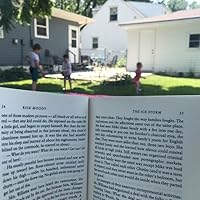
The collection--the last four stories, in particular--are so well written, so full of heart and poetry and profound yet simple observation that it's hard to even review them without boiling them down to something lesser. There's pretty writing and then there is beautiful writing, and Dubus is consistently in the second camp. My only frustration--and this is a selfish complaint--is I wish the seams of the stories, as my friend Gunter would say, were a tad more visible. But this is purely because I want to see how Dubus did it, arrived at such a polished product because the writer in me is dumbfounded and in awe of the invisible craftsmanship. Sure, and if I have to find other things I don't like, some of the stories--but not many--are a little tedious and though the observations are profound, sometimes I felt myself getting an upset stomach (not really) over the richness of the prose or the "bigness" of the themes. Sometimes, I just wanted Dubus to tell me a story rather than capture the cosmos of the human condition. But again, those last four stories are incredible! How how how did he do it?
I should also say that I am currently attending RCIA classes and reading this collection from Dubus, an unapologetic man of faith, was comforting and eased my fear that great art can't be guided by a higher power or that great literature can't exist in the realm of Christian spirituality. This collection, in an odd way, deepened my faith and, if it didn't do that, it kept it going or kept me questioning. The stories are undeniably Catholic, and they excited me for their frank exploration of themes of the Flesh (Papa Dubus' favorite theme maybe) Grace, and Gifts of the Holy Spirit. Sometimes, Dubus is too much for me, but he looms large and inviting as an example of what the short story can do and when he's on, he's really on and I could listen to him describe someone eating a sandwich for forty pages or more. I'm glad I started the year with this book!
I should also say that I am currently attending RCIA classes and reading this collection from Dubus, an unapologetic man of faith, was comforting and eased my fear that great art can't be guided by a higher power or that great literature can't exist in the realm of Christian spirituality. This collection, in an odd way, deepened my faith and, if it didn't do that, it kept it going or kept me questioning. The stories are undeniably Catholic, and they excited me for their frank exploration of themes of the Flesh (Papa Dubus' favorite theme maybe) Grace, and Gifts of the Holy Spirit. Sometimes, Dubus is too much for me, but he looms large and inviting as an example of what the short story can do and when he's on, he's really on and I could listen to him describe someone eating a sandwich for forty pages or more. I'm glad I started the year with this book!

April 4, 2012
There are fourteen stories here, about love, fidelity, desire and loss. Intertwined with these tales are four linked snapshots of a single couple, called Ted and LuAnn, as they meet, marry and deal with the struggles of marital life.
Dubus is a fine writer, evoking Raymond Carver and Richard Yates and completely understands this distinctive story form. His prose is strong and deft, if just a touch cold around the edges.
“The earth itself was leaving with her sad and pitying husband, was drawing away from her. Stars fell. That was a song, and music would never again be lovely; it was gone with the shattering stars and coldly dying moon, the trees of such mortal green; gone with life itself.”
Dubus is a fine writer, evoking Raymond Carver and Richard Yates and completely understands this distinctive story form. His prose is strong and deft, if just a touch cold around the edges.
“The earth itself was leaving with her sad and pitying husband, was drawing away from her. Stars fell. That was a song, and music would never again be lovely; it was gone with the shattering stars and coldly dying moon, the trees of such mortal green; gone with life itself.”

June 4, 2008
Tight, precise people led stories.
Reading these I felt like I'd taken a godly microscope and zoomed in on peoples lives. When reading I gained access to their innermost thoughts and feelings. It was a privileged and at times painful place to be. Dubus seems to write particularly well about women.
I will defiantly seek out more of his writing. He may single-handedly have erased my doubts about the form of the short story.
Reading these I felt like I'd taken a godly microscope and zoomed in on peoples lives. When reading I gained access to their innermost thoughts and feelings. It was a privileged and at times painful place to be. Dubus seems to write particularly well about women.
I will defiantly seek out more of his writing. He may single-handedly have erased my doubts about the form of the short story.

December 11, 2010
Not my favorite Dubus, but certainly interesting. The stories are quiet, they sneak, there are moments of gentle understanding and also some moments of real horror. The menace that Dubus deals with is not linked so much to the darkness in man as the darkness of chance. Somehow I found the stories that dealt with home invasion and shark attacks to be more affecting than the ones addressing love.
I prefer Dubus's other collection We Don't Live Here Anymore.
I prefer Dubus's other collection We Don't Live Here Anymore.

May 4, 2025
If a fist was loneliness and a punch was universal… I don’t know if that makes sense but it’s late and these stories came out swinging right between my ribs. Make of the image what you will. You know when your arms ache but you can’t hold anything that lasts, anyone who stays? When you only know true lack when once you’ve been loved? When no matter how hard you try you cannot fill the spaces they or it once filled? That’s loneliness. That’s a gut punch. That’s loss. But that’s also room. That’s also dancing after hours.

August 9, 2017
cw: self-harm
Dancing After Hours is an incredibly well-written collection of short stories. The writing itself is so compelling and the characters all have rich interiors. Each story, many of which are intertwined, provides a glimpse at the reality of humanity and the motivations behind us all. I can't remember the last time I highlighted so many phrases in a book. And!!! I counted multiple instances of women-loving women, which was a nice touch for me. I'd highly recommend this book to anyone interested.
Dancing After Hours is an incredibly well-written collection of short stories. The writing itself is so compelling and the characters all have rich interiors. Each story, many of which are intertwined, provides a glimpse at the reality of humanity and the motivations behind us all. I can't remember the last time I highlighted so many phrases in a book. And!!! I counted multiple instances of women-loving women, which was a nice touch for me. I'd highly recommend this book to anyone interested.

January 28, 2015
These stories are extremely poignant and wonderfully crafted. There were many times that I genuinely laughed out loud and other times that I found myself crying from the depths of my soul (which was startling). I particularly loved LuAnn’s character. She appears in several of the stories. I have no doubt that if LuAnn was a real person, we would absolutely be friends. For me these stories are a triumph and I feel blessed having come across them.

September 1, 2015
I keep feeling like Dubus is writing about real people, people that actually exist in the world. In his characters and in their complicated relationships with each other--in their loneliness, joy, violence, sin, love--I often see myself; my own thoughts and desires and fears and hopes. This is a collection to read to feel more acutely what it means to be alive. (I recommend his Selected Stories even more highly!)

September 12, 2017
This is one of the best books I've ever read and I don't say that lightly. Dubus has the ability to take what people really think but don't say out loud and lay it all out for you in a beautiful story. His ability to describe love, fear, loneliness, etc. in a simple sentence is profound and compelling. To say I needed time to process after each short story is an understatement--to rush absentmindedly through this book would be a significantly horrible mistake.

January 20, 2014
Please read the full review of The Page Walker via The Short Story Station .
"Running away cause fear. So if you hold your ground, you'll be brave. And that sadness doesn't cause crying. Crying makes us sad. So we should act the way we want to feel."

May 6, 2014
Andre Dubus is a master at the short story. So easily he involves me in his characters and stories. Sometimes great suspense. Other times love and human frailty and strength. Most enjoyable collection.
February 18, 2008
Quite possibly the best collection of American short stories ever, written with largesse and compassion in universal portions.
This entire review has been hidden because of spoilers.
October 21, 2017
Loved this collection of short stories - full of emotional intelligence & wry observation.
Displaying 1 - 30 of 158 reviews