

What do you think?

Akira [アキラ] #5
Akira, Book 5
This post-apocalyptic saga charts the coming of the creature known only as 'Akira', a power both feared and prized for its potential to shake the recovering world. The Great Tokyo Empire rises, but with technology's most advanced weaponry to hand, the planet is not taking the threat lying down.
416 pages, Paperback
First published December 11, 1990
Ratings & Reviews
Friends & Following
Create a free account to discover what your friends think of this book!
Community Reviews
Displaying 1 - 30 of 415 reviews

May 25, 2020
As Tetsuo continues to morph into something more powerful and less human, the opposing forces begin to work their way to his and Akira's base of operations. Kay, with her true abilities now revealed may finally have to get involved personally! And Yamada's primary mission's is finally revealed when the Americans really join the fray!
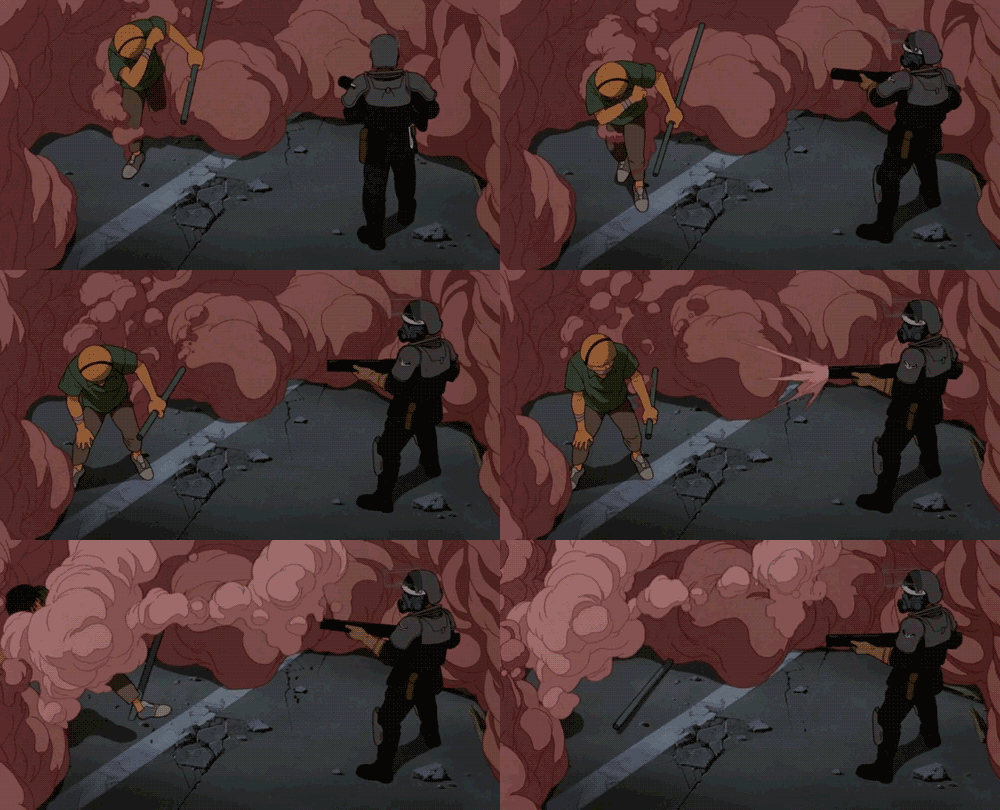
Plus marks for the artwork and constructed reality, minus marks for the almost adolescent male dialogue and scripting! 6 out of 12. This (colour) volume collects Akira #25 - 30.
Plus marks for the artwork and constructed reality, minus marks for the almost adolescent male dialogue and scripting! 6 out of 12. This (colour) volume collects Akira #25 - 30.

January 5, 2021
"For my dead friends, and for myself."
***If you don't like plot spoilers for the previous volumes, don't read!***
Outline of the story: After another world-end-level of disaster (explosion, earthquake, tsunami, you name it) hitting Neo-Tokyo, survivors were pretty much abandoned by the Japanese government and a group calling themselves the Great Tokyo Empire is raising to power, who is calling the shot? Tetsuo, a teenager who had just found himself with overwhelming superhuman power, and Akira, a mysterious entity who outwardly looks like a 5 to 7 years old boy, who also has psychic power strong enough to destroy the whole world with a thought.
On the other hand, a small group of people vow to seek revenge against Tetsuo: Kaneda and the survivors from the biker gang.
My thoughts
I'm glad that supporting characters such as Kei (okay she is practically the female lead), Joker (leader of the Clowns biker gang) and Kaisuke have more roles to play in this volume.
I also like how Tetsuo's relationship with Kaori is written, and Akira! He is so emotionless yet childlike it's chilling.
As for the adults, the Colonel, Ryu and Lady Miyako are still trying their hardest to direct the events and the future to the direction they want. Plus the USA army is also sending in their own people? Oh wow, things are gonna to be spiced up a lot.
Looking back at this works from the late 1980s, it's still stunning to see author Katsuhiro Otomo puts his hope of both destruction and rebirth on the youngsters and the next generation. Somehow it feels like a protest against the corrupted older generation.
The youths in the story are mostly ruthless, reckless, raw and emotional while they hold power strong enough to destroy the world, but for some reason, it's beautiful to see them in motion.
As to the fact that the most destructively powerful being in the series has the appearance of a 5 years old boy, it just reminds me of the fact that the atomic bomb that destructed Hiroshima on 6 August 1945 is also called "Little Boy".
Review for vol. 1 https://www.goodreads.com/review/show...

August 23, 2018
2.9 stars.
More of the same. Ho hum.
More of the same. Ho hum.

February 17, 2021
I am sad as this is going into the opposite direction of what I hoped for. To sum it up - most of Vol.5 is meaningless filler. First he builds up (starting in Vol: 4) side characters of the previous books, as the center characters take a step back or completely disappear. Now I assume after he realised that this is not going anywhere without the main character, otomo just cheaply inserts/writes him back in including his symbolic motorcycle, like nothing ever happened. I was applauding the choice to make us feel the impact of those “death’s” in the first place but hey.. lets just fuck the continuity.
Don’t get me wrong I love the world he created and also the originality but he made some big blunders here with the story and the plot. And to top it off, everything devolves into mindless action again…
I was glad to see other reviewers notice the same problems, as they are glaring and the rating here doesn’t reflect that at all. The changes the Anime adaptation has made, were not only needed but necessary and one of the rare cases that a movie adaptation outshines the Source material!
2.5 out of 5 stars
Don’t get me wrong I love the world he created and also the originality but he made some big blunders here with the story and the plot. And to top it off, everything devolves into mindless action again…
I was glad to see other reviewers notice the same problems, as they are glaring and the rating here doesn’t reflect that at all. The changes the Anime adaptation has made, were not only needed but necessary and one of the rare cases that a movie adaptation outshines the Source material!
2.5 out of 5 stars

September 9, 2018
BEST GIRL CHIYOKO IS BACK.
The situation is getting worse by minute and even an international conclave of scientists isn’t helping to solve the problem.
The military is in the way, as always.
Kaneda/Kay ship sails. What a beautiful scene.
Tetsuo is on the verge of losing it yet again, looking uglier than ever.
Akira takes a nap.
The situation is getting worse by minute and even an international conclave of scientists isn’t helping to solve the problem.
The military is in the way, as always.
Kaneda/Kay ship sails. What a beautiful scene.
Tetsuo is on the verge of losing it yet again, looking uglier than ever.
Akira takes a nap.
May 4, 2020
Shit hits the fan. Some of the manga's best action sequences are condensed to the latter half of this volume.

March 11, 2019
"We could collapse at any time during the battle...and to start all over then will be too late. If that moment comes, her youth and willpower will be our last fortress and redoubt."

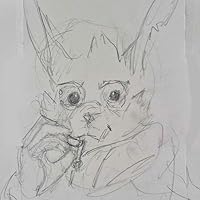
The entire novel encompasses spoilers. I'll blow this one first. See the pic above? Surprise!
The novel has several elements and multiple action scenes. The American military drops special forces into Neo-Tokyo to meet up with their Commander already on the ground. Ryu has tried to resist them but they become allies.
A Russian ship hosts scientists involved in the experiments responsible for the incident. They gather to develop solutions. They reside under the efforts of the American Military.
Kei, Kaneda and Tetsuo all take part in the novel, so it heightened my interest. Kaneda, as usual, remains a comic relief in his bad-boy way. His first words to Lady Miyako, this highly revered and benevolent spiritual leader:
"So what's up, Granny? What brought you out of your hole?"
The Colonel reaches Miyako's temple with little Kiyoko, but he requires medical attention. He goes off again with Kei to retrieve a wounded and unconscious Chiyoko. They fight many crazy and intense battles to get there and bring her to Miyako.
I realized the shades Lady Miyako wears fit the cyberpunk template.
Kaneda and Keisuki run into The Joker, the former leader of a motorcycle gang and rival of Kaneda and his group. They become allies in the cause against Testsuo. Joker fixes up bikes and flying platforms, a valuable asset. Of course, Kaneda and Keisuki steal bikes from him to go after Tetsuo, against his firm wishes.
In the subway, as they ride through, Kaneda and Keisuki see Kei in a ghost of flame. She says nothing, only disappears when she walks through him. No explanation has yet been given after several incidents of this occurrence.

The Colonel meets up with Kaneda and Keisuki to continue the journey after retrieving Chiyoko and now carrying a wounded and unconscious Kei, both in a caretaker robot.
Tetsuo.
Oh my. Tetsuo.
He teleports to the ship after seeing an American fighter jet, storms into the chambers housing the scientists and the Commander. He speaks rationally and calmly and trashes the place after getting information, causing harm but no deaths. The little laboratory created demi-gods and Lady Miyako feel deep concern about Tetsuo's power taking over him and turning him into another Akira.
Tetsuo's manager suggests he manifest his power to claim the allegiance of the group in competition with Lady Miyako. He agrees. He flies to the moon and creates a crater that cause disasters all over the earth: floods and bombs falling from satellites.
Turns out Kei takes a center place in the hall of fictional heroes. She has the ability of the medium. Other people can use her to control and flow their power through her. Miyako needs her. The whole world needs her. They plan to send her to Tetsuo for what they hope will be a last battle to destroy him, taking over her with their supernatural abilities, but leaving her conscious and allowing her to flow in her own will and mind.
That's some pretty cool stuff right there!
As you already know, Kei reveals she has feelings for Kaneda. As you might guess, Kaneda flips out with flattery, at first, but then another side of him surfaces, showing a change in him, a strengthening of his character through the difficulties of the novel. I thought Otomo did well with this characterization technique.

Tetsuo tries to hide a secret. He has been deforming, becoming a sort of "freak," one could say. Perhaps that is what he believes. He keeps growing things on his arm. Sometimes his body disintegrates into other things, the mechanical objects around him. He teleports himself back to the ship and to find out what has been happening to him. They tell him his body can't hold the fullness of the power and grows into objects around him to sustain it.
Now he gets it.
Not a freak.
A superbeing.
So he becomes the ship, takes it over, blows up another ship, transports onto a fighter jet in the air, becomes one with the jet. Bye-bye jet.
When he comes onto the runway Kei stands waiting for him. She fights him as Miyako, Kiyoko, and Masaru speak to her mind, teaching her how to channel their powers while in the battle. The moment before Tetsuo throws a plane into her by telepathy, she opens her eyes in Miyako's chamber. The four of them sit in meditation. She had been there only in spirit.
Kei: I'm sorry...I let it all get to me...So many things happening all at once...
Lady Miyako: I understand completely, my child...but the next one will be for real...there's no time for rehearsals. You must learn as you go.

The entire novel encompasses spoilers. I'll blow this one first. See the pic above? Surprise!
The novel has several elements and multiple action scenes. The American military drops special forces into Neo-Tokyo to meet up with their Commander already on the ground. Ryu has tried to resist them but they become allies.
A Russian ship hosts scientists involved in the experiments responsible for the incident. They gather to develop solutions. They reside under the efforts of the American Military.
Kei, Kaneda and Tetsuo all take part in the novel, so it heightened my interest. Kaneda, as usual, remains a comic relief in his bad-boy way. His first words to Lady Miyako, this highly revered and benevolent spiritual leader:
"So what's up, Granny? What brought you out of your hole?"
The Colonel reaches Miyako's temple with little Kiyoko, but he requires medical attention. He goes off again with Kei to retrieve a wounded and unconscious Chiyoko. They fight many crazy and intense battles to get there and bring her to Miyako.
I realized the shades Lady Miyako wears fit the cyberpunk template.
Kaneda and Keisuki run into The Joker, the former leader of a motorcycle gang and rival of Kaneda and his group. They become allies in the cause against Testsuo. Joker fixes up bikes and flying platforms, a valuable asset. Of course, Kaneda and Keisuki steal bikes from him to go after Tetsuo, against his firm wishes.
In the subway, as they ride through, Kaneda and Keisuki see Kei in a ghost of flame. She says nothing, only disappears when she walks through him. No explanation has yet been given after several incidents of this occurrence.
The Colonel meets up with Kaneda and Keisuki to continue the journey after retrieving Chiyoko and now carrying a wounded and unconscious Kei, both in a caretaker robot.
Tetsuo.
Oh my. Tetsuo.
He teleports to the ship after seeing an American fighter jet, storms into the chambers housing the scientists and the Commander. He speaks rationally and calmly and trashes the place after getting information, causing harm but no deaths. The little laboratory created demi-gods and Lady Miyako feel deep concern about Tetsuo's power taking over him and turning him into another Akira.
Tetsuo's manager suggests he manifest his power to claim the allegiance of the group in competition with Lady Miyako. He agrees. He flies to the moon and creates a crater that cause disasters all over the earth: floods and bombs falling from satellites.
Turns out Kei takes a center place in the hall of fictional heroes. She has the ability of the medium. Other people can use her to control and flow their power through her. Miyako needs her. The whole world needs her. They plan to send her to Tetsuo for what they hope will be a last battle to destroy him, taking over her with their supernatural abilities, but leaving her conscious and allowing her to flow in her own will and mind.
That's some pretty cool stuff right there!
As you already know, Kei reveals she has feelings for Kaneda. As you might guess, Kaneda flips out with flattery, at first, but then another side of him surfaces, showing a change in him, a strengthening of his character through the difficulties of the novel. I thought Otomo did well with this characterization technique.
Tetsuo tries to hide a secret. He has been deforming, becoming a sort of "freak," one could say. Perhaps that is what he believes. He keeps growing things on his arm. Sometimes his body disintegrates into other things, the mechanical objects around him. He teleports himself back to the ship and to find out what has been happening to him. They tell him his body can't hold the fullness of the power and grows into objects around him to sustain it.
Now he gets it.
Not a freak.
A superbeing.
So he becomes the ship, takes it over, blows up another ship, transports onto a fighter jet in the air, becomes one with the jet. Bye-bye jet.
When he comes onto the runway Kei stands waiting for him. She fights him as Miyako, Kiyoko, and Masaru speak to her mind, teaching her how to channel their powers while in the battle. The moment before Tetsuo throws a plane into her by telepathy, she opens her eyes in Miyako's chamber. The four of them sit in meditation. She had been there only in spirit.
Kei: I'm sorry...I let it all get to me...So many things happening all at once...
Lady Miyako: I understand completely, my child...but the next one will be for real...there's no time for rehearsals. You must learn as you go.

January 22, 2017
This is an awesome volume five. Things are shaping up for a definitely explosive concluding volume. Now, for those who are wondering how much the book differs from the movie, my answer they are similar at some key plot points with a lot of differences. The manga definitely covers way more than the movie. Like, the movie happened for just days, while the comics spans for months. The scope is also larger in the comics .

I have read enough manga to see where this is going.
Yet without having read volume six yet and having watched the movie, it seems that both of them give a similar conclusion. I don't mind it really. Akira does not rely heavily on the reader's pay-off at the end, but really on each of its pages.
I have read enough manga to see where this is going.
Yet without having read volume six yet and having watched the movie, it seems that both of them give a similar conclusion. I don't mind it really. Akira does not rely heavily on the reader's pay-off at the end, but really on each of its pages.

May 23, 2019
I'm still ecstatic about what Otomo has decided to go for with this series. With the tone having suddenly changed last volume, this one combines the more in-depth storytelling of that one with the fast-paced action of earlier bits. It's creating a story worth calling epic.

Things get bigger, more dangerous and more dramatic. You can start to feel that we're heading towards a conclusion that is probably going to be explosive - and I am absolutely here for it. I am particularly enjoying Tetsuo's development here. His powers are becoming too much for his body to handle and its now trying to incorporate his surroundings to host it. It's creepy when he's accidentally starting to absorb a ship and he makes a great antagonist, because not only is he powerful, impulsive (never a good combination) and scary, he is also scared of himself.
Kaneda is back and he's less of a prick than he was in the beginning of the story. But maybe that's just because he gets a little less screen time than he used to. Works for me. Meanwhile I like to focus on how important Kei is, as a medium she has the ability to serve as a vessel for other people's powers which comes in handy for Miyako and her crew. I'm always happy about a strong female character, so I am absolutely here for it.
Kaneda and Kei having feelings for each other is also somehow sweetly conveyed, it's hinted at here and there, but since they are so busy fighting for the world's survival it hasn't been directly addressed yet. It feels organic and makes sense - just think of everything they have been through together up until now.
The only thing I feel is unnecessary is bringing other countries like Russia and America in. I guess it's to underline the grand scope of things, but to me personally these international relations are a bit to connected to actual historical events for me to not just feel stereotyped here. But it's a minor flaw that is also highly subjective.
Let's head for the finale. I am ready.
Things get bigger, more dangerous and more dramatic. You can start to feel that we're heading towards a conclusion that is probably going to be explosive - and I am absolutely here for it. I am particularly enjoying Tetsuo's development here. His powers are becoming too much for his body to handle and its now trying to incorporate his surroundings to host it. It's creepy when he's accidentally starting to absorb a ship and he makes a great antagonist, because not only is he powerful, impulsive (never a good combination) and scary, he is also scared of himself.
Kaneda is back and he's less of a prick than he was in the beginning of the story. But maybe that's just because he gets a little less screen time than he used to. Works for me. Meanwhile I like to focus on how important Kei is, as a medium she has the ability to serve as a vessel for other people's powers which comes in handy for Miyako and her crew. I'm always happy about a strong female character, so I am absolutely here for it.
Kaneda and Kei having feelings for each other is also somehow sweetly conveyed, it's hinted at here and there, but since they are so busy fighting for the world's survival it hasn't been directly addressed yet. It feels organic and makes sense - just think of everything they have been through together up until now.
The only thing I feel is unnecessary is bringing other countries like Russia and America in. I guess it's to underline the grand scope of things, but to me personally these international relations are a bit to connected to actual historical events for me to not just feel stereotyped here. But it's a minor flaw that is also highly subjective.
Let's head for the finale. I am ready.

March 21, 2023
In this volume every group after Akira/Tetsuo is converging upon the Olympic stadium where they have taken up residence.
Tetsuo certainly is a showman. Blowing a crater in the moon big enough to affect the tides is an impressive show of power. Since weaning himself from drugs, Tetsuo's power is developing so fast that his power now rivals that of Akira.
I both loved and hated the reveal that Akira's personality was obliterated when his power was unlocked and that he only exists as a vessel for the power at this point. I loved it because it's a really interesting and tragic reveal. I hated it because it's not in line with Akira's reaction to Takashi's death, which is inconsistent.
The American military has been a presence in the story since Vol. 4 but they have yet to play any significant role. What is even the point of these guys? It's not their presence that bothers me, it's that they have so far been totally inconsequential to the plot so far. I hope the payoff is worth it.
Tetsuo certainly is a showman. Blowing a crater in the moon big enough to affect the tides is an impressive show of power. Since weaning himself from drugs, Tetsuo's power is developing so fast that his power now rivals that of Akira.
I both loved and hated the reveal that Akira's personality was obliterated when his power was unlocked and that he only exists as a vessel for the power at this point. I loved it because it's a really interesting and tragic reveal. I hated it because it's not in line with Akira's reaction to Takashi's death, which is inconsistent.
The American military has been a presence in the story since Vol. 4 but they have yet to play any significant role. What is even the point of these guys? It's not their presence that bothers me, it's that they have so far been totally inconsequential to the plot so far. I hope the payoff is worth it.

July 1, 2024
Mais um volume absurdo de Akira, em que novamente, sou surpreendido e fico sem saber como os poderes do Tetsuo funcionam, cara hora ele surta e começa a fazer coisas diferentes. No momento, ele está perdendo o controle do seus poderes e está se fundindo as coisas, está bizarro.
Além disso, temos mais uma vez Otomo nos mostrando as questões políticas envolvidas por trás de uma bomba atômica, as richas de países, e como os imperialistas sempre tentam participar como forma de "ajudar" outro pais, mas na verdade está interessado na guerra e no lucro que o cenário de devastação gera.
Fiquei feliz que o Kaneda voltou e consigo trouxe um pouco de alegria e comédia para a trama, que estava bem tensa com todo o estado de devastação de Neo Tokyo e as suas facções.
Estou ansioso pelo confronto final no próximo volume.
Além disso, temos mais uma vez Otomo nos mostrando as questões políticas envolvidas por trás de uma bomba atômica, as richas de países, e como os imperialistas sempre tentam participar como forma de "ajudar" outro pais, mas na verdade está interessado na guerra e no lucro que o cenário de devastação gera.
Fiquei feliz que o Kaneda voltou e consigo trouxe um pouco de alegria e comédia para a trama, que estava bem tensa com todo o estado de devastação de Neo Tokyo e as suas facções.
Estou ansioso pelo confronto final no próximo volume.

November 25, 2019

You can find my review on my blog by clicking here.
There aren’t many mangas that successfully changed the game as Akira did. This Japanese cyberpunk series written and illustrated by mangaka Katsuhiro Otomo from 1982 to 1990 has managed to open the eyes of many creators on the ways that a story could be told through this particular medium. With the release of the 1988 anime movie based on Akira, the visionary direction of mangaka Katshurio Otomo allowed his franchise to reach fans all around the world as they welcomed this masterpiece into their lives and allowed it to change their perception of visual storytelling. So far in the manga, the story has brilliantly evolved into a symbolic exploration of life through pain, destruction, and rebirth. While touching upon various ideologies, the story depicts a tragedy unfolding in the hands of children condemned to carry around a tremendous burden as they try to survive a fateful calamity.
What is Akira (Vol. 5) about? Following the catastrophic events that occurred in the previous volume, the story continues with the reemergence of the Great Tokyo Empire filled with insane zealots worshipping through fear Akira and Tetsuo, two of the most powerful beings with godlike telekinetic powers. On the horizon, other countries attempt to study the psychic chaos and destruction through scientific lenses, trying to figure out a military and technological approach that could stop this anarchy from expanding and growing with unbelievable consequences that could cause their world to see its end far sooner than expected. On the grounds, rebel legions look into their last resort, the ultimate key to defeating Akira and Tetsuo once and for all. If nothing is done in time, then the end is nigh.
It was hard to imagine where the story will go next, having explored religion and philosophy through the rise of a civilization and its pending implosion. However, mangaka Katsuhiro Otomo provides fans with a thought-provoking analysis of international warfare as it pits the American military and international scientific forces against the spiritual and occult forces of the Great Tokyo Empire. Inevitably, this leads us to discover the abnormal transformation of young Tetsuo who now embraces his abilities with open arms—pun intended—and quickly learns the intricacies of what he can now do to any material object around him. To complement this battle, the story also regroups several past characters together in an attempt to destroy Akira and Tetsuo by utilizing secret weapons with incredible implications. It’s once these characters made peace with what they had to do for one another that the volume ends on a cliffhanger where all hell will undoubtedly break loose in the final volume of Katsuhiro Otomo’s classic manga.
There’s no surprise when it comes to the artwork as mangaka Katsuhiro Otomo continues a phenomenal job in drawing with meticulous detail the characters and setting in this volume. From giant aircraft carriers to an Olympic Stadium, his visual style is a testament of his unmatched talents as a visionary creator. Through the art, he was able to highlight the epic scale of his story as he attempts to not only draw ground, sea, and air combat but to also go beyond the planet’s atmosphere and illustrate an impending majestic cataclysm. The emotions in this story are also cranked up as several characters realize the tight and unbreakable bond that they now have between each other, developed since the beginning of this wild adventure. Through the artwork, mangaka Katsuhiro Otomo was also able to showcase these emotions and emphasize on the power of friendship and love while reminding everyone that the greater good remains in saving the world from its end.
Akira (Vol. 5) is a thrilling and inspiring chapter in the chaotic and paranormal exploits of telekinetic superhuman children as science goes up against divinity.
Yours truly,
Lashaan | Blogger and Book Reviewer
Official blog: https://bookidote.com/
_______________________
As thrilling as ever. Epic from cover to cover.
Yours truly,
Lashaan | Blogger and Book Reviewer
Official blog: https://bookidote.com/

September 22, 2022
Continuación directa del tomo 4 con algunos personajes clave volviendo a la acción después de desaparecer durante toda una parte de la aventura. En este tomo 5, Otomo se centra en la naturaleza del poder de Akira y lo que es capaz de desatar en el mundo.
Finalmente llegamos al final del camino y el enfrentamiento entre Tetsuo y Kaneda parece inevitable.
Finalmente llegamos al final del camino y el enfrentamiento entre Tetsuo y Kaneda parece inevitable.

December 9, 2019
[Comics Canon Review]
Before the saga reaches its finale in the next volume, the major players must all take their places for the big confrontations to come. This penultimate volume follows the different journeys the main characters take on their way to the climax.
It’s incredibly challenging to write interesting and engaging preliminary battles and conflicts like this, but Otomo accomplishes it all brilliantly. This volume also ties together most of the hanging story threads and fills in the remaining gaps in exposition. Kei has firmly and confidently taken center stage as the book’s actual protagonist (Kaneda is just a predictable, if charismatic, hot-head). Otomo also juggles the many different forces in play, keeping them urgent and mutually menacing while also orchestrating the complex plotting and characterization of a long and detailed story.
Sure, he’s had 1500 pages of practice with his ensemble cast, but wow, it’s really impressive to watch this symphonic “counterpoint” of complex characters and intricate subplots as they play out over and against one another. I expect the final volume will again show Otomo going full blast with nonstop action—for better or for worse. But in the meantime, this volume shows him at his most thoughtful, precise, and imaginative.
Before the saga reaches its finale in the next volume, the major players must all take their places for the big confrontations to come. This penultimate volume follows the different journeys the main characters take on their way to the climax.
It’s incredibly challenging to write interesting and engaging preliminary battles and conflicts like this, but Otomo accomplishes it all brilliantly. This volume also ties together most of the hanging story threads and fills in the remaining gaps in exposition. Kei has firmly and confidently taken center stage as the book’s actual protagonist (Kaneda is just a predictable, if charismatic, hot-head). Otomo also juggles the many different forces in play, keeping them urgent and mutually menacing while also orchestrating the complex plotting and characterization of a long and detailed story.
Sure, he’s had 1500 pages of practice with his ensemble cast, but wow, it’s really impressive to watch this symphonic “counterpoint” of complex characters and intricate subplots as they play out over and against one another. I expect the final volume will again show Otomo going full blast with nonstop action—for better or for worse. But in the meantime, this volume shows him at his most thoughtful, precise, and imaginative.
January 19, 2019
It finally all comes nicely together in this volume.
The cinematic style of the earlier volumes makes a comeback. The narrative flows smoothly and at a very nice clip.
The story is told coherently and is actually going somewhere now. Otomo also got rid of all the annoying stuff of the previous volume.
Kaneda is back and a little less annoying than before. Fortunately his reappearance doesn’t force Kei into the background. She’s still my favorite. But several other characters are finally starting to grow on me.
This volume clearly sets course for the final showdown. And there were some pretty cool scenes here.

The best of the bunch so far. And now I’m actually looking forward to the conclusion of this story.
I have a feeling it won’t be the Olympics though.

The cinematic style of the earlier volumes makes a comeback. The narrative flows smoothly and at a very nice clip.
The story is told coherently and is actually going somewhere now. Otomo also got rid of all the annoying stuff of the previous volume.
Kaneda is back and a little less annoying than before. Fortunately his reappearance doesn’t force Kei into the background. She’s still my favorite. But several other characters are finally starting to grow on me.
This volume clearly sets course for the final showdown. And there were some pretty cool scenes here.
The best of the bunch so far. And now I’m actually looking forward to the conclusion of this story.
I have a feeling it won’t be the Olympics though.

September 15, 2018
Some pretty flashy action in this one, but more of the same nonetheless. The romance between Kei and the protagonist seems forced and undeveloped. The conflict feels somewhat meaningless since we still don’t really know much about the world, the setting or have much reason to care about the characters.
So far, the action is the only thing that has kept my attention throughout the series, everything else is just kind of meh. The next volume is also the last which is disappointing. It doesn’t really feel like much progress has been made. Everything is still so vague to the point I really don’t care what happens. Maybe the finale will have a major turn around. Here’s hoping.
So far, the action is the only thing that has kept my attention throughout the series, everything else is just kind of meh. The next volume is also the last which is disappointing. It doesn’t really feel like much progress has been made. Everything is still so vague to the point I really don’t care what happens. Maybe the finale will have a major turn around. Here’s hoping.

August 16, 2025
Che tavole pazzesche.
Pensavo di pubblicare una recensione riassuntiva al termine della lettura di tutti i volumi, ma non so se riuscirò mai a chiuderne la lettura. Non leggo mai fumetti per il costo proibitivo e per la difficoltà di reperirli tramite la biblioteca civica – mi pento di non essere mai riuscita a recuperare Akira prima d'ora.
Fantastica l'ambientazione post-apocalittica, tavole meravigliose e personaggi generati con una cura per l'individualità che non è semplice da incontrare, specie tra mangaka e tra la misoginia aberrante che parrebbe essere la prassi tra illustratori e scrittori – è presente, per chi avesse bisogno di trigger warning, un tentato stupro rivestito d'ironia, ma i livelli restano (per le mie sensibilità, sia chiaro) sostenibili.
È assurdo come il ritmo della narrazione scenda raramente, la tensione si mantiene costante e caricata, sequenze d'azione e guerra che, solamente negli ultimi due volumi, si spezzano per via delle molteplici fila d'intreccio, da recuperare necessariamente entro movimenti di cesura repentina, che forse rendono questo penultimo volume un poco meno elevato rispetto ai precedenti – nonostante ciò, davvero pazzesco.
Pensavo di pubblicare una recensione riassuntiva al termine della lettura di tutti i volumi, ma non so se riuscirò mai a chiuderne la lettura. Non leggo mai fumetti per il costo proibitivo e per la difficoltà di reperirli tramite la biblioteca civica – mi pento di non essere mai riuscita a recuperare Akira prima d'ora.
Fantastica l'ambientazione post-apocalittica, tavole meravigliose e personaggi generati con una cura per l'individualità che non è semplice da incontrare, specie tra mangaka e tra la misoginia aberrante che parrebbe essere la prassi tra illustratori e scrittori – è presente, per chi avesse bisogno di trigger warning, un tentato stupro rivestito d'ironia, ma i livelli restano (per le mie sensibilità, sia chiaro) sostenibili.
È assurdo come il ritmo della narrazione scenda raramente, la tensione si mantiene costante e caricata, sequenze d'azione e guerra che, solamente negli ultimi due volumi, si spezzano per via delle molteplici fila d'intreccio, da recuperare necessariamente entro movimenti di cesura repentina, che forse rendono questo penultimo volume un poco meno elevato rispetto ai precedenti – nonostante ciò, davvero pazzesco.

June 10, 2020
É duro ir no quinto volume de uma série em que só se aprecia uma personagem ultra secundária, abominando-se todas as principais.


July 25, 2019
Penultimate volume has lots to like. Good action and a solid setup for what looks like it will be an epic conclulsion. Setting us up for the Tetsuo/Kaneda showdown.

February 12, 2019
¿Estaba preparada para esto? No. ¿Estoy preparada para lo que sea que esté por venir? Definitivamente no. ¿Estoy flipando? Sin duda alguna. Señor Otomo, de verdad que ya no sé cómo puede acabar esto, pero bien, seguramente no.

December 2, 2021
Mon personnage préféré c'est le soldat sans nom qui apparaît juste dans une case pendant que Tetsuo massacre le porte-avion et qui dit à son supérieur de pas lui crier après. Fucking légende ce gars-là.

March 5, 2021
1.5? I like that Kaneda is back but I don't like anything else?

June 9, 2024
Yep. Still a masterpiece.

March 11, 2022
Volumen de transición donde las piezas empiezan a encajar para afrontar el final de esta historia. Que me parece a mi que bien no puede acabar.
Un poco menos de acción que en los volúmenes anteriores, vemos a un Tetsuo debatiéndose entre mantenerse humano o ceder a un poder que poco a poco lo va engullendo. Los personajes evolucionan y entran en juego más variantes, los militares americanos, pero no sé que recorrido puede tener esa subtrama, si simplemente es un relleno para darle algo de acción a la historia.
Hay cosas poco explicadas aun, el origen del poder de Kei, donde estuvo Kaneda mientras estaba desaparecido y que consecuencias tendrá.
Deseando leer el sexto y último volumen para saber como termina todo esto.
Como siempre el nivel gráfico es insuperable, el nivel de detalle de todas las viñetas hace que puedas releer varias veces el libro y descubrir a cada paso algo nuevo.
Un poco menos de acción que en los volúmenes anteriores, vemos a un Tetsuo debatiéndose entre mantenerse humano o ceder a un poder que poco a poco lo va engullendo. Los personajes evolucionan y entran en juego más variantes, los militares americanos, pero no sé que recorrido puede tener esa subtrama, si simplemente es un relleno para darle algo de acción a la historia.
Hay cosas poco explicadas aun, el origen del poder de Kei, donde estuvo Kaneda mientras estaba desaparecido y que consecuencias tendrá.
Deseando leer el sexto y último volumen para saber como termina todo esto.
Como siempre el nivel gráfico es insuperable, el nivel de detalle de todas las viñetas hace que puedas releer varias veces el libro y descubrir a cada paso algo nuevo.

December 26, 2020
No estoy segura de si Kay sobreviva, pero al menos regresa alguien importante.

April 22, 2021
Should be called "Where's Akira?" instead.
So we have a plot progressing at a snails pace, gazillion pointless side characters, stretched out shootouts between those characters and hordes of same looking underlings, a forced romance out of the blue and two actual panels of Akira looking sleepy or actually sleeping.
If I understood this correctly the plot now is that Lady Miyako advises Tetsuo, an unstable psychopath from the start, how to reach his full psychic potential (stop using literally tons of drugs, btw who and how makes these super-drugs after the collapse of society, destruction of military labs that produced them and complete lack of supplies?) and then in the next few volumes we have Lady Miyako actively working to stop Tetsuo before he reaches his full potential, because he's dangerously unstable.
They want to stop Tetsuo and at the same time use Tetsuo against Akira, who was released by Tetsuo who already wants to surpass Akira and I guess kill him himself. And there's at least 10 other groups out there who want to use Akira, stop Tetsuo, stop Akira and use Tetsuo and so on. My head hurts.
Also the drugs that made Tetsuo become psychic and develop his abilities somehow stunt his full psychic potential. Nothing makes sense.
This would be all explained better if any of the ever increasing pages of each volume were actually used for meaningful dialogue but all we get are angry grunts and platitudes from the protagonists instead.
It's exhausting and I feel like I need a little break to summon stamina for tackling the last volume.
So we have a plot progressing at a snails pace, gazillion pointless side characters, stretched out shootouts between those characters and hordes of same looking underlings, a forced romance out of the blue and two actual panels of Akira looking sleepy or actually sleeping.
If I understood this correctly the plot now is that Lady Miyako advises Tetsuo, an unstable psychopath from the start, how to reach his full psychic potential (stop using literally tons of drugs, btw who and how makes these super-drugs after the collapse of society, destruction of military labs that produced them and complete lack of supplies?) and then in the next few volumes we have Lady Miyako actively working to stop Tetsuo before he reaches his full potential, because he's dangerously unstable.
They want to stop Tetsuo and at the same time use Tetsuo against Akira, who was released by Tetsuo who already wants to surpass Akira and I guess kill him himself. And there's at least 10 other groups out there who want to use Akira, stop Tetsuo, stop Akira and use Tetsuo and so on. My head hurts.
Also the drugs that made Tetsuo become psychic and develop his abilities somehow stunt his full psychic potential. Nothing makes sense.
This would be all explained better if any of the ever increasing pages of each volume were actually used for meaningful dialogue but all we get are angry grunts and platitudes from the protagonists instead.
It's exhausting and I feel like I need a little break to summon stamina for tackling the last volume.

March 24, 2008
(I read Akira in one huge go over a weekend, so I will be cutting and pasting this review for all 6 volumes)
Akira is an epic work of science fiction sequential art. The storyline is complex and consistent. There is social commentary, ethical musing, and morality woven through an action packed storyline of science gone wrong. The "romance" portion of the story is believable as well. The two characters are drawn to one another over time, and the world doesn't stop for them to wallow in their newfound twitterpatedness.
The art is beautiful, especially the detailed cityscapes and technical drawings. The main characters were easy to recognize, regardless of their circumstances or outfits, which is not true of many manga.
My complaints about the work are small. The placement of speech bubbles, particularly when characters are shouting, was not always clear. The foreign characters were really just Japanese with funny hats on. The difference between Akira and Tetsuo at the height of their powers is never really explained.
I first became aware of the manga because I was a fan of the anime. The manga is far more complex and satisfying.
Akira is an epic work of science fiction sequential art. The storyline is complex and consistent. There is social commentary, ethical musing, and morality woven through an action packed storyline of science gone wrong. The "romance" portion of the story is believable as well. The two characters are drawn to one another over time, and the world doesn't stop for them to wallow in their newfound twitterpatedness.
The art is beautiful, especially the detailed cityscapes and technical drawings. The main characters were easy to recognize, regardless of their circumstances or outfits, which is not true of many manga.
My complaints about the work are small. The placement of speech bubbles, particularly when characters are shouting, was not always clear. The foreign characters were really just Japanese with funny hats on. The difference between Akira and Tetsuo at the height of their powers is never really explained.
I first became aware of the manga because I was a fan of the anime. The manga is far more complex and satisfying.

July 24, 2020
Still an exciting read, but I am getting a bit confused with all of the different factions of people. I also wish Kaori was a little better developed because I think she would be an interesting character. Other than that, I don't have much to complain about. Akira, the character, seems so innocent and I find myself hoping that he won't be destroyed. Fingers crossed as I go into the final volume next!
Content: strong language and violence; partial nudity
Content: strong language and violence; partial nudity
Displaying 1 - 30 of 415 reviews