

What do you think?

My Revolutions
Having briefly worked as a terrorist to protest the Vietnam War, Chris Carver hides his past from his suburban family and friends before a ghost from his past forces him to flee, a circumstance during which he remembers his isolated youth and violent relationships with two fellow radicals.
280 pages, Hardcover
First published January 1, 2007
About the author
Hari Kunzru
44 books1,022 followersHari Mohan Nath Kunzru (born 1969) is a British novelist and journalist, author of the novels The Impressionist, Transmission and My Revolutions. Of mixed English and Kashmiri Pandit ancestry, he grew up in Essex. He studied English at Wadham College, Oxford University, then gained an MA in Philosophy and Literature from Warwick University. His work has been translated into twenty languages. He lives in New York City.
Ratings & Reviews
Friends & Following
Create a free account to discover what your friends think of this book!
Community Reviews
Displaying 1 - 30 of 237 reviews

March 3, 2018
Chris Carver is intent on escaping his terrorist past but fate, piloted by Miles Bridgeman, has other plans. I love the way Hari Kunzru juxtaposes '70's counter-culture with '90's complacency. None of Kunzru's characters are especially likable—an element that plays well with the novel's neo-noirish feel. All the key elements of great noir are here including a masterfully crafted femme fatale, Anna Addison. For me, this was an enjoyably compelling read, even if it was a tad disheartening.

March 31, 2018
A Moral Calculus of Revolutionary Violence
It was beneficial to read this novel after William Vollmann’s “You Bright and Risen Angels” and Norman Mailer’s Miami and the Siege of Chicago”.
Even more so, it deserves comparison with John Banville’s “The Untouchable” (which is one of my favourite novels).
As has become customary, Vollmann’s spin on revolution seems to be more preoccupied with revolution as a fashion accessory or a self-conscious symbol of transgression. Mailer faces down the challenge whether an Old Leftie should embrace the revolutionary strategy of the New Left.
Banville convincingly explores the life of a former spy (for Russia) who is about to be exposed. I don’t recall a lot of discussion in Banville’s novel about what cause he spied for and why. The cause had become subsumed into the dictates of the Soviet Union.
Kunzru’s novel has more in common with Mailer’s scenario. While Mailer (who also purports to be the protagonist) is obviously a novelist and journalist, Kunzru’s first person narrator and protagonist is a former L.S.E. student who engaged in revolutionary terrorist activity in the U.K. at the cusp of the late 60’s/early 70’s.
The Angry Brigade
In an Historical Note at the end of the novel, Kunzru says:
“The British revolutionary underground has attracted less attention than its counterparts in the United States, Italy, and Germany. Many people, even in the U.K., have forgotten the Angry Brigade, whose notoriety peaked at the time of the ‘Stoke Newington Eight’ trial in 1972, at the end of which four defendants received long prison sentences.”
The unnamed group in “My Revolutions” is based on the Angry Brigade, which in turn was inspired by the German Baader Meinhof Gang (or the Red Army Faction), and the Italian Brigate Rosse (or the Red Brigades).
Chris Carver (AKA Michael Frame) is a fringe member of the group. He has read and absorbed a small amount of radical leftist literature, though he doesn’t seem to have developed a robust political philosophy that motivates his embrace of political violence and terrorism. His sympathy with the group seems to be more superficial, based on personal admiration of other members, or sexual interest in the female members (e.g., Anna Addison [possibly modelled on Anna Mendelssohn], who might or might not have been killed in the bombing of the German Embassy in Copenhagen in 1975). Indeed, for much of the first half of the novel, the sexual overtones dominated, so much so that I questioned whether it had more in common with English Lad Lit.
Ultimately, though, the novel grows into a more mature and sophisticated analysis of “what I believe”. Chris/Mike is portayed as more of a socialist than an anarchist, and realises that the violent tactics used by the group actually betrayed the political and philosophical vision that motivated his anger in the first place. Unlike “You Bright and Risen Angels”, the novel forces the reader to ask the question what circumstances justify violence or terrorism, particularly in western societies that have morphed into social democracies or welfare states.
The internal culture of the group seems to alienate members from the broader cause of radical humanism and society as a whole, including innocent civilians and complicit/guilty members of the military industrial complex (such as the police, special forces and the armed forces).
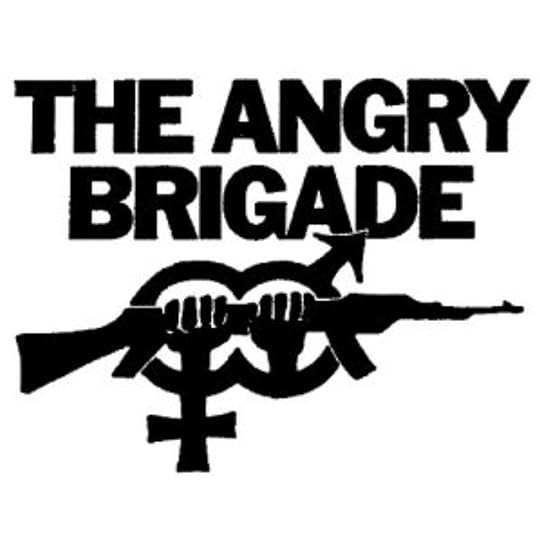
The Fragmented Collective
The narrative is a fractured composite of at least five different periods in Chris/Mike’s life:
1968 - the time of Chris’s radicalisation, leading up to the bombing of the Post Office Tower and his exile from the UK in 1971
1975 - the bombing of the German Embassy in Copenhagen
1981 - Mike returns to the UK and soon after meets Miranda
2000 - Mike and Miranda have a holiday in France, where he thinks he sees Anna in the street
2001 - Mike narrates his story (partly to Miranda's daughter and his step-daughter, Sam) as he approaches his 50th birthday party.
Kunzru expertly re-assembles the fragments in a manner that both keeps us guessing and supplies us with a satisfying climax.
The Feral Ecology
The profiles of the group members and other protesters are both insightful and amusing:
“...the feral ecology of the London underground...the Black Power crowd, the neatly dressed Leninists from the orthodox Communist Party.” (108)
“A Bohemian slovenliness hung over the place, a mannered slouch.” (254)
“Stupid nihilistic rich kids…” (183)
“...the whole ragtag London mob, students and street hippies and East End mods and striking builders and Piccadilly junkies spilling like an overflowing council bun into the big green open space, superciliously surveyed by the elegant townhouses of Mayfair.” (34)
“...its audience, a confection of swinging London and San Francisco flower-power…” (92)
“...a ramshackle counterculture made up of hundreds of cliques and groups and communes, little magazines, support groups, co-ops, bands...an anti-city of bed-sitters and bookshops, rehearsal rooms and cramped offices.” (109)
“There were mysterious middle-aged men with flasks of tea ànd sheaves of self-printed leaflets, feral-looking hippies, delinquent teens, raggedy thirties Marxists looking to warm their hands at the revolutionary fire.” (73)
Against My Father's World
They pit themselves against the status quo of their parents' world:
“There’s always been a part of the British establishment that identifies its own interests with the interests of the state.” (225)
“They’re smug, Philistine, reactionary, self-satisfied morons.”
“I don’t think that’s fair. They’re conservative. Old-fashioned.” (24)
“Standing in the crowd that morning with my fist in the air, there was one thing I was certain of: I’d had enough of my father’s world, enough of the idea that life was a scramble to the top over the heads of those poorer, slower, or weaker than yourself.” (29)
“[The boy] couldn’t have been older than seventeen, with tousled hair and a big cardigan that looked like his mum had knitted it.” (34)
The Existential Poverty of the System
The political agenda is constructed on the run, spontaneously:
“We worked together, scrawling phrases, calling them out to one another, little fragments of polemic we delivered like orators, taking pleasure in the force of the words, their potential to make change.” (45)
Still, they co-opt the framework and language of Marxism:
“He wanted to illustrate the existential poverty of the System. He wanted to propagandise for internationalism, for a free and progressive style of life…’Cinema is a weapon,’ he said, ‘for changing consciousness.’” (41)
“No one else is going to do it, if we don’t. No one else is going to build the revolution. I think we owe it to the future.” (42)
“Action. It’s where everyone’s at now. Either shit or get off the pot.” (42)
“We were a sign of something, the canaries in the capitalist coal mine, the Vanguard.” (73)
“...we had to commit to the project of forming a disciplined vanguard, to being one of an exemplary group of people who could credibly go out to the workers, raise consciousness through agitation and propaganda, and grow the movement to the point where the overthrow of the capitalist state would become feasible.” (148)
From Protest to Resistance
The first step is to go beyond protest and embrace direct action, which inevitably results in confrontation:
“CONFRONTATION is a bridge from protest to resistance...CONFRONTATION is your path to revolutionary self-transformation...CHOOSE YOUR TARGETS! ACT NOW!” (45)
“We would make Sylvan Close the site of an open confrontation with the State.” (158)
Breaking the Law
Confrontation brings conflict with the police and allegations that they have broken the law:
“Colin and Maggie disapproved of breaking the law. They said we had to show we were a responsible, rational part of society. If we were perceived as wreckers or undesirables, how could we hope to have an effect.” (63)
“The other cardboard cut-out of Sean is, of course, the social deviant, a member of the criminal classes led astray by a superficial engagement with politics.” (97)
“Principle number one: if we wanted to call ourselves revolutionaries, we had to be prepared to break the law. This wasn’t just a gesture, or a bonding ritual. The experience of transgression was part of our formation as revolutionary subjects. It would change us, change our relationship to power.” (117)
“There were all those pseudo Trotskys yabbering away, but most of them didn’t have a clue. All that revolutionary fervour - it was sort of wishful thinking. Oh, I don’t deny there were things that needed doing - I mean, Britain was a joyless hole of a place before our generation got hold of it - but no one could see farther than the end of their noses. We thought it was all about us. And there we were, in the middle of the Cold War...Anything that destabilised the British state was to the advantage of the USSR.” (258)
The Transformation of the Self
Most of the students are comfortably middle class or bourgeois, ostensibly showing solidarity with the working class or proletariat (because the workers have the numbers, if organised).
However, to transform society, the revolutionaries first have to transform themselves:
“I was diagnosed as a closet elitist, still trying to set myself apart from the proletariat.” (188)
“Freedom begins with the self!” (87)
“It’s not about the self. The self is reactionary crap. It’s about mass mobilisation.” (88)
“A revolutionary transformation of society would require a transformation of social life, a transmutation of ourselves...We had to kill the engine that generated all the daddies and mummies, throw a clog into the big machine.”(109)
Revolutionary Violence
Just as action leads to confrontation, it leads to violence, which conflicts with their non-violent strategy:
“Adventurism is a characteristic deviation in times of weakness.” (214)
“I accused them of fetishising nonviolence, telling them they’d just internalised the state's distinction between legitimate protest and criminality.” (173)
“It makes no sense to her to employ violence to end violence.” (88)
Eventually, some would say, inevitably, they embrace bombing and terrorism:
“Revolution [isn’t] going to happen without someone seizing power. It [is] going to take struggle. It [is] going to be violent.” (88)
“We are advocates of the abolition of war. We do not want war; but war can only be abolished through war, and in order to get rid of the gun, it is necessary to take up the gun. (Mao)” (226)
“You can’t hate the world’s imperfection so fiercely, so absolutely, without getting drawn toward death. Beyond a certain point it becomes the only possibility.” (22)
“Someone’s going to get killed...Collateral damage. It’s inevitable in war.” (245)
“We’re going to kill to demonstrate our organic connection to the masses.” (230)
“I thought our action [the bombing] was so pure in motive and clear in intent that no one could fail to understand it. I thought we were a spark.” (202)
The Killing Fields
Chris/Mike starts to question both the means and the ends, when he is required to kill innocent people:
“I couldn’t see how it was justified for me...to kill a man out of some abstract sense of revolutionary solidarity or third world internationalism...On a simple human level [the] plan still meant killing a man in front of his child and that had nothing to do with what I believed in. I wanted an end to poverty, to carpet bombing, to the numbness and corruption of the death-driven society I’d been born into. Instead it seemed death had corrupted me too.” (261)
The Pure Mind of the Theorist
He is forced to ask whether he really is an extremist or just an idealist:
“I always felt you got caught up in something you had no control over. You didn’t seem like the others. You didn’t seem like an extremist.” (168)
“...I think when it comes to actual revolution, you’ll hate it. You’ll hate the noise. You’ll hate the people. I think you’re a theorist.” (117)
“Oh, Sam. It was arrogance, I suppose. We thought we’d stepped outside. We thought it had been given to us to kick-start the new world. Can you understand that?” (231)
“A lot can happen in thirty years. People who sat around at Lansdowne Road preaching revolution can start to speak the language of choice and competition.” (139)
“Let’s all get on with gardening and watching the soaps and having kids and going shopping. You’ve done it. You’ve been able to lead a dull life because there’s no real conflict anymore...That’s what a good society looks like, Chris. Not perfect. Not filled with radiant angelic figures loving each other. Just mildly bored people, getting by.” (259)
“I don’t remember much about what I thought or how I felt. I was treading water, turning round and round, existing rather than living. I had the idea that I’d try to find somewhere very beautiful and very simple and settle there, far away from all kinds of violence and destruction. To say I was disillusioned with politics would be too simple. I still hated the system, hated the cops in their gray or green or blue or brown uniforms, pushing people around, moving them on from the Damrak or St. Pauli or the Stroget. But I didn’t trust myself anymore. I was suspicious of my instincts, my capacity for violence.” (260)
“I gradually began to feel less connected to what I’d thought and done before. The monks taught that to escape suffering one must reject the impulse to act on the world. The desire for change, they insisted, is just another form of craving...The liberation I’d fought for was surely impossible, illusory...The Dhammapada begins, ‘Mind is the forerunner of all processes: it is chief and they are mind-made. If one talks or acts with an impure mind then suffering follows as the wheel follows the ox’s tread.’ So I tried to purify my mind, to accept that the only possible sphere of liberation was the self. I thought I had a chance to achieve peace. I might as well have been doing push-ups...” (271)
"But when you talk about destruction,
Don't you know you can count me out?"
John Lennon, "Revolution"
SOUNDTRACK:
Angry Brigade and Persons Unknown Documentaries
https://m.youtube.com/watch?v=ItrbJdj...
The Angry Brigade
https://m.youtube.com/watch?v=_4KAKcI...
The Beatles - "Revolution"
https://m.youtube.com/watch?v=BGLGzRX...
Guerrilla (Official Trailer)
https://m.youtube.com/watch?v=cHAic4b...
It was beneficial to read this novel after William Vollmann’s “You Bright and Risen Angels” and Norman Mailer’s Miami and the Siege of Chicago”.
Even more so, it deserves comparison with John Banville’s “The Untouchable” (which is one of my favourite novels).
As has become customary, Vollmann’s spin on revolution seems to be more preoccupied with revolution as a fashion accessory or a self-conscious symbol of transgression. Mailer faces down the challenge whether an Old Leftie should embrace the revolutionary strategy of the New Left.
Banville convincingly explores the life of a former spy (for Russia) who is about to be exposed. I don’t recall a lot of discussion in Banville’s novel about what cause he spied for and why. The cause had become subsumed into the dictates of the Soviet Union.
Kunzru’s novel has more in common with Mailer’s scenario. While Mailer (who also purports to be the protagonist) is obviously a novelist and journalist, Kunzru’s first person narrator and protagonist is a former L.S.E. student who engaged in revolutionary terrorist activity in the U.K. at the cusp of the late 60’s/early 70’s.
The Angry Brigade
In an Historical Note at the end of the novel, Kunzru says:
“The British revolutionary underground has attracted less attention than its counterparts in the United States, Italy, and Germany. Many people, even in the U.K., have forgotten the Angry Brigade, whose notoriety peaked at the time of the ‘Stoke Newington Eight’ trial in 1972, at the end of which four defendants received long prison sentences.”
The unnamed group in “My Revolutions” is based on the Angry Brigade, which in turn was inspired by the German Baader Meinhof Gang (or the Red Army Faction), and the Italian Brigate Rosse (or the Red Brigades).
Chris Carver (AKA Michael Frame) is a fringe member of the group. He has read and absorbed a small amount of radical leftist literature, though he doesn’t seem to have developed a robust political philosophy that motivates his embrace of political violence and terrorism. His sympathy with the group seems to be more superficial, based on personal admiration of other members, or sexual interest in the female members (e.g., Anna Addison [possibly modelled on Anna Mendelssohn], who might or might not have been killed in the bombing of the German Embassy in Copenhagen in 1975). Indeed, for much of the first half of the novel, the sexual overtones dominated, so much so that I questioned whether it had more in common with English Lad Lit.
Ultimately, though, the novel grows into a more mature and sophisticated analysis of “what I believe”. Chris/Mike is portayed as more of a socialist than an anarchist, and realises that the violent tactics used by the group actually betrayed the political and philosophical vision that motivated his anger in the first place. Unlike “You Bright and Risen Angels”, the novel forces the reader to ask the question what circumstances justify violence or terrorism, particularly in western societies that have morphed into social democracies or welfare states.
The internal culture of the group seems to alienate members from the broader cause of radical humanism and society as a whole, including innocent civilians and complicit/guilty members of the military industrial complex (such as the police, special forces and the armed forces).
The Fragmented Collective
The narrative is a fractured composite of at least five different periods in Chris/Mike’s life:
1968 - the time of Chris’s radicalisation, leading up to the bombing of the Post Office Tower and his exile from the UK in 1971
1975 - the bombing of the German Embassy in Copenhagen
1981 - Mike returns to the UK and soon after meets Miranda
2000 - Mike and Miranda have a holiday in France, where he thinks he sees Anna in the street
2001 - Mike narrates his story (partly to Miranda's daughter and his step-daughter, Sam) as he approaches his 50th birthday party.
Kunzru expertly re-assembles the fragments in a manner that both keeps us guessing and supplies us with a satisfying climax.
The Feral Ecology
The profiles of the group members and other protesters are both insightful and amusing:
“...the feral ecology of the London underground...the Black Power crowd, the neatly dressed Leninists from the orthodox Communist Party.” (108)
“A Bohemian slovenliness hung over the place, a mannered slouch.” (254)
“Stupid nihilistic rich kids…” (183)
“...the whole ragtag London mob, students and street hippies and East End mods and striking builders and Piccadilly junkies spilling like an overflowing council bun into the big green open space, superciliously surveyed by the elegant townhouses of Mayfair.” (34)
“...its audience, a confection of swinging London and San Francisco flower-power…” (92)
“...a ramshackle counterculture made up of hundreds of cliques and groups and communes, little magazines, support groups, co-ops, bands...an anti-city of bed-sitters and bookshops, rehearsal rooms and cramped offices.” (109)
“There were mysterious middle-aged men with flasks of tea ànd sheaves of self-printed leaflets, feral-looking hippies, delinquent teens, raggedy thirties Marxists looking to warm their hands at the revolutionary fire.” (73)
Against My Father's World
They pit themselves against the status quo of their parents' world:
“There’s always been a part of the British establishment that identifies its own interests with the interests of the state.” (225)
“They’re smug, Philistine, reactionary, self-satisfied morons.”
“I don’t think that’s fair. They’re conservative. Old-fashioned.” (24)
“Standing in the crowd that morning with my fist in the air, there was one thing I was certain of: I’d had enough of my father’s world, enough of the idea that life was a scramble to the top over the heads of those poorer, slower, or weaker than yourself.” (29)
“[The boy] couldn’t have been older than seventeen, with tousled hair and a big cardigan that looked like his mum had knitted it.” (34)
The Existential Poverty of the System
The political agenda is constructed on the run, spontaneously:
“We worked together, scrawling phrases, calling them out to one another, little fragments of polemic we delivered like orators, taking pleasure in the force of the words, their potential to make change.” (45)
Still, they co-opt the framework and language of Marxism:
“He wanted to illustrate the existential poverty of the System. He wanted to propagandise for internationalism, for a free and progressive style of life…’Cinema is a weapon,’ he said, ‘for changing consciousness.’” (41)
“No one else is going to do it, if we don’t. No one else is going to build the revolution. I think we owe it to the future.” (42)
“Action. It’s where everyone’s at now. Either shit or get off the pot.” (42)
“We were a sign of something, the canaries in the capitalist coal mine, the Vanguard.” (73)
“...we had to commit to the project of forming a disciplined vanguard, to being one of an exemplary group of people who could credibly go out to the workers, raise consciousness through agitation and propaganda, and grow the movement to the point where the overthrow of the capitalist state would become feasible.” (148)
From Protest to Resistance
The first step is to go beyond protest and embrace direct action, which inevitably results in confrontation:
“CONFRONTATION is a bridge from protest to resistance...CONFRONTATION is your path to revolutionary self-transformation...CHOOSE YOUR TARGETS! ACT NOW!” (45)
“We would make Sylvan Close the site of an open confrontation with the State.” (158)
Breaking the Law
Confrontation brings conflict with the police and allegations that they have broken the law:
“Colin and Maggie disapproved of breaking the law. They said we had to show we were a responsible, rational part of society. If we were perceived as wreckers or undesirables, how could we hope to have an effect.” (63)
“The other cardboard cut-out of Sean is, of course, the social deviant, a member of the criminal classes led astray by a superficial engagement with politics.” (97)
“Principle number one: if we wanted to call ourselves revolutionaries, we had to be prepared to break the law. This wasn’t just a gesture, or a bonding ritual. The experience of transgression was part of our formation as revolutionary subjects. It would change us, change our relationship to power.” (117)
“There were all those pseudo Trotskys yabbering away, but most of them didn’t have a clue. All that revolutionary fervour - it was sort of wishful thinking. Oh, I don’t deny there were things that needed doing - I mean, Britain was a joyless hole of a place before our generation got hold of it - but no one could see farther than the end of their noses. We thought it was all about us. And there we were, in the middle of the Cold War...Anything that destabilised the British state was to the advantage of the USSR.” (258)
The Transformation of the Self
Most of the students are comfortably middle class or bourgeois, ostensibly showing solidarity with the working class or proletariat (because the workers have the numbers, if organised).
However, to transform society, the revolutionaries first have to transform themselves:
“I was diagnosed as a closet elitist, still trying to set myself apart from the proletariat.” (188)
“Freedom begins with the self!” (87)
“It’s not about the self. The self is reactionary crap. It’s about mass mobilisation.” (88)
“A revolutionary transformation of society would require a transformation of social life, a transmutation of ourselves...We had to kill the engine that generated all the daddies and mummies, throw a clog into the big machine.”(109)
Revolutionary Violence
Just as action leads to confrontation, it leads to violence, which conflicts with their non-violent strategy:
“Adventurism is a characteristic deviation in times of weakness.” (214)
“I accused them of fetishising nonviolence, telling them they’d just internalised the state's distinction between legitimate protest and criminality.” (173)
“It makes no sense to her to employ violence to end violence.” (88)
Eventually, some would say, inevitably, they embrace bombing and terrorism:
“Revolution [isn’t] going to happen without someone seizing power. It [is] going to take struggle. It [is] going to be violent.” (88)
“We are advocates of the abolition of war. We do not want war; but war can only be abolished through war, and in order to get rid of the gun, it is necessary to take up the gun. (Mao)” (226)
“You can’t hate the world’s imperfection so fiercely, so absolutely, without getting drawn toward death. Beyond a certain point it becomes the only possibility.” (22)
“Someone’s going to get killed...Collateral damage. It’s inevitable in war.” (245)
“We’re going to kill to demonstrate our organic connection to the masses.” (230)
“I thought our action [the bombing] was so pure in motive and clear in intent that no one could fail to understand it. I thought we were a spark.” (202)
The Killing Fields
Chris/Mike starts to question both the means and the ends, when he is required to kill innocent people:
“I couldn’t see how it was justified for me...to kill a man out of some abstract sense of revolutionary solidarity or third world internationalism...On a simple human level [the] plan still meant killing a man in front of his child and that had nothing to do with what I believed in. I wanted an end to poverty, to carpet bombing, to the numbness and corruption of the death-driven society I’d been born into. Instead it seemed death had corrupted me too.” (261)
The Pure Mind of the Theorist
He is forced to ask whether he really is an extremist or just an idealist:
“I always felt you got caught up in something you had no control over. You didn’t seem like the others. You didn’t seem like an extremist.” (168)
“...I think when it comes to actual revolution, you’ll hate it. You’ll hate the noise. You’ll hate the people. I think you’re a theorist.” (117)
“Oh, Sam. It was arrogance, I suppose. We thought we’d stepped outside. We thought it had been given to us to kick-start the new world. Can you understand that?” (231)
“A lot can happen in thirty years. People who sat around at Lansdowne Road preaching revolution can start to speak the language of choice and competition.” (139)
“Let’s all get on with gardening and watching the soaps and having kids and going shopping. You’ve done it. You’ve been able to lead a dull life because there’s no real conflict anymore...That’s what a good society looks like, Chris. Not perfect. Not filled with radiant angelic figures loving each other. Just mildly bored people, getting by.” (259)
“I don’t remember much about what I thought or how I felt. I was treading water, turning round and round, existing rather than living. I had the idea that I’d try to find somewhere very beautiful and very simple and settle there, far away from all kinds of violence and destruction. To say I was disillusioned with politics would be too simple. I still hated the system, hated the cops in their gray or green or blue or brown uniforms, pushing people around, moving them on from the Damrak or St. Pauli or the Stroget. But I didn’t trust myself anymore. I was suspicious of my instincts, my capacity for violence.” (260)
“I gradually began to feel less connected to what I’d thought and done before. The monks taught that to escape suffering one must reject the impulse to act on the world. The desire for change, they insisted, is just another form of craving...The liberation I’d fought for was surely impossible, illusory...The Dhammapada begins, ‘Mind is the forerunner of all processes: it is chief and they are mind-made. If one talks or acts with an impure mind then suffering follows as the wheel follows the ox’s tread.’ So I tried to purify my mind, to accept that the only possible sphere of liberation was the self. I thought I had a chance to achieve peace. I might as well have been doing push-ups...” (271)
"But when you talk about destruction,
Don't you know you can count me out?"
John Lennon, "Revolution"
SOUNDTRACK:
Angry Brigade and Persons Unknown Documentaries
https://m.youtube.com/watch?v=ItrbJdj...
The Angry Brigade
https://m.youtube.com/watch?v=_4KAKcI...
The Beatles - "Revolution"
https://m.youtube.com/watch?v=BGLGzRX...
Guerrilla (Official Trailer)
https://m.youtube.com/watch?v=cHAic4b...

November 16, 2013
An exceptionally exciting and well-written novel about the radical seventies, the novel begins with a man quietly living as middle-class husband and father, when his past intrudes into the carefully-crafted, quiet life he has constructed for himself in the boosterish post-Thatcher England of the late 90s. Kunzru just hits it out of the park. This novel would be a good companion in many ways to Rachel Kushner's The Flamethrowers, though the politics here are front and center, attentively and carefully portrayed, with all their ragged waywardness and sloganeering, the demonstrations and 'committees' and rhetoric pressing the participants ever more leftwards, fueled by the personal need for daring. Unlike Kushner's novel, Kunzru's Mike Frame/Chris Carver is a character who doesn't stumble into radicalism, but moves into it with an aggressive confidence of a very young and emotionally vunlnerable teenager.
The present story, of a middle-aged man whose past catches up to him, is every bit as compelling as is the mesmerizing, progressively darker backstory. This is my second read--listening to it on CD this time--Kunzru hits just right note in creating a character with a double vision, able to note how his politics was inextricable from who he was at the time, how the world was, and how he destroyed his life for what he believed, and the way that belief was changed and made more extreme by the people he surrounded himself with. I also like how, though his ideals destroyed his life, Kunzru shows he still cannot help but see the current world in terms of that idealism. Fascinating, brilliant depiction of the way extremism takes on a life of its own..
The present story, of a middle-aged man whose past catches up to him, is every bit as compelling as is the mesmerizing, progressively darker backstory. This is my second read--listening to it on CD this time--Kunzru hits just right note in creating a character with a double vision, able to note how his politics was inextricable from who he was at the time, how the world was, and how he destroyed his life for what he believed, and the way that belief was changed and made more extreme by the people he surrounded himself with. I also like how, though his ideals destroyed his life, Kunzru shows he still cannot help but see the current world in terms of that idealism. Fascinating, brilliant depiction of the way extremism takes on a life of its own..

November 21, 2017
||রাষ্ট্রশক্তি এবং তাকে পালটে দেওয়ার স্বপ্ন-সংঘাত||
[ My Revolution by Hari Kunzru, Hamish Hamilton, 2007]
17th March, 1968 লন্ডনের সকাল। প্রায় দশহাজার প্রতিবাদী মানুষের একটি দল একে একে এসে দাড়াল ট্রাফালগার স্কোয়ারে! বিভিন্ন যুদ্ধবিরোধী স্বেচ্ছাসেবী সংস্থা, শান্তিকামী মানুষ, কলেজ ও বিশ্ববিদ্যালয় ছাত্র, অসংখ্য যুবক ও যুবতী যারা রাষ্ট্রের বেঁধে দেওয়া নির্দিষ্ট সামাজিক পরিমন্ডলের গণ্ডির বাইরে গিয়ে অন্যরকম ভাবে সমাজ গড়তে চায়, তারা একত্রিত হয়েছে তাদের সমবেত প্রতিবাদ রাষ্ট্রের সামনে তুলে ধরতে। তারা কেউ গান গাইছেন, কেউ দিচ্ছেন স্লোগান, কেউ মুখে কালো কাপড় বেধে জানাচ্ছেন নীরব প্রতিবাদ, কেউ বয়ে নিয়ে চলেছেন কাধে কালো কফিন, কেউ রাষ্ট্রধ্বজা জ্বালিয়ে তুলে ধরেছেন বিদ্রোহের মশাল। তাদের সকলের উদ্দেশ্য আমেরিকা সরকারকে সচেতন করা, তারা যেন অবিলম্বে ভিয়েতনামে যুদ্ধ বন্ধ করে। তাদের উদ্দেশ্য ব্রিটিশ সরকারকে সচেতন করা, যাতে সরকার যেন আমেরিকা সরকারকে সমর্থন না করে।
বিপুল বিশাল এই জনস্রোতের প্রাথমিক আবহটি ছিল সামান্য লঘু। হাসি ঠাট্টা, গান আর স্লোগানে স্লোগানে আপ্লুত যুবক-যুবতীরা ট্রাফালগার স্কোয়ার থেকে গ্রসভেনর স্কোয়ারের দিকে পা বাড়িয়েই সচকিত হয়ে উঠিল। আমেরিকান এমব্যাসিকে মুড়ে ফেলা হয়েছে পুলিশ দিয়ে! আমেরিকান এমব্যাসি দখল করার প্রাথমিক কোন পরিকল্পনা ছেলেমেয়েদের ছিল না, কিন্তু পুলিশের বাধা পেয়ে অচিরেই আগুয়ান জনতার সাথে তদের তুমুল ঠেলাঠেলি শুরু হল। দু-পক্ষের দ্বন্দ্বযুদ্ধে খুব শ্রীঘই স্মোক বম্ব, ঢিল পাথর ইত্যাদি আদান প্রদান শুরু হল। ধাক্কাধাক্কিতে পুলিশের কর্ডন ভেঙে অনেকেই ঢুকে পড়েছিল এমব্যাসি চত্বরে; অপেক্ষমাণ পুলিশের আরেক সারি তাদের তাড়া করতে ছুটল। অনেককেই পাকড়ে ফেলা গেল, ছুড়ে দেওয়া হল পুলিশ ভ্যানের ধাতব মেঝেতে। ততক্ষণে এদিকে অবশ্য ঘোড়সওয়ার বাহিনী লাঠি উচিয়ে নেমে পড়েছে ময়দানে, পিটিয়ে তারা ছত্রভঙ্গ করতে চাইছে যুবক-যুবতীদের। সদ্য তরুন, ক্রিস ক্রেভার এই আবহেই প্রথমবার দেখেছিল সেই মেয়েটিকে, অ্যানা অ্যাডিসনকে! নীল জিন্স, আর্মি জ্যাকেট আর স্কার্ফে বাধা তার বাদামী চুল, তাকে ক্রিস দেখেছিল প্রতিপক্ষকে অগ্রাহ্য করে সামনে এগিয়ে যেতে, নিখুঁত ভঙ্গিমায় পাথর ছুড়ে মারতে! অ্যানা অ্যাডিসন ছিল একইসাথে ক্রিসের ভালবাসা ও মৃত্যুর পরোয়ানা।
ওয়েস্ট লন্ডনের রুইস্লিপে বড় হয়ে ওঠা, ক্রিস ক্রেভার ছিল লণ্ডন স্কুল অব ইকোনমিক্স এর প্রথম বর্ষের ছাত্র। সেদিন সে এসেছিল ভিয়েতনাম অ্যাকশন গ্রুপের সদস্য হয়ে। সে ছিল দ্বন্দ্বযুদ্ধের প্রথম সারিতে। তার স্থান হল পুলিশের ভ্যানে। লক আপে তার পরিচয় হল আরেক যুবকের সাথে, নাম মাইলস ব্রিজম্যান, ছেলেটি ফটোগ্রাফার। একদিকে অ্যানা, অন্যদিকে মাইলস, ক্রিসের জীবনের দুটি পরস্পর বিপরীতমুখী চরিত্রের আগমন হল ভিয়েতনাম যুদ্ধের পরিপ্রেক্ষিতে। উন্মাদনাময় এক র্যাডিক্যাল আন্ডারগ্রাউন্ড রাজনৈতিক জীবন, যা ক্রিস চিরকাল গোপন রাখতে চেয়েছে তার স্ত্রী মিরান্ডা ও পালিতা কন্যা স্যামের কাছ থেকে, সেই গোপনীয়তা ভেঙে পড়ল ক্রিসের পঞ্চাশ বছরের জন্মদিনে এসে, আবার মাইলসের মুখোমুখি হয়ে! এতদিন পরে ক্রিস জানতে পারল, হ্যাঁ, অ্যানা ও অন্যান্যদের সন্দেহ সঠিক ছিল। আসলে মাইলসকে পাঠানো হয়েছিল চর হিসেবে, ততকালীন আন্ডারগ্রাউন্ড র্যাডিক্যাল গোষ্ঠীর সদস্যদের সম্মন্ধে তথ্য জোগাড় করতে!
কিন্তু এই উপন্যাস শুধু ক্রিস-অ্যানা-মাইলস, বা, সীন, সল, লিও, প্যাট এলিসের কাহিনী নয়! এই গল্প সামগ্রিকভাবে ১৯৬৮-১৯৭৪ এর সময়কালের, যখন দুনিয়াব্যাপী ঠান্ডা যুদ্ধের আবহাওয়ায় একদল যুবক-যুবতী চেয়েছিল বিকল্প কোন সমাজ ব্যবস্থার। ফ্যাসিবাদী রাষ্ট্রশক্তি এবং বুর্জোয়া ক্যাপিটালিস্ট শক্তিকে পরাস্ত করে তারা স্বপ্ন দেখছিল এক নতুন সমাজ ব্যবস্থা কায়েম করার। নতুন সমাজ ব্যবস্থা নিয়ে তাদের কারোরই সুনির্দিষ্ট ধারনা তাদের ছিল না, কিন্তু তাদের ইচ্ছে ছিল আন্তরিক। ক্রিস ছ’মাস জেল খেটে যখন ফিরে এল, তখন কলেজ কর্তৃপক্ষ তার দোর বন্ধ করেছেন ফেরার, শখের বিদ্রোহী সহপাঠীরাও তাকে এড়িয়ে যেতে আগ্রহী। ক্রিস ভিড়ে গেল একদল ছেলেমেয়ের সাথে যারা কমিউন ও কম্যুনিজমে আগ্রহী! অ্যানার সাথে এইখানে তার আলাপ হল।
একদিকে তাদের উদ্দাম বোহেমিয়ান নেশাতুর জীবন, অন্যদিকে বৈকল্পিক এক সমাজ গড়ে তোলার চিন্তাভাবনা। সকল দিক থেকেই ক্রিস ও অন্যান্যরা সমাজের প্রচলিত ধ্যানধারণা থেকে বিপ্রতীপ এক অবস্থান করছিল। তাদের বিশ্বাস ছিল ব্যাক্তিগত পরিসর বলে যা কিছু আছে, তা আসলে বুর্জোয়া ধনতান্ত্রিক ধ্যানধারণার চর্চা। সমাজের বদল আনতে গেলে আগে নিজেদের মানসিকতায় ও বদল আনতে হবে। ফ্রী-পিকচার, বা ল্যান্সডাউন রোডে যে সব যুবক-যুবতীরা থাকত, তারা যৌথ ভাবে বাচায় বিশ্বাসী ছিল। প্রত্যেকে পরিশ্রম করবে, এবং তার সুফল বাকি সকলের মধ্যে ভাগ করে দেওয়া হবে। সামাজিক এবং রাজনৈতিক, উভয় দিক থেকেই একটা মুক্তাঞ্চল গড়ে তুলতে চেয়েছিল তারা। প্রায় নেত্রীসুলভ হয়ে অ্যানা নিজেকেই এই বদলের পুরোধা হয়ে উঠেছিল। তাদের খাওয়া শোওয়া আড্ডা আলোচনা নেশা, এমনকি যৌনইচ্ছের ক্ষেত্রেও ব্যাক্তিগত অধিকারবোধের জায়গাটি কে তারা মুছে দিতে চেয়েছিল।
কিন্তু রাষ্ট্রশক্তি চিরকালই সাম্যের বিরোধী এবং বৈষম্য বজায় না রাখলে ধনতন্ত্রের চাকা অচল হয়ে পড়ে। রাষ্ট্র সর্বদাই আপনার ভাবনা, আপনার জীবন, আপনার প্রয়োজনকে নিজের মত করে, নিজের স্বার্থে নিয়ন্ত্রন করতে ইচ্ছুক। তলিয়ে দেখলেই বোঝা যাবে যে আপনার ব্যাক্তিগত যা কিছু আছে, আসলে সেখানেও রাষ্ট্র আপনার অজান্তেই হাত বাড়িয়েছে। ছোটোবেলা থেকে রাষ্ট্র আপনাকে নিয়ম শিখিয়েছে, আপনার ওঠা বসা, আপনার ভাললাগা, খাদ্যরুচি, ব্যাক্তিগত ও পারিবারিক প্রতিটি প্রয়োজন আসলে আসলে রাষ্ট্র নির্ধারণ করে দেয়। তাই রাষ্ট্রশক্তিকে স্বাভাবিকভাবেই ধনতান্ত্রিক শক্তি কব্জা করে তার নিজেস্ব মুনাফার জন্য। রাষ্ট্রের বেধে দেওয়া ছক থেকে সরে এলে প্রতিক্রিয়াশীল ধনতান্ত্রিক রাষ্ট্রশক্তিও তাই একটি নির্দিষ্ট ছকেই সেই বিক্ষুব্ধ বিরুদ্ধমতাবলম্বীদের মোকাবেলা করে। রাষ্ট্র প্রথমে তাদের উসকে দেয়, তারপর সংগঠিত হতে দেয়, সবশেষে তাদেরকে আইসোলেট করে দিয়ে তাদের উপর রাষ্ট্রদ্রোহিতার অভিযোগ তোলে এবং সরাসরি তাদের সাথে এনকাউন্টারে নামে।
রাষ্ট্রের সাথে এই মুখোমুখি বিদ্রোহের পর্যায়গুলি চমৎকার ভাবে ফুটে উঠেছে ক্রিসের বয়ানে। বর্তমান থেকে অতীত, অতীত থেকে আবার বর্তমান, ক্রিসকে তার রাজনৈতিক স্বত্বা তাড়া করে ফিরছে। ক্রিসের নিজের কাহিনীর সাথে সাথে উদঘটিত হতে থাকে অ্যানা, মাইলস ও অন্যান্যদের কাহিনী। ভিন্ন স্বাদের এই উপন্যাসটি একটি বিক্ষুব্ধ সময়, কিছু বৈকল্পিক ভাবনা ও ভিন্ন জীবনদর্শনের দলিল, অন্যভাবে উপন্যাসটি আসলে বহন করছে চিরাচরিত দিন-বদলের বৈপ্লবিক স্বপ্নের সাথে শোধনবাদী কায়েমী রাষ্ট্রশক্তির সংঘাতের কাহিনী যার নমুনা ছড়িয়ে আছে প্রতিটি দেশে প্রতিটি শতকের ইতিহাসে। আজও আমাদের চারপাশে এই একই রকম ঘটনা ঘটছে, সচেতন পাঠককে শুধু জানতে হবে, বুঝতে হবে এবং চোখ মেলে দেখে নিতে হবে রাষ্ট্রযন্ত্র ও রাষ্ট্রশক্তির কর্মপদ্ধতি।
[ My Revolution by Hari Kunzru, Hamish Hamilton, 2007]
17th March, 1968 লন্ডনের সকাল। প্রায় দশহাজার প্রতিবাদী মানুষের একটি দল একে একে এসে দাড়াল ট্রাফালগার স্কোয়ারে! বিভিন্ন যুদ্ধবিরোধী স্বেচ্ছাসেবী সংস্থা, শান্তিকামী মানুষ, কলেজ ও বিশ্ববিদ্যালয় ছাত্র, অসংখ্য যুবক ও যুবতী যারা রাষ্ট্রের বেঁধে দেওয়া নির্দিষ্ট সামাজিক পরিমন্ডলের গণ্ডির বাইরে গিয়ে অন্যরকম ভাবে সমাজ গড়তে চায়, তারা একত্রিত হয়েছে তাদের সমবেত প্রতিবাদ রাষ্ট্রের সামনে তুলে ধরতে। তারা কেউ গান গাইছেন, কেউ দিচ্ছেন স্লোগান, কেউ মুখে কালো কাপড় বেধে জানাচ্ছেন নীরব প্রতিবাদ, কেউ বয়ে নিয়ে চলেছেন কাধে কালো কফিন, কেউ রাষ্ট্রধ্বজা জ্বালিয়ে তুলে ধরেছেন বিদ্রোহের মশাল। তাদের সকলের উদ্দেশ্য আমেরিকা সরকারকে সচেতন করা, তারা যেন অবিলম্বে ভিয়েতনামে যুদ্ধ বন্ধ করে। তাদের উদ্দেশ্য ব্রিটিশ সরকারকে সচেতন করা, যাতে সরকার যেন আমেরিকা সরকারকে সমর্থন না করে।
বিপুল বিশাল এই জনস্রোতের প্রাথমিক আবহটি ছিল সামান্য লঘু। হাসি ঠাট্টা, গান আর স্লোগানে স্লোগানে আপ্লুত যুবক-যুবতীরা ট্রাফালগার স্কোয়ার থেকে গ্রসভেনর স্কোয়ারের দিকে পা বাড়িয়েই সচকিত হয়ে উঠিল। আমেরিকান এমব্যাসিকে মুড়ে ফেলা হয়েছে পুলিশ দিয়ে! আমেরিকান এমব্যাসি দখল করার প্রাথমিক কোন পরিকল্পনা ছেলেমেয়েদের ছিল না, কিন্তু পুলিশের বাধা পেয়ে অচিরেই আগুয়ান জনতার সাথে তদের তুমুল ঠেলাঠেলি শুরু হল। দু-পক্ষের দ্বন্দ্বযুদ্ধে খুব শ্রীঘই স্মোক বম্ব, ঢিল পাথর ইত্যাদি আদান প্রদান শুরু হল। ধাক্কাধাক্কিতে পুলিশের কর্ডন ভেঙে অনেকেই ঢুকে পড়েছিল এমব্যাসি চত্বরে; অপেক্ষমাণ পুলিশের আরেক সারি তাদের তাড়া করতে ছুটল। অনেককেই পাকড়ে ফেলা গেল, ছুড়ে দেওয়া হল পুলিশ ভ্যানের ধাতব মেঝেতে। ততক্ষণে এদিকে অবশ্য ঘোড়সওয়ার বাহিনী লাঠি উচিয়ে নেমে পড়েছে ময়দানে, পিটিয়ে তারা ছত্রভঙ্গ করতে চাইছে যুবক-যুবতীদের। সদ্য তরুন, ক্রিস ক্রেভার এই আবহেই প্রথমবার দেখেছিল সেই মেয়েটিকে, অ্যানা অ্যাডিসনকে! নীল জিন্স, আর্মি জ্যাকেট আর স্কার্ফে বাধা তার বাদামী চুল, তাকে ক্রিস দেখেছিল প্রতিপক্ষকে অগ্রাহ্য করে সামনে এগিয়ে যেতে, নিখুঁত ভঙ্গিমায় পাথর ছুড়ে মারতে! অ্যানা অ্যাডিসন ছিল একইসাথে ক্রিসের ভালবাসা ও মৃত্যুর পরোয়ানা।
ওয়েস্ট লন্ডনের রুইস্লিপে বড় হয়ে ওঠা, ক্রিস ক্রেভার ছিল লণ্ডন স্কুল অব ইকোনমিক্স এর প্রথম বর্ষের ছাত্র। সেদিন সে এসেছিল ভিয়েতনাম অ্যাকশন গ্রুপের সদস্য হয়ে। সে ছিল দ্বন্দ্বযুদ্ধের প্রথম সারিতে। তার স্থান হল পুলিশের ভ্যানে। লক আপে তার পরিচয় হল আরেক যুবকের সাথে, নাম মাইলস ব্রিজম্যান, ছেলেটি ফটোগ্রাফার। একদিকে অ্যানা, অন্যদিকে মাইলস, ক্রিসের জীবনের দুটি পরস্পর বিপরীতমুখী চরিত্রের আগমন হল ভিয়েতনাম যুদ্ধের পরিপ্রেক্ষিতে। উন্মাদনাময় এক র্যাডিক্যাল আন্ডারগ্রাউন্ড রাজনৈতিক জীবন, যা ক্রিস চিরকাল গোপন রাখতে চেয়েছে তার স্ত্রী মিরান্ডা ও পালিতা কন্যা স্যামের কাছ থেকে, সেই গোপনীয়তা ভেঙে পড়ল ক্রিসের পঞ্চাশ বছরের জন্মদিনে এসে, আবার মাইলসের মুখোমুখি হয়ে! এতদিন পরে ক্রিস জানতে পারল, হ্যাঁ, অ্যানা ও অন্যান্যদের সন্দেহ সঠিক ছিল। আসলে মাইলসকে পাঠানো হয়েছিল চর হিসেবে, ততকালীন আন্ডারগ্রাউন্ড র্যাডিক্যাল গোষ্ঠীর সদস্যদের সম্মন্ধে তথ্য জোগাড় করতে!
কিন্তু এই উপন্যাস শুধু ক্রিস-অ্যানা-মাইলস, বা, সীন, সল, লিও, প্যাট এলিসের কাহিনী নয়! এই গল্প সামগ্রিকভাবে ১৯৬৮-১৯৭৪ এর সময়কালের, যখন দুনিয়াব্যাপী ঠান্ডা যুদ্ধের আবহাওয়ায় একদল যুবক-যুবতী চেয়েছিল বিকল্প কোন সমাজ ব্যবস্থার। ফ্যাসিবাদী রাষ্ট্রশক্তি এবং বুর্জোয়া ক্যাপিটালিস্ট শক্তিকে পরাস্ত করে তারা স্বপ্ন দেখছিল এক নতুন সমাজ ব্যবস্থা কায়েম করার। নতুন সমাজ ব্যবস্থা নিয়ে তাদের কারোরই সুনির্দিষ্ট ধারনা তাদের ছিল না, কিন্তু তাদের ইচ্ছে ছিল আন্তরিক। ক্রিস ছ’মাস জেল খেটে যখন ফিরে এল, তখন কলেজ কর্তৃপক্ষ তার দোর বন্ধ করেছেন ফেরার, শখের বিদ্রোহী সহপাঠীরাও তাকে এড়িয়ে যেতে আগ্রহী। ক্রিস ভিড়ে গেল একদল ছেলেমেয়ের সাথে যারা কমিউন ও কম্যুনিজমে আগ্রহী! অ্যানার সাথে এইখানে তার আলাপ হল।
একদিকে তাদের উদ্দাম বোহেমিয়ান নেশাতুর জীবন, অন্যদিকে বৈকল্পিক এক সমাজ গড়ে তোলার চিন্তাভাবনা। সকল দিক থেকেই ক্রিস ও অন্যান্যরা সমাজের প্রচলিত ধ্যানধারণা থেকে বিপ্রতীপ এক অবস্থান করছিল। তাদের বিশ্বাস ছিল ব্যাক্তিগত পরিসর বলে যা কিছু আছে, তা আসলে বুর্জোয়া ধনতান্ত্রিক ধ্যানধারণার চর্চা। সমাজের বদল আনতে গেলে আগে নিজেদের মানসিকতায় ও বদল আনতে হবে। ফ্রী-পিকচার, বা ল্যান্সডাউন রোডে যে সব যুবক-যুবতীরা থাকত, তারা যৌথ ভাবে বাচায় বিশ্বাসী ছিল। প্রত্যেকে পরিশ্রম করবে, এবং তার সুফল বাকি সকলের মধ্যে ভাগ করে দেওয়া হবে। সামাজিক এবং রাজনৈতিক, উভয় দিক থেকেই একটা মুক্তাঞ্চল গড়ে তুলতে চেয়েছিল তারা। প্রায় নেত্রীসুলভ হয়ে অ্যানা নিজেকেই এই বদলের পুরোধা হয়ে উঠেছিল। তাদের খাওয়া শোওয়া আড্ডা আলোচনা নেশা, এমনকি যৌনইচ্ছের ক্ষেত্রেও ব্যাক্তিগত অধিকারবোধের জায়গাটি কে তারা মুছে দিতে চেয়েছিল।
কিন্তু রাষ্ট্রশক্তি চিরকালই সাম্যের বিরোধী এবং বৈষম্য বজায় না রাখলে ধনতন্ত্রের চাকা অচল হয়ে পড়ে। রাষ্ট্র সর্বদাই আপনার ভাবনা, আপনার জীবন, আপনার প্রয়োজনকে নিজের মত করে, নিজের স্বার্থে নিয়ন্ত্রন করতে ইচ্ছুক। তলিয়ে দেখলেই বোঝা যাবে যে আপনার ব্যাক্তিগত যা কিছু আছে, আসলে সেখানেও রাষ্ট্র আপনার অজান্তেই হাত বাড়িয়েছে। ছোটোবেলা থেকে রাষ্ট্র আপনাকে নিয়ম শিখিয়েছে, আপনার ওঠা বসা, আপনার ভাললাগা, খাদ্যরুচি, ব্যাক্তিগত ও পারিবারিক প্রতিটি প্রয়োজন আসলে আসলে রাষ্ট্র নির্ধারণ করে দেয়। তাই রাষ্ট্রশক্তিকে স্বাভাবিকভাবেই ধনতান্ত্রিক শক্তি কব্জা করে তার নিজেস্ব মুনাফার জন্য। রাষ্ট্রের বেধে দেওয়া ছক থেকে সরে এলে প্রতিক্রিয়াশীল ধনতান্ত্রিক রাষ্ট্রশক্তিও তাই একটি নির্দিষ্ট ছকেই সেই বিক্ষুব্ধ বিরুদ্ধমতাবলম্বীদের মোকাবেলা করে। রাষ্ট্র প্রথমে তাদের উসকে দেয়, তারপর সংগঠিত হতে দেয়, সবশেষে তাদেরকে আইসোলেট করে দিয়ে তাদের উপর রাষ্ট্রদ্রোহিতার অভিযোগ তোলে এবং সরাসরি তাদের সাথে এনকাউন্টারে নামে।
রাষ্ট্রের সাথে এই মুখোমুখি বিদ্রোহের পর্যায়গুলি চমৎকার ভাবে ফুটে উঠেছে ক্রিসের বয়ানে। বর্তমান থেকে অতীত, অতীত থেকে আবার বর্তমান, ক্রিসকে তার রাজনৈতিক স্বত্বা তাড়া করে ফিরছে। ক্রিসের নিজের কাহিনীর সাথে সাথে উদঘটিত হতে থাকে অ্যানা, মাইলস ও অন্যান্যদের কাহিনী। ভিন্ন স্বাদের এই উপন্যাসটি একটি বিক্ষুব্ধ সময়, কিছু বৈকল্পিক ভাবনা ও ভিন্ন জীবনদর্শনের দলিল, অন্যভাবে উপন্যাসটি আসলে বহন করছে চিরাচরিত দিন-বদলের বৈপ্লবিক স্বপ্নের সাথে শোধনবাদী কায়েমী রাষ্ট্রশক্তির সংঘাতের কাহিনী যার নমুনা ছড়িয়ে আছে প্রতিটি দেশে প্রতিটি শতকের ইতিহাসে। আজও আমাদের চারপাশে এই একই রকম ঘটনা ঘটছে, সচেতন পাঠককে শুধু জানতে হবে, বুঝতে হবে এবং চোখ মেলে দেখে নিতে হবে রাষ্ট্রযন্ত্র ও রাষ্ট্রশক্তির কর্মপদ্ধতি।

January 29, 2016
An incredible achievement, brilliantly written, skilful, subtle, well researched, very evocative of the era, and compelling
In October 2015, I was casting about for a book about revolutionary terrorists operating in the 1970s, and in particular the Angry Brigade. I know, I know. Welcome to my world. Anyway, my research suggested that "Strange Days Indeed: The Golden Age Of Paranoia" by Francis Wheen might be just the ticket, and so it proved to be. Click here to read my review of "Strange Days Indeed".
That, in turn, lead me to want to identify a novel that explored the world of the armed revolutionary struggle in the UK, and so I came across My Revolutions by Hari Kunzru. My verdict? It’s skilful, subtle, well researched, very evocative of the era, and compelling. In short, it met all of my expectations and left me keen to read more of Hari Kunzru’s work.
There are a number of concurrent plot lines, which cleverly intertwine various aspects of Mike Frame’s life and which primarily focus on his quiet, present day life as a middle class house husband in Chichester, and his former life as an ex-student who drifts into a hardline revolutionary group in the late 1960s and early 1970s. Other plot lines include Mike’s childhood, a few years recovering from addiction in Thailand, and a few more - all are absorbing.
The present day story gradually comes more and more to the fore and this is what drives the slow burn narrative. I was captivated by both primary plot lines, but especially the descriptions of squats, political meetings in various London locations and beyond, demonstrations, bombings, safe houses, encounter groups, festivals, discussions etc. Mike finally realises the dreams of liberation he'd fought for were illusory, and impossible.
The novel’s elegiac tone perfectly celebrates the era of armed revolutionary struggle, whilst also exploring the madness of extremism, personal identity, relationships, radical politics, violence, gender politics, family, and today’s political landscape. It’s an incredible achievement, brilliantly written and, if you have any interest in the revolutionary armed struggle of the 1970s, you will find much to enjoy.
"You were irrelevant, don't you get that? History doesn't care about what you did. Who's even heard of you? Ideology is dead now. Everyone pretty much agrees on how to run things"
4/5
In October 2015, I was casting about for a book about revolutionary terrorists operating in the 1970s, and in particular the Angry Brigade. I know, I know. Welcome to my world. Anyway, my research suggested that "Strange Days Indeed: The Golden Age Of Paranoia" by Francis Wheen might be just the ticket, and so it proved to be. Click here to read my review of "Strange Days Indeed".
That, in turn, lead me to want to identify a novel that explored the world of the armed revolutionary struggle in the UK, and so I came across My Revolutions by Hari Kunzru. My verdict? It’s skilful, subtle, well researched, very evocative of the era, and compelling. In short, it met all of my expectations and left me keen to read more of Hari Kunzru’s work.
There are a number of concurrent plot lines, which cleverly intertwine various aspects of Mike Frame’s life and which primarily focus on his quiet, present day life as a middle class house husband in Chichester, and his former life as an ex-student who drifts into a hardline revolutionary group in the late 1960s and early 1970s. Other plot lines include Mike’s childhood, a few years recovering from addiction in Thailand, and a few more - all are absorbing.
The present day story gradually comes more and more to the fore and this is what drives the slow burn narrative. I was captivated by both primary plot lines, but especially the descriptions of squats, political meetings in various London locations and beyond, demonstrations, bombings, safe houses, encounter groups, festivals, discussions etc. Mike finally realises the dreams of liberation he'd fought for were illusory, and impossible.
The novel’s elegiac tone perfectly celebrates the era of armed revolutionary struggle, whilst also exploring the madness of extremism, personal identity, relationships, radical politics, violence, gender politics, family, and today’s political landscape. It’s an incredible achievement, brilliantly written and, if you have any interest in the revolutionary armed struggle of the 1970s, you will find much to enjoy.
"You were irrelevant, don't you get that? History doesn't care about what you did. Who's even heard of you? Ideology is dead now. Everyone pretty much agrees on how to run things"
4/5

May 4, 2019
I found what I had been looking for: traces of myself. p44
...though they felt disordered at the time, even terrifyingly random, the events in my life...were in some sense necessary....the events of the future had been pulling me towards itself, reeling me in. p19
There seems such an obvious split between how I wanted things to be and how they actually were....taking your desires for reality wasn't a straight forward answer to anything. p219
All I wanted was certainty, a solid place to stand, but the more I decided to pursue it, the more ambiguity had grown.... p263
If to be a revolutionary is to be nameless, without attachments, then a revolutionary is simply a person who has understood the first 3 of the 4 noble truths of Buddhism. He sees suffering, sees that its cause lies in greed and craving. But what's the right way......? p219
...though they felt disordered at the time, even terrifyingly random, the events in my life...were in some sense necessary....the events of the future had been pulling me towards itself, reeling me in. p19
There seems such an obvious split between how I wanted things to be and how they actually were....taking your desires for reality wasn't a straight forward answer to anything. p219
All I wanted was certainty, a solid place to stand, but the more I decided to pursue it, the more ambiguity had grown.... p263
If to be a revolutionary is to be nameless, without attachments, then a revolutionary is simply a person who has understood the first 3 of the 4 noble truths of Buddhism. He sees suffering, sees that its cause lies in greed and craving. But what's the right way......? p219

August 28, 2012
What happens when our lives change as we get older? Do we try to hide the past, embrace the past, pretend it never happened, try to ignore it, or revisit it in dreams / nightmares?
Kunzru has written some very good novels, and this one explores all these topics. When a radical alternative type later becomes a husband, father, and businessman — what can happen?
Kunzru has written some very good novels, and this one explores all these topics. When a radical alternative type later becomes a husband, father, and businessman — what can happen?

December 9, 2011
Gran bella sorpresa questo libro di Hari Kunzru - scrittore inglese della benemerita scuderia Granta, pluripremiato in tutta Europa,ma qui da noi, nonostante un paio di libri pubblicati da Einaudi negli anni passati, quasi del tutto sconosciuto: anche questo libro viene colpevolmente tradotto, in modo tra l'altro eccellente, con quattro anni di ritardo rispetto alla sua uscita- che riesce elegantemente laddove, specie dalle nostre parti, hanno tutti fallito: travasare nella fiction quel magma ribollente e ancora urticante dei movimenti antagonisti (ma sì, usiamo un lessico adatto all'uopo :) ) all'alba dei '70 e lo strappo feroce della lotta armata, senza cadere nel moralismo, nel folklore, nel revivalismo o nella fastidiosa dietrologia. Ancor più interessante l'ambientazione assolutamente indedita per tali scenari, almeno per noi continentali più avvezzi ai plumbei inverni ideologici tedeschi o alle insurrezioni primaverili italiane e francesi: quella londra, che, colpevolmente, scopriamo non esser stata, nei tardi '60, solo Beatles, Swinging, gallerie d'arte a Soho, underground modaiolo e Warisoverifyouwantit.
Kunzru che esibisce una lingua brillante, molto british, sospesa tra la precisione scientifica di un McEwan e la nettezza sfumata di Trevor,maneggia abilmente una storia incastrata su tre piani temporali differenti entrandone e uscendone senza cesure troppo evidenti o grossolane. E se l'abbrivio sembra in qualche modo scontato - Michael Frame tranquillo e insospettabile, se pur eccentrico, cinquantenne - siamo alla fine degli anni '90- marito e padre, si ritrova improvvisamnte scagliato, da un incontro casuale e da una visita meno casuale, nel suo passato e nella sua vera identità, quel Chris Carver entrato in clandestinità trentanni prima e costretto ora a tirar via il velo di falsità e illusioni in cui si è rifugiato - è invece del tutto funzionale alla narrazione e allo svelamento progressivo dell'intreccio.
La parte del leone la fa il racconto del suo passato, la sua militanza, l'occupazione delle case, gli espropri, le azioni dimostrative, e poi l'ulteriore e radicale accellerazione, le rapine, la lotta armata, la fuga. E in mezzo molte considerazioni affatto scontate sul desiderio (quella "macchina desiderante" di Deleuziana memoria), sull'identità, sui ruoli sessuali, sulla merce, anzi Merce, senza mia uscire dal terreno appassionante della fiction. La bravura dello scrittore sta nel non cadere in nessuna epica posticcia e al tempo stesso nel non creare nessun distacco tra il protagonista e la sua storia.
Ognuno è la sua storia e non serve la lente giudiziaria o la morale del poi per raccontarla.
Kunzru che esibisce una lingua brillante, molto british, sospesa tra la precisione scientifica di un McEwan e la nettezza sfumata di Trevor,maneggia abilmente una storia incastrata su tre piani temporali differenti entrandone e uscendone senza cesure troppo evidenti o grossolane. E se l'abbrivio sembra in qualche modo scontato - Michael Frame tranquillo e insospettabile, se pur eccentrico, cinquantenne - siamo alla fine degli anni '90- marito e padre, si ritrova improvvisamnte scagliato, da un incontro casuale e da una visita meno casuale, nel suo passato e nella sua vera identità, quel Chris Carver entrato in clandestinità trentanni prima e costretto ora a tirar via il velo di falsità e illusioni in cui si è rifugiato - è invece del tutto funzionale alla narrazione e allo svelamento progressivo dell'intreccio.
La parte del leone la fa il racconto del suo passato, la sua militanza, l'occupazione delle case, gli espropri, le azioni dimostrative, e poi l'ulteriore e radicale accellerazione, le rapine, la lotta armata, la fuga. E in mezzo molte considerazioni affatto scontate sul desiderio (quella "macchina desiderante" di Deleuziana memoria), sull'identità, sui ruoli sessuali, sulla merce, anzi Merce, senza mia uscire dal terreno appassionante della fiction. La bravura dello scrittore sta nel non cadere in nessuna epica posticcia e al tempo stesso nel non creare nessun distacco tra il protagonista e la sua storia.
Ognuno è la sua storia e non serve la lente giudiziaria o la morale del poi per raccontarla.

September 6, 2017
This was a decent book, well-written, nicely paced. However, the author managed it, he seemed to capture effectively an insider's view of the insurrectionist activism of the late 60s, wrapping around it an engaging story of one man's attempt to escape arrest for the violence he became embroiled in by assuming a whole new identity, adopting a new family, essentially hiding in plain sight.
It's all very believable but not entirely riveting. His obsession with finding out the true fate of a fellow revolutionary he had fallen in love with, seemed a bit forced, perhaps even out of character for him, if I could pinpoint exactly what his character was. I certainly enjoyed the ride - I'm easily entertained as long as an author is not disingenuous or manipulative - though I'm not sure I arrived anywhere with this book.
It's all very believable but not entirely riveting. His obsession with finding out the true fate of a fellow revolutionary he had fallen in love with, seemed a bit forced, perhaps even out of character for him, if I could pinpoint exactly what his character was. I certainly enjoyed the ride - I'm easily entertained as long as an author is not disingenuous or manipulative - though I'm not sure I arrived anywhere with this book.

December 28, 2008
Bleak. Usually I can still like, and sometimes love, books where there are no sympathetic characters (see "The Confederacy of Dunces") but I really disliked everyone in this book and I couldn't get past it. I couldn't dredge up the slightest care about what happened to anybody, and that doesn't make for good reading.

October 27, 2025
Looked at in retrospect from 2025, the radical leftist terror movements of the late Sixties and early Seventies seem hard to comprehend. The Red Army Faction/Baader Meinhof group in Germany, the Red Brigades in Italy and various other smaller groups across Europe, including the British Angry Brigade now seem like quaint historical oddities. Nevertheless, they were brutal, murderous organisations and proved hard for established liberal democracies to deal with. Hari Kunzru’s 2007 novel My Revolutions traces the slow radicalisation of Chris Carver from a dysfunctional Ruislip family, through Sixties peace activism to fully fledged urban terrorist, his sudden recantation and transformation into a reluctant informer to the security services, and his reinvention as Mike Frame. By the late 1990s, Carver/Frame is living a comfortable middle-class life in Chichester. Comfortable, that is, until his past catches up with him and various figures from his past start to make unwanted intrusions into his new life.
The milieu of hard-leftist politics of the period is brilliantly described: the factionalism, misogyny, desperate self-justification, paranoia, purity spirals and the drift from peaceful protest to the use of violence in attacks on property to the inevitable taking of human life. Kunzru is also good at exploring the increasingly murky sources of funding for these groups and the ever-deepening moral vacuum thus created.
The milieu of hard-leftist politics of the period is brilliantly described: the factionalism, misogyny, desperate self-justification, paranoia, purity spirals and the drift from peaceful protest to the use of violence in attacks on property to the inevitable taking of human life. Kunzru is also good at exploring the increasingly murky sources of funding for these groups and the ever-deepening moral vacuum thus created.

January 18, 2021
After a month reading memoirs by former extremists, I was delighted to happen on this novel of left-wing radicalism in Britain. Based loosely on the “Angry Brigade”—the British parallel to the US’s Weather Underground, we follow one of its former members living a quiet suburban life under an assumed identity. When his cover may be blown, a torrid of memories of his time in the left-radical underground emerge. It would be nice if every college radical was required to read this to see how commitments to justice can easily slide into fruitless and absurd violence, distorted by ego, desire, machismo, and ideology. The novel toggles back and forth in time between our protagonists’ life in the 70s and his emergence as a non-political partner and father in the 80s and 90s. Beyond the astute political commentary—the radicals’ thinking and communique leave the impression of 60s verisimilitude—the novel is also the occasion for Buddhist reflection on the fragility of relationships and pleasures.

March 14, 2026
The best thing about this novel is the way several timelines , all part of the life story of our protagonist , bleed into each other . One minute you are in the present , where Mike Frame is feeling an earthquake erupt under his carefully constructed life in an English town , the next you are picking up the threads of any one of several stories charting his life as a disaffected teenager , Chris Carver , outside the American Embassy in Grosvenor Square , London and his subsequent involvement in an increasingly extreme group of anarchist revolutionaries .
There's more than a hint of hallucinatory quality to Carvers recollections , not least because LSD , speed and hash were habitually taken as the collective lurched from one squat to another , in an existence riddled by both the denouncement of anyone outside their ever shrinking core group and of any bourgeoise emotions like love and compassion.
Problem is Chris is in love . Anna is the hard core nihilistic focus of his passion whose ghost is haunting his settled life in the present . But Miranda is his long term partner who is ignorant if his terrorist past .
If you like a driving plot driven story set in the grimy lentil fuelled crustiness of London in the repressive seventies then I can recommend it .
There's more than a hint of hallucinatory quality to Carvers recollections , not least because LSD , speed and hash were habitually taken as the collective lurched from one squat to another , in an existence riddled by both the denouncement of anyone outside their ever shrinking core group and of any bourgeoise emotions like love and compassion.
Problem is Chris is in love . Anna is the hard core nihilistic focus of his passion whose ghost is haunting his settled life in the present . But Miranda is his long term partner who is ignorant if his terrorist past .
If you like a driving plot driven story set in the grimy lentil fuelled crustiness of London in the repressive seventies then I can recommend it .

October 1, 2026
Actually it’s a good book. As the other reviews already tell. It describes the current life and past of a former revolution participant.
For me however it is to near to reality by describing the dynamics of most revolutionary groups. That’s why it was way too expected for me. But for other readers though my critics might be just what they’d enjoy.
That’s why I personally didn’t enjoy it too much.
For me however it is to near to reality by describing the dynamics of most revolutionary groups. That’s why it was way too expected for me. But for other readers though my critics might be just what they’d enjoy.
That’s why I personally didn’t enjoy it too much.

December 5, 2020
Both a compelling story and also, at times boring due to too much descriptive detail. The characters, including the protagonist, are not well drawn or appealing (or even interesting).

March 9, 2021
I'm running out of praise for Kunzru.
He writes with the ink of adrenaline.
He makes reading a need as well as a pleasure.
Next novel up: his "The Impressionist."
He writes with the ink of adrenaline.
He makes reading a need as well as a pleasure.
Next novel up: his "The Impressionist."

May 29, 2008
Chris Carver was a member of a radical left-wing group in London in the late 60s to early 70s. He fled the country and eventually returned to England under the assumed name of Michael Frame. Now married and with an adopted daughter, his life begins to fall apart when he sees a member of his old cell in a small town in France.
In the world of My Revolutions, Carver became radicalized primarily as an act of rebellion against his emotionally abusive father. Carver doesn't have a coherent world-view; his opposition to the government seems not to be based on more than the fact that he was arrested at a demonstration in front of the US embassy, a demonstration that he attended for no particular reason other than it seemed the right thing to do, in some vague sort of way. Reading this novel, you would not get the sense that there were any good reasons for the massive protests that swept Europe, the UK, and the US in the late 60s. You would come away with the idea that terrorists are small groups of disaffected youths, controlled perhaps from Moscow or by the PLO. You would certainly never ask whether the state was simultaneously conducting terrorism on a massive scale, involving the loss of thousands of civilian lives. That is not the story that Kunzru wanted to tell.
So let's look at whether Kunzru succeeded in telling his favored story.
The Carver/Frame character is seen at 3 stages of his life: the young expelled student leftist; the drug-addicted young man on the run in Asia; and the middle-aged married man whose past is hidden from his wife and adopted daughter. Surely there is enough here for Kunzru to give us a clear sense of the character. But Carver remains a cipher. There is a vagueness and elusiveness to Carver's character that goes beyond the character himself. It is as though Kunzru hasn't decided who the character is. For example, we see Frame spending time at the bookstore where he works, hidden behind a desk and a pile of books, drinking scotch in the middle of the night. We can take this as a kind of back-sliding and a preparation for escape, but we never really get any sense of Frame's desperation. During his radical years we see only a young man lusting after another cell member, Anna Addison, but never quite get whether she is the reason he remains or does he actually share in the goals of the organization.
Maybe that was the point: human motivations are seldom as clear-cut as we like to make out. In retrospect we justify our actions based on the idea that we followed clear ideas and goals, but in fact we are a mass of conflicting or unrelated desires and the choices we make are based more on character and convenience than on rational pursuit of objectives.
In the world of My Revolutions, Carver became radicalized primarily as an act of rebellion against his emotionally abusive father. Carver doesn't have a coherent world-view; his opposition to the government seems not to be based on more than the fact that he was arrested at a demonstration in front of the US embassy, a demonstration that he attended for no particular reason other than it seemed the right thing to do, in some vague sort of way. Reading this novel, you would not get the sense that there were any good reasons for the massive protests that swept Europe, the UK, and the US in the late 60s. You would come away with the idea that terrorists are small groups of disaffected youths, controlled perhaps from Moscow or by the PLO. You would certainly never ask whether the state was simultaneously conducting terrorism on a massive scale, involving the loss of thousands of civilian lives. That is not the story that Kunzru wanted to tell.
So let's look at whether Kunzru succeeded in telling his favored story.
The Carver/Frame character is seen at 3 stages of his life: the young expelled student leftist; the drug-addicted young man on the run in Asia; and the middle-aged married man whose past is hidden from his wife and adopted daughter. Surely there is enough here for Kunzru to give us a clear sense of the character. But Carver remains a cipher. There is a vagueness and elusiveness to Carver's character that goes beyond the character himself. It is as though Kunzru hasn't decided who the character is. For example, we see Frame spending time at the bookstore where he works, hidden behind a desk and a pile of books, drinking scotch in the middle of the night. We can take this as a kind of back-sliding and a preparation for escape, but we never really get any sense of Frame's desperation. During his radical years we see only a young man lusting after another cell member, Anna Addison, but never quite get whether she is the reason he remains or does he actually share in the goals of the organization.
Maybe that was the point: human motivations are seldom as clear-cut as we like to make out. In retrospect we justify our actions based on the idea that we followed clear ideas and goals, but in fact we are a mass of conflicting or unrelated desires and the choices we make are based more on character and convenience than on rational pursuit of objectives.

September 24, 2008
i bought this right after i read the company you keep for the second time. i was thirsting for another sixtie fugitive-on-the-lam, having-to-come-clean-to-his-family story. & lo & behold, there sat my revolutions on the remainders table, for only like $5! so i bought it & it satisfied my jones because it's about a dude who was a radical in ye olden times of the late 60s/early 70s, got mixed up with some incedniary bombers & such forth, & changed his identity after a political kidnapping scheme (a la the red army faction) went awry & the radical woman who lived was supposedly killed in an explosion. life has gone on, he married a woman with a successful jewlery upstart business & has been helping her manage it, but suddenly he has reason to believe that anna, the radical lady he loved, might still be alive. he becomes obsessed with finding out for sure. & then he is tipped off the the government knows who he is & they are coming for him. so he runs away to try to find anna in the south of france, & the whole story of his youthful introduction to revolution-from-within & his relationship with anna & various political action he took part in is all explained. so why only three stars? it sounds like it's right up my alley, no? well, i gave it three stars because all the characters are british & the whole book is set in europe. so offense to any europeans reading this, but having never been there & being unfamiliar with the salient points of british radical history of the twentieth century, i was a bit lost at times. i'm also just so thoroughly & completely over books in which a male protaganist carries this obsessive torch for some incredible woman from his past who couldn't possibly live up to his objectifying expectations. i hate it when it happens in real life (boys who still pine for long-ago exes, you know who you are & you need to get the fuck over it), & i hate it when it happens in books, because books like that just make it seem all the more normal & okay for it to happen in real life. i actually think it's a bit sexist. okay, done.

September 19, 2012
Really well done and satisfying tale of Michael Frame, whose past as radical terrorist Chris Carver is about to be exposed. In present tense he tells of his hasty flight from his comfortable middle-class existence (as househusband to natural-beauty-products entrepreneur Miranda and stepfather to her daughter Sam) towards the one trace of his past life he hopes he can still locate; the bulk of the narrative is in the past tense, Michael/Chris describing the history of his radicalization, from the first meetings and marches through the occupations and bombings and on to his new identity, flight, and lost years in Asia. There's also some recent-past recounting of how Michael/Chris came to think he's been exposed or is about to be. The story drifts back and forth, not programmatically but almost casually, rarely letting the reader (listener) think information is being artificially withheld.
It's not light subject matter, but Kunzru keeps the focus on Michael/Chris and his personal relationships, which probably has a broader appeal. Still, one of the best things about the book is that it treats Chris' radical politics seriously; it stops short of condoning terrorism, but neither does it minimize it to an expression of unthinking hatred.
The audiobook narration is superb, with a wide range of English accents deployed clearly and consistently. There's a real tour-de-force section towards the end, a kind of montage of media commentators' responses to the terror campaign, in voices which represent all classes and regions and political persuasions, all of the distinctions coming across clearly even to American ears.
It's not light subject matter, but Kunzru keeps the focus on Michael/Chris and his personal relationships, which probably has a broader appeal. Still, one of the best things about the book is that it treats Chris' radical politics seriously; it stops short of condoning terrorism, but neither does it minimize it to an expression of unthinking hatred.
The audiobook narration is superb, with a wide range of English accents deployed clearly and consistently. There's a real tour-de-force section towards the end, a kind of montage of media commentators' responses to the terror campaign, in voices which represent all classes and regions and political persuasions, all of the distinctions coming across clearly even to American ears.

May 21, 2008
A good case of how an innovative narrative structure can enhance the experience of a story rather than dilute it. "My Revolutions" is a fictional account of the making, unmaking and then remaking of an English radical in the 60s, and the fallout thirty years later, but it's told in a non-linear format, sometimes piling flashback upon flashback, that reflects well the unsettled nature of the main character, Michael Frame/Chris Carver. While the ending might feel a little pat and unfinished, it at least feels earned by the time we and Michael/Chris reach it. Nice to see a contemporary book grapple with the issues of that time in an evenhanded way—-neither celebrating the subversive (and often damaging) activities (like Bill Ayers' "Fugitive Days" memoir) nor completely condemning them either. It leaves the reader with both a disdain for the almost fascist leanings these movements emboldened in their followers (even as they claimed to be fighting just that) but also how passive towards our governments we've become in contemporary times.

January 18, 2009
This is a story of a British 60's radical activist who has more-or-less settled into his middle life and a middle class lifestyle with a wife and step-daughter who are not aware of his past...when suddenly figures from his past surface, which leads to the unfolding of his life story. With its dark tone and content, this book is more about the 60's of Vietnam war and disillusionment, as oppose to the carefree hippies dancing about in San Francisco while tripping on 'shrooms. So make sure you know what you're getting into when you pick it up! :) More than anything, I personally felt this book is about relationships and the invariable disappointments we experience (as adults) with ourselves and our world, when things don't turn out how we had envisioned them as children/adolescents. I think that's the universal appeal of this book, though certainly people who lived through the 60's and held/hold strong political views may feel a special bond toward the main character (for better or worse).

August 31, 2011
This was one of those books that had me racing for the end to find out what would happen whilst at the same time dreading having to say goodbye to it. From Chapter 1 I was sucked into its world of squats, causes, activists and terrorists. I finished it infinitely wiser about the world than when I began, and the standard of the writing never dropped below brilliant.
I particularly admired the way the author showed the gradual slide of the central character from a genuine belief in CND to involvement in terrorism, and the way he handled the plot’s different time lines. Definitely the best book I’ve read this year: it would take something special to beat it.
I particularly admired the way the author showed the gradual slide of the central character from a genuine belief in CND to involvement in terrorism, and the way he handled the plot’s different time lines. Definitely the best book I’ve read this year: it would take something special to beat it.

August 3, 2011
By the end, I really couldn't put it down. It's as layered as you'd expect from Kunzru even though it takes a while to bite. (See New Yorker review: is he establishing a quiet normality, blandness, on purpose?) Fascinating enquiry - 70s revolutionaries and the complexity of their perspective looking back: are they remorseful about the damage, sarcastic about their naivety, or faithful to the intentions underlying the actions they now acknowledge as mistaken? In this novel, a combination of the above. Recommended. I'd read anything HK writes.

October 20, 2009
Michael Frame, leading a relatively conventional life with his partner Miranda and stepdaughter, has a secret. Once he was Chris Carver, radical activist turned terrorist. Kunzru captures the atmosphere of late 60s-early 70s London and its political activists vividly. Chris's political evolution is less well-demonstrated, as it seems to center on his romantic obsession with Anna, a fellow-radical who goes much further down the path, rather than on convictions or beliefs.

November 16, 2008
This book is ok. I read it in China, and actually met the author there, at a little ex-pat bookstore. I wondered if I wasn't in China if this book would have kept my interest all the way through. At the very least it gives you a sense of what it was like being a radical in England in the late Sixties, whereas most writing either involves the US or Germany.

August 11, 2008
I only got to page 108 and gave up. The book constantly moves from past to present with no transitions. Also, the main character is uninteresting and I found the story a little boring and too much details. Maybe I'm just not cool enough to read this book.

September 25, 2013
A go-nowhere, meandering storyline of zero interest. Next please.

July 19, 2021
Reminder that three stars means "I liked it." Because I did! For some reason I always feel a little apologetic when I rate anything less than four stars.
In fact, I have been feeling weird about "rating" creative efforts lately. It just doesn't make any sense. To judge an expression of thoughts and feelings by giving it "stars" - it doesn't seem right. My five stars might be your one star, and vice versa. It's so personal.
Still, when someone with similar tastes as me rates a novel highly, that does give me an indication of how much I will (likely) enjoy it, so I'm not willing to give up on this star-rating system just yet.
Ok, now that I have gotten my reflections on star ratings out of the way, let's talk about Hari Kunzru's My Revolutions!
Michael Frame (real name: Chris Carver) is turning 50, and on the morning of his birthday party a man shows up in his study. It's Miles Bridgeman, a ghost from his past. Miles' appearance is highly unwanted, and immediately sparks a torrent of memories and emotions from a time in Chris' life he would rather not be reminded of.
From the moment of Miles' appearance, the novel jumps back and forth in time in a rather complex way. It is a testament to Kunzru's writing skills that this nonchronological style does not feel jumpy or forced - as a reader, I was sucked into Chris' memories with him, and the occasional resurfacing to experience the present felt much like it does in my own head: you don't think about the way your brain jumps from memory to experience to sensation to projection of the future. It just happens, and fits together seamlessly. So it is with this book as well.
One thing I find difficult about Kunzru's writing, is its extensive exposition. There is so much telling. So. Much. Telling.
(And relatively little showing).
Halfway through I briefly thought about giving up, because I felt so disconnected from the narrative. No spark, no empathy. Nothing. Yet, I stuck with it, and I'm glad I did: once Chris radicalizes, the narrative picks up, too. Because radicalize, he does.
I love the way in which Kunzru conveys just how some far-left activists took their activism so far that it doubled back on itself and became what it most despised: pure violence. Fascinating, unbelievable. Yet, through Chris, Kunzru shows how it could have happened.
In the end, I thoroughly admire this novel's structure (really, the time jumps are so fantastically done), language, and plot, but I wish there was more of an emotional experience here. Not sentimental - just something to anchor me inside the story. To care more about Chris and Anna. Without it, the novel feels a little detached, as if someone is describing the events from a distance without having any involvement in them.
Having said that, though, there are some really good, strong sentences in this novel that I just relished. Let's end with two of those:
"It was frightening to hear my life tossed about in trite phrases, a joke to be capped with a punchline" (167).
And:
"I accepted the faintly ridiculous role in which I found myself, the inoffensive little guy in the woollen waistcoat, the ex-hippie selling scented candles and doing his best to hide from the sharp-suited eighties" (272).
There is a lot of good stuff here - I'm just not sure it is entirely my kind of book.
In fact, I have been feeling weird about "rating" creative efforts lately. It just doesn't make any sense. To judge an expression of thoughts and feelings by giving it "stars" - it doesn't seem right. My five stars might be your one star, and vice versa. It's so personal.
Still, when someone with similar tastes as me rates a novel highly, that does give me an indication of how much I will (likely) enjoy it, so I'm not willing to give up on this star-rating system just yet.
Ok, now that I have gotten my reflections on star ratings out of the way, let's talk about Hari Kunzru's My Revolutions!
Michael Frame (real name: Chris Carver) is turning 50, and on the morning of his birthday party a man shows up in his study. It's Miles Bridgeman, a ghost from his past. Miles' appearance is highly unwanted, and immediately sparks a torrent of memories and emotions from a time in Chris' life he would rather not be reminded of.
From the moment of Miles' appearance, the novel jumps back and forth in time in a rather complex way. It is a testament to Kunzru's writing skills that this nonchronological style does not feel jumpy or forced - as a reader, I was sucked into Chris' memories with him, and the occasional resurfacing to experience the present felt much like it does in my own head: you don't think about the way your brain jumps from memory to experience to sensation to projection of the future. It just happens, and fits together seamlessly. So it is with this book as well.
One thing I find difficult about Kunzru's writing, is its extensive exposition. There is so much telling. So. Much. Telling.
(And relatively little showing).
Halfway through I briefly thought about giving up, because I felt so disconnected from the narrative. No spark, no empathy. Nothing. Yet, I stuck with it, and I'm glad I did: once Chris radicalizes, the narrative picks up, too. Because radicalize, he does.
I love the way in which Kunzru conveys just how some far-left activists took their activism so far that it doubled back on itself and became what it most despised: pure violence. Fascinating, unbelievable. Yet, through Chris, Kunzru shows how it could have happened.
In the end, I thoroughly admire this novel's structure (really, the time jumps are so fantastically done), language, and plot, but I wish there was more of an emotional experience here. Not sentimental - just something to anchor me inside the story. To care more about Chris and Anna. Without it, the novel feels a little detached, as if someone is describing the events from a distance without having any involvement in them.
Having said that, though, there are some really good, strong sentences in this novel that I just relished. Let's end with two of those:
"It was frightening to hear my life tossed about in trite phrases, a joke to be capped with a punchline" (167).
And:
"I accepted the faintly ridiculous role in which I found myself, the inoffensive little guy in the woollen waistcoat, the ex-hippie selling scented candles and doing his best to hide from the sharp-suited eighties" (272).
There is a lot of good stuff here - I'm just not sure it is entirely my kind of book.

May 3, 2025
What do male characters in a book do when they get to 50 and are unhappy with their wife and/or life? If they’re in a campus novel, they have an affair with a student. If they’re in the US suburbs in the 1960s they have an affair with their next door neighbour, or the daughter of their best friend, or maybe both. If they’re a Nick Hornby character they form a dad band, and almost have an affair but don’t. If they’re Chris Carver a.k.a Michael Frame, he imagines seeing his former revolutionary girlfriend, the Meinhof to his Baader, and goes into viral reminiscences abut his previous life as an angry young man in the ‘60s and ‘70s. The story of the revolutionary turned house husband seems more like the tale of a midlife crisis.
The narrative goes from the present day to the past to the future as Chris/Mike makes his escape from his suburban life. I had to look up Hari Kunzru’s age and was surprised that he was born in the year Chris joins the revolution: the details of the revolutionary group with its poor hygiene and criticism-self-criticism sessions were wonderfully done but not pastiched (it’s not Citizen Smith), although Hunzru finds the humour in the absurdities, for example when the Quite Cross Brigade find themselves waiting for “a tense fry-up in a Little Chef in Somerset”. It’s hardly Havana in 1959.
However, Kunzru never undermines Chris’s ideals or the feelings of those at the time re: British and American foreign policy. What it does deal with very well is the pointlessness of the revolutionary aims and how they fail and how Chris/Mike fails to realise that everyone changes and ages, being middle-aged doesn’t negate what you did when you were young, and just because your 20 year old self would hate your 50 year old self, it doesn’t mean what you do 30 years on is wrong.
It’s also ironic that Chris/Mike quietly protests about ‘90s consumerism, complaining that the small independent shops in his Sussex town have left, to be replaced by Pizza Express etc and that everyone is complacent rather than revolutionary when the political actions and groups in the ‘90s – Stop the City, McLibel, Reclaim the Streets, Leytonstonia/Newbury and other road protests, Riot Grrl, May Day – looked to radical groups from the ‘60s for their inspiration. Plus ca change – when the students in the book try to rush the American embassy in 1968, they think it’s the Winter Palace in 1917, whereas of course now people want to be like those 60s revolutionaries. Chris says that for the students, the Vietnam war was “the only war”, just as students on campuses now think Gaza is the sole war, despite some evidence to the contrary. If Anna existed in 1912 she’d have been throwing herself under a horse for the right to vote; if she lived now, she’d be chucking paint at the Mona Lisa. The causes change but the people stay mostly the same.
The narrative goes from the present day to the past to the future as Chris/Mike makes his escape from his suburban life. I had to look up Hari Kunzru’s age and was surprised that he was born in the year Chris joins the revolution: the details of the revolutionary group with its poor hygiene and criticism-self-criticism sessions were wonderfully done but not pastiched (it’s not Citizen Smith), although Hunzru finds the humour in the absurdities, for example when the Quite Cross Brigade find themselves waiting for “a tense fry-up in a Little Chef in Somerset”. It’s hardly Havana in 1959.
However, Kunzru never undermines Chris’s ideals or the feelings of those at the time re: British and American foreign policy. What it does deal with very well is the pointlessness of the revolutionary aims and how they fail and how Chris/Mike fails to realise that everyone changes and ages, being middle-aged doesn’t negate what you did when you were young, and just because your 20 year old self would hate your 50 year old self, it doesn’t mean what you do 30 years on is wrong.
It’s also ironic that Chris/Mike quietly protests about ‘90s consumerism, complaining that the small independent shops in his Sussex town have left, to be replaced by Pizza Express etc and that everyone is complacent rather than revolutionary when the political actions and groups in the ‘90s – Stop the City, McLibel, Reclaim the Streets, Leytonstonia/Newbury and other road protests, Riot Grrl, May Day – looked to radical groups from the ‘60s for their inspiration. Plus ca change – when the students in the book try to rush the American embassy in 1968, they think it’s the Winter Palace in 1917, whereas of course now people want to be like those 60s revolutionaries. Chris says that for the students, the Vietnam war was “the only war”, just as students on campuses now think Gaza is the sole war, despite some evidence to the contrary. If Anna existed in 1912 she’d have been throwing herself under a horse for the right to vote; if she lived now, she’d be chucking paint at the Mona Lisa. The causes change but the people stay mostly the same.

July 27, 2023
In my teens, my best friend for a few years was a guy called Kev, who I looked up to a bit. His home life was a bit chaotic; his parents seemed barely equipped for raising kids, and as a result he kinda fended for himself. He wore all this loosely though, although he never really talked about that stuff, and as a result, he held a bit of mystique for me, who had a boring old 'normal' family (not without our quirks, sure, but, you know). He got really good grades at school, he was good at sports, he was well-read, and he was popular with girls. At around the age of 18 though, it was like a switch got flicked. He started moving in different circles, and gradually he began to get himself into dangerous situations, which eventually resulted in him going to prison for a while. When he came out, he seemed to be a person I didn't know anymore. I remember feeling hurt, and I suppose, rejected by this sudden change in his personality, but he clearly had lots of stuff going on that I wasn't equipped to help him deal with, and looking at it from a less self-absorbed angle, it wasn't about me at all. Our paths occasionally still cross, and we pass the time, but I always feel a bit uneasy around him. He's been an activist now for years, and while I admire some of the causes he's passionate about, from what I can gather, he's been involved with some shady stuff.
I kept thinking of him when I was reading My Revolutions, the tale of a moderately successful married man, Michael Frame, living in the London suburbs, whose former life as aspiring revolutionary Chris Carver during the 70s and early 80s comes back to haunt him. This is a terrific read, intelligently plotted so that as Michael's carefully built world begins to collapse around him, we're slowly given Chris's story, from being a well-meaning activist, to becoming lost in the midst of a morally murky group who berate, lecture and dare each other into committing ever more radical acts of rebellion, until, of course, they become everything they started off despising.
Chris comes, almost inevitably, from a family who didn't know how to display any affection. And it's hinted that the rest of the group have found each other after surviving similar childhoods. We all want to belong, in some respect, I guess, especially when we're still not sure who we actually are.
This is a work of fiction, but it's clearly based on real events, set during an endlessly fascinating time of social and political upheaval, and it certainly felt relevant given the binfire where we're all currently existing. It's a cracking read, but I do feel like I needed some cheering up after finishing it.
I kept thinking of him when I was reading My Revolutions, the tale of a moderately successful married man, Michael Frame, living in the London suburbs, whose former life as aspiring revolutionary Chris Carver during the 70s and early 80s comes back to haunt him. This is a terrific read, intelligently plotted so that as Michael's carefully built world begins to collapse around him, we're slowly given Chris's story, from being a well-meaning activist, to becoming lost in the midst of a morally murky group who berate, lecture and dare each other into committing ever more radical acts of rebellion, until, of course, they become everything they started off despising.
Chris comes, almost inevitably, from a family who didn't know how to display any affection. And it's hinted that the rest of the group have found each other after surviving similar childhoods. We all want to belong, in some respect, I guess, especially when we're still not sure who we actually are.
This is a work of fiction, but it's clearly based on real events, set during an endlessly fascinating time of social and political upheaval, and it certainly felt relevant given the binfire where we're all currently existing. It's a cracking read, but I do feel like I needed some cheering up after finishing it.
Displaying 1 - 30 of 237 reviews