

What do you think?

Blue Eyes Black Hair
Emotionally charged, sparsely written, and vicariously compelling, Marguerite Duras's novel centers on the desire of a young man for another man he has only glimpsed once, but with whom he falls desperately in love.
117 pages, Hardcover
First published January 1, 1986
About the author
Marguerite Duras
370 books3,533 followersMarguerite Germaine Marie Donnadieu, (4 April 1914 -3 March 1996) known as Marguerite Duras, was a French novelist, playwright, screenwriter, essayist, and experimental filmmaker.
Her script for the film Hiroshima mon amour (1959) earned her a nomination for Best Original Screenplay at the Academy Awards.
Her script for the film Hiroshima mon amour (1959) earned her a nomination for Best Original Screenplay at the Academy Awards.
Ratings & Reviews
Friends & Following
Create a free account to discover what your friends think of this book!
Community Reviews
Displaying 1 - 30 of 378 reviews

July 6, 2020
Here is a wholly subversive and disturbing work. What to say? I think it shelters the quintessence of the New Roman in its pages; we find all the characteristics specific to this literary movement: the external focus, the characters whose identity will never be revealed to us, and this non-existent diegesis. Marguerite Duras offers us an utterly fantastic story. In a seaside resort hotel, a man and a woman are entirely captivated by a handsome stranger with "blue eyes, black hair," so much so that the memory of this apparition haunts them and marks their meetings. This story is a journey to the heart of the flesh, of dreams, of madness, too.
During my first reading, I was taken aback by the passages marked by the actor's intervention, so much so that I initially believed the meetings between the man and the woman were theatrical repetitions. (I was very naive; my interpretation was utterly absurd.) But I quickly changed my mind afterward. There is a je ne sais quoi of the poetic in the wandering of the two characters as they try to resurrect the figure of the man with blue eyes and black hair in the other. (This is what they call it during their time together. I couldn't help but notice that the theme of death occupies a central place in the conversations between the two characters. The young woman covers her face with black silk and lies inert in the bed, where it stays under the man's gaze for hours, as he contemplates it as if it were turning into a work of art. In a way, in search of themselves, these two souls draw the force they need from the memory of the unknown. That they once knew it probably convinces them it is indeed alive, and that it is precisely for this reason they experience pleasure, just like bitterness, helplessness, and resentment.
During my first reading, I was taken aback by the passages marked by the actor's intervention, so much so that I initially believed the meetings between the man and the woman were theatrical repetitions. (I was very naive; my interpretation was utterly absurd.) But I quickly changed my mind afterward. There is a je ne sais quoi of the poetic in the wandering of the two characters as they try to resurrect the figure of the man with blue eyes and black hair in the other. (This is what they call it during their time together. I couldn't help but notice that the theme of death occupies a central place in the conversations between the two characters. The young woman covers her face with black silk and lies inert in the bed, where it stays under the man's gaze for hours, as he contemplates it as if it were turning into a work of art. In a way, in search of themselves, these two souls draw the force they need from the memory of the unknown. That they once knew it probably convinces them it is indeed alive, and that it is precisely for this reason they experience pleasure, just like bitterness, helplessness, and resentment.

January 27, 2021
AL DI LÀ DELLE FORZE, AL DI LÀ DELLA VITA
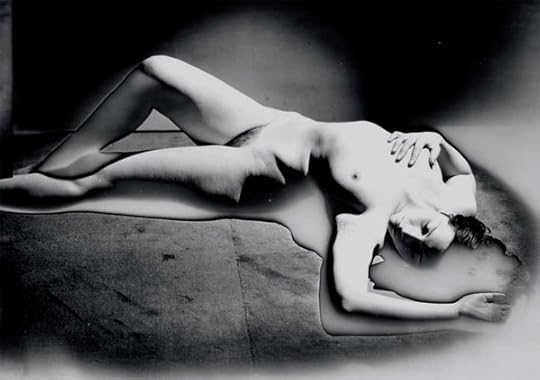
In copertina Man Ray: Primat de la matière sur la pensée, 1921.
Lei dice che si dovrebbe riuscire a vivere come fanno loro, il corpo abbandonato in un deserto e, nello spirito, il ricordo di un solo bacio, di una sola parola, di un solo sguardo per tutto un amore.
Ritrovo Marguerite Duras dopo un tempo che non riesco a misurare. E ancora e sempre mi sembra antica e modernissima, anticipatrice e attuale.

Una storia d’amore che è archetipica ma anche personalissima e unica, che Duras con intelligenza maestria e sensibilità nella prefazione definisce:
È la storia di un amore, il più grande e terrificante che a me sia stato concesso di scrivere.
Descrizione che mette i brividi, fa tremare le vene e i polsi.
Un amore al di là delle forze, al di là della vita, carico di sentire inespresso.
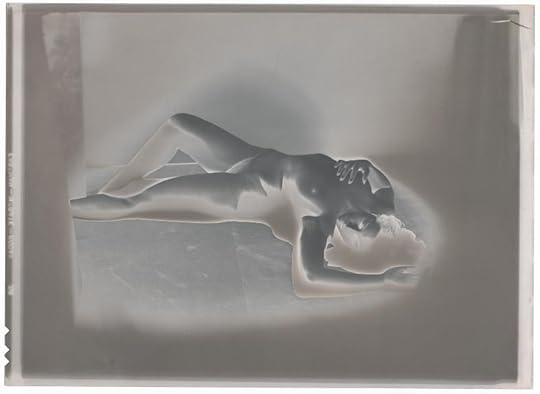
L’angosci che l’amore può provocare, la paura dell’abbandono:
Quando si avvicina a lei, si vede che è colmo della gioia di averla trovata e dell’angoscia di doverla perdere ancora. Ha il pallore degli amanti. I capelli neri. Piange.
La precarietà e volatilità del sentimento amorosa incombe sempre, per tutto il tempo. La fine è nell’aria sin dall’inizio. Alla storia d’amore seguirà la storia di separazione.
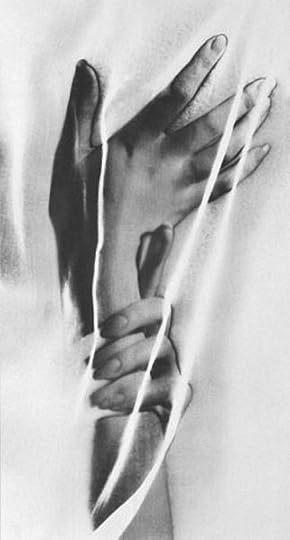
Tra poesia e teatro, interrotta da spazi bianchi, pause più o meno forti, più o meno lunghe, questa piccola gemma parla d’amore, parla di un lui e una lei che non hanno nomi, chiusi in una stanza, si parlano, sfiorano, guardano, toccano, ma non fanno l’amore, e ascoltano anche molto i silenzi l’uno dell’altra. Fuori, lo sciabordio del mare.
La stanza è spoglia, scarna, bianca, ombre e luci come su un palcoscenico, a volte sembra che i due stiano provando una mise-en-scène. Anche i loro gesti, le loro frasi scandite, hanno sapore di teatro (ma mai teatrali).

Peccato che ancora nel 1987, quando il libro è uscito in italiano, la traduttrice abbia mantenuto i dialoghi in seconda persona plurale, che qui da noi facilmente echeggiano camicie nere e saluti romani: ma a parte questo, risuonano vecchi, più che antichi, suonano stonati. Un po’ come se qualsiasi dialogo in lingua inglese fosse tradotto in italiano con la seconda singolare, tutti amici pappa-e-ciccia, anche se si sono appena incontrati, annullando differenze d’età e classe sociale, progressione della conoscenza ecc.)
Duras scrive con parole che sembrano cesellate, pulite, chiare, a frasi brevi e scandite. Scrive come in un flusso senza mai perdere in chiarezza: ma è come se solo dopo, alla fine, capisse davvero cosa ha scritto. Come se per tutto il tempo avesse parlato, per quanto lucidamente, il suo inconscio.
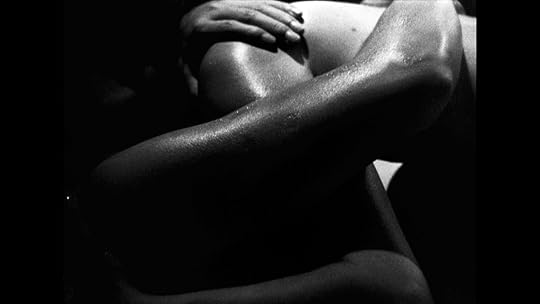
Impossibile non sentire la forte eco di “Hiroshima mon amour”, lo splendido film diretto da Alain Resnais, scritto dalla Duras.
In copertina Man Ray: Primat de la matière sur la pensée, 1921.
Lei dice che si dovrebbe riuscire a vivere come fanno loro, il corpo abbandonato in un deserto e, nello spirito, il ricordo di un solo bacio, di una sola parola, di un solo sguardo per tutto un amore.
Ritrovo Marguerite Duras dopo un tempo che non riesco a misurare. E ancora e sempre mi sembra antica e modernissima, anticipatrice e attuale.
Una storia d’amore che è archetipica ma anche personalissima e unica, che Duras con intelligenza maestria e sensibilità nella prefazione definisce:
È la storia di un amore, il più grande e terrificante che a me sia stato concesso di scrivere.
Descrizione che mette i brividi, fa tremare le vene e i polsi.
Un amore al di là delle forze, al di là della vita, carico di sentire inespresso.
L’angosci che l’amore può provocare, la paura dell’abbandono:
Quando si avvicina a lei, si vede che è colmo della gioia di averla trovata e dell’angoscia di doverla perdere ancora. Ha il pallore degli amanti. I capelli neri. Piange.
La precarietà e volatilità del sentimento amorosa incombe sempre, per tutto il tempo. La fine è nell’aria sin dall’inizio. Alla storia d’amore seguirà la storia di separazione.
Tra poesia e teatro, interrotta da spazi bianchi, pause più o meno forti, più o meno lunghe, questa piccola gemma parla d’amore, parla di un lui e una lei che non hanno nomi, chiusi in una stanza, si parlano, sfiorano, guardano, toccano, ma non fanno l’amore, e ascoltano anche molto i silenzi l’uno dell’altra. Fuori, lo sciabordio del mare.
La stanza è spoglia, scarna, bianca, ombre e luci come su un palcoscenico, a volte sembra che i due stiano provando una mise-en-scène. Anche i loro gesti, le loro frasi scandite, hanno sapore di teatro (ma mai teatrali).
Peccato che ancora nel 1987, quando il libro è uscito in italiano, la traduttrice abbia mantenuto i dialoghi in seconda persona plurale, che qui da noi facilmente echeggiano camicie nere e saluti romani: ma a parte questo, risuonano vecchi, più che antichi, suonano stonati. Un po’ come se qualsiasi dialogo in lingua inglese fosse tradotto in italiano con la seconda singolare, tutti amici pappa-e-ciccia, anche se si sono appena incontrati, annullando differenze d’età e classe sociale, progressione della conoscenza ecc.)
Duras scrive con parole che sembrano cesellate, pulite, chiare, a frasi brevi e scandite. Scrive come in un flusso senza mai perdere in chiarezza: ma è come se solo dopo, alla fine, capisse davvero cosa ha scritto. Come se per tutto il tempo avesse parlato, per quanto lucidamente, il suo inconscio.
Impossibile non sentire la forte eco di “Hiroshima mon amour”, lo splendido film diretto da Alain Resnais, scritto dalla Duras.

August 29, 2021
She says, "Like any love with a beginning and an end, unforgettable and yet you've forgotten it. I forget."
*
It takes a long time for important things to come back in dreams.
*
It takes a long time for important things to come back in dreams.

March 22, 2021
To be honest, it felt to me like this was a book whose existence was not to entertain others but to codify and clarify Duras's sense of women's interchangability to men. Men LOVE and with a weird intensity in all Duras's stories of whatever stripe. But the objects of their love, their obsessive needy desperate addiction, can...shift.
All the way to gay, in this book. But what does he do, our impassioned and exquisitely aesthetic lover? He seeks and finds a woman who looks like His Man and talks about it to her.
Very, very French. And it's in a squalid, down-at-heel seaside resort. Very, very Duras.
I believe this could very easily be the most profound idea Duras ever uttered in her novels:
All the way to gay, in this book. But what does he do, our impassioned and exquisitely aesthetic lover? He seeks and finds a woman who looks like His Man and talks about it to her.
Very, very French. And it's in a squalid, down-at-heel seaside resort. Very, very Duras.
I believe this could very easily be the most profound idea Duras ever uttered in her novels:
She says people ought to learn to live like them, with the body abandoned in a wilderness, and in the mind the memory of a single kiss, a single word, a single look to stand for a whole love.

Read
September 22, 2019Not my sort of thing. Apologies to GR friends who love this book. (Though I've now noticed that some others friends' opinions of Duras' most famous book, The Lover (1984) are similar to mine about this one.)
It's the mood and sparseness that I didn't like, in this archetypally French, archetypally arthouse novella of hard-to-define, emotionally and sensually charged encounters between a predominantly gay man and a straight woman - and the attraction they both have to another man. The two unnamed main characters spend most of their time 'weeping' and 'sleeping', and it was a wonder that the poor buggers didn't drown after dozing off in a lake of their own tears.
There were at least a couple of ways in which I'm just not well-placed to appreciate this book. There are philosophical allusions whose presence I think I can sense, but I can't identify them. And this is the first time I've read Duras. Blue Eyes, Black Hair was written only a couple of years after The Lover, and sounds similar in style. According to other reviews, it is related to two other works: The Malady of Death - of which it is a sort of reworking - and La Pute de la côte normande, an essay about writing Blue Eyes, Black Hair which doesn't seem to be available in English. (Though if it were online, it's short enough that it could be read it by sticking paragraphs of it into Google Translate.)
Blue Eyes, Black Hair is one of these translated novellas which feels like it's set in rooms with almost no furniture, in which people make semi-abstract utterances. It's a category of book which I've often found myself reading in the last few years via the criteria: ARC or library find + eligible for next year's International Booker + very short. These books nearly always leave me wishing I could have spent the time reading something else, unless the title is longlisted. (This one, instead, allows me to tick off an item on a reading list from a 28-year old song.) It's a style I hoped and expected to get away from if reading classics. But stumbling on a 1980s equivalent by a canonical author like Duras at least helps in understanding the roots of this sort of thing - and those books are most frequently translated from French.
Blue Eyes, Black Hair is, to be fair, a good deal more complex than most of those brittle, newly-translated novellas. To the pared-down, moody and existential nouveau roman it adds the reflexive knowingness of 1980s metafiction, with extra layers involving a stage version of the story which is both discussed and 'acted' at intervals through the novella. The characters have intricate relationships to one another and their knowledge or lack of knowledge of this is only gradually revealed. The dynamics are messy and ambiguous, with periodic interactions that seem by current standards toxic or mutually abusive, or where one is by turns pressurising the other in some way. Though much of the time they have a sort of solidarity in being very upset and romantically over-wrought. Another relationship the woman is involved in also has dubious dimensions: abusive? Or non-scene BDSM where people have never really read about rules and are following their instincts?
Blue Eyes, Black Hair was written and published in 1986; if there is any reference to the AIDS crisis that was just breaking, it's not immediately obvious, but there is probably room for interpretation, given how much sorrow there is in the book.
In an unedifying, unartistic way, I frequently found this book exasperating , and was glad I didn't read it when I was younger, because of the way it makes all its upset and drama and provocative mysterious seem so very desirable and interesting - when in actuality most people are alienated by that stuff. I didn't need *even more* boosting of that kind of thing. The two main characters are, at least, only twenty, which is probably, by the standards of older people, still within the allowable zone for what a friend of mine, when we were in our late twenties, described as "behaving like a teenage goth". Whilst I didn't experience the exact situation, there is a mood captured so well here that I felt that this book would have been a perfect present for someone I knew nearly a decade and a half ago, and who was almost impossible to buy for. I came to admire Duras for having such patience, openness and empathy to write about this youthful melodrama when she herself was in her seventies, even if I didn't relish reading about it. [Thanks to a link in another review, I've just found out that she actually had a tempestuous relationship with a young gay male assistant when she was in her seventies, so this book wasn't quite based on mature contemplation of the past.]
A curious mix-up: Contemplating my reading lists based on a couple of songs from the wilfully pretentious side of early 90s indie, I had googled the French quote from the lesser-known track, 'Bluestocking' by Momus, which I don't think I'd ever done before, and it was clearly from Les Yeux bleus cheveux noirs. After I'd read the book, I found an old blog post in which the artist himself had said it was from The Lover. Wrong book? Right book? probably both are made so by this footnote. Blue Eyes, Black Hair hasn't made me overly keen to read more Duras, though at least most of her works are very short.
(read & reviewed September 2019)
It's the mood and sparseness that I didn't like, in this archetypally French, archetypally arthouse novella of hard-to-define, emotionally and sensually charged encounters between a predominantly gay man and a straight woman - and the attraction they both have to another man. The two unnamed main characters spend most of their time 'weeping' and 'sleeping', and it was a wonder that the poor buggers didn't drown after dozing off in a lake of their own tears.
There were at least a couple of ways in which I'm just not well-placed to appreciate this book. There are philosophical allusions whose presence I think I can sense, but I can't identify them. And this is the first time I've read Duras. Blue Eyes, Black Hair was written only a couple of years after The Lover, and sounds similar in style. According to other reviews, it is related to two other works: The Malady of Death - of which it is a sort of reworking - and La Pute de la côte normande, an essay about writing Blue Eyes, Black Hair which doesn't seem to be available in English. (Though if it were online, it's short enough that it could be read it by sticking paragraphs of it into Google Translate.)
Blue Eyes, Black Hair is one of these translated novellas which feels like it's set in rooms with almost no furniture, in which people make semi-abstract utterances. It's a category of book which I've often found myself reading in the last few years via the criteria: ARC or library find + eligible for next year's International Booker + very short. These books nearly always leave me wishing I could have spent the time reading something else, unless the title is longlisted. (This one, instead, allows me to tick off an item on a reading list from a 28-year old song.) It's a style I hoped and expected to get away from if reading classics. But stumbling on a 1980s equivalent by a canonical author like Duras at least helps in understanding the roots of this sort of thing - and those books are most frequently translated from French.
Blue Eyes, Black Hair is, to be fair, a good deal more complex than most of those brittle, newly-translated novellas. To the pared-down, moody and existential nouveau roman it adds the reflexive knowingness of 1980s metafiction, with extra layers involving a stage version of the story which is both discussed and 'acted' at intervals through the novella. The characters have intricate relationships to one another and their knowledge or lack of knowledge of this is only gradually revealed. The dynamics are messy and ambiguous, with periodic interactions that seem by current standards toxic or mutually abusive, or where one is by turns pressurising the other in some way. Though much of the time they have a sort of solidarity in being very upset and romantically over-wrought. Another relationship the woman is involved in also has dubious dimensions: abusive? Or non-scene BDSM where people have never really read about rules and are following their instincts?
Blue Eyes, Black Hair was written and published in 1986; if there is any reference to the AIDS crisis that was just breaking, it's not immediately obvious, but there is probably room for interpretation, given how much sorrow there is in the book.
In an unedifying, unartistic way, I frequently found this book exasperating , and was glad I didn't read it when I was younger, because of the way it makes all its upset and drama and provocative mysterious seem so very desirable and interesting - when in actuality most people are alienated by that stuff. I didn't need *even more* boosting of that kind of thing. The two main characters are, at least, only twenty, which is probably, by the standards of older people, still within the allowable zone for what a friend of mine, when we were in our late twenties, described as "behaving like a teenage goth". Whilst I didn't experience the exact situation, there is a mood captured so well here that I felt that this book would have been a perfect present for someone I knew nearly a decade and a half ago, and who was almost impossible to buy for. I came to admire Duras for having such patience, openness and empathy to write about this youthful melodrama when she herself was in her seventies, even if I didn't relish reading about it. [Thanks to a link in another review, I've just found out that she actually had a tempestuous relationship with a young gay male assistant when she was in her seventies, so this book wasn't quite based on mature contemplation of the past.]
A curious mix-up: Contemplating my reading lists based on a couple of songs from the wilfully pretentious side of early 90s indie, I had googled the French quote from the lesser-known track, 'Bluestocking' by Momus, which I don't think I'd ever done before, and it was clearly from Les Yeux bleus cheveux noirs. After I'd read the book, I found an old blog post in which the artist himself had said it was from The Lover. Wrong book? Right book? probably both are made so by this footnote. Blue Eyes, Black Hair hasn't made me overly keen to read more Duras, though at least most of her works are very short.
(read & reviewed September 2019)

February 2, 2015
Well, this didn't make any sense to me.
This is a story about a man who sees a blue-eyed, black-haired foreigner, next to an equally blue-eyed woman, and instantly desires said man.
Not seeing him again, nor knowing what to do, but meeting the woman later, he strikes a weird deal with her, in which she is to live with him, so as 'he doesn't go mad'.
The story goes on about the weirdness that comes from the absurdity that was that deal.
The woman apparently desires that man, who desires the other man. Basically, everybody's miserable and everything hurts.
There are a lot of mentions to blue-eyed, black-haired people, a striking combination, since it gives a somewhat tragic appearance to the person involved, a fact to which I somewhat agree, but several mentions of crying, unfulfilled sexual desire, and black silk covering faces, which bored and disturbed me to no end.
And this was it.

June 18, 2023
idk what it is about the french literature i’ve read and their need to be intentionally opaque, but it is simply not for me. hypersimplistic pretentiousness has never rlly kept me engaged and here it was MIND-NUMBINGLY boring 🤣

November 18, 2010
An odd and unsettling book...
An unnamed seaside town in an unnamed country, there at season's end. In a room in a rented house is a couple. They are together at twilight, naked, but not lovers, or at least not lovers in any usual sense. She is beautiful, young, damaged, ghostly. He is slightly older, gay, no less alone. And there in the dusk, they...talk. About love and lovers, about their lives and about what they've lost and the people they've seen vanish.
This is a lovely, eerie, sad, melancholy, dreamlike tale. Probably a better film than a novella, but quietly, disturbingly, powerful and surprisingly romantic.
An unnamed seaside town in an unnamed country, there at season's end. In a room in a rented house is a couple. They are together at twilight, naked, but not lovers, or at least not lovers in any usual sense. She is beautiful, young, damaged, ghostly. He is slightly older, gay, no less alone. And there in the dusk, they...talk. About love and lovers, about their lives and about what they've lost and the people they've seen vanish.
This is a lovely, eerie, sad, melancholy, dreamlike tale. Probably a better film than a novella, but quietly, disturbingly, powerful and surprisingly romantic.

October 13, 2023
Numa prosa que oscila entre a poesia e o teatro, Marguerite Duras conta-nos a história de dois amantes que nunca chegaram a sê-lo e transporta-nos, enquanto meros espectadores, para o cenário do quarto onde passam as suas noites, dormindo lado a lado e contemplando a complexidade dos modernos relacionamentos interpessoais.
Duas pessoas, anónimas entre si e para nós, desenvolvem um laço de codependência num momento de fragilidade. A partir daí, o moderno flagelo: ela apaixona-se por ele e ele não consegue retribuir o sentimento. Ele está apaixonado por outro que o abandonou e tenta preservar, através do laço que estabelece com ela, a sua presença.
A instrumentalização e subsidiariedade do outro para colmatar o vazio que algo ou alguém deixa na nossa vida, mas também a dificuldade de sair desse ciclo vicioso e abdicar do amor ao sofrimento.
Mais de 100 anos depois de Dostoievski ter questionado se era melhor uma felicidade barata ou um sofrimento sublime, afirma a protagonista que "talvez o amor possa viver-se assim de uma maneira horrível". É trágico, é real e foi magnificamente retratado por Marguerite Duras numa prosa que não tem paralelo. Bravo.
Duas pessoas, anónimas entre si e para nós, desenvolvem um laço de codependência num momento de fragilidade. A partir daí, o moderno flagelo: ela apaixona-se por ele e ele não consegue retribuir o sentimento. Ele está apaixonado por outro que o abandonou e tenta preservar, através do laço que estabelece com ela, a sua presença.
A instrumentalização e subsidiariedade do outro para colmatar o vazio que algo ou alguém deixa na nossa vida, mas também a dificuldade de sair desse ciclo vicioso e abdicar do amor ao sofrimento.
Mais de 100 anos depois de Dostoievski ter questionado se era melhor uma felicidade barata ou um sofrimento sublime, afirma a protagonista que "talvez o amor possa viver-se assim de uma maneira horrível". É trágico, é real e foi magnificamente retratado por Marguerite Duras numa prosa que não tem paralelo. Bravo.

November 3, 2022
If you’ve read any Duras, you’ll know she is the master of psycho-sexual distress, crafting scenes in sparse sea waves that gain traction via the inner forces of apocalyptic desire. In fact, desire is the double edged sword, creating and destroying life in explosive measures.
This is a chamber novel of gestures deeply rooted in sexual yearning, triggered by naked skin touching the sheets and sizzling with expectation. Words feel too small to describe the painful death of hope that connects the two main characters. Speaking of which - we follow a homossexual man and a young woman, who meet at a cafe and share three nights in a hotel room on the French seaside. He insists on paying her for embodying his grief for his lost lover, even though her only reason for abying is her attraction to rejection, mirroring her deep self-hatred.
This is a story of identification and self-anihilation. The sexual tension is cutting and steers their emotions through a love-hate scale, with every scene cursed by an aura of pure desperation. Whereas not much is said and nothing really happens, the fantasies turned into memories of what hasn’t happened fuel the an intense intimacy and sense of complicity.
“And in our eyes the same sadness. Like a night landscape.”
“…as long as nothing happens between them, the memory is cursed with what hasn't happened.”
The young woman and aspiring writer also adds an extra layer of intertextuality to the novel, by relating scenes from their relationship in a stage play format, where a special memory of the unrealised affair is gradually built and can never be erased. A memory in no way less fond and real than any life events taking place in the physical world.
It is within their pain and inexorable ability to feel so strongly that solace can be found. Ultimately, the birth of a connection so powerful is what allows them to retrieve their own selves and draw path towards salvation.
“She says people ought to learn to live like them, with the body abandoned in a wilderness, and in the mind the memory of a single kiss, a single word, a single look to stand for a whole love.”
This is a chamber novel of gestures deeply rooted in sexual yearning, triggered by naked skin touching the sheets and sizzling with expectation. Words feel too small to describe the painful death of hope that connects the two main characters. Speaking of which - we follow a homossexual man and a young woman, who meet at a cafe and share three nights in a hotel room on the French seaside. He insists on paying her for embodying his grief for his lost lover, even though her only reason for abying is her attraction to rejection, mirroring her deep self-hatred.
This is a story of identification and self-anihilation. The sexual tension is cutting and steers their emotions through a love-hate scale, with every scene cursed by an aura of pure desperation. Whereas not much is said and nothing really happens, the fantasies turned into memories of what hasn’t happened fuel the an intense intimacy and sense of complicity.
“And in our eyes the same sadness. Like a night landscape.”
“…as long as nothing happens between them, the memory is cursed with what hasn't happened.”
The young woman and aspiring writer also adds an extra layer of intertextuality to the novel, by relating scenes from their relationship in a stage play format, where a special memory of the unrealised affair is gradually built and can never be erased. A memory in no way less fond and real than any life events taking place in the physical world.
It is within their pain and inexorable ability to feel so strongly that solace can be found. Ultimately, the birth of a connection so powerful is what allows them to retrieve their own selves and draw path towards salvation.
“She says people ought to learn to live like them, with the body abandoned in a wilderness, and in the mind the memory of a single kiss, a single word, a single look to stand for a whole love.”

January 18, 2015
Não tenho a certeza, mas acho que mais do que um livro acerca das várias formas de amor, é um livro sobre o vazio.
Sobre o vazio que o tipo errado de amor pode provocar. E corro o risco de tropeçar na blasfémia, bem sei, mas o amor errado é-o num sentido de substituição. É injusto, sujo, feio, mas não deixa de ser amor, nem que seja pela tentativa, pelo esforço.
É estranho quando a reciprocidade deixa um vácuo.
Afinal estamos à procura de quê?
“Se não houvesse nem mar nem amor, ninguém escreveria livros.”
Marguerite Duras
Sobre o vazio que o tipo errado de amor pode provocar. E corro o risco de tropeçar na blasfémia, bem sei, mas o amor errado é-o num sentido de substituição. É injusto, sujo, feio, mas não deixa de ser amor, nem que seja pela tentativa, pelo esforço.
É estranho quando a reciprocidade deixa um vácuo.
Afinal estamos à procura de quê?
“Se não houvesse nem mar nem amor, ninguém escreveria livros.”
Marguerite Duras

February 2, 2013
What a weird, entrancing little book. Duras writes about a messed up love affair using these short, elliptical, almost hypnotic paragraphs. Everything seems to loop and feedback into itself, love becomes memory, becomes desire, becomes obsession, becomes death, etc. It's a weirdly visual book, you can almost see how a moody, black and white film version of this would work would unfold through itself. Duras has a gorgeous, brooding pensiveness all her own.

June 10, 2014
Basically concurrently with the film series at the Spectacle, and now extending beyond, I've been devouring Duras' novels lately. But strangely, no one work really obviously stands apart from the other for me -- they're more like movements of some larger work constructed of many disparate voices and even mediums, converging around her central obsessions.
Particularly, her 80s work, her late inventions and stylistic evolution. This one glides especially along with Duras' fantastically minimal 1981 film Agatha et les lectures illimites. The sea, the hotel, a man and a women, Yann and Marguerite. Blue Eyes, Black Hair is dedicated to (and perhaps haunted by) Yann Andrea, the muse of the sudden creative outpouring of Duras' later years. But what, really do I know of Yann and Marguerite? I hear their voices in Agatha, tracing the contours of an illicit love. On screenm, they drift through an empty hotel, the waves at every window, Yann and... not Marguerite now, but Bulle Ogier, a surrogate. As such, Yann and Marguerite had a complicated relationship, one that seems to have saved her, even as channeled despair onto the pages of books like this one. Here, the man and the women, the sea, a relationship both binding and unfulfilled, a desperation, a despair, the sea, all arrayed before an audience, under a spotlight, a play or a reality, both interchangeable, a theater of despair. I said that these books form some kind of whole, and it's an atmosphere more than anything perhaps, which somehow, in its swirling darkness and hypnotic stasis, relationship a limbo, as recursion, which somehow I find ultimately soothing, cleansing, purifying.
This one, incidentally, Maya and I found this weekend at a barn in mid-Vermont full of immaculate first editions arcing far overhead. That place seems almost mythological.
Particularly, her 80s work, her late inventions and stylistic evolution. This one glides especially along with Duras' fantastically minimal 1981 film Agatha et les lectures illimites. The sea, the hotel, a man and a women, Yann and Marguerite. Blue Eyes, Black Hair is dedicated to (and perhaps haunted by) Yann Andrea, the muse of the sudden creative outpouring of Duras' later years. But what, really do I know of Yann and Marguerite? I hear their voices in Agatha, tracing the contours of an illicit love. On screenm, they drift through an empty hotel, the waves at every window, Yann and... not Marguerite now, but Bulle Ogier, a surrogate. As such, Yann and Marguerite had a complicated relationship, one that seems to have saved her, even as channeled despair onto the pages of books like this one. Here, the man and the women, the sea, a relationship both binding and unfulfilled, a desperation, a despair, the sea, all arrayed before an audience, under a spotlight, a play or a reality, both interchangeable, a theater of despair. I said that these books form some kind of whole, and it's an atmosphere more than anything perhaps, which somehow, in its swirling darkness and hypnotic stasis, relationship a limbo, as recursion, which somehow I find ultimately soothing, cleansing, purifying.
This one, incidentally, Maya and I found this weekend at a barn in mid-Vermont full of immaculate first editions arcing far overhead. That place seems almost mythological.
September 24, 2012
"Es el hecho del hombre indefinidamente presente a sí mismo lo que asusta."
Tal vez sea esta frase la que mejor englobe el significado y el sentimiento que trae consigo la novela de Marguerite Duras: la terrible melancolía y la desdicha que habita en el fondo del ser humano, la incapacidad para perdurar a lo largo del tiempo. Esa incapacidad se hace patente en los encuentros, más afectivos que amorosos, entre el hombre y la mujer que protagonizan la novela. Ambos se encuentran sumidos en una honda tristeza y desesperación ante la vida. Son incapaces de amar, de amarse y de vencer un miedo y una soledad que los atrapa y los relega a la oscuridad, a ese borde de luz donde en numerosas ocasiones permanece la mujer.
La historia se desarrolla siempre dentro de una habitación, podría decirse que no ocurre nada excepto el tiempo que pasa y los pensamientos y sentimientos de los dos protagonistas. Estos carecen de nombre, podría decirse, así, que la autora no ha querido centrar la atención del lector en un personaje en concreto, sino indagar sobre la condición humana en general. Asimismo, la prosa de Marguerite Duras se mezcla con una poesía que consigue a veces embaucar al lector y, otras, abrumarlo y sumirlo en una especie de ahogo.
La narración se ve interrumpida por una voz narradora que explica cómo debería ser representada por unos hipotéticos autores, consiguiendo indagar en el mundo de la ficción dentro de la propia ficción.
En definitiva, es destacable la intención por parte de Marguerite Duras de poetizar y llegar a conocer los sufrimientos humanos, contados a través de una prosa rompedora, muy propia de la Nouvelle Roman.
Tal vez sea esta frase la que mejor englobe el significado y el sentimiento que trae consigo la novela de Marguerite Duras: la terrible melancolía y la desdicha que habita en el fondo del ser humano, la incapacidad para perdurar a lo largo del tiempo. Esa incapacidad se hace patente en los encuentros, más afectivos que amorosos, entre el hombre y la mujer que protagonizan la novela. Ambos se encuentran sumidos en una honda tristeza y desesperación ante la vida. Son incapaces de amar, de amarse y de vencer un miedo y una soledad que los atrapa y los relega a la oscuridad, a ese borde de luz donde en numerosas ocasiones permanece la mujer.
La historia se desarrolla siempre dentro de una habitación, podría decirse que no ocurre nada excepto el tiempo que pasa y los pensamientos y sentimientos de los dos protagonistas. Estos carecen de nombre, podría decirse, así, que la autora no ha querido centrar la atención del lector en un personaje en concreto, sino indagar sobre la condición humana en general. Asimismo, la prosa de Marguerite Duras se mezcla con una poesía que consigue a veces embaucar al lector y, otras, abrumarlo y sumirlo en una especie de ahogo.
La narración se ve interrumpida por una voz narradora que explica cómo debería ser representada por unos hipotéticos autores, consiguiendo indagar en el mundo de la ficción dentro de la propia ficción.
En definitiva, es destacable la intención por parte de Marguerite Duras de poetizar y llegar a conocer los sufrimientos humanos, contados a través de una prosa rompedora, muy propia de la Nouvelle Roman.

January 30, 2024
En sus pequeñas películas, Marguerite Duras suele plantear las escenas y las imágenes con un tono fantasmal. Se llena de invernales playas vacías, recibidores desocupados, escenarios dónde sólo aparecen los actores principales y quizás algún secundario, todos inmóviles, como en cuadros vivientes. Esto lo hace porque esas narraciones trabajan entorno al recuerdo, generalmente melancólicos, seres que arrastran un daño emocional que les hace encallarse en el pasado, que les ha dejado heridas que no han cicatrizado.
En esta novela, con un lenguaje sencillo y despojado, plagado de sus reiteraciones, conocidas desde Hiroshima, mon amour, recrea eso mismo, sólo que con palabras. Apenas esboza las playas, los café junto al mar, la habitación con sus sábanas blancas, vacías porque son como escenarios teatrales en los que un hombre y una mujer se encuentran para pasar noches blancas, es decir, sin contacto carnal, ambos comparten sus propios desamores y bajo un acuerdo económico, para hacerlo más degradante, pasan la noche en vela, durmiendo, llorando, compartiendo imágenes de su recuerdo y más adelante otro tipo de comentarios y acciones.
Ese dolor sin duda es materia prima de la obra de Marguerite Duras, un dolor que no se puede expresar con generosas bellas metáforas ni recargadas y barrocas frases repletas de lirismo. La suya es una poética de la pobreza, la de una mente en bancarrota por el sufrimiento afincado en almas muy perdidas. Decididamente desentonaría una prosa muy florida, o en todo caso la convertiría en una novelista rosa, pero mediante ese lenguaje económico y muy meditado, en cambio, dónde cuenta más lo alusivo que lo expresivo, logra un efecto muy envolvente, incluso cercano (por extraño que esto suene). Es un tono lacónico que termina impregnándose en la lectura.
Después de no pocas películas y novelas de Duras, encuentro aquí mi libro favorito de su autora. Una prosa vaporosa, escurridiza y extraña, pero que también tiene una cualidad atmósfera e hipnótica. Sin duda es mejor dedicarle amplios espacios de lectura para meterte de lleno en esa habitación de hotel, desde dónde se despliega su lacónico universo.
En esta novela, con un lenguaje sencillo y despojado, plagado de sus reiteraciones, conocidas desde Hiroshima, mon amour, recrea eso mismo, sólo que con palabras. Apenas esboza las playas, los café junto al mar, la habitación con sus sábanas blancas, vacías porque son como escenarios teatrales en los que un hombre y una mujer se encuentran para pasar noches blancas, es decir, sin contacto carnal, ambos comparten sus propios desamores y bajo un acuerdo económico, para hacerlo más degradante, pasan la noche en vela, durmiendo, llorando, compartiendo imágenes de su recuerdo y más adelante otro tipo de comentarios y acciones.
Ese dolor sin duda es materia prima de la obra de Marguerite Duras, un dolor que no se puede expresar con generosas bellas metáforas ni recargadas y barrocas frases repletas de lirismo. La suya es una poética de la pobreza, la de una mente en bancarrota por el sufrimiento afincado en almas muy perdidas. Decididamente desentonaría una prosa muy florida, o en todo caso la convertiría en una novelista rosa, pero mediante ese lenguaje económico y muy meditado, en cambio, dónde cuenta más lo alusivo que lo expresivo, logra un efecto muy envolvente, incluso cercano (por extraño que esto suene). Es un tono lacónico que termina impregnándose en la lectura.
Después de no pocas películas y novelas de Duras, encuentro aquí mi libro favorito de su autora. Una prosa vaporosa, escurridiza y extraña, pero que también tiene una cualidad atmósfera e hipnótica. Sin duda es mejor dedicarle amplios espacios de lectura para meterte de lleno en esa habitación de hotel, desde dónde se despliega su lacónico universo.

Read
June 21, 2026Impossible de savoir si c'est la lecture de Duras qui me donne toujours la nausée ou si c'est la nausée qui appelle en moi la lecture de Duras

July 28, 2021
Una lettura suggestiva e pregnante.
Un passo a due sospeso in una stanza, fra immagini, dialoghi e un'atmosfera carica di coinvolgimento emotivo.
La scrittura della Duras è originale, coinvolgente, e rende credibile e struggente questo confronto platonico fra due corpi, due anime alla disperata ricerca di amore in un tempo sospeso.
Un passo a due sospeso in una stanza, fra immagini, dialoghi e un'atmosfera carica di coinvolgimento emotivo.
La scrittura della Duras è originale, coinvolgente, e rende credibile e struggente questo confronto platonico fra due corpi, due anime alla disperata ricerca di amore in un tempo sospeso.

August 16, 2018
Duras hẳn là có thù với đàn ông. Hơn trăm trang sách, hai câu chuyện, nhưng chuyện nào cũng chỉ là những gã trai lơ ngơ lóng ngóng, bị cái bóng của người phụ nữ nhấn chìm. Hình ảnh người phụ nữ bà dựng xây thật khó nắm bắt, khó mà hiểu được họ qua dăm ba lời thoại. Họ quyến rũ, hiểu đàn ông còn hơn cả cánh đàn ông hiểu mình. Dưới mắt họ, đàn ông chỉ là một đứa trẻ lớn tuổi không hơn không kém :(
Duras hẳn là có thù với dấu ngoặc kép. Hơn trăm trang sách, hai câu chuyện, nhưng chẳng có lấy một dấu ngoặc kép. Cả cuốn sách là lời đối thoại dài giữa người này người kia, giữa biển và căn phòng nhỏ, giữa đôi mắt xanh này và cặp mắt không phải là xanh kia, nhưng tuyệt nhiên không một dấu ngoặc kép. Lời thoại không được neo giữ bởi dấu câu, nó trôi tuột theo dòng chảy của câu chuyện. Người đọc cũng chẳng có gì mà nắm giữ, đành thở dài nuối tiếc về cặp tình nhân kia như tiếc nuối một cặp dấu nháy kép.
Duras hẳn là có thù với không gian. Hơn trăm trang sách, hai câu chuyện, nhưng bà lại bó buộc mọi thứ vỏn vẹn trong một căn phòng. Dù cho ngay cạnh đó là biển. Dù cho tiếng sóng biển thi thoảng át đi tiếng trò chuyện thì câu chuyện vẫn ngột ngạt hết sức. Những nhân vật chết vì chuyện tình yêu của họ, người đọc chết vì bầu không khí nhuốm màu buồn bã của Duras. Chết đứ đừ. :(
Duras hẳn là có thù với... Mình. Truyện mua từ hồi năm hai, đọc trong (những) hai tuần, viết review gần hai chục phút, đành cho 2 lần 2 (=4) sao :ssss
Duras hẳn là có thù với dấu ngoặc kép. Hơn trăm trang sách, hai câu chuyện, nhưng chẳng có lấy một dấu ngoặc kép. Cả cuốn sách là lời đối thoại dài giữa người này người kia, giữa biển và căn phòng nhỏ, giữa đôi mắt xanh này và cặp mắt không phải là xanh kia, nhưng tuyệt nhiên không một dấu ngoặc kép. Lời thoại không được neo giữ bởi dấu câu, nó trôi tuột theo dòng chảy của câu chuyện. Người đọc cũng chẳng có gì mà nắm giữ, đành thở dài nuối tiếc về cặp tình nhân kia như tiếc nuối một cặp dấu nháy kép.
Duras hẳn là có thù với không gian. Hơn trăm trang sách, hai câu chuyện, nhưng bà lại bó buộc mọi thứ vỏn vẹn trong một căn phòng. Dù cho ngay cạnh đó là biển. Dù cho tiếng sóng biển thi thoảng át đi tiếng trò chuyện thì câu chuyện vẫn ngột ngạt hết sức. Những nhân vật chết vì chuyện tình yêu của họ, người đọc chết vì bầu không khí nhuốm màu buồn bã của Duras. Chết đứ đừ. :(
Duras hẳn là có thù với... Mình. Truyện mua từ hồi năm hai, đọc trong (những) hai tuần, viết review gần hai chục phút, đành cho 2 lần 2 (=4) sao :ssss

December 28, 2019
Un testo teatrale in forma di romanzo. Una camera vuota, due soli attori: un uomo e una donna. E’ il destino a farli incontrare. Sono gli occhi blu e i capelli neri di un uomo, amante di lei e di cui l’uomo si è perdutamente innamorato, pur non conoscendolo. Li unisce questo filo impalpabile, fatto di un amore per l’altro.
Scoprono la loro voglia di non vivere, non morire, proprio non vivere. Trascinano le loro giornate aspettando la notte, che consumeranno insieme in quella camera completamente vuota se non per delle lenzuola bianche su cui si stendono e per un fazzoletto di seta nera che copre il viso di lei. Sono senza nome. Per noi e fra di loro. Dormono, piangono per la maggior parte del tempo. Si consumano in quella solitudine in cui si sono trovati per poi scoprire che si stanno innamorando.
I movimenti, le pause, la luce, l’immobilità nella stanza si vedono distintamente. Perfino il rumore del mare in sottofondo arriva fino a noi.
Ruvido, scarno, come un neon che brilla all’improvviso in una stanza buia e abbaglia. Mi è piaciuto molto.
Scoprono la loro voglia di non vivere, non morire, proprio non vivere. Trascinano le loro giornate aspettando la notte, che consumeranno insieme in quella camera completamente vuota se non per delle lenzuola bianche su cui si stendono e per un fazzoletto di seta nera che copre il viso di lei. Sono senza nome. Per noi e fra di loro. Dormono, piangono per la maggior parte del tempo. Si consumano in quella solitudine in cui si sono trovati per poi scoprire che si stanno innamorando.
I movimenti, le pause, la luce, l’immobilità nella stanza si vedono distintamente. Perfino il rumore del mare in sottofondo arriva fino a noi.
Ruvido, scarno, come un neon che brilla all’improvviso in una stanza buia e abbaglia. Mi è piaciuto molto.

August 29, 2022
Provavelmente o pequeno livro mais chato que li na vida. Nunca 90 páginas foram tão difíceis de terminar…

March 31, 2023
Beh, non mi si può dire che non ci abbia riprovato... ho voluto dare una seconda possibilità a questa autrice, ma... è ancora un 👎 .
Me lo sono immaginato come uno spettacolo teatrale d’avanguardia: un uomo e una donna senza nome, il palcoscenico buio a simulare una camera spoglia nella quale si chiudono, inquadrati da un’unica fonte di luce, un occhio di bue diretto e impietoso, lenzuola bianche a lambire i corpi nudi, un fazzoletto di seta nera - lei - a nascondere il volto, il rumore del mare come eterno sottofondo, tanti silenzi, quelli che porta il sonno, poche parole - sempre le stesse - e tante tante tante lacrime. Una storia che inizia con un incontro che ha già il sapore della separazione.
Nelle notti che trascorrono insieme, per lo più ad osservarsi dormire, si svegliano a vicenda, si sfiorano appena, forse si desiderano, non consumano l’amore, ma l’amore consuma loro.
C’è un solo bacio alla fine, ma è il preludio dell’addio.
Troppo ripetitivo, ossessivo tanto da apparire torbido, con frasi spezzettate, discorsi lasciati in sospeso, pause frequenti, domande senza risposte, molti spazi vuoti (silenzi?), scene contaminate da commenti che fanno pensare ad una sceneggiatura o alle inquadrature del regista.
Una pagina dietro l’altra mi sembrava di leggere sempre le stesse righe.
Uno stile che decisamente non mi piace.
Io ci ho provato, non è andata bene.
P.S.: La copertina ben rappresenta la situazione. È la cosa migliore del volume.
🌏 LdM: Vietnam 🇻🇳
Me lo sono immaginato come uno spettacolo teatrale d’avanguardia: un uomo e una donna senza nome, il palcoscenico buio a simulare una camera spoglia nella quale si chiudono, inquadrati da un’unica fonte di luce, un occhio di bue diretto e impietoso, lenzuola bianche a lambire i corpi nudi, un fazzoletto di seta nera - lei - a nascondere il volto, il rumore del mare come eterno sottofondo, tanti silenzi, quelli che porta il sonno, poche parole - sempre le stesse - e tante tante tante lacrime. Una storia che inizia con un incontro che ha già il sapore della separazione.
Nelle notti che trascorrono insieme, per lo più ad osservarsi dormire, si svegliano a vicenda, si sfiorano appena, forse si desiderano, non consumano l’amore, ma l’amore consuma loro.
C’è un solo bacio alla fine, ma è il preludio dell’addio.
Troppo ripetitivo, ossessivo tanto da apparire torbido, con frasi spezzettate, discorsi lasciati in sospeso, pause frequenti, domande senza risposte, molti spazi vuoti (silenzi?), scene contaminate da commenti che fanno pensare ad una sceneggiatura o alle inquadrature del regista.
Una pagina dietro l’altra mi sembrava di leggere sempre le stesse righe.
Uno stile che decisamente non mi piace.
Io ci ho provato, non è andata bene.
P.S.: La copertina ben rappresenta la situazione. È la cosa migliore del volume.
🌏 LdM: Vietnam 🇻🇳

August 12, 2015
Angustiante, desconcertante, desconexo
"Olhos Azuis, Cabelos Pretos" (des)equilibra-se entre a estrutura narrativa e a dramática. Navega embalado na terceira pessoa, no interior de embarcações sucessivas de "ele", "ela", "ele", "ela".
Um "ele" que não se sente atraído por mulheres (apaixonado por uma visão), uma "ela" que se sente atraída por homens (amante de uma ilusão). Em comum, um jovem estrangeiro de olhos azuis e cabelo preto que se materializou num atrio de hotel. Como enredo, a paixão desesperada destes dois desconhecidos - o homem elegante e a mulher esbelta - pelo estrangeiro.
De leitura exigente, fruto de uma estrutura pouco amiga do leitor, tem a sua força na fuga aos lugares comuns da escrita esperada. Contudo, é esse mesmo rasgar que nos aflige e desconcerta no momento de passar ao parágrafo seguinte.
Uma noite, ele descobre que ela o olha através da seda preta. Que ela olha com os olhos fechados. Que ela olha sem olhar. Acorda-a, diz-lhe que tem medo dos olhos dela. Ela diz que é da seda preta que ele tem medo, não é dos olhos dela. E que além disso tem medo de outra coisa ainda. De tudo. Disso, talvez.
Nota: 1.5/5.0
"Olhos Azuis, Cabelos Pretos" (des)equilibra-se entre a estrutura narrativa e a dramática. Navega embalado na terceira pessoa, no interior de embarcações sucessivas de "ele", "ela", "ele", "ela".
Um "ele" que não se sente atraído por mulheres (apaixonado por uma visão), uma "ela" que se sente atraída por homens (amante de uma ilusão). Em comum, um jovem estrangeiro de olhos azuis e cabelo preto que se materializou num atrio de hotel. Como enredo, a paixão desesperada destes dois desconhecidos - o homem elegante e a mulher esbelta - pelo estrangeiro.
De leitura exigente, fruto de uma estrutura pouco amiga do leitor, tem a sua força na fuga aos lugares comuns da escrita esperada. Contudo, é esse mesmo rasgar que nos aflige e desconcerta no momento de passar ao parágrafo seguinte.
Uma noite, ele descobre que ela o olha através da seda preta. Que ela olha com os olhos fechados. Que ela olha sem olhar. Acorda-a, diz-lhe que tem medo dos olhos dela. Ela diz que é da seda preta que ele tem medo, não é dos olhos dela. E que além disso tem medo de outra coisa ainda. De tudo. Disso, talvez.
Nota: 1.5/5.0

October 25, 2017
Her unique style will make me come back to Duras over and over again. She is one of the most efficient and seductive writers. She conveys only what is needed, never over-explains, never oversimplifies. Her stories are clear and devastating for the reader who takes the time to search the depths of her sparse prose.
This book is almost like an extended version of La maladie de la mort, with the difference that here the man is gay and the relationship with the woman is less physical but just as, if not even more so, intense.
"Il ne parle pas de sa vie. Il ne lui est jamais venu à l’idée qu’on pouvait le faire. Les mots ne sont pas là ni la phrase pour y mettre les mots. Pour eux [gay men] dire ce qui leur arrive il y a le silence ou bien le rire ou quelquefois, par exemple, avec elles, pleurer."
This book is almost like an extended version of La maladie de la mort, with the difference that here the man is gay and the relationship with the woman is less physical but just as, if not even more so, intense.
"Il ne parle pas de sa vie. Il ne lui est jamais venu à l’idée qu’on pouvait le faire. Les mots ne sont pas là ni la phrase pour y mettre les mots. Pour eux [gay men] dire ce qui leur arrive il y a le silence ou bien le rire ou quelquefois, par exemple, avec elles, pleurer."

April 8, 2008
Tis impossible to read Duras without a contagion of longing.
"It was there that it happened. The love I haven't talked to you about - it was there. There that I saw for all time a young foreigner with blue eyes, black hair, the one I wanted to die for that evening with you in the cafe by the sea."
"She says people ought to learn to live like them, with the body abandoned in a wilderness, and in the mind the memory of a single kiss, a single word, a single look to stand for a whole love."
*rests case*
"It was there that it happened. The love I haven't talked to you about - it was there. There that I saw for all time a young foreigner with blue eyes, black hair, the one I wanted to die for that evening with you in the cafe by the sea."
"She says people ought to learn to live like them, with the body abandoned in a wilderness, and in the mind the memory of a single kiss, a single word, a single look to stand for a whole love."
*rests case*

Read
June 15, 2022dnf at page 83. Beautifully written but my eyelids got so heavy every time I picked it up. It was just the same over and over and over again. Hopefully finishing it sometime in the future.
The premise of the story was so similar to “the malady of death” - maybe if I had read this one prior to “the malady of death”, I would’ve liked it more.
The premise of the story was so similar to “the malady of death” - maybe if I had read this one prior to “the malady of death”, I would’ve liked it more.
December 20, 2023
عيون زرق شعر أسود أنا اتعرضت للعبط التأليفي
كتابة نثرية شاعرية مليئة بالشجن وده ذوقي جداً بس اللي هنا ده عبث لن يصقله أي أسلوب في الكتابة وأي حد هيقولي دي رواية رمزية وبتاع هقوله رمزية دي تبقى خالتك
" مع احترامي طبعاً لخالته والروايات الرمزية اللي بجد"♡
لا شيء بعد الآن اعتقد كان هيكون أفضل لو اترجم مع روايتها بعنوان " العاشق "
النجمتان واحدة لأسلوبها في الكتابة الذي لا غبار عليه والأخرى لنص «لا شئ بعد الآن»
كتابة نثرية شاعرية مليئة بالشجن وده ذوقي جداً بس اللي هنا ده عبث لن يصقله أي أسلوب في الكتابة وأي حد هيقولي دي رواية رمزية وبتاع هقوله رمزية دي تبقى خالتك
" مع احترامي طبعاً لخالته والروايات الرمزية اللي بجد"♡
لا شيء بعد الآن اعتقد كان هيكون أفضل لو اترجم مع روايتها بعنوان " العاشق "
النجمتان واحدة لأسلوبها في الكتابة الذي لا غبار عليه والأخرى لنص «لا شئ بعد الآن»

August 7, 2023
What a beautiful text. A lecture, a play, a story that cannot be told but maybe read, an impossible love story that needs to be written. Every page, every sentence is full of desire, destructive lust and longing. Reading this book feels like a movement - circular yet pointing. Beautiful language, I recommend reading this by the seaside but should work anywhere really.

September 5, 2019
Pleasure came down from above and took possession of us, did away with us, swept us away forever, and then vanished.
They stayed like that a long time, eyes closed, afraid. When they woke, once more they both were weeping, eyes turned to the wall, in shame.
I’m like you now, emerging from some long mysterious suffering of which I don’t know the cause.
An evocative two-hander of a novel, it is about a bisexual man who meets a woman who resembles a man he had once been infatuated . Curious about his desire for this man, the woman agrees to a perverse game of sadomasochism with him where his grief and obsessive love lead to torture and sadness, the processing of grief and unrequited feelings. It’s a haunting, eerily spooky romantic read that will send shivers down your spine- and reminiscent of Jean Rhys’ own masterpiece of unrequited love and postcolonial trauma, Good Morning, Midnight and After Leaving Mr Mackenzie.
They stayed like that a long time, eyes closed, afraid. When they woke, once more they both were weeping, eyes turned to the wall, in shame.
I’m like you now, emerging from some long mysterious suffering of which I don’t know the cause.
An evocative two-hander of a novel, it is about a bisexual man who meets a woman who resembles a man he had once been infatuated . Curious about his desire for this man, the woman agrees to a perverse game of sadomasochism with him where his grief and obsessive love lead to torture and sadness, the processing of grief and unrequited feelings. It’s a haunting, eerily spooky romantic read that will send shivers down your spine- and reminiscent of Jean Rhys’ own masterpiece of unrequited love and postcolonial trauma, Good Morning, Midnight and After Leaving Mr Mackenzie.

January 28, 2023
Il semblerait que je me sois fourvoyée sur Marguerite Duras. Peut-être que finalement elle a aussi un peu écrit pour moi.
Ce roman a été comme un long chuchotement à mon oreille. Un ressac. Un va-et-vient lent et profond qui venait et se retirait de mon cœur, inlassablement. A certains moments j'étais loin des protagonistes mais je ne sortais pas du roman, l'émotion restait en filigrane. Les mots, je ne sais comment l'expliquer, avait une couleur, une odeur, une saveur. Et ils m'ont happé, presque hypnotisé je dois le reconnaître.
Ce roman fait parti de ces œuvres dont on peine à émerger, où se sont reconnus en nous des sensations, des douleurs, à la lecture sans pourtant que soient décrit ce que nous avons vraiment vécu. Proprement bouleversant.
Ce roman a été comme un long chuchotement à mon oreille. Un ressac. Un va-et-vient lent et profond qui venait et se retirait de mon cœur, inlassablement. A certains moments j'étais loin des protagonistes mais je ne sortais pas du roman, l'émotion restait en filigrane. Les mots, je ne sais comment l'expliquer, avait une couleur, une odeur, une saveur. Et ils m'ont happé, presque hypnotisé je dois le reconnaître.
Ce roman fait parti de ces œuvres dont on peine à émerger, où se sont reconnus en nous des sensations, des douleurs, à la lecture sans pourtant que soient décrit ce que nous avons vraiment vécu. Proprement bouleversant.

April 3, 2018
Somewhat inadvertently, due to illness and travel, I ended up taking a week-long break from this, which is not the ideal way to read a Duras novel. Most are best read in one sitting, if possible. This one bears similarities to The Malady of Death and The Man Sitting in the Corridor, although I prefer those two over this one. Familiar themes of the difficulties of intimacy and the variable nature of love, draped in the vague eroticism that Duras specializes in. Form-wise there is an interesting twist: stage directions interleaved with the narrative, were the story to be acted in the theater. I don't have much else to say about it. If you like Duras you'll know what to expect. And if you don't I'm certainly not going to try to convince you of her merits.
Displaying 1 - 30 of 378 reviews