Southern California's pool culture is the subject of this unique and luscious collection of photographs that explore the parallel evolution of an iconic symbol and an artistic genre. Since the end of World War II, Southern California's backyard pools-those blue-green oases in an otherwise often arid landscape-have symbolized any number of American ideals: optimism, wealth, consumerism, escape, physical beauty, and the triumph of man over nature. Simultaneously, the field of photography developed as a transformative method for recording the human condition. This exhibition catalog celebrates the nexus of these two phenomena in a one-of-a-kind collection that features more than two hundred works by more than forty postwar artists and photographers. It presents works by photographers and artists including Bill Anderson, John Baldessari, Ruth Bernhard, David Hockney, Herb Ritts, Ed Ruscha, Julius Shulman, and Larry Sultan. Thematically grouped into topics ranging from the rise of celebrity culture, suburbia and dystopia, avant-garde architectural landscape design, and the cult of the body, these images offer a reich study of the cultural connotations of the swimming pool. six insightful essays provide a comprehensive overview of the development of the swimming pool and its attendant aesthetic and social culture.
Robert Q. Atkins (born July 7, 1979) is an American comics artist. He attended Illinois State University, earning an undergraduate degree in fine art, and then went on to the Savannah College of Art and Design, where he earned an MFA in Sequential Art.
I saw the photo exhibit at the Palm Springs Art Museum a couple of years ago -and thoroughly enjoyed seeing the photos in person and "larger than life". Fortunately, sometime later I received this book as a gift. What a wonderful opportunity to read about the history of pools in Southern California. The chapters are broken down in an interesting way - sections dealing with pools in Hollywood and the celebrity culture, pools as part of the American Dream after World War II, beefcase and bodies of desire poolside, etc.
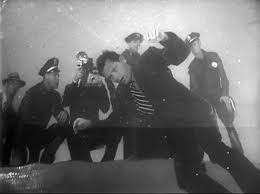
Some of these images will be familiar—Herb Ritts' unforgettable shot of Richard Gere taking a poolside business call, oblivious to his girlfriend performing an almost-too-perfect dive to his right; William Holden floating dead in the Sunset Boulevard pool, surrounded by press and police—but most are new to me. Threads emerge: the pool as a piece of the Southwest's modernist architecture (caught best in Julius Shulman's b&w photography, much of it in austere Palm Springs, and in Leland Lee's color photos of the Hollywood Hills); the pool as symbol of prosperity and/or banality (Bill Owens); the long afternoon at the country club (Bill Anderson); abandoned, emptied—or, in one pitiful case, even filled-in—pools (Loretta Ayeroff); and of course a shitload of Hockney (no complaints here). There is also much here on the pool as a focus of Hollywood's mid-century gay culture, and it must be said that this last theme rather runs away with the book after awhile. Aside from a couple Ruth Bernhard portraits, the only women to show up here are either embalmed housewives or gay icons like Marilyn Monroe and Jayne Mansfield. Just so you know what sort of pool party it is you're coming to.