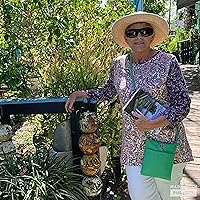
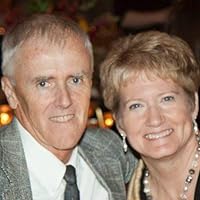
Within a year of receiving her husband's diagnosis, Susan Kiser Scarff had a classic case of caregiver burnout. She couldn't concentrate at work. Friends drifted away. Overwhelmed, she struggled to make the transition from Red's wife to his protector, nurse, and mother. Susan's experience as a first-time caregiver, recorded in these pages with grace, wisdom, and humor, prove just how much there is to finances have to be handled a different way in case the patient decides to make a lone trip to the bank; aggressive behavior is a constant threat; safety becomes a concern in every aspect of daily living. Filled with practical advice for every stage of the disease's progression, including information on support groups to help you prevent burnout, questionnaires designed to keep your loved one safe, and checklists to give you control in this time of unknowns. The Journey Ahead will help you help your loved one--every step of the way.
I received an advanced reader copy of this book to read in exchange for an honest review via netgalley and the publishers.
This is a very informative and helpful book for anyone who is caring for a person with dementia and I urge them to give it a read. So much helpful and insightful information and advice on many different areas of dementia care. My grandfather has dementia and we all try to help where we can and support his carer. This book will be very insightful for the whole family.
This book was written by a wife whose husband had dementia. She spared no detail in the description of her experiences. An incredibly intimate look into the life of a caregiver as her loved one went through all the stages until the end. Extremely resourceful book with lots of attached information, even a checklist after death.
this book is a must read for anyone caring for a dementia patient. tons of helpful advise and suggestions, as well as lists of important must haves, names and addresses of agencies and groups and sample letters.
I found this book fascinating I did a bit of work for a very short period with people with dementia which I found hard but after reading this it has helped me to see more what it is like for the person who has it and not just the person caring so thank you
I intend to keep up the payments on my long term care insurance after reading this book. How do people cope with this kind of life day after day? The part where she talks about lining the trash can with 6 liners and throwing the trash bag out the door if you can't get to the trash can showed how hectic and desperate her life was...why that got to me when her husband eating the check book register didn't, I don't know. I guess I have experience with trash and thankfully don't yet have experience with a husband who eats EVERYTHING!
Summary: Dementia is a degenerative disease that can go for years without being diagnosed. Patients often have a long life ahead with a declining ability to take care of themselves. The decline takes many forms and increases in severity with time. From the inability to control behaviors to the failure to control their body, the disease is devastating. The personal needs of the patent are essential but also the needs of the caregiver must be considered.
Review:
Dementia: The Journey Ahead: A Practical Guide for In-Home Caregivers by Susan Kiser Scarff and Ann Kiser Zultner is an informative manual in caring for those who have developed dementia. What makes this different than other books on the subject is that it is deeply personal and not a clinical reference guide. The poetry of Virginia Pasquarelli punctuates the chapters adding personal feeling to a serious topic.
Scarff begins with the life of her husband, Red. Red was a former fighter pilot, an avid sailor, and an MBA graduate who started his own consulting and partnership investing corporation. A long successful marriage takes a sudden turn when Red develops dementia. The downward spiral of his cognitive abilities is documented and used to help teach others how to care for their loved ones.
Gradual changes in behavior can lead to many difficulties and may not be noticed until more advanced stages. Those affected, many times, do not realize they are suffering from the disease and will need to be protected from themselves. Many still drive and go out on their own, and there are plenty of news stories and Silver Alerts to support that. Behavior alone in public may be mistaken for drunkenness, drug use, or aggressiveness. The book covers ways to protect the safety of a loved one from physical dangers as well as recognizing the early signs of dementia.
Scarff and Zultner provide the reader with a wealth of helpful information from practical daily advice to resources on support groups. Legal and financial considerations are explained as well as what to look for in long term care facilities. Although neither has a medical background, they do provide information on selecting a doctor and gaining proper healthcare. Appendixes provide essential and detailed information. The importance of the author's input makes the subject of home care personal and relatable to all readers.
This is a very good book to read about being a caregiver. It is written by someone who was thrown into that station in life. As we have an older generation that is living longer it should be a book for everyone to read--just in case.
This book is a great resource. It has the lists of all the things you will need to make your life easier and plenty of resources to get stabilized again. I borrowed this from the library, but I'll be getting my own paperback to reference back to.
This book had some great suggestions on who should be a part of the Alzheimer patient's team (neurologist, elder care lawyers, family physician, etc.) Ms. Scarff's husband's diagnosis, however, is so much different than my mother's that I often couldn't relate to her experiences. But, if you're looking for ideas on how to defuse certain situations, then you would benefit from this book.