

What do you think?

I signori Golovlëv
Michaìl Saltykòv-Scedrìn cominciò I signori Golovlëv nel 1875, all'indomani della morte della madre, donna avida e sentimentalmente arida che ne segnò fortemente l'infanzia e la personalità. E chiaramente ispirato alla vicenda familiare dello scrittore è questo monumentale romanzo, pubblicato nel 1880: un grandioso affresco, a tinte cupe, della nobiltà di provincia russa dopo le riforme del 1861. Protagonista è l'antica famiglia aristocratica dei Golovlëv, condotta gradualmente ma inesorabilmente alla rovina dai suoi membri, dediti a ogni sorta di vizio, dal gioco d'azzardo all'ubriachezza, alle orge. Interessati solo alla ricchezza e al possesso della terra, i Golovlëv trascorrono vuote esistenze tra ozio e alcolismo, sacrificando alla propria avidità ciò che di più sacro esiste, i legami familiari, la pietà filiale, l'amore genitoriale. E finendo così travolti in un oscuro dramma nel quale ogni affetto - tra i coniugi, tra genitori e figli, tra fratelli - si tramuta in un odio feroce e distruttivo degno di una tragedia shakespeariana.
400 pages, Paperback
First published January 1, 1880
About the author
Mikhail Saltykov-Shchedrin
500 books132 followersMikhail Saltykov was born on 27 January 1826 in the village of Spas-Ugol (modern-day Taldomsky District of the Moscow Oblast of Russia) as one of the eight children (five brothers and three sisters) in the large Russian noble family of Yevgraf Vasilievich Saltykov (1776—1851) and Olga Mikhaylovna Saltykova (née Zabelina) (1801—1874). His father belonged to an ancient Saltykov noble house that originated as one of the branches of the Morozov boyar family. According to the Velvet Book, it was founded by Mikhail Ignatievich Morozov nicknamed Saltyk (from the Old Church Slavonic word "saltyk" meaning "one's own way/taste"), the son of Ignaty Mikhailovich Morozov and a great-grandson of the founder of the dynasty Ivan Semyonovich Moroz who lived during the 14-15th centuries. The Saltykov family also shared the Polish Sołtyk coat of arms. It gave birth to many important political figures throughout history, including the Tsaritsa of Russia Praskovia Saltykova and her daughter, the Empress of Russia Anna Ioannovna.
Saltykov's mother was an heir to a rich Moscow merchant of the 1st level guild Mikhail Petrovich Zabelin whose ancestors belonged to the so-called trading peasants and who was granted hereditary nobility for his handsome donation to the army needs in 1812; his wife Marfa Ivanovna Zabelina also came from wealthy Moscow merchants. At the time of Mikhail Saltykov's birth, Yevgraf was fifty years old, while Olga was twenty five. Mikhail spent his early years on his parents' large estate in Spasskoye on the border of the Tver and Yaroslavl governorates, in the Poshekhonye region.
"In my childhood and teenage years I witnessed serfdom at its worst. It saturated all strata of social life, not just the landlords and the enslaved masses, degrading all classes, privileged or otherwise, with its atmosphere of a total lack of rights, when fraud and trickery were the order of the day, and there was an all-pervading fear of being crushed and destroyed at any moment," he remembered, speaking through one of the characters of his later work Old Years in Poshekhonye. Life in the Saltykov family was equally difficult. Dominating the weak, religious father was despotic mother whose intimidating persona horrified the servants and her own children. This atmosphere was later recreated in Shchedrin's novel The Golovlyov Family, and the idea of "the devastating effect of legalized slavery upon the human psyche" would become one of the prominent motifs of his prose. Olga Mikhaylovna, though, was a woman of many talents; having perceived some in Mikhail, she treated him as her favourite.
The Saltykovs often quarrelled; they gave their children neither love nor care and Mikhail, despite enjoying relative freedom in the house, remembered feeling lonely and neglected. Another thing Saltykov later regretted was his having been completely shut out from nature in his early years: the children lived in the main house and were rarely allowed to go out, knowing their "animals and birds only as boiled and fried." Characteristically, there were few descriptions of nature in the author's works.
Saltykov's mother was an heir to a rich Moscow merchant of the 1st level guild Mikhail Petrovich Zabelin whose ancestors belonged to the so-called trading peasants and who was granted hereditary nobility for his handsome donation to the army needs in 1812; his wife Marfa Ivanovna Zabelina also came from wealthy Moscow merchants. At the time of Mikhail Saltykov's birth, Yevgraf was fifty years old, while Olga was twenty five. Mikhail spent his early years on his parents' large estate in Spasskoye on the border of the Tver and Yaroslavl governorates, in the Poshekhonye region.
"In my childhood and teenage years I witnessed serfdom at its worst. It saturated all strata of social life, not just the landlords and the enslaved masses, degrading all classes, privileged or otherwise, with its atmosphere of a total lack of rights, when fraud and trickery were the order of the day, and there was an all-pervading fear of being crushed and destroyed at any moment," he remembered, speaking through one of the characters of his later work Old Years in Poshekhonye. Life in the Saltykov family was equally difficult. Dominating the weak, religious father was despotic mother whose intimidating persona horrified the servants and her own children. This atmosphere was later recreated in Shchedrin's novel The Golovlyov Family, and the idea of "the devastating effect of legalized slavery upon the human psyche" would become one of the prominent motifs of his prose. Olga Mikhaylovna, though, was a woman of many talents; having perceived some in Mikhail, she treated him as her favourite.
The Saltykovs often quarrelled; they gave their children neither love nor care and Mikhail, despite enjoying relative freedom in the house, remembered feeling lonely and neglected. Another thing Saltykov later regretted was his having been completely shut out from nature in his early years: the children lived in the main house and were rarely allowed to go out, knowing their "animals and birds only as boiled and fried." Characteristically, there were few descriptions of nature in the author's works.
Ratings & Reviews
Friends & Following
Create a free account to discover what your friends think of this book!
Community Reviews
Displaying 1 - 30 of 209 reviews

July 9, 2016
Neither minds nor souls could keep their secrets from Mikhail Saltykov-Shchedrin and all those pitiful secrets were boldly revealed in this brilliant novel.
There is no thrift – there is greed… To obtain more and more simply for the sake of having more than the others.
There is no knowledge – there are rumours, hearsay and superstitions.
There is no faith – there is sanctimony.
And this atmosphere is stifling – one can’t exist in it, one simply suffocates. There is no purpose and the living is empty.
And the only remedy for the emptiness of soul is drunkenness.
And the drunkenness is a straight road to devastation.
We Russians have no strongly biased systems of education. We are not drilled, we are not trained to be champions and propagandists of this or that set of moral principles but are simply allowed to grow as nettles grow by a fence. This is why there are very few hypocrites among us and very many liars, bigots, and babblers.
There is no thrift – there is greed… To obtain more and more simply for the sake of having more than the others.
There is no knowledge – there are rumours, hearsay and superstitions.
There is no faith – there is sanctimony.
It must not be imagined that Iudushka was a hypocrite in the same sense as Tartuffe or any modern French bourgeois who goes off into flights of eloquence on the subject of social morality. No, he was a hypocrite of a purely Russian sort, that is, simply a man devoid of all moral standards, knowing no truth other than the copy-book precepts. He was pettifogging, deceitful, loquacious, boundlessly ignorant, and afraid of the devil. All these qualities are merely negative and can supply no stable material for real hypocrisy.
And this atmosphere is stifling – one can’t exist in it, one simply suffocates. There is no purpose and the living is empty.
And the only remedy for the emptiness of soul is drunkenness.
And the drunkenness is a straight road to devastation.

June 30, 2020
Leggere i Golovlëv a distanza di poco dai Fatti d'altri tempi è stato come tornare a soggiornare in una casa in cui si è già abitato prima: si ritrovano tutte le cose al loro posto, si conosce il significato di ogni dettaglio, le abitudini tornano istintive senza bisogno di rifletterci su.
Tutto il discorso ruota banalmente intorno ai temi famiglia ed eredità: in questo lo si potrebbe affiancare a I Vicerè, con la differenza che qui c'è più autobiografia e meno storia politica, o per lo meno quest'ultima rimane più sottotraccia, la famiglia qui protagonista non è parte così attiva come lo sono invece gli Uzeda, anzi, quella dei Golovlëv è rintanata nel proprio guscio come un paguro.
Meno banalmente, l'autore si diverte a srotolare un campionario di ignoranza, ipocrisia, avidità, accidia, stupidità e tutte le altre peggiori qualità umane: i protagonisti vi sguazzano dentro proprio come i suidi si rotolano nel fango.
Si potrebbe arrivare a sentenziare "lasciate ogni speranza voi che entrate" perché qui non ci saranno lieto fine, non ci saranno buoni che trionfano sui cattivi, non ci saranno redenzioni, né alcun tipo di conversione o illuminazione sulla via di Damasco; anzi . E potrei aggiungere "preparatevi lo stomaco voi che entrate" perché tra tutti quei protagonisti, ve n'è uno che potrebbe vincere l'oscar per il personaggio più orripilante della letteratura.
Sotto un certo aspetto - l'aspetto dei contenuti - come romanzo ottocentesco è atipico da tanto è concentrato sulla negatività, e al lettore non resta che scegliere se interpretarlo come ironia feroce o come pessimismo vero e proprio (io propendo per la prima ipotesi). E questo è anche l'aspetto che lo rende così moderno perché ancora oggi, così tanti anni dopo, sviscerare i cattivi e inventarsi anti-eroi, è a tutti gli effetti una letteratura di moda.
Dall'altro lato, la forma è tipicamente e perfettamente ottocentesca: il ritmo, le ambientazioni, la drammaticità dei dialoghi, la plasticità teatrale delle pose.
La formula che somma questi due aspetti ottiene una corposità (non tanto della quantità quanto della qualità), quella densità e solidità che sono proprie del romanzone da voto massimo, stra-consigliato perché non ha nulla da invidiare a Dostoevskij.
Nota di merito anche per la traduzione: il discorso è sempre brillante, succoso, il lavorìo del traduttore lo si percepisce con la ragione ma a pelle resta impalpabile; eccezion fatta per le ottime note in cui il traduttore si rende volutamente visibile per esporre le peculiarità di alcuni termini che in russo hanno più significati e sfaccettature.
Tutto il discorso ruota banalmente intorno ai temi famiglia ed eredità: in questo lo si potrebbe affiancare a I Vicerè, con la differenza che qui c'è più autobiografia e meno storia politica, o per lo meno quest'ultima rimane più sottotraccia, la famiglia qui protagonista non è parte così attiva come lo sono invece gli Uzeda, anzi, quella dei Golovlëv è rintanata nel proprio guscio come un paguro.
Meno banalmente, l'autore si diverte a srotolare un campionario di ignoranza, ipocrisia, avidità, accidia, stupidità e tutte le altre peggiori qualità umane: i protagonisti vi sguazzano dentro proprio come i suidi si rotolano nel fango.
Si potrebbe arrivare a sentenziare "lasciate ogni speranza voi che entrate" perché qui non ci saranno lieto fine, non ci saranno buoni che trionfano sui cattivi, non ci saranno redenzioni, né alcun tipo di conversione o illuminazione sulla via di Damasco; anzi . E potrei aggiungere "preparatevi lo stomaco voi che entrate" perché tra tutti quei protagonisti, ve n'è uno che potrebbe vincere l'oscar per il personaggio più orripilante della letteratura.
Sotto un certo aspetto - l'aspetto dei contenuti - come romanzo ottocentesco è atipico da tanto è concentrato sulla negatività, e al lettore non resta che scegliere se interpretarlo come ironia feroce o come pessimismo vero e proprio (io propendo per la prima ipotesi). E questo è anche l'aspetto che lo rende così moderno perché ancora oggi, così tanti anni dopo, sviscerare i cattivi e inventarsi anti-eroi, è a tutti gli effetti una letteratura di moda.
Dall'altro lato, la forma è tipicamente e perfettamente ottocentesca: il ritmo, le ambientazioni, la drammaticità dei dialoghi, la plasticità teatrale delle pose.
La formula che somma questi due aspetti ottiene una corposità (non tanto della quantità quanto della qualità), quella densità e solidità che sono proprie del romanzone da voto massimo, stra-consigliato perché non ha nulla da invidiare a Dostoevskij.
Nota di merito anche per la traduzione: il discorso è sempre brillante, succoso, il lavorìo del traduttore lo si percepisce con la ragione ma a pelle resta impalpabile; eccezion fatta per le ottime note in cui il traduttore si rende volutamente visibile per esporre le peculiarità di alcuni termini che in russo hanno più significati e sfaccettature.

May 14, 2024
Vi sono famiglie sulle quali pesa una predestinazione ineluttabile. In particolare lo si nota nell’ambiente di quella piccola nobiltà di campagna che, senza occupazione, senza legami con la vita sociale e senza un senso che la guidi, in un primo momento si era rifugiata, disseminata sulla faccia della terra russa, sotto la protezione della servitù della gleba, e ora finisce di vivere senza più alcuna difesa in poderi che stanno andando in rovina.
“Non saper amare, non saper nutrire, corrompere e far imputridire le cose viventi, saper solo calcolare, monetizzare: seminare la morte. Saltykòv descrive la società del suo tempo, ma ha riposto qualsiasi intento didascalico, e si concentra sulla psicologia dei singoli personaggi. Nei “Signori Golovlev” non c’è nessun messaggio politico o morale da consegnare al lettore, ma piuttosto un’analisi delle cause anche psicologiche delle differenze sociali. Arìna Petròvna e Porfìrij non sono ‘cattivi’ perché sono dei nobili di provincia, ma per il loro carattere perverso e morboso.” (dalla postfazione di Bruno Osimo)
Proprio una bella famigliola. Come quando l’odiato e ipocrita Porfìrij, detto Giuda o Vampiro, fa visita all’arida madre e al fratello morente.
“Io, mammina, sono venuto a farvi visita per qualche giorno”, continuò quasi volesse fare una piacevole sorpresa alla mammina. “Non è il caso, mia cara … tra parenti! Non è detto che accada, e poi, come fratello … Posso consolare, dare consigli, e disposizioni … Sempre che voi lo permettiate!”
“Ma quale permesso potrei dare io! Sono io stessa ospite qui!”
“Beh, allora facciamo così, cara. Dato che oggi è venerdì, date ordini, se volete essere tanto buona, di prepararmi per cena qualcosa di magro. Del pesce in salamoia, dei funghetti, magari del cavolo. Non ho bisogno di molto, io! E io intanto, com’è uso tra parenti, farò un salto sull’ammezzato da mio fratello. Magari faccio in tempo. Non per il corpo, ma cercherò di fare qualcosa di utile per l’anima. E, nella sua situazione, mi sa che l’anima è ancora più importante. Il corpo, mammina, con lozioni e con impacchi possiamo sistemarlo, ma per l’anima sono necessarie medicine assai più sostanziali.”
Arìna Petròvna non ribatté. Il pensiero dell’irreversibilità della “fine” aveva invaso tutto il suo essere al punto che lei guardava e ascoltava impietrita tutto quello che succedeva intorno a lei. Vide che Giuda, schiarendosi la voce, si alzò dal divano, si ingobbì, trascinò un pochino le gambe (a volte gli piaceva fingersi invalido: in quel modo gli sembrava di meritarsi più rispetto); capiva che l’improvvisa comparsa del vampiro sull’ammezzato avrebbe sconvolto profondamente il malato, e magari anche accelerato la fine, ma dopo i turbamenti di quel giorno le piombò addosso una stanchezza tale, che le sembrò di sognare.
“Non saper amare, non saper nutrire, corrompere e far imputridire le cose viventi, saper solo calcolare, monetizzare: seminare la morte. Saltykòv descrive la società del suo tempo, ma ha riposto qualsiasi intento didascalico, e si concentra sulla psicologia dei singoli personaggi. Nei “Signori Golovlev” non c’è nessun messaggio politico o morale da consegnare al lettore, ma piuttosto un’analisi delle cause anche psicologiche delle differenze sociali. Arìna Petròvna e Porfìrij non sono ‘cattivi’ perché sono dei nobili di provincia, ma per il loro carattere perverso e morboso.” (dalla postfazione di Bruno Osimo)
Proprio una bella famigliola. Come quando l’odiato e ipocrita Porfìrij, detto Giuda o Vampiro, fa visita all’arida madre e al fratello morente.
“Io, mammina, sono venuto a farvi visita per qualche giorno”, continuò quasi volesse fare una piacevole sorpresa alla mammina. “Non è il caso, mia cara … tra parenti! Non è detto che accada, e poi, come fratello … Posso consolare, dare consigli, e disposizioni … Sempre che voi lo permettiate!”
“Ma quale permesso potrei dare io! Sono io stessa ospite qui!”
“Beh, allora facciamo così, cara. Dato che oggi è venerdì, date ordini, se volete essere tanto buona, di prepararmi per cena qualcosa di magro. Del pesce in salamoia, dei funghetti, magari del cavolo. Non ho bisogno di molto, io! E io intanto, com’è uso tra parenti, farò un salto sull’ammezzato da mio fratello. Magari faccio in tempo. Non per il corpo, ma cercherò di fare qualcosa di utile per l’anima. E, nella sua situazione, mi sa che l’anima è ancora più importante. Il corpo, mammina, con lozioni e con impacchi possiamo sistemarlo, ma per l’anima sono necessarie medicine assai più sostanziali.”
Arìna Petròvna non ribatté. Il pensiero dell’irreversibilità della “fine” aveva invaso tutto il suo essere al punto che lei guardava e ascoltava impietrita tutto quello che succedeva intorno a lei. Vide che Giuda, schiarendosi la voce, si alzò dal divano, si ingobbì, trascinò un pochino le gambe (a volte gli piaceva fingersi invalido: in quel modo gli sembrava di meritarsi più rispetto); capiva che l’improvvisa comparsa del vampiro sull’ammezzato avrebbe sconvolto profondamente il malato, e magari anche accelerato la fine, ma dopo i turbamenti di quel giorno le piombò addosso una stanchezza tale, che le sembrò di sognare.

February 6, 2014
Evil unaware of its own evil is in many ways the most insidious evil. It surrounds us. It infiltrates us. It is in us. It is a pervasive largely invisible miasma that is restless and tireless. It is a relentless sociopathy. It is a plague that can also, ironically, be funny, but if we’re lucky only up to a point. The socially maladapted boss who masks his awkwardness with trivial bloviating sparked here and there with bon mots and seemingly unintentionally sharp observations, giving the impression of a manifestation of a vital life force, can be funny and can supply his underlings with countless opportunities to titter behind his back, but he might also be satan incarnate, an embodiment of corporate (non)personhood who has not a drop of humanity in his veins, who would shrug off your terminal suffering as so much petty inconvenience and turn to count the number of coins he would gain by your death, and move on to the next scene of death and destruction unfazed. These people are everywhere. If we’re lucky we will recognize them early and steer clear as much as is humanly possible, and close ourselves to them, while avoiding total cynicism, which is an anti-viral embodiment of the very evil it scorns. We can protect ourselves by constant awareness, and humanity, and productive application of our energies, as Saltykov did by harnessing his effervescent bile to produce this book. This brand of evil that he offers us is everywhere, which is why I did not read The Golovlovs as satire or as caricature. Judas, the almost unconsciously malicious patriarch of a slowly decaying estate, is as real to me as my own uncle, or my next door neighbor. Saltykov spares nothing in his analytical skewering of this tragi-comic bastard. He fills his mouth with endless blather that is at first comic, but as its verbal virus spreads, and infects an entire family and house and landscape as it spreads, it becomes tragic. Not tragic for Judas, necessarily, as by the end one has no sympathy for him (if one ever did. I admit to being blind and weak and having a shred of sympathy for him early.); but tragic for us, who can recognize in him people, and by extension impersonal institutions, we have to deal with daily. So, yes, we laugh at him, as that is often the last refuge for victims, but it is a cringing, pain-wracked laughter, and all we can say in the end is thank God there’s vodka to eventually destroy such bastards.

September 5, 2023
Treba ovo pročitati. Ruska mizerija u fulu, crnohumorno napisana.
Prevod Isidore Sekulić se čita kao da je u pitanju domaća satira.
Prevod Isidore Sekulić se čita kao da je u pitanju domaća satira.

January 20, 2025
Crónica de 3 generaciones de una familia de la pequeña nobleza campesina rusa de segunda mitad del siglo XIX, y de la decadencia y desmoronamiento irremisible de la misma, antes y después de la abolición del régimen de servidumbre (año 1861).
Se trata de una familia mezquina, ociosa y superficial, en la que el que no es un miserable codicioso, es un libertino impúdico y lujurioso, un amante del juego, gran aficionado a la bebida, o cualquier otra virtud insustancial o despreciable que se pueda imaginar dentro del catálogo de lo más infame. Siendo así como se las gastan los Golovliov, ya podemos intuir el devenir que tendrán cada uno de sus miembros.
Es una novela muy rusa, y muy decimonónica, con sus conversaciones teatrales, sus actitudes apasionadas, sus disertaciones sociales, y sus interioridades y análisis psicológicos. No es Dovstoieski, (difícilmente nadie escribirá como él), pero en algunos momentos se le recuerda.
Desgraciadamente carece para mi gusto de cierto interés argumental, con poco gancho, y de un ritmo algo lento, lo que le resta disfrute a la lectura.
2.5 que redondeo gustosamente a 3.
Se trata de una familia mezquina, ociosa y superficial, en la que el que no es un miserable codicioso, es un libertino impúdico y lujurioso, un amante del juego, gran aficionado a la bebida, o cualquier otra virtud insustancial o despreciable que se pueda imaginar dentro del catálogo de lo más infame. Siendo así como se las gastan los Golovliov, ya podemos intuir el devenir que tendrán cada uno de sus miembros.
Es una novela muy rusa, y muy decimonónica, con sus conversaciones teatrales, sus actitudes apasionadas, sus disertaciones sociales, y sus interioridades y análisis psicológicos. No es Dovstoieski, (difícilmente nadie escribirá como él), pero en algunos momentos se le recuerda.
Desgraciadamente carece para mi gusto de cierto interés argumental, con poco gancho, y de un ritmo algo lento, lo que le resta disfrute a la lectura.
2.5 que redondeo gustosamente a 3.

March 29, 2013
"A kind of doom seems to hang over some families. One notices it particularly among the class of small landowners scattered all over Russia who, having no work, no connection with public life, and no political importance, were at one time sheltered by serfdom, but now, with nothing to shelter them, are spending the remainder of their lives in their tumble-down country houses. Everything in those pitiful families’ existence - both success and failure - is blind, unexpected, haphazard." (321)The Golovlyov Family centers on the ancestral estate of Golovlyovo and the various family members that spring out of it and return to it in order to die. It is a dead place and, although Shchedrin chronicles their lives, the members of the Golovlyov family are dead from the very beginning - dead before, and sometimes even while, they are alive. That it all comes crumbling down when Arina Petrovna, the iron-fisted matriarch, begins to lose her grip over the estate to her miserly and hypocritical son, Porphyry Vladimiritch (nicknamed Iudushka or 'little Judas'), is accidental; they are doomed far in advance.
The novel is exceptionally bleak; there is cruelty, alcoholism, despair, and suicide in abundance. Yet strangely, one comes away from it all feeling uplifted not necessarily about one's own life, but about what one wants to do with it. For, to end up like the Golovlyovs, is just too damn tragic.
James Wood writes in the introduction that The Golovlyov Family "becomes more modern the older it gets". I would agree, and add that this increasing modernity lends the novel a unique sense of timelessness. It is also a brilliant study not only of hypocrisy, but also of the rationalizations more generally that people offer for their own reprehensible or downright petty behavior. I can think of no other character in literature who was so off-putting, and convincingly so, than Iudushka. The fact that – if we are really honest with ourselves– we all have a little of little Judas in us, lends The Golovlyov Family an almost uncomfortable degree of psychological depth.
"People of weak character find the external forms of life of great help in bearing its burdens. In cases of difficulty they instinctively cling to those forms, finding in them a justification for themselves." (201)

September 7, 2022
Uh, teško je bilo i dati i ne dati ovome peticu. Verovatno je moja greška to što sam ovo čitao odmah posle "Ponora" koji je remek delo. Šta je prevladalo da ide petica - to što je Arina Petrovna prokleto genijalna nadrkana babetina, to što Juduški hoćeš da kroz 350 strana 720 puta opališ šamarčinu, to što ti je Stepku i Pavla toliko žao i kakav okret u poslednjoj rečenici!
4,5/5
4,5/5

February 23, 2024
"Deu por si em terras de Golovliovo, naquele lugar odioso que o trouxera ao mundo sem amor, que o criara sem amor, que o atirara para o mundo sem amor, e que agora, sem amor também, de novo o recebia no seu seio." 💭
"A família Golovliov" é um dramalhão, mas daqueles dramas mesmo à moda russa. As personagens sofrem todas de alguma ligeira (ligeiríssima!) perturbação, há muito drama, muitos mexericos e muitas mortes.
Saltykov-Shchedrin (santinho!) foi o percursor de George R. R. Martin já que não tem problema ou pena em matar as suas personagens (MORRERAM TODOS! - não é spoiler, é só uma homenagem ao José Rodrigues dos Santos 😂).
É um livro com muitos momentos de comédia, mas também há imensos momentos tristes e intensos. O autor mostra-nos o mais profundo da alma humana, o lado mais negro de alguém que não olha a meios para atingir os fins.
O tema principal deste livro é a hipocrisia e a meio da história o autor apresenta-nos um verdadeiro ensaio sobre a hipocrisia. Porfírio é egoísta, vil, hipócrita, sovina, mas considera-se um bom homem já que todas as suas acções são justas e, se por acaso, alguma coisa não corre bem foi porque Deus assim quis. O homem é que está sempre inocente.
Esta personagem tem como alcunhas "Pequeno Judas" e "Sanguessuga" e é considerado um dos monstros mais memoráveis da literatura mundial. Trata a própria mãe por "querida mamã amiga", enquanto ataca sem remorsos toda a gente à sua volta.
Ou seja, este livro tem o homem MAIS CHATO E MAIS EXASPERANTE que já li em toda a minha vida (e olhem que a competição é feroz 🤣), mas por outro lado, tem a mulher mais badass que me lembro de ler na literatura russa.
Como para qualquer livro russo, eu aconselho a fazerem uma árvore genealógica e uma lista das personagens. Nada muito extenso ou trabalhoso, mas fundamental para não nos sentirmos perdidos no emaranhado de tantas personagens.
Gostei tanto tanto deste livro. Não é dos mais conhecidos da literatura russa, mas eu aconselho muito 📚
https://www.instagram.com/p/C7tfUzZM6...
"A família Golovliov" é um dramalhão, mas daqueles dramas mesmo à moda russa. As personagens sofrem todas de alguma ligeira (ligeiríssima!) perturbação, há muito drama, muitos mexericos e muitas mortes.
Saltykov-Shchedrin (santinho!) foi o percursor de George R. R. Martin já que não tem problema ou pena em matar as suas personagens (MORRERAM TODOS! - não é spoiler, é só uma homenagem ao José Rodrigues dos Santos 😂).
É um livro com muitos momentos de comédia, mas também há imensos momentos tristes e intensos. O autor mostra-nos o mais profundo da alma humana, o lado mais negro de alguém que não olha a meios para atingir os fins.
O tema principal deste livro é a hipocrisia e a meio da história o autor apresenta-nos um verdadeiro ensaio sobre a hipocrisia. Porfírio é egoísta, vil, hipócrita, sovina, mas considera-se um bom homem já que todas as suas acções são justas e, se por acaso, alguma coisa não corre bem foi porque Deus assim quis. O homem é que está sempre inocente.
Esta personagem tem como alcunhas "Pequeno Judas" e "Sanguessuga" e é considerado um dos monstros mais memoráveis da literatura mundial. Trata a própria mãe por "querida mamã amiga", enquanto ataca sem remorsos toda a gente à sua volta.
Ou seja, este livro tem o homem MAIS CHATO E MAIS EXASPERANTE que já li em toda a minha vida (e olhem que a competição é feroz 🤣), mas por outro lado, tem a mulher mais badass que me lembro de ler na literatura russa.
Como para qualquer livro russo, eu aconselho a fazerem uma árvore genealógica e uma lista das personagens. Nada muito extenso ou trabalhoso, mas fundamental para não nos sentirmos perdidos no emaranhado de tantas personagens.
Gostei tanto tanto deste livro. Não é dos mais conhecidos da literatura russa, mas eu aconselho muito 📚
https://www.instagram.com/p/C7tfUzZM6...

February 2, 2018
Esta é a história de uma família que, no tempo actual, apelidaríamos de disfuncional. Muito pouco amor; muito egoísmo; muita ambição. Até aqui nada de novo. O que brilha neste romance é o relato - numa linguagem sarcástica, venenosa, que nos faz rir (mas não sempre) do que é horrível - e a caracterização das personagens. Há uma parte em que, por momentos, esqueci estar a ler ficção e senti uma vontade louca de dar um enxerto de porrada no Porfírio.
Arina é a matriarca da família Golovliov. Nunca gostou do marido e até costuma dizer que não é viúva nem casada. Esse passa o tempo fechado no quarto a ler e a escrever poemas pornográficos. Tiveram quatro filhos e Arina não gosta de nenhum. Dos mais velhos nem quer ouvir falar; o mais novo é-lhe indiferente; apenas sente algo pelo do meio: medo. Do que Arina gosta é de dinheiro; de trabalhar e aumentar a riqueza da família adquirindo muitas terras e almas (servos).
A Stepán e Anna (os filhos mais velhos) Arina "atirou-lhes um osso" (deu-lhes um dinheirinho) para se livrar deles. Mas, coitada, não teve muito sucesso.
Pável (o mais novo) é sempre muito sincero e torna-se, por vezes, desagradável, mas Arina não lhe dá importância.
Pórfiro é muito carinhoso; trata a mãe por "querida mamã amiga", no entanto Arina desconfia sempre (e com razão). Os outros irmãos chamam-lhe Sanguessuga. Estão a ser cruéis com os animais. O homem é um monstro. Egoísta, hipócrita, sovina, tagarela (a conversa dele podia "apodrecer uma pessoa"). No entanto, considera-se um bom homem pois todas as suas acções são guiadas pela Justiça e se algo não corre bem foi por vontade de Deus, a quem Pórfiro reza permanentemente.
"A Família Golovliov é um livro estranho e áspero, cujas personagens a um tempo sofrem a doença do nada e aspiram a ela, um livro que é por vezes uma ampla sátira, outras um livro de terror gótico, e outras ainda um anti-romance, torna-se cada vez mais moderno com a passagem do tempo."
— James Wood
Nota: a Introdução é uma crítica literária de James Wood e, como uma crítica profissional que se preze, resume o livro todo. Quem tem alergia a spoilers é melhor lê-la no final.
Arina é a matriarca da família Golovliov. Nunca gostou do marido e até costuma dizer que não é viúva nem casada. Esse passa o tempo fechado no quarto a ler e a escrever poemas pornográficos. Tiveram quatro filhos e Arina não gosta de nenhum. Dos mais velhos nem quer ouvir falar; o mais novo é-lhe indiferente; apenas sente algo pelo do meio: medo. Do que Arina gosta é de dinheiro; de trabalhar e aumentar a riqueza da família adquirindo muitas terras e almas (servos).
A Stepán e Anna (os filhos mais velhos) Arina "atirou-lhes um osso" (deu-lhes um dinheirinho) para se livrar deles. Mas, coitada, não teve muito sucesso.
Pável (o mais novo) é sempre muito sincero e torna-se, por vezes, desagradável, mas Arina não lhe dá importância.
Pórfiro é muito carinhoso; trata a mãe por "querida mamã amiga", no entanto Arina desconfia sempre (e com razão). Os outros irmãos chamam-lhe Sanguessuga. Estão a ser cruéis com os animais. O homem é um monstro. Egoísta, hipócrita, sovina, tagarela (a conversa dele podia "apodrecer uma pessoa"). No entanto, considera-se um bom homem pois todas as suas acções são guiadas pela Justiça e se algo não corre bem foi por vontade de Deus, a quem Pórfiro reza permanentemente.
"A Família Golovliov é um livro estranho e áspero, cujas personagens a um tempo sofrem a doença do nada e aspiram a ela, um livro que é por vezes uma ampla sátira, outras um livro de terror gótico, e outras ainda um anti-romance, torna-se cada vez mais moderno com a passagem do tempo."
— James Wood
Nota: a Introdução é uma crítica literária de James Wood e, como uma crítica profissional que se preze, resume o livro todo. Quem tem alergia a spoilers é melhor lê-la no final.
January 28, 2023
Un romanzo di ampio respiro ambientato in una grande tenuta nobiliare, quella dei signori Golovlev che sciupano la loro vita in depravazioni fisiche e morali fino alla disgregazione totale della famiglia: protagonista principale Porfirij Golovlev, che divenuto unico proprietario dopo la morte della madre e dei suoi due fratelli, si rinchiude in una vita solitaria e vuota di affetti, almanaccando giorno dopo giorno in perfetta solitudine le possibilità di guadagno, di ulteriore arricchimento, incapace di soffermarsi sulla caducità della vita e sull'inutilità dei beni terreni. Scrittore dalle grandi capacità descrittive e introspettive, Scedrin scava nell'animo umano fino alle più intime profondità, mettendo a nudo grettezza d'animo, meschinità e lo squallore di una vita priva di affetti.

January 24, 2018
Excepcional visión que nos da Shchedrin sobre la pequeña nobleza rural rusa, ejemplificada aquí en las desventuras de la familia Golovliov, sobra la que posa el escritor una mirada cínica y sin esperanza, muy alejada de la visión tolstoiana.
La pluma de Shchedrin es como un martillo, una maza, que va destrozando, página a página, párrafo a párrafo, el estamento nobiliario de la sociedad que le tocó vivir, al igual que harán Gogol con el funcionariado ruso, Dostoievski con la pequeña burguesía y las clases urbanas más bajas o, más adelante, Bulgakov con los distintos personajes y clases que conformaban la caótica sociedad soviética (son notables los ecos Shchedrinianos en su "Maestro y Margarita" como ejemplo del fervor que sentía Bulgakov por la prosa de Shchedrin).
Una familia horrible, con un breve momento de brillo y luminosidad, como ejemplo de todos los males que aquejaban al estamento nobiliario rural ruso, que aparece abocada al fracaso más absoluto y, quizá de forma premonitoria, a la más absoluta y vana extinción. Y ni aun así nos permite el escritor que tengamos un mínimo atisbo de esperanza, la cual queda completamente destrozada en un último párrafo del todo demoledor. Rusia se muere, Shchedrin lo sabe, aquejada de todos los males del mundo (envidia, avaricia, lujuria, alcoholismo, opresión...) y el escritor nos los muestra, de forma descarnada y cruel, sin hacer ningún tipo de concesión ni ofrecernos ningún tipo de paliativo. Paliativo que, desde nuestro punto de vista de lector moderno, tampoco puede ofrecernos la Historia, la cual llevará de los desmanes de la Rusia zarista y nobiliaria a los horrores de Unión Sovietica comunista y, sobre todo, estalinista.
La pluma de Shchedrin es como un martillo, una maza, que va destrozando, página a página, párrafo a párrafo, el estamento nobiliario de la sociedad que le tocó vivir, al igual que harán Gogol con el funcionariado ruso, Dostoievski con la pequeña burguesía y las clases urbanas más bajas o, más adelante, Bulgakov con los distintos personajes y clases que conformaban la caótica sociedad soviética (son notables los ecos Shchedrinianos en su "Maestro y Margarita" como ejemplo del fervor que sentía Bulgakov por la prosa de Shchedrin).
Una familia horrible, con un breve momento de brillo y luminosidad, como ejemplo de todos los males que aquejaban al estamento nobiliario rural ruso, que aparece abocada al fracaso más absoluto y, quizá de forma premonitoria, a la más absoluta y vana extinción. Y ni aun así nos permite el escritor que tengamos un mínimo atisbo de esperanza, la cual queda completamente destrozada en un último párrafo del todo demoledor. Rusia se muere, Shchedrin lo sabe, aquejada de todos los males del mundo (envidia, avaricia, lujuria, alcoholismo, opresión...) y el escritor nos los muestra, de forma descarnada y cruel, sin hacer ningún tipo de concesión ni ofrecernos ningún tipo de paliativo. Paliativo que, desde nuestro punto de vista de lector moderno, tampoco puede ofrecernos la Historia, la cual llevará de los desmanes de la Rusia zarista y nobiliaria a los horrores de Unión Sovietica comunista y, sobre todo, estalinista.

November 12, 2016
un roman dur și întunecat
cu acest roman am ieșit din atmosfera cu care m-au obișnuit gogol, dostoievski și tolstoi. și am intrat într-o atmosferă neagră, plină de umbre ce stăpânesc totul, și în primul rând sufletele oamenilor. suflete care, din păcate, nu se salvează și nu se transformă, ca la dostoievski, tolstoi sau bulgakov. cel puțin nu în lumea asta.
nu mi-a venit să cred cât de cinic este unul din personajele principale, porfiri vladimirovich golovliov, poreclit iudușka (diminutivul de la iuda) care nu doar că moștenește avariția mamei sale, arina petrovna, dar își pune bigotismul în slujba jupuirii și îndepărtării celorlalți, inclusiv a celor doi fii ai săi care se sinucid.
iudușka este atât de diabolic de „cumsecade“ cu talentul său de-a întoarce fățarnic vorbele, că orice politician din orice vremuri s-ar îngălbeni de ciudă. pentru că întreg instinctul uriaș de acaparare și de manipulare este ascuns în spatele DISCURSULUI RELIGIOS bigot, în fața căruia chiar și preotul din sat își pierde cuvintele. este maestrul disimulării prin cuvinte, și nici o umbră de sinceritate nu se străvede în vorbele lui, ci numai „bunătate și iubire creștinească“. iată cum încearcă să-și seducă nepoata „cu voia lui Dumnezeu“
http://chestiilivresti.blogspot.ro/20...
cu acest roman am ieșit din atmosfera cu care m-au obișnuit gogol, dostoievski și tolstoi. și am intrat într-o atmosferă neagră, plină de umbre ce stăpânesc totul, și în primul rând sufletele oamenilor. suflete care, din păcate, nu se salvează și nu se transformă, ca la dostoievski, tolstoi sau bulgakov. cel puțin nu în lumea asta.
nu mi-a venit să cred cât de cinic este unul din personajele principale, porfiri vladimirovich golovliov, poreclit iudușka (diminutivul de la iuda) care nu doar că moștenește avariția mamei sale, arina petrovna, dar își pune bigotismul în slujba jupuirii și îndepărtării celorlalți, inclusiv a celor doi fii ai săi care se sinucid.
iudușka este atât de diabolic de „cumsecade“ cu talentul său de-a întoarce fățarnic vorbele, că orice politician din orice vremuri s-ar îngălbeni de ciudă. pentru că întreg instinctul uriaș de acaparare și de manipulare este ascuns în spatele DISCURSULUI RELIGIOS bigot, în fața căruia chiar și preotul din sat își pierde cuvintele. este maestrul disimulării prin cuvinte, și nici o umbră de sinceritate nu se străvede în vorbele lui, ci numai „bunătate și iubire creștinească“. iată cum încearcă să-și seducă nepoata „cu voia lui Dumnezeu“
http://chestiilivresti.blogspot.ro/20...

Read
January 21, 2012A 19th century masterpiece about a Russian family of landowners. The psyshological drama and the descriptions of everyday life in the Russian countryside are among the strongest I've ever come across. The characters are built in the tradition of great archetypes, in particular that of the Miser (see Molière and Dickens). It's one of those books that you can't put down, and which are entirely satisfying on an intellectual and emotional level. The ending is pure Dostoevsky: it has an unexpected catharsis, in which the "bad" (not to say "evil") characters attain a brief, saint-like illumination through a symbolic, rather than plausible, repentance. On top of this, the edition I have has gorgeous ink drawings by a certain Kukrynisky (one name). The Russian publisher is asking the book's readers to write them with their opinions on the novel, the book's design and the translation. I wish I could do this, but I doubt they still exist or have the same address 36 years later.

June 6, 2019
I imagine if Emile Zola were Russian he would have written something like this. This is as close to "Russian Naturalism" as I have read. This is pure misery, darker than the Dostoevsky and Tolstoy novels I've read.
I've seen this described as satire at times. This novel does stumble across some humor, a few moments are downright funny in fact, but for the most part it's like a sparkle in a torrent of mud, gone as soon as you see it and leaving you to wonder if it was really there. Yeah, this is really grim stuff.
There's really no one here to "root for," although there's some worth pitying. In fact most of the characters die off fast, this is a chronicle of people dying, some of them die so quickly that you wonder if they were really integral to the story. After they're gone, most of the novel centers around a simpering creep, the brother Porphyry, aka the Bloodsucker. He is one of the most maddening creations I've come across in literature. A conniving, hypocritical, malefic schemer. He will pick your back pocket while filling the air with empty words about God, prayer, faith and blah blah blah...endlessly.
When someone is in need he tells them to pray, and to pay up what they owe him, with interest. He wants everything owed to him, down to the last, absurd, ridiculous scrap and spends all of his time telling everyone how great God is. He idles away his time speculating on schemes that will never happen; "He had just begun a very complicated calculation: how many rubles' worth of milk could he sell a year if all the cows in the neighborhood die and only his, with God's help, remained alive, and produced twice as much milk as before." There's some of that aforementioned humor.
But he truly believes in his religion. This means he can do no end of evil, and sleep well at night because of his faith. He has no reason to do good, only to ask for forgiveness in perpetuity. We spend the whole book hoping for his comeuppance.
One theme that runs through this novel is just plain rural tedium and loneliness. "More than once he stopped before the window trying to fasten his wandering thought on something and to distract himself, but in vain. It was early spring, but the trees were bare and there was not yet any new grass. Black fields stretched in the distance with patches of white snow here and there in the hollows and low-lying places. The road was black with mud and shining with pools. But he saw it all as through a mist. The wet outbuildings were completely deserted, and yet all the doors were wide open: in the house too there was no one within call, although the sound of doors banging was continually heard in the distance."
Descriptions like this run through the novel. In some ways this novel reminded me of the English novels I have read which are set on desolate moors. It gives the book a Gothic feel at times.
The Golovlyov estate is a character in itself which consumes everyone it comes into contact with. Even those who die far away from Golovlyov were wounded by the place and tainted forever.
The character of Arina Petrovna, the matriarch of the family, is a bit like King Lear; she divides up her property between her children and is then at their mercy. The problem with the Golovlyov family is they have no familial compassion, they're idle drunks or they let their riches ruin them by not enjoying it at all. It's reminiscent of the character of Trina in McTeague who seems to gain sexual gratification from touching her money, rolling on it, and putting it in her mouth. Her thriftiness was a good thing too...up to a point.
I'm not sure what I didn't like about this novel exactly, the story is fairly interesting but the writing style failed to draw me in until the last third or so. That said, I will admit, the character of Porphyry is very well-written. I have not hated a character in literature so deeply since Heathcliff in Wuthering Heights. By the way, I really liked Wuthering Heights, but I found it cruel, miserable, cold, windy, angry, bitter -- not romantic. If it was romantic I wouldn't have liked it. At the time I read it I recall making a note in a margin in reference to Heathcliff: "Will someone please kill this son of a bitch?!" So much for romance. Anyway -- by comparison Porphyry is awful too, but in a far more believable way, he, like this novel is a slow burn, I dare say this novel is more mature, less filled with extreme passions, just depressing and hopeless.
I've seen this described as satire at times. This novel does stumble across some humor, a few moments are downright funny in fact, but for the most part it's like a sparkle in a torrent of mud, gone as soon as you see it and leaving you to wonder if it was really there. Yeah, this is really grim stuff.
There's really no one here to "root for," although there's some worth pitying. In fact most of the characters die off fast, this is a chronicle of people dying, some of them die so quickly that you wonder if they were really integral to the story. After they're gone, most of the novel centers around a simpering creep, the brother Porphyry, aka the Bloodsucker. He is one of the most maddening creations I've come across in literature. A conniving, hypocritical, malefic schemer. He will pick your back pocket while filling the air with empty words about God, prayer, faith and blah blah blah...endlessly.
When someone is in need he tells them to pray, and to pay up what they owe him, with interest. He wants everything owed to him, down to the last, absurd, ridiculous scrap and spends all of his time telling everyone how great God is. He idles away his time speculating on schemes that will never happen; "He had just begun a very complicated calculation: how many rubles' worth of milk could he sell a year if all the cows in the neighborhood die and only his, with God's help, remained alive, and produced twice as much milk as before." There's some of that aforementioned humor.
But he truly believes in his religion. This means he can do no end of evil, and sleep well at night because of his faith. He has no reason to do good, only to ask for forgiveness in perpetuity. We spend the whole book hoping for his comeuppance.
One theme that runs through this novel is just plain rural tedium and loneliness. "More than once he stopped before the window trying to fasten his wandering thought on something and to distract himself, but in vain. It was early spring, but the trees were bare and there was not yet any new grass. Black fields stretched in the distance with patches of white snow here and there in the hollows and low-lying places. The road was black with mud and shining with pools. But he saw it all as through a mist. The wet outbuildings were completely deserted, and yet all the doors were wide open: in the house too there was no one within call, although the sound of doors banging was continually heard in the distance."
Descriptions like this run through the novel. In some ways this novel reminded me of the English novels I have read which are set on desolate moors. It gives the book a Gothic feel at times.
The Golovlyov estate is a character in itself which consumes everyone it comes into contact with. Even those who die far away from Golovlyov were wounded by the place and tainted forever.
The character of Arina Petrovna, the matriarch of the family, is a bit like King Lear; she divides up her property between her children and is then at their mercy. The problem with the Golovlyov family is they have no familial compassion, they're idle drunks or they let their riches ruin them by not enjoying it at all. It's reminiscent of the character of Trina in McTeague who seems to gain sexual gratification from touching her money, rolling on it, and putting it in her mouth. Her thriftiness was a good thing too...up to a point.
I'm not sure what I didn't like about this novel exactly, the story is fairly interesting but the writing style failed to draw me in until the last third or so. That said, I will admit, the character of Porphyry is very well-written. I have not hated a character in literature so deeply since Heathcliff in Wuthering Heights. By the way, I really liked Wuthering Heights, but I found it cruel, miserable, cold, windy, angry, bitter -- not romantic. If it was romantic I wouldn't have liked it. At the time I read it I recall making a note in a margin in reference to Heathcliff: "Will someone please kill this son of a bitch?!" So much for romance. Anyway -- by comparison Porphyry is awful too, but in a far more believable way, he, like this novel is a slow burn, I dare say this novel is more mature, less filled with extreme passions, just depressing and hopeless.

March 2, 2026
«Любезный друг маменька» как апофеоз льстивого благодушия, религиозность как способ намолить грехи (Иудушка, как мы знаем, боялся не бога, а черта), пустословие как источник гнили и распада души, а ещё знаменитое «с родителями не объясняются, перед ними извиняются» — невероятное описание распада семьи, хтоническое, беспросветное, под стать мерзкой февральской погоде.

November 21, 2015
Vi sono famiglie sulle quali pesa un'ineluttabile predestinazione. [...] Improvvisamente una disgrazia o un vizio si attaccano come pidocchi a queste famiglie, e cominciano a divorare da tutte le parti. Si diffondono per tutto l'organismo, penetrano fin nella linfa e rodono una generazione dopo l'altra.
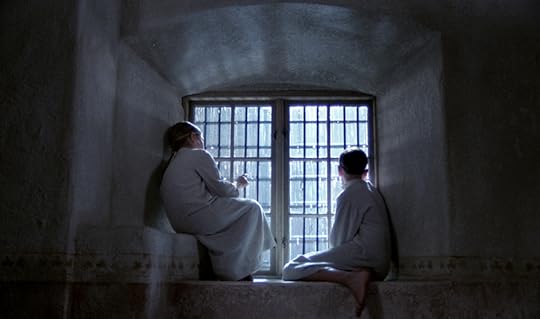
Un utente qui su Goodreads ha detto che il libro gli aveva ricordato Fanny and Alexander di Ingmar Bergman. Coincidenza vuole che avessi finito di vedere l'ultimo atto del film/miniserie proprio qualche giorno prima di iniziare i Golovlëv, il che ha influenzato in parte la mia lettura. Non so che tipo di somiglianze abbia riscontrato questo lettore, ma la sensazione di claustrofobia che ho provato nel corso del libro è paragonabile a quella avvertita nel vedere Fanny e Alexander rinchiusi nella lugubre cameretta della casa del dispotico biskop Edvard Vergérus.
I Golovlëv sono una famiglia appartenente alla piccola nobiltà possidente, il cui mondo inizierà a cambiare in seguito alla riforma dello zar Alessandro II, che nel 1861 abolì la servitù della gleba. Non è un romanzo allegro e i suoi personaggi sembrano incarnare le peggiori qualità dell'uomo: avarizia, egoismo, grettezza, prepotenza, ipocrisia e chi più ne ha più ne metta. Porfirij Vladimiryč, per esempio, viene soprannominato dal fratello Stepan Sanguisuga e Iuduška, piccolo Giuda, nomignolo poco lusinghiero che si dice lo stesso Stalin affibbiò a Trockij.
Arina Petrovna, la dispotica e inclemente mamočka Golovlëv, si potrebbe quasi paragonare al Mastro-don Gesualdo di Verga, nella sua costante ansia di accumulare roba.
Il villaggio di Golovlëvo ricorda invece un buco nero, dotato di un'attrazione così forte che nonostante le sue vittime si illudano di esservi sfuggite per sempre, dopo anni finiranno per essere nuovamente risucchiate tra le sue grinfie.
Golovlëvo era la morte stessa, maligna, sterile; era la morte eternamente pronta a ghermire una nuova vittima.
Peccato per la traduzione, decisamente troppo datata. Dover leggere giuocare e spengere mi fa venir voglia di piangere in cirillico. Per non parlare dei cassetti, che invece di aprirsi e richiudersi, si "aprono e si rinchiudono". Lacrime amare.
Un utente qui su Goodreads ha detto che il libro gli aveva ricordato Fanny and Alexander di Ingmar Bergman. Coincidenza vuole che avessi finito di vedere l'ultimo atto del film/miniserie proprio qualche giorno prima di iniziare i Golovlëv, il che ha influenzato in parte la mia lettura. Non so che tipo di somiglianze abbia riscontrato questo lettore, ma la sensazione di claustrofobia che ho provato nel corso del libro è paragonabile a quella avvertita nel vedere Fanny e Alexander rinchiusi nella lugubre cameretta della casa del dispotico biskop Edvard Vergérus.
I Golovlëv sono una famiglia appartenente alla piccola nobiltà possidente, il cui mondo inizierà a cambiare in seguito alla riforma dello zar Alessandro II, che nel 1861 abolì la servitù della gleba. Non è un romanzo allegro e i suoi personaggi sembrano incarnare le peggiori qualità dell'uomo: avarizia, egoismo, grettezza, prepotenza, ipocrisia e chi più ne ha più ne metta. Porfirij Vladimiryč, per esempio, viene soprannominato dal fratello Stepan Sanguisuga e Iuduška, piccolo Giuda, nomignolo poco lusinghiero che si dice lo stesso Stalin affibbiò a Trockij.
Arina Petrovna, la dispotica e inclemente mamočka Golovlëv, si potrebbe quasi paragonare al Mastro-don Gesualdo di Verga, nella sua costante ansia di accumulare roba.
Il villaggio di Golovlëvo ricorda invece un buco nero, dotato di un'attrazione così forte che nonostante le sue vittime si illudano di esservi sfuggite per sempre, dopo anni finiranno per essere nuovamente risucchiate tra le sue grinfie.
Golovlëvo era la morte stessa, maligna, sterile; era la morte eternamente pronta a ghermire una nuova vittima.
Peccato per la traduzione, decisamente troppo datata. Dover leggere giuocare e spengere mi fa venir voglia di piangere in cirillico. Per non parlare dei cassetti, che invece di aprirsi e richiudersi, si "aprono e si rinchiudono". Lacrime amare.

January 27, 2010
My review is for the terrific 1961 Signet version, The Golovlovs, translated by the unfortunately named Andrew MacAndrew. I get the feeling from comments here that the NYRB translation doesn't properly capture the novel. The Golovlovs is not "gloomy" but often riotously funny, perhaps the best black comic Russian novel I've read. It is also not about an "evil" family, but an extremely conniving and greedy one, and the fact that the family members are quite pious in their way adds to the humor. Arina Petrovna, the fiery old matriarch, has become one of my favorite female characters in all of literature.

August 3, 2017
Leggendo mi sono imbattuta diverse volte in personaggi viscidi e dall’animo meschino, ma mai nessuno mi aveva fatto sentire il bisogno di ficcarmi sotto la doccia e strofinarmi con la pietra pomice come l’untuoso Porfirij “Juduška” Golovlev.
Non che gli altri personaggi si salvino: tutta la famiglia è composta da persone grette, avide, o incapaci, invidiose e piene di rancori reciproci… ma Porfirij è nauseante. È l’incarnazione di un’ipocrisia ignorante e fine a sé stessa, perché con l’ipocrisia si tenta spesso di stringere legami convenienti, mentre quella di Juduska è soltanto distruttiva e gli crea il vuoto intorno. È un finto bigotto che spende ore in preghiere e riverenze davanti alle sue icone, che si riempie la bocca di lunghi ed estenuanti discorsi sulla morale e sulla carità, ma che nei fatti si comporta all’opposto di come dovrebbe un uomo pio quale egli si definisce, arrivando a negare aiuto persino ai propri figli;
il suo amato Gesù Cristo lo avrebbe definito ‘sepolcro imbiancato’ (e gli avrebbe sputato in faccia).
È un uomo che si perde in fantasiosi calcoli su quanto potrebbe guadagnare, su quanto potrebbe rendergli questo e quello se avvenisse questo e quell’altro, ma che poi dinanzi ai fatti della vita reale trema, si nasconde, fugge le responsabilità.
Ma tutta la famiglia Golovlev è maledetta: il patriarca Vladimir, gli altri figli: l’inetto Stepka e il cupo Pavel, le nipoti orfane Annin’ka e Ljubin’ka, e anche gli infelici figli di Porfirij.
E la causa di tanto astio e disfacimento mi pare avere origine nella madre, Arina Petrovna: dura, avara, incapace di affetto, che per i figli ha avuto solo insulti e recriminazioni, distruggendo fin dall’inizio la possibilità di essere una vera famiglia.
Ho da poco letto anche ‘Anime Morte’; in entrambi i romanzi è presente una netta critica alla società russa, alle sue disparità sociali, all’ipocrisia diffusa. Ma se in Gogol c’è una certa levità, c’è l’ironia, qui abbiamo invece un ritratto familiare (e sociale) cupo e amaro, privo di speranza e di qualsiasi figura positiva.
Romanzo spietato ma bello, e Saltykov-Ščedrin ha tutta la mia solidarietà: per il personaggio di Arina si ispirò alla propria madre, che detestò per tutta la vita (per contrasto finì con lo sposare una specie di oca spendacciona che ovviamente, dopo poco tempo, si ritrovò a non sopportare più – fine angolo del pettegolezzo).
Non che gli altri personaggi si salvino: tutta la famiglia è composta da persone grette, avide, o incapaci, invidiose e piene di rancori reciproci… ma Porfirij è nauseante. È l’incarnazione di un’ipocrisia ignorante e fine a sé stessa, perché con l’ipocrisia si tenta spesso di stringere legami convenienti, mentre quella di Juduska è soltanto distruttiva e gli crea il vuoto intorno. È un finto bigotto che spende ore in preghiere e riverenze davanti alle sue icone, che si riempie la bocca di lunghi ed estenuanti discorsi sulla morale e sulla carità, ma che nei fatti si comporta all’opposto di come dovrebbe un uomo pio quale egli si definisce, arrivando a negare aiuto persino ai propri figli;
il suo amato Gesù Cristo lo avrebbe definito ‘sepolcro imbiancato’ (e gli avrebbe sputato in faccia).
È un uomo che si perde in fantasiosi calcoli su quanto potrebbe guadagnare, su quanto potrebbe rendergli questo e quello se avvenisse questo e quell’altro, ma che poi dinanzi ai fatti della vita reale trema, si nasconde, fugge le responsabilità.
Ma tutta la famiglia Golovlev è maledetta: il patriarca Vladimir, gli altri figli: l’inetto Stepka e il cupo Pavel, le nipoti orfane Annin’ka e Ljubin’ka, e anche gli infelici figli di Porfirij.
E la causa di tanto astio e disfacimento mi pare avere origine nella madre, Arina Petrovna: dura, avara, incapace di affetto, che per i figli ha avuto solo insulti e recriminazioni, distruggendo fin dall’inizio la possibilità di essere una vera famiglia.
Ho da poco letto anche ‘Anime Morte’; in entrambi i romanzi è presente una netta critica alla società russa, alle sue disparità sociali, all’ipocrisia diffusa. Ma se in Gogol c’è una certa levità, c’è l’ironia, qui abbiamo invece un ritratto familiare (e sociale) cupo e amaro, privo di speranza e di qualsiasi figura positiva.
Romanzo spietato ma bello, e Saltykov-Ščedrin ha tutta la mia solidarietà: per il personaggio di Arina si ispirò alla propria madre, che detestò per tutta la vita (per contrasto finì con lo sposare una specie di oca spendacciona che ovviamente, dopo poco tempo, si ritrovò a non sopportare più – fine angolo del pettegolezzo).

September 25, 2020
A profound (and at times darkly comic) parable of generational misery. Just brilliant: I am astonished that it is not better known or more widely read. I somehow ended up with this old 75-cent mass market paperback copy, and it gathered dust on my shelf for the better part of a decade. I always put it off, because I had never heard anyone mention it. But I am so glad that the pandemic urged me to read all of these forgotten books I own, because wow: This novel stings and dazzles. Arina Petrovna, the conniving matriarch of the Golovlov family, centers the story (and reminds one often of a Russian Lucille Bluth, particularly in her relations with her worthless sons), set when serfdom is overturned, leaving many hapless estates to languish and decay. As time rolls on for this deeply unhappy family, the story shifts to her son Porfiry, who becomes exclusively known as Judas the Bloodsucker, for reasons that become apparent, and his niece, the orphaned erstwhile actress Anninka. I was captivated, from beginning to end, despite it being a story with almost no redemption, no forgiveness, no hope. It is a strange, cold country, Mother Russia, and its people have suffered for many generations.

February 12, 2026
продолжаем вечера за чтением русской классики. этот роман я читал в школе, хоть ничего, конечно, и не помню, кроме отдельных пассажей, натурально отпечатавшихся в подсознании (вроде "милого друга маменьки", "нехороший ты брат, недобрый" или "филозоф без огурцов"). все верно, СЩ нужно читать взрослым и осознанно. тем более - эдакое хтоническое ехидство об уходящей небесной России рабства и грядущей хамской России. живописать этот перелом национального коллективного бардо у СЩ выходит как бы не лучше многих русских классиков. ну а Иудушка, конечно, совершенно карикатурен, хотя и типично русск. вся его мерзость просто в его природе. в нем и лежит один из ключей к т.н. "русской душе".

September 4, 2021
What an extraordinary book! Together with Oblomov it is surely the greatest Russian novel that very few people have read. The Golovlevs has a reputation for being almost unbearably beak in its portrayal of a dysfunctional aristocratic family beset by despair and madness, and yet what a curious joy it is to read. Rather than ‘unbearably bleak’ I would say ‘hilariously bleak’ – Saltykov-Shchedrin was, after all, primarily a comic writer, and the book reads in some ways like Dickens at his harshest, but without the strange glamour that Dickens cast over even his darkest creations. This book has a strange glamour all of its own, but quite unlike that of Dickens. It makes me think of a dark room, full of whispering figures, while outside the window the fields of Russia stretch endlessly, fields and woods and spires, filled with the daily work of the peasants. It is both terrifying and beautiful.

December 7, 2024
Golovlev ailesi okuduğum en ilginç ve en güzel kitaplardan biriydi.
1860’lar Rusya’sında bir ailenin hikayesini anlatıyor kitap. Ailenin büyüğü Arina Petrovna ile başlıyor öncelikle. Arina'nın oğullarını, ölmüş kızını ve torunlarını tanıyoruz. Kitaptaki karakterler son derece berbat insanlar, bu yüzden kitabı daha da sevdim. Hele Porfiri karakterinin iğrenç karakterini okumak benim açımdan çok keyifliydi.
Kesinlikle okuyun.
4.5⭐
1860’lar Rusya’sında bir ailenin hikayesini anlatıyor kitap. Ailenin büyüğü Arina Petrovna ile başlıyor öncelikle. Arina'nın oğullarını, ölmüş kızını ve torunlarını tanıyoruz. Kitaptaki karakterler son derece berbat insanlar, bu yüzden kitabı daha da sevdim. Hele Porfiri karakterinin iğrenç karakterini okumak benim açımdan çok keyifliydi.
Kesinlikle okuyun.
4.5⭐


January 11, 2021
Степная королева Лир
Люблю отчизну я,
Но странною любовью.
Некрасов
"Салтыков-Щедрин, - говорит Дмитрий Быков, - Из тех писателей, которых в школе никто всерьез не читает. Он приходит к взрослому читателю, и когда это случается, шок оказывается очень силен." В точности это случилось со мной на восемнадцатом году жизни. Тогда взяла "Историю одного города", все смеялась, читая. А потом обрушилась в депрессию, которой до сих пор без дрожи вспомнить не могу. В костный мозг, печенку, селезенку и кишки вошло знание: ничего никогда не изменится, как не изменилось за прошедшие сто двадцать лет. Жить мне в городе Глупове всю жизнь. И детям моим жить, и внукам, потому что и впредь все так будет.
Про депрессию не для красного словца, на обычное воздействие даже очень сильной книги, с героями которой соотносишь себя, на сопереживание, даже на катарсис - это не было похоже. С таким поживешь день-два, много - неделю, да и отпускаешь. После Глупова из моего мира ушла вся радость. Ходила по серым улицам, смотрела на людей, у которых вместо лиц свиные рыла, и всех ненавидела. А больше всех себя. Потом выкарабкалась, молодость мощный ресурс, но от Салтыкова-Щедрина с тех пор старалась держаться подальше. До черного ящика в Долгой прогулке с квестом прочесть "Господ Головлевых" . Признаюсь, страшновато было.
И нет, напрасно опасалась. Просто книга о глупых, злых, праздных людях, разменявших жизнь на мелочные дрязги, пьянство, безрадостный блуд, сплетни и суесловие. Из всех героев, которых вернее было бы назвать персонажами, единственно интересна и более прочих похожа на живого человека Арина Петровна, мать. Ее, талантливую земельную спекулянтку, не лишенную авантюрной жилки, начало книги застает лет шестидесяти, но еще бодрой крепкой и предприимчивой.
Хозяйке головлевского поместья не на кого особенно рассчитывать в смысле помощи. Муженек пьянствует, да кропает скабрезные стишки в духе Баркова. Старший сын Степка, отучившись за материнский счет в университете и получив в качестве взноса в грядущее благополучие дом, ценой в двенадцать тысяч (огромные, по тем временам, деньги), проматывает родительское благословение.
Двое других сыновей, Павел и Порфирий, служат по казенной части и благодарно принимают ее финансовые вливания - всякий согласно своему характеру: Павел буркнет "Спасибо", Порфирий, за которым в семье со Степкиной подачи закрепилось прозвище Иудушка, разведет многословные турусы на колесах - но ждать от них помощи не приходится. Впрочем, ей без надобности, сама со всем управляется. Была еще дочь, да сбежала с гусаром, поперек родительской воли, после померла, родив дочерей Анниньку и Любиньку. Сироты остались на бабкином попечении, потому что гусар сбежал, не впечатлившись плохоньким Погореловым, которое теща отделила непокорной дочери.
Достанет у вас духу осудить женщину, которая тащит на себе шестеро чад и домочадцев, четверо из которых дееспособные мужчины? То-то же. А что держала сынка Степушку в черном теле после того, как промотал дом, так а что с ним делать было? Продолжать в макушку нацеловывать мужика под сорок, умиляясь его чудачествам? В каждом из нас есть то, что изначально положено, а чего нет, то искать в себе бесполезно. Не было в ней нежности, ласки, заботливости, взамен которым получила деловую хватку с умением устраивать выгодные гешефты. Тут уж либо одно, либо другое, все и сразу бывает только в сказках и скверных романах.
Одну, но роковую ошибку сделала эта женщина, после смерти непутного Степки, а за ним мужа, разделив недвижимость между сыновьями. Кабы держала финансовые рычаги в руках, могла бы по-прежнему управлять всем. И Павел не спился бы, и барышням приискала бы достойные партии, и внуков выучила-пристроила дождавшись правнуков, а уж кровипивец Иудушка и вовсе ходил бы у нее по половице, тешась видами на наследство.
Отдав, лишилась всего, обрекла себя и внучек на роль приживалок, всецело зависящих от благорасположения сыновей и дядьев. Зачем, ну зачем, объясните же мне кто-нибудь? Кем-кем, а дурой она не казалась, и уж тем более не была клушей, которая спит и видит, как бы положить жизнь на алтарь служения ближним.
Вот потому-то классику и сегодня читать нелишне. Женщина не должна жертвовать всем, что имеет. Хочешь, чтобы дела твои были в порядке - веди их сама, не полагаясь на чужую милость. Ах да, есть аудиокнига в роскошном исполнении Александра Клюквина, которая превратит знакомство с романом в прекрасное интеллектуальное приключение.
Люблю отчизну я,
Но странною любовью.
Некрасов
"Салтыков-Щедрин, - говорит Дмитрий Быков, - Из тех писателей, которых в школе никто всерьез не читает. Он приходит к взрослому читателю, и когда это случается, шок оказывается очень силен." В точности это случилось со мной на восемнадцатом году жизни. Тогда взяла "Историю одного города", все смеялась, читая. А потом обрушилась в депрессию, которой до сих пор без дрожи вспомнить не могу. В костный мозг, печенку, селезенку и кишки вошло знание: ничего никогда не изменится, как не изменилось за прошедшие сто двадцать лет. Жить мне в городе Глупове всю жизнь. И детям моим жить, и внукам, потому что и впредь все так будет.
Про депрессию не для красного словца, на обычное воздействие даже очень сильной книги, с героями которой соотносишь себя, на сопереживание, даже на катарсис - это не было похоже. С таким поживешь день-два, много - неделю, да и отпускаешь. После Глупова из моего мира ушла вся радость. Ходила по серым улицам, смотрела на людей, у которых вместо лиц свиные рыла, и всех ненавидела. А больше всех себя. Потом выкарабкалась, молодость мощный ресурс, но от Салтыкова-Щедрина с тех пор старалась держаться подальше. До черного ящика в Долгой прогулке с квестом прочесть "Господ Головлевых" . Признаюсь, страшновато было.
И нет, напрасно опасалась. Просто книга о глупых, злых, праздных людях, разменявших жизнь на мелочные дрязги, пьянство, безрадостный блуд, сплетни и суесловие. Из всех героев, которых вернее было бы назвать персонажами, единственно интересна и более прочих похожа на живого человека Арина Петровна, мать. Ее, талантливую земельную спекулянтку, не лишенную авантюрной жилки, начало книги застает лет шестидесяти, но еще бодрой крепкой и предприимчивой.
Хозяйке головлевского поместья не на кого особенно рассчитывать в смысле помощи. Муженек пьянствует, да кропает скабрезные стишки в духе Баркова. Старший сын Степка, отучившись за материнский счет в университете и получив в качестве взноса в грядущее благополучие дом, ценой в двенадцать тысяч (огромные, по тем временам, деньги), проматывает родительское благословение.
Двое других сыновей, Павел и Порфирий, служат по казенной части и благодарно принимают ее финансовые вливания - всякий согласно своему характеру: Павел буркнет "Спасибо", Порфирий, за которым в семье со Степкиной подачи закрепилось прозвище Иудушка, разведет многословные турусы на колесах - но ждать от них помощи не приходится. Впрочем, ей без надобности, сама со всем управляется. Была еще дочь, да сбежала с гусаром, поперек родительской воли, после померла, родив дочерей Анниньку и Любиньку. Сироты остались на бабкином попечении, потому что гусар сбежал, не впечатлившись плохоньким Погореловым, которое теща отделила непокорной дочери.
Достанет у вас духу осудить женщину, которая тащит на себе шестеро чад и домочадцев, четверо из которых дееспособные мужчины? То-то же. А что держала сынка Степушку в черном теле после того, как промотал дом, так а что с ним делать было? Продолжать в макушку нацеловывать мужика под сорок, умиляясь его чудачествам? В каждом из нас есть то, что изначально положено, а чего нет, то искать в себе бесполезно. Не было в ней нежности, ласки, заботливости, взамен которым получила деловую хватку с умением устраивать выгодные гешефты. Тут уж либо одно, либо другое, все и сразу бывает только в сказках и скверных романах.
Одну, но роковую ошибку сделала эта женщина, после смерти непутного Степки, а за ним мужа, разделив недвижимость между сыновьями. Кабы держала финансовые рычаги в руках, могла бы по-прежнему управлять всем. И Павел не спился бы, и барышням приискала бы достойные партии, и внуков выучила-пристроила дождавшись правнуков, а уж кровипивец Иудушка и вовсе ходил бы у нее по половице, тешась видами на наследство.
Отдав, лишилась всего, обрекла себя и внучек на роль приживалок, всецело зависящих от благорасположения сыновей и дядьев. Зачем, ну зачем, объясните же мне кто-нибудь? Кем-кем, а дурой она не казалась, и уж тем более не была клушей, которая спит и видит, как бы положить жизнь на алтарь служения ближним.
Вот потому-то классику и сегодня читать нелишне. Женщина не должна жертвовать всем, что имеет. Хочешь, чтобы дела твои были в порядке - веди их сама, не полагаясь на чужую милость. Ах да, есть аудиокнига в роскошном исполнении Александра Клюквина, которая превратит знакомство с романом в прекрасное интеллектуальное приключение.

August 29, 2019
The Russians are the best writers. Well, in my opinion. The characters they draw are unforgettable and the descriptions of Russian life so real. This is the ultimate story of hypocrisy, greed, unkindness, and demise.
"We are not drilled, we are not trained to be champions and propagandists of this or that set of moral principles but are simply allowed to grow as nettles by a fence. This is why there are very few hypocrites among us and very many liars, bigots, and babblers.
We have no need to be hypocritical for the sake of any fundamental social principles, for we have no such principles and do not take shelter under any one of them. We exist quite freely, i.e. we vegetate, babble and lie spontaneously, without any principles. .........And so the best thing is not to discuss the advantages or disadvantages of the conscious as compared with the unconscious hypocrisy, but to keep away from both hypocrites and liars."
And when Iudushka finally and too late sees the truth : "Here at that very Golovlyovo there had been quite a human nest-how was it that not a feather was left of it?"
"We are not drilled, we are not trained to be champions and propagandists of this or that set of moral principles but are simply allowed to grow as nettles by a fence. This is why there are very few hypocrites among us and very many liars, bigots, and babblers.
We have no need to be hypocritical for the sake of any fundamental social principles, for we have no such principles and do not take shelter under any one of them. We exist quite freely, i.e. we vegetate, babble and lie spontaneously, without any principles. .........And so the best thing is not to discuss the advantages or disadvantages of the conscious as compared with the unconscious hypocrisy, but to keep away from both hypocrites and liars."
And when Iudushka finally and too late sees the truth : "Here at that very Golovlyovo there had been quite a human nest-how was it that not a feather was left of it?"
June 4, 2020
Kan içici! Kan içici!

October 12, 2020
Golovlev Ailesi, Şçedrin'den okuduğum ilk eser. Toprak köleliğinin kaldırılmasından sonra toprak ağası olan bir ailenin, Golovlev ailesinin yavaş yavaş çürümesini anlatmış yazar. Kitabın ön sözüne göre yazar Rusya'da kölelere sahip bir ailenin içinde yetişmiş ve kitaptaki bazı karakterleri aile fertlerine benzetmiş. İyuduşka şu ana kadar okuduğum kitaplar içinde en iki yüzlü karakter kardeşinin ona taktığı lakabı sonuna kadar hak ediyor. Geveze, cimri, dindar bir görünüm çizmesine rağmen bunda samimi olmayan bir adam. Bazı yerler çok sinir bozucuydu. Benim biraz önyargım vardı kitaba başlamadan önce ama gayet akıcı bir kitap. Rus edebiyatına ilginiz varsa okumanızı tavsiye ederim.
''Kişilikleri zayıf insanların hayatlarını çevreleyen dış duvarlar onların üzerlerindeki yükü hafifletir. Güç anlarda içgüdüsel olarak bu duvarlara dayanır ve orada kendilerini haklı çıkaracak gerekçeler bulurlar.''
''Kişilikleri zayıf insanların hayatlarını çevreleyen dış duvarlar onların üzerlerindeki yükü hafifletir. Güç anlarda içgüdüsel olarak bu duvarlara dayanır ve orada kendilerini haklı çıkaracak gerekçeler bulurlar.''

August 3, 2020
niente lieto fine, e non poteva essere altrimenti vista la bassezza, l'accidia, l'ipocrisia dei protagonisti.

August 5, 2017
One of the grimmest books I've ever read. There is no letup from the unhappy, dispiriting events in the novel, the author's wicked satire on a landed gentry family in the pre- and post serfdom years in 19th century Russia and the eventual failures of its members. The matriarch of the family, the grasping Arina Petrovna, rules with an iron hand, but upon her death is finally displaced by her son and heir, Porfyry Vladimiritch, the perfect archetype of a hypocrite, especially religious hypocrisy, that gives him the excuse for his greed, laziness, and cruelty towards all, particularly family members. One by one each dies, most either by suicide or by succumbing to drink, leaving Porfyry alone in his fantasy world, but for a niece. This "bloodsucker" and manipulator gets his comeuppance on Good Friday in the night. Good touch of the author, that. Not an enjoyable book, but one I'm glad to have read.
Displaying 1 - 30 of 209 reviews