Bolfazl, la voce narrante, è un profugo iraniano che ha trovato rifugio con la moglie in Olanda. Il nuovo paese si rivela un universo strano e imprevedibile, con usi e costumi diversi, spesso incomprensibile, ma in fondo non così distante. Anche qui c’è infatti la possibilità di incontri e scambi umani. Bolfazl, che oscilla tra volontà di integrazione e comunicazione con gli olandesi da un lato e desiderio di conservare la propria identità e fierezza del passato dall’altro, inizia con il frequentare un suo vicino, René, un uomo aperto e disinibito, con il quale instaura ben presto un rapporto intenso. Successivamente farà la conoscenza anche di sua figlia Miranda e della sua ex moglie Anneke. Dopo la scomparsa improvvisa di René, verrà a vivergli accanto Jacobus, un individuo tanto originale quanto scorbutico, che passa il tempo a captare le voci di sconosciuti nell’etere e trascura la moglie messicana. Tra un lavoretto precario e l’altro, Bolfazl, lo straniero, diventa ben presto il silenzioso testimone delle vite altrui, che osserva tutto senza mai giudicare, deduce dai fatti i sentimenti più profondi e, con autentica disponibilità, offre un’occasione di confidarsi inedita in una società riservata come quella nordica. Tutti gli raccontano le proprie vicende, i propri tormenti, le proprie solitudini e affidano a lui le loro storie, come avveniva appunto con le bottiglie vuote della cantina di suo nonno in Iran, che racchiudevano ciascuna le vite e i segreti dei vari inquilini della casa. Nel mondo di oggi, dove non ci sono più frontiere invalicabili, tutti sono un po’ in balìa della corrente del destino, ognuno deve fare i conti con la propria infelicità e, indipendentemente da nazionalità o religione, cerca come può la comunicazione e lo scambio affettivo col prossimo. Kader Abdolah ci consegna in una lingua appresa, che risulta poetica ed essenziale, la verità umana dei personaggi, contro ogni stereotipo e preconcetto.
Kader Abdolah is the penname of Hossein Sadjadi Ghaemmaghami Farahani, an Iranian writer who also writes in Dutch. Abdolah has lived in the Netherlands since 1988.
He studied physics at the Arak College of Science and fled the country as a political refugee in 1988. Today he lives in Delft (The Netherlands), writing under a pseudonym made up of the names of two murdered friends. Het huis van de moskee (The House of the Mosque), catapulted Abdolah into the Dutch bestseller lists.
"Nel mio paese non è consentito incenerire la memoria. Lo spazio della memoria deve rimanere intatto."
Semplicità ed eleganza in questa narrazione che affronta la tematica del profugo sia nella sua dimensione sociale che esistenziale.
Bolfazl è in fuga e l'Olanda diventa il suo rifugio. Renè, vicino di casa, diventa importante prima come "vocabolario vivente" poi per il sorgere di un legame più profondo a dispetto delle apparenze.
Cosa potrebbero avere mai in comune un profugo attivista politico ed un olandese bohémien?
René, in realtà, è anch'esso in fuga: non da nemici reali ma interiori. René è in fuga da se stesso. Il profugo non può esporsi; deve essere prudente poichè vive in uno stato provvisorio che non gli consente di fare troppe domande, di stringere troppi legami. Impara quindi ad osservare in silenzio. Ed osservando scene di vita occidentale si fanno largo i ricordi sollecitati da una memoria che vuole preservare il sé originario. Così torna l'immagine del nonno con una cantina piena di bottiglie vuote quindi all'apparenza inutili ed inutilizzate. Ogni bottiglia, tuttavia, rappresenta la storia di qualcuno. Alla sua morte la moglie lascerà andare le bottiglie nel fiume e cullate dall'acqua inizieranno il loro viaggio della memoria.
Lottare con la penna (cit. da scrittura cuneiforme)
Ogni anno a Natale ricevo un vasetto di tè nero alle rose. E' un tè iraniano, dal gusto deciso, mescolato a dei minuscoli boccioli di rosa dai colori tenui e delicati. Quel vasetto prezioso profuma delle mille e una notte e di un paese, l'Iran, in cui si lotta per le libertà fondamentali, quelle stesse che qui diamo ormai per scontate.
Ho acquistato questo romanzo al Salone del Libro qualche giorno fa. E' un po' che giravo intorno all'autore, perseguitato prima dal regime dello scià e poi da Khomeyni, quindi costretto a rifugiarsi nei Paesi Bassi dove gli è stato offerto asilo politico.
L'autore si chiama Hossein Sadjadi Ghaemmaghami Farahani; Kader Abdolah è uno pseudonimo, è il nome di un amico dello scrittore, arrestato e poi assassinato dal regime di Khomeyni.
La fuga, l'esilio, la solitudine sono alcuni dei temi portanti dei racconti di Kader Abdolah, scritti in quella chel'autore definisce la scrittura della libertà, il nederlandese.
Il romanzo effettivamente è collocato al crocevia tra Oriente e Occidente. Si ha la sensazione, leggendolo, che l'autore pensi e ricordi nella lingua d'origine, a cui rimane indissolubilmente legato, e scriva nella nuova lingua che gli ha consentito di esprimersi liberamente.
Ma chi sarei stato senza i ricordi della mia terra natale? Come avrei potuto qui, in questo paese umido, cercare il significato delle parole senza che la stufa della mia casa paterna ardesse nella mia mente?
E' un romanzo che parla della solitudine dell'esule, di chi prima aveva un futuro e adesso non ha più identità, di chi deve in qualche modo rinascere a se stesso, ripensarsi, imparare a vedersi riflesso in uno specchio diverso.
In patria ero un uomo con un futuro. La mia posizione era chiara. Militavo in un partito che voleva realizzare grandi cambiamenti. E chi ero adesso? Un uomo a caccia di lavoretti provvisori.
Un uomo, aggiungerei, che non ha più un luogo in cui custodire la propria storia; a questo proposito dovrei adesso riportarvi la storia delle bottiglie vuote, narratagli dal nonno; ma credo sia più giusto rimandare, chi è interessato, alle delicate righe dell'autore.
A ben vedere, però, è proprio tra le sue righe che Kader Abdolah custodisce la sua storia.
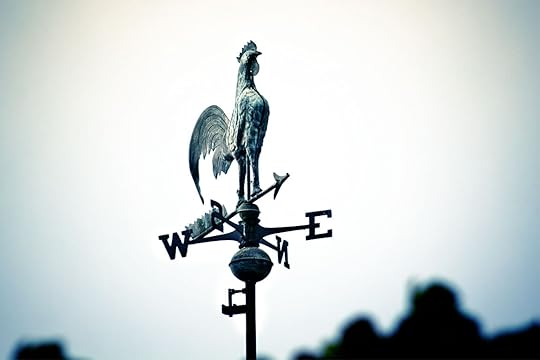
C'è molta tenerezza in questo breve romanzo a sfondo autobiografico di Kader Abdolah, la stessa tenerezza che prova il lettore nei confronti del suo comprensibile spaesamento - geografico, climatico, relazionale, emotivo - ma ci sono anche sentimenti molto forti di dignità e nobiltà, di rispetto per se stesso e per la sua provenienza, quelli che l'autore, costretto ad abbandonare l'Iran a causa del nuovo regime fondamentalista nel 1985, rifugiandosi prima in Turchia e successivamente accolto come rifugiato politico nei Paesi Bassi, riesce a trasmettere con le sue osservazioni acute e spesso ironiche, con le parole che riesce a pronunciare mentre tenta di imparare la nuova lingua per farsi comprendere dai vicini con i quali tenta di intraprendere una relazione amicale, ma anche con i pensieri e i ragionamenti silenziosi che affida al personaggio di Bolfazl (suo alter ego) mentre osserva un mondo diverso da quello da cui proviene e con il quale è deciso a confrontarsi per entrare a farne parte. Delicato e poetico (ma quella di Abdolah è una poetica tangibile, perché fatta delle cose della vita) mentre osserva dalla finestra o dal giardino, il pruno o il canto degli uccelli, mentre lavora in fabbrica o in archivio, dove inizia a scrivere (da autodidatta) in quella lingua straniera così diversa dal farsi che Abdolah adotterà per la scrittura dei suoi libri a partire proprio da questo, lentamente Bolfazl comincia ad acclimatarsi a temperature umane molto lontane dalle sue, a comprenderne sfumature e silenzi, ad avvertire di nuovo battere il suo cuore persiano e a non sentirsi più come quel gallo in metallo arrugginito che, sul tetto della casa del vicino, solitario girava in balia dei venti.
Just read this in Bosnian translation. It's moving, quirky, disturbing, a story about an Iranian immigrant in the Netherlands who finds out that some Dutch are as maladjusted as he is, if not more. Makes me think that a particular kind of Netherlandish landscape would drive me insane, too. Nice weaving of stories from the narrator's past and the Persian literature. Recurring imagery of bottles, hats, roosters, bicycles, trains. It needed to be longer, and I don't see why it had to end where it did.
Het was, zoals andere boeken van dezelfde schrijver, heel filosofisch. Soms was het moeilijk te onderscheiden wat heden of verleden was, of wat fantasie of werkelijkheid. Maar dat maakt het juist wel een interessant boek om te lezen. De opbouw is wat vreemd, er is niet echt een begin of einde aan het verhaal. De sfeer was goed.
Altra storia dai toni autobiografici di Kader Abdolah, dove un emigrante persiano si ritrova a vivere in Olanda, a impararne la lingua e le abitudini. È la storia di un'amicizia che finisce bruscamente per eventi più grandi dei due uomini coinvolti, ed è la storia della famiglia lasciata in patria, e del loro folklore. Si legge velocemente e con piacere, persino nei passaggi più tristi.
Dit is één van de eerste romans van Kader Abdolah. Zijn fijne schrijfstijl had hij toen al, maar zijn latere werk vind ik nog mooier en beter qua opbouw en verhaallijnen
Het verhaal van een Iraakse vluchteling in Nederland. Hoe hij anders denkt dan de Europeaan. Hoe hij zich tracht aan te passen en te integreren, wat hem eigenlijk niet helemaal lukt. De culturen zijn dan ook zeer verschillend. Geschreven in een periode, waarin de mening van de doorsnee Europeaan nog milder was tegenover vluchtelingen.
We zien de wereld niet zoals die is, maar zoals onze ogen, herinneringen en verhalen hebben geleerd die te begrijpen. Wat een prachtige beschrijving van hoe de verhalen van de hoofdpersoon hem helpen om de nieuwe Nederlandse wereld te doorgronden. En hoe ze mij als lezer helpen te begrijpen hoe anderen de wereld zien.
Storia di un profugo iraniano,Bolfazl, emigrato in Olanda obbligato quindi a imparare una nuova lingua, cosa a cui si dedica con impegno, ed obbligato a cercare di comprendere abitudini ed usi lontanissimi dai suoi (a partire dal suo vicino René). Stile di scrittura semplice, forse troppo per i miei gusti.
In 1985 gevlucht uit Iran, in 1988 (hij was toen 34) in een asielcentrum in Apeldoorn beland, in 1993 gedebuteerd in het Nederlands met de verhalenbundel ‘De Adelaars’… ‘Ik wil de rivier van de oude Perzische poëzie in de zee van de Nederlandse literatuur laten vloeien,’ zei Kader Abdolah in 2000 en in ‘De reis van de lege flessen’, zijn romandebuut uit 1997, slaagt hij daar wonderwel in. In acht genomen dat hij op dat moment nog geen tien jaar in Nederland woont. In ‘De reis van de lege flessen’ heeft de eenvoud van Abdolah’s taal een poëtische kracht die de melancholie van het ontheemd zijn een universele ondertoon geeft. Want niet alleen ‘de vluchteling’ is ontheemd, ook de Nederlanders met wie Bolfazl in contact komt zijn dat. De verhaallijn is niet altijd even helder, maar dat wordt gecompenseerd door de prachtige geschiedenis van de lege flessen die, als gematerialiseerde verhalen, op drift zijn. In Perzië toont Bolfazls grootvader hem als kind een hele kelder gevuld met lege flessen, opgesteld in rijen op stenen plateaus. ‘Door de eeuwen heen was er een dikke laag stof op gekomen. ‘Wat zijn dit voor flessen?’ ‘Ze vertellen over de daden en de geheimen van de mannen van dit huis die er niet meer zijn,’ zei grootvader.’ En dan leidt hij Bolfazl rond en toont hem de opschriften, in Perzische jaartelling, sommige zijn bijna driehonderd jaar oud, en vertelt hij over de gelegenheden waarbij de flessen zijn leeggedronken: ter gelegenheid van de moord op de vader, opgedronken in exil, opgedronken bij de arrestatie van… ‘De geschiedens van dit huis is met het mes, met de arrestatie, met de vlucht en met de liefdes geschreven. 1340, ter gelegenheid van… van die droevige nachten met verlangen naar W. Allemachtig, zoveel verboden relaties in dit huis. Begrijp je nu die haat van je oma een beetje?’ Want grootmoeder heeft een hekel aan de flessen met hun verhalen, en als Hasne ebne Bolfazl zijn laatste lege fles in de kelder heeft gezet en sterft, pakt ze s’nachts een zak, sluipt de kelder in en draagt ze alles naar de rivier Ashora. ‘Ashora! Voer de flessen mee naar waar je maar wilt.’ Bolfazl verwacht ook van de IJsel dat zij een hoop flessen meevoert. ‘Maar de IJsel kon dat niet, de Ashora wel. Elke rivier heeft eigen taken.’
Kader Abdolah heeft inmiddels een indrukwekkend oeuvre bijeengeschreven (columns, verhalen, romans, een ‘vertaling’ van de Koran…), werd genomineerd en bekroond en kreeg in 2009 een Eredoctoraat van de Rijksuniversiteit Groningen. Het is mooi, ontroerend zelfs, om dit vroege werk van Abdolah te kunnen (her)lezen.
Ik houd van alle boeken van Kader Abdolah, omdat hij prachtige verhalen vertelt, geloofwaardige personages opvoert, een taal die de zijne niet is zo mooi beheerst en vooral een eigen visie op de dingen heeft.
(dat je geen halve sterren kan geven is hinderlijk!)
ik heb dit boek heel snel uitgelezen want het zijn nou eenmaal niet zo veel woorden. Verder had het zijn charme. Het is eenvoudig geschreven, maar meer woorden zouden het van het speciale afdoen. Goed! ja
This book, about an Iranian who comes as a refugee in the Netherlands, is rather interesting. The author does a good job on showing through his writing how different the world is when you exchange one culture for another, especially if you exchange a very rigid life to the summum of personal freedom. As such the book is very interesting. The writing is excellent en the simple, yet clear style is very enjoyable. What I did miss was coherence. The author probably did this on purpose, as life also often lacks coherence. Still I feel the book is sometimes too free flowing. I think Kader Abdolah has written better books tan ths, but I still recommend it as an interesting read.
I read this book in Dutch and it was a special edition with four other short stories. I choose this book myself. The book tells about Bolfazl, who's from Iran and who has moved to the Netherlands and has to adapt to the Western culture. He gets the help of his neighbor, René, who lives next to him and is gay, which seems awkward to him in the beginning, but he starts liking René, who learns him a little bit the Dutch language and who helps him to get a job. One day René disappears and Bolfazl starts searching for him. When he gets in a situation, he always searches for a story to compare it with, maybe to process what happens.
In the beginning, I didn't really liked his writing style, because to me it seemed a bit simplistic. Maybe it's because it's his first novel and he still has to search for his writing style. But the more I read, the more I liked the writing style. It's not a complicated writing style, but it's a good writing style. I do think his writing style is fluent and because of that you read fast through the book, which I liked. (I like books that read rather quick.)
I also liked the construction of his story telling. Kader Abolah writes a story about Bolfazl. I don't know in which way it's autobiographical, but I do think there are probably comparisons with his own life. Anyway, he tells about Bolfazl who comes into the Western culture and he tells about the new situations and every time Bolfazl goes through something, he searches for a story to compare it with and maybe also to process the whole situation. What I also liked, was the fact that there was an explanation of the title in the story. The writer explains his title during his narrations of Bolfazl's story, which makes the title more clear.
It's not a very exciting book, but it does give an impression of how immigrants process the whole happening of coming into another culture. It tells also about the habits of Persian or Muslim people and it makes me more curious to read more books about people from other cultures and how they experience the Western culture. And I'm also interesting in reading more books of Kader Abdolah, because I hope he writes in all of his books a bit about the same aspects.
I have a special version of the book, in which four short stories are integrated, namely 'Rivers are witnesses', 'Fagrimoloek', 'A night' and 'The white ships'. I'm not really used to read a lot of short stories, but I liked them. I did liked the story more, but they were okay and they had the same theme like the story, namely people of other cultures that are immigrate into the Western culture, a theme I actually like to read about.
Sometimes there is no need for a plot. In this short and mostly autobiographical book (calling it a novel, would be wrong as not so much happens) Kader Abdolah did a good and sober job.
Moving to the Netherlands as an Iranian ex-pat, the protagonist with his family begins a Dutch life in a remote corner of the country, close to river Ijssel.
Once there it's all about his curiosity for the weird and yet kind behavior of his Dutch neighbour, Renè, the only one who talks to him. And while observing Renè and his strange family, becoming more and more familiar with him the protagonist reminiscences about legends and episodes of his childhood in Iran.
There is so much symbolism in these pages. Abdolah chooses a very dry and essential style that creates a sort of poetical flow in everyday's life. We can feel the loneliness of the well-taught man who's still not able to communicate in a new language and his daily and often useless struggle for adaptating to a new life.
Bellissimo anche questo. Kader Abdolah è un narratore meraviglioso. La sua è una scrittura semplice ma profonda. Sto leggendo praticamente tutto quello che ha scritto e sto ritrovando tematiche comuni: l'esilio, l'alternarsi tra passato e presente, l'identità. Ne "il viaggio delle bottiglie vuote" l'autore racconta l'Olanda, paese che l'ha ospitato e la sua condizione da esule. Il suo desiderio più grande è quello di essere accettato, di non sentirsi più lo straniero o il diverso ma di far parte di una comunità. In Olanda non è nessuno quindi deve ricrearsi come individuo, senza però allontanare il suo passato perché quello ritorna sempre.
Mi é piaciuto, ma di più "Scrittura cuneiforme". Non parlo della storia, in quarta copertina c'é praticamente tutta la trama. L'importante da sapere é la capacità dell'autore di descrivere il proprio vissuto di straniero, esule in fuga, quindi la sua é una scelta non scelta, a contatto con una cultura così diversa dalla propria come quella olandese. Osserva e cerca rapporti, relazioni con il suo passato, con il vissuto del suo passato. Cerca corrispondenze nelle differenze. Bello, ma non riesco a dire bellissimo.
Gelukkig iets helemaal anders en veel beter dan het vorige (Dawoed) dat ik las. De ervaringen van een Iraanse vluchteling die zich probeert aan te passen aan de vriendelijke naakte homo-buurman en zich verliest in alle rare trekjes van de niet-doorsnee Nederlander. Bovendien past zijn Iraanse vrouw zich razendsnel aan (in haar emancipatie) en heeft hij het toch wel moeilijk om alle tradities achter te laten, maar hij wilt wel.
Libro sull'integrazione, sul cammino alla scoperta di se e sul divenire. Un esule iraniano ha trovato rifugio in Olanda, e lì inizia a vivere. Scoprendo i vicini, la figlia che cresce, l'omosessualità. Scoprendo la differenza, la libertà della differenza, e la possibilità di cambiare.
120 René was mijn eerste buurman. Iemand die ik vertrouwde. Als volwassene had ik nooit contact met de buurmannen in mijn eigen land. In een dictatoriaal land vertrouw je niemand. Je kunt met niemand een openhartig gesprek voeren. Je moet altijd voorzichtig zijn met je woorden. Maar bij René voelde ik me thuis.
René is de homoseksuele buurman van Bolfazl, een asielzoeker en verteller van dit verhaal. Allebei buitenstaanders. Een verhaal doorspekt met verhalen uit het verleden. Het is de eerste roman van Kader Abdolah. Gepubliceerd in 1997. ‘Mijn woordenschat of mijn zinnenschat was nog te klein’ schrijft Bolfazl op een van de eerste pagina’s. Slim. Je accepteert het als lezer. En het geeft de verteller een heel eigen authentieke stem.
Dit verhaal bevat ongetwijfeld autobiografische elementen net als Het huis van de moskee uit 2005 maar heeft nog niet dezelfde klasse. Het is allemaal nog wat rommelig qua verhaallijn. Maar tussen de regels door lees je al dat hij het in zich heeft een grote te worden. Met meer dan 32.000 ratings op GR behoort hij tot een van de meest gelezen Nederlandse auteurs.
13 Hij draaide zich om. Een grasspriet hing aan zijn navel. Hij verplaatste zich een beetje naar boven. Opeens kwam er een dikke, kleurloze, gerimpelde pik tevoorschijn. Zo’n pik had ik zowel qua maat als qua kleur nog nooit gezien. Feitelijk had ik tot dat moment nog nooit de pik van een ander gezien. Nou ja, ik vergis me. Ik had er weleens een gezien. Eén keer maar. En ook nog behoorlijk onduidelijk in het donker. De pik van Asgar de Kale, de fietsenmaker van mijn geboortedorp.
Bolfazl. De man van verhalen. Van zijn 'ballingschap'. Zijn vlucht uit Iran. Zijn integratie in Nederland. Zijn buurman. De ex-vrouw van zijn buurman. Zijn nieuwe buurman. En van Perzië - althans - hij vergeet zijn verhalen, zijn jeugd. En maakt nieuwe. Een beetje Hollands, een beetje Perzisch.