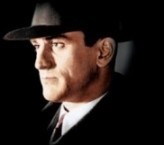
Inspired by the Robert De Niro film, this story spans three generations of a family of Jewish immigrants to the United States. A gang of friends discover - through trust, hard work and brutality - the true meaning of the American Dream.
Un indicatore efficace per capire se una cosa mi piace veramente è la comparsa di tendenze collezionistiche. Io non ho mai fatto collezione di niente in vita mia, non ne ho mai capito il senso e comunque sono troppo pigro. Quando mi capita di accumulare oggetti tra loro correlati, la cosa è seria. C'era una volta in America è uno dei miei film preferiti di tutti i tempi. Ho una VHS registrata da Rete4, l'edizione DVD doppio disco, la prima uscita Bluray, l'edizione integrale con le scene eliminate da Leone all'ultimo montaggio, la versione UHD 4K. Ho visto il film una dozzina di volte, senza contare spezzoni, scene su Youtube etc. Una volta sono riuscito a vederlo al cinema, in occasione dell'uscita dell'edizione restaurata (sempre sia lodato L'immagine ritrovata, il prestigioso laboratorio bolognese di restauro cinematografico).
Mi ero sempre chiesto come potesse essere il romanzo-autobiografia da cui Leone trasse ispirazione per il film. Così me lo sono procurato e l'ho letto. Onestamente, non è granchè. La maggiore curiosità è proprio l'autore, Herschel "Harry" Goldberg, ebreo ucraino immigrato in America con la famiglia, finito a vivere nello slum italo-ebraico del Lower East Side (secondo alcuni studi, la zona più densamente popolata del mondo negli anni 20). Apparentemente, Goldberg fu un criminale di medio calibro ai tempi del Proibizionismo, non diventò mai veramente qualcuno, passò un po' di tempo a Sing Sing, dove abbozzò la stesura del libro. Infine, scomparve dalla circolazione per ricomparire solo dopo aver assunto il nome di Harry Grey. I dettagli su Grey sono piuttosto incerti, ma la sua figura impressionò moltissimo Sergio Leone, che lo conobbe e frequentò per un certo periodo di tempo, durante la preproduzione del film. Era un vero gangster (o, almeno, così pareva) e allo stesso tempo un uomo anziano, dimesso, di pochissime parole, molto diffidente e schivo. State pensando alla comparsa-reincarnazione di Noodles alla Grand Central Station a fine anni Sessanta, sulle note di Yesterday? E' quello che ho pensato anch'io.
Il libro racconta una storia molto simile a quella ambientata negli anni venti e trenta del film, l'infanzia dei protagonisti nelle loro misere case di immigrati, i giorni nella soup school (così si chiamavano le scuole dei quartieri poveri, perchè consentivano ai bambini di consumare un pasto caldo a mezzogiorno, di norma una zuppa), l'apprendistato criminale, i primi "successi".
Il tutto in una lingua molto diretta, direi pedantemente descrittiva, senza ellissi (quando un personaggio scende da un'auto, l'azione è illustrata in ogni gesto, si apre la maniglia, prima un piede, poi l'altro, si chiude lo sportello, etc.), nulla è lasciato all'immaginazione del lettore. Le storie contengono molti luoghi comuni che fanno dubitare del tasso di autenticità biografica del racconto (C. Frayling, nel suo splendido libro su Sergio Leone, richiama tutta una serie di citazioni cinematografiche contenute nel romanzo, da Piccolo Cesare a La belva umana a Gli angeli con la faccia sporca).
C'è ben poca traccia della malinconia che dà il tono al film, il senso del tempo e delle occasioni perdute, rimpianti, desideri non realizzati, speranze e amicizie tradite. I goodfellas del romanzo se la spassano alla grande, anche quando pestano a sangue un rivale di strada o ammazzano qualcuno per contratto. Alcool a fiumi, partite a carte, donnine, vestiti di lusso. L'ingresso della banda nella "Combination", il cartello criminale diretto da Frank Costello (che J.P. Melville "omaggiò" in Le Samourai battezzando così il protagonista) non viene vissuto come la perdita dell'indipendenza (come avviene per Noodles nel film), ma come una grande occasione di business. Più contratti, più soldi, più potere. Insomma, il Noodles del film è sostanzialmente un prodotto degli sceneggiatori, un bandito senza grandi orizzonti, destinato alla galera o a un "kimono di cemento" e una tomba nell'Hudson. Senza aloni di gloria, senza la paccottiglia romantica made in Puzo del Padrino (che fu offerto a Leone, il quale declinò). La middle class della mala, un mondo che Leone ritrae con uno spietato realismo circonfuso di un alone nostalgico e sommessamente epico, che è tutto cinematografico, tutto nelle immagini e nelle ricostruzioni maniacali, omaggio al cinema noir degli anni trenta e quaranta, non banalmente citato ma rivissuto negli occhi di quel fenomenale videoregistratore umano che era il regista romano.
Il libro finisce con la sparizione di Noodles\Goldberg, nel 1933. E' una sorta di lieto fine, tutto sommato.
Tutto il resto che vediamo nel film è frutto dell'inventiva di Leone e, pare, dei racconti che ascoltò da Grey durante i loro incontri newyorkesi. Il lieto fine nel film non c'è. Che Max muoia o meno, il cuore del film sta nella scena in cui Noodles scopre che Bailey è Max, che si è salvato, ha preso la sua donna e ci ha fatto un figlio, che gli ha fatto credere di essere morto per colpa sua. Tutto quel poco in cui Noodles credeva è stato distrutto e alla fine anche il ricordo della sua amicizia con Max. Noodles non spara perchè, ai vecchi tempi, "un contratto come questo non lo avremmo accettato".
Noodles esce da una porta secondaria, nota bene Frayling che per tutta la vita non ha fatto altro che passare da porte secondarie. La macchina con i ragazzi che festeggiano: chi sono? Sono un'immagine di Noodles e gli altri da giovani? Sono un carro di carnevale, l'allegoria di una festa ormai finita, per i due vecchi, ma anche forse per un intero paese? Quale America deve essere benedetta, quella misera dell'infanzia dei protagonisti, che offriva un sogno di riscatto, anche se attraverso il crimine, o quella ricca del Sen. Bailey, che compra e vende tutto e dove i criminali - per citare Scerbanenco - delinquono con l'ufficio legale al seguito?
Il camion trita i resti della vita di Noodles, i ricordi e i rimorsi nel nome dei quali aveva vissuto per tutti quegli anni in cui era andato a letto presto, i resti di Max che, quale che sia il suo destino, è morto per Noodles quando si è trasformato in Bailey, i resti dell'America "di frontiera" dell'era del Proibizionismo, ultimo distorto residuo dell'età dei pionieri che Leone amava tanto.
[Per chi volesse leggere qualcosa sul film, segnalo il ricchissimo, come sempre, articolo di Cinephilia&Beyond, con molti link ad altri documenti e video]
"The Hoods" is an autobiographical account of the life of a Jewish gangster in New York's Lower East Side between 1910 and 1933 and was written by Harry Grey (real name Harry Goldberg) partly whilst Goldberg was in Sing Sing prison. First published in 1952, it fascinated movie director Sergio Leone who eventually made the film "Once Upon A Time In America" based on this book.
Harry Grey claims that the only detail in the book he took liberties with was the death of his friend Max. The author went into hiding from the mob in the early 1930's and very little is known about his life between then and his death in 1982.
Nu geras, nesitikėjau- knyga, į kurią nuo pirmųjų puslapių žvelgiau atsainiai. Nesu 10metis berniūkštis, kuris alpsta dėl gangsterių ir svajoja vieną dieną pats juo tapti, tiek ir tiek kriminalo jau matyta filmuose, žavesys išblėsęs, tik iš seno įpročio dar grįžtu. Galvojau, knyga balansuoja tarp 2 ir 3ejeto, kuris nusvers? Nenuobodi tai tikrai, tiesiog kietų vyrukų su šautuvais įvaizdis atrodė juokingas, amžinai grėsmingi mačo, cha cha cha. O tada, likus maždaug 30psl iki pabaigos, viskas apsivertė. Smogė suvokimas- tuoj teks skirtis su Maksu, Makaule, Žvairiu ir Prasčioku. Kaip tai? Niekas nebesirinks pas Storulį Moi, nebegers viskio, baigsis pokerio partijos, neišgirsiu apie naujus Sindikato kontraktus, amžinai nutils Žvairio lūpinė armonikėlė? Blemba, aš jūsų pasiilgsiu, vyrai... Knyga išsiskleidė,-neišvaizdus pumpuras užleido vietą jei ne rožei, tai ryškiam, mėsingam, dvokiam gvazdikučiui. Augo po mūsų langu vaikystėje; gėlė graži, tik kvapas troškus ir erzinantis.
I probably overated this book from the point of view of comparative literary value. But, I love a crime read, and this one also happens to be set on the Lower East Side (Delancy Street) area where I was born and mostly raised, and was so true in it's characters and setting and spirit(a world of which some vestiges still remained when I was junior high school age), that I found it irresistable. "Hoods" is also a perfect sequel to, "Dreamland" as it picks up the same neighborhood and character types as the Turn of the Century L.E.S. transitions to the roarong Twenties and Prohibition.
Ah, quanto mi sono divertita. Il proibizionismo, i gangster, l'America che stava diventando grande. Scivola via meravigliosamente, scritto bene, senza fronzoli, pieno di dialoghi divertenti, di scene violente e memorabili. Però... C'è un però. C'era una volta in America é anche un film, o meglio IL FILM. É un capolavoro assoluto della cinematografia mondiale; per me uno dei più bei film mai girati. E, mi spiace, ma, in questo caso, é meglio il film. Non solo perché avendolo visto non puoi non avere negli occhi DeNiro quando parla Noodles o James Woods quando parla Maxie, ma perché il film é tutto quello che il libro é ed, in più, ci aggiunge l'epica. Quindi non riesco veramente a giudicare il libro, perché il film, che ho visto davvero un numero anomalo di volte, mi é talmente caro, che faccio fatica a scinderli. Va sicuramente detto che, comunque, il romanzo, vale la pena.
I read this book when I was a teenager. Loved it. The movie "Once Upon a Time in America" was based on it. Insider mob novel (based on fact - but with a lot of "novel" around it)) that seems pretty accurate to me about 20s and 30s NYC mob stuff. It's a bit different in that the main characters are Jewish racketeers who eventually inter react with the the Italian Mafia and form what was then referred to as the combination. It's a period in organized crime that is minimized today - the straight Mafia stuff sells more books and movies, but in this era names like Buggsy Siegel, Lepke, Arnold Rothstein, Meyer Lansky were as well known as Lucky Luciano, Albert Anastasia and Frank Costello and were just as colorful.
I love this book. It tells the story of 4 lower East Side of NY young toughs who grow up into killers for the developing Syndicate. Written by Harry Gray and a semi autobiographical look at the tenement mentality and experiences of many ethnic New Yorkers. It was especially great for me because I know the areas, places and language of the book. I get the Yiddish jokes and expressions. These are my people.
Premetto di non aver visto il film di Sergio Leone e di non aver alcun termine di paragone per giudicare quest’opera di Grey, ricca di colpi di scena ma anche molto particolare nel suo genere. “C'era una volta in America”, pubblicato originariamente con il titolo The Hoods, è un romanzo che narra l'ascesa e la caduta di un gruppo di giovani nati e cresciuti nell'East Side, un distretto di New York dall’alto tasso di povertà, tra gli anni '20 e i '60. Il romanzo offre un ritratto crudo e appassionante della malavita americana, intrecciando la storia personale di questi giovani malavitosi con eventi storici come il proibizionismo, la Grande Depressione e la Seconda Guerra Mondiale. Ma i quattro protagonisti Noodles, Max, Cockeye e Patsy assumono sin da subito una coloritura particolare; sembra quasi che Grey abbia loro attribuito un’aura epica, in modo particolare a Noodles, il personaggio meglio rappresentato ma anche il più tormentato. All’inizio va loro tutto bene, hanno successo anche nelle situazioni più disperate, sembrano invincibili! Ovviamente non per sempre!!! Ho detto che il romanzo è ricco di colpi di scena: ci sono situazioni assurde, a volte anche divertenti ma prevale ovviamente la violenza, rappresentata spesso con crudo realismo. Comunque al di là della trama gangsteristica, il romanzo esplora temi universali come l'amicizia, il tradimento o il desiderio di redenzione sui quali suggerisce spunti di riflessione.
I wasn't too impressed with this one. You won't find yourself fawning over any masterful prose. It's just an exposè of the organized crime world, and as I understand it, a good portion of this book is made up.
There didn't seem to be any major plot to this book; just a bunch of vignettes about the various criminal schemes that this gang gets into. I think that this story would have been much better if compressed into a short story or a novella instead of a 470-page novel.
I loved the movie "Once Upon a Time in America", which was loosely adapted from this. Unfortunately, the director had some conflict with the studio and they made him drastically reduce the length, which left it with a rather fragmented plot. The only reason I gave this book two stars (instead of one) is that it explained some of these disjointed plot points and made me understand what was going on in the movie. Heck, I think this is one of the rare instances where the movie adaptation is actually better than the book!
In a nutshell, I'd say that hardcore fans of "Once Upon a Time in America" might enjoy this book. But if you're looking for a novel with lush prose and a soul-stirring plot, this isn't it.
"Copasetic." After watching Once Upon a Time In America for a couple of times and paying close attention to details and the storyline, my interest in this book grew tremendously. I finally found it on Scribd.com, and just couldn't stop reading once I started. I can see why Sergio Leone was said to have more than 10 hours of shooting of his film, there are so many details about the Lower East Side that drags you into this world and make you feel like you are a spectator in these hoodlums lives who make their way from soup schools (as Noodles calls it) to the very top of the organized crime combination in the United States back then. There are incredible depictions of heists, and how Noodles, Maxie, Cockeye, and Patsy would make their dough during Prohibition. Also, during the reading, you'll relate to several scenes and characters' names from Sergio's picture- some very alike, and others distorted by the director's perspective. As a non-native English speaker, I had to google quite a few words that Grey used, after all, it is a book written in 1950 and whose storyline is set as early as 1910.
"Once Upon A Time in America" is one of my favorite movies, and I wanted to read the book that inspired one of my favorite directors, Sergio Leone, to make it. The book fleshed out a lot of the back story of Noodles, Max, Patsy, Cockeye and Dominic, but also differed from the movie slightly, which was OK. I'm not sure how much of the book was really true (like solving the mystery of the disappearance of Judge Crater), but the book itself was hard to put down and was an easy, action packed "old school" detective novel type read. I would recommend the book highly to fans of "Once Upon A Time in America", as well as fans of 20s-30s hard-boiled crime-detective style novels.
Nors istorija ir tapusi legenda, vis tik skaitant ją šiomis dienomis to kvapą gniaužiančio jausmo nepatyriau. Net ir suvokiant, kad pasakojama apie pasaulį prieš daugiau nei penkiasdešimt metų, man kažko vis trūko. Atrodė, kad istorijoje nėra jokio vieno pagrindinio siužeto, o įvykiai tiesiog pasakojami principu "šiek tiek čia - šiek tiek ten". Viskas paremta tikrais įvykiais, bet neaišku kiek jiems pridėta fantazijos, tad nelaikau to pagrindiniu knygos kabliuku. Pats rašymo stilius kiek primena juodu humoru praskraidrintą gatvės kasdienybę, kur gausu juokelių, dialogų, nusikaltimų, tačiau neskiriama laiko emocijoms ar aplinkai vaizduoti. Trūksta viską sujungiančio sklandumo, kuris priverstų veikėjus užjausti ar nekęsti, o galbūt su jais susitapatinti. Kai kur lengva įsiskaityti, nes sudomina vienas ar kitas nusikaltimas, o kai kur norisi žiovauti, nes tie patys dialogai, kuriuose nėra jokios didesnės minties, pamažu ima įkyrėti. Bendrai imant knyga gal ir apibūdina tų laikų nusikalstamą gyvenimą ir gatvę, tačiau ji sausoka, o humoras ir rimti nusikaltimai man niekada nesiderino kartu, tad juokingas nusikaltėlis man visada ir liks tik juokingu žmogumi, vietoj to, kad atneštų baimės ar neapykantos jausmą. Kitaip tariant, kaip skaitytoja savęs istorijoje nepajutau. Galbūt tai ir literatūros šedevras, tačiau mano akimis veikiau eilinė ciniška knyga apie senų laikų Ameriką. Patiks tiems, kas lengvai skaito ironija ir humoru persmelktas knygas, kuriose kiekvienas puslapis alsuoja gatve, skurdu, o veikėjai lyg robotai dirba savo nusikalstamą darbą ir į nieką pernelyg nesigilina.
L’aspetto che mi è piaciuto di più di questo libro è stato il finale, apprezzato di più perché si discosta da quello del film. Sembrerebbe che la storia sia autobiografica. Harry Gray è lo pseudonimo di un ebreo vissuto nell’East side, tale Goldman, che si dedicava alla piccola criminalità prima di sparire e poi ricomparire con la nuova identità, e che ha dato a Leone le idee per il suo film. Questo porta a pensare che quindi lo spaccato di vita americana descritto, dove delinquono tutti, dagli strati più bassi a quelli più alti della società, sia più veritiero che mai. E infatti questo è l’aspetto positivo del libro. Il punto è però che per tutto tutto il tempo, fino alla fine, non c’è una minima descrizione degli stati d’animo dei protagonisti. Le azioni sono descritte benissimo quelle si, fin nei minimi particolari, quando a volte ne avrei fatto anche a meno, perché appesantisce decisamente la narrazione. Ma comunque, proprio perché si tratta solo ed esclusivamente di azioni, scorre abbastanza veloce. Ció che ho rilevato invece è proprio il senso di piattezza, anche laddove un minimo vengono fuori i sentimenti, tipo nei confronti di Dolores, poi resta tutto buttato lì…Non ci sono strascichi, cancellata con una spugna, dopo il pianto tutto torna esattamente uguale a prima. Ma dei ragazzini che prendono la via della criminalità insomma proveranno qualcosa a parte l’interesse per le donne? Non è dato saperlo fino alla fine, dove per magia quasi, improvvisamente riappaiono (anche se forse un po’ troppo per magia). Max comincia a provare certe cose e Noodles altre e si allontanano sempre più. Forse finale preannunciato ma almeno si intravede un po’ di umanità.
Inspiration for the epic movie starring Robert Deniro, "Once in a Time in America." Wonderful description of growing up in early 20th century NYC, as well as being a mobster during the prohibition era. Download the pdf for free from internet.
Sfortunatamente rispetto al magnifico è quasi lirico film di Sergio Leone questo libro non mi ha presa per nulla a partire dalla interpretazione quasi monocorde del sig. Bezzi. La storia è proprio quella dal quale poi Sergio Leone ha spirato il suo film, benché in alcune parti varia e si fa fatica a seguire certi nomi o soprannomi che non sono noti (a chi ovviamente ha visto il film). A circa 4 ore di ascolto ho velocizzato perché davvero mi stavo annoiando, quasi addormentando. La storia che conosco io attraverso il film e rutilante, magnetica, racconta di un periodo della storia americana dove i tempi morti non erano di sicuro la quotidianità. Nel libro manca proprio secondo me tutta questa voglia di vivere anche fuori dagli schemi dei protagonisti di quest’America che pur essendone figli sembrano slegati completamente dal suo contesto se non per quello malavitoso che devo dire viene descritto con abbastanza credibilità e secondo il canone dei gangster anni 20. Non sono riuscita neanche a godermi le scene legate alla storia d’amore, anzi alle storie d’amore che comunque sono presenti e vive nel film così come nel libro solo che nel libro risultano quasi asettiche. Peccato soprattutto perché non ci ho mai messo tanto per finire un audiolibro, per quanto lungo più di 10’ore anzi per la precisione 16.
Like so many others, since this is a relatively unknown book, I first watched the movie, "Once upon a time in America". It's one of the best films I've ever watched, so I had hoped that the book would be even better. Sadly, this wasn't so. This is one of those cases where the movie is a very big rewrite of the original source, and I can't deny that as I had fallen in love with the movie that is the reference that the book is being held up against. Nevertheless, I found that the way the story is told in the movie, along with the good performances by the actors and Ennio Morricone's beautiful score, is more impactful than in the book. Besides this, since the movie is a thorough rewrite of the book, and I watched it first, I understand that I will see this as the reference that I will compare the book to. Nevertheless, Gillian Flynn's "Gone Girl" I read before watching the slightly different movie, and I enjoyed both very much for different reasons, although that was a special case, since Flynn also wrote the screenplay. But judging the book completely on it's own? An okay book that didn't contain many thrills nor much excitement. Many years later I still remember certain things about it, but it was overall not very memorable. The characters, the storyline, the dialogue, etc. I found to be superior in the film.
The inspiration for Sergio Leone's classic 1984 film of the same name, the book follows the four mobsters from the film but with less focus on a solid storyline and instead takes the reader on the day to day hustle and bustle of their criminal organization, which unfortunately proves to be a lot less interesting than it sounds. With little plot, the book suffers from the lack of having strong enough character development, from what begins as an engaging coming of age tale, the fun character traits quickly become repetitive and predictable as the protagonist and his team grow older. The situations they find themselves in and their work methods for resolving these are definitely entertaining at times, but the book is drawn out in a way that I personally started to lose interest. The last hundred pages certainly do pick things up but whether it's enough to hang on through a large portion of the novel to reach that point is why I'm giving the book a lower rating than I'd hoped to give initially going in. As I fan of the film it was interesting to dive into the source material and I am happy I read Harry Grey's Once Upon a Time in America but I wouldn't necessarily rush back to it anytime soon either.
"C'era una volta in America" H. Grey: 7 Autobiografia di un gangster durante il proibizionismo. Dammi un motivo. New York 1920 - 1930 Nel Lower East Side di New York cinque scugnizzi muovono i primi passi verso il lato malavitoso della forza. Maxi, il capetto, Noodles il cervello, Patsy, Cockeye e Dominic (che muore al primo colpo serio) conquistano soldi, potere e rispetto attraverso rapine, estorsioni e compagnia bella. Dopo dieci anni di proficua attività, Max dà di testa e inizia a smattare con deliri di onnipotenza. Noodles, innamorato e desideroso di mollare il giro o quanto meno di accontentarsi degli introiti passivi (gestione di bische, bordelli e baretti) prova a farlo ragionare senza successo. Max vuole a tutti i costi svaligiare la banca federale con una missione impossibile. Noodles sbirra per salvarsi la pellaccia preferendo farsi un paio di anni in carcere rispetto ad essere crivellato dalla polizia fuori dalla banca. All'ultimo però sua madre muore, lui non partecipa al colpo e i suoi compagni crepano sforacchiati. La Combination, la gilda dei malavitosi alla quale è affiliato, lo viene a sapere e ne decreta l'esecuzione. Grazie a una serie di botte di culo Noodles riesce a scappare e, vent'anni dopo, pubblica la storia della sua vita.
Before "Goodfellas" and "The Godfather", there was "The Hoods", a semiautobiographical novel by alleged gangster Harry Grey about his life in the Jewish mob during the Roaring Twenties.
Turns out that all of the unbridled license one would suspect a mob of engaging in... really happened. The descriptions of some of the tasks carried out by the gang are pretty lurid, lending credence to the claim that Grey was actually a gangster. But "The Hoods" also resembles "A Stone for Danny Fisher", another novel about a Jewish teen lured into a life of crime (where the ringleader, coincidentally, is also named Maxie).
"The Hoods" is pretty hard to find nowadays - used copies on ebay go for as much as $1500 - making it more worth your while to download a bootleg copy from Scribd.
Most notably, "The Hoods" was used as the basis for the film ONCE UPON A TIME IN AMERICA. However, when the movie came out in 1984, the book tie-in was not "The Hoods", but rather a novelization of the film by Lee Hays.
Romanzo che non mi ha proprio convinta. Parte benissimo, i primi capitoli con l'infanzia di Noodle e della sua brigata di amici nella New York dei primi anni del '900 sono bellissimi e suggestivi e restituiscono l'atmosfera di un'epoca; tuttavia quanto i ragazzi crescono e intraprendono a tutti gli effetti la carriera criminale il romanzo ha una caduta. Appare meno interessante, si trasforma in una serie di episodi di delonquenza più o meno intelligente o efferata a seconda dei casi; inoltre, difetto a mio parere peggiore, vengono lanciati dei temi potenzialmente trasversali a tutta la storia (per esempio l'amore per Dolores e poi quello per Eve,la dipendenza da oppio del protagonista, ecc.) che però non vengono approfonditi e si riducono ad episodi tra altri. Questo rende poco credibile la storia (se ho una dipendenza da oppio, questa dovrà pure condizionare il mio comportamento... o no?). Il finale ha un brusco rivolgimento che non viene spiegato in modo credibile. Peccato perché, tutto sommato, l'ultima parte aveva ripreso un bel ritmo.
"The Hoods" was fun, but perhaps not quite what I expected. Really stuffed full of pulpy cliches; whatever actually happened to the author is many steps removed. In that sense, I enjoyed the books by Pileggi, Saviano, Shorto, and Brandt I read recently a great deal more, because they engage with the frustrations of documentary reality and investigative journalism. But the memoir is a different genre, and, as Noodles hints, perhaps it's less interesting to think of it as a journalistic account of organized crime, and more worthwhile to contextualize alongside the anecdotes in Babel's Odessa Stories. I think these anecdotes give a lot to think about; loved the opium pipe dream, the Jersey tailor, the musings on American-ness, and ostensibly the connection to Odessa criminals.
5 stars just because I liked the book, but from a literary perspective maybe a 3 or 4. The lower east side is now a hotspot for development and nightlife, but in the 1910s-30s it was a whole other world. Enjoyed and found fascinating how the author conjures up the culture and life of being a gangster in the lower east side. I appreciated the yiddish and focus on food. Katz deli! Also found it interested to see how the different gangs worked together and cultural lines (Jews not associating with irish, irish with italians, etc) were not as dominating as modern italian mafia films depict.
Diciamo che Leone per il suo "C'era una volta in America" ne ha tratto il meglio, e anzi è andato anche oltre. All'autore del libro va però dato atto di aver creato dei personaggi (a quanto pare, semi-autobiografici) molto affiatati tra di loro i quali poi sono stati resi celebri dai vari De Niro, Woods e compagnia, ma senza un personaggio scritto bene non c'è De Niro che tenga. La trama non è così intrigante come quella del film anche se comunque è interessante, direi che la primissima parte e le ultime 100 pagine sono le parti migliori del libro; in mezzo, un po' di ripetitività.
Romanzo furbo. Per fortuna, se vogliamo, un regista della Madonna ne ha fatto un film bellissimo e ha dato i volti giusti a dei personaggi pittoreschi. Lo stile di Grey non è quello di uno che sa scrivere, ma ha qualcosa da raccontare. Lo fa male, a tratti malissimo, ma è impossibile non innamorarsi di quella New York, di quei luoghi, di quei personaggi fuori dalle righe. Un vero libro gangster. Capitoli finali da cardiopalma.
One of my favourite films is Once Upon A Time In America . The film is based on the book. I was hoping the book would clarify the ambiguity in the film .However this books lacks an nuance and is a straight forward rather average gangster tale .
The plot is structured very differently to the film .
One of the few times when the book is inferior to the film and lacks its quality .