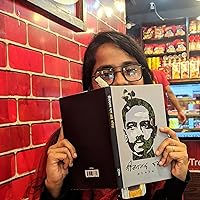
A journey finds closure, the journey of Subarnalata's progeny and successor Bakul who questions the outcome of the newfound emancipation of women in a new, liberated Bengal, who censures her successors silently for ignoring the thin line between a woman's freedom, her empowerment and anarchy, a terrible outburst when freedom gives birth to decadence. A journey where she searches for the meaning and resonance of love in the most unexpected places, while burning in a fire of her own making.
About Ashapurna Debi - the Author
Ashapurna Debi (8 January 1909 – 13 July 1995 was a prominent Bengali novelist and poet. She has been widely honoured with a number of prizes and awards. In 1976, she was awarded Jnanpith Award and the Padma Shri by the Government of India; D.Litt. by the Universities of Jabalpur, Rabindra Bharati, Burdwan and Jadavpur. Vishwa Bharati University honoured her with Deshikottama in 1989. For her contribution as a novelist and short story writer, the Sahitya Akademi conferred its highest honour, the Sahitya Akademi Fellowship, in 1994. She has been a prolific novelist and short story writer all throughout her life and has written one thousand five hundred short stories and almost two hundred and fifty full-length novels and novellas in her lifetime. She has been considered as the doyenne of Bengali literature in the post Rabindranath and Saratchandra era. Her rich and extensive repertoire consists of 37 collections of short stories and 62 books for children.
About Lopamudra Banerjee - the Translator
Lopamudra Banerjee is an author, poet, editor and translator, living with her family in Texas, USA, but originally from Kolkata, India. She has authored critically acclaimed poetry collections ‘Woman and Her Muse’ and ‘Let the Night Sing’, an award-winning memoir ‘Thwarted An Immigrant’s Wayward Journey’ and two books of translation of Bengal’s Nobel Laureate Rabindranath Tagore, ‘The Broken Home and Other Stories’ and ‘Tales of English Translation of Chitrangada and Chandalika’. She continues with her passion to translate Bengali classics into English because she believes they deserve wide outreach and global readership.
Praise for the
Ashapurna Devi's trilogy- Pratham Pratisruti, Subarnalata and Bakul Katha - is often regarded as her magnum opus. In the post-Tagorean period of Bengali literature, Ashapurna Devi emerged as the first woman writer who addressed the oppression, exploitation and marginalization of women in middle-class rural and even urban Bengali society. Lopamudra Banerjee has translated Bakul Katha , the third volume of the stellar trilogy into the English language, for the very first time, that is almost 57 years after the novel was first published in Bengali in 1974. I am confident that the English translation of Bakul Katha will be well received by readers, both at home and in the world, specifically by those who are unable to read the Bengali language. Banerjee's translation, will surely open up new windows of perception about the evolution of the patriarchal society in Bengal through the representation of educated and cultured Bengali women of the 20th century. If there is some dilemma in Ashapurna Devi's support of women's liberation and equal rights for women in Bakul Katha , unlike in her two previous volumes, this indeterminism will inevitably trigger further critical interest of researchers, feminist scholars and students of gender studies. A translator's engagement with the text to be translated is not just labour of love, it is about bringing together in an immersive mode, the source text and the target text in a felicitous bonding. Lopamudra Banerjee in her translated/transcreated text has been able to achieve just that union, seamlessly.
Ashapurna Devi (Bengali: আশাপূর্ণা দেবী), also Ashapoorna Debi or Asha Purna Devi, is a prominent Bengali novelist and poet. She has been widely honoured with a number of prizes and awards. She was awarded 1976 Jnanpith Award and the Padma Shri by the Government of India in 1976; D.Litt by the Universities of Jabalpur, Rabindra Bharati, Burdwan and Jadavpur. Vishwa Bharati University honoured her with Deshikottama in 1989. For her contribution as a novelist and short story writer, the Sahitya Akademi conferred its highest honour, the Fellowship, in 1994.
“সত্যবতী” ট্রিলজির শেষ বই “বকুলকথা”র নায়িকা সত্যবতীর নাতনি সুনামধন্য লেখিকা বকুল।মা দিদিমার পদাঙ্ক অনুসরণ করে তার নিজের জীবনটাও কাহিনীকাব্যে ভরপুর।মুখচোরা বকুল থেকে সাহসী লেখিকা অনামিকা হয়ে ওঠার পথটা কঠিন হলেও ততদিনে যে দেয়ালভাঙ্গার সূচনা হয়েছিল।তাই বোধহয় লেখিকা বলেছেন যে একদল দেয়ালে মাথা কুটে মরে আর একদল এসে দেয়ালটা ভাঙ্গে। যে স্বাধীনতার জন্য বকুলের মা দিদিমা সারাজীবন সংগ্রাম করেছেন সেই স্বাধীনতা পেয়ে এযুগের মেয়েরা তাকে স্বেচ্ছাচারের সাথে গুলেয়ে ফেলছে কিনা এ প্রশ্ন একদম এই উপন্যাসের প্রথম থেকে শেষ পর্যন্ত আপনাকে ভাবতে বাধ্য করবে। নমিতা,রেখা,মাধুরী এরা প্রত্যেকেই আমাদের চারপাশে সবখানে ছড়িয়ে আছে।নিজেদের গল্প বুঁনে চলেছে আজীবন। বকুলের প্রথম জীবনের না পাওয়া ভালোবাসা যেন লেখিকা শম্পার মাধ্যমে সম্পূর্ণ করেছেন।একেবারে অ্যান্টিস্টোরি পদ্ধতিতে।এটা বকুলের কাহিনীও তো হতে পারতো!সেই নির্মল-বকুলের যে সাহসহীনতা তাদের সারাজীবন কাঁদিয়েছে,সেই পথে শম্পা-সত্যবান এগোয়নি। সবার শেষে এটা বলতেই হয় যে ৩পর্বের একটা মাস্টারপিসের সুন্দর সমাপ্তি টেনেছেন আশাপূর্ণা দেবী।বাংলা সাহিত্য প্রেমীদের জন্য মাস্ট রিড।
আশাপূর্ণা দেবী যেন গল্প বলেন না,লাইনের পর লাইন সাজিয়ে রক্তমাংসের কবিতা লেখেন! ওনার লেখা প্রতিটা লাইন কি অসম্ভব বাস্তব! একেবারে ভেতরে গিয়ে লাগে। ঠিক যেভাবে বকুল সুনির্মলকে নিয়ে আলাদা করে দুজনের কোনো গল্প না লিখলেও রেনু রেনু করে সব গল্পেই ছড়িয়ে দিয়েছে তাদেরকে তেমনই এই পুরো ট্রিলজিতেই যেন আশাপূর্ণা দেবী আমার জীবনকে ছড়িয়ে দিয়েছেন। অনেক জায়গায় অনেক মিল পেয়েছি নিজের জীবনের সাথে। এমনটা হয়তো আরো মেয়ে পেয়েছে,হয়তো কেন নিশ্চয়ই পেয়েছে! কোথায় রইলেন সে যুগের আশাপূর্ণা দেবী কোথায় আমি! তার তো আমাকে এভাবে জানার কথা না! কিভাবে জানলেন?
জীবনবোধের যে ধরনের সংজ্ঞা আশাপূর্ণা দেবী তার এই উপন্যাসটিতে ব্যবহার করেছেন তা স্বর্গীয় কিছু না,আধ্যাত্মিক কিছুও না। তা অতি সহজ সাধারণ দৈনন্দিন জীবনের এমন কিছু বোধ যা পাঠক পড়ে বিস্মিত হয়ে ভাবতে বাধ্য হবে,"এটাতো আমি জানতাম! এই কথাটা তো আমার মনের মধ্যেও ছিলো। কিন্তু এভাবে আমি কেন লাইনগুলো সাজাতে পারিনি?"
গল্পটা আধুনিক যুগের হলেও বকুল এমন এক সময়ের মেয়ে যার এক পা আধুনিক যুগে থাকলেও আরেক পা ছিলো তার মা সুবর্ণলতার যুগে। বকুলের গল্পটা এই দুই যুগের মধ্যকার সময়ের গল্প। সে বড় হয়েছে প্রচন্ড শাসনের মধ্যে পুরুষতান্ত্রিক সেই সমাজে যেখানে মেয়েদের পায়ের নিচে নিত্য পিষ্ট করা হয়। সুবর্ণলতাতেও সুবর্ণ মায়ের সান্নিধ্য পায়নি কারণ তার মা থেকেও ছিলো না,বকুলকথাতেও বকুল মায়ের আশ্রয়ে অতি সযত্নে বড় হতে পারেনি কারণ তার মা ইহলোকের কোথাওই ছিলো না। এটা পড়ে আমার মনে হয়েছে সত্যবতী বেঁচে থাকতে নিজের মেয়েটিকে ঠিক যেভাবে বড় করার স্বপ্ন দেখেছিলো তা সুবর্ণর মধ্যে দিয়ে পূর্ণ না হলেও বকুলের মধ্য দিয়ে হয়েছে। বকুল হয়ে উঠেছে অনামিকা দেবী নামক ভিন্ন একটা সত্তা। প্রমান করেছে মেয়েরা ছেলেদের চেয়ে কোনো অংশে কম না,প্রমান করেছে বিশ্ববিদ্যালয়ের ডিগ্রি ছাড়াও মানুষ প্রচন্ড রকম সম্মানিত হতে পারে সমাজের কাছে।
গল্পটা পারুলেরও হতে পারতো এটা ঠিক। কিন্তু সেটা হতো আরেকটা সুবর্ণকথা,একই ধরনের সাংসারিক গল্প। তাছাড়া গল্পটা হতো পরাজয়ের। পারুল পরাজিত হয়েছে,বকুল হয়নি। তবে ব্যক্তিত্বের দিক থেকে দেখলে পারুল বকুল থেকে কোনো অংশে কম নয়। বরং ম্যাচিউরিটি তারই আরো বেশি। কারণ সে বড়। সুনির্মলের পুরুষত্বহীনতা তাকে বকুল থেকেও বেশি আঘাত দিয়েছে। কিন্তু পারুল কিভাবে বকুলের মতো উপভোগ করতো স্বাধীনতা? সে বঞ্চিত যুগের মেয়ে। যখন চরম পরিবর্তনের মাধ্যমে আগেকার সেই বেড়াজালযুক্ত সমাজের মধ্যে থেকে শেকল ভেঙে বের হয়ে মেয়েরা খোলা আকাশের নিচে মুক্তির বাতাস আস্বাদন করছে তখন পারুল এই দুইটা সময়ের ফাঁক গলে পড়ে যাওয়া একটি সময়ের মেয়ে,যাকে সেই না পাওয়ার খাতাতেই তুলে রাখতে হয়েছে।
এই বইটা পড়েই রিয়ালাইজ করেছি মানুষ কিভাবে আধুনিক যুগের বিপ্লবের মধ্যিখানটাতে বসেও সেকেলে থাকতে পারে আবার সেকেলে মানুষ চারদেয়ালের মধ্যে বন্দী থেকেও কিভাবে একশো যুগ পরের মেয়েদের গল্প লেখার মতো আধুনিক হন! কিভাবে রচেন নারীবাদের সঠিক আদর্শ! ধন্য ধন্য বলি তারে 💕
সত্যবতী - সুবর্ণলতা - বকুল : তিন প্রজন্ম প্রথম প্রতিশ্রুতি - সুবর্ণলতা - বকুলকথা : তিন উপন্যাস
সত্যবতীর অগ্নিসম বিদ্রোহিনী রূপ থেকে যাত্রা শুরু করে সুবর্ণলতার চাপা আকাঙ্ক্ষার পথ ধরে বকুলের সময়ে সনাতনী যুগের অবসান প্রাঙ্গনে এসে সমাপ্ত আশাপূর্ণা দেবীর এই ট্রিলজি উপন্যাস|
সুবর্ণলতার নারীমুক্তির আকাঙ্ক্ষা তার মেয়ে বকুলের জীবনে রূপ পেয়েছে, যে অনামিকা দেবী নামে লেখিকা| আর বকুল এসে দাড়িয়েছে যুগ পরিবর্তনের সীমারেখায়| আর এই উপন্যাসমালার শেষ খন্ডে এই প্রশ্নই বড় হয়ে উঠেছে - স্বাধীনতা ও স্বেচ্ছাচার এই দুইয়ের সীমারেখা কোথায়? সে সীমারেখার অন্বেষাই বকুলকথা উপন্যাসের মূল উপজীব্য|
এত অপূর্ব লেখা, শেষ হওয়ার পরেও কিছুক্ষণ বইটা হাতে নিয়ে বসে ছিলাম| শেষ হয়েও শেষ না হওয়ার এক অবর্ণনীয় অনুভূতি রেখে গেলো|
পুরো series টার জন্যই বলছি, 5 তারার বাঁধনে একে বাঁধবার নয়|
বকুল না হয়ে পারুল কথা হলে মনে হয় বেশী ভালো হতো। পারুলের অন্তত নিজের পরিচয় দিতে আরেকটা নামের আড়ালের প্রয়োজন পড়তো না।
তবে উপন্যাসে লেখিকা যেসব দিক তুলে ধরেছেন তার সাথে পুরোপুরি একমত। সত্যিই কি এমন মুক্তি সেই প্রাচীনকালের নারীরা চেয়েছিলেন? রোকেয়া থেকে শুরু করে সত্যবতী, সুবর্ণলতারা?
সেচ্ছাচারিতা কখনোই প্রকৃত স্বাধীনতা হতে পারে না এটাই লেখিকা চোখে আঙুল দিয়ে দেখিয়ে দিলেন৷
সত্যবতী ট্রিলোজির প্রথম দুই খণ্ড পড়ে যে আবেগ, যে গভীর টানাপোড়েনের ভেতর দিয়ে যেতে হয়, তা সত্যিই বিরল। আশাপূর্ণা দেবী যেভাবে নারীজীবনের ভাঙা-গড়া, ক্ষোভ, সংগ্রাম আর নীরব প্রতিবাদকে তুলে ধরেছেন, তা পাঠকের মনকে নাড়িয়ে দেয়, অনেকক্ষণ ধরে ভাবায়। সত্যবতীর যাত্রা যেন শুধু তার নিজের না, একটা সময়ের প্রতিচ্ছবি হয়ে ওঠে।
কিন্তু বকুল কথাতে এসে সেই তীব্রতা আর খুঁজে পাইনি। গল্প এগোয়, চরিত্রও আছে, কিন্তু কোথায় যেন সেই হৃদয় ছুঁয়ে যাওয়া গভীরতা অনুপস্থিত লাগে। যে আবেগের ঢেউ প্রথম দুই খণ্ডে বারবার আছড়ে পড়েছিল, এখানে তা অনেকটাই ম্লান।
হয়তো প্রত্যাশাটা বেশি ছিল বলেই এই অনুভূতি। তবু বলতে হয়, যে শক্ত ভিতের উপর এই ট্রিলোজি দাঁড়িয়ে, তার শেষ অংশটা সেই মান ধরে রাখতে পারেনি এবং সেখানেই অপূর্ণতা থেকে যায়।
Ashapurna Devi (1909-1995) was among those women who with their sheer will power had broken through many a social obstacles and superstitions. That is the reason that even without any conventional education she has been given an eminent position in the history of Bengali literature. She was born in a family which considered female education as a scandalous thing. Her grandmother who was a staunch opposer of female education had barred little Ashapurna from touching books. But that proved quite useless as Ashapurna was intelligent enough to learn her alphabets from her elder brothers’ books and it was her mother who helped her, who happened to be a very liberal woman and an education enthusiast.
The real education, however, began when her father left the joint family of her grandmother’s home to their own residence. She had much more liberty then. She read to her heart’s content. Although she has written only due to no t having any graduation degree. Even in her later life she was just a common housewife staying in her home and taking care of her husband and children. Perhaps that was the reason she could write about a female mind and heart so well. Her writings essentially carries the flavour of Women Literature. They lay threadbare the oppression women have to face and made a fervent appeal for a new social order though not subscribing to the modern theoretical feminism of western mode.
Bakul Katha is the third part of Ashapurna Devi’s magnum opus Gyanpith Award winner trilogy “Pratham Pratishruti”( roughly translated as The First Promise) ; the second part is known as “Subarnalata”. These three books are journeys and silent battles of three generations. Three different women fight for their rights of free will. The three heroines are Satyabati, Subarnalata and Bokul Lata respectively. The first is the maternal grandmother Satyabati protesting against the early marriage of her daughter Subarnalata and after failing she leaves her husband’s home with a broken heart, second Subarnalata is the young girl married to a family where every aspect of female liberty is a taboo. So with a very stern mother-in-law and an unsupportive husband she is forced to be a cross between house-maid and a child production machine but fighting silently all the way.
In the third book we see Subarnalata’s youngest daughter Bokul is an accomplished authoress under the name Anamika Devi. She had remained unmarried throughout her life and committed herself to literary pursuit basking in the glory of the long awaited freedom of feminine will that her mother and grandmother had craved for. She has education, fame, money, well deserved reputation. But is she happy? No she is not. She feels too much westernization is diluting the new generation. The free will has taken a different meaning, they are unable to distinguish between good ways and bad ways. Ashapurna has reprimanded the society for this.
The book is a full of points and counterpoints that would make you think what is good for us and the society? She also had foreseen that there would be rifts between close relationships and that would led to divorce between couples and estrangements between parents and children. That is a prevalent crisis in our contemporary society isn’t it?
The book is potent with autobiographical elements. Bokul’s grandmother reflects Ashapurna Devi’s own grandmother and Subarnalata is her own mother Saralabala Devi and needless to say Bokul is the representation of herself.
সিরিজের প্রথম দু'টো বইয়ের কারণে এই বইটির প্রতি আশা একটু বেশিই ছিল। সেই আশা থেকে মনে হল খানিকটা হতাশ হলাম। নামে বকুলকথা হলেও গল্পটা আরো অনেকের, প্রথম প্রতিশ্রুতি বা সুবর্ণলতার মতো নাম ভূমিকার মানুষের অনেকটাই যেন নেই এতে। এরকম সিরিজ আকারে আসা বইগুলোতে সম্ভবত এই-ই হয়, অনেকটা প্রত্যাশার চাপে পড়ে লেখা মনে হয়, মনে হয় অপ্রয়োজনে কলেবরে বড়ো হচ্ছে গল্প অথচ লেখার তেমন কিছু নেই।
তবে একটা দারুণ দ্বন্দ্ব ফুটে উঠেছে গল্পটিতে। একেবারে পুরোনো সংস্কার আর আধুনিকতার ঢেউ- দু'টোই দেখেছে যে প্রজন্ম, তাদের মধ্যকার টানাপোড়েনটা সুন্দর উঠে এসেছে এই বইয়ে। কতটুকু আধুনিকতাকে মেনে নেব আর কতটুকু থাকবো সংস্কারের মধ্যে, এই দ্বন্দ্বটার জন্য হলেও বইটা পড়ার প্রয়োজন আছে মনে করি।
শেষটা যেন একদম হুট করে, খাপছাড়া। বেশ কিছু ছন্দপতনের জন্য তাই এই বিখ্যাত ট্রিলজির শেষ অংশের জন্য তিন তারা।
স্বাধীনতার জন্য এতো সংগ্রাম করেও আসলেও কি স্বাধীন হলো? জানতে পড়ে ফেলুন ট্রিলজি। প্রথম প্রতিশ্রুতি ৫/৫ দিলেও এইটা ৪/৫! মাঝে মাঝে জাম্বুবান - শম্পা হতে হয়। সাতকাহন এর মতো এইটাও একটা সেইম ক্লাসিক।
মা, ঠাকুমার মত উজ্জ্বল দীপ্তমূর্তির মত নয়, যেনো শান্ত নদীর মতো। হ্যা বকুল কথা, ঠাকুমা সত্যবতী আর মা সুবর্ণলতার মতই নিজের জিবনের গল্পটাও গল্পকাহিনীর মতই। যার অন্য পরিচয় লেখিকা অনামিকা দেবি। তার এই লেখিকা হয়ে উঠার পিছনোর চড়াই উতরাই নিয়ে এই বই৷ মা- ঠাকুমার নারীমুক্তির আকাঙ্ক্ষার শেষ দেয়াল ভাঙ্গার সুচনাই বকুল৷ অনামিকা দেবির আড়ালে থেকেই বকুল দাড়িয়েছে যুগ পরিবর্তনের সিমারেখায়। তবে এই ঘুরে দাড়ানোর গল্প কেবল বকুলের নয়,গল্পটা পারুলের,নমনিতার, মাধুরি বউয়ের, রেখার, শম্পার। এদের প্রত্যেকের জীবনেই ছড়িয়ে রয়েছে বকুল, বকুলের কথা৷
আমার কাছে পারুল চরিত্রটাকেই ভালো লেগেছে। পারুল বকুলের সেজদি। একটা স্নিগ্ধ চরিত্র। বকুলের প্রথম জীবনের না পাওয়া ভালোবাসাটাকেই যেনো শম্পা চরিত্রটায় ফুটিয়ে তুলেছেন৷ আর নির্মল-বকুলের গল্পের পাট টাই বুঝি পারুল হাতরে বেরিয়েছে পুরোটা বইয়ে।
কিন্তু সত্যবতী সমাজে যে স্বাধীনতা চেয়েছিলেন সেই স্বাধীনতা কি আধো পেয়েছিলেন? স্বেচ্ছাচারিতা কখনই স্বাধীনতা হতে পারে না লেখিকা এটাই বুঝিয়েছেন। সত্যবতী, সুবর্ণলতা, বকুলরাই জীবনের অনুপ্রেরণা। লেখিকা তার ট্রিলজির সমাপ্তি করেছেন এত সুন্দর বর্ণনায়। আমি বলব প্রতিটা মেয়ের বইগুলো পড়া দরকার৷
বইটা এই সিরিজের মধ্যে সম্ভবত সবচেয়ে কম ইন্টারেস্টিং বই, কারও কারও কাছে একঘেয়ে মনে হলেও দোষ নেই। কিন্তু একঘেয়ের চেয়ে বড় কথা হলো লেখিকার মূল বক্তব্য কেমন যেন বইয়ের মধ্যে হারিয়ে গেছে এবং শেষে এসে একটা জোড়াতালি দিয়ে বক্তব্য প্রতিষ্ঠার চেষ্টাটা একটু কাঁচা হাতের লেখা লেগেছে।
বর্তমান যুগে এই বই পড়লে মনে হবে আধুনিকতাকে খলচরিত্রে বসানো হয়েছে। এক আধুনিকতাকে গ্রহণযোগ্য দেখিয়ে আরেকটিকে উচ্ছৃঙ্খলতা নাম দেয়া হয়েছে। আধুনিকতা ততক্ষণ পর্যন্তই গ্রহণযোগ্য ধরা হয়েছে যতক্ষণ পর্যন্ত সেটা সমাজের বা লেখিকার কাছে দৃষ্টিকটু লাগে নি খুব বেশি। তবে, আমি লেখিকাকে কঠোরভাবে সমালোচনায় আগ্রহী নই কারণ ওই যুগের হিসাবে এটাই হওয়ার ছিল। বরং যুগের তুলনায় তার ধ্যানধারণা প্রগতিশীলই বলা যায়। তাই ওই যুগের চশমা পরে লেখাটা পড়লে আরেকটু সহণীয় মনে হবে।
কিছু লেখার আগে বলে নিই, এই বই পড়ার যোগ্যতাই আমার হয় নি। কারণ আমি সমাজের এক শ্রেণীর প্রতিনিধি। আমি পুরুষ। দ্বিতীয়ত আমি বকুল ফুল বকুল সোনা দিয়া হাত কেন বান্ধাইলি শুনি। আমি পুরুষ। বইটি পড়ে তাই শেষ করতে পারিনি। সম্ভবত মেয়েদের নারীদের এই বইটি পড়ে বেশ ভালো লাগবে। চোখটা যে অনামিকা দেবীর। যে অনামিকা দেবী ঘরেই থাকেন। তার জগতটা সেই শম্পা, তার পারুল দেবী, সম্বর্ধনা এর মাঝেই। মনকে তিনি জগত ঘুরিয়ে নিয়ে আসেন তার কলম দিয়ে-কিন্তু দিনশেষে তিনি সেই বন্দীই। বড়দার রক্তচক্ষু তার আজো মনে পড়ে-শম্পা কে দিয়ে তিনি তার উত্তরাধিকারের প্রতিশোধ তুলেন। মনটা তাই সংশ্লেষ বিশ্লেষ করতে পারেনা। আমিতো কালবেলা, কালপুরুষের পাঠক। আমি তো রাস্তায় হাটতে হাটতে স্যান্ডেল ক্ষয়ে ফেলা পুরুষের প্রতিনিধি। আমি সেই আপুর কথা কিভাবে বুঝব। পায়ের ব্যাথা সহ্য করে যে হাটতে থাকে। হাটার বিষয়টাই যে তার কাছে নতুন। যেমন নতুন আড়াই বছরের বাচ্চার কাছে-বইমেলার ফুটপাতে বাবার হাত ধরে হেটে যাওয়াটা। আমি তো বুঝি উঠিনা-কেন সেই আপু এত অসীম কোলাহলের মাঝে একা একা রুমে বসে কাঁদেন। তাই হয়তো বইটি পড়ে শেষ করতে পারলাম না। তবে একনিষ্ঠ নারী, বা যারা হৃদয়কে বুঝেন, মানেন এবং দিকনির্ধারন করতে পারেন। তারা পড়তে পারেন। আগে থেকে সুবর্নলতা পড়া থাকলে তো কথা ই নেই। “ আমি কি লিখতে পারিনা-আমাদের প্রেমের কথা, নানা ছলে নানা রঙ্গে নানা পরিবেশের মাধ্যমে। রেণু রেণু করে মিশিয়ে ফুল করে তুলতে পারিনা? কিন্তু করিনা। কেন জানিস তুই যে মাটির পুতুলকে হৃদয় দান করে বসে আসিস। সেই মাটির পুতুল আজো পাত্রীর সন্ধানে” সনতকাকা দেখতো তোমার পাঠক তোমার মত করে চিঠি নিবেদন করতে পেরেছে কিনা?
The last of the trilogy (Pratham Pratishruti was first & Subarnalata was second) & Asha Purna is at her usual best. The master-author paints the canvas with her strokes with as ease as she did in the earlier two books,
Such nuanced understanding of the human pysche, coming from a women-writer is a rarity in Indian publishing scene. And to believe that this book was penned around 1975. It seems as relevant as today.
It kind of resonates as her own biography- I am sure her being a successful writer must have forced her to write personal experiences of Anamika Devi the name Bakul uses as an author.
I would like to re-read it again, the entire series again.
এই ট্রিলজিতে নারী স্বাধীনতা আর স্বেচ্ছাচারিতার মাঝের ফারাকটা স্পষ্ট করে দেখা যায়। পড়ার মাঝে অসংখ্যবার মনে হয়েছে, 'আরে এ তো আমার কথা, আমার মনের কথা!'
আর একটা কথা, বরং বলি একটা আক্ষেপের কথা। অনামিকা দেবী, পারুলের মতো আমিও সারা বই জুড়ে বকুলকে খুঁজেছি। মেঘলা রাতের চাঁদের মতো একটু আধটু এখন-তখন যা পেলাম বকুলকে, মন ভরলো না। বকুলরা এভাবেই হারিয়ে যায় সবসময়?
"বকুল কথা" – আশাপূর্ণা দেবী সৃষ্টি প্রকাশালয় মুদ্রিত মূল্য ₹২৫০ (২০০৮)
"প্রথম প্রতিশ্রুতি", "সুবর্ণলতা" এবং "বকুলকথা" - এই তিনটি উপন্যাসের সংমিশ্রনে তৈরী হয়েছে এক কালজয়ী উপন্যাস "সত্যবতী ট্রিলজি"।
"বকুল কথা" উপন্যাসের নায়িকা সত্যবতীর নাতনি, সুবর্ণলতার মেয়ে বকুল। যে স্বাধীনতার জন্য সত্যবতী ও সুবর্ণলতা সারা জীবন সংগ্রাম করেছেন সেই স্বাধীনতার সুফল আসে বকুলের জীবনে। বকুল দুটি সময় সারণীর মাঝের এক চরিত্র। একদিকের সময়ে ছিল তার মা সুবর্ণলতা সময়কার পুরুষ শোষিত সমাজের ভ্রুকুটি আবার অন্য সময়ে আধুনিক সমাজের স্বাধীনতা। বকুল চরিত্রের মধ্য দিয়ে উঠে আসে যুগ পরিবর্তনের সময়কালে স্বাধীনতা ও স্বেচ্ছাচারিতার মধ্যে সূক্ষ্ম পার্থক্য।
সুবর্ণলতার স্বপ্ন সফল করে বকুল হয়ে উঠেছিল অনামিকা দেবী নামের এক বিখ্যাত লেখিকা। এই অনামিকা দেবীর চরিত্রের মধ্য দিয়ে আশাপূর্ণা দেবী বলতে চেয়েছেন পুরুষের থেকে নারী কোন অংশে কম নয় এবং শুধুমাত্র পুঁথিগত শিক্ষায় একমাত্র শিক্ষা হতে পারে না।
বকুলে প্রথম জীবনের নির্মলের সাথে অপূর্ণ ভালবাসা পূর্ণতা পায় তার মেয়ে শম্পার জীবনে। শম্পা ও সত্যবান সাহসিকতা দেখিয়েছে।
বকুলের পাশাপাশি এই উপন্যাসে উঠে এসেছে পারুল, নমিতা, রেখা, মাধুরী নামের নানান চরিত্র।
Review of Bakul Katha- Tale of the emancipated women translated by Lopamudra Banerjee
Bakul Katha- This novel is the last part of the trilogy written by the award winning author of Bengal, Ashapurna Devi. I read the original book written by her in Bengali during my college days. The interwoven trilogy with a strong, liberating tone, focused on the journeys of women belonging to three distinct generations still keeps me in awe. All the three novels Pratham Pratisruti (The First Promise), Subarnalata and Bakul Katha strongly bring to the forefront- the society, culture, women's position and family life from different eras.
This book Bakul Katha- Tale of the emancipated women translated by Lopamudra Banerjee has a long interesting tale in itself. When the author, who is a very dear friend, gave me the news of her getting translating rights of this book, I was excited as well as curious that while the first two were translated into English already, why the third one remained untouched for so many years. I guess it was waiting for a mature translator to justify it. Lopamudra Banerjee did it with full justification.
The theme of this book is quite complex as the original author was desperate to communicate the message of women empowerment and its effect on the modern generation. Lopamudra Banerjee did it with such ease and sincerity. The best part is the language used during translating the entire text was coherent. Often while translating the translator cannot justify the feel and style of the original book. But here Lopamudra Banerjee has excelled in keeping the exact essence.
The entire book along with the cover page has a class of its own. This is a gem in the world of translation and will definitely help students in their research work. Lopamudra Banerjee has been able to amalgamate two different languages into one communicative thought. A must read for all book lovers and children of today’s generation who shrink to read the gems of regional literature in their own mother tongue.
It’s my great pleasure to write a review to Lopa Banerjee’s latest book of translation “Bakul katha” Tale of emancipated woman , of the main novel by the same name by renowned and acclaimed writer Ashapurna Devi in Bengali. This book is contemporary, relevant and interestingly resonates with today’s woman when they read about the journey of women in patriarchal times , their pain suffering , emotional traumas they had to live with . It’s absolutely commendable and courageous of Lopa to take this arduous project to match the brilliance of masterpiece by such a great writer and I must say her work is truly praiseworthy. It’s not an easy feat by any standards. The story of Bakul katha is all about the rebellious, awakened Bangali woman who goes through oppression, resistance and challenges celebrating womanhood breaking the shackles. Lopa’s easy flow of language in her narratives made me feel like watching a visual through the story . Being a Bengali it was delightful to read some of the hum-drums of bengali household which appeared so relatable. The language is lucid and creates an instant connect with the reader . I thank her profusely to have translated it in English or else I would have never been able to read it ( not knowing the Bengali script unfortunately inspite of being a bong ) A great read and I recommend this novel highly.
This entire review has been hidden because of spoilers.
আধুনিকতার সাথে সাথে জটিলতা বাড়ে। প্রথম প্রতিশ্রুতি কিংবা সুবর্ণলতার চেয়ে তাই বকুল কথার প্লট অনেকটা জটিল। এখানে ঠিক এক রৈখিক একটি চরিত্র নিয়েই গল্প এগোয়নি। এগিয়েছে নানান ধাঁচে। আর বকুল নায়িকা হলেও তার সক্রিয় চিন্তা তার মা-দিদার মতো নয়। সত্যবতী-সুবর্ণলতার পর তাদের সত্যিকার উত্তরাধিকারী চরিত্র-দৃঢ়তা-মানসিকতায় পারুল। এবং তার ও পরে শম্পা। শম্পা অবশ্য সুবর্ণলতার ছোট ছেলের মেয়ে। পারুলের সন্তান না। তবে সত্যবতীর বৈশিষ্ট্য ওই খাতেই প্রবাহিত হয়েছে। এক্ষেত্রে বকুল যেন অনেকটা অবজার্ভার। বকুল ওরফে অনামিকা দেবী একজম স্বনামধন্য লেখিকা। নিজ জীবন এবং পাশাপাশি আরো নানান মেয়েদের জীবনকে উপজীব্য করেই তার সাহিত্যসাধনা। বকুল কথায় তাই ছাপ রেখে যায় একই সাথে অতীত এবং আধুনিক। বকুলের বেড়ে উঠা ঠিক যুগসন্ধিক্ষণে।
সত্যবতী থেকে শুরু করে বকুল পর্যন্ত এই গল্পের প্রত্যেক নারীর জীবন কতটা ভয়াবহ অবস্থার মধ্যে দিয়েই কেটে গেছে এই গল্প তার প্রমাণ, সত্যবতী অতি তিব্র হলেও সুবর্ণলতা তার মতো হতে পারে নি কিন্তু বকুল ঠিকই তার অতীত থেকে দেখা অবস্থার পরিবর্তন ঘটতে দেখেছে এবং নারী মুক্তি কতটা ভয়াবহ বা নিরাপদ হয়েছে তার কথা বক্ত করেছে সত্যবতী ট্রিলজি শেষ ধাপে। তবে এখনো এটাই সবচেয়ে বেশি গুরত্বপূর্ণ কথা আসলেই স্বাধীনতা এবং স্বেচ্ছাচারী সীমা কোথায় ?
পুরো বই জুড়ে শুধু "সমাজ রসাতলে গেল" রব। অনামিকা দেবীর মা, ঠাকুমারা সংস্কার ভাঙতে চেয়েছিলেন, আর তার ফলাফল লিখেছেন অনামিকা দেবী। প্রথম দুটো যা তাও ভালো লেগেছে, বকুলকথা একেবারেই ভালো লাগেনি। খুব সংকীর্ণ, সংক্ষিপ্ত প্লটের গল্প। একই ভাবের প্রকাশ বারবার। সমস্ত বই জুড়ে শুধু হাহাকার "গেল, গেল"।
আশাপূর্ণা দেবীর "সত্যবতী ট্রিলজি" তিন প্রজন্মের নারীর আখ্যান। এর শেষ উপন্যাস "বকুলকথা" তে উঠে এসেছে সুবর্ণলতার ছোট মেয়ে বকুল ওরফে অনামিকা দেবীর জীবনালেখ্য।
"বকুলের ছদ্মবেশটা অনেকেই পাচ্ছে, হয়ত আরও অনেকে পাবে। সেখানে কত ঔজ্জ্বল্য, কত সমারোহ। কিন্তু ছদ্মবেশ যখন খুলে রাখে বকুল, কি নিঃস্ব, কি দীন, কি দুঃখী। কিন্তু শুধু কি একাই বকুল? কজনের জীবনে ভিতর বাহির সমান উজ্জ্বল?"
বকুলের জীবনটাও ঠিক তেমনই ছদ্মবেশ কিংবা আপন সত্ত্বার গণ্ডিতে আবদ্ধ ; কিংবা এও বলা ভালো, অনামিকা দেবীর জীবন। অনামিকা দেবীর জীবনে বকুল শুধুমাত্র একখানা বন্ধ খাতার নামমাত্র, যে খাতাটির সন্ধান করতে আকুল অনুরোধ করেছিলেন বকুলের পিঠেপিঠি বয়সের সেজদি পারুল। কিন্তু জীবনে যে খাতা বা অধ্যায়টি অনেক অপমান ও ক্লেশের সম্মুখীন হয়ে বন্ধ হয়, তা কি সহজে খোলে?
"পরিবর্তন মানেই তো জীবন! যা অনড় অচল অপরিবর্তিত, সেখানে জীবনের স্পন্দন কোথায়? অচলায়তনের মধ্যেই মৃত্যুর বাসা!"
যান্ত্রিকতাময় ব্যস্ত জীবন ও আমিত্বের কঠিন নাগপাশে নিজেকে জড়িয়ে রেখে বকুল ওরফে অনামিকা দেবী নিজেও খোলেননি সে খাতাটি, কিংবা এও বলা ভালো, অনামিকা দেবী নামক গালভরা নামটির আচ্ছাদনে তিনি মুড়িয়ে বন্ধ করে দিয়েছেন সেই সাধারণ, বোকাবোকা চেহারার ভীতু বকুলকে, কষ্ট না পেতে দেয়ার "অভিপ্রায়েই" হয়ত তাকে আজীবন কুমারীত্বের ভার বহন করতে হয়েছিলো স্বেচ্ছায়।
উপন্যাসে তৎকালীন সময়ের এক আলোচিত লেখিকা হিসেবে অনামিকা দেবীর লেখনীতে উজ্জ্বল হয়ে উঠে এসেছে একের পর এক চরিত্র এবং সমাজের নানান বাস্তবতার দিক। একইসাথে তার পারিপার্শ্বিকতায়ও বিমূর্ত হয়ে উঠেছে বেশকিছু চরিত্রেরা, যাদের কেউ কেউ তাদের মননশীল ও মুক্তমনা চিন্তাচেতনার মাধ্যমে নিজেদের পরাধীনতার শৃঙ্খল ভেঙে দৃষ্টান্ত গড়েছে (যেমন বকুলের ভাতিজি শম্পা); অপরদিকে কেউ কেউ তাদের উগ্র মানসিকতা ও আচরণের মাধ্যমে আধুনিকতার পরাকাষ্ঠায় মাতোয়ারা হয়েছে (যেমন বকুলের ভাতিজা অপূর্বর মেয়ে সত্যভামা)। আর এরকম অনেক চরিত্রের ভীড়ে বকুলের চিন্তাশীল চরিত্রটি দুঃখজনকভাবে অতটা আলো ছড়াতে পারেনি, যতটা ছড়িয়েছিলেন তার দিদা সত্যবতী এবং মা সুবর্ণলতা।
সত্যবতীর নাতনী এবং সুবর্ণলতার মেয়ে হিসেবে আশা করেছিলাম যে বকুলের মাঝে কিছুটা হলেও তাদের চিন্তাচেতনার সুস্পষ্ট ছাপ খুঁজে পাব। বকুলের আত্মসম্মানবোধ এবং ব্যক্তিত্ব প্রশংসনীয় তাতে কোন সন্দেহ নেই, কিন্তু তার চিন্তাধারায় আমি সেই প্রদীপ্ত ও প্রত্যক্ষ চেতনাটি খুঁজে পাইনি, যা তার মা ও দিদার মাঝে বিদ্যমান ছিলো। তবে ব্যক্তিগতভাবে আমি মনে করি, সুবর্ণলতার নাতনি হিসেবে শম্পা সেই শূন্যস্থানটি সফলভাবে পূর্ণ করেছে।
বকুল তার মা ও দিদিমার তুলনায় অনেকটাই নিষ্প্রভ হলেও মা সুবর্ণলতার মাঝে লিখনশৈলীর যে সৃজনশীলতা গড়ে উঠেছিলো, তা সে নিজের মাঝে ধারণ করেছে; এককথায়, বকুল সুবর্ণলতাকে পরিপূর্ণ করে এনেছে অনামিকা দেবীর মাধ্যমেই। আর এখানেই তার সার্থকতা।
একজন লেখিকা হিসেবে বাস্তবিকই অনামিকা দেবী সমাজের বিভিন্ন ক্ষেত্রকে তুলে এনেছেন, কিন্তু সেই একই সমাজের অসঙ্গতিপূর্ণ ক্ষেত্র থেকে উত্তরণের মুক্তির পথটি তিনি দেখিয়ে যেতে পারেননি। অতীত ও বর্তমানের মধ্যকার সেতুবন্ধন হিসেবে বকুল তথা অনামিকা দেবীর ভূমিকা ছিলো একজন চিন্তাশীল পর্যবেক্ষক হিসেবেই মাত্র।
পরিবর্তনের সাথে তাল মিলিয়ে অনামিকা দেবীর সময়কার যুগে আধুনিকতা এসেছে ঠিকই, কিন্তু আধুনিকতার সেই ছাপ পড়েনি সেই যুগের মানুষের মননে ও চিন্তাধারায়। সমাজের তথা যুগের পরিবর্তন শুধু স্বাধীনতা বা মুক্তিই নিয়ে আসেনা, একইসাথে অনেক জটিলতার জন্মও দেয় বটে। ''বকুলকথা" উপন্যাসেও সেই জটিলতার নানান পরিচয় মিলবে পাঠকদের। একইসাথে পাঠকের ভাবনার জগতে একটি চিন্তার খোরাক রেখে যাবে এই প্রশ্নটি-- "স্বাধীনতা ও স্বেচ্ছাচারীতার সীমারেখাটি ঠিক কোথায়?"
পাঠ প্রতিক্রিয়া বইয়ের নাম: বকুল কথা লেখিকা: আশাপূর্ণা দেবী ধরন: সামাজিক-পারিবারিক উপন্যাস প্রথম প্রকাশ: ১ মার্চ ১৯৭৩ প্রকাশনী: মিত্র ও ঘোষ পাবলিশার্স প্রাইভেট লিমিটেড মোট পৃষ্ঠাসংখ্যা: ২৮২ ব্যক্তিগত রেটিং: ৩/৫
চমৎকার কিছু পড়া বা দেখা শেষে মনে একটা অন্যরকম ভাব জেগে ওঠে, যা কয়েকদিন মাথা থেকে কিছুতেই যায় না। সত্যবতী ট্রিলজি ঠিক তেমনই একটা অভিজ্ঞতা। প্রায় এক বছর আগে শুরু করেছিলাম এই দীর্ঘ যাত্রা—আশাপূর্ণা দেবীর লেখা "প্রথম প্রতিশ্রুতি" দিয়ে। তারপর এল "সুবর্ণলতা", আর শেষে এসে থামলাম "বকুল কথা"য়।
কি আশ্চর্য এক লেখা! এমন উপন্যাস খুব কম পড়েছি, যেটা পড়ে মনে হয়েছে—এটা প্রতিটা মেয়ের পড়া উচিত। আজকাল ‘ফেমিনিজম’ বলে যেটা চারদিকে এত প্রচার হয়, আমার তো মনে হয় এর ভেতরের আসল মানে বোঝার জন্য এই ট্রিলজির মতো কিছু পড়া দরকার।
এই উপন্যাসত্রয়ে তিনটা মূল চরিত্র থাকলেও গল্প আসলে পাঁচ প্রজন্ম ধরে বয়ে গেছে। শুরু হয়েছে ব্রিটিশ আমলে, যখন স্বদেশপ্রেম ধীরে ধীরে মানুষকে ছুঁতে শুরু করেছে। শেষ হয়েছে স্বাধীন দেশের এমন এক পর্বে, যেখানে মানুষ নিজের অধিকার আদায় করতেও হিমশিম খায়।
একদিকে দেখা যায়—একান্নবর্তী পরিবারে দূর সম্পর্কের অসহায় আত্মীয়রাও ঠাঁই পেত, আর অন্যদিকে শেষদিকে এসে মানুষ ছোট ছোট পরিবারে বন্দি হয়ে পড়ছে। এক সময় নারীশিক্ষা ছিল পাপ, আর এখন নারী স্বাধীনতার চূড়ান্ত রূপ দেখে কখনো কখনো মনে হয়—সব কিছুই কি ঠিকভাবে ব্যবহৃত হচ্ছে?
সত্যবতীর সময় যেখানে স্বামীকে দেবতা ভাবতে হতো, বিয়ে মানেই চিরকাল একসাথে চলা, সেখানে আজ সামান্য কারণে ডিভোর্স হয়ে যাচ্ছে। সমাজ বদলেছে, চিন্তাধারা বদলেছে, নারী-পুরুষের সম্পর্ক, অধিকার, চাওয়া-পাওয়া—সব কিছুতেই লেগেছে এক দীর্ঘ বিবর্তনের ছাপ।
এতকিছু বলেও কিছু বলা বাকি থেকে যায়। এই ট্রিলজির আসল শক্তি গল্পে না—মানুষে। সম্পর্কের ভাঙাগড়া, নিঃশব্দ অভিমান, শিকড়ের টান, সমাজের চোখ রাঙানি—সব মিলিয়ে একটা জীবন্ত সময় যেন পাতায় পাতায় বেঁচে আছে।
সত্যবতী ট্রিলজি: ১. প্রথম প্রতিশ্রুতি ২. সুবর্ণলতা ৩. বকুল কথা লেখিকা: আশাপূর্ণা দেবী
এটা শুধুমাত্র তিনটি উপন্যাস নয়, বরং একটা সময়, একটা সমাজ, একটা সত্তা—আর আমার মনে হয়, আসল নারীবাদ, নারীর দায়িত্ব ও পরিধি বোঝার জন্য এটাই যথেষ্ট।
Book Review: Bakul Katha: Tale of the Emancipated Woman Original Novel: Ashapurna Debi Translation: Lopamudra Banerjee Publisher: Avenel Press, India (2021)
“Each time a woman stands up for herself, without knowing it possibly, without claiming it, she stands up for all women.” Eminent poet Maya Angelou’s pulsating words reverberated with every word I read in Lopamudra Banerjee’s translated work Bakul Katha – Tale of the emancipated woman, originally written by Ashapurna Debi. When you hear the name ‘Ashapurna Debi’, do you think about a resilient and promising woman? I do, and her name warms my soul! The primary reason is that I cherish the sincerity in her thoughts and her unrestrained voice to inspire woman to unabashedly occupy their ultimate sovereignty. Besides, I also cherish her relentless efforts to awaken the subjugated women from their stupor, encouraging them to break the shackles of servitude and oppression and unfetter themselves. She offers a thought-provoking insight into the psyche of a woman and throws light on the oppressive societal milieu. Ashapurna Debi is a household name in Bengal. She is popular for her Sui Generis nature of challenging hegemony. Her nonconformist ideology reflects in her writings as she wanted to create a safe haven for woman where they can voice their opinions, where they are not treated with disrespect and derision. It was her powerful trilogy which catapulted her to fame and glory. The three novels ‘Pratham Protisruti’, ‘Subarnalata’, and ‘Bakul Katha’ depicts women’s emancipation in three unique ways, encompassing the stories of three generations of women. In Bakul Katha, the last novel of the famed trilogy, we are impressed by the personality of an educated and economically independent feminist writer. She appears contemporary to readers of today since she unveiled the toxic masculine world where women are taught from a tender age to relinquish their voices. I’ve read many bowdlerized versions of translations before, but Lopa di’s works of translation have changed my notion! Not to mention that ‘Bakul Katha: Tale of the Emancipated Woman’ is her best translated work so far (in my opinion). Each chapter of these 37 chapters of the book has a story to tell. Some will make you nostalgic, happy, cheerful, while some others will make you utterly crestfallen! Lopamudra Banerjee has translated the masterpiece with marvellous eloquence and intricate precision. In the process of translating one of the finest works of Ashapurna Debi, she has paved the way to an international readership for Bakul Kotha and has opened up door to a cross-cultural discourse on the book, which is a fantastic tribute to Ashapurna Debi. In Bakul Katha, we are taking a dip into the fjord of a plethora of emotions. I stifled a giggle while reading Shampa’s chronicle of love-affairs, her encounter with men, and fought back tears reading parts such as this: “… after a few days, there were no significant memory of Shovan’s mother’s stay in the house. The unfinished sweater which she was weaving for Shovan lay over the trunk for many days, and then disappeared eventually…” as I read these lines, my eyes were fogged with uncontrollable tears and my heart ached for Parul, Bakul’s Sej di.
Many a times, I found the woman in me mumble beneath my breath while reading lines: “You know saris with red borders carry that strong smell of being a pati brata , reeking with unquestioned obeisance to our husbands. I can’t seem to stand that smell…I would be carrying that fake advertisement along with those sarees if I ever wore any of them’’. Some of the passages had me introspecting – “ …in this same house women still care to cover their heads in veils in the presence of their elders…in this same house, there is still the traditional ritual of ‘itu puja’ in a corner of the kitchen…women of the household still read the thin book, invoking Goddess Lakshmi. And then in this same house there is Shampa! Which one of it is true?” I read and re-read and savoured each word that I could relate to, with a lump in my throat, a smirk on my brow! The agony and ecstasy tucked beneath the duvet of each chapter, the paradoxical setting blew away my mind! More so, because all these are still very relevant to us. This is a story that evokes all kind of emotions and throws a light on the muffled voices of women lying submerged just under the surface of society’s male-dominated gaze. At the same time, it talks about the rebellious blood that screams for liberation. The story puts into perspective many things- it talks to us about that lonely desolate place that we all have experienced at some point, because of the way our culture is set up. The intimidating Do’s and Don’ts that muffle our voices since childhood until we break free! Bakul Katha is also a way of seeing and comprehending beyond traditional values and instigates us to reclaim our true power! A reminder that once we emerge from the depths of darkness, we can turn our faces to the light with renewed courage. The book is full of points and counterpoints and pinpoints a lot of questions that would make you introspect more about yourself and the society around you. I have to mention that I am in constant awe of Lopamudra Banerjee’s choice of words and diction and I emphatically stress on the fact that she is one of the best translators of our times! I have read her translated works before and can vouch for this! She is gifted with superlative grip on the English language; thus, her translated works retain the flavour of the original book. This book in particular, has no additional redactions and has been engineered with utmost ingenuity. I bow my head to Lopa di for having the courage and passion to execute such a mammoth task with such brilliance! I believe, translation is the most challenging task to achieve excellence in, But Lopa di has proved me wrong, time and again, and yet again! With her smooth flow of words and a nuanced understanding of the human psyche, she has swept the reader and the woman in me and carried me along with the flow. I could visualise the story, feel, sob, smile as I merged into the story and found a part of me that I didn’t even know existed as I experienced diverse perspectives on situations that life throws at us. The book has been published by Avenel Press, India and is available both in Amazon India and worldwide.
এই ট্রিলজির দ্বিতীয় অংশ মানে "সুবর্ণলতা"র সাথে যদি তুলনা করি, তাহলে বলব খুব একটা ভালো লাগেনি (প্রথম অংশটা পড়া হয়নি)! কিন্তু উনার লেখায় চিন্তার শক্তি আছে যা আমাকে, আমার চারপাশের পরিবেশ,সমাজ কিংবা এই যুগের সময়টা নিয়ে ভাবতে বাধ্য করে।আর সেই ভাববার জায়গা থেকে বললে, বইটা মন্দ নয়! সুবর্ণলতার মাঝে তার মায়ের প্রতিচ্ছবি থাকলেও, বকুলের মাঝে তার মায়ের বৈশিষ্ট্য প্রকট ছিল না। বরং মনে হয়েছে, সেই বৈশিষ্ট্যের ধারা কিছুটা পারুল (সুবর্ণলতার সেজ মেয়ে) আর শম্পার (সুবর্ণলতার ছেলের মেয়ে) মাঝে আছে। বকুলের মাঝে যে একদমই নেই, তা হয়। সে হয়তো তার মায়ের প্রকাশ না পাওয়া লেখনীর গুণটা ই পেয়েছিল। বংশের ধারা তো এমনেই, প্রজন্ম থেকে প্রজন্মে বয়ে যায়! সাধারণত উপন্যাসের মতো একটা চরিত্রকে আবর্তিত করে লেখা নয়, তাই পড়তে গিয়ে একাধিকবার মনে হবে কোথায় যেন ঠিক ছন্দ মিলছে না! আমার কাছে মনে হয়েছে, এখানে ঐ সময়টাকে কেন্দ্র করে কয়েকটা চরিত্র নিয়ে গল্পের প্লট। বইটির প্রথম প্রকাশকাল ১৯৭৩ সাল, অথচ পড়ার সময় মনে হয়েছে তা যেন এই সময়ের ই কথা। পুরোনো কত নিয়ম, কত শৃংঙ্খলা আমরা ভেঙ্গে মুক্ত হতে চাইছি কিন্তু সত্যিই কি সব শৃঙ্খল ভেঙে ফেললেই আমরা মুক্তি পাবো? ঘর থেকে বের হওয়ার স্বাধীনতা কি পারে আমাদের মনের মুক্তি এনে দিতে? বকুল তো নিজের ইচ্ছায় অবিবাহিত থেকেছিল, ঘরের বাইরে বের হওয়ার স্বাধীনতা পেয়েছিল তবুও কেন মনে হয়েছিল, সে পরাধীন!!
চিঠি লিখার প্রতি আমার সর্বদাই আলাদা আকর্ষণ। এই বইটা পড়ে একটা পেন-ফ্রেন্ড এর অভাব ফিল করেছি। অবাক লাগে ভাবতে কিভাবে জীবনের সাথে এতো বেশী রিলেটেবল কথা লিখা যায়। একেকটা লাইন যেন ছিল আমার গত ছয় মাসের জীবনের প্রতিচ্ছবি। আচ্ছা এমন কি সবার মনে হয়েছে?! গল্প তো অতি সাধারণ ছিল, তাও এত ভাবাবে কেন! আমার পছন্দ অপছন্দের চরিত্র থাকে সাধারণত। এই বইতে তা নেই। প্রত্যেক বার জীবনে খারাপ সময় আসলে আমি কোথাও বেঁচে থাকার উৎস খুঁজি। বকুল কথা আমার সামনের দিন গুলো টিকে থাকার অনুপ্রেরণা