Jump to ratings and reviews
Rate this book

Das Feuerschiff

Rate this book
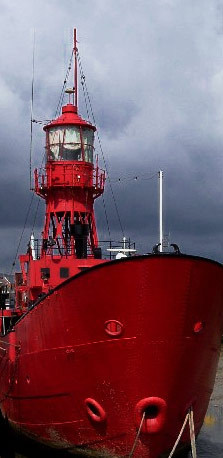
Das Feuerschiff soll anderen Schiffen in Seenot helfen. Während der letzten Wache wird ein in Not geratenes Boot gerettet, auf dem sich lang gesuchte Verbrecher befinden. Diese sind schwer bewaffnet. Der Kapitän des Feuerschiffs sucht nach einer friedlichen Lösung, da kommt es zur Besetzung des Feuerschiffs. Die Besatzung beginnt eigenhändig, die Verbrecher zu überwinden...

240 pages, Paperback

First published January 1, 1960

5 people are currently reading
228 people want to read

About the author

Siegfried Lenz

279 books146 followers
Siegfried Lenz (1926 - 2014) was a German author who wrote twelve novels and produced several collections of short stories, essays, and plays for radio and the theatre. He was awarded the Goethe Prize in Frankfurt-am-Main on the 250th Anniversary of Johann Wolfgang von Goethe's birth. Lenz and his wife, Liselotte, also exchanged over 100 letters with Paul Celan and his wife, Gisèle Lestrange between 1952 and 1961.

Lenz was the son of a customs officer in Lyck (Elk), East Prussia. After his graduation exam in 1943, he was drafted into the navy. According to documents released in June 2007, he may have joined the Nazi party on the 12th of July 1943. Shortly before the end of World War II, he defected to Denmark, but became a prisoner of war in Schleswig-Holstein.

After his release, he attended the University of Hamburg, where he studied philosophy, English, and Literary history. His studies were cut off early, however, as he became an intern for the daily paper Die Welt, and served as its editor from 1950 to 1951. It was there he met his future wife, Liselotte (d. February 5, 2006). They were married in 1949.

Since 1951, Lenz worked as a freelance writer in Hamburg and was a member of the literature forum "Group 47." Together with Günter Grass, he became engaged with the Social Democratic Party and aided the Ostpolitik of Willy Brandt. A champion of the movement, he was invited in 1970 to the signing of the German-Polish Treaty.

Since 2003, Lenz was a visiting professor at the Düsseldorf Heinrich Heine University and a member of the organization for German orthography and proper speech.

Ratings & Reviews

What do you think?
Rate this book

Friends & Following

Create a free account to discover what your friends think of this book!

Community Reviews

5 stars
70 (15%)
4 stars
151 (33%)
3 stars
158 (34%)
2 stars
56 (12%)
1 star
21 (4%)
Displaying 1 - 30 of 33 reviews
Profile Image for José.
400 reviews39 followers
July 14, 2021
De diversas temáticas, estos relatos abordan desde un realismo sin florituras, desde el sarcasmo a situaciones desesperadas.
Profile Image for Sini.
600 reviews162 followers
October 9, 2017
Ik hou wel van de romans en novellen van Siegfried Lenz. Naar mijn smaak is zijn geweldige roman "Duitse Les" wel zijn absolute hoogtepunt, en ook veel beter dan de rest, maar ook die rest is nog steeds heel genietbaar. Zo ook "Het lichtschip", uit 1960, vertaald in 1961, en in stevig herziene vertaling uitgegeven in 2011. Een mooie, gecondenseerde en korte roman, die in een kleine 160 bladzijden ons allerlei gedachten biedt over moeilijke keuzes tussen actie en afzien van actie of tussen plicht en avontuur,.

Het verhaal speelt op een lichtschip, een schip dat is verankerd als een soort vuurtoren midden op zee. Zelf vaart het niet, maar als lichtbaken maakt het wel andere schepen mogelijk om te varen, zonder tegen verraderlijke zandbanken aan te lopen en zonder op mijnen te stoten. Maar het is de laatste dienst van het lichtschip: het baken wordt binnenkort uit dienst genomen, evenals zijn kapitein, de zwijgzame Freytag. De symboliek van dit alles, die bij andere schrijvers al gauw in kitsch zou ontaarden, wordt door Lenz juist sereen, bondig, en in aangenaam traag tempo uitgewerkt: een baken, een kapitein en een idealistische mentaliteit om anderen tot baken te dienen, lopen allemaal ten einde. Niet alleen omdat het lichtschip zijn functie verloren heeft, maar ook omdat de mentaliteit van kapitein Freytag bij zijn bemanning en zijn zoon onder kritiek staat. Die mentaliteit is: in situaties van groot gevaar niet onbezonnen handelen, geweld niet beantwoorden met tegengeweld, de schade beperkt houden door af te zien van al te drieste pogingen om die schade met krachtdadige actie te voorkomen. Voor Freytag zijn dit kernwaarden, die hij naar mijn smaak ook in fraaie en bijzonder bondige zinnen verwoordt, maar voor zijn zoon en Freytags bemanning zijn het loze frasen waaronder pure lafheid schuilt. Prachtige figuur, die Freytag, erg ontroerend als oneigentijdse en niet begrepen anti-held, zoals zo veel personages bij Lenz.

Dit alles krijgt vorm en pregnante inhoud doordat het lichtschip, juist in zijn laatste dienst, drie schipbreukelingen oppikt die gewapende criminelen blijken te zijn. De bemanning wil deze criminelen inrekenen en overmeesteren, Freytag niet. De criminelen willen het lichtschip als schip gebruiken, maar dat wil Freytag ook niet: hij houdt vast aan de functie van het schip als onbeweeglijk baken, en ook aan zijn eigen mentaliteit om juist geen harde heroïsche actie in te zetten. En om beide standpunten wordt hij bespot. Niet in de laatste plaats door een van de criminelen, de ongelofelijk welbespraakte dokter Caspary, in alles het tegendeel van Freytag. Want Caspary is de avonturier die alle wetten overtreedt en die zijn leven vormgeeft als dubbelzinnig en voor alle conventionele geesten ongrijpbaar spel. Een verankerd schip dat als vuurtoren dient is voor Caspary iets volkomen belachelijks: wilde vaart moet men zoeken, avontuur, het feest van de onbestendigheid!

Het mooie van deze bondige roman vind ik vooral dat beide kanten van die tegenstelling tussen Freytag en Caspary sterk worden uitgewerkt, en dat die tegenstelling nergens wordt opgelost. Beide personages en hun standpunten zijn fraai uitgewerkt, daardoor krijgt geen van beiden eenduidig gelijk, en juist dat maakt dit boek voor mij interessant. Want ja, Caspary is een schurk, en tamelijk gewetenloos bovendien, maar zijn gedachten over het leven als ongewis avontuur zijn met meeslepende smaak opgeschreven. Bovendien heeft hij heel misschien ook wel gelijk als hij Freytag verwijt dat die te onavontuurlijk is, zichzelf en zijn schip te veel tot onbeweeglijk baken wil maken, en daardoor te weinig heeft meebewogen op de woeste en grillige stroom die het leven in wezen is. Tegelijk is juist die anti-heroïsche vasthoudendheid van Freytag, hoe oneigentijds en onbegrepen en deels zelfs discutabel ook, voor mij even ontroerend als bewonderenswaardig. Zeker aan het voor mij verrassende slot van de roman, waarin in elk geval wel zonneklaar duidelijk wordt dat Freytags afzien van radicale actie niet uit lafheid voortkomt.

Een mooie roman dus, met intrigerende tegenstellingen die op mooie wijze niet worden opgelost. Ik waardeerde de bondigheid en de sfeer. Ik waardeerde ook de spanning, die opgewekt wordt door geregelde verrassingen in de plot, door de continue dreiging van geweld, en door de claustrofobische setting van al die mensen die met elkaar gevangen zitten op een onbeweeglijk schip midden op zee. Ook de intrigerende gedachtewereld van de schurk Caspary amuseerde mij het hele boek door. Maar ik bewonder toch vooral de onnadrukkelijke manier waarop Lenz ons mededogen en ons respect oproept voor Freytag, de antiheld die vasthoudt aan de onbeweeglijke verankering van zijn lichtschip, en aan zijn door iedereen bespotte, oneigentijdse, niet- actiegerichte en dus anti- heroïsche waarden.
Profile Image for Nati Korn.
254 reviews35 followers
October 11, 2022
לפני ספר הזה קראתי ספר אוטוביוגרפי היסטורי עמוס פרטים ודמיות בן כחמש מאות עמודים על תקופת השואה. הנובלה הזאת של זיגפריד לנץ היא במובן מסוים היפוכו וניגודו של הספר ההוא. מבוטאים כאן דילמות ורעיונות דומים אבל בצורה אומנותית שונה. מדובר ביצירה בדיונית תמציתית. הכתיבה ריאליסטית לעילא, חסכנית ומוקפדת, אך כזו שמציגה מבנה ספרותי קלאסי, מאוזן וחכם, כזו שגורמת לנו להתפעל דווקא מהחיקוי של המציאות ומן הזרקור הממוקד שהיא מאירה בו על רעיונות מסוימים. מלבד היותה סיפור מתח, הנובלה היא גם אלגוריה לאופן פעולתו של הפרט תחת מרותו של משטר רצחני, או של דמוקרטיה שנחטפת בידי פלג פאשיסטי ומרמזת על עברה הבעייתי של גרמניה.

מי מנצח בקרב על ליבי בין שתי הסוגות השונות, לפחות במקרה האקראי הזה? התשובה היא הנובלה המעולה של לנץ. לפעמים יצירה ספרותית קלאסית מלוטשת וחפה מכל פסיק מיותר, המדגישה מבנה פשוט אך מתוחכם מעוררת בך יותר רגש מסיפור אמיתי המשופע בפרטים.

אוניה ישנה המשמשת כמשואת איתות (דמות שלטון המדינה האידיאלית) המאפשרת לכל שאר כלי השיט לנווט בבטחה, על צוותה המצומצם שבראשו רב חובל זקן בשם פריטג (יום שישי – היום בו נברא האדם וגם רמז לששת של רובינזון שבניגוד לרובינזון הלבן הוא גיבור משנה סביל ולא יוזם) נחטפת בידי כנופיית פושעים שמנהיגה הוא דמות שטנית שכאילו נלקח מספר של גיתה. רב החובל, הנושא (איך לא) אירוע טראומתי מעברו, מנסה לסיים את כל האירוע ללא נפגעים אף גם מבלי לפגוע בתפקודו של המגדלור. תמצאו כאן מאבק בין חובה למצפון, בין סדר לבין מי שמנצל אותו בכדי לחולל פשע ובין אלו השואפים לפעולה דרמטית לבין מי שדוגל באורך רוח בין מי שמבקש לקחת יוזמה ומי שנאלץ לפעול.

על גב הספר מסופר שהנובלה הוסרטה כשלוש פעמים יש בכך הגיון מאחר והיא אכן תיאטרלית ביותר - מהבחינה שיש בה מספר קטן של דמויות אייקוניות וכולן מרוכזות בתא שטח קטן ומוגדר היטב.

הקריאה הייתה תענוג אמיתי.
Profile Image for Sub_zero.
757 reviews327 followers
March 4, 2015
4/5

Con la publicación de 'El barco faro', Impedimenta emprende una atrevida andadura editorial que pretende rescatar a uno de los escritores alemanes más representativos de la posguerra. La novela breve que da título a esta estupenda (un tanto heterogénea) recopilación de relatos es, en pocas palabras, un pequeña obra maestra que ahonda en cuestiones de profundo calado moral relacionadas con la disyuntiva entre el bien y el mal, la pesada carga que a veces acarreamos por culpa de nuestros errores y el carácter aleccionador de las deshonras pasadas. En ella, el capitán de un barco faro antiminas se prepara para afrontar tranquilamente su última guardia hasta que un grupo de traficantes armados se cruza de forma irremediable en su camino, haciendo presagiar sobre toda la tripulación un desenlace trágico. Aunque la pieza que introduce esta colección es sin duda la que más me ha gustado, Siegfried Lenz no escatima sensibilidad literaria ni alardes estilísticos en el resto de la antología a la hora de reflejar las luces y sombras (sobre todo sombras) de la vida en alta mar, las reyertas políticas, las atrocidades de la guerra o las obsesiones e inquietudes más frecuentes del alma humana.
Profile Image for Freyja Schramm.
8 reviews
November 11, 2024
Tråkig! Ville bara läsa and then there were none hela tiden men behövde läsa den här för Olle🥲
Profile Image for Sabine .
116 reviews17 followers
January 10, 2022
Die Haupterzählung/Novelle fand ich richtig gut, da konnten die restlichen Kurzgeschichten nur bedingt mithalten.
Profile Image for Matt.
752 reviews624 followers
September 20, 2015
The lightship. Chained to the seafloor, it assumes the role of a lighthouse, warns passing ships of shoals, or, in this case, mines, that are left in the Baltic Sea after WWII. Nine years after the war the mines are mostly cleared and the lightship has had its day. For the final watch captain Freytag takes along his teenage son. One day the ship's crew takes three men on board, apparently shipwrecked, who turn out to be violent criminals. They try to force Freytag and his men to help them in their flight. In the limited space of the vessel a psychological and physical struggle develops.


On the surface this is a thrilling crime/murder-story on high sea. There's bound to be conflicts galore: The exchanges between Freytag and Caspary, leader of the gangsters, two men who cannot be more different in character, the struggle of the captain's son, whose respect for his old man hit rock bottom after an incident in the captain's past, the disputes among the members of the ship's crew on how to best deal with the situation. Apart from the obvious crimes the most notable themes, to me, are: Duty and responsibility, bravery and cowardice. How to approach the bad guys that have the guns? Is it better to be a living coward than a dead hero? Is martyrdom worth the risk?
Wer keine Waffen hat und keine Gewalt, hat immer noch mehr Möglichkeiten, und manchmal glaube ich, dass hinter diesem Wunsch, sich um jeden Preis den Gewehrmündungen anzubieten, der schlimmste Egoismus steckt.
I like the book, but – and I hate to say it –, I don't love it. I expected more from one of my favorite German authors. To me this book fails stylistically and linguistically in comparison with other books by Lenz I read (e.g. his most famous one, Deutschstunde , and my favorite Die Klangprobe ). The prose here is too functional for my taste, too detached, and some of the dialogs are downright awkward. I wondered why that is. Of course the author was only 34 when this book was first published in 1960, and maybe he hasn't found his style yet. Another reason might me his admiration of Ernest Hemingway back then (Lenz later distanced himself from Hemingway and moved on to Faulkner). I am in no way an expert when it comes to Hemingway, but I think some parts of The Lightboat, especially the captain's back-story, are rather Hemingway-ish. Anyway, it's a style that doesn't speak to me very much.

In a speech Lenz once said:
Ich schätze nun einmal die Kunst, herauszufordern, nicht so hoch ein wie die Kunst, einen wirkungsvollen Pakt mit dem Leser herzustellen, um die bestehenden Übel zu verringern.
I do not esteem the art to challenge as highly as the art to create an effective pact with the reader in order to decrease the present evils.
(thanks to Steve for the translation of this quote)
In this book the pact with this reader wasn't formed very well.

Creative Commons License
This work is licensed under a Creative Commons Attribution-NonCommercial-ShareAlike 3.0 Unported License.
43 reviews
August 12, 2025
Intressant bekantskap med Polsk litteratur på tyska. Mycket bra bok för övning i tyska språket.
Profile Image for John Paul.
215 reviews10 followers
Read
October 3, 2014
So I found this book again during the move. I think this was the first novel I owned. When we were young my mom bought for each of us different (and random) books. The other book in the lot that I remember is something about a seagull. (I opened a new tab, went to Goodreads again, and search for Jonathan Livingston Seagull, and found the book. Sometimes my mind stores these random information lol).

I read both novels but barely remember the story. I know I didn't like The Lightship much, and preferred the seagull book, but I was young then, so maybe my views changed. I won't leave a rating right now, I'll leave one after I re-read the book.
Profile Image for Marta.
422 reviews16 followers
July 26, 2020
Vielleicht habe ich es nicht völlig verstanden, aber ich fühle als ob etwas fehlt.
Profile Image for Pascale.
1,366 reviews66 followers
October 20, 2022
Not sure what to make of this Conrad knock-off. At the end of a long and checkered career, Captain Freytag brings his son Fred aboard the lightship for his last watch. Fred makes no attempt to hide his contempt for his father whom local gossip paints as a coward. Soon enough a member of the crew spots a drifting boat. Three men are rescued, who turn out to be criminals on the run. The gang's mastermind, Dr Caspary, is the archetypal cerebral villain. His underlings, whom he handles with kid gloves, are Eugen, a giant with a harelip, and his brother Eddie. Once the crew discovers that these men are armed and are responsible for killing a mail man, they try to persuade Freytag to neutralize them and hand them over to the police. For some reason, Freytag forces his crew to put the weapons back where they found them, on the grounds that in any case the fugitives have kept the ammunition in their pockets. Freytag claims his only duty is to end this last shift with every man under his command alive and well. Deprived of leadership, the sailors take individual action to overpower their unwanted guests, which results in one of them being killed. Later, the cook manages to knife Eugen and dispose of his body. I kept hoping that Freytag had a clever plan to outwit Caspary, but apparently Caspary sees through him and in the end all Freytag can do is challenge Eddie head on and get bumped off. That redeems him in the eyes of his son, although in my view his sacrifice is a defeat since earlier he had explained to Fred that he disapproved of people who opt for a martyr's death. As YA fiction for boys this is fine but if Lenz was aiming for something with greater moral or symbolic resonance it didn't work for me.
Profile Image for Werner Ω.
70 reviews
September 1, 2025
Siegfried Lenz’ Novelle Das Feuerschiff ist ein sprachlich brillantes Werk, das eine psychologisch dichte Geschichte erzählt. Im Zentrum steht ein wortkarger, „harziger“ Kapitän, dessen Prinzipientreue auf einem ausgedienten Feuerschiff auf die Probe gestellt wird, als eine Gruppe bewaffneter Gangster Zuflucht sucht.

Die Handlung entfaltet sich als psychologische „Kriminalgeschichte“, in der nicht die Gewalt, sondern die moralischen Dilemmata im Vordergrund stehen. Der Konflikt zwischen Ordnung und Unordnung, zwischen Widerstand und Verantwortung, wird nicht nur gesellschaftlich, sondern auch familiär verhandelt – insbesondere im Verhältnis zwischen Vater und Sohn. Der Kapitäns Haltung, zunächst passiv und abwartend, wird von seinem Sohn als Feigheit gedeutet, doch die Novelle zeigt, wie komplex und vielschichtig Verantwortung sein kann.

Lenz gelingt es, mit knappen Dialogen und atmosphärischer Dichte eine Parabel über Zivilcourage, Autorität und moralische Integrität zu schaffen. Die „unerhörte Begebenheit“ auf dem Feuerschiff wird zum Brennglas für menschliches Verhalten in Extremsituationen.
Profile Image for Guido.
149 reviews
November 22, 2017
Natuurlijk is 'Duitse les' is een absoluut meesterwerk. En voor uitgeverij Van Gennep was het een onverhoopte - en verdiende - bestseller. Maar moeten we alles lezen van Siegfried Lenz? 'Het lichtschip' is, vermoed ik, gepubliceerd in de slipstream van het succes van 'Duitse les': een kwestie van het ijzer smeden als het heet is. En daar is niets op tegen. Maar wie eenzelfde niveau als dat van 'Duitse les' verwacht is er wel aan voor de moeite. 'Het lichtschip' is een aardig verhaal, maar gaat gebukt onder de stereotiepen: 'goed' (de brave kapitein) versus 'kwaad' (de drie booswichten), het vader-zoonconflict, enz. Nuttig ook voor wie zijn maritiem vocabularium wil uitbreiden. Maar het moraliserend sausje blijft op de maag liggen.
224 reviews1 follower
April 15, 2024
Superb short story exploring the bravery of a man versus the cowardice of a crowd.
7 reviews
July 28, 2025
I see an importance in the messaging, however a bit boring
Profile Image for LaViejaPiragua.
173 reviews17 followers
June 30, 2015
UN BUEN EJEMPLO DE LA DESOLACIÓN MORAL Y ANÍMICA DE LA ALEMANIA DE POSGUERRA

Ser alemán durante los quince años que siguieron al final de la Segunda Guerra Mundial no debió de resultar una tarea fácil. El país se hallaba hundido económica y moralmente, y un sentimiento de culpa y vergüenza colectivos lastraba a toda una generación. En ese contexto tan difícil surgió el “Grupo 47”, formado en 1947 (de ahí el nombre) por un buen número de novelistas, críticos literarios y otros intelectuales alemanes a los que unían sus dramáticas experiencias vitales y unos intereses literarios comunes. Algunos de sus miembros, los de mayor proyección internacional, son muy conocidos, entre nosotros, como el premio Nobel Günter Grass; el pensador Hans Magnus Enzensberger o el últimamente algo olvidado Heinrich Böll. Junto a ellos, hubo otros, menos internacionales, pero que resultan igualmente interesantes. Uno de ellos es Siegfried Lenz.

Los relatos que componen “El barco faro” (1960) son todos de muy buen nivel, pero hay dos que sobresalen por encima de los demás, quizás porque sean los que mejor ilustran esa confusión colectiva de carácter moral y anímico de la que hablábamos al principio: son el primero, la novela corta que da título al libro; y el último, “Los humores del mar”. En “El barco faro”, una embarcación que permanece anclada e inmóvil frente a la costa a modo de faro flotante, se ve asaltada por un grupo de delincuentes después de haber sido rescatados de un naufragio. A partir del momento en que esos elementos extraños y agresivos suben a bordo, se desatan fuertes controversias entre la tripulación y su capitán acerca de lo que se debe hacer frente a la agresión que están sufriendo. En esa disputa casi silenciosa, hay un elemento que mina la autoridad del capitán, su presunto comportamiento poco honroso en un episodio del pasado. No es difícil ver en esta historia casi alegórica, las dudas morales de los ciudadanos alemanes, que pudieron sentirse a la vez víctimas y culpables por su sometimiento a la violencia de los nazis.

“Los humores del mar” cuenta las peripecias de un grupo de hombres que, en su huída de Alemania a bordo de una precaria embarcación, deben enfrentarse a la niebla y las tormentas para intentar llegar a las costas de Dinamarca sin ser descubiertos por los guardacostas. Este relato, no sólo puede representar la claustrofobia que debieron de sentir muchos alemanes dentro de un país aislado y agresivo al mismo tiempo (otra vez la alegoría), sino que recrea un episodio de la vida del propio Siegfried Lenz, que hacia el final de la guerra decidió desertar del ejército y se refugió en Dinamarca.

Del resto de los relatos, me gustan especialmente “Un amigo del gobierno” y “El hijo del dictador”. Ambos resultan tan actuales que podrían desarrollarse, por ejemplo, en la Corea del Norte de nuestros días.
Profile Image for Alexandra.
35 reviews
December 13, 2024
A wonderful introduction to german literature

The plot is quite unconventional. Everything unfolds in the real world, aboard a stationary ship. You might think, what could possibly happen on a ship that isn't going anywhere? But when armed bandits board, the entire crew finds themselves trapped with them. I loved every part of this story, especially how the crew struggled against both their captain and the armed villains at the same time. The ending is brutal, yet believable.

Although the captain might seem like a coward, to me, he's simply a responsible and weary man with a lot of life experience. He just wants peace and for everyone to return home safely. Perhaps if the crew had followed his orders, that might have happened, but alas, it didn't. However, I can also understand the other men. They were stronger and could have fought back, but their service had taught them to obey their captain's orders.

I was particularly impressed by the relationship between father and son in this book. I love a good parent-child conflict! Their relationship is very tense and difficult, even though Fred still yearns for his father's approval. I love that kind of dynamic. Overall, conflicts played a crucial role in the narrative, and I absolutely adore that. The conflict between the crew and the captain, between the crew and the bandits, and between father and son.

I highly recommend this book.
This entire review has been hidden because of spoilers.
14 reviews1 follower
September 25, 2010
Schon der erste Satz führt dem Leser die Situation vor Augen: »Sie lagen und lagen fest bei den wandernden Sandbänken.« Die Handlung spielt auf einem Feuerschiff, also auf einem festen Orientierungspunkt für die Seefahrt, gewissermaßen einem Leuchtturm in Schiffform. Da sich das Schiff nicht von der Stelle bewegt, ist die Besatzung gewissermaßen dort gefangen und auf ein Versorgungsschiff angewiesen.

Es ist die letzte Wache, bevor das Schiff eingezogen und durch eine Leuchttonne ersetzt wird. Kapitän Freytag hat aus diesem Grunde seinen Sohn Fred mit an Bord genommen. Dieser entdeckt offenbar Schiffbrüchige und sein Vater veranlasst, dass sie an Bord geholt werden. Zunächst erscheinen sie freundlich und dankbar, doch im weiteren Verlauf kommt es zu einem Wendepunkt, denn die Geretteten stellen sich als Banditen heraus. Die Besatzung ist in der Überzahl und möchte sie gewaltsam ruhigstellen, doch Freytag verbietet dies. Er möchte nicht mit einer Gewehrmündung verhandeln. Die Lage spitzt sich zu – und zwar nicht nur wegen des äußeren Konflikts zwischen Besatzung und Banditen, sondern darin verwoben auch wegen eines zweiten, inneren Konfliktes zwischen Freytag und seinem Sohn.

Angeregt zur Lektüre wurde ich übrigens von der gut gelungenen Verfilmung des NDR aus dem Jahr 2007 unter der Regie von Florian Gärtner und mit Jan Fedder und Axel Milberg in den Hauptrollen.
This entire review has been hidden because of spoilers.
Profile Image for Giovaennchen Lozano.
106 reviews15 followers
August 6, 2011
Esta es la historia de un marino, un viejo lobo de mar, que se ve en la necesidad de trabajar en un barco señal, un buque que funciona como faro en el Mar del Norte, enfrentandose al hastío, al aburrimiento, al frío y a la soledad. Es su castigo por haberse comportado un poco mal, poco valiente y más bien contra las reglas de los navegantes. Y como tiene mala fama dentro del gremio, aparentemente es blanco fácil de corrupción y burlas. Y bueno, ya le falta poco para retirarse, de algjarse de su preciado mar, entonces suceden una serie de hechos que cambiarán su vida. ¿Llegará esta a su fin antes de lo previsto? ¿qué pasará? Creo que existen algunas obras de Siegfried Lenz traducidas al español, pero no se si ésta es una de ellas. A mí en lo personal me gustan mucho las historias de marinos, de navegar y de piratas, por lo que la recomiendo, aunque no es de aventuras.
275 reviews17 followers
July 31, 2022
''Was ist passiert?'' fragte Freytag. Nichts. Nichts ist passiert im ganzen Buch.

''(...) Und was wird die Hafenpolizei tun - jetzt, wo sie alles weiß.''
''Sie wird etwas mehr tun, als du getan hast.'' Endlich! Aber es ist zu spät jetzt, weil es fast Ende ist.

Dieses Buch war langweilig. Freytag, die Hauptfigur, ist rückgratlos und ein Feigling. Die andere Figuren machten nichts auch, obwohl sie wollten, etwas zu passieren. Ich sehe keinen Sinn in diesem Buch. Es war nicht unterhaltsam!
Profile Image for Lester.
601 reviews
July 30, 2011
Die 'Erzahlungen' waren eigentlich besser als das Haupttitel. Lenz hat einer Begabung bei der Darstellung von Intensiven Akteuren, und seltsame Situationen. Aber das Anfang von Feuershiff war mir einfach zu lang.
299 reviews60 followers
August 20, 2016
Weer een fijn boekje van de Duitse grootmeester van de fijne boeken. Voor de duidelijkheid: het verkleinwoord slaat enkel op het aantal bladzijden.
Wel niet zijn beste, dat blijft mijn eerste kennismaking met hem, 'Bureau gevonden voorwerpen'.
Displaying 1 - 30 of 33 reviews

Can't find what you're looking for?

Get help and learn more about the design.