

What do you think?
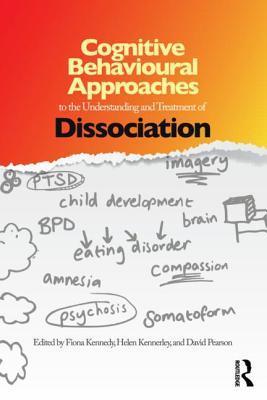
Cognitive Behavioural Approaches to the Understanding and Treatment of Dissociation
The study of dissociation is relevant to anyone undertaking research or treatment of mental health problems. Cognitive Behavioural Approaches to the Understanding and Treatment of Dissociation uses a cognitive approach to de-mystify the processes involved in linking traumatic incidents to their effects.
Kennedy, Kennerley and Pearson present a full and comprehensive understanding of mental health problems involving dissociative disorders and their treatment, bringing together an international range of experts. Each chapter addresses a single topic in full, including assessment of previous research from a cognitive perspective, recommendations for treatment and case studies to illustrate clinical approaches. Using an evidence-based scientific approach combined with the wisdom of clinical experience, the authors make the relevance of dissociation immediately recognisable to those familiar with PTSD, dissociative identity disorder, eating disorders, hallucinations and a wide range of psychological and non-organic physical health disorders.
Designed to provide new perspectives on both research and treatment, Cognitive Behavioural Approaches to the Understanding and Treatment of Dissociation includes a wide range of material that will appeal to clinicians, academics and students.
Kennedy, Kennerley and Pearson present a full and comprehensive understanding of mental health problems involving dissociative disorders and their treatment, bringing together an international range of experts. Each chapter addresses a single topic in full, including assessment of previous research from a cognitive perspective, recommendations for treatment and case studies to illustrate clinical approaches. Using an evidence-based scientific approach combined with the wisdom of clinical experience, the authors make the relevance of dissociation immediately recognisable to those familiar with PTSD, dissociative identity disorder, eating disorders, hallucinations and a wide range of psychological and non-organic physical health disorders.
Designed to provide new perspectives on both research and treatment, Cognitive Behavioural Approaches to the Understanding and Treatment of Dissociation includes a wide range of material that will appeal to clinicians, academics and students.
- GenresPsychology
336 pages, Paperback
First published January 1, 2013
Ratings & Reviews
Friends & Following
Create a free account to discover what your friends think of this book!
Community Reviews
Displaying 1 - 1 of 1 review

December 13, 2025
2.8?
No esperaba ver tanto sesgo, no esperaba ver cero discusiones de la politica pro falsa memoria (citan sin problemas a cognitivos de falsas memorias, pero no a cognitivos anti falsas memorias). Kennedy hace un plagio de conceptos, se autoreferencian en ese mismo volumen y se citan entre si los autores, y hay una clara distinción de "nosotros (los cognitivos de su grupo específico) y los otros" (hablando por ejemplo de Kathy Steele que si fue invitada a colaborar).
Me ofendió muchísimo que no incluyeran citas a otras personas importantes en el tema, especialmente Jennifer Freyd: tiene más de 200 trabajos de ciencia cognitiva sobre trauma y disociación (muchos más que Kennedy y ciertamente más pertinentes que Loftus).
Autores omitidos que detecté:
1. Jennifer Freyd (el peor)
2. Bethany Brand (el segundo peor)
3. Rivers* (esto me ayudó a darme cuenta del sesgo británico muy cerradito y la omisión de autores británicos críticos)
4. Morton Prince (un clásico de disociación, no psicoanálisis)
5. Boris Sidis (otro clásico de disociación, sin psicoanálisis)
6. Gleaves (crítico de las falsas memorias)
7. Michael Salter (crítico de las falsas memorias)
8. Aquarone (figura importante de la disociación del Reino Unido, de donde vienen muchos de sus compas)
9. Ni un solo autor de experiencia vivida.
Ningún terapeuta TCC debería quedarse únicamente con este libro.
Si quisieran volver a hacer algo parecido, deberían incluir como editor a un experto en trauma y disociación. Los editores solo saben de TCC sesgada e inclinada hacia las falsas memorias, y para tratar con población traumatizada y vulnerable es un riesgo ético enorme.
No esperaba ver tanto sesgo, no esperaba ver cero discusiones de la politica pro falsa memoria (citan sin problemas a cognitivos de falsas memorias, pero no a cognitivos anti falsas memorias). Kennedy hace un plagio de conceptos, se autoreferencian en ese mismo volumen y se citan entre si los autores, y hay una clara distinción de "nosotros (los cognitivos de su grupo específico) y los otros" (hablando por ejemplo de Kathy Steele que si fue invitada a colaborar).
Me ofendió muchísimo que no incluyeran citas a otras personas importantes en el tema, especialmente Jennifer Freyd: tiene más de 200 trabajos de ciencia cognitiva sobre trauma y disociación (muchos más que Kennedy y ciertamente más pertinentes que Loftus).
Autores omitidos que detecté:
1. Jennifer Freyd (el peor)
2. Bethany Brand (el segundo peor)
3. Rivers* (esto me ayudó a darme cuenta del sesgo británico muy cerradito y la omisión de autores británicos críticos)
4. Morton Prince (un clásico de disociación, no psicoanálisis)
5. Boris Sidis (otro clásico de disociación, sin psicoanálisis)
6. Gleaves (crítico de las falsas memorias)
7. Michael Salter (crítico de las falsas memorias)
8. Aquarone (figura importante de la disociación del Reino Unido, de donde vienen muchos de sus compas)
9. Ni un solo autor de experiencia vivida.
Ningún terapeuta TCC debería quedarse únicamente con este libro.
Si quisieran volver a hacer algo parecido, deberían incluir como editor a un experto en trauma y disociación. Los editores solo saben de TCC sesgada e inclinada hacia las falsas memorias, y para tratar con población traumatizada y vulnerable es un riesgo ético enorme.
Displaying 1 - 1 of 1 review