

What do you think?

Ciudad muerta
En la Nueva Jersey de los años setenta, Joe Zucco y Alexis Machine se disputan el control de las actividades ilícitas de la ciudad. Tiránico y despiadado, Zucco es el capo de un grupo mafioso que emplea a decenas de esbirros. Como Charley Flowers, que vio truncadas sus aspiraciones tras un par de errores, o Harry Strega, joven veterano de Vietnam que ahora lucha para abrirse camino en el mundo del crimen. Todos ellos quieren hacer realidad el sueño americano y convertirse en un nuevo Zucco, sin saber que el camino hacia la cima está sembrado de cadáveres. Publicada originalmente en 1973, e inédita hasta ahora en castellano, Ciudad muerta es un aterrador viaje por las malas calles de Nueva Jersey que dejó huella en autores como Stephen King, Chris Offutt y John Connolly.
443 pages, Paperback
First published January 1, 1973
About the author
Shane Stevens
16 books72 followersAka J.W. Rider
was an American author of crime novels. He was born in New York, New York to John and Caroline (Royale) Stevens. His novels include Go Down Dead (1966), Way Uptown in Another World (1971), Dead City (1973), Rat Pack (1974), By Reason of Insanity (1979), and The Anvil Chorus (1985). Stephen King has claimed to being a huge fan, and gave tribute to him in his book "The Dark Half", which features violent crime novels starring a character named 'Alexis Machine,' a reference to a character of the same name from the novel "Dead City." Appropriately Stevens was an intensely private person who avoided the limelight during his lifetime and has left many questions unanswered with his death.
was an American author of crime novels. He was born in New York, New York to John and Caroline (Royale) Stevens. His novels include Go Down Dead (1966), Way Uptown in Another World (1971), Dead City (1973), Rat Pack (1974), By Reason of Insanity (1979), and The Anvil Chorus (1985). Stephen King has claimed to being a huge fan, and gave tribute to him in his book "The Dark Half", which features violent crime novels starring a character named 'Alexis Machine,' a reference to a character of the same name from the novel "Dead City." Appropriately Stevens was an intensely private person who avoided the limelight during his lifetime and has left many questions unanswered with his death.
Ratings & Reviews
Friends & Following
Create a free account to discover what your friends think of this book!
Community Reviews
Displaying 1 - 30 of 52 reviews

May 30, 2024
LAWLESS LAND
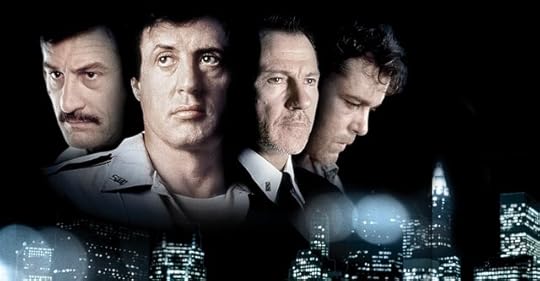
”Copland”, un bel film sulla corruzione nella polizia del New Jersey.
La magia di By Reason of Insanity - Io ti troverò non si ripete. E d’altronde sarebbe stato difficile un bel po’: ma Shane Stevens si conferma una penna intinta nel noir di razza.

Una delle migliori interpretazioni di Sylvester Stallone.
Storia anche questa a suo modo corale, ricca di personaggi. Ma radicalmente diversa come ambientazione e mondo umano.
Siamo nel New Jersey, regno del mob, della mafia italiana. Che peraltro regna e impera un po’ ovunque, dove più dove meno. E si associa, si allea, si unisce in sindacato con mafie d’altri paesi: infatti le decisioni supreme sono in capo a un fantomatico Comitato interstatale (gli US sono divisi in cinquanta stati, le stelle della bandiera). Guai a scatenare guerre e a creare casini d’altro tipo senza prima essersi consultati con le sfere alte.
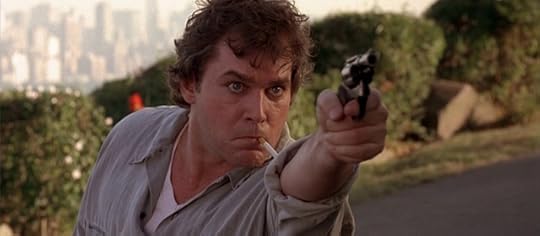
Ray Liotta, non abbastanza rimpianto e compianto.
Shane Stevens racconta il quotidiano di boss, aspiranti tali, luogotenenti, caporali, manovalanza, esattori, picchiatori, killer. Solitudine, una propensione per lo squallore, il sesso consumato come una bistecca al sangue. Leggendo mi sono chiesto la stessa cosa che mi chiedevo guardando la prima stagione di Gomorra (grande show, ma io generalmente mollo dopo la prima, tranne casi eccezionali – e sulla prima la mano di Stefano Sollima è palese, il nostro regista più americano, il che per me è quasi il massimo del complimento): ma vale la pena rischiare la vita per fare una vita di tale squallore?
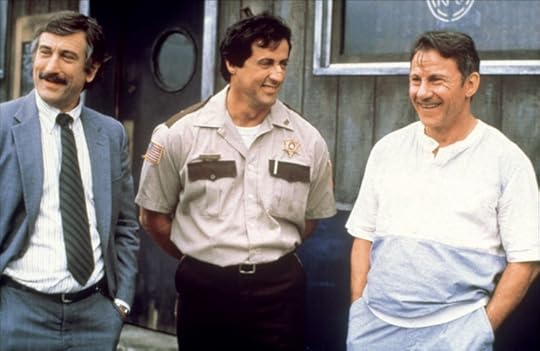
Momento di pausa sul set: Robert DeNiro, Stallone, Harvey Keitel.
Il finale è un colpo da maestro: cinico e realistico, spezza il cuore per la sorte di quelle due bestie umane.
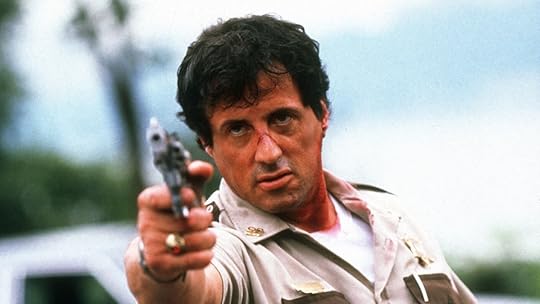
Il film è del 1997, diretto dal sempre efficace James Mangold.
”Copland”, un bel film sulla corruzione nella polizia del New Jersey.
La magia di By Reason of Insanity - Io ti troverò non si ripete. E d’altronde sarebbe stato difficile un bel po’: ma Shane Stevens si conferma una penna intinta nel noir di razza.
Una delle migliori interpretazioni di Sylvester Stallone.
Storia anche questa a suo modo corale, ricca di personaggi. Ma radicalmente diversa come ambientazione e mondo umano.
Siamo nel New Jersey, regno del mob, della mafia italiana. Che peraltro regna e impera un po’ ovunque, dove più dove meno. E si associa, si allea, si unisce in sindacato con mafie d’altri paesi: infatti le decisioni supreme sono in capo a un fantomatico Comitato interstatale (gli US sono divisi in cinquanta stati, le stelle della bandiera). Guai a scatenare guerre e a creare casini d’altro tipo senza prima essersi consultati con le sfere alte.
Ray Liotta, non abbastanza rimpianto e compianto.
Shane Stevens racconta il quotidiano di boss, aspiranti tali, luogotenenti, caporali, manovalanza, esattori, picchiatori, killer. Solitudine, una propensione per lo squallore, il sesso consumato come una bistecca al sangue. Leggendo mi sono chiesto la stessa cosa che mi chiedevo guardando la prima stagione di Gomorra (grande show, ma io generalmente mollo dopo la prima, tranne casi eccezionali – e sulla prima la mano di Stefano Sollima è palese, il nostro regista più americano, il che per me è quasi il massimo del complimento): ma vale la pena rischiare la vita per fare una vita di tale squallore?
Momento di pausa sul set: Robert DeNiro, Stallone, Harvey Keitel.
Il finale è un colpo da maestro: cinico e realistico, spezza il cuore per la sorte di quelle due bestie umane.
Il film è del 1997, diretto dal sempre efficace James Mangold.

November 9, 2015
”I don’t enjoy killing a man,” Albert had said once as they sat in a bar late one night drinking to their bad luck.
“Me neither,” Flowers had replied.
“But I don’t think it’s wrong either,” continued Albert.
“Lots of people need killing. That’s just how I feel.”
“Me too.” agreed Flowers.”
Despair brings opportunity.
People need to escape their dingy, depressing, dead end lives. When hope has caught the last boxcar out of town, people will temporarily or permanently bury themselves in drugs, alcohol, and sex. Joe Zucco came up through the decaying, neglected neighborhoods of Jersey City, where the American dream died in a gutter decades ago. He was smart enough and ruthless enough to climb quickly through the ranks of the local mob. He understands what desperate people need, and he wants to make sure he gets his percentage of the take.
If a bar is doing well, he doesn’t just want to supply the liquor; he wants to own a piece of the business. Everyone has a weakness, whether it be women, little boys, or Junk. Once Zucco finds out what it is, he can get what he wants.
Charlie Flowers works for Zucco. He was a man on the rise, but made mistakes and has fallen down the ranks and has landed near the bottom. He is muscle, collecting debts on the loansharking side of the business. He wants more. He wants expensive cars, high class dames, and first-rate clothes. Whenever he gets close, it seems like something goes wrong.
”Was this all he’d ever get out of his life, cheap hotels and cheap women, men who feared him and others whom he feared, nothing his and everything smelling goodbye?”
Harry Strega also works for Zucco. He is just back from Vietnam and wants to become a made man. His cocky, self-assured manner nearly gets him killed before he gets started. He might have survived the green jungles of Asia, but he needs to learn quickly that the rules of the concrete jungle are just as ambiguous and dangerous. He has the same ambitions as Flowers and spends many restless nights haunted by the dreams of a future he can’t quite reach.
Zucco has a rival named Alexis Machine. I was familiar with Machine before even reading the first page of this novel. Stephen King, as a homage to this novel, uses Machine as a minor character in his book The Dark Half. With Zucco out of the way, Machine would absorb his territory, but Zucco proves hard to kill, and he too can see the benefits of the opportunity that Machine has presented him. With Machine out of the way, Zucco will control Jersey City.
There is no loyalty. Alliances are tenuous and are based on the most slender threads of mutual assured survival or destruction. There is a moment in the book where a mobster is killed. On learning of his demise, his mistress fainted and was inconsolable, but she quickly makes a deal with his successor to continue on in the same capacity under his administration. Women in Jersey City are possessions to be bought or traded for. If they are beautiful enough, they become status symbols for powerful men. Sex is the only commodity they have to barter with. A mistress is only one misstep, one bullet, one whim away from calling herself a hooker.
Long before The Sopranos came along, Shane Stevens was writing about the brutal world of gangsters. Sometimes Hollywood has portrayed mobsters as men of a certain code, relying on an honor among thieves, but Stevens doesn’t even bother with the pretense. His characters are cold-blooded, self-centered killers who are loyal only as long as the fear of who they work for outweighs the fear of a rival. Stephen King said about Stevens’s books. "I recommend them unreservedly...but only readers with strong stomachs and stronger nerves need apply."
The biggest surprise for me wasn’t the level of violence, but the high standard of writing. Even as you are brushing the bar floor dust off your clothes, or spitting a tooth into a sink, or rubbing the blood out of the webbing of your fingers, or slicing the buttons off a silk blouse, or cupping your hands over your ears to muffle the screams, you will have moments where you stop and reread a passage that has been written perfectly, even if it describes something that will make you shudder.
If you wish to see more of my most recent book and movie reviews, visit http://www.jeffreykeeten.com
I also have a Facebook blogger page at:https://www.facebook.com/JeffreyKeeten
“Me neither,” Flowers had replied.
“But I don’t think it’s wrong either,” continued Albert.
“Lots of people need killing. That’s just how I feel.”
“Me too.” agreed Flowers.”
Despair brings opportunity.
People need to escape their dingy, depressing, dead end lives. When hope has caught the last boxcar out of town, people will temporarily or permanently bury themselves in drugs, alcohol, and sex. Joe Zucco came up through the decaying, neglected neighborhoods of Jersey City, where the American dream died in a gutter decades ago. He was smart enough and ruthless enough to climb quickly through the ranks of the local mob. He understands what desperate people need, and he wants to make sure he gets his percentage of the take.
If a bar is doing well, he doesn’t just want to supply the liquor; he wants to own a piece of the business. Everyone has a weakness, whether it be women, little boys, or Junk. Once Zucco finds out what it is, he can get what he wants.
Charlie Flowers works for Zucco. He was a man on the rise, but made mistakes and has fallen down the ranks and has landed near the bottom. He is muscle, collecting debts on the loansharking side of the business. He wants more. He wants expensive cars, high class dames, and first-rate clothes. Whenever he gets close, it seems like something goes wrong.
”Was this all he’d ever get out of his life, cheap hotels and cheap women, men who feared him and others whom he feared, nothing his and everything smelling goodbye?”
Harry Strega also works for Zucco. He is just back from Vietnam and wants to become a made man. His cocky, self-assured manner nearly gets him killed before he gets started. He might have survived the green jungles of Asia, but he needs to learn quickly that the rules of the concrete jungle are just as ambiguous and dangerous. He has the same ambitions as Flowers and spends many restless nights haunted by the dreams of a future he can’t quite reach.
Zucco has a rival named Alexis Machine. I was familiar with Machine before even reading the first page of this novel. Stephen King, as a homage to this novel, uses Machine as a minor character in his book The Dark Half. With Zucco out of the way, Machine would absorb his territory, but Zucco proves hard to kill, and he too can see the benefits of the opportunity that Machine has presented him. With Machine out of the way, Zucco will control Jersey City.
There is no loyalty. Alliances are tenuous and are based on the most slender threads of mutual assured survival or destruction. There is a moment in the book where a mobster is killed. On learning of his demise, his mistress fainted and was inconsolable, but she quickly makes a deal with his successor to continue on in the same capacity under his administration. Women in Jersey City are possessions to be bought or traded for. If they are beautiful enough, they become status symbols for powerful men. Sex is the only commodity they have to barter with. A mistress is only one misstep, one bullet, one whim away from calling herself a hooker.
Long before The Sopranos came along, Shane Stevens was writing about the brutal world of gangsters. Sometimes Hollywood has portrayed mobsters as men of a certain code, relying on an honor among thieves, but Stevens doesn’t even bother with the pretense. His characters are cold-blooded, self-centered killers who are loyal only as long as the fear of who they work for outweighs the fear of a rival. Stephen King said about Stevens’s books. "I recommend them unreservedly...but only readers with strong stomachs and stronger nerves need apply."
The biggest surprise for me wasn’t the level of violence, but the high standard of writing. Even as you are brushing the bar floor dust off your clothes, or spitting a tooth into a sink, or rubbing the blood out of the webbing of your fingers, or slicing the buttons off a silk blouse, or cupping your hands over your ears to muffle the screams, you will have moments where you stop and reread a passage that has been written perfectly, even if it describes something that will make you shudder.
If you wish to see more of my most recent book and movie reviews, visit http://www.jeffreykeeten.com
I also have a Facebook blogger page at:https://www.facebook.com/JeffreyKeeten

October 30, 2025
Una novela sobre los pequeños capos (en comparación con la mafia) y los bajos fondos de New Jersey.
Seguimos las andanzas de Frankie Flowers, Harry Strega y Joe Zucco y de un sinfín de personajes secundarios por las calles de Jersey. Los dos primeros son esbirros que sueñan con llegar a lo más alto, mientras que Zucco es el jefazo, el que está arriba, pero que quiere llegar aún más arriba y controlar toda la infraestructura delictiva, desde la droga hasta el juego. Es listo y se anticipa a casi todo.
Frankie y Harry quieren poseer el sueño americano. Frankie es mayor y ya ha pasado por ratos difíciles. Harry es un jovenzuelo lleno de energía, que estuvo en Vietnam y que no tiene miedo a nada (o tal vez a todo).
Ideal para los que gozan de las tramas mafiosas y de los cadáveres flotando en los muelles.
------------------------------
A novel about small-time gangsters (compared to the Mafia) and the underworld of New Jersey.
We follow the adventures of Frankie Flowers, Harry Strega, Joe Zucco, and countless secondary characters through the streets of Jersey. The first two are henchmen who dream of reaching the top, while Zucco is the boss, the one at the top, but who wants to climb even higher and control the entire criminal infrastructure, from drugs to gambling. He is smart and anticipates almost everything.
Frankie and Harry want to live the American dream. Frankie is older and has already been through difficult times. Harry is a young man full of energy, who was in Vietnam and is afraid of nothing (or perhaps everything).
Ideal for those who enjoy mafia plots and corpses floating in the docks.
Seguimos las andanzas de Frankie Flowers, Harry Strega y Joe Zucco y de un sinfín de personajes secundarios por las calles de Jersey. Los dos primeros son esbirros que sueñan con llegar a lo más alto, mientras que Zucco es el jefazo, el que está arriba, pero que quiere llegar aún más arriba y controlar toda la infraestructura delictiva, desde la droga hasta el juego. Es listo y se anticipa a casi todo.
Frankie y Harry quieren poseer el sueño americano. Frankie es mayor y ya ha pasado por ratos difíciles. Harry es un jovenzuelo lleno de energía, que estuvo en Vietnam y que no tiene miedo a nada (o tal vez a todo).
Ideal para los que gozan de las tramas mafiosas y de los cadáveres flotando en los muelles.
------------------------------
A novel about small-time gangsters (compared to the Mafia) and the underworld of New Jersey.
We follow the adventures of Frankie Flowers, Harry Strega, Joe Zucco, and countless secondary characters through the streets of Jersey. The first two are henchmen who dream of reaching the top, while Zucco is the boss, the one at the top, but who wants to climb even higher and control the entire criminal infrastructure, from drugs to gambling. He is smart and anticipates almost everything.
Frankie and Harry want to live the American dream. Frankie is older and has already been through difficult times. Harry is a young man full of energy, who was in Vietnam and is afraid of nothing (or perhaps everything).
Ideal for those who enjoy mafia plots and corpses floating in the docks.

May 7, 2011
'Dead City' is the hardest of Noir novels. If you like it gritty low down and dirty read this.
The characters are real the dialogue could open a can and the story packs a punch. Absolutely brilliant. Shane Stevens knows about the world he writes of and lets his story tell itself.
This is hard to put down.
The characters are real the dialogue could open a can and the story packs a punch. Absolutely brilliant. Shane Stevens knows about the world he writes of and lets his story tell itself.
This is hard to put down.

September 5, 2015
A darn good read! Reminded me of the movie "The Godfather", only grittier and nastier! Charley Flowers and Harry Strega are two young guys trying to make a name for themselves in the mob, run by Joe Zucco. As their tales unwind, we meet a lot of "the gang" and witness some pretty harsh things go down. By the end, I was worn out!
And, an shout out to Stephen King for mentioning this book at the end of his novel, "The Dark Half"! I decided to give it a go, and I'm glad I did! Thanks Uncle Stevie!
And, an shout out to Stephen King for mentioning this book at the end of his novel, "The Dark Half"! I decided to give it a go, and I'm glad I did! Thanks Uncle Stevie!

April 10, 2024
LIBRAZO. NOVELÓN. TAN VIOLENTA COMO ENTRETENIDA. Hacía mucho tiempo que no me lo pasaba tan bien leyendo. Es una novela dura, explícita y carente de héroes. Aquí no encontrarás a ninguna buena persona y aún así empatizarás con algunos de ellos.
—intentó razonar Hymie.
—Solo es una fase. No significa nada. Hazme caso, los sicilianos no son italianos. Puede que sean macarronis, pero no son italianos.
—¿Y los demás macarronis de Italia?
—Una panda de comequesos.
(Haré una reseña más completa en mi web)
—intentó razonar Hymie.
—Solo es una fase. No significa nada. Hazme caso, los sicilianos no son italianos. Puede que sean macarronis, pero no son italianos.
—¿Y los demás macarronis de Italia?
—Una panda de comequesos.
(Haré una reseña más completa en mi web)
May 18, 2019
I Soprano ante litteram
Il Sogno Americano lascia intendere che per migliorare la propria vita, soprattutto dal punto di vista economico, per raggiungere la cima, ci vuole determinazione e coraggio, e perseveranza, molta perseveranza accompagnata dall'ambizione.
Ecco, i Boss, i mafiosi, il crimine organizzato, i picciotti, i picchiatori in carriera e i killer di questa New Jersey dei primi anni 70 se la cavano bene in questa filosofia, come fossero cresciuti a pane e Sogno. E per giunta possono ricorrere a tutte le forme di illegalità per trasformarlo in realtà.
Triste e spassoso leggere Stevens, capace di portare sulla carta quel tipo di quotidianità da goodfellas, mantenendola a dimensione uomo, rendendola comune nella sua eccezionalità, a darci l'idea del tipo di organizzazione con cui si autogestiscono, a mo' di impresa commerciale, con tanto di gerarchia a cui gli affiliati devono attenersi; o meglio, "dovrebbero attenersi": c'è sempre qualcuno che tenta la scalata con ogni mezzo, smanioso di essere il numero uno perché... be', vai a capire il perché, in fondo si tratta solo di Soldi e Potere.
Uno ce la fa, cento sono cadaveri stesi a terra.
Questi 'ceffi' sono proprio dei Sognatori. L'America deve andarne fiera.
Per la cronaca:
chi di voi ha letto La metà oscura di Stephen King riconoscerà il nome di Alexis Machine, qui un Boss abbastanza defilato. La postfazione di quel romanzo recita:
"Il nome Alexis Machine non è di mia invenzione. I lettori di Dead City di Shane Stevens lo riconosceranno come il nome del capo malavitoso nel romanzo. L’ho adottato perché riassume perfettamente il personaggio di George Stark e della sua versione del boss criminale… ma anche in onore di Mr. Stevens, autore tra l’altro di libri quali Rat Pack, By Reason of Insanity e The Anvil Chorus. Questi romanzi, in cui interagiscono la cosiddetta
«mente criminale» e una condizione di irrimediabile psicosi per creare un sistema chiuso di perfetta malvagità, sono tre dei libri più notevoli sul lato oscuro del sogno americano. Sono opere di grande impatto, nella loro ori-ginalità, paragonabili a McTeague di Frank Norris e a Nostra sorella Carne di Theodore Dreiser.
Li consiglio caldamente… ma solo a lettori dallo stomaco forte e dai nervi d’acciaio."
Il Sogno Americano lascia intendere che per migliorare la propria vita, soprattutto dal punto di vista economico, per raggiungere la cima, ci vuole determinazione e coraggio, e perseveranza, molta perseveranza accompagnata dall'ambizione.
Ecco, i Boss, i mafiosi, il crimine organizzato, i picciotti, i picchiatori in carriera e i killer di questa New Jersey dei primi anni 70 se la cavano bene in questa filosofia, come fossero cresciuti a pane e Sogno. E per giunta possono ricorrere a tutte le forme di illegalità per trasformarlo in realtà.
Triste e spassoso leggere Stevens, capace di portare sulla carta quel tipo di quotidianità da goodfellas, mantenendola a dimensione uomo, rendendola comune nella sua eccezionalità, a darci l'idea del tipo di organizzazione con cui si autogestiscono, a mo' di impresa commerciale, con tanto di gerarchia a cui gli affiliati devono attenersi; o meglio, "dovrebbero attenersi": c'è sempre qualcuno che tenta la scalata con ogni mezzo, smanioso di essere il numero uno perché... be', vai a capire il perché, in fondo si tratta solo di Soldi e Potere.
Uno ce la fa, cento sono cadaveri stesi a terra.
Questi 'ceffi' sono proprio dei Sognatori. L'America deve andarne fiera.
Per la cronaca:
chi di voi ha letto La metà oscura di Stephen King riconoscerà il nome di Alexis Machine, qui un Boss abbastanza defilato. La postfazione di quel romanzo recita:
"Il nome Alexis Machine non è di mia invenzione. I lettori di Dead City di Shane Stevens lo riconosceranno come il nome del capo malavitoso nel romanzo. L’ho adottato perché riassume perfettamente il personaggio di George Stark e della sua versione del boss criminale… ma anche in onore di Mr. Stevens, autore tra l’altro di libri quali Rat Pack, By Reason of Insanity e The Anvil Chorus. Questi romanzi, in cui interagiscono la cosiddetta
«mente criminale» e una condizione di irrimediabile psicosi per creare un sistema chiuso di perfetta malvagità, sono tre dei libri più notevoli sul lato oscuro del sogno americano. Sono opere di grande impatto, nella loro ori-ginalità, paragonabili a McTeague di Frank Norris e a Nostra sorella Carne di Theodore Dreiser.
Li consiglio caldamente… ma solo a lettori dallo stomaco forte e dai nervi d’acciaio."

July 24, 2022
Like many readers of this book, I would have never heard of it if not for Stephen King's recommendation in the afterword to The Dark Half. In The Dark Half, a King-esque author has a Bachman-esque alter ego named George Stark. This Stark fellow writes violent crime novels featuring a protagonist named Alexis Machine. That name, Alexis Machine, is King's homage to Dead City, a novel that he says is "about the dark side of the American dream."
Dead City was a disappointment. It is relentlessly depressing and one-dimensional.
I think a big reason why people enjoy mob movies and TV shows about the Mafia is because they depict the domestic sphere. Criminals are humanized by their home lives. In The Godfather, a Mafioso shows a guy how to make tomato sauce. Later on, he shows the same guy how to load a gun. The two scenes are identical. A patient old hand showing a new guy the ropes. This is deliberate.
There is NO such subtlety in Dead City. The novel is almost entirely devoid of family life, save for a short half-chapter concerning mob boss Joe Zucco's paralyzed wife, and even this is only mentioned because the electric wheelchair Zucco buys her for their twenty-fifth anniversary becomes an important plot point later on.
Dead City has all the subtlety of a sledgehammer to the face. Eyes are gouged out, children are murdered, people are set on fire, a man is skinned alive, longtime friends betray each other at the drop of a hat, woman are beaten and raped and told to shut up, people who have power chase after MORE power, people with no power chase after SOME power. I'm not against violence, it's just really self-conscious here. Not stylized, just out in front. Everybody is furious in this book. Everybody is super sensitive. Gangsters who crack jokes find themselves the target of vengeful broodings.
One thing Dead City attempts to comment on is the increasing professionalization and corporatization of the American Mob. The comment is vague, but it's there. In the 1970s, modern management strategies were elbowing out the cowboy, even in the Mafia. There were fewer Joey Gallo-types and more faceless bean counters.
*SPOILER ALERT*
In this novel, men who kill for pleasure or for honour find themselves dead. Only those who kill for business reasons are still alive at the end.
Dead City is a mesmerizing read, but it suffers from its cartoonish depiction of crime and criminals. Readers and TV viewers of today are much more savvy about the nature of crime than your average American in 1973, the year Dead City was published. Indeed, one of the things people loved about The Sopranos, The Wire, Breaking Bad, et al, and the revelation these shows handed down, was that the day-to-day operation of a criminal enterprise is every bit as hierarchical and boring as a legit one. Shane Stevens doesn’t know this. His criminals spend all their free time in massage parlours, getting blowjobs, or getting in bar fights where they snap men’s arms like pencils.
We get brief and savage glimpses into the inner lives of these men and all they think about is double-crossing whoever is just above them on the underworld ladder. These frequent reveries are often broken by gunshots out of blue (very few characters survive this novel). Nobody trusts each other, everybody is just one itchy trigger finger away from the double-cross. One last thing: these criminals are really stupid. Stump dumb. Their small talk is almost unbearable.
All the characters do is:
1. kill each other
2. think about killing each other
3. suspect each other of thinking about killing each other
4. get killed because they weren’t paying attention because they were fantasizing about killing each other
Another major problem here is setting. It's just as one-dimensional and cartoonish as the people. The industrialized landscape of Jersey City is so exaggerated and overdone that Dead City reads more like a post-apocalyptic sci-fi novel than a Mob book set in an America only 4 years removed from the idealistic 1960s. Was the national mood really THAT grim in 1973? Why? Because gas prices went up? Check this typical passage: “The winds died, black pitch streets turned soggy and stuck to shoes, garbage festered in sun-speckled slums spilling onto sidewalks bleached with fatigue.” The book is rife with descriptions like this. The New Jersey piers are broken and falling into the river, tenement buildings are crumbling, bars smell like piss and blood, every single neighbourhood oozes phlegm and bile, the gutters are filled with dog shit (one character even steps in it and starts cursing), grass is dead. Every human being is a selfish psychopath, incapable of thinking about anything but his or her own advancement.
One of the two main characters, a young Vietnam veteran named Harry, gets a job working for local mob boss Joey Zucco. That very night, Harry has a dream where Zucco knocks on his door and appoints him “king of kings.” So he wakes up and starts beating off, turned on by the thought of power. That's how immature these men are. In another dream, Harry is chased down a school hallway by a man carrying a gun the size of a tank. All the classrooms are locked, and when he looks behind him, all he sees is the gigantic gun. He wakes up screaming. When his girlfriend asks him what’s wrong, he flies into a rage and fantasizes about killing her. This is the whole book.
The other main character, Charley Flowers, lives in a seedy motel. Early on, there is a scene where his neighbour summons Charley over, trying to ascertain if his wife is sick. The two men stand over the bed-ridden woman and decide she's faking. The very next instant, she vomits all over herself. Flowers goes back to his motel room, fuming. "It's always the same losers in these places," he fumes, "having the same arguments." This is Dead City. This is the whole book. There is even a bizarre ritual carried out (one I've NEVER seen or read before) in which the poor saps about to be killed by the Mob are forced to drink a bottle of cow's blood? What the hell IS this? A Mob novel or a vampire book? These victims KNOW they are going to die, so why do they drink the blood? I've read a lot of Mafia books and watched a lot of Mafia TV shows and movies, I've never heard of gunmen forcing a victim to drink blood before they shoot him. What the hell, Shane Stevens?
Harry and Charley are ten years apart, but they both exist on the fringes of Mob life. They both want up. The novel is supposed to be a dark mirror image of the American rags-to-riches, up-by-your-bootstraps narrative. These men have nothing but they want something. They are both too fatally stupid and impulsive to realize they'll never be promoted. They're too much trouble. Everywhere they go they start fights, even during important jobs. They make so many mistakes, you're amazed Zucco puts up with them. Then again, even Joe Zucco has the temper of a rabid six-year old. He frequently ruminates on how much more he would own if he could just control his fierce temper.
Charley and Harry do jobs throughout the book. They kill people. During one botched job, Charley's brother is brutally shot to death. So he starts drinking. One night he leaves the bar and his companion is shot to death. Dead City goes on and on like this. It's a hallucinatory and hellish journey.
Ultimately it's hard to root for anybody in this book. They're all despicable. They whine non-stop. Criminals in real life might lack imagination, but they aren't THIS dumb. The ones in Dead City are practically zombies. They don't talk like real people, they don't act like real people, they don't think like real people.
Dead City seems to think that the Mafia exists to inflict maximum pain and torture on its enemies. It doesn't. The Mafia exists to make money. To reap profits, not bodies. Honour doesn't matter. Neither does revenge. Ultimately, THAT'S the horror of the Mob. That for all the talk of brotherhood and togetherness, the Mafia ONLY cares about the money. There IS a hollowness to the life, but it's not inside the criminals' heads as Dead City seems to believe. It's in their hearts. They're not illiterate idiots, they're predators who profit.
In conclusion, Dead City is fast and fun but ultimately shallow. The violence exists more for shock value than anything else. Not sure I'll seek out another Stevens novel. His worldview is too unbearably bleak. I've read books about the Holocaust that contain more human hope than this wretched document. And he hasn't the SLIGHTEST clue what to do with women. All the girls in this book are either nagging housewives or coked-up shrews. There is ZERO complexity of character, not anywhere, not the men, nor the women. For this reason, the book is more an interesting document than a thing that feels alive. Great books reach across time. This one doesn't. A door has slammed between our world and the world this book comes from.
Dead City was a disappointment. It is relentlessly depressing and one-dimensional.
I think a big reason why people enjoy mob movies and TV shows about the Mafia is because they depict the domestic sphere. Criminals are humanized by their home lives. In The Godfather, a Mafioso shows a guy how to make tomato sauce. Later on, he shows the same guy how to load a gun. The two scenes are identical. A patient old hand showing a new guy the ropes. This is deliberate.
There is NO such subtlety in Dead City. The novel is almost entirely devoid of family life, save for a short half-chapter concerning mob boss Joe Zucco's paralyzed wife, and even this is only mentioned because the electric wheelchair Zucco buys her for their twenty-fifth anniversary becomes an important plot point later on.
Dead City has all the subtlety of a sledgehammer to the face. Eyes are gouged out, children are murdered, people are set on fire, a man is skinned alive, longtime friends betray each other at the drop of a hat, woman are beaten and raped and told to shut up, people who have power chase after MORE power, people with no power chase after SOME power. I'm not against violence, it's just really self-conscious here. Not stylized, just out in front. Everybody is furious in this book. Everybody is super sensitive. Gangsters who crack jokes find themselves the target of vengeful broodings.
One thing Dead City attempts to comment on is the increasing professionalization and corporatization of the American Mob. The comment is vague, but it's there. In the 1970s, modern management strategies were elbowing out the cowboy, even in the Mafia. There were fewer Joey Gallo-types and more faceless bean counters.
*SPOILER ALERT*
In this novel, men who kill for pleasure or for honour find themselves dead. Only those who kill for business reasons are still alive at the end.
Dead City is a mesmerizing read, but it suffers from its cartoonish depiction of crime and criminals. Readers and TV viewers of today are much more savvy about the nature of crime than your average American in 1973, the year Dead City was published. Indeed, one of the things people loved about The Sopranos, The Wire, Breaking Bad, et al, and the revelation these shows handed down, was that the day-to-day operation of a criminal enterprise is every bit as hierarchical and boring as a legit one. Shane Stevens doesn’t know this. His criminals spend all their free time in massage parlours, getting blowjobs, or getting in bar fights where they snap men’s arms like pencils.
We get brief and savage glimpses into the inner lives of these men and all they think about is double-crossing whoever is just above them on the underworld ladder. These frequent reveries are often broken by gunshots out of blue (very few characters survive this novel). Nobody trusts each other, everybody is just one itchy trigger finger away from the double-cross. One last thing: these criminals are really stupid. Stump dumb. Their small talk is almost unbearable.
All the characters do is:
1. kill each other
2. think about killing each other
3. suspect each other of thinking about killing each other
4. get killed because they weren’t paying attention because they were fantasizing about killing each other
Another major problem here is setting. It's just as one-dimensional and cartoonish as the people. The industrialized landscape of Jersey City is so exaggerated and overdone that Dead City reads more like a post-apocalyptic sci-fi novel than a Mob book set in an America only 4 years removed from the idealistic 1960s. Was the national mood really THAT grim in 1973? Why? Because gas prices went up? Check this typical passage: “The winds died, black pitch streets turned soggy and stuck to shoes, garbage festered in sun-speckled slums spilling onto sidewalks bleached with fatigue.” The book is rife with descriptions like this. The New Jersey piers are broken and falling into the river, tenement buildings are crumbling, bars smell like piss and blood, every single neighbourhood oozes phlegm and bile, the gutters are filled with dog shit (one character even steps in it and starts cursing), grass is dead. Every human being is a selfish psychopath, incapable of thinking about anything but his or her own advancement.
One of the two main characters, a young Vietnam veteran named Harry, gets a job working for local mob boss Joey Zucco. That very night, Harry has a dream where Zucco knocks on his door and appoints him “king of kings.” So he wakes up and starts beating off, turned on by the thought of power. That's how immature these men are. In another dream, Harry is chased down a school hallway by a man carrying a gun the size of a tank. All the classrooms are locked, and when he looks behind him, all he sees is the gigantic gun. He wakes up screaming. When his girlfriend asks him what’s wrong, he flies into a rage and fantasizes about killing her. This is the whole book.
The other main character, Charley Flowers, lives in a seedy motel. Early on, there is a scene where his neighbour summons Charley over, trying to ascertain if his wife is sick. The two men stand over the bed-ridden woman and decide she's faking. The very next instant, she vomits all over herself. Flowers goes back to his motel room, fuming. "It's always the same losers in these places," he fumes, "having the same arguments." This is Dead City. This is the whole book. There is even a bizarre ritual carried out (one I've NEVER seen or read before) in which the poor saps about to be killed by the Mob are forced to drink a bottle of cow's blood? What the hell IS this? A Mob novel or a vampire book? These victims KNOW they are going to die, so why do they drink the blood? I've read a lot of Mafia books and watched a lot of Mafia TV shows and movies, I've never heard of gunmen forcing a victim to drink blood before they shoot him. What the hell, Shane Stevens?
Harry and Charley are ten years apart, but they both exist on the fringes of Mob life. They both want up. The novel is supposed to be a dark mirror image of the American rags-to-riches, up-by-your-bootstraps narrative. These men have nothing but they want something. They are both too fatally stupid and impulsive to realize they'll never be promoted. They're too much trouble. Everywhere they go they start fights, even during important jobs. They make so many mistakes, you're amazed Zucco puts up with them. Then again, even Joe Zucco has the temper of a rabid six-year old. He frequently ruminates on how much more he would own if he could just control his fierce temper.
Charley and Harry do jobs throughout the book. They kill people. During one botched job, Charley's brother is brutally shot to death. So he starts drinking. One night he leaves the bar and his companion is shot to death. Dead City goes on and on like this. It's a hallucinatory and hellish journey.
Ultimately it's hard to root for anybody in this book. They're all despicable. They whine non-stop. Criminals in real life might lack imagination, but they aren't THIS dumb. The ones in Dead City are practically zombies. They don't talk like real people, they don't act like real people, they don't think like real people.
Dead City seems to think that the Mafia exists to inflict maximum pain and torture on its enemies. It doesn't. The Mafia exists to make money. To reap profits, not bodies. Honour doesn't matter. Neither does revenge. Ultimately, THAT'S the horror of the Mob. That for all the talk of brotherhood and togetherness, the Mafia ONLY cares about the money. There IS a hollowness to the life, but it's not inside the criminals' heads as Dead City seems to believe. It's in their hearts. They're not illiterate idiots, they're predators who profit.
In conclusion, Dead City is fast and fun but ultimately shallow. The violence exists more for shock value than anything else. Not sure I'll seek out another Stevens novel. His worldview is too unbearably bleak. I've read books about the Holocaust that contain more human hope than this wretched document. And he hasn't the SLIGHTEST clue what to do with women. All the girls in this book are either nagging housewives or coked-up shrews. There is ZERO complexity of character, not anywhere, not the men, nor the women. For this reason, the book is more an interesting document than a thing that feels alive. Great books reach across time. This one doesn't. A door has slammed between our world and the world this book comes from.

July 31, 2024
Joder, qué sucio y cruel todo. "La gente quiere quitarte lo que es tuyo y tienes que plantarles cara. O a lo mejor eres tú el que está intentando quitarles lo suyo. Es lo mismo. Todo el mundo lucha por algo, que su objetivo sea conseguirlo o conservarlo no marca ninguna diferencia."

December 25, 2025
I probably wouldn’t say, “one of the finest novels ever written,” as Stephen King said on the cover blurb, but certainly a pretty good read.
September 29, 2025
Otra buena novela negra de Sajalin, no de las mejores pero se devora igualmente.

June 28, 2020
This is like a fictionalized version of the above-mentioned Murder Machine. Mr. Stevens is no longer with us, but the few crime books he left behind are as gruesome and violent as a cigarette to the eye or a rusty blade under your fingernails. Phew. This is the writer who inspired Stephen King’s The Dark Half. While I avoid using Mr. King’s name when writing horror lists, I mention The Dark Half because it was one of the last (very) good books King wrote before he set the machine on automatic and started spitting out some of the dumbest fiction ever written. This book is relentless with its violence. It is ultra-realistic, tough, gritty as fuck and one of the biggest downers of an ending I’ve ever read. This is a book about how real gangsters run their businesses and the enforcers that do all the dirty work for them. It’s a rare book but seek it if you’re curious.
April 24, 2024
“𝐂𝐢𝐮𝐝𝐚𝐝 𝐦𝐮𝐞𝐫𝐭𝐚” es una historia brutal que explora el lado más oscuro del sueño americano. Dotada de un gran carisma al más estilo de “Los Soprano”, nos sumergimos en una trama donde el instinto y la desconfianza son las mejores armas para sobrevivir en un infierno de asfalto. Por momentos impactante y realmente desoladora, esta novela nos hace testigos de un juego donde las consecuencias de la grandeza son implacables.
Sí que es cierto que esperaba encontrar una historia con un ritmo más ágil, con menos relleno y menos personajes. Ya que en ocasiones me confundían y perdía un poco el hilo. Es una lástima que lo realmente interesante ocurra en las últimas 50 páginas del libro. El final es buenísimo, salvando así algunos puntos negativos.
Es una buena historia, pero un poco plana en cuanto a acción para mi gusto. Quizá esperaba algo más. Aún así, me ha gustado mucho.
Sí que es cierto que esperaba encontrar una historia con un ritmo más ágil, con menos relleno y menos personajes. Ya que en ocasiones me confundían y perdía un poco el hilo. Es una lástima que lo realmente interesante ocurra en las últimas 50 páginas del libro. El final es buenísimo, salvando así algunos puntos negativos.
Es una buena historia, pero un poco plana en cuanto a acción para mi gusto. Quizá esperaba algo más. Aún así, me ha gustado mucho.

December 3, 2013
Dead city e' un romanzo crudo, violento e allo stesso tempo affascinante.
L'autore ci guida con maestria nel mondo della mafia anni '70, fatta di violenza, crudelta' e ambizione.
E lo fa facendoci seguire due personaggi agli antipodi ma con lo stesso desiderio di rivalsa e la stessa fame di successo e fama: uno un cecchino a cui sono saltati i nervi in un paio di colpi importanti (e di conseguenza, declassato a picchiatore) e un giovanissimo ex soldato che si ricicla nel racket...
sullo sfondo, un'America vittima dei suoi stessi vizi, senza speranza e senza ideali.
per gli amanti del genere e i palati forti, e' molto bello. per me,un filo troppo violento, da cui le tre stelle e non quattro(senza fare spoiler, c'e' una scena che coinvolge un neonato che ha popolato i miei incubi...)
L'autore ci guida con maestria nel mondo della mafia anni '70, fatta di violenza, crudelta' e ambizione.
E lo fa facendoci seguire due personaggi agli antipodi ma con lo stesso desiderio di rivalsa e la stessa fame di successo e fama: uno un cecchino a cui sono saltati i nervi in un paio di colpi importanti (e di conseguenza, declassato a picchiatore) e un giovanissimo ex soldato che si ricicla nel racket...
sullo sfondo, un'America vittima dei suoi stessi vizi, senza speranza e senza ideali.
per gli amanti del genere e i palati forti, e' molto bello. per me,un filo troppo violento, da cui le tre stelle e non quattro(senza fare spoiler, c'e' una scena che coinvolge un neonato che ha popolato i miei incubi...)

October 22, 2021
It was okay, some pretty brutal stuff in here, might as well have been a horror novel at times. After reading I can definitely see its influence on things like The Sopranos and obviously Stephen King's The Dark Half. 3 1/2 stars.
January 1, 2024
Una muy buena dosis de brutalidad

August 27, 2025
4 capítulos son muy buenos, los demás son repetitivos especialmente con algunos temas que tratan.
Desolación pura
Desolación pura

October 17, 2025
Es fácil saber por qué es una novela que sorprendió y gustó a autores de terror y demás estrellas de la escritura desaforada sobre la crueldad, la maldad y la sociología del mercado negro de la delincuencia.
La novela, entre recaditos y mandaos violentos, contiene pasajes durísimos. Son situaciones incómodas que te explotan en la puta cara (como diría uno de los personajes para dar color local y slang adecuado) durante la lectura. Pero al fin y al cabo, tras la exhibición de atrocidades, los trabajos de mierda, que consisten en meter mierda a los demás, continúan. Rutinariamente.
A pesar de las paranoias controladas y cotidianas de los CEOS de la criminalidad, de la muerte absurda de niños pequeños, de la violencia fría de uno de los curros más chungos del hampa (como desollar a un muerto), la novela trata de la desesperación lenta de los que aspiran a ascender en la escala del delito cometiendo más delitos.
En resumen: es una novela de mamoneos entre gangsters de medio pelo (como el Soprano, que era de New Jersey), de putaditas y cotilleos entre gente peligrosa, de ascensores falsos en las sociedades cerradas del clan criminal. No es cierto que no haya héroes. Los dos matones de la más baja escala son los odiseos del necrocapitalismo y sus futuras estrellas en cuanto diversifiquen su "susio" dinero hacia la industria de las series desde la cumbre de muertos en la que viven. Los dos protagonistas son una suerte de Julian Soreles pero de lo "Negro y negro". Lo que pasa es que les sale mal. La novela es la constatación de que el sueño americano es solo una siestecita de mierda.
En otras ocasiones novelísticas la violencia gratuita me parece que sobra por peliculera, por justificadora de mentiras. Está ahí para impresionar a la pobre y desocupada lectora que se horroriza en su sillón con las crueldades y barbaridades. Y en realidad está haciendo alarde de esa falsa exaltación de la maldad humana que tanto aprovechó el solipsismo lockiano y ahora monetizan los nihilistas del youtube. Pero en esta, la distancia con respecto a los hechos es lo que da miedo.
Una novela que le gustaría a Adam Smith.
La novela, entre recaditos y mandaos violentos, contiene pasajes durísimos. Son situaciones incómodas que te explotan en la puta cara (como diría uno de los personajes para dar color local y slang adecuado) durante la lectura. Pero al fin y al cabo, tras la exhibición de atrocidades, los trabajos de mierda, que consisten en meter mierda a los demás, continúan. Rutinariamente.
A pesar de las paranoias controladas y cotidianas de los CEOS de la criminalidad, de la muerte absurda de niños pequeños, de la violencia fría de uno de los curros más chungos del hampa (como desollar a un muerto), la novela trata de la desesperación lenta de los que aspiran a ascender en la escala del delito cometiendo más delitos.
En resumen: es una novela de mamoneos entre gangsters de medio pelo (como el Soprano, que era de New Jersey), de putaditas y cotilleos entre gente peligrosa, de ascensores falsos en las sociedades cerradas del clan criminal. No es cierto que no haya héroes. Los dos matones de la más baja escala son los odiseos del necrocapitalismo y sus futuras estrellas en cuanto diversifiquen su "susio" dinero hacia la industria de las series desde la cumbre de muertos en la que viven. Los dos protagonistas son una suerte de Julian Soreles pero de lo "Negro y negro". Lo que pasa es que les sale mal. La novela es la constatación de que el sueño americano es solo una siestecita de mierda.
En otras ocasiones novelísticas la violencia gratuita me parece que sobra por peliculera, por justificadora de mentiras. Está ahí para impresionar a la pobre y desocupada lectora que se horroriza en su sillón con las crueldades y barbaridades. Y en realidad está haciendo alarde de esa falsa exaltación de la maldad humana que tanto aprovechó el solipsismo lockiano y ahora monetizan los nihilistas del youtube. Pero en esta, la distancia con respecto a los hechos es lo que da miedo.
Una novela que le gustaría a Adam Smith.

Read
May 31, 2023No Rating does not mean zero stars. I simply cannot give this book an honest rating.
Slip into the ever growing category of of “Evidence I Have ADHD”. There are passages of Dead City where I zoned out only to come around and find a character in a new location doing something completely different. This book is not nearly as plot-driven as I was expecting, so my misaligned expectations had a bit to do with my struggle to enjoy the novel. I skimmed the last third of it.
I can see its value though. The characters are interesting, well fleshed out. There is violence galore, which is usually a plus with me. There is one scene of shocking brutality that blind-sided me and will stick with me for a long time.
I won’t say “This isn’t for me,” but rather “This isn’t for me right now.” I hope to pick it up again in the future with aligned expectations… and maybe even some prescribed adult ADHD meds?
Slip into the ever growing category of of “Evidence I Have ADHD”. There are passages of Dead City where I zoned out only to come around and find a character in a new location doing something completely different. This book is not nearly as plot-driven as I was expecting, so my misaligned expectations had a bit to do with my struggle to enjoy the novel. I skimmed the last third of it.
I can see its value though. The characters are interesting, well fleshed out. There is violence galore, which is usually a plus with me. There is one scene of shocking brutality that blind-sided me and will stick with me for a long time.
I won’t say “This isn’t for me,” but rather “This isn’t for me right now.” I hope to pick it up again in the future with aligned expectations… and maybe even some prescribed adult ADHD meds?
July 3, 2020
This is like a fictionalized version of Murder Machine. Mr. Stevens is no longer with us, but the few crime books he left behind are as gruesome and violent as a cigarette to the eye or a rusty blade under your fingernails. Phew. This is the writer who inspired Stephen King’s The Dark Half. While I avoid using Mr. King’s name when writing horror lists, I mention The Dark Half because it was one of the last (very) good books King wrote before he set the machine on automatic and started spitting out some of the dumbest fiction ever written. This book is relentless with its violence. It is ultra-realistic, tough, gritty as fuck and one of the biggest downers of an ending I’ve ever read. This is a book about how real gangsters run their businesses and the enforcers that do all the dirty work for them. It’s a rare book but seek it if you’re curious.

March 29, 2014
La sensazione fantastica di mollare un libro a metà. Non mi capita spesso, per cui quando succede me la godo tutta. Spinto da giudizi positivi letti in giro, ho iniziato Dead City. E non sono riuscito ad andare avanti. Mi sembrava di essere nelle vecchie scenette di Ale e Franz, quelle dei gangster. La storia non decolla, i dialoghi non acchiappano. Magari trent'anni fa era innovativo, ora è di una noia mortale. Oppure sono io che ho iniziato male Stevens: proverò a riprenderlo in mano tra qualche mese e magari scoprirò delle meraviglie che oggi non riesco a cogliere. Che delusione, comunque.
December 22, 2019
I read this novel years ago, and it left a big impression on me. Rereading it now, I am somewhat surprised to find that it is just as good if not better than I remember it being. The novel tells the story of a group of men involved in a Jersey City crime family, sort of a more sordid version of The Godfather. It is very gritty and quite brutal, but I hesitate to call it a crime novel because its ambitions are much greater. This is a penetrating look into the lives and motivations of these men that transcends the usual gangster cliches. Stephen King called it a novel about the dark side of the American dream, and I agree.
August 20, 2024
De lo mejor que he leído sobre el mundo de la mafia. Novela con múltiples personajes, situaciones terribles, buen ritmo, descripción prolija de ese mundo... No es tanto una novela con una historia concreta con principio y fin como simplemente un retrato de las muchas cosas que suceden a múltiples personajes dentro de un grupo mafioso. Con un lenguaje duro y directo, la sensación es que no es relevante cada historia ni cada personaje, lo que permanece e importa, es la familia y sus normas.

July 5, 2019
Focuses on the smaller cogs and workings ... and violent details ... of organized crime. The aspirations of greatness unrealized due to the very nature of their work. What people will give up of themselves for the slightest advancement in an environment where very few even survive, even less succeed. A frighteningly brilliant and contagious story.

July 13, 2025
Novela de 1973 que hasta ahora no se había publicado en España.
En principio la temática parece recurrente, El padrino, The wire, Dennis Lehane, ...
Poco a poco la novela te atrapa con sus picos de violencia, con esos protagonistas que se mueven hacia un final tan previsible como inevitable.
Chapeau!
En principio la temática parece recurrente, El padrino, The wire, Dennis Lehane, ...
Poco a poco la novela te atrapa con sus picos de violencia, con esos protagonistas que se mueven hacia un final tan previsible como inevitable.
Chapeau!
March 8, 2025
Lectura muy lineal y monótona, uso repetitivo y constante de clichés. Novela escasa de diálogos, a falta de un narrador dinámico. A pesar de ello, un libro escrito correctamente en cuanto su ortografía y descripción, a pesar de que esta última no se caracterice por ser muy sorprendente.
September 8, 2025
Historia con diferentes personajes pertenecientes a la mafia. Sin sorpresas en cuanto al estilo y forma de contar la historia y sin especial aportación, aparte de lo descriptivo en ciertas escenas de violencia. Novela de género sin mucha profundidad en la psicología de sus protagonistas.
March 13, 2008
Gritty gut-bucket crime fiction. Loves it.

November 19, 2010
Fascinatingly graphic story about Jersey City gangsters in the early 70s.

February 28, 2015
I had this novel in paper back but I lost it somehow, please where can I download this novel?
Displaying 1 - 30 of 52 reviews