

What do you think?

Death in the Andes[DEATH IN THE ANDES][Paperback]
Death in the Andes <> Paperback <> arioVargasLlosa, <> PicadorUSA
Paperback
First published January 1, 1993
About the author
Mario Vargas Llosa
583 books9,752 followersJorge Mario Pedro Vargas Llosa, 1st Marquess of Vargas Llosa, more commonly known as Mario Vargas Llosa, was a Peruvian novelist, journalist, essayist, and politician. Vargas Llosa was one of the Spanish language and Latin America's most significant novelists and essayists and one of the leading writers of his generation. Some critics consider him to have had a more substantial international impact and worldwide audience than any other writer of the Latin American Boom. In 2010, he won the Nobel Prize in Literature "for his cartography of structures of power and his trenchant images of the individual's resistance, revolt, and defeat".
Vargas Llosa rose to international fame in the 1960s with novels such as The Time of the Hero (La ciudad y los perros, 1963/1966), The Green House (La casa verde, 1965/1968), and the monumental Conversation in The Cathedral (Conversación en La Catedral, 1969/1975). He wrote prolifically across various literary genres, including literary criticism and journalism. His novels include comedies, murder mysteries, historical novels, and political thrillers. He won the 1967 Rómulo Gallegos Prize and the 1986 Prince of Asturias Award. Several of his works have been adopted as feature films, such as Captain Pantoja and the Special Service (1973/1978) and Aunt Julia and the Scriptwriter (1977/1982). Vargas Llosa's perception of Peruvian society and his experiences as a native Peruvian influenced many of his works. Increasingly, he expanded his range and tackled themes from other parts of the world. In his essays, Vargas Llosa criticized nationalism in different parts of the world.
Like many Latin American writers, Vargas Llosa was politically active. While he initially supported the Cuban revolutionary government of Fidel Castro, Vargas Llosa later became disenchanted with its policies, particularly after the imprisonment of Cuban poet Heberto Padilla in 1971, and later identified as a liberal and held anti-left-wing ideas. He ran for the presidency of Peru in 1990 with the center-right Frente Democrático coalition, advocating for liberal reforms, but lost the election to Alberto Fujimori in a landslide.
Vargas Llosa continued his literary career while advocating for right-wing activists and candidates internationally following his exit from direct participation in Peruvian politics. He was awarded the 1994 Miguel de Cervantes Prize, the 1995 Jerusalem Prize, the 2010 Nobel Prize in Literature, the 2012 Carlos Fuentes International Prize, and the 2018 Pablo Neruda Order of Artistic and Cultural Merit. In 2011, Vargas Llosa was made the Marquess of Vargas Llosa by Spanish king Juan Carlos I. In 2021, he was elected to the Académie française.
Vargas Llosa rose to international fame in the 1960s with novels such as The Time of the Hero (La ciudad y los perros, 1963/1966), The Green House (La casa verde, 1965/1968), and the monumental Conversation in The Cathedral (Conversación en La Catedral, 1969/1975). He wrote prolifically across various literary genres, including literary criticism and journalism. His novels include comedies, murder mysteries, historical novels, and political thrillers. He won the 1967 Rómulo Gallegos Prize and the 1986 Prince of Asturias Award. Several of his works have been adopted as feature films, such as Captain Pantoja and the Special Service (1973/1978) and Aunt Julia and the Scriptwriter (1977/1982). Vargas Llosa's perception of Peruvian society and his experiences as a native Peruvian influenced many of his works. Increasingly, he expanded his range and tackled themes from other parts of the world. In his essays, Vargas Llosa criticized nationalism in different parts of the world.
Like many Latin American writers, Vargas Llosa was politically active. While he initially supported the Cuban revolutionary government of Fidel Castro, Vargas Llosa later became disenchanted with its policies, particularly after the imprisonment of Cuban poet Heberto Padilla in 1971, and later identified as a liberal and held anti-left-wing ideas. He ran for the presidency of Peru in 1990 with the center-right Frente Democrático coalition, advocating for liberal reforms, but lost the election to Alberto Fujimori in a landslide.
Vargas Llosa continued his literary career while advocating for right-wing activists and candidates internationally following his exit from direct participation in Peruvian politics. He was awarded the 1994 Miguel de Cervantes Prize, the 1995 Jerusalem Prize, the 2010 Nobel Prize in Literature, the 2012 Carlos Fuentes International Prize, and the 2018 Pablo Neruda Order of Artistic and Cultural Merit. In 2011, Vargas Llosa was made the Marquess of Vargas Llosa by Spanish king Juan Carlos I. In 2021, he was elected to the Académie française.
Ratings & Reviews
Friends & Following
Create a free account to discover what your friends think of this book!
Community Reviews
Displaying 1 - 30 of 1,032 reviews

October 24, 2019
يوسا كدة حيبدأ يبقي من كتابي المفضلين..عبقري..

September 25, 2019
- "ليتوما في جبال الأنديز" او "الموت في جبال الأنديز" بترجمات اخرى، هي احدى روائع فارغاس يوسا، واحدى أفضل الروايات التي قرأتها يوماً! واذا كنت لم تزر البيرو فهذه الرواية ستشجعك بالذهاب الى هناك، رغم قتامتها، والتنزه بين دروب الأنديز!
- القصة تنطلق
- القصة تتضمن عشرات القصص القصيرة بداخلها، لكن كل قصة تشكل قطعة من الفسيفساء التي تبدأ تتجمع في رأس القارئ الى ان تشكل لوحة متكاملة في النهاية حيث يظهر تأثير كل قصة اوردها فارغاس على اللوحة النهائية. هذا التعدد جعل تحديد نوع الرواية صعباً، فهي تنتقل من الإنطباعية الى الغموض الى الواقعية والواقعية السحرية الى التاريخية فالسياسية ثم الخيالية وتعود الى العاطفية فالتراجيدية بخلطة مجنونة ليشكل فارغاس بها بانوراما تنبض بالحياة والبرد والدم والموت!
- التناقضات التي صاغها يوسا كانت ممتعة وبنى عليها روايته: الموت - الحياة، الدولة - الإرهاب، الساحل - الجبل، السكان الأصليين - المستعمرين، العقل - المعتقدات القديمة، الكيتشوا - الإسبانية، الحب - الدعارة،...
- تعدد الأصوات الروائية هو العامل المرعب في هذه الرواية، فقد استطاع يوسا ان يروي على لسان ليتوما ومساعده ومرثيدس والخمّار والأمهق والأبكم وغيرهم متنقلاً بينهم بطريقة سلسة وتقنية عالية الجودة خالطاً بين الأزمنة ومدخلاً عدة حوارات في الوقت ذاته، وذلك الفصل الذي يروي مساعده عن علاقته مع مرثيدس والحوار بينهما مع شرود ليتوما وتفكيره في عمليات القتل كان اكثر من رائع.
- شخصية "توماسيتو"، المساعد، كانت النقطة المضيئة في هذه الرواية المليئة بالقتل والموت، فهو يطلب الحب لا الجنس، احب عاهرة، غدرته وغادرته، لكنه بقي يبكي عليها في لياليه ويتذكر الأحداث الجميلة، دافع عنها كأنها امرأته واتت الخاتمة كمكافأة له وتأكيداً على انتصار الحب رغم سذاجة المحّب!
- النقطة الأخيرة هي طبيعة الألفاظ، فقد أجاد يوسا في الربط بين البذاءة والطبيعة الصعبة لمكان الرواية وأشخاصها القساة الجبليين.
- الترجمة رائعة، كالعادة، لصالح علماني رغم بعض الأخطاء المطبعية البسيطة.
- القصة تنطلق
- القصة تتضمن عشرات القصص القصيرة بداخلها، لكن كل قصة تشكل قطعة من الفسيفساء التي تبدأ تتجمع في رأس القارئ الى ان تشكل لوحة متكاملة في النهاية حيث يظهر تأثير كل قصة اوردها فارغاس على اللوحة النهائية. هذا التعدد جعل تحديد نوع الرواية صعباً، فهي تنتقل من الإنطباعية الى الغموض الى الواقعية والواقعية السحرية الى التاريخية فالسياسية ثم الخيالية وتعود الى العاطفية فالتراجيدية بخلطة مجنونة ليشكل فارغاس بها بانوراما تنبض بالحياة والبرد والدم والموت!
- التناقضات التي صاغها يوسا كانت ممتعة وبنى عليها روايته: الموت - الحياة، الدولة - الإرهاب، الساحل - الجبل، السكان الأصليين - المستعمرين، العقل - المعتقدات القديمة، الكيتشوا - الإسبانية، الحب - الدعارة،...
- تعدد الأصوات الروائية هو العامل المرعب في هذه الرواية، فقد استطاع يوسا ان يروي على لسان ليتوما ومساعده ومرثيدس والخمّار والأمهق والأبكم وغيرهم متنقلاً بينهم بطريقة سلسة وتقنية عالية الجودة خالطاً بين الأزمنة ومدخلاً عدة حوارات في الوقت ذاته، وذلك الفصل الذي يروي مساعده عن علاقته مع مرثيدس والحوار بينهما مع شرود ليتوما وتفكيره في عمليات القتل كان اكثر من رائع.
- شخصية "توماسيتو"، المساعد، كانت النقطة المضيئة في هذه الرواية المليئة بالقتل والموت، فهو يطلب الحب لا الجنس، احب عاهرة، غدرته وغادرته، لكنه بقي يبكي عليها في لياليه ويتذكر الأحداث الجميلة، دافع عنها كأنها امرأته واتت الخاتمة كمكافأة له وتأكيداً على انتصار الحب رغم سذاجة المحّب!
- النقطة الأخيرة هي طبيعة الألفاظ، فقد أجاد يوسا في الربط بين البذاءة والطبيعة الصعبة لمكان الرواية وأشخاصها القساة الجبليين.
- الترجمة رائعة، كالعادة، لصالح علماني رغم بعض الأخطاء المطبعية البسيطة.

January 7, 2019
🎼 The Hills Are Alive... etc.
According to one of Vargas Llosa’s principal characters, “life in Peru has its dangers, honey.” And this is certainly the case during the nearly four decades of insurgency by the Maoist Sendero Luminoso, or Shining Path. This conflict forms the background of much of Vargas Llosa’s work, but is a central theme of Death in the Andes.
Vargas Llosa frequently uses the peculiar geography of Peru to great effect. In The Green House, for example, he emphasizes the extreme conditions of the coastal desert and the far Eastern jungle to frame the fragility of much of Peruvian life. And in The Time of the Hero, the overwhelming presence of the Pacific Ocean dominates the mood of his narrative. In Death, he puts forward the Andean Cordillera itself as an active force in the existence of the country.
Unlike most regions of the world, the mountains of the Andes don’t form an international or political boundary. Rather they are literally the backbone of Peru and form the country’s central mass. Historically, the mountains were the seat of Incan and pre-Incan power. The Shining Path began its insurrection in the rugged mountainous area of the book’s main narrative; and the most brutal violence by both the rebels and the government took place there. In a sense the high Andes are the source of life and death as well as power for the country.
The mountain people, the serruchos, form a sort of Greek chorus in Death. They are the ever-present but virtually invisible remnants of the ancient cultures of the Incas, Huancas and Chancas which were all but destroyed by the Spanish conquest. Living in remote communities, they speak Quechua not Spanish. They form the bulk of the labour-force but are only marginally part of Peruvian society. They are also a mystery to the lowlanders of the coastal plains who fear them as both uncivilised and as potential terrucos, Shining Path terrorists. “It isn’t race that separates us, it’s an entire culture,” says the protagonist, a Corporal of the Civil Guard who is posted to protect a road construction crew in a remote village.
After a time, and a number of unexplained deaths, the Corporal discovers he has underestimated how different the serruchos really are. “They’re from another planet,” he says. And it is unclear to him if the principal threat is the Shining Path, or the local workers or, indeed, the mountains themselves with their pishtacos (a sort of vampire who prefers human fat to blood), the ancient muki (devils who take revenge for misusing the wealth inside the mountains), and the apus (the protective gods of every mountain peak). The Dionysian (literally, since that is his name) proprietor of the cantina and his Orphic wife could well form the nexus of these spirit-forces as suspected by the Apollonian Corporal in his quest for psychic as well as social orderliness.
In other words, the insurgency may not be just a temporary event but an inherent and permanent part of the country itself, an echo of the historical violence of the cultures which have never quite disappeared, but are embedded somehow in the substance of the mountains: “What if what’s going on in Peru is a resurrection of all that buried violence. As if it had been hidden somewhere, and suddenly, for some reason, it all surfaced again.” As it does not infrequently in the form of huaycos, great landslides which obliterate all merely human endeavors. This is perhaps why “Peru is a country nobody can understand.” It is a country which consumes itself.
Peru seems to have become a product of its own violence accumulated over centuries and from which it cannot escape. The condition seems to be ingrained. “The Chancas and the Huancas sacrificed people when they were going to build a new road... It was their way of showing respect for the spirits of the mountains, of the earth, whom they were going to disturb. They did it to avoid reprisals and to assure their own survival.” Perhaps the mountains will always demand a similar sacrifice. “Maybe a whole tribe of apus had to be placated,” in order for Peru to exist at all. Meanwhile, as the mystic wife of the cantina-proprietor says, “music helps us understand bitter truths.” What could be more Dionysian?
According to one of Vargas Llosa’s principal characters, “life in Peru has its dangers, honey.” And this is certainly the case during the nearly four decades of insurgency by the Maoist Sendero Luminoso, or Shining Path. This conflict forms the background of much of Vargas Llosa’s work, but is a central theme of Death in the Andes.
Vargas Llosa frequently uses the peculiar geography of Peru to great effect. In The Green House, for example, he emphasizes the extreme conditions of the coastal desert and the far Eastern jungle to frame the fragility of much of Peruvian life. And in The Time of the Hero, the overwhelming presence of the Pacific Ocean dominates the mood of his narrative. In Death, he puts forward the Andean Cordillera itself as an active force in the existence of the country.
Unlike most regions of the world, the mountains of the Andes don’t form an international or political boundary. Rather they are literally the backbone of Peru and form the country’s central mass. Historically, the mountains were the seat of Incan and pre-Incan power. The Shining Path began its insurrection in the rugged mountainous area of the book’s main narrative; and the most brutal violence by both the rebels and the government took place there. In a sense the high Andes are the source of life and death as well as power for the country.
The mountain people, the serruchos, form a sort of Greek chorus in Death. They are the ever-present but virtually invisible remnants of the ancient cultures of the Incas, Huancas and Chancas which were all but destroyed by the Spanish conquest. Living in remote communities, they speak Quechua not Spanish. They form the bulk of the labour-force but are only marginally part of Peruvian society. They are also a mystery to the lowlanders of the coastal plains who fear them as both uncivilised and as potential terrucos, Shining Path terrorists. “It isn’t race that separates us, it’s an entire culture,” says the protagonist, a Corporal of the Civil Guard who is posted to protect a road construction crew in a remote village.
After a time, and a number of unexplained deaths, the Corporal discovers he has underestimated how different the serruchos really are. “They’re from another planet,” he says. And it is unclear to him if the principal threat is the Shining Path, or the local workers or, indeed, the mountains themselves with their pishtacos (a sort of vampire who prefers human fat to blood), the ancient muki (devils who take revenge for misusing the wealth inside the mountains), and the apus (the protective gods of every mountain peak). The Dionysian (literally, since that is his name) proprietor of the cantina and his Orphic wife could well form the nexus of these spirit-forces as suspected by the Apollonian Corporal in his quest for psychic as well as social orderliness.
In other words, the insurgency may not be just a temporary event but an inherent and permanent part of the country itself, an echo of the historical violence of the cultures which have never quite disappeared, but are embedded somehow in the substance of the mountains: “What if what’s going on in Peru is a resurrection of all that buried violence. As if it had been hidden somewhere, and suddenly, for some reason, it all surfaced again.” As it does not infrequently in the form of huaycos, great landslides which obliterate all merely human endeavors. This is perhaps why “Peru is a country nobody can understand.” It is a country which consumes itself.
Peru seems to have become a product of its own violence accumulated over centuries and from which it cannot escape. The condition seems to be ingrained. “The Chancas and the Huancas sacrificed people when they were going to build a new road... It was their way of showing respect for the spirits of the mountains, of the earth, whom they were going to disturb. They did it to avoid reprisals and to assure their own survival.” Perhaps the mountains will always demand a similar sacrifice. “Maybe a whole tribe of apus had to be placated,” in order for Peru to exist at all. Meanwhile, as the mystic wife of the cantina-proprietor says, “music helps us understand bitter truths.” What could be more Dionysian?

July 21, 2020
هل عدم التعاون مع الشر لا يقل أهمية عن التعاون مع الخير؟
بسرد يمتحن صبرك و ذاكرتك و درجة ذكائك ينطلق يوسا مع شهادة العريف ليتوما على وقائع عنف و تطرف و صراعات و خرافات و احتراب عميق بين كل سكان بيرو و جبالها الخشنة
و من خلال بورتامنتو من قصص البشر المغزولة ندرك ان
صراعهم على الفتات
اقتتالهم سيزيفي ابدي
يؤكدون يوميا انهم :أحفاد قابيل
شياطين جهنم تلاميذ في مدارس شرهم
فاطماعهم و ساديتهم جعلت من القتل اهون الشرور
قلوبهم صلادتها تنافس صخور جبالهم
و وسط كل هذه القسوة تطل قصة حب توماسيتو و مرثيدس بين الفصول
فنتسائل هل تعتقنا المعرفة؟ ام تديننا؟

و ينسون يوميا مقولة عمر
إنما العاقل من عرف خير الشرين
لن اراجع الرواية لاني وجدت كل ما وددت ان ادونه عن معاناتي في قرآئتها في مراجعة داليا نور الدين
https://www.goodreads.com/review/show...
و لو كنت احببتها كنت كتبت مراجعة رحمة
https://www.goodreads.com/review/show...
و لو كنت فهمتها حقا كنت سأكتب مراجعة الاصدقاء شهاب
https://www.goodreads.com/review/show...
و محمد بيومي
https://www.goodreads.com/review/show...
و مراجعة تحليلية تلخص ليتوما لهبة
https://www.goodreads.com/review/show...
رغم عدم استمتاعي بالرواية التي لا انصح بها مطلقا كبداية لادب يوسا.. و لأول مرة أشعر انني لابد أن أكون من بيرو لافهمها حقا.. الا اني استمتعت جدا بتجربة قرائتها و مناقشتها مع أربعة و عشرين صديق شاركوني قرائتها في أكبر قراءة جماعية شهدها الجودريدز العربي
أسمائهم جميعا في رابع تعليق للمراجعة
ارجو ان تتكرر التجربة
أرحب بكل اقتراح يزيد من تنظيمنا
و شكرا للونس الجميل الذي تمنحوني اياه
بسرد يمتحن صبرك و ذاكرتك و درجة ذكائك ينطلق يوسا مع شهادة العريف ليتوما على وقائع عنف و تطرف و صراعات و خرافات و احتراب عميق بين كل سكان بيرو و جبالها الخشنة
و من خلال بورتامنتو من قصص البشر المغزولة ندرك ان
صراعهم على الفتات
اقتتالهم سيزيفي ابدي
يؤكدون يوميا انهم :أحفاد قابيل
شياطين جهنم تلاميذ في مدارس شرهم
فاطماعهم و ساديتهم جعلت من القتل اهون الشرور
قلوبهم صلادتها تنافس صخور جبالهم
و وسط كل هذه القسوة تطل قصة حب توماسيتو و مرثيدس بين الفصول
فنتسائل هل تعتقنا المعرفة؟ ام تديننا؟
و ينسون يوميا مقولة عمر
إنما العاقل من عرف خير الشرين
لن اراجع الرواية لاني وجدت كل ما وددت ان ادونه عن معاناتي في قرآئتها في مراجعة داليا نور الدين
https://www.goodreads.com/review/show...
و لو كنت احببتها كنت كتبت مراجعة رحمة
https://www.goodreads.com/review/show...
و لو كنت فهمتها حقا كنت سأكتب مراجعة الاصدقاء شهاب
https://www.goodreads.com/review/show...
و محمد بيومي
https://www.goodreads.com/review/show...
و مراجعة تحليلية تلخص ليتوما لهبة
https://www.goodreads.com/review/show...
رغم عدم استمتاعي بالرواية التي لا انصح بها مطلقا كبداية لادب يوسا.. و لأول مرة أشعر انني لابد أن أكون من بيرو لافهمها حقا.. الا اني استمتعت جدا بتجربة قرائتها و مناقشتها مع أربعة و عشرين صديق شاركوني قرائتها في أكبر قراءة جماعية شهدها الجودريدز العربي
أسمائهم جميعا في رابع تعليق للمراجعة
ارجو ان تتكرر التجربة
أرحب بكل اقتراح يزيد من تنظيمنا
و شكرا للونس الجميل الذي تمنحوني اياه

July 20, 2020
قبل اى حديث
مراجعتى ستكون بدايتها نصائح لمن يرغب فى قراءة الرواية قبل ان تكون مراجعة عنها عشان حسيت انى اتاخدت على خوانة ومكنتش مستعدة للرواية
😁😁 فلنقل انها عن ماتمنيت لو كنت اعرفه :
:
■قبل البدء فى الرواية أحضر ورقة وقلم او افتح ملف على الجهاز مثلى
■اكتب اسماء الشخصيات ( الاسم الاول والاخير واللقب ان وجد واسم الدلع ايضا 😄😄)
ماتمنيت لو فعلته :
●اسماء الاماكن ومكان ظهور كل شخصية وتتبعها لتكون اكثر اندماجا وياسلام لو فى خريطة 😂😂
انا تجاهلت هذا الجزء ولغرابة اسماء الاماكن كنت انسى وتجاهلتها وركزت مع الاحداث نفسها اكثر
●الكلمات الغريبة وخاصة ماتكرم استاذصالح العلماني باضافته لان عادة هذه الكلمات ستتكرر ولغرابتها ربما تنسي معناها
، ستجد كلمات اخرى لم يوضح المترجم معناها للأسف
منها كلمات ان بحثت عنها ستعرف معناها واشياء اخرى لن تجدها للأسف ولا اعرف هل المشكلة كانت مع يوسا ام مع الترجمة لهذه الكلمات ؟ اما ماعدا ذلك فترجمة استاذ صالح العلماني كانت رائعة ، سيغضبك عدم فهمك لبعض الكلمات لكن لن يؤثر كثيرا فى فهم الاحداث
##اهم نقطة ونصيحة
كن فى كامل تركيزك وانت تقرا الرواية ،
هذه الرواية ليست للقراءة السريعة ولا الناعسة ،
يوسا يتنقل بنا بين الماضى والحاضر وكثيرا فى الفقرة الواحدة انت فى الماضى والحاضر فى ذات الوقت ومابين الحاضر وتخيل ماحدث فى الماضى .
لاتقلق لم تجن ولم تتوه 😄، كثير من التركيز هو ماتحتاجه وماقمت بتسجيله عن الشخصيات سيساعد كثيرا .
■توجد اشياء سياسية كثيرة إذا رغبت يمكن البحث عنها، عن نفسي لم اهتم فانا اكره السياسة ولا ابحث عنها .
■هناك اساطير وارواح يؤمنون بها ، ستستفيد اذا قمت بتسجيل الكلمات التى اوضحها المترجم كما ذكرت من قبل .
وهذا الجزء اثار فضولى وذكرني برغبتى فى التعرف على الاساطير وهنا سأستغل المراجعة لطلب النصيحة اذا كان احد يعلم كتب بسيطة وبلغة سلسلة عن الاساطير
😊🤩
انتهينا من النصائح فلنتحدث اكثر عن الرواية
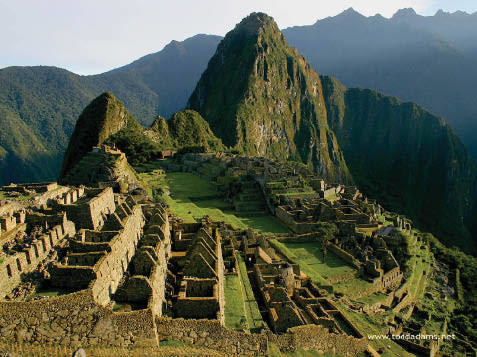
نحن على جبال الانديز ، وطبعا سبق لى التحدث عن صعوبة اسماء الاماكن
سأبدا بالشى الذى لااحبه وهو
# الجزء السياسي :
الحكومة و حركة الدرب المضئ وأساليبهم الوحشية مع بعض الشخصيات التى ستلتقيها على مدار الرواية و
كما ان هناك موقف حدث للفكونا تأثرت به كثيرا اكثر مما كنت اتخيل لدرجة انى بكيت و اغلقت الرواية لاستجمع قواى ربما بالغت لكنها كانت مشاعري حينها احببتها واحببت علاقتها بالأخرس كانت خير صديق له ، وكرهت ماحدث لهم فكرهتهم جزاء لذلك
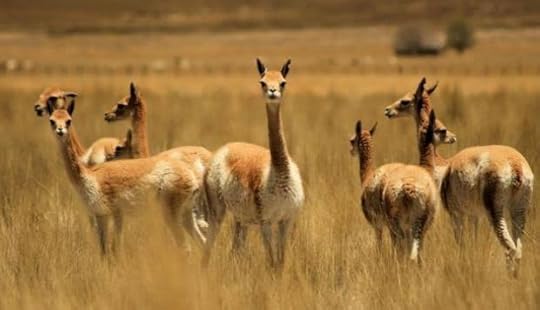
ماهى الفكونا ؟
الفكونة هو حيوان بري ويعد أصغر عضو في فصيلة الجمال، يعيش في أمريكا الجنوبية ،ويعتبر الفيكونة هو الحيوان الوطني في دولة بيرو
كما كرهت تفسيراتهم وتبريراتهم لما يفعلونه فهم يؤذون شخصيات لايصال رسالتهم وتنفيذ اوامر القيادة وفى الغالب يقتلون ابرياء ليس لهم اى ذنب وهذا هو المعتاد فى الصراعات السياسية من يتم قتله و ايذائه عادة هم من لاذنب لهم وفى الغالب لايفهمون شيئا ولايريدون سوى ان يعيشوا وان يقوموا بما يهتموا به مثل هورتنسيا التي لم تكن تهتم سوى للنباتات والحيوانات والدفاع عن الوسط البيئي والثروات الطبيعية وليس لديها اى اهتمام بالصراعات السياسية لكن كان لهم منظور اخر للأمر
# القصة الرومانسيةالفكاهية :
القصة الذى وجدتها شخصيا فكاهة الرواية ، ورغم انها مابين الماضى والحاضر بطريقة مربكة وربما ايضا تضايق منها البعض لكن عن نفسى وجدتها ممتعة وهى قصة توماس كارينيو او توماسيتو باسم الدلع😄 مع من وقع فى حبها من اول آه ( اعتبرها من اول نظرة لحد ماتقرا الرواية ) وتعليقات ليتوما معه

، عن نفسي كنت احب هذا الجزء 😍
لماذا ؟ 🤔
كنت اضحك فيه كثيرا ، كان ينطبق عليه جملة كل يغني على ليلاه ، توماسيتو فى اتجاه مع ذكريات قصة حبه و ليتوما احيانا يعلق عليه ويندمج معه أويسخر منه واحيانا اخرى يغرق فى أفكاره الخاصة و يتحدث عن المفقوديين
هو توماسيتو كان مستفز بصراحة لانه فى وسط كل الاحداث والمصائب التى تحدث قاعد يفتكر ويحلم بقصة حبه ، كان فى عالم تانى لكن مثلما قال له ليتوما
لماذا لا أصدق أن لك جنونك الخاص أنت أيضا .....
انت على الأقل مصاب بجنون الحب الذي لايضر أحد سواك
وقصة حبه جعلت لدى فضول لقراءة باقى اعمال يوسا للتعرف عليه اكثر ومراقبة قصصه الغرامية 🤩🤩
واضح انك قاصد يايوسا هنا وفى شيطانات الطفلة الخبيثة انك تخلى الشاب يحب واحده متحبوش ويتعذب فى غرامه ويقرفنا معاه طول الرواية 😂😂
ربما تتسائل
من المفقودين ؟!
اه معلش مع كثرة الاشياء التى ارغب فى التحدث عنه نسيت ان أتحدث عما تدور الرواية فمن اول الرواية يظهر ٣ اشخاص مفقودين وبندور حول اختفائهم طول الرواية، ليتوما ميعرفش ايه اللى حصلهم طبعا وبيحقق فى الموضوع حتى يصل الى استنتاج وفهم ما حدث مع الجزء الاخير ف الرواية
و طبعا يوسا هيخلى الشخصيات المختفية دى تحكيلنا
قصة حياتها و هنتعرف على ماضيهم حتى اختفائهم
تقريبا الرواية مفيش شخصية فيها محكتش قصة حياتها حتي الفكونا حكت قصتها
😁
طبعا متنساش اهم حاجة التركيز
وطبعا مع الاساطير وارواح الجبال والمخلوقات الشيطانية لازم يبقى فيهم شخصية الساحرة

وهتحكيلنا هى كمان قصة حياتها و تنبؤاتها وقرأتها للكف والورق واشياء كثيرة ورؤيتها للماضى والحاضر
وحين تحدثت عن الموسيقى شعرت لوهلة ان موراكامي هو من يتحدث 😁

والرواية بها ايضا نصيبها من الكلمات البذيئةوالشتائم
الرواية قد تكون صعبة و تهت بها خاصة فى البداية قبل ان اعتاد على الاسماء واتجاهل بعض الأشياء لكن بعد ذلك وحتي مع حيرتي احيانا كنت متشوقة ومستمتعة ولم استطع التوقف كنت مثلما ليتوما قال حين تحدث عن المفقودين وملابسات اختفائهم:
" ليس هناك شئ خاص يشدني الى كشف ملابستها .. ولكنني شديد الفضول سكنتني سوسة حب معرفة ماحدث ... ولن استطيع النوم الى ان اعرف الحقيقة "
وهذا ماحدث معي فى الجزء الاخير لم استطع النوم قبل انهائها وحتى بعدما انهيتها ونمت طاردتني فى احلامي 😁😄
الرواية خلطة غريبة عجيبة لكن رغم صعوبتها وحاجتها التركيز ورغم انها كانت رحلة مرهقة ذكرتني احيانا برحلتي مع فيزياء الحزن لكنها كانت رحلة ممتعة وخاصة مع القراءة الجماعية وتعليقات وتحديثات الاصدقاء كانت تخفف من ارهاقها ، فكنت اقرأ جزء ثم افتح الموقع لارى تعليقات اصدقاء الرحلة 😍🤩
فشكرا لهم بالطبع على اضافة متعة لهذه الرحلة
أعتقد انى كنت اول الواصلين لخط النهاية 🤩😍
هذه قرائتي الثانية ليوسا بعد شيطانات الطفلة الخبيثة فلا استطيع الحكم على اعماله لكن اعتقد انه لا ينصح بها كبداية ليوسا ،
فمثلا الطفلة الخييثة كانت مختلفة عن هذه الرواية وكانت اسهل فى القراءة .
ويبدو انها اصبحت عادة لى ، الروايات التى انطباعي يكون انى لن اكتب اى مراجعة عنها وهنا وفى منتصف الرواية جلست اتسائل
ودى اكتب عنها ايه ان شاء الله ؟!!! 😂😂
وتوقعت انى سأكتب كلمات قليلة النصائح التي ذكرتها فى البداية لكن وجدتني اكتب مراجعة طويلة جدا بعد ان كنت اكره المراجعات الطويلة اصبحت واحدة ممن يكتبونها
😂😂
" اللى بيخاف من العفريت بيطلعله "
فمعذرة على الازعاج
التقييم فى الوقت الحالى مؤجل لسببن اولهم انا فى انتظار انهاء رفقاء الرحلة الرواية وثانيهم لازلت فى حيرة 😊
حيرني التقييم كثيرا فانتظرت وأجلت التقييم للأسباب السابق ذكرها ، واليوم قررت ان اقيمها بأربع نجوم فثلاثة سيكون قليل عليها و لم اصل لدرجة المتعة التى تجعل تقييمها خمسة فاربعة هو الاختيار الوسط بينهما 😍🤩😁
الى لقاء اخر يايوسا بعد فترة راحة طبعا 😅😅
٢٠ / ٧ /٢٠٢٠
مراجعتى ستكون بدايتها نصائح لمن يرغب فى قراءة الرواية قبل ان تكون مراجعة عنها عشان حسيت انى اتاخدت على خوانة ومكنتش مستعدة للرواية
😁😁 فلنقل انها عن ماتمنيت لو كنت اعرفه :
:
■قبل البدء فى الرواية أحضر ورقة وقلم او افتح ملف على الجهاز مثلى
■اكتب اسماء الشخصيات ( الاسم الاول والاخير واللقب ان وجد واسم الدلع ايضا 😄😄)
ماتمنيت لو فعلته :
●اسماء الاماكن ومكان ظهور كل شخصية وتتبعها لتكون اكثر اندماجا وياسلام لو فى خريطة 😂😂
انا تجاهلت هذا الجزء ولغرابة اسماء الاماكن كنت انسى وتجاهلتها وركزت مع الاحداث نفسها اكثر
●الكلمات الغريبة وخاصة ماتكرم استاذصالح العلماني باضافته لان عادة هذه الكلمات ستتكرر ولغرابتها ربما تنسي معناها
، ستجد كلمات اخرى لم يوضح المترجم معناها للأسف
منها كلمات ان بحثت عنها ستعرف معناها واشياء اخرى لن تجدها للأسف ولا اعرف هل المشكلة كانت مع يوسا ام مع الترجمة لهذه الكلمات ؟ اما ماعدا ذلك فترجمة استاذ صالح العلماني كانت رائعة ، سيغضبك عدم فهمك لبعض الكلمات لكن لن يؤثر كثيرا فى فهم الاحداث
##اهم نقطة ونصيحة
كن فى كامل تركيزك وانت تقرا الرواية ،
هذه الرواية ليست للقراءة السريعة ولا الناعسة ،
يوسا يتنقل بنا بين الماضى والحاضر وكثيرا فى الفقرة الواحدة انت فى الماضى والحاضر فى ذات الوقت ومابين الحاضر وتخيل ماحدث فى الماضى .
لاتقلق لم تجن ولم تتوه 😄، كثير من التركيز هو ماتحتاجه وماقمت بتسجيله عن الشخصيات سيساعد كثيرا .
■توجد اشياء سياسية كثيرة إذا رغبت يمكن البحث عنها، عن نفسي لم اهتم فانا اكره السياسة ولا ابحث عنها .
■هناك اساطير وارواح يؤمنون بها ، ستستفيد اذا قمت بتسجيل الكلمات التى اوضحها المترجم كما ذكرت من قبل .
وهذا الجزء اثار فضولى وذكرني برغبتى فى التعرف على الاساطير وهنا سأستغل المراجعة لطلب النصيحة اذا كان احد يعلم كتب بسيطة وبلغة سلسلة عن الاساطير
😊🤩
انتهينا من النصائح فلنتحدث اكثر عن الرواية
نحن على جبال الانديز ، وطبعا سبق لى التحدث عن صعوبة اسماء الاماكن
سأبدا بالشى الذى لااحبه وهو
# الجزء السياسي :
الحكومة و حركة الدرب المضئ وأساليبهم الوحشية مع بعض الشخصيات التى ستلتقيها على مدار الرواية و
كما ان هناك موقف حدث للفكونا تأثرت به كثيرا اكثر مما كنت اتخيل لدرجة انى بكيت و اغلقت الرواية لاستجمع قواى ربما بالغت لكنها كانت مشاعري حينها احببتها واحببت علاقتها بالأخرس كانت خير صديق له ، وكرهت ماحدث لهم فكرهتهم جزاء لذلك
ماهى الفكونا ؟
الفكونة هو حيوان بري ويعد أصغر عضو في فصيلة الجمال، يعيش في أمريكا الجنوبية ،ويعتبر الفيكونة هو الحيوان الوطني في دولة بيرو
كما كرهت تفسيراتهم وتبريراتهم لما يفعلونه فهم يؤذون شخصيات لايصال رسالتهم وتنفيذ اوامر القيادة وفى الغالب يقتلون ابرياء ليس لهم اى ذنب وهذا هو المعتاد فى الصراعات السياسية من يتم قتله و ايذائه عادة هم من لاذنب لهم وفى الغالب لايفهمون شيئا ولايريدون سوى ان يعيشوا وان يقوموا بما يهتموا به مثل هورتنسيا التي لم تكن تهتم سوى للنباتات والحيوانات والدفاع عن الوسط البيئي والثروات الطبيعية وليس لديها اى اهتمام بالصراعات السياسية لكن كان لهم منظور اخر للأمر
# القصة الرومانسيةالفكاهية :
القصة الذى وجدتها شخصيا فكاهة الرواية ، ورغم انها مابين الماضى والحاضر بطريقة مربكة وربما ايضا تضايق منها البعض لكن عن نفسى وجدتها ممتعة وهى قصة توماس كارينيو او توماسيتو باسم الدلع😄 مع من وقع فى حبها من اول آه ( اعتبرها من اول نظرة لحد ماتقرا الرواية ) وتعليقات ليتوما معه
، عن نفسي كنت احب هذا الجزء 😍
لماذا ؟ 🤔
كنت اضحك فيه كثيرا ، كان ينطبق عليه جملة كل يغني على ليلاه ، توماسيتو فى اتجاه مع ذكريات قصة حبه و ليتوما احيانا يعلق عليه ويندمج معه أويسخر منه واحيانا اخرى يغرق فى أفكاره الخاصة و يتحدث عن المفقوديين
هو توماسيتو كان مستفز بصراحة لانه فى وسط كل الاحداث والمصائب التى تحدث قاعد يفتكر ويحلم بقصة حبه ، كان فى عالم تانى لكن مثلما قال له ليتوما
لماذا لا أصدق أن لك جنونك الخاص أنت أيضا .....
انت على الأقل مصاب بجنون الحب الذي لايضر أحد سواك
وقصة حبه جعلت لدى فضول لقراءة باقى اعمال يوسا للتعرف عليه اكثر ومراقبة قصصه الغرامية 🤩🤩
واضح انك قاصد يايوسا هنا وفى شيطانات الطفلة الخبيثة انك تخلى الشاب يحب واحده متحبوش ويتعذب فى غرامه ويقرفنا معاه طول الرواية 😂😂
ربما تتسائل
من المفقودين ؟!
اه معلش مع كثرة الاشياء التى ارغب فى التحدث عنه نسيت ان أتحدث عما تدور الرواية فمن اول الرواية يظهر ٣ اشخاص مفقودين وبندور حول اختفائهم طول الرواية، ليتوما ميعرفش ايه اللى حصلهم طبعا وبيحقق فى الموضوع حتى يصل الى استنتاج وفهم ما حدث مع الجزء الاخير ف الرواية
و طبعا يوسا هيخلى الشخصيات المختفية دى تحكيلنا
قصة حياتها و هنتعرف على ماضيهم حتى اختفائهم
تقريبا الرواية مفيش شخصية فيها محكتش قصة حياتها حتي الفكونا حكت قصتها
😁
طبعا متنساش اهم حاجة التركيز
وطبعا مع الاساطير وارواح الجبال والمخلوقات الشيطانية لازم يبقى فيهم شخصية الساحرة
وهتحكيلنا هى كمان قصة حياتها و تنبؤاتها وقرأتها للكف والورق واشياء كثيرة ورؤيتها للماضى والحاضر
وحين تحدثت عن الموسيقى شعرت لوهلة ان موراكامي هو من يتحدث 😁
والرواية بها ايضا نصيبها من الكلمات البذيئةوالشتائم
الرواية قد تكون صعبة و تهت بها خاصة فى البداية قبل ان اعتاد على الاسماء واتجاهل بعض الأشياء لكن بعد ذلك وحتي مع حيرتي احيانا كنت متشوقة ومستمتعة ولم استطع التوقف كنت مثلما ليتوما قال حين تحدث عن المفقودين وملابسات اختفائهم:
" ليس هناك شئ خاص يشدني الى كشف ملابستها .. ولكنني شديد الفضول سكنتني سوسة حب معرفة ماحدث ... ولن استطيع النوم الى ان اعرف الحقيقة "
وهذا ماحدث معي فى الجزء الاخير لم استطع النوم قبل انهائها وحتى بعدما انهيتها ونمت طاردتني فى احلامي 😁😄
الرواية خلطة غريبة عجيبة لكن رغم صعوبتها وحاجتها التركيز ورغم انها كانت رحلة مرهقة ذكرتني احيانا برحلتي مع فيزياء الحزن لكنها كانت رحلة ممتعة وخاصة مع القراءة الجماعية وتعليقات وتحديثات الاصدقاء كانت تخفف من ارهاقها ، فكنت اقرأ جزء ثم افتح الموقع لارى تعليقات اصدقاء الرحلة 😍🤩
فشكرا لهم بالطبع على اضافة متعة لهذه الرحلة
أعتقد انى كنت اول الواصلين لخط النهاية 🤩😍
هذه قرائتي الثانية ليوسا بعد شيطانات الطفلة الخبيثة فلا استطيع الحكم على اعماله لكن اعتقد انه لا ينصح بها كبداية ليوسا ،
فمثلا الطفلة الخييثة كانت مختلفة عن هذه الرواية وكانت اسهل فى القراءة .
ويبدو انها اصبحت عادة لى ، الروايات التى انطباعي يكون انى لن اكتب اى مراجعة عنها وهنا وفى منتصف الرواية جلست اتسائل
ودى اكتب عنها ايه ان شاء الله ؟!!! 😂😂
وتوقعت انى سأكتب كلمات قليلة النصائح التي ذكرتها فى البداية لكن وجدتني اكتب مراجعة طويلة جدا بعد ان كنت اكره المراجعات الطويلة اصبحت واحدة ممن يكتبونها
😂😂
" اللى بيخاف من العفريت بيطلعله "
فمعذرة على الازعاج
التقييم فى الوقت الحالى مؤجل لسببن اولهم انا فى انتظار انهاء رفقاء الرحلة الرواية وثانيهم لازلت فى حيرة 😊
حيرني التقييم كثيرا فانتظرت وأجلت التقييم للأسباب السابق ذكرها ، واليوم قررت ان اقيمها بأربع نجوم فثلاثة سيكون قليل عليها و لم اصل لدرجة المتعة التى تجعل تقييمها خمسة فاربعة هو الاختيار الوسط بينهما 😍🤩😁
الى لقاء اخر يايوسا بعد فترة راحة طبعا 😅😅
٢٠ / ٧ /٢٠٢٠

November 6, 2020
Lituma, a Peruvian brigadier, was posted to a small village in the Andes, Naccos. All around lurks the threat of the Shining Path, a terrorist group that regularly executes villagers and travelers. In this tense context, three disappearances took place.
Lituma in the Andes is a novel with a complex structure that requires a lot of attention from its reader to understand the pain of being lost in the sequence of scenes. He combines several narrative threads without clear typographical distinction, and the connections between the different stories become apparent as the work concludes. But it's a well-written book with an exciting script and characters. The first reading of Mario Vargas Llosa is undeniably a success.
Lituma in the Andes is a novel with a complex structure that requires a lot of attention from its reader to understand the pain of being lost in the sequence of scenes. He combines several narrative threads without clear typographical distinction, and the connections between the different stories become apparent as the work concludes. But it's a well-written book with an exciting script and characters. The first reading of Mario Vargas Llosa is undeniably a success.

April 17, 2017
حكايات وأساطير شعب البيرو يحكيها يوسا في جبال الأنديز
صورة للحياة عندما يكون العنف- باختلاف أسبابه وأشكاله- هو السيد والحاكم للواقع
سرد متقن وممتع, والحوار مميز بكل أبعاده وموضوعاته
صورة للحياة عندما يكون العنف- باختلاف أسبابه وأشكاله- هو السيد والحاكم للواقع
سرد متقن وممتع, والحوار مميز بكل أبعاده وموضوعاته

June 19, 2015
آقای سوپر ماریوی عزیز
سلام! میدانید؟ گاهی وقتها خیلی دوست داشتم یک رفیقی توی یک گوشهای جایی داشتم. بعد با هم مینشستیم و از همان دور برای هم نامههای کاغذی مینوشتیم. از همان نامهقدیمیهای راست راستکی. مینشستیم از در و درخت و زار و زندگی مینوشتیم برای هم. آرزوهای خوب میکردیم و مینوشتیم که چقدر مشتاق رسیدن نامهی بعدی هستیم و تهش هم برای هم مینوشتیم "تصدقتان بشوم"و تمام
...
اینها را گفتم زیاد غافلگیر نشوید که یکهو چطور شده یکی برداشته همچو نامهای براتان نوشته. از شما که پنهان نیست گاهی که بعضی از شماها-شما نویسندهها- کم کمک برایم "جان" میشوید -امانی که برای نامهکاغذیهای راستکی نیست-هوایی میشوم بردارم یک همچو چیزهایی بنویسم. از شما بهتر نباشند، قبلا برای اومبرتو اکو و مارگاریت دوراس هم کاغذکهایی جور کردهام. میدانید سوپرماریوی عزیز؟ شماها کاری میکنید که آدم وسط حسادت و تحسین گیر بکند که آخر چطور میتوانید آن "آن" لعنتی را "اینطور" داشته باشید. بابا خیر سرتان شما هم آدم هستید دیگر. غیر این نیست که؟
گاهی که به زندگیتان فکر میکنم میگویم یعنی چطور امکان دارد آدم اینقدر خوششانس باشد و در عین حال و همراه با آن زیرک، که توی بهترین سالهای جوانیاش بایستد جلوی این همه باد مخالف؟ چطور امکان دارد که این همه فضا درست شود برای یک نفر تا این همه تجربه کند و ببالد؟ حسودی دارد دیگر؟ ندارد؟ حسودی ندارد وقتی توی حتی همین رمان متوسطتان هم حتی برای لحظهای حضور نویسنده را حس نمیکنی و از آن طرف وقتی رمان تمام میشود میبینی آن "بادهای مخالف" کاری کردهاند که وقتی به نویسنده فکر میکنی میبینی درست ایستاده بوده وسط قصه؟ حسودی ندارد که اینقدر بیپیشداوری و مردانه حتی به کوچکترین شخصیتهای رمانتان نزدیک میشوید و اجازه میدهید دهان باز کند و کمی از دنیایش بگوید تا آخرش ببینیم که دنیایش آنقدرها که به نظرمان میآمد احمقانه نیست؟ حسودی دارد دیگر. حالا گیرم که هی بخواهند بچسبانندتان به محافظهکارها و دستراستیها و خودتان هم کم گزک ندهید دستشان. ولی آخر محض رضای خدا کاری که توی این رمانها میکنید، نه توی قصههاتان، که توی تکنیکهای روایتتان-این چندصداییهای بیهیاهوی لعنتیتان- آدمیزاد را تکان میدهد دیگر. هی یادش میاندازد که کمی بیشتر پرهی گوشها را باز کند و کمی بیشتر فرصت شنیدن به خودش بدهد. آخر چرا نمیگذارید آدم دلش خوش باشد به همان تکصدای وز وز توی گوشش؟
...
خلاصه سوپر ماریوی عزیز! شما را دوست [و نفرت] دارم برای همین یادآوریهای مدامتان. فقط دیگر حالمان را اینطوری نگیرید و ایدهی دستمالی شده رمان قبلیتان-چه کسی پالومینو مولرو را کشت؟- را دوباره روی سرمان هوار نکنید. نود صفحهی اول رمانتان را توی شیش و بش ول کردن بودم که بالاخره قصه خونی به رگهاش جهید و سر و شکلی گرفت. چندتا تصویر از این رمانتان را دوست داشتم. مخصوصا آنجا را که دربارهی رقص نوشته بودید. همچنان به خواندنتان ادامه خواهم داد؛ حتی بیشتر از قبل. زیاده عرضی نیست
تصدقتان بشوم
امیر
سلام! میدانید؟ گاهی وقتها خیلی دوست داشتم یک رفیقی توی یک گوشهای جایی داشتم. بعد با هم مینشستیم و از همان دور برای هم نامههای کاغذی مینوشتیم. از همان نامهقدیمیهای راست راستکی. مینشستیم از در و درخت و زار و زندگی مینوشتیم برای هم. آرزوهای خوب میکردیم و مینوشتیم که چقدر مشتاق رسیدن نامهی بعدی هستیم و تهش هم برای هم مینوشتیم "تصدقتان بشوم"و تمام
...
اینها را گفتم زیاد غافلگیر نشوید که یکهو چطور شده یکی برداشته همچو نامهای براتان نوشته. از شما که پنهان نیست گاهی که بعضی از شماها-شما نویسندهها- کم کمک برایم "جان" میشوید -امانی که برای نامهکاغذیهای راستکی نیست-هوایی میشوم بردارم یک همچو چیزهایی بنویسم. از شما بهتر نباشند، قبلا برای اومبرتو اکو و مارگاریت دوراس هم کاغذکهایی جور کردهام. میدانید سوپرماریوی عزیز؟ شماها کاری میکنید که آدم وسط حسادت و تحسین گیر بکند که آخر چطور میتوانید آن "آن" لعنتی را "اینطور" داشته باشید. بابا خیر سرتان شما هم آدم هستید دیگر. غیر این نیست که؟
گاهی که به زندگیتان فکر میکنم میگویم یعنی چطور امکان دارد آدم اینقدر خوششانس باشد و در عین حال و همراه با آن زیرک، که توی بهترین سالهای جوانیاش بایستد جلوی این همه باد مخالف؟ چطور امکان دارد که این همه فضا درست شود برای یک نفر تا این همه تجربه کند و ببالد؟ حسودی دارد دیگر؟ ندارد؟ حسودی ندارد وقتی توی حتی همین رمان متوسطتان هم حتی برای لحظهای حضور نویسنده را حس نمیکنی و از آن طرف وقتی رمان تمام میشود میبینی آن "بادهای مخالف" کاری کردهاند که وقتی به نویسنده فکر میکنی میبینی درست ایستاده بوده وسط قصه؟ حسودی ندارد که اینقدر بیپیشداوری و مردانه حتی به کوچکترین شخصیتهای رمانتان نزدیک میشوید و اجازه میدهید دهان باز کند و کمی از دنیایش بگوید تا آخرش ببینیم که دنیایش آنقدرها که به نظرمان میآمد احمقانه نیست؟ حسودی دارد دیگر. حالا گیرم که هی بخواهند بچسبانندتان به محافظهکارها و دستراستیها و خودتان هم کم گزک ندهید دستشان. ولی آخر محض رضای خدا کاری که توی این رمانها میکنید، نه توی قصههاتان، که توی تکنیکهای روایتتان-این چندصداییهای بیهیاهوی لعنتیتان- آدمیزاد را تکان میدهد دیگر. هی یادش میاندازد که کمی بیشتر پرهی گوشها را باز کند و کمی بیشتر فرصت شنیدن به خودش بدهد. آخر چرا نمیگذارید آدم دلش خوش باشد به همان تکصدای وز وز توی گوشش؟
...
خلاصه سوپر ماریوی عزیز! شما را دوست [و نفرت] دارم برای همین یادآوریهای مدامتان. فقط دیگر حالمان را اینطوری نگیرید و ایدهی دستمالی شده رمان قبلیتان-چه کسی پالومینو مولرو را کشت؟- را دوباره روی سرمان هوار نکنید. نود صفحهی اول رمانتان را توی شیش و بش ول کردن بودم که بالاخره قصه خونی به رگهاش جهید و سر و شکلی گرفت. چندتا تصویر از این رمانتان را دوست داشتم. مخصوصا آنجا را که دربارهی رقص نوشته بودید. همچنان به خواندنتان ادامه خواهم داد؛ حتی بیشتر از قبل. زیاده عرضی نیست
تصدقتان بشوم
امیر

August 11, 2015
القراءة الأولى لـ ماريو فارغاس يوسا..
الحقيقة أنه من خلال قراءة هذه الرواية ومن الصفحات الأولى أتضح لي مدى جنون هذا الرجل الذي يدعى يوسا وماكنت أسمع عنه ليس إلا القليل،، أن تقرأ له شئ آخر مذاق إسطوري غريب بل يتخطى حاجز الغرابة بل يصل بالقارئ إلى أعماق الأماكن المجهولة اللامعقولة تكاد تكون أرضاً خيالية وعالماً لا ينتمي إلى ذلك الذي نعيش فيه..
لا شك أن الرجل يستنجد بالشيطان نفسه ليساعده في كتابة قصصه، لا يمكن أن أتصور أن هذه الرواية من عمل يوسا وحده، أنه نوع فريد من الجنون هل هو جنون عبقري أم داعر أو ربما حالة من الشذوذ الأدبي..
بعض المشاهد في الرواية صادمة مريعة .. أسوء ما يمكن أن يفكر فيه المرء قد يكون تافهاً مقارنة بما يكتبه يوسا..
• • • • • • • • • • • • • • • • • • • • • • • • • • • •
ليتوما هو ذلك العريف القابع في إحدى القرى جبال الأنديز في الپيرو ، حيث يعمل مع مساعده توماسيتو على حل لغز إختفاء ثلاثة من أهالي قرية (ناكوس) حيث مقر إقامة العريف، أجواء غريبة وأهالي القرية الغرباء الأطوار المؤمنين بالخرافات والسحر والشعوذة وكمية من الأساطير التي تحبط بتلك الجبال وكومة العمال الذين يعملون على شق نفق في الجبل يزيد من صعوبة مهمة العريف ويؤدي به الى حالة من اليأس تجاه القضية..
الرواية تحتوي على أكثر من قصة داخل القصة الرئيسية، حيث قصة توماسيتو مع فتاته ميرثيدس وقصة الإرهابيين المنتشرين بين الجبال الذين يرتكون أبشع الجرائم في القرى المحيطة وكذلك قصص وأساطير أخرى متعلقة بتلك الجبال الإنديزية المجنونة ..
الرواية ممتعة حقاً ولم أشعر بالملل طوال قرائتها.. ما أوقفني عن قرائتها عدة مرات هو طبيعة المشاهد فيها وكثرة الحوارات البذيئة التي تجاوزت الحد في العديد من أجزاء الرواية..

September 28, 2020
استاد یوسا در کتاب مرگ در آند به دنبال خشونت و ریشه های آن در پرو ، در کوهستان آند ، در میان مردمانی که در چنگ دولت و شورشیان گیر افتاده اند می گردد و آنرا به آسانی پیدا می کند ، در طبیعت سخت و وحشی آند ، در نیروهای دولتی ، در شورشیان و سندریست ها ، در جهل مردم محلی درنادانی و خرافات
از نگاه یوسا همه قربانی هستند ، قربانی دولت و جنگ او ، قربانی سندریستها که برای آزادی قیام کرده اند ، قربانی طبیعت که همیشه انتقام می گیرد و قربانی جهل و نادانی که بازیگر اصلی و صحنه گردان داستان اوست .
میزان خشونتی که در داستان وجود دارد حتی با معیارهای امروزی هم بسیار فجیع به نظر می رسد ، شاید عجیب ترین آن اعدام روستاییان به دست شورشی ها با سنگ باشد تا گلوله ای حرام آنها نشود . در این داستان مجالی برای خوش خیالی وجود ندارد ، هر کس که به سادگی رفتار کند به سختی مجازات می شود .
آشکار است که در چنین محیطی خبری از علم و معرفت نیست ، در این شهر قبرستانی آنچه بیشتر رشد و نمو می کند خرافات است و جهل ، اعتقادات عجیبی که پس از چندی دیگر برای کسی عجیب نیست ، خواننده هم همراه با معاون گروهبان شروع می کند به باور کردن هر چیز مزخرفی .
اما در قلب این گورستان و میان این همه خشونت عشقی عمیق و ریشه دار هم پا می گیرد و قوی و قوی تر می شود ، این عشق از فرط زیبا بودن بذر امید را نه در آن منطقه نفرین شده بلکه درذهن خواننده می کارد که حتی پایان سیاه ترین شب ها هم سپید است .
یوسا کبیر همان گونه که از او انتظار می رود داستان پازل و معما گونه ای ساخته ، با همان سبک آشنای خودش ، البته پازل های کتاب مرگ در آند به سختی کتاب گفتگو در کاتدرال یا جنگ آخر زمان نیستند اما مخاطب را کاملا همراه با داستان می کند ، داستانی که جزییات آن به لطف توضیحات دقیق یوسا از جغرافیا و سنت و فرهنگ کشور پِرو کاملا برای خواننده آشنا شده است .
جناب کوثری ترجمه جسورانه ای از کتاب مرگ در آند ارائه داده است ، او با استفاده از کلمات و ادبیاتی متفاوت اما مناسب فرهنگ مردم آن ناحیه را برای خواننده آشکار ساخته . ترجمه دقیق و روان او ( به مانند دیگر ترجمه های ایشان ) مخاطب را در سفری به یاد ماندنی و البته وهم انگیز به آند برده ، توصیفی که کوثری از محیط سیاه و گرفته آن شهر نکبت زده بیان می کند را مخاطب با تمام وجود خود احساس می کند .
از نگاه یوسا همه قربانی هستند ، قربانی دولت و جنگ او ، قربانی سندریستها که برای آزادی قیام کرده اند ، قربانی طبیعت که همیشه انتقام می گیرد و قربانی جهل و نادانی که بازیگر اصلی و صحنه گردان داستان اوست .
میزان خشونتی که در داستان وجود دارد حتی با معیارهای امروزی هم بسیار فجیع به نظر می رسد ، شاید عجیب ترین آن اعدام روستاییان به دست شورشی ها با سنگ باشد تا گلوله ای حرام آنها نشود . در این داستان مجالی برای خوش خیالی وجود ندارد ، هر کس که به سادگی رفتار کند به سختی مجازات می شود .
آشکار است که در چنین محیطی خبری از علم و معرفت نیست ، در این شهر قبرستانی آنچه بیشتر رشد و نمو می کند خرافات است و جهل ، اعتقادات عجیبی که پس از چندی دیگر برای کسی عجیب نیست ، خواننده هم همراه با معاون گروهبان شروع می کند به باور کردن هر چیز مزخرفی .
اما در قلب این گورستان و میان این همه خشونت عشقی عمیق و ریشه دار هم پا می گیرد و قوی و قوی تر می شود ، این عشق از فرط زیبا بودن بذر امید را نه در آن منطقه نفرین شده بلکه درذهن خواننده می کارد که حتی پایان سیاه ترین شب ها هم سپید است .
یوسا کبیر همان گونه که از او انتظار می رود داستان پازل و معما گونه ای ساخته ، با همان سبک آشنای خودش ، البته پازل های کتاب مرگ در آند به سختی کتاب گفتگو در کاتدرال یا جنگ آخر زمان نیستند اما مخاطب را کاملا همراه با داستان می کند ، داستانی که جزییات آن به لطف توضیحات دقیق یوسا از جغرافیا و سنت و فرهنگ کشور پِرو کاملا برای خواننده آشنا شده است .
جناب کوثری ترجمه جسورانه ای از کتاب مرگ در آند ارائه داده است ، او با استفاده از کلمات و ادبیاتی متفاوت اما مناسب فرهنگ مردم آن ناحیه را برای خواننده آشکار ساخته . ترجمه دقیق و روان او ( به مانند دیگر ترجمه های ایشان ) مخاطب را در سفری به یاد ماندنی و البته وهم انگیز به آند برده ، توصیفی که کوثری از محیط سیاه و گرفته آن شهر نکبت زده بیان می کند را مخاطب با تمام وجود خود احساس می کند .

August 10, 2024
قلم یوسا را خیلی دوست دارم واقعا خیلی متاسف برا خودم که بیشتر کتاباشو ندارم و همه رو از طاقچه و فیدیبو خوندم.
چون که دوست دارم دوباره بخونمشون، واقعا قلم شگفت انگیزی دارد.
این کتابش هم خوندنش برام فوقع العاده جذاب و هیجان انگیز بود.
چون که دوست دارم دوباره بخونمشون، واقعا قلم شگفت انگیزی دارد.
این کتابش هم خوندنش برام فوقع العاده جذاب و هیجان انگیز بود.

August 28, 2020
این کتاب در کنار سوربز یکی از بهترین کتابهای یوسا بود که خواندم. فضای مهیج، رازآلود و گفتگوی صمیمانه شخصیت های داستان و در کنارش ابهامآلود آنها مطمئنم که وادارم میکنه دوباره سراغ کتاب برم.
عالی 💯
عالی 💯

April 27, 2024
مسكين الشيطان. أولم يلقوا منذ الأزل مسئولية كل الشرور التي تحدث على الشيطان؟! لولا الشيطان لما تعلم البشر التمتع بالحياة.
⭐️⭐️⭐️⭐️
لا يمكن ممارسة الحب لأول مرة في الثالثة و العشرين من العمر يا توماسيتو فهذا متأخر جدا. اعذرني ان قلت لك إن اكتشافك ما هي المرأة قد أتلف دماغك و قضى عليك.
كفايه يا علي بالله عليك :)
⭐️⭐️⭐️⭐️
أنا لا أحب و إنما اضاجع فقط و لهذا فإنني سعيد.
⭐️⭐️⭐️⭐️
لقد كانت الحياة هنا مزدهرة و متدفقة لأن الموت كان مزدهرا كذلك. كان الناس يتألمون و يستمتعون بكثرة. مثلما يجب أن تكون الحال. و السيء هو ما يحدث الآن في ناكوس و في سلسلة الجبال و ربما في الدنيا بأسرها. حيث الناس يعانون و يتألمون فقط و ليس هناك من يتذكر ما هي المتعة.
⭐️⭐️⭐️⭐️
هكذا يتم الخروج من سجن الجسد و الدخول إلى عالم الأرواح. بالغناء. بالرقص. و بالشرب أيضا بالطبع. فالبسمر تسافر. و تزور حيوانك. تنفض عنك المخاوف. تكتشف سرك. تنسجم مع نفسك. أما بقية الوقت فتكون أسيرا. … و ليس الجميع قادرين على السفر بالرقص و الغناء و الشرب. و إنما السامون وحدهم يستطيعون ذلك. يجب توفر الاستعداد و التخلي عن الكبرياء و الخجل. النزول عن قاعدة التمثال التي يعيش الناس منتصبين فوقها. فمن لا ينوم أفكاره و لا ينسى نفسه و لا يتخلى عن الزهو و الغرور و لا يتحول إلى موسيقى عندما يغني و إلى رقص عندما يرقص و إلى سكر عندما يسكر فإنه لا يستطيع الخروج من سجنه. و لا يمكنه السفر. لا يمكنه أن يزور حيوانه أو أن يصعد حتى التحول إلى روح.
⭐️⭐️⭐️⭐️
لا يمكن ممارسة الحب لأول مرة في الثالثة و العشرين من العمر يا توماسيتو فهذا متأخر جدا. اعذرني ان قلت لك إن اكتشافك ما هي المرأة قد أتلف دماغك و قضى عليك.
كفايه يا علي بالله عليك :)
⭐️⭐️⭐️⭐️
أنا لا أحب و إنما اضاجع فقط و لهذا فإنني سعيد.
⭐️⭐️⭐️⭐️
لقد كانت الحياة هنا مزدهرة و متدفقة لأن الموت كان مزدهرا كذلك. كان الناس يتألمون و يستمتعون بكثرة. مثلما يجب أن تكون الحال. و السيء هو ما يحدث الآن في ناكوس و في سلسلة الجبال و ربما في الدنيا بأسرها. حيث الناس يعانون و يتألمون فقط و ليس هناك من يتذكر ما هي المتعة.
⭐️⭐️⭐️⭐️
هكذا يتم الخروج من سجن الجسد و الدخول إلى عالم الأرواح. بالغناء. بالرقص. و بالشرب أيضا بالطبع. فالبسمر تسافر. و تزور حيوانك. تنفض عنك المخاوف. تكتشف سرك. تنسجم مع نفسك. أما بقية الوقت فتكون أسيرا. … و ليس الجميع قادرين على السفر بالرقص و الغناء و الشرب. و إنما السامون وحدهم يستطيعون ذلك. يجب توفر الاستعداد و التخلي عن الكبرياء و الخجل. النزول عن قاعدة التمثال التي يعيش الناس منتصبين فوقها. فمن لا ينوم أفكاره و لا ينسى نفسه و لا يتخلى عن الزهو و الغرور و لا يتحول إلى موسيقى عندما يغني و إلى رقص عندما يرقص و إلى سكر عندما يسكر فإنه لا يستطيع الخروج من سجنه. و لا يمكنه السفر. لا يمكنه أن يزور حيوانه أو أن يصعد حتى التحول إلى روح.
March 27, 2013
[7/10]
A haunting and disturbing story, skillfully presented, but I hold Mr. Llosa to higher standards after including his sprawling, philosophical War Of The End of The World on my favorites list. I learned a lot now about modern Peru, which is why I picked the book up in the first place, but I also had issues with the muddled dialogue, with the slow pace, continually fragmented by flashbacks, and with a perceived bias against the Sendero Luminoso guerilla, who received an extremely harsh treatment as brainless, blood crazed terrorists.
I have seen a review on the net calling the book a Latin American version of Heart of Darkness , where instead of horizontal movement along an equatorial river, we get a vertical movement into the high Cordillera (Richard Eder). The comparison feels appropriate, due to the prevailing downbeat mood, the permanent danger and the soul crushing climate and isolation. Another connection can be made to the noir books, as the main plot deals with an investigation of three deaths / disparritions, and a secondary plot is a love story of a couple on the run from the local mafia (reminding me of James M Cain in particular).
The setting is Naccos, a semi abandoned, dirt-poor high altitude village consisting of a highway labour camp, a police post and a cantina for getting drunk after work. A sergeant (Lituma) and an Adjutant (Carreno) try to unravel the mystery surrounding three missing persons : a mute simpleton (Pedrito Tinoco) , an albino (Casimiro Huarcaya) and a team foreman (Medardo Llantac) . As we learn about their identities and backstories through flashbacks, the only apparent connections are the fact that they were all strangers for the local population, and they all had suffered grievously at the hand of the serruchos : the blood thirsty Maoist rebels who control the region and who could descend on Naccos at any moment. As if the stories of these three missing unfortunates were not enough, Llosa includes a couple more high profile atrocities commited by the serruchos against foreign tourists and against an environmental activist, which prompted me to suspect the novel is being used to vent the author's dissatisfaction with a government report he helped write on the reconciliation between the different factions in the civil war.
Coming back to the two policemen, they are linked by their lowland origins which makes them also outsiders among the imposing peaks and freezing nights of the Andes. The threat of a serrucho attack that they would be unable to resist hangs like Damocles sword over every moment of their stay in Naccos. Their only recurse is to turn their backs on the world and hold endless conversations in their dismal shack, which frankly makes an already glum novel even less appealing. Llosa experimental technique with dialogue, where he mixes up past and present from one line to another is not helping things along very much. It often feels like the two cops are holding a contest about who is the most depressed:
He took drag after drag on his cigarette, and his mood changed from anger to demoralized gloom. - Lituma.
I've never been so miserable in my life as I was here. - Carreno.
and an exchange between the two:
- I was tired of living. At least that's what I thought, Corporal. But seeing how scared I am now, I guess I don't want to die after all.
- Only a damn fool wants to die before his time, asserted Lituma. There are some fantastic things in this life, though you won't find any around here. Did you really want to die? Can I ask why, when you're so young?
- What else could it be?
- Some sweet little dame must have broken your heart.
Some of the local details that give the novel its authentic flavour and kept me interested in the plot:
- vicunas are a smaller version of llamas, living in the wild at high altitude, very shy animals whose fur is greatly appreciated in luxury clothing, and who are listed as endangered species.
- apu are ancestral mountain spirits, their essence can get incarnated in condors, and they are often malefic
- huaycos are devastating rockslides, send by angry apus according to the locals, probably caused by earthquakes to the scientific mind;
- [edit] serruchos - are the local population, speaking in quechua dialect, the remnants of tribes older even than the Incas. ( You have to understand their thinking. For them, there were no natural catastrophes. Everything was decided by a higher power that had to be won over with sacrifices )
- pishtacos are the Peruvian version of vampires, feeding on human fat instead of blood, and using a dust made of powdered bones in order to put a glamour on their victims
- mukis are a sort of gnomes hiding in the deep mines and scaring the workers
- pisco is a distilate from wine, specific to Peru, and the drink of choice in Dionisio bodega.
Which brings me to the most interesting aspect of the book for me: the mystical component, the primeval myths and traditions that can be traced back to the stone age and illustrate peculiar similarities across continents. In our case, Dionisyio the barman is a clear reference to Bachus, and his witchy consort Dona Adriana is a maenad - one of the god's followers, achieving ecstasy through drink, dance and debauchery:
When we're dancing and drinking, there are no Indians, no mestizos, no rich or poor, no men or women. The differences are wiped away and we become as spirits.
Later new references are introduced to the bachanalia mysteries, secret practices reserved for the women and translated to preconquista cultures in the Lord of the Fiesta tradition: choosing a person to rule the festivities for one year:
He did some hard drinking, he played the charango or the quena or the harp or the tijeras or whatever instrument he knew, and he danced, stamping his heels and singing, day and night, until he drove out sorrow, until he could forget and not feel anything and give his life willingly and without fear. Only the women went out to hunt him on the last night of the fiesta
Whether these mysteries had anything to do with the disappearances, or if there are even older myths hiding in the heart of the Andes, is for Lituma to uncover and for the reader to wait until the last page.
I will close with my earlier reference to a 'noirish' love story. Llosa chooses to finish this plot line in an unconventional way, but I felt it was appropriate in underlining how the key to the story may be neither with Lituma's cynical atitude nor with Dionisio's escape into drink, but with the young adjutant's naive belief in a better world.
A haunting and disturbing story, skillfully presented, but I hold Mr. Llosa to higher standards after including his sprawling, philosophical War Of The End of The World on my favorites list. I learned a lot now about modern Peru, which is why I picked the book up in the first place, but I also had issues with the muddled dialogue, with the slow pace, continually fragmented by flashbacks, and with a perceived bias against the Sendero Luminoso guerilla, who received an extremely harsh treatment as brainless, blood crazed terrorists.
I have seen a review on the net calling the book a Latin American version of Heart of Darkness , where instead of horizontal movement along an equatorial river, we get a vertical movement into the high Cordillera (Richard Eder). The comparison feels appropriate, due to the prevailing downbeat mood, the permanent danger and the soul crushing climate and isolation. Another connection can be made to the noir books, as the main plot deals with an investigation of three deaths / disparritions, and a secondary plot is a love story of a couple on the run from the local mafia (reminding me of James M Cain in particular).
The setting is Naccos, a semi abandoned, dirt-poor high altitude village consisting of a highway labour camp, a police post and a cantina for getting drunk after work. A sergeant (Lituma) and an Adjutant (Carreno) try to unravel the mystery surrounding three missing persons : a mute simpleton (Pedrito Tinoco) , an albino (Casimiro Huarcaya) and a team foreman (Medardo Llantac) . As we learn about their identities and backstories through flashbacks, the only apparent connections are the fact that they were all strangers for the local population, and they all had suffered grievously at the hand of the serruchos : the blood thirsty Maoist rebels who control the region and who could descend on Naccos at any moment. As if the stories of these three missing unfortunates were not enough, Llosa includes a couple more high profile atrocities commited by the serruchos against foreign tourists and against an environmental activist, which prompted me to suspect the novel is being used to vent the author's dissatisfaction with a government report he helped write on the reconciliation between the different factions in the civil war.
Coming back to the two policemen, they are linked by their lowland origins which makes them also outsiders among the imposing peaks and freezing nights of the Andes. The threat of a serrucho attack that they would be unable to resist hangs like Damocles sword over every moment of their stay in Naccos. Their only recurse is to turn their backs on the world and hold endless conversations in their dismal shack, which frankly makes an already glum novel even less appealing. Llosa experimental technique with dialogue, where he mixes up past and present from one line to another is not helping things along very much. It often feels like the two cops are holding a contest about who is the most depressed:
He took drag after drag on his cigarette, and his mood changed from anger to demoralized gloom. - Lituma.
I've never been so miserable in my life as I was here. - Carreno.
and an exchange between the two:
- I was tired of living. At least that's what I thought, Corporal. But seeing how scared I am now, I guess I don't want to die after all.
- Only a damn fool wants to die before his time, asserted Lituma. There are some fantastic things in this life, though you won't find any around here. Did you really want to die? Can I ask why, when you're so young?
- What else could it be?
- Some sweet little dame must have broken your heart.
Some of the local details that give the novel its authentic flavour and kept me interested in the plot:
- vicunas are a smaller version of llamas, living in the wild at high altitude, very shy animals whose fur is greatly appreciated in luxury clothing, and who are listed as endangered species.
- apu are ancestral mountain spirits, their essence can get incarnated in condors, and they are often malefic
- huaycos are devastating rockslides, send by angry apus according to the locals, probably caused by earthquakes to the scientific mind;
- [edit] serruchos - are the local population, speaking in quechua dialect, the remnants of tribes older even than the Incas. ( You have to understand their thinking. For them, there were no natural catastrophes. Everything was decided by a higher power that had to be won over with sacrifices )
- pishtacos are the Peruvian version of vampires, feeding on human fat instead of blood, and using a dust made of powdered bones in order to put a glamour on their victims
- mukis are a sort of gnomes hiding in the deep mines and scaring the workers
- pisco is a distilate from wine, specific to Peru, and the drink of choice in Dionisio bodega.
Which brings me to the most interesting aspect of the book for me: the mystical component, the primeval myths and traditions that can be traced back to the stone age and illustrate peculiar similarities across continents. In our case, Dionisyio the barman is a clear reference to Bachus, and his witchy consort Dona Adriana is a maenad - one of the god's followers, achieving ecstasy through drink, dance and debauchery:
When we're dancing and drinking, there are no Indians, no mestizos, no rich or poor, no men or women. The differences are wiped away and we become as spirits.
Later new references are introduced to the bachanalia mysteries, secret practices reserved for the women and translated to preconquista cultures in the Lord of the Fiesta tradition: choosing a person to rule the festivities for one year:
He did some hard drinking, he played the charango or the quena or the harp or the tijeras or whatever instrument he knew, and he danced, stamping his heels and singing, day and night, until he drove out sorrow, until he could forget and not feel anything and give his life willingly and without fear. Only the women went out to hunt him on the last night of the fiesta
Whether these mysteries had anything to do with the disappearances, or if there are even older myths hiding in the heart of the Andes, is for Lituma to uncover and for the reader to wait until the last page.
I will close with my earlier reference to a 'noirish' love story. Llosa chooses to finish this plot line in an unconventional way, but I felt it was appropriate in underlining how the key to the story may be neither with Lituma's cynical atitude nor with Dionisio's escape into drink, but with the young adjutant's naive belief in a better world.

February 16, 2021
...
دیشب، تنها چند صفحه از کتاب باقیمانده بود که دیگر خواب امانم نداد. صبح که از خواب بیدار شدم، به محض باز شدن چشمهایم شخصیتها و داستان کتاب سرازیر شد در ذهنم. در تمام طول امروز به پایان قصه فکر میکردم. دوست داشتم که هرچه سریعتر چند صفحهی باقیمانده را بخوانم و بالاخره بفهمم که ماجرای سه نفری که در کوهستانهای آند مفقود شده بودند به کجا میرسد و این تعلیق سیصد صفحهای را یوسا چطور به آخر میرساند.
داستان کتاب بیرحمانه بود. چطور میشود این همه قصههای تو در تو، جذاب، آمیخته با جادو و خواب را پشت سر هم ردیف کرد. دوست ندارم با نگاه فلسفی و جامعه شناختی به کتاب نگاه کنم که مثلا یوسا در این کتاب خرافات موجود در جامعهی آن زمان پرو را نقد کرده یا ریشههای خشونت را فلان و بهمان. لذت خواندن قصه را کمرنگ میکند. قصه و تعلیق و جادوی کتاب میتواند تا مدتها ذهن شما را درگیر کند. مطمئنم که روزها شاید به این کتاب و شورانگیزی قصهاش و تعلیق بیرحمانهاش فکر میکنم و سرنوشت آن سه نفر مفقود شده در کوهستان آند را فراموش نمیکنم. و خوابها و جادوها و ارواح و خدایگان کوههای پرو .
دیشب، تنها چند صفحه از کتاب باقیمانده بود که دیگر خواب امانم نداد. صبح که از خواب بیدار شدم، به محض باز شدن چشمهایم شخصیتها و داستان کتاب سرازیر شد در ذهنم. در تمام طول امروز به پایان قصه فکر میکردم. دوست داشتم که هرچه سریعتر چند صفحهی باقیمانده را بخوانم و بالاخره بفهمم که ماجرای سه نفری که در کوهستانهای آند مفقود شده بودند به کجا میرسد و این تعلیق سیصد صفحهای را یوسا چطور به آخر میرساند.
داستان کتاب بیرحمانه بود. چطور میشود این همه قصههای تو در تو، جذاب، آمیخته با جادو و خواب را پشت سر هم ردیف کرد. دوست ندارم با نگاه فلسفی و جامعه شناختی به کتاب نگاه کنم که مثلا یوسا در این کتاب خرافات موجود در جامعهی آن زمان پرو را نقد کرده یا ریشههای خشونت را فلان و بهمان. لذت خواندن قصه را کمرنگ میکند. قصه و تعلیق و جادوی کتاب میتواند تا مدتها ذهن شما را درگیر کند. مطمئنم که روزها شاید به این کتاب و شورانگیزی قصهاش و تعلیق بیرحمانهاش فکر میکنم و سرنوشت آن سه نفر مفقود شده در کوهستان آند را فراموش نمیکنم. و خوابها و جادوها و ارواح و خدایگان کوههای پرو .
November 13, 2023
"مرگ در آند"به قلم ماريو بارگاس يوسا،تاليفى است از فرهنگ،خرافه،جامعه،سياست ومردم شناسى سرزمين پرو ،كشور و زادگاه اين نويسنده يزرگ آمريكاى لاتين كه ببشترين جمعيت سرخ پوست آمريكاى مركزى را در خود جاى داده وگويا بخش دوم وادامه رمان كوتاه "چه كسى پالومينو رومرو را كشت"مى باشد.
نويسنده در اين رمان از خرافه وباورهاى پوچ وكهنى مى گويد كه بوميان آن سرزمين(سرخ پوستان)قربانيان آن هستند
قربانيان جادو،سحر وآل!!!
اين قربانيان،انسان ها هستند.انسان هايى كه مانند همنوعان ديگر خويش ومردم عادى در نزاع و درگيرى هاى سياسى وجناحى،ميان مخالفان دولت و مامورين دولتى كشته و ذبح مى شوند،و در اين رمان جنابي ومعمايي جناب يوسا به خوبى و با قلم شگرف خود شرح مختصرى جان گداز و تاثير گذار از احوال واحساس هاى اين قربانيان در حين كشتار ولحظه هاى جان دادن آنان را توصيف كرده تا فساد وتباهى ِقدرت و حكومت را در كشور خود به تصوير كشيده باشد.برنده نوبل ادبيات سال ٢٠١٠ در اين اثر پر از كشش وحس تعليق دائمى(والبته پر از خشم ونفرت و خشونت)كه تا پايان داستان ادامه دارد به لايه ها و موضوعات ديگرى از قبيل عشق،سياست و فلاكت مردم سرزمين هاى آمريكاى لاتين نيز اشاره مى كند؛آنجا كه خاطرات عشق ومعشوق زودگذر ولى خاص معاون گروهبان ليتوما(شخصيت اصلى رمان)،درمانى است براى گذر از شب هاى پر از اندوه،سكوت وترسناك منطقه راموس،آند و رازهاى آن.
نويسنده در اين رمان از خرافه وباورهاى پوچ وكهنى مى گويد كه بوميان آن سرزمين(سرخ پوستان)قربانيان آن هستند
قربانيان جادو،سحر وآل!!!
اين قربانيان،انسان ها هستند.انسان هايى كه مانند همنوعان ديگر خويش ومردم عادى در نزاع و درگيرى هاى سياسى وجناحى،ميان مخالفان دولت و مامورين دولتى كشته و ذبح مى شوند،و در اين رمان جنابي ومعمايي جناب يوسا به خوبى و با قلم شگرف خود شرح مختصرى جان گداز و تاثير گذار از احوال واحساس هاى اين قربانيان در حين كشتار ولحظه هاى جان دادن آنان را توصيف كرده تا فساد وتباهى ِقدرت و حكومت را در كشور خود به تصوير كشيده باشد.برنده نوبل ادبيات سال ٢٠١٠ در اين اثر پر از كشش وحس تعليق دائمى(والبته پر از خشم ونفرت و خشونت)كه تا پايان داستان ادامه دارد به لايه ها و موضوعات ديگرى از قبيل عشق،سياست و فلاكت مردم سرزمين هاى آمريكاى لاتين نيز اشاره مى كند؛آنجا كه خاطرات عشق ومعشوق زودگذر ولى خاص معاون گروهبان ليتوما(شخصيت اصلى رمان)،درمانى است براى گذر از شب هاى پر از اندوه،سكوت وترسناك منطقه راموس،آند و رازهاى آن.
July 21, 2020
ربما بدأت سباق القراءة متأخراً .. نظراً لتأخر انطلاق قطار القراءة عن موعده إلى السابع عشر من الشهر بدلاً من اليوم العاشر من الشهر
ربما أكون تأثرت بتعليقات بعض الأصدقاء على كثرة الشخصيات وتفرع الرواية فى حكايا صغيرة جانبية لدرجة أثرت على تركيزهم فى القراءة فبدأت القراءة بنوع مسبق من التحفز ضد الرواية
ربما التوقعات العظيمة من رواية قيمها الكثير من الأصدقاء الماتعين فى القراءة بخمس نجوم وبما أن كاتبها هو ذائع الصيت بارجاس يوسا الحائز على نوبل فى الآداب
ربما لهذه الأسباب وغيرها الكثير لم أتوحد مع الرواية ومع شخصياتها وقرأتها وكـأننى أقرأ صفحات جريدة دموع الندم (القراء المصريون فقط هم من سيفهمون قصدى بشكل مباشر) وهى جريدة تختص بأخبار الحوادث وقضايا القتل والخيانة والاغتصاب وغيرها من القضايا التى تعج بها مجتمعاتنا العربية فى العقدين الأخيرين.
هذه ليست رواية ربما هلوسة لأننى طوال القراءة أحس بأننى نائم واحلم .. فمنطقة نائية ف أعالى الجبال شديدة البرودة وحيوانات تُقتل وعمال يختفون ولعنات وشياطين وآلهة .. كل هذا لابد انه لا يحدث فى الواقع ونهاية الرواية الحالمة بكشف سر اختفاء العمال وعودة مرثيديس الحبيبة لحبيبها توماسيتو كل هذا دلالة على انها رواية حلم.
أخيراً أنا لا أأسف على قراءة أى شئ فأى رواية وأى كتاب لابد له من إضافة وإضافة هذه الرواية لى أنه ليس كل ما يلمع ذهباً وأن يوسا ربما حصل نوبل فى الآداب لكن لن ينال استحسان القراء فى كل عمل يكتبه فليست كل رواياته بحفلة التيس.
ربما أكون تأثرت بتعليقات بعض الأصدقاء على كثرة الشخصيات وتفرع الرواية فى حكايا صغيرة جانبية لدرجة أثرت على تركيزهم فى القراءة فبدأت القراءة بنوع مسبق من التحفز ضد الرواية
ربما التوقعات العظيمة من رواية قيمها الكثير من الأصدقاء الماتعين فى القراءة بخمس نجوم وبما أن كاتبها هو ذائع الصيت بارجاس يوسا الحائز على نوبل فى الآداب
ربما لهذه الأسباب وغيرها الكثير لم أتوحد مع الرواية ومع شخصياتها وقرأتها وكـأننى أقرأ صفحات جريدة دموع الندم (القراء المصريون فقط هم من سيفهمون قصدى بشكل مباشر) وهى جريدة تختص بأخبار الحوادث وقضايا القتل والخيانة والاغتصاب وغيرها من القضايا التى تعج بها مجتمعاتنا العربية فى العقدين الأخيرين.
هذه ليست رواية ربما هلوسة لأننى طوال القراءة أحس بأننى نائم واحلم .. فمنطقة نائية ف أعالى الجبال شديدة البرودة وحيوانات تُقتل وعمال يختفون ولعنات وشياطين وآلهة .. كل هذا لابد انه لا يحدث فى الواقع ونهاية الرواية الحالمة بكشف سر اختفاء العمال وعودة مرثيديس الحبيبة لحبيبها توماسيتو كل هذا دلالة على انها رواية حلم.
أخيراً أنا لا أأسف على قراءة أى شئ فأى رواية وأى كتاب لابد له من إضافة وإضافة هذه الرواية لى أنه ليس كل ما يلمع ذهباً وأن يوسا ربما حصل نوبل فى الآداب لكن لن ينال استحسان القراء فى كل عمل يكتبه فليست كل رواياته بحفلة التيس.

February 2, 2018
Isolation
The story centres around two policemen posted to a remote region of the Peruvian Andes near Naccos. They are investigating a series of disappearances in a road construction camp and amongst the comuneros, (Indians from the traditional community) where there is a discouraging lack of evidence or support. The missing are a mute, an albino, and the foreman of the construction site. Is this significant in itself as somehow undesirables were targeted or is it a coincidence that can potentially distract from the real motive?
The backdrop to the investigation is a combination of political unrest, local distrust, supernatural myths and fear of the Shining Path guerrilla group. Despair and gloom seem to resonate throughout the story. Mario Varga Llosa, was himself involved in politics and ran for the presidency in 1990 and often felt Peru was losing its way to corruption and conflict and is quoted as saying
It is often felt that the books Who Killed Palomino Molero and Death in the Andes provided a literary cleansing regarding his involvement in the public investigation into the Uchuraccay massacre, where 8 journalists were murdered.
At a specific plot level, the lack of leads and motive behind the disappearances, mean the police investigation continues to remain elusive. At a wider level, there are the oppressing forces of the Senderistas and their conflict with the government and foreigners, the social culture, and the mythical legends of the creatures and forces that inhabit the jungles and mountains.
Death in the Andes is a wonderful insight into the culture and superstition of Peru especially during the terrorist campaigns of the Shining Path militia. The menacing atmosphere was palpable yet repressed, and the imagery of the region, with its jungles, remoteness, dangers and harshness, were expertly portrayed. The characterisation displayed many different aspects of human experiences and aspirations to create a story with depth, curiosity and intrigue.
My only criticism was that I found the story moved quite slowly at a subdued pace.
The story centres around two policemen posted to a remote region of the Peruvian Andes near Naccos. They are investigating a series of disappearances in a road construction camp and amongst the comuneros, (Indians from the traditional community) where there is a discouraging lack of evidence or support. The missing are a mute, an albino, and the foreman of the construction site. Is this significant in itself as somehow undesirables were targeted or is it a coincidence that can potentially distract from the real motive?
The backdrop to the investigation is a combination of political unrest, local distrust, supernatural myths and fear of the Shining Path guerrilla group. Despair and gloom seem to resonate throughout the story. Mario Varga Llosa, was himself involved in politics and ran for the presidency in 1990 and often felt Peru was losing its way to corruption and conflict and is quoted as saying
"How vulnerable democracy is in Latin America and how easily it dies under dictatorships of the right and left"
It is often felt that the books Who Killed Palomino Molero and Death in the Andes provided a literary cleansing regarding his involvement in the public investigation into the Uchuraccay massacre, where 8 journalists were murdered.
At a specific plot level, the lack of leads and motive behind the disappearances, mean the police investigation continues to remain elusive. At a wider level, there are the oppressing forces of the Senderistas and their conflict with the government and foreigners, the social culture, and the mythical legends of the creatures and forces that inhabit the jungles and mountains.
Death in the Andes is a wonderful insight into the culture and superstition of Peru especially during the terrorist campaigns of the Shining Path militia. The menacing atmosphere was palpable yet repressed, and the imagery of the region, with its jungles, remoteness, dangers and harshness, were expertly portrayed. The characterisation displayed many different aspects of human experiences and aspirations to create a story with depth, curiosity and intrigue.
My only criticism was that I found the story moved quite slowly at a subdued pace.

April 21, 2025
دوستان میخوایم درباره «مرگ در آند» از نویسنده پر سر و صدای پِرو ، «ماریو وارگاس یوسا» و شخص «یوسا» صحبت کنیم.
•°•به یاد یوسا...
«ماریو وارگاس یوسا» نویسندهای تاثیر گذار بر ادبیات اسپانیایی زبان ، چند روز پیش برای همیشه دنیای دوستدارانش رو ترک کرد.
نویسندهای که با ژانر «سیاسی» فساد ها رو در کشورش افشا میکنه و خوب مینویسه. نویسندهای که غیر از نوشتن رمان ، دغدغه های درستی درباره ادبیات و کتاب خوانی داره و چندین مقاله خوب هم منتشر کرده که چندتاشون هم به واسطه «عبدالله کوثری» و «سعید متین» به فارسی هم ترجمه شدن و خیلی خوندنیان.
یوسا سه اثر بشدت پر سر و صدا داره ، یکیش «سور بز» هست که من بشخصه نقدی بهش دارم اما معتقدم اثر بدی نیست. دیگری «جنگ آخرالزمان» هستش که اینطور که میبینم بین کامنت های دوستان و میشنوم از دیگران ، کار جالب و تاثیر گذار بر ادبیات سیاسی هستش. و در نهایت «گفتگو در کاتدرال» که به گفته خودش «اگر روزی مجبور شوم روزی یکی از آثار خود را از میان آتش نجات دهم ، آن قطعا گفتگو در کاتدرال خواهد بود» مهم ترین و بهترین اثرش از دید خودش و بسیاری از طرفدارانش هست.دوتای آخر رو نخوندم ، اما میخونم و نظرم رو میگم.
«یوسا» کتابی داره ، کوچولو و قابل خوندن و حتی لذت بردن به نام «چه کسی پالومینو مالرو را کشت؟» از دید بنده جز بهترین آثار ادبیات سیاسی هستش.
و ادامهش این کتاب «مرگ در آند» هست که متاسفانه مشکل و ایرادات بسیاری داره.
مهمترینش گنگی داستانه. به حدی داستان تکلیفش با خودش معلوم نیست که خواننده با خوانش 100 صفحه اول هم متوجه داستان بطور کامل نمیشه.
شخصیت ها ، به معنای واقعی کلمه...«عمق فاجعه» هستن.هیچکدوم شخصیت نیستن.حتی تیپ هم نیستن و شکل تیپ به خودشون میگیرن.ماجرای شخصیت ها جذاب نیستن و در توالی داستان کمکی نمیکنن.
میدونید که وقتی شخصیت پردازی نداریم ، فضا هم نمیتونیم داشته باشیم.
سر مجموع «مرگ در آند» از بین تمام آثار «ماریو وارگاس یوسا» تا به الان که من خوندم ، ضعیف ترینه و شاید علت خوانشش رو از اثر قبلی میگیره (چه کسی پالومینو مالرو را کشت؟) که مطلقا خوبه.
من برای یوسا ، به عنوان یک انسان و نویسندهای نسبتا خوب و نظریه پردازی فوق العاده درباره ادبیات ، بشدت ارزش قائلم و معتقدم به واسطه طرفدارانش و آثارش ، تا سالیان سال ماندگار میمونه.
پسا نقد بعد از خوانش دوم : برخلاف خیلی از اوقات که تلاش میکنم که نقدم رو روی کتابی عوض کنم و نگرشم ذو تغییر بدم ، اینبار نشد. و همچنان روی نقد خودم هستم. اینبار بر خلاف سری قبلی کتاب رو کامل خوندم.
•°•به یاد یوسا...
«ماریو وارگاس یوسا» نویسندهای تاثیر گذار بر ادبیات اسپانیایی زبان ، چند روز پیش برای همیشه دنیای دوستدارانش رو ترک کرد.
نویسندهای که با ژانر «سیاسی» فساد ها رو در کشورش افشا میکنه و خوب مینویسه. نویسندهای که غیر از نوشتن رمان ، دغدغه های درستی درباره ادبیات و کتاب خوانی داره و چندین مقاله خوب هم منتشر کرده که چندتاشون هم به واسطه «عبدالله کوثری» و «سعید متین» به فارسی هم ترجمه شدن و خیلی خوندنیان.
یوسا سه اثر بشدت پر سر و صدا داره ، یکیش «سور بز» هست که من بشخصه نقدی بهش دارم اما معتقدم اثر بدی نیست. دیگری «جنگ آخرالزمان» هستش که اینطور که میبینم بین کامنت های دوستان و میشنوم از دیگران ، کار جالب و تاثیر گذار بر ادبیات سیاسی هستش. و در نهایت «گفتگو در کاتدرال» که به گفته خودش «اگر روزی مجبور شوم روزی یکی از آثار خود را از میان آتش نجات دهم ، آن قطعا گفتگو در کاتدرال خواهد بود» مهم ترین و بهترین اثرش از دید خودش و بسیاری از طرفدارانش هست.دوتای آخر رو نخوندم ، اما میخونم و نظرم رو میگم.
«یوسا» کتابی داره ، کوچولو و قابل خوندن و حتی لذت بردن به نام «چه کسی پالومینو مالرو را کشت؟» از دید بنده جز بهترین آثار ادبیات سیاسی هستش.
و ادامهش این کتاب «مرگ در آند» هست که متاسفانه مشکل و ایرادات بسیاری داره.
مهمترینش گنگی داستانه. به حدی داستان تکلیفش با خودش معلوم نیست که خواننده با خوانش 100 صفحه اول هم متوجه داستان بطور کامل نمیشه.
شخصیت ها ، به معنای واقعی کلمه...«عمق فاجعه» هستن.هیچکدوم شخصیت نیستن.حتی تیپ هم نیستن و شکل تیپ به خودشون میگیرن.ماجرای شخصیت ها جذاب نیستن و در توالی داستان کمکی نمیکنن.
میدونید که وقتی شخصیت پردازی نداریم ، فضا هم نمیتونیم داشته باشیم.
سر مجموع «مرگ در آند» از بین تمام آثار «ماریو وارگاس یوسا» تا به الان که من خوندم ، ضعیف ترینه و شاید علت خوانشش رو از اثر قبلی میگیره (چه کسی پالومینو مالرو را کشت؟) که مطلقا خوبه.
من برای یوسا ، به عنوان یک انسان و نویسندهای نسبتا خوب و نظریه پردازی فوق العاده درباره ادبیات ، بشدت ارزش قائلم و معتقدم به واسطه طرفدارانش و آثارش ، تا سالیان سال ماندگار میمونه.
پسا نقد بعد از خوانش دوم : برخلاف خیلی از اوقات که تلاش میکنم که نقدم رو روی کتابی عوض کنم و نگرشم ذو تغییر بدم ، اینبار نشد. و همچنان روی نقد خودم هستم. اینبار بر خلاف سری قبلی کتاب رو کامل خوندم.
March 8, 2022
A dark and pretty uncomfortable novel, which was made all the more remarkable because at the same time there was a great deal of absurd humour running all the way through it. This was like a black storm cloud when compared to Aunt Julia and the Scriptwriter, which was the only other Llosa novel I'd read. Here there is some savage brutality, and characters that are both homophobic and that describe women as nothing more than sex objects. Along with the novel's indecipherable mystery of three missing men, there is a kind of sweet love story being recounted in short installments, which at least gave the novel something in the way of hope and goodness, because generally speaking Llosa doesn't paint a nice picture of his homeland Peru: and for good reason. This, more than anything else, is a political work that is clearly on the attack when it came to the crisis facing Peruvian society. The foreboding atmosphere was at times extremely intense, through the likes of dangerous landslides, guerrillas, cannibalism, and witchcraft. In corporal Lituma, the isolated and helpless central character trying to keep order in Naccos - the madhouse where he is posted, I came across one of the most pitiful and memorable in ages. Very well written, Llosa grabbed me around the neck, twisted my insides, and brought me to attention in admiration.

September 19, 2021
گفتار اندر توصیف کتاب
جذاب همانند گلِ دقیقه ۸۶ آقاکریم باقری به استقلال، دوستداشتنی همانندِ نیکول کیدمن، کشش فراوان همانند ترکیب پنیر موزارلا با شیرآوران، تلخ و آتشین همانند عرقسگیِ سگیِ کوچصفهان و گوارا همانند یک لیوان آبجویِ پرکف در یک شب زمستانی در جادههراز...
هووووف، شرمنده چون از این بهتر نمیتوانستم این کتاب را توصیف کنم.
نخستین کتابی بود که از یوسا میخواندم و خواندن او را به پیشنهاد یکی از دوستانم با این کتاب آغاز نمودم که نهایتا تجربهای فوقالعاده برای من بود و او به واسطهی سبک قلمش و همچنین پرداخت به فرهنگ مردمانش به یکی از نویسندگان مورد علاقهام تبدیل گشت، چون من عاشق خواندن فرهنگهای مختلف در قالب داستان هستم.
گفتم فرهنگ اجازه بدهید شما را مهمان بریدهای از کتاب کنم:
"لیتوما از مردهایی که سر میز مجاور نشسته بود پرسید: شماها به آل عقیده دارید؟
یکیشان به حرف آمد: ما چه میدانیم، شاید.
بعد، دیگری که کلاه ایمنی به سر داشت، گفت: من عقیده دارم. وقتی اینهمه آدم از آن حرف میزنند لابد یک چیزی هست."
هشدار نامه
پیش از هر نقل و سخن، لازم است عرض کنم که داستان این کتاب ادامهی داستان کتاب «کتاب چه کسی پالومینو مولرو را کشت؟» میباشد و من متاسفانه از این نکته اطلاع نداشتم و دوستی که من را تشویق به یوسا خوانی کرد نیز به من چیزی در این مورد نگفته بود. درست است که در طول خواندنش احساس نکردم به کتابی نیاز دارم اما از آنجایی که شخصا حساسیت زیادی روی ترتیب داستانها و کتابها دارم به همین منظور به شما هشدار میدهم اگر مثل من تمام جزئیات برایتان مهم است، ابتدا به سراغ آن کتاب بروید.
گفتار اندر داستان کتاب
گروهبان لیتوما شخصیت اول کتاب به همراه معاونش توماس در پاسگاهی در یکی از کوهستانهای دورافتادهی پرو مشغول انجام وظیفه است.
ماجراهای پروژهی راهسازیِ نیمهکاره، غیب شدنِ مرموزِ سه مرد به نامهای «دمتریو، کاسیمیرو و پدریت»، خاطراتِ گذشتهی توماس به همراه توصیفات نویسنده از سیاست، فرهنگ و عقاید مردمانِ بومیِ کشورش که گاه جشن و سرور است و گاه آشوب و خشونت، خمیرمایهی داستان است.
تکرار میکنم که من یوسا را نمیشناختم و پس از این کتاب او را اینطور شناختهام که او نویسندهای نیست که در کتابش به موضوعی ورود و یک خط داستانیِ مشخص را تا انتها دنبال کند بلکه چند داستان را همزمان با سبکِ دوستداشتنیِ سیال ذهن به پیش میبرد.
پند نامه
هر کسی با رقصیدن و عرق خوردن، سیر و سفر نمیکند، فقط بهترین آدمها. آدم باید خودش بخواهد، باید غرور و خجالتش را بگذارد کنار، باید از آن برجی که آدمها میروند و بالاش مینشینند، بیاید پایین. آن آدمی که دل به خواب نمیدهد، خودش را فراموش نمیکند، یا غرور و خودپسندیش را کنار نمیگذارد، آن آدمی که وقتی میرقصد خودش رقص نمیشود یا وقتی میخواند خودش موسیقی نمیشود و وقتی عرق میخورد خودش مست نمیشود، این آدم از توی زندان در نمیآید، سیر و سفر نمیکند، توی جلد حیوان خودش نمیرود، بالا نمیرود تا تبدیل به روح. اینجور آدمی زندگی نمیکند، خودش نابودیست، یک مردهای است که نفس میکشد.
نقلقول نامه
"من هر چیزی را باور میکنم گروهبان، زندگی کاری کرده که من از هر آدمی توی دنیا زودباورتر شدهام."
"انقلاب میلیونها چشم و میلیونها گوش دارد. هیچکس نمیتواند از چشم خلق پنهان بماند و از مجازات فرار کند."
"آدم تا وقتی فکر نمیکند خوش است."
"شاید مقدر باشد یککمی دیگر عذاب بکشی. بعضی عطشها هست که هیچوقت سیرایی ندارد، یکسر بیشتر و بیشتر می خواهد، اما آن چیزی که دلت را غرق خون کرده عاقبتش خیر و خوشی است."
"فقط آدمهای احمق دلشان میخواهد قبل از رسیدنِ اجل بمیرند. این زندگی چیزهای جالبی دارد."
"اگر هر چیز بدی کار شیطان باشد، دیگر هیچ حادثهای توی دنیا وجود ندارد."
"مصیبتهای بزرک علاجشان هم بزرگ است."
"ما همیشه دنبال خطر میگردیم. مگر خطر مال زندگی نیست، زندگیای که به زنده بودن بیارزد؟ اما امن و امان بودن آدم را کسل میکند، احمقانه است، عین مرگ است."
کارنامه
حقیقتا از خواندن هر سطر این کتاب لذت بردم و اعتراف میکنم حتی یکلحظه به نمرههای یک، دو و سهستاره فکر هم نکردم اما بین چهار و پنجستاره کمی فکر کردم، نمرهی عادلانه از نظر من برای این کتاب ۴.۵ستاره هست چون با همهی لعنتی و فوقالعاده بودنش نهایتا طوری نبود که بگویم آخیشششش روحم به اورگاسم رسید، اما چون نخستین کتابی بود که از یوسا خواندم و شناخت دیگری از او ندارم، طبیعتا نمیتوانم لطف و ارفاقی به او بکنم، بنابراین ۴ستاره را برایش منظور میکنم و خواندنِ آن را به سایر دوستانم نیز پیشنهاد میکنم.
جذاب همانند گلِ دقیقه ۸۶ آقاکریم باقری به استقلال، دوستداشتنی همانندِ نیکول کیدمن، کشش فراوان همانند ترکیب پنیر موزارلا با شیرآوران، تلخ و آتشین همانند عرقسگیِ سگیِ کوچصفهان و گوارا همانند یک لیوان آبجویِ پرکف در یک شب زمستانی در جادههراز...
هووووف، شرمنده چون از این بهتر نمیتوانستم این کتاب را توصیف کنم.
نخستین کتابی بود که از یوسا میخواندم و خواندن او را به پیشنهاد یکی از دوستانم با این کتاب آغاز نمودم که نهایتا تجربهای فوقالعاده برای من بود و او به واسطهی سبک قلمش و همچنین پرداخت به فرهنگ مردمانش به یکی از نویسندگان مورد علاقهام تبدیل گشت، چون من عاشق خواندن فرهنگهای مختلف در قالب داستان هستم.
گفتم فرهنگ اجازه بدهید شما را مهمان بریدهای از کتاب کنم:
"لیتوما از مردهایی که سر میز مجاور نشسته بود پرسید: شماها به آل عقیده دارید؟
یکیشان به حرف آمد: ما چه میدانیم، شاید.
بعد، دیگری که کلاه ایمنی به سر داشت، گفت: من عقیده دارم. وقتی اینهمه آدم از آن حرف میزنند لابد یک چیزی هست."
هشدار نامه
پیش از هر نقل و سخن، لازم است عرض کنم که داستان این کتاب ادامهی داستان کتاب «کتاب چه کسی پالومینو مولرو را کشت؟» میباشد و من متاسفانه از این نکته اطلاع نداشتم و دوستی که من را تشویق به یوسا خوانی کرد نیز به من چیزی در این مورد نگفته بود. درست است که در طول خواندنش احساس نکردم به کتابی نیاز دارم اما از آنجایی که شخصا حساسیت زیادی روی ترتیب داستانها و کتابها دارم به همین منظور به شما هشدار میدهم اگر مثل من تمام جزئیات برایتان مهم است، ابتدا به سراغ آن کتاب بروید.
گفتار اندر داستان کتاب
گروهبان لیتوما شخصیت اول کتاب به همراه معاونش توماس در پاسگاهی در یکی از کوهستانهای دورافتادهی پرو مشغول انجام وظیفه است.
ماجراهای پروژهی راهسازیِ نیمهکاره، غیب شدنِ مرموزِ سه مرد به نامهای «دمتریو، کاسیمیرو و پدریت»، خاطراتِ گذشتهی توماس به همراه توصیفات نویسنده از سیاست، فرهنگ و عقاید مردمانِ بومیِ کشورش که گاه جشن و سرور است و گاه آشوب و خشونت، خمیرمایهی داستان است.
تکرار میکنم که من یوسا را نمیشناختم و پس از این کتاب او را اینطور شناختهام که او نویسندهای نیست که در کتابش به موضوعی ورود و یک خط داستانیِ مشخص را تا انتها دنبال کند بلکه چند داستان را همزمان با سبکِ دوستداشتنیِ سیال ذهن به پیش میبرد.
پند نامه
هر کسی با رقصیدن و عرق خوردن، سیر و سفر نمیکند، فقط بهترین آدمها. آدم باید خودش بخواهد، باید غرور و خجالتش را بگذارد کنار، باید از آن برجی که آدمها میروند و بالاش مینشینند، بیاید پایین. آن آدمی که دل به خواب نمیدهد، خودش را فراموش نمیکند، یا غرور و خودپسندیش را کنار نمیگذارد، آن آدمی که وقتی میرقصد خودش رقص نمیشود یا وقتی میخواند خودش موسیقی نمیشود و وقتی عرق میخورد خودش مست نمیشود، این آدم از توی زندان در نمیآید، سیر و سفر نمیکند، توی جلد حیوان خودش نمیرود، بالا نمیرود تا تبدیل به روح. اینجور آدمی زندگی نمیکند، خودش نابودیست، یک مردهای است که نفس میکشد.
نقلقول نامه
"من هر چیزی را باور میکنم گروهبان، زندگی کاری کرده که من از هر آدمی توی دنیا زودباورتر شدهام."
"انقلاب میلیونها چشم و میلیونها گوش دارد. هیچکس نمیتواند از چشم خلق پنهان بماند و از مجازات فرار کند."
"آدم تا وقتی فکر نمیکند خوش است."
"شاید مقدر باشد یککمی دیگر عذاب بکشی. بعضی عطشها هست که هیچوقت سیرایی ندارد، یکسر بیشتر و بیشتر می خواهد، اما آن چیزی که دلت را غرق خون کرده عاقبتش خیر و خوشی است."
"فقط آدمهای احمق دلشان میخواهد قبل از رسیدنِ اجل بمیرند. این زندگی چیزهای جالبی دارد."
"اگر هر چیز بدی کار شیطان باشد، دیگر هیچ حادثهای توی دنیا وجود ندارد."
"مصیبتهای بزرک علاجشان هم بزرگ است."
"ما همیشه دنبال خطر میگردیم. مگر خطر مال زندگی نیست، زندگیای که به زنده بودن بیارزد؟ اما امن و امان بودن آدم را کسل میکند، احمقانه است، عین مرگ است."
کارنامه
حقیقتا از خواندن هر سطر این کتاب لذت بردم و اعتراف میکنم حتی یکلحظه به نمرههای یک، دو و سهستاره فکر هم نکردم اما بین چهار و پنجستاره کمی فکر کردم، نمرهی عادلانه از نظر من برای این کتاب ۴.۵ستاره هست چون با همهی لعنتی و فوقالعاده بودنش نهایتا طوری نبود که بگویم آخیشششش روحم به اورگاسم رسید، اما چون نخستین کتابی بود که از یوسا خواندم و شناخت دیگری از او ندارم، طبیعتا نمیتوانم لطف و ارفاقی به او بکنم، بنابراین ۴ستاره را برایش منظور میکنم و خواندنِ آن را به سایر دوستانم نیز پیشنهاد میکنم.

March 18, 2017
This was an excellent story with great characters and captivating narration. Lituma is now stationed in the mountains in Naccos (after being ejected from Piura after Palomino Molera and needs to solve a triple homicide which superficially looks like it may be the work of the Sendero Luminoso terrorists (whom we also gets glimpses at during the book through some of their victims). The pace never lets up and we also are treated to local folklore like in The Storyteller which plays an important part in the story as well. I liked the triple narrative framing of each chapter and found each character engaging and realistic. I enjoyed Death in the Andes very much even if its predecessors such as The Green House and The War at the End of the World pleased me even more. Mario Vargas Llosa is an extraordinary storyteller and novelist and this was another standout book for me.
Fino's Mario Vargas Llosa Reviews:
Fiction
The Cubs and Other Stories (1959) TBR
The Time of the Hero (1963)
The Green House (1966)
Conversation in the Cathedral (1969)
Captain Pantoja and the Special Services (1973)
Aunt Julia and the Scriptwriter (1977)
The War of the End of the World (1981)
The Real Life of Alejandro Mayta (1985)
Who Killed Palomino Molero? (1987)
The Storyteller (1989)
In Praise of the Stepmother (1990)
Death in the Andes (1996)
The Notebooks of Don Rigoberto (1998)
The Feast of the Goat (2001)
The Way to Paradise (2003)
The Bad Girl (2007)
The Dream of the Celt (2010)
The Discrete Hero (2015)
The Neighborhood (2018)
Harsh Times (2021) TBR
Non-Fiction
The Perpetual Orgy (1975)
A Fish Out of Water (1993)
Letters to a Young Novelist (1998)
Fino's Mario Vargas Llosa Reviews:
Fiction
The Cubs and Other Stories (1959) TBR
The Time of the Hero (1963)
The Green House (1966)
Conversation in the Cathedral (1969)
Captain Pantoja and the Special Services (1973)
Aunt Julia and the Scriptwriter (1977)
The War of the End of the World (1981)
The Real Life of Alejandro Mayta (1985)
Who Killed Palomino Molero? (1987)
The Storyteller (1989)
In Praise of the Stepmother (1990)
Death in the Andes (1996)
The Notebooks of Don Rigoberto (1998)
The Feast of the Goat (2001)
The Way to Paradise (2003)
The Bad Girl (2007)
The Dream of the Celt (2010)
The Discrete Hero (2015)
The Neighborhood (2018)
Harsh Times (2021) TBR
Non-Fiction
The Perpetual Orgy (1975)
A Fish Out of Water (1993)
Letters to a Young Novelist (1998)

June 29, 2021
قبل از اینکه صاف برم سر اصل مطلب یک چیزی رو باید بگم. که البته نظر و سلیقه شخصی خودمه.
اینکه عموما سلیقه من در خوندن رمان، داستان و فیلم به سمت چیزی میره که داستان بهتری داشته باشه. اینکه چیزی برای دنبال کردن داشته باشم. یا یه کاراکتر داشته باشم که بهش اهمیت بدم و یا سوالی که رسیدن به جوابش برام مهم باشه. اینکه واقعا نویسنده چی میخواد بگه یا منظورش چیه رو موقعی میتونم بهش اهمیت بدم که در درجه اول خود داستان برام مهم باشه. چیزی باشه که بخاطرش پاشم برم زندگینامه نویسنده رو بخونم تا بیشتر از خود داستان بفهمم. در درجه اول باید داستان برام جذابیت داشته باشه بجای اینکه صفحه صفحه غرغرهای فلسفی مأبانه شخص رو بخونم و تهش یه "خب که چی؟" بزرگ جلوم سبز شه. (آیرونی قضیه دقیقا همینجاست که خودم در مورد همین موضوع خیلی غر میزنم :دی)
اما در مورد این کتاب. این کتاب دقیقا همون چیزی بود که میخواستم باشه. یه اثر تمیز با داستان خوب، نثر و ترجمه عالی که در کنارش حرفی که نویسنده میخواست بزنه برام اهمت پیدا کرد. سوال ایجاد کرد. که چرا فلان...؟
مرگ در آند روایتی از دو داستان موازیه که تقریبا به فرم هزار و یک شبی اجرا شده. داستان دوم شبها از دل خاطرات یکی از شخصیتها بیرون میاد و تو دل داستان اصلی میریزه. طوری که جزوی از اون میشه و ترکیب زیبایی از گذشته و حال رو با هم نشون میده. برای خودم این شیوه روایت واقعا نو و جذاب بود.
داستان اول که در زمان حال میگذره درمورد گروهبانیه که از پایتخت به یکی از روستاهای کوه آند اومده با گمشدن مرموز سه نفر از اهالی مواجه میشه. از طرفی خرده روایتهایی از ماجرای حمله چریکهای خلقی داریم که در طول داستان با روایت اصلی پیوند میخورن و اهمیتشون آشکار میشه.
داستان دوم هم که در زمان گذشته اتفاق افتاده ماجرای معاون گروهبانه که در گذشته عاشق روسپیای شده. با وجود اینکه شیوه روایتش خیلی برام جذاب بود، اما خود داستان عاشقانش نچسبید. از این عشقهای کورکورانه که هر کاری براش میکنم و فلان و بهمان. گرچه اگر کورکورانه نبود هم نهایتا تهش میگفتم:
meh:/
اما جایی از داستان که منو واقعا به وجد آورد، یک سوم پایانیش بود. جایی که از راز و رمز یکی از شخصیتها پرده برداری میشه و شکی که اول کتاب داشتم به یقین تبدیل شده بود. چنتا ریویو رو خوندم اما ندیدم که کسی بهش اشاره کرده باشه. پس همینجا خودم میگم:) چیز خاصی از داستان رو اسپویل نمیکنه. اما محض احتیاط مخفیش میکنم.
به عنوان اولین تجربه من از یوسا واقعا چیز ناب و سرحال بیاری بود. قطعا از قلمش و قدرت داستانگوییش (غرغرهای اول مجلس رو که یادتون نرفته!!) انقدری لذت بردم که بخوام ادامه بدم.
پ.ن: ناموسا طرح جلد بهتر نبود؟
اینکه عموما سلیقه من در خوندن رمان، داستان و فیلم به سمت چیزی میره که داستان بهتری داشته باشه. اینکه چیزی برای دنبال کردن داشته باشم. یا یه کاراکتر داشته باشم که بهش اهمیت بدم و یا سوالی که رسیدن به جوابش برام مهم باشه. اینکه واقعا نویسنده چی میخواد بگه یا منظورش چیه رو موقعی میتونم بهش اهمیت بدم که در درجه اول خود داستان برام مهم باشه. چیزی باشه که بخاطرش پاشم برم زندگینامه نویسنده رو بخونم تا بیشتر از خود داستان بفهمم. در درجه اول باید داستان برام جذابیت داشته باشه بجای اینکه صفحه صفحه غرغرهای فلسفی مأبانه شخص رو بخونم و تهش یه "خب که چی؟" بزرگ جلوم سبز شه. (آیرونی قضیه دقیقا همینجاست که خودم در مورد همین موضوع خیلی غر میزنم :دی)
اما در مورد این کتاب. این کتاب دقیقا همون چیزی بود که میخواستم باشه. یه اثر تمیز با داستان خوب، نثر و ترجمه عالی که در کنارش حرفی که نویسنده میخواست بزنه برام اهمت پیدا کرد. سوال ایجاد کرد. که چرا فلان...؟
مرگ در آند روایتی از دو داستان موازیه که تقریبا به فرم هزار و یک شبی اجرا شده. داستان دوم شبها از دل خاطرات یکی از شخصیتها بیرون میاد و تو دل داستان اصلی میریزه. طوری که جزوی از اون میشه و ترکیب زیبایی از گذشته و حال رو با هم نشون میده. برای خودم این شیوه روایت واقعا نو و جذاب بود.
داستان اول که در زمان حال میگذره درمورد گروهبانیه که از پایتخت به یکی از روستاهای کوه آند اومده با گمشدن مرموز سه نفر از اهالی مواجه میشه. از طرفی خرده روایتهایی از ماجرای حمله چریکهای خلقی داریم که در طول داستان با روایت اصلی پیوند میخورن و اهمیتشون آشکار میشه.
داستان دوم هم که در زمان گذشته اتفاق افتاده ماجرای معاون گروهبانه که در گذشته عاشق روسپیای شده. با وجود اینکه شیوه روایتش خیلی برام جذاب بود، اما خود داستان عاشقانش نچسبید. از این عشقهای کورکورانه که هر کاری براش میکنم و فلان و بهمان. گرچه اگر کورکورانه نبود هم نهایتا تهش میگفتم:
meh:/
اما جایی از داستان که منو واقعا به وجد آورد، یک سوم پایانیش بود. جایی که از راز و رمز یکی از شخصیتها پرده برداری میشه و شکی که اول کتاب داشتم به یقین تبدیل شده بود. چنتا ریویو رو خوندم اما ندیدم که کسی بهش اشاره کرده باشه. پس همینجا خودم میگم:) چیز خاصی از داستان رو اسپویل نمیکنه. اما محض احتیاط مخفیش میکنم.
به عنوان اولین تجربه من از یوسا واقعا چیز ناب و سرحال بیاری بود. قطعا از قلمش و قدرت داستانگوییش (غرغرهای اول مجلس رو که یادتون نرفته!!) انقدری لذت بردم که بخوام ادامه بدم.
پ.ن: ناموسا طرح جلد بهتر نبود؟

May 14, 2014
I first read this book in the 1990s but have just re-read it after encountering the main character, Corporal Lituma, in another of the author’s books, “Who Killed Palomino Molero?”
After his exploits in the earlier book, Lituma has been transferred to a remote police post in the Andes, staffed only by himself and his assistant, Tomàs Carreño, who himself has ended up at the post after falling in love with a gangster’s moll called Mercedes. The post is located by a large camp of labourers building a new highway. Lituma’s position is almost the reverse of his situation in “…Palomino Molero”. In this book, he is amongst Andean Indians and, as someone from the coast, is treated by them as an outsider who is not to be trusted. Three men have disappeared from the camp, and Lituma senses that he and Carreño are the only people who don’t know what has happened. When trying to investigate, he is met with a wall of silence from the labourers.
There are several threads to the book. MVL portrays the Andes as an otherworldly place, with a society impenetrable to outsiders, dominated by pre-Columbian religious beliefs. The novel was also written at the height of the insurgency by the Maoist “Shining Path” organisation. They appear at several points and are portrayed (accurately I think) as utterly pitiless, utterly convinced of the rightness of their cause. Vargas Llosa is interested in people who think this way. They feature in many of his novels and he himself has said he is “both fascinated and repelled” by such people. There’s one chapter in the book that vividly describes the Shining Path takeover of a small town. Another thread involves Carreño, who is incredibly innocent, telling Lituma about his romance with Mercedes. It lightens the mood a little, in what is otherwise quite a dark book.
MVL creates an oppressive atmosphere for this story, which in my opinion is one of the book’s most notable features. I found the novel compelling when I first read it and did so again on this occasion.
After his exploits in the earlier book, Lituma has been transferred to a remote police post in the Andes, staffed only by himself and his assistant, Tomàs Carreño, who himself has ended up at the post after falling in love with a gangster’s moll called Mercedes. The post is located by a large camp of labourers building a new highway. Lituma’s position is almost the reverse of his situation in “…Palomino Molero”. In this book, he is amongst Andean Indians and, as someone from the coast, is treated by them as an outsider who is not to be trusted. Three men have disappeared from the camp, and Lituma senses that he and Carreño are the only people who don’t know what has happened. When trying to investigate, he is met with a wall of silence from the labourers.
There are several threads to the book. MVL portrays the Andes as an otherworldly place, with a society impenetrable to outsiders, dominated by pre-Columbian religious beliefs. The novel was also written at the height of the insurgency by the Maoist “Shining Path” organisation. They appear at several points and are portrayed (accurately I think) as utterly pitiless, utterly convinced of the rightness of their cause. Vargas Llosa is interested in people who think this way. They feature in many of his novels and he himself has said he is “both fascinated and repelled” by such people. There’s one chapter in the book that vividly describes the Shining Path takeover of a small town. Another thread involves Carreño, who is incredibly innocent, telling Lituma about his romance with Mercedes. It lightens the mood a little, in what is otherwise quite a dark book.
MVL creates an oppressive atmosphere for this story, which in my opinion is one of the book’s most notable features. I found the novel compelling when I first read it and did so again on this occasion.

March 7, 2012
So now I am really getting a feel for the Peruvian maestro (have had the pleasure to read five of his like 20 or so books). "Death in the Andes" is a horror story made comical, like most Latin American tragedies ("Before Night Falls," or "Kiss of the Spider Woman", or more recently, M.V.L.'s "The Feast of the Goat") which persist hard in trying not to be overtly sad. Thematically rich, with tragedy piled atop tragedy, the narrative flow is invigorating, forcing the reader to forget all about airport terminals and the general flying population; the dialogue is laugh-out-loud funny, the whole canvas is expertly painted. The interplay of magic is not as phantasmagorical as, say, Gabriel Garcia Marquez, but the voice is distinct & literary. It is not as perfect a gem as that previously mentioned novel ("Goat"), but it has its own luster, its own vibrancy. I really can't think of a writer with more tricks up his sleeve than Mario Vargas Llosa!

July 20, 2020
ليتوما ليس البطل وليس الرواي انما هو الشاهد او يوسا نفسه او القارىء ، يتلاعب بنا يوسا يضع قلوبنا و عقولنا في كفتي الميزان ، يضع في طريقنا جماعة الدرب المضيء ، ويضع ايضا الشياطين ، يختبرنا ، من هو القاتل ؟ ، اين يقودك عقلك ايها القاريء ، اتتنازل وتؤمن بالشيطان ، ايكونوا ضحية اخرى للعبة الثورة و السلطة ، ايصير دم ولحم الانسان عبث ، يقدم قربانا للشياطين و يسفح على موائد الثورات و صراعات ايدولوجية بلهاء ، ام ان شهوة الدماء تقارع شهوة الجنس داخل غريزة البشر
يقول ايفان كارامازوف
أعتقد انه اذا لم يكن الشيطان موجودا ، واذا كان الانسان قد خلقه ، فلا شك ان الانسان قد خلقه على صورته هو
الراوية ليس لها بطل او راوي واحد انما رواة متعددة ، و الحوار تمتزج فيه المشاهد بين الحاضر والماضي و احيانا يدخل عامل ثالث وهو خيال الراوي كما حدث في قصة الامهق ، فتمتزج الثلاث الازمنة لا يفصلها الا تركيز القاريء
تبقى قصة توماسيتو الغرامية التي تبدو خارجة عن سياق الدماء والشياطين والثورات ، والتي حيرنا بها يوسا ، لكن يبدو لي في اخر مشهد الذي يحمل السعادة لتوماسيتو الذي احب كاافلاطون ان يوسا يضع الحب في مقابل الدم والجنس والشيطان
يقول ايفان كارامازوف
أعتقد انه اذا لم يكن الشيطان موجودا ، واذا كان الانسان قد خلقه ، فلا شك ان الانسان قد خلقه على صورته هو
الراوية ليس لها بطل او راوي واحد انما رواة متعددة ، و الحوار تمتزج فيه المشاهد بين الحاضر والماضي و احيانا يدخل عامل ثالث وهو خيال الراوي كما حدث في قصة الامهق ، فتمتزج الثلاث الازمنة لا يفصلها الا تركيز القاريء
تبقى قصة توماسيتو الغرامية التي تبدو خارجة عن سياق الدماء والشياطين والثورات ، والتي حيرنا بها يوسا ، لكن يبدو لي في اخر مشهد الذي يحمل السعادة لتوماسيتو الذي احب كاافلاطون ان يوسا يضع الحب في مقابل الدم والجنس والشيطان

July 21, 2020
يغزل يوسا بقلمه رواية غنية بالحكايات والأحداث والتناقضات تحاكي غزل البيورنيون لمنسوجاتهم الغنية بالألوان والتفاصيل.
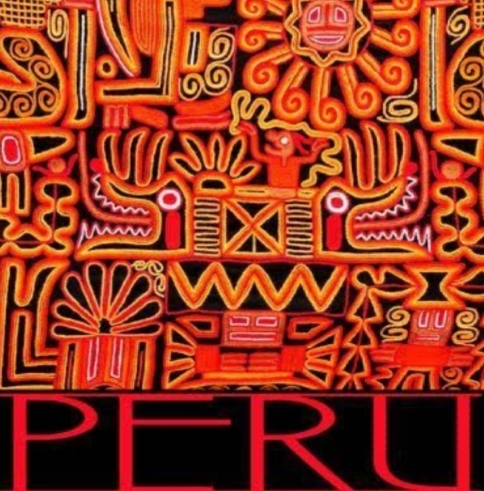
رواية تحكي غصة يوسا عن وطن وشعب وقع ضحية الصراعات والدموية والسياسات ويناضل من أجل التحرر.
بين الواقع والأسطورة، بين الحقيقة والخيال، بين الحب والبغض، بين الماضي والحاضر، يحلق بنا يوسا إلى عالمه الساحر الغرائبي ذي الطبيعة الخلابة.
برواية كأحجية الصورة المقطعة يمتحن يوسا القارئ لتجميع أجزاء لوحته البانورامية الدقيقة عن البيرو.

بيرو الساحل والجبال، بيرو الحضارة والخرافات، بيرو الطبيعة والإنسان، بيرو السلطة والثورة، بيرو التاريخ والحاضر.
بالبداية تجد نفسك مثل ليتوما (الباحث عن الحقيقة) تائه بين القطع المتناثرة الغير مرتبة لقطع الأحجية ولكن بمجرد الخوض في تجميعها معا تتضح معالمها وتبدأ البحث عن منظور أبعد وأوضح للوحة.

لكن بينما تتضح الحقيقة وجدت نفسي أقع في متاهة من التساؤلات التي ظلت تؤرقني وتتجاذبني حيرتي معها في كل الإتجاهات:
هل نحن صدى زمني لأسلافنا؟
هل نحصد اليوم ثمار ما بذروه يوما في جذورنا؟
هل نرث الدم الفاسد كما نتوارث لون البشرة؟
هل تغطي غيوم الماضي شمس الحاضر؟
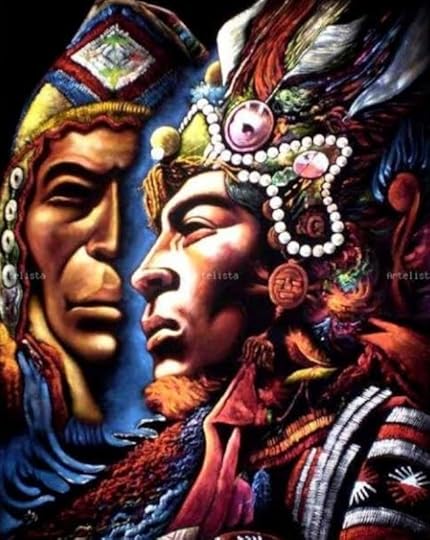
من هو الموكي حقا؟
هل هو هذا الشيطان الذي يقبع في ظلام المناجم؟
أم هو الشر الذي يسكن أنفس البشر ويتخفى عميقا داخلهم منتظرا الفرصة المناسبة للظهور؟
أم هو شيطان الإنس الذي يستغل حيرة البشر وخوفهم فيتلاعب بعقلهم وفطرتهم؟
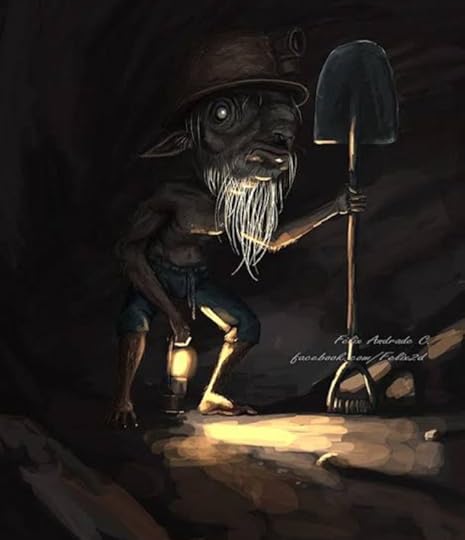
وماذا عن البيستاكو؟
هل هو حقا المخلوق الأجنبي الذي يسكن الجبال ويتغذى على شحوم البشر؟
أم أنه كل ذباح يحصد قدرات الشعب وثرواته الطبيعة بدعوى تحريرهم قادما من الداخل أوالخارج، أو من الشرق والغرب؟
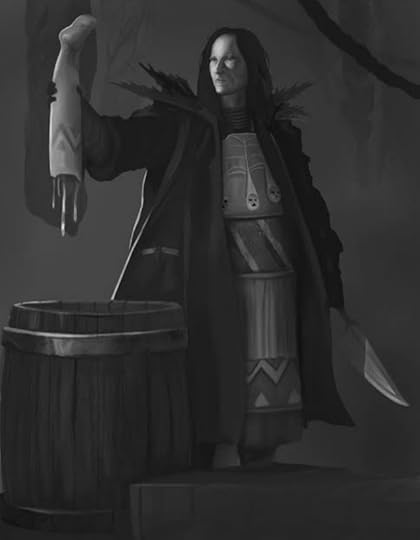
هل نستطيع يوما أن نحب الأرض ومن عليها كحب توماس والأبكم المفرط في العذوبة ونضحي بكل ما نملك في سبيلهم؟
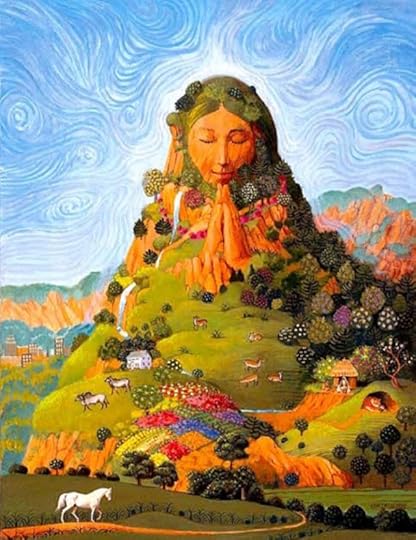
وأخيرا يتبقى التساؤل الأبدي هل الجهل بسوداوية الحقيقة نعمة؟
أم أن نور الحقيقة المبهر مهما كانت أفضل من ظلام نقمة اللا إدراك؟
بتكنيكاته السردية البارعة، وبمزجه للأزمنة وتعدد الرواة وإختلاط الواقع بالخيال وجدت نفسي أمام أديب رفيع يتحداني كقارئة أرجو أنني كنت على قدر التحدي.
أشكر أصدقاء القراءة الجماعية على الونس(كما قالت أستاذتي💕) الذي يثري الرحلة ويضيف إليها روح لا تعوض.
And a special thanks goes to my dear friend Rahma for the out of the box choice and for bringing me out of my comfort zone and more important for introducing me to the wonder world of Llosa ❤.
رواية تحكي غصة يوسا عن وطن وشعب وقع ضحية الصراعات والدموية والسياسات ويناضل من أجل التحرر.
بين الواقع والأسطورة، بين الحقيقة والخيال، بين الحب والبغض، بين الماضي والحاضر، يحلق بنا يوسا إلى عالمه الساحر الغرائبي ذي الطبيعة الخلابة.
برواية كأحجية الصورة المقطعة يمتحن يوسا القارئ لتجميع أجزاء لوحته البانورامية الدقيقة عن البيرو.
بيرو الساحل والجبال، بيرو الحضارة والخرافات، بيرو الطبيعة والإنسان، بيرو السلطة والثورة، بيرو التاريخ والحاضر.
بالبداية تجد نفسك مثل ليتوما (الباحث عن الحقيقة) تائه بين القطع المتناثرة الغير مرتبة لقطع الأحجية ولكن بمجرد الخوض في تجميعها معا تتضح معالمها وتبدأ البحث عن منظور أبعد وأوضح للوحة.
لكن بينما تتضح الحقيقة وجدت نفسي أقع في متاهة من التساؤلات التي ظلت تؤرقني وتتجاذبني حيرتي معها في كل الإتجاهات:
هل نحن صدى زمني لأسلافنا؟
هل نحصد اليوم ثمار ما بذروه يوما في جذورنا؟
هل نرث الدم الفاسد كما نتوارث لون البشرة؟
هل تغطي غيوم الماضي شمس الحاضر؟
من هو الموكي حقا؟
هل هو هذا الشيطان الذي يقبع في ظلام المناجم؟
أم هو الشر الذي يسكن أنفس البشر ويتخفى عميقا داخلهم منتظرا الفرصة المناسبة للظهور؟
أم هو شيطان الإنس الذي يستغل حيرة البشر وخوفهم فيتلاعب بعقلهم وفطرتهم؟
وماذا عن البيستاكو؟
هل هو حقا المخلوق الأجنبي الذي يسكن الجبال ويتغذى على شحوم البشر؟
أم أنه كل ذباح يحصد قدرات الشعب وثرواته الطبيعة بدعوى تحريرهم قادما من الداخل أوالخارج، أو من الشرق والغرب؟
هل نستطيع يوما أن نحب الأرض ومن عليها كحب توماس والأبكم المفرط في العذوبة ونضحي بكل ما نملك في سبيلهم؟
وأخيرا يتبقى التساؤل الأبدي هل الجهل بسوداوية الحقيقة نعمة؟
أم أن نور الحقيقة المبهر مهما كانت أفضل من ظلام نقمة اللا إدراك؟
بتكنيكاته السردية البارعة، وبمزجه للأزمنة وتعدد الرواة وإختلاط الواقع بالخيال وجدت نفسي أمام أديب رفيع يتحداني كقارئة أرجو أنني كنت على قدر التحدي.
أشكر أصدقاء القراءة الجماعية على الونس(كما قالت أستاذتي💕) الذي يثري الرحلة ويضيف إليها روح لا تعوض.
And a special thanks goes to my dear friend Rahma for the out of the box choice and for bringing me out of my comfort zone and more important for introducing me to the wonder world of Llosa ❤.

May 6, 2021
یه ترکیب عجیب از جهل، خشونت و خرافات!
فضا و سبک روایت همون سبک همیشگی یوساست اما من این کتاب رو از سوربز و گفتگو در کاتدرال کمتر دوست داشتم. وقتی با اون حجم از پیچیدگی و خلاقیت بینظیر یوسا تو اون دوتا کتاب مواجه میشی روایت مرگ در آند خیلی ساده بنظر میاد. انگار یوسا این کتاب رو نوشته تا به اونها برسه، به اون حجم از پختگی و مهارت.
با این وجود داستان برام مثل همیشه پرکشش بود. قلم یوسا به معنای واقعی مجذوب کننده است. نمیتونی کتاب رو رها کنی و درگیر تعلیق قصههایی که ذره ذره از هر کدومشون روایت میکنه نشی. پنجاه صفحه انتهایی رو با نهایت هیجان و تشویش خوندم.
آدمهای آند نمادی از مردمیان که باورها و اعتقادات پوچشون انسانیت و درستی رو ازشون گرفته و به اوج قساوت و شرارت رسونده.
تروریستهایی که به اسم کمک به قشر کارگر و مبارزه با امپریالیسم مردم رو سنگسار میکنن. کوه نشینهایی که با اعتقاد به آل و جن، همسایه هاشون رو برای ارواح کوهها قربانی میکنن. و در نهایت مردمی که چنان در فساد و تباهی و روزمرگی غرق شدند که به سرنوشت و مرگ هیچکس از اطرافیانشون توجهی ندارند.
با این وجود میون همهی این تاریکیها باز هم عشقی هست که پیروز باشه، هرچند کوچک اما شادی بخش و امیدوارکننده..
فضا و سبک روایت همون سبک همیشگی یوساست اما من این کتاب رو از سوربز و گفتگو در کاتدرال کمتر دوست داشتم. وقتی با اون حجم از پیچیدگی و خلاقیت بینظیر یوسا تو اون دوتا کتاب مواجه میشی روایت مرگ در آند خیلی ساده بنظر میاد. انگار یوسا این کتاب رو نوشته تا به اونها برسه، به اون حجم از پختگی و مهارت.
با این وجود داستان برام مثل همیشه پرکشش بود. قلم یوسا به معنای واقعی مجذوب کننده است. نمیتونی کتاب رو رها کنی و درگیر تعلیق قصههایی که ذره ذره از هر کدومشون روایت میکنه نشی. پنجاه صفحه انتهایی رو با نهایت هیجان و تشویش خوندم.
آدمهای آند نمادی از مردمیان که باورها و اعتقادات پوچشون انسانیت و درستی رو ازشون گرفته و به اوج قساوت و شرارت رسونده.
تروریستهایی که به اسم کمک به قشر کارگر و مبارزه با امپریالیسم مردم رو سنگسار میکنن. کوه نشینهایی که با اعتقاد به آل و جن، همسایه هاشون رو برای ارواح کوهها قربانی میکنن. و در نهایت مردمی که چنان در فساد و تباهی و روزمرگی غرق شدند که به سرنوشت و مرگ هیچکس از اطرافیانشون توجهی ندارند.
با این وجود میون همهی این تاریکیها باز هم عشقی هست که پیروز باشه، هرچند کوچک اما شادی بخش و امیدوارکننده..

July 7, 2016
گروهبان لیتوما و معاونش در پاسگاه یک روستای کوهستانی مشغول خدمت هستند . در این روستا 3 نفر ناپدید شده اند و گروهبان پلیس و معاونش در تلاش برای یافتن علت امر هستند . آنها در پی این جست و جو با واقعیت وحشتناکی مواجه می شوند . خرافات و رسوم و سنن دیرینه ای که در دنیای متمدن امروز دوباره آغاز شده است ....
در این داستان شاهد این هستیم که گروهی از مردم به صورت گروه های چریکی بر علیه رژیم خودفروخته و ظالم قیام می کنند اما همین گروه برخواسته از مردم به خود مردم حمله کرده و در راه آزادی کرامت انسانی ، انسانها را بی دلیل موجه به فجیع ترین وضع به قتل می رسانند .این داستان به طرز زیبایی افسار گسیختگی انقلاب را هم نشون می دهد و انسان هایی که به نام شرع و خدمت به مردم و با همین باور آنها را به فلاکت و بدبختی می کشانند . مدعیان آزدی که تمام آزادی و امنیت را سلب می نمایند شاید یکی از محورهای اصلی این داستان شمرده شود. و جالب است بدانید خود یوسا از طرف مادری جز خانواده های نیمه اشرافی بوده است .
داستان قسمت های رومانتیکی هم دارد . معاون کلانتر عاشق دختری می شود و برای او همه کار می کند اما دختر وی را ترک می کند . معاون هنوز و بی هیچ چشمداشتی دختر را دوست دارد . آن قدر که به خاطر دختر حاضر است از شغلش ، وقتش ، دوستاش ، آرزوهاش ، کشورش و ..... بگذرد.
مترجم این اثر عبدالله کوثری زاده همدان میباشد که ایشان ادبیات آمریکای لاتین را از انگلیسی ترجمه می نماید همچنین چند دوره به عنوان داور در جایزه گلشیری حضور داشت.
در این داستان شاهد این هستیم که گروهی از مردم به صورت گروه های چریکی بر علیه رژیم خودفروخته و ظالم قیام می کنند اما همین گروه برخواسته از مردم به خود مردم حمله کرده و در راه آزادی کرامت انسانی ، انسانها را بی دلیل موجه به فجیع ترین وضع به قتل می رسانند .این داستان به طرز زیبایی افسار گسیختگی انقلاب را هم نشون می دهد و انسان هایی که به نام شرع و خدمت به مردم و با همین باور آنها را به فلاکت و بدبختی می کشانند . مدعیان آزدی که تمام آزادی و امنیت را سلب می نمایند شاید یکی از محورهای اصلی این داستان شمرده شود. و جالب است بدانید خود یوسا از طرف مادری جز خانواده های نیمه اشرافی بوده است .
داستان قسمت های رومانتیکی هم دارد . معاون کلانتر عاشق دختری می شود و برای او همه کار می کند اما دختر وی را ترک می کند . معاون هنوز و بی هیچ چشمداشتی دختر را دوست دارد . آن قدر که به خاطر دختر حاضر است از شغلش ، وقتش ، دوستاش ، آرزوهاش ، کشورش و ..... بگذرد.
مترجم این اثر عبدالله کوثری زاده همدان میباشد که ایشان ادبیات آمریکای لاتین را از انگلیسی ترجمه می نماید همچنین چند دوره به عنوان داور در جایزه گلشیری حضور داشت.

June 15, 2021
يعتلي يوسا منصة الأدب بكل ثقة، دون حتى أن ينحني للجمهور، الرواية هي لعبته، هي الآلة التي يعزف عليها ويتلاعب بالألحان كيفما يشاء، دون أن تنشز عنه نغمة.
الآن تراه، الآن لا تراه. رواية عن عدة أشياء، وليست عن شيء محدد. هي عن ليتوما، لكن ليتوما ليس محور الرواية، تدور حول جريمة غامضة، وليس ثمة تحقيقات فعلية، هي واقعية تحكي عن العنف الثوري الأعمي، وهي خيالية تستحضر السحر والتضحيات والكيانات الشيطانية التي تهيمن على الجبال. يتخلل كل هذا قصة حب، ولعل الحب يطغى وينتصر على كل شيء، من وجه نظر الفنان.
لم يكتف يوسا بتنويع التقاسيم على أوتار المواضيع فقط، بل أخذ يستعرض بالعزف على مفاتيح السرد. ينتقل دون فواصل ما بين الراوي العليم، والتحدث بلسان الشخصيات، بين الحاضر والماضي، بل تصل به البراعة إلى مزج الحوار الحاضر مع سرد أحداث ماضية. سرد يشبه مزج الغناء الأوبرالي مع الأغاني الشبابية، والمحصلة مبهرة.
لمستني مواقف السواح والناشطين الذين قضوا ضحية للعنف دون أدنى ذنب، أفكارهم وحواراتهم قبل أن يلاقوا حتفهم كانت مدمرة للمشاعر، من حيث أنها تحكي ذلك العبث والانتقال المفاجئ وغير المنطقي من خانة الطموح والأمل إلى خانة الوداع الأخير. أما عن العنف الثوري فحدث ولا حرج، حينما يصبح الثائر مقتنعاً تمام الاقتناع بنبل هدفه إلى درجة أنه يفقد حاسة السمع والتفهم والتعاطف مع من هم خارج حزبه. يصبح العنف مبرراً، وليس مبرراً فقط، بل ممارسة عادية لا تحتاج إلى الكثير من التروّي. قصة الحب فيها عمق نفسي ومواقف مؤثرة، إلا أن أحداثها ليست جديدة. ولولا الألاعيب السردية لكانت عادية جداً.
الرواية الرابعة ليوسا ولم يخذلني في أي منها. سنرى كيف سيعاملني في المرة الخامسة!
الآن تراه، الآن لا تراه. رواية عن عدة أشياء، وليست عن شيء محدد. هي عن ليتوما، لكن ليتوما ليس محور الرواية، تدور حول جريمة غامضة، وليس ثمة تحقيقات فعلية، هي واقعية تحكي عن العنف الثوري الأعمي، وهي خيالية تستحضر السحر والتضحيات والكيانات الشيطانية التي تهيمن على الجبال. يتخلل كل هذا قصة حب، ولعل الحب يطغى وينتصر على كل شيء، من وجه نظر الفنان.
لم يكتف يوسا بتنويع التقاسيم على أوتار المواضيع فقط، بل أخذ يستعرض بالعزف على مفاتيح السرد. ينتقل دون فواصل ما بين الراوي العليم، والتحدث بلسان الشخصيات، بين الحاضر والماضي، بل تصل به البراعة إلى مزج الحوار الحاضر مع سرد أحداث ماضية. سرد يشبه مزج الغناء الأوبرالي مع الأغاني الشبابية، والمحصلة مبهرة.
لمستني مواقف السواح والناشطين الذين قضوا ضحية للعنف دون أدنى ذنب، أفكارهم وحواراتهم قبل أن يلاقوا حتفهم كانت مدمرة للمشاعر، من حيث أنها تحكي ذلك العبث والانتقال المفاجئ وغير المنطقي من خانة الطموح والأمل إلى خانة الوداع الأخير. أما عن العنف الثوري فحدث ولا حرج، حينما يصبح الثائر مقتنعاً تمام الاقتناع بنبل هدفه إلى درجة أنه يفقد حاسة السمع والتفهم والتعاطف مع من هم خارج حزبه. يصبح العنف مبرراً، وليس مبرراً فقط، بل ممارسة عادية لا تحتاج إلى الكثير من التروّي. قصة الحب فيها عمق نفسي ومواقف مؤثرة، إلا أن أحداثها ليست جديدة. ولولا الألاعيب السردية لكانت عادية جداً.
الرواية الرابعة ليوسا ولم يخذلني في أي منها. سنرى كيف سيعاملني في المرة الخامسة!
Displaying 1 - 30 of 1,032 reviews