Jump to ratings and reviews
Rate this book

Scott Fitzgerald: A Biography

Rate this book
A full-scale portrait of one of the most important American writers of the twentieth century provides an in-depth critical analysis of Fitzgerald's life, writings, and the relationship between them. National ad/promo.

480 pages, Hardcover

First published April 1, 1994

30 people are currently reading
170 people want to read

About the author

Jeffrey Meyers

111 books26 followers
Jeffrey Meyers, a Fellow of the Royal Society of Literature, has recently been given an Award in Literature by the American Academy of Arts and Letters. Thirty of his books have been translated into fourteen languages and seven alphabets, and published on six continents. He lives in Berkeley, California.

Ratings & Reviews

What do you think?
Rate this book

Friends & Following

Create a free account to discover what your friends think of this book!

Community Reviews

5 stars
48 (26%)
4 stars
66 (36%)
3 stars
47 (25%)
2 stars
12 (6%)
1 star
8 (4%)
Displaying 1 - 26 of 26 reviews
Profile Image for Amy Beth.
120 reviews38 followers
August 11, 2014
Well, I think it's generally helpful if a biographer likes or at least has sympathy for his subject. A sort of mean-spirited biography. I mean, Fitzgerald was no angel but geez.
Profile Image for Ryan.
1,181 reviews63 followers
November 15, 2019
Meyers treats his subjects like a puppy treats a rug. The more insufferable parts are where he pats himself on the back for such blinding revelations as Fitzgerald being a Premier-League pisshead.
Profile Image for Jeff Swystun.
Author 29 books13 followers
December 23, 2015
Author Meyers calls this work more “analytic and interpretive” than other examinations of Fitzgerald’s life. Yet, there is an honesty throughout that appears to betray a deeper empathy for the subject. Perhaps that came from the research and the fact that Fitzgerald maintained a month-by-month account of his life over seventeen years. In those pages would be both the public and private man.

So much of his life was public. He and wife Zelda were given to outrageous displays of drama that centered around money, power, sex, and glamour. Such superficiality does a disservice to what he tried to accomplish in his writing. Instead of being a witness to ostentatious times, the two became the poster children by jumping into city fountains and by being perpetually sloshed. In this is a ‘nature or nurture’ or ‘chicken and egg’ argument.

Meyers’ examination of the formative years is fascinating and may be summed up with this quote, “Fitzgerald inherited his elegance and propensity to failure from his father, his social insecurity and absurd behavior from his mother.” The future writer was wildly unpopular as a youth, a fan of liquor over study in University (causing him never to graduate), an “unusually dispensable” junior officer in the army, and a rather ungifted advertising copywriter. All of which helped become one of the most celebrated authors of all time.

As we know Zelda holds equal fascination. The beautiful, unconventional and promiscuous wife came from a long line of insane and suicidal family members. Early on there were hints at her fate that were displayed through “rudeness, selfishness and lack of restraint.” Several times in the book it is mentioned how much the couple could have passed for brother and sister. No doubt they were painfully enmeshed and completely co-dependent.

There is the suggestion that he could have had greater impact if he focused on more intelligent output. However, he spent money lavishly, if not, stupidly and for much of his career had to pump out so-so short stories to pay the bills, “The difference in quality between Fitzgerald’s best and worst work is exceptionally wide.”

Fitzgerald’s time in advertising taught him how to cultivate a personal brand by leveraging his “good looks, wit and charm.” Unfortunately with drink, the mask would drop and his behavior quickly became vulgar and aggressive. At one dinner party he unexpectedly pulled the tablecloth off sending the elaborate setting crashing to the floor. At too many others, his bawdy references and insinuations found unreceptive audiences. Sheilah Graham noted, “When he was drunk he would have sex with a tree.”

Sufficient attention is given to The Great Gatsby and here Meyers provides a laudatory review of how the book has held up. Amazingly, it was not well received at the time of publish which shocked Fitzgerald. According to a Scribner, “more than 25 million copies of the book have been sold worldwide since the original publication in 1925, while more than 15 million copies have been sold in North America alone.” Scribner typically sells more than 500,000 copies of every year

The novelist Louis Bromfield observed that, “the Fitzgeralds were camping between two worlds.” Both battled desired personae or aspiration with absolute reality. This rent troubled them individually and as a couple. It now seems preordained that they would die tragically and in relative youth. In death they left an intriguing equation made up of the written works, their public lives, and the times they lived ensuring we will always have a fascination with Scott and Zelda Fitzgerald.
Profile Image for Moniek.
490 reviews22 followers
April 24, 2021
"Dear Scott - How are you? Have been meaning to come in and see you. I have [been] living at the Garden of Allah. Yours. Scott Fitzgerald."

Od kilku dobrych miesięcy nosiłam się z myślą o zakupie biografii Scotta Fitzgeralda, bo chociaż już od lat Fitzhemingway są moim oczkiem w głowie, to mam wrażenie, że o wiele lepiej znam się z Hemingwayem i chciałam to naprawić, dowiedzieć się czegoś więcej również o Scotcie. Później znalazłam tę biografię za dyszkę w jednym z polskich antykwariatów, skorzystałam z okazji i ostatnio wreszcie mogłam się za nią zabrać. I w tym moim nadrzędnym celu, tzn. zdobyciu brakujących informacji o tym wyjątkowym pisarzu, dowiedzeniu się czegoś więcej, praca Meyersa w pełni mnie usatysfakcjonowała, ale... też nie bawiłam się z tą książką za dobrze.

Meyers jest bardzo wnikliwym biografem, dotarł do wielu przeróżnych źródeł, widać, jak bardzo zaangażował się w tę pracę; poddał głębokiej analizie zarówno wszelkie aspekty i etapy życia Scotta Fitzgeralda (oraz bliskich mu osób!!), jak i jego powieści oraz opowiadania, chociaż czytałam je już kilka razy, to i tak dowiedziałam się czegoś nowego, teraz spojrzę na nie z nowej perspektywy. Szczególnie podobała mi sie właśnie ta analiza literacka. Podobało mi się również to, jak Meyers potrafił skrytykować otwarcie Scotta, i czytałam tutaj różne recenzje tej książki, opinie o tym, jakim to Meyers jest tutaj plotkarzem, ale nie mogę się z nimi zgodzić, Scott Fitzgerald zrobił te wszystkie rzeczy, również te okropne, i według mnie można i należy o tym mówić, bez tego ta biografia byłaby nieszczera i niepełna.

Za to mogę się zgodzić co do innego zarzutu - nie potrafię tutaj tego dokładnie wyjaśnić, ale Meyers sprawia wrażenie... złośliwego biografa, i nie jest to zarzut w stronę jego osobowości, bo jak mam to niby robić, nie znam go przecież osobiście, ale tutaj... Może to było traktowanie swoich obiektów zainteresowania z nadmierną wyższością, może też wyraźne ocenianie bohaterów tej książki, np. zarzuty wobec Sheilah Graham, dość negatywnie się o niej wyrażał, a według mnie powinien dać mi większą możliwość samodzielnej oceny jej zachowania. To samo tyczy sie również nastawienia wobec Zeldy, które czasami wydawało się zbyt... litościwe. Meyers napisał również biografię Hemingwaya, ale raczej nie chcę jej czytać, bo podczas pisania tej książki odniosłam wrażenie, że nie żywi do niego za bardzo sympatii, i jestem całkowicie za wskazywaniem błędów Hemingwaya, ale tutaj to było według mnie przesadzone, Ernest został rozbrojony. A, co do Hemingwaya, i w ogóle jeszcze z pewnością innych osób, to... uderzyło mnie to, jak Meyers wspomina o pewnych sprawach, ale pomija ich kontekst czy charakter; jeśli ja już wiem o tych wszystkich rzeczach, które on ominął, to on też musiał być ich świadomy - dlaczego nie ukazał tych wątków i wydarzeń w pełnej postaci? Nie mogę być pewna postawy Meyersa wobec samego Fitzgeralda, bo czasami był wobec niego ostry, czasami wręcz zbyt... opiekuńczy (poraziła mnie kwestia relacji Scotta i Sheilah, szalenie toksycznej, a później obrócenie całej sprawy przeciwko Sheilah). I, damn, zgadzam się z tym wszystkim, co Meyers napisał na sam koniec o Scotcie, wskazał mnóstwo pozytywnych i trafnych kwestii, ale według mnie po wygrzebaniu wszystkich nie tak rzeczy, które zrobił Scott, powinien to też bardziej pokazać w ostatecznych wnioskach.

I chciałabym to porównać z takimi książkami biograficznymi jak "Ernest Hemingway: historia życia" Bakera i "The Trials of Lenny Bruce: The Fall and Rise of an American Icon" Collinsa i Skovera; obie pozycje zdobyły u mnie 5 gwiazdek. Wszyscy wielbiciele Hemingwaya wiedzą, ile można na niego narzekać i wskazać negatywnych zachowań oraz ogólnej złośliwości, i Baker to wszystko zrobił, ale dostrzegł u swojego obiektu badań również mnóstwo pozytywnych wartości, i potrafił to wszystko przekazać w zrównoważony sposób; no i Baker naprawdę czuje się sympatię do Ernesta, mieli okazję wymienić kilka listów i sam Hemingway go doceniał. Sama książka jest piękna. A Collins i Skover mogli śmiało oceniać Lenny'ego, i w swojej pracy to zrobili, ale nie odczuwałam u nich żadnej złośliwości; musieli lubić Lenny'ego, ale po prostu wskazali, co zrobił nie tak, jak powinien postąpić, jak mógłby postąpić, ale to wszystko pozostaje jednak sugestią również w stronę czytelnika. Nie ma tutaj złośliwości i poniżenia. Jejku, czy to ma sens? Nie mam pojęcia. A książka Meyersa wzbudziła u mnie całkowicie inne odczucia.

To może na koniec jeszcze dopowiem, że interesuję się Fitzgeraldem od lat i po tej książce nadal czuję wobec niego sympatię, ale dowiedziałam się również pewnych rzeczy, które... sprawiły, że chcę się od niego lekko zdystansować. To normalne.

Wiem, że mogłam napisać tę recenzję po angielsku, bo w tym języku jest głównie wydawana, a u nas trudniej jest ją zdobyć, ale chciałam napisać coś dla was.

Jeśli interesujecie się Scottem Fitzgeraldem i jego twórczością, i chcecie go bardziej poznać, to ta książka to naprawdę dobre źródło informacji, tylko pamiętajcie, co wam tutaj powiedziałam, spróbujcie nie kierować się aż tak bardzo tymi ocenami Meyersa. Sami to wszystko przemyślcie. Sami oceńcie Scotta.

NO I CO, I PRZECZYTAŁAM CAŁĄ BIOGRAFIĘ FITZGERALDA I NADAL NIE WIEM, O CO CHODZIŁO Z NAZYWANIEM HEMINGWAYA HEMOFILEM I BLEEDING BOY. BEZ SENSU.

"In a real dark night of the soul it is always three o'clock in the morning, day after day." - Scott Fitzgerald

Tak się zagłębiłam w kwestie techniczne tej książki, że zapomniałam powiedzieć, ile wylałam przez nią łez. Bardzo potłukła moje serce i mimo wszystko bardzo chciałabym Scotta przytulić albo wyciągnąć do niego dłoń. Warto się z tym wszystkim zapoznać, Fitzgerald potrafił być paskudny, ale był też naprawdę wyjątkową osobą. Był ikoną.
9 reviews
January 1, 2024
Fast-paced, well-organized, perceptive biography of Fitzgerald, one of the most frustrating and tragic—yet supremely talented—writers in American literature.
Profile Image for Jessica Mudditt.
Author 2 books36 followers
Read
August 20, 2022
This is an excellent book, but so sad. Fitzgerald was tortured by alcoholism - it is depressing to see how it affected his life. His posthumous fame was completely different to the recognition he received in his lifetime. To many of his contemporaries, he was a bit of a joke. He didn't help this because he used to make a massive fool of himself when he was drinking (and he was always drinking - up to 34 beers a day).
It was fascinating to learn about his marriage with Zelda and his friendship with Hemingway (who doesn't come off as the nicest person!). I thought the author did a great job of pointing out Fitzgerald's redeeming qualities and how life was kind of stacked against him, alongside his self-destructive tendencies.
Profile Image for Paul Gleason.
Author 6 books87 followers
December 28, 2013
This is a messy, gossipy biography of FSF. Meyers assumes that all the novels are autobiographical. He also puts down FSF every chance he gets. I know that FSF was no saint, but come on! People are more complex than this. What amazes me most is his presentation of FSF as a intellectual child in a man's body - one who lucked out into writing The Great Gatsby and Tender Is the Night (two of the greatest novels of the twentieth century) because he had raw talent to burn and the ability to re-create life in art. In other words, Meyers doesn't present the mind behind the books (for example, a probing analysis of FSF's use of Keats in Tender) but insists on telling the gossip that (in his mind) led to the creation of the books. I think the clue is that Meyers also wrote a biography of Hemingway, who appears a lot in this book and whom Meyers obviously thinks is, in his words, "strong" in comparison to the "weak" FSF. In Spock's word, "fascinating."
Profile Image for Jo Anne.
296 reviews6 followers
June 24, 2023
If you have never read a biography of F. Scott Fitzgerald previously, this might be a good place to start. It is comprehensive, covering all areas of his life and mentioning all the famous people he rubbed elbows with. I have read other reviews claiming that the author, Jeffrey Meyers, must have “hated” Fitzgerald due to the content he wrote. I disagree. Having read so many biographies of Fitzgerald I feel this is a fair account. Fitzgerald was an alcoholic whose health was destroyed by drinking and smoking. Alcohol also destroyed his relationships with others, leaving him nearly friendless at the end of his life. This fact cannot be sugarcoated. However, if Meyers lets Fitzgerald down at all it is in failing to recognize how hard he worked despite his alcoholism. One is left imagining what he might have produced had he not been so incapacitated.
Profile Image for Dan.
Author 2 books16 followers
March 11, 2012
The worst of the Fitzgerald biographies, crabbed and inessential. Beatrice Dance and the almost completely unproductive years in the mid-30s seem to dominate it if only because nobody else had let them dominate a biography before; meanwhile, an absurd, oblivious preface dismisses the far superior work that other biographers had already done. Milton Stern, another superior Fitzgerald critic, was being charitable when he opened his review with, "This is a readable book that leaves one wondering why it's been written."

Read literally anything else with Fitzgerald's name on it before trying this one. Unless you're looking for the definitive biography of Beatrice Dance.
Profile Image for Charlotte.
1,595 reviews33 followers
July 18, 2015
I wish I could give the book a higher rating for the writing, but the content was so depressing, it is hard to say I did more than like the book!

I had no idea how depraved the lives of Fitzgerald and his wife were. Simply stated, they were not nice people. I always thought the Great Gatsby was a cautionary tale about being a better person, but after reading his biography, I think Fitzgerald was writing about the only kind of people he knew. I really felt sorry for him and had to remind myself that there is goodness in humanity.
Profile Image for Lisa deGraffenried.
32 reviews
August 4, 2009
This book is a cross between a biography and a history textbook. It takes each chapter and focuses on his life and its comparison with a book he wrote. All his characters in his books are taken from people he personally knew. It makes you want to read his other books and then go back and reread the chapter in the biography that talks about it. A college could use this book as a course topic. Very interesting and sad life Fitzgerald had.
Profile Image for Katherine.
Author 2 books69 followers
August 16, 2013
"'A most surprising thing is the death of a parent is not how little it affects you, but how much. When your Father or Mother has been morbidly perched on the edge of life, when they are gone, even though you have long ceased to have any dependence on them, there is a sense of being deserted'" (276).
"'People who live entirely by the fertility of their imagination are fascinating, brilliant, and often charming but they should be sat next to at dinner parties, not lived with'" (319).
Profile Image for Quo.
344 reviews
March 15, 2025
While reading Fitzgerald's This Side of Paradise, I decided to read Scott Fitzgerald, A Biography by Jeffrey Meyers, an acclaimed biographer of Hemingway, Conrad, Poe & other gifted authors. His biography of F. Scott Fitzgerald, while interesting, in some respects may seem to suffer in comparison to Meyers' other biographies.


At some point, Fitzgerald declared that "there are no 2nd acts in American Lives" and apparently endeavored to frame his life as an artful tragedy, one that went hand-in-glove with the novels he concocted as he lived them, with Fitzgerald & his wife Zelda representing ongoing characters in his world of fiction.

Fitzgerald's life seemed one of perennial estrangement and early on we are told that "Scott's desperate unhappiness & isolation made him eagerly receptive to the attention, encouragement & flattery of an unusual Catholic priest."

Fr. Cyril Fay served as an ongoing father figure to Fitzgerald, a nominal Protestant, who had little respect for his own father and deeply needed someone for intellectual stimulation, as well as moral support, which the cerebral Fr. Fay provided, later becoming implanted as a character in Fitzgerald's first novel.

Fitzgerald was an indifferent student at Princeton but he was active in literary & other campus activities, intensively read books of his own choosing, dabbled at poetry and began to craft an approach to fiction. He left without a degree, an aspect of his life that he regarded as a major flaw.


A considerable portion of the biography details the long relationship between Fitzgerald & Hemingway, both residing in Paris in the mid-1920s.
Fitzgerald emphasized his extravagance, seeming wealthier than he actually was, while Hemingway exaggerated his poverty, not being as poor as he claimed to be, benefiting from his wife's ample trust fund. Fitzgerald's early literary fame, material success & luxurious way of life provided a striking contrast to Hemingway's obscurity & rather pinched existence. Hemingway made a virtue of this difference, comparing his own frugality to Fitzgerald's wastefulness.

Fitzgerald seemed to have a much weaker character but he was actually more courageous than Hemingway when faced with adversity. Ill-equipped to deal with disease & depression, he finally shot himself. Fitzgerald, by contrast, endured poverty & neglect during the 1930s, remaining loyal to his wife Zelda in her madness.
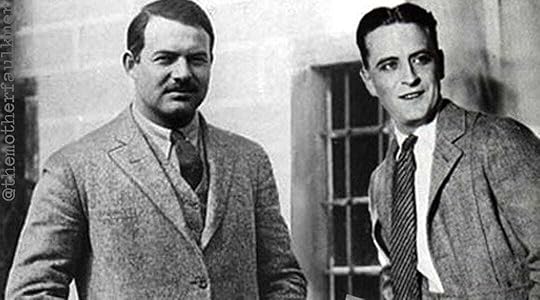
While Hemingway could be critical of Fitzgerald's perceived character flaws & while rather exceedingly different in profile, the two were "obsessed with each other throughout their lives", becoming tragically similar as they aged, with failed marriages & alcoholic binges.

This stands as but one of many examples of the discerning commentary on both authors, even if it may seem that Meyers' biography of Hemingway paints him with a more forgiving brush than his rendering of Scott Fitzgerald.


In Meyers' view, Fitzgerald's wife Zelda "played the mad Ophelia to his tortured Hamlet", with their relationship fraught with bitter quarrels about insoluble problems: financial, alcoholic, sexual & medical." When Zelda was institutionalized, Fitzgerald struggled to pay for her care but remained her advocate in spite of their fractious relationship.

Between 1927 & 1940, Fitzgerald worked as a highly paid screenwriter on 16 films, including "Gone With the Wind", allowing him to support his family at a time when his novels were not selling but got credit for only one of those films.

Beyond the many chaotic events in Fitzgerald's life,
The Great Gatsby transcends Fitzgerald's personal life and brilliantly expresses some of the dominant themes in American literature: the idealism & morality of the West, in contrast to the complexity & corruption of the East; the frontier myth of the self-made man; the attempt to escape the materialistic present and recapture the innocent past; the predatory power of rich & beautiful women; the limited possibilities of love in the modern world; the heightened sensitivity to the promises of life; the doomed attempt to sustain illusion & recapture the American dream.
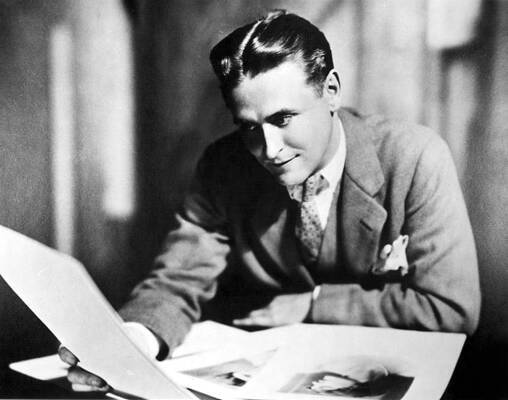

Myers summarizes Scott Fitzgerald's life thusly: "The image of Fitzgerald's charm--and his heroic struggle against adversity--outlasts the catalogue of ills & frustrations that marked his life."

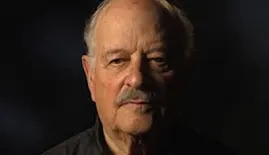
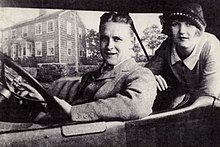
*Within my review are a photo of author, Jeffrey Myers and three images of F. Scott Fitzgerald, including one with Ernest Hemingway & another with Fitzgerald's wife Zelda. **The book includes 8 pages of double-sided, black & white photos.
Profile Image for Mark.
33 reviews
June 11, 2019
I do not expect, nor do I want, hagiography when I read someone's life story--but I will never understand why anyone would write a book about someone they clearly loathe. This book is a hatchet job, and I had to quit about halfway through because I just couldn't take it anymore.
Profile Image for John Tipper.
298 reviews1 follower
January 3, 2025
Meyers wrote a definitive biography of the novelist, F. Scott Fitzgerald, a talented but flawed man. Born in 1896 in Sant Paul, MN, Fitzgerald had a doting mother and an ineffectual dad. He was a Momma's Boy, and he longed for a better role model in his father, a salesman. Although he dreamed of being good at sports, Scott was small and not talented at athletics. He attended Princeton University, where he was active in theater and writing. He didn't apply himself at the science subjects, and essentially flunked out during his junior year. But at Princeton, Scott made friends with the writers, Edmund Wilson and John Peal Bishop. Both men would be lifelong friends and would support his efforts to become a successful writer. In Paris, Fitzgerald met Ernest Hemingway, and they hit it off. By this time, Scott had married a Southern woman named Zelda Sayre, from Montgomery, AL. Nice looking, highly critical, and flirtatious, Zelda wanted to be a ballet dancer. She disliked Hemingway and his writings. In Myers' account, both Scott and Hemingway come across as jerks often. Both drank to excess, could be insulting and rude. Eventually, Zelda had a nervous breakdown and had to be institutionalized. Scott became famous after writing books such as The Great Gatsby and Tender is the Night. Meyers has written a well-documented biography. His writing is spot on. After Fitzgerald failed as a screenplay writer in Hollywood, and after years of drinking and drugs, he died at the age of 44, of a heart attack.
Profile Image for Charles Wilson.
76 reviews
November 20, 2025
Like other reviewers, I found this book to be a bit overcritical of my favorite author. Meyers uses perhaps too much of the book explaining how much of a degenerate Scott proved to be his entire life. His antics, especially in Paris, were obscene, and the author (Meyers) often leans into the controversy, focusing on Fitzgerald’s drunken rampages and placing only a few conciliatory passages about his love for Scottie and faithfulness to Zelda. As the book goes on, I believe Meyers redeems himself. He perfectly encapsulates Fitzgerald’s later life as a sort of penance. The great author worked hard to support his disadvantaged family. The biggest tragedy is that he did not live long enough to see how great his name had become. No longer a voice for the lost generation that became obscured by personal and professional decline. Fitzgerald is the premier voice of the American people, who seek happiness and romance beyond what is reasonable no matter the cost.
Author 3 books28 followers
October 1, 2019
Meyers' biography is interesting and informative. I learned some new details about Fitzgerald, like that he had an affair with Dorothy Parker, but this was not a good time for me to read a book about a drunk, narcissistic, racist white man. I knew Fitzgerald was an alcoholic and have pointed out his racism in my reading of GREAT GATSBY, but I didn't know (or maybe forgot since I've read at least one Fitzgerald biography in the past) that he acted like sexual freak Brett Kavanaugh when he was drunk. Fitzgerald is still one of my favorite novelists, but I'm disgusted that he was an early 20th century Kavanaugh (freaky drunk) and Trump (narcissistic and racist). What a jerk! Even his frenemy Hemingway seems less obnoxious in Meyers' biography.
Profile Image for Mick Meyers.
609 reviews2 followers
March 8, 2025
A reasonably good biography,another tortured genius writer.his wife zelda compounding things.alcholism,and possibly adhd and other things that have been discovered regarding mental illness.but why oh why do they gave to suffer so.
Profile Image for Angela.
1,040 reviews41 followers
November 9, 2017
Fitzgerald is one of my fave altime authors. He has a classic, gentle descriptive voice. It is elegant words and pictures of a time and place. So this look into his life was interesting to me/
Profile Image for Pat.
692 reviews
January 4, 2020
What a sad, tragic life this American literary genius had. Once again, alcohol destroys a man's creativity and life--exacerbated here by a mentally ill wife.
94 reviews8 followers
July 9, 2014
It would be difficult to find a person who sustained more ups and downs throughout life than F Scott Fitzgerald, and for that reason he makes for a wonderful study. Though viewed largely as a failure upon death at 44 years old, F Scott Fitzgerald’s appreciation and genius as a writer has sadly grown only posthumously.

Though classified as fiction, Fitzgerald’s novels are based on characters and events from his own life. Scott famously acknowledged, “All my characters are Scott Fitzgerald’s.” which makes all his writing deeply personal. It’s for this reason that Jeffery Meyers biography of Fitzgerald was so fascinating to me, and I’ll do my best to summarize the intricacies of his life which influenced his characters and novels.

I can’t imagine the personal struggles that Scott Fitzgerald went through, though he was hardly a victim, and it is challenging to find a more pessimistic and depressing person. One of his most telling quotes was, “Find me a hero, and I’ll write you a tragedy” which is a microcosm of his own life from fame and fortune to isolation and poverty.

Scott was born out of suffering because his two older sisters died of disease while his mother was pregnant with him. His father was a failed business man who got fired one day, became a broken man, and was never able to support his family. With little support from home, Scott lacked basic social skills his whole life, and was largely unpopular amongst his peers. Nonetheless, he was smart, athletic, charming at times and a hell of writer. The success of his first two novels, "This Side of Paradise" followed by "The Great Gatsby" catapulted Fitzgerald into a household name and the most elite social circles.

Now imagine not handling that success well, drinking/partying excessively, losing all diligence and falsely believing that every one of your novels would automatically find the same success. His beloved wife had an affair and became so embarrassed that she unsuccessfully tried to kill herself, and Fitzgerald’s life began spinning out of control. All of this set up what would become a tumultuous last 10 years of his life.

10 years after writing Gatsby, Fitzgerald was a drunk who couldn’t control himself in social situations, with a mountain of debt and a wife who was constantly institutionalized for her emotional instability. Scott believed he had deteriorated over the last several years. If he'd spent his time traveling, reading or doing anything, even staying healthy, it would have been different, but he spent it only in drinking and raising hell. With his wife in mental wards, Scott slipped into depression and solitude. “When you once get to the point where you don't care whether you live or die- as I did- it's hard to come back to life...it's hard to believe in yourself again-you have a slain part of yourself."

In 1934 he published "Tender is The Night", a deeply personal novel where he attempts to understand why his wife went mad, how this ruined his life, and to what extent he was responsible for their tragedy. However, the book was largely unpopular, and its lack of success sent Fitzgerald over the edge and into his own mental breakdown, and he was never able to recover until his death by heart attack at age 44.

This biography nicely explains how Fitzgerald was both a failure as a success and a failure as a failure who probably suffered much more than he deserved. I enjoyed learning of his personal relationships, particularly with Ernest Hemingway, and view this biography as a perfect primer for reading his novels, which I plan to do.
Profile Image for Djrmel.
747 reviews35 followers
March 1, 2009
F. Scott Fitzgerald packed a lot of life into his 44 years, most of it unhappy. With his need to be loved, appreciated, or simply liked, coupled with alcoholism, a devotion to a fantasy marriage, and his hero worship of other authors (Hemingway especially), there was no way out of his personal hell. If it weren't for Fitzgerald's hunger for validation, I'd feel guilty about reading his stories after reading this biography. Meyers' presents Fitzgerald in a very bright light that shows every flaw.
94 reviews8 followers
May 28, 2013
This was a well-written biography. Fitzgerald led such a tragic life but yet he was such a great writer. I enjoyed reading about his interaction with Hemingway. It was so sad about Zelda but I truly believed they loved each other very much.
Profile Image for OGEE Substack.
747 reviews11 followers
November 15, 2021
There was no second act in Fitzgerald's life, however hard he tried to make one while out in Hollywood. (It's a rough town. Just the other day a homeless guy threw a bottle of liquor me at me and it smashed against a Prius. Times change, some things don't.)
Profile Image for Kim.
39 reviews5 followers
August 24, 2016
F. Scott Fitzgerald, writing at approximately the same time as Hemingway, beginning in the early 1920's, led a very short, tragic life. An interesting read filled with extraordinary detail.
Displaying 1 - 26 of 26 reviews

Can't find what you're looking for?

Get help and learn more about the design.