

What do you think?

早餐之書
你今天吃早餐了嗎?
穿越3000年,從荷馬時代到塞萬提斯,從福爾摩斯到哈比人,
第一本集結世界各地的早餐故事,一趟富含文學與趣味的世界早餐之旅!
哈比人早上吃的「可口小早餐」到底是什麼?華生早上喜歡吃咖哩雞?
狄更斯筆下的菲爾先生在生鏽爐柵上煎培根、莎士比亞戲劇裡的早餐總是麵包、蛋、牛油跟麥芽酒;還有,自從1909年有了烤麵包機,大家就老是把吐司烤到忘記!
追尋從三千年前就開始演變的早餐故事,到現今世界各地的早餐風貌,挖掘自古至今不為人知的早餐祕密:
Q:為什麼會有早午餐?
A:古代人發現周末玩太瘋,周日起不來,就乾脆在周日正午前的早上只吃一餐,把早餐與午餐畢其功於一役!
Q:古時候的人早上就愛喝咖啡嗎?
A:才沒有。西元前1200年到西元1200年後,根本沒咖啡、茶或熱巧克力。
Q:人類是從什麼時候開始吃麵包跟培根的?
A:當人們知道如何貯存肉品跟麵粉,就是出現史上第一份吐司夾培根的時候。
還想知道更多早餐的祕辛?就在《早餐之書》裡!
饗宴推薦
「對重視這飽受忽視一餐的人而言,道比學識淵博的討論吸引力十足。」──《書評》(Booklist)
「深入閱讀這本早餐大全時,我們不得不同時也開心想起,不論是英式大早餐或其他早餐,這都是一天之中最棒的一餐…… 早餐藝術在本書中美麗重現…… 要是我們之間有人跟道比一樣迷戀早餐,都應該關起來才是。即使瘋狂如他,道比還是寫出口齒留香的早餐大全。」──《文學評論》(Literary Review)
「在這部作品中,歷史學家兼翻譯家道比帶給我們琳琅滿目、多半來自歐洲的文學例子,證實從荷馬時代到塞萬提斯、從勞倫斯到史坦貝克,早餐是如何跨越時間,呈現出各種不同風貌…… 本書也帶讀者一覽現代世界各地的美味早餐,例如西班牙的早餐吉拿棒,或是利比亞的大茴香碎榖物。」──《出版人周刊》(Publishers Weekly)
穿越3000年,從荷馬時代到塞萬提斯,從福爾摩斯到哈比人,
第一本集結世界各地的早餐故事,一趟富含文學與趣味的世界早餐之旅!
哈比人早上吃的「可口小早餐」到底是什麼?華生早上喜歡吃咖哩雞?
狄更斯筆下的菲爾先生在生鏽爐柵上煎培根、莎士比亞戲劇裡的早餐總是麵包、蛋、牛油跟麥芽酒;還有,自從1909年有了烤麵包機,大家就老是把吐司烤到忘記!
追尋從三千年前就開始演變的早餐故事,到現今世界各地的早餐風貌,挖掘自古至今不為人知的早餐祕密:
Q:為什麼會有早午餐?
A:古代人發現周末玩太瘋,周日起不來,就乾脆在周日正午前的早上只吃一餐,把早餐與午餐畢其功於一役!
Q:古時候的人早上就愛喝咖啡嗎?
A:才沒有。西元前1200年到西元1200年後,根本沒咖啡、茶或熱巧克力。
Q:人類是從什麼時候開始吃麵包跟培根的?
A:當人們知道如何貯存肉品跟麵粉,就是出現史上第一份吐司夾培根的時候。
還想知道更多早餐的祕辛?就在《早餐之書》裡!
饗宴推薦
「對重視這飽受忽視一餐的人而言,道比學識淵博的討論吸引力十足。」──《書評》(Booklist)
「深入閱讀這本早餐大全時,我們不得不同時也開心想起,不論是英式大早餐或其他早餐,這都是一天之中最棒的一餐…… 早餐藝術在本書中美麗重現…… 要是我們之間有人跟道比一樣迷戀早餐,都應該關起來才是。即使瘋狂如他,道比還是寫出口齒留香的早餐大全。」──《文學評論》(Literary Review)
「在這部作品中,歷史學家兼翻譯家道比帶給我們琳琅滿目、多半來自歐洲的文學例子,證實從荷馬時代到塞萬提斯、從勞倫斯到史坦貝克,早餐是如何跨越時間,呈現出各種不同風貌…… 本書也帶讀者一覽現代世界各地的美味早餐,例如西班牙的早餐吉拿棒,或是利比亞的大茴香碎榖物。」──《出版人周刊》(Publishers Weekly)
274 pages, Paperback
First published January 1, 2013
About the author
Andrew Dalby
40 books21 followersAndrew Dalby (born Liverpool, 1947) is an English linguist, translator and historian who most often writes about food history.
Dalby studied at the Bristol Grammar School, where he learned some Latin, French and Greek; then at the University of Cambridge. There he studied Latin and Greek at first, afterwards Romance languages and linguistics. He earned a bachelor's degree in 1970. Dalby then worked for fifteen years at Cambridge University Library, eventually specializing in Southern Asia. He gained familiarity with some other languages because of his work there, where he had to work with foreign serials and afterwards with South and Southeast Asian materials. In 1982 and 1983 he collaborated with Sao Saimong in cataloguing the Scott Collection of manuscripts and documents from Burma (especially the Shan States) and Indochina; He was later to publish a short biography of the colonial civil servant and explorer J. G. Scott, who formed the collection.[1] To help him with this task, he took classes in Cambridge again in Sanskrit, Hindi and Pali and in London in Burmese and Thai.
Dalby studied at the Bristol Grammar School, where he learned some Latin, French and Greek; then at the University of Cambridge. There he studied Latin and Greek at first, afterwards Romance languages and linguistics. He earned a bachelor's degree in 1970. Dalby then worked for fifteen years at Cambridge University Library, eventually specializing in Southern Asia. He gained familiarity with some other languages because of his work there, where he had to work with foreign serials and afterwards with South and Southeast Asian materials. In 1982 and 1983 he collaborated with Sao Saimong in cataloguing the Scott Collection of manuscripts and documents from Burma (especially the Shan States) and Indochina; He was later to publish a short biography of the colonial civil servant and explorer J. G. Scott, who formed the collection.[1] To help him with this task, he took classes in Cambridge again in Sanskrit, Hindi and Pali and in London in Burmese and Thai.
Ratings & Reviews
Friends & Following
Create a free account to discover what your friends think of this book!
Community Reviews
Displaying 1 - 3 of 3 reviews

March 22, 2015
karen gave me this book. Mine didn't come with the attached egg-holder, though; I think she must have kept that for herself because she is a cute things hoarder.
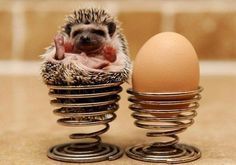
Thanks, karen!
I would characterize this as "mildly interesting." There were some pleasing trivia, but it felt overall rather bland and pointless.
Also, it suffered in a major way from a very Anglo-centric "Haha, look at these WEIRD things that non-English people eat for breakfast" attitude.
Thanks, karen!
I would characterize this as "mildly interesting." There were some pleasing trivia, but it felt overall rather bland and pointless.
Also, it suffered in a major way from a very Anglo-centric "Haha, look at these WEIRD things that non-English people eat for breakfast" attitude.

February 20, 2014
Yes! This is the sort of food history I was looking for from Dalby in his Cheese book. Concise, well sourced (though I'd appreciate more historical sources than literary), and covering all aspects of breakfast while remaining organized enough to maintain a steady narrative. Overall, Dalby sticks to reviewing breakfast across history and then adds the element of space to discuss non-Western breakfasts, which is especially interesting for those of us more accustomed to the standard English or Continental breakfast. Illustrations are plentiful and I'm happy to report that I learned several fun facts from this book too. Recipes closing the book are in metric, which is a bit annoying as an American, but they aren't historical, so interested parties should be able to use them with little fuss.

June 17, 2015
A rather good read, as long as one is genuinely and deeply interested in the origins, history, and, well POINT of breakfast. A few recipes in the back, but nothing too extraordinary. Made me want to try new kinds of breakfasts, though--and avoid sweet, American ones!
Displaying 1 - 3 of 3 reviews