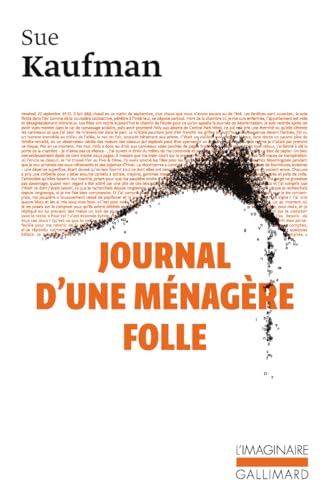
THis book was interesting to me in three ways. I had heard of it as a "feminist" book from the sixties/seventies, and hadn't rea it for that reason- most things that are feminist manifestos are distasteful to me, as American style "Men suck" feminism is NOT to my liking, and the empowering French stylyle feminism is not prevalent here, especcailly in older books. However, I was fascinated by this book, and saw little feminism in it... it was, instead, to my mind, a detailed account of descent by a woman untreated for a strong anxiety disorder, whow as self medicating with various forms of drug/experiences, including her journaling, valium like pills, various psychoanalytical counseling sessions (previous, by an obviously mysonigistic counselor, who figured the way to fix her depression was for her to get married and have children. Did people REALLY think that way? Do some still? Horrors.), and finally, an affair. None, of course, cure her, but in the end (spoiler alert?) she realizes that none of the self medicating will help, and that eiter she must bear out her terrors and paranoias (there not being sufficient helps for wha ails her in those days long past... I personally would shove Zoloft at her and encourage her to actually make non socially climbing friends, but she lives in a very different world than we do...)
Basically, because the dialogue is exactly like what my experiences with Lyme anxiety attacks were, the panic portions and fear descriptions of the book were particualry interesting to me. I self medicated with sleep, hiding in my home, journaling, and a lot of "WAHT IN THE WORLD IS WRONG WITH ME," as varied doctors told me I was fine, also. Having, of course, better morals and a non social climbing mysoginistic husband, I did not, of course, resort to an affair, nor would ever, but Bettina is so isolated, both from her radically changed spouse, her children, her "friends" who are really backbiting associates, and even from any spiritual side she might have one had, that she felt there was nowhere else to turn. From a Christian standpoint, it would be easy to see how, being isolated from a loving Heavenly Father, or even from a loving earthy one (her parents, her mother being strange and estranged, her father reaching out towards her but being cut off by distance and by Johnathan's distaste) increases her desperation to spiral out of control. Bettina chose an affair very cleary and consciously- one of the first things she does purposefully as she begins to regain some control in her life- and chooses purposefully someone she canot love and who will not love her back, but who is also controlling... yet does not seek to control her or her lifestyle, like Johnathan does. Therefore, Bettina longs for George, and he, a bit, for her, in non-sexual ways, but their love scenes are especially pg-rated by today's standards.
Except for the fact that my husband is Not a mysoginist sexist pig, like the hubby in this book is,and the lack of an affair, lol, Bettina's life is a lot like mine was a few years ago, when the Lyme panic almost had me house bound and agorophobic and everything else. I am intrigued by Bettina regaining some "control" or sense of self as the book finishes. She and Johnathan make their own decisions, perhaps wisely, realizing they do love one another. Not having a decent family counselor, however, I doubt the ability to heal the relationship
fully.
Literarily, the writing is beautiful, with rich details and a fast moving plotline, although "nothing much" happens... internally, a lot is going on and Kaufman allows us to see Bettina's turmoil without forcing us to internalize it and get back there ourselves. I loved the cockroach analogy at the end. But I still loathe Johnathan.