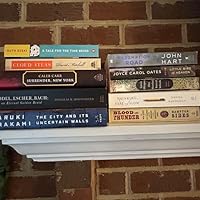
In the middle of the 1930s, not long after she came down from Oxford, the young Barbara Pym wrote her first novel. She borrowed a title from Thomas Haynes Bayley.
"Some tame gazelle, or some gentle dove:
Something to love, oh, something to love!"
Its significance wasn’t clear to me at first, but as I read understood.
And then Barbara Pym imagined how she and her sister might be, thirty years in the future. She creates that world, perfect in every detail, a future built on the world she knew that would never come because war changed everything.
Harriet and Belinda Bede lived together in a village in the English countryside. they living quietly, serving their church, knitting industriously, reading studiously, and making sure that they got the small details of life right. Questions of how one should dress, of what should be served at dinner, of how guests should be entertained.
Small things, but important things, that fill up lives. Barbara Pym understood that and she painted the picture beautifully, taking it seriously but still able to smile at sillinesses.
Some Tame GazelleHarriet and Belinda were quite different, living overlapping rather than united lives. Harriet was plump and sociable, fussing over young curates, planning supper parties, and fending off marriage proposals from neighbour Ricardo Bianco. Belinda was softer and meeker, more involved with her friends and neighbours, and quietly, wordlessly, loving the married archdeacon.
It was lovely just to watch their world, so beautifully observed, and to realise that the sisters Bede were not unhappy with their lives.
They were women of independent means who had lived, loved, and had chosen to remain independent.
Though, of course, it’s not quite that simple. There are lost dreams, faded hopes, loneliness …. and sometimes it is easier to love from a distance, to play a role, than to make a real commitment.
I was so happy just watching everyday life that I was a little disappointed when the main plot arrived and the focus shifted slightly.
The archdeacon’s wife was called away and first a visiting librarian and then a visiting bishop upset the balance of village life, with some very interesting consequences.
There were some wonderful moments, there was just a hint of contrivance, of a cast having been assembled.
Each sister received an unexpected marriage proposal, and each sister turned it down. They knew that those offers came not from love or desire, but from a wish to be looked after and supported. And they preferred to support each other, to live together, to continue the life they knew.
The right end to a wonderful debut. I can’t say it’s her finest work, but to do so much so well at such a young age is remarkable. And now I have great expectations of the other books I have lined up to read and re-read in Barbara Pym’s centenary year.