

What do you think?

On Camus
This brief text assists students in understanding Camus's philosophy and thinking so they can more fully engage in useful, intelligent class dialogue and improve their understanding of course content. Part of the Wadsworth Notes Series, (which will eventually consist of approximately 100 titles, each focusing on a single "thinker" from ancient times to the present), ON CAMUS is written by a philosopher deeply versed in the philosophy of this key thinker. Like other books in the series, this concise book offers sufficient insight into the thinking of a notable philosopher, better enabling students to engage in reading and to discuss the material in class and on paper.
- GenresPhilosophy
96 pages, Paperback
First published June 11, 2001
Ratings & Reviews
Friends & Following
Create a free account to discover what your friends think of this book!
Community Reviews
Displaying 1 - 22 of 22 reviews

August 6, 2020
چقدر این کتاب عالی بود. اگر به کارهای کامو علاقهمندید و همه یا حتی برخی از آنها را خواندهاید حتما این کتاب را بخوانید. ترجمهی خوب کتاب، راحت و روان بودن و حجم کم و در عین حال دانستنیهای زیاد آن، این کتاب را برایم به یاد ماندنی کرد.
********************************************************************************
این کتاب اگرچه ممکن است برای کاموپژوهان جالب باشد، اما در وهلهی نخست برای خوانندگانی نوشته شده است که میخواهند اهمیت فلسفی آثار کامو را دریابند اما پشتوانهی فلسفی زیادی ندارند یا تمامی آثار مهم کامو را نخواندهاند. بنابراین کتاب چنان طراحی شده است که شوق خواندن، فکر کردن و آموختن را برانگیزد. پیشگفتار. ص 3 کتاب
آثار کامو پر است از تلاش برای بیان مسائل و اندیشههای فلسفی، اما این تلاشها بعضا ناروشن و غیر منطقی هستند. اگر کامو آموزش فلسفی رسمی بیشتری میداشت، یا اگر به مسائل فلسفی این همه علاقهمند نبود، فهم معانی فلسفی آثار او احتمالا آسان تر میشد. اما فعلا، در این وضع، فهم این معانی کار آسانی نیست، و اکثر کتابها و مقالاتی که درباهی کامو نوشته شدهاند دقت فلسفی ندارند. پیشگفتار. صفحات 3 و 4 کتاب
کامو سه امکان را در نظر میگرفت که هر سه به خشمش میآوردند. یا خدایی نیست و بشر در جهانی بیاعتنا به نیازهای بشری رها شده، یا خدا خاموش است، یا خدا فقط با برخی (گزیدگان) سخن میگوید و نجاتشان میدهد و بقیه را نادیده میگیرد. صفحات 49 و 50 کتاب
اسطورهی سیسوفوس رسالهای است در چهار بخش که بار نخست در اواخر 1942 در فرانسهی اشغال شده منتشر شد. ناشر کامو، گالیمار، چهارده صفحه از کتاب را حذف کرد چون به کافکا میپرداختند. کافکا یهودی بود و مقامات آلمانی در فرانسهی اشغال شده نمیخواستند بگذارند که ارزیابی مثبتی از نویسندگان یهودی به مردم عرضه شود. اما عجیب اینجاست که قطعههای طولانی دربارهی فیلسوفانی چون ادموند هوسرل و لئو شستوف حذف نشدهاند، اگرچه هوسرل و شستوف هم یهودی بودند. پس از آزادی فرانسه، صفحات حذف شده در مورد کافکا به صورت یک ضمیمه به کتاب بازگردانده شدند. صفحات 85 و 86 کتاب
در دورهی پس از جنگ جهانی دوم، کامو به این نتیجه رسید که پیدا کردن راههایی برای مبارزه با شر آسانتر از یافتن راههایی برای متحول کردن جامعه است تا بتواند خیر بیشتری بیافریند. او به این نتیجه رسید که قلب و ذهن ما گواهی میدهند که مرگ، رنج، بیعدالتی، و بندگی شرند و زندگی، خوشبختی، عدالت، و آزادی خیر. بنابراین، هر قدر که بتوانیم جلوی مرگ، رنج، بیعدالتی، و ستم را بگیریم به همان نسبت این جهان بیاعتنا را جای بهتری میکنیم. ص 118 کتاب
برای خدا بهتر نیست که ما اعتقادی به او نداشته باشیم و با همهی توان با مرگ مبارزه کنیم، و چشم به آسمانی ندوزیم که در آن ساکت نشسته است؟ « طاعون» صفحه 121 کتاب
در کل آدمها بیشتر خوبند تا بد؛ ولی نکته این نیست. آدمها کم و بیش نادانند؛ و همین بیشی و کمی است که شرارت و فضیلت مینامیمش. بزرگترین شر چارهناپذیر آن نادانی است که خیال میکند همه چیز را میداند و بنابراین به خود حق کشتن میدهد. « طاعون» صفحه 122 کتاب
********************************************************************************
این کتاب اگرچه ممکن است برای کاموپژوهان جالب باشد، اما در وهلهی نخست برای خوانندگانی نوشته شده است که میخواهند اهمیت فلسفی آثار کامو را دریابند اما پشتوانهی فلسفی زیادی ندارند یا تمامی آثار مهم کامو را نخواندهاند. بنابراین کتاب چنان طراحی شده است که شوق خواندن، فکر کردن و آموختن را برانگیزد. پیشگفتار. ص 3 کتاب
آثار کامو پر است از تلاش برای بیان مسائل و اندیشههای فلسفی، اما این تلاشها بعضا ناروشن و غیر منطقی هستند. اگر کامو آموزش فلسفی رسمی بیشتری میداشت، یا اگر به مسائل فلسفی این همه علاقهمند نبود، فهم معانی فلسفی آثار او احتمالا آسان تر میشد. اما فعلا، در این وضع، فهم این معانی کار آسانی نیست، و اکثر کتابها و مقالاتی که درباهی کامو نوشته شدهاند دقت فلسفی ندارند. پیشگفتار. صفحات 3 و 4 کتاب
کامو سه امکان را در نظر میگرفت که هر سه به خشمش میآوردند. یا خدایی نیست و بشر در جهانی بیاعتنا به نیازهای بشری رها شده، یا خدا خاموش است، یا خدا فقط با برخی (گزیدگان) سخن میگوید و نجاتشان میدهد و بقیه را نادیده میگیرد. صفحات 49 و 50 کتاب
اسطورهی سیسوفوس رسالهای است در چهار بخش که بار نخست در اواخر 1942 در فرانسهی اشغال شده منتشر شد. ناشر کامو، گالیمار، چهارده صفحه از کتاب را حذف کرد چون به کافکا میپرداختند. کافکا یهودی بود و مقامات آلمانی در فرانسهی اشغال شده نمیخواستند بگذارند که ارزیابی مثبتی از نویسندگان یهودی به مردم عرضه شود. اما عجیب اینجاست که قطعههای طولانی دربارهی فیلسوفانی چون ادموند هوسرل و لئو شستوف حذف نشدهاند، اگرچه هوسرل و شستوف هم یهودی بودند. پس از آزادی فرانسه، صفحات حذف شده در مورد کافکا به صورت یک ضمیمه به کتاب بازگردانده شدند. صفحات 85 و 86 کتاب
در دورهی پس از جنگ جهانی دوم، کامو به این نتیجه رسید که پیدا کردن راههایی برای مبارزه با شر آسانتر از یافتن راههایی برای متحول کردن جامعه است تا بتواند خیر بیشتری بیافریند. او به این نتیجه رسید که قلب و ذهن ما گواهی میدهند که مرگ، رنج، بیعدالتی، و بندگی شرند و زندگی، خوشبختی، عدالت، و آزادی خیر. بنابراین، هر قدر که بتوانیم جلوی مرگ، رنج، بیعدالتی، و ستم را بگیریم به همان نسبت این جهان بیاعتنا را جای بهتری میکنیم. ص 118 کتاب
برای خدا بهتر نیست که ما اعتقادی به او نداشته باشیم و با همهی توان با مرگ مبارزه کنیم، و چشم به آسمانی ندوزیم که در آن ساکت نشسته است؟ « طاعون» صفحه 121 کتاب
در کل آدمها بیشتر خوبند تا بد؛ ولی نکته این نیست. آدمها کم و بیش نادانند؛ و همین بیشی و کمی است که شرارت و فضیلت مینامیمش. بزرگترین شر چارهناپذیر آن نادانی است که خیال میکند همه چیز را میداند و بنابراین به خود حق کشتن میدهد. « طاعون» صفحه 122 کتاب

November 14, 2015
من تقریباً کامو رو نمی شناختم و جز "بیگانه" ازش چیزی نخونده بودم، و همون هم خیلی نظرم رو جلب نکرده بود. این کتاب مفصل به شرح و نقد اندیشه و کتاب های کامو می پردازه. باید برم دنبال کتاب هاش.
نکته ی کمابیش آزار دهنده، این بود که نویسنده بیشتر جاها به جای توضیح افکار کامو، نقدشون کرده بود. امثال من که آشنایی زیادی با افکار نداشتن، قبل از این که بفهمن کامو چی گفته، با سیلاب نقدها مواجه میشدن که چون اصل حرف رو هم نفهمیده بودم، بیشتر گیجم میکرد.
همچنان کتاب فلسفه کیرگگور بهترین کتاب این مجموعه است.
از کتاب:
اگر جهان فاقد معناست، پس چرا تعداد كسانى كه اين فقدان را در مى يابند اين همه قليل است؟
پاسخ تلويحى كامو اين است كه آدم ها ماهرانه و مصرّانه خودشان را در باب ماهيت واقعى جهان فريب مى دهند.
آدم ها صحنه ى زندگى شان را با معناهاى جعلى دكور مى كنند و اين هنر را در خود مى پرورانند كه زياد عميق نشوند. چنان سرگرم ايفاى نقش هاى روزانه شان در كار همسرى، پدرى، مادرى، دوستى، شغلى و غيره مى شوند كه ديگر نمى توانند پوچى را ببينند.
برخاستن از خواب، تراموا، چهار ساعت در اداره، غذا، تراموا، چهار ساعت كار، خواب، و دوشنبه، سه شنبه، چهار شنبه، پنج شنبه، جمعه، همه با همان آهنگ.
اما پيش مى آيد كه دكور فرو بريزد. يك روز «چرا» سر بلند مى كند و همه چيز در خستگى و ملال آغاز مى شود.
نکته ی کمابیش آزار دهنده، این بود که نویسنده بیشتر جاها به جای توضیح افکار کامو، نقدشون کرده بود. امثال من که آشنایی زیادی با افکار نداشتن، قبل از این که بفهمن کامو چی گفته، با سیلاب نقدها مواجه میشدن که چون اصل حرف رو هم نفهمیده بودم، بیشتر گیجم میکرد.
همچنان کتاب فلسفه کیرگگور بهترین کتاب این مجموعه است.
از کتاب:
اگر جهان فاقد معناست، پس چرا تعداد كسانى كه اين فقدان را در مى يابند اين همه قليل است؟
پاسخ تلويحى كامو اين است كه آدم ها ماهرانه و مصرّانه خودشان را در باب ماهيت واقعى جهان فريب مى دهند.
آدم ها صحنه ى زندگى شان را با معناهاى جعلى دكور مى كنند و اين هنر را در خود مى پرورانند كه زياد عميق نشوند. چنان سرگرم ايفاى نقش هاى روزانه شان در كار همسرى، پدرى، مادرى، دوستى، شغلى و غيره مى شوند كه ديگر نمى توانند پوچى را ببينند.
برخاستن از خواب، تراموا، چهار ساعت در اداره، غذا، تراموا، چهار ساعت كار، خواب، و دوشنبه، سه شنبه، چهار شنبه، پنج شنبه، جمعه، همه با همان آهنگ.
اما پيش مى آيد كه دكور فرو بريزد. يك روز «چرا» سر بلند مى كند و همه چيز در خستگى و ملال آغاز مى شود.

September 21, 2024
ریچارد کمبر در کتاب فلسفه کامو ، به بررسی نسبتا دقیق و عمیق اندیشههای آلبر کامو، یکی از مهمترین فیلسوفان وجودگرا یا هستی گرا یا همان اگزیستانسیالیسم پرداخته. کامو گرچه خود را یک فیلسوف حرفهای نمیدانست و ترجیح میداد به عنوان یک نویسنده شناخته شود، اما اندیشه های او حاوی تفکرات فلسفی عمیقی است که بر بسیاری از اندیشمندان و نویسندگان تأثیر گذاشته . از این رو ، افزون بر اندیشه های کامو ، کمبر تلاش کرده رمان های کامو مانند بیگانه ، طاعون و افسانه سیزیف و یا مقالات و سخنرانیهای کامو را هم بررسی کرده و اینگونه ریشه مفاهیمی مانند پوچی ، طغیان و آزادی از نگاه کامو را کشف کند .
پوچی گرایی و طغیان و یررسی این دو مفهوم در آثار کامو را می توان موضوعات اصلی دانست که کمبر به آن ها پرداخته .
پوچیگرایی از مفاهیم کلیدی در فلسفه آلبر کامو است. کامو این مفهوم را به عنوان تجربه عمیق و بنیادینی توصیف میکند که انسان مدرن با آن مواجه است. در نگاه کامو، پوچی به این معناست که جهان هیچ معنای ذاتی یا ارزشی ندارد و انسان نمیتواند به یک حقیقت مطلق یا هدف نهایی دست یابد. کامو معتقد بود که انسان در دنیایی بیمعنا زندگی میکند، دنیایی که در آن مرگ، رنج و بیعدالتی وجود دارد. این واقعیت تلخ، انسان را با احساس پوچی و بیهدفی مواجه میکند. اما کامو به جای اینکه در برابر این واقعیت تسلیم شود، به دنبال راههایی برای زندگی کردن با این پوچی بود.
از نگاه کامو ، پذیرش پوچی لزوماً به معنای ناامیدی نیست. او ، باور داشت که پذیرش پوچی میتواند به انسان آزادی و استقلال بیشتری بدهد. چرا که وقتی انسان به وجود هیچ معنای ذاتی در جهان اعتقادی نداشته باشد، دیگر نیازی به دنبال کردن اهدافی نخواهد داشت که توسط دیگران برای او تعیین شدهاند.
اسطوره سیزیف: نمادی از مبارزه با پوچی
یکی از مشهورترین آثار کامو، اسطوره سیزیف است. در این داستان، سیزیف محکوم میشود تا به طور بینهایت یک سنگ بزرگ را به بالای کوه ببرد، اما هر بار که به قله میرسد، سنگ دوباره به پایین میغلتد. کامو از این اسطوره برای نشان دادن وضعیت انسان در دنیای پوچ استفاده میکند. سیزیف نمادی از انسان است که با وجود دانستن بیمعنایی تلاشهایش، همچنان به تلاش ادامه میدهد. کامو معتقد بود که شادی انسان در همین مبارزه نهفته است
از نگاه کمبر ،کامو پوچی را به معنای فقدان معنا نمی داند ، بلکه مانند فرصتی برای ایجاد معنا می داند. انسان با آگاهی از پوچی، میتواند زندگی خود را به شکلی آگاهانه و مسئولانه شکل دهد.
طغیان از نگاه کامو: مقاومت انسان در برابر پوچی
کاموانسان را موجودی میبیند که به طور ذاتی به دنبال معنا و عدالت است. اما وقتی با پوچی و بیمعنایی زندگی روبهرو میشود، به جای تسلیم شدن ، باید به طغیان برخیزد. طغیان در فلسفه کامو به معنای مقاومت فعال در برابر شرایط نامعقول و تلاش برای ایجاد معنا در زندگی است. این گونه انسان از طریق طغیان و مقاومت در برابر پوچی میتواند به زندگی خود معنا ببخشد . هم چنین طغیان به عنوان ابزاری برای مبارزه با ظلم و ستم و ایجاد یک جامعه عادلانهتر مطرح میشود
کمبر طغیان در فلسفه کامو را به معنای مقاومت فعال انسان در برابر شرایط نامعقول و تلاش برای ایجاد معنا و عدالت در زندگی می داند. سرانجام ، از نگاه کامو شادی واقعی در پذیرش پوچی و ادامه دادن زندگی نهفته است. انسان با پذیرش سرنوشت خود ، به نوعی آزادی میرسد و شاید هم از زندگی خود لذت ببرد .
کمبر در این کتاب، با تکیه بر آثار شاخص کامو همچون بیگانه ، افسانه سیزیف ، طاعون و انسان طاغی ، به تحلیل دقیق اندیشههای کامو پرداخته. خواندن آثار اصلی کامو پیش از مطالعه این کتاب، به دلیل آشنایی با زبان و سبک نوشتاری او و همچنین درک عمیقتر مفاهیم مطرح شده، بسیار مفید است. در انتهای کتاب، کمبر با مقایسه اندیشههای کامو با سارتر و دوبوار، به خواننده کمک میکند تا تفاوتها و شباهتهای میان این سه فیلسوف را بهتر بشناسد. روش نگارش روان، مثالهای فراوان و تحلیلهای دقیق، از جمله ویژگیهای بارز این کتاب هستند. کتاب کمبر را میتوان راهنمای نسبتا جامعی برای درک عمیقتر فلسفه کامو دانست .
پوچی گرایی و طغیان و یررسی این دو مفهوم در آثار کامو را می توان موضوعات اصلی دانست که کمبر به آن ها پرداخته .
پوچیگرایی از مفاهیم کلیدی در فلسفه آلبر کامو است. کامو این مفهوم را به عنوان تجربه عمیق و بنیادینی توصیف میکند که انسان مدرن با آن مواجه است. در نگاه کامو، پوچی به این معناست که جهان هیچ معنای ذاتی یا ارزشی ندارد و انسان نمیتواند به یک حقیقت مطلق یا هدف نهایی دست یابد. کامو معتقد بود که انسان در دنیایی بیمعنا زندگی میکند، دنیایی که در آن مرگ، رنج و بیعدالتی وجود دارد. این واقعیت تلخ، انسان را با احساس پوچی و بیهدفی مواجه میکند. اما کامو به جای اینکه در برابر این واقعیت تسلیم شود، به دنبال راههایی برای زندگی کردن با این پوچی بود.
از نگاه کامو ، پذیرش پوچی لزوماً به معنای ناامیدی نیست. او ، باور داشت که پذیرش پوچی میتواند به انسان آزادی و استقلال بیشتری بدهد. چرا که وقتی انسان به وجود هیچ معنای ذاتی در جهان اعتقادی نداشته باشد، دیگر نیازی به دنبال کردن اهدافی نخواهد داشت که توسط دیگران برای او تعیین شدهاند.
اسطوره سیزیف: نمادی از مبارزه با پوچی
یکی از مشهورترین آثار کامو، اسطوره سیزیف است. در این داستان، سیزیف محکوم میشود تا به طور بینهایت یک سنگ بزرگ را به بالای کوه ببرد، اما هر بار که به قله میرسد، سنگ دوباره به پایین میغلتد. کامو از این اسطوره برای نشان دادن وضعیت انسان در دنیای پوچ استفاده میکند. سیزیف نمادی از انسان است که با وجود دانستن بیمعنایی تلاشهایش، همچنان به تلاش ادامه میدهد. کامو معتقد بود که شادی انسان در همین مبارزه نهفته است
از نگاه کمبر ،کامو پوچی را به معنای فقدان معنا نمی داند ، بلکه مانند فرصتی برای ایجاد معنا می داند. انسان با آگاهی از پوچی، میتواند زندگی خود را به شکلی آگاهانه و مسئولانه شکل دهد.
طغیان از نگاه کامو: مقاومت انسان در برابر پوچی
کاموانسان را موجودی میبیند که به طور ذاتی به دنبال معنا و عدالت است. اما وقتی با پوچی و بیمعنایی زندگی روبهرو میشود، به جای تسلیم شدن ، باید به طغیان برخیزد. طغیان در فلسفه کامو به معنای مقاومت فعال در برابر شرایط نامعقول و تلاش برای ایجاد معنا در زندگی است. این گونه انسان از طریق طغیان و مقاومت در برابر پوچی میتواند به زندگی خود معنا ببخشد . هم چنین طغیان به عنوان ابزاری برای مبارزه با ظلم و ستم و ایجاد یک جامعه عادلانهتر مطرح میشود
کمبر طغیان در فلسفه کامو را به معنای مقاومت فعال انسان در برابر شرایط نامعقول و تلاش برای ایجاد معنا و عدالت در زندگی می داند. سرانجام ، از نگاه کامو شادی واقعی در پذیرش پوچی و ادامه دادن زندگی نهفته است. انسان با پذیرش سرنوشت خود ، به نوعی آزادی میرسد و شاید هم از زندگی خود لذت ببرد .
کمبر در این کتاب، با تکیه بر آثار شاخص کامو همچون بیگانه ، افسانه سیزیف ، طاعون و انسان طاغی ، به تحلیل دقیق اندیشههای کامو پرداخته. خواندن آثار اصلی کامو پیش از مطالعه این کتاب، به دلیل آشنایی با زبان و سبک نوشتاری او و همچنین درک عمیقتر مفاهیم مطرح شده، بسیار مفید است. در انتهای کتاب، کمبر با مقایسه اندیشههای کامو با سارتر و دوبوار، به خواننده کمک میکند تا تفاوتها و شباهتهای میان این سه فیلسوف را بهتر بشناسد. روش نگارش روان، مثالهای فراوان و تحلیلهای دقیق، از جمله ویژگیهای بارز این کتاب هستند. کتاب کمبر را میتوان راهنمای نسبتا جامعی برای درک عمیقتر فلسفه کامو دانست .

August 20, 2021
یادمه پارسال بود که تصمیم گرفتم یکی از آثار کامو رو بخونم. بنابراین "بیگانه" رو انتخاب کردم. وقتی به صفحات اخر کتاب رسیدم، این سوال برام مطرح شد که چرا "بیگانه"، این حجم از حس پوچی رو به من منتقل کرد و حقیقتش برعکس همه که میگفتن بیگانه شاهکاره.. من مخالفت میکردم و میگفتم اخه چرا کتابی که فقط پوچی زندگی رو به رخ میکشه باید جذاب باشه..
ولی باز بیخیال آثار کامو نشدم و رفتم سراغ "سقوط" کامو.
اثری که طی چند روز و فقط بین چند نفر پیش میره..
و بعد "طاعون" رو شروع کردم...
هر کدوم از این سه اثر رو که تموم میکردم ، چندین سوال تو ذهنم پیدا میشدن که نمیتونستم براشون جوابی پیدا کنم.
و همیشه ذهنم مشغول فلسفه و حکمت و آثار کامو بود.
تا اینکه این کتاب رو پیدا کردم.
"فلسفه کامو" از نشر نو.
این کتاب بود که من رو از دغدغههای فکری فلسفهی کامو نجات داد و کمکم کرد که به جواب همهی سوالاتم برسم و انگار بار بزرگی رو از دوشم برداشت.
حالا میفهمم که هدف کامو در "بیگانه" برای به تصویر کشیدن پوچی، اون تصویری نبود که من برداشت کرده بودم.. بلکه میخواد نشون بده زندگی پوچ هست ولی وظیفهی انسانها، اینه که از دل این پوچی، معنای زندگی رو دریابند و در لحظه زندگی کنند.
علاوه بر بیگانه
به فلسفه و حکمت سایر اثار کامو (سقوط، طاعون، انسان طاقی) میپردازه و میگه که در هر کدوم از این اثار؛ کامو تلاش داره تا نگرش خودش رو نسبت به زندگی، به تصویر بکشه. حتی به تحلیل نمایشنامههای کامو نیز میپردازه و نظرات کامو رو نسبت به ساتر و داستایفسکی و سایر فیلسوفها بیان میکنه.
خلاصه که این کتاب بسی خفن بود و باعث شد که من بر خلاف گذشته، عاشق کامو و آثارش بشم.
بخشی از کتاب:
(پوچ) و (پوچی) در فلسفه آلبر کامو معنای منفی ندارد و به عکس معنای آن مثبت و ایجابی است. منظور کامو از پوچ و پوچی این است که جهان و زندگی، معنا و هدفی بیرون از خودشان ندارند و جستجوی چنین هدف و معنایی بیهوده و معانی و اهداف این چنینی که برای جهان و زندگی عرضه میشوند، فریب یا خود فریبی است. بنابراین انسان پوچ یا پوچگرا کسی است که بیمعناییِ جهان و زندگی را میپذیرد و با آن کنار میآید. انسان پوچگرا میداند که جهان به اهداف او بیاعتناست و کار خودش را میکند و (شعوری) پشت آن نیست و نقشه و طرحی ندارد و این فقط خود انسان است که میتواند به زندگیاش معنایی ببخشد، آن هم صرفا با زندگی کردنش، یا به تعبیر خود کامو، با جرعهجرعه نوشیدنش.
اتمام..
۲۹ مرداد ۱۴۰۰
ساعت ۱۳:۰۰
ولی باز بیخیال آثار کامو نشدم و رفتم سراغ "سقوط" کامو.
اثری که طی چند روز و فقط بین چند نفر پیش میره..
و بعد "طاعون" رو شروع کردم...
هر کدوم از این سه اثر رو که تموم میکردم ، چندین سوال تو ذهنم پیدا میشدن که نمیتونستم براشون جوابی پیدا کنم.
و همیشه ذهنم مشغول فلسفه و حکمت و آثار کامو بود.
تا اینکه این کتاب رو پیدا کردم.
"فلسفه کامو" از نشر نو.
این کتاب بود که من رو از دغدغههای فکری فلسفهی کامو نجات داد و کمکم کرد که به جواب همهی سوالاتم برسم و انگار بار بزرگی رو از دوشم برداشت.
حالا میفهمم که هدف کامو در "بیگانه" برای به تصویر کشیدن پوچی، اون تصویری نبود که من برداشت کرده بودم.. بلکه میخواد نشون بده زندگی پوچ هست ولی وظیفهی انسانها، اینه که از دل این پوچی، معنای زندگی رو دریابند و در لحظه زندگی کنند.
علاوه بر بیگانه
به فلسفه و حکمت سایر اثار کامو (سقوط، طاعون، انسان طاقی) میپردازه و میگه که در هر کدوم از این اثار؛ کامو تلاش داره تا نگرش خودش رو نسبت به زندگی، به تصویر بکشه. حتی به تحلیل نمایشنامههای کامو نیز میپردازه و نظرات کامو رو نسبت به ساتر و داستایفسکی و سایر فیلسوفها بیان میکنه.
خلاصه که این کتاب بسی خفن بود و باعث شد که من بر خلاف گذشته، عاشق کامو و آثارش بشم.
بخشی از کتاب:
(پوچ) و (پوچی) در فلسفه آلبر کامو معنای منفی ندارد و به عکس معنای آن مثبت و ایجابی است. منظور کامو از پوچ و پوچی این است که جهان و زندگی، معنا و هدفی بیرون از خودشان ندارند و جستجوی چنین هدف و معنایی بیهوده و معانی و اهداف این چنینی که برای جهان و زندگی عرضه میشوند، فریب یا خود فریبی است. بنابراین انسان پوچ یا پوچگرا کسی است که بیمعناییِ جهان و زندگی را میپذیرد و با آن کنار میآید. انسان پوچگرا میداند که جهان به اهداف او بیاعتناست و کار خودش را میکند و (شعوری) پشت آن نیست و نقشه و طرحی ندارد و این فقط خود انسان است که میتواند به زندگیاش معنایی ببخشد، آن هم صرفا با زندگی کردنش، یا به تعبیر خود کامو، با جرعهجرعه نوشیدنش.
اتمام..
۲۹ مرداد ۱۴۰۰
ساعت ۱۳:۰۰

July 21, 2023
کتاب "فلسفه کامو" اثر ریچارد کمبر یک تحلیل و نقد کاملا بیطرفانه از کامو، آثارش و فلسفهش هست. این کتاب خیلی به دلم نشست و کلی ازش یاد گرفتم. هم در مورد تفکر و فلسفه کامو که نویسنده محبوبم هست یاد گرفتم هم در مورد فلسفه و هم زندگی و آثار کامو که خونده بودم.
نویسنده نگاهی کاملا بیطرفانه داره. در مورد مسائل عمیق فلسفی که دغدغه کامو هم بودن بحث میکنه و نظرات هم دورهایهای کامو مثل سارتر و دوبوار رو هم بررسی میکنه.
خیلی از این کتاب لذت بردم و کلی یادداشت برداشتم. میذارمش تو لیست کتابهایی که دوباره بهشون برگردم.
نویسنده نگاهی کاملا بیطرفانه داره. در مورد مسائل عمیق فلسفی که دغدغه کامو هم بودن بحث میکنه و نظرات هم دورهایهای کامو مثل سارتر و دوبوار رو هم بررسی میکنه.
خیلی از این کتاب لذت بردم و کلی یادداشت برداشتم. میذارمش تو لیست کتابهایی که دوباره بهشون برگردم.

June 29, 2025
کتاب یه مرور نسبتا جدی روی زندگی، آثار و تغییرات فکری کامو هست. از شرایط زندگی و زمانهاش شروع میکنه و نشون میده چطور اندیشههاش شکل گرفتن و تغییر کردن.
کتاب ۵ فصل داره:
فصل اول: زندگی و آثار
فصل دوم: ریشههای دینی اندیشهی فلسفی کامو ( اوایل این فصل برای من خسته کننده بود ولی وقتی به انتها رسیدم و سایر فصل ها و هم خوندم باعث شد دلیلِ نوشته شدن این فصل، اهمیتش تو فهم فلسفهی کامو و رفتارهای یسری شخصیت های تو رمان هاش رو بفهمم)
فصل سوم: تحلیل و نقد فلسفی بیگانه
فصل چهارم: درمورد کالیگولا و اسطورهی سیزیف،
فصل پنجم : کاموی اخلاق پرداز هست که در مورد طاعون، انسان طاغی، سقوطچندنامه به دوست آلمانی صحبت میکنه.
نویسنده فقط آثار رو مرور نمیکنه، نقد هم میکنه (بعضی جاها حتی کمی تند، که حس میکنم شاید کمی سوگیرانه است، یا ممکنه علاقهی خودم به کامو بوده که باعث میشده توسط نویسنده به چالش کشیده بشم). بههرحال، به نظرم بهتره قبلش چندتا از کتابهای مهم کامو رو خونده و با طرزفکرش آشنا باشیم.
برای من به شخصه( که قبلاً بعضی از آثارشو رو خونده بودم) کتاب مفیدی بود. دید منسجمی از کل مسیر فکری کامو داد. جاهایی هم بود که باعث شد دوباره به بعضی چیزا فکر کنم، مثلا این که چقدر کامو خشم نسبت به مفهوم خدا داشته ، (سارتر به کامو: در کتابهای تو نفرتی از خدا هست، چندان که باید تو را بیشتر «ضدِّ خدا» دانست تا «بیخدا»). یا اینکه کاراکترهای کامو به موازات پخته تر شدن اندیشهی فلسفیش و با تاثیر پذیری از اتفاقات تاریخی تغییر میکردن.
این کتاب نقطهی شروع جدیتری شد برای ادامه و دوباره خوانی آثار کامو. و قطعا دوباره برمیگردم و این کتاب رو میخونم چون یه جاهایی که اطلاعات داشتم یا کتاب های مورد بحث رو خونده بودم بیشتر استفاده کردم و جاهایی هم بود که متوجه میشدم دریافتم از کتاب و استدلال هاش سطحیه و نیاز به رشدِ فکریِ بیشترِ منِ خواننده، مطالعهی بیشتر به طور کل و خوندن تمام آثار کامو به طور خاص داره. در کل در کتاب سوالهای جالبی مطرح میشه و سوالهایی هم که کامو مطرح کرده و نحوه پاسخگوییش با توجه به فلسفه اش هم بررسی کرده.
*در دورهی پس از جنگ جهانی دوم، کامو به این نتیجه رسید که پیدا کردن راههایی برای مبارزه با شر آسانتر از یافتن راههایی برای متحول کردن جامعه است تا بتواند خیر بیشتری بیافریند. او به این نتیجهرسید قلب و ذهن ما گواهی میدهن که مرگ، رنج، بیعدالتی، و بندگی شرّند و زندگی، خوشبختی، عدالت و آزادی خیر. بنابراین، هرقدر که بتوانیم جلوی مرگ، رنج، بیعدالتی، و ستم را بگیریم به همان نسبت این جهان بی اعتنا را جای بهتری میکنیم. اما زمانی که میکوشیم فراتر از محدودهی تاریخ و تجربهمان بیندیشیم تا نظم اجتماعی نوین و بهتری بیافرینیم، در معرض این خطر قرار میگیریم که به اشتباه بیفتیم و در مسیر تلاش برای بسط خیر موجب مرگ، رنج، بیعدالتی، و ستم شویم. کامو دست آخر نتیجه میگیرد که ما باید با «همبستگی» با این شرور مبارزه کنیم، اما در تلاش برای بسط خیر از طریق دگرگون کردن جامعه جانب احتیاط را نگه داریم تا نه قربانی باشیم نه جلّاد.
*کامو هم مثل سارتر، فکر میکرد دلیل قانع کنندهای برای اعتقاد به خدا و هیچ دلیلی برای اعتقاد به جهان پس از مرگ وجود ندارد. اما او، برخلاف سارتر، یقین نداشت که خدا نیست. کامو سه امکان را در نظر میگرفت که هر سه به خشمش میآوردند. یا خدایی نیست و بشر در جهانی بی اعتنا به نیازهای بشری رها شده، یا خدا خاموش است، یا خدا فقط با برخی( گزیدگان) سخن میگوید و نجاتشان میدهد و بقیه را نادیده میگیرد.
امتیازم ۳.۵ هست که رو به پایین رندش کردم، نه به خاطر کتاب و محتواش بلکه به خاطر چیزی که خودم از کتاب دریافت کردم
و قطعا نیاز دارم خیلی نسبت به کامو و اثارش مسلط تر باشم که بتونم در مورد این نقد طولانی اوارش در قالب کتاب نظر دقیق تری بدم
کتاب ۵ فصل داره:
فصل اول: زندگی و آثار
فصل دوم: ریشههای دینی اندیشهی فلسفی کامو ( اوایل این فصل برای من خسته کننده بود ولی وقتی به انتها رسیدم و سایر فصل ها و هم خوندم باعث شد دلیلِ نوشته شدن این فصل، اهمیتش تو فهم فلسفهی کامو و رفتارهای یسری شخصیت های تو رمان هاش رو بفهمم)
فصل سوم: تحلیل و نقد فلسفی بیگانه
فصل چهارم: درمورد کالیگولا و اسطورهی سیزیف،
فصل پنجم : کاموی اخلاق پرداز هست که در مورد طاعون، انسان طاغی، سقوطچندنامه به دوست آلمانی صحبت میکنه.
نویسنده فقط آثار رو مرور نمیکنه، نقد هم میکنه (بعضی جاها حتی کمی تند، که حس میکنم شاید کمی سوگیرانه است، یا ممکنه علاقهی خودم به کامو بوده که باعث میشده توسط نویسنده به چالش کشیده بشم). بههرحال، به نظرم بهتره قبلش چندتا از کتابهای مهم کامو رو خونده و با طرزفکرش آشنا باشیم.
برای من به شخصه( که قبلاً بعضی از آثارشو رو خونده بودم) کتاب مفیدی بود. دید منسجمی از کل مسیر فکری کامو داد. جاهایی هم بود که باعث شد دوباره به بعضی چیزا فکر کنم، مثلا این که چقدر کامو خشم نسبت به مفهوم خدا داشته ، (سارتر به کامو: در کتابهای تو نفرتی از خدا هست، چندان که باید تو را بیشتر «ضدِّ خدا» دانست تا «بیخدا»). یا اینکه کاراکترهای کامو به موازات پخته تر شدن اندیشهی فلسفیش و با تاثیر پذیری از اتفاقات تاریخی تغییر میکردن.
این کتاب نقطهی شروع جدیتری شد برای ادامه و دوباره خوانی آثار کامو. و قطعا دوباره برمیگردم و این کتاب رو میخونم چون یه جاهایی که اطلاعات داشتم یا کتاب های مورد بحث رو خونده بودم بیشتر استفاده کردم و جاهایی هم بود که متوجه میشدم دریافتم از کتاب و استدلال هاش سطحیه و نیاز به رشدِ فکریِ بیشترِ منِ خواننده، مطالعهی بیشتر به طور کل و خوندن تمام آثار کامو به طور خاص داره. در کل در کتاب سوالهای جالبی مطرح میشه و سوالهایی هم که کامو مطرح کرده و نحوه پاسخگوییش با توجه به فلسفه اش هم بررسی کرده.
*در دورهی پس از جنگ جهانی دوم، کامو به این نتیجه رسید که پیدا کردن راههایی برای مبارزه با شر آسانتر از یافتن راههایی برای متحول کردن جامعه است تا بتواند خیر بیشتری بیافریند. او به این نتیجهرسید قلب و ذهن ما گواهی میدهن که مرگ، رنج، بیعدالتی، و بندگی شرّند و زندگی، خوشبختی، عدالت و آزادی خیر. بنابراین، هرقدر که بتوانیم جلوی مرگ، رنج، بیعدالتی، و ستم را بگیریم به همان نسبت این جهان بی اعتنا را جای بهتری میکنیم. اما زمانی که میکوشیم فراتر از محدودهی تاریخ و تجربهمان بیندیشیم تا نظم اجتماعی نوین و بهتری بیافرینیم، در معرض این خطر قرار میگیریم که به اشتباه بیفتیم و در مسیر تلاش برای بسط خیر موجب مرگ، رنج، بیعدالتی، و ستم شویم. کامو دست آخر نتیجه میگیرد که ما باید با «همبستگی» با این شرور مبارزه کنیم، اما در تلاش برای بسط خیر از طریق دگرگون کردن جامعه جانب احتیاط را نگه داریم تا نه قربانی باشیم نه جلّاد.
*کامو هم مثل سارتر، فکر میکرد دلیل قانع کنندهای برای اعتقاد به خدا و هیچ دلیلی برای اعتقاد به جهان پس از مرگ وجود ندارد. اما او، برخلاف سارتر، یقین نداشت که خدا نیست. کامو سه امکان را در نظر میگرفت که هر سه به خشمش میآوردند. یا خدایی نیست و بشر در جهانی بی اعتنا به نیازهای بشری رها شده، یا خدا خاموش است، یا خدا فقط با برخی( گزیدگان) سخن میگوید و نجاتشان میدهد و بقیه را نادیده میگیرد.
امتیازم ۳.۵ هست که رو به پایین رندش کردم، نه به خاطر کتاب و محتواش بلکه به خاطر چیزی که خودم از کتاب دریافت کردم
و قطعا نیاز دارم خیلی نسبت به کامو و اثارش مسلط تر باشم که بتونم در مورد این نقد طولانی اوارش در قالب کتاب نظر دقیق تری بدم

September 21, 2017
برای کسی که با آثار کامو آشناس این کتاب میتونه گزینه ی خوبی باشه برای آشنا شدن بیشتر با زیر بنای فلسفی کاراش.درباره ی همه ی آثار صحبت نمیشه البته.تمرکز روی بیگانه،طاعون،انسان طاغی،افسانه ی سیزیف و سقوط هستش.
یکی از خوبیای کار اینه که نویسنده تماما طرف کامو نیست و یه جاهایی نقصای کارشو نشون میده.
یه ایراد کوچیکم ک داره اینه ک گاهی زیادی درباره ی خود کتاب و داستانش صحبت میکنه در صورتی ک کسی ک این کتابو میخونه حتما با آثار کامو آشناس و نباید زیاد براش تعریف بشه چون کلیت وقایع داستانا یادشه.
یکی از خوبیای کار اینه که نویسنده تماما طرف کامو نیست و یه جاهایی نقصای کارشو نشون میده.
یه ایراد کوچیکم ک داره اینه ک گاهی زیادی درباره ی خود کتاب و داستانش صحبت میکنه در صورتی ک کسی ک این کتابو میخونه حتما با آثار کامو آشناس و نباید زیاد براش تعریف بشه چون کلیت وقایع داستانا یادشه.

July 6, 2023
از بیگانه با کامو آشنا شدم. تک تک داستانها و نمایشنامههایی که ازش خوندم، باعث شد ساعتها به سوالاتی که از قبل توی ذهنم بود فکر کنم و سوالات جدیدتری طرح بشه توی ذهنم.
کامو بدون پشتوانه و واژگان فلسفی درجستجوی حکمت بشریته.
بدون اینکه شروع کنه فلسفی نگاه کردن، با استفاده از تجربیات و منطق خودش در پوشش داستانی نظرش رو بیان میکنه.
این کتاب نگاه کلی به آثار کامو داره و در کنارش بحثهایی جالبی از انتقادات کامو به بقیهی نویسندهها (آیینها و...) و حتی برعکسش، انتقاد بقیهی نویسندهها به کامو (مثل سارتر در انتقاد به رمان سقوط) آورده.
در کل خیلی خیلی خوشحالم این کتاب رو خوندم.
کامو بدون پشتوانه و واژگان فلسفی درجستجوی حکمت بشریته.
بدون اینکه شروع کنه فلسفی نگاه کردن، با استفاده از تجربیات و منطق خودش در پوشش داستانی نظرش رو بیان میکنه.
این کتاب نگاه کلی به آثار کامو داره و در کنارش بحثهایی جالبی از انتقادات کامو به بقیهی نویسندهها (آیینها و...) و حتی برعکسش، انتقاد بقیهی نویسندهها به کامو (مثل سارتر در انتقاد به رمان سقوط) آورده.
در کل خیلی خیلی خوشحالم این کتاب رو خوندم.
February 13, 2019
آنگونه که از نام کتاب برمی آید، این کتاب به بررسی زندگی و آثار کامو میپردازد و البته بهتر بود پیش از آن، بیگانه، کالیگولا، سیسوفوس و سایر آثار کامو را میخواندم تا درک بهتری از «فلسفه کامو» داشته باشم. با این حال دیدگاه جامع تر پیرامون کامو را به وقت مناسب تری موکول میکنم. احتمالا وقتی که امادگی بیشتری برای خواندن آثارش را داشته باشم.

March 27, 2021
فروتر از انتظارم بود ولی ارزش خوندن داره
به ویژه از نظر دغدغههای مسیحی و ضدمارکسیستی کامو
به ویژه از نظر دغدغههای مسیحی و ضدمارکسیستی کامو
November 28, 2018
بهترین جمله ی کتاب:
وظیفه ی اخلاقی بدیهی کاریست که شخص باید انجام دهد. مگر اینکه دلایل قانع کننده ای برای انجام ندادنش داشته باشد.
مگه میشه کتابی که آقای دیهیمی عزیز ترجمه کنن خوب نباشه؟
وظیفه ی اخلاقی بدیهی کاریست که شخص باید انجام دهد. مگر اینکه دلایل قانع کننده ای برای انجام ندادنش داشته باشد.
مگه میشه کتابی که آقای دیهیمی عزیز ترجمه کنن خوب نباشه؟

June 23, 2024
کتاب افسانه سیزیف با این پاراگراف تاریخی شروع میشه که:
«تنها یک مسئله فلسفی واقعا جدی وجود دارد و آن هم خودکشی است؛ تشخیص اینکه آیا زندگی ارزش زیستن دارد یا نه، که در واقع بنیادیترین سؤال فلسفی است، باقی چیزها مثلا اینکه جهان دارای سه بُعد و عقل دارای نُه یا دوازده مقوله است، مسائل بعدی و دستدوم را تشکیل میدهند. اینها بازی است. نخست باید پاسخ قبلی را داد.»
شاید برای خیلی از فلاسفه، این سوال اصلی فلسفه نباشه اما کامو در تمام مسیر کاریش دینش رو به این مسئله ادا میکنه. از یادداشتهای دوره دانشگاه درباره مسیحیت مذهبی، مجموعه نوشتارهای با محوریت پوچی، سخنرانیهای متعدد درباره مسئولیت اجتماعی برای مقابله با فاشیسم و کمونیسم، مفهوم طغیان و انسان طاغی تا پروژه ناتمام درباره عشق، تلاشی چندجانبه برای نزدیک شدن به پاسخی به این پرسشه که:
« آیا زندگی ارزش زیستن دارد؟»
از نگاه کامو آدمی همیشه با این بحران ارزش روبرو بوده و به طور کلی به سه شیوه مختلف به این بحران برخورد کرده:
۱-خودکشی: اگر زندگی معنایی نداره، چه دلیلی دارد به زندگی کردن ادامه بدیم؟ از دید کامو این راهحل با اینکه شاید در نگاه اول برای فرد تسلی بخش به نظر بیاد اما در نهایت به بحران پوچی دامن میزنه و البته که وابستگی انسان به دنیا از همه بدبختیهای جهان قدرتمندتره. پس در نهایت این شور زندگی مانع مرگ و تسلیم میشه.
۲-پذیرش ایدئولوژیهایی که ما وعده هدف و معنایی پنهان در جهان رو میدن(مثل تسلیم کی یرکگور در برابر مسیحت مذهبی) :ماهیت این دیدگاه ها بر پایه اطاعت و پذیرش بی شرط بنا شده و از طریق تبعیت از این ایدئولوژی فرد به رضایت و آرامش میرسه.
۳- قهرمانان پوچی: گروه سوم افرادی هستن که دو راه قبل رو ناکافی و غیر صادقانه میدونن.این گروه به تن دادن به ابزوردیسم در واقع موندن با عصیان رو انتخاب میکنن و با دل کندن از وسوسهی معنا ساختن (یا دل بستن به معنا) در برابر این حس رضایت مصنوعی وایمیستن.
همانطور که خودش تو توصیف مینویسه
«تنها راه مقابله با دنیایی فاقد آزادی این است که آنقدر آزاد باشید که وجود داشتنتان خودش یک عمل انقلابی باشد».
کامو این دسته رو Absurd Heroes یا قهرمانان پوچی میخونه.
قهرمان پوچی خودش رو از دام فرقه و کالتهای پرشور نجات میده و همین دلیلی میشه که کامو از جامعه روشنفکری چپ خواه اون دوران (از جمله سارتر) طرد بشه.
من از مردمانی که فقط به خاطر یک عقیده جان میبازند نفرت دارم. آنچه برایم اهمیت دارد این است که بخاطر آنچه دوست میدارم زندگی کنم و بمیرم.
و شاید همین دلیلی میشه که با وجود مرگ پدر بدو تولد، بزرگ شدن تو فقر و بیگانگی الجزایر و ابتلا به سل مزمن، کامو عشق خودش رو به زندگی این شکلی به تصویر بکشه:
«در زیر خورشید بامدادی شادی عظیمی در فضا معلق است. من در اینجا آنچه را که جلال و شکوه نام دارد درک میکنم. حق دوست داشتن بی حد و حصر. در دنیا تنها یک عشق وجود دارد، در آغوش کشیدن تن یک زن و نیز در بر گرفتن این شادی غریب که از آسمان آبی به سوی دریا سرازیر میشود. نسیم لطیف است و آسمان آبی، من این زندگی را بیقیدانه دوست دارم و میخواهم آزادانه از آن سخن بگویم. سبب میشود که از وضع انسانی خودم احساس غرور کنم.»
درباره کتاب: بد، خیلی بد، خیلی خیلی بد. تلاش کمبر برای نوک زدن سوء تعبیر و برداشت سطحی ستودنیه.
شبیه فیلمی که به قصد سرگرمی بلیطش رو خریدی ولی به حدی کلافهات میکنه که حینش صدبار خونه موندن رو ترجیح بدی. در بهترین حالت این نقد و دیدگاهها میتونست حاصل یه سرچ گوگل و یه یادداشت توی مدیوم یا یه اپیزود پادکست بشه نه کتابی با این عنوان.
به جاش: پادکست اپیتوم دو تا اپیزود ویژه داره با عنوان:
کامو از تولد تا بیگانه
کامو از سیزیف تا مرگ
میتونن خیلی منابع جامع و کاملتری برای آشنایی با این نویسنده باشن.
«تنها یک مسئله فلسفی واقعا جدی وجود دارد و آن هم خودکشی است؛ تشخیص اینکه آیا زندگی ارزش زیستن دارد یا نه، که در واقع بنیادیترین سؤال فلسفی است، باقی چیزها مثلا اینکه جهان دارای سه بُعد و عقل دارای نُه یا دوازده مقوله است، مسائل بعدی و دستدوم را تشکیل میدهند. اینها بازی است. نخست باید پاسخ قبلی را داد.»
شاید برای خیلی از فلاسفه، این سوال اصلی فلسفه نباشه اما کامو در تمام مسیر کاریش دینش رو به این مسئله ادا میکنه. از یادداشتهای دوره دانشگاه درباره مسیحیت مذهبی، مجموعه نوشتارهای با محوریت پوچی، سخنرانیهای متعدد درباره مسئولیت اجتماعی برای مقابله با فاشیسم و کمونیسم، مفهوم طغیان و انسان طاغی تا پروژه ناتمام درباره عشق، تلاشی چندجانبه برای نزدیک شدن به پاسخی به این پرسشه که:
« آیا زندگی ارزش زیستن دارد؟»
از نگاه کامو آدمی همیشه با این بحران ارزش روبرو بوده و به طور کلی به سه شیوه مختلف به این بحران برخورد کرده:
۱-خودکشی: اگر زندگی معنایی نداره، چه دلیلی دارد به زندگی کردن ادامه بدیم؟ از دید کامو این راهحل با اینکه شاید در نگاه اول برای فرد تسلی بخش به نظر بیاد اما در نهایت به بحران پوچی دامن میزنه و البته که وابستگی انسان به دنیا از همه بدبختیهای جهان قدرتمندتره. پس در نهایت این شور زندگی مانع مرگ و تسلیم میشه.
۲-پذیرش ایدئولوژیهایی که ما وعده هدف و معنایی پنهان در جهان رو میدن(مثل تسلیم کی یرکگور در برابر مسیحت مذهبی) :ماهیت این دیدگاه ها بر پایه اطاعت و پذیرش بی شرط بنا شده و از طریق تبعیت از این ایدئولوژی فرد به رضایت و آرامش میرسه.
۳- قهرمانان پوچی: گروه سوم افرادی هستن که دو راه قبل رو ناکافی و غیر صادقانه میدونن.این گروه به تن دادن به ابزوردیسم در واقع موندن با عصیان رو انتخاب میکنن و با دل کندن از وسوسهی معنا ساختن (یا دل بستن به معنا) در برابر این حس رضایت مصنوعی وایمیستن.
همانطور که خودش تو توصیف مینویسه
«تنها راه مقابله با دنیایی فاقد آزادی این است که آنقدر آزاد باشید که وجود داشتنتان خودش یک عمل انقلابی باشد».
کامو این دسته رو Absurd Heroes یا قهرمانان پوچی میخونه.
قهرمان پوچی خودش رو از دام فرقه و کالتهای پرشور نجات میده و همین دلیلی میشه که کامو از جامعه روشنفکری چپ خواه اون دوران (از جمله سارتر) طرد بشه.
من از مردمانی که فقط به خاطر یک عقیده جان میبازند نفرت دارم. آنچه برایم اهمیت دارد این است که بخاطر آنچه دوست میدارم زندگی کنم و بمیرم.
و شاید همین دلیلی میشه که با وجود مرگ پدر بدو تولد، بزرگ شدن تو فقر و بیگانگی الجزایر و ابتلا به سل مزمن، کامو عشق خودش رو به زندگی این شکلی به تصویر بکشه:
«در زیر خورشید بامدادی شادی عظیمی در فضا معلق است. من در اینجا آنچه را که جلال و شکوه نام دارد درک میکنم. حق دوست داشتن بی حد و حصر. در دنیا تنها یک عشق وجود دارد، در آغوش کشیدن تن یک زن و نیز در بر گرفتن این شادی غریب که از آسمان آبی به سوی دریا سرازیر میشود. نسیم لطیف است و آسمان آبی، من این زندگی را بیقیدانه دوست دارم و میخواهم آزادانه از آن سخن بگویم. سبب میشود که از وضع انسانی خودم احساس غرور کنم.»
درباره کتاب: بد، خیلی بد، خیلی خیلی بد. تلاش کمبر برای نوک زدن سوء تعبیر و برداشت سطحی ستودنیه.
شبیه فیلمی که به قصد سرگرمی بلیطش رو خریدی ولی به حدی کلافهات میکنه که حینش صدبار خونه موندن رو ترجیح بدی. در بهترین حالت این نقد و دیدگاهها میتونست حاصل یه سرچ گوگل و یه یادداشت توی مدیوم یا یه اپیزود پادکست بشه نه کتابی با این عنوان.
به جاش: پادکست اپیتوم دو تا اپیزود ویژه داره با عنوان:
کامو از تولد تا بیگانه
کامو از سیزیف تا مرگ
میتونن خیلی منابع جامع و کاملتری برای آشنایی با این نویسنده باشن.

April 11, 2013
این اثر را به تمام علاقمندان به آلبرکامو پیشنهاد می کنم.
مجموعه خوبی بود از بررسی فلسفی آثار کامو که در چند فصل و ابتدا با معرفی آثار و زندگی نامه وی شروع می شود
بعد از فصل جالب توجه زندگی نامه ریشه های دینی اندیشه فلسفی کامو مورد بررسی قرار میگیرد
شاید کسی که کتابهای کامورا همیشه خوانده و دوست دارد با فلسفه فکری کامو آشنا باشد اما کتاب از جنبه های بسیار مانند دوره زندگی وی، فعالیتهای سیاسی و... به بررسی پرداخته است که نکته های بسیار ریزی را برایتان آشکار خواهد کرد.
در این فصل با مرور جزئی کتابهای وی نیز مواجه خواهید شد.
از فصول بعد به بررسی دقیقتر آثار آلبرکامو پرداخته شده است
در کل کتاب را با کامو دوستان توصیه میکنم
مجموعه خوبی بود از بررسی فلسفی آثار کامو که در چند فصل و ابتدا با معرفی آثار و زندگی نامه وی شروع می شود
بعد از فصل جالب توجه زندگی نامه ریشه های دینی اندیشه فلسفی کامو مورد بررسی قرار میگیرد
شاید کسی که کتابهای کامورا همیشه خوانده و دوست دارد با فلسفه فکری کامو آشنا باشد اما کتاب از جنبه های بسیار مانند دوره زندگی وی، فعالیتهای سیاسی و... به بررسی پرداخته است که نکته های بسیار ریزی را برایتان آشکار خواهد کرد.
در این فصل با مرور جزئی کتابهای وی نیز مواجه خواهید شد.
از فصول بعد به بررسی دقیقتر آثار آلبرکامو پرداخته شده است
در کل کتاب را با کامو دوستان توصیه میکنم

July 21, 2021
نویسنده (کمبر) با استدلال هایی عوام پسند و سطحی از اول تا اخر سعی کرد استدلال کامو رو ضعیف جلوه بده و من رو نتونست قانع کنه

July 7, 2024
I had only ever read “The Myth of Sisyphus” from Camus, so this was a nice introduction to the rest of his work. I was surprised by many aspects of his philosophical background, particularly the religious roots of many of his thoughts. Also, learning more about his personal life and his questionable moral decisions made me reconsider the validity of his moral stances...
It really made me re-evaluate Camus’ Sisphyian philosophy. A lot of aspects of it were always unclear to me, but I always assumed that this was due to some lack of understanding on my part; it’s reassuring to see that Kamber also agrees that Camus’ argument “falter[s] in point of clarity, fact, or lack.” Although the idea of affirming life in the face of never-ending despair is a romantic one, Kamber makes a good point of saying that Sisyhus’ situation is nothing like our own, especially in regards to our future. Sisyphus has no future (or at least not one that is any different from his present), but our lives are constantly changing and are linked to the dynamic fluid. One can say that ‘despair’ or ‘hopelessness’ is our boulder since those ideas are present in nearly every aspect of our lives (if one thinks hard enough about it), but it’s disingenuous to say that because ‘despair’ can come in so many different and unrecognizable forms, some of which are mutually exclusive and some of which are paradoxically comforting! Also, as Kamber points out, we at least have things to look forward to in the future (even if Camus would dismiss them as mere ‘distractions’) and we at least have the comfort of knowing that we are finite.
Suppose Sisyhus was told that his suffering would only last a finite amount of time and that he could enjoy brief moments of relief from time to time (perhaps he’ll see a old family member, or perhaps an old friend will come along to help him push the boulder)...would he leap at the first chance to enjoy this relief, or would he stubbornly continue to push the boulder alone?...And wouldn’t he suffer more knowing that this suffering is finite but that he had so many opportunities to feel relief?
It really made me re-evaluate Camus’ Sisphyian philosophy. A lot of aspects of it were always unclear to me, but I always assumed that this was due to some lack of understanding on my part; it’s reassuring to see that Kamber also agrees that Camus’ argument “falter[s] in point of clarity, fact, or lack.” Although the idea of affirming life in the face of never-ending despair is a romantic one, Kamber makes a good point of saying that Sisyhus’ situation is nothing like our own, especially in regards to our future. Sisyphus has no future (or at least not one that is any different from his present), but our lives are constantly changing and are linked to the dynamic fluid. One can say that ‘despair’ or ‘hopelessness’ is our boulder since those ideas are present in nearly every aspect of our lives (if one thinks hard enough about it), but it’s disingenuous to say that because ‘despair’ can come in so many different and unrecognizable forms, some of which are mutually exclusive and some of which are paradoxically comforting! Also, as Kamber points out, we at least have things to look forward to in the future (even if Camus would dismiss them as mere ‘distractions’) and we at least have the comfort of knowing that we are finite.
Suppose Sisyhus was told that his suffering would only last a finite amount of time and that he could enjoy brief moments of relief from time to time (perhaps he’ll see a old family member, or perhaps an old friend will come along to help him push the boulder)...would he leap at the first chance to enjoy this relief, or would he stubbornly continue to push the boulder alone?...And wouldn’t he suffer more knowing that this suffering is finite but that he had so many opportunities to feel relief?

May 26, 2026
3.5
طغیان میکنم، پس هستم
طغیان، نتیجه طبیعی پوچباوری هست که در مرکز اندیشههای کامو قرار گرفته. با اینحال کامو هیچ وقت فیلسوف نبود و اندیشههاش هم، من جمله همین طغیان، هیچ وقت یک ساختار منسجم و خللناپذیر نداشت. نویسنده این کتاب هم با بررسی اجمالی مهمترین کتابهای کامو پیوسته در حال یادآوری و گوشزد کردن محدودیتهای فلسفی و نارساییها یا تناقضات فلسفی نوشتههای کامو هست که بنظر من بسیار حوصله سربر و بیهوده است. کامو بیشتر نویسنده است و بر پایه مشاهدات و اندیشه خودش نوشته و در بطن همه نوشتههاش هم درگیر مساله "اخلاق" هست. ولی همین تعهدش به دنیای واقعیه که بنظرم باعث شد برخلاف خیلی فیلسوفان پرادعایی مثل سارتر به دامان آرمانشهر کمونیسم نیوفته و در برابر اون قرار بگیره.
چنانکه هم خود کامو اذعان میکرد و هم این کتاب بهش پرداخته، طغیان یک مساله تناقضآمیزه. چون در بیشتر موارد ستمکار بدون مبارزه تسلیم نمیشه. پس انسان طاغی لاجرم به دوگانه کشتن/کشتهشدن میرسه که خوب این انکار انسانیت مشترک، یا همون منطق و مبنای طغیان هست. لذا، چنانکه خود کامو میگه، این طغیان فقط میتونه شکل غیرفیزیکی یا بهتر بگیم متافیزیکی داشته باشه، یعنی "جنبشی اعتراضی انسان علیه وضع خویش و علیه کل خلقت"، یا به قول سارتر "تف انداختن در صورت خدای کر و کور". ا
بنظر خود من، بهترین و بارزترین نمونه این طغیان، همون دکتر ریو در کتاب طاعون هست. یعنی در حالی که میدونی مرگ پیروز میشه و شر قویتره، اما بیچشمداشت به آینده، بدون اینکه حتی بخوای قهرمان باشی، به "دیگران" کمک کنی. کامو به خوبی فهمیده بود که معنا فقط در ارتباط با دیگران بدست مییاد و انسانِ تنها هرگز قادر به یافتن معنایی برای زندگی خودش نخواهد بود.
سخن کوتاه اینکه، برخلاف خود کامو که من خیلی دوستش دارم، این کتاب از این جهت که خیلی روی جنبههای فلسفی هر چیزی دست میگذاره برای من چندان دلچسب نبود. من هیچ وقت به فلسفه جذب نشدم و خودم هم بیشتر آدم شهودی هستم. ولی اگر از شلختگی نسبی کتاب بگذریم، در کل کتاب بدی نیست.
طغیان میکنم، پس هستم
طغیان، نتیجه طبیعی پوچباوری هست که در مرکز اندیشههای کامو قرار گرفته. با اینحال کامو هیچ وقت فیلسوف نبود و اندیشههاش هم، من جمله همین طغیان، هیچ وقت یک ساختار منسجم و خللناپذیر نداشت. نویسنده این کتاب هم با بررسی اجمالی مهمترین کتابهای کامو پیوسته در حال یادآوری و گوشزد کردن محدودیتهای فلسفی و نارساییها یا تناقضات فلسفی نوشتههای کامو هست که بنظر من بسیار حوصله سربر و بیهوده است. کامو بیشتر نویسنده است و بر پایه مشاهدات و اندیشه خودش نوشته و در بطن همه نوشتههاش هم درگیر مساله "اخلاق" هست. ولی همین تعهدش به دنیای واقعیه که بنظرم باعث شد برخلاف خیلی فیلسوفان پرادعایی مثل سارتر به دامان آرمانشهر کمونیسم نیوفته و در برابر اون قرار بگیره.
چنانکه هم خود کامو اذعان میکرد و هم این کتاب بهش پرداخته، طغیان یک مساله تناقضآمیزه. چون در بیشتر موارد ستمکار بدون مبارزه تسلیم نمیشه. پس انسان طاغی لاجرم به دوگانه کشتن/کشتهشدن میرسه که خوب این انکار انسانیت مشترک، یا همون منطق و مبنای طغیان هست. لذا، چنانکه خود کامو میگه، این طغیان فقط میتونه شکل غیرفیزیکی یا بهتر بگیم متافیزیکی داشته باشه، یعنی "جنبشی اعتراضی انسان علیه وضع خویش و علیه کل خلقت"، یا به قول سارتر "تف انداختن در صورت خدای کر و کور". ا
بنظر خود من، بهترین و بارزترین نمونه این طغیان، همون دکتر ریو در کتاب طاعون هست. یعنی در حالی که میدونی مرگ پیروز میشه و شر قویتره، اما بیچشمداشت به آینده، بدون اینکه حتی بخوای قهرمان باشی، به "دیگران" کمک کنی. کامو به خوبی فهمیده بود که معنا فقط در ارتباط با دیگران بدست مییاد و انسانِ تنها هرگز قادر به یافتن معنایی برای زندگی خودش نخواهد بود.
سخن کوتاه اینکه، برخلاف خود کامو که من خیلی دوستش دارم، این کتاب از این جهت که خیلی روی جنبههای فلسفی هر چیزی دست میگذاره برای من چندان دلچسب نبود. من هیچ وقت به فلسفه جذب نشدم و خودم هم بیشتر آدم شهودی هستم. ولی اگر از شلختگی نسبی کتاب بگذریم، در کل کتاب بدی نیست.

February 2, 2026
اگر جهان فاقد معناست، پس چرا تعداد كسانى كه اين فقدان را در مىيابند اين همه قليل است؟
پاسخ تلويحى كامو اين است كه آدمها ماهرانه و مصرّانه خودشان را در باب ماهيت واقعى جهان فريب مىدهند.
آدمها صحنهى زندگىشان را با معناهاى جعلى دكور مىكنند و اين هنر را در خود مى.پرورانند كه زياد عميق نشوند.
چنان سرگرم ايفاى نقشهاى روزانه.شان در كار همسرى، پدرى، مادرى، دوستى، شغلى و غيره مى.شوند كه ديگر نمىتوانند پوچى را ببينند.
برخاستن از خواب، تراموا، چهار ساعت در اداره، غذا، تراموا، چهار ساعت كار، خواب، و دوشنبه، سه شنبه، چهار شنبه، پنج شنبه، جمعه، همه با همان آهنگ.
اما پيش مىآيد كه دكور فرو بريزد.
يك روز «چرا» سر بلند مىكند و همه چيز در خستگى و ملال آغاز میشود.
پاسخ تلويحى كامو اين است كه آدمها ماهرانه و مصرّانه خودشان را در باب ماهيت واقعى جهان فريب مىدهند.
آدمها صحنهى زندگىشان را با معناهاى جعلى دكور مىكنند و اين هنر را در خود مى.پرورانند كه زياد عميق نشوند.
چنان سرگرم ايفاى نقشهاى روزانه.شان در كار همسرى، پدرى، مادرى، دوستى، شغلى و غيره مى.شوند كه ديگر نمىتوانند پوچى را ببينند.
برخاستن از خواب، تراموا، چهار ساعت در اداره، غذا، تراموا، چهار ساعت كار، خواب، و دوشنبه، سه شنبه، چهار شنبه، پنج شنبه، جمعه، همه با همان آهنگ.
اما پيش مىآيد كه دكور فرو بريزد.
يك روز «چرا» سر بلند مىكند و همه چيز در خستگى و ملال آغاز میشود.

June 22, 2026
هر بار فکر میکنم دیگه نمیتونم بیشتر از این کامو رو دوست داشته باشم، یه کتاب دیگه پیدا میشه که ثابت کنه اشتباه میکردم.
آخرین کتاب بهارم و به نظرم بهترین کتاب بهارم بود،به بیشتر سوالایی که در طول جنگ ذهنم رو مشغول کرده بود پاسخ داد و خیلی جدی ذهنم رو آروم کرد..
«ما زنده ایم چون طغیان میکنیم.»
-
از اون کتابهایی بود که مدام موقع خوندنش میگفتم: «آخ، پس کامو منظورش این بوده.» و برای من که عاشق آثارش هستم، کمتر چیزی لذتبخشتر از این است که بتونم ذهن نویسنده محبوبم رو یک قدم بهتر درک کنم.
خلاصه در هر مرحله ای از کامو خوانی هستید این کتاب به دردتون میخوره و پیشنهادش میکنم!
آخرین کتاب بهارم و به نظرم بهترین کتاب بهارم بود،به بیشتر سوالایی که در طول جنگ ذهنم رو مشغول کرده بود پاسخ داد و خیلی جدی ذهنم رو آروم کرد..
«ما زنده ایم چون طغیان میکنیم.»
-
از اون کتابهایی بود که مدام موقع خوندنش میگفتم: «آخ، پس کامو منظورش این بوده.» و برای من که عاشق آثارش هستم، کمتر چیزی لذتبخشتر از این است که بتونم ذهن نویسنده محبوبم رو یک قدم بهتر درک کنم.
خلاصه در هر مرحله ای از کامو خوانی هستید این کتاب به دردتون میخوره و پیشنهادش میکنم!

December 1, 2025
برای افکار پشت پرده اکثر کارها و زندگی کتابهای کامو واقعا عالیه. فقط بعضا حس میشه نویسنده یه دشمنی خاصی با کامو داشته و بدون در نظر کرفتن بعضی چیزها صرفا سعی میکنه تا افکار و ایدههای کامو رو زیر سوال ببره و بیارزش یا پوچ جلوه بده که این باعث شد کتاب بعد از یک بار خوندن بشدت اعتبار و جذابیتشو برام از دست بده
April 15, 2021
عالي بود
June 13, 2011
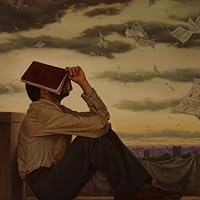
در کل،آدمها بیشتر خوبند تا بد؛ولی نکته این نیست .آدمها کم وبیش نادانند؛ و همین بیشی و کمی دانایی است که شرارت و فضیلت می نامیمش . اما بزرگترین شر چاره ناپذیر آن نادانی ست که خیال می کند همه چیز می داند و بنابراین به خود حق کشتن می دهد .
Displaying 1 - 22 of 22 reviews